
HOMETOWN

A Fish Tale
And a queasy oceangoing interview
By Bill Fields
It’s prime bluefish season in my adopted home state of Connecticut, where anglers pursue the aggressive and toothy species in Long Island Sound. Our now-defunct local minor league team, the Bridgeport Bluefish, had a fitting name. Its logo — cartoon fish with baseball bat — wasn’t in the legendary graphic-design class of another long-gone franchise, the Hartford Whalers, but was very good.
I still remember the fight put forth by a blue I reeled in some years ago when a friend’s father took us out on his boat. It weighed about 10 pounds, the biggest fish I’d ever caught. Because of their strong flavor and oily nature, blues aren’t the best eating. But my host kindly cleaned my catch, and I was determined to have it for dinner.
Although my girlfriend was a good sport and cooked it, the kitchen reeked for hours after a meal that neither of us wanted to replay. We agreed if there were any more bluefish in my future that a catch-and-release policy would be in effect.
My most memorable — and unexpected — fishing experience had taken place a decade earlier on the other side of the country in the company of one of the 20th century’s finest golfers.
In advance of the 1998 U.S. Open at the Olympic Club in San Francisco, I was writing an in-depth feature for Golf World recalling the leading characters in a previous Open at Olympic: 1966, when Billy Casper defeated Arnold Palmer in a playoff after trailing him by seven strokes with nine holes left in the fourth round. It was Palmer’s most heartbreaking attempt in his unrequited quest to add a second U.S. Open title to his dramatic 1960 victory.
Understandably, Palmer wasn’t eager to rehash the details of 1966, but he agreed to a short interview, which took place in the parking lot of a Senior PGA Tour event as he regripped his clubs with fresh leather wrapping. Casper, on the other hand, whose 51 PGA Tour wins are the seventh-most all time, welcomed a visit.
I had arranged to meet Casper at his San Diego home, but when I phoned to touch base on the day I was traveling west, he called an audible. “Let’s go fishing,” he said, before telling me where to meet him on the waterfront that evening. I assumed we would be going out in the Pacific Ocean on his boat. Upon arriving, however, I discovered Casper and I were among half a dozen passengers on a charter vessel motoring about 50 miles overnight and fishing for yellowtail the next day.
I settled into my bunk excited at the prospect of a captive interview subject. I woke up with a queasiness I’d never experienced as the boat rocked back and forth, minor movements that were causing major motion sickness. Shortly after sunrise, it was all I could do to make it to the galley, where I found Casper.
“They make a great breakfast burrito,” he said.
As Casper chowed down, I nursed a ginger ale. Another fisherman, seeing that I was hurting, said he had an extra anti-nausea wristband for which I would have emptied my wallet. I put on his gift and soon rallied enough to start interviewing Casper, who was friendly but clearly more interested in fishing than talking: There wasn’t going to be much on my microcassette tape to transcribe.
There was little action once we were outside with rod and reel. I was excited to catch a 30-inch barracuda, but the deckhand, viewing it as a nuisance, took it off the hook and threw the thrashing fish back in the ocean before I had a chance to get someone to snap a photo of me with my catch.
Eventually, as the afternoon went on, Casper and someone else landed a few nice yellowtail. The trip wasn’t a shutout. My appetite having returned in the fresh air and sunshine, I enjoyed the deckhand’s offering of the freshest sashimi I’ve ever had.
When we got back to land 20 hours after heading out, Casper and I said our goodbyes. Walking a couple of blocks to my rental car after my first ocean excursion, my legs felt as wobbly as Palmer’s game had been that fateful final nine in 1966.














 Clyde Edgerton was inducted into the North Carolina Literary Hall of Fame in 2016. He is the
 Jill McCorkle was inducted into the North Carolina Literary Hall of Fame in 2018. Her first two novels were published simultaneously in 1984 by the newly launched Algonquin Books of Chapel Hill. The author of seven novels and five short-story collections, her many accolades include the John Dos Passos Prize for Excellence in Literature and the North Carolina Award for Literature.
 Daniel Wallace will be inducted into the North Carolina Literary Hall of Fame in 2026. He is the author of six novels, a memoir, a short story collection and a children’s book. Wallace is the J. Ross MacDonald Distinguished Professor of English at the University of North Carolina at Chapel Hill, his alma mater.
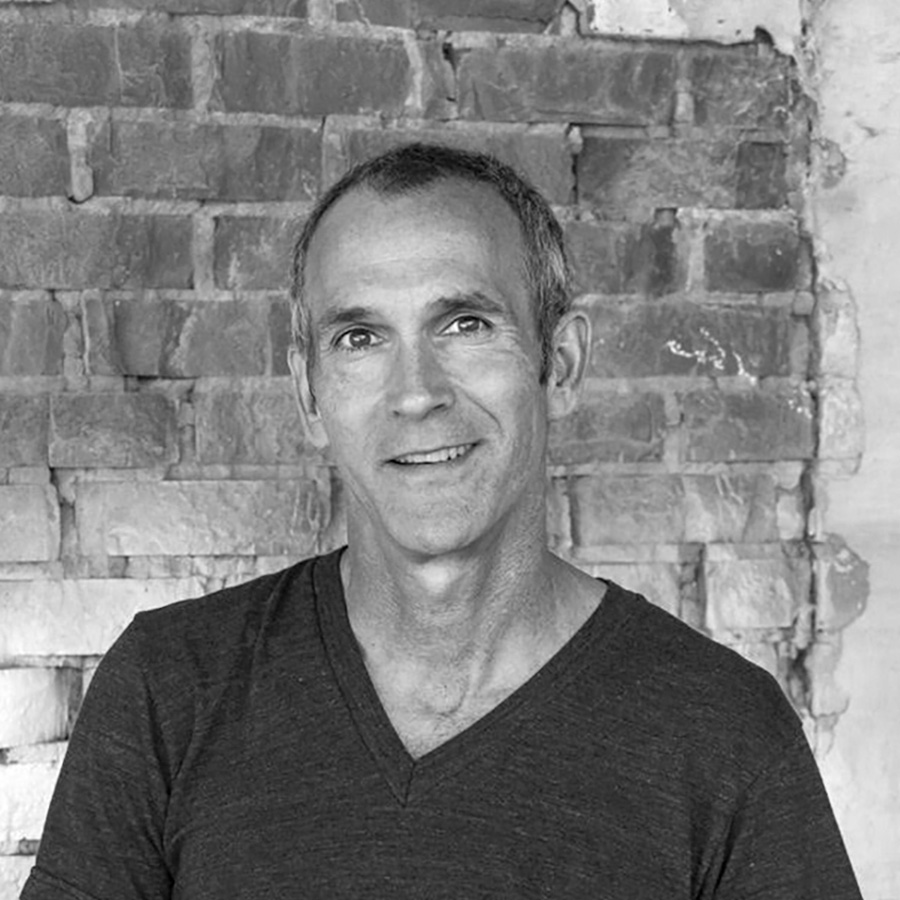 Michael Parker will be inducted into the North Carolina Literary Hall of Fame in 2026. He is the author of eight novels and three collections of short stories. He has received fellowships in fiction from the North Carolina Arts Council and the National Endowment for the Arts, as well as the Hobson Award for Arts and Letters, the North Carolina Award for Literature, and the 2020 Thomas Wolfe Prize.
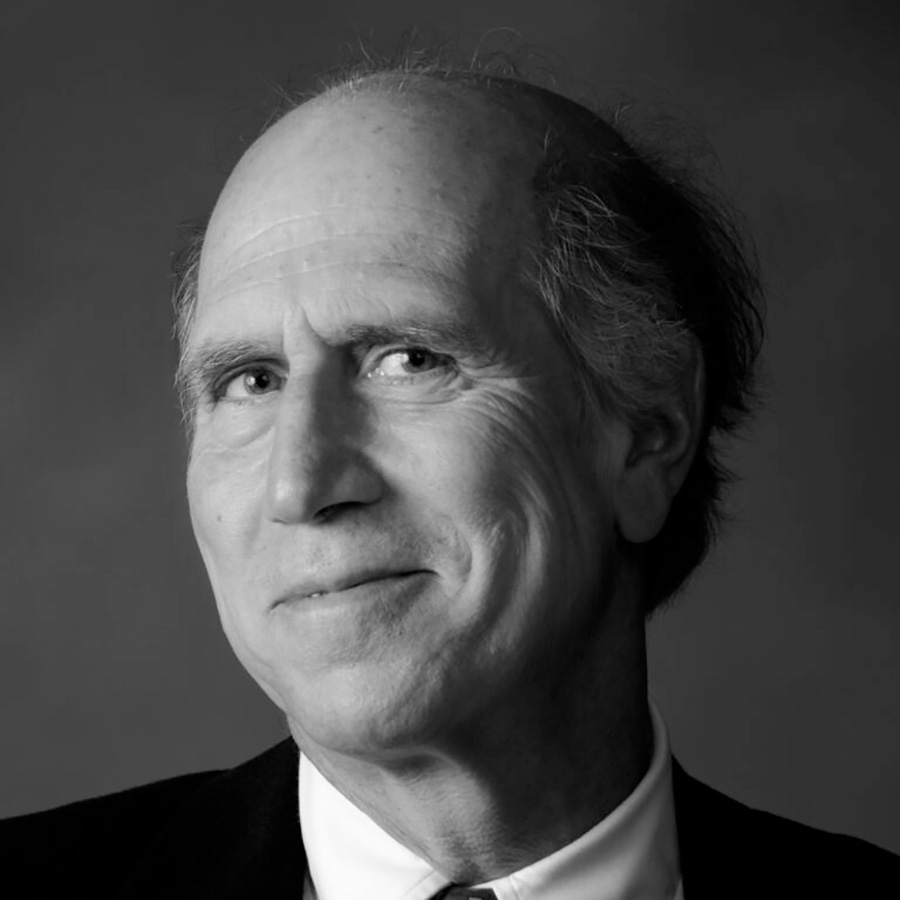 Joseph Bathanti was inducted into the North Carolina Literary Hall of Fame in 2024. Among his many awards are the Sam Ragan Fine Arts Award, the Sherwood Anderson Award and the North Carolina Award for Literature. He is the author of over 20 books, including poetry, novels, short stories and nonfiction. He was North Carolina’s poet laureate from 2012-14 and joined the faculty of Appalachian State University in 2001.
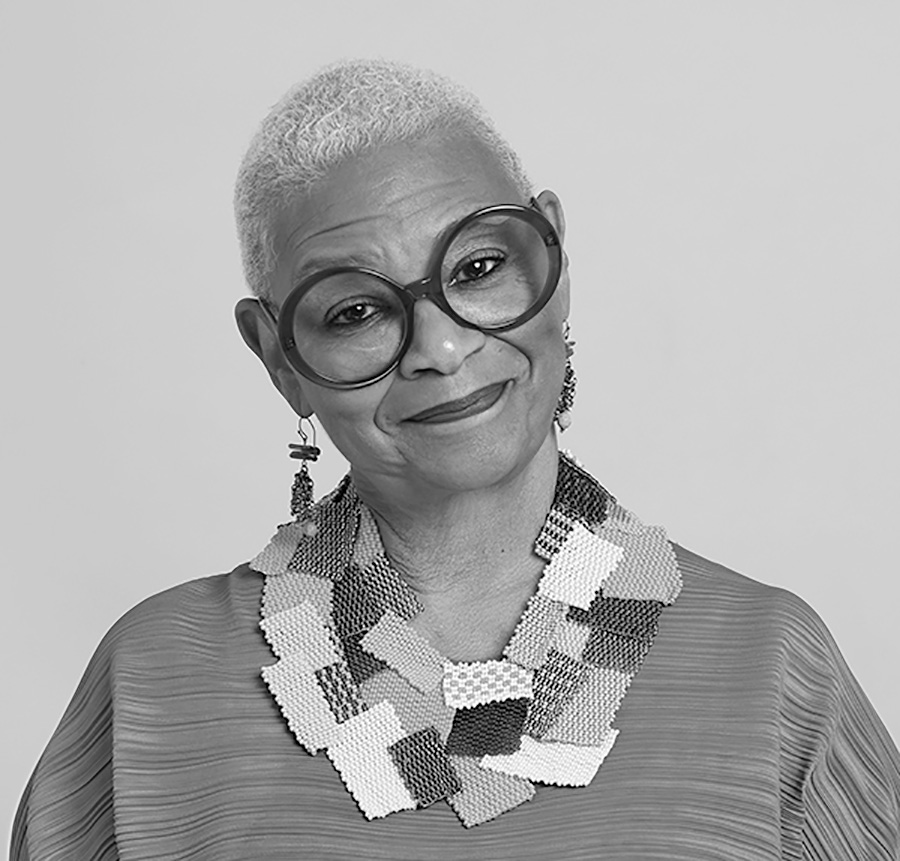
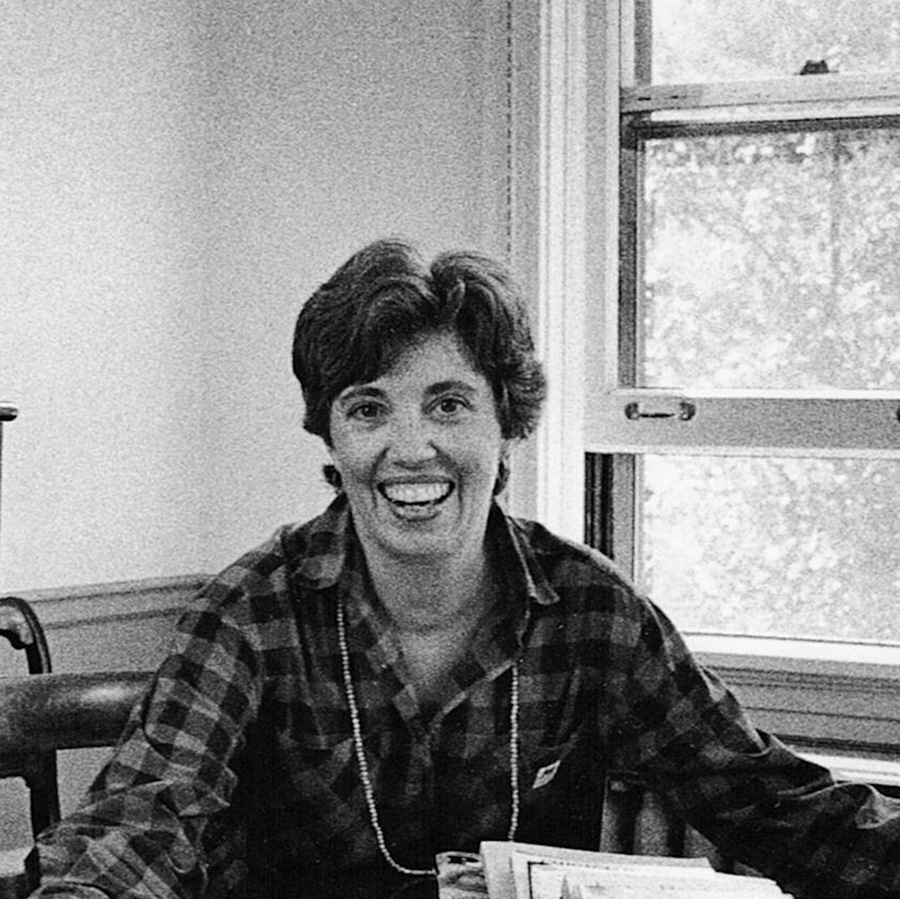 Shannon Ravenel will be inducted into the North Carolina Literary Hall of Fame in 2026. Born and raised in Charleston, South Carolina, she was editor of the Best American Short Stories series for 13 years and one of the founders of Algonquin Books of Chapel Hill. In 1986 she introduced the annual anthology New Stories from the South. During her time at Algonquin, Ravenel nurtured and advanced the work of numerous writers from the American South, including Clyde Edgerton and Jill McCorkle.