Birdwatch

BIRDWATCH

Cold Customers

Return of the dark-eyed juncos

By Susan Campbell

“The snowbirds are back!” No, not the thin-blooded retirees: They won’t be back until spring. These are the little black-and-white sparrowlike birds that appear under feeders when the mercury dips here in central North Carolina. They can be found in flocks, several dozen strong in some places. And, in spite of what you might think, they are far from dependent on bird seed in winter.

Dark-eyed juncos are a diverse and widely distributed species. Six populations are recognized across the U.S., Canada and Mexico. Slight but noticeable variations in appearance constitute the difference in these populations. Some have white wing bars while others sport a reddish back and the birds in the high elevations of the Rockies are recognized by extensive pinkish feathering on their flanks. Our eastern birds are known as “slate-colored juncos” for their dark brown to gray feathering. They are accustomed to cold temperatures whether in summer or winter. As with most migrant songbirds, their migratory behavior is based on food availability, not weather. Flocks will fly southward, stopping where they find abundant grasses and forbs. They will continue on once the food plants have been stripped of seed.

Dark-eyed juncos can be found throughout North America at different times of the year. During the breeding season, juncos are seen at high elevation across the boreal forests nesting in thick evergreens. Our familiar slate-colored variety breeds as close as the high elevations of the Appalachians. You can find them easily around Blowing Rock and Boone year-round. These nonmigrants actually have shorter wingspans as a result of their sedentary existence. Watch for male juncos advertising their territories up high in fir or spruce trees. They will utter sharp chirps and may string together a series of rapid call notes that sound like the noise emitted by a “phaser” of Star Trek fame.

In winter, flocks congregate in open and brushy habitats. Juncos are distinguished from other sparrows by their clean markings: dark heads with small, pale, conical bills, pale bellies and white outer tail feathers. Females have a browner wash and less of a demarcation between belly and breast than males. They hop around and feed on small seeds close to ground level. Some individuals can be quite tame once they become familiar with a specific place and particular people. Juncos do communicate frequently, using sharp trills to keep the flock together. They will not hesitate to dive for deep cover when alarmed.

So, the next time you come upon a flock along the roadside or notice juncos under your feeder, take a close look. These little birds will be with us only a few months, until day length begins to increase and they head back to the boreal forests from whence they came.

Almanac January 2026

ALMANAC

January

By Ashley Walshe

January is an ancient remembering; a rush of cold; the crunch, crunch, quiet of naked woods.

This new day, sunlight caressing the frigid earth, inspiration knocks with the clarity of woodpecker drumming against towering pine. Bundled in layers, you lace up your boots, leash up the dog, make for the leaf-littered trail in the open, unobtrusive forest.

Crisp air fills your lungs with a sense of wildness, each breath sharpening your instincts, expanding your horizon, deepening your kinship with the natural world. As dead leaves rustle beneath feet and paws, the wisdom of animal awakens within you. This isn’t just a walk in the wild. It’s a homecoming.

Despite the bleakness of this winter landscape, the sting of the cold, you feel a surge of bold and blissful aliveness. At once, emptiness becomes threshold of infinite possibility. At once, the unseen sings out.

Opossum tracks spell midnight wanderings. A circling hawk graces a vibrant blue sky. Dog presses warm snout to damp earth and listens.

You listen, too, noting the rhythm of your breath, the cadence of your footsteps, the distant crack of hoof upon fallen branch.

Beyond a young beech tree, its pale leaves suspended like a murmuration of ghosts, half a dozen white-tailed deer stand invisible against the sepia backdrop. But here’s the thing: A veil has been lifted; your vision, clarified. You can sense the wild stirrings of these hollow woods. Your breath in the cold is living proof.

Keeping it Real(istic)

The New Year has a way of making us believe that anything is possible — and why not? But we do love to set lofty (read delusional) goals for ourselves, don’t we?

Who thought this was a good idea?

The ancient Babylonians were perhaps the first. Some 4,000 years ago, during their 12-day Akitu festival, “promises to the gods” were made to earn their favor or repay debts. The ancient Romans adopted this ritual to honor Janus (god of beginnings, transitions and time), while early Christians reflected on past transgressions and resolved to “be better” at the start of the bright, new year.

“New Year’s resolutions” entered modern vernacular by the 19th century, becoming a largely secular practice. This year, should you make a promise to yourself, earn your own good favor by breaking large goals into smaller steps. And, whatever your commitment, do it from a place of genuine desire — not just because you think you should.

New Year, New Earth

Suppose we resolved to live in greater harmony with the Earth this new year. Small changes can make a big impact. Below are a few suggestions to deepen your relationship with the natural world and, perhaps, reduce your carbon footprint. Feel free to make your own vow, of course. This is strictly between you and Mama E.

  • Wake up to watch the sunrise
  • Support your local farmers market
  • BYO reusable shopping bags
  • Choose native plants and pollinators for the garden 
  • Ditch bottled water (and single-use plastics) 
  • Visit your local nature preserves 
  • Spend more time barefoot on the earth  
  • Pause to watch more
    sunsets 

Out of the Blue

OUT OF THE BLUE

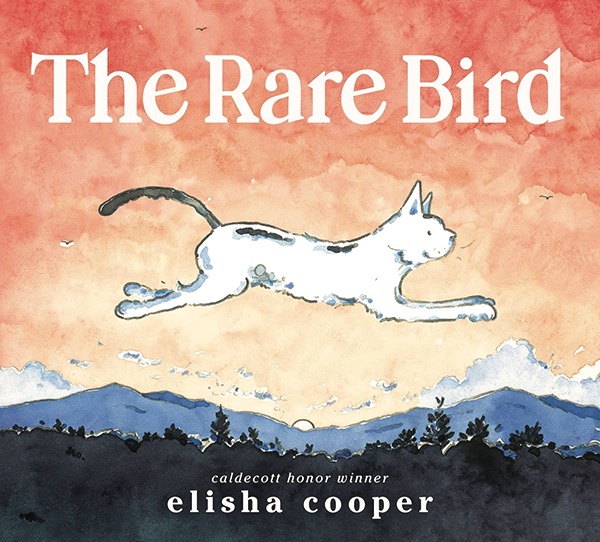
Ode to Snoball

A kitty worth the scratch

By Deborah Salomon

I am a lifelong animal lover/rescuer/advocate. I don’t just donate. I adopt. Since the 1970s I have opened my door and heart to one, two or more hungry, cold, injured, pregnant kitties at a time. Three years ago, when my precious black satin Lucky and fussbudget Missy passed on, I decided it was time to retire. Then, on a frigid January night, a pure white apparition with blue eyes and pink mouth appeared at my door. Her family had moved on, left her behind, I later learned. I opened the door. She crept inside. End — no, beginning — of story.

I named her, obviously, Snoball.

I allow myself just one kitty column a year, in January. The subject is usually behavior. Because cats could not be more fascinating, even when destroying furniture.

Snoball, a princess of incredible beauty, is also a chatterbox: She talks. With inflections that, I imagine, express her opinions on many things, from a big black beetle scurrying across the floor to my reluctance to let her climb into the fridge crisper. Snoball likes lettuce. Even better, she likes chewing the plastic around the lettuce. Maybe cats know their people are polluting the world with plastic. They’re just trying to help.

Other times her chatter sounds like two grannies outbragging each other re: grandkids’ achievements. Snoball plays the lawyer card, which always wins.

I know from experience that two cats are easier, although more expensive, to live with than one. They keep each other busy. Ever noticed how noses twitch silently as they watch stupid commercials on TV? If it’s a “fixed” male-female duo the gal usually calls the shots. Sometimes she develops a fetish. I once had a kitty named Sophie who had a corn fetish. She would attack the grocery bags I brought in, looking for an ear of corn. Woe was me if the supermarket failed in December. I would put the ear on the floor where Sophie covered it, like nesting with kittens. She lost interest when the husks dried up.

Cats are tricky eaters — a problem since their food is so varied and expensive. Instead of canned I usually buy boneless chicken on sale, boil, chop fine and freeze with broth in batches, which I thaw and mix with high-quality kibble. Snoball greets this yummy meal with mixed reactions, which include sniffing, walking away, waiting to see if anything better’s forthcoming before returning to lick-’n’-pick.

But if a meal is late, she lets me know with a dirty look and snide remark. I guess she forgot about being outside, cold and hungry.

Despite a reputation for aloofness, kitties do know how to initiate and return love. Snoball’s signal is the long-handled brush. Brushing puts her in a trance. So does stretching out across my lap for the rubdown, which releases a cloud of white fur requiring a special rake to pry it off the carpet.

When not napping on my sofa or upholstered chairs, Snoball, an inside only kitty, follows the sun around five window perches. Two overlook bird feeders. She chatters the squirrels away, much preferring bird antics, which she follows like a tennis match.

Only once did she attempt an escape . . . in the pouring rain. Lesson learned.

Still unlearned . . . to keep those wicked claws furled. My hands and arms are black and blue with bruises, just from play, of course. But when Snoball wants to play, “no” is not an answer. Her favorite nip is a bare ankle. I bought an expensive hopping toy for distraction. She bestowed a deprecating look and swatted my knee.

But knowing she’ll be at the door when I arrive home, and at my feet when I climb under the covers, is worth a few drops of blood.

Because she’s my Snoball . . . and I love her. 

Sporting Life

SPORTING LIFE

Restoring the Soul

Pausing for a solitary side trip

By Tom Bryant

It’s ironic that three days before Thanksgiving in 2024, a time of celebration and great revelry, I was told that I almost died.

It all started in July of that year. Now I’m pretty much a healthy, in-good-shape guy. Always have been from early childhood to what is often laughingly referred to in today’s society as geezerhood. Played sports in high school and college, joined the Marines in a fit of finding myself. I found myself alright. The Marine Corps taught me in a short time to look after my body. I’ve fished and hunted and camped from Florida to Alaska always in good condition and good humor. I take a multivitamin and a 10-milligram Simvastatin daily, and that’s the extent of my pills.

So what happened? Coming home from the beach one Sunday morning, I noticed a recurring sharp pain in my lower abdomen. It went away and I thought no more about it. I had my annual physical coming up in a week or so, and I figured I’d tell the doctor about it then.

After several tests, my local physician referred me to the urology department at First Health. The results from an exploratory surgical operation weren’t that good. Linda, my bride, was there with me in the recovery room and she told me tearfully that I had cancer.

There. Those three magic words that will turn anyone’s world upside down. “You Have Cancer.”

I remember I was kind of dopey recovering from the anesthesia, and the first thing that entered my mind was, “This is gonna play hell with early fall fishing.”

Later, as the reality of the situation began to sink in, I was upset that not only was I in for a bad time, but Linda was going to have to suffer with me. I remembered some of the stages that a new cancer patient goes through: fear, anxiety, sadness, anger. Sure, I had some of those feelings but I made up my mind that just like many other adventures in my life, I was gonna consider this another hazardous occurrence, a learning experience, and play it to the hilt.

The folks at First Health referred me to the specialists at Duke, and I was off and running. Linda and I made appointments to meet with the recommended oncologist and surgeon bright and early on a Tuesday morning in August. I remember the day because we cancelled a beach trip scheduled for that week.

The people at Duke have a cancer center bigger than any health facility I’ve ever been in. The entire building, all five floors, is dedicated to cancer patients, and from the valet folks who park your car to the individuals in charge of information who point you in the right direction, we never felt out of place.

We met with the oncologist first, and she laid out a program of chemotherapy, about two months’ worth, that would take place before the surgery. We then met with the surgeon who explained the procedure and what I could expect during the recovery period. When I asked what would happen if I decided to let nature take its course, he simply replied, “You’ll have about nine months.”

We made arrangements and appointments, going along with all the recommendations from the experts, collected our car from valet parking and headed home.

“We’ve got a couple weeks before the chemo stuff starts. What say we go to the beach?” I asked Linda as I dodged in and out of the breakneck drivers who seem to hang around the high-speed highways.

“I vote for that,” she replied. I could tell that our recent experience with the doctors was a lot for her to take in. Me too.

The beach was wonderful. I didn’t even carry fishing equipment, and we left the little Airstream at home. All we did was hang out, reminisce about old times, and enjoy good seafood. We stayed at one of our favorite hotels right on the beach. We talked and talked and talked. Always in the back of our minds was the upcoming ordeal and the best way to handle it.

My brother had passed away two years before from lung cancer, so we were not entering our upcoming travail totally unprepared. We knew what could happen.

Our son, Tommy, was constantly in touch, not wanting to be too far from all the decisions. By now, the word was out about my health situation and the phone started ringing off the hook — not my phone, mostly Linda’s. Family and friends wanted to know what they could do to help. I was amazed at all the good wishes that came in from friends everywhere.

In September our ordeal began. Although I didn’t have a lot of side effects, chemotherapy exhausted me. I didn’t lose all my hair but I did lose a lot of weight. The folks at Duke were amazing. Never have I met such caring people.

I had to bail from chemo right before the last infusion. It seems that the chemicals in the stuff not only kill cancer but can also destroy hearing. The oncologist said enough’s enough. The surgery was in about two weeks.

The next day I decided to ride out to the old tobacco farm that my good friend Joe Rosy owns. He lets me have access to the farm to bird hunt. The part of the land I use is about 150 acres located close to Drowning Creek. It’s where I go to restore my soul and remember what living is all about.

Usually I’ll park the Cruiser and walk, but with my energy at ebb I rolled down the windows and, at crawl speed, drove around the familiar property. There was the cut in the pines that led to where a used up sawmill once stood. Mackie, my little yellow lab jumped a pair of quail every time we went to the spot. I never did shoot — just seeing them fly was enough.

On the corner of the pine stand that Joe uses to harvest pine straw was a tall longleaf that I would sit under, waiting for the evening flight of dove. I drove on around the harvested soybeans and took the minuscule path that serves as a road between the two barns. At the end of the road, surrounded by pines, is a small field of maybe 10 acres. I got my first turkey there, hunkered down at the tree line. He was a big one, 21 pounds.

I pulled the truck up under a big white oak, took a water bottle from the cooler. I always carry a portable folding chair in the back of the Cruiser, and I decided to sit for a spell. Several years ago, I sat in this same spot on the day I carried Mackie to the vet to have her put down. She was past help, in her old age, hips gone and suffering. The vet said it was time. My dogs have always been family and that special, sad time was locked in my memory. On that day there had been a big red-tailed hawk circling the woods down close to the pond and, as I sat there kicked back, sipping water, I saw a red-tail flying in exactly the same location. Wonder if that’s the same bird, I thought. Naw, too long ago. Could be an offspring though.

In a little while, watching and taking in the peacefulness of the little farm, I became worried that Linda might be concerned, and I decided to head on back home. The big cancer operation was scheduled and our hands would be full.

As I eased out to the main road and got out to close the gate, I could still see the hawk. He was wheeling about, out over the fields now, climbing higher and higher. I watched until he was almost out of sight, then I got in the Cruiser and headed down the road toward home.

Golftown Journal

GOLFTOWN JOURNAL

A Quick Nine

The Pinehurst experience

By Lee Pace

In June I will complete revolution No. 69 around the sun. As a new year dawns, it’s natural to pause, reflect and be grateful for what you’ve experienced. One very satisfying and interesting compartment of my professional life has been chronicling golf in Pinehurst — beginning in 1987, when I quit my last real job to forage an existence amid words, photos, paper and ink (later adding packets and protocols and something called HTTP).

So, I’m lucky indeed for having been able to write my Quick Nine stories of the Sandhills.

The 1980s/’90s Resurrection of Pinehurst — First there was the 75-year era of the founding Tufts family in Pinehurst. Then the awkward and clumsy decade of Diamondhead. Then in marched Robert Dedman Sr., of Dallas. “Partner, I think this place is worth saving. This is one of those places you just can’t duplicate — it’s kind of like buying the St. Andrews of America,” Dedman said. It took time, money, astute leadership and vision. Gradually, Pinehurst once again became a player in American golf.

Payne Winning in 1999 — No one knew exactly what to expect when the USGA awarded Pinehurst No. 2 its first U.S. Open. Would the crowds come? Would the town support the influx? Would the golf course stand up? Those questions and many more were answered with shiny gold stars, the leading domino falling toward No. 2 being the first course designated as a U.S. Open Anchor Site. The drama and emotional wattage of Stewart rolling in a 20-foot putt on the last stroke of the championship was just icing on the cake.

The Life of Peggy Kirk Bell — She certainly knew how to play golf, having won the Titleholders and the North & South Women’s Amateur, and having been a founding member of the LPGA Tour. But Peggy and her husband, Warren “Bullet” Bell, learned the hospitality business as they went along, and Peggy turned an impromptu golf lesson to a lady guest in the 1950s into a thriving golf instruction business that in November 2025 saw Pine Needles Lodge & Golf Club hosting its 59th Couples Golf Jamboree. Her spirit permeates the Sandhills today.

The Last Amateurs — My 1991 book Pinehurst Stories was built around interviews and chapters on 18 elite names in golf who had a good story to tell from their golf lives around Pinehurst. Hands down the highlight of that research was interviewing and getting to know Billy Joe Patton, Harvie Ward and Bill Campbell — three elite players from the mid-1900s with magnificent amateur records. Patton cried talking about his Pinehurst experience. Ward’s eyes twinkled. And Campbell spoke with a notable degree of eloquence. All three loved the Sandhills.

Ben Hogan’s First Win — Hogan was winless in eight years on the pro golf tour in March 1940 and just about to call it quits. A club pro job was waiting for him at home in Fort Worth. But the volcano detonated in the North & South Open on the hallowed ground of No. 2, with Hogan shooting a tournament record 277. From there he went to Greensboro and Asheville and won two more tournaments, breaking par in 11 of 12 rounds. The world of golf never knew what hit it.

The Coore/Crenshaw Project — “This will be the smartest thing we’ve done or the dumbest,” said Pinehurst owner Bob Dedman Jr. in 2010. Dedman had just given golf architects Bill Coore and Ben Crenshaw license to dial the clock back on his No. 2 jewel to an era broadly defined as “The Golden Age” between Donald Ross’ death in 1948 and Pinehurst’s sale to the Diamondhead Corporation in 1970. It was a brilliant move indeed, restoring the course to the gnarly look of Ross’ homeland in Scotland.

The Changes in the Village (Not) — Pat Corso, the president and CEO of Pinehurst Resort from 1987-2003, looked at a vintage black and white aerial photo of the village of Pinehurst one day in the early 1990s. The photo was taken probably in the 1950s. “Except for the cars, it looks exactly the same,” he said. It would today as well. Marty McKenzie, a lifelong Pinehurst resident and businessman, likes to call it “The Magic Bubble.” There is still nothing garish or gaudy inside that bubble.

The Walking Game —  Pinehurst owner Richard Tufts once said there would never be golf carts in Pinehurst. They defied the spirit of the old Scottish game, he said. Of course, Tufts and his lieutenants bowed to market forces in the 1950s and ’60s and the resort followed national trends over the coming decades that sadly saw those infernal contraptions as the default mode to playing the same. Happily, those trends reversed as I chronicled in my 2021 book, Good Walks. Today at many Sandhills courses you can walk-and-carry, take a trolley or hire a caddie — golf as it should be.

The Dynamic Decade — It was a bold and drastic move for sure when Coore & Crenshaw stripped out all that lush green Bermuda grass on No. 2 and in its stead melded sand and wire grass and jagged edges. That set the template for a crescendo of adventurous change over the next dozen years — The Cradle short course, the rebuild of No. 4, the transformation of an abandoned steam plant into the Pinehurst Brewery, the launch of the satellite golf destination south of town with No. 10 (open) and No. 11 (under construction), and the USGA setting up shop with offices and the World Golf Hall of Fame.

It’s been quite a run. It’s been a blast to have a front row seat. 

Dissecting a Cocktail

DISSECTING A COCKTAIL

Tom & Jerry

Story and Photograph by Tony Cross

Long before flavored lattes at Starbucks, there was another creamy and sweet beverage that went hand-in-hand with cold weather.

The Tom & Jerry, named after the punch bowl and mugs, not the cartoon, is a warm, frothy variation of eggnog made with eggs, sugar, hot milk (traditionally hot water), brandy and rum. Though recipes have existed since the early 1800s, it was famed American bartender Jerry Thomas who was responsible for its revival in the Northeast. Author Amanda Schuster says, “From the 1930s to the late 1960s or so, it was adopted as a traditional winter treat all over the U.S., served as soon as temperatures dropped.” The tradition carries on today in colder cities, particularly the Midwest. Thomas’ recipe calls for hot water, but as bartender Jim Meehan points out, you should opt for whole milk instead: “There’s no way around this drink’s richness.” Below is Meehan’s recipe that he adopted from Audrey Saunders, bartender and owner of New York City’s famed Pegu Club.

Specifications

6 ounces whole milk, served hot

2 ounces Tom & Jerry mix*

1 ounce Remy Martin VSOP cognac

1 ounce aged rum (Plantation 5 Year, perhaps?)

Garnish: grated nutmeg

Execution

Preheat a coffee mug or teacup by filling it with boiling water, letting it sit until heated, then discard the water. Add cognac and rum, then add Tom & Jerry mix. Stir until evenly combined and top with hot milk. Grate nutmeg over the top.

*Tom & Jerry Mix

(Makes 48 ounces)

6 large organic eggs, yolks and whites separated

1 pound sugar

1 ounce Jamaican rum (Appleton works great here)

1/2 teaspoon ground allspice

1/2 teaspoon ground cinnamon

1/4 teaspoon ground cloves

1/4 teaspoon ground nutmeg

2 dashes Angostura bitters

1 tablespoon vanilla extract

In a medium bowl, whip the egg whites until stiff peaks form. In a separate bowl, whip egg yolks until they are completely broken up and smooth, then stir in the sugar, rum, spices, bitters and vanilla. Mix contents together in a large bowl and blend until it resembles a cake batter. Refrigerate to cool, store up to 2 days.

PinePitch December 2025

PINEPITCH

December 2025

Another Santa Sighting

The annual Southern Pines Christmas Parade is Saturday, Dec. 6, from 11 a.m. to 12:30 p.m. up and down Broad Street. There will be marching bands and Santa, of course, who dances to his own tune. For additional information go to www.southernpines.net. The fat man is in parade formation again on Saturday, Dec. 13, at 11 a.m. in downtown Aberdeen. Check him out at The Depot, 100 E. Main St. You can learn more at www.townofaberdeen.net.

Let There Be Light

The town of Aberdeen flips the switch on its Christmas tree on Dec. 4 at 6:15 p.m. at The Depot, 100 E. Main Street. Santa will be on hand for the festivities, of course. There’s additional info at www.townofaberdeen.net. Pinehurst fires up its Christmas tree on Friday, Dec. 5, from 5 – 7 p.m. (the lighting is officially set for 6:30 p.m.) at Tufts Memorial Park, 1 Village Green Road W. Santa overnighted in Moore County just so he could be in attendance there as well. For further information go to www.vopnc.org

Diggin’ It

It’s time for the Sandhills Community College Landscape Gardening Plant Sale. Students have been elbow-deep in potting soil caring for plants to brighten the holiday spirit. Find a favorite not named Audrey II at Steed Hall, 555 Lindberg Place, Pinehurst, from 9 a.m. to noon on Friday, Dec. 5.

Drop In

Ring in the New Year a bit early when the pine cone drops in downtown Southern Pines at 8 p.m. on Wednesday, Dec. 31. Festivities begin at 6 p.m. and include live music, carnival games and face painting. For more information go to www.southernpines.net.

Better Than the Griswolds

The 46th annual Episcopal Day School Tour of Homes is Sunday, Dec. 7, from 1 – 5 p.m. The self-driving tour features five beautiful residences ablaze with holiday cheer. Tickets are $20 in advance and $25 last minute. They can be purchased online or at the Episcopal Day School main office. For information and tickets go to www.ticketmesandhills.com.

Great Pipes

Enjoy the Metropolitan Opera performance of Andrea Chénier, Umberto Giordano’s passionate tragedy starring Piotr Beczala as a virtuous poet who falls victim to the intrigue and violence of the French Revolution. Showtime is 1 p.m. on Saturday, Dec. 13, at the Sunrise Theater, 250 N.W. Broad St., Southern Pines. For more information go to www.sunrisetheater.com.

Who Says Murder’s No Laughing Matter?

A wealthy, ailing billionaire summons his relatives to his mansion during a raging thunderstorm to announce changes to his will. Two things are bound to happen: The relatives learn they will be cut out of an inheritance they covet, and the wealthy uncle will end up dead. Sure enough, old Simon Starkweather is murdered, and the perpetrator could be anyone in the cast. Audiences will have a chance to play the guessing game at each performance of Murder’s in the Heir. The play runs in BPAC’s black box McPherson Theater, 3395 Airport Road, Pinehurst, Friday, Saturday and Sunday, Dec. 5 – 7, at 2 p.m. and 7 p.m. For tickets and info go to www.ticketmesandhills.com.

Fore the Park

The inaugural Drive “Fore” the Park golf tournament fundraiser in support of the Carolina Horse Park Foundation, Family Promise of Aberdeen, and Freedom Reins at Prancing Horse Center will be held at Southern Pines Golf Club, 290 Country Club Road, Southern Pines, on Wednesday, Dec. 17. For complete information go to www.carolinahorsepark.com/getinvolved.

Shaun Cassidy — The Road to Us will be Tuesday, Dec. 9 from 7 – 8:30 p.m. in BPAC’s Owens Auditorium, 3395 Airport Road, Pinehurst. For info and tickets go to www.ticketmesandhills.com.

5 Questions with Shaun Cassidy

1. You are a producer, an actor, a singer and an entrepreneur. On your Facebook page you simply describe yourself as a writer. Is that your true passion?

It all stems from writing. I am a storyteller and a producer. I like to make stuff, but to make stuff you need an architectural plan, and that is where the writer comes in. When I was starting out, acting and singing was all I knew in the arts because that was what I had been exposed to. Once I got in the door, I found that the writers’ room was more interesting than even being on the set.

2. How do you stay grounded and find joy through the ups and downs of show biz?

Quieter moments are healthier. I’m an introvert by nature. In order to process all the extroverted performing parts, I’ve always needed to go away and come out again. Writing gave me a better life and more time with my family, and I was fortunate that I was able to make that transition. 

3. Having grown up among entertainment legends, is there a life lesson from your parents or brothers that influences your career today?

It is less what they taught me and more by the example they gave. I have three very famous people in my immediate family. I grew up watching all of them and seeing how they managed their careers and the choices they made in their personal lives as a result of all that. All of their choices weren’t always good, but I learned from those as well. 

4. What drives you creatively at this stage of life? And how do you choose what’s next?

I get up every morning and I make something — I cannot not be involved in something creative. But it doesn’t have to be a song, or a concert, it could be remodeling a room in our house, or teaching a college class. One of the greatest things about having a long career is you are in a position to nurture younger people. 

5. You’ve described your “Road to Us” tour as a love letter to fans. When or what inspired the words and music for your new songs on the album?

I kind of crafted the story I wanted to tell and found that I didn’t always have a song to support that, so I created it. I’ve written new songs and that was a great experience, too. “Road to Us” feels like a full-circle experience. It is not just me stopping to play a song, it is to support something I am talking about in the show.”

Soundtracks of the Season

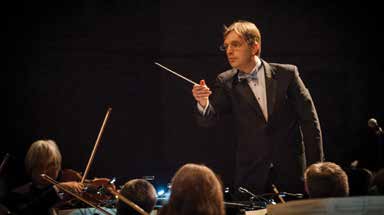
The Carolina Philharmonic Orchestra under the direction of David Michael Wolff plays cherished holiday favorites — including featured performances by Michael Campayno and Joyce Reehling — on Friday, Dec. 5, at 7:30 p.m. and Saturday, Dec. 6, at 3 p.m., in BPAC’s Owens Auditorium, 3395 Airport Road, Pinehurst. For tickets and information call (910) 687-0287 or go to www.carolinaphil.org.

The Sandhills Community College Music Department holds its annual holiday concert on Sunday, Dec. 7, at 3 p.m. Music students and faculty will be joined by the SCC Choir performing holiday faves, also in BPAC’s Owens Auditorium. For more information and tickets go to www.sandhillsbpac.com/events.

The Moore Philharmonic Orchestra celebrates the season on Saturday, Dec. 13, with its annual holiday concert at 7 p.m. in the Robert E. Lee Auditorium, 250 Voit Gilmore Lane, Southern Pines. For more information go to www.mporchestrta.com.

The Moore County Choral Society, along with Moore Brass, launches its 51st season on Sunday, Dec. 14, at 7 p.m., with “Love Came Down” at BPAC’s Owens Auditorium, 3395 Airport Road, Pinehurst. Get info at www.ticketmesandhills.com.

They’re back! A Christmas tradition like no other, the “Murphy Family Christmas” brings joy and music to the stage of the Sunrise Theater, 250 N.W. Broad St., Southern Pines, at 3 p.m. on Sunday, Dec. 14. For information go to www.sunrisetheater.com.

Good Shot Judy & The Satin Dollz return to the Sunrise Theater, for their holiday spectacular “A Crooner’s Christmas” at 7 p.m. on Tuesday, Dec. 16. Tickets and info at www.sunrisetheater.com.

Last but not least, Moore Philharmonic’s string quartet delivers an evening of elegance and classical favorites surrounded by hundreds of flickering candles in “Christmas in Candlelight” at the Sunrise Theater, on Friday, Dec. 19, at 7 p.m. Tickets and details at www.sunrisetheater.com.

Almanac December 2025

ALMANAC

Almanac December

By Ashley Walshe

December is a skein of yarn, a simmering stockpot, a cat curled by the fire. Cast on. Breathe in the warming spices. Listen to the wisdom of gently crackling oak.

Wood and wool hold memories of winters past: silver storms; frost-laced mornings graced by tender sunbeams; resplendently starry nights.

You study your hands, slightly dry, recalling all they have held this year; all they have released. They tucked seeds into dark earth, plucked wildflowers, cupped sun-ripened berries, healed wounds, watered plants, wiped tears, prepared meals, gathered kindling.

Knit one, purl one; repeat.

When the fire pops, the cat unfurls like a spring fern, stretches out its toes, then drifts again into dream world.

Knit one, purl one; repeat.

As the cat stalks summer crickets and field mice behind closed eyes, you lay down your craft, stoke the fire, head for the stovetop. Lifting the lid, you unlock memories of winters past, mashing the now-soft apples as you inhale the spicy-sweet amalgam.

Back at the fire, you cradle a mug of homemade cider, watching the steam dance as whiffs of cinnamon and allspice ignite your senses. You look at your hands again, marvel at how they’ve been shaped by nature and time; at their wisdom, softness and resilience; at what they might yet hold. 

The cat yawns. You set down the cider, pick up the yarn. Knit one, purl one; repeat.

Winter’s Deep Sleep

For the natural world, life is slowing down.

Honeybees are clustered in their hives. Box turtles are burrowed in shallow soil. And black bears — over 20,000 of them in our mountain and coastal regions — amble to their dens, where cubs will be birthed in the heart of winter, during mama’s deep, long sleep.

When life feels busy, lean into the wisdom of our animal kin. Slow down. Get cozy. Remember that rest is a gift you can give yourself.

Homemade with Love

The holidays are upon us. Flickering candles and flashing lights spell Hanukkah, Kwanzaa, Christmas and Yule. But what of the lesser-known holidays? The weird and downright wacky ones?

Take Pretend to Be a Time Traveler Day, for instance, celebrated on Dec. 8. National Cat Herders Day (Dec. 15). Or National Ugly Sweater Day (the third Friday of December).

There’s a day for roasting chestnuts (Dec. 14), regifting (Dec. 18) and swapping homemade cookies (Dec. 22). 

And here’s one that might prove fun and fruitful: Make a Gift Day, on Dec. 3. Get creative. Let go of perfectionist tendencies. Pure and simple is part of the charm.

Sandhills Photo Club

SANDHILLS PHOTO CLUB

The Color Red

The Sandhills Photography Club was started in 1983 to provide a means of improving members’ photographic skills and technical knowledge, for the exchange of information, and, by club activity, to develop membership potential and public interest in the art of photography. For meetings and information visit www.sandhillsphotoclub.org.

Tier 3 Winners

Tier 3, 1st Place: Needs Some TLC by Dale Jennings
Tier 3, 2nd Place: Carnival Lights by Donna Ford
Tier 3, 3rd Place: Sun Kissed by Dee Williams

Tier 2 Winners

Tier 2, 1st Place: Portuguese Galochas by Donna Sassano
Tier 2, 2nd Place: Sharon White Riding for Team Red, White and Blue by Pam Jensen
Tier 2, 3rd Place: My Name is “Art” by Michael Sassano

Tier 1 Winners

Tier 3, 1st Place: TNT Microwave by Susan Capstick
Tier 3, 2nd Place: Hot Plate by Steve Bonsall
Tier 3, 3rd Place: Red Rose of Sharon Explosion by Patricia Scheil
Tier 3, Honorable Mention 1 : Fountain Leaf by Deb Castle
Tier 3, Honorable Mention 2: Amaryllis by Larry Thomas

Simple Life

SIMPLE LIFE

If Wishes Were Wheelbarrows . . .

Then babies would ride

By Jim Dodson

Twenty years ago, as part of our move home to North Carolina from Maine, I gave my beloved Chevy truck to a local kid who thought Christmas had come early. “Old Blue,” as I called her, was getting on in years and prone to stalling out from time to time. But, oh, how I loved that lady truck. She gave our tribe many fine memories, including a 6,000-mile camping-and-fly-fishing trip across the golden West with my 7-year-old daughter, Maggie, and our dog, Amos, that became the premise for a bestselling book and even a modest little film. 

Last Christmas, friends may recall, still pining for Old Blue, I jokingly wished that Santa would bring me a shiny new Chevy pickup truck. To help the old fella out, I even began scouting local Chevy dealers, hoping to find a deal on a nice new or used pickup truck that had my name on it. Unfortunately, the trucks I liked had eye-popping price tags, bad news for a recessionary Santa.

On one level, I’m glad my truck wish failed to come true. On another, everywhere I went in the city over the following year, I seemed to see fancy pickup trucks with old, white dudes like me behind the wheel, an unnaturally cruel sight for a fellow quietly suffering from years of truck lust.

So, I asked myself: What the heck does an old dude like me who lives and gardens in a quiet suburban neighborhood really need with a shiny new pickup truck?

The answer is nothing. Or pretty much nothing. 

On the other hand, if Santa had indeed brought me the shiny, new pickup I’d wished for, this year I could have impressed my neighbors by hauling home the largest Christmas tree ever in the back of my truck, a Currier and Ives scene for the age of consumer excess.

Instead, as usual, we purchased a lovely little fir tree at the roadside lot where we’ve found the “perfect” holiday tree for many years and drove it home on the roof of my elderly Outback. It looked sensational with its tiny lights glowing from our den’s picture window on a deep December night.

Still, old wishes die hard.

During an afternoon trip to the grocery store the other day, just when I thought my truck lust was finally a thing of the past, a white-haired fellow about my age parked beside me and climbed out of a beautiful, cobalt-blue Sierra Denali 1500. It was a real beauty, and for a crazy, covetous moment, I wished I had one just like it.

“How do you like your rig?” I cordially asked.

He beamed. “It’s absolutely fantastic. Gave it to myself when I retired last year. One of the new self-driving models with four-wheel drive and a crew cab that’s perfect for hauling our four grandkids around town.” He added it had all the latest high-technology toys plus real leather seats and a super sound system.

“Feel free to take a seat in it, if you’d like,” he graciously offered.

I thanked him but declined the offer and wished him happy grandkid-hauling, then went on my way, realizing that I evidently hadn’t quite gotten my yen for a shiny new pickup truck completely out of my system.

Fortunately, my next stop was Lowe’s Home Improvement, which brought me back to Earth. As I loaded 10 bags of mulch and a hundred pounds of organic garden soil plus several bags of dried manure into my trusty old Outback “garden car,” I realized some things are simply never meant to be.

Besides, suddenly I spotted something by the store’s front doors that I truly wanted and needed more than a fancy new pickup truck.

A row of shiny new wheelbarrows.

The act of making wishes is as old as the invention of the wheel.

In ancient European folklore, wishing wells were places where any spoken wish — often accompanied by a coin tossed into the water — was thought to be magically granted. The ritual itself was a means of connecting with the divine and requesting blessings or favors. Wishing wells, in fact, exist in the lore of almost every world culture and still have a place in modern society, often found in spiritual and historic gardens, and even used in contemporary fundraising campaigns. And don’t forget, as Jiminy Cricket pointed out, when you wish upon a star, your dreams may come true.

In the modern context, however, the word “wish” simply means “a desire or hope for something to happen,” which makes me hear my late papa’s voice on the subject.

He was something of an armchair philosopher. One of his favorite expressions was “Whatever is worth wishing for, son, is worth working for.”

Probably because I was such a wishful kid, I heard this pithy bit of armchair wisdom dozens of times while growing up. 

As an early reader of adventure books, for example, I wished and dreamed to someday be another Rudyard Kipling or Edgar Rice Burroughs, maybe even Jules Verne. Later, my literary wish grew into being the next T. H. White or Ernest Hemingway.   

On another front, because I was a kid who was happiest in nature, in a garden or on a golf course, I wished to someday be either a forest ranger or someone who built beautiful gardens for a living, maybe even a golf course designer.

None of these wishes came true.

Or did they? Fueled by such youthful desires, I grew up to become a newspaper reporter like my father and found that I was even more drawn to stories about real people, history, nature, poets and things that make dreamers wish for a better world. Along the way, I’ve also built five landscape gardens and even designed a popular golf course.

In short, I’ve lived long enough to know the old man was right — that if we wish for anything, including a better world, we all must work to make it happen. 

So, whether by starlight or ancient wishing well, this Christmas I’m wishing for a couple very special things: More goodwill and kindness to each other in our troubled human family, and a safe and happy delivery for my daughter’s baby girl, due to arrive on Christmas Eve.

As a new grandpa, I can’t wait to tool my first grandchild around in my shiny new wheelbarrow.