Cottage Comforts

Respectful renovation with a story to tell

By Deborah Salomon   •   Photographs by John Gessner

What happens when a real-life Mad Men ad man jumps the rat wheel, takes up home restoration, moves to Nantucket, reconnects with an architect friend at his daughter’s wedding — and marries her?

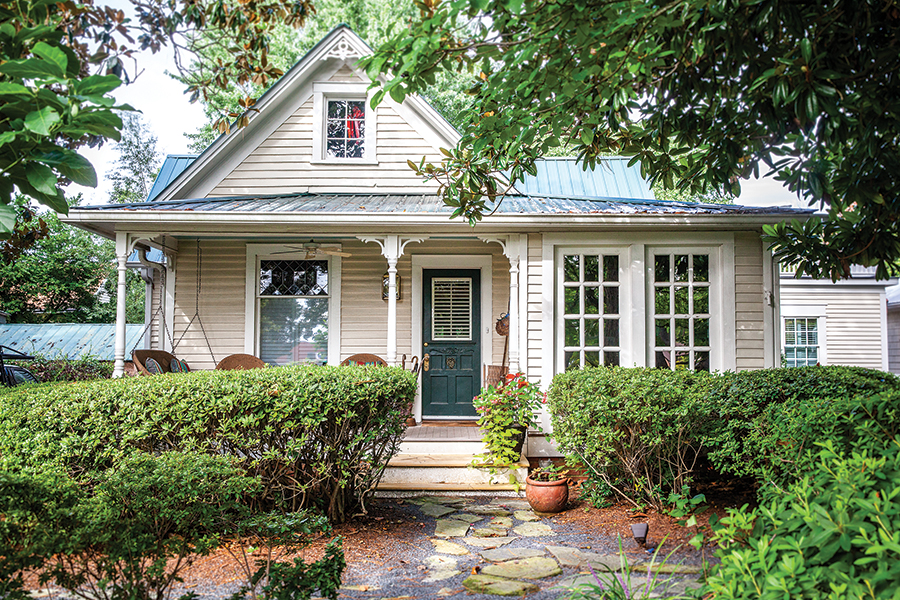
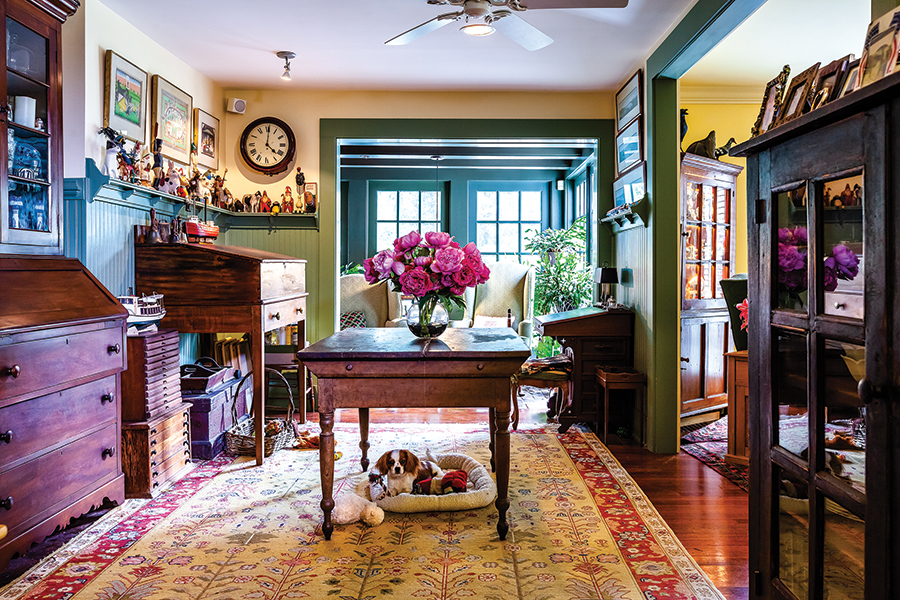
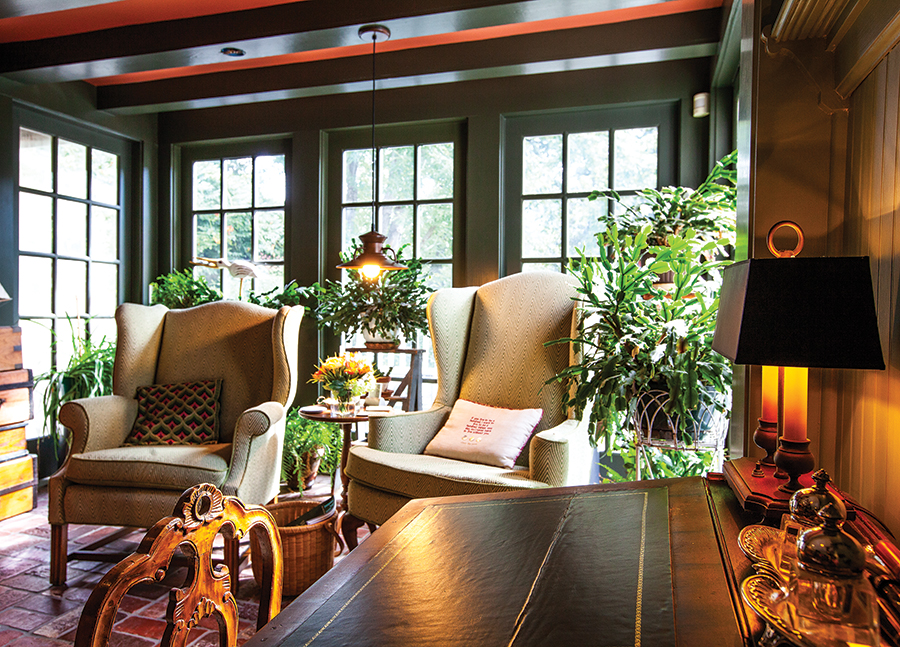
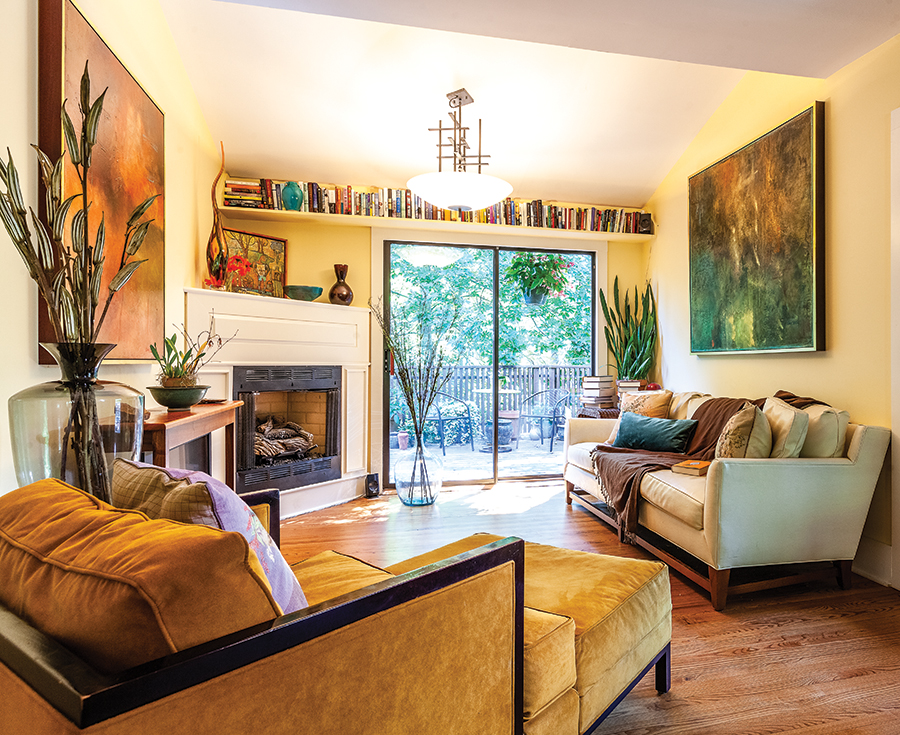
The obvious answer: They move to Southern Pines, buy a moldering cottage built in 1910, rip it apart and put it back together (she designs, he hammers) to resemble a period residence with tiny rooms, dark woods, deep green/barn-red/aubergine walls swallowed up by paintings, prints, memorabilia and collections. Modernity is limited to recessed lighting, radiant heat in the sunroom floor, Wi-Fi and AC. However, being practical, Scott and Francy Samuel rearranged space and added a sunken living room which, given its beams, wood-burning fireplace and antique furnishings (recliners notwithstanding) melts into the theme.

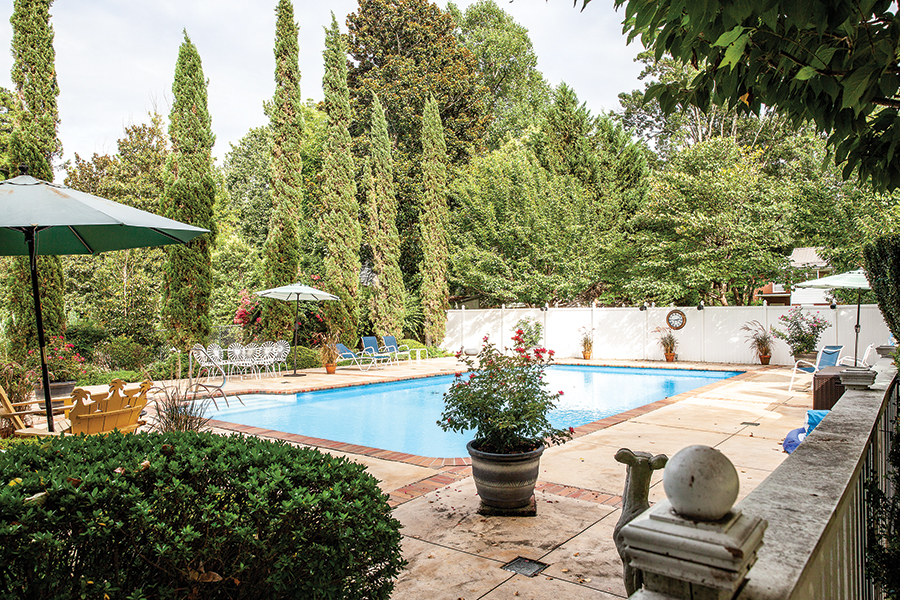
In contrast, a rear deck overlooks an acre of putting green grass bordered by 30-foot crape myrtles. Beyond that, a 20-by-40-foot pool. The contrast between recreated old and glamorous new . . . shocking, thrilling.

If ever a cottage required a docent — a catalog, at least — it is Cosmo, named for cosmopolitans, the Samuels’ favorite cocktail.

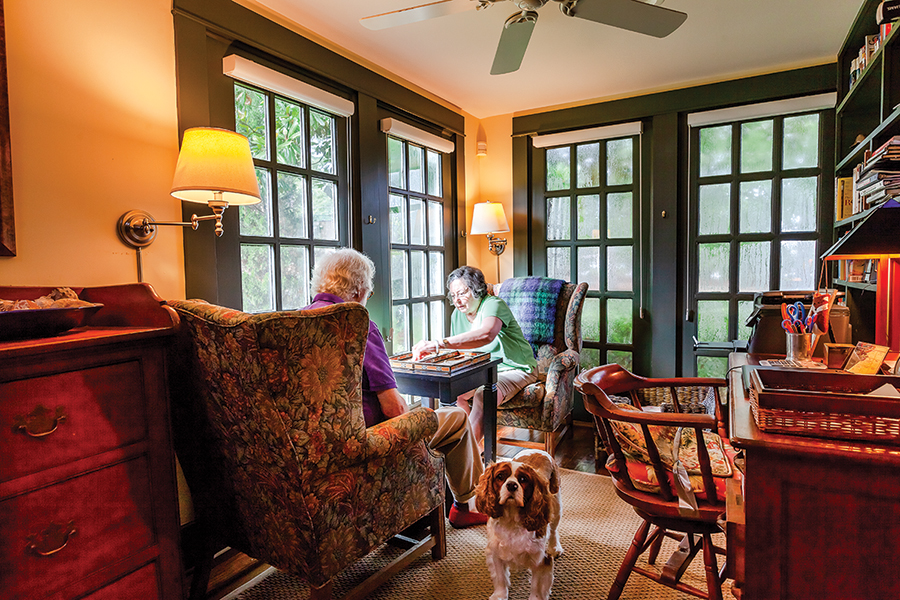
Francy, Scott and two Cavalier King Charles spaniels settle into chairs in the living room addition to relate their journey.

In the 1960s Scott pursued a career with top-drawer Madison Avenue ad agencies: expense accounts, martini lunches, other trappings of the trade as portrayed on Mad Men. He lived in a 20-room Tudor in Bronxville, a fashionable Manhattan suburb, and produced commercials for Mercedes, Nationwide and Maxwell House. Francy, who studied architecture after raising a family, designed high-end housing and residential projects for battered women, other special needs clients, in Boston. For each, the fast lane got too fast: “You get so embroiled in meetings, city permits,” Francy says. “I was relieved to come down here.” Scott: “Things started to change (in the ad world). Computers took over. Clients were merging. You could hear young footsteps closing in. The fun was gone.”

Scott discovered Southern Pines in the late 1990s, when he came down to help a friend convert a Knollwood mansion into a B&B. During a subsequent New England winter, Scott asked himself, “What am I doing here?” Francy had never been to North Carolina. “I expected to see lots of Taras.” Scott brought her down in June; they stayed at the renovated B&B. Late spring flowers bloomed everywhere. “People were so friendly,” she remembers. Taras were scarce, thank goodness.

They bought the cottage on Vermont Avenue in September 2001. After 9/11 small-town life seemed even more attractive. New construction wasn’t an option. Too many old houses in need of rescue, they decided.

Except this one was, Scott recalls, overrun with critters and falling apart; when a train roared by plaster fell off the walls. Architect Francy recognized good bones. “The house sat well on the property,” Scott noticed. Their hands-on reclamation took about a year.

Cottages built early in the 20th century between the tracks and the hotels housed support staff and merchants who served the affluent resort community. Little is known of Cosmo’s history except during World War II the owner’s wife made the second floor into an apartment with small kitchen, which Francy left intact, as part of her office. Surprisingly, the house had a basement — where Scott builds the Waldorf-Astoria of birdhouses — and a narrow garage, which they moved into the backyard, as a studio.

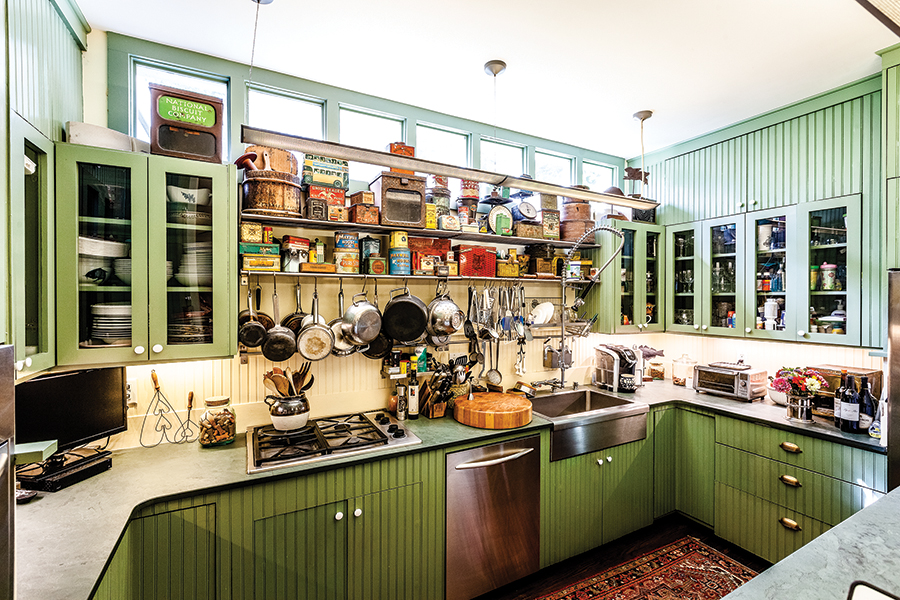
If the heart of a home really is the kitchen then the Samuels’ is well-placed in the middle, along an artery leading from front door to back wall. What a homey, cooked-in kitchen this is, since Scott and Francy share meal preparation. Light comes through transom windows placed ceiling-height. Scott constructed the beadboard cabinets painted a soft, archaic green. Washer and dryer are built into a divider separating the green slate counter from the pathway. Nearby, more beadboard conceals a fold-away ironing board common to homes of the era. Although smallish by contemporary standards, this carefully planned kitchen accommodates tandem cooking. When the meal is ready, Scott and Francy sit down at the dining room table, “like grown-ups,” Francy says, or eat on trays in the living/family room under the watchful portrait of an 18th century granny in bonnet peering down from the mantel. “Aunt Bertie” has become both friend and icon for their project, which had Francy coming down from Boston on weekends to draw plans for Scott to execute during the week.

The master bedroom tucked in a corner of the main floor barely holds a poster bed and antique case pieces. Francy converted a small second bedroom into dressing/closet space. The adjoining bathroom breaks from cottage classic with a wide-board floor splatter-painted by Scott, à la Jackson Pollock, against a black background.

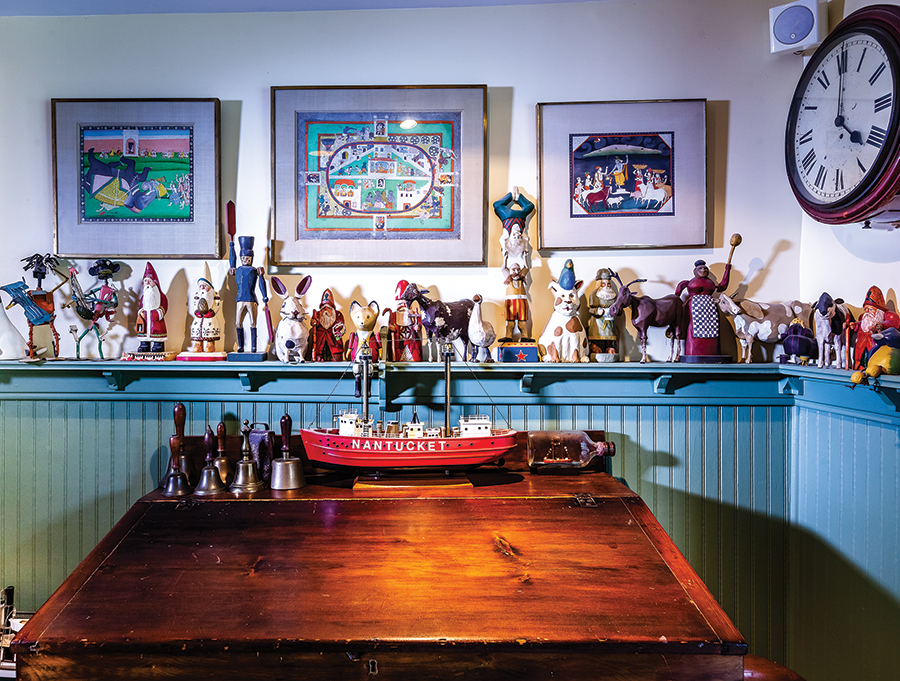
At Cosmo, one word demands a thousand pictures — that word being collections.

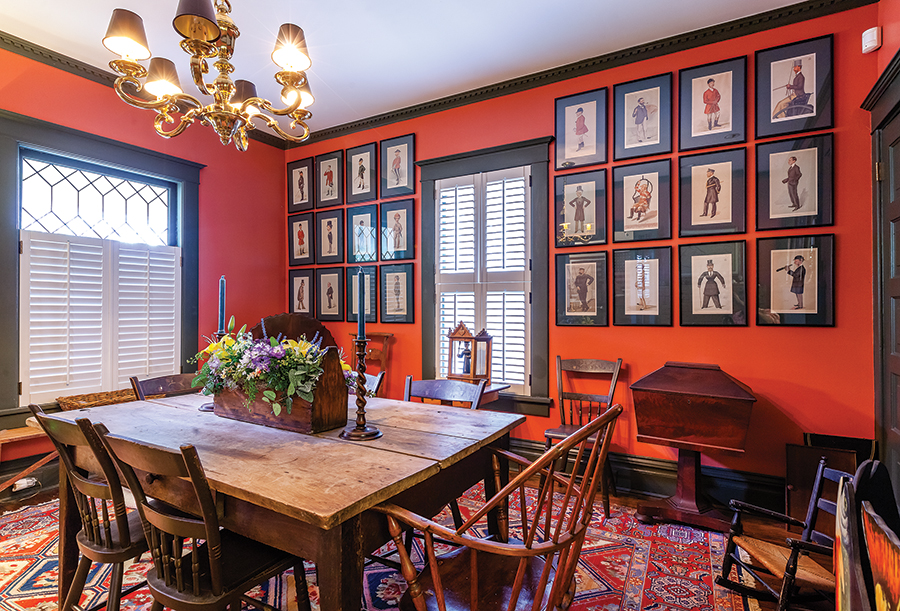
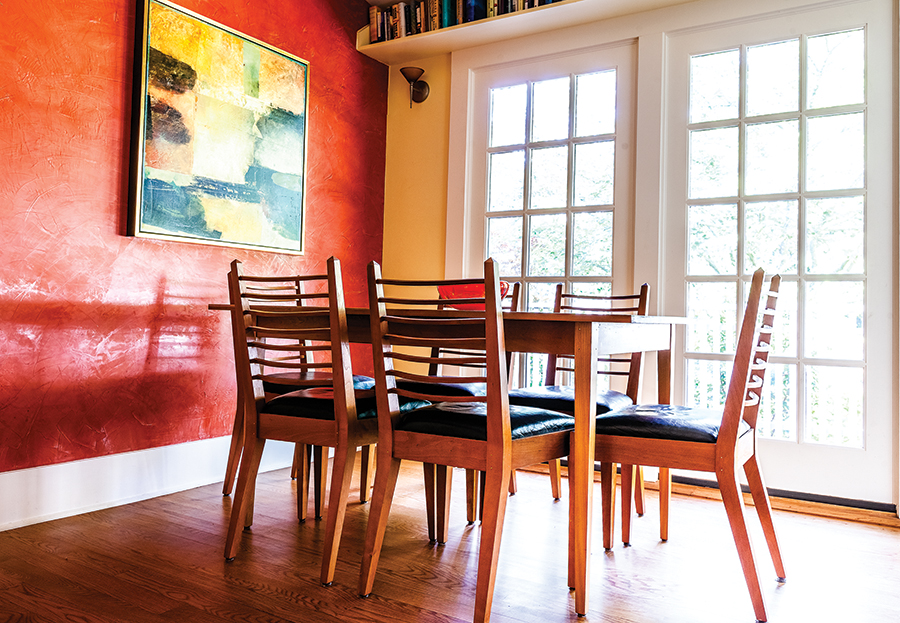
Examples: A dining room wall covered with 24 framed prints by a 19th century British aristocrat/caricaturist known as Spy. His exaggerated figures of notables, valued by collectors, were published in Vanity Fair.

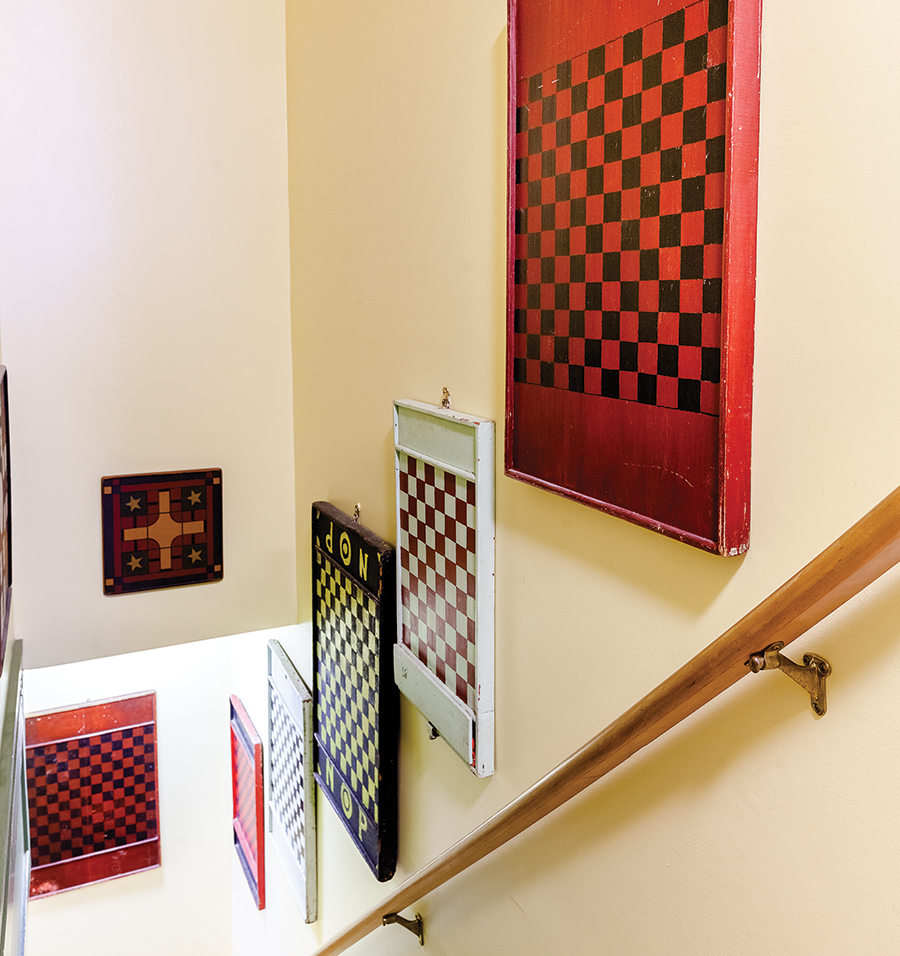
Old checkerboards hang in the basement stairwell.

Ships galore — paintings, drawings, postcards and models, including a table-top sized schooner made by a prison inmate; these remind Scott of sailing his own, off Nantucket, as does a framed map of the island, dated 1824.

Carved figurines include multi-national Santas and gyrating African forms, some brought back by Francy’s daughter, an anthropologist.

A huge assortment of rusty antique food tins crowd a kitchen shelf.

Family photos; between them, Francy and Scott have five daughters and four grandchildren.

Carpets, some shipped back after attending a wedding in Turkey, followed by a sailboat cruise through the Mediterranean and Aegean. One was woven in Russia, a century ago.

The crown jewel of collections would be Scott’s Victorian mercury glass, displayed in a corner cupboard. This technique practiced in Bohemia, Germany, England and Boston in the 1800s requires blowing double-walled goblets and other objects, then filling the space with a liquid silvering solution and sealing with a metal disk. Silvered and mercury glass became the first art glass forms meant for display, not table use.

Typical of second-time-around couples, Francy and Scott brought to their new home furnishings they couldn’t live without. Every piece has a story. A light fixture has propellers that spin like a fan. The rough-hewn coffee table was a kitchen table, in Nantucket, before legs were shortened. Many formal antiques descend from Francy’s Ohio lineage, where her father — according to the stately portrait in the dining room — was a bank chairman. Fold-down desks, electrified cranberry glass oil lamps, sea chests, display cabinets, a bentwood high chair and a few curiosities, like a post they found buried under the front porch, inscribed H.A. & E.E. Jackman, perhaps long-ago residents.

Despite gutting the house and rearranging space, the effect — excluding the glamorous grounds — seems as much preservation as renovation, with a nod to Williamsburg. Coincidentally, “They were my clients,” Scott says.

To protect the integrity of their own home, the Samuels carried out a “grand plan” to purchase and renovate the cottages flanking Cosmo, creating a pocket neighborhood which received a Spruce Up award from Southern Pines in 2014.

Now, the design-build team of Francy and Scott Samuel has “sort of retired.” Looking back, Scott’s only regret is not making the move sooner. “It didn’t feel strange or different,” he muses, with surprise. After 16 years the trains don’t bother any more. They enjoy walking to the library, farmers market, Sunrise Theater and restaurants. Scott continues, “Every time I pull out of the driveway I feel I never want to leave this house. I want to stay here forever.”

Spoken like a true ad man.  PS

The Beginning of the End of the World

The tournament that took a fortnight to finish

By Bill Case     Photographs from the Tufts Archives

The Diamondhead Corporation’s 1970 acquisition of the Pinehurst Resort complex, hotels and 6,700 undeveloped, mostly wooded acres from the Tufts family brought about a dramatic transformation of the entire community. To replace the Tufts family’s vision of Pinehurst as an idyllic and peaceful New England-style community where the elite from the North golfed and hobnobbed with one another for months at a time, Diamondhead instituted a new go-getter business model, which executives imported by the company from the West Coast fondly called “California brass.”

Diamondhead spent millions updating the venerable Carolina Hotel, rechristening it the Pinehurst Hotel. A hard push began to attract conventions, an approach the Tufts family had historically disfavored, fearing it would drive away valued longtime patrons. Huge chunks of forested acreage were subdivided for sale as residential lots and condominiums. Like spring dandelions, new homes bordering golf course fairways appeared overnight. The properties were marketed with such frenzy that a writer for The Pilot observed that Diamondhead’s sales force clustered on the prime lots “with the intensity of ants on a piece of picnic pie.” Pinehurst’s old guard residents, including the Tufts family, were mostly appalled. The perceived arrogance of cocksure Diamondhead executives, inclined to adorn themselves in California-cool gold chains and leisure suits, exacerbated the friction.
The man overseeing this metamorphosis of everything Pinehurst was Diamondhead’s president, Bill Maurer. The dour, hard-driving former golf pro had been selected as front man for the operation by Malcolm McLean, the mega-wealthy tycoon financing the Diamondhead purchase. Keenly aware that Pinehurst was America’s foremost golfing Mecca, Maurer believed dramatic steps were in order to ramp up the resort’s identification with the game.

Maurer could not be faulted for failing to aim high. He envisioned a modernized Pinehurst firmly branded in the public’s mind as the undisputed “Golf Capital of the World.” He convinced McLean to invest $2,500,000 for establishing a hall of fame for golf behind the fourth green of the No. 2 course. Explaining his thinking in an interview with Country Club Golfer, Maurer said, “I’ve read for 20 years about all these different plans to build one (a golf hall of fame). None of them has ever come to a hill of beans, and I don’t mean that unkindly. It’s just a lot of conversation and lip service. I think if we own and operate the World Golf Hall of Fame, it would not only be good for Diamondhead’s image and its place in the golf world, but also it would be a real good attraction for golf and Pinehurst.”

Pinehurst had not hosted any professional golf tournaments since 1951, when Richard Tufts became disenchanted by the behavior of the U.S. team in that year’s Ryder Cup matches played over Pinehurst No. 2. Tufts canceled the prestigious North and South Open. Maurer considered Richard’s banishment of the pros a tragic mistake and decided that, given the fast-growing popularity of the PGA Tour, pro golf should return to the resort. But Maurer had no interest in hosting just any tournament. As he put it, “If it is the golf capital of the world, let’s really make it that. Let’s have . . . the World Championship.”

Maurer persuaded McLean that to hold a true world championship, prize money commensurate with that title should be part of the package. McLean agreed to bankroll the largest purse the game had yet seen — $100,000 to the winner and $500,000 total prize money. But Maurer needed to convince Joe Dey, executive director of the Tournament Players Division, that his audacious proposal was viable. Complicating matters was his desire that the World Open be contested over eight rounds, twice the customary number. Two weeks would be necessary. Maurer also sought the inclusion of numerous foreign players to underscore the tournament as a truly worldwide championship.
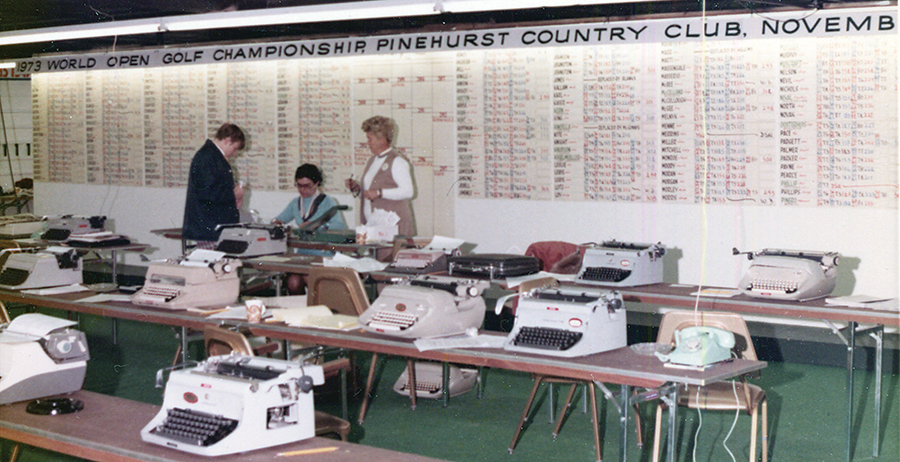
A year of sporadic discussions with Dey ensued before Diamondhead’s president finally made headway. In January 1973, it was announced that the World Open Championship would be played in Pinehurst, commencing Nov. 5 and ending the 17th. While concerned that Pinehurst’s late autumn weather could pose a problem, Maurer liked the idea of crowning the “world champion” at the tail end of the season.

Maurer contemplated a gigantic field of 240 players. After an 18-hole celebrity pro-am, the first four rounds of the tournament would be contested over No. 2 and No. 4 with competitors making two circuits of each. After completion of Sunday’s fourth round, the field would be trimmed to the low 70 players and ties. Contrary to usual tour practice, players falling short of the cut line would be paid $500. The survivors would take a two-day break before resuming play on Wednesday. Course No. 2 would serve as the exclusive venue for the final four rounds, culminating in an unusual Saturday finish.

Mindful that Pinehurst had not hosted a pro tournament in over two decades, Maurer assembled a new team for the task. Likeable and garrulous Tennessean Hubie Smith, 1969’s Club Professional of the Year, came on board as tournament director. Another club pro, Don Collett, was hired as president of Pinehurst, Inc. That post involved an imposing array of duties that included managing all operations of the Pinehurst Country Club and jumpstarting the embryonic Hall of Fame.

It was determined that Course No. 4 should be toughened to pose a challenge for the likes of Jack Nicklaus, Lee Trevino and other tour stars. Diamondhead retained famed architect Robert Trent Jones Sr. to perform an overhaul of the course. With Jones swiftly working in tandem with club superintendent Dick Silvar, the updating was completed in only 90 days. A pleased Jones expressed satisfaction with his handiwork, proclaiming that No. 4 would soon be recognized as “one of the great courses of the world.”

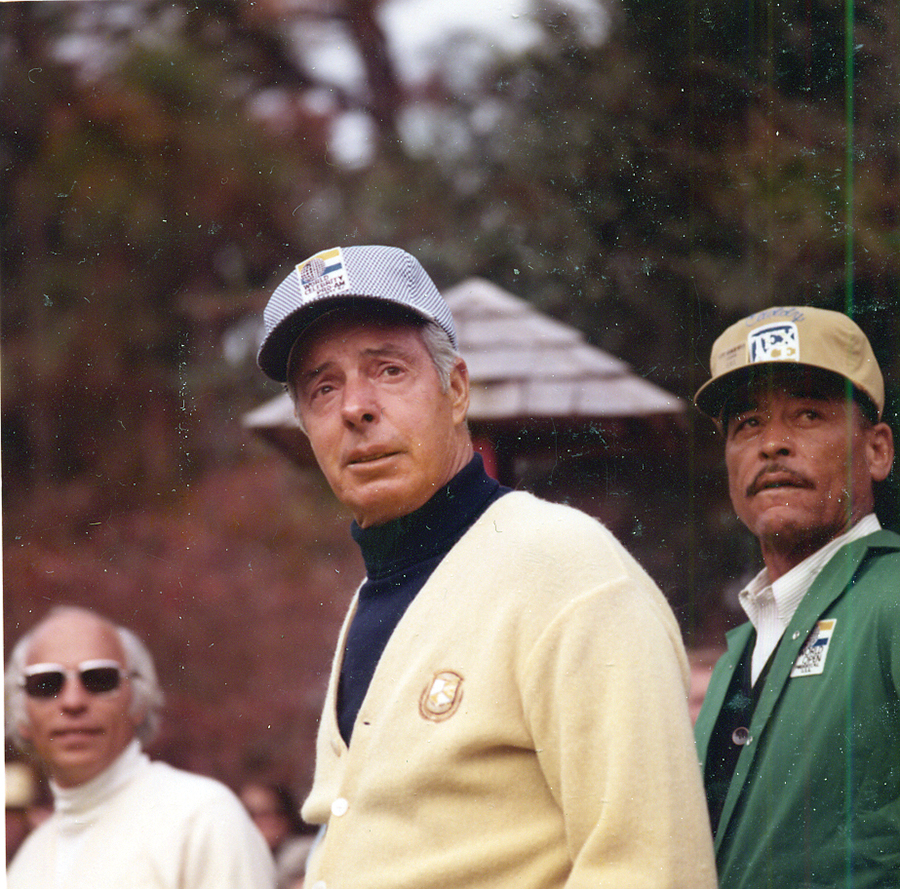
Diamondhead enticed baseball great Joe DiMaggio to serve as celebrity host for Wednesday’s “Joe DiMaggio World Celebrity Pro-Amateur.” Accepting invitations to join Joltin’ Joe on the tee were A-list celebrities like Bing Crosby, James Garner, Fred MacMurray and Stan Musial. Licking their respective chops at the opportunity to take down the tour’s largest-ever payday, the circuit’s rank-and-file sent in their entries faster than the deal at a Vegas blackjack table. As tour mainstay Miller Barber put it, “nearly everybody who can hit the ground with a golf club” was headed to Pinehurst. This included a number of players a decade or more past their primes who nonetheless looked for a last hurrah.

Assuming that the combination of record prize money, an impressive-sounding title and Pinehurst No. 2 would prove irresistible to the tour elite, Maurer failed to take into account that the players most likely to be unimpressed would be the upper crust champions whose winnings and endorsement income had already placed them in a position where they could afford to say no. Jack Nicklaus, winner of the ’73 PGA Championship, sent his regrets. He wanted to spend time with his family and rest up for the World Cup in Spain, where he would pair with Johnny Miller as the American team. Miller had planned to compete in Pinehurst, but ultimately withdrew. The ’73 British Open champion, Tom Weiskopf, begged off, opting to hunt for big game. England’s Tony Jacklin, a two-time major champion, couldn’t come because of a scheduling conflict in Japan. Trevino expressed a lack of interest for playing in a two-week tournament in chilly weather. Still, Arnold Palmer, Gary Player, Billy Casper, Hubie Green, the ageless and still competitive Sam Snead, Masters champion Tommy Aaron, and rising stars Tom Watson and Ben Crenshaw were all entered. But the absences of Nicklaus, Miller, Weiskopf, Jacklin and Trevino doomed hopes of a nationally televised World Open, a big blow to the Diamondhead execs.

Though Maurer couldn’t hide his disappointment, the absence of a few champions worked in favor of the remaining players who descended upon the area for their Monday and Tuesday practice rounds. The hotels and inns received plenty of patronage. Players with limited budgets sought more cost-effective arrangements. Tour newbies Don Padgett Jr. and Andy North arranged affordable lodgings outside Pinehurst, finding an inexpensive condominium adjacent to the Hyland Hills golf course, then nearing completion. The owner let the rookies practice on the range of the unopened course. Padgett and North shagged their own balls.
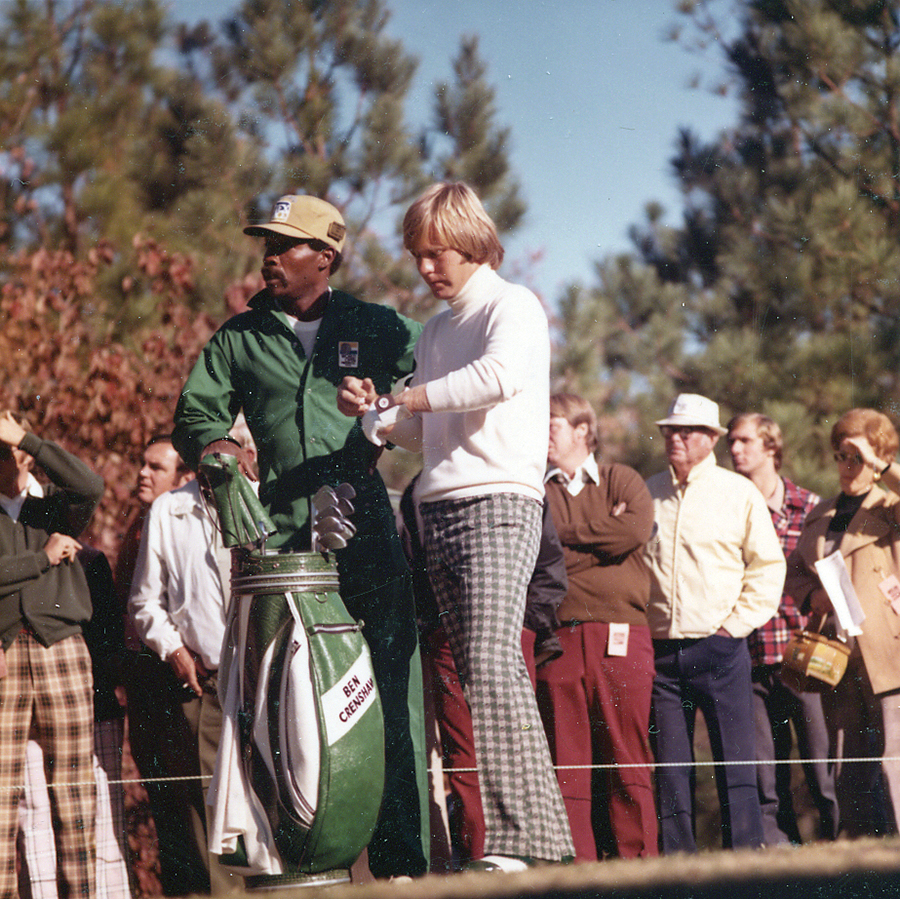
Some lucky young competitors benefited from free housing. Peter Tufts, Richard’s son, resided on Fields Road less than 200 yards from the second hole of No. 2. As the builder and course architect for the nearly completed Seven Lakes Country Club, Peter was a respected force in golf. He possessed a soft spot for young players trying to make their way, and opened up his home to four of them, none older than 25: John Mahaffey, who had won the Sahara Invitational the previous month and would five years hence become PGA champion; Pensacola’s Allen Miller, who would win once on tour; Eddie Pearce, predicted by many knowledgeable insiders to be the “next Nicklaus”; and 21-year-old Texan Ben Crenshaw, a three-time NCAA individual champion from the University of Texas who had turned pro shortly before the World Open and immediately made hurricane-force impact. He emerged from the grind of the PGA Tour’s qualifying school as its runaway winner by 12 shots, then captured his first tour event, the San-Antonio-Texas Open, shooting 14 under par. If Crenshaw won in Pinehurst, he would become the first player ever to win his first two tour events.

Peter Tufts’ wide-eyed 14-year-old son, Ricky, was excited these young golf stars were bunking at his home. They were funny, teased each other and laughed so loudly that Pete implored them to keep the noise down. Rick Tufts, now a retired firefighter, recalls that the young pros included him in their hijinks, considering the pros his big brothers for the fortnight.

One subject of their banter was Ricky’s predicament in obtaining transportation to his part-time job in Seven Lakes. The teenager wanted a motorbike, but Dad was unwilling to spring for its purchase. That brought about a chorus of guffaws from the houseguests who kiddingly razzed “Tightwad Pete.” Finally, Crenshaw promised that if he should win the World Open, he’d buy the motorbike for Ricky himself. Thus, Ben’s “little brother” became an avid cheerleader for a Crenshaw triumph.

A minor kerfuffle occurred when DiMaggio arrived. Thinking his name would be associated with the main tournament (something like the Joe DiMaggio World Open) instead of just the pro-am, Joltin’ Joe was quite put out after learning of this misunderstanding. The Yankee great could be glowering and sullen when angry, and that was the last thing Maurer needed to kick off the festivities. Concerns about DiMaggio’s reaction were heightened by the presence of the foreboding fellows accompanying him, both of whom could have been typecast as Corleone button men in The Godfather. But if Joe was upset, he managed to hide his displeasure interacting with Crosby, Garner and comedian Foster Brooks.

Frigid weather descended on Thursday’s first round with temperatures in the 30s and ice visible in the bunkers. Spectators stayed away in droves. Padgett, who years later served as Pinehurst Country Club’s president and chief operating officer, felt like a sled dog in the Iditarod. One of the early starters, when he reached his opening drive, he recalls, “There was so much ice on the ball, it looked like a snow cone.” Padgett implored a rules official for relief but was denied. Bob Goalby, then 44, still remembers the miserable weather. “It was thermal gloves off for your shot and then on again as quickly as possible — anything to stay warm,” recollects the 1968 Masters champion.

Starting off both nines of two different courses caused confusion for several players. Eddie Merrins never left the starting gate, having appeared for his tee time on the wrong course, he was disqualified, retreating to the warmth of the clubhouse. A few players seemed unaffected by the conditions, most notably Gibby Gilbert. Playing with Snead on the back nine of No. 2, the Chattanooga product birdied two holes and chipped in for eagle on 16 for an eye-popping 32. A remarkable string of five birdies on the front nine brought Gilbert in with a 62, shattering Ben Hogan’s course record of 65. The astounding round gave Gilbert a 5-shot lead over his closest pursuer (and one of Ricky Tufts’ buddies) Allen Miller, whose 67 came on No. 4.
Despite this stellar round, Miller leveled sharp criticism of the recently renovated No. 4. “The course scares me,” he confided to Golf World editor-in-chief Dick Taylor. “It’s harder than No. 2. I don’t cherish playing it. No. 4 is tougher in an unfair way.” Miller was not alone in this view. There was “almost unanimous chorus of dissent over Trent Jones’ remodeling,” wrote Taylor.

Meanwhile, two of Miller’s three housemates finished respectably with Mahaffey and Pearce carding 72s. Lagging was a frustrated Crenshaw, who opened with a desultory 75. One tour veteran — chilled to the bone and disgusted with his awful round — sought a way to pocket the $500 missed-cut stipend without completing the four rounds officials expected. He found a previously overlooked loophole in tournament rules that permitted an early escape. A player needed only to start the tournament to be entitled to the $500 for non-qualifiers. Once this information became common knowledge in the locker room, withdrawals by players off to poor starts flooded in. In all, 41 players said early goodbyes.

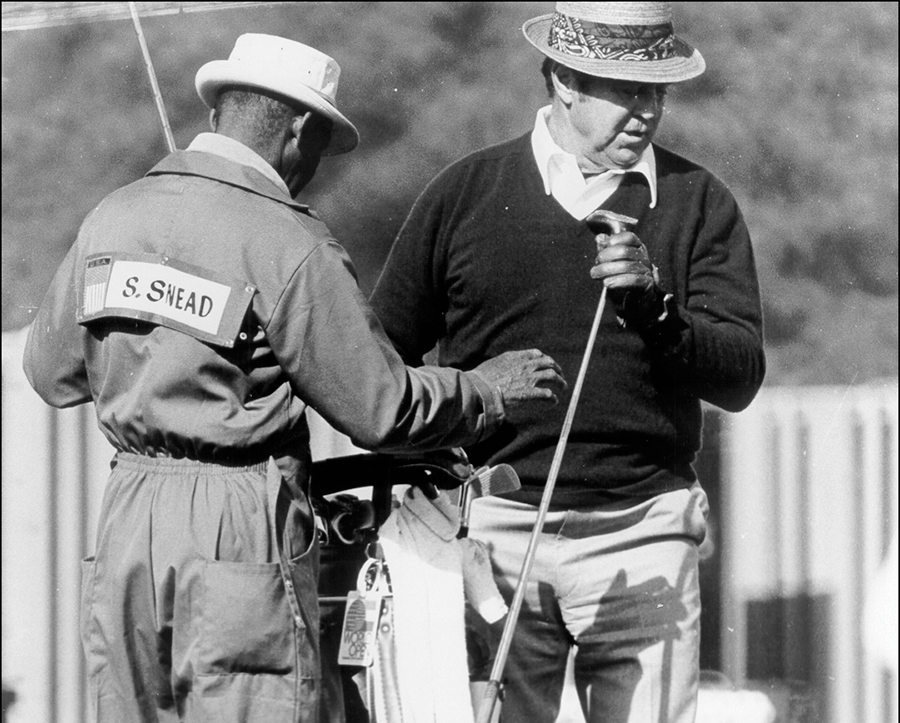
After an even chillier round two, Gilbert still led but had come back to the field some with a 74. Ron Cerrudo and Miller lurked two shots back. Crenshaw improved with a 71, but still trailed Gilbert by 10. Gilbert kept his nose out in front through Sunday’s fourth round. His 280 total at the endurance test’s mid-point led the field by 5. Al Geiberger and Tom Watson surfaced as the closest challengers, with Watson crafting a couple of rare sub-70 rounds of 69 and 68 over the weekend. Among those surviving to play week two were Palmer, Player, Goalby and the amazing Snead, guided by caddie Jimmy Steed, unfailingly employed by Snead whenever he was in Pinehurst. Miller’s housemates all made the cut, but were too far back to harbor realistic hopes of victory. Crenshaw’s 294 trailed by 14. Ricky Tufts’ hopes for his motorbike seemed irretrievably dashed.

No logistical reason existed for the World Open’s two-day layoff. Peter deYoung (then the assistant tournament director and still a Pinehurst resident active in organizing youth golf tournaments) remembers that the only thing the committee needed to do during the break was move a bank of port-o-potties and a lone concession stand from No. 4 to No. 2. The departure from the pros’ normal tournament routines perplexed some of them. Crenshaw says that the mid-tournament delay “was surreal. We weren’t sure what to do.” Crenshaw, Pearce and Mahaffey wound up playing Pine Needles with Golf World writers. The 61-year-old Snead, who liked nothing better than hitting golf balls, practiced both days. A few players visited the temporary home of the World Golf Hall of Fame on West Village Green Road, now occupied by a Bank of America branch. Miller remembers a nighttime visit to Pinehurst’s Dunes Club, which featured unauthorized drinking and gambling in the back room. Miller was among those forced to vacate when management was tipped off to an imminent raid.

As temperatures warmed for the fifth round, the tournament leader’s game plunged into a deep freeze. No. 2 exacted its revenge on Gilbert, who shot 82 — 20 strokes higher than his round one course record. Broadcaster and Pinehurst sage John Derr had predicted that Gilbert’s scintillating opening 62 “would never be duplicated” on No. 2, but just six days later, Watson proved him wrong. Canning lengthy putts from outrageous distances, Watson vaulted to a commanding lead with his own 62. Tied for second, but nine strokes back, were Bobby Mitchell and 42-year-old veteran Miller Barber. Allen Miller fell to 14 shots behind, but still led Crenshaw whose 71 kept him in the tournament’s backwater, a seemingly insurmountable 18 strokes behind Watson.

Despite high winds in round six, Crenshaw roared back from oblivion. Striking his irons so solidly that his shots never wavered in the gale, he carved out a 64 that some observers deemed superior to the 62s of Gilbert and Watson. Crenshaw, twice a Masters champion, still considers this one of his greatest rounds. News of the fantastic score rapidly circulated all over the course. Not only had he bypassed his fellow houseguests, he leapfrogged all but Watson, joining Jerry Heard and Barber in second. Watson delivered a wobbly 76 but remained six shots ahead. After another unsteady 76 by Watson in the seventh round, his challengers loomed closer with Barber and Mitchell poised only two back and the resurgent Crenshaw three.

It felt to players teeing off in the eighth and final round, that they had been competing in the World Open for months. According to Golf World’s Taylor, Al Geiberger kidded his playing partners on one hole, “If I remember correctly, I hit a 4-iron here in April during the 23rd round.” Exhausted tournament volunteers couldn’t wait to attend “End of the World” parties to celebrate Saturday’s finish.
 

Watson promised Pinehurst friends he would throw a party himself if he won, but a disappointing 77 would drop him into a fourth-place tie. It looked as though the winner would emerge from the Crenshaw/Barber pairing. Twice Crenshaw’s age, the balding, paunchy Miller outweighed his young rival by nearly 50 pounds. The svelte Crenshaw with his long blonde locks had already become a charismatic heartthrob. An odd couple then, Crenshaw recalls Barber, who died in 2013, with deep respect and affection. “I loved that man,” he says. “He was one of those guys who was funny without trying to be.” With his dark sunglasses, his steadfast refusal to reveal his nighttime whereabouts and his parabolic backswing, “The Mysterious Mr. X” acquired a colorful mystique that belied his unprepossessing personal appearance.

Barber and Crenshaw dueled back and forth exchanging birdies and bogeys until Mr. X birdied the 14th to take a one-shot lead. At the par-5 16th Crenshaw swung out of his shoes and pulled his tee shot far left into the woods. Unable to recover, he bogeyed the hole to fall two back. According to Crenshaw, golf writer and Pinehurst bon vivant Bob Drum later asked him, “What were you trying to do, drive the green?”

After Barber laced an iron into the heart of the green on the par-3 17th, he turned to rotund caddie Herman Mitchell (who would become better known in coming years as Trevino’s caddie) and exclaimed, “That’s it!” He parred that hole, and then put the icing on the cake by rolling in a closing birdie on 18 to defeat Crenshaw by three.

One would think Barber would pause at least for a moment to bask in triumphant glory. According to deYoung, however, he had another agenda. “Peter, come here,” commanded Barber. “I’m not going to the pressroom. Get me a bourbon and one writer and I’ll give him 20 minutes.” He needed to catch a plane to Dallas for a Cowboys game the next day. With the hasty interview concluded and desperate to flee the place he’d been for almost two weeks, Barber waited in the parking lot for his caddie. Ladened with golf equipment, a harried Mitchell lost control of the shag bag and the balls spilled out, running to the far corners of the parking lot like a pack of children playing hide-and-seek. “Forget them, Herman,” ordered Barber. “Let’s go!” So exited golf’s inaugural world champion.

Crenshaw’s disappointment was salved by his $44,175 second-place check. “All of a sudden I had some money,” he says. “And every bit of success helps a player searching for confidence.”

Forty years later Crenshaw would return, along with his partner, Bill Coore, to restore No. 2. His 1973 World Open experience “stimulated my love for Pinehurst,” which, as he sees it, “came full circle.” Rick Tufts may have been forced to finance his motorbike, but he gained a lifetime friend. He still exchanges Christmas cards with Crenshaw and enjoyed a sentimental reunion with him during the 1999 U.S. Open.

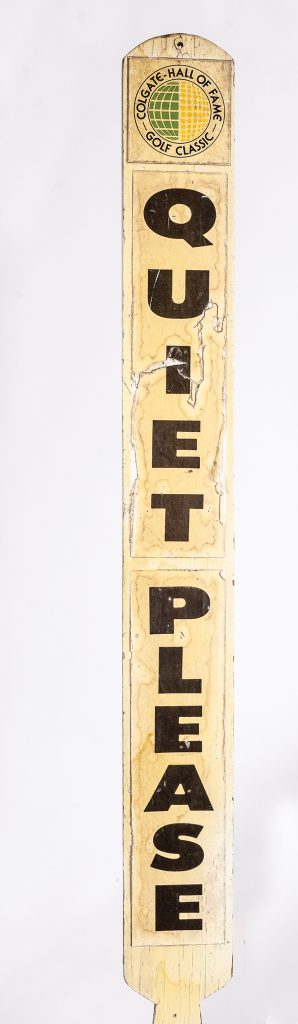
Downbeat over low attendance and the absence of stars, Maurer had nonetheless committed to host the World Open for two years. The tournament was shortened to 72 holes with a commensurate reduction in prize money. The PGA Tour granted Pinehurst a more hospitable week in September to coincide with the opening of the new World Golf Hall of Fame building and the Hall’s induction ceremony. September 11, 1974 marked one of the most memorable days in Pinehurst’s golfing history with Ben Hogan, Byron Nelson, Sam Snead, Gene Sarazen, Gary Player, Jack Nicklaus, Arnold Palmer and Patty Berg all on hand for their respective inductions and President Gerald Ford was in attendance as well. Johnny Miller won that year’s tournament. Nicklaus would capture the event in 1975. Diamondhead would sign Colgate as the corporate sponsor beginning in 1977 and the event was renamed the Colgate Hall of Fame Golf Classic. Colgate dropped its sponsorship after 1979. Pinehurst ended its 10-year run as an annual tour stop after the 1982 event. Born as a marathon, conceived as a curiosity, it became a 144-hole footnote to the history yet to come.  PS

Pinehurst resident Bill Case is PineStraw’s history man. He can be reached at Bill.Case@thompsonhine.com.

Rooted in Love

Sandhills Community College’s Landscape Gardening program, the ever-evolving classroom we all get to enjoy, celebrates 50 years

By Ashley Wahl     Photographs by John Gessner

In Japan, there’s an expression you might find brushed on a hanging scroll in any given tea room that speaks to the notion of holding each meeting as sacred:

Ichi-go ichi-e.

One time, one meeting.

This is the phrase that comes to mind when witnessing Sandhills Community College (SCC) Landscape Gardening professor and garden director Jim Westmen explore the Sandhills Horticultural Gardens.

On a sweltering summer afternoon, the air pregnant with the amalgam of fragrant ginger lilies and the electric hum of cicadas, Westmen takes a walk through the 32-acre gardens and reflects on the journey he started as an SCC Landscape Gardening student in 1978. Renowned for its hands-on approach to learning and its prestigious crop of alumni — two White House groundskeepers and the former director of gardens at Monticello among them — the Landscape Gardening program at SCC recently celebrated its 50th anniversary. As is the case for many who have been a part of the SCC program, Westmen’s story is deeply interwoven with its history. Imagine the wild tangle of azalea and rhododendron roots beneath the floor of the Hackley Woodland Garden, or that of the pine and tulip poplar along the Desmond Native Wetland Trail. The roots aren’t separate from the gardens. They’re one with it.

Westmen intimately recalls the installation of SCC’s first official garden — a sundry collection of hollies donated from Pinehurst resident Fred Ebersole when Westmen was a first-year student — and has had two dirt-laced hands in the beautification and development of the horticultural gardens since he was hired as faculty in 1988. But somehow, perhaps even mysteriously to him, Westmen continues to experience the campus grounds as if seeing them for the first time.

“I never get tired of being out here,” he says. And as the smiling professor winds along the garden paths, it’s obvious that this ever-evolving landscape serves as the fertile ground and classroom from which the program and its students continue to blossom.

Jim Westmen grew up in Fayetteville, North Carolina, mowing lawns for chump change and helping his dad install and tend to a backyard greenhouse where wandering Jew and spider plants spilled from hanging baskets, and flower and vegetable seeds were germinated for the home garden.

By 17, he knew what he loved (horticulture), but Sandhills wasn’t on his radar.

“I was looking at N.C. State,” says Westmen, when a friend who had gone through SCC’s Landscape Gardening program told him about a community college in Pinehurst that he might want to check out.

A trip to campus included a two-hour talk with the program’s then-coordinator, Fred Garrett, and the rest is part of SCC history.

“It was the hands-on learning that most excited me about this program,” said Westmen. “I wanted to do it, not just talk about it.”

The small class sizes were also appealing. Although numbers are lower now than in years past (less than 20 are currently enrolled; the program can accept up to 35 students), Westmen is hopeful for the next green movement. 

“Today’s society . . . when people walk by a beautiful landscape, maybe they can appreciate beauty, but many think it just happened. But somebody designed it, somebody grew it, somebody installed it.”

Prior to 1978, SCC’s Landscape Gardening students had to travel to the Boyd estate (Southern Pines) and local nurseries for in-the-field experience, but during Westmen’s freshman year, with the establishment of the Ebersole Holly Garden, the program as we know it really started to take shape. 

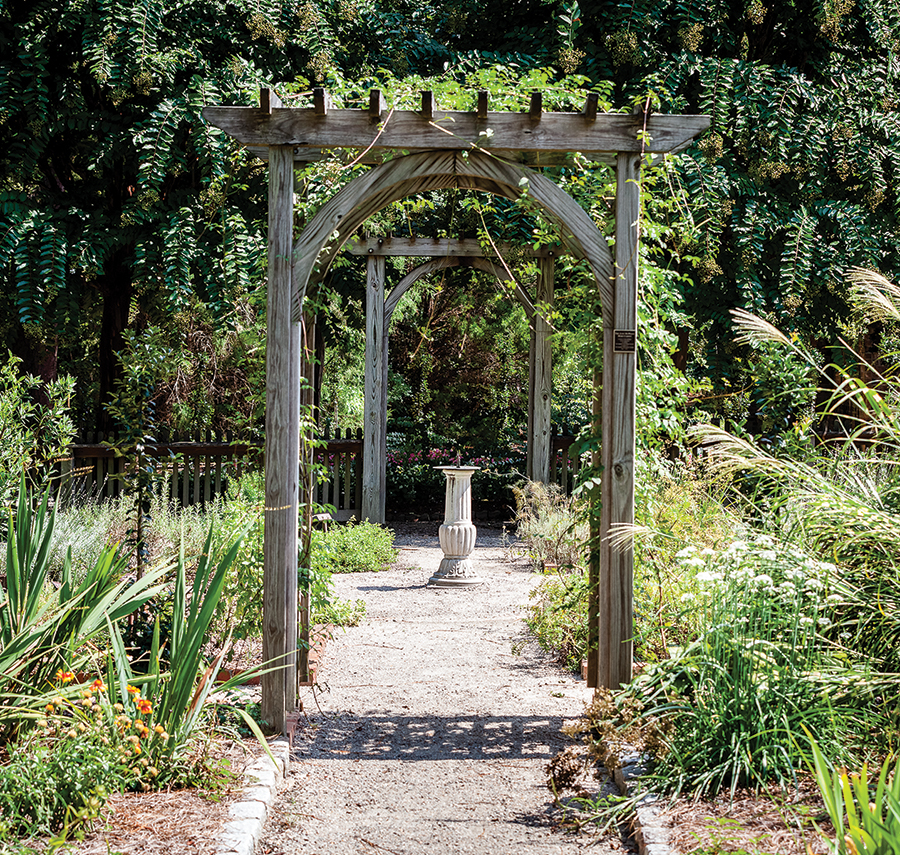
Flash forward 40 years and see the history of the Sandhills Horticultural Gardens meticulously displayed on the walls of the G. Victor and Margaret Ball Garden Visitors Center.  Open to the public year-round, this 32-acre classroom includes 14 themed gardens planned, designed, constructed and maintained by the college’s Landscape Gardening staff and students. This kind of application is what Fred Huette must have envisioned when he proposed a horticulture curriculum like that of the renowned European garden training schools. And this is what makes SCC’s program a national institute.

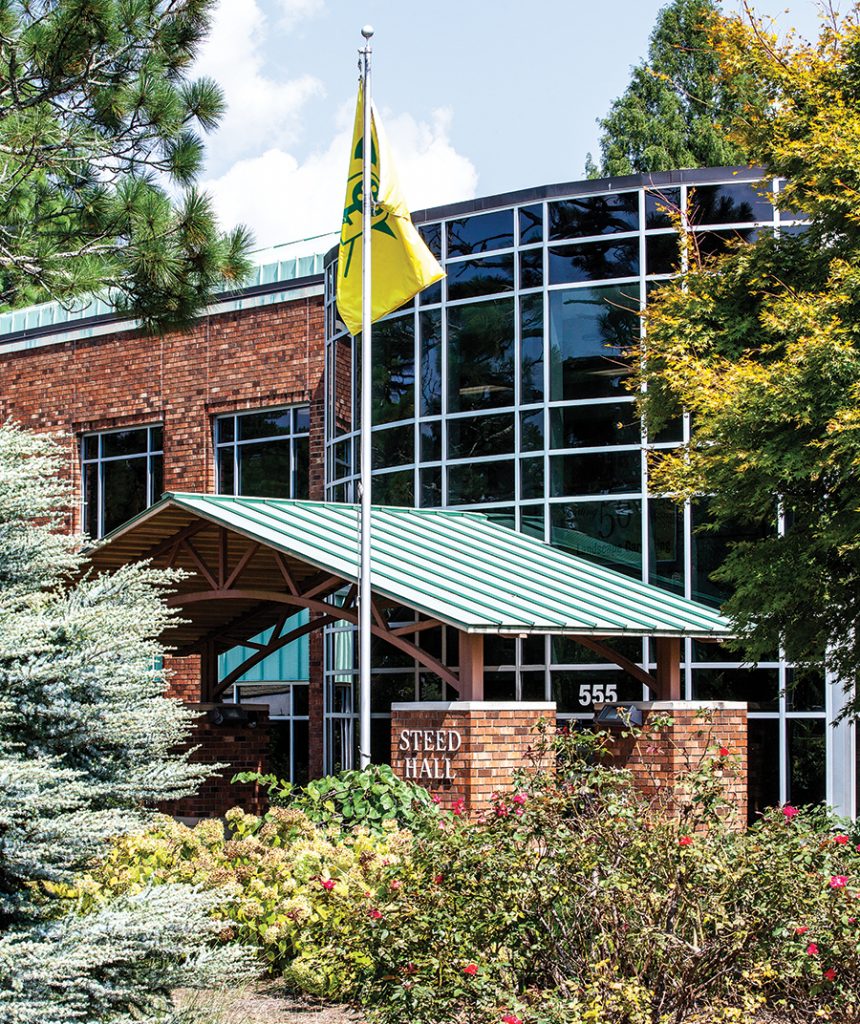
Just outside the visitor center, beyond the dwarf spruces and Chantilly lace hydrangea, a young woman is photographing a stunning display of Fantasia Hibiscus, whose cheerful pink faces resemble a scene from the Lollipop Guild. A short walk toward the main campus brings us to Steed Hall, where Westmen spent the balmy morning indoors teaching his Arboriculture Lab students how to safely operate a chainsaw.

“First they learn how to turn it off,” he says, smiling yet completely serious. Same goes for mowers, blowers, tractors, weed-eaters, skid-steers, utility carts, and all other equipment the students might use to help manage the campus grounds during their Work-Based Learning residencies. Westmen gestures back toward Steed Hall from the Conifer Garden, a miniature evergreen forest made enchanted with its dwarf varieties and collection of rare weeping spruces. Named for the late Warren Steed, longtime benefactor of SCC’s Landscape Gardening program known for his excessively gracious nature and accidental discovery of the Little Gem magnolia — “You couldn’t leave his nursery without him gifting you a plant,” says Westmen — the building houses modern offices, classrooms and a small dormitory where students take turns living on-campus and applying their knowledge to the program’s greenhouses and the SCC gardens for two-week shifts.

“This puts them in the position of being responsible and practicing time management while they’re taking classes,” says Westmen. And it helps build their confidence.

Dee Johnson, who succeeded founding program coordinator Fred Garrett and served as such for the past 17 years, says that the students of SCC are among the most sought-after in the landscape gardening industry.

“I got calls every week from all over the country,” says Johnson, who, like Westmen, is a graduate of the two-year program. “We’re not typical of a community college system. Here, you’re learning how to drive a skid-steer and install irrigation. Most four-year degree programs don’t offer that kind of experience.”
When asked to share some of the highlights of the program’s history, Johnson is quick to mention Dr. Ebersole’s collection of hollies, which the students dug up from his property on Midland Road and transplanted. She’s not so quick to mention that, 40 years ago, like Westmen, she was one of those students.

“Do I have to show my age?” asks Johnson, whose subtle humor underlies her no-nonsense nature. 

“We had 383 species of holly,” she continues. “That was the beginning of the gardens.” 

At the program’s 50th anniversary celebration in June, Johnson was presented with a bronze “Dog Ate My Homework” statue in honor of her recent retirement.

“I’m a stickler about getting things done on time,” says Johnson. “My colleagues thought the statue was very appropriate.”

In August, following Johnson’s official retirement, former SCC Landscape Gardening graduate Hilarie Blevins took the reins as program coordinator.

Seeing a theme here?

Given the close-knit atmosphere of the program and its symbiotic relationship with the gardens, it’s no surprise that past graduates feel drawn to return as faculty.

The same is true for instructor Johanna Westmen, who, yes, happens to be Jim Westmen’s wife.

While the mind is quick to imagine young Jim and Johanna sharing their first kiss beneath the lush canopy of what’s now the fringe of the romantic Atkins Hillside Garden, theirs is a fairytale of a different variety.

The Westmens didn’t meet here as students. They were already married and had started a local landscape business and nursery when Johanna decided to go through the program.

“It was interesting,” says Johanna of being her husband’s student. “But I could not have asked for a better teacher.” 

She graduated from the program, and when a teaching position opened up, Johanna joined the faculty.

“That’s one reason it’s such a joy to be here,” says professor Westmen of working with his wife. “We’re best friends.”

But ask either Westmen to tell you what they love most about the program and they will both say the same thing.

“Absolutely, hands down, it’s the students,” says Johanna. “Getting to be part of the lives of so many diverse and interesting people in the years I have been here is what keeps me going every day. The relationships you form with these students is everything.”

Westmen’s keys jingle against his hip as he makes his way toward the Sir Walter Raleigh Garden, a formal English-style garden where Bengal tiger cannas look like brilliant flames against a muted yet stunning backdrop of white-flowering crape myrtles trained into the form of single-trunk trees towering at 15 feet.

“They must have been about 6 feet tall when I started teaching here,” says Westmen, who paints the scene of students pruning them each February with four words: “Little birds in nests.”   

Beyond the Atkins Hillside Garden, where swallowtails light on flowering butterfly bushes and tiny frogs squeak from lily pads to water as visitors cross bridges over the winding rock-lined stream, Westmen guides his guest to one of his favorite places on campus: the Ambrose Japanese Garden. Here, his passion and appreciation for creating a sense of place comes alive.

“Japanese gardens have a particular look,” says Westmen. “You can’t just take those components, plop them on the ground, and call it a Japanese garden. It has to evolve from the location.”

Designed by one of the program’s former students, the garden feels completely natural in longleaf pine turf. 

Westmen points out the textures, the low-intensity colors, the various shades of green, the material used for the hardscape and meandering path, the wabi-sabi aesthetic of the moss-covered rocks, and the naturalistic features such as the arched bridge and azumaya.

“It’s more about the feeling you get as you move through this garden,” says Westmen, who pauses to admire the wavy pattern raked into the dry (Zen) garden. From the looks of it, the students in living quarters must have just completed it. 

Westmen has a naturally laid-back vibe, but he is noticeably more tranquil here. He studies the pattern in the crushed stone with the knowledge that he has never seen anything like it.     

Ichi-go ichi-e.

“The time it takes to rake a pattern like this in here is kind of what I want them to get out of it,” he says. “It’s somewhat of a meditation.” 

He then describes the effect this assignment continues to have on some of the “big-belt-buckle-kinda-boys” he sees come through the program.

“They get so excited about doing this. That excitement was the whole point . . . to see that change in them.”

After walking through the Fruit and Vegetable Garden, where a gray squirrel snags an under-ripe apple and a red-headed woodpecker raps on a nearby longleaf pine, Westmen heads for the Hoad Children’s Garden behind the Visitors Center, the newest addition to the gardens.

“Our current students worked their butts off to have the drip irrigation ready for the program’s 50th  anniversary celebration,” says Westmen. “They’re an incredible bunch.”

On June 9, upward of 300 guests attended the party. Among them were over 100 alumni, many of whom were amazed by the evolution of the gardens, and how the work and care they put into it so many years ago still lives and breathes with the landscape.

“There’s this dedication, this love for what the program created for us,” says Westmen. “We want to see that continue, hopefully for another 50 years at least.”

The professor playfully sniffles as if getting sentimental, but behind the joke is undeniable sincerity.

“I’m proud of the program and I’m proud of what the students have produced,” he says, eyes sparkling as he takes in the handiwork of his current students. “In a way, the program has offered me a career and a life.”  PS

Ashley Wahl is the former senior editor of Salt Magazine. She currently writes, sings, and plays among the trees in Asheville, North Carolina.

Almanac

September is the golden hour of summer.

Soon, the squash blossoms will disappear. Ditto fresh okra, watermelon, sweet corn and roadside stands. The crickets will grow silent, and the black walnut will stand naked against a crisp winter sky.

But right now, in this moment, everything feels soft, dreamy, light.

In the meadow, goldenrod glows brilliant among Joe-Pye and wild carrot.

In the garden, goldfinches light upon the feeder, swallowtails dance between milkweed and aster, and just beyond the woodland path, the hive hums heavy.

September is raw honey on the tongue.

I think of my Devon Park rental, retrieving the old push mower from the woodshed and discovering a colony of honeybees busy beneath the creaky floorboard. In the space between the floor joists: 40 pounds of liquid gold. Gratitude arrives with the scent of ginger lilies. I exhale thanks to the apiarist for transporting the bees to his own backyard — and for leaving just a taste of their honey for me.

September is master of subtly. Satiety following an electric kiss; anticipation for the next one. Delight in this golden hour, this taste of sweet nectar, this gentle reminder to be here now.

‘Tis the last rose of summer,

Left blooming alone;

All her lovely companions

Are faded and gone.

— Thomas Moore, The Last Rose of Summer, 1830 

Pecan Harvest

Yes, the time has come. If you’re lucky enough to have one or more pecan trees growing in your backyard, then you know that the earliest nuts fall in September. And those who are lucky enough to know the ecstasy of homemade pecan pie will tell you that the efforts of the harvest are worth it. Or just ask one of the neighborhood squirrels.

Here’s a trick. If you’re wondering whether a pecan is fit to crack, try shaking a couple of them in the palms of your hands first. Listen. Do they rattle? Likely no good. Full pecans sound solid, but the way to develop an ear is trial and error. You’ll catch on.

And in the spirit of Mabon, the pagan celebration of the autumnal equinox, consider offering libations to the mighty pecan tree. My bet is they’ll relish your homemade mead as much as any of us.

Sweet and Good

September is National Honey Month. According to the National Honey Board (exactly what it sounds like: a group dedicated to educating consumers about the benefits and uses of all things you-know-what), the average honeybee produces 1 1/2 teaspoons of honey over the course of its entire life. Here’s another nugget that might surprise you: A typical hive can produce between 30 to 100 pounds of honey a year. To produce just one pound, a colony must collect nectar from about 2 million flowers. Think about that the next time you hold in your hands a jar of this pure, raw blessing.

Wish to make mead? Honey, water, yeast and patience.

But if pudding sounds more like your bag, here’s a recipe from the National Honey Board:

Honey Chia Seed Pudding

Yield: 4 servings

Ingredients:

2 cups coconut milk

6 tablespoons chia seeds

1/2 teaspoon vanilla extract

2 tablespoons honey

Fresh berries

Granola

Directions:

Combine coconut milk, chia seeds, vanilla and honey in a medium bowl. Mix well until the honey has dissolved. Cover and refrigerate for at least 4 hours, but preferably overnight.

Stir well and divide the pudding into individual portions.

Serve with fresh berries. Add granola, if desired.

(I recommend adding a few organic cacao nibs too.)

As the Wheel Turns

The autumnal equinox occurs on Saturday, Sept. 22, just two days before the full Harvest Moon. Speaking of, if you’re gardening by the moon, plant annual flowers (pansies, violets, snapdragons and mums) and mustard greens during the waxing moon (Sept. 9–21). Onion, radish, turnip, and other vegetables that bear crops underground should be planted during the dark (aka waning) moon. According to the Old Farmer’s Almanac, old-time farmers swear this makes for a larger, tastier harvest.

The breezes taste

Of apple peel.

The air is full

Of smells to feel –

Ripe fruit, old footballs,

Burning brush,

New books, erasers,

Chalk, and such.

The bee, his hive,

Well-honeyed hum,

And Mother cuts

Chrysanthemums.

Like plates washed clean

With suds, the days

Are polished with

A morning haze.

— John Updike, September

Southern Pines in Bloom

An award-winning orchid honors the old hometown

By Amy Griggs 

At first blush, Jason Harpster’s greenhouse is unremarkable. It’s smallish, with opaque siding, exhaust fans whirring, and a door not visible streetside. Inside is another story.

Enter Harpster’s world.

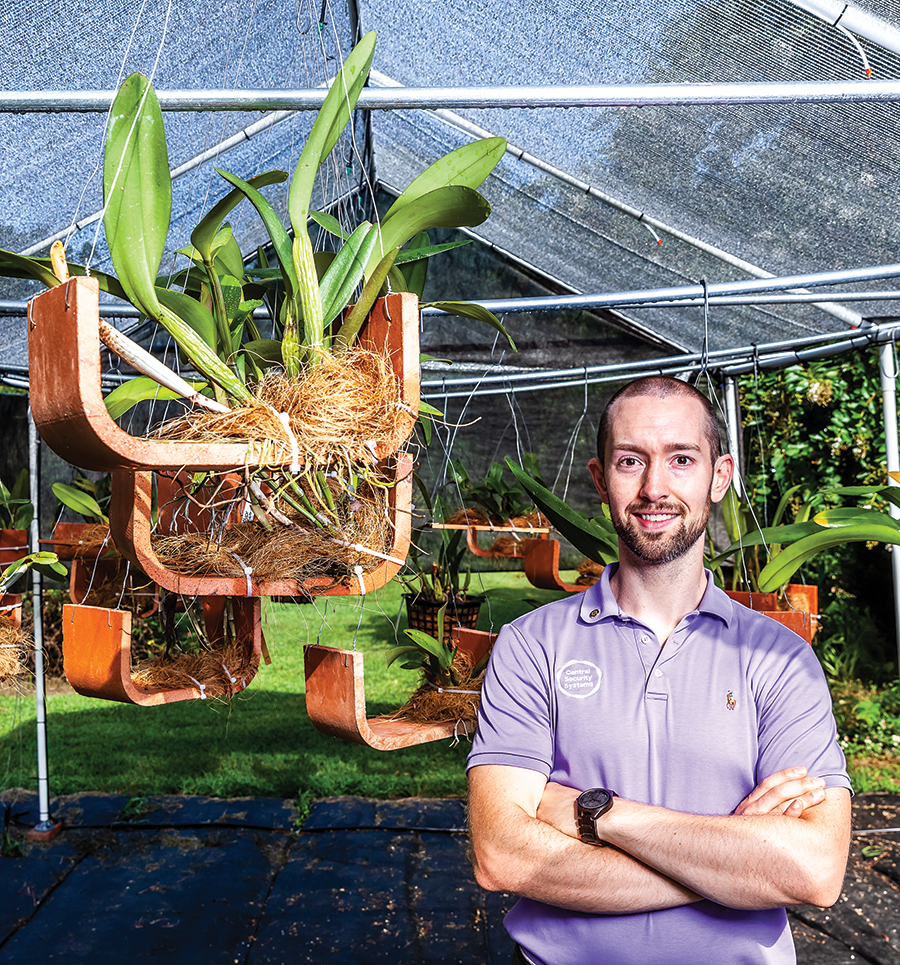
His West Broad Street greenhouse is populated solely by orchids, well over 100 plants mostly being coy with their blossoms on a warm summer morning. Species native to nearly all continents of the world hang vertically from a series of parallel horizontal rods lining the walls of the greenhouse, remarkable in their mounts using materials that mimic their natural habitat, like bark, sphagnum moss and coconut matting.

Inconspicuously nestled against a hedgerow mere steps across the asphalt parking lot of his family’s business, Central Security Systems, the greenhouse is Harpster’s other office, designed and built by his father, Dick, and him. Sporting a ubiquitous resort-casual look in khaki shorts and, appropriately, an orchid polo shirt, sipping a late breakfast concoction of spinach, bananas and seasonal fruit in his favorite beer mug, the orchidist’s scientific bent takes over. Sounding professorial, he naturally uses the Latin-based language of orchid nomenclature, even after acknowledging layman’s terms would be easier for most to process.

This is the steamy place where Harpster makes pollination magic and begins the expectant watch for plants’ ovaries to swell, a bulge in the flower stem indicating that fertilization has taken place and seeds are on the way. Harpster snips and ships ovaries ready to burst forth to a lab that will harvest the tiny seeds. Given the life cycle of a typical orchid from seed to blooming plant, it will take five to seven years to see its first bloom.

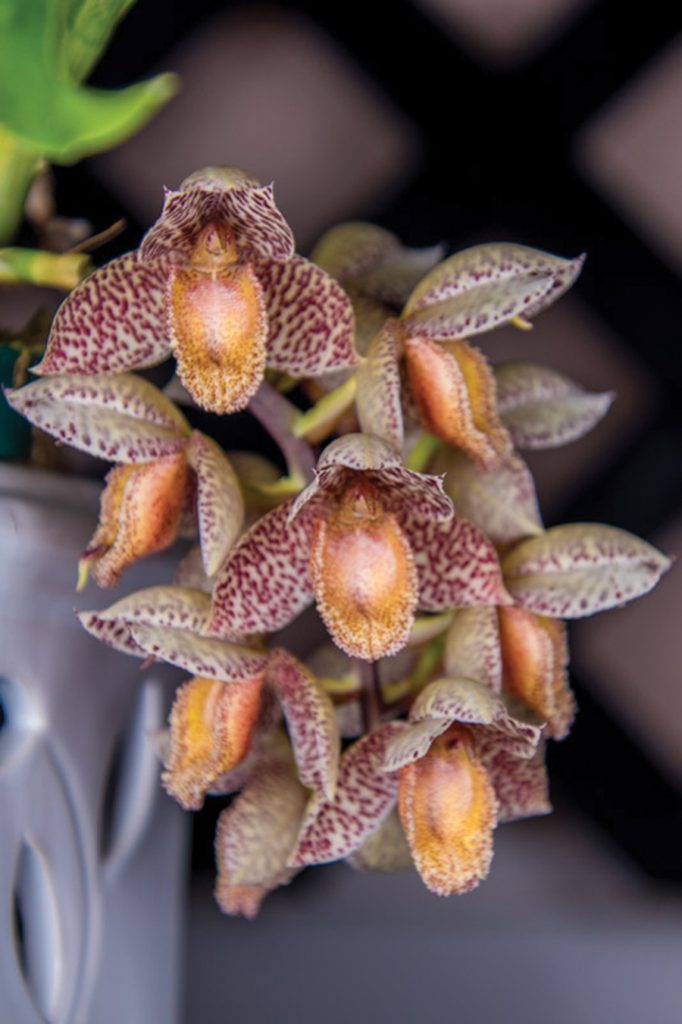
This was the process, he explains, that resulted in a new hybrid orchid that honors the very town in which it was conceived, Catyclia Leaf Hopper “Southern Pines” HCC/AOS, which in June made its showy green and fuchsia debut, earning a highly commended certificate at Greensboro’s Carolinas Judging Center, sponsored by the prestigious American Orchid Society.

The inspiration for assigning the common name for his hybrid creation came on a trip he and his wife, Keely, a horticulturalist at Sandhills Community College, took to the International Lady-Slipper Symposium in Florida in 2012. “I met an idol there,” he says of symposium speaker and botanist Franz Glanz. Harpster learned why the name “Wössner” appeared in dozens of Glanz’s hybrid orchids, many of which Harpster counts among his favorites.

“I loved that he named the plants after the region that he came from (in Germany), rather than naming them after himself,” he says. By honoring his hometown of Southern Pines in his hybrid’s name, Harpster is acknowledging the support he has felt here since childhood. “Being part of the community and giving back is a big deal for me,” he says.

Harpster is active in the Southern Pines Business Association (past president), Rotary Club, and the Eagle Scout review board, the latter a position he was recruited for by mentor Don McKenzie, one of the leaders who facilitated the young Harpster’s earning his Eagle Scout award at age 17. “One of the things I love about Southern Pines is that the mentors who guided me are still here, literally across the street,” he says, pointing to McKenzie Photography just across Vermont Avenue.

“I do remember he was always very focused,” McKenzie says of Harpster. “Every rank in Scouting involves service to others, as a troop and as an individual.” The philosophy germinated along with Harpster’s interest in plant identification. He realized, “Hey, I’m good at this. I had a knack for it, and I enjoyed it more than almost anything else in Scouts. It got me outside and taught me a lot of passions.”

Harpster’s greenhouse treasures carry monetary value, but he has no interest in selling orchids, content with his avocation remaining just that. The greater value is his attachment to the plants, as passionate as if they were his pets. In fact, another of Harpster’s fascinations is breeding tropical fish.

In the lobby of Central Security, visitors are treated to a stunning 300-gallon aquarium full of dozens of African Cichlids, vibrant yellow fish and blue fish in various sizes swimming against a dark backdrop. The lighting is dramatic; the look theatrical. And like the orchids, they prove to be a science-begets-art exemplar.

Harpster points out matter-of-factly, “They are maternal mouthbrooders. The female scoops up her fertilized eggs in her mouth and then in about three weeks, out swim the babies.”

It’s an interest dating back to a childhood job cleaning the family aquarium. In college, he was once presented with the choice of purchasing an aquarium or a television for a new apartment — he came down squarely on the side of the fish. “It became the centerpiece of my apartment.”

While not disparaging anyone who does talk to their fish or plants, Harpster is clinical and scientific in all things flora and fauna, lightheartedly explaining, “I don’t talk to plants or fish. I don’t name the fish. They have proper taxonomic names that they should be called, darn it!” Never content to rest on his laurels, Harpster is engaged in the arduous accreditation process to become a judge within the American Orchid Society, a leader in the kingdom of orchids since 1924 — a process he likens to adding another degree to his MBA.

Some of Harpster’s orchids have found a summer home off Young’s Road in the horse farm setting of Jason and Keely’s backyard, where an awning diffuses light over a series of terra cotta plant holders, repurposed utility pipes where the plants thrive as though they were summering in the tropics.

But then, that’s Harpster’s world.  PS

Amy Griggs has worked as a community journalist and middle school teacher. She lives in Wake County and counts the Sandhills as her second home.

Almanac

By Ash Alder

Remember meeting that first giant? Being dazzled beyond words by its radiance and splendor, gasping as if you’d just entered a world alive with magic beans and singing harps and ornate birds with eggs of gold? 

Or perhaps you met a field of them? Smiling sun gazers. Stilt walkers among a carnival of phlox and zinnias and late summer bloomers. Nothing says August like a host of majestic sunflowers. As they follow our blazing sun across the wispy-clouded sky, these towering beauties remind us that we, too, become that which we give our attention.

Listen for the soft thuds of the earliest apples. Notice the silent dance of the spiraling damselfly, wild raspberries, the star-crossed romance between milkweed and goldenrod.

Queen Anne’s lace adorns roadside ditches and, in the kitchen, fresh mint and watermelon smoothies await sun-kissed children still dripping from the pool. 

“Can we grow our own?” they ask, eyes still aglow from the cheerful band of sunflowers they saw at a friend’s house days ago.

Come spring, as they work the magic seeds into the cool soil, all the world will sing.

Good Clean Fun

Given optimal growing conditions (plenty of sun and space), the sunflower can grow up to 13 feet tall in as few as six months. And once summer and her birds have harvested the last of its seeds, consider using the head as a biodegradable
scrubbing pad.

I almost wish we were butterflies and lived
but three summer days — three such days with you
I could fill with more delight than fifty common
years could ever contain.  
— John Keats

Cozy with the Crickets

Sure as the summer garden yields sweet corn and sugar snap peas, the Perseid meteor shower returns. Following the new Sturgeon moon on Aug. 11, the annual show will peak on the night of Sunday, Aug. 12, until the wee hours of Monday, Aug. 13. A thin crescent moon should make for excellent viewing conditions. Cozy up with the crickets. Believe in magic. Breathe in the intoxicating perfume of this summer night.

The luxury of all summer’s sweet sensation is to be
found when one lies at length in the warm,
fragrant grass, soaked with sunshine, aware of
regions of blossoming clover and of a high
heaven filled with the hum
of innumerous bees.

— Harriet E. Prescott, The Atlantic Monthly, August 1865

Food for Thought

The dog days are still here. According to the Old Farmer’s Almanac, the hottest days of summer coincide with the rising of Sirius, the Dog Star, beginning July 3 and ending Aug. 11.

Meantime, sit beneath the shade of a favorite tree.

Sink your teeth into a just-picked peach.

Lose yourself in a tangle of wild blackberries.

And as you watch the busy ants march along empty watermelon rinds and overripe berries, remember there is work to do.

Stake the vines.

Can or freeze excess of the harvest.

Prepare the soil for autumn plantings: purple top turnips and Chinese cabbages; Ebenezer onions and cherry belle radishes; spider lilies and autumn crocus and greens, greens, greens.

Allow yourself to enjoy it.

August creates as she slumbers, replete and satisfied.  — Joseph Wood Krutch  

Living by the Book

A cottage with a wow factor

By Deborah Salomon     Photographs by John Gessner

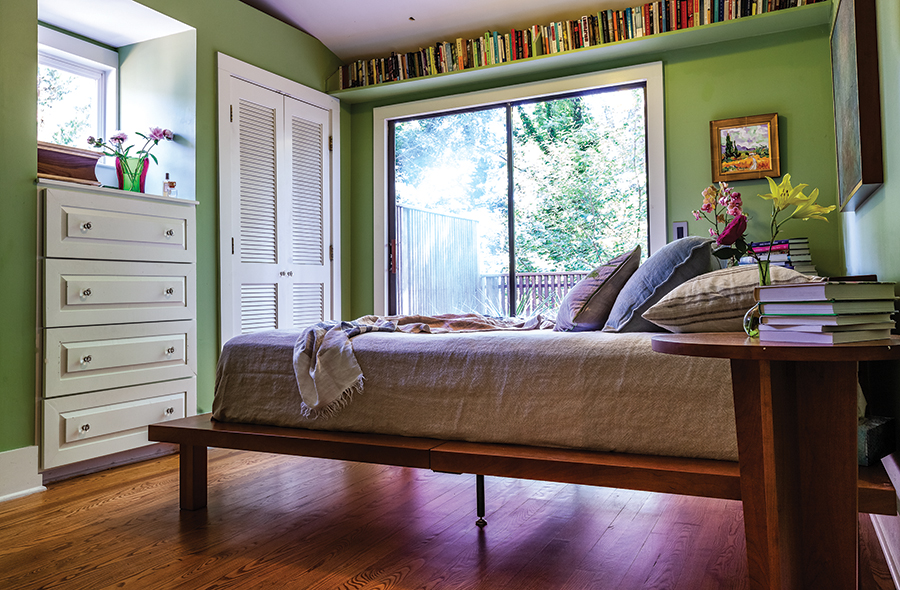
Tom and Katrina Denza are book people. “I even like the smell of books,” Katrina admits. They read paper-and-ink books — thousands of them. Their historic district Southern Pines cottage is designed around his collection of classics, hers of contemporary fiction. Bookshelves are everywhere, mounted over doorways and under ceilings. Books in the kitchen, the dining room, the master bedroom. Katrina can locate every title. The converted attic holds their son’s childhood books. Opposite the front door, a wall of book cubbies lit by an undulating metal lighting fixture with purple globes makes the correct first impression.

“I moved to Southern Pines because of The Country Bookshop,” Katrina, a true bibliophile, confesses.

As for the house, you can’t judge this book by its cover. The sandy-tan exterior, unremarkable except for a long balcony, melts behind a greenery screen, as does the adjacent lot Tom purchased for a garden, pond and firepot. But once inside . . . wow.

First came the Boyds, then Weymouth, then resort hotels, then winter retreats for wealthy (or sickly) urbanites, then — east of the tracks but downhill from the estates — cottages built for support staff, shopkeepers, professionals, and the less affluent who followed seeking a temperate climate with amenities.

The hotels burned down, mansions changed hands, cottages fell into disrepair. When the tide turned, Weymouth was restored as a cultural center; prominent addresses were renovated; and now, finally, many of the modest cottages have been taken apart and reassembled as small gems.

Still, the Denzas’, built in 1927, stands out in a neighborhood of surprises, first by being inconspicuous. Curb appeal wasn’t a priority. Even the porches and decks accessed by sliding glass doors enhance the interior. “I feel like I’m in a treehouse,” Katrina says.

Obviously, well-developed personalities created this repository of literature, architecture and art.

Both Tom and Katrina gravitated south from states for which nearby streets were named: she from Vermont, he from Connecticut.

Katrina: “The South is so rich with literature. I can feel it in the ground.” Here, she started writing again — a collection of stories with Europe as background and a novel set in Vermont and Carolina. Her activism includes participating in (and reporting on) the Women’s March on Washington in January 2017. A friend told her about the Writers in Residence program at Weymouth Center for the Arts & Humanities. “There is such creative energy in that house.” She now manages the program as well as serving on the board of directors.

Tom: “I came for the heat and Faulkner — except for that I should have gone farther south.” (William Faulkner was born and raised in Mississippi.) Tom’s travels to Spain made him long for sunshine, warmth and friendly faces. With experience in home renovation gained as a young teen from an 80-year-old Irishman who needed a helper, Tom established a flooring business. “I was young and single.”

Tom bought the cottage in 1986 — a messy, neglected warren of rooms, no air-conditioning — and moved in with the intention of gutting and renovating it himself. This he did, gradually, replacing the roof, even excavating a basement to provide the solidity he remembered from the brick home where he grew up. While tearing down walls he found tiny glass ampoules; perhaps tuberculosis patients who came for the cleansing air once lived there.

The two New Englanders met, married, moved to Midland Road and had a baby while the renovation progressed.

He aimed for something simple, contemporary, vaguely Japanese. “It sounds ridiculous, but there was no conflict,” he says, noting that he and Katrina both admire Frank Lloyd Wright. Katrina selected earth tones. “I have a sense of it, color in small doses, a touch of orange against turquoise, no primaries or pastels.” Tom cooks, therefore planned the kitchen. Katrina chose a hallway overlooking the balcony for her desk bathed in natural light. Stairs to the former attic were tucked out of sight, not to break the expanse.

Tom insisted on fine details like solid wood paneled doors with glass knobs and high-tech light switches.

The entranceway, a separate room, previews Tom’s artistry: Brazilian cherry floorboards form a geometric pattern; a shoe cabinet (Asian influence) came from a train station; Lucite chairs are from Italy; and a massive jug is from France.

There are no rugs to detract from the assortment of woods and styles Tom selected for flooring.

Although it meant structural reinforcement, he decided to move the front door and open the main floor from the dining room at one end to the living room at the other with the kitchen and section of book cubbies in between, creating an unbroken expanse of about 50 feet, 10 feet shorter than a bowling lane. This architectural trompe l’oeil makes a house with smallish rooms appear vast.

Tom and Katrina subscribe to the wabi-sabi Japanese philosophy celebrating the well-used and slightly imperfect. Angled walls and ceilings add interest, character. Scale mattered; a dining room table with Scandinavian lines was custom made of cherry wood to fit the space and seat six, no more. The table stands beside a wall of textured plaster, painted a deep nameless color. Living room furnishings are arranged the old-fashioned way, a semicircle facing the fireplace, for sitting and reading or conversation. No sound system, just a lone, medium-sized TV mounted well below eye level.

Katrina would like to live without it. “We don’t have cable, just Netflix for watching movies.”

Glass doors rimmed in black connect the master bedroom, painted a retro pale avocado, to an arrangement of planters on the deck. The Japanese tone continues with a platform bed and a bathroom in the same shade of green with startling black lacquer accents. Upstairs, Tom planned to finish the attic with a sleeping porch but decided a bedroom, also with platform bed, would be more practical, along with a play space for kids. The upstairs interior bathroom has a large paned window looking out onto the staircase, opposite a real window that brings in natural light.

“I saved an original window and thought it would work there,” Tom says.

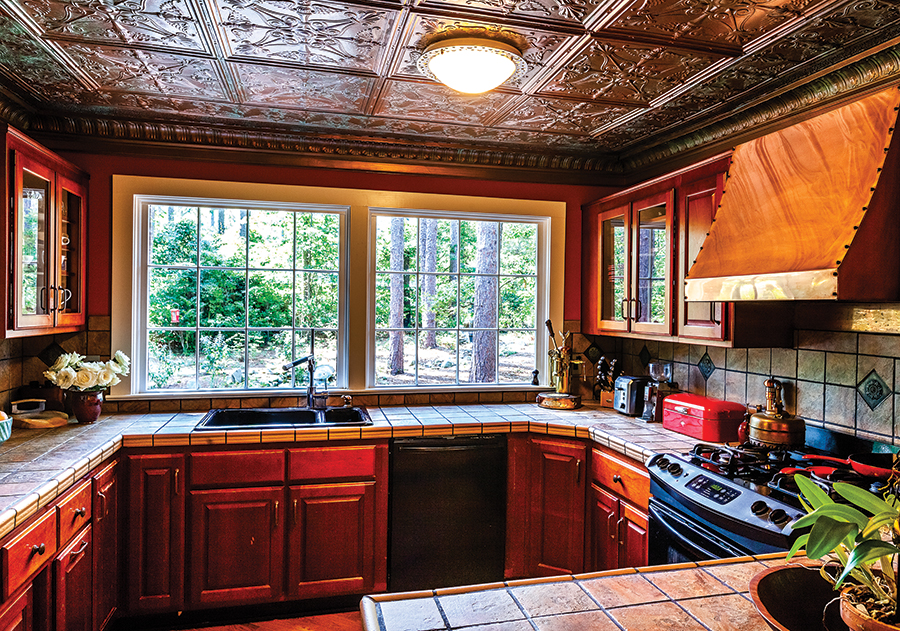
Chef Tom’s kitchen looks more cooked-in than picture-book. No granite, no marble, no gadgets. The original tin ceiling has been treated to resemble oxidized copper, a greenish shade called verdigris. A real copper range hood complements the overhead metal.

Tin squares are echoed by square countertop tiles. On them stands Tom’s prize, an Electra brass coffee press made in Italy that resembles an appliance from Leonardo DaVinci’s kitchen notebook. Tom roasts coffee beans outside, puts them through a countertop grinder and transfers coffee to the press to extract a superior brew, one cup at a time. Imagine the aroma.

“I’m very particular,” Tom says of his cooking utensils. “I watched and learned from Chef Warren and Mark Elliott.” First lesson: The right pan and fresh herbs from his garden make a difference. Travels through France don’t hurt.

On a par with books, art beats in the heart of this home. Katrina displays works by local artists Jessie Mackay, Denise Baker, David Hewson and others. Larger paintings dominating entire walls are, for the most part, abstracts as in Carol Bechtel, who describes her work as “about how things go together or touch or separate . . . making order from chaos and calmness from tensions.”

How the Denzas acquire art speaks to their relationship. Every year, on their wedding anniversary, they visit a gallery. Each chooses a painting without consulting the other. Amazing, how many times they both chose the same one, Katrina says.

For all its history, personality and artistry, Tom describes the Denza house as simple. Simple for them means a good book, a perfect cup of coffee, intelligent art, frogs in the pond and friends within walking distance — a harmony between people and their environment. Other words, from another book, in another language call it feng shui.  PS

When History Goes Missing

A lost first edition, a vanished diary — two of Weymouth’s greatest mysteries endure

By Stephen E. Smith

On a warm June evening in 1935,
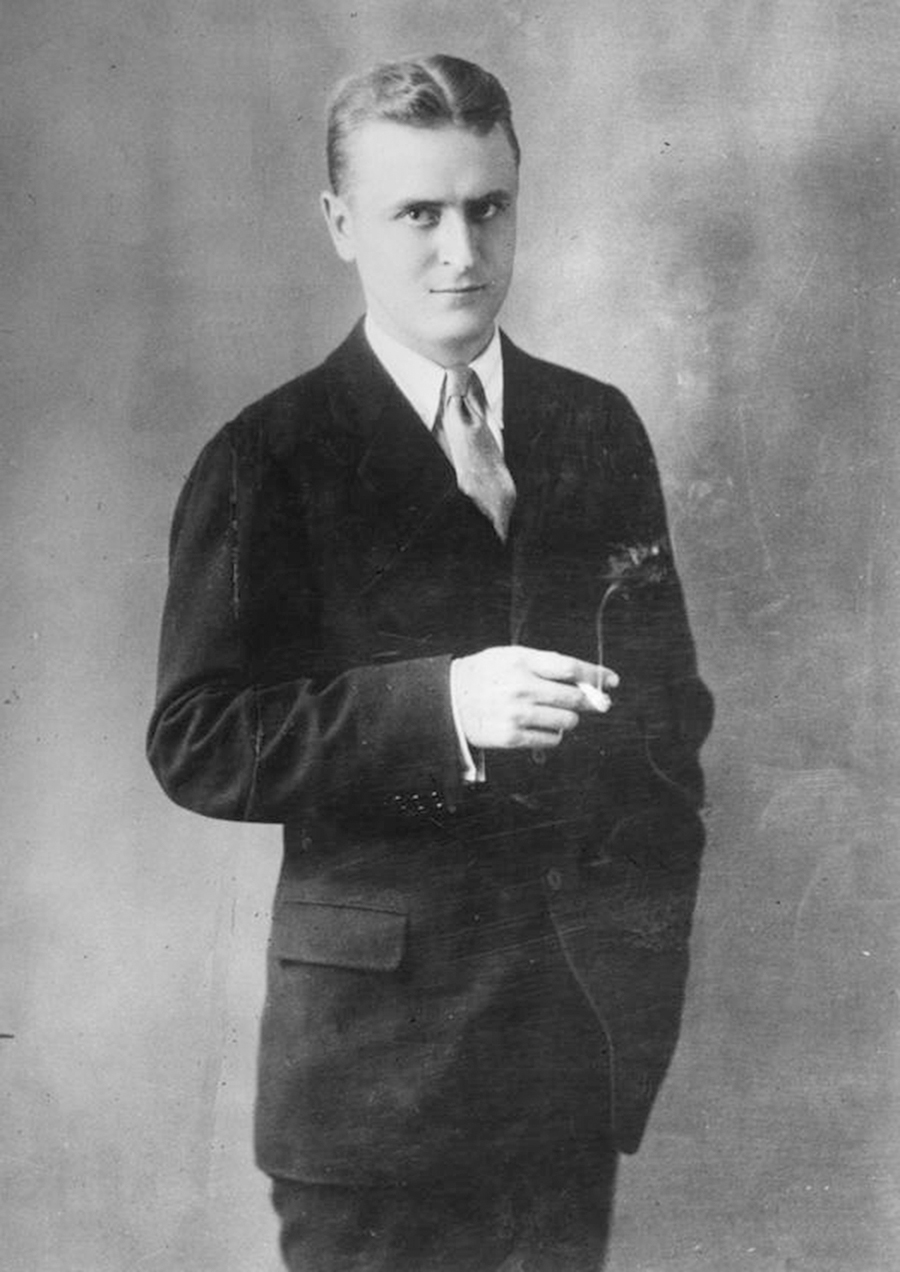
F. Scott Fitzgerald, celebrated author of The Great Gatsby, was feted by James and Katharine Boyd at their home in Southern Pines. Fitzgerald was in his element at intimate literary gatherings where he was the center of attention and as usual, he was intoxicated and pontificating, going on at length about the weaknesses he’d detected in his host’s latest novel, Roll River. He voiced his criticisms in front of Struthers Burt and his teenage son Nathaniel, the Boyds’ close friends and longtime neighbors, and James and Katharine were no doubt relieved when their over-served guest staggered off to bed and the uncomfortable episode receded into the past.

Except, of course, that the past is forever in the present.

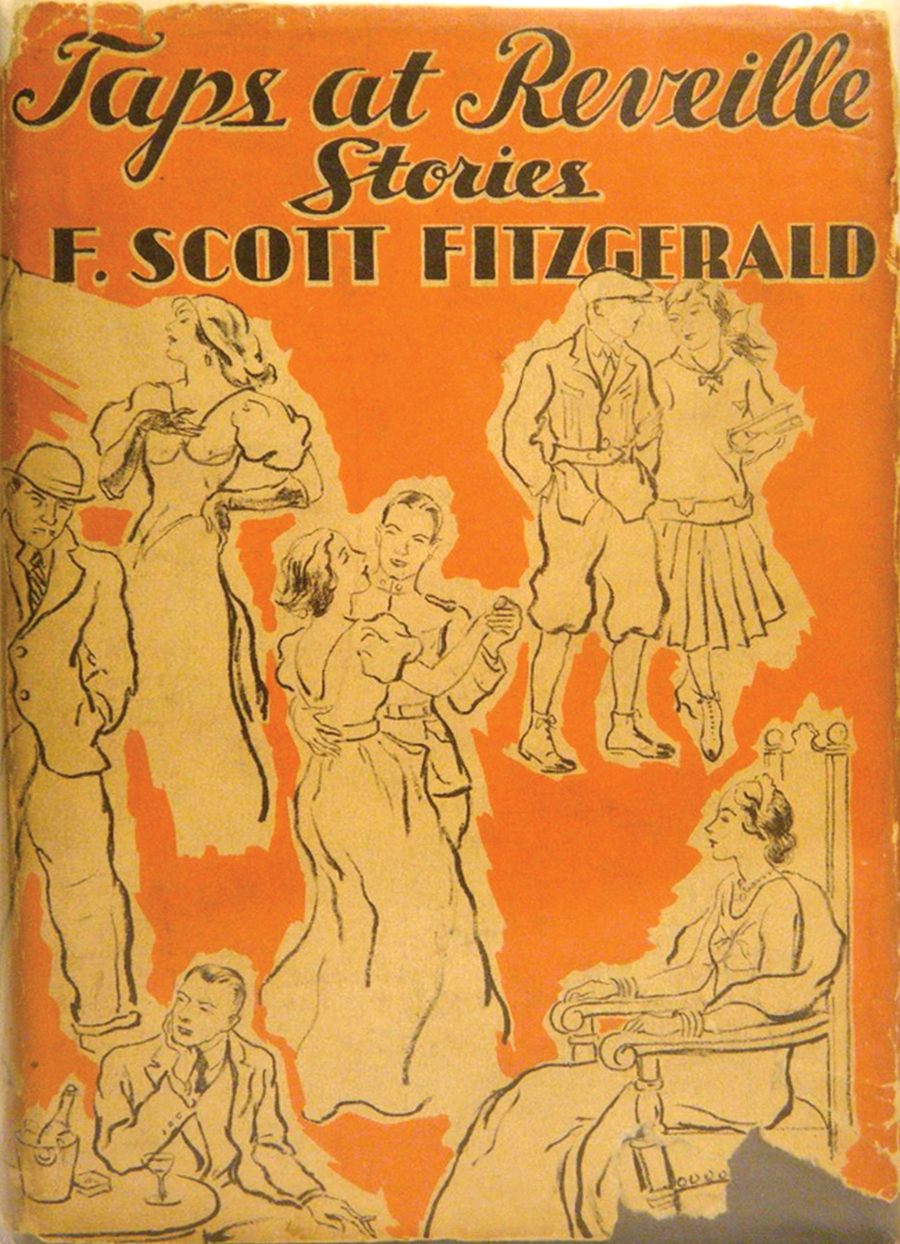
What survives of that night’s unpleasantness are bits and pieces of mean-spirited sarcasm and post-party finger pointing referenced obliquely in an apologetic thank-you note from Fitzgerald and responded to in kind by a usually mild-mannered James Boyd. The evening also produced two genuine mysteries — a missing first edition of Fitzgerald’s Taps at Reveille inscribed to the Boyds; and a diary, also lost, kept by Katharine Boyd, that might offer insights into the state of mind of a talented but troubled writer.

Legendary Scribner’s editor Maxwell Perkins had gently encouraged the Boyd-Fitzgerald friendship as a character-building exercise. He wasn’t anxious on Boyd’s account — James was always a solid citizen — but he was worried about Fitzgerald, the Jazz Age bad boy, who was, at that moment in his downwardly spiraling career, heavily in debt and beginning to suffer through what he would later describe as a “crackup.” His finances were being depleted by his lavish lifestyle, his wife Zelda’s confinement in the Sheppard-Pratt Psychiatric Hospital in Baltimore, and his daughter’s tuition at Bryn Mawr School. The April 1934 publication of his fourth novel, Tender Is the Night, brought the author only tepid reviews and little in the way of royalties, and the March 1935 reception for Taps at Reveille, his fourth and final book of stories, was even more dismal. Changing literary tastes occasioned by the Great Depression had made it difficult for Fitzgerald to place short stories, always his chief source of income, in popular magazines, and his binge drinking only intensified his emotional woes. New Yorker writer James Thurber described Fitzgerald during this period as “witty, forlorn, pathetic, romantic, worried, hopeful and despondent . . . .”

The discussion that June night focused on the various mechanisms of the historical novel, and as the hour grew late and the alcohol flowed, Fitzgerald’s intoxication apparently overawed his fragile sense of decorum. Much of what we know about his conduct can be inferred from the self-serving thank-you note he wrote to the Boyds from Baltimore’s Hotel Stafford: “In better form I might have been a better guest but you couldn’t have been better hosts even at a moment when anything that wasn’t absolutely — that wasn’t near perfection made me want to throw a brick at it. One sometimes needs tolerance at a moment when he has least himself.”

But Fitzgerald’s thank you isn’t merely a plea for forgiveness; he uses the opportunity to reiterate his criticism of Boyd’s novel: “ . . . remember all the things I did like about Roll on Sweet Missoula [a sarcastic play on the title of Boyd’s Roll River] (I forget the exact name) and my theoretical objections to certain ideas of yours as to what in the novel should drive it. In spite of everything those are dangerous subjects as we grow older, no matter what we say, unless discussion is remote from anything of ours, like discussing someone else’s children in any terms except polite compliments . . . .” Fitzgerald, drunk or sober, couldn’t pass up an opportunity to further exacerbate the unfortunate encounter.

Although Boyd was usually polite to a fault, he didn’t endure Fitzgerald’s continued effrontery without responding in kind. In a letter dated June 26, Boyd wrote: “The way a writer handles other people’s ideas on writing is part of his character and his qualification as a writer. If they do him harm, that’s a deficiency in him . . . So don’t worry about our talk. I know my meat when I see it, and my poison too . . . If you have any qualms after this I’ll make my next, to relieve your mind, a novel of defiance: ‘Run on, Scott Fifty-Rivers,’ or, if that is too obscure a reference, simply ‘F— Scott Fitzgerald.’”

What’s missing from the June gathering is the inscription Fitzgerald scrawled in a copy of Taps at Reveille that passed between guest and hosts that evening. On July 22, Boyd mentions the book in a letter to Fitzgerald: “I read ‘Babylon Revisited’ [a story included in Taps at Reveille] again before I left. In feeling, rendering, and design it’s one of the completely satisfying jobs . . . Some of the lesser things have got no business in there with it at all. I know even the best of the boys can’t do a Hamlet every time out of the box, but in Taps at Reveille there’s too wide a spread to be inside the same covers.”

Although Fitzgerald had relished the chance to be judgmental, he wasn’t inclined to accept criticism from a fellow writer, no matter how diplomatically couched. After Boyd’s July 22 letter, Fitzgerald fell uncharacteristically silent, and the correspondence ceased altogether after two letters from Boyd went unanswered. On Nov. 21, Boyd wrote to Perkins: “Have never heard from Scott since writing him that some of his short stories in his last collection were not good enough to stand up against the best of them.”

Literary squabbles are frequent and frivolous, but Fitzgerald’s tiffs endure. He was our first celebrity writer, and his The Great Gatsby is a durable assessment of the dark side of the American Dream, as relevant now as it was when first published. His writing, firmly established in our literary canon, has shaded the thinking of generations of college students. Who knows what insights the missing inscription might offer scholars?

So where is the Boyds’ copy of Taps at Reveille? It’s safe to assume that the inscribed first edition — worth $75,000 or more in today’s provenance-driven collectors’ market — was, for at least a few years, safely stashed in one of the Boyds’ three in-house libraries, which were, over time, scattered to the winds. Fortunately, it’s possible to trace the dispersal of the Boyd books that have survived, and during the last 20 years, Weymouth librarian-archivist Dotty Starling has done yeoman’s service in reassembling the collections.

“James Boyd had three libraries in the house,” says Starling. “The books he used in his writing — dictionaries, reference works, and books by his favorite authors — were kept in his study, the room which now serves as the North Carolina Literary Hall of Fame. The novels he’d written and books related to his research were kept in the room designated as ‘the library,’ located on the first floor. Other books were shelved in the living room, which we now call the great room.”

Scattering books haphazardly about one’s home is a less-than-ideal organizational system, but Boyd had his own meticulous method for storing and locating books. “Each book had a printed label affixed to the inside cover designating the room, shelf and position of the book,” says Starling. “A book housed in the downstairs library would be labeled L-A-4, meaning library, shelf A, position four. A book assigned to a shelf in the living room might be labeled LR-A-3, designating the exact position Boyd assigned it. A book shelved in Boyd’s study could be labeled S-A-1 and so forth. As books have been returned to Weymouth, I’ve been able to determine the exact position they occupied when Boyd owned them. We hope that people in the community who come across books with the Boyd nameplate will return them to us so that we can continue to reassemble the collections.”

Not long after James Boyd’s death in 1944, Katharine gifted the Princeton University Library 15 archival boxes containing manuscripts and galleys of her late husband’s novels — Drums, Long Hunt, Bitter Creek and Roll River — and miscellaneous correspondence, articles, short stories and verse. The books and manuscripts remain the property of Princeton University, Boyd’s alma mater. Taps at Reveille is not listed as part of Princeton’s Boyd collection.

In the late 1940s, Katharine funded an addition to the Southern Pines Library, located next to the post office on Broad Street. The room was modeled on the library at the Boyd house, complete with a reproduction fireplace and mantel, and the shelves were stocked with books from James Boyd’s collection, including many rare and valuable books — 20 volumes of Jefferson’s writings, 10 volumes of Thackeray, and a collection of Washington Irving’s works — but no Taps at Reveille.

“Everyone had access to the Boyd collection and could use the books,” says Lynn Thompson, the library’s current director. “The catalog was simply cards stacked in a shoebox. It wasn’t long before valuable books began to disappear.” When the Southern Pines Library moved from Broad Street to its present location on West Connecticut, the city, who had legal ownership of the Boyd Room books and accoutrements, lent the materials to the Weymouth Center. Before the transfer, an appraisal of the Boyd Room volumes was undertaken by book dealer Perry Payne, but there’s no mention of Taps at Reveille in the inventory.

The largest dispersal of Boyd books occurred when Sandhills Community College opened in 1965. Teresa Wood, an early employee of the college, recalls Mrs. Boyd’s generosity. “Our offices were located above what’s now the Ice Cream Parlor on the corner of Broad and New Hampshire in downtown Southern Pines. In order to open for classes, we needed a library, and Mrs. Boyd donated hundreds of books. We had shelves built in the building behind the Ice Cream Parlor — it’s some kind of restaurant now — and when classes started in 1966 we had a library for student use.”


W
ood doesn’t recall receiving a copy of Taps at Reveille, but if the book were among those donated, it would likely have remained in the college collection. In 1967, the college moved to its present location on Airport Road, and the Boyd books, each fitted with a nameplate acknowledging the gift, were shelved in the new library on the first floor of Meyer Hall. “When we moved to the new campus,” Wood says, “Mrs. Boyd donated even more books. We went through the donation and discovered her diary, which we immediately returned along with any other materials we thought were personal.”

The Boyd volumes remained in Meyer Hall until the Katharine Boyd Library opened, when a large number of the books were discarded as outdated. Miraculously, many of those volumes found their way back to the Weymouth Center, where Dotty Starling returned them, whenever possible, to their original positions on the shelves.

Did Taps at Reveille become lost in the shuffle?

The mystery was temporarily solved in 1993 when Faye Dasen joined The Pilot as Editor Sam Ragan’s assistant. “Mr. Ragan asked me to help organize his office,” Dasen recalls, “and I worked at straightening things up in my spare time. I was sorting through the bookshelves when I happened upon a book by F. Scott Fitzgerald. I opened the cover and there was a five- or six-sentence inscription signed by the author. When I asked Mr. Ragan about the book, he said, ‘Oh, that belongs to Weymouth. I have to take it up there next time I go.’ As far as I know, the book had been on the shelf since the Boyds owned The Pilot.”

James Boyd had purchased The Pilot in 1941. After his death in 1944, Katharine took over management duties until she sold the business to Sam Ragan, former editor of the News and Observer, in 1969. It’s possible that Taps at Reveille had been shelved in the publisher’s office by one of the Boyds and that it had remained there for more than 30 years. When the paper was purchased by Ragan, the book was included as part of the transaction. Since Sam Ragan was the driving force behind the establishment of the Weymouth Center for the Arts and Humanities, he would have returned Taps at Reveille to Weymouth, except that he fell ill and died in 1996. When the family sold off the estate, Ragan’s library was purchased by a rare book dealer. Taps at Reveille went with the collection.

In 2008, a Weymouth board member queried the book dealer in writing about the status of the Boyds’ copy of Taps at Reveille. When a response was not forthcoming, a phone inquiry was made, and an assistant to the dealer stated that the book had been donated to a college library, although “he [the dealer] can’t remember which college.” In all probability, the Boyds’ copy of Taps at Reveille exists today in a safe deposit box or on a collector’s bookshelf or in a rare book room at an unidentified college. It’s hoped that the volume, so much a part of the Boyd history, will eventually find its way back to the Weymouth Center for the Arts and Humanities.

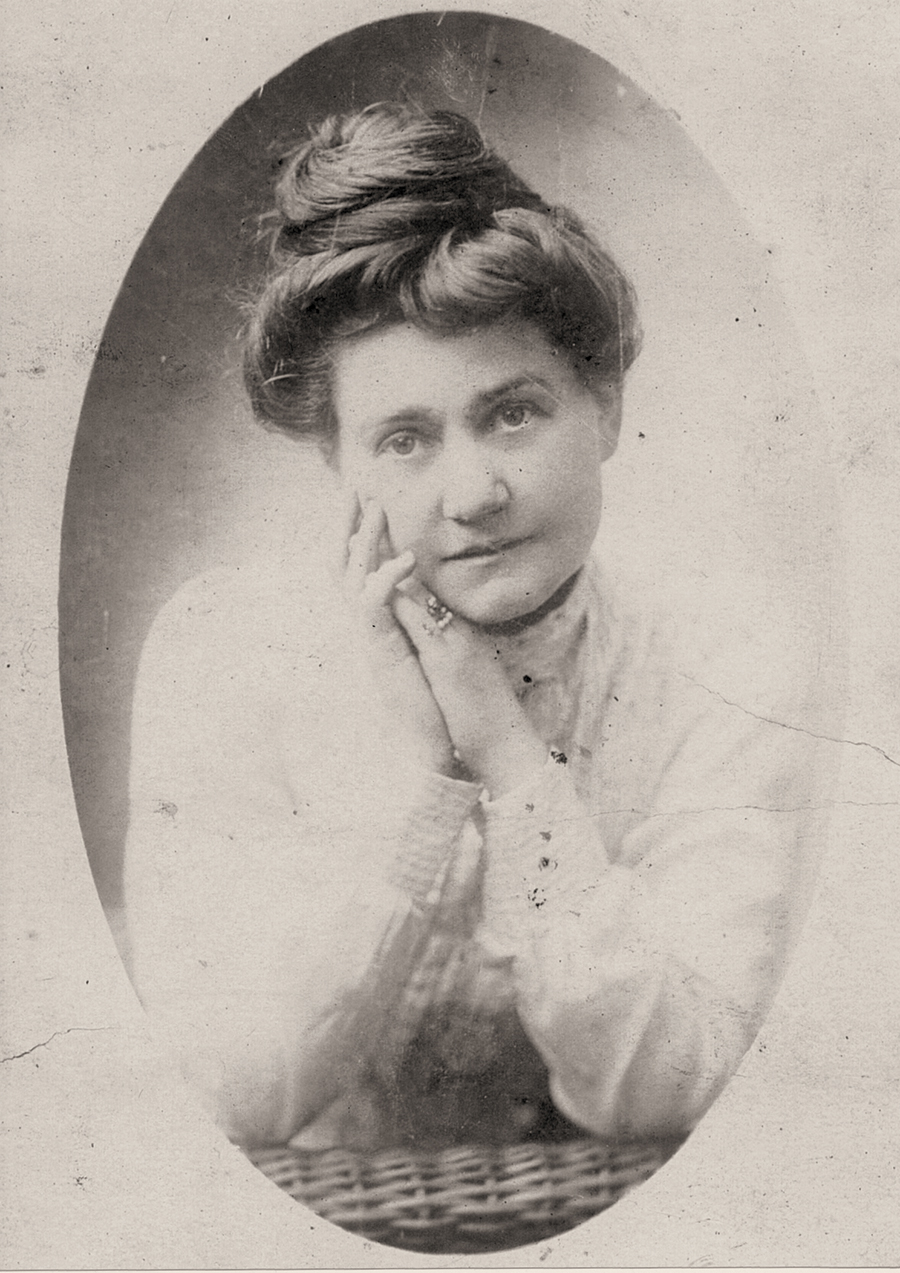
As for Mrs. Boyd’s diary, its disposition is less definite. Katharine Boyd died in 1974, and members of the family claimed what furniture, books and papers they wished to retain. The remaining contents of the house were auctioned off by Sandhills Community College. When Jim Boyd, James and Katharine’s eldest son, moved back to Southern Pines in the late ’90s, the trailer containing his possessions collided with an abutment on the interstate and its contents burned, destroying many of his mother’s personal papers. The diary may have been among the papers that were lost. Since the return of the diary to Katharine in the early ’70s, no one has come forward with information as to its whereabouts.

Time might have soothed Fitzgerald’s bruised ego, but five years after his visit with the Boyds, he died in Hollywood at the age of 44. His unfinished manuscript of The Last Tycoon was compiled and edited by critic Edmund Wilson, and Perkins mailed a copy of the novel to Boyd, who responded with predictable grace and candor: “I can’t feel that the book would have been a triumph for him, but the notes are fascinating. As so often with . . . him, the means by which he strove to arrive were more significant than the destination. The exception, of course, is Gatsby, which I just re-read before my operation. I believe it’s the best piece of writing we have produced between the wars.”  PS

Stephen E. Smith is a retired professor and the author of seven books of poetry and prose. He’s the recipient of the Poetry Northwest Young Poet’s Prize, the Zoe Kincaid Brockman Prize for poetry and four North Carolina Press awards.

The Real Song of the South

By Nan Graham

We scrambled flat on our stomachs, wrestling the bulky cardboard box from under the looming four-poster bed. My cousin Anne and I are not teenagers . . . we’re not even middle-aged . . . so it was a grim spectacle of struggling grayheads, who risked never getting vertical again, to do this.

The musty papers and letters of one of the most colorful of our relatives, our great-aunt, Martha Strudwick Young, a diminutive professional writer, born the year after the War Between the States began, contained some surprising new information. Cousin Anne had never looked in the boxes since her mother’s death in 1970, some 40-plus years ago. We were only a few miles from Martha Young’s birthplace in Hale County, Alabama, at a place called The Pillbox a few miles out from Greensboro, Alabama, and my visit had prompted questions about the writer’s childhood. We were well into the second round of iced tea when Anne remembered the flat coat box stored beneath the bed.

We knew from family stories that Martha’s early years were spent riding in the carriage with her father, Dr. Elisha Young, through the Hale County countryside as he made his rounds and tended to his patients. A surgeon in the Confederate Army stationed at Fort Morgan in Mobile — and imprisoned in New Orleans after the fall of Mobile — Dr. Young returned to his little family after the war to practice medicine in Greensboro, Alabama. A born storyteller, the doctor entertained the little girl with stories of making quilts with his black nurse as a young boy, eyewitness accounts of battles on Mobile Bay, and starving troops in the Alabama countryside as the father and daughter roamed the county in his buggy on house calls. He told of performing the first ever successful cutting and suturing of a carotid artery on a man stabbed and brought to his kitchen table in the middle of the night. The patient survived the procedure in the makeshift operating room. Dr. Young said that early quilt-making, common among young Southern boys in the 1860s in the county, gave him his surgical skills.

Martha had a quick ear for the rich dialect of the black folks at home and in the rural countryside. She was spellbound with their musical language and loved their tales of witches, wicked spells and ha’nts, and stories of talking birds. She absorbed the speech, its cadence and energy, of the black storytellers. Martha took mental notes on the actual calls and songs of birds of her native Hale County along the wooded roads. She was a good listener and had an excellent ear for mimicry.

She began to write and craft the oral tales told to her by blacks in her household and those she knew in the small community of Greensboro. She listened to the musical calls from the men and women who peddled fresh butterbeans and field peas ( “Fe-ull Peeas. Yas. Freee-sh Pleeeez . . .”) from carts on the dusty streets of her neighborhood. She listened to the ghost stories of the cook Chloe in the family kitchen house and to the animal stories of Isham, who helped with the horses and cows. She wove the tales into lyrical and haunting stories about sparrows’ chatty conversations with crows and baby robins squabbling among themselves. And useful warnings that picking peaches from the tree after sundown would kill the tree. Martha added her own keen observations of nature in Greensboro and the countryside around it, and incorporated the sounds of the birds and creatures as an integral part of her stories.

Being the oldest child of the eight siblings (of whom only five survived), Martha as a young adult in her 20s inherited the role of caretaker of the family at her mother’s early death in 1887. Her physician father could never have managed without his eldest daughter’s capable and no-nonsense discipline of her younger, motherless brothers and sisters. Martha practiced her bird calls and storytelling skills on the younger children, who were enthralled at their big sister’s tales of the talking buzzards, singing bats and swamp witches. Amazingly, she continued her writing despite being mistress of a large household and surrogate mother to a brood of children ages 7 into pre-teen.

And after raising her younger brothers and sisters, Martha, or Tut (rhymes with foot), as the family called her, decided that the single life was the life for her. As she always replied to inquiries about her marital state: “No, I am not married. I shall stay . . . forever Young!” (Her early sibling-rearing may explain the decision of the many spinsters out there, especially around the turn of the century.) Granddaughter of an Alabama anti-Secessionist, she had a college degree and was encouraged in her writing by her family. She started her career under the pseudonym Eli Shepperd, since young women from the South were not usually accepted in the male-dominated literary scene.

She began submitting her dialect bird stories to the New Orleans Times-Democrat, which first published her work in 1884, a Christmas story titled “A Nurse’s Tale.” Other Southern newspapers published the prolific writer’s stories.

The creator of Brer Rabbit and the Tar Baby, Joel Chandler Harris, gave high praise to the dialect writer, according to one newspaper account and even collaborated with Martha on one of his Uncle Remus collections. Joel Chandler Harris himself wrote: “Her dialect verse . . . is the best written since Irwin Russell died. Some of it is incomparably the best ever written.”

Her first book, with the catchy title Plantation Songs for My Lady’s Banjo and Other Negro Lyrics and Monologues, was published in 1901, still under the pseudonym Eli Shepperd. The originator of Brer Rabbit contacted the writer under that name. Joel Chandler Harris invited “Mr. Shepperd” to join him at a small hunting lodge at his Georgia home, Eagle’s Nest, to work on a collection of folk stories. It was a secluded spot and Harris felt it would be a productive collaboration. Naturally, Martha revealed her identity as a lady and responded that she hardly thought that Mrs. Harris would approve the plan. The two writers did eventually collaborate, but not in the secluded setting first suggested to Eli Shepperd!

More books followed Plantation Songs: Plantation Bird Legends (1902), Bessie Bell (1903) (later re-released as Somebody’s Little Girl in 1910), When We Were Wee (1912), Behind the Dark Pines (1912), Two Little Southern Sisters (1919), and Minute Dramas: Kodak in the Quarters (1921). Another Martha Young book, Fifty Folklore Fables, was reviewed and mentioned in publicity releases but is unable to be located. Plantation Bird Legends and Behind the Dark Pines are both illustrated with pen-and-ink drawings by J.M. Conde, the artist used by Joel Chandler Harris. Besides her eight published books, numerous articles and stories by Martha appeared in such magazines as Woman’s Home Companion, Cosmopolitan and Christian Advocate. Cosmopolitan, begun in 1886, was a family magazine at the time (a far cry — not even in shouting distance — from the modern Cosmopolitan) and featured such established writers as Jack London, Edith Wharton, Willa Cather, Theodore Dreiser and later H.G. Wells and George Bernard Shaw. (In 1965, Helen Gurley Brown, author of Sex and the Single Girl, revamped the family magazine of Martha’s day, zeroing in on women’s issues, becoming the familiar magazine we know today as the sexy Cosmopolitan.)

Martha Young reached her literary peak in the first decade of the 20th century. Her whimsical bird stories in African-American dialect were a runaway hit. Her books were a smash across the country, North and South. The Pittsburgh Gazette was among those who raved about her Plantation Bird Legends: “What the Grimm Brothers did, taking from the lips of unlettered peasants the folktales of the foretimes and setting them down for the delight of the after age, has now been done by Miss Young.” Martha’s other animal tales included such titles as “Why Brer Possum’s Tail Is Bare,” “Mr. Bluebird’s Debt,” and “Why Mr. Frog Is Still a Batchelor.”

Martha even performed live at the Waldorf-Astoria Hotel in 1906, reading stories and poetry in dialect from her published books and actually performing bird calls and trills to the audience’s amazement and delight. Other “musical numbers by prominent artists,” not mentioned by name, were also to appear on the evening program. She became a popular speaker in the East and almost all reviews of her events laud her delivery and lively presentations with comments about her distinctive voice.

OK. It WAS a different era, but I like to think Martha was an early Susan Boyle — without the bad hair — an unlikely candidate for public success having been raised in the tiny town of Greensboro, Alabama. Tickets for the performance were $1, the equivalent of about $27 in today’s currency, when the 1906 worker’s wage was about $300 per year and the average hourly wage 22 cents an hour.

Her Waldorf-Astoria poster shows the studio photograph of the petite 28-year-old Martha in an elegant pose. Reality was that in 1906, Miss Young was well into her 42nd year and a bit more stout (as they say in the South) than the slender young woman pictured.

Tut even had an offer to perform in vaudeville in New York, but politely demurred. (I am certain her lips were pursed when she did.)

She was quite prolific: plays, novels, stories for education journals and poetry, some even feminist. The poem “Uncle Isham” written under her pen name is narrated by an African-American to suffragettes who laughingly says ladies, don’t bother. He complains that he got the vote, but it didn’t change a thing . . . so never mind!

Hollywood called early on. One of her books, Somebody’s Little Girl, caught a Hollywood mogul’s eye. His office called the author Martha Young. As it turned out, it was not her story they were interested in, it was the title. Could they purchase the title alone, they asked. Martha was mortified at the idea. “Of course not,” she replied. “I would just as well sever my child’s head from its body as sell my title from its story. (It does make you think of Gloria Swanson’s has-been character in Sunset Boulevard when she thinks Cecil B. DeMille wants her for a movie comeback, when he actually only wants to borrow her vintage 1929 Isotta-Fraschini touring car.) Hollywood went elsewhere for a title, and unfortunately, we do not know which movie resulted after these failed negotiations with Martha.

One family story centered around Martha’s ferocious love of coffee and her prodigious consumption of the drink. She downed a dozen or more cups a day, but one Lent she decided to deny herself her most precious beverage. She announced what she was giving up for Lent with an unseemly pride to family, friends and neighbors: No coffee for 40 days and 40 nights.

About a week into her extreme Lenten abstinence, her brother came to see her. The door was open; he called . . . no answer. He wandered through the empty house until he heard a tiny voice from the closet. “In here, Elisha.”

He opened the door and saw his sister sitting on a straight chair in the darkened closet, drinking a cup of coffee.

“Tut,” he chastised, “Don’t you know the Lord can see you, even in this closet?”

“Of course I do,” she said, taking another sip. “But the neighbors can’t.”

Her Presbyterian brother closed the closet door and left her to her secret sin.

Tut became the family eccentric, a standout in a host of relatives competing for the title. Martha Young never voted in any election, even after women won the right to vote. She had been born the year Alabama seceded from the Union. Alabama came back after Appomattox . . . Martha never did. She was of the notion that she was not a citizen of the United States and accordingly, was not an eligible voter.

Her tiny feet were a particular source of pride. And with reason. In Martha’s day, Birmingham was where you shopped when you wanted something grand. It was Alabama’s answer to Paris. Passing the city’s finest shoe store, Tut stopped to read the display sign:

TRY ON CINDERELLA’S SLIPPER

You Might Be the Lucky Winner of a Pair of Shoes of Your Choice!

Tut strolled into the shop and sat while the salesman slipped the crystal slipper on her foot with ease. A perfect fit! She selecting the most cunning — and expensive — shoes on display. With shopping bag in hand, she waltzed out to meet her family for the triumphal return to Greensboro. Needless to say, she and her feet were the envy of every female in town. In all her photographs from that day forward, she managed to display her Cinderella foot peeking out from her floor-length dress.

Also vain about her small hands, she always posed them prominently in every picture. At one dinner party, she took a stroll in the garden at her host’s home at dusk. When she reached to touch a flower, she was bitten by a small garden snake. She rushed to the house, where she dropped to the sofa, crying, “My hand! My beautiful little hand. Ohhhh!” She held her hand aloft for inspection. As the guests gathered round, Martha put on a performance her fellow guests never forgot. Sarah Bernhardt would have been proud. Talk about how to sabotage a party. Tut’s uber-vanity quickly became part of the family history.

Local lore in Greensboro claims that Margaret Mitchell came calling on Tut in the 1930s. She was looking for advice on African-American speech patterns and dialect on a certain book she was writing. There is no evidence of this research visit by the author of Gone with the Wind except three local Greensboro sources who have heard the story handed down.

In 2006, a call came from Hollywood asking if I had or knew of any recordings of Martha Young’s voice. Production was beginning on a new film about Zelda Fitzgerald. They had heard of Martha Young’s work and were anxious to hear her Deep South accent for resource material for the film. Alas, although there is mention of her recordings in several writings about her, none could be tracked down.

The aging author did not mellow with age. One of my favorite stories about Tut was about her later years, when she developed diabetes in her old age and would not go to the doctor for follow-up visits.

“But Martha,” her friends insisted, “You need to get your blood checked.”

“I certainly do not,” she replied, drawing herself up imperiously. “I can assure you, I have the very best blood in Alabama.”

As the century rolled on and literary styles changed, Martha turned from writing lively animal stories to religious poetry and full-length plays as her next endeavors. It was an unfortunate career move. Martha’s religious poems are excruciatingly bad, but despite that fact, they continued to appear in magazines and newspapers. A few of these poetic gems’ titles: “Buddha’s Lilies” (Tut was an avid Episcopalian) and “Sermon on the Mule,” “Blessings of the Magnolia,” and “Sermon Against Bad Language.” The tedious plays (my personal favorite was Dice of Death) and her novels were never published, thank God, and now languish in a library’s special collection archives.

In the late 1930s, Walt Disney contacted Martha’s agent, according to correspondence found under that bed. The Disney studio was interested in animating her bird characters and stories. The elderly author had almost stopped all writing by now, but her agent’s letters were wildly optimistic. Disney, flush with the huge success of the 1937 release of Snow White, was working with Martha’s bird stories and had come up with some ideas on using them in a Disney full-length animated feature film.

“Oh no,” wrote Martha after reading one Disney adaptation, “Sis Sparrow would never say such a thing! No, no, Brer Crow could not possible perform such a dance . . . it’s all wrong. Wrong!” The imperious author was unyielding to the siren song of Hollywood.

Negotiations broke down after several years, the letters reveal. The headstrong Miss Martha Young proved a tough cookie. Five years later, Disney came out with Song of the South, the mix of animation and real film characters. Aunt Tut died in 1941 and the correspondence recording the futile negotiation with Walt Disney was stashed under that poster bed in Hale County, where it remained until a few summers ago.

Sis Sparrow could have been singing “Zip-a-Dee-Doo-Dah” while Bruh Crow and Martha Young’s other bird characters danced, if only Proud Martha had not been so mule-headed. She coulda been a contenda . . . maybe!

Acknowledgment for the culture and dialect of the black stories is a growing movement in the literary world. Zora Neale Hurston’s Barracoon, the true story of a survivor of the trans-Atlantic slave trade, was refused by editors in 1927 because of its dialect narrative and is now published with a scholarly introduction.

Aunt Tut is not completely forgotten. Almost all her early works have been republished by academics and folklore enthusiasts with original titles and author Martha Young’s name. And so the original stories remain in print.

Virginia Hamilton, a noted African-American author, read some of Martha Young’s folktales, rewrote them (it is almost a translation from the dialect) and had famed Barry Moser illustrate the stories. When Birds Could Talk and Bats Could Sing, published in 1996, is a beautifully illustrated book of Martha Young’s stories that are a joy to read today. ( My only complaint: The book is titled by Virginia Hamilton. As an academician, Hamilton surely knew that the correct way to title the book would be: By Martha Young as retold by Virginia Hamilton.) There is a brief explanation of Martha Young on the last page of Hamilton’s book. The beautiful new version of Martha Strudwick Young’s fanciful tales of talking sparrows and dancing crows is thankfully preserved.  PS

Nan Graham is a regular Salt contributor and has been a local NPR commentator since 1995.

A Passion for Palindromes

By William Irvine     Illustrations by Steven Guarnaccia

It all started when I discovered the mysterious connection between TUMS and SMUT. This childhood revelation (and the fact that I can read backward, a talent which I inherited from my mother) has led to a lifelong interest in collecting and inventing palindromes, words and phrases that read the same way forward and backward.

The cult of the palindromes owes its existence to Sotades of Maroneia, a Greek poet and satirist of the third century B.C., who invented palindromic verse and coined the term. The last century has produced J.A. Lindon and Leigh Mercer, British palindromists of rare accomplishment, as well as part-time palindromist and full-time humorist James Thurber. (One of his best: HE GODDAM MAD DOG, EH?)

The secret to constructing a fine palindrome is to start with a promising middle word with well-spaced vowels and consonants (FALAFEL or ASPARAGUS or ARUGULA spring to mind) and build outward, rather than starting with an end word (a mistake common to beginners). Punctuation is suspended; the only poetic license. Only a small number of palindromes make any sense without a frame of reference. So, unless you know you are reading a note from a New Guinean decorator, R.E. PAPUA ETAGERE GATEAU PAPER doesn’t mean much. Or AMARYLLIS SILLYRAMA (a comedy club for flowers?) Or how about SATAN, OSCILLATE MY METALLIC SONATAS?

For some reason, there are many good palindromes that incorporate the names of Republicans and dictators: DRAT SADAM, A MAD DASTARD; WONDER IF SUNUNU’S FIRED NOW; NORIEGA CAN IDLE, HELD IN A CAGE IRON. And consider this fine Sarah Palin-drome: WASILLA’S ALL I SAW.

Some of the best palindromes are remarkable in their brevity and simplicity: EVIL OLIVE, for example. Or the exquisite GOLDENROD-ADORNED LOG. But these pale in sophistication when compared with one of my all-time favorites, composed by the British author Alastair Reid:

T. ELIOT, TOP BARD, NOTES PUTRID TANG EMANATING, IS SAD. “I’D ASSIGN IT A NAME: GNAT-DIRT UPSET ON DRAB POT TOILET.”

The artist Steven Guarnaccia and I have been palindrome pals for a very long time. (In fact, so far back that when we began collaborating, the internet was something in a galaxy far, far away.) So in response to those youngsters who say, “Can’t you just look all these up on the Internet?” I gently reply that many of my earliest efforts were actually the result of countless hours with pad and paper, thumbing through dictionaries and collecting word lists of likely candidates. It sounds quaint, now, doesn’t it?

The following drawings are from our latest collaboration, DO GEESE SEE GOD? A Palindrome Anthology (available on Amazon). I hope you enjoy these plums of our palindromic plundering!   PS

When he is not indulging in logology, William Irvine is the senior editor of Salt.