Hometown

Passing of a Friend

When news doesn’t travel as fast as it should

By Bill Fields

To be engrossed in all things golf when I was a teenager during the 1970s meant having your own category of “golf cool.”

Johnny Miller was cool. A Wilson 8802 putter was cool. The opening music for ABC’s U.S. Open television broadcasts was cool. And in my book, so was Jim Boros.

It is a familiar golf name, of course, made famous by Julius Boros, Jim’s uncle, who had three major titles among his 18 PGA Tour victories. Julius represented the Mid Pines Club, as it was then known, for a long time as its touring professional, and his brother, Ernie, was the head pro during the 1960s.

When Ernie needed some help, Jim, who had gotten out of the Air Force, came south from his native Bridgeport, Connecticut, in 1966. After several years as a Mid Pines assistant, Jim took a job in Huntingdon, Pennsylvania. In 1973, after Quality Inns purchased the resort from the Cosgrove family, Jim returned as head professional.

Jim hired me to park golf carts and clean clubs on weekends and in the summer. I made some money, had access to the wonderful course and got to buy stuff in the shop — All-Star gloves, DiFini slacks — at cost. We played games on the practice green, Jim often wearing the white loafers and white golf shirt he favored most of the year. The preferred competition was putting two balls at each of the green’s 18 holes trying to make the most aces. I had 14 once, but it was never easy to get the better of Jim. He advertised and sold by mail for a couple of bucks a little pamphlet that he called the secret to putting: Apply the most grip pressure with the pinkie and ring fingers of the top hand and the index and middle fingers of the bottom hand.

He was a good player. As a 17-year-old he won the 1960 Connecticut State Junior, defeating an opponent named Bob Palmer in the final. That victory earned him a trophy and a “Boros Beats Palmer” headline over a small story in Golf World magazine that made Jim smile years later.

Savvy about the game, Jim knew that I wasn’t going to develop into a top-level golfer despite my enthusiasm and effort. But he was kind — unless you hit a shank in his presence, which he couldn’t abide — and helpful. He appreciated that I tried to do a good job and sensed I might have a promising future. My dad once passed along a flattering comment that Jim had made to him about me.

It was a little, but confidence-inspiring thing, an assessment that meant more than a golf tip, not that Jim wasn’t good at those too. He was head pro at Mid Pines for a decade prior to taking a similar post at Whispering Pines.

Jim loved a cold beer and a ripe tomato, the latter all the better if it came from his garden, which was a passion. He was low-key, smart, smooth.

Until recently I hadn’t known Jim died at age 77 in May 2020 of cancer that had been diagnosed five months earlier. He was survived by wife Juanita, daughter Lancey, son Scott and four grandchildren.

Jim and Juanita, an Aberdeen native, were married for 55 years, having met at the Capri in Southern Pines, not long after he had moved south to work for Uncle Ernie. Juanita, visiting from Greensboro, and her brother Wilson had come in for a pizza after going to the movies. Jim came over to pay off a basketball bet to Wilson, who had become a friend. It was the best five dollars Jim ever lost, for it was only seven months from their chance meeting to marriage.

Theirs was an enduring love story. After his wife was diagnosed with multiple sclerosis in 1990, Jim retired to support her. I had seen Jim about a decade ago when we played golf at Whispering Pines with his good friends and weekly golf partners Bob Drum and Barry Matey, Barry having worked as an assistant pro under Jim for years.

“We had the best times,” Barry said of his long friendship with Jim when I called him after finding out that Jim had passed away. “He was a classy guy.”

Yes, we did. Yes, he was.  PS

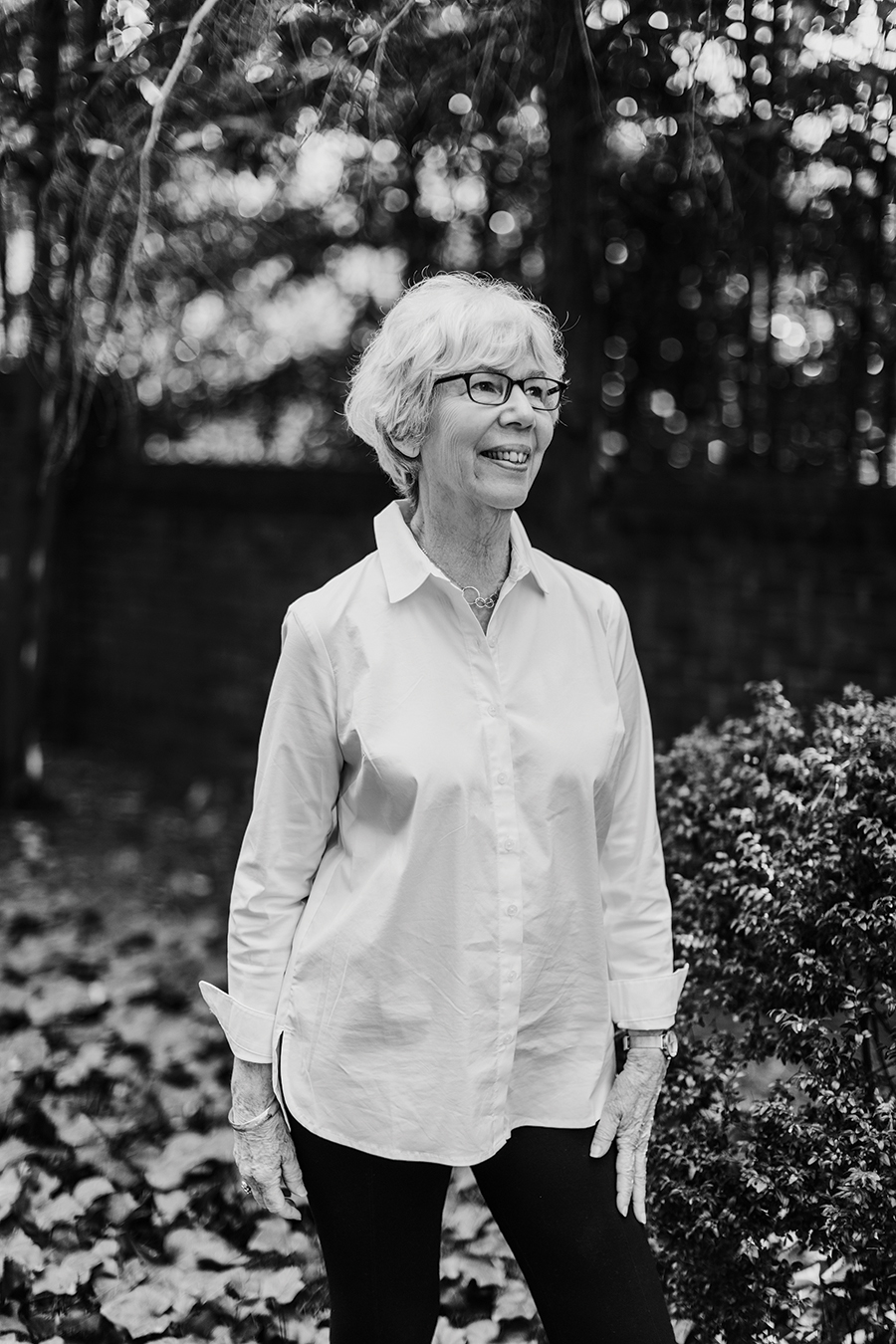
Southern Pines native Bill Fields, who writes about golf and other things, moved north in 1986 but hasn’t lost his accent.

Sporting Life

Turkey Trail

In pursuit of the wily gobbler

By Tom Bryant

I’m gonna be right up front with you folks who read these little missives of mine from time to time . . . I’m not a turkey hunter.

Maybe I should rephrase that statement because it’s kinda inclusive and covers a lot of territory.

I’m not a very successful turkey hunter. It doesn’t mean I don’t hunt the wily, bearded gobbler. I do.

As a matter of fact, I should say I’m a bird hunter specializing in ducks, doves, geese, quail (when I can find ’em) and even a pheasant every now and then when the coffers are full enough for a trip out west. But turkeys? They are last on the list.

When I was a young fellow, I was lucky to have an extended family of outdoorsmen who took me under their wings and taught me the right way to enjoy, responsibly, nature in all its wonder. At the age of 9, my grandfather gave me a .22 rifle, and more importantly, he instructed me how to use it safely. At the age of 12, my dad gave me a J.C. Higgins, 12-gauge pump shotgun and repeated the instructions from my granddad.

In those days, weapons in the rural South were treated as tools to help furnish game for the table. Those tools went a long way in the effort to become self-sufficient, a valuable lesson learned after the Civil War and later, during the Great Depression. I can remember asking my grandad how the family made it during those lean times.

“Son, in the South we’ve been in some kind of depression or recession since the late 1800s,” he said. “The bad spell that came along in the 1930s was hardly even noticed. No, I take that back. It was hardly noticed by those who were raised and still lived on farms and had access to the fields and streams where the good Lord placed his game for us to harvest and we had room to farm and garden. I’m afraid those days are going away, but I don’t want you to forget them.”

I haven’t. Even today when I’m hunting or fishing, I’m thinking about what’s good to eat. So, that’s how I got started. When I was afield with a shotgun, I wasn’t hunting any particular species, I was hunting any game that was in season, from squirrel and rabbits to doves and quail. If it was legal, it could end up in my hunting coat.

Everything, that is, except turkeys.

I remember the first time I thought I saw a turkey track. I was walking the railroad tracks from Aberdeen to Pinebluff, hunting along the way. I had developed a routine with my dad. He would carry my shotgun along with my dog Smut, a curly coated retriever, to the ice plant in Aberdeen where he was the superintendent. I would walk from school to the plant, a little over a mile, do my homework in his office, then round up Smut, grab my shotgun and walk the tracks home to Pinebluff, hunting along the way.

I remember the day I thought I saw the turkey track because it was toward the end of duck season, and there was a little creek that ran from Aberdeen almost parallel to the railroad. It was a good place for ducks — wood ducks, that is.

Smut and I eased in through the heavy growth as quietly as we could, hoping to jump an unwary duck, but to no avail. I was getting ready to go back to the tracks and hunt the other side when I saw bird prints in a small sandbar that traversed the water. They were as clear as if they were etched in concrete. Now, at the time, I was working on my Boy Scout merit badge for wildlife track identification, and I was constantly trying to identify every sign I could. I had identified most of the ones I found in the woods but had never seen anything like the big footprints almost in the creek. I made a quick sketch in my mind and went on with the hunt.

When I got home, just at sundown, I cleaned the game I’d gotten, gave it to Mom to put in the freezer, and went upstairs to check the book I had on the spoor of wild game.

I was wrong. The track I had thought was from a turkey turned out to be made by a great blue heron. Well, I said to myself, I should have known. Finding a turkey in Moore County is as rare as catching an 8-pound bass in Pinebluff Lake.

I put turkeys on the back burner and didn’t move them to the front until way later in my hunting career. In the past few years, what appealed to me about the sport of pursuing the crafty gobbler was that now they are plentiful and the season is early spring when all other game seasons are closed. It also gave me an excuse to venture forth at a beautiful time of year.

Early on, was I successful? I would have had better luck catching that 8-pound bass in Pinebluff Lake. But I did learn. I had good teachers, and I read a lot about how turkeys were successfully reintroduced to all areas of the state, a phenomenal triumph for the Wildlife Resources Commission.

So I kept trying. It was a lot like duck hunting: be in the woods before day — no reason not to stop on the way, pick up a bacon, egg, and cheese biscuit and a good cup of hot coffee. Then get to the spot that had been scouted the day before, put out all the gear, including a couple of decoys, hunker down in a makeshift blind, and watch a beautiful sunrise.

That’s what I would do off and on during the April and May 36-day season. I heard turkeys — I even saw turkeys — but without any luck getting one to come close enough for a shot. I was determined, though, and not about ready to hang up the old turkey call.

Then came that special day.

The guest room alarm clock went off just as programmed, 4:30 a.m. The night before, I had moved across the hall in deference to my bride, Linda, so I wouldn’t disturb her. I rolled over on the side of the bed, looked bleary-eyed at the clock and was just about ready to crawl back under the covers when I recalled an old saying Mom had given me years before, “Those who hoot with the owls at night have a hard time soaring with the eagles at dawn.” She had even given me a small statue of an owl to go with the quote.

The night before, we had a few guests over for dinner and, during the revelry, I had one glass of wine too many and was paying the piper for my indulgence. So I bit the proverbial bullet, pulled on the camouflage clothes I had laid out the night before, and silently made my departure for the fields. I had made a large cup of coffee, and the caffeine revived me as I slowly drove south.

I had decided the week before to hunt a small field, about 10 or 15 acres, planted in rye that was now about 2-feet tall. I placed my dove stool in between two pines that bordered the field, pulled the camouflage head net over my face, sat down, loaded my gun with #5s, and grabbed the box turkey call from my gunning bag. As I was pulling the turkey call out of the bag, the striker accidentally scraped out a hen turkey sound. I said, “Shhh,” to myself, set the call on the ground and immediately heard a big gobbler holler back. I was so shocked, I almost fell off my stool.

From then on, it was exactly like you might picture a turkey hunting scene on television. The great bearded gobbler strutted and gobbled his way across the rye field heading straight to the decoys and right into the sight of my shotgun.

It was a great day for me, but honestly, I can’t take all the credit. I had help calling the big gobbler to his demise. My gunning bag did it.  PS

Tom Bryant, a Southern Pines resident, is a lifelong outdoorsman and PineStraw’s Sporting Life columnist.

Pleasures of Life

Mom the Pathfinder

Have kids, will hike

By Katie Begley

North Carolina is home to some of the most peaceful hikes in the South. I’ve also gone hiking with my kids. The experiences are, well, a bit . . . different.

Hiking with young children generally begins with some crying. Whether it was overshoes that are too tight, naptimes that are too close, or just emotions that are too big, I’m not sure. A single mom with three kids, ages 5, 4, and 2, in tow, I wondered what I had been thinking as we all climbed out of the car at Weymouth Woods. This was supposed to be a relaxing morning on one of my favorite local trails. A tranquil time for us all to connect to the Earth just as it had been for me, by myself, so many mornings before.

We had all been cooped up in the house with positive COVID tests, and now that we were cleared to rejoin the world, I wanted to get some real dirt on the soles of my boots. Instead, someone stepped on the instep of my foot in the parking lot, and I had to fight back the four-letter word that popped into my head, knowing that my kids would take it up as a rallying cry if given the chance.

As soon as we settled on a direction — no small feat given the strong opinions held by each young hiker — the spirit of the hike started to weave its magic through our little group. Our lungs felt a little bit fuller. Our faces, turned up to the late morning sun, felt a little bit warmer. Our nerves, at least mine, started to uncoil. A few leaves crunched under our feet, and sand kicked up behind my kids as they ran, laughing, down the trail.

I was laughing with them, not even thinking about the cubic feet of sand we would all bring back into the car in our shoes, when the boys, 5 and 4, suddenly stopped. They’d discovered a mysterious set of tracks on the trail. A strenuous debate followed about what kind of animal it could be. They ruled out deer because the tracks were too big. A bird of some sort was the top contender for a while until they realized that the clearest of the tracks was a semicircle and didn’t have any claws. My 5-year-old used his preschool powers of deduction to suggest that it may have been a horse, given that we had seen a sign designating this as a horse-friendly path. Always the proud mama, I beamed at what I knew were signs that my kids were destined to be geniuses, possessed of both logic and reason. I had reached peak motherhood.

“No, it’s a velociraptor track,” my 4-year-old announced confidently, followed by what he imagined the velociraptor sounded like at the very instant it swooped into Weymouth Woods and touched down. My 2-year-old fell back onto her bottom, startled by the wild noise, and began crying. My oldest rolled his eyes, said, “Whatever,” in a voice that sounded way too much like a teenager and took off in the opposite direction. I looked around us, silently praying that no one was in earshot of the party of four disturbing the peace.

Having narrowed our choices to either a prehistoric beast or a large hooved mammal, we circled back to the car. It may not have been the tranquil morning that I envisioned but, glancing in the rearview mirror as we pulled back onto the road, I saw my kids nodding off in their car seats, and smiled.  PS

Katie Begley is a freelance writer and executive director at The Wilds Writer’s Studio. You can follow her writing on social media @katiebwriter and learn about The Wilds resources for young writers @thewildswritersstudio or www.thewildsstudio.com.

The Creators of N.C.

A Shared Life

Judy Goldman looks back on the Jim Crow South

By Wiley Cash

Photographs by Mallory Cash

I first met author Judy Kurtz Goldman in the summer of 2013 when we were seated beside one another at a dinner sponsored by a local bookstore in Spartanburg, South Carolina. Of that evening, I can remember Judy’s elegant Southern accent, her self-deprecating humor, and her teasing me that my calling her “ma’am” made her feel old. But Southerners like Judy know that the conventions you were raised under are hard to buck, regardless of whether they are based on something as benign as manners or as oppressive as prejudice.

According to the late Pat Conroy, Judy Goldman is a writer of “great luminous beauty,” and I happen to agree with him. She’s published two previous memoirs, two novels, two collections of poetry, and she has won the Sir Walter Raleigh Prize for fiction and the Hobson Award for Distinguished Achievement in Arts and Letters. In her new memoir, Child, Judy confronts the horrible legacy of the Jim Crow South while coming to terms with the fact that the customs and laws born from Jim Crow delivered one of the most meaningful and long lasting relationships of Judy’s life. The memoir explores the life she shared with her family’s live-in domestic worker, a Black woman named Mattie Culp, who came to live with and work for the Kurtz family in Rock Hill, South Carolina, when she was 26 and Judy was 3. From the moment of Mattie’s arrival, she and Judy were close physically and emotionally. They shared a bedroom and a bed. (Mattie shared the single bathroom with Judy’s parents and two older siblings.) Judy and Mattie also shared one another’s love, and that love would cement their indescribably close bond up until Mattie’s death in 2007 at age 89.

“Our love was unwavering,” Judy writes in the book’s prologue. “But it was, by definition, uneven.”

There is an old saying that writers write because we have questions, and while Judy has no questions about the depth of her love for Mattie or the depth of Mattie’s love for her, she has spent much of her adult life pondering questions about the era and place in which she was raised. Judy came of age in the 1940s and ’50s, and although she has spent decades living and raising a family in Charlotte, Rock Hill is the defining landscape of her literature. 

“Rock Hill is in every book I’ve ever written,” she tells me one morning in early March. “It’s a love affair.”

But love, as Judy makes clear in writing about her relationship with Mattie, is a complicated emotion. While Judy’s childhood in Rock Hill was blissful on the surface, as an adult she looks back on her life with a discerning eye that is able to appraise the dichotomy of the Southern childhood. This act of remembering and then re-seeing brings a whiplash of honest realizations to the memoir’s pages.

For example, as a child, Judy was proud of the beautiful school with the new playground that she and other white children attended. She did not know that Mattie, who regularly walked Judy to school, walked her home and took her to play on the playground, had attended a Rosenwald School built for Black children in 1925 in the countryside 10 miles outside of Rock Hill. Judy only learned this information while writing her memoir, and she was able to find old photographs of the school: a two-room wood frame building with an outhouse, a far cry from where Judy had spent her school days.

As she grew older, Judy would wonder why Mattie and her boyfriend would sit in his car in the Kurtzes’ driveway and chat instead of going out on dates like regular couples did. “I wondered why they never went anywhere,” she writes. “I know now there was no place for those two Black people to go in Rock Hill.”

Life was good in the Rock Hill of Judy’s youth, but it was not always good to everyone. In one reminiscence, she recalls the lush gardens in her neighborhood where blossoms and blooms abounded in manicured yards. But when she would least expect it, a snake could slither free from the grass and cross her path on the sidewalk where she and Mattie walked together. “Camellias and snakes,” Judy writes. “The particulars of our lives. The irregular ground on which our life stories were built.”

The irregular ground of Judy’s childhood was laid by her parents. Her father owned a clothing store and went against local custom in the 1950s by hiring a Black saleswoman named Thelma to serve the all-white customers. (In one of the memoir’s most harrowing scenes, a white saleswoman’s husband shows up in the middle of the night at the Kurtz home and drunkenly demands that Thelma not be allowed to use the one restroom available to the store’s staff. Her father refused the request and sent the man on his way.) Judy’s mother kept the books at the store, and while Judy claims that her mother “couldn’t boil water,” she never missed an opportunity to celebrate, meaning that the Jewish Kurtz family hid Easter eggs and put up a Christmas tree every year.

These irregularities — going against local custom and religious practice — are somewhat easy to explain, considering that Judy describes her father as fair and her mother as someone who loved joy. But there were other, harder to explain inconsistencies. The Kurtzes were a progressive family, so how could they employ a live-in domestic worker who never shared meals with them? Judy, the youngest child in the family, was being raised by a Black woman who, when just a child herself, had given birth to a daughter of her own named Minnie. Why wasn’t Mattie raising her? Judy has spent much of her life pondering these questions, and she decided that taking them to the page was the best way to try to answer them, but the answers would not be easy to find, and even if Judy found them, could she trust how she had arrived there?

“Can we trust anything inside the system we were brought up in?” she writes.

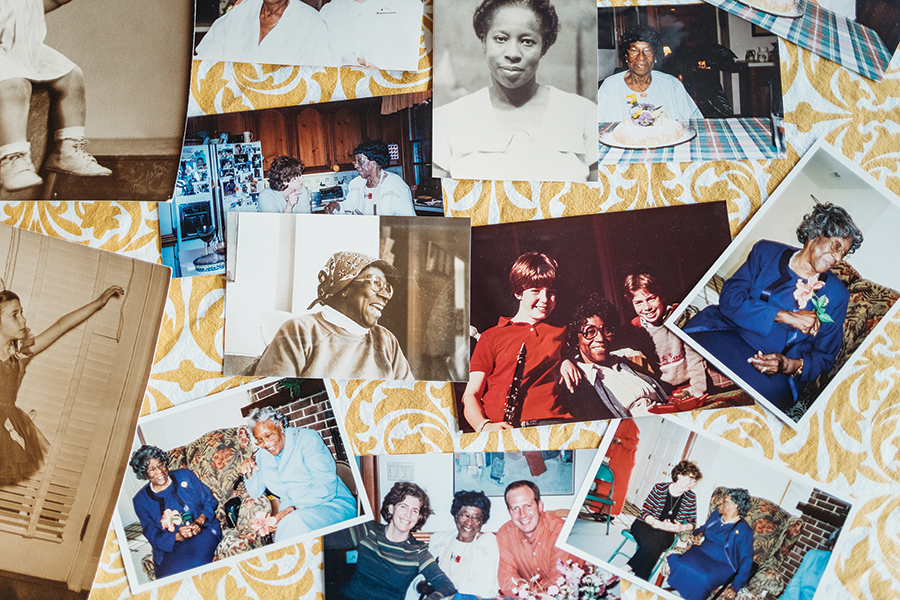
Judy and I are standing at the dining room table in the third floor apartment she shares with her husband, Henry, near Queens University in Charlotte. Family photographs are scattered on the table in front of us. In the living room, my daughters Early and Juniper peck away at the piano while Mallory breaks down lighting equipment and talks to Henry. He stands with the cane he has used since recovering from what was supposed to be a routine back surgery that ended up briefly paralyzing him, resulting in years of physical therapy just to be able to stand and walk again.

Judy’s last memoir, Together, which was published in 2018 and received lavish praise, including a starred review from Library Journal, is about Henry’s surgery and its aftermath, but it is also about their long and loving marriage. I look down at the photos of Mattie and recognize her from the photograph on the cover of Together. In that photo, a newly married Henry and Judy are coming down the steps of her parents’ home while smiling friends toss rice into the air. Mattie stands in the background, smiling as if her own youngest child has just gotten hitched.

I ask Judy, after a lifetime of knowing Mattie, what made her want to publish a memoir about her now.

“I think it felt right to publish it when I turned 80,” she says. “I thought, if I don’t do it now, I’m not going to do it, it won’t get done.” She pauses, looks down at the photographs. One of them, a black and white portrait of Mattie taken around 1944, which was when she came to work for the Kurtz family, stares back at us. “I never thought I had the right to tell this story,” she says. “A privileged white child in the Jim Crow South talking about her Black live-in maid. The more details you hear, the worse it sounds.”

But over the years Judy came to understand that her and Mattie’s story differed from the stories some of Judy’s friends and acquaintances would tell about the hired women who had raised them. Judy often came away from those conversations with the full understanding that many of those people had not truly examined the inequity of those childhood relationships, choosing instead to focus only on the love Black women had shown their white charges, not the full scope of what the price of that love might have been.

“I don’t want to join them in that,” Judy says. “If my book did not really examine that situation with Mattie and me, then I wasn’t going to publish it.”

Child is full of Judy asking tough questions of herself, her family, and the place she has always called home. “How do I cross-examine the way it was?” she asks in one scene. “Can we ever tell the whole truth to ourselves?” she asks in another.

Child shows that truth — at least truth of a sort — can be found. When she was a teenager, Mattie’s daughter Minnie learned that the woman she had long assumed was her aunt was actually her mother, and Mattie eventually put Minnie through college. She would end up earning a master’s degree, as would Mattie’s three grandchildren. The irregular ground of life’s stories. Camellias and snakes. Jim Crow and a lifelong connection that endures beyond death. As Judy writes in her closing lines, “It is possible for love to co-exist with ugliness.”  PS

Wiley Cash is the Alumni Author-in-Residence at the University of North Carolina at Asheville. His new novel, When Ghosts Come Home, is available wherever books are sold. 

Bookshelf

May Books

FICTION

Trust, by Hernan Diaz

Even through the roar and effervescence of the 1920s, everyone in New York has heard of Benjamin and Helen Rask. He is a legendary Wall Street tycoon; she is the daughter of eccentric aristocrats. But at what cost have they acquired their immense fortune? This is the mystery at the center of Bonds, a successful 1937 novel that all of New York read. Yet there are other versions of this tale of privilege and deceit. Diaz’s Trust is an unparalleled novel about money, power, intimacy and perception that puts these competing narratives into conversation with one another.

Bitter Orange Tree, by Jokha Alharthi

Zuhour, an Omani student at a British university, attempts to form friendships and assimilate in Britain, but she can’t help ruminating on the relationships that have been central to her life. Most prominent is her strong emotional bond with Bint Amir, a woman she always thought of as her grandmother, who passed away just after Zuhour left the Arabian Peninsula. As the historical narrative of Bint Amir’s challenged circumstances unfurls in captivating fragments, so too does Zuhour’s isolated and unfulfilled present, one narrative segueing into another as time slips and dreams mingle with memories. Bitter Orange Tree is a profound exploration of social status, wealth, desire, and female agency by the Man Booker International prize-winning author.

Metropolis, by B.A. Shapiro

In this masterful novel of psychological suspense, the lives of a cast of unforgettable characters intersect when a harrowing accident occurs at the Metropolis Storage Warehouse in Cambridge, Massachusetts. We meet Serge, an unstable but brilliant street photographer who lives in his unit overflowing with thousands of undeveloped pictures; Zach, the building’s owner, who develops Serge’s photos as he searches for clues to the accident; Marta, an undocumented immigrant who is finishing her dissertation and hiding from ICE; Liddy, an abused wife and mother, who recreates her children’s bedroom in her unit; Jason, who has left his corporate firm and now practices law from his storage unit; and Rose, the office manager, who takes kickbacks to let renters live in the building and has her own complicated family history. As they dip in and out of one another’s lives, Shapiro, the New York Times bestselling author, both dismantles the myth of the American dream and builds tension to an exciting climax.

NONFICTION

Phil: The Rip Roaring (and Unauthorized!) Biography of Golf’s Most Colorful Superstar, by Alan Shipnuck

A juicy and freewheeling biography of legendary golf champion Phil Mickelson, who has led a big, controversial life. In this raw, uncensored and unauthorized biography, the longtime Sports Illustrated writer and bestselling author captures a singular life defined by thrilling victories, crushing defeats, and countless controversies. All of Mickelson’s warring impulses are on display in these pages: a smart-ass who built an empire on being the consummate professional; a loving husband dogged by salacious rumors; a high-stakes gambler who knows the house always wins but can’t tear himself away. While celebrating Mickelson’s random acts of kindness and generosity of spirit — to which friends and strangers alike can attest — Shipnuck writes about the true scale of Mickelson’s gambling losses; the inside story of the acrimonious breakup between Phil and his longtime caddie, Jim “Bones” Mackay; and the secretive backstory of the Saudi golf league that Mickelson championed.

CHILDREN’S BOOKS

My Blue-Ribbon Horse, by Elizabeth Letts

Even if it’s just a backyard pony, there’s something extraordinary about the bond between a horse and their human. And it’s made even more amazing when that backyard pony has an extraordinary ability. This tale of Snowman, the jumping pony, is perfect to share with anyone in the mood for a true feel-good story. (Ages 4-8.)

Kitty, by Rebecca Jordan-Glum

A simple weekend of cat sitting becomes a wild adventure in this hilarious story of mistaken identity. (Ages 3-6.)

Perfectly Pegasus, by Jessie Sima

If you’ve ever wished on a falling star, you’ll have wished for a book as sweet and adorable as this one. And maybe you also wished for a friend . . . guess what? Perfectly Pegasus has that too. Delightful magical fun from the author of Not Quite Narwhal. (Ages 3-6.)

Once Upon a Time, by Stuart Gibbs

Tim is just a peasant, but he’s brave, determined, clever and dreams big. When Princess Grace is abducted by the evil Stinx, Prince Ruprecht needs a legion of knights to aid him in her rescue. Tim doesn’t know how to wield anything more dangerous than a water bucket, but this could be his big chance. Share this one as a family read-together or listen to the amazing audio, but don’t miss the first in what will surely be another wildly successful series from Gibbs. (Ages 7-12.)  PS

Compiled by Kimberly Daniels Taws and Angie Tally.

Simple Life

The Kindness of Strangers

And the strangeness of some kinds of people

By Jim Dodson

The other afternoon I was making a pleasant run to the garden center during early rush hour when I saw something I’ve never seen on a busy North Carolina street.

While waiting for the light to change at one of the busiest intersections in Greensboro, a woman next to me in a large, luxury SUV began edging out into the heavy stream of traffic crossing in front of us.

At first, I thought she might simply be unaware of her dangerous drift into moving traffic. She was, after all, visibly chatting on her phone and apparently oblivious to blaring horns of those who were forced to stop to avoid a collision. Within moments, however, traffic in both directions had halted. One man was actually yelling at her out his window, shaking a fist.

But on she merrily went, indifferent to the automotive mayhem left in her wake, the first red light I’ve ever seen run in slow motion.

For an instant, I wondered if I might have somehow been teleported to Italy or France where motorists seem to regard traffic lights and road signs as simple nuisances, a quaint if daunting European tradition of civil indifference to les autorités that evolved across the ages.

Having motored across all of Britain and most of France, Italy and Greece, I long ago concluded that driving there is both a blood sport and national pastime, an automotive funhouse to be both enjoyed and feared. When in Italy, for instance, my operational motto is: drive like the teenage Romeo with the pretty girl on the back of his Vespa who just cut you off in the roundabout with a rude gesture insulting your heritage. It’s all part of the cultural exchange.

But here in America, at least in theory, most of us grew up respecting traffic laws because we were force-fed driver’s education since early teen years, programs designed to make us thoughtful citizens of the public roadways.  (Quick aside: I have a dear friend whose teenage son has failed his driver’s license test — God bless his heart — for the fifth time, which must be some kind of statewide record; I’ve helpfully suggested she immediately ship him off to Sorrento, Italy, where he’s bound to find true and lasting happiness, a pretty girl, a nice Vespa scooter and no annoying driver’s test to complicate his life, rude gestures optional.)

All fooling aside, in cities across America, officials report that traffic accidents and automobile fatalities are approaching record levels. Some blame the COVID pandemic that has had the world so bottled up and locked down, presumably entitling folks behind the wheel to make up for lost time by driving like there’s no tomorrow — or at least no traffic laws.

In my town and possibly yours, is it my imagination or do more folks than ever seem to be blithely running stop signs, ignoring speed limits and driving like Mad Max on Tuscan holiday? Running a red light in slow motion may be the least of our problems.

The armchair sociologist in me naturally wonders if America’s deteriorating driving habits and growing automotive brinksmanship might simply be a symptom of the times, part of a general decline of public civility and respect for others that fuels everything from our toxic politics to the plague of violence against Asians.

Whatever is fueling the road rage and social mayhem, the remedy is profound, timeless and maddeningly elusive.

I saw the fix written on a sign my neighbor planted in her yard the other day.

Spread Happiness, it said.

I found myself thinking about my old man, an ad-man with a poet’s heart who believed kindness is the greatest of human virtues, a sign of a truly civilized mind. My nickname for him was Opti the Mystic because he believed even the smallest acts of kindness — especially to strangers — are seeds from which everything good in life grows. “If you are nothing else in life,” he used to advise my older brother and me, “being kind will take you to wonderful places.”

This from a fellow who’d been in the middle of a World War and experienced first-hand the worst things human beings can do to each other. He became the kindest man I’ve ever known.

In any case, Opti would have loved how a timely reminder of his message came home to me during another challenging automotive moment.

On a recent Saturday morning, after setting up my baker wife’s tent at the weekend farmers’ market where she sells her sinfully delicious cakes and such, I set off in my vintage Buick Roadmaster wagon to a landscape nursery on the edge of town to buy hydrangeas for my Asian garden.

On the drive home, however, I blew a front tire and barely made it off the highway into a Great Stops gas station before the tire went completely flat. I had no spare. To make matters worse, my cell phone had only one percent of a charge left just long enough to leave a quick desperate voicemail on my wife’s answering service before the dang thing went dead. The old Buick, of course, had no charger.

I walked into the service shop whispering dark oaths under my breath at such miserable timing, asking the personable young African American clerk if she could possibly give my phone a brief charge. I even offered to pay her for the help.

Her supervisor emerged from the office. When I explained that I was running errands for my wife when my day suddenly went flat, she gave me a big grin. “Bless your heart, child! Give me that phone!”

I handed it over. She shook her head and laughed. “You’re just like my husband. I can’t let that man go anywhere without him gettin’ into trouble! That’s husbands for you!”

Just like that, my good mood returned. Outside, a few minutes later, the tow truck arrived. The driver was named Danny Poindexter, a big burly white guy. He was having a long morning too. We dropped off my car at the auto service center and he graciously offered to drive me home to get my other car. It was the second surprising act of kindness from a stranger that morning. As we approached my street, I saw my neighbor’s pink Spread Happiness for the second time.

“What kind of cake do you like?” I asked Danny.

“Carrot cake,” Danny replied. “I love carrot cake.”

He dropped me off at home and I drove over to the farmers’ market and picked up a piece of my wife’s amazing carrot cake, phoned Danny and met him at a Wendy’s parking lot near his next job. He was deeply touched by the gesture. “This just makes my day,” he said, diving straight in.

I then drove back to the service station across town to pick up my phone — now fully charged — that I’d managed to forget in all the unexpected mayhem of the morning. I even offered to pay the ladies for their kindness to a stranger.

They simply laughed. “Oh, honey, that’s why we’re here!” said the manager. “I’m just glad you remembered to come back for your phone, so I didn’t have to chase your butt all over town!”

I drove home to plant my new hydrangeas in a happy state of mind, making a mental note to take the kind ladies of Great Stops my wife’s famous Southern-style caramel cake just to say thanks to strangers who are now friends.  PS

Jim Dodson can be reached at jwdauthor@gmail.com.

Tea Leaf Astrologer

Taurus

(April 20 – May 20)

Sometimes you’ve got to know when to fold. This is especially true for those born under the Earth sign of Taurus. But when the cosmos deals you a humdinger — and, this month, that does appear to be the case — raise ’em, baby. (Ahem: This is about your standards.) They say we can only love others as deeply as we love ourselves. On that note, have you ever tried mirror gazing? In the buff? These are rhetorical questions.

Tea leaf “fortunes” for the rest of you:

Gemini (May 21 – June 20)   

Making risotto? Stir frequently. Otherwise, don’t. 

Cancer (June 21 – July 22) 

Hint: raw oysters. 

Leo (July 23 – August 22) 

At a certain point, bending the rules becomes the game itself.

Virgo (August 23 – September 22) 

Shake before opening.

Libra (September 23 – October 22)

You’re looking for more depth. How do you feel about wetsuits?

Scorpio (October 23 – November 21)

Coffee will only get you so far.

Sagittarius (November 22 – December 21)

Don’t mistake peace for boredom. 

Capricorn (December 22 – January 19)

Enough is enough. Read that again.

Aquarius (January 20 – February 18)

Start by rolling up your sleeves. 

Pisces (February 19 – March 20)

Your gut is trying to tell you something. Best to listen.

Aries (March 21 – April 19)   

Make the first move.  PS

Zora Stellanova has been divining with tea leaves since Game of Thrones’ Starbucks cup mishap of 2019. While she’s not exactly a medium, she’s far from average. She lives in the N.C. foothills with her Sphynx cat, Lyla. 

PinePitch

Antiques Roadshow, Right Up the Road

Since 1985 antiques and collectibles dealers have gathered to display their wares in the village shops and along the streets of Cameron’s historic district. Like wine — and people — it only gets better with age! Head up the road for a free event with more than 150 dealers, shopping, food and fun on Friday, May 6, and Saturday, May 7, from 9 a.m. to 5 p.m. both days. Downtown Cameron, Carthage Street, Cameron.

Calling All Hats

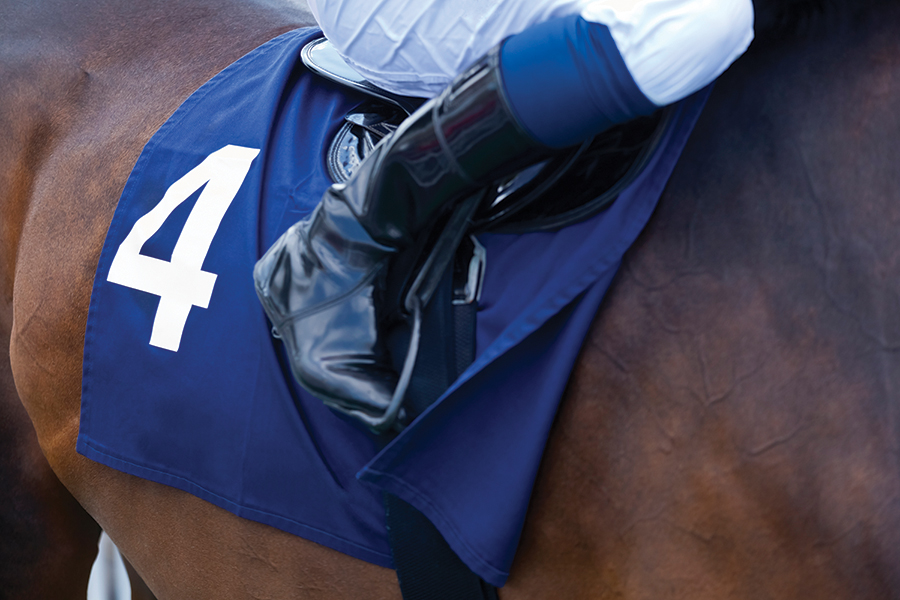
Treat your hat to a night on the town at the Derby Day fundraising event for Weymouth’s new free after-school program, Weymouth Equestrians, from 5 8 p.m. on Saturday, May 7, at the Weymouth Center for the Arts & Humanities, 555 E. Connecticut Ave., Southern Pines. Enjoy bluegrass, bourbon and BBQ while competing in the best hat contest and a prize raffle for your win/place/show Derby picks. Info and tickets: www.weymouthcenter.org.

Buggy with the Fringe on the Top

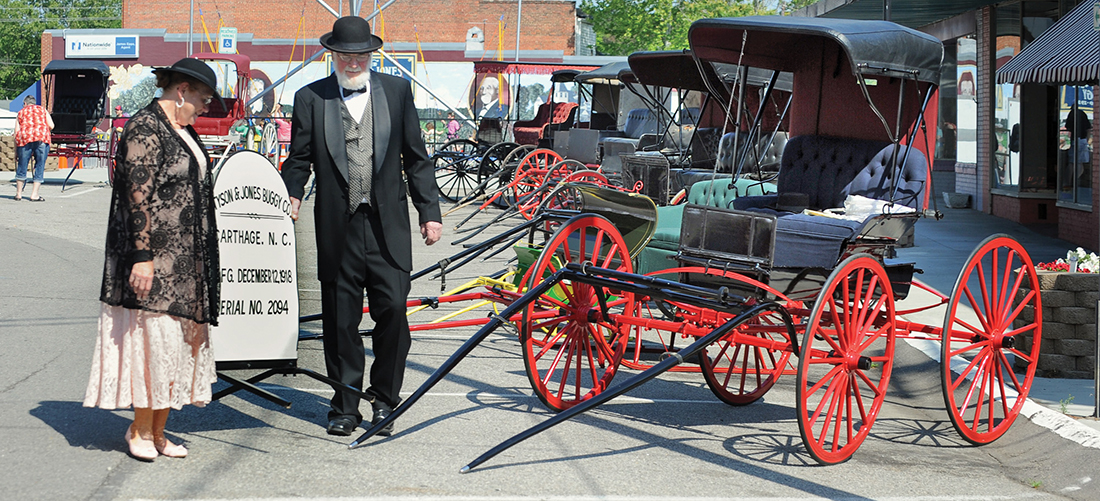
Spontaneous singing of Broadway show tunes not required to enjoy this year’s annual Carthage Buggy Festival, though it’s never discouraged. Come out to enjoy arts and crafts, beer, wine and food 9 a.m. to 4 p.m. on Saturday, May 7. There will be a kids zone, classic car and truck show, and buggy and tractor show. Downtown Carthage at 1 Courthouse Square, Carthage.

Strawberry Fields Forever

The Women of Weymouth’s final meeting of the season will conclude on Monday, May 16, from 10 a.m. to 1 p.m., with an outdoor luncheon, featuring strawberry shortcake, music and a Talbot’s fashion show. Wear your most fashionable fascinators and win some sweet prizes. John Lennon may or may not be on the playlist. Reserve your tickets by May 6. Cost is $20 for supporters and $25 for guests. Weymouth Center for the Arts & Humanities, 555 E. Connecticut Ave., Southern Pines. Info: www.weymouthcenter.org.


Bocce with a Big Heart

Brush up your bank shot and break out your bocce balls to benefit children who have special developmental needs at the Sandhills Children’s Center’s Backyard Bocce Bash. Check-in starts at 8:30 a.m. on Saturday, May 21, at the Pinehurst Harness Track, 200 Beulah Hill Road, Pinehurst, for the teams of four competing in the round robin tournament. Info: (910) 692-3323 or www.SandhillsChildrensCenter.org.

Double Play Books Bash

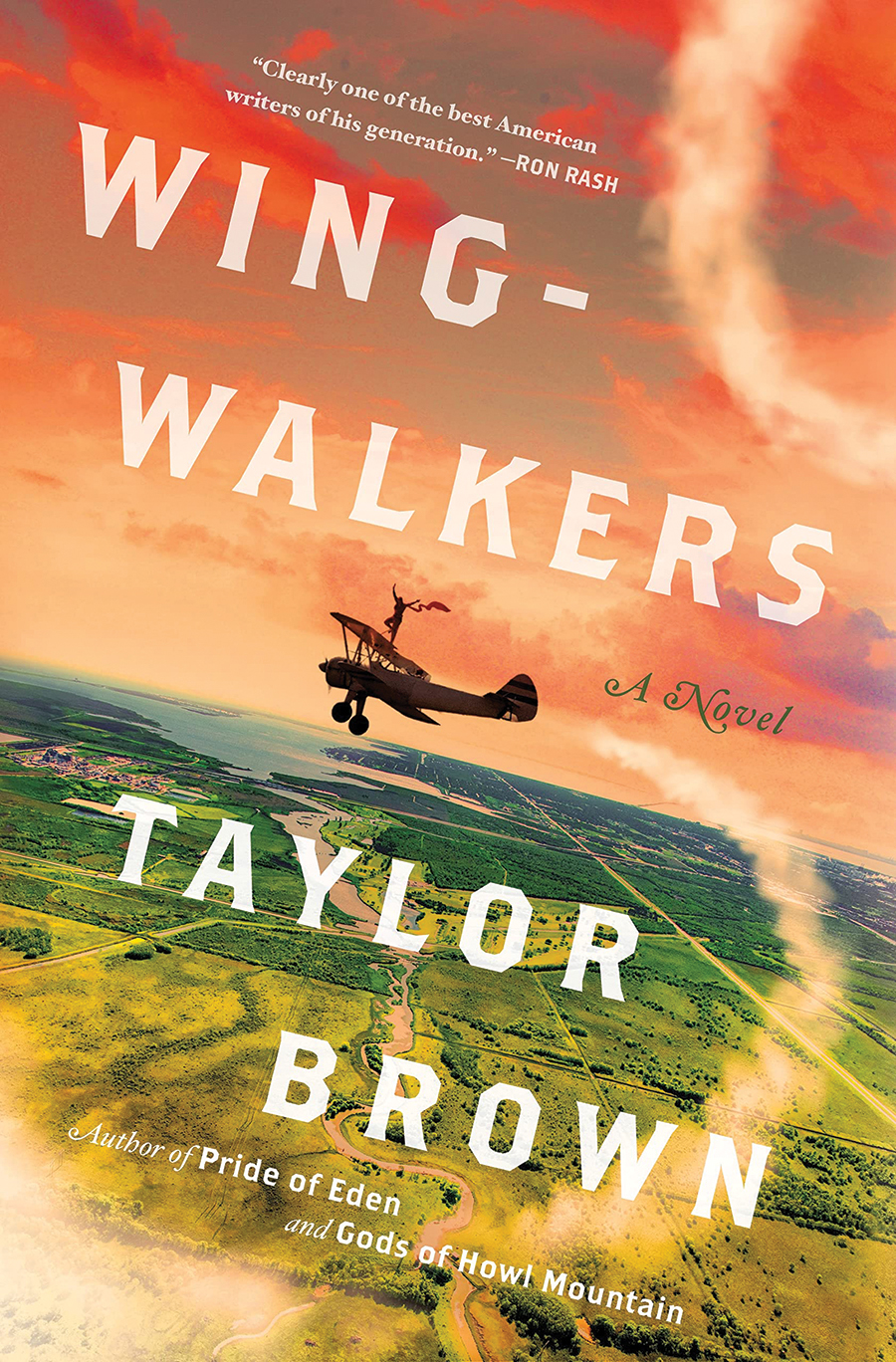
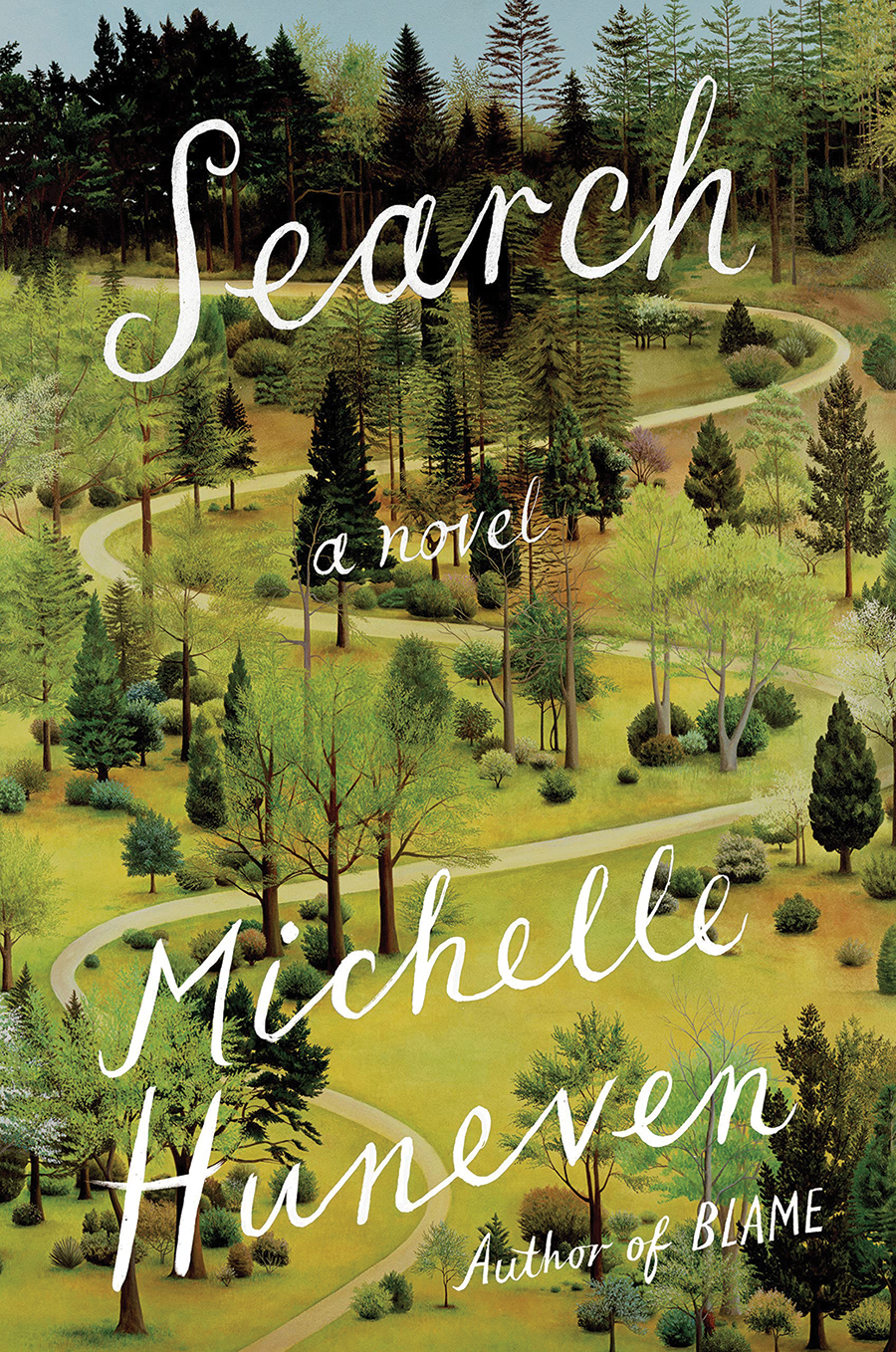
There are two separate author events to scratch your lit-itch on Wednesday, May 11. Michelle Huneven will be chatting online about her book, Search, from 12 1 p.m. The talk isn’t just cheap, it’s free, but registration is required. For in-person bibliophiles, Taylor Brown will be discussing his book, Wingwalkers, from 4 6:30 p.m. at The Country Bookshop, 140 N.W. Broad St., Southern Pines. Info and tickets for both events: www.ticketmesandhills.com.

Memorial Day Muscles

Start off the Memorial Day weekend with the Murph Workout Challenge, an energetic way to honor those who made the ultimate sacrifice for this great nation. The workout consists of a mile run followed by 300 air squats, 200 push-ups, 100 pull-ups, and another mile run, but can be modified to suit physical ability. Southern Pines CrossFit will host its annual Memorial weekend tribute to the fallen while supporting the amazing Gold Star Teens Organization. Corner of New York Avenue and Bennett Street, Southern Pines, on Thursday, May 26 at 5 p.m. Info and tickets: www.ticketmesandhills.com.

Fun Times Infinity

All day long. We’re talking alllll day long. The Village of Pinehurst Family Fest is a full day of live music — three bands on hand — from 10 a.m. to 5 p.m. on Monday, May 30, with a skydiving jump by the Black Daggers, a kids zone, North Carolina’s premier video game truck, a photo booth with the U.S. Women’s Open trophy, various food and beverage vendors . . . and the list goes on and on. Pinehurst Harness Track, Beulah Hill Road S., Pinehurst. Info and tickets: www.ticketmesandhills.com.

Sip, Sip, Sip

Thirsty Thursdays get a glow-up on Thursday, June 2, from 6 9 p.m., when Babson Real Estate Advisors presents “A Taste of North Carolina: Whiskey and Wine” at the Agora Bakery and Café, 15 Chinquapin Road, Pinehurst. Info and tickets: www.ticketmesandhills.com. Time to treat yourself. 

The Omnivorous Reader

Generational Trials and Trauma

Can the genetic past also be prologue?

By Stephen E. Smith

Is it possible to predict and thereby alter an individual’s spiritual destiny by analyzing emotional frailties that are inherited genetically from long-forgotten ancestors? That’s the question at the heart of Jamie Ford’s novel The Many Daughters of Afong Moy.

Afong Moy was the first known Chinese woman to immigrate to the United States. In 1834, she arrived in New York City and was exhibited as “The Chinese Lady.” Americans, most of whom had never seen a person of Asian heritage, had immense interest in her language, her clothing, and her 4-inch bound feet. She toured widely in the United States, appearing on stages in major cities on the East Coast. She met President Andrew Jackson and was employed for a time by P.T. Barnum. But her popularity waned in the 1840s, and there’s no record of Moy after the 1850s. She was, however, the first Asian woman that many Americans had seen in the flesh, and her appearances influenced perceptions of Chinese women and culture long after her disappearance from the American theatrical scene.

Ford fleshes out the unknown details of Moy’s life, and although there’s no evidence that she had children, her fictional descendants and their trials and traumas are the subject of his novel. Their stories, especially their emotional sufferings, are explained by using the theory of transgenerational epigenetic inheritance, which is, simply stated, the transmission of epigenetic information through the germline — a theory which will, for most readers, immediately beg the question: Do the emotions we feel influence our genes and those of our descendants?

Online sites explicating transgenerational epigenetic inheritance abound, but Ford offers his own simplified explanation in his Author’s Note (which conveniently relieves him of having to craft an awkward explanation in the text of the narrative): “Take a moment and think about your own family, their joys and calamities,” Ford writes. “Do you see similarities? Do you see patterns of repetition? Rhythms of good and bad decision making? Cycles of struggle and triumph?”

It’s a tenuous thread upon which to base a novel. While the inheritance of epigenetic characteristics may occur in plants and even in lab mice, the extent to which it occurs in humans remains unclear, and readers are likely to harbor doubts as to the theory’s validity. Might not the transgenerational theory be an attempt to escape our problems in the present by blaming them on distant ancestors? What could be easier than attributing our personal troubles to the dead? And how far into the past might this psychological necrophilia extend?

Nevertheless, Ford has crafted an intriguing novel that’s contingent on the reader’s acceptance of transgenerational epigenetic inheritance, a term which surely sounds impressive and therefore has enough intellectual import to entice the curious. If the novel is a protracted exercise in illustrating by use of example, there are interesting stories to be told, and Ford does a workmanlike job of telling those stories.

He explores the lives of six generations of the Moy family — Afong Moy, Lai King Moy, Fei-jin “Faye” Moy, Zoe Moy, “Greta” Moy and Dorothy MoyAnnabel — and although each character is adequately developed and the narratives interestingly interrelated, the two primary storylines involve Afong and her mid-21st century descendant Dorothy, Washington state’s former poet laureate, who is channeling dissociative episodes that are affecting her mental health.

The novel opens with Faye Moy, a nurse working with the Flying Tigers in China in 1942, who unsuccessfully attempts to save the life of a wounded pilot. After his death, she examines his personal belongings, which include a pocket watch with a newspaper article that features a photo of her — a photo she’s never seen and has no memory of having been taken. On the back of the newspaper article are written the words “FIND ME.”

Moving forward from that intriguing clue, the narrative jumps to 2045 and Dorothy’s life in Seattle, where the city is besieged by the adverse consequences of climate change. The world of the future, for better or worse, manifests itself all around her, as when a computer-generated elevator voice chats with her: “Good morning, Ms. Moy. You’re up awfully early. Might I offer you direction to a nice coffee shop or patisserie? I could summon a car for you”; or when Dorothy recalls her doctor’s explanation of transgenerational epigenetic inheritance, “How each generation is built upon the genetic ruins of the past. That our lives are merely biological waypoints. We’re not individual flowers, annuals that bloom and then die. We’re perennials.”

And so it goes with Afong’s “daughters”: in 1927 Zoe Moy is a student in England at a school run as a pure democracy; Lai King Moy is quarantined in San Francisco in 1892 during a plague epidemic and a great fire; Greta Moy is a contemporary tech executive who creates a multi-million-dollar dating app, etc. These narrative transpositions culminate when Dorothy overcomes her psychological inheritance via a plot twist that borders on science fiction/fantasy.

If this seems confusing, well, it is, and readers will be required to focus their full attention on a plotline that is crowded with characters and frustrating complexities. When the episodic storylines finally come together, readers who have bought into the transgenerational epigenetic inheritance theory will likely experience a sense of completion. Skeptical readers might well feel they’re the victims of a 350-page shaggy dog story.

The Many Daughters of Afong Moy will be in bookstores in June.  PS

Stephen E. Smith is a retired professor and the author of seven books of poetry and prose. He’s the recipient of the Poetry Northwest Young Poet’s Prize, the Zoe Kincaid Brockman Prize for poetry and four North Carolina Press Awards.