Southwords

SOUTHWORDS

A Magic Moment

By Jim Moriarty

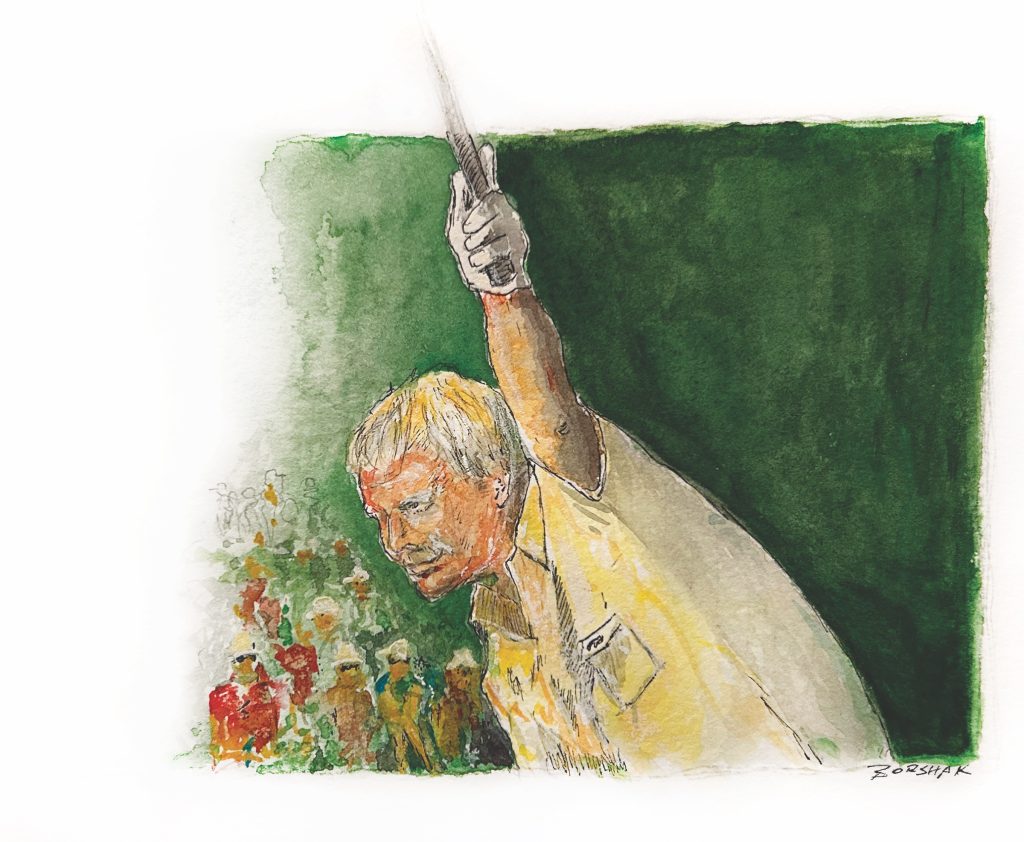
I find it hard to believe that it’s been 40 years since Jack and I won the Masters. God bless him, he’s gotten old. Jack has shrunk over the decades. He blames, at least in part, his cascading vertebra on the cortisone shots he received in his back to relieve pain when he was a teenage golfer. At the Father and Son Challenge in 2020, Gary Player joked that he never thought he’d out-drive Jack, “and I never thought I’d be taller than him either.”

Jack and I didn’t get off to the best of starts. It was the 1979 Colgate Hall of Fame Classic on Pinehurst’s No. 2 course. I was a relative newcomer to golf. Jack had already made a favorable impression on the game. (If you think 15 majors is good.) I met him on Maniac Hill, where he was warming up. I was there to take as many swing sequences as players would allow for Golf World magazine, where I was the associate editor — a title that conveyed with it cameras and lenses, something I was beyond ill-prepared for. I introduced myself and asked Jack if he would mind if I took a swing sequence of him. He rather politely agreed, being a good friend of my editor in chief, Dick Taylor. Whenever Dick traveled to Palm Beach, he bunked in with the Nicklauses.

The sequence camera was — and I suppose still is if, God forbid, you can find one — called a Hulcher. It was a rattletrap box of whirling, grinding widgets, invented by an otherwise perfectly harmless little man of the same name to photograph rockets taking off for the Department of Defense. While it may have been useful for Wernher von Braun, it was a curse to any golf photographer who ever touched one, with the exception of World Golf Hall of Fame photographer Leonard Kamsler, who had mysteriously managed to tame his personal Hulcher the way Siegfried and Roy tamed white tigers.

Jack never pulled a club back until he was absolutely, positively, unconditionally ready to hit the ball. He could stand motionless over a putt longer than any human being who ever lived. His full shots weren’t much different. When I got ready to take Jack’s swing sequence, he was addressing the ball. I began running the camera, sending 35mm film screaming through the beast at 40 or 60 frames per second, I can’t remember which, making a noise not dissimilar to a Navy destroyer raising anchor. The film came in 100 foot rolls and I’d run about 80 of it through the camera when I stopped.

The motionless Nicklaus turned his head and stared at me. “I thought you were going to take a sequence,” he said.

“I thought you were going to swing,” I replied.

Not quite a year later, I had the chance to take Jack’s picture again, this time on the 18th green of Baltusrol Golf Club as he won his fourth U.S. Open. They hung the message “Jack Is Back” on the big leaderboard. As thousands rushed the green, Jack threw up his hands like a London traffic cop, stopping the hordes in their tracks. Isao Aoki had yet to putt out. Lost in the crowd, I climbed the tree at the back of the green, a vantage point that — given my limited photojournalistic capabilities — didn’t yield much better pictures than the ones I’d gotten that day on Maniac Hill.

By 1986, through sheer repetition, I’d improved. Most of my photos were functionally usable. Jack, on the other hand, had gone in the opposite direction. His return in 1980 lasted through the PGA Championship at Oak Hill Country Club, which gave every appearance of being the final major he would win, leaving his total at 17. Then came that Sunday in Augusta.

As Jack was charging on the back nine and Seve Ballesteros was collapsing, I found myself funneled to the right of the 16th green, trapped behind half the population of Georgia. Unable to squeeze in to take a photo, I became a spectator, too. For comparison purposes only, I once attended one of Bo Schembechler’s postgame interviews conducted in a tiny room with a single bare lightbulb hanging from the ceiling, off the same concrete tunnel the University of Michigan marching band used to exit the stadium, jammed shoulder to shoulder, playing “Hail to the Victors” at incalculable decibel levels. I promise you, the noise the crowd made in the valley at Augusta National that day as Jack walked from the 16th green to the 17th tee was far, far louder — so loud his eyes welled with tears as he walked up 17. Mine, too.

The echo of those cheers still rattles my bones, even if they are 40 years older.

State of Mind

STATE OF MIND

Sweet Spot

A place to watch the world

By Tommy Tomlinson

Every year I mark it on the calendar when it arrives: porch season.

This year we got a dose in the middle of February. We always get a brief false spring right around then. You know winter is coming back for another round so you get outside while you can.

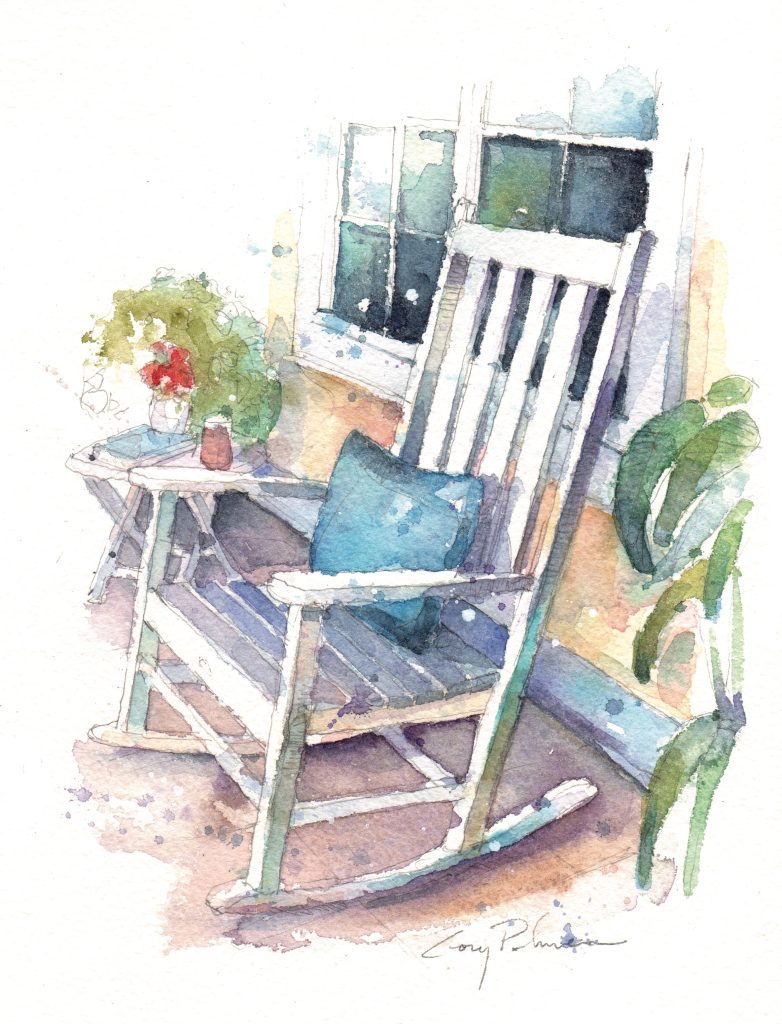
It was 74 degrees one day, 83 the next, and my wife and I took to the porch in the afternoons. The porch was one of the main reasons we bought this old house. It was built in 1929, ancient in a modern city of teardowns. When we got the place the porch was half caved in — it had a big crack in the concrete, running down the middle. We got it resurfaced, and over the last 22 years, and two sets of porch furniture, we’ve spent untold thousands of hours out here.

There are some neighbors we see only when we’re on the porch. They stop by and chat on their way to get a beer down the street, or just on their evening walk. Sometimes they come to browse the books in our Little Free Library. Not long after we put the library in, a young couple with a little girl would stop by a few times a week. An older neighbor noticed, found out the girl’s name, and started leaving books in there with notes for her. Then the couple discovered that the older woman had a dog and started leaving treats for the dog. I’m not sure that couple and that woman ever met. But those little gifts meant the world to them. And to us.
A year or two ago, a waterlogged branch fell off our oak tree in a storm and knocked out the library. We had it rebuilt. You can’t let go of a thing that gives you a story like that.

The porch is our party line, our message board, the place we catch up on news and gossip. It’s where we learn who moved out and who moved in, who got sick and who’s doing better. We have watched children grow from here, and watched other neighbors age.

This winter was a hard one. We had an ice storm one weekend and 11 inches of snow the next. Other parts of the state got it even worse. We got lucky at our house — the power never went out and the pipes didn’t freeze. But man, a winter storm in the South can be lonely. We went entire days without seeing another soul. My wife is from Wisconsin and cheerfully tells stories about having to shovel the driveway every hour when they had one of their regular blizzards. Some people down here — mostly transplants — take to the snow like golden retrievers. The rest of us just hunker.

A week or so after the last snow melted, I saw the shoots of one of our daffodils poking through the dirt. And I knew porch weather was coming.

I have spent some time over the years developing a theory about why the South is believed to be, let’s say, more eccentric than other parts of the country. I call it the Crazy Aunt Theory. In colder places, if you have a crazy aunt, you can just stick her in the attic. But our summers are too hot for that. So we put our crazy aunts on the porch where they can talk to God and everybody.

The porch takes us back to those looser, closer times. You don’t have to text anybody from the porch. You don’t need to look up their socials to see what they’ve been doing. They are voice and flesh, standing right in front of you, having real conversations. Sometimes, if somebody has a few minutes, they’ll come up on the porch and actually sit with us. Crazy, right? Spending time together, in person? And we will sit there with glasses of sweet tea, or possibly bourbon, and talk about — well, maybe, nothing. Some days nothing is the best thing to talk about.

And sometimes we are silent because there is so much to see.

There’s a movie from the ’90s called Smoke that features a character named Augie who runs a little tobacco shop in Brooklyn. Every morning at 8, he takes a single photo of the street corner outside. One of the other characters thinks this is the dumbest thing he’s ever heard . . . until he looks through an album of Augie’s photos. Slowly he notices the little differences, the way the light changes, the weather, the people walking through the frame. He is deeply moved.

That’s the way I think about our porch.

In my mind, I can flip through the album and watch the magnolia on the corner bloom and fade. I can see the wrens who show up every year to build a nest under one of the eaves, making a warm space for their babies: first eggs, then hatchlings, then gone. I can see the lizards who slink out from under the house to sun themselves on the warm concrete. I can turn around the camera and see Alix sitting next to me. We who moved here in our 40s and are now in our 60s and hope to still be around in our 80s.

That second warm day in February, two bluebirds floated into the branches of the ornamental cherry tree in our front yard. Our neighborhood is full of cardinals and robins and swallows. Hawks watch over us from the tops of the trees, and owls call to one another at night. But we don’t get many bluebirds. They felt like a promise. The hard winter was coming to an end. Soon it would be porch season for real. We could live out here again — not virtually, not digitally, but through the rich and beautiful panorama of real life.

Omnivorous Reader

OMNIVOROUS READER

The Forest Primeval

Finding identity in a Hemlock

By Anne Blythe

Midway through Melissa Faliveno’s Hemlock: A Novel, her protagonist, Sam, awakens after a night of many beers and shots, disoriented in the thick of the Wisconsin Northwoods.

The ground is wet with dew. Damp leaves cling to her body. She has no idea where she is nor how she got there. On the forest floor where she finds herself, far below the canopy above, small shade-tolerant trees and plants survive in the low light, providing a vital layer of sustenance for the wildlife living among them. As Sam emerges from her oblivion, confused but unafraid, the word “understory” pops into her mind.

“She whispered the word to herself and thought of things that live in the light, and things that live in the dark. How whole worlds and realities can exist in things unspoken and unseen,” Faliveno writes. “How there’s a story told aloud, in the open, above the surface of things, and there’s a story beneath it, that one must look much harder to find.”

Hemlock, Faliveno’s debut novel, is as layered as the Northwoods, a vast expanse of dense coniferous and hardwood forests, glacial lakes and rustic cabins and cottages. It’s a story of self-discovery — a dreamlike exploration into addiction, inherited generational trauma, gender identity and sexuality. It’s also a story that defies genre.

In Hemlock, Faliveno, a University of North Carolina at Chapel Hill creative writing professor, pulls from Gothic tropes: a gloomy cabin in an isolated area, a non-traditional damsel in distress, ancestral curses and a talking deer that —no matter how hokey it sounds — works. At the same time it’s a love story, sinister and sultry, and a tribute to nature that teeters between reality and fantasy.

We meet Sam, a 38-year-old Wisconsinite, when she’s had 10 stable, booze-free months with her boyfriend, Stephen, and their cat, Monster. She’s on her way from their Brooklyn apartment to “Hemlock,” her family’s desolate cabin nestled in the heart of the Northwoods. Once a place of family togetherness for Sam and her parents, a creepy vibe had settled into the cabin ever since her mother’s eerie walk into the woods, never to be seen again.

As the miles and days roll by, Sam’s fragile grip on reality becomes even more tenuous. In her dreams, the cabin is a huge, “hulking, looking thing with endless doors and hallways, walls that seemed to breathe; a maze of passages that changed shape and stretched on forever; into nothing.” In reality, it is “a normal little house, with four normal walls, a normal little porch and chimney” that her father built for retirement but now is ready to sell.

As Sam replaces broken floorboards and repairs things, she’s living in virtual seclusion, a marked difference from the urban frenzy of New York City. The rot of the cottage and surrounding area hollowed out by recession creeps into her mind and she begins to slip back into old behaviors. Just one beer turns into one more. Then a sixpack. Then one brandy old-fashioned, and another before an empty bottle awaits her on the counter in the morning. Amid the slip from sobriety, Sam wrestles with whether she wants to return to her boyfriend, her job as a magazine editor and the life she built in New York.

The novel — a probe of the indecipherable space between one place and another, one gender and another, one sexuality and another and past and present— is not always an easy read. It can be frustrating and exhausting watching Sam settle into a buzz that, no matter how hard she tries, cannot quiet the persistent whisper of her emotional unraveling.

Can the Midwest she fled ever be home again? Does she identify as a man, woman or something else more fluid that’s not so easily defined? Can she eschew the booze that is part of her culture and escape the throes of addiction passed down from her grandmother to her mother and on to her?

Somehow, though, Faliveno’s vivid and descriptive writing keeps pulling you back in. She makes you feel like a confidant, a trusted but objective friend who can help Sam as she tries to break free from the expectations of a world with deeply entrenched norms and stereotypes.

Faliveno is very introspective, pondering a wide range of topics, any one of which probably could have anchored a book. Despite the dark themes in Hemlock, there is beauty in the ugliness and light in the understory.

Bookshelf

BOOKSHELF

April Books

FICTION

Go Gentle, by Maria Semple

Adora Hazzard has it all figured out. A Stoic philosopher and divorcée, she lives a contented life on New York City’s Upper West Side. Having discovered that the secret to happiness is to desire only what you have, she’s applied this insight to blissful effect: relishing her teenage daughter, the freedom of being solo, and her job as a moral tutor for the twin boys of an old-money family. She’s even assembled a “coven” — like-minded women who live on the same floor in the legendary Ansonia — and is making active efforts to grow its membership. Adora’s carefully curated life is humming along brilliantly until a chance meeting with a handsome stranger. Soon, her ordered world is upended by black market art deals, a secret rendezvous and international intrigue. Her past — which she has worked so hard to bury — lands like a bomb in her present. Inflamed by unquenchable desire, Adora finds herself a woman wanting more, and she’ll risk everything to get it.

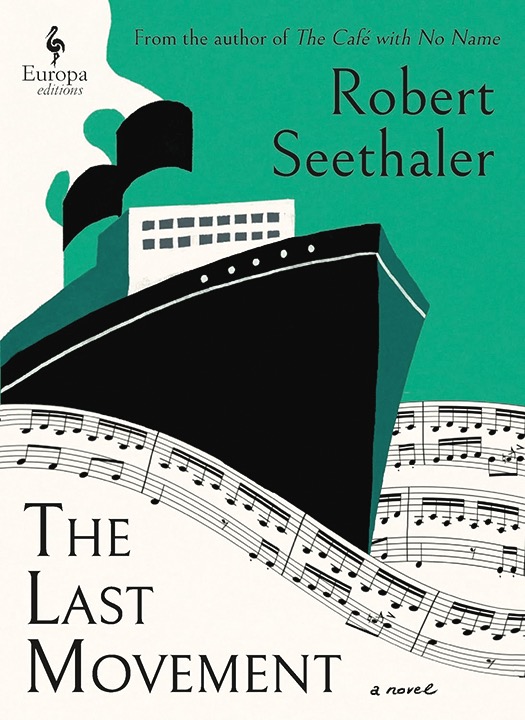
The Last Movement, by Robert Seethaler

In the spring of 1910, Gustav Mahler — wrapped in a wool blanket — sits on the deck of the Amerika, sailing back to Europe. The ocean around him is gray and endless, the air sharp with wind and steel. Not yet 50, Mahler is already a legend. In Vienna and New York, audiences fight for tickets to see the restless, small man who commands the most stubborn orchestra in the world. Yet his fame is shadowed by illness. His body is failing and his wife, Alma, has fallen in love with another man, the young architect Walter Gropius. Mahler has begged, humiliated himself, tried everything to keep her. Nothing worked, except the certainty of his approaching death. Alma has stayed, tending to him with care, perhaps to ease his final passage. On board, Mahler reflects on life, art and above all, love. Translated from the German by Charlotte Collins, Seethaler’s The Last Movement is a haunting, tender portrait of a great artist confronting his farewell to life.

NONFICTION

Planet Money: A Guide to the Economic Forces that Shape Your Life, by Alex Mayyasi

The hosts of NPR’s Planet Money join longtime contributor Mayyasi to present brand-new stories and insights gathered from more than a decade of reporting, revealing ways AI might help you or replace you, demystify dating markets, and showing how pro sports’ “dumbest” contract holds the secret to building wealth. They take readers on adventures to a smartphone factory in Patagonia, a raisin cartel in California, and an Indigenous reserve in Canada that might just have a solution for the housing crisis. Planet Money shows how economics shapes our world, and how we can harness key principles to make our own lives a little richer.

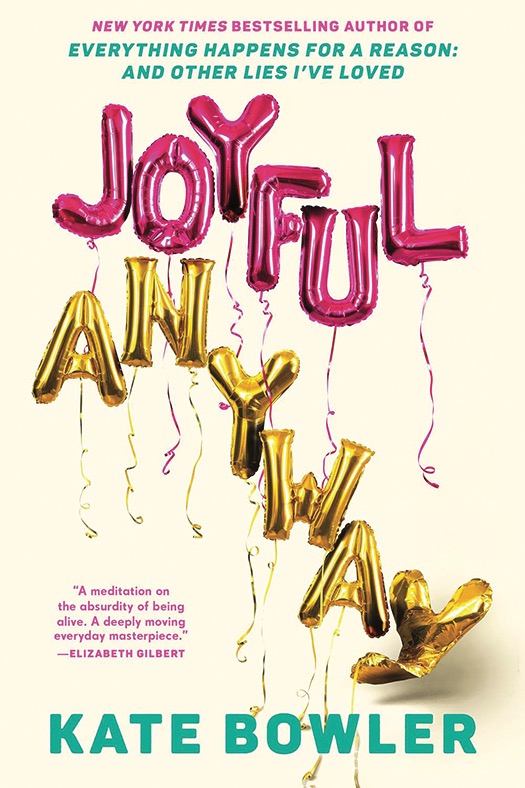
Joyful, Anyway, by Kate Bowler

We live in a culture convinced that chasing happiness will optimize our bodies, our minds, our relationships, our lives. But in the meantime, bad news usually stays bad: Illness, chronic pain, grief and disappointment don’t obey our timelines or vision boards. We are left wondering why, if we’re doing everything right, life still feels so hard. Joyful, Anyway proves that experiencing joy does not depend on resolving everything that makes life difficult. Drawing on a decade of living with serious illness and a lifetime studying America’s obsession with progress, Joyful gives language for the ache we all carry and practices for loosening control, introducing novelty, choosing charity, and staying open to the surprising, technicolor moments that pull us back into life. Joy reminds us that no matter what, life is still worth loving.

CHILDREN’S BOOKS

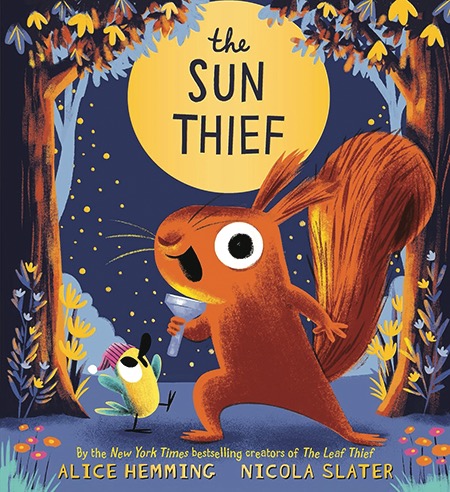
The Sun Thief, by Alice Hemming

Squirrel and Bird are back, and this time it’s summer! But squirrel is perplexed: A few weeks ago, the sun was still out at bedtime. Now he’s brushing his teeth in the dark! There must be . . . A SUN THIEF! With vibrant art and captivating characters, the magic of summer’s changes is captured beautifully on each page as readers tag along on Squirrel’s forest adventure. Is there truly a sun thief on the loose, or is something else going on? A perfect exploration of change — both seasonal, and the anxiety that change sometimes causes. (Ages 4 and up.)

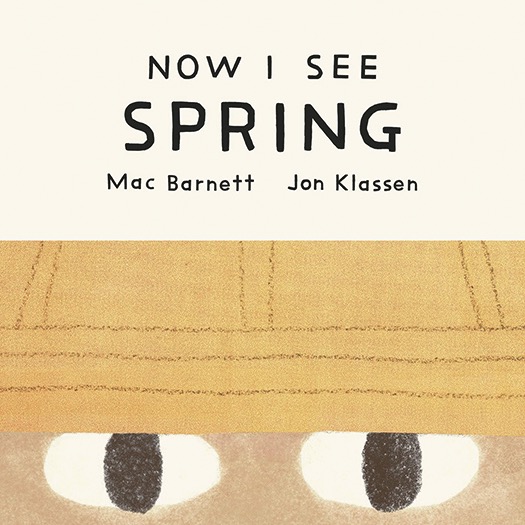
Now I See Spring, by Mac Barnett

Sparse and rhythmic text invites readers to explore a rural setting through different seasons, gently introducing everyday words. Envisioned as a set that also can be read as standalone books, each of the four volumes in this eye-catching series has identical text but different images that reflect the time of year. In spring, the tree’s leaves are budding, rain falls from the sky, a sweet treat is a cookie, and the perfect hat is a yellow one that keeps you dry. Now I See Spring celebrates all the wonderful things about the season through a child’s eyes — and shows why it’s their favorite time of year. (Ages 2-5.)

Southwords

SOUTHWORDS

Sole Searching

Finding just the right fit

By Emilee Phillips

The outfit begins with the shoes. Everyone knows this. Even in my tomboy years when my sense of personal style went no further than hating the color pink and having a small but mighty hoodie collection, it was true. I needed nothing more than a beat-up pair of Chuck Taylor Converse to anchor the look.

Today my boyfriend would kindly direct your attention to the fully loaded shoe rack that’s taller than I am, but somewhere between then and now I came to love fashion for the same reason I enjoy writing — it tells a story.

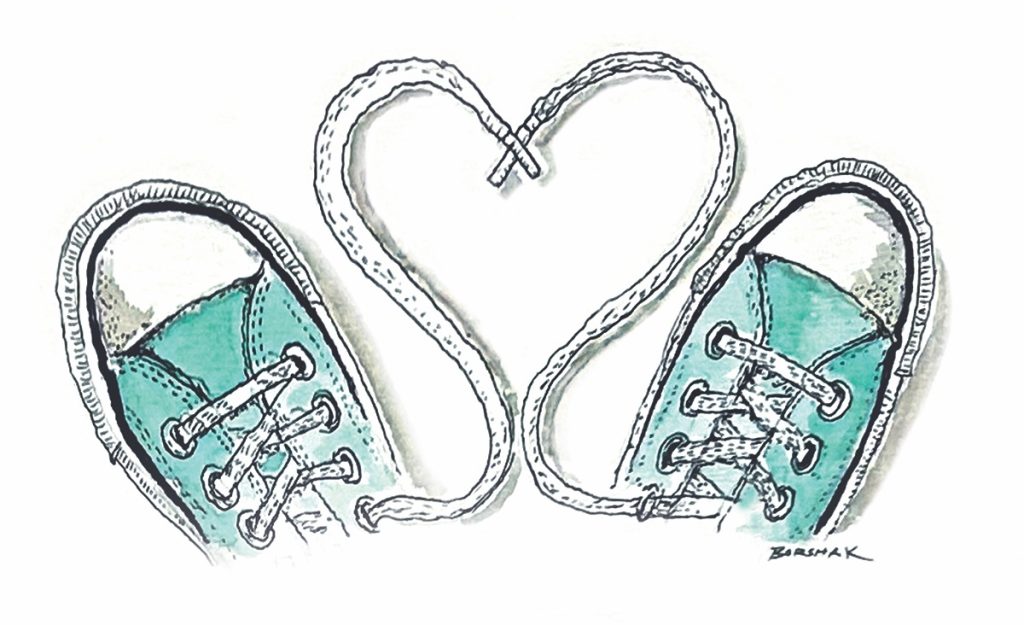
Oh, those Chuck Taylors. I loved the flat sneakers because they were easy and unintimidating and they went with everything. One year, I saved up birthday money to buy a pair of the customized Chuck Taylor Converse online. Today the options are more limited, but back then 11-year-old me was able to construct a pair of the most obnoxious high tops that have ever been laced up.

My favorite color was teal, so naturally that was my primary choice. The tongue and heel stripe accents sported lime green. I even had “Emilee” sewn onto the heels. I thought it made me en vogue though in reality it looked like something your mom would write in your underwear at sleepaway camp. What did I care? I was running off the fumes of a high octane mixture of teal and lime green.

The look was dealt a minor setback since my pre-teen feet had grown faster than what was living above them. My disproportionately large feet made my au courant Chuck Taylors look like clown shoes. My dad took one look at my bright new kicks and busted out laughing. “Nice water skis,” he chuckled. But nothing could rain on my parade. I wore those shoes every day, no matter how poorly they matched the rest of me, until the holes in the bottoms let the rain in.

By the time my size eight feet no longer mismatched the girl, I had evolved. Somewhere, somehow, I had acquired what passed for taste. While my current shoe rack is admittedly large, the threshold for “too much” is, I believe, subjective.

My sister gets it. She has shoes for every outing. It’s not all about fashion, practicality requires a healthy mix. What if you need to make jeans look fancy? What if it snows? What if you’re going to a Dropkick Murphys concert? What if you’re in a step count challenge with a friend and need to walk 10,000 steps in a day? What if you have to line dance in a pub in Savannah? What if you’re at a ’60s-themed party? What if you get invited to a brunch you know will turn into a sightseeing tour of the city? What if you’re walking through a fish market? What if you’re going to the ballet? What if you have to chase a rolling lime down a grocery store aisle with dignity? What if you’re on a cobblestone street? What if you’re hiking on a muddy trail in Asheville? Pure white Hokas wouldn’t stand a chance, which is why you need multiple colors: one pair for getting mucked up and one for everything else.

My current shoe rack might look like a small storage unit, but every pair has a purpose. Whether they’re painfully impractical heels that I’ve only worn once or sneakers that I could walk across the desert in, they each have a history, from an impulse buy to the perfect pumps I found at the end of the internet. And if that makes me obsessive? Fine. But at least I’ll be obsessively prepared — for weddings, walks and maybe even water skiing.

Golftown Journal

GOLFTOWN JOURNAL

Gimme Five

The club that can do no wrong

By Lee Pace

“Nothing is so beautiful as spring.”

Unless it’s a 185-yard par 3 with the pin on the left.

With apologies to Gerard Manley Hopkins for using his line of verse as a hook for this missive on my favorite golf club, there’s nothing that gets the juices flowing more than pulling my vaunted 5-wood (or 21-degree hybrid in contemporary parlance) and setting up for a gentle draw.

The 17th hole at my home course, Old Chatham in Durham, N.C., invites this distance and ball flight perfectly from the next-to-back tees if the pin’s rear left.

The sixth green at Pinehurst No. 2 is placed at an angle suggesting a right to left ball path and, at 200-plus yards from the Ross Tee, hits the sweet spot for a 5-wood shot, a bounce and some roll on those always firm turtleback greens.

Stand on the 17th tee at the Ocean Course at Kiawah with the Atlantic off to the right and you might well face a shot in that 185-yard range — all carry over a hazard with the water bordering the green on the right. It takes some cojones to aim a hair right over the water and curl it back — but that 5-wood is johnny-on-the-spot.

All great fodder indeed for my favorite club.

Mind you, we’re not suggesting my modest resume even sniffs the same league as Jack Nicklaus wielding his 1-iron on two of his most famous shots — to the 18th green at Baltusrol in winning the 1967 U.S. Open, or hitting the pin on the 17th green at Pebble Beach in collecting the 1972 U.S. Open championship.

Or Ben Crenshaw rolling in that mammoth putt from 60 feet on the 10th at Augusta in 1984 with his Wilson 8802 putter, the club nicknamed “Little Ben” that his dad bought for $20 out of Harvey Penick’s golf shop in Austin.

Or Phil Mickelson performing magic lob shots with the 64-degree wedge that he personally grinds to take the bounce off the trailing edge and the heel so that when he lays it open, the sole sits flush to the ground.

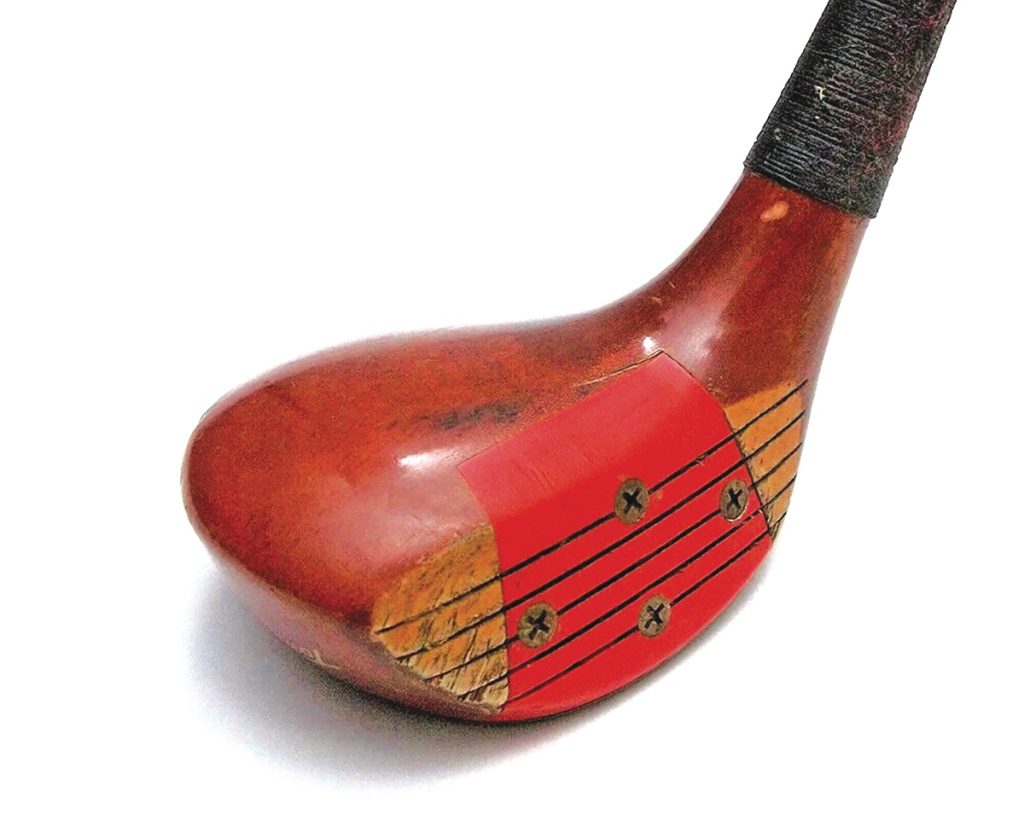
When I first started playing golf seriously in the 1980s, I had a Tommy Armour 5-wood with a persimmon head. That blond-colored wood with the lacquered finish set up perfectly no matter the ground — it would flush the ball off a tight lie or whip like butter through the Southern summer Bermuda grass.

Persimmon gave way to metal heads and later titanium. Fairways woods became “hybrids.” At various times, I played forged irons and later, cast clubs. I wielded Wilson irons in the early days and later played Pings and now have a bag full of Titleists.

But no matter the manufacturer or the makeup of my set of clubs, priority No. 1 has always been getting that 5-wood just right — that club that was more forgiving than the 3-wood or 3-iron and was ideally suited for approach shots into long par-4s and par-3s. Today the club of choice is a Titleist H1 19-degree with a regular flex Tensei shaft.

That 5-wood looks just right and feels just right.

It certainly did to PGA Tour player Pat McGowan some four decades ago.

McGowan played on the PGA Tour throughout the late 1970s and through the 1980s, and it wasn’t until the mid-1980s that he broached the idea of a 5-wood.

“Almost everyone carried a 1-iron, no matter who you were,” says McGowan, the director of instruction at Pine Needles Lodge & Golf Club in Southern Pines. “Most good amateurs with low single-digit handicaps carried a 1-iron. It was almost like a 5-wood was a sissy club. You carried a driver, a 3-wood and a 1-iron.”

He put a Ping 5-wood into play in the mid-1980s.

“It had a black head and a red, laminated insert,” McGowan says. “I hit it higher with that club than my 4-iron. I’ll never forget at New Orleans, it must have been 1986 or so, I came to a long par-4 or short par-5, I can’t remember which, but there was a bunker all the way in front of the green, and that 5-wood cleared the bunker, landed on the green and stopped on the green. I said, ‘Oh, my God.’ I couldn’t hit that shot with any other club. I hit it high and it landed soft. I took the 1-iron out.”

A few years ago, I was invited to a member-guest tournament at Forest Creek Golf Club in Pinehurst. The competition was five nine-hole matches on the club’s North and South Courses. My host and I played well together that weekend, and we needed to win our match on Saturday afternoon to collect first place in our flight.

The last match was on the back nine of the South Course. We had a 1-up lead on the par-3 17th, our eighth hole of the match. The South Course at Forest Creek, a 1996 Tom Fazio design, is replete with picturesque holes, and this is one of the nicest — an amphitheater setting, downhill, a wide and shallow green with a pond across the front.

The flag was on the left, and the breeze was into our faces. My GPS device measured 182 yards.

I pulled my 5-wood and teed up my ball. I stood behind it and envisioned that crisp contact and a high, right to left ball flight. Believing is seeing, and that’s exactly what I got.

The ball stopped 6 feet from the hole. I made the putt and the match was over.

I won a very nice Scotty Cameron putter that weekend, and I still carry it in my bag. It’s held in high esteem but not quite as high as that smooth and silky 5-wood.

Open to Art

OPEN TO ART

Open to Art

The Sandhills Photo Club conducts six competitions a year. The last competition of 2025 was “open,” allowing the 115 club members to submit their best images on any subject. The photo club posts its themed topics — voted on by the membership and suggested, in some cases, with the aid of artificial intelligence — two years in advance, and any submitted image must have been taken within the last three years. What appears here are the results of the member-judged open competition when the camera is free to roam anywhere the photographer’s eye takes it.

Tier 3

Tier 3 – 1st Place, Horses of the Camargue, Pat Anderson
Tier 3 – Second Place, On the Rocks, Donna Ford
Tier 3 – 3rd Place, First Light, Dee Wiliams

Tier 2

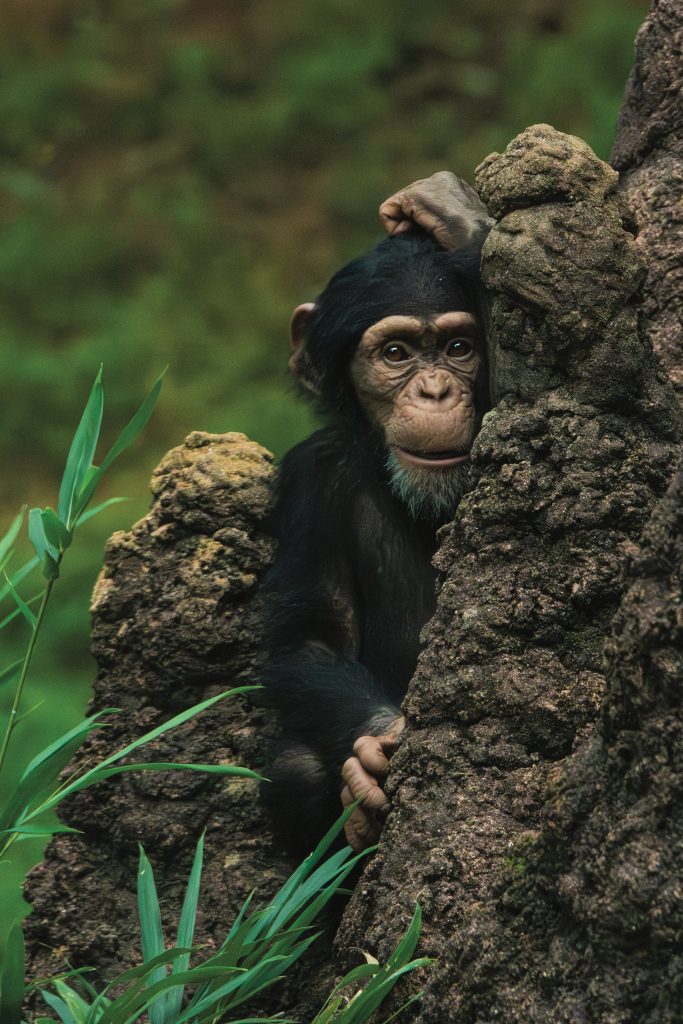
Tier 2 – 1st Place, Curious Chimp, Joshua Simpson
Tier 2 – Second Place, Glen Coe Canyon, Michael Sassano
Tier 2 – Third Place, Standing Out, Cathy Locklear

Tier 1

Tier 1 – First Place, White Whiskered Puffbird, Dawn Willis
Tier 1 – Tied Second Place, Morning Glory, Catherine Maready
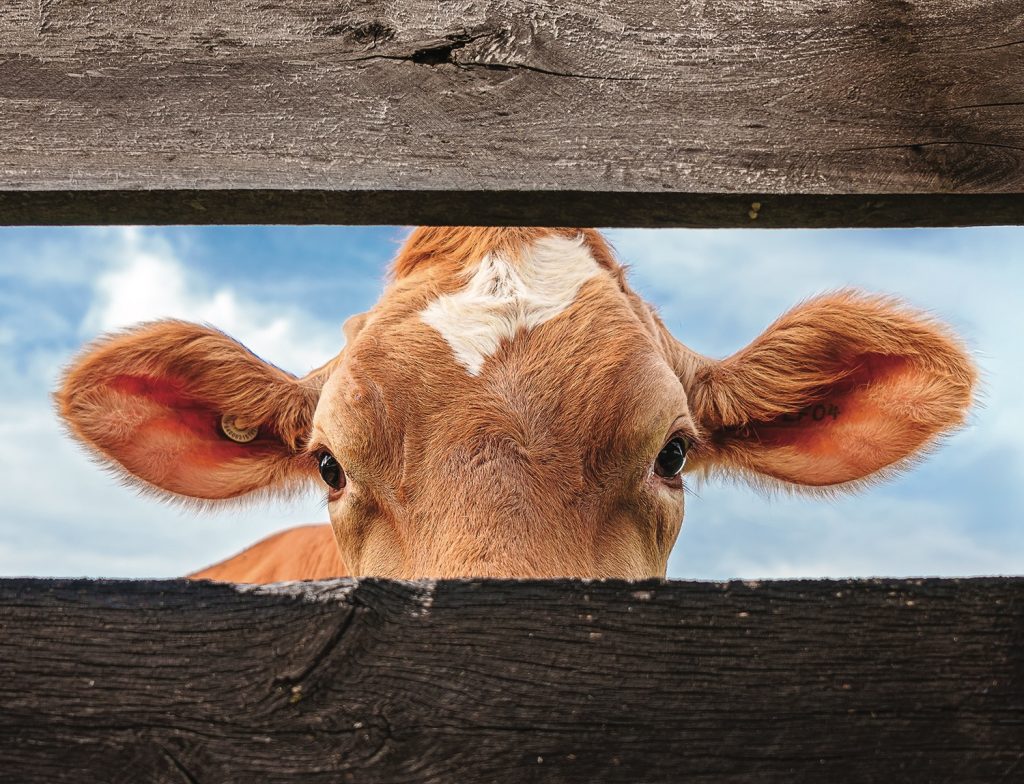
Tier 1 – Tied Second Place, I See Moo, Cindy Murphy
Tier 1 – Tied Honorable Mention, Embracing the Blue Horizon, Sharon Kitchen Miller
T1 Tied – Honorable Mention, America the Beautiful, JoAnn Sluder

PinePitch March 2026

PINEPITCH

PinePitch March 2026

Book It

The month’s series of author events begins on Thursday, March 12, with Mark Oppenheimer discussing his new biography, Judy Blume: A Life, at 6 p.m., at The Country Bookshop, 140 N.W. Broad St., Southern Pines. On Wednesday, March 18, Anita “Spring” Council will talk about her book Southern Roots: Recipes and Stories from Mama Dip’s Daughter, also at 6 p.m. and also at the Country Bookshop. Information can be found at ticketmesandhills.com or at www.weymouthcenter.org.

Dig This

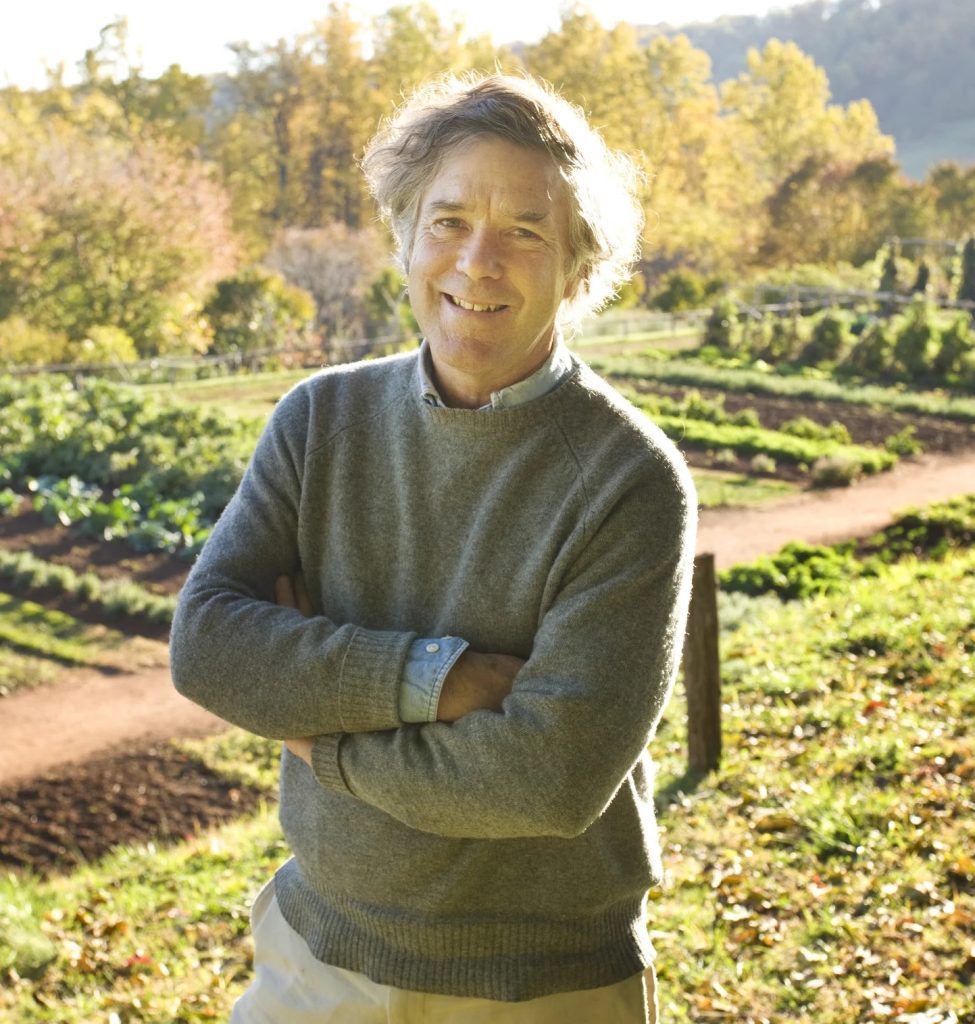
The Sandhills Community College Horticultural Gardens launches its celebration of the 250th anniversary of the Declaration of Independence by hosting Peter Hatch, author, gardener, former director of the gardens and grounds at Monticello and an alum of the SCC landscape and gardening program. Learn all about “Thomas Jefferson’s Revolutionary Gardens at Monticello” at BPAC’s Owens Auditorium on Thursday, March 19, at 1 p.m. You can register at www.sandhills.edu/gardenevents or go to www.ticketmesandhills.com.

It's Not Harvey

Kids ages 9 and under can scoop up all the Easter eggs they can fit in a basket at the village of Pinehurst’s Easter egg hunt at 10:30 a.m. on Saturday, March 28, at Cannon Park, 90 Woods Road, Pinehurst. Leave room for food, beverages and a visit from the Easter Bunny himself. No púcas allowed. For additional info go to www.vopnc.org.

Tristan und Isolde

An Irish princess and a love-drunk tenor — what more could you ask for? The Met Opera supplies both in Richard Wagner’s Tristan und Isolde on the big screen at the Sunrise Theater, 250 N.W. Broad St., Southern Pines on Saturday, March 21 at noon. For information go to www.sunrisetheater.com.

Blockbusters of the Old Sod

The Sunrise Theater will run a triptych of award-winning movies in an Irish film festival beginning with Riverdance on Tuesday, March 10, followed by The Commitments on Wednesday, March 11, and My Left Foot on Thursday, March 12. All films begin at 2 p.m. at 250 N.W. Broad St., Southern Pines. For more information got to www.sunrisetheater.com.

Don't Be Bashful

Enter a magical, fairytale world at a performance of the ballet Snow White and the Seven Dwarfs, featuring the music of Bogdan Pavlovsky and the dancers of the National Opera and Ballet of Ukraine, on Wednesday, March 18, at 7 p.m., at BPAC’s Owens Auditorium, 3395 Airport Road, Pinehurst. Tickets begin at $46.01. Yes, we know they don’t make pennies anymore. Go figure. For info and tickets go to www.ticketmesandhills.com.

It's Not Easy Being Green

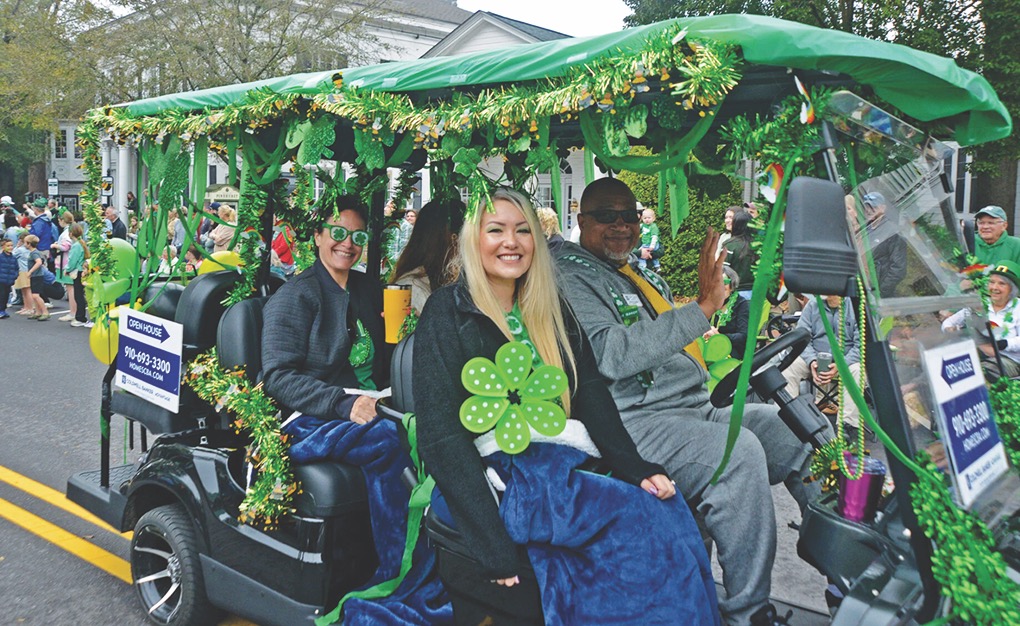
Except one day a year. In Pinehurst that day is Saturday, March 14, when the village turns every shade of green imaginable for its St. Patrick’s Day Parade, beginning at 10 a.m. The address is 1 Village Green Road W., but all you have to do is follow the crowd. If you need more info go to www.vopnc.org.

Cider House Rules

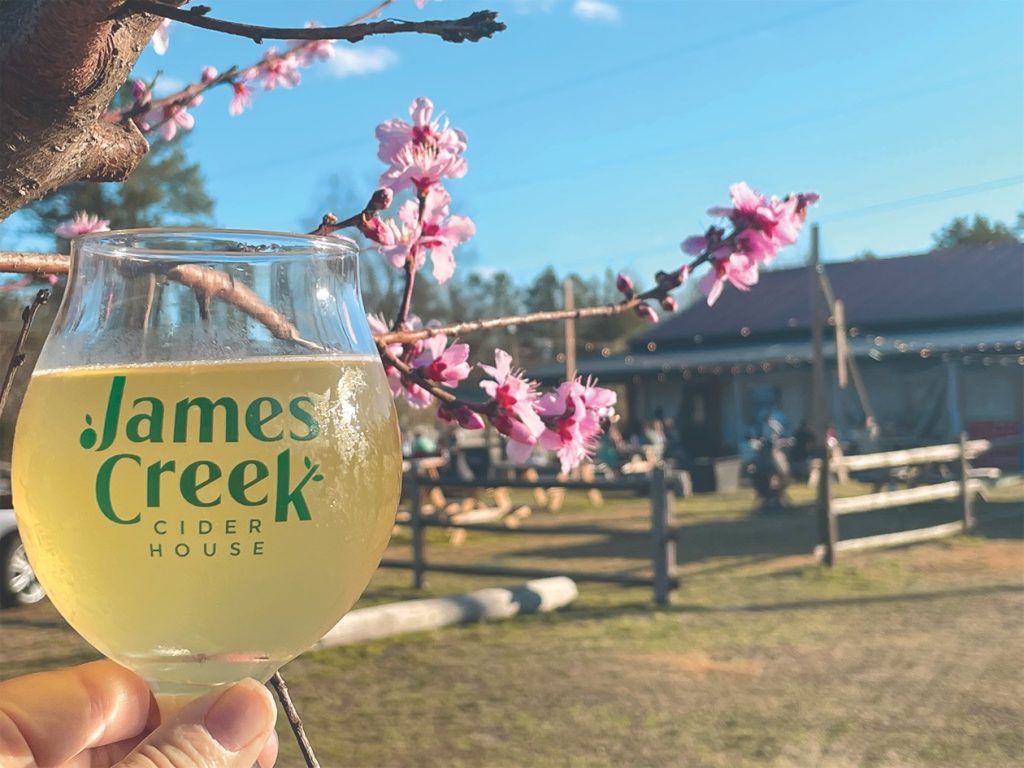
After the St. Paddy’s Day parade you can motor on down to the James Creek Cider House and Orchards for the North Carolina Cider Association’s March 14 spring fling, the Bloomtime Ciderfest, beginning at 1 p.m. The festival features live music from Whiskey Pines and Chip Perry, food trucks, tours of the orchard, and samples of ciders and meads from 15 producers including Barn Door Ciderworks, Botanist and Barrel, Bull City Ciderworks, Honey Girl Meadery, Noble Cider, Red Clay Ciderworks, Starrlight Mead, Urban Cider Company and, of course, your host James Creek. The address is 172 U.S. 1, Cameron. General admission is $40 with a $60 VIP package. For info go to www.jamescreekciderhouse.com/bloomtime-ciderfest.

Seven Questions with Sheena Easton

Q: When you look at your career now, what surprises you most?

Sheena: I’m always amazed I’m still working and that the fans are still there. I stepped back from the constant album–tour cycle to raise my kids, and I’m so grateful I didn’t have to sacrifice family to keep doing what I love.

Q: You’ve sung “Morning Train (Nine to Five)” for decades. What’s your relationship with that song today?

Sheena: Like any artist, I went through phases. At first it’s exciting. Then you only want to sing the new stuff. Now I look at the audience and see couples grab each other’s hands because it’s “their” song, and that makes me fall in love with it all over again.

Q: “For Your Eyes Only” is such an iconic Bond theme. What has being part of that world meant to you?

Sheena: It was huge for me. It came right after “Morning Train” and took my music to even more places because Bond fans will embrace the theme even if they don’t know the singer. As a kid I was always excited for the new Bond song, so being asked so early in my career felt surreal and still feels like a badge of honor.

Q: Songs like “Strut” and “Sugar Walls” definitely pushed the envelope. How do you see that chapter now?

Sheena: People say I “changed my image,” but really I just grew up. I started as a college kid. By the mid‑’80s I was a woman with more life experience and broader musical tastes. Some folks don’t like to see you change, but you have to pull them along and say, “I’m more grown up now — this is who I am.”

Q: There was controversy around “Sugar Walls” and that famous Tipper Gore list. How did you feel about that?

Sheena: We were on the list of songs kids “shouldn’t” hear and, honestly, I said that’s fine — if you don’t want your children listening, don’t let them. Parents should police what their little ones hear, but adults should decide for themselves. You can’t tell the whole world what art they’re allowed to like.

Q: You’ve worked with legends like Prince. What was he like in the studio with you?

Sheena: Everyone pictures this intense genius — and he was a genius — but in the studio he was relaxed. We laughed a lot, sang Joni Mitchell around the piano, and by the time we hit “record,” it felt like we’d known each other forever. He had a great sense of humor and loved to prank you.

Q: If you could talk to the little girl Sheena who just wanted to sing, what would surprise her most about you now?

Sheena: She’d probably be shocked that I’m “this old.” As a kid I fully believed it would happen; children are dreamers and haven’t been taught to be afraid of failure yet. It was my older self who became less sure it would last this long.

— By Stan Pillman

Sheena Easton performs live at BPAC’s Owens Auditorium, 3395 Airport Rd., Pinehurst, on Friday, March 20 at 7 p.m. For tickets and information go to www.ticketmesandhills.com.

Dissecting a Cocktail

DISSECTING A COCKTAIL

The Tipperary

Story and Photograph by Tony Cross

The Tipperary first appeared in the 1916 book Recipes for Mixed Drinks, by Hugo R. Ensslin.

Likely named for either the town in Ireland or the popular World War I song “It’s a Long Way to Tipperary,” about a young man yearning for “the sweetest girl I know,” the first print has this cocktail with equal parts Irish whiskey, sweet vermouth and Chartreuse. It was Harry MacElhone’s ABC of Mixing Cocktails in 1922 that upped the whiskey to 2 ounces, the vermouth to 1 ounce, and identified the original Chartreuse spec as green, using 1/2 ounce. You can look at The Tipperary as a spin on the classic Bijou cocktail (substituting gin for Irish whiskey) or imagine it as an Irish Manhattan with a kick of Chartreuse.

The recipe given here is from a famed Irish bar in New York City, The Dead Rabbit. The bartenders there found a better balance by lowering the Irish whiskey to 1 1/2 ounces and adding a couple of dashes of bitters. With mezcal, tequila and bourbon being all the rage over the past 15 years, Irish whiskey may not be getting its due. This is the perfect cocktail for any whiskey-curious imbiber to cut their teeth on.

Specifications

1 1/2 ounces Irish whiskey

1 ounce sweet vermouth
(I recommend Dolin Rouge)

1/2 ounce Green Chartreuse

2 dashes Angostura bitters

Orange peel

Execution

Combine all ingredients in chilled mixing vessel, add ice and stir until proper chilling and dilution has occurred. Strain into a chilled cocktail glass. Express oils from orange peel over cocktail — keep as a garnish or discard.