State of Mind

STATE OF MIND

Batter Up!

It's our game, the American game

By Tommy Tomlinson

Illustration by Gary Palmer

My wife and I had our first date at a Hickory Crawdads game.

Well, OK, I already need to backtrack. Alix says to this day that it was not a date. At the time I didn’t think it was a date, either. But somewhere between the first inning and the ninth, I started to feel that tug of attraction. A little more than a year after that night, we got married. Nearly 28 years of marriage later, we’re still together.

The point here is not to settle the question of whether it was or was not a date. The point is to make our way, eventually, to Brad Pitt’s question from Moneyball: “How can you not be romantic about baseball?”

North Carolina gives baseball romantics so many places to fall in love.

Best I can tell, there are 22 professional baseball teams playing in North Carolina this summer. Nine are farm clubs of Major League Baseball teams. Eleven teams play in summer leagues for college players — they use wooden bats instead of the aluminum bats in college games. Two more teams play in the independent Atlantic League. You could drive around the state and see a different game in a different park every night for three weeks straight, with a game left over.

Minor league team names are sports poetry. Here in North Carolina we have the Gastonia Ghost Peppers and the Edenton Steamers, the Greensboro Grasshoppers and the Holly Springs Salamanders, the Forest City Owls and the Fayetteville Woodpeckers, the Boone Bigfoots and the Greenville Yard Gnomes. (Should it be the Boone Bigfeet? Sounds like a discussion for the ballpark, between innings.)

Some teams choose names with a local angle. The Kannapolis Cannon Ballers name-check the Cannon Mills textile company that basically built the town. (The Cannon Ballers’ logo also features a mustachioed figure who looks suspiciously like Kannapolis-born Dale Earnhardt.) Asheboro has the North Carolina Zoo, so their team is the Zookeepers. My favorite, along these lines, is the Winston-Salem Dash. I’ll let you figure that one out — although if you’re strict about grammar, you might not like the answer.

Alix and I have been to minor league games all over the state. Every park has its own quirks and charms. A few years ago, as part of a baseball vacation, we went to see an Asheville Tourists game. I hadn’t been feeling great that week. We had to park at the bottom of a hill, and the stadium was at the top. I was dreading that climb. But then a guy rolled up in an extra-long golf cart. It turns out the Tourists will give fans a lift up to the stadium if they need one. That day, I needed one. I felt like a VIP as the cart zoomed us to the gate.

By the way, if you ever take a book to the ballpark — lots of people do! — my suggestion is Ryan McGee’s Welcome to the Circus of Baseball. It’s about the summer he spent as an intern with the Tourists, and it is jam-packed with stories. I will never forget his tale of the mountain man the team sent into the woods behind the outfield fence to retrieve batting practice homers. He always returned with a bagful of balls — and another bag full of squirrels and such for his supper.

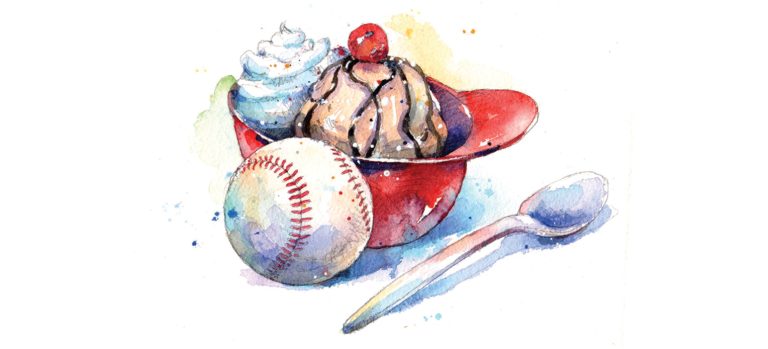
Speaking of supper, the range of what qualifies as ballpark food is so much wider than it used to be. The Durham Bulls, for example, offer pretzels with hummus, gourmet popcorn, Impossible Foods veggie dogs and a ton of local brews. Even the smallest parks often have fancy burgers and IPAs. They still have the classics, too. Nothing says the eighth inning at a minor league park like ice cream in a little batting helmet.

In Greensboro, we cheered one of the team’s bat dogs who retrieve bats tossed aside when players get a hit. In High Point, we spotted former World Series MVP Frank Viola serving as pitching coach for the Rockers. In Wilson, years ago, we happened to show up on Pint Glass Night and brought home a Wilson Tobs glass we use to this day.

The Tobs (a nod to Eastern North Carolina’s tobacco roots) have moved to Smithfield, where they’ll start playing in 2027. Wilson’s team is now the Warbirds — they’re a farm team for the Milwaukee Brewers. They replaced the Carolina Mudcats. The old Mudcats’ stadium in Zebulon is now home to the Zebulon Devil Dogz, which will feature Australian players. As they say in baseball, it’s hard to keep track without a scorecard.

The truth is, it doesn’t matter what the teams are called or who’s playing. I’ve been to dozens — hundreds? — of minor league games over the years. The only surefire star I remember watching is Jim Thome, who mashed baseballs for the Charlotte Knights and went on to hit 612 home runs in the majors. I’m sure there have been other all-stars somewhere in all those games, mixed in with the guys who made it to the bigs for a bit, and the ones who never made it at all. But I don’t remember the players. What I remember are the warm nights and the cold beer and the good company.

I still have my ticket stub from that Hickory Crawdads game back in 1997. I have no idea who won that game. I just remember the fireworks that almost set the woods on fire beyond the outfield fence, and the slow dawning, as I talked to my seatmate, that this might not be just another night at the ballpark.

We still don’t count that night as our first date. But we’ve spent a lot of nights at baseball games since then. And you can bet every one of those counts.

PinePitch June 2026

PINEPITCH

PinePitch

June 2026


All That Jazz

The summer concert series features the Sandhills Community College Jazz Band in “Swingin’ on the Sunny Side” on Monday, June 15, at 6 p.m. at BPAC’s Owens Auditorium, 3395 Airport Road, Pinehurst. The show is free but tickets are required. You can get them at www.ticketmesandhills.com.

Sounds of the Sunrise

“A Night of SADE with Tonya Nicole” kicks off a June triptych of live concerts at the Sunrise Theater, 250 N.W. Broad St., Southern Pines on Friday, June 19, at 7:30 p.m. Nicole, a Charleston-based jazz and R&B singer, is backed by an electrifying eight-piece band. Then, on Thursday, June 25, Jason Scott & The High Heat fuses Americana soul, heartland rock and country grit beginning at 7:30 p.m. And, of course, the king is not to be ignored. Jesse Garron delivers “A Tribute to Elvis!” in two shows, at 3 p.m. and 7:30 p.m. on Saturday, June 27. For information and ticketing on all three, go to www.sunrisetheater.com.

Dad Jokes

The Bad Dads Comedy Tour stops at the Sunrise Theater, 250 N.W. Broad St., Southern Pines, on Saturday, June 20, at 7:30 p.m. Fathers, husbands and buddies, Justin Scranton and Mark Brady reflect on life, growing up, relationships and the all the stuff that fails over time. For info go to www.sunrisetheater.com.

Snow White and 42nd Street

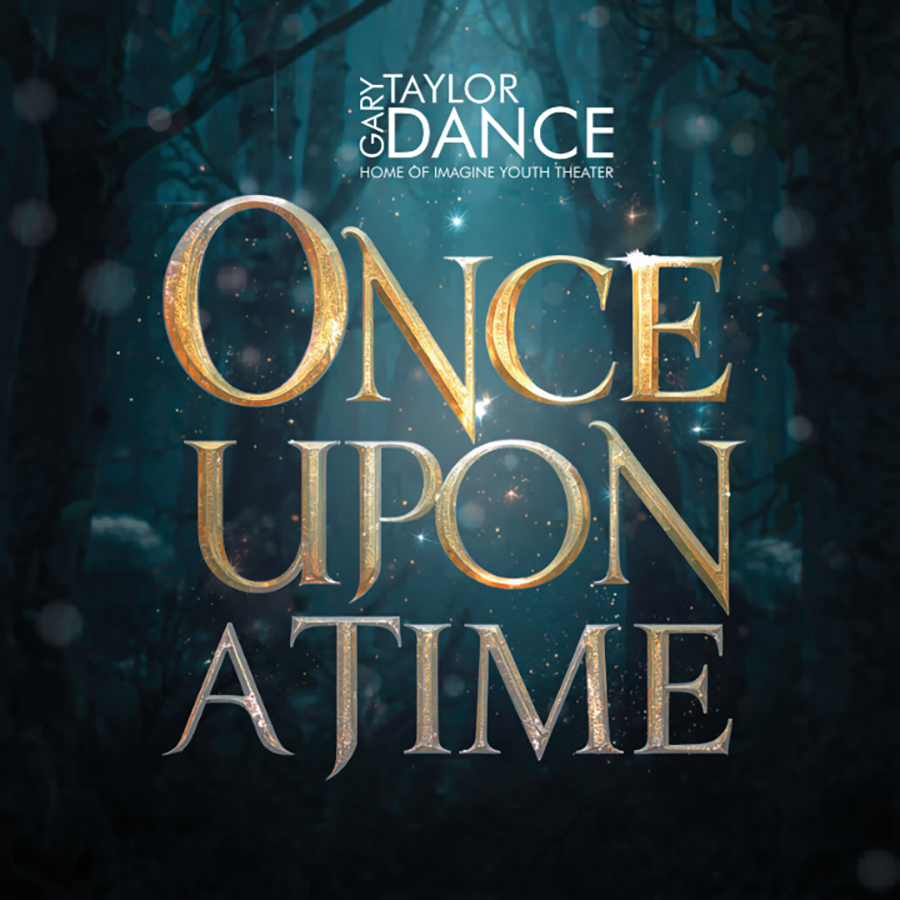
Gary Taylor Dance presents “Once Upon a Time,” a celebration for all ages as fairy tales spring to life, at 2 p.m. on Saturday, June 5. Then, at 7:30 p.m. that night, the troupe returns for the Gary Taylor Dance “Tribute to Broadway.” There will be an additional tribute show on Sunday at 2 p.m. All performances are at BPAC’s Owens Auditorium, 3395 Airport Road, Pinehurst. For tickets and information go to www.ticketmesandhills.com.

Out There

How often do you get to talk to someone who has a finger on the pulse of the cosmos? Settle in for this virtual book talk between The Country Bookshop’s Kimberley Daniels Taws and Chanda Prescod-Weinstein, a theoretical cosmologist and particle physicist at the University of New Hampshire, from noon to 1 p.m. on Wednesday, June 3. The book is The Edge of Space-Time: Particles, Poetry, and the Cosmic Dream Boogie. For more info go to www.ticketmesandhills.com.

Heart and Souls

Asheville-based Hustle Souls fills up the First Friday stage beginning at 5 p.m. on June 5 with its iconic B3 organ, jubilant brass and three-part harmonies. Y’all know the drill: No outside al-kee-haul and leave Cujo with a babysitter. Bring a blanket or folding chair to lounge on the grassy knoll. Naturally, there will be food and drinks for purchase. For more info visit www.sunrisetheater.com.

1776

Step into the Wayback Machine for the Drums of Liberty Revolutionary War Weekend on Saturday, June 27, from 10 a.m. to 4 p.m., on the lawn at the Weymouth Center for the Arts & Humanities, 555 E. Connecticut Ave, Southern Pines. There will be interactive exhibits, performances by the Guilford Courthouse Fife and Drum Corps, a living history encampment, Boyd House tours, lectures and children’s activities. Cocktails will be available from Bhawk Distillery. For more information go to www.weymouthcenter.org.Lorem ipsum dolor sit amet, consectetur adipiscing elit. Ut elit tellus, luctus nec ullamcorper mattis, pulvinar dapibus leo.

On the Wall

The Artists League of the Sandhills and the Arts Council of Moore County hold receptions on Friday, June 5, to celebrate the opening of their month-long exhibitions. “Art to Appreciate” begins at 5 p.m. at 129 Exchange St., Aberdeen, featuring the work of Artists League members. The Arts Council show “Lost & Found” features photographers, painters and potters, beginning at 6 p.m. at the Campbell House, 482 E. Connecticut Ave., Southern Pines. For more info check out www.artistleague.org and www.mooreart.org.

Book It!

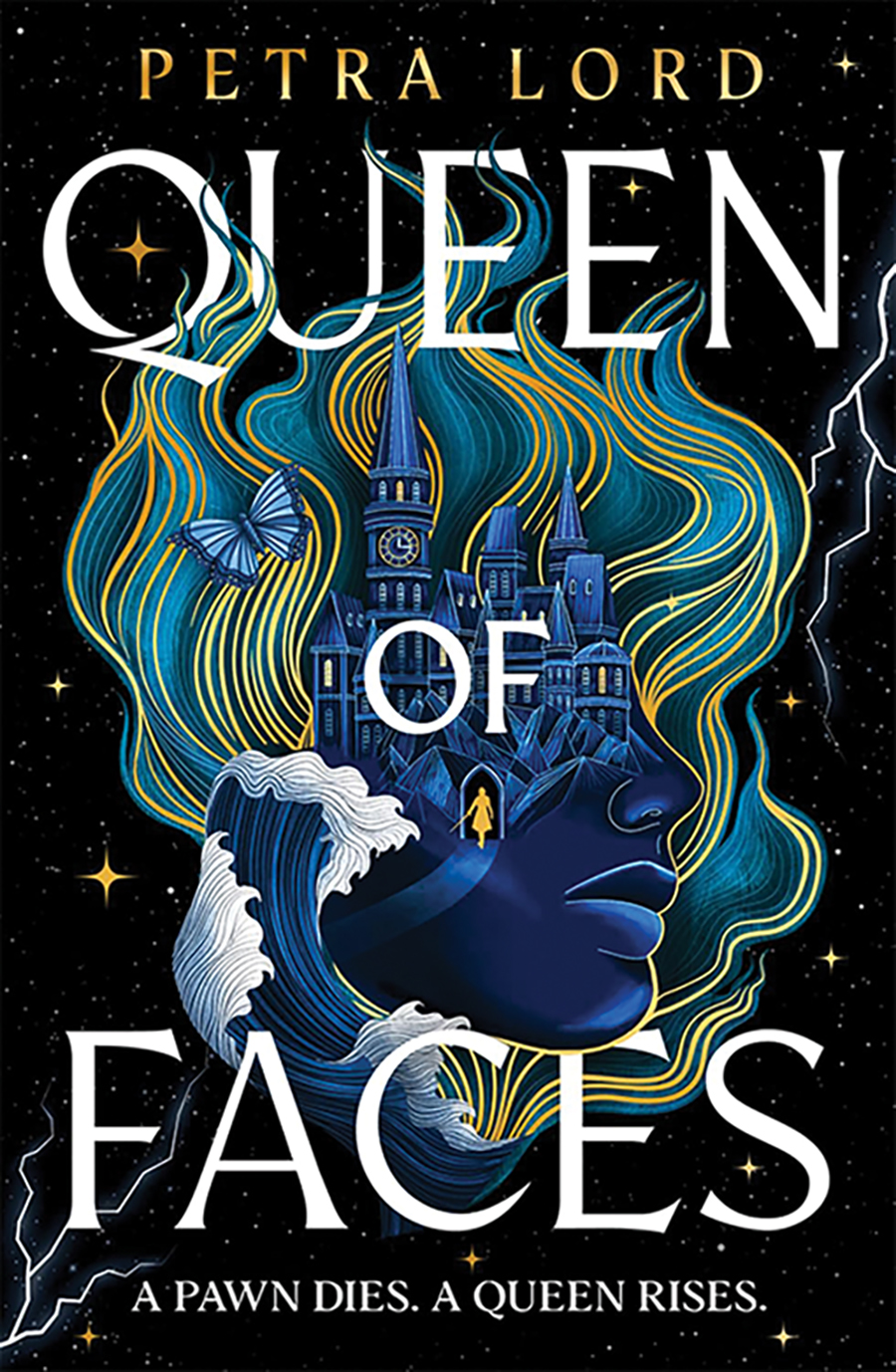
The Country Bookshop, 140 N.W. Broad St., Southern Pines, will host a young adult book club beginning with a discussion about the New York Times bestseller Queen of Faces, by Petra Lord, on Sunday, June 7 from 4 – 5 p.m. For information and tickets go to www.ticketmesandhills.com.

Live Music and Loud Booms

The celebration begins on Friday, July 3, from 6 – 9 p.m. at the Harness Track, 200 Beulah Hill Road S., Pinehurst. There will be music, kids’ stuff, dancing, food and beverages for sale . . . and fireworks! It’s as free as we are. For additional info you can call (910) 295-3642 or visit www.vopnc.org.

Everyone Loves a Parade

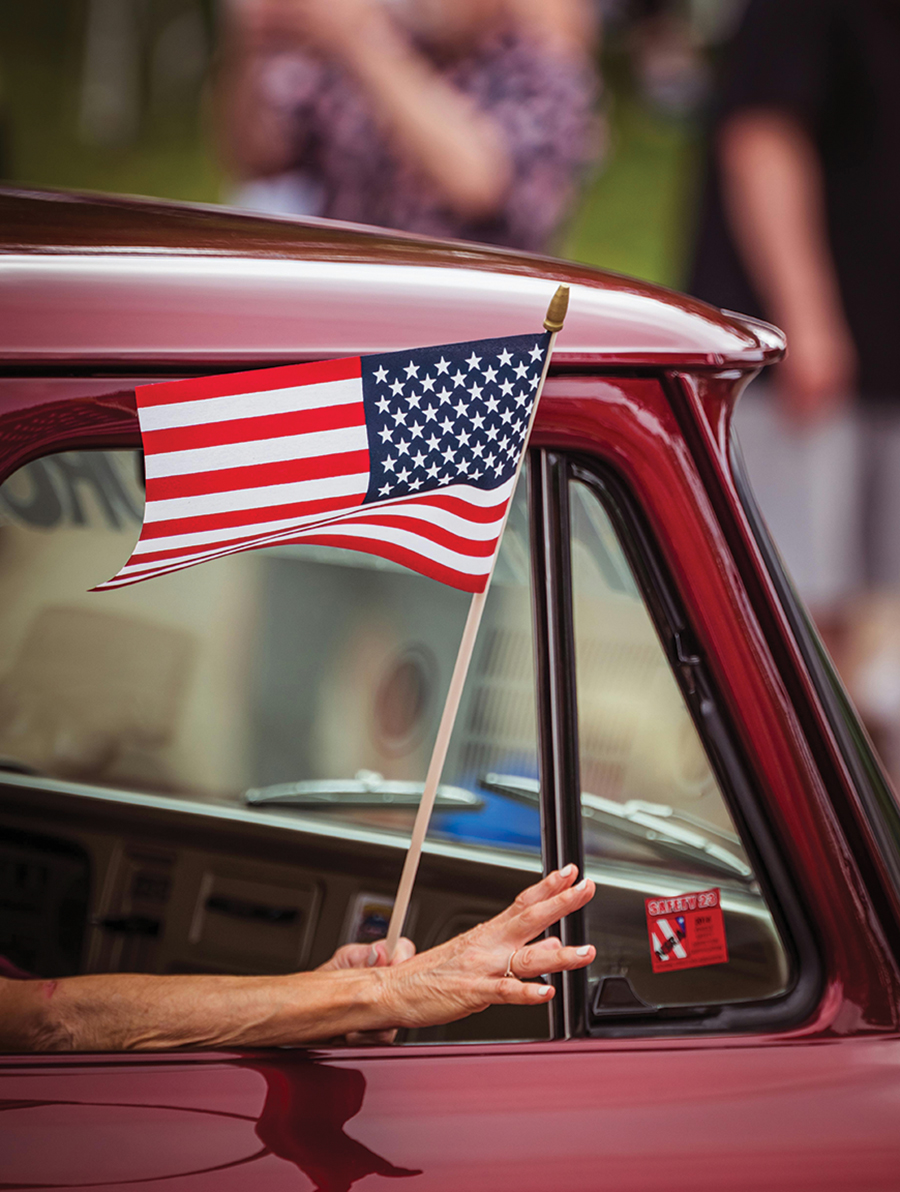
Honor America 250 at the annual Independence Day Parade in the village of Pinehurst, beginning with the pet parade at 9:45 a.m., on Saturday, July 4. Slather on the sunscreen because it lasts until noon. For more information go to www.vopnc.org. or call (910) 295-03642.

Sandhills Photo Club

SANDHILLS PHOTO CLUB

Color, Color, Everywhere

The Sandhills Photography Club was started in 1983 to provide a means of improving members’ photographic skills and technical knowledge, for the exchange of information, and, by club activity, to develop membership potential and public interest in the art of photography. For meetings and information visit www.sandhillsphotoclub.org.

Tier 3 Winners

Tier 3, 1st Place: Standing Tall by Susan Bailey

Tier 3, 2nd Place: Windy Peaks by Dee Williams

Tier 3, 3rd Place: Daisies by Donna Ford

Tier 2 Winners

Tier 2, 1st Place: Field of Gold by Joshua Simpson

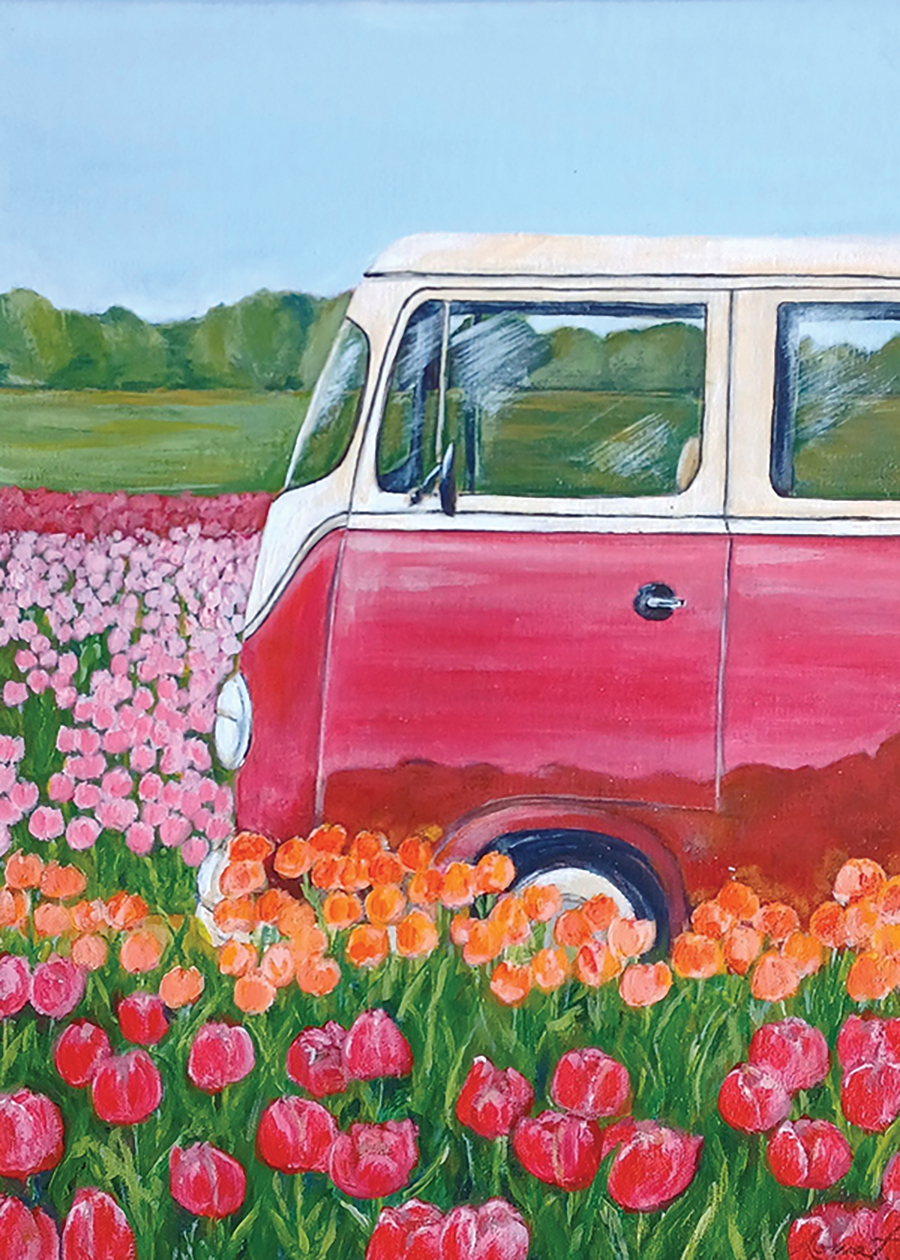
Tier 2, 2nd Place: Tiptoe Through the Tulips by Cal Rice

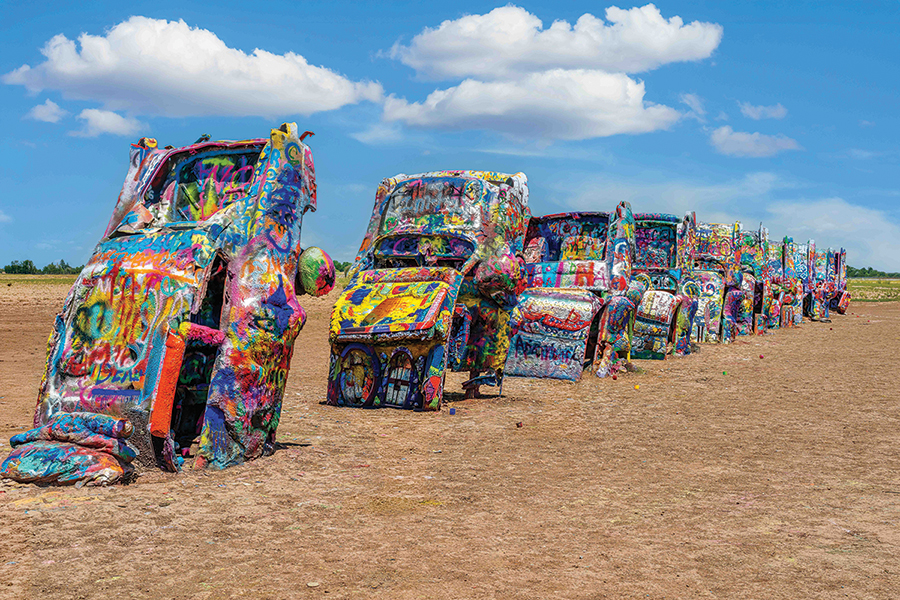
Tier 2, 3rd Place: Cadillac Kaleidoscope by Cindy Murphy

Tier 1 Winners

Tier 1, 1st Place: Alaska’s Beauty by Janice Huff

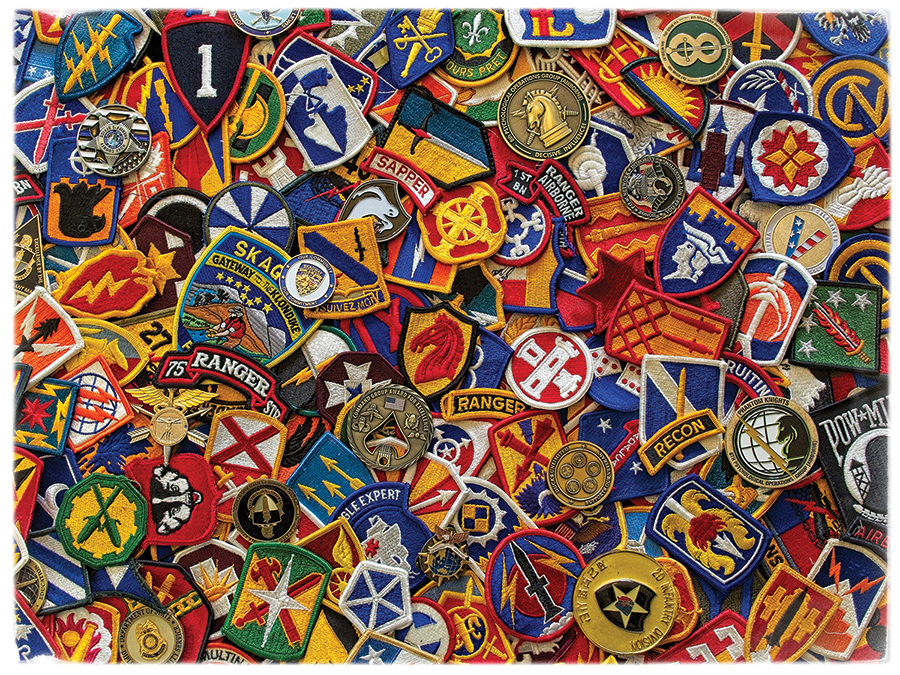
Tier 1, 2nd Place: HOOAH by Dennis Mally

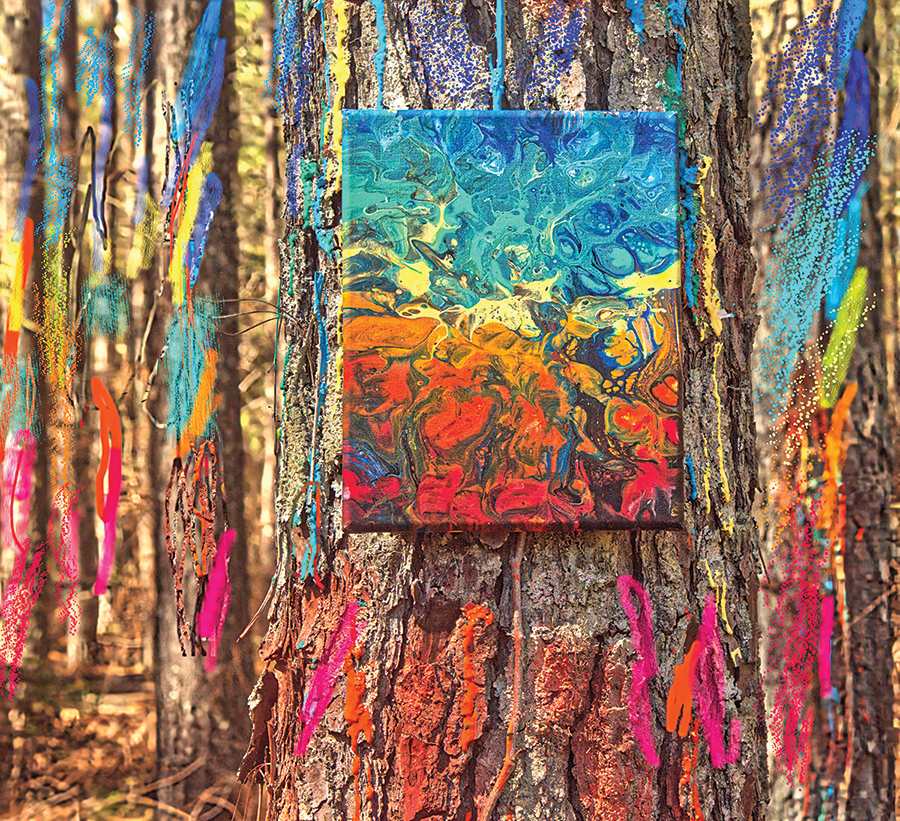
Tier 1, 3rd Place: COLOR Takes Root by Mary Bonsall

The Naturalist

THE NATURALIST

Fear and Loathing and Cottonmouths

What's a little venom among friends

By Todd Pusser

With the notable exceptions of politicians and the Duke’s men’s basketball team, few living things are viewed with as much contempt and revulsion as snakes. Ever since the serpent tempted Eve in the Garden of Eden, snakes have received bad press. Their credentials for despicability are easy to understand — some can kill a person with a single bite.

Depending on which taxonomist you ask, there are roughly 4,000 species of snakes spread across the globe. Of those, approximately 600 are considered venomous. Breaking that statistic down even further, only about 300 species of snakes possess enough toxicity in their venom to kill a human.

That small percentage (7.5 percent) has instilled an immense fear of snakes in humans across cultures and all walks of life. Some scientists even suggest that the fear is ingrained in our very DNA — a holdover from a time when our distant ancestors walked the landscape without the benefit of antivenom and apps that can identify snakes with a single click of a smartphone. Ophidiophobia, as the fear is known, affects countless people and can cause some to react in very irrational ways.

Peruse news archives over the past decade and you will find many shining examples. One 2021 NBC news headline reads, “Maryland home burns down during owner’s ill-fated snake fight.” Apparently, a man intentionally started a fire in his basement in order to clear a “snake infestation” from under his house by smoking them out. What could go wrong?

Another from Florida reads, “Molino man accidentally shoots himself while trying to kill snake.” A man — yes, a Florida man — encountered a snake in his backyard, went back into his house, loaded a .357 revolver with buckshot, then went back outside and promptly shot himself in the leg when he tripped and fell on the snake.

My personal favorite is a 2017 headline out of Conway, South Carolina, that reads, “Man shoots mother-in-law while trying to kill snake.” I know what you’re thinking — likely story. I was thinking the same thing, but according to WBTW 13 News, the man’s mother-in-law was leaving his house when she encountered a snake near the bottom step of the porch. The report explains the son-in-law was laying “on the ground under the steps and told everyone not to move while he tried to shoot the animal. When he fired, the victim yelled out in pain after the round went through the steps and into her leg.” AI can’t even make this stuff up. Fortunately for the mother-in-law, the wound was not life-threatening. Apparently both the snake and the man survived.

No other snake in the Southeast is associated with more legends and myths than the cottonmouth. Frequenting numerous Mom and Pop tackle shops in my youth, as well as spending most weekends casting a line throughout the Sandhills, I heard many cottonmouth tales. Fisherman swore up and down that cottonmouths were super aggressive and would chase you at every opportunity. Others warned of waterskiers falling into cottonmouth nests and dying on the spot.

As I aged, I realized that these stories simply were not true. Four species of harmless, non-venomous water snakes are found throughout North Carolina. All are large and can be quite common along creeks, lakes and ponds. To the untrained eye, they look a lot like cottonmouths. In the spring, large females are frequently accompanied by amorous, smaller males. These mating assemblages frequently take place out in the open along shorelines, or on tree branches overhanging rivers and lakes, in plain sight of fishermen or swimmers, and are likely the origin of the cottonmouth nest myth.

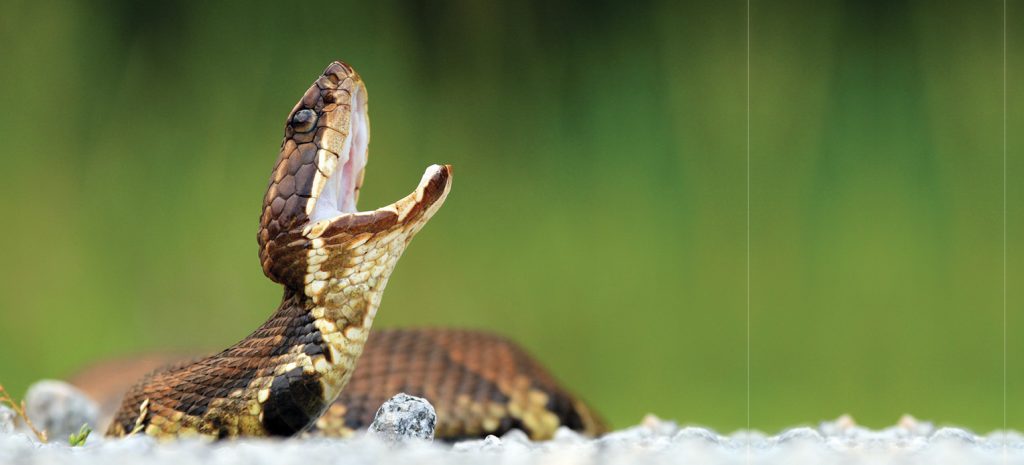
As far as cottonmouths chasing you, after encountering hundreds in my outdoor adventures, not one has shown any aggression toward me. Many gape their mouths wide open when disturbed, revealing the white interior, which gives them their name. And if provoked, cottonmouths will readily strike in self-defense. In fact, most bites from cottonmouths happen when people are in the process of trying to kill them or actively disturb them. Case in point — an ABC news headline out of Tampa in 2015 reads, “Man bitten when he tries to kiss poisonous snake.” According to the account, an 18-year-old man had captured a cottonmouth in his girlfriend’s yard and kept the snake for a few days in a pillowcase. In an effort to impress his girlfriend, the young fellow would occasionally take the cottonmouth out of the pillowcase and kiss it on the lips. Predictably, the snake decided to end the relationship and bit the man on his face, sending him to the hospital in critical condition. He survived the ordeal, but it just goes to show that Charles Darwin’s Theory of Natural Selection is still functioning well into the 21st century.

Cottonmouth venom is loaded with proteins and enzymes that break down the tissue of their prey. A bite from one is very painful and has, on occasion, caused fatalities in humans. Most readers, I assume, would not mind ridding the world of cottonmouths. “What good are they?” is a question I have frequently been asked over the years with regard to all manner of venomous snakes. Consider these facts: An amino acid, first isolated from cottonmouth venom in the 1950s, has been found to readily kill cancer cells; likewise, research into a protein called contortrostatin, found in the venom of copperheads, the cottonmouth’s closely related (and equally maligned) cousin, has shown significant potential for inhibiting the growth and spread of breast cancer. In a nutshell, ridding the world of venomous snakes could eliminate a potential cure for cancer.

My best advice for someone who encounters a snake, be it venomous or otherwise, is to just leave it alone. Walk away. It’s a safe bet on the current prediction markets that you will never see the snake again. Why risk ending up as a funny news headline trying to kill one?

Omnivorous Reader

OMNIVOROUS READER

Against All Odds

Characters living on life's edge

By Anne Blythe

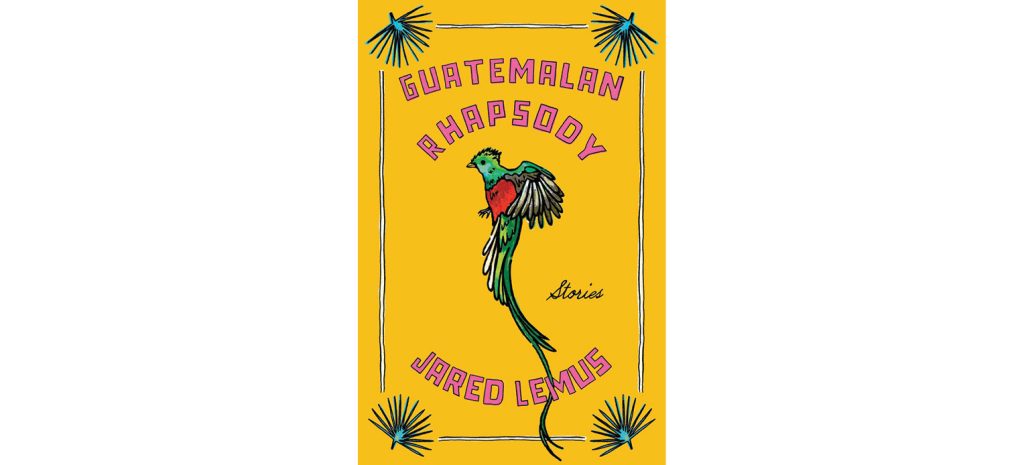
If you’ve ever felt caught in one of life’s undertows, fighting overwhelming currents seemingly beyond your control, you might find a kindred spirit among the cast of characters in Jared Lemus’ debut short story collection, Guatemalan Rhapsody.

Lemus, a Kenan Visiting Writer at UNC-Chapel Hill, has compiled 12 vignettes portraying men and boys living in Guatemala or the United States. The protagonists are barely making ends meet, either caught in low-paying jobs or living on society’s edges through illicit means. Many of them are struggling to break free from generational poverty, Byzantine bureaucracy and emotional vulnerabilities.

The ache of unfulfilled possibility unites these principal characters — a healer, a van taxi driver, a long-haul trucker, a night busman, an aspiring tattoo artist, a laundryman, a builder, a once-celebrated soccer player turned middling middle school coach, teenage highway robbers, and kids left to fend for themselves in this country after their parents were deported or returned home to Guatemala.

There is a machismo and toughness that permeates these protagonists that rarely masks their underlying vulnerability and tenderness. There are females in their orbit, but few are as fleshed out as the central male figures. The women often provide the unvarnished truth with warmhearted mercy.

Lemus shows a flair for different writing styles throughout the collection. In the opening story, “Ofrendas,” he gives readers a taste of Guatemalan pacing and dialogue, using Spanish-style inverted opening and closing marks throughout the lyrical English. The story kicks off the collection with a nod toward indigenous Guatemala and the Mayan tradition of people bringing cigarettes, candies, flowers, alcohol and monetary offerings in search of relief or protection from San Simon, a saint known to be a trickster representing both light and dark. In this story of second chance seekers and human sacrifice, you can almost feel the fires crackling as the healers greet the petitioners at the pits they’ve built and hear the owls hooting their ominous calls in the highlands beyond the gated monastery.

In “Bus Stop Baby,” a story about a busboy/dishwasher who rides a bus all night for warmth because the damp mattress he rented was in an unheated garage attached to a house filled with cocaine addicts, Lemus gives readers a chance to choose their own adventure mapped out in two columns, Option A or Option B.

There’s traditional storytelling, too, always with vivid descriptions. In “Heart Sleeves,” a story of an aspiring tattoo artist seemingly “opting for weed and heartbreak” over fulfilled potential, you can almost hear the bee-like buzz of the tattoo guns.

In “Saint Dismas,” a story of amateur highway robbers scheming for food and motel money, your fists might clench in pain as Lemus describes the rope-burned hands of the teens posing as construction workers whose plans went awry when a car sped through the thick cord they stretched across a Guatemalan road to force passersby to stop.

While it might sound like Guatemalan Rhapsody is all doom and gloom, there is wit and light humor amid the darkness. The collection is a true rhapsody, made up of many different riffs on stories of people swimming against the tide, striving for validation, love and survival.

The most pleasurable note among the variations is how Lemus treats his protagonists with dignity and compassion, traits that could go a long way in the world today. PS Anne Blythe has been a reporter in North Carolina for more than three decades covering city halls, higher education, the courts, crime, hurricanes, ice storms, droughts, floods, college sports, health care and the many wonderful characters who make this state such an interesting place.

Tea Leaf Astrologer

TEA LEAF ASTROLOGER

Gemini

(May 21 - June 20)

Truth: Nobody can rock a floral top with geometric print slacks quite like you can. This month, the new moon in Gemini (June 14) paired with your maximalist tendencies could elevate your dopamine dressing to Iris Apfel status. Try not to let your flashy curations keep you from focusing on your inner world. Beginning June 19, a profound healing can occur if you’ll allow it. Avoid hiding behind your rose-colored retro rounds and face the music.

Tea leaf “fortunes” for the rest of you:

Cancer (June 21 – July 22)

Don’t let a little rain stop you.

Leo (July 23 – August 22)

Two words: homemade focaccia.

Virgo (August 23 – September 22)  

Reimagine the leftovers.

Libra (September 23 – October 22)

“No” does not require an explanation.

Scorpio (October 23 – November 21)

Somebody’s meddling.

Sagittarius (November 22 – December 21)

Read the room.

Capricorn (December 22 – January 19)

May the circle be unbroken.

Aquarius (January 20 – February 18)

Shake some dust, darling.

Pisces (February 19 – March 20)

Check the batteries.

Aries (March 21 – April 19)

Try sitting with the crickets.

Taurus (April 20 – May 20)

Three’s a crowd.

Simple Life

SIMPLE LIFE

Sacred Grounds

My Journey with the Three G's

By Jim Dodson

Illustration by Gerry O’Neill

As I write this, it’s an hour before sunrise on Good Friday of Holy Week. With my morning meditation behind me for the day – I call it “Coffee with God,” a time when I have frank conversations with the Almighty beneath the morning stars – it seems like the ideal moment to take stock of my “Three G’s.”

In addition to the enduring love I have for my wife, children and brand new grandchild – a baby girl named June; how’s that for timing? — the Three G’s is my simple shorthand for God, golf and gardening, the three defining elements of my life’s journey.

Allow me to consider them in reverse order of importance.

This month, on June 7, my home’s garden will be featured on the annual Greensboro Council of Garden Clubs tour. It’s an honor I never saw coming. That’s because building gardens (and working in them) has been a passion of mine since I was knee-high to a post-hole digger. I hail from rural people, you see, small-time Carolina farmers who lived off the bounty of the land. So, the urge to grow things is in my bloodstream. Some of my fondest memories are of visiting my dad’s elderly second cousins, Josie and Ida, a pair of spinster ladies in their 80s who shared a handsome old farmhouse from the Civil War era and a giant garden in Orange County.

My dad called them the “Moon and Star Girls.” He called them this because their house had limited indoor plumbing but a pair of splendid outhouses with elegantly carved wooden doors. One featured a half-moon (Cousin Ida’s), the other a shining star (Cousin Josie’s). I was deeply fascinated by both women and their fancy outhouses. Almost every Easter and Christmas of my boyhood, our family would take them a salted country ham, Pond’s Cold Cream, and copies of Reader’s Digest, Life Magazine and the Saturday Evening Post.

Ida was the solemn and stern sister who ran the household. Josie was the sweet and talkative one who loved books and storytelling. Their dressing style was pure 19th century, floral dresses with knitted sweaters Ida made by hand and lace-up boots. I like to think part of the verdure in my blood comes from them as well as my great-grandmother, who lived 5 miles closer to Dodsons Crossroads, and grew and collected native plants for making folk medicines. Aunt Emma, my dad’s grandmother, was the beloved “healer” along Buckhorn Road since a real doctor was 20 miles away.

The vast garden of the “Moon and Star Girls” was well-known along Buckhorn Road between Hillsborough and Chapel Hill. The Dodson sisters shared their bounty with neighbors up and down the road. For several summers before a game called golf seized my waking attention, I got to stay with Ida and Josie and help in their garden. Josie would sing hymns and tell me stories about our Colonial ancestors while Ida kept a sharp eye on our progress, sometimes reminding us that the “Lord loves busy hands. Not idle chatter.” Once, Josie stuck her tongue out at Ida’s back and we both dissolved with laughter. Cousin Ida was not amused.

Both my parents were serious suburban gardeners, which is why I grew up to become one, too. I’ve built three ambitious gardens in my life, from a forested hilltop in Maine to a pine-girdled garden I brought back to life in Pinehurst. Number three is the most ambitious, built around the old house we purchased a decade ago on the street where I grew up in Greensboro. Likely, it’s my final garden.

Garden work is good for the soul, Cousin Josie liked to say.

• • •

Golf came into my life at age 11 after watching Arnold Palmer play in the 1964 Masters Tournament on TV. That’s the year the King of Golf won his final green jacket by six strokes and tossed his cap into the air. I promptly joined “Arnie’s Army.”

I began beating golf balls around our backyard with an old Bobby Jones wedge I still own (somewhere) and quickly progressed to a modest nine-hole golf course I nearly wore out every day after swim practice. I followed my dad into journalism and shared his passion for the cruelly addictive game invented 400 years ago by lonely Scottish shepherds.

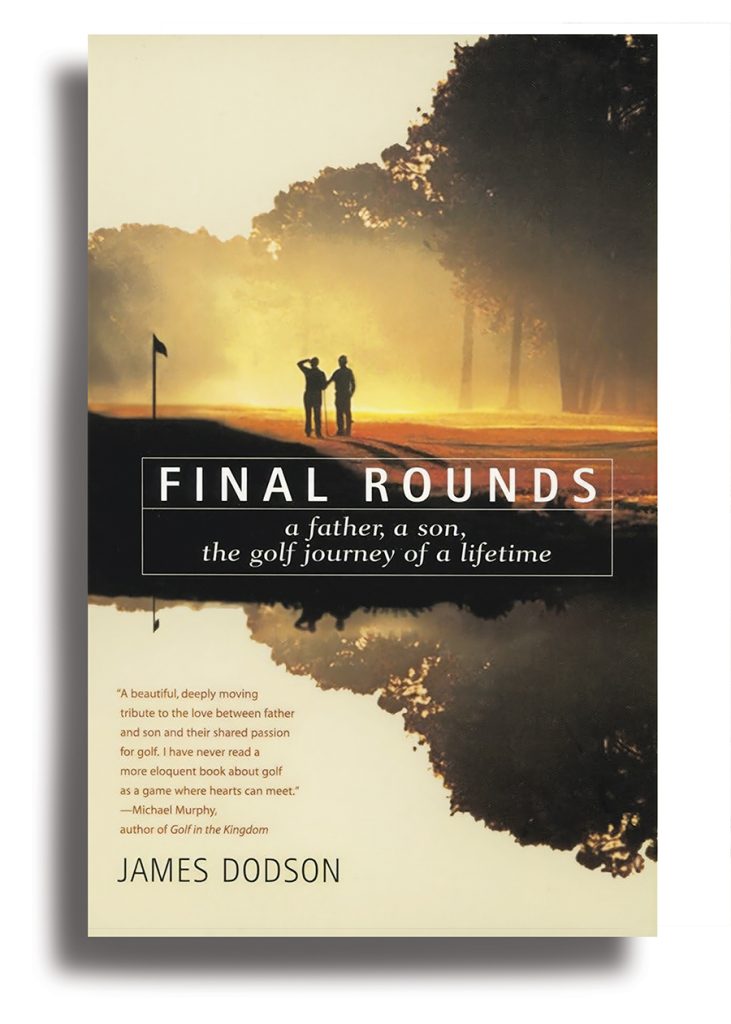
In 1997, as a columnist for Golf Magazine, I published a memoir called Final Rounds that told the story of taking my wise old man back to play the courses on England’s Lancashire coast where he learned to play the game as an airman shortly before D-Day.

The book was a bestseller that changed my life. After reading it, Arnold Palmer invited me to write his memoir, A Golfer’s Life, and share the cover credit with him. We remained close friends until his passing in September 2016. During our last visit in Latrobe a month before he passed away, I asked him to autograph my copy of our book. He wrote: “Jim, Thank you for your wonderful words. I couldn’t have a better friend.”

I’ve been deeply blessed by my golf writing, a career that includes four books of the year about the game (two from United States Golf Association and two from International Network of Golf), scores of friends and a lifetime of memories.

Not long ago, just for fun, one of my golf buddies and I even started a podcast on Apple called Sports Is Beyond Us that allows us to share the timeless joys, fellowship and low comedy of the game.

• • •

God is the most important “G” in my life. I once heard someone say there are two paths to God — one is love, the other is sorrow.

I’ve taken both paths in my life and found that the divine force of the universe eventually welcomes everyone home regardless of where they’ve been. We all have a different picture of who or what God is. My belief is that God grades life on a generous curve and small miracles are everywhere if you take time to notice.

Many years ago, I took my highly opinionated Scottish mother-in-law to the daily Evensong service at St John’s College Chapel in Cambridge, England. Kate was probably my best friend during several challenging years, a gifted gardener and educator who never missed watching the British Open Championship with me over gin and tonics. She was the only person on Earth who ever called me “James.”

Kate was also a professed atheist who had one of the kindest hearts of anyone I’ve ever known. Her own parents perished during the German bombing of the docks in her native Glasgow when she was very young.

That summer evening at St John’s, though, when the choir sang the familiar “Old Hundredth” hymn from the Genevan Psalter, I heard Kate softly singing along. As we exited into a beautiful evening, she took my arm and squeezed it. There were tears in her eyes.

“Thank you, James,” she said. “My mother and father loved that old hymn. I haven’t heard it in 50 years.”

Praise God, I thought, from whom all blessings flow.

Birdwatch

BIRDWATCH

Great Big Blue

A North Carolina attention grabber

By Susan Campbell

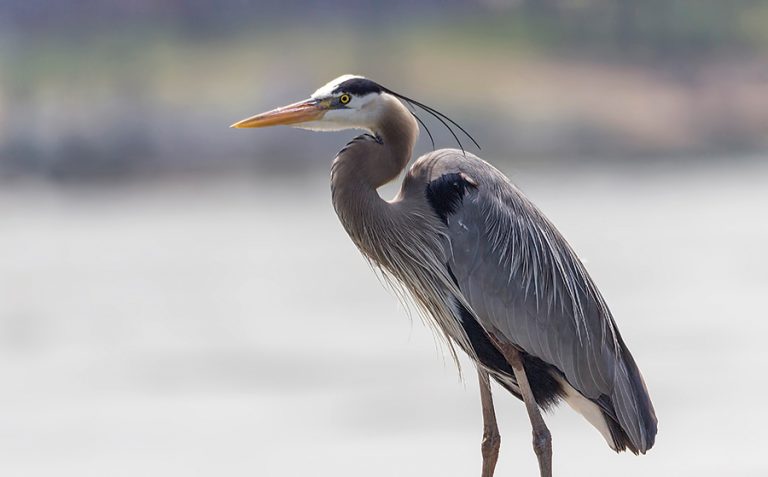
The great blue heron is a bird that will get anyone’s attention, bird lover or not. It is the largest of all the species found in the Piedmont and Sandhills, and is second in wingspan only to the bald eagle. Great blues are colonial nesters, gathering often very close together in trees in wet environments where terrestrial predators are not a threat.

Great blues can be found across North Carolina year-round foraging in a variety of wet areas. The way it ever so slowly stalks its prey in the open is unique. However, nesting habitat can be harder to find. Many wet areas are too shallow to preclude raccoons, opossums and other climbing animals. Sizable beaver ponds or islands in the middle of lakes with mature trees or large snags are attractive. If a pair or two are successful in raising a brood high above the water, it is likely that the number of nests will grow in subsequent years to form a “heronry.” The female will weave a cup nest from the branches, then add smaller, softer material (such as twigs, grasses, moss, etc.) that her mate delivers.

The bond between a pair of great blues is very strong during the breeding season. Male and female are both involved with rearing the nest generation. The large nest can accommodate up to five eggs, and both adults incubate and then brood the young. The male spends most of the daylight hours at the nest while the female is there overnight. Herons are very good parents, able to defend their young with not only their heavy, sharp bills, but with very powerful wings.

It will take a year or more for the young to reach maturity. During the first several weeks they are fed mainly fish by their parents, but as they begin to forage for themselves, they will become opportunistic, eating everything from large, aquatic invertebrates (such as crayfish) to frogs and even the eggs of other bird species. Some individuals will not breed until their third summer. Sexually mature birds sport long plumes on their neck and back. They may be seen displaying to their mates by raising their crests and clapping bills together at or near the nest site.

The loud raspy croaking of herons is territorial and can be heard day or night at any time of the year. They will defend rich feeding areas as well as their nest from competitors. Great blues also call when in flight, perhaps to maintain contact with family members. In the air, they have a very characteristic profile with slow, deep wingbeats, their necks coiled, and legs trailing out behind them.

These huge birds are amazingly unafraid of humans. Although they seldom tolerate a close approach, they are frequently found feeding from bulkheads, farm ponds, and even small backyard water features. Many great blue herons have learned that people may provide an easy meal — even if it is in the form of fish remains or table scraps. So, keep an eye out, one of these birds may be closer than you think.

Southwords

SOUTHWORDS

Where the Grass Ain't Greener

By Jim Moriarty

When my sainted mother, God rest her soul, was asked what her favorite movie was she replied without hesitation, and rather gaily I thought, The Silence of the Lambs. This was, after all, the same woman who dressed a county fair-sized teddy bear in a Mike Ditka football jersey and positioned it like a scarecrow on her coziest easy chair to ward off her pet housecat, whom she detested.

That aside, there is a sequence in the Jodi Foster/Sir Anthony Hopkins movie that hits terrifyingly close to home this time of year. I refer, of course, to the snippet of dialogue when Hannibal Lecter expounds on Buffalo Bill’s needs. “He covets. That is his nature. And how do we begin to covet, Clarice? Do we seek out things to covet? . . . No. We begin by coveting what we see every day.”

Which brings me to grass.

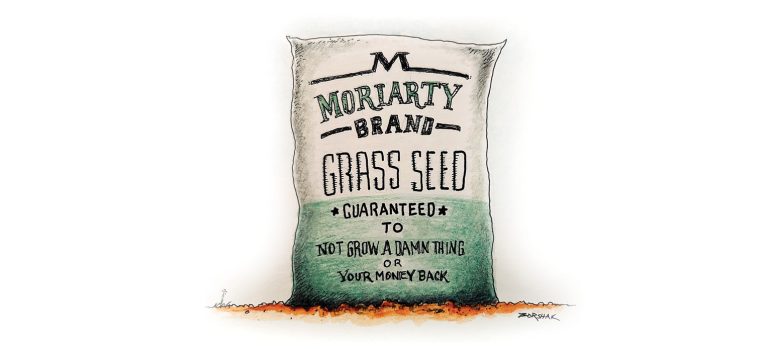
I can’t grow it. I’m not talking about that garish green winter stuff people cast about like fairy dust. I’m talking real Southern grass. Something solid that comes in bricks of sod on the backs of flatbed trucks. I’m talking grass that would chew tobacco if it had teeth and a cheek. I’m aware that we’re not supposed to covet that which belongs to our neighbors, but the simple fact is they have grass and I don’t. And it’s not just one or two of them. I could maybe live with that. No. They all have grass. Every single one of them. Coming home after daily counseling at my pub, the Bitter and Twisted, is like cruising through a gauntlet of carefully coiffed front yards taunting me.

Of course I’ve sought professional help. You know when you hire a roofer or a painter and they plant a sign in your yard by the road to advertise what a splendid job they’re doing? When I’ve contracted highly regarded yard folk, so concerned are they with their reputations that they want to put up a privacy fence so no one can see them. I’ve been quit by the best. Some last a day. Some a week. No one has made it through an entire growing season. There have been times when I tried to get a quote and they don’t even stop. Their truck slows down long enough to see what kind of shape my grass is in, then they jam the gas pedal to the floor like they’re being chased by flesh-eating mutant zombies.

And so, I struggle along the best I can, a DIYer. Like putting a pig on a lipstick, my philosophy is simple. If it’s green and it chooses to live in my yard, I welcome it. I’ll even buy it lunch. This includes all forms of moss, nature’s toupee. I could make penicillin in my backyard. And I love pine needles. Lots and lots of pine needles. They are the gardener’s version of wearing black to look thin.

It’s true that I don’t know much about what I’m doing but I remain optimistic, because I’m nothing if not coachable. In the days when I traveled frequently for work, the War Department once hired one of her co-workers who was looking for a little extra cash to come by a couple of times a month to whip the yard into shape, or at least keep it from rolling over stone-dead. I was deeply appreciative, though I was concerned that our yard — as you may have gathered — required a certain amount of local knowledge. This also pertained to the equipment I used to keep it up.

When Mr. Smith (let’s call him that because Durant wouldn’t want anyone to ever know he’d been associated with our yard in any way) came over on that first day, I happened to be home. I pulled our gas mower out of the shed and explained to him that the mower worked just fine, but it required a bit of finessing to get it started. He assured me he’d encountered a reluctant pull cord or two in his time. No, no, says I. It’ll start right up. All you have to do is flip the lawn mower upside down once or twice and it’ll fire right up. I demonstrated with a knowing grin.

Mr. Smith looked at me and said in the most measured of tones, “Well, I suppose you could do that. Or you could press this little button right here.” He pointed to the primer.

It made me wonder whatever happened to that Mike Ditka jersey.

Three Decades Down the Road

THREE DECADES DOWN THE ROAD

Three Decades Down the Road

Excerpt from Final Rounds: A Father, a Son, the Golf Journey of a Lifetime

By Jim Dodson

It was not until the next October — far too long to suit my tastes — that we played again. I’d been working hard, traveling a lot, trying to figure out why it was that whenever I was in some glorious, glamorous golf place, I spent so much of my time thinking about home, worrying about my children and my roses, both of which require a lot of hands-on attention.

Two of my colleagues at Golf Magazine invited me to join them for a round at Pinehurst No. 2, the marvelous Donald Ross course where Opti and I had played many rounds over the years. The course was one of his favorites. I invited my father to join us, and he agreed.

The day was raw, wet, and cold, and everyone’s game was off, but my father’s was really desolate. He topped balls and missed putts he could once have made with his eyes shut. At one point I was passing a steep fairway bunker when I heard him sheepishly call my name. I turned and saw him asking me for a hand up. I reached and took his hand. It was trembling ever so slightly. My heart almost broke on the spot.

We attempted to joke off the disaster on the hour drive home. I told Dad those super senior clubs he rejected would have saved his skin, and he said at least nobody died in the train wreck. We rode along for a little while in silence, looking at the slick road and rainy countryside. He seemed as down as I’d ever seen him. Then an idea came to me.

“Let’s take a trip,” I said.

“What trip?”

“The trip we always talked about. The one we never took.”

He glanced at me and steered Old Blue, his ancient barge-sized Cadillac, around a farmer pulling a hay wagon.

“Don’t you remember?” I said.

“Of course. But you go there all the time.”

“I go there all the time by myself,” I corrected him. “I’ve never been there with you. We’ve got some unfinished business.”

“I suppose so.” He managed to conceal his enthusiasm for the idea. I hoped his rotten day on the course accounted for this.

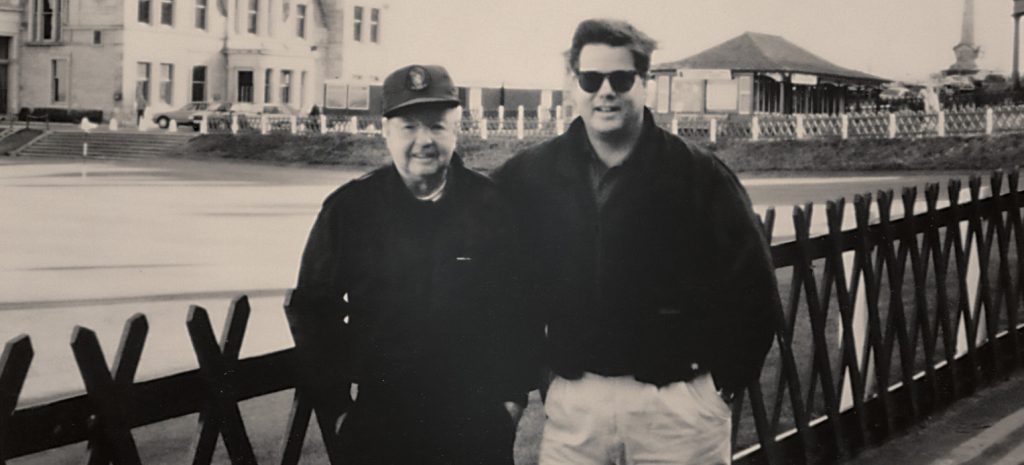
In any event, that’s where it really began, the first step in our final golf journey — a trip to the places where he learned to play golf as a sergeant in the Eighth Army Air Corps during the war. “There” was St. Andrews, the birthplace of the game. Thousands of golfers went there every year. But we hadn’t. It was now or never and almost that simple.

But nothing is really that simple. I knew not to push my father on the subject. Things were obviously changing fast in his life. Losing his golf pals had merely revealed his mortality. I sensed a powerful urgency in him to tie up loose ends, to finish whatever needed finishing at home, and in his life and work.

We didn’t speak of it again for months. I got on with my own life, telling myself I’d planted a proper seed. What else could I do? I hoped — I even prayed — it would grow.

By early August, everything was set. I’d made plane and hotel reservations, reserved the rental car, and contacted several club secretaries who were enthusiastic about helping out. It read like a grand tour of the British golf establishment: Sunningdale, Royal Birkdale, Royal Lytham, Turnberry, Royal Troon, Carnoustie, possibly Gleneagles and Muirfield, and of course, St. Andrews. I’d been to most of these places on my own but couldn’t wait to go back with my old man.

Two weeks before the trip, he called again.

I took the call on our cellphone, standing out behind the perennial garden where I was trying to figure out the best place to build my daughter a playhouse like the one she’d seen in a local theater production of Peter Pan.

“I’m afraid the trip will have to be postponed,” he said. With a sinking heart, I asked why.

“I had some bleeding. I didn’t think it was any big deal, but I guess I was wrong. They did some tests. They want to do some more, starting tomorrow.”

The cancer of a decade ago had come back, he said, spreading radically throughout his pelvic region. It had moved into his back, had even invaded his stomach and intestines.

I asked for the official prognosis and will never forget what he told me: a month, two at most.

Then he laughed. Only Opti would have laughed at such a verdict. He said he would call back in a couple more days when he knew more.

I hung up the phone and sat down on a wooden bench. My first thought was undeniably selfish: Christ, we’ll never play golf again. I went through the next few days in a trance. I tried to read stories to my children but kept missing passages. I tried to write my columns and prune my roses, but nothing helped. I went to my golf club and played three holes and quit. I picked up the phone to begin canceling reservations but put the receiver down again.

Then my father called back.

“Well, the options are not good,” Opti said, sounding eerily like his old self. “They can pump me full of poisons and maybe hook me up to some machines and buy a few more weeks. Who the hell needs that?” He said he planned to let nature take its course.

I told him I admired his courage.

He told me to save my lung power for the golf course.

“I’m planning to whip your tail at Lytham and St. Andrews,” he said. “Hope you haven’t canceled those reservations or anything.”

I said I hadn’t.

“Good. Here are my terms,” he continued. “No complaints. No long faces. We go to have laughs, hit a few balls, maybe take a bit of the Queen’s currency from each other’s pockets. But when I say it’s time to go home, I go home. No questions asked. I’ve got plenty of stuff to do. But I do want to pin your ears back for old times’ sake — so you’ll at least remember me.”

I sort of laughed; then agreed.

“Good. See you at the airport in Atlanta,” he barked happily, banging down the phone.

Opti the Mystic had spoken again.

I went out and finally pruned my roses, damn near barbering them to the ground.

* * *

The lane led to a gated burying ground at the rear of the church. On the far side of the graveyard was a public park of some sort, with a rose garden at its center. Dad opened the iron gate and proceeded along the stone pathways of the graveyard, eyeing the headstones. I followed him to a large polished granite cross positioned near the rear of the cemetery. It was a common grave. Wreaths and wildflowers had recently been placed there, but the chill nights had turned them rusty, bundles of asters and poppies and chrysanthemums. I read some of the names inscribed on the stone border: Gillian and June Parkinson. George Preston. Michael Probert. Kenneth Boocock. Lillian Waite. Silvia Whybrow. Judith Garner. Annie Harrington . . .

The names went on, thirty-eight in all. A mass grave.

“How did these folks die?” I asked.

“They weren’t folks,” he replied softly. “They were children.”

The words didn’t sink in at first. We stood there for a few seconds staring at the names.

“Children?” I repeated finally.

He nodded. “Four- and five-year-olds. Maggie’s and Jack’s ages. They went to the infants’ school here at the church. One of our bombers crashed into the school. The airfield was just over there.” He lifted his head, solemnly, to indicate where.

I didn’t have a clue what to say. I’d never heard of anything so awful. So for a change, I said nothing.

We stood in silence for a few minutes more before he spoke again. He shut his eyes and opened them. I wondered if he was praying or just reliving scenes I couldn’t begin to imagine.

He spoke evenly. “It was about ten in the morning. A large thunderstorm had just come up. We had our parachute crews working double shifts because this was six or seven weeks after D-Day. I’d just stretched out on my cot in our Nissen hut to steal some shut-eye when I heard a big roar overhead, followed by an explosion. The whole hut just shook. Jesus, it shook . . . I knew it was one of our birds. The hut I was in was probably the closest one to the school here. One of the other guys jumped up and ran out, and I ran after him. It was raining like hell, but I saw fire down at the school and started running. We were all running.”

Dad cleared his throat. He was shaking a bit. I placed my hand on his arm. He continued:

“I guess I was one of the first to reach the school, though others got there quickly. God . . . what a sight. The plane had gone right through the school and struck a café where lots of our guys and R.A.F. personnel used to hang out. It set half the town on fire. Burning fuel was running down the street. I just remember  . . . starting to pull away pieces of things . . . pieces of the plane, you know, also bricks and mortar . . .  and all these precious little kids inside . . . buried alive or killed by the explosion. I remember the sound of a child weeping. I couldn’t seem to find her. We pulled out several of the children. They were dead or badly injured. You didn’t have time to think. You just kept digging.”

His voice stopped. I saw tears gathering in his eyes for only the second time in my life. The first time had been when we buried my nephew Richard, one summer day in 1987. Richard, his first grandchild, had been gamely battling a rare nervous system disorder when he died in his sleep. Richard was nine.

I slipped my arm around my father.

We stood that way for several more minutes. He cleared his throat again and said, in a stronger voice: “I knew a lot of these kids, Jim. As I told you, they were always hanging around the base. The guys loved them. We each had our favorites. There was one little girl in particular I loved. She was always laughing, like your Maggie. I called her Lady Sunshine. I used to tell her I hoped I had a daughter like her someday. She was one of those killed.”

Good lord, I thought.

“A week or so after the crash, after the funeral and all of that, I found a note attached to the bulletin board from that little girl’s parents. They wondered if anybody had taken a photograph of their daughter. Can you imagine? They didn’t even have a picture of their only daughter. I took them all I had. They were so grateful. We sat there in their little front parlor and just cried. I don’t think I ever experienced anything quite so sad.”

“Were you okay?”

My father gave me an anguished look. Dumb question, I realized.

Hell, no!” he snapped. “How could anybody be okay after something like that?”

“I’m sorry. I guess I meant physically. Were you injured . . . “

“Yes . . . no . . . my hands were burned a bit. Wore bandages for a while. No big deal. I was fine . . . but I didn’t feel up to going to the funeral. They brought Bing Crosby in to sing to the people of Freckleton. I couldn’t even stand to go hear him sing. I think I went somewhere and tried to play golf. Burned hands and all. I just wanted to be alone.”

“Do you remember the little girl’s name?”

Dad, better now, considered the names on the grave.

“Harrington. Maybe it was Annie Harrington.” He took out a handkerchief and blew his nose. “Lady Sunshine,” he murmured.

I took my father’s arm, and we left the burying ground, slowly closing the iron gate behind us. Two boys on bikes were pedaling furiously up the alley and swerved to avoid hitting us. One of them turned his head and gave us a dirty look. My father, rubbing his eyes, didn’t see it. The air was cold. The moon was already out. It was going to be a beautiful night.

“I’m surprised you never told me this story,” I said when we reached the car.

He paused and looked back at the church, a looming shape in the early shade of evening now. I saw a single small light burning somewhere inside.

“The war ended for me right here,” he said. “I promised myself I would never speak about it again.”

* * *

We were standing on the seventeenth tee of the Old Course. The Road Hole.

The sun was gone, the air was cold, and the course lay almost fully in the embrace of a blue twilight now. A few faint stars were visible above the clouds, and there were lights on in the Old Grey Toon. The group we’d been following had hit their drives and disappeared rapidly down the fairway.

“This is where I wish we had our real clubs,” I said.

“Aw, who needs ’em?” Dad said. “Let’s play anyway.”

“You’re right,” I agreed. “We could play air golf with the ghosts of St. Andrews the way I played air guitar with The Beatles. Please play away, Mr. Dodson.”

Dad teed up his air Top-Flite, took his stance, and swung. “There,” he said. “Right over the sheds. Just like fifty years ago.”

I teed up my air Titleist and asked, “How fast did that fifty years go by?”

“Stick around. You won’t believe it.”

I struck my shot and outdrove him, as usual, by at least a hundred yards.

We walked down the darkened fairway side by side. For a change, I wasn’t really thinking about all the greats who had walked this way to immortality: Old Tom and Young. Taylor and Braid. Jones and Snead. Nicklaus and Lema. Ballesteros and Faldo. Watson who had crossed this spot with a record-tying sixth Open within his grasp — to just miss.

I was thinking, instead, how simply fine and proper it was that my old man and I were finally playing the Road Hole together. Now came Opti and son.

From the heart of the fairway, Dad used an air three-wood to lay up short of the infamous Road Hole bunker. From the left rough, I swatted a beautiful air four-iron to the lower half of the green. We were playing our own games, if I may say so, magnificently.

He walked up to his air ball, just shy of the bunker, and announced he was using his air sand wedge, then lofted his ball sweetly to the green, stopping it within a few feet of the cup.

“Very nice,” I said. “Before we putt out, though, tell me about your birdie.”

He looked at me, then nodded solemnly at the bunker.

It took a few seconds for me to realize what he was telling me. He’d somehow made birdie from the Road Hole bunker!

“That’s unbelievable,” I said, shaking my head. “I’ve never heard of anybody doing that.”

“It came as a major shock to me, too.”

I demanded that he describe in detail this miraculous little feat, on a par in my mind with anything Jones had done at Lytham or Palmer at Birkdale.

He said the details were kind of foggy, but he seemed to think the hole was considerably different back then. “For one thing, the bunker was a lot shallower than it is now. The sod wall was nowhere near as high as it is here. You could escape pretty easily with a decent shot.” He took a step closer, sizing up the wall, which was higher than a man’s head. “I don’t see how anybody could come out of this thing.”

He added that the pin he’d shot at that day fifty years ago was on the lower half of the green. The greens were thicker grass in those days, before modern lawn mowers came along. That made a big difference, too.

“You still made a hell of a shot,” I said to him, “And it wasn’t an air ball.”

“No,” he said a little wistfully, “it wasn’t. Sometimes, though, it takes on the quality of a dream. Perhaps, I simply imagined it.”

“No,” I said. “Not a chance.”

We putted out rather quickly. I made an uncharacteristically fine air lag from the lower part of the green and tapped in for four — a brilliant air par! Dad sank a clutch five-footer to halve the hole.

“Two air pars on the hardest hole in golf,” I said as we shook hands.

We walked to the eighteenth tee, struck fine drives into the darkness, then moseyed down the fairway of the most famous finishing hole in golf, crossing the little arched stone bridge. For weeks I’d been so fearful of this moment, anticipating how awful I would feel when it finally arrived. But, strangely, I wasn’t the least bit sad now. I was cold as blazes but almost unnaturally happy to be finishing a round of golf that only I would ever remember. No card would ever show the score. Our match would vanish into the air.

“Call me sentimental if you like,”  my father said, taking my arm as we approached the Valley of Sin, the dangerous swale that guards the front of the eighteenth green. “I think it’s been a hell of a journey.”

“You’re just being sentimental,” I replied. “The showers were much worse than expected.”

“You’re talking about the trip,” he said. “I’m talking about the journey.”