Naturalist

Naturalist

The Gateway Bug

A spectacular insect can lead to a lifetime of wonder

Story and Photographs by Todd Pusser
The memory has stayed with me for decades. It was a humid summer night in the early 1980s, and we had just finished a dinner of grilled hot dogs in the backyard of our Eagle Springs home. Cacophonous calls of whip-poor-wills echoed through the pines while billions of stars lit up the night sky. Wanting to cool off from the oppressive heat, which was still prevalent late into the evening, I decided to take a dip in the backyard pool. As I flipped on a mercury vapor bulb mounted to a tall pole, the entire backyard was instantly flooded in brilliant light.

As I climbed up onto the diving board, it came streaking in from the corner of the yard like a shooting star. Swooping low over the pool, it suddenly arched high, crashed into the light with an audible thud, and tumbled down to the concrete, where it came to rest on its back, legs waving feebly back and forth in the air. “What is that thing?” I wondered aloud.

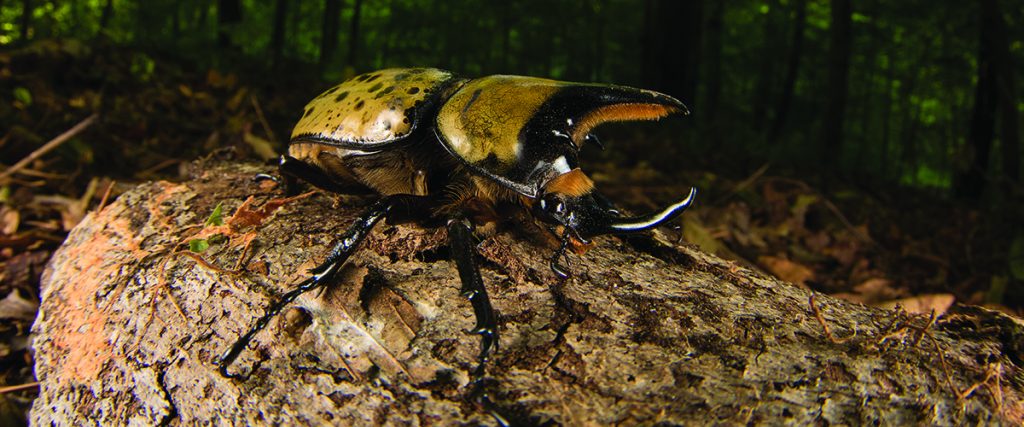
Jumping off the diving board, I walked over and carefully flipped the hefty 2-inch-long insect over onto its belly. It had a yellowish-green body covered in black spots. A pair of long horns extended out from its head, giving it the appearance of a miniature rhinoceros. At the time, it was among the largest insects that I had ever seen. I would hate to be driving down a rural road at night in a convertible and get walloped upside the head by one.

I picked the insect up and placed it into a mason jar. The next day I proudly showed it to my parents, who, for some strange reason, were not nearly as thrilled as I was with the monster invertebrate. Soon afterward, it was released into the woods behind our house. While thumbing through the pages of a field guide at the school library, I later learned that it was an Eastern Hercules beetle that had interrupted my nocturnal swim.
Most people fear bugs. Many loathe them. Insects found in homes are immediately squashed under foot or dispatched with a well-aimed can of Raid.

All this fear and loathing is learned behavior, taught to us as children. Granted, some insects should be treated with caution, like yellowjackets, capable of delivering a painful sting, or mosquitoes that can harbor disease. But even these maligned critters play critical ecological roles. As hard as it may be to imagine, their extinction would have profound effects on the overall health of the planet and our own well-being. 

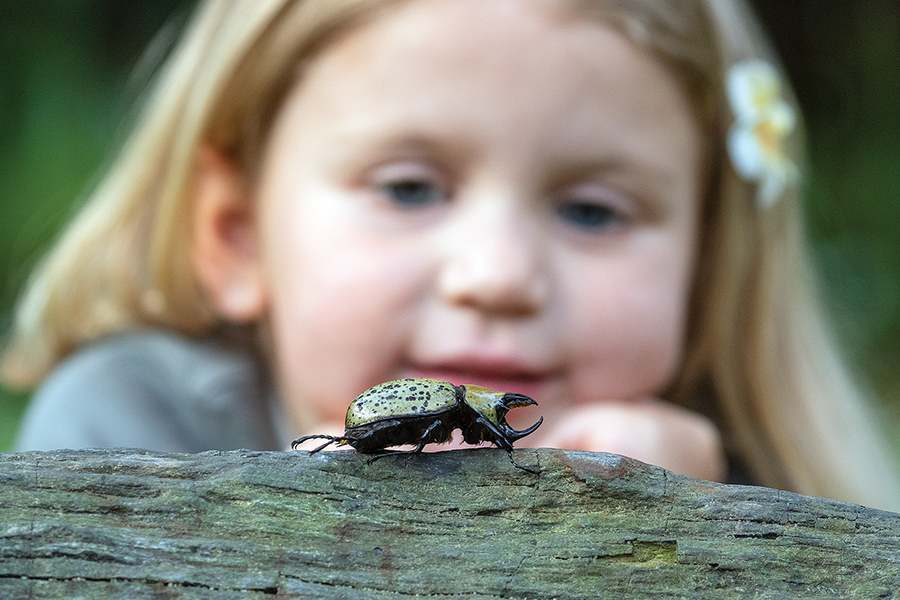
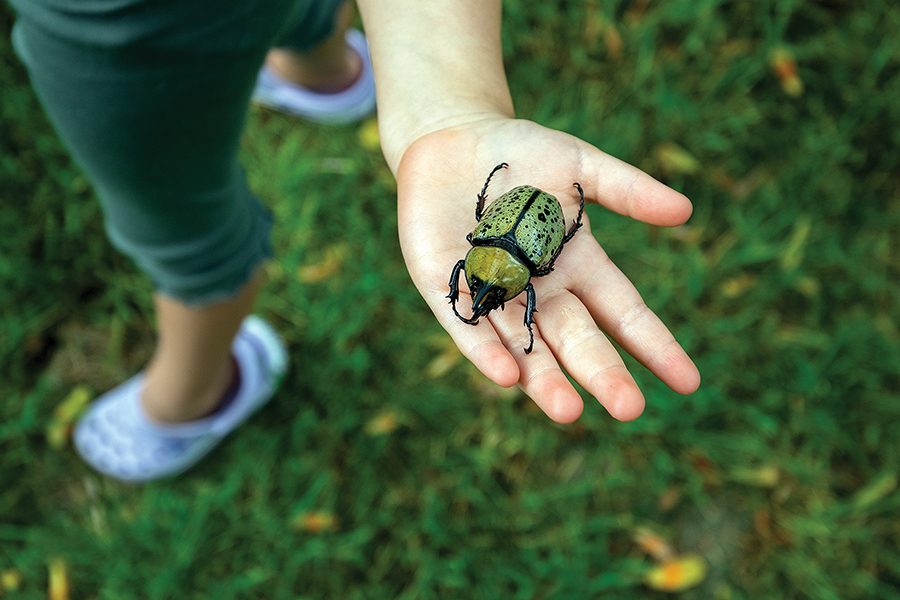
A respect for all forms of life, including insects, is something my partner, Jessica, and I have tried to instill in our daughter, Ella. The summer before last, while filling up with gas late one night out on the outskirts of the Dismal Swamp, I found another male Hercules beetle. Attracted to the bright lights of the gas station, the behemoth was slowly crawling across the parking lot when I noticed it. Scooping it up, I brought it home to show Ella the next day. I still smile at the thought of her eyes widening in surprise at seeing the goliath insect, her little mind instantly filling with joy and wonder.

Kids have an innate curiosity of the natural world. But in this digital age, children are becoming more and more disconnected with nature. Less time is spent outdoors and more time is spent staring at a computer screen. To remedy this, Jessica and I take every opportunity to introduce our daughter to the wonders of nature, wherever that might be. A trip to the beach is not just for swimming and building sandcastles, but also for watching pelicans fly low over the waves and for picking up colorful shells washed ashore by the tide. A family walk through the neighborhood is a chance to spot squirrels foraging among a canopy of oaks and pines. Sunsets in July are opportunities to catch fireflies in the backyard.

All these seemingly little things, those brief moments of taking the time to simply observe the world around us, can really add up and profoundly shape impressionable young minds. My fondest childhood memories involve those innocuous moments in nature — everything from catching bluegills with my dad in an Eagle Springs farm pond on Saturday morning to watching my first dolphins frolic in the Myrtle Beach surf. And, of course, the giant beetle crashing my pool party. That childlike wonder has stayed with me for nearly five decades now and only grows stronger with each passing year.

How kids respond to nature and how they teach and raise their own children will shape how our societies function and will ultimately affect the overall well-being of this planet. It is my sincerest hope that our daughter continues to grow and maintain a sense of awe, respect, and love for the remarkable world around her. In time, I hope she passes that love for all living things down to her own children — even a love for big bugs.  PS

Naturalist and photographer Todd Pusser grew up in Eagle Springs. He works to document the extraordinary diversity of life both near and far. His images can be found at www.ToddPusser.com.

Golftown Journal

Golftown Journal

On the Clock

Going to the head of the line

By Lee Pace

A putt will drop at Los Angeles Country Club late on the afternoon of June 18 and another U.S. Open champion will be crowned. Some 2,500 miles to the east, knowing eyes will watch the proceedings and acknowledge the gesture: Next.

“That’s when it will really sink in,” says John Jeffreys, course superintendent of Pinehurst No. 2, site of the 2024 Open. “It’s exciting and energizing when you think that it’s actually here.”

Golf course architects Bill Coore and Ben Crenshaw, who orchestrated a significant restoration of No. 2 in 2010-11, have each had occasion to come through Pinehurst in the winter and spring of 2023 and walk the grounds. To reflect on the work they did over a dozen years ago and how it was received for the back-to-back U.S. Open and U.S. Women’s Open in 2014 and how it’s been maintained since brings a smile to their faces.

“It just looked to me like, ‘Go play,’” Coore says. “The presentation is just perfect. It hasn’t changed in nine years. If anything, it’s better.”

Adds Crenshaw: “It looked fabulous. There’s not much to do. The bunkers look great. The wire grass is terrific. The greens are beautiful. The outskirts are just striking. Every time I get around it, I get inspired.”

Jeffreys takes comfort knowing there’s not a massive to-do list during the year leading up to a major championship. There are no rough lines to draw in, no lush grass to promulgate, no tiger tees to bring out of storage.

“The main difference from ’14 is the greens,” he says. “This is the first time the U.S. Open has been played on ultra-dwarf Bermuda. Generally they’re a little firmer, a little faster than what we had before. We’ll concentrate leading up to the competition on improving the quality of the ball roll-out, working on the texture of the leaf.”

John Bodenhamer, chief championships officer for the USGA, remembers that the lead-up to the 2014 Open was warm and dry. The unknowable is what Mother Nature will deliver next spring.

“We were blessed with weather that allowed us to control the firmness and playability of course No. 2,” he says. “If the weather is different, we will adjust accordingly. The one aspect of No. 2 that we will be studying very closely once again are the sandy natural areas. We will want to make sure that they are prepared in a manner that presents an appropriate penalty for missing the fairway. Otherwise, we plan to just let Pinehurst be Pinehurst, as Donald Ross’ masterpiece will surely produce another memorable U.S. Open.”

A decade after the last Open, the golf world will find a village and club much the same as it ever was — like in 1962, when the USGA first came to Pinehurst for the U.S. Amateur and in 1999, when it staged its first U.S. Open on Donald Ross’ tour de force. There are still no golden arches in the village. There are still no right angles at street intersections. The carillon in the Village Chapel still rings on the hour.

“How many times today do you hear some hot young star in any sport hear the name of a Hall of Fame player in his sport and say, ‘Who was he?’” muses former USGA Executive Director David Fay. “When you get to Pinehurst, that changes. It’s impossible not to get caught up in the great history. It’s everywhere. It’s where you look, it’s in the air, it’s in the turf, it’s in the images on the walls, it’s in the church bells. You can almost feel the ghosts coming out.”

But there is so much that’s different, too, since the golf world saw Martin Kaymer cruise to victory the third week of June 2014 and Michelle Wie capture her first major championship seven days later.

For one, by the time the first tee shot is struck on June 13, 2024, the USGA itself will have opened a new Golf House Pinehurst on ground just a 5-iron from the resort clubhouse. Ground was broken in June 2022 on a building designed to harken to Pinehurst’s earliest structures, with wide verandas punctuated by columns, hipped-roofs, dormers, textured clapboard and shake siding.

There’s a new traffic circle between the Carolina Hotel and the golf hub to the south, and the big one at a major thoroughfare intersection just over a mile to the east toward Southern Pines has been widened and has some 50,000 vehicles moving through it daily. (And shouldn’t we call them “roundabouts” in tribute to their British heritage and Moore County’s considerable Scottish roots?)

Out the south door of the clubhouse is the innovative nine-hole Cradle Course that opened in 2017 and has since been a Disneyland of golfers of all ages sipping beverages and clipping wedge shots, and beyond that is the No. 4 course rebuilt by Gil Hanse to blend seamlessly with its No. 2 neighbor — wiregrass here, craggy bunkers there and nary a straight line on the horizon. The Carolina Hotel will have completed a multi-year renovation with all the guest rooms rebuilt and new public areas with a coffee house, porch seating and fire pit.

One building on Magnolia Road in the village sat vacant in 2014, its former existence as a steam plant long buried, and just down the street, the Manor Inn remained boarded up, this 1923 inn a victim of the 2007-09 global financial crisis. Visitors now can eat smoked pork with a terrific blackberry-infused barbecue sauce at the Pinehurst Brewing Company, which opened in 2018 in a building that in 1895 provided steam for the town. The Manor was refurbished and reopened in 2020 with finely appointed guest rooms and the North & South Bar proffering a menu of nearly a hundred whiskies from around the world.

My, the dominoes that have fallen since that 2009 decision by Pinehurst owner Bob Dedman Jr. and resort President and COO Don Padgett II to tear up the elegantly groomed No. 2 with all its grass, water and fertilizer and crack open a time machine that would take the course back to its mid-1900s heyday. 

“I thought, what a bold stroke to attempt to take Pinehurst No. 2 back to the way it looked for all its glory days — after sand greens, that is, we don’t want to go quite that far,” Fay says. “It would be much the same as how Oakmont showed its boldness by pulling out all those Christmas trees planted in the 1950s.”

Padgett began to wonder after the 2005 U.S Open at Pinehurst if the excessive use of long grass to fight immense ball flight distances had gone too far on a course known for having width and a visual palette that perfectly reflected its Sandhills heritage. Fortunately, Fay and fellow USGA officials Mike Davis and Jim Hyler agreed with the idea and were on board in February 2010 when Coore & Crenshaw began rebuilding the course. The look, playability and the course’s ability to stand up to modern talent and equipment were applauded by competitors, spectators and the national media.

Padgett uses the word radical to describe what’s happened in Pinehurst in the last decade-plus.

“Bob Dedman feels like it all started with No. 2, we were doing something radical to the place,” says Padgett, now retired and playing a lot of golf in Pinehurst. “There’s nothing more radical than what we did. It changed the way he thought about things. ‘Let’s go all-in’ was the mindset. Pinehurst is way more current than it’s been probably since the 1940s. In recent times, we’ve always had a hint of a museum. It’s not that way anymore. Pinehurst still draws on its history, but the actual experience is pretty current. There’s a lot of life in the place.”

There’s a new No. 10 course being built by Tom Doak on a site in Aberdeen; it will be open in time for the golfing deluge in June 2024. Coore was seen in April rattling around the woods himself, poking for ideas and a routing for Pinehurst No. 11.

Of course, there are lots of details to iron out over the next 12 months. Like, how will the practice range, situated on the south side of the clubhouse for the 2014 Open, fit onto The Cradle? How will the USGA tip its cap to the 25-year anniversary of Payne Stewart’s victory in 1999? How will it look and feel when the World Golf Hall of Fame, launched in Pinehurst in the early 1970s, comes full circle and reopens in the new USGA facility? And how many of the par 4s will Jon Rahm reach with his driver? 

Look toward Los Angeles on Father’s Day and try not to get run over by the falling dominoes.  PS

Lee Pace has written over four decades about all of the golf architects at Pinehurst, from Donald Ross to Gil Hanse. Contact him at leepace7@gmail.com and follow him on Instagram at @leepaceunc.

Southwords

Southwords

Home, Sweet Millennial Home

A baby boomer navigates Trader Joe’s

By Tom Allen

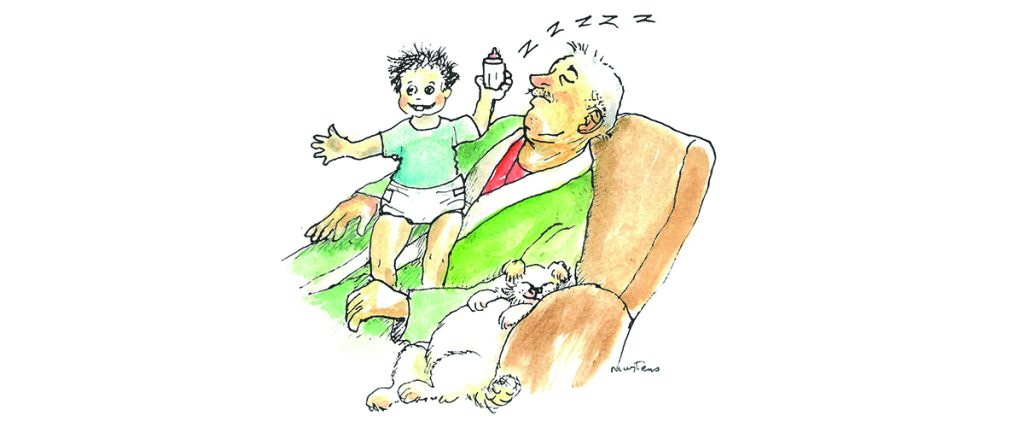
Retirement affords me the opportunity to sleep late, cross a few items off my bucket list, and the most joyful gift, “Tuesdays with Ellis,” babysitting my 11-month old grandson while his parents work. My wife isn’t so lucky. While she’s working, I make the morning drive to Raleigh, pick up my little buddy from a mother’s-morning-out program, then listen to Cool Jazz Radio, courtesy of Pandora, on the trip back to his house. After some play time, Ellis settles in with a bottle, a nap, then a book and more play time before Mom gets home.

As a baby boomer hanging out in the home of millennials, I’ve had my trifocalized eyes opened, and my digitally challenged brain stretched. Sound machines, monitors controlled from smartphones, swaddles and sleep sacks weren’t part of our parenting routine 25 years ago. Squeeze-package baby food may have been around, but jars of Gerber sweet potatoes or peas filled our pantry. Funky organic combos like carrots and kale or apples and mango weren’t on our kids’ menus. I was in my 50s before I ever ate hummus or an avocado, some of Ellis’ first foods.

While my grandson naps, I’m welcome to grab a quick bite from his parents’ pantry or fridge. My first Tuesday found me searching for something a little more appealing than Monday evening’s quinoa and roasted veggies. I discovered a box of Honey Nut Cheerio-like cereal. Alas, oat milk was my only option. Can’t a guy get a bowl of Cap’n Crunch and some 2 percent? And I wonder, can you douse a bowl of Lucky Charms with coconut water? I did find some slices of organic oven-roasted turkey breast. Ah, a turkey sandwich on sprouted wheat 7-grain bread. With mayo? Yes. An opened jar of Duke’s. What a good daughter we raised. Later, my son-in-law offered me a Hu Almond Butter + Puffed Quinoa Dark Chocolate bar. Not bad for an energy bar stamped Vegan/Primal. Primal? Isn’t that a scream?

Like lots of millennials, our daughter is a fan of Trader Joe’s, or TJ’s for the hip and enlightened among us. Ellis’ parents introduced me to TJ’s edamame (pretty tasty) olive tapenade with Kalamata and Chalikidiki olives (no thanks), mango nonfat Greek yogurt (I’m hooked), and magical chocolate croissants — magical because you take them out of the freezer and place on a baking sheet before bedtime, and the next morning they’ve tripled in size, ready to bake. Move over, Lay’s Potato Chips. You can’t eat just one.

Millennials do everything on their phones — banking, shopping, even telling their Pura Automated Home Fragrance Device when to let the lavender scent loose. And, as I learned last summer, adjusting the thermostat is as close as your smartphone.

But generations learn from each other. My kids may not be interested in examining my 50 United States quarter collection or hearing stories about what it’s like to “prime” tobacco, but they do ask questions, to which we sometimes have answers. “Ah, no, the plant we gave you at Christmas is an amaryllis, not a camellia. The camellia is that shrub you have in your backyard, with the blooms you thought were roses.” And sometimes, we respond to questions with a question — “What, you haven’t changed your air filters in a year?”

A plethora of newspaper and magazine articles will tell you millennials don’t want your stuff. It’s true. Granny’s cobalt blue fruit dish and matching candlesticks or Mom’s silver-plated serving tray? Donate to a thrift shop that sells stuff to help others. Minimalists though they be, you might hear them ask for Grandma’s tiny blue ginger jar or her potato masher that looks like it might be (and is) handy for mashing an avocado to spread on toasted, sprouted wheat 7-grain bread. Questions like, “Can I have one of Papa’s old shirts? They still smell like his aftershave,” or, “What are those yellow flowers that bloom around my neighbor’s mailbox? Can you tell me how I can grow some?” are welcome inquiries both sentimental and sweet.

For now, I’ll continue my weekly hangouts with Ellis. Quinoa and roasted veggies are starting to taste pretty good. Oat milk matched with my homemade granola ain’t bad. But grandparenting, ah, that’s still my cup of organic, de-caffeinated, rooibos herbal tea.  PS

Tom Allen is a retired minister. He lives in Whispering Pines. 

Poem June 2023

Poem June 2023

this I know for sure

We are the breath the skin the muscles the heart the hands the unmeasurable bones whispering across the Atlantic Ocean. We are the bellies of Middle Passage ships. We are the blue door of no return on Goree Island. We are the mornings that broke with our living and our dead fastened together. We are the eyes bearing witness to sharks following our human cargo waiting for the feast of dead or sick bodies tossed overboard. We are the shadows in the back of the eyes of daughters throwing themselves and their babies overboard. Our blood is the red that stole the blue of the ocean. We are scattered bones rising up from the bottom of the Atlantic revealing a pathway marking the route. We are the fruit of those bone trees planted deep in the fertile Atlantic. We carry a DNA of survival, strength, extraordinary will. From forced migration to slave market we are all the links of all the chains of the past and future. Binding spiritual links from the bones in the Atlantic to the bones of slaves in a place like Galveston Texas where ancestral whispers became the wind… Caressing tired bones with a timeless spirit of rebirth and love. The wind heard first. Whispering from the trees, from the ground beneath their feet, whispering…

Freedom

Freedom

Freedom                                                                                   

The wind knew and rattled tiny bones beneath the feathers of birds. The wind knew. Giving voice to the rain falling creating fertile freedom ground. The wind whispered to every butterfly, every insect pollinating from flower to flower. Freedom. Freedom. Freedom. Eagles stopped in midair to listen to the wind’s song… Freedom came today. Freedom came today… And because our people are a chosen people we could understand the dance of the trees, the tremble of the water. Hoes stopped striking. Hands stopped picking. Feet stood still. A mighty storm named freedom rained over them. Soaked them clean. Mothers kissed hope into the air above babies’ heads. Grandmothers and grandfathers stretched prayers into a sky that would not bend. Men asked where will this freedom live. Children asked what does this freedom taste like. What does this freedom smell like. What does this freedom sound like.  What does this freedom look like. Mama, tell me what this freedom gonna feel like. We screamed a jubilee into the clouds. We shed the skin of a slave. We shed the rags of a slave into the river. Our freedom skin was a shining brand-new nakedness that outshined the sun. We be clothed in freedom’s gold. On Juneteenth dead bones came alive and flew on the wings of Sankofa birds all the way back to the river where blood is born… All the way back to the womb that never forgets. We are the Juneteenth resurrection… We are the ancient prayers answered. We are the cup overflowing inviting generations to this feast of freedom. 

— Jaki Shelton Green

Hallie Coburn + Daniel Corliss

Hallie Coburn + Daniel Corliss

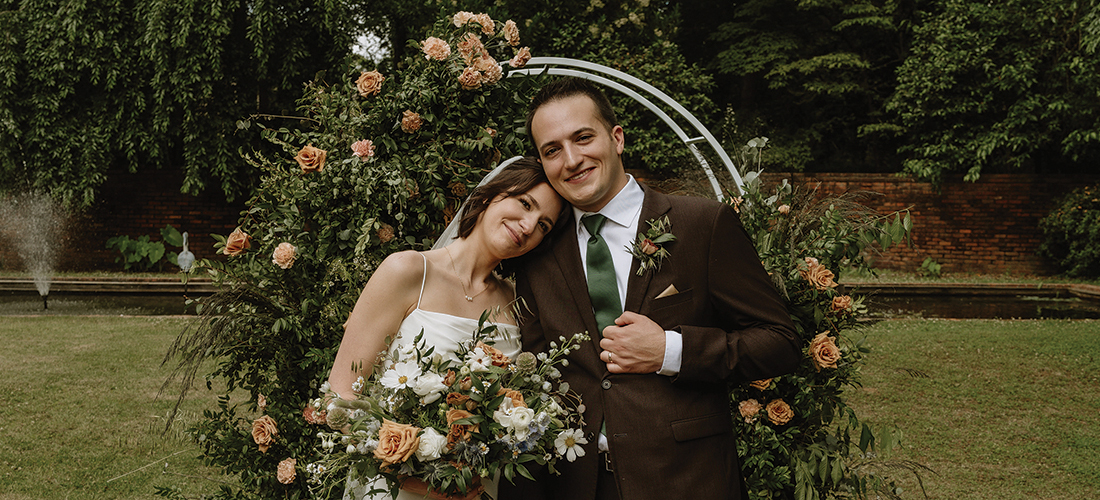
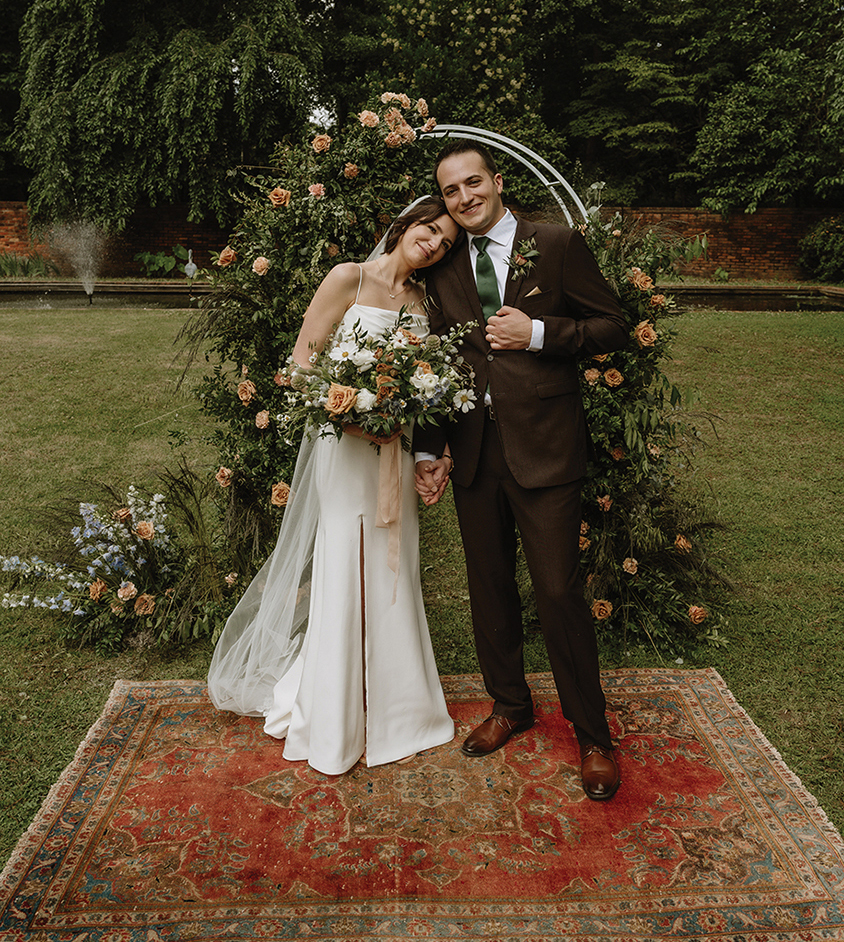
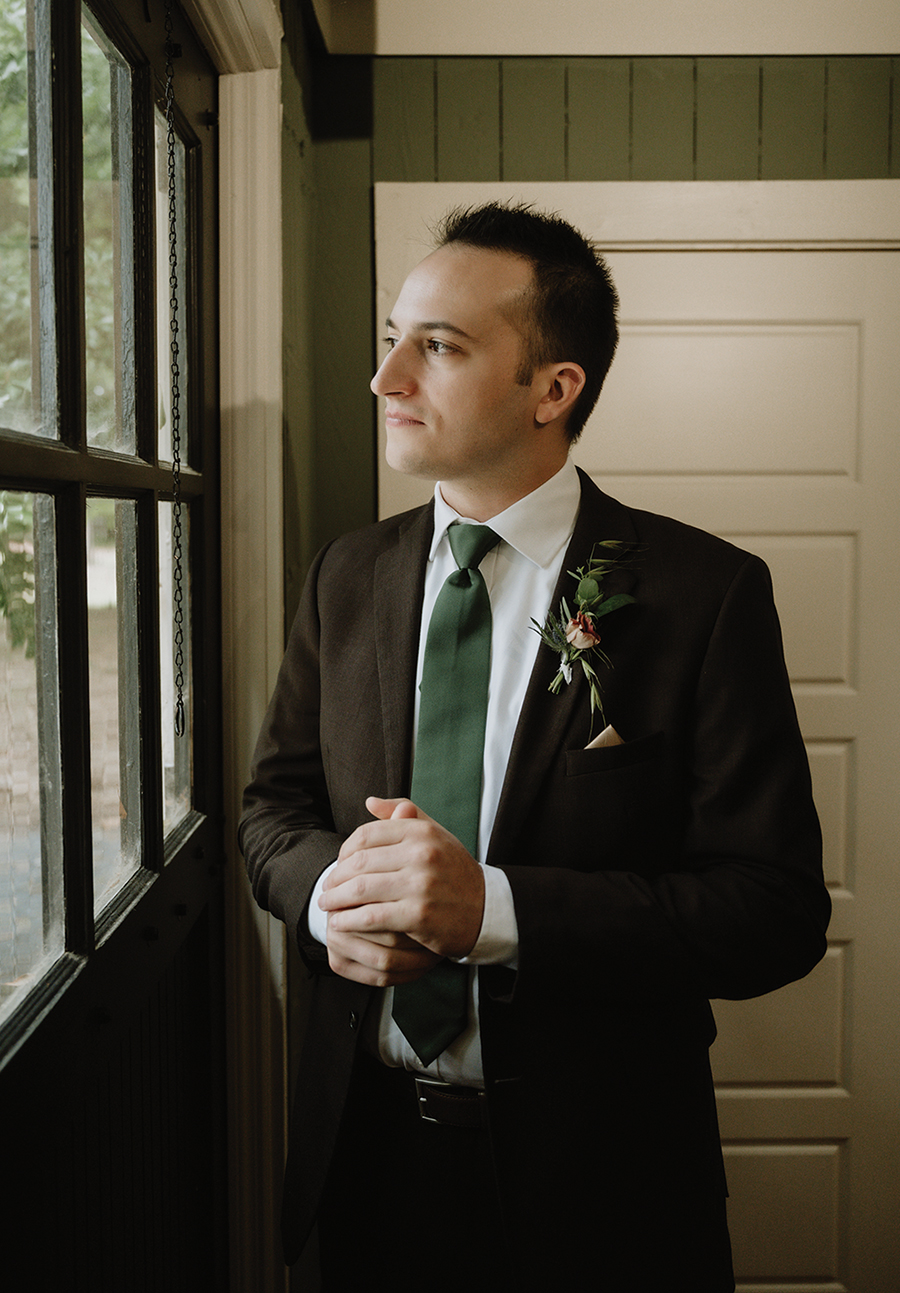
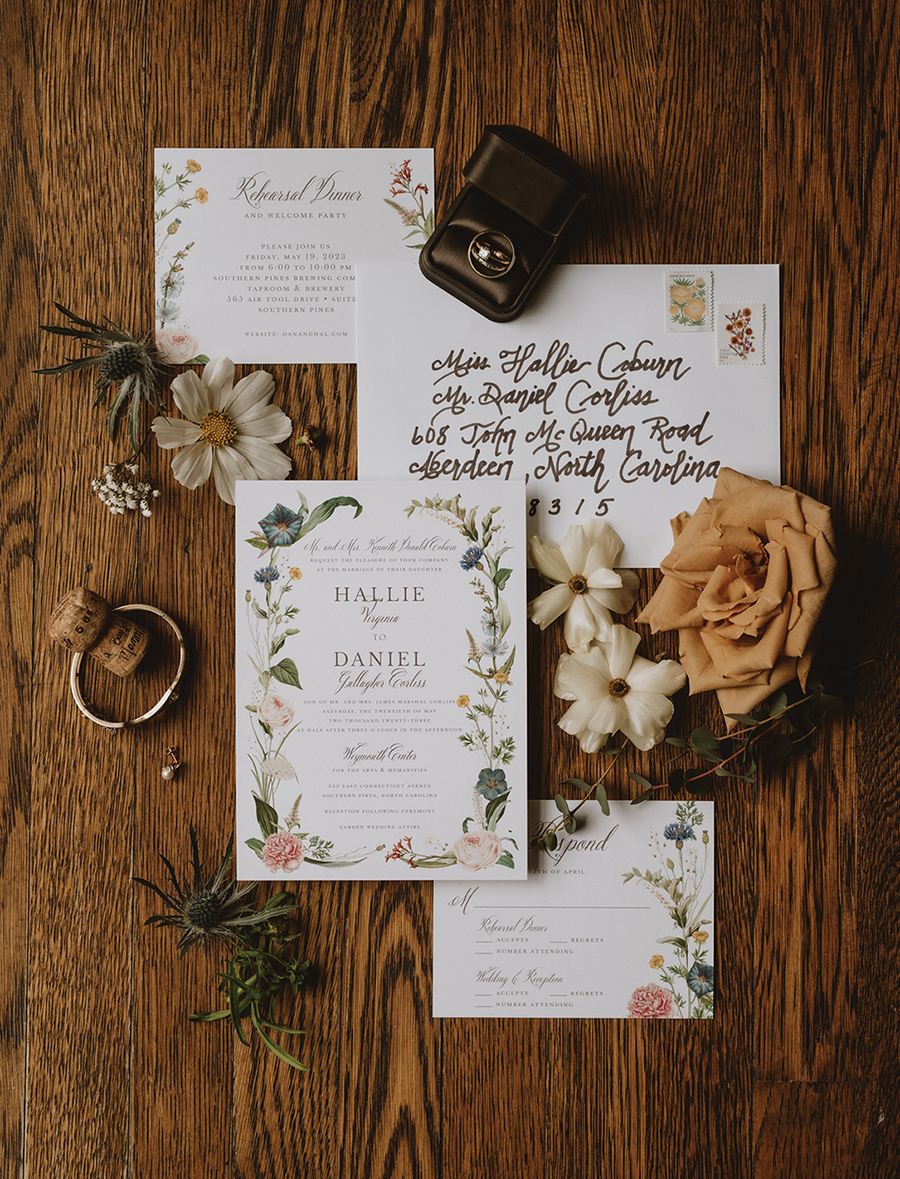
Virginia natives Hallie Coburn and Daniel Corliss met in high school physics class but waited until sophomore year of college to start dating. Years later, in 2021, the couple stopped at an overlook on the Blue Ridge Parkway outside of Charlottesville.

“I thought it was silly that we were sitting in the car for 30 minutes instead of getting out and looking at the amazing view right away,” Hallie says. As it turned out, Daniel was waiting for the perfect moment. “He got on one knee just as the sun went down with the mountain behind us,” she says, adding, “It was well worth the wait!”

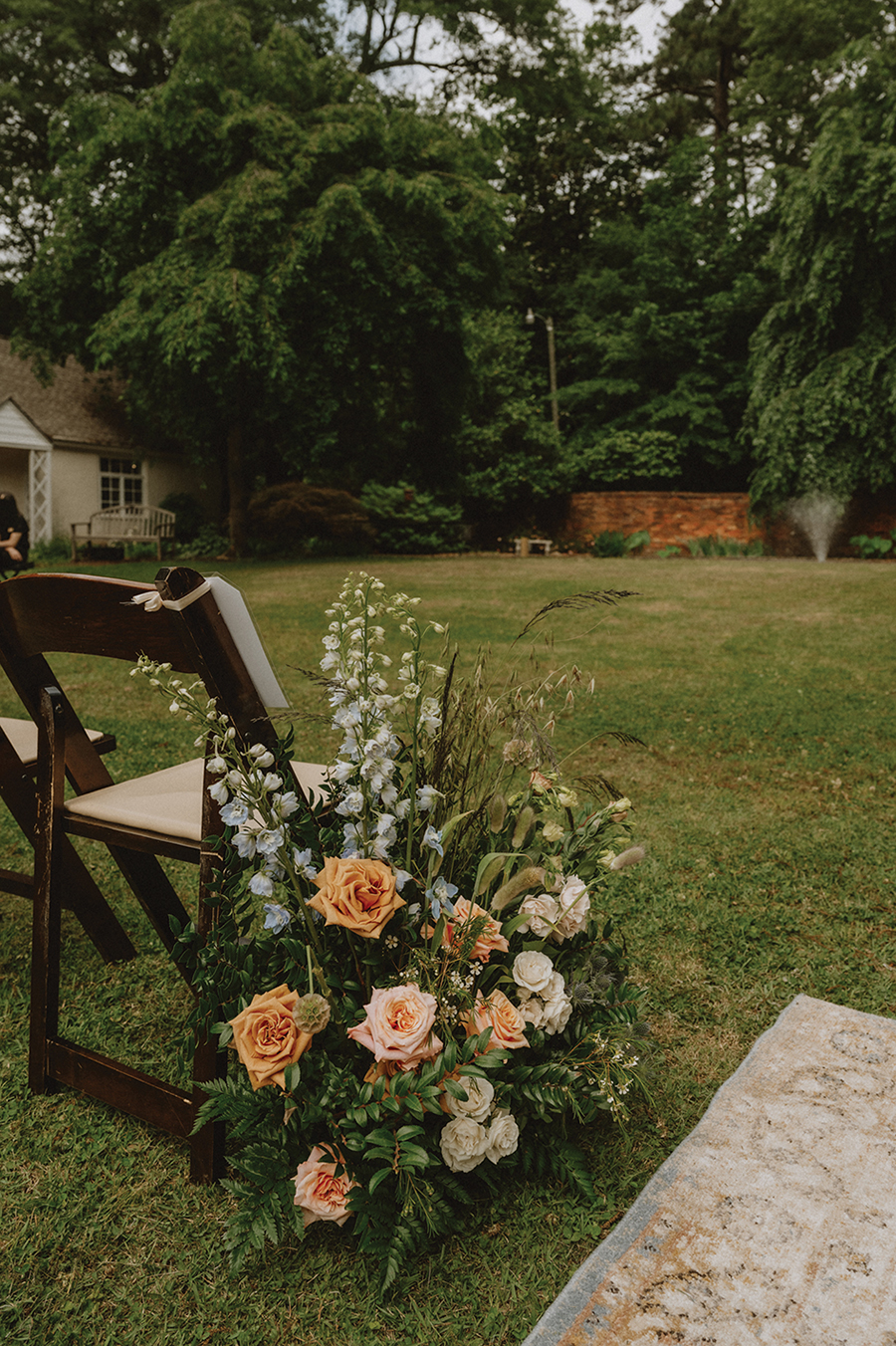
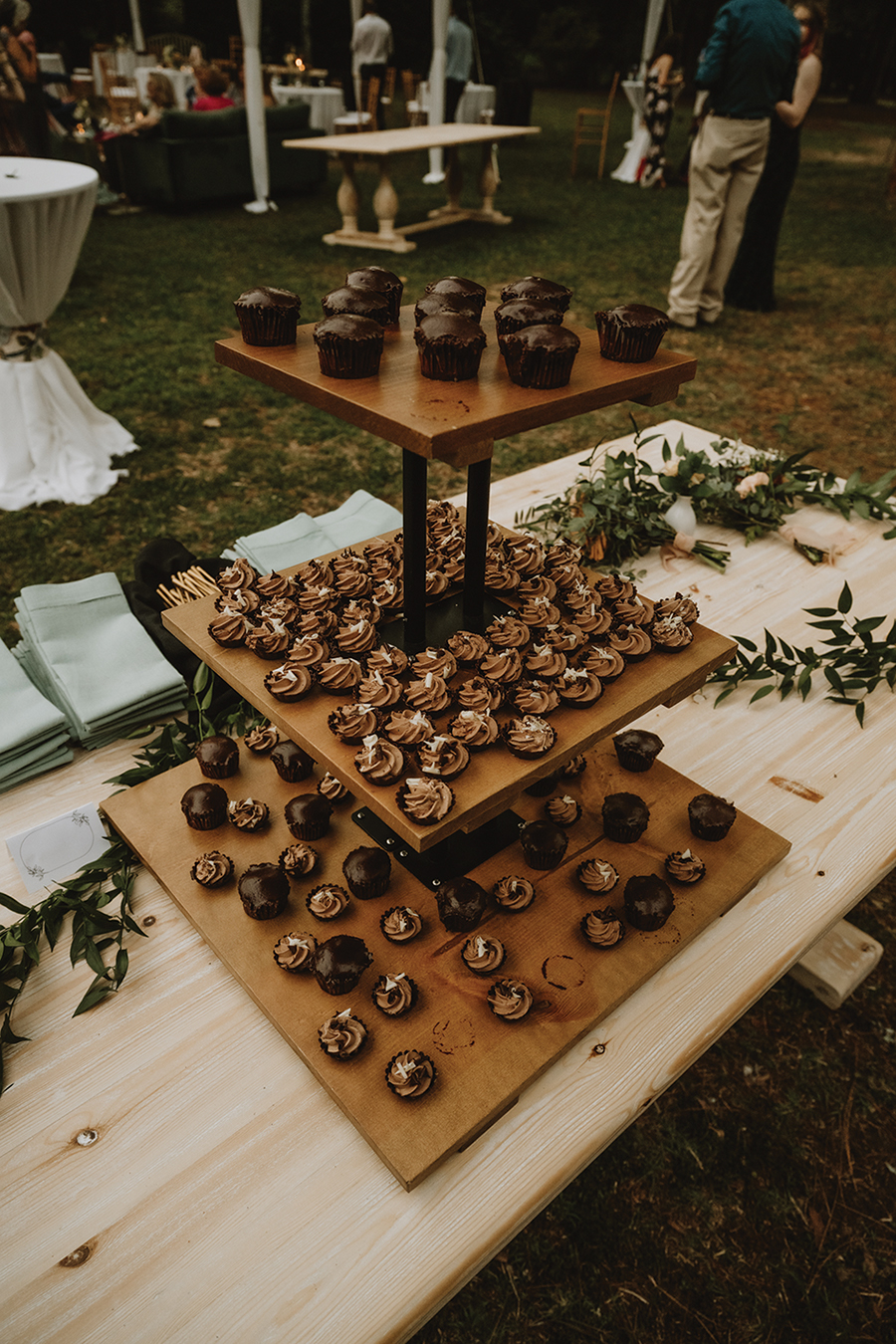
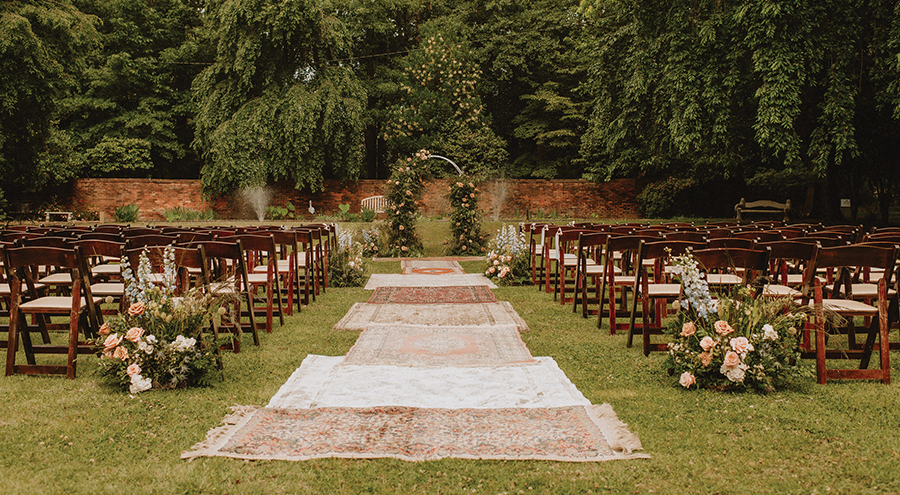
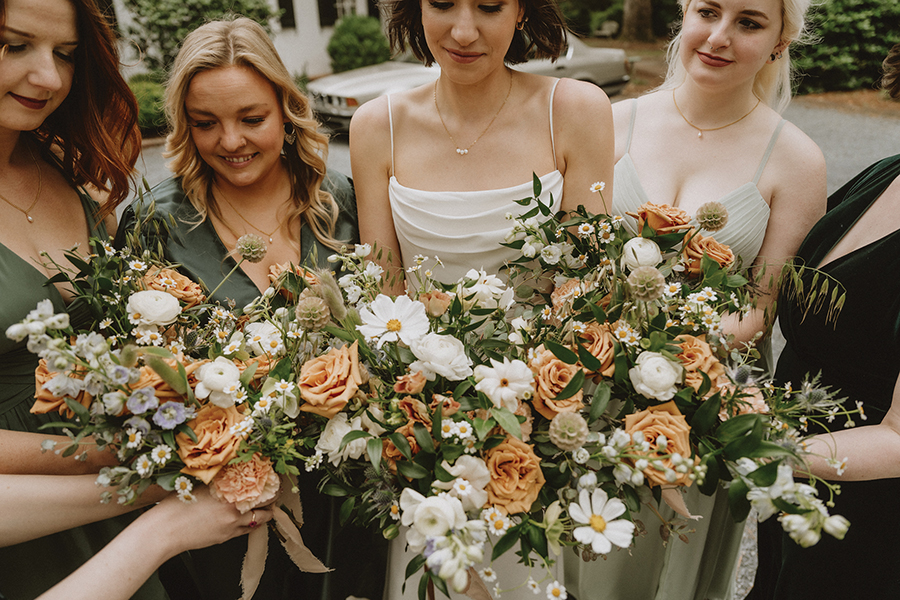
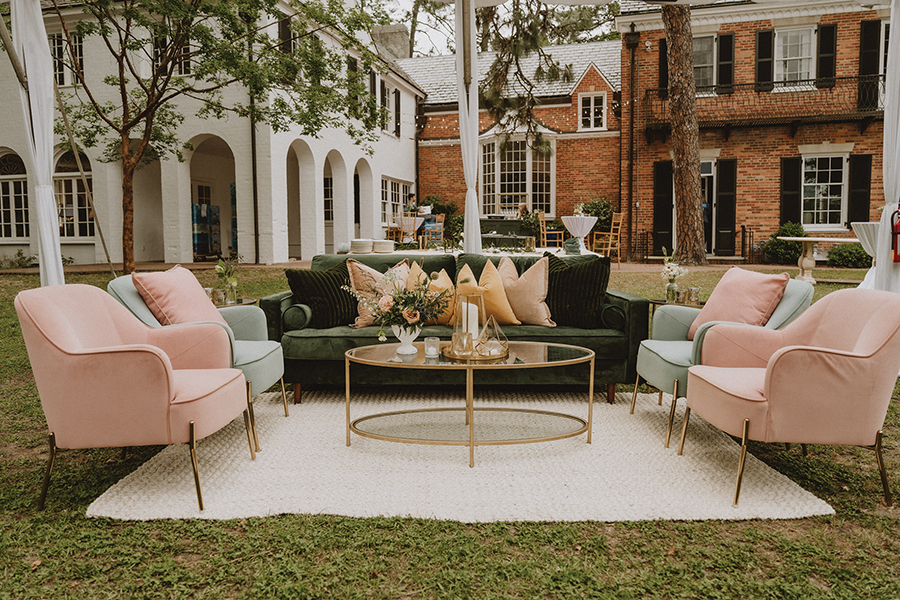
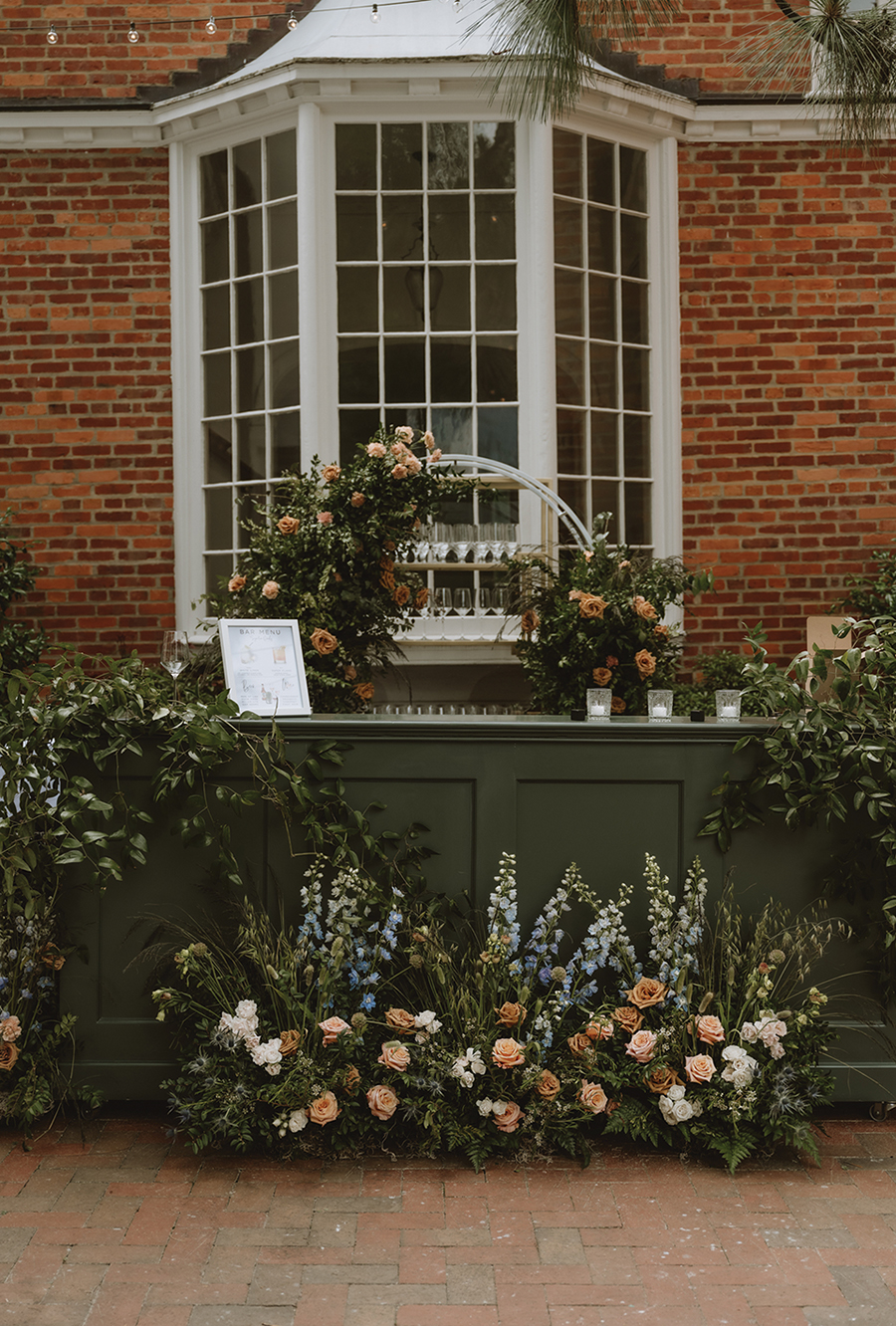
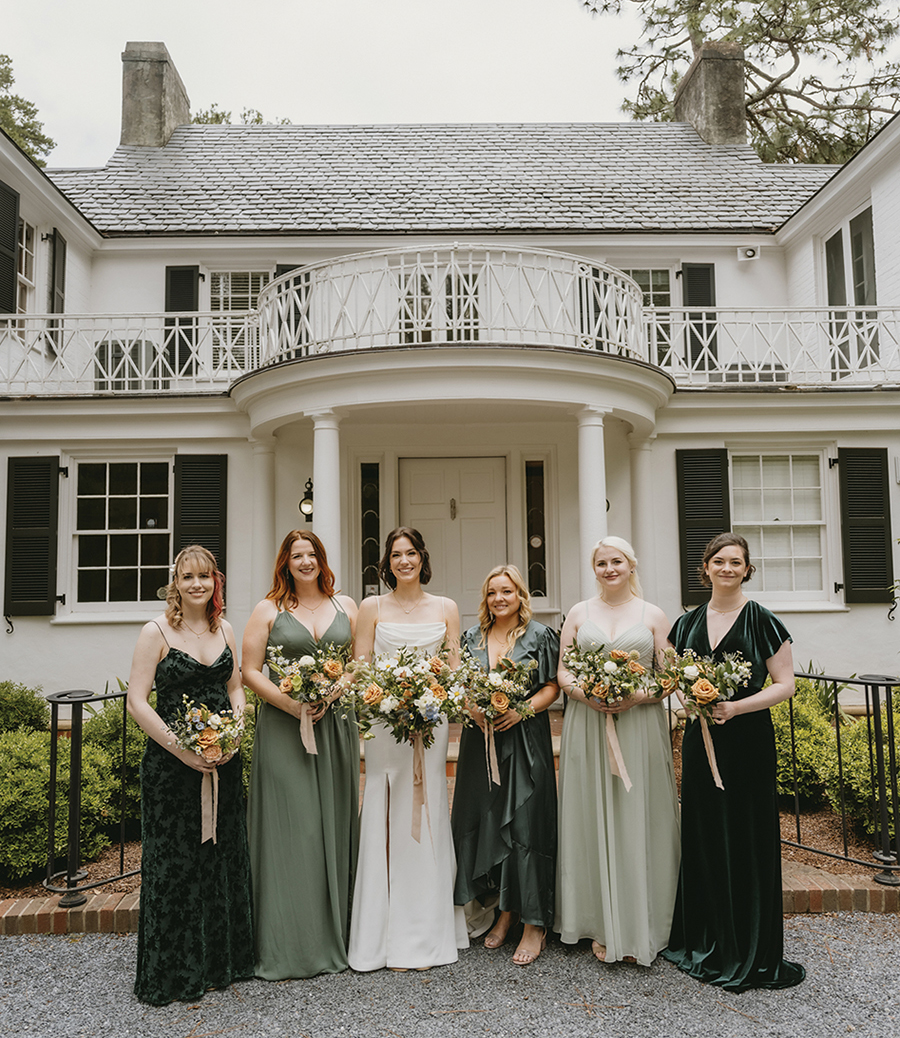
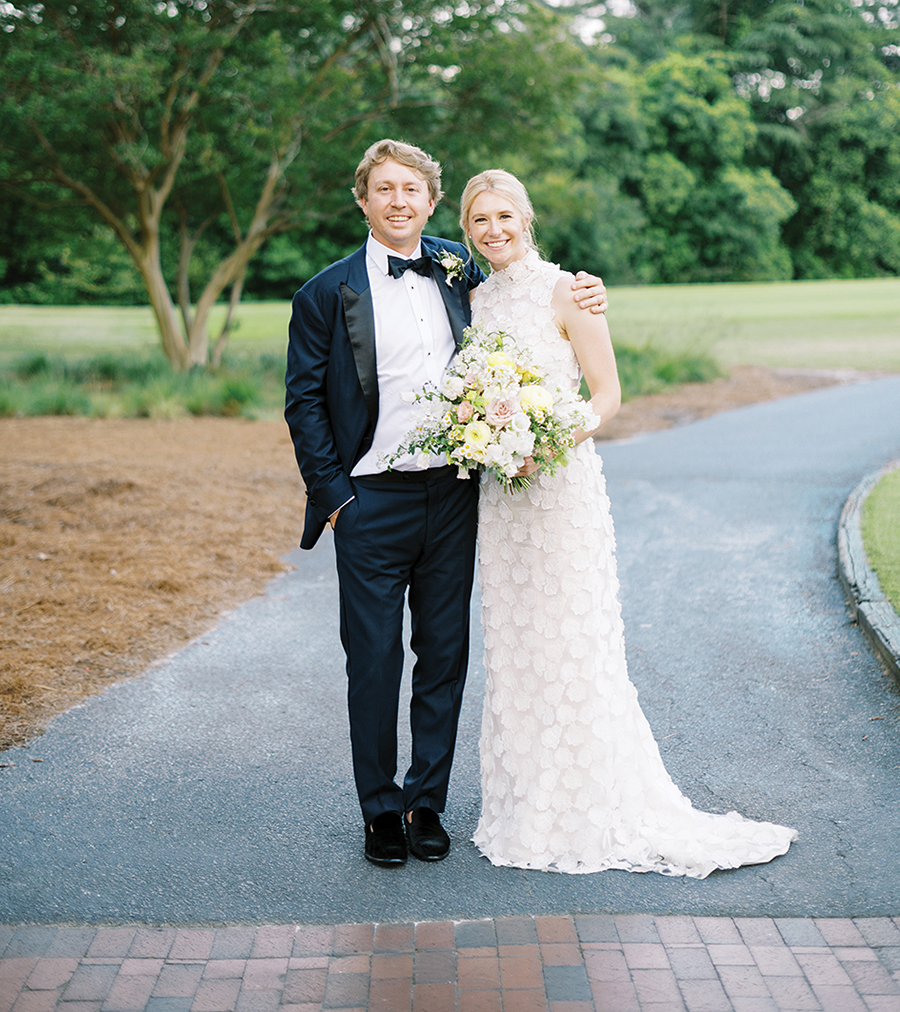
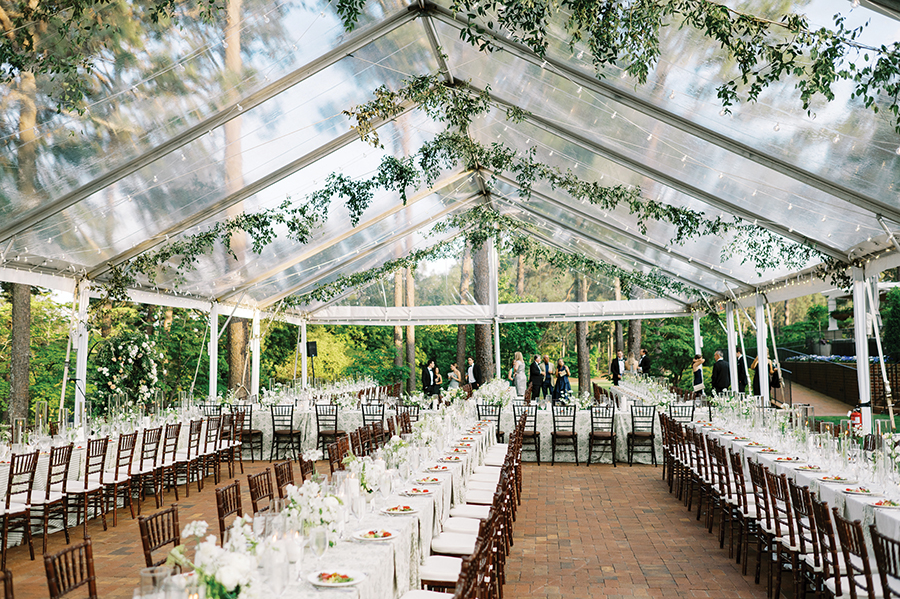
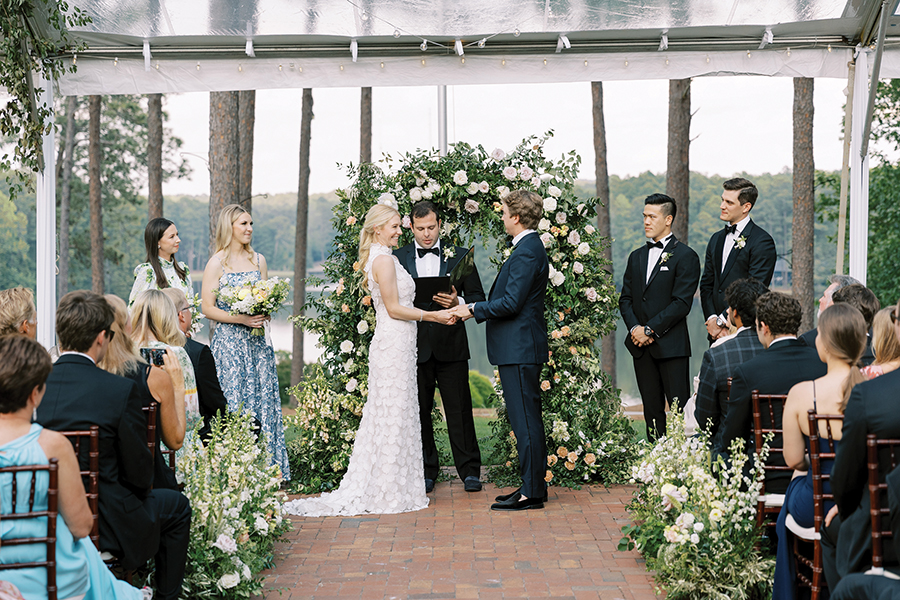
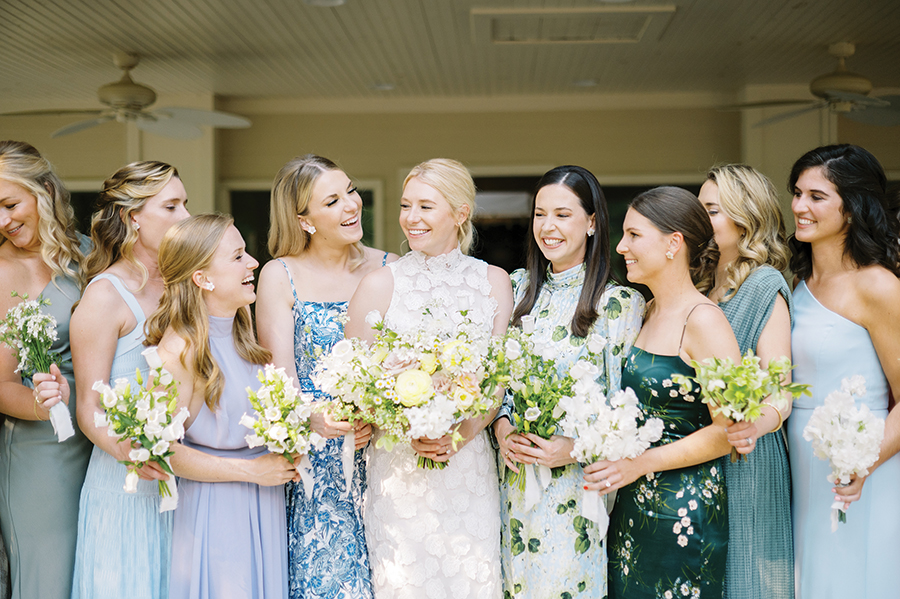
Though the couple is from Virginia, they lived in Moore County for five years and got married in Southern Pines before moving back to their home state. Hallie and Daniel exchanged “I dos” in a garden ceremony at the Weymouth Center for the Arts & Humanities on a blue-sky spring day in May 2023.

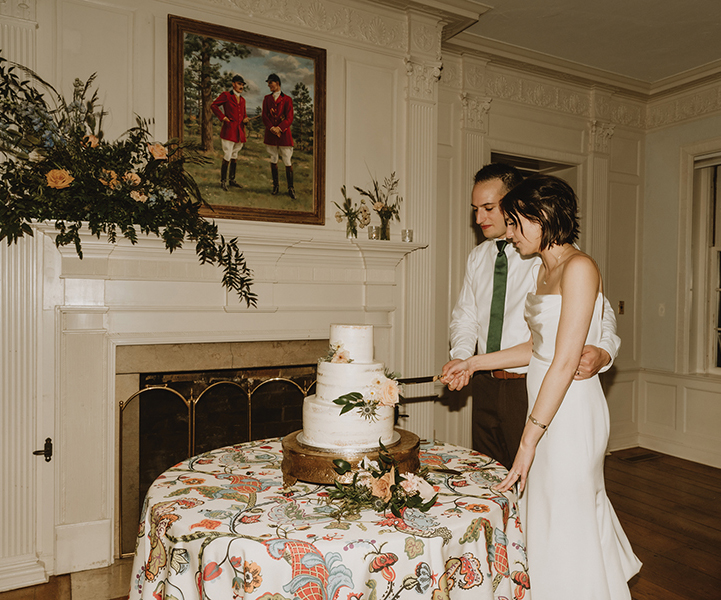
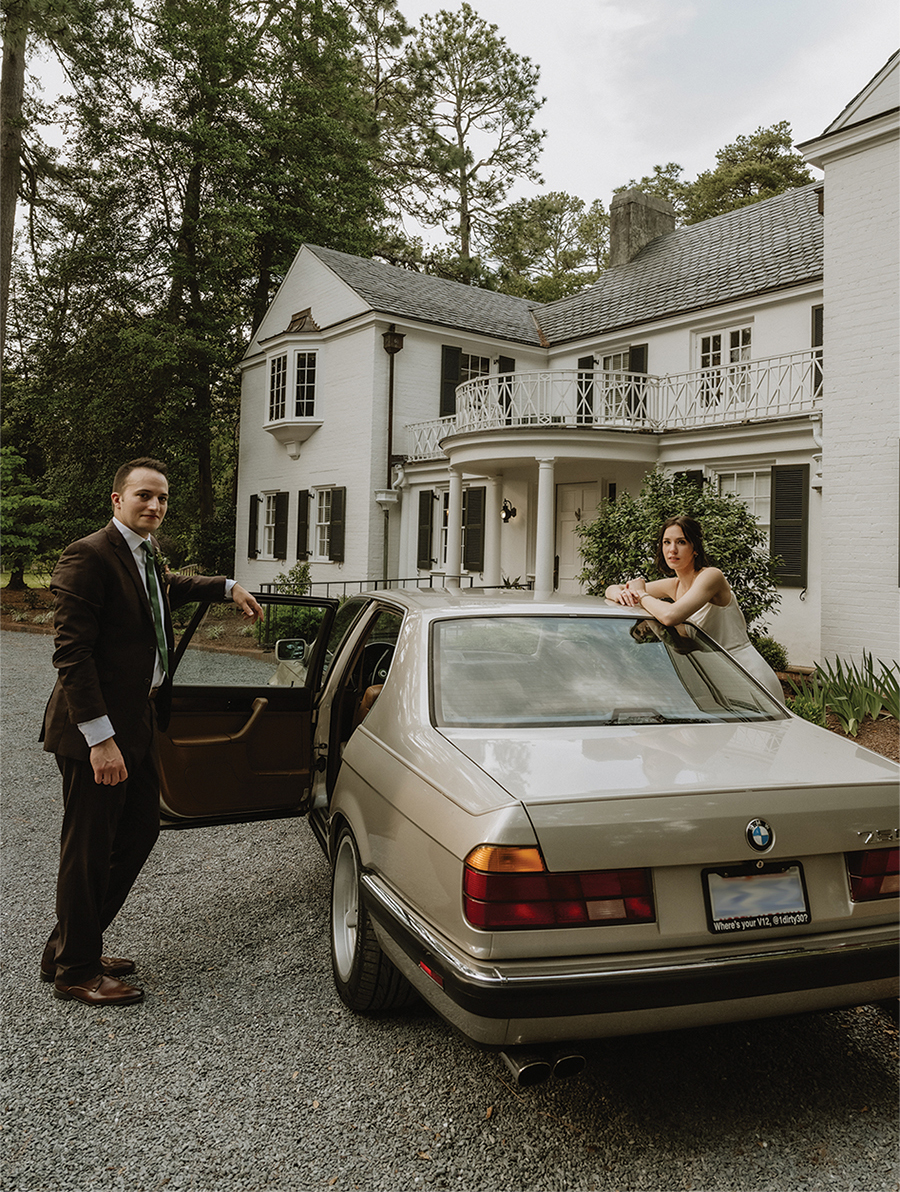
After an elegant reception on site, the newlyweds made their
great escape.

“Our getaway vehicle was our 1988 BMW 750iL, which Daniel found in poor condition in 2020, and spent the last three years repairing and restoring in preparation for the wedding,” Hallie says.

photographer & videographer: By Colette Photo
wedding planner: Vision Events Wedding & Event Planning
ceremony & reception: Weymouth Center for the Arts & Humanities
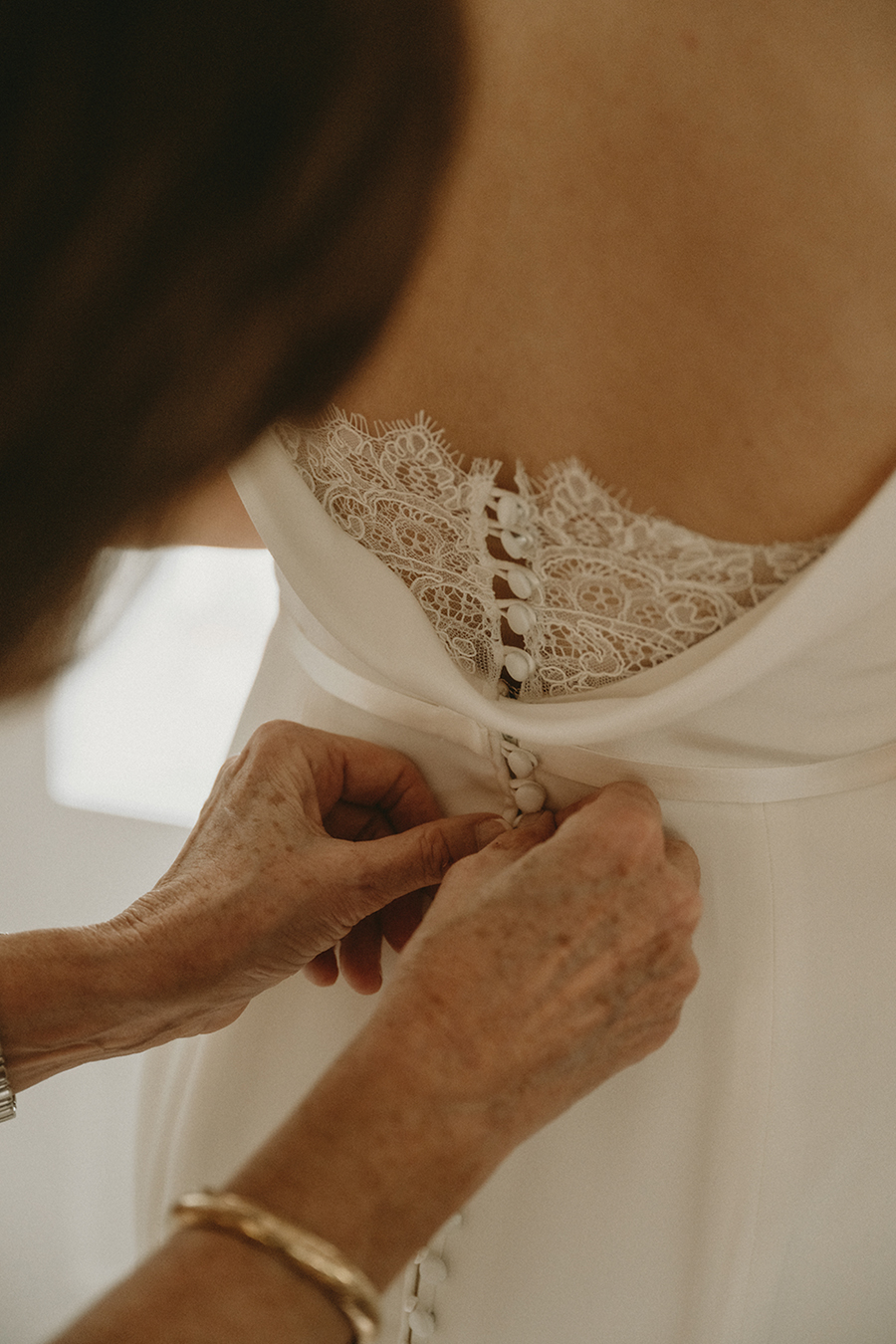
dress: Annalise Bridal
shoes: Ancient Greek Sandals
hair & makeup: Retro Studio Bar
groom & groomsmen: Generation Tux
cake: The Bakehouse
catering: Rocky Top Catering
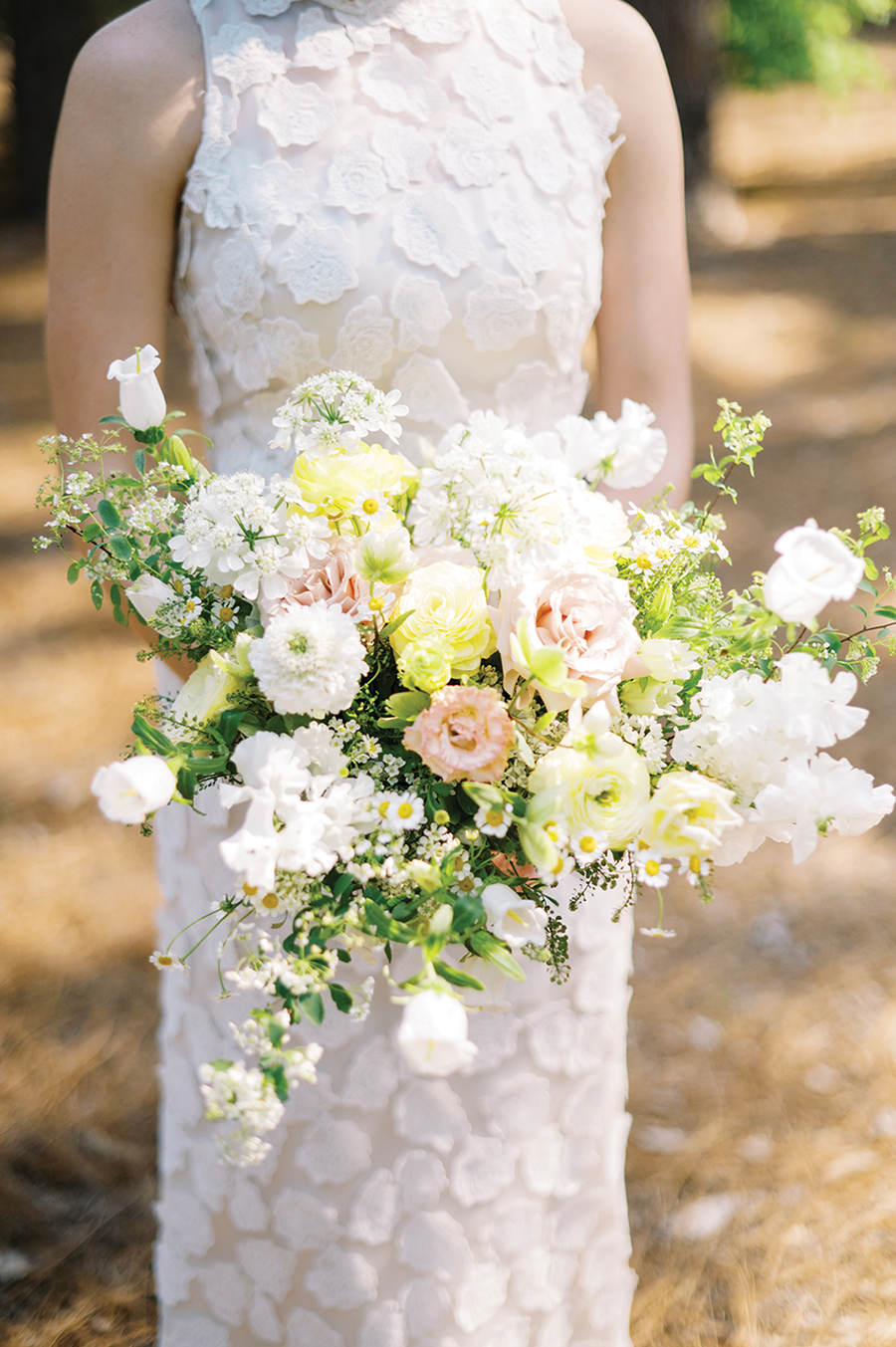
flowers: Thistle & Moon
rentals: Curated Events and Greenhouse Picker Sisters
invitations & programs: Papeterie of Kilmarnock

Claire Councill + Adam Ellison

Claire Councill + Adam Ellison

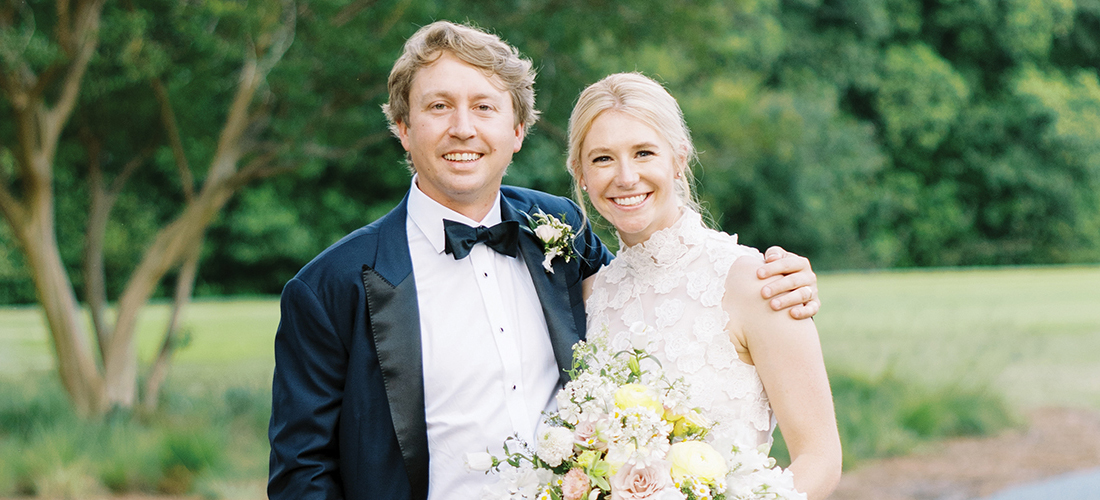
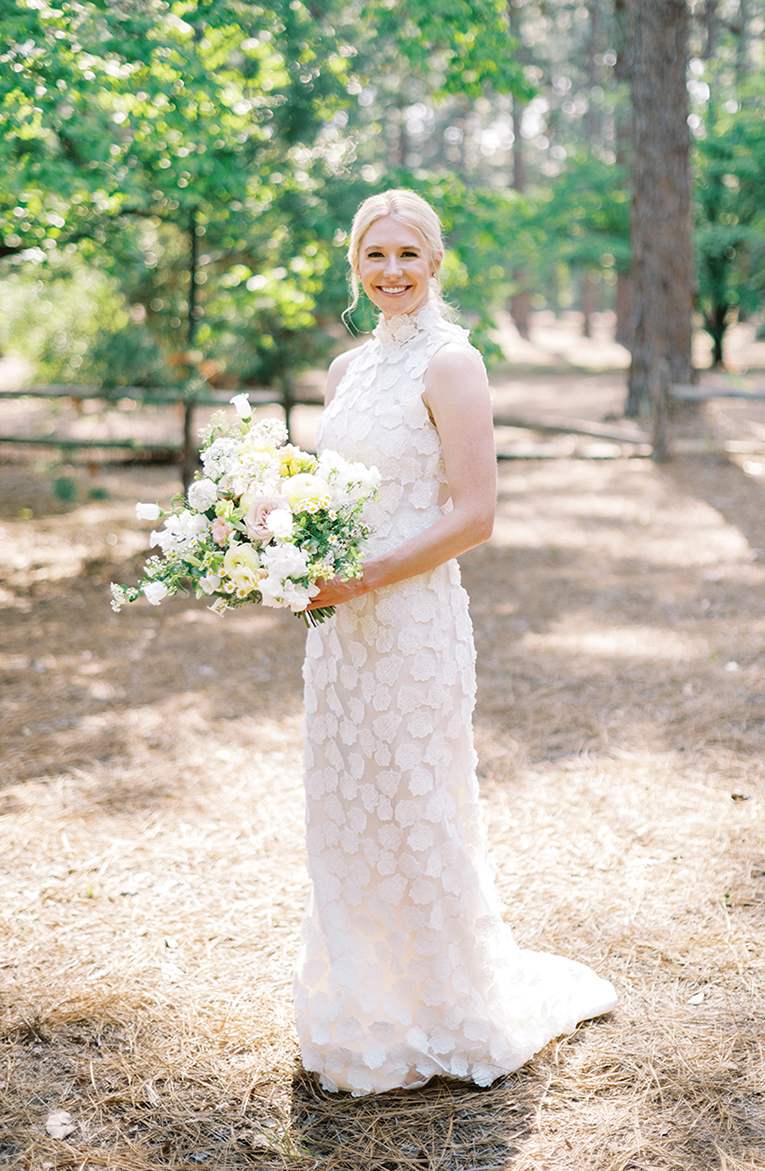
Claire Councill and Adam Ellison met at a friend’s housewarming party in San Francisco, where they live. The two began dating and after the pandemic squashed several proposal plans, Adam asked Claire to marry him on a snowy December morning in Lake Tahoe, California. They spent the rest of the day skiing and celebrating with friends.

Even though the Ellisons live on the other coast, Claire knew she wanted to get married in Pinehurst. Her family has been vacationing to the dreamy little village for more than 50 years, and she learned to play golf there as a kid.

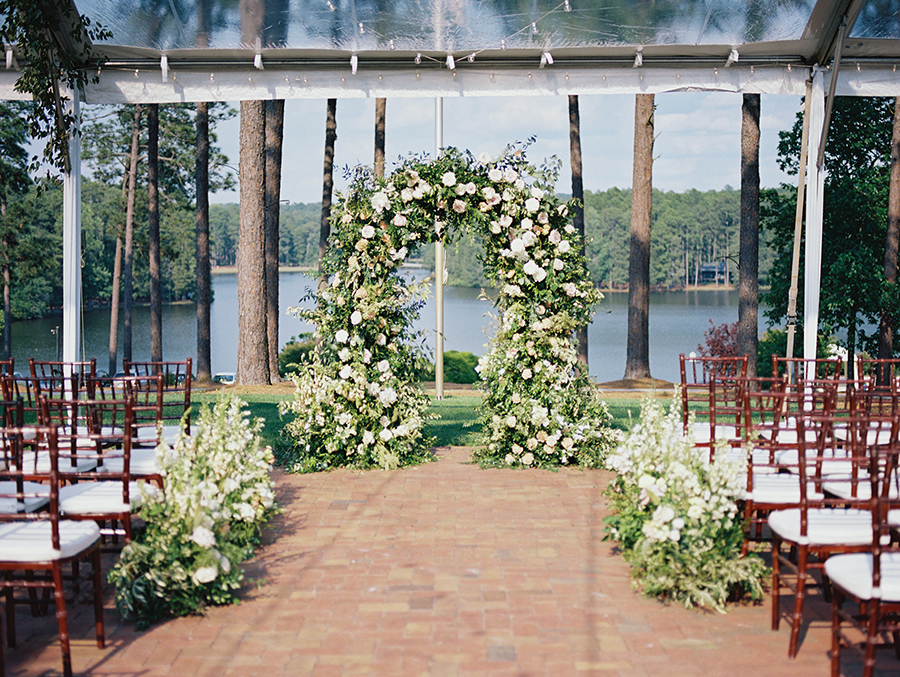
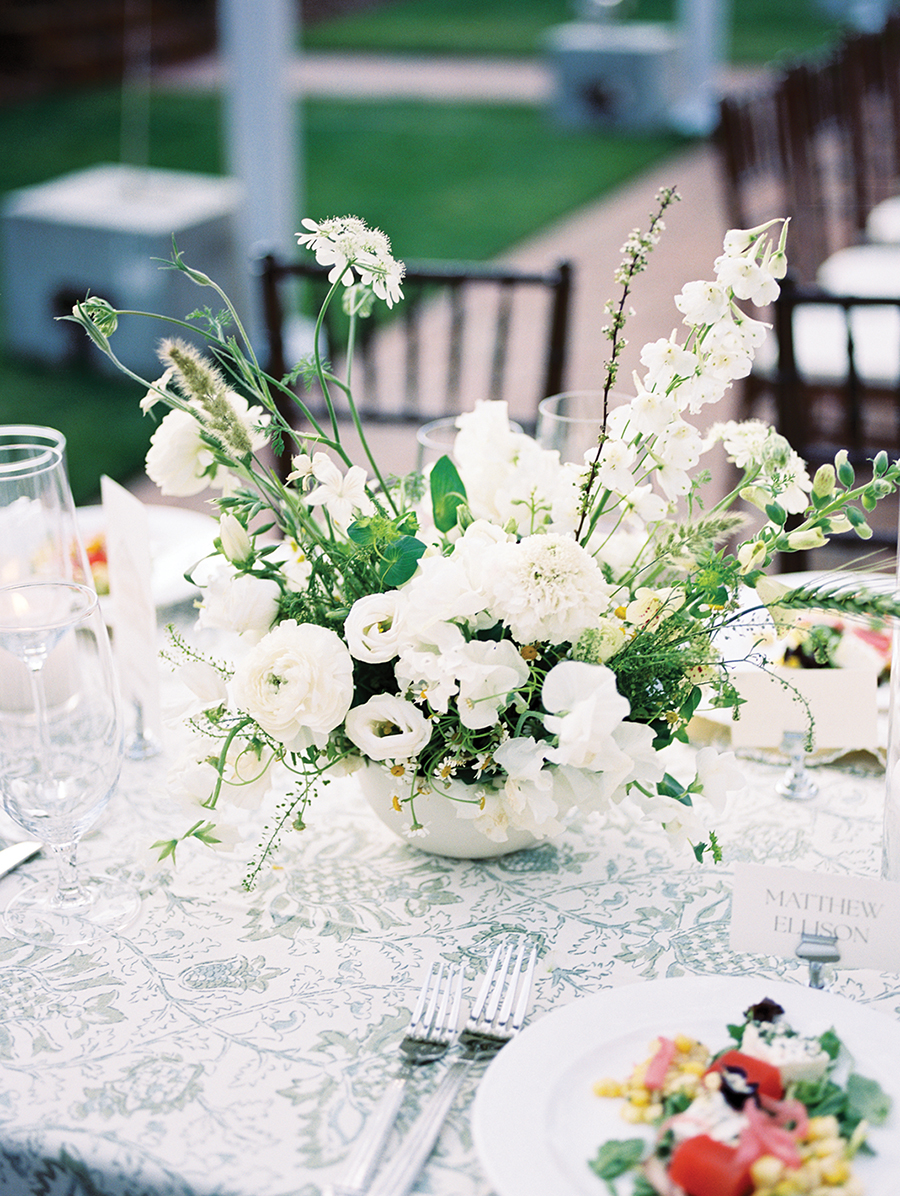
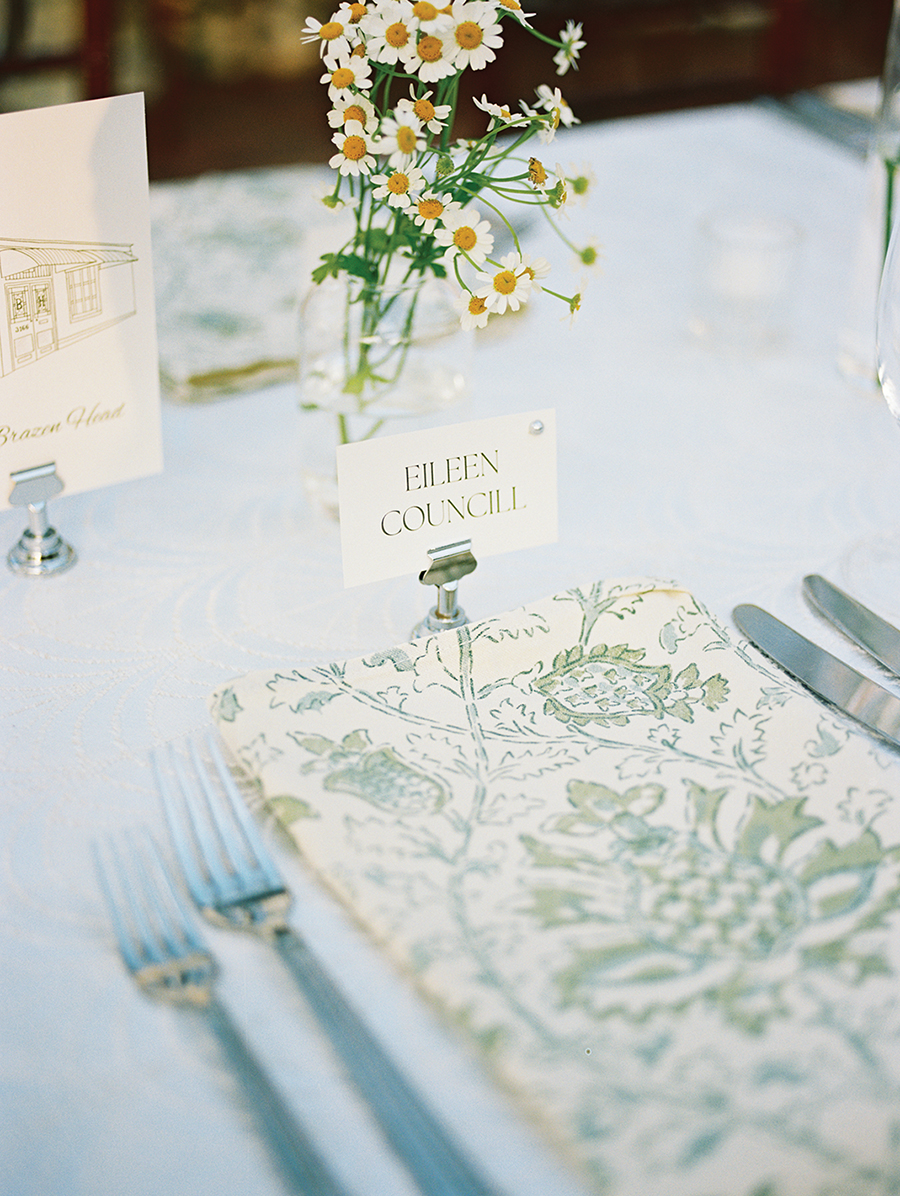
With that decision out of the way, the Ellisons chose the Country Club of North Carolina for their ceremony and reception venue. They wanted to get married outside on the beautiful terrace before dancing the night away in the ballroom. Thanks to an old Southern superstition to keep bad weather at bay, Claire says, they were able to.

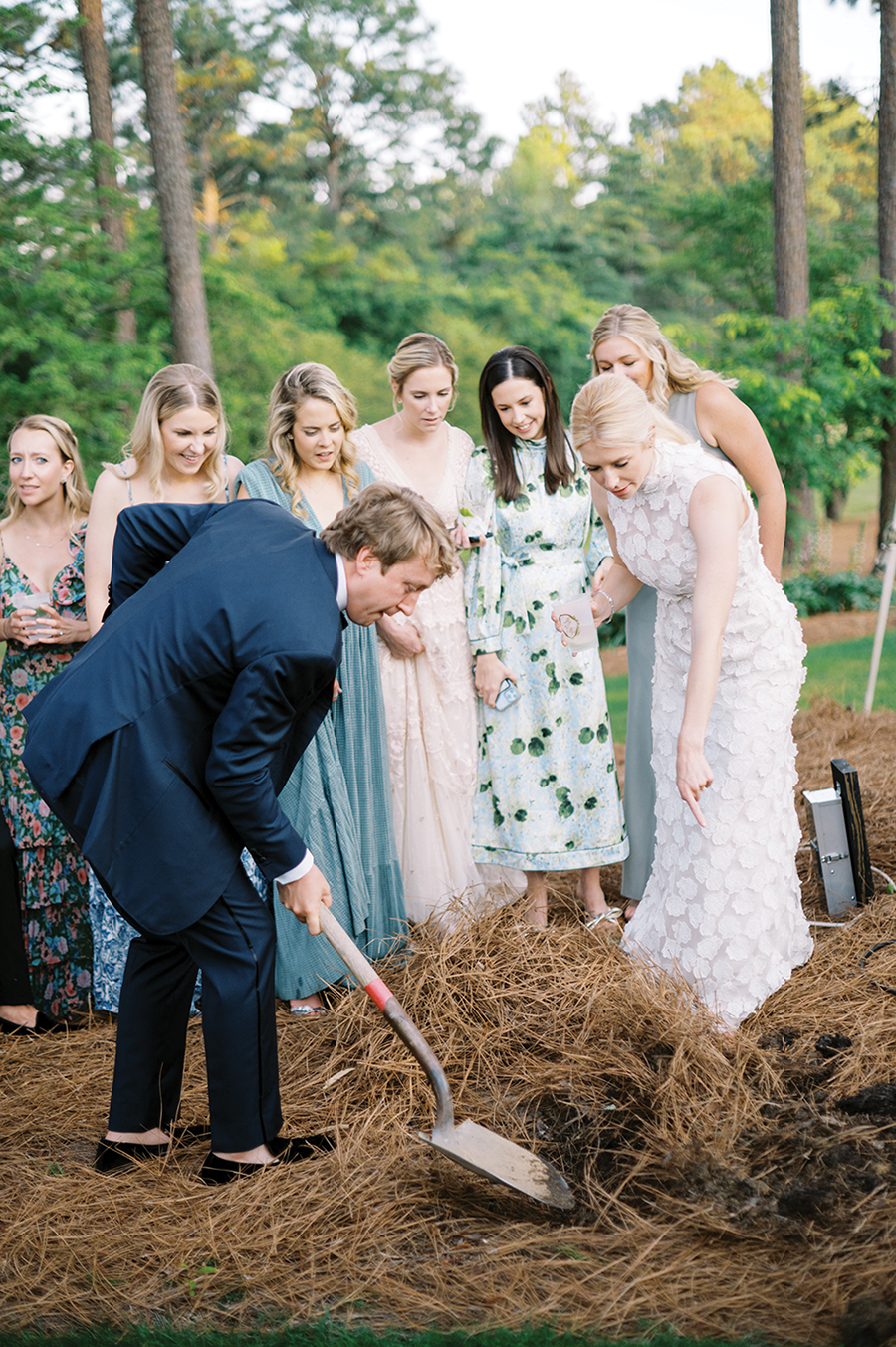
“We were expecting cold rain on our wedding day, even two or three days before, but burying a bottle of bourbon worked for us,” she says. “We had a spectacularly beautiful spring day and celebrated by passing the bottle around the whole wedding party.”

photographer: Hillary Muelleck Photography
wedding planner: Katharine Mann Events
ceremony & reception: Country Club of North Carolina
dress: Elizabeth Fillmore
hair: Missy Claire Golden Hair
makeup: Make Up by Erin
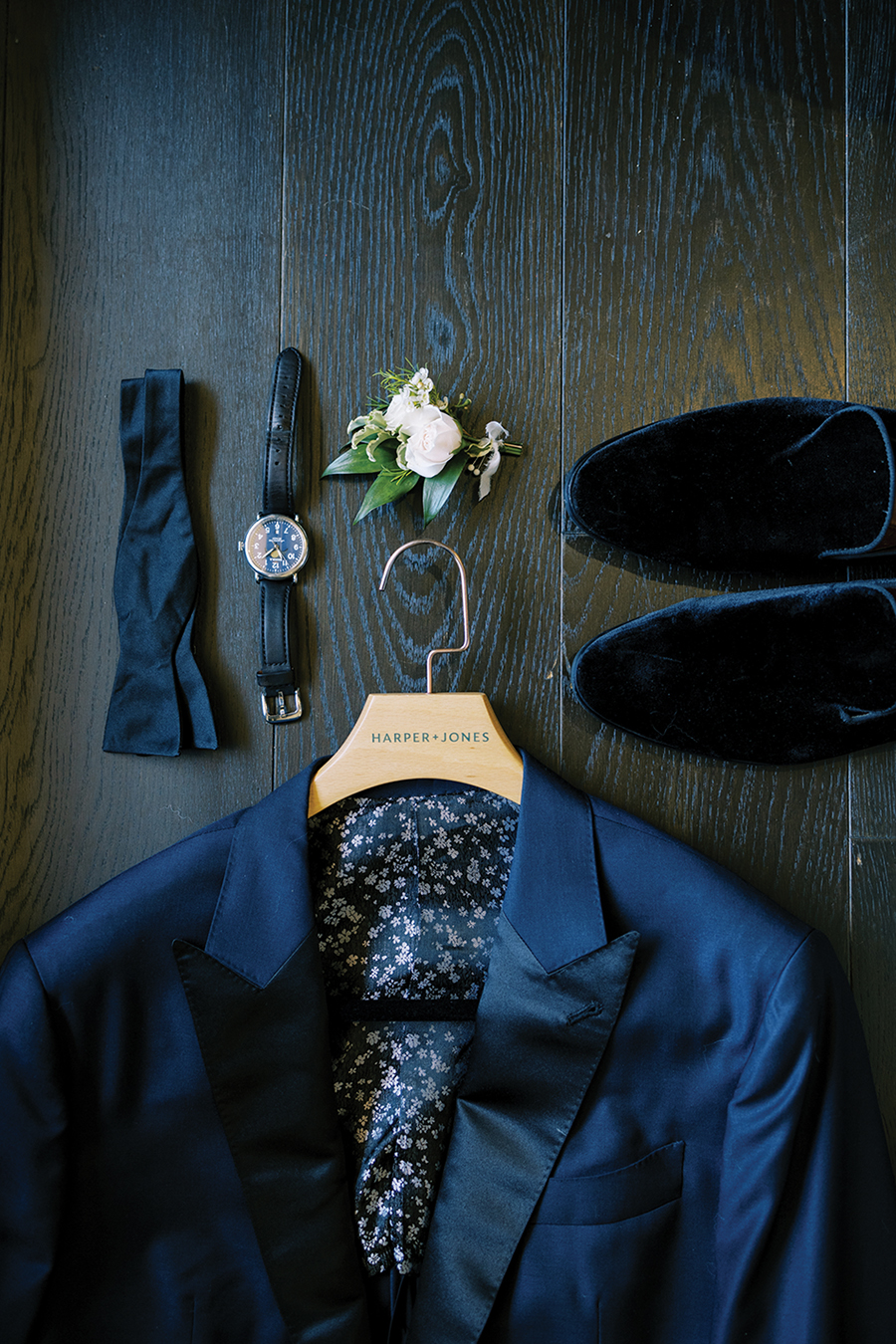
groom & groomsmen: Harper and Jones
cake: Pinehurst Country Club
catering: Country Club of North Carolina
flowers: Thistle & Moon
rentals: Stradley Davidson and Party Reflections
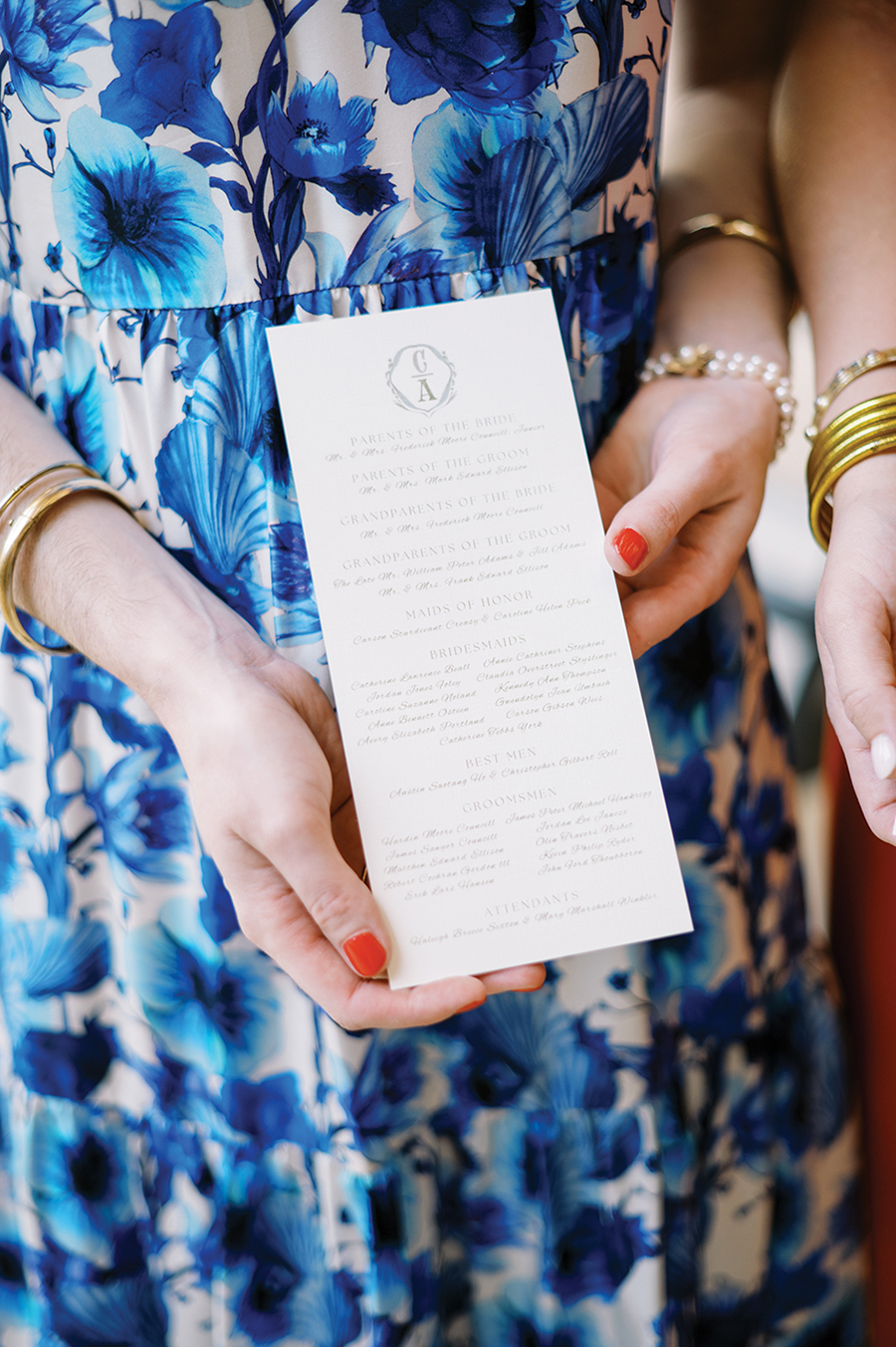
invitations & programs: Designed by bride
transportation: Kirk Tours & Limousine

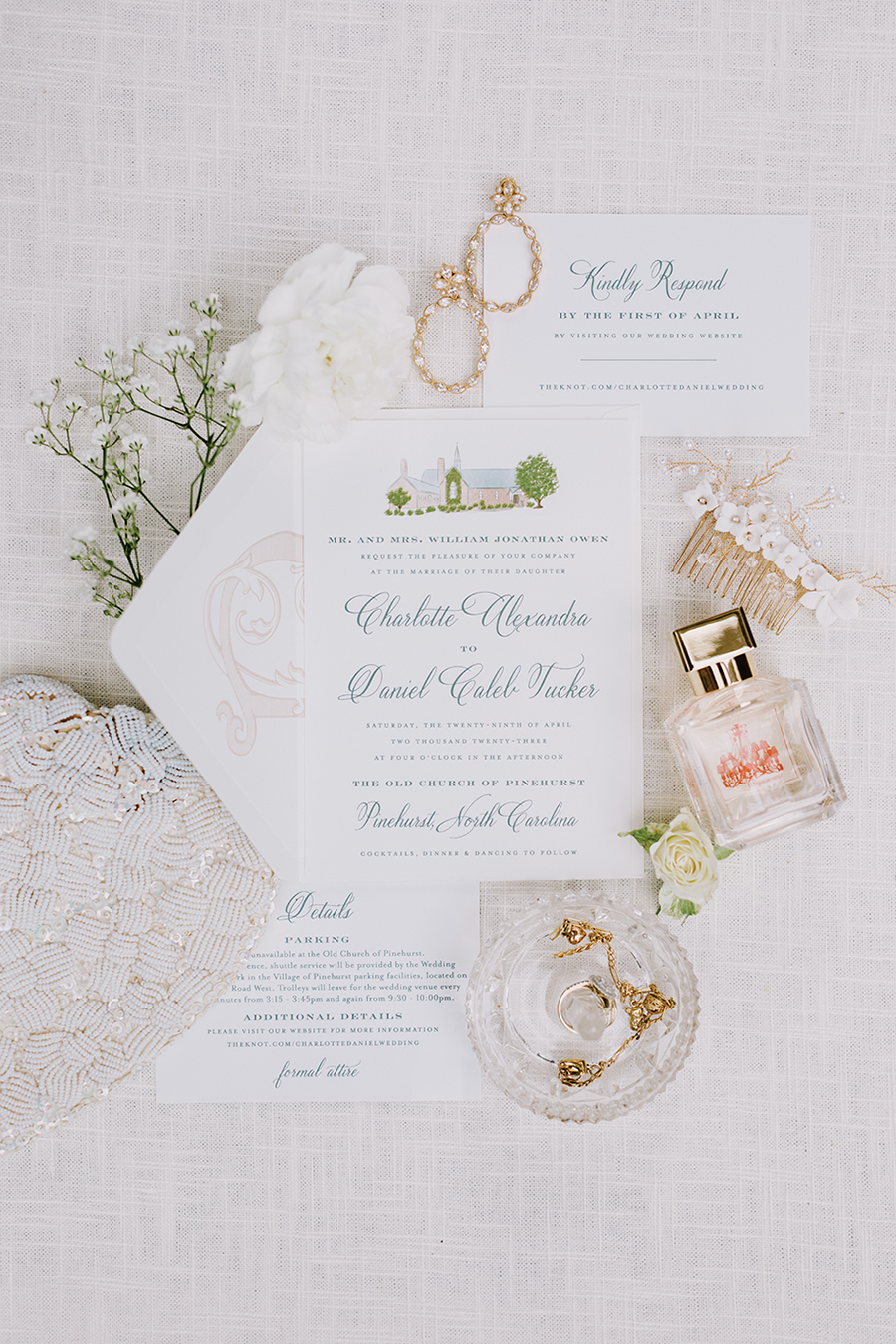
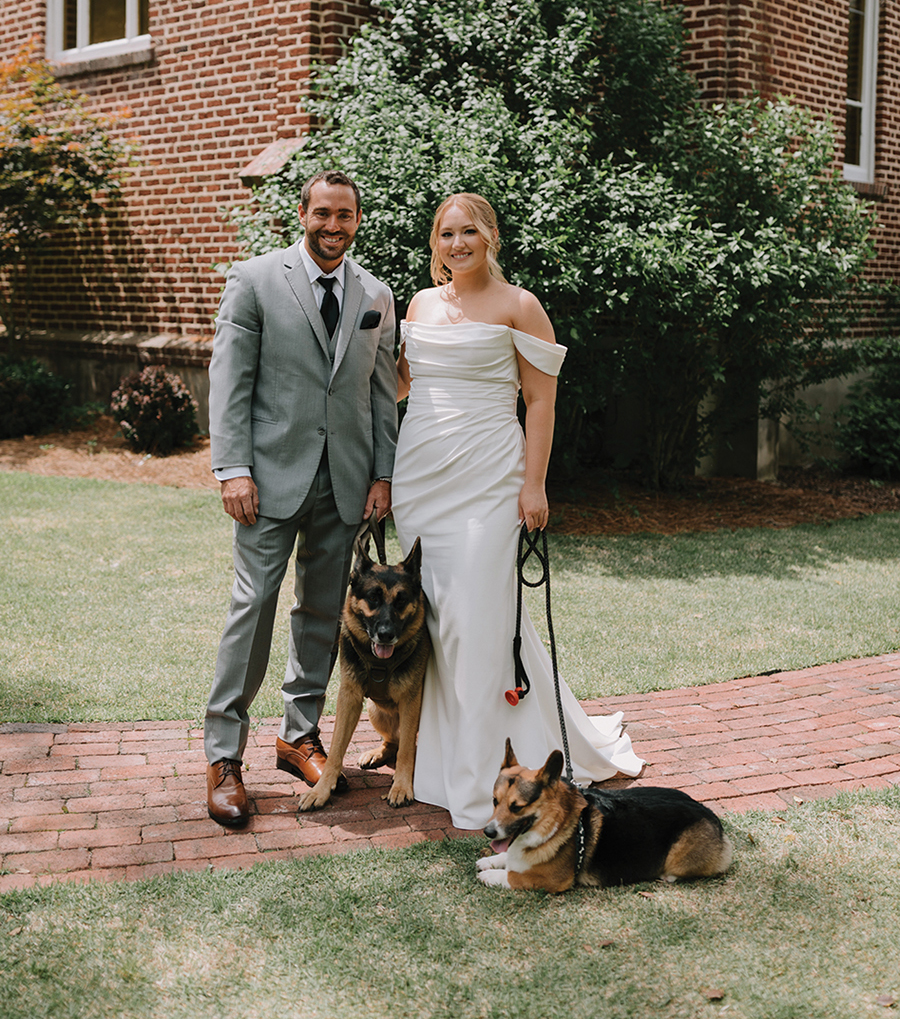
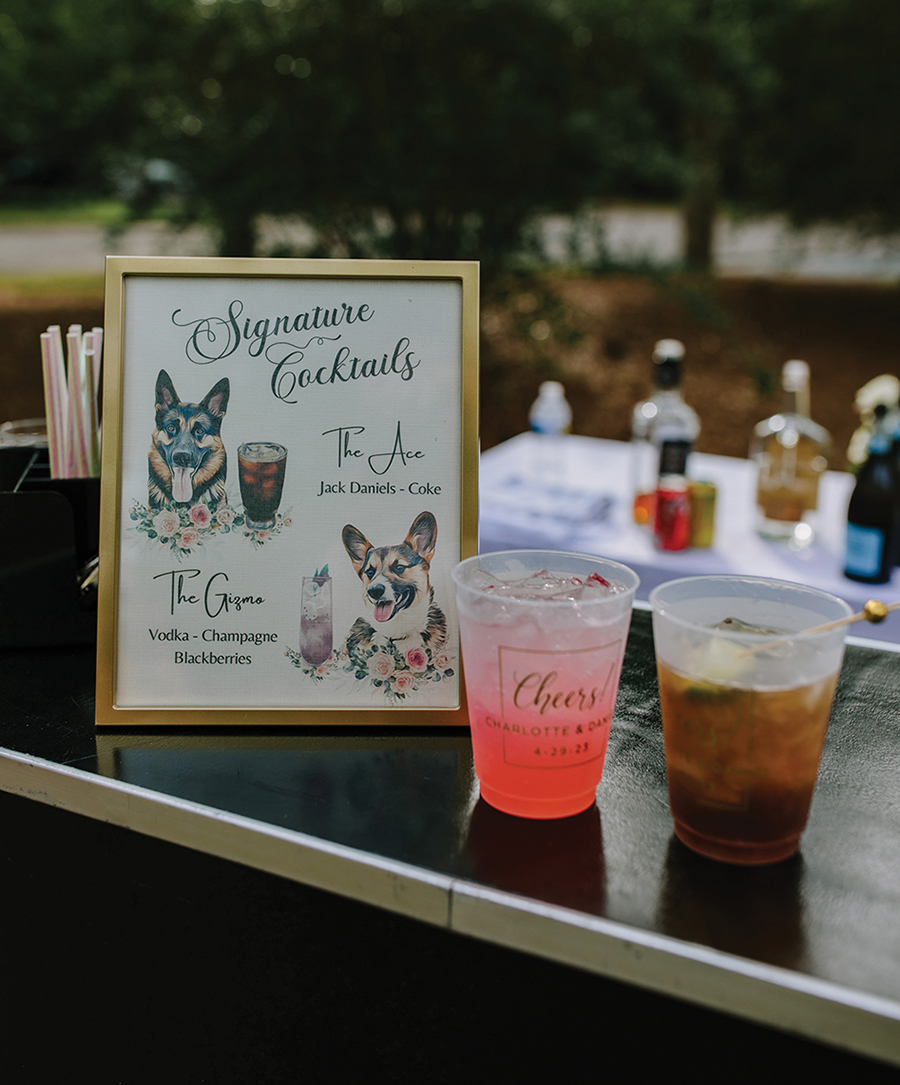
Charlotte Owen + Daniel Tucker

Charlotte Owen + Daniel Tucker

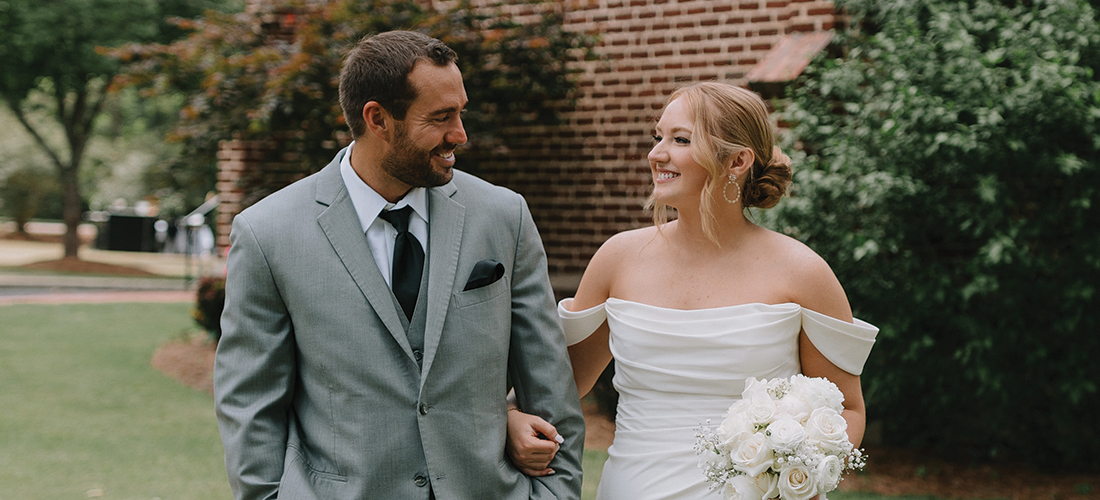
Charlotte Owen and Daniel Tucker have been crossing paths almost since day one. They were both born at Moore Regional Hospital and attended elementary school through college in the Sandhills. Somewhere in between, and without knowing it, the two attended many of the same Sunday morning church services and Wednesday night youth groups. Despite their overlapping worlds, Charlotte and Daniel didn’t meet until one random Sunday in 2018.

“I had seen him out the night before, and when I walked into Bell Tree and saw him sitting by himself, I invited him to sit with me,” Charlotte says. “We have been together since.”

Four years into dating, Daniel planned dinner at The Sly Fox Pub, where the couple shared their first date, and then surprised Charlotte with a walk through Weymouth Woods, where they shared their first kiss.

“We walked around, reminiscing about the last time we were there, and how I was the one who made the first move,” Charlotte says. For the proposal, it was Daniel’s turn to take charge. “Then he got down on one knee and asked me to marry him,” she says.

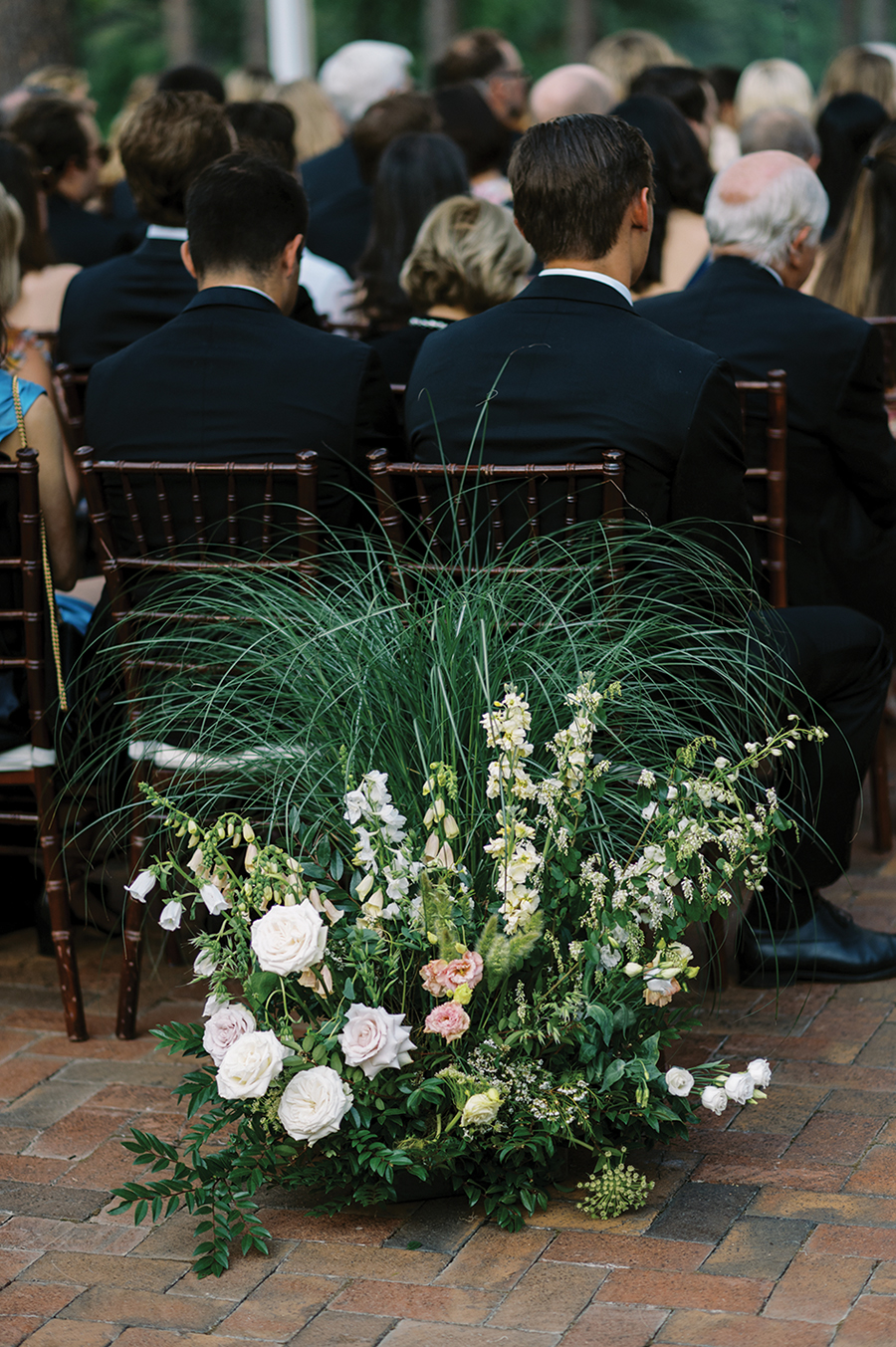
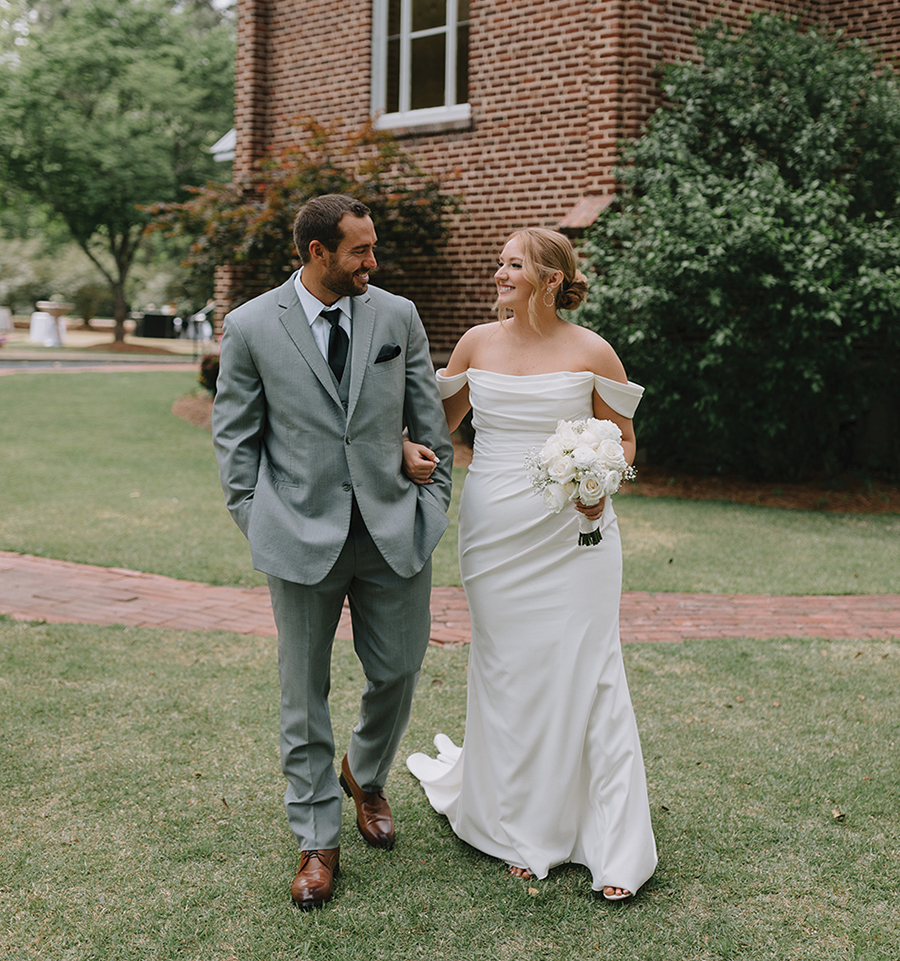
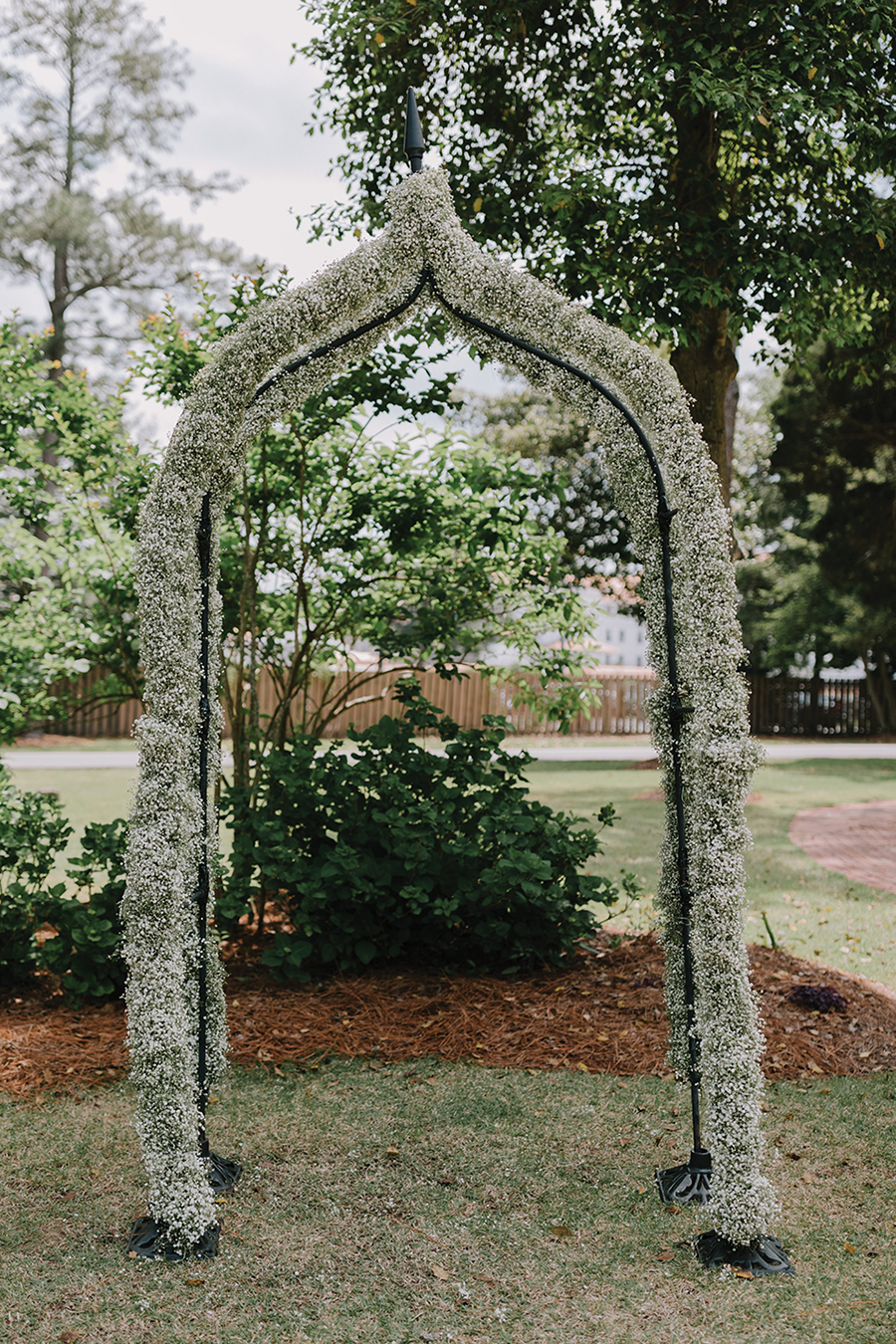
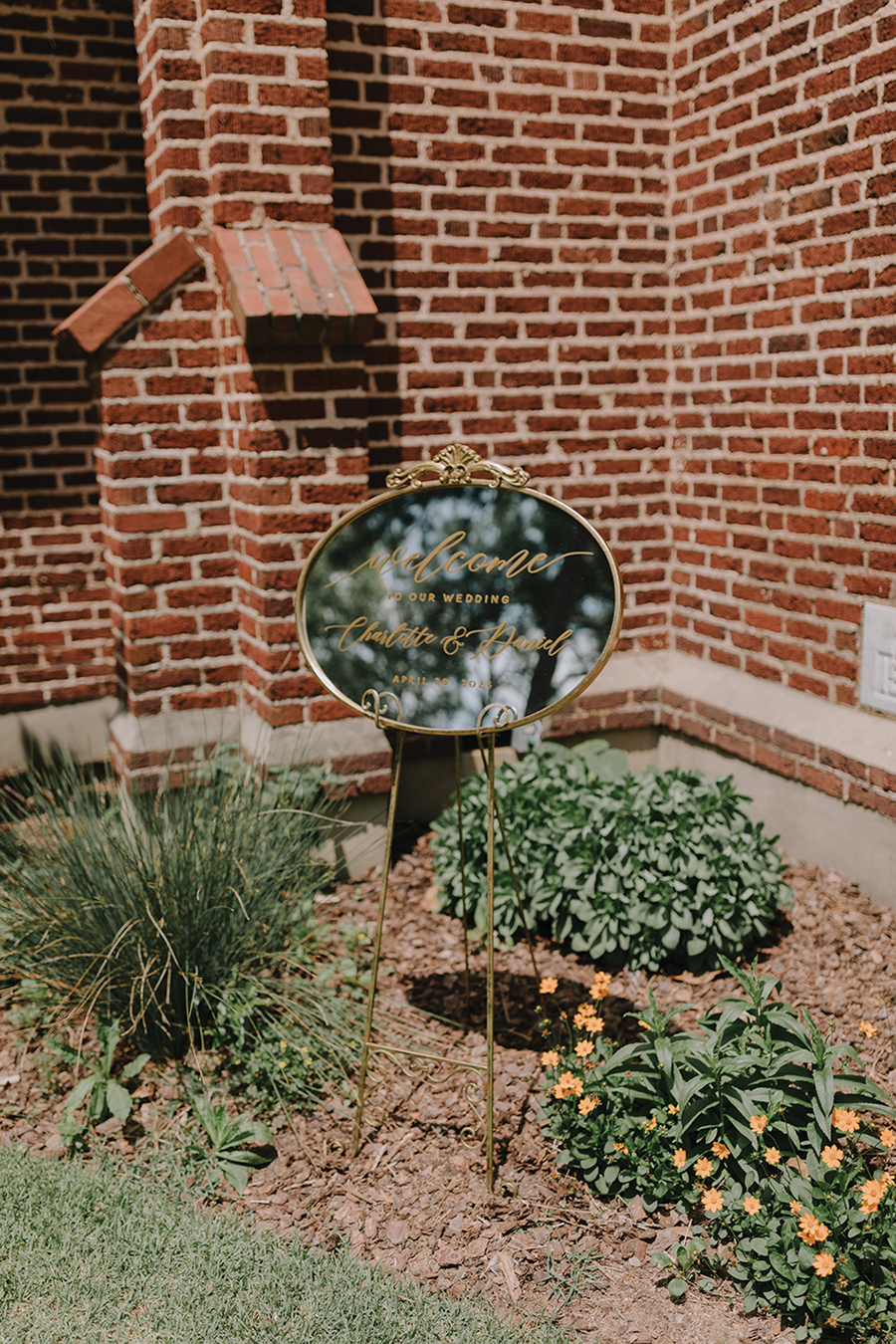
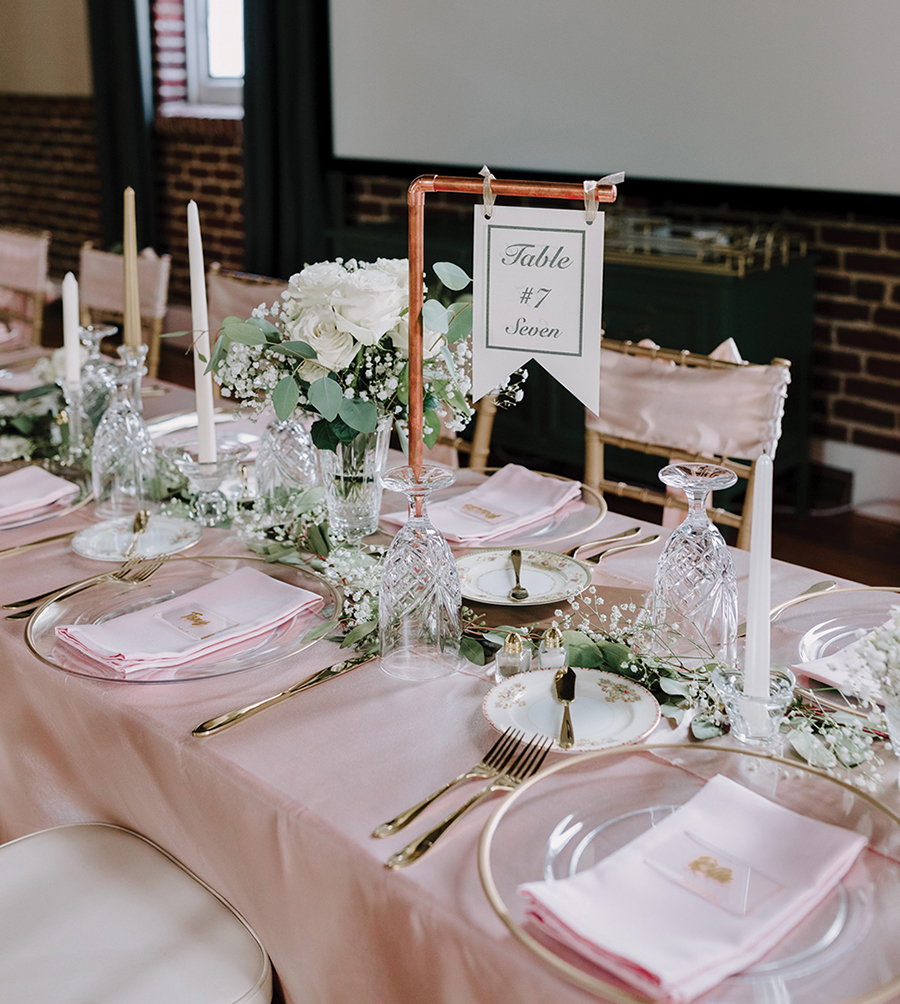
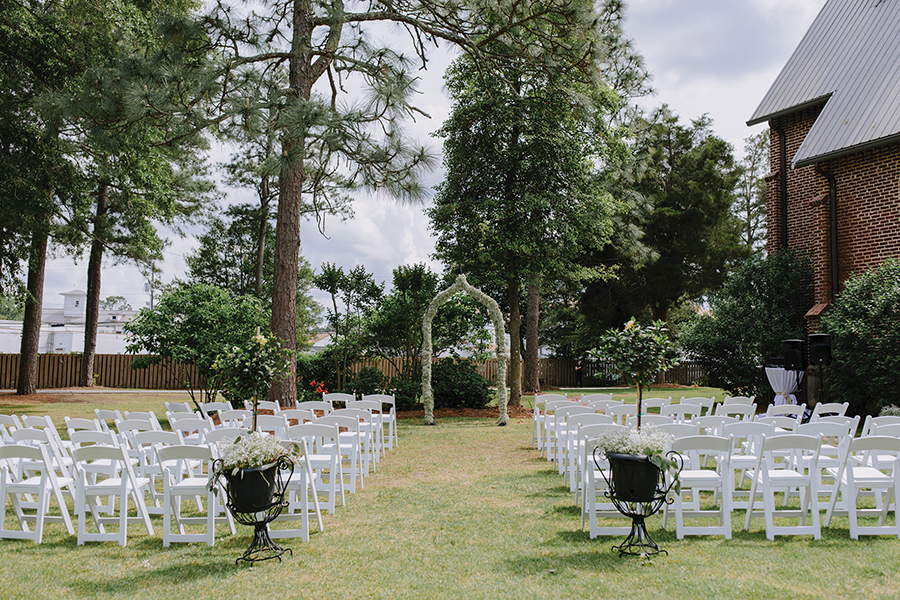
Five years after officially meeting, Charlotte and Daniel got married in a sunshiny ceremony outside the Old Church of Pinehurst before moving indoors for a reception finished with soft pink, baby’s breath, and leafy greens.

photographer: Catherine Leigh Photography
videographer: K2 Weddings
wedding coordinator: Honey Bees Wedding Coordinating
ceremony & reception: The Old Church of Pinehurst
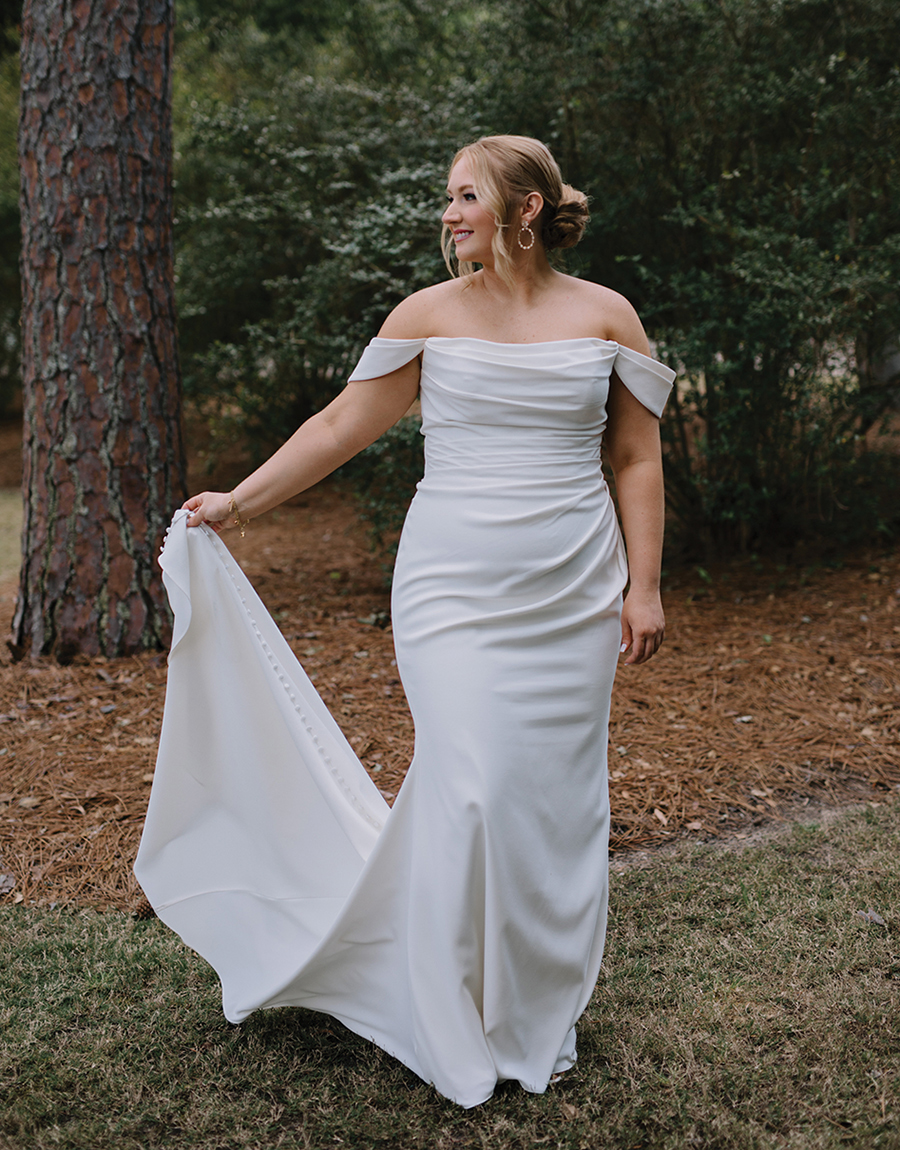
dress: Naomi by Anne Barge
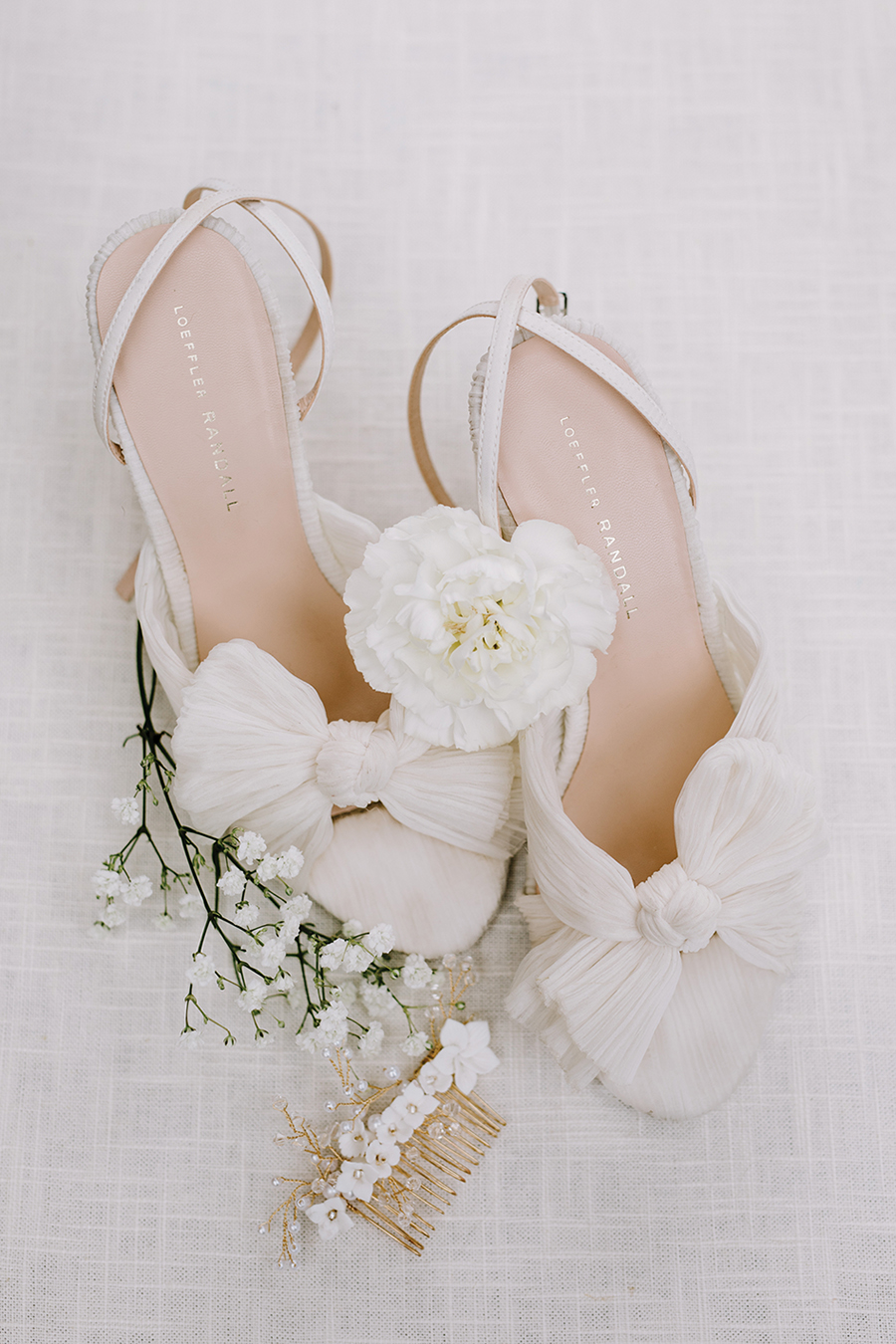
shoes: Loeffler Randall
hair & makeup: Retro Studio Bar
groom: JoS A. Bank
engagement ring: Honeycutt Jewelers

cake: G. Charles Bakery
catering: Mason’s Restaurant & Grocery
rentals: Richmond Rentals
transportation: Sandhills Trolley Company

Simple Life

Simple Life

Cadillac Joe

While some of his dogwoods are long gone, the legend lives on

By Jim Dodson

As spring broke this year, I had a startling realization.

I may be turning into Cadillac Joe.

His real name was Joe Franks. Mr. Franks and his delightful wife, Ginny, and their two boys, Joe Jr. and Chuck, lived across the street in the old neighborhood where I grew up. I was good friends with the Franks boys. My mom was one of Ginny Franks’ closest chums.

Big Joe was a highly respected lawyer in town, though that’s not what made him something of a local legend.

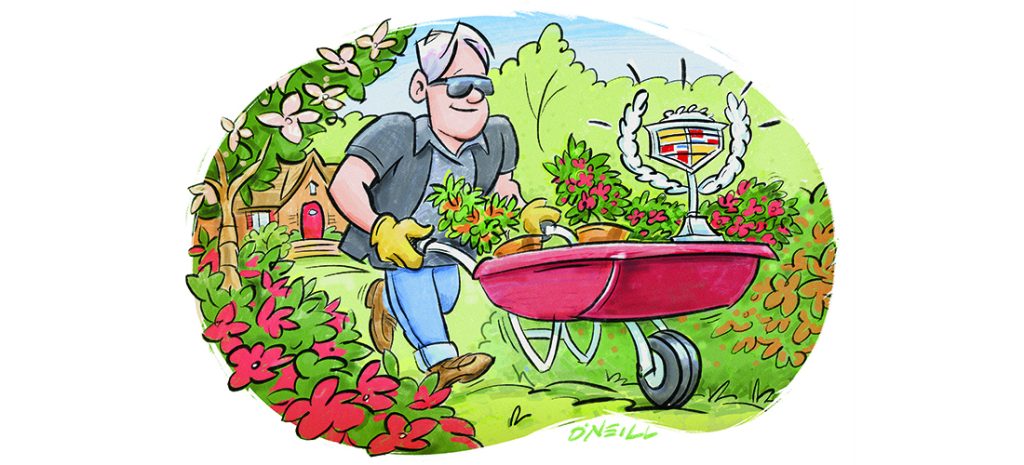
Every spring, the Franks family lawn burst spectacularly into bloom with luscious beds of mature azalea bushes Joe had planted and groomed. During the peak blooming stage, usually around Easter, a constant stream of cars cruised slowly past his house just to take in the impressive floral show — rather like people do at Christmastime to look at over-the-top lighting displays. And thanks to several hundred pink and white dogwood trees that bloomed along the street just as the Franks’ yard exploded in color, Dogwood Drive lived up to its name, including a magnificent Cherokee Brave (pink) and Cherokee Princess (white) that proudly stood for more than half a century.

Over the years, our street — and the Franks house in particular — found their way into numerous newspaper feature sections and a host of top gardening magazines, including a couple big spreads in Southern Living magazine.

What made the show bigger than life was that most Sunday mornings throughout spring and summer, Big Joe Franks lovingly washed or waxed his Cadillac in the Franks family driveway while playing the music of Frank Sinatra. His neighbors must have been fans of Ol’ Blue Eyes because nobody I know of ever complained. My mom even took to calling him Cadillac Joe. Looking back, I’m half convinced Cadillac Joe’s music is the reason I have a thing for Sinatra today.

“Dad sure loved that Cadillac and his azaleas,” Joe Jr. confirmed with a booming laugh when I tracked him down by phone. “And, of course, Sinatra. That was the music of his life. Waxing that Cadillac and growing those azaleas were his passions.”

Joe, the son, is something of a legend, too. He grew up to become a beloved athletic trainer and successful men’s football and women’s golf coach at Grimsley High School. The playing field at Jamieson Stadium is named for “Little Joe Franks,” as my mom called him. Today, Little Joe is semi-retired and lives in Danville, Virginia, where his wife, Dr. Tiffany McKillip Franks, is in her 14th year as president of Averett University.

“So how are your azalea bushes doing?” I asked him.

“The college has plenty of them. I don’t have my dad’s thing for growing them, but I do have a Cadillac Escalade just like Dad. And I recently picked up a second one, an ATS two-door coup. Really nice.”

I wondered if Joe had any idea how many azalea bushes his dad, who passed away in 2001, planted and groomed to perfection.

“At least 250,” Joe said, explaining how Big Joe’s favorites were red, white and pink azaleas. “If you recall,” he added, “there was a huge peach-colored one by the front porch. It was probably seven or eight feet tall.”

I remembered this bush and almost hated to inform him that the bright young college professor who owns the Franks house today is growing artichokes where Cadillac Joe worked his magic each spring.

“Yeah, by the time my mom was ready to give up the house,” Coach Joe told me, “the plants were showing their age and had probably seen their better days. I guess they just dug them up.”

“Don’t worry,” I said, pleased to inform him. “I think I might be channeling Cadillac Joe these days.”

Six years ago, my wife, Wendy, and I moved back to Dogwood Drive, purchasing an old house that sits two doors from the one where I grew up. As she got to work restoring the house’s interior, I got to work outside. To date, I’ve planted more than 30 trees in my yard, including five dogwoods, a trio of southern redbuds and several cherry trees that outrageously bloom every spring. I’ve also planted 24 azaleas and 17 hydrangeas.

A garden-loving psychologist wouldn’t be wrong in suggesting that I’m rebuilding the blooming street of my boyhood. I hail from an old Carolina clan of farmers, gardeners, preachers and storytellers, after all, and grew up hearing legends of the dogwood tree’s origin, one of which holds that long ago the dogwood was a mighty tree — like the oak — that was used to make the cross on which Jesus was crucified. Because of its role in the death of Christ, the legend goes, God both cursed and blessed the little tree. It would never again grow large enough to be used as a cross for a crucifixion. Yet it would also produce beautiful flowers in the spring, just in time for Easter, with petals shaped like a cross, clustered berries resembling a crown of thorns and specks of red that symbolized drops of blood. 

Over the half a century since I’d lived on our street, most of the dogwoods disappeared from yards. In fairness, dogwoods generally only live anywhere from 40–70 years, and the beauties I remember were probably at least already middle-aged. Even so, we count no more than 15 dogwood trees on the entire street.

For that matter, azaleas are also dramatically thin on the ground these days. Maybe they are just too finicky for casual gardeners and the new generation of busy young families that inhabit the neighborhood to keep up with, requiring annual trimming, fertilizing and mulching in order to flourish.

In truth, I was never terribly keen on planting dogwood trees and azaleas bushes until we moved back to Dogwood Drive, at which point a mysterious desire overtook me. Perhaps I am becoming Cadillac Joe 2.0?

Little Joe Franks was pleased when I mentioned this botanical phenomenon.

“That’s great,” he said. “Now all you need is an old Cadillac and the music of Sinatra!”

He may be right. For the moment at least, an aging Subaru and Mary Chapin Carpenter will have to suffice.

Maybe someday I will be remembered as the legend of Outback Jimmy.  PS

Jim Dodson can be reached at jwdauthor@gmail.com.

Sporting Life

Sporting Life

The Next Adventure

And the gift of mentoring

By Tom Bryant

“The only thing crazier than a duck hunter or a mountain climber,” the Old Man repeatedly said, “is a really dedicated fisherman — a man who will fish where he knows there are no fish, just as long as he’s fishing.”    — Robert Ruark in The Old Man’s Boy Grows Older

We were all grouped around the kitchen table, more or less in a relaxed mode after a full morning of duck hunting. The kitchen table was in the duck-hunting lodge that we lease along with five corn-planted impoundments right on the Pamlico Sound and only a few miles from Lake Mattamuskeet. It was the last day of duck season.

There were seven of us, not exactly the Magnificent Seven, unless you talk to us after a successful day in the duck blind. Then you would surely think we were the most proficient duck hunters and outdoorsmen in the whole South.

This was not one of those days, unfortunately. Duck shooting had been sparse. We saw ducks, but they were working over the Pamlico and refusing to drop into our impoundments. “This ain’t exactly how I planned to end duck season,” Bubba said as he pushed back in his slat-back chair and ambled over to the refrigerator. “I’m gonna end the pain a little with a cold beer. How ’bout you guys?”

“I’ll join you,” I said. “Then I’m gonna take a nap.”

Bubba handed me a beer, “Well, maybe the fishing will be better this spring. Art, I hear you’re going down to Belize to try your hand at saltwater fly-fishing.”

“Yeah. As a matter of fact, I brought my fly rod so you could give me a couple of lessons.”

Bubba is an accomplished fly fisherman and has fished Costa Rica as well as Belize. “Well, this ain’t exactly the right kind of weather,” I said, since the wind had picked up and the temperature was dropping, “but get your rig and we’ll cast a little in the backyard.”

We all trooped out to the yard right off the miniature enclosed back porch where we kept our guns and wet waders. Art had his fly rod all put together and ready to go.

As he limbered the rod back and forth slowly, Bubba said, “Art, it’s all in the wrist.” He had tied a small weight to the line to imitate a tiny fly and commenced to let line out as he moved the rod in rhythm with the line.

A pickup truck slowly eased down the drive toward the barn camp — an old barn converted into living quarters located a couple of hundred yards behind our lodge. The guys who lease the camp are some of the finest duck hunters in the area, and they do it the hard way. They hunt on the Pamlico Sound in powerful jon boats in all kinds of weather. None of that impoundment hunting for them.

There were three of them in the group, and they have become our good friends, sharing meals, libations and hunting stories . . . some of them even true. We always look forward to their company.

The truck slowed to a stop, and we waved at the pair in the front seat. Two black Labs were in the bed of the truck, and they were watching us intently.

Art continued, with Bubba’s instructions, casting the fly out into the yard, and he was really getting the hang of stripping line off the reel when Jim Overman, sort of the ringleader of the barn camp crew, hung his head out the driver’s window and shouted, “Hey Art, I really think you’d have better luck if you got closer to the water.”

That was the way it was in those days, and it hasn’t changed much even today. We’re either hunting and thinking about fishing, or fishing and planning a hunt. The outdoor group I hang out with is never far from an open air event/outdoor entertainment.

For me, this love affair with sportfishing started at a young age and was as natural as breathing. Like so many sports in the outdoors, there’s often a driving force, most of the time an older individual or a host of friendly, experienced sportsmen. With me, it was my family. My dad, for sure, and my granddad, along with several uncles who took me under their wing and let me go with them when they were heading to the woods hunting or to the creeks and rivers fishing. I learned by watching and obeying instructions, not as a kid, but as someone really interested in learning how to do it right. They never talked down to me, but I was expected to act in a manner respecting their age.

One late summer afternoon, my dad, granddad and uncles were gathered on the long front porch of the old home place making plans for a fishing outing to Florida.

“I figure if we go down there in mid-March it won’t be too cold, and maybe we can hook on to that big bass that Tom keeps talking about,” Dad said. Uncle Tom fished the St. Johns River at Astor where Granddad had a fish camp, and he was constantly talking about the 8-pounder he pulled in after only an hour on the river.

The conversation drifted from when the best time to go would be to what kind of fishing gear to take. Meanwhile, I was sitting in the corner rocker like a bird dog on point. The more they talked, the faster I rocked, hoping against hope that they would let me go with them. Finally, I couldn’t stand it anymore. “Can I go?”

Dad looked over at me and said, “Son, you’ve got school and we’re gonna be gone a week or more. I don’t believe Mr. Workman would let you miss that many days.”

Mr. Workman was the principal of Aberdeen Elementary and a kind, likable man. I was sure I could convince him that I should make the trip. Convincing my folks sitting on the porch looked to be another matter entirely.

Granddad was sitting in the swing listening to all the plans and after a while, he said to the group, “Let the boy go with you, that is if he can clear it with the school folks. You can take my truck, and while you’re there, I want you to pick the remainder of the fruit on the orange trees next to the house. We never get it all when we’re there right after Christmas, and this would be a good opportunity to finish it up. Tommy could climb the trees and get the high fruit.”

Granddad had planted a small orange grove right after he bought the Florida property, and it was just beginning to produce enough fruit to share with the family.

So that’s how I got to go on my first major fishing outing with the adults. Mr. Workman said I could go, the only requirement being that I write a paper about my experiences on the river.

We had a grand time on that trip, and I often think back to my conversations with Dad and my uncles on the St. Johns. They treated me as a trusted member of the party, and I learned a lot about fishing. But more importantly, I learned the value of close family ties.  PS

Tom Bryant, a Southern Pines resident, is a lifelong outdoorsman and PineStraw’s Sporting Life columnist.

The Omnivorous Reader

The Omnivorous Reader

Heart of a Poet

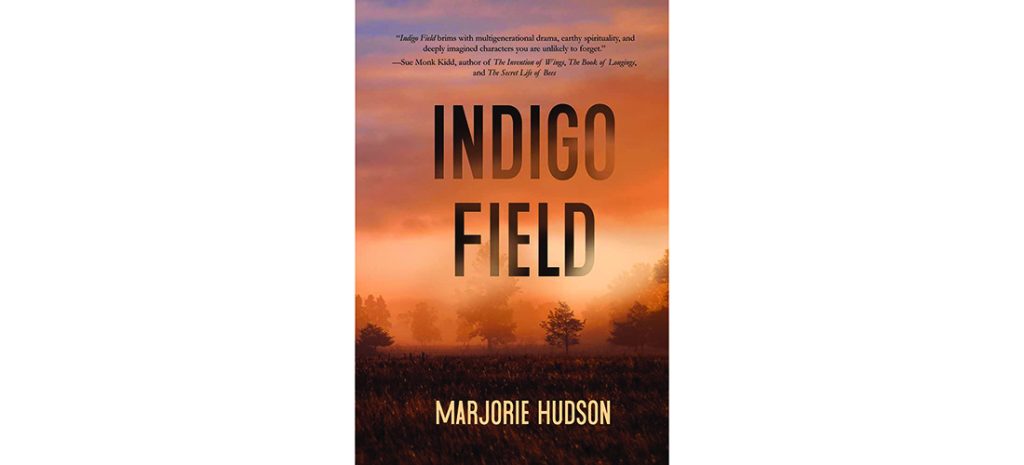
Time, place and eternity meet in Indigo Field

By Stephen E. Smith

On this sunny late-March afternoon, Marjorie Hudson occupies rarefied space: She’s standing in the footprints of F. Scott Fitzgerald, Sherwood Anderson and Thomas Wolfe, reading from her beautifully wrought first novel, Indigo Field, at the Weymouth Center for the Arts & Humanities. Her bright eyes (they might be blue or green; the afternoon light plays tricks) stare out from a shock of white hair (she’s accurately penned the description “white-blonde hair” for a character in her novel), and she’s smiling the smile of one who’s realized her dream via pure, implacable determination. In the words of Keats, she’s surprised everyone, including herself, with “a fine excess,” writing that strikes the reader almost as a remembrance. Now all she has to do is sell her masterwork. The literary world needs to know about Indigo Field, and readers need to snatch it off bookstore shelves or download it online.

Hudson is a Midwesterner who settled in North Carolina by way of a lengthy sojourn in Washington, D.C., where she worked for a nature magazine that kept her indoors much of the time.  “We all worked such long hours we hardly got to go outside,” she says. “All it took for me to jump ship was a visit to a friend (in North Carolina), a rainbow over a farmhouse, and I was hooked. My days were full of freelance writing assignments, sunbathing in the yard, gardening, and pond swimming. Whippoorwills chanted outside my window, a sound I’d never heard before. When frogs took over the pond one night in a massive mating ritual, it was better than any nature documentary.”

Thus Indigo Field evolved into a decidedly Southern novel featuring Southern characters immersed in a regional history that emphasizes a strong sense of place. Even so, there’s no forced, ersatz Southernisms in her dialogue, no Hollywood “y’alls,” and, thank God, there’s not a subhuman Faulknerian Snopes in sight. Her characters speak authentically, and they never propagate a phony gesture. Somehow she’s acquired the ability to absorb the Southern landscape she’s adopted as home.

She came by this invaluable knowledge by happening into the perfect job. “One of the many freelance jobs I took to pay the rent was copy-editing novels at Algonquin Books of Chapel Hill,” she says. “I had never read much Southern lit before, and reading the novels of Clyde Edgerton and Jill McCorkle, and the stories of Lee Abbott and Larry Brown was like going to grad school. How a novel all fit together was fascinating. How a short story was constructed was beautiful. And the language! I was learning the rhythms of speech and turns of phrase from my neighbors, my new husband, and these stories. I turned to my computer and started a story of my own.”

Hudson’s prose style is clear and concise, and she preserves a delicate balance of empathy for characters who come alive with startling authenticity. Her leapfrogging plot turns sustain the story’s energy and propel the reader ever forward. The Regal House Publishing promotional material provides an accurate precis. “In this novel of moral reckoning, the unjust outcome of a murder trial, and the chance accident that follows, result in a feud that raises the spirits of the dead, forcing enemies to become allies in order to survive.”

Good enough. But the novel’s beauty is more than fancy footwork, deft plotting and the able handling of points of view. Hudson writes with the heart of a poet. Her prose has been worked on (in the best sense) to get rid of that worked-on feeling. Take this transitional passage from Chapter 49: “This great wind rode the eye of a rogue hurricane and spun out lightning and whirlwinds like warriors of a great army. These warriors flattened all they touched, and chose what they touched with care. They touched the new homes of wealthy people and left the old derelict home of Poolesville, the farmhouses of widows, the trailer parks of the destitute, damaged but still standing. The wind brought lightning strikes so pervasive that many small fires lit rooftops, tall trees and last year’s broomsedge in Indigo Field. . . . This wind skipped from high spot to high spot, so that places that had been raised up were laid low, and places that were low and humble remained intact.”

The writing of Indigo Field took up almost 30 years of Hudson’s life — with time out to write and publish an acclaimed short story collection, Accidental Birds of the Carolinas, and a history/travelogue, Searching for Virginia Dare. “I had 450 pages (of the novel) by 1998, but I didn’t know how to end it and I knew it needed revision.” She set Indigo Field aside, finished a different novel, sent it out, got discouraged, went to graduate school, and all the while the novel kept getting longer and longer. Hudson recalls: “I kept adding layers of things I was fascinated with: parrot colonies, Nike missile sites, archeology. As it got longer and longer, unbeknown to me, New York’s acceptable novel length had gotten shorter and shorter. It was roundly rejected.”  So Hudson turned to a small press, Regal House Publishing in Raleigh. Regal reminded her of Algonquin in the old days: “Small, feisty, locally owned. I even knew one of the editors,” she says. “I submitted my 50 pages. They asked for the rest. I got the call a couple of months later. I was still revising. Cutting mostly. I had a whole new version by the time Jaynie called and said ‘Yes.’”

Indigo Field was chosen to be part of Regal’s “Sour Mash Series,” a selection of books centered on the American South’s sense of place and history. Hudson was in the place described by Flannery O’Connor: “The Southern writer operates at a peculiar crossroads where time and place and eternity somehow meet.” After living in North Carolina for almost 40 years, Hudson is a Southern writer, and she’s pretty proud of that.

She’s come a distance, a far piece, to stand before an audience at the Weymouth Center — and all the other audiences she’ll be entertaining in the months to come. She has a novel to sell. It’s demanding work, but Marjorie Hudson is surely up to the task.  PS

Stephen E. Smith is a retired professor and the author of seven books of poetry and prose. He’s the recipient of the Poetry Northwest Young Poet’s Prize, the Zoe Kincaid Brockman Prize for poetry and four North Carolina Press Awards.