Surprise! Surprise!

Forget the turnips, Pisces, because life’s about to turn around

By Astrid Stellanova

Time for March Madness and Gladness, Star Children! St. Paddy’s Day on the 17th, and then we give Ole Man Winter the boot on the 20th. Get green. Thaw out. Get on down. Shake the winter funk off and get your good time groove on, Wild Things. Ad Astra — Astrid

Pisces (February 19–March 20)

Honey, times ain’t so bad. Don’t go all Scarlet O’Hara, scrounging in the dirt for turnips and cutting up the living room drapes. For your birthday, you have a consolation prize you are going to like. Oh, it’s a gen-u-ine humdinger, and faster than you can say twiddle-dee-dee, you get the biggest surprise in the tee-nine-siest package.

Aries (March 21–April 19)

You’ve outdone yourself recently, getting yourself prime placement in the Pissing-People-Off Hall of Fame. Have you lost your ever-loving marbles? Don’t try and blame all your woes on Jesus, carbohydrates and the mean girls on the cheerleading squad! This is a great year to come clean about the fact that you pitched a fast-ball that was just damn lucky and stop pretending it wasn’t a fluke. Go work on your game, Child.

Taurus (April 20–May 20)

Remember, class is subjective. Even paper towel can be called common white trash. But not only is that white trash useful, it absorbs a whole lot of other people’s spills. Don’t try and keep up with the Joneses, because, honestly, they are not all that and a pack of Nabs anyway. Your past does not define you.

Gemini (May 21–June 20)

Your self-mastery has taken a back seat to your need to know what all your closest friends are doing, where, and whoever they are doing it with. Throw it in reverse my Twin, and resist the urge to track your nearest and dearest like a bloodhound. You may feel insecure, but in the coming months you will get a boost that will make you wonder why that was ever true.

Cancer (June 21–July 22)

You have been laid up nursing a bad case of the poor pitifuls. Unsure how to get some perspective and back up on your feet? Here’s what you need to know. Honey, life hits us all hard. But you think you fall from some kind of a greater height than the rest of us, right? Not. At. All. The sun is about to break through the clouds, Sunshine.

Leo (July 23–August 22)

Sugar, everybody’s dee-lighted you are feeling in fine fettle. But, honestly, spell “overconfident.” A pack of dogs can chase a car and a fast one will dang nearly catch it, but not many of them can change gears and drive the thing. You have got a learning curve before you slide behind the wheel. Hit the books.

Virgo (August 23–September 22)

It’s been a dry spell for you in the social department. Don’t worry, dishes, no one did me either. But actually, you are about to have a good times breakthrough and you will be irresistible to somebody that used to give you the coldest of cold shoulders. Meantime, Poor Thing, you finally get credit long overdue.

Libra (September 23–October 22)

You’ve been working hard on an image that you privately consider to be artsy. There ain’t much distance between eccentric and crazy. And I don’t think anybody believes that wearing a beret makes you an artiste. In the meantime, be careful about leaning too much on a confidant that happens to have a very big mouth and a weak backbone.

Scorpio (October 23–November 21)

You share everything lately, dontcha? Especially the check. The road to frugality started out as a good thing and then you took a turn toward Crazy Town. Relax, Sugar. You have savings in the bank and more sense than most when it comes to turning a dollar. This month, splurge a little and live a lot.

Sagittarius (November 22–December 21)

You have the wattage of a very big star, but your lights went on low dim due to some mean-spirited body who always makes you feel a little foolish and a lot outclassed. Snap out of it, Sugar. They are envious of your God-given talents, and they wouldn’t bother to throw shade at you if they weren’t.

Capricorn (December 22–January 19)

Put that Sapphire-Chase-Supreme-Big-Spenders-Club plastic in the safe, put it under the floorboard, or just get the scissors out and cut it up. You know you didn’t need that new credit card, and nobody cares if it’s the same one that the Spending Hall of Famers pack in their wallets. You know it is a royal temptation, so skip the coronation.

Aquarius (January 20–February 18)

When Twain quipped that cauliflower is cabbage with a college education, Darling, he was thinking of your chief critic. Maybe this uppity someone is an alum of Cabbage College and now they think this makes them better than you. They can think again, Honey. You’ve got big talent and all they have got is a big head — of cabbage. So skip the Tom Dooley act and don’t go hanging down your (much nicer) head. PS

For years, Astrid Stellanova owned and operated Curl Up and Dye Beauty Salon in the boondocks of North Carolina until arthritic fingers and her popular astrological readings provoked a new career path.

World on a Shelf

An encyclopedia of adventure

By Bill Fields

I pulled a volume off a shelf in a spare room and placed it on a table in front of my mother. Red with blue, gold and gray accents and fraying corners, it is seven years older than I am.

The World Book Encyclopedia, 1952 edition. I didn’t go to kindergarten, but I had our World Books, 18 volumes of information and entertainment, early childhood education without realizing it.   

“They were a good investment,” said Mom, who couldn’t remember how much they cost on an installment plan those many years ago.

Whatever my parents paid for them, it was a fair price, and I think my mother has long forgiven me for the stray crayon marks and torn pages in the “Farm” and “Fire” entries.

For my older sisters and me, the World Books were a window to the world far beyond our neighborhood, our school, our community, our state — although once I could read and not just look at the pictures, I did get a charge out of the “North Carolina” entry and seeing Southern Pines, population 4,772, among the rundown of the Old North State’s cities and towns.

But the real joy was in discovering things I didn’t know — that would have been almost everything in elementary school and earlier — and there was something on nearly every page. Thanks to the World Books, a housefly wasn’t just a pest to swat but a creature whose body parts were diagrammed. “Thorax” remains one of my favorite words. Before I saw a live tadpole, I’d seen “Life Story Of The Frog” in the encyclopedia.

Much of the set was in black and white, which made the bright four-color maps of American states and foreign countries stand out and seem special. When I flew to Great Britain for the first time, in 1988, it was to a country I initially had seen in Volume 7 of our World Books, when the longest trip was in a car for a couple of hours to the beach. The encyclopedia’s maps triggered an early interest in geography. At filling stations in the days when they gave away highway maps, if one was on a shelf I could reach, I took it for my collection.

Some of the World Book maps look silly more than six decades later, freeze-dried coffee in a Keurig Cup era. There is no Soviet Union, and many countries in Africa have different names. To see the “French Indochina” entry that was published years before the Vietnam War is a jarring reminder of history.

Being fascinated by balls and games from the time I was a toddler, I pored over the sporting entries. The football helmets shown were leather and without facemasks in 1952, which had drastically changed by the early 1960s when I first started poking through the World Books. A football field, however, was 100 yards long then and now.

The same can’t be said for the “Golf” entry. The diagram showing “distances a very good player should get with various iron clubs” indicates a 5-iron going 150 yards, something that hasn’t been so for decades, thanks mostly to the construction of balls and clubs.

That golf chart was only one example of how the World Books presented information. A country would be superimposed on a map of the United States to show its relative size. A pie chart displayed the food elements in a grape. The leading tobacco states were denoted by illustrated rankings, North Carolina at the top of the heap! There was a two-page spread highlighting “French Literature” from the 1400s to the 1900s, something I bet my sisters looked at more than I did.

Along with school texts and library books, The Pilot and The Greensboro Daily News, the 1952 World Books were what I read until I was in the fourth grade and it was decided our encyclopedias needed to be updated. There was debate over whether we would stick with World Books or switch to Encyclopedia Britannica, sort of a Ford or Chevy thing.

I remember a saleslady coming to the house one night extolling the virtues of the 1968 World Books, handsomely covered in white and green. She was a good closer, and before long the original set had been retired. But never forgotten.  PS

Southern Pines native Bill Fields, who writes about golf and other things, moved North in 1986 but hasn’t lost his accent.

Almanac

It was one of those March days when the sun shines hot and the wind blows cold: when it is summer in the light, and winter in the shade. –Charles Dickens, Great Expectations

Worms on the March

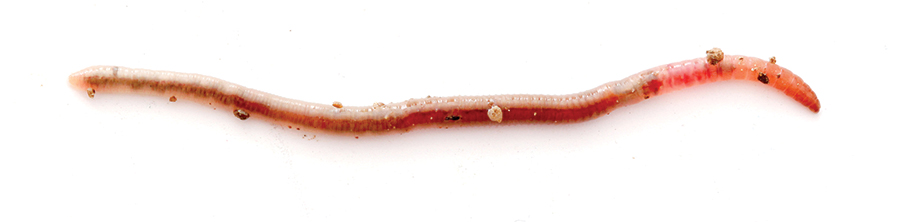
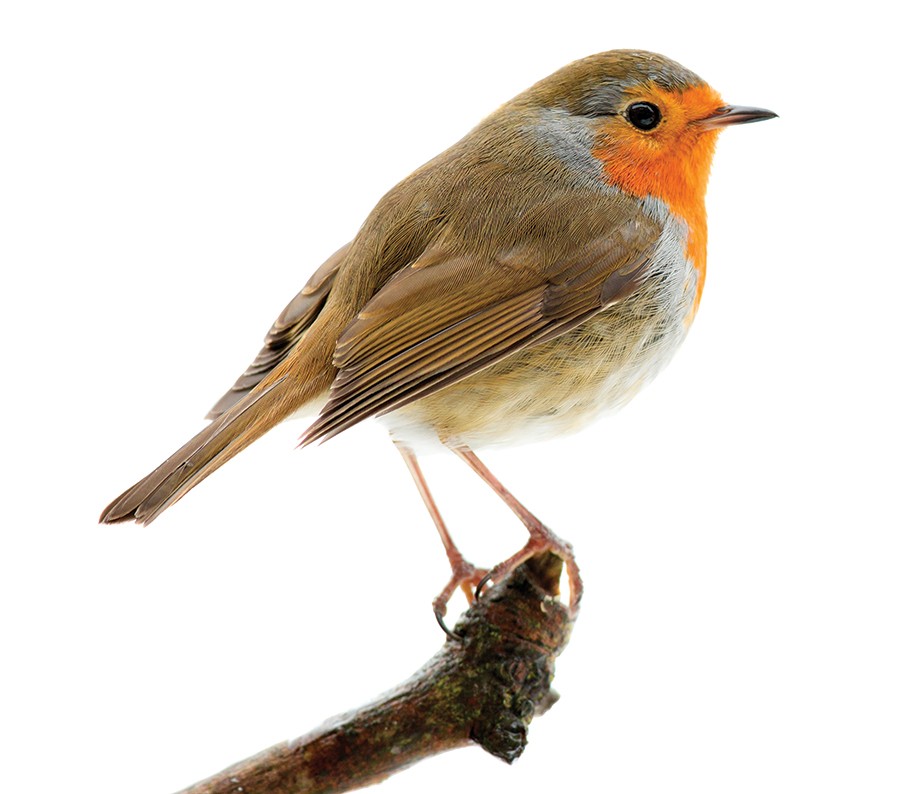
March is here and the world begins to soften. Some six feet underground, the earthworms are thawing, and when their first castings reappear in the dormant garden, so, too, will the robin. You’ll hear his mirthful, rhythmic song on an otherwise ordinary morning, pastel light filtering through the kitchen window where the sleeping cat stretches out his toes and, slowly, unfurls.

Cheerily, cheer-up, cheer-up, cheerily, cheer-up.

In other words: Spring has arrived.

All at once you notice flowering crocus, catkins dangling from delicate branches, colorful weeds dotting sepia toned landscapes. You watch the robin trot across the lawn, chest puffed like a popinjay as he pinballs from worm to fat, delicious worm. Soon he will gather twigs, feathers and grasses to build his nest.

Cheerily, cheer-up, cheer-up, cheerily, cheer-up.

As the kettle whistles from the stovetop, the aroma of freshly ground coffee warming the sunny room, a smile animates your face with soft lines.

Spring has arrived, you think.

And the world stirs back to life.

The Goddess Returns

The Full Worm Moon and Daylight Saving Time both happen on Sunday, March 12.  Because maple sap begins to flow in March, Native Americans deemed this month’s full moon the Sap Moon. You won’t want to miss it. And while you may miss that hour of sleep after turning the clocks forward, the longer days will make up for it in no time — especially when the field crickets start sweet-talking you into porch-sitting past supper.

Although the lusty robin may have announced the arrival of spring weeks ago, Monday, March 20, officially marks the vernal equinox. Greek myth tells that Demeter, goddess of harvest and fertility, celebrates the six-month return of her beautiful daughter, Persephone (goddess of the Underworld), by making the earth lush and fruitful once again. 

International Day of Forests and World Poetry Day fall on Tuesday, March 21 — a day after the start of spring. Celebrate with a poem by your favorite naturalist, and if you’re feeling inspired, try reading a few lines to a favorite stand of oak, maple or pine. 

In the spirit of Saint Patrick’s Day (Friday, March 17), why not spread white or red clover seed across bare patches of the lawn? One benefit of this flowering, drought-resistant legume is that it attracts pollinators and other insects that prey on garden pests. Plus, if you find a four-leaf clover — supposedly there’s one for every 10 thousand with three leaves — it’s said to bring you good luck. Give the shamrock to a friend and your fortune will double.

According to National Geographic, one of the “Top 7 Must-See Sky Events for 2017” will occur on March 29. On this Wednesday evening, Mercury, Mars, and a thin crescent moon will form a stunning celestial triangle in the western sky, with Mercury shining at its brightest to the right of the moon and Mars glowing above them.

Each leaf,

each blade of grass

vies for attention.

Even weeds

carry tiny blossoms

to astonish us. –Marianne Poloskey, “Sunday in Spring”

 Bald Facts about Daffodils

The daffodil — also known as jonquil, Narcissus and “Lent Lily” — is the birth flower of March. Synonymous with spring, this cheerful yellow flower is a symbol of rebirth and good fortune. And a little-known fact: Medieval Arabs used daffodil juice as a cure for baldness.  PS

Gold Rush

Deep in the Sandhills, a lingering legacy of dreams

By Bill Fields

On a January morning that would soon warm up so that a sweater was plenty for a hike in the woods, I was off to look for gold — or at least look for a place where men used to look for gold.

My guide, Donnie Reeves, who has studied and explored Montgomery County’s gold heritage for more than three decades, led me in his pickup to a pull-in for the Uwharrie National Forest north of Troy. At the urging of his father he had wanted to seek his fortune in Alaska but never made the long trip. Instead, after becoming fascinated with the story of gold much closer to his native Alamance County, he made a much shorter journey.

“I lived in an old school bus for two years — me, my wife and children,” Reeves says.  “My mother and daddy bought themselves a school bus and they came right behind me. We lived in that bus for two years and prospected when we could. We loved the area and never left.”

As I parked my rental car next to Reeves’ truck a few miles from his current home down the road from an old Methodist Church, I was not only excited about my forthcoming tour of the site of the former Russell Gold Mine, but also thinking about how my roots intersected with North Carolina’s 19th century gold rush, which predated California’s and was the exclusive supplier of domestic gold for the United States Mint from 1804 to 1828.

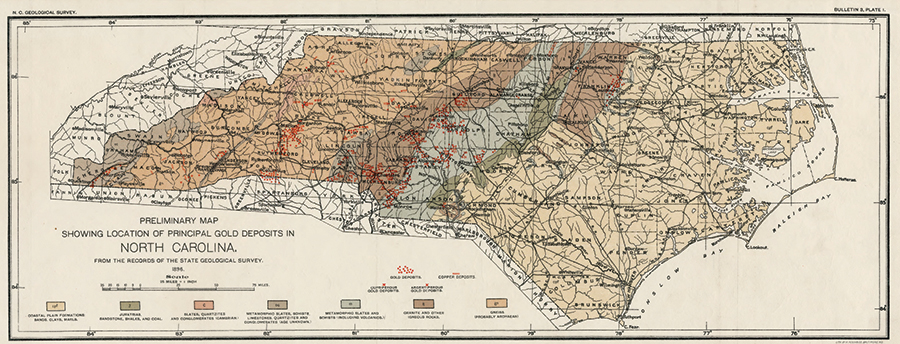
Many people were drawn to the Carolina slate belt, a series of rocks 25 to 70 miles wide extending from the South Carolina to Virginia borders for the potential riches — or more realistically, a job — in the 1800s. Lockey Arnold Henderson, my great-grandfather, who was born in 1818, left Chatham County on horseback as a young farmer. He headed for the Montgomery County village of Eldorado, the Old North State’s twist on El Dorado, the mythical “Lost City of Gold” in South America. (Locals pronounce a “long a” in the one-word version.) In the Uwharries, great-grandpa found work in the gold mines, settled and had a large family, including my grandfather, B.L. Henderson, who was born March 28, 1861, less than a month before the Civil War began.

“The first gold mining in North Carolina may have been by the Indians in Cherokee County before white settlers arrived,” P. Albert Carpenter III wrote in a 1993 North Carolina Geological Survey. Carpenter also notes reports that explorer Hernando de Soto attempted to mine gold in 1540 near Murphy, N.C. There were accounts of mines operating in Gaston and Mecklenburg counties before the Revolutionary War, and of the U.S. Mint receiving gold from North Carolina as early as 1793, according to Carpenter.
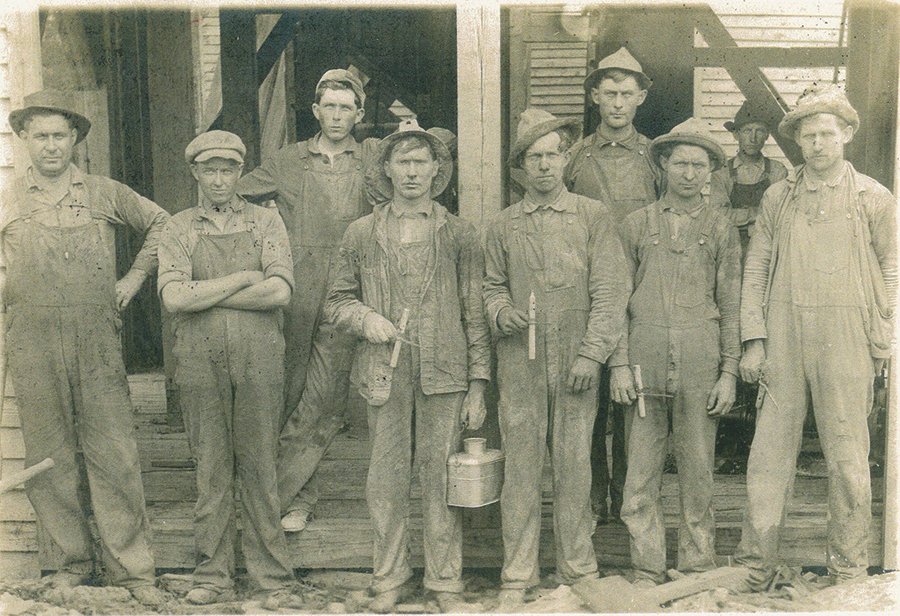
The frequently cited and “first authenticated discovery of gold” in North Carolina — and the U.S. — according to the state report, occurred in 1799 by a boy fishing in a Cabarrus County stream. But three years went by before the child’s father, John Reed, a German immigrant farmer, took the yellow, 17-pound nugget that had been used as a doorstop to a second jeweler for evaluation. Swindled by the jeweler, who paid him only $3.50, Reed eventually figured out the scam and reportedly received approximately $3,000 for Conrad Reed’s find. Reed’s Little Meadow Creek, where the first nugget came from, turned out to hold more gold and the rush had begun.

Capitalizing on the proximity of the valuable mineral, the Charlotte mint opened in 1837, producing $1, $2.50 and $5 gold coins — issuing more than $5 million worth — until it closed at the outset of the Civil War. During the 19th century, gold was discovered in a third of North Carolina’s 100 counties, with 345 mines open at one point according to state records, although other sources place the number at more than 600 during the peak years when gold mining trailed only farming as North Carolina’s biggest industry.

“Hundreds weren’t listed because they were really Mom and Pop operations,” says Reeves. “Farmers would operate them during the wintertime when they didn’t have crops to work.”

Montgomery County and Moore County each had about 20 mines, the former more of a hotbed of activity. Most of the Moore County mines were located north of Highway 24/27 southwest of Robbins. A “Gold Region” post office existed in that area from 1844 to 1866, then was renamed “Carters Mills,” for one of the mines, and operated until 1932. A “Gold Region No. 2” was open from 1877 to 1879.

A 1903 advertisement in the Pinehurst Outlook for “real estate and hunting grounds” offered by R.L. Burns of Carthage noted “fine farm, trucking peach, grape and berry lands . . . Also GOLD property.”

Moore County’s gold caught the eye of inventor Thomas Edison when he visited North Carolina in 1890. “(He) is in Moore county on a prospecting tour,” The Evening Visitor of Raleigh reported on June 25. “He is said to have taken options on large bodies of lands, rich in gold. Mr. Edison will soon form a syndicate of English capitalists and commence work, and the purchaser contemplates turning the water through it for gold-washing purposes.”
A “Gold Mine Pit” is even denoted 1 mile northeast of the Village Green on an 1897 map of Pinehurst and vicinity — likely a “prospect” where a tiny bit of gold was discovered. “They probably found a little bit of gold when they dug down but there wasn’t enough to keep digging,” Reeves says. “There are thousands of those places. More than likely, that’s what happened there.”

There were no such false starts at the Russell Mine. By the middle of the 19th  century it was the biggest gold mine in Montgomery County and the subject for a detailed 1853 report from the Perseverance Mining Company projecting millions in revenue over the course of a 60-year lease on the 40 acres of mineral land.

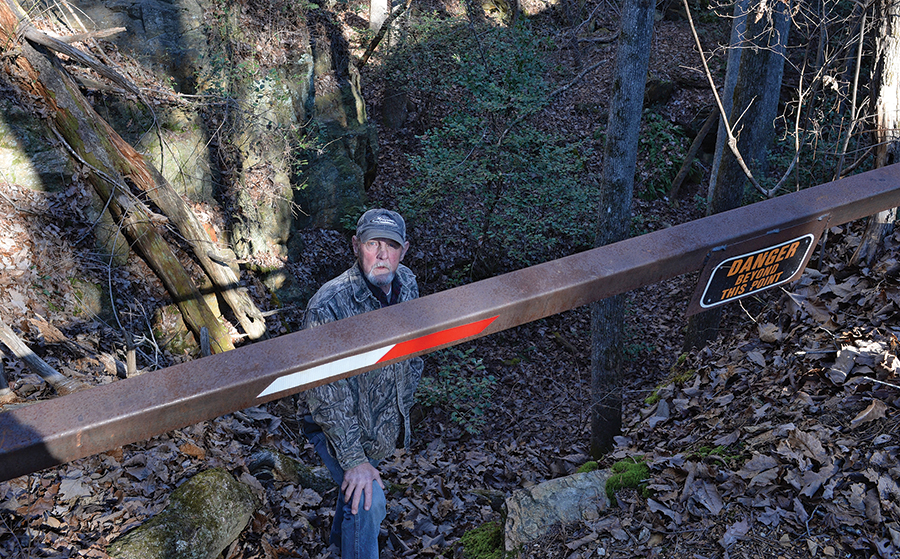
“More than likely your great-grandfather worked in this mine,” Reeves says as we walk into the national forest and see the first sign of the Russell operation, an old 100-foot shaft with bars installed at its entrance to keep out the curious. “There were homes and shacks where the workers lived. Hundreds of people lived here. There was a general store and a hotel across the street. Forty-some miners worked on a shift, and they’d run 24 hours.”

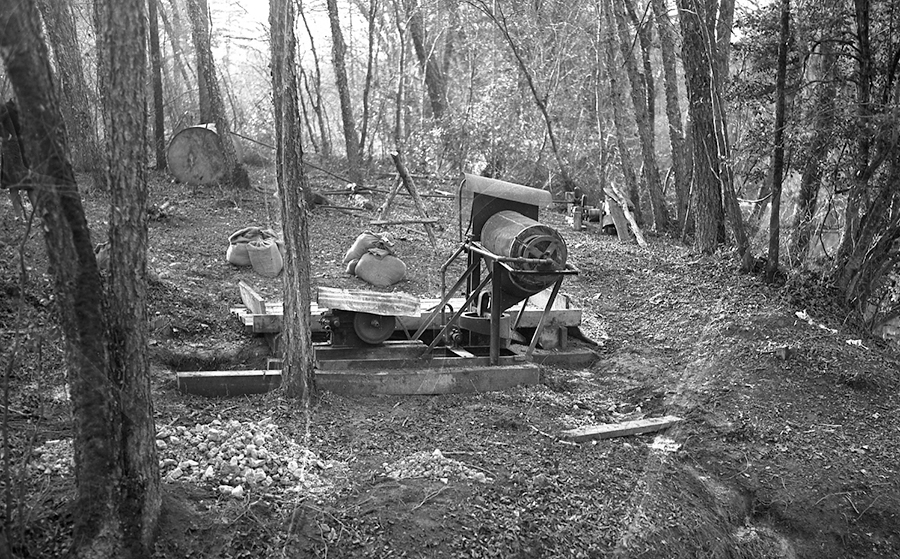
Some gold extraction was done through placer mining, a process in which miners washed eroded ores of rocks containing gold with pans, rockers and sluices (a grated rectangular box). The other type of deposit was found underground and in open pits dug by the miners in the form of gold veins often embedded in quartz. The largest excavation on the Russell property was “The Big Cut,” a pit 300 feet long, 150 feet wide and 60 feet deep.

The ore was crushed by 190-pound “stamps” that fell the height of a man or more, pounding the gold into a fine substance. The equipment allowed a mine to process 20 to 50 tons of material daily instead of just a few tons.

“You could feel the ground shake a half mile from here because of the many stamp mills,” Reeves says, a jarring observation on such a peaceful winter day. “You could hear it miles away.”

We walk farther into the forest and encounter “The Big Cut,” now cluttered with trees and other vegetation that make it seem smaller than its working dimensions. Miners would earn less than a dollar a day for their dirty, exhausting labor. Some miners went west when gold was found in California in 1849. Many of the mines closed as they became less profitable. Most closed down for the duration of the Civil War with the exception of the Silver Hill Mine in Davidson County, which produced ammunition for the Confederate Army. Some of the bullets were not only lead but included gold and silver because wartime wouldn’t allow for a costly and lengthy separation process.
“Lot of the Yankees who came down here had gold pans strapped to their saddles. They thought they were going to come in here and get rich,” Reeves says.

Following the Civil War there was a revival in North Carolina gold mining that continued, with intermittent lulls, into the first quarter of the 20th century.

“This portion of Montgomery County is a vast gold bed,” a correspondent for The Weekly Observer in Raleigh reported in 1878 while visiting the Swift Island mine. “Many pieces of gold weighing from one to two and three pounds have been found. We saw the hole in the ground from which two pieces were taken that weighed exactly a pound and a quarter each, each piece looking just like a frog.”

Thirty years later, the Asheboro Courier noted: “Bud Morgan found a valuable nugget of gold weighing 20 ounces near Eldorado.”

The Coggins Mine, a mile northeast of Eldorado on the road to New Hope, operated off and on from 1882 to 1934 as one of the busiest in the area. It was the scene of tragedy on Jan. 15, 1914 when three miners, eager to leave work on payday, hopped into the ore bucket for the 350-foot ride to the surface instead of climbing a ladder.

“They wanted to beat everybody else out of the mine,” Reeves says. “When it got to the top, the bucket hung on a ledge and flipped over and they fell to their deaths.”

Lizzie Sanders, wife of one of the three men, Walter Sanders, was in her home at the time. “The whistle at the mine started blowing,” Lizzie recalled decades later in an interview with the Montgomery County Historical Society. “Sometimes, they’d just give it a puff or two. But this time it just kept on and on.” Presently Lizzie found out how serious the accident was, fainting upon hearing the news.

According to the N.C. Geological Survey, total gold production in the state is approximately 1.1 million ounces, worth an estimated $25 million at historical prices. At current prices of $1,230 an ounce, it would be worth $1.24 billion.

“In the 1980s and ’90s I worked for a number of gold mining companies that came in here and investigated, trying to see if any of the old mines were worth mining,” Reeves says. “We did rock samples, but it would be too expensive to mine. We know there is over 20,000 ounces in the ground, but those companies were looking for a million-dollar deposit.”
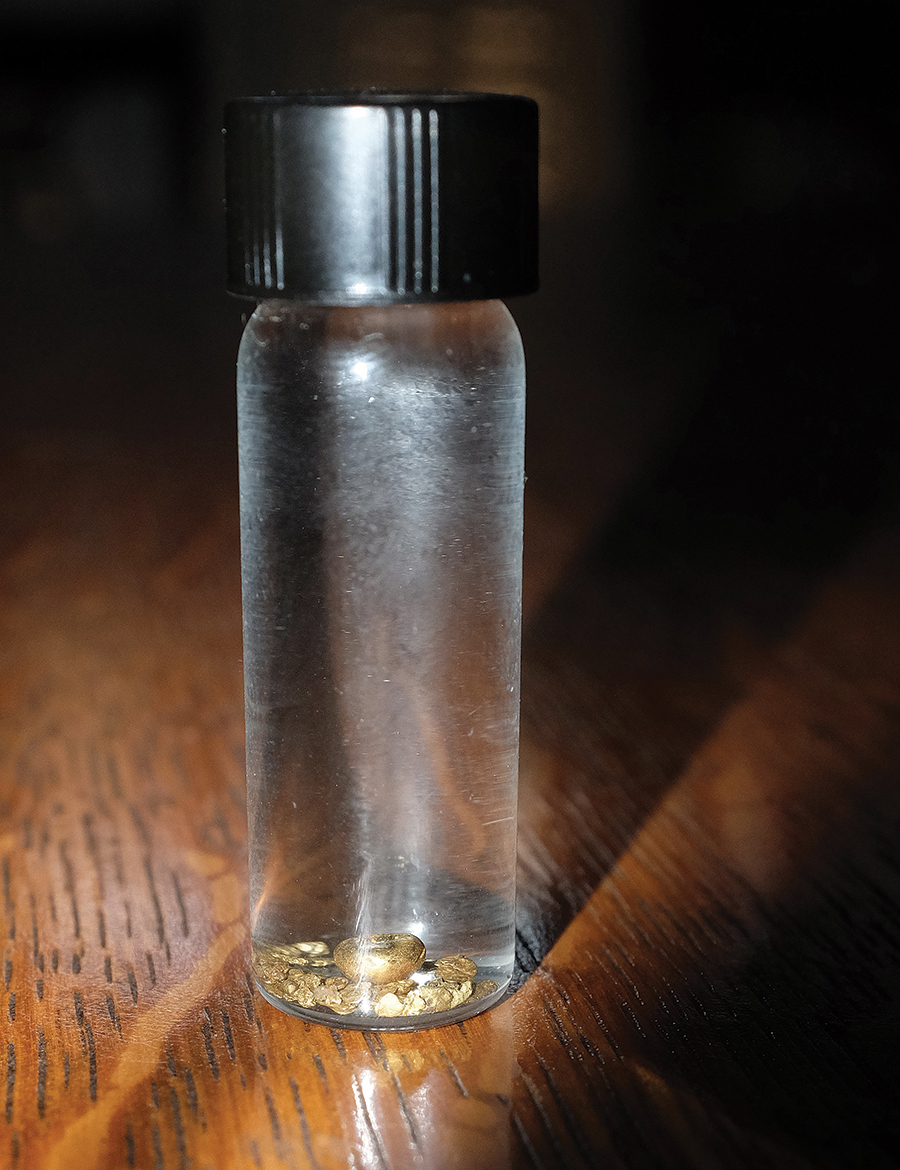
Scores of people come to Montgomery County annually to pan and sluice for gold. Reeves has spent a lot of his time educating the recreational panners how to do it. While we were talking in his kitchen, Reeves gave me a small water-filled vial containing about a dozen small flakes and a nugget the news of which wouldn’t make the newspaper. This gold came from a nearby creek.

“When it gets to the size of the biggest one in there and you drop it in your gold pan and it you hear it go ‘clunk,’” he says, “it’s a nugget.” My gold is only worth a few dollars but he warns me not the shake the vial. “That gold is heavy enough to knock the bottom out,” he says, providing another example why so many went through so much for so long in pursuit of the element.

After our trek to the former Russell property, I had one other request of Reeves. There was another mine site in the Eldorado area I wanted to see.

We arrive at a 21st century general store and ask the owner if she can contact the owner of an adjacent parcel of land. A call is made and permission is granted. In a few minutes we’re maneuvering through trees and dead leaves about 100 yards east of Highway 109.

“There it is,” Reeves says, when we come to a clearing and a water-filled hole of about 10-by-10 feet. “That’s the Henderson Mine.”

My middle name, possibly some of my relatives.

Nearly a century ago, it had been a working shaft of 40 or 50 feet deep. Now, there was the reflection of the blue sky on the accumulated water. The way the light was hitting the old mine, there was a bit of a golden hue on the surface. I took a few photographs and began walking toward the car.

“Just a hole now,” Reeves said.

This mine was history, maybe even some of my own.  PS

Horse Heaven

Sliding comfortably into its horse country surroundings an interior decor of memorabilia harkens to an equestrian heyday

By Deborah Salomon     Photographs by John Gessner

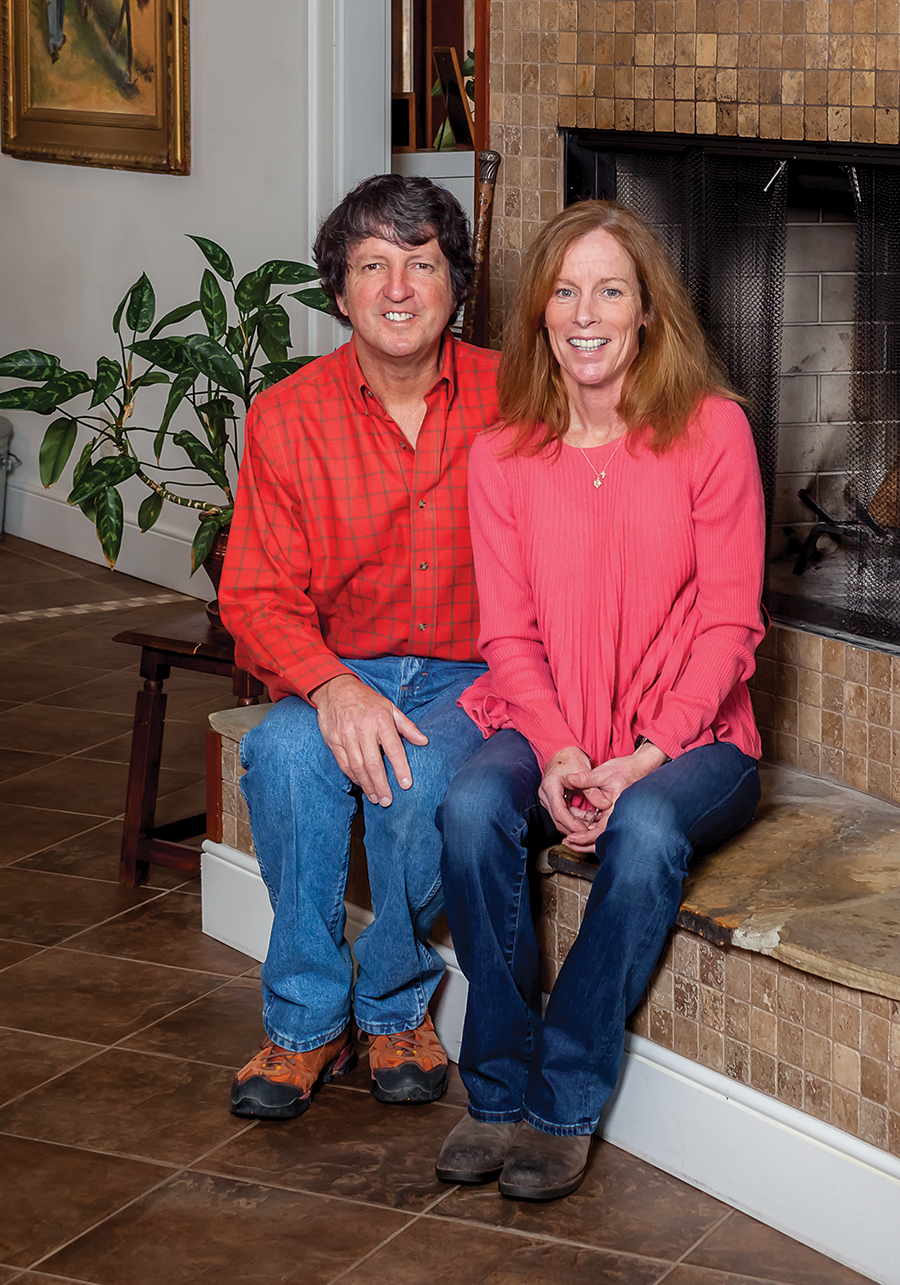
Heirlooms often grace Southern homes: Grandpa’s desk, Auntie’s slipper chair. “We started from scratch. Our furniture’s from Pottery Barn,” says Chrissie Walsh Doubleday, granddaughter of legendary equine trainer Mickey Walsh, founder of Stoneybrook Steeplechase.

“I put it together,” adds husband Peter Doubleday, internationally known horse show manager/announcer and, by the way, descendant of Abner Doubleday, the apocryphal inventor of baseball.

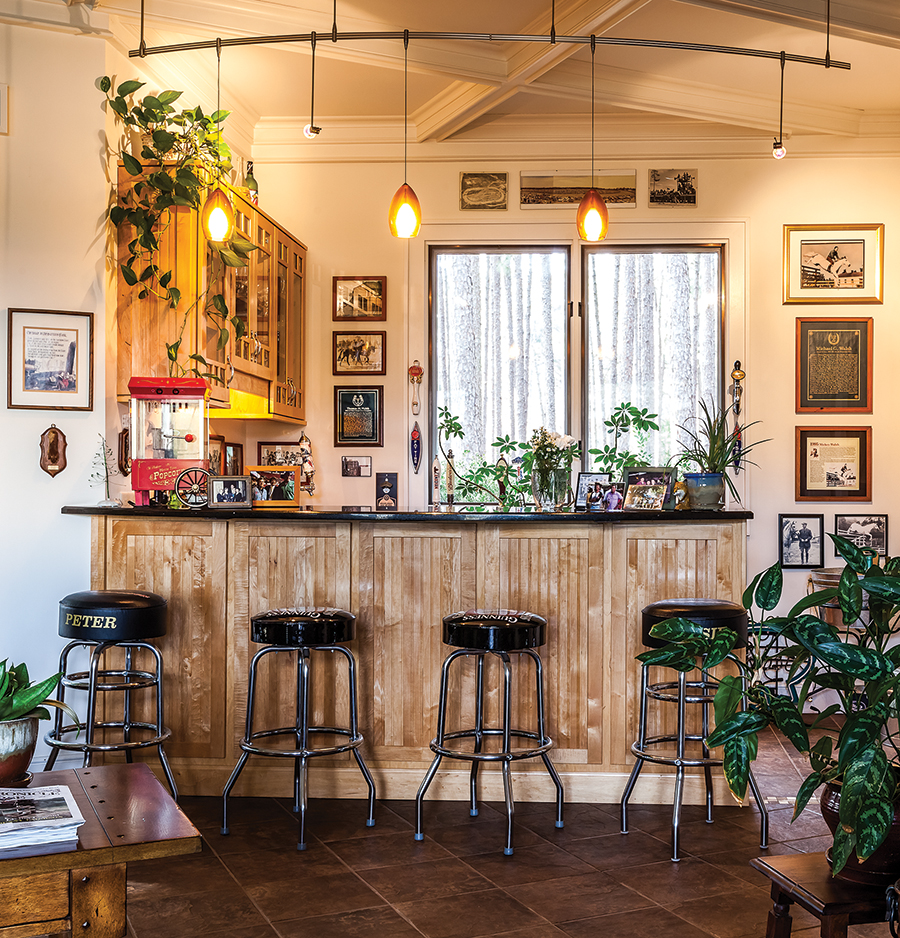
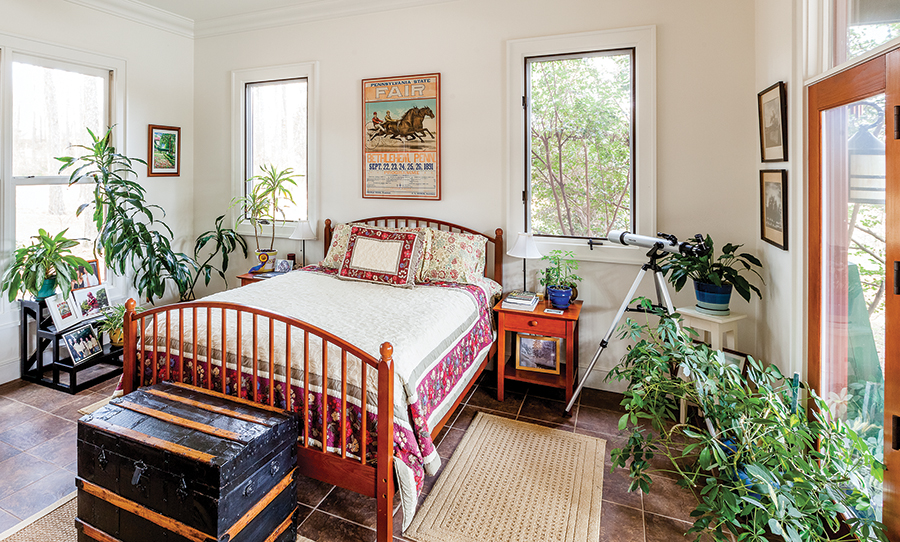
Yet, beyond a standard sectional sofa and some-assembly-required tables and chairs, Doubleday House at Little Squire, the Doubleday’s Adirondak-style lodge, is a veritable bulletin board chronicling two fascinating lives: photos, posters, paintings, stuffed animals, ribbons, figurines, saddle pads, books, awards and, marching atop the kitchen cabinets, 100 beer bottles with interesting labels.

Peter nods an affirmative: “I drank every one.”

Fifty plants, bathed in light from oversized bare windows, provide a greenhouse effect. One precious photo shows Mickey Walsh riding pony Little Squire, sans saddle or bridle. Dominating another wall is a painting of Walsh (who died in 1993) by local artist Dani Devins; this was returned to the family after being auctioned off at hunt balls.

What some brand as clutter, Chrissie calls history.

Chrissie belongs to the land surrounding their home. She grew up in a log house within sight, later lived in a nearby cabin. Her father’s veterinary office was yards away. She, her four siblings and 29 cousins knew every rock, rail and puddle in the compound. Beyond the equestrian life, Chrissie taught chemistry and coached track and field for 28 years at Pinecrest High School.

Peter, from snowy Syracuse, New York, lived down the road when he met Chrissie at a Christmas party. “I knew of the family, of course. They were famous . . .” he says. In 2005, soon after they married, her parents sold them five of their 17 acres for a house. Subsequently, they purchased another five and added a small barn.

Neither had any architectural experience, which didn’t stop Peter from scrawling a plan on a napkin at O’Donnell’s Pub. They liked the work of Southern Pines architectural/interior designer Denis McCullough who translated the napkin into a home unlike neighboring showplaces.

Little Squire defies labels.

Chrissie: “I wanted (the interior) to be a semi-circle and the outside to blend with the trees.” This meant angled interior walls which give the rooms irregular but interesting shapes.

Peter: “I saw a picture of a house with cedar siding, hunter green and blood red trim, like houses in Lake Placid.” The clapboards and shingles also reminded him of “cottages” in the exclusive Hamptons, where he announces events.

Multiple roof pitches and a cupola topped by the weathervane from Stoneybrook complete the rustic appearance. The Irish flag honors immigrants Mickey and Kitty Walsh who arrived in America in the 1920s — and in Southern Pines in 1939.

Chrissie was adamant about layout. “I wanted everything in one room.” That living room-dining room-kitchen-bar with wood-burning fireplace stretches nearly 50 feet facing outward to the terrace, paddock and barn. A long refectory table fills up fast at Thanksgiving and Christmas, since Chrissie’s sister and niece also maintain houses on the property. From the open kitchen in a far corner, the cook stays part of the action. Black granite countertops are covered not with cooking paraphernalia but photos of “good people,” Chrissie says. “We wanted pictures and themes everywhere to reflect horses and racing.” Peter’s artifacts contribute the broadcasting dimension, which include the 1996 Olympic Games in Atlanta. “Peter’s a collector. He just kept putting stuff up and I said  . . . whatever.”

guest suite with separate entrance at one end of this panoramic great room offers privacy. Adjacent to it, a combination “entertainment” room and office. Peter loves music; a wall of CDs covers every genre but classical. “Vinyl’s coming back,” he says, pointing to long-play albums. The opposite wall of shelves displays Chrissie’s books and in the middle, a throne-sized red leather chair and ottoman. On hot afternoons, after barn chores Chrissie retreats here to read. The master suite with small terrace and second wood-burning fireplace — Chrissie’s lifelong dream — occupies the opposite wing.

Their outdoor environments include a small screened porch on the front and a larger one between the house and the patio which, by spring, is filled with flowers and often with guests. The Doubledays have no trouble fitting 100 friends and colleagues inside and out. “Our guests feel at home as soon as they open the door,” Peter says. They especially enjoy the DIY bar with tall vinyl-topped bar stools and well-stocked shelves.

A small pool built long before the house cools hot and dusty riders.

Nothing formal, everything practical and intensely personal. Floors throughout are low maintenance tile brightened with area rugs. Wide, handsomely framed doorways ease the flow from wing to wing. A coffered ceiling buffers noise. No palette unites the décor, although every hue found in nature appears here.

Chrissie got her wish: from a distance, the house melts into the woods.

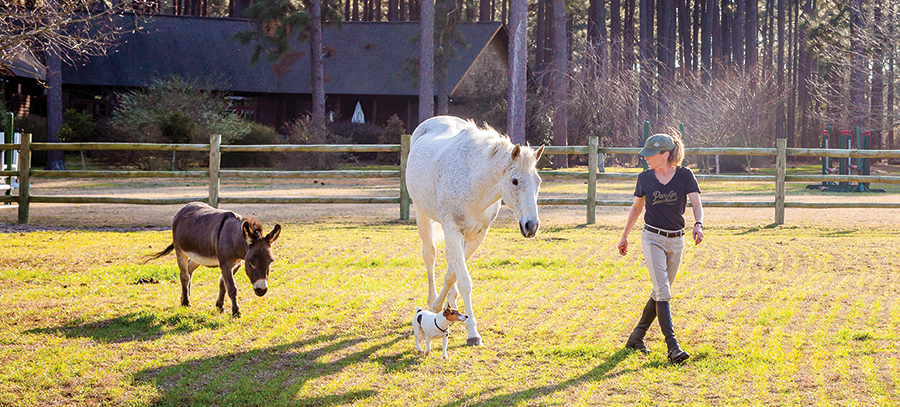
A piece of Chrissie’s heart beats faster in the small barn, shelter to Guac, a retired racer with a speckled coat called flea-bitten gray. Surprisingly, “I’ve ridden all my life but this is the first horse I’ve ever owned. He’s taught me a lot in the saddle and on the ground,” she says. “They test you. I’m supposed to be the boss but we’re still working on that.” Chrissie feeds, grooms, rides and cares for him — and Burrito, his adorable donkey companion — herself. She’s in the barn by 7 a.m., takes a break around noon, out again at 4 p.m. and to “check on things” before bed.

These are happy hours. “I spent a lot of time with my parents before they died,” she recalls. “Afterwards, things sort of fell apart, family-wise. I needed something to fill the void.”

The Doubledays’ luxury is not in antiques or professional-grade kitchen appliances but in living a continuity. “It’s just the two of us; we didn’t need a monster house,” says Peter, although as arranged, the 2700 square feet appear larger. Its location allows the couple to bike into downtown for First Fridays or a pub evening. But mostly they like to stay put. Peter, who travels many months a year, answers to homebody.

“I need a crowbar to get Chrissie out,” he says.

She responds: “I’m just very proud to still own this family property,” which honors her parents and grandparents. “They worked hard to create the farm, and Stoneybrook. It’s the only home either of us has ever built . . .”

And, Peter concludes, “We plan to stay here forever.”  PS

Hawk

Driving to work, I spotted

the red-tailed hawk perched on the stop sign

at the corner of Courtland & Adams.

Surveying the suburban yards

for his next meal, he looked in my direction,

then turned away, disinterested. 

I lowered my eyes to check the time

and when I looked up again he was gone,

leaving me alone in the warm comfort of my car,

delighted by what I’d seen,

desperate for his return.

—Steve Cushman

Trail of Tears

The sorrowful history of Western expansion

By Stephen E. Smith

During the early-to mid-19th century, an unknown Native American warrior documented his life in pictographs on a buffalo hide. His early years were happy. He owned horses, took two wives, fathered children. Then white-faced figures appear pointing sticks that spit fire. Later, he painted his family dying of smallpox. His last pictograph illustrates the arrival of Jesuits in their black cassocks. There the narrative ends, suggesting, perhaps, that Jesuits are deadlier than smallpox.

Whatever the cause of the warrior’s demise, there’s no denying that the 19th-century collision between Native Americans and westward migrating peoples of European descent was one of the most shameful and tragic chapters in the history of the continent. Peter Cozzens’ meticulously written and thoroughly documented The Earth Is Weeping: The Epic Story of the Indian Wars for the American West is the latest offering in a spate of recent books that graphically detail how shameful and tragic the winning of the West truly was. (An American Genocide by Benjamin Madley and Roxanne Dunbar-Ortiz’s An Indigenous Peoples’ History of the United States, both published in the last year, are also well worth reading.)

Most of these recent Indian histories owe their perspective, at least in part, to Dee Brown’s 1970 Bury My Heart at Wounded Knee, a best-seller that transformed the attitude with which Americans regard indigenous people. Published three years after the founding of the American Indian Movement, Brown portrays the government’s dealings with Native Americans as an ongoing effort to eradicate their culture and religion. Cozzens adopts a slightly more balanced and analytical view of the Indian wars, taking into account the misjudgments and barbarism prevalent on both sides of the conflict.

From the opening chapter, it’s obvious the story Cozzens has chosen to tell is ghastly beyond the power of words. Government policy dictated that indigenous people be concentrated on reservations of ever decreasing size until their will to fight was broken and their cultural cohesion destroyed. The wholesale slaughter of the buffalo was intended to deny food and livelihood to the tribes, and with the arrival of the railroads, the hunting grounds native people had occupied for millennia were opened to white settlement. What resulted was a fight to the death in which the tribes had no chance of prevailing. For white politicians, soldiers and settlers, the primary motivations were greed and racism. Native Americans stood in the way of wealth and progress, and they were perceived as a subhuman species to be dealt with as quickly and as expediently as possible. Even generally peaceable tribes such as the Modoc and Nez Perce were treated ruthlessly.

“The whites were coming now, in numbers incomprehensible to Indians,” Cozzens writes. “They assaulted the Indian lands from every direction. Settlers rolled in from the east, while miners poked at the periphery of the Indian country from the west, north and south and simply overran it when new mineral strikes were made. In Westerners’ parlance, Indians who resisted the onslaught were to be ‘rounded up’ and rendered harmless on reservation land too miserable to interest the whites.” But Cozzens also notes that whites were not solely to blame for the dissolute loss of life and property. “. . . tribes had long battled one another over hunting grounds or horses. Indeed, fighting was a cultural imperative, and men owed their place in society to their prowess as warriors.”

The subjugation of Western indigenous people took place during the 30 years from 1861 to 1891, as the U.S. Army, acting under orders from Eastern politicians, pursued the policy of “mollification and eradication.” Beginning with the Dakota uprising in Minnesota and ending with the tragedy at Wounded Knee and the 1891 surrender of the Oglala Lakotas at Pine Ridge Agency in South Dakota, the story is one of unremitting atrocity, suffering and death.

Former Civil War generals found themselves incapable of adapting to erratic and uncoordinated tribal uprisings. No less a national figure than William Tecumseh Sherman was inept at managing Indian affairs, and Winfield Scott Hancock, the hero of Gettysburg, found himself unable to negotiate with the Cheyenne and burned their villages in central Kansas. Phil Sheridan, who had swept the Shenandoah Valley clear of Confederate troops, found himself incapable of placating the tribes and conducted the Red River War, the Ute War, and the Great Sioux War of 1876-77, which resulted in the death of Lt. Col. George Armstrong Custer and a sizable portion of his command. (For all his faithful service during the Civil War, Sheridan is best remembered for having said: “The only good Indian is a dead Indian.”) President Ulysses S. Grant, whom biographers portray as a friend to Indian people, convened a secret White House meeting to plan strategy for provoking a war with the Lakotas. In the late 19th century, the government, in an effort to eliminate further uprisings, outlawed Native American religious ceremonies, and altruistic white civilians established boarding schools where Indian children were required to speak English, study math and religion, and where they were punished for use of their native language and the exercise of their tribal beliefs.

Insofar as it’s possible to condense a 30-year period of national misadventure into 460 pages of carefully crafted text, Cozzens has produced an exemplary history that’s commendably objective, a reference book for the Indian wars. Beyond the intrinsic value of acquiring historical knowledge for its own sake, thoughtful readers may well gain a perspective on contemporary Native American issues — public health, education, gambling, discrimination and racism, the use of sports mascots, and the desecration of tribal lands. More than 100 years after the surrender of the last Indian tribe, suicide, alcoholism and crime remain serious problems on reservations.

Positive edifications notwithstanding, The Land Is Weeping, for all its detachment, allows for only one conclusion: The 19th-century sweep of “civilization” across the territories west of the Mississippi created for the Native American tribes who inhabited the region the cultural wasteland we now call peace.  PS

Stephen E. Smith is a retired professor and the author of seven books of poetry and prose. He’s the recipient of the Poetry Northwest Young Poet’s Prize, the Zoe Kincaid Brockman Prize for poetry and four North Carolina Press awards.

The Right Words

The art of talking, or not

By Renee Phile

Lately I have been trying to keep my boys talking, you know, to keep the conversations going. With Kevin, who is 8, it’s absolutely no problem, but the older one, the 13-year-old, well, his word count has decreased in the past year. Sometimes he will excitedly chat about wrestling or football, or a teacher who he thinks is funny, but all too often his answers are just a few words.

“My day was fine.”

“I learned about prepositions.”

“Yes, I ate the lunch you sent. Yes, the carrots, too.”

Fair enough, but sometimes I just really want a conversation, so I ask the question, “Do either of you have anything you want to talk about?” Most of the time a topic is not given, but comments are.

“We need to get Chinese food.”

“Can we get Little Caesars tonight?”

“Did you get a video of me pinning that guy at my wrestling match?”

Sometimes conversations begin about 5-7 minutes after the boys are supposed to be in bed for the night. Ironically, this is the time frame when suddenly more meaningful topics emerge.

“Mom, do you know what I’ve been thinking about? God. Is He real or not?”

“Mom, you know. I have been wondering. How did I get here? Like, really?”

“Mom, there is a kid at school who is mean to me.”

Yes, of course there will also be the occasional urgent, “Mom, I forgot to tell you that you need to sign this permission slip before tomorrow. Yes, I know I have had it in my book bag for two weeks, but I just remembered. At least I remembered before tomorrow!”

“Mom, I forgot to tell you about the solar system project due tomorrow. I have everything I need except I need help painting Neptune. We didn’t have the shade of green I need for the rings. Can we run to Walmart real quick?

Sometime, though, mornings are when I like to talk. After all, we have a 15-minute drive to school and yesterday morning I asked a question, and here is what I got.

“Does anyone want to talk about anything while we’re driving to school?”

David: “NO.”

Kevin: “Oh! I do!”

David: “No, Kevin, I can’t handle it.”

Kevin: “But I need to tell you something!”

Me: “Go ahead, Kevin.”

David: “UGH!”

Kevin: “David, stop with your attitude!”

David: “Be quiet.”

Me: “What do you need to tell us, Kevin?”

David: (makes disapproving grunts, sighs, and other 13-year-old noises.)

Kevin: “I really want to talk about why quesadillas are better than tacos.”

I mean, what else is there to say? Best topic ever.  PS

Renee Phile teaches English composition at Sandhills Community College.

The Santini Brothers Gene

If you have to ask, you probably don’t have it

By Joyce Reehling

Most people will look at a space, say a living room, and either like it or not. If they like it the way it is, it stays that way . . . forever or nearly forever. I, however, come from a line of women on both sides of my family who have what I call the Santini Brothers gene. When we were growing up there was a moving company called the Santini Brothers, so my dad used that name to refer to my mother’s never-ending desire to change things around in the house. One day the living room was arranged in one way, come home from school and it was another way altogether. The dining room became the den and then flipped back again. Don’t even get me started on curtains.

Science has not been able to isolate this gene but the anecdotal evidence supplied almost entirely by wives, mothers or female lab partners is overwhelming. Though not unheard of, men seldom have it unless they are very lucky and very arts minded. Those of us with the Santini Brothers gene walk through a space and just “feel” something is off, something is not right. Could it be the placement of the lamp? The chair? Maybe if I just switch those two paintings. Most men walk through a space and see the kitchen door.

And then there is the advanced case of the gene when nothing will do but everything in the room must go. No, not out and buy more, but out of this space and into another. I recently switched my living room for the dinning room. No longer as young as I once was, I hired two wonderful guys to come and help me — my Southern Santinis, gentlemen who have a keen eye for how to move things and how to place them correctly. These were no “wham-bam-you’re-moved-ma’am” laborers. Rugs were centered. A 200-year-old dining table from my husband’s grandfather — with six heavy chairs and a sideboard — all got shifted seamlessly and safely, proof that there is art in all trades.

For the cost of a glass of wine, two pals came over that night and we re-hung all the art from the picture molding. We had to restring some of the paintings to adjust for different hanging heights but we accomplished in a little under two bottles what would normally take one person three days.

The odd little tweak here and there can make your space seem new without all the bother of picking up and moving to a new house. Our eyes get so used to what we have that we stop seeing our own world. By switching a few things around we start to see all of it in a new light.

Moving the paintings highlighted what I loved but no longer really saw. Some of them were not hung to their best advantage. Others just needed a little more space around them or to be paired with an aesthetic pal, something that highlighted both.

The next part is where my husband comes home from a trip and sees the change. We had discussed the possibility of trying this but I know he needs to see the deed done before he can relax with it. My husband would hot glue the world in place if left unsupervised. He has no Santini Brothers gene at all.

Many years ago, I devised a rule that saves our sanity in the face of change. It is called the Three Day Rule. Either of us can change anything we want and the other person has to live with it for three days before saying, “put it back.” It has saved us from icy glances, bitten tongues and ill humor and to tell you the truth the “put it back” option has yet to be exercised.

The Santini Brothers gene can give everyone a new lease on life. Change. Try it.  PS

Joyce Reehling is a frequent contributor and good friend of PineStraw.

What’s in a Name?

That which we call a daffodil by any other name still ushers in spring

By Ross Howell Jr.

Despite the cold, when March came to the mountains the boy I once was felt there might again be spring. After a snowy season feeding cattle with their rumps — and mine — bowed against bitter winds, I walked along split-rail fences, melting drifts limning muddy pastures.

The earth was warming with spring, and on sunny afternoons groundhogs nosed from their dens, groggy with winter sleep. I hunted them with my uncle’s pump-action .22.

One afternoon I came upon a sight that filled me with wonder. A neat row of daffodils nodded in the sun at the edge of a wood. Their yellow blossoms were all that remained of what had once been a homestead. I watched them as they danced with the breeze. Their faces were hopeful. I imagined a mother planting them for her family, a thin border next to a log house, long since vanished.

Back then, I didn’t call them “daffodils.” Among my kin, they were known as “jonquils.” In fact, I don’t remember hearing the word daffodil until my senior year of high school, in Mrs. Humphries’s English class, when we read the William Wordsworth poem, “I Wandered Lonely as a Cloud.”

I raised my hand, wanting desperately to impress
Mrs. Humphries. She was a recent Radford College graduate, and quite attractive.

“Yes, Ross?”

“Those flowers sound like jonquils to me,” I said.

“In England, they’re more commonly referred to as daffodils. From the Latin asphodilus, The English ‘daffodil’ is probably adapted from the Dutch, ‘da asphodel,’”
Mrs. Humphries said.

I was crestfallen.

“Why everybody knows that,” my nemesis,
Verna Belcher, hissed from the desk behind me.

A quick poll of my Greensboro neighbors — my “scientific” question was, “When you were growing up, what did you call the yellow flower that bloomed first in spring?”— yielded mostly “jonquil,” though “daffodil” was an occasional response, and even “buttercup.”

It’s complicated.

“In some parts of the country any yellow daffodil is called a jonquil, usually incorrectly,” writes the American Daffodil Society, employing what I expect is their euphemism for the rural South. “As a rule, but not always, jonquil species and hybrids are characterized by several yellow flowers, a strong scent and rounded foliage.”

Now that plant sounds like what I think of as narcissus. So when I say “jonquil,” I should be saying “narcissus”? It’s not that easy.

“The term narcissus (Narcissus sp.) refers to a genus of bulbs that includes hundreds of species and literally tens of thousands of cultivars!” writes gardener Julie Day. “The Narcissus genus includes daffodils, jonquils and paperwhites, among many others, so when in doubt, this is the term to use.”

Just to confuse me further, Day adds this statement: “However, when someone says ‘narcissus,’ they’re usually referring to the miniature white holiday blooms of Narcissus tazetta papyraceous, known as paperwhites.”

Now I have paperwhites in my garden, too. But I call them “paperwhites.” So am I to understand that the flowers I called “jonquils” as a boy I should’ve called “daffodils,” and some of the bloomers I have in my garden now, the ones with the small trumpets, rounded leaves and scent, the ones I’d thought were narcissus, are in fact jonquils?

Not necessarily. Julie Day goes on to say that “daffodil” is “the official common name” for any plant in the genus Narcissus.

“So, if the plant is considered a Narcissus, it is also considered a daffodil,” Day writes. “However, most people use the term ‘daffodil’ when referring to the large, trumpet-shaped flowers of the Narcissus pseudonarcissus. These are those big, showy, familiar bulbs that bloom in spring that we all know and love.”

Got that?

But what about Mrs. Humphries? And the asphodels? Turns out they’re a different genus altogether. But some of their blossoms sure look a lot like jonquils. I mean, narcissus. Oh, you know what I mean.

And what about buttercups?

Things sure were simpler when I was a boy in the mountains hunting groundhogs.  PS

Ross Howell Jr. was rewarded for dividing and replanting bulbs this fall with a display of daffodils that brightened even the most confused and gloomy of March days.