Almanac September 2026

ALMANAC

Almanac

September

By Ashley Walshe

Here it comes, that slow, sweet kiss. That luscious ache. That dance that leaves you breathless.

September is a fleeting lover. You know in your bones that she’ll leave you wanting, but you’re here for it. Agony and ecstasy are intertwined.

The light has washed everything golden. In the garden, long-tailed skippers flit from ironweed to aster; butterfly pea to goldenrod; late-summer bloomers to early autumn wildflowers. Never mind that the zinnias are fading. Coneflower skeletons whisper of what’s to come.

At the forest edge, muscadine vines drip with fruit, dark and plump. You pluck one, sun-warmed and pungent, and hold it in your palm. Can you feel the wild pulse of summer? Allow it to sync with your own beating heart.

You don’t yet know that the whippoorwill has departed for warmer climes; that the mantis has released her mass of eggs and, in her final act as mother, swaddled them in a papier-mâché womb. The bees are humming tunes of natural wonders, and you’ve anchored yourself here in this sun-soaked moment.

Indulge your senses. Press the warm grape to your eager lips. Sink your teeth into its tart, leathery skin. Taste the bitter punch, the earthy musk, the pleasant burst of sugary-sweetness.

When you open your eyes — no, you hadn’t realized you’d closed them — a tidal wave of swallows casts a shadow on the quiet earth. This is the moment you remember: summer is slipping from sight. 

You reach for another muscadine, willing time to slow. Let the bitter punch linger as summer fades. Let the juicy pulp sweeten the sudden ache. Let it all be true at once.

Apple Season

Galas, Honeycrisps and Ginger Golds. Red and Golden Delicious. Cortlands and Crispins. Jonagolds.

When life gives you ripe local apples by the bushel and peck, bust out the cinnamon for sauces, pies and chutneys. And when it comes to cooking with your favorite autumn fruit, keep in mind: Not all apples are created equal. As their names suggest, some stay firm and crisp (essential for baking), while others cook down quick for bright and smooth sauces (Golden Delicious, Cortland and Jonagold).

Experiment with firm-and-soft combos to up your pie game, but save Red Delicious for snacks and fresh salads, as the heat will make flavorless mush of them.

All the months are crude experiments, out of which the perfect September is made.

— Virginia Woolf

Goodbye, Hello

Summer farewell is blooming in the pinelands and coastal plains. Bull elks are bugling in Cataloochee — a quiet valley nestled in our state’s Great Smokies. And somewhere between them — perhaps your own garden — a praying mantis has just devoured her mate. Such is the season of endings and beginnings. Farewell, summer. Welcome, wild and whistling autumn. 

Dissecting a Cocktail

DISSECTING A COCKTAIL

Manhattan

By Tony Cross

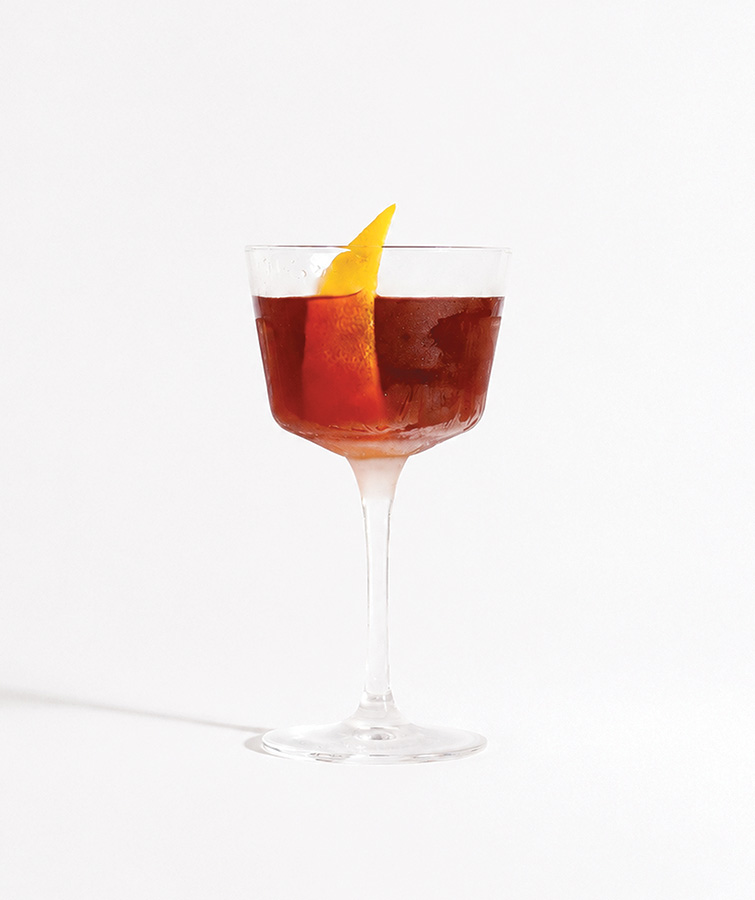
Like most classic cocktails, there are a couple of theories about the creation of the Manhattan. The truth is rarely, if ever, clear. In the case of the Manhattan, one thing is certain: It was definitely created in New York (and probably by a Manhattanite). But who? One theory suggests that it was launched at The Manhattan Club in the late 19th century by bartender Iain Marshall at a banquet held by Lady Randolph Churchill (Winston Churchill’s mother). Another points to bartender George Black, who had a bar on Broadway called The Manhattan Inn. Regardless of its origin, there’s no mistaking that this is one of the most classic cocktails of all time.

The first time I made a proper drink, it was a Manhattan. I had to special-order a case of rye whiskey from our ABC because it wasn’t on our shelves . . . yet (after a few more orders it became a staple). After that I made a trip to our local wine shop to purchase a bottle of vermouth. Rittenhouse was the rye, and Carpano Antica was the vermouth. The drink forever changed the way I viewed cocktails.

There are two camps when it comes to which type of whiskey to use: bourbon or rye. In my opinion, it should always be rye, and I’ll debate anyone who says otherwise. When the Manhattan was created, rye was definitely the whiskey used. Post-Prohibition might be a different story.

The drink itself isn’t hard to make and keeping Manhattan’s original area code, 212, in mind helps you remember the specs. Two ounces of rye whiskey, one ounce of sweet vermouth, and two dashes of Angostura bitters. You won’t see too many variations of this cocktail, but I do like to add orange Curaçao or chocolate bitters to mine from time to time. The addition of Grand Marnier is something I learned from a New York City bar years ago.

Specifications

2 ounces Rittenhouse rye

1 ounce Carpano Antica sweet vermouth

1/4 ounce orange Curaçao

2 dashes Angostura bitters

Lemon peel or brandied cherry (or both!)


Execution

Combine all ingredients, sans garnish, in a mixing vessel with ice. Stir until cocktail is cold and proper dilution has occurred. Strain into a chilled coupe glass. If garnishing with a lemon peel, express lemon oils over cocktail and then place peel in glass or discard. To add a cherry carefully place in glass after pouring cocktail.

PinePitch September 2026

PINEPITCH

PinePitch

September 2026

Stevie Nicks. Enough Said

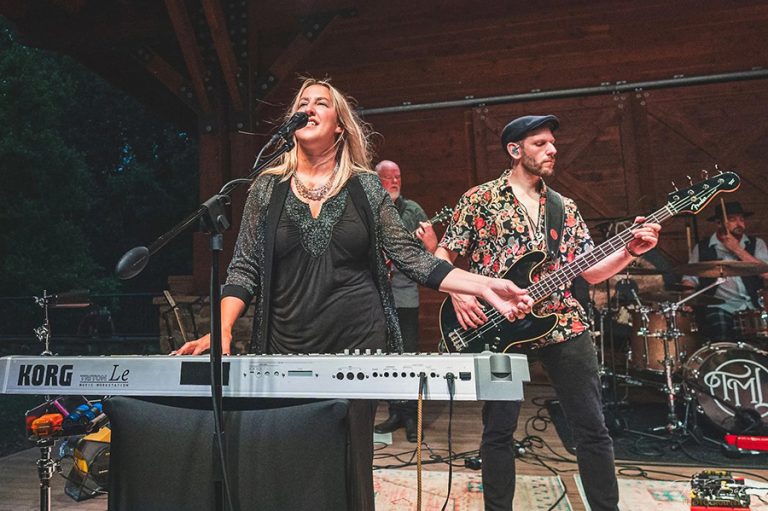
The tribute band Tell Me Lies — the Fleetwood Mac Experience! performs in the Sunrise Theater, 250 N.W. Broad Street, Southern Pines, on Saturday, Sept. 19, at 3 p.m., and again in the evening at 7:30 p.m. If we said we’re Never Going Back Again we’d be lying. For information go to www.sunrisetheater.com.

Live After 5 and Beyond

Gary Lowder and Smokin’ Hot bring a beach music vibe to the Village Arboretum, 375 Magnolia Road, Pinehurst, on Friday, Sept. 11, from 5:15 p.m. and on into the night. Food trucks? Yep. Kids’ stuff? Yep. Admission? Nope. Outside alcohol? Never. For more information go to www.vopnc.org.

If It’s Friday . . . It’s a First

The Jon Stickley Trio takes the First Bank Stage from 5 p.m. to 8:15 p.m. on the greenspace next to the Sunrise Theater for First Friday on — you guessed it — Friday, Sept. 4. The ensemble from Asheville combines Stickley’s rapid-fire guitar picking with the melodies of Lyndsay Pruett on violin and the groove of Patrick Armitage on drums. All the usual rules apply — anything with a snout needs to stay at home, and don’t even think about smuggling in that flask. Food and drink are available on-site. For information go to www.sunrisetheater.com.

They’re Baaaaaack!

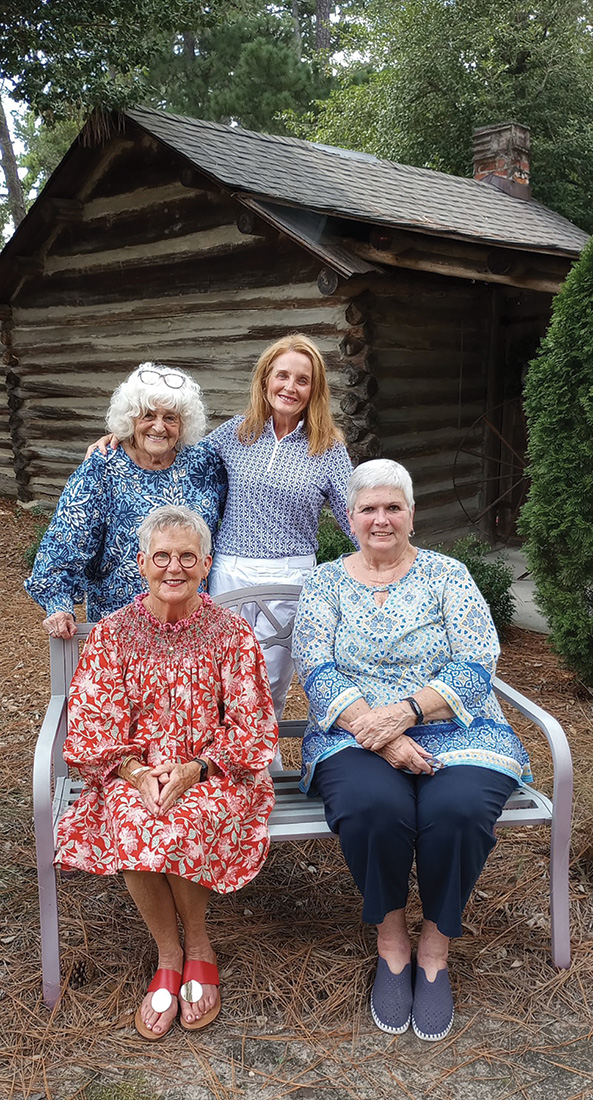
The Sandhills Woman’s Exchange, 15 Azalea Road, in Pinehurst, reopened for the fall and winter on Tuesday, Sept. 1. The café serves lunch Monday through Friday from 11 a.m. to 2 p.m., and the gift shop is restocked with goodies, all to keep the little historic cabin up and running. For more information go to www.sandhillswe.org.

Blowing for Home by Vanessa Grebe

Wide Open Art

The opening reception for “Into the Woods,” featuring the work of Venessa Grebe, begins at 5 p.m. on Friday, Sept. 4, at the Artists League of the Sandhills, 129 Exchange St., Aberdeen. For more info go to www.artistleague.org. And a mere 5 miles away, the Arts Council of Moore County presents “Quiet Dialogues with Canvas & Paper,” featuring the art of Sharon Ferguson and Merilyn Vendemia, beginning Sept. 4 at 6 p.m., at the Campbell House, 482 E. Connecticut Ave., Southern Pines. For more info go to www.mooreart.org. Both exhibits hang through Sept. 25.

Party Like It’s 1941

The Sunrise Theater has been a beloved Sandhills institution for 85 years. Celebrate and support it at the Sunrise 1941 Charity Gala beginning at 5:30 p.m. on Friday, Sept. 18, at the Fair Barn, 200 Beulah Hill Rd. S. Pinehurst. Single tickets are $150 with a full table going for $1,500. Miss Candace, the “International Champagne Chanteuse,” and her band provide the 1940s jazz. The plated dinner is by Elliott’s on Linden. There will be both live and silent auctions, all going to support the ever-widening range of entertainment provided by the Sunrise, from touring concerts to Broadway productions, ballet, first run and independent films, tribute bands and on and on. For more information go to www.sunrisetheater.com.

Books and Such

David Dockery will discuss his book I Am the Night: The Ultimate Unauthorized History of Batman: The Animated Series, from 6 p.m. to 7 p.m. on Wednesday, Sept. 9, at The Country Bookshop, 140 N.W. Broad St., Southern Pines. Then, beginning at 10 p.m. on Monday, Sept. 28, hang out at the bookshop for the highly anticipated midnight release of the Empyrean Series latest, Threshing Day, by Rebecca Yarros. There will be themed activities to get everyone in the mood. For tickets and information for both events go to www.ticketmesandhills.com.

We Need Details

Tom Arnold is a single dad with a 12-year-old son, a 9-year-old daughter and four ex-wives. He’s been stabbed, arrested naked and charged with kidnapping a Peter Criss impersonator. There might a story there. You can hear it from 7 p.m. to 8:15 p.m. on Friday, Sept. 18, when he brings his stand-up comedy routine to BPAC’s Owens Auditorium at Sandhills Community College, 3395 Airport Road, Pinehurst. For tickets and information go to www.ticketmesandhills.com.

Autumnfest

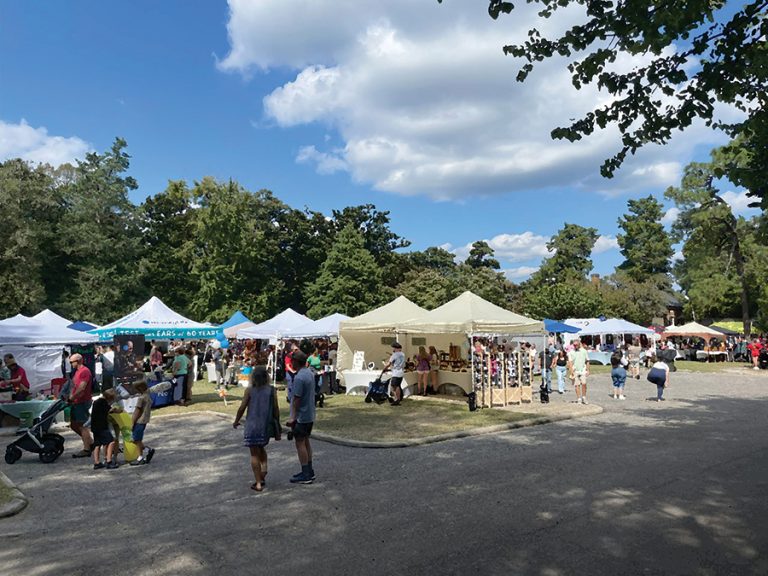
Come for the crafts, stay for food, the fun and the entertainment. The Arts Council of Moore County and Southern Pines Parks and Recreation host the annual arts and crafts festival from 9 a.m. to 4 p.m. on Saturday, Oct. 3, in the Downtown Park, 143 S.E. Broad Street, Southern Pines. For more information go to www.mooreart.org.

Heritage in the House

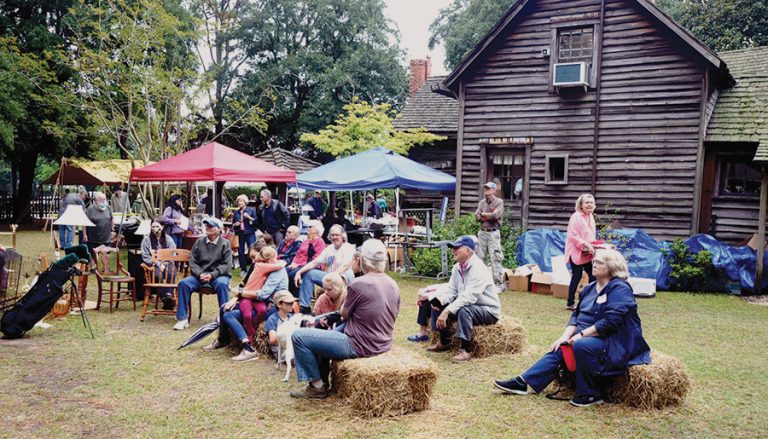
The Shaw House Heritage Fair & Moore Treasures Sale kicks off with the free-to-all pre-sale beginning at 9 a.m. on Friday, Sept. 11, at the Shaw House, 110 W. Morganton Road, Southern Pines. The festivities crank up on Saturday, Sept. 12, from 9 a.m. to 4 p.m. Admission is $2 and includes a raffle ticket. There will be vendors, food, music, pottery, jewelry, art, books, toys and just about anything you can walk away with in exchange for U.S. currency. For more information go to www.moorehistory.com.

Monarchs on the March

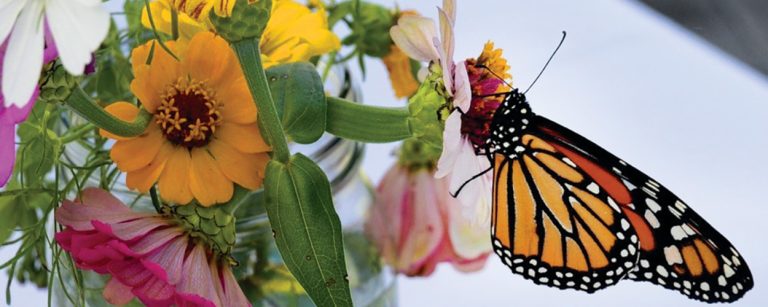
Interact with and feed hundreds of newly emerged monarch butterflies in the Magical Monarch Tent at the seventh annual Flutterby Festival on Saturday, Sept. 26, from 11 a.m. to 2 p.m., at the Village Arboretum, 375 Magnolia Road, Pinehurst. Hosted by the Village Heritage Foundation and the village of Pinehurst, this family-friendly event celebrates butterflies and other pollinators. There will be crafts, food trucks, educational exhibits, native plant demonstrations and sales. The event is free of charge, but tickets are required and can be obtained at www.ticketmesandhills.com.

Simple Life

SIMPLE LIFE

Sweet September Lessons

From freshman tomfoolery

By Jim Dodson

Illustration by Gerry O’Neill

During the years we lived on the coast of Maine, I was always amused by the visible relief and joy locals expressed over the arrival of September.

Every year like clockwork, it marks the departure of summer tourists in Maine when tens of thousands of vacationers pack up and head home to the lower 48, leaving Maine bank accounts flush and pockets of local merchants brimming with cash.

With Labor Day weekend done and dusted, the annual sight of the Maine Turnpike backed up for 25 miles — folks “from away” creeping through the southbound tolls in vehicles loaded down with suitcases, bicycles and kayaks —  is a sign of liberation to many Mainers.

Within days of the annual exodus, the price of the average shore dinner drops by at least 30%, town traffic returns to its sleepy pace, and locals begin to venture out from their hiding places to shop and greet neighbors and friends they haven’t seen since Memorial Day.

Up on our forested hill west of town, I had my own way of welcoming September. Afternoons were visibly shorter and the abundant wildlife around us — like their counterparts in town — became much more visible and active. A herd of white-tailed deer and a lady porcupine that terrified our dogs never failed to waddle into my garden, finishing off my daylilies, hosta plants and ostrich ferns. And almost every time I walked down our long, gravel lane to pick up the mail, a gorgeous ring-necked pheasant or a congregation of wild turkeys would cross my path, unconcerned by my presence in our peaceable September kingdom.

Down here in North Carolina, the autumnal equinox that arrives around September 22 is a far more subtle affair, as white bucks and seersucker are put away even before the intense heat of summer begins to fade. Swimming pools close for the year, and the young ones — to mom’s delight — go back to school while the older kids trek off to college.

Last September, a former university suite-mate passing through town invited me for coffee. His grandson was headed off to college. With a smile, he reminded me of my chaotic start as a freshman at East Carolina in 1971. It briefly became something of a freshman dorm legend.

My folks dropped me off at my College Hill dorm with a window fan, my bicycle and 50 bucks for the student dining program. The first thing I did was hop on my bike and follow a winding country road to New Bern, mesmerized by the flat green landscape of eastern North Carolina. I had no idea that it was a 40-mile trip each way, however, and it wore me out like an old shoe. As a result, I slept through the first day of mandatory freshman orientation.

A few days later, I foolishly allowed new friends in the dorm to convince me to try out for the school’s club football team. There was a rumor that incoming football coach Sonny Randle was looking to find a handful of walk-ons to use as practice squad dummies. In a galaxy long ago and far away (junior high days), I’d been the starting cornerback on a city-league championship team. Foolish sports dreams die hard.

Not 10 minutes into tryouts, I stepped on a rubber kicking tee and tore the cartilage in my right knee. One of Randle’s highly regarded recruits on an adjacent practice field helped me hobble to the fieldhouse. His name was Danny Kepley. The coaches were already taking notice of him. We chatted a bit and he wished me well.

I returned to school on crutches after Labor Day, just in time to commit my third stupid act that faraway September. A pair of friends from back home and I met a trio of cute girls at Greenville’s (in)famous Elbow Room that Friday night, and they invited us to a party down the road in Little Washington. Freshman couldn’t have cars at school in those days, but these girls had a new VW Bug because they were sophomores. 

On the way to Little Washington, our “dates” demanded beer. So, we purchased a couple six-packs and wound up at a gorgeous house overlooking the Pamlico River. My date’s name was Trisha. Suspiciously, her parents, who owned the home, were away. As my buddies and their dates wandered off to other parts of the house, Trisha and I settled on the couch, my sore leg propped up, to watch the Miss America Pageant. Suddenly, Trisha’s annoying little brother appeared, announcing, “Trisha, Jerry is outside. And he’s really mad!”

Jerry turned out to be Trisha’s boyfriend. She hadn’t lied. She was indeed a sophomore — in high school. Jerry had brought along half a dozen beer-buzzed pals to defend his girlfriend’s blemished honor. Having realized our horrible mistake, I hobbled out on crutches, hoping to smooth things over. The negotiations did not go well and took a worrying turn when Jerry snapped the antenna of Trisha’s VW Bug and waved it at me. At that point, my college buddies appeared and Trisha burst into tears, wailing that her daddy was going to murder her when he got home.    

Mercifully, a police car rolled up. When the officer learned that we were just a trio of stupid college freshmen, he ordered us into his car, probably saving us from getting murdered.

He drove us to the edge of town and put us out. It was a nice September night and only 23 miles back to campus. We walked for several hours until the sun began to come up. Somewhere after sunrise, a drunk in a weaving Cadillac picked us up and dropped us at the bottom of College Hill. I got back to my dorm as my new roommate was heading out for breakfast. He wondered where I’d been all night.

“Learning I’m not a good party guy,” I said. A few days later, I swore off beer, joined the school newspaper and soon became The Fountainhead’s columnist and features editor.

Forty years later, on another memorable September Southern evening, I was about to give a fundraising speech at Wayne Community College in Goldsboro, when my host said, “There’s a guy who wants to say hello to you.”

It was Danny Kepley. During his playing years at ECU, Danny became an All-American linebacker known for crushing tackles, earning the nickname “Captain Crunch.” Drafted by the Dallas Cowboys, Danny chose to join the Edmonton Eskimos of the Canadian Football League and went on to lead them to six Grey Cup championships as MVP of the league.

I asked him if he remembered helping a foolish fellow freshman off the practice field way back when.

“I think so,” he replied, pointing out that his memory was a bit foggy from a career of issuing crushing hits. “What I remember most is your stories in the school paper. I liked them. And now, you are a famous sportswriter about golf.”

And then Captain Crunch added with a smile, “So, we both did kinda OK, I guess.”

“Yes, we did,” I agreed.

Chalk Talk

CHALK TALK

Chalk Talk

Are you ready for some football?

By Mike Pagel     Photograph by John Gessner

SAME PLAYS, DIFFERENT LANGUAGES

The key for an offense is to develop a system that can communicate the action plan or play to all the offensive players in a concise but still complete way.

The responsibility of creating the play calling language falls on the offensive coordinator. Most take various portions of play calling systems they’ve known before and create their own version. There are various methods for an offense to notify all its players where, for example, a running play is to be executed. Some teams use a numbering system, while others may use names. In numbering systems the “holes” or running lanes can be numbered from right to left, with 1 being wide right and 9 being wide left. Other teams number left to right. Some teams will use even numbers to the right (right guard is 2 with 8 signifying wide right) and odd numbers to the left (left guard is 3 and 9 wide left). Zero and 1 represent the center’s right and left hips, respectively. And, of course, some teams use odd to the right and even to the left.

And then there are naming systems. Instead of numbers, teams may use specific words to explain where a play is to be executed, with a category of names describing the play (examples may include cities, states, animals, etc.). Using states as an example, Ohio may designate an outside or wide play, while Texas may mean an inside play. If, say, Ohio means a wide play toward the tight end, Georgia may mean a wide play away from the tight end.

At times, a directional call is needed. Any pair of “opposite” words can be used. Common examples: red = right and blue = left or hot = right with cold = left. Teams usually settle on 2-3 ways to call a direction. Pass play calls are even more complex because they include not only the line blocking scheme but also the routes the receivers need to run to stretch the defense. Plus there are audibles (plays called at the line of scrimmage), which may or may not be changing the play. Remember Peyton Manning and “OMAHA”?

BEND, DON’T BREAK VS.THE ATTACK DEFENSE

While an offense needs to determine if they will be a ball control offense (stronger emphasis on running plays) or a more aggressive passing attack offense, defenses need to determine what style of play they want to use. The two basic styles are “bend, don’t break” and the “attack” defense.

The “bend, don’t break” defense focuses on the defensive players not allowing the opponent’s offense to make big yardage plays, the theory being the longer it takes for an offense to penetrate deep into the defense’s territory, the more likely the offense will make a mistake putting themselves into a more difficult situation to obtain a first down or to score points. The problems with this defensive philosophy are the defensive team’s offense will have fewer chances to score plus it can lead to the opponent’s offense dictating the tempo of the game.

In the early 1980s, the Miami Dolphins were very successful in utilizing the “bend, don’t break” philosophy. They had numerous experienced veteran players who were very good at anticipating how an offense would try to attack them, which led to the Dolphin players rarely being out of position. They would give up yardage but were able to capitalize on an offense’s mistakes to thwart drives.

During my four years with the Baltimore/Indianapolis Colts franchise, we were in the same division as the Dolphins, which meant we played them twice a year. In 1984, we added four new plays against the Dolphins when they visited us in Indianapolis. By utilizing these four plays throughout the first half, we were able to confuse and disorient their defense, which led to us being in complete control of the game. At halftime, the decision was made to go away from the new plays (I still don’t understand that one), which led to the Dolphin defense regaining their composure and holding us scoreless in the second half. Meanwhile, the Dolphin offense, led by Dan Marino, got untracked, and we ended up losing the game.

The opposite defensive theory is the “attack” philosophy. The goal of the “attack” defense is to impose its will on the opposing team’s offense. This philosophy calls for the defense (especially the defensive linemen) to penetrate into the backfield of the offense to disrupt the timing and to force the offense into making mistakes. If successful, an opponent’s offense can become very frustrated. But if the pressure does not disrupt the timing of the offense, the second and third line of defenders have much more ground to protect which could lead to big yardage plays.

The 1985 Chicago Bears’ “46” defense was an attacking style defense. Their alignment allowed their talented players to be blocked by one player at a time. Often, at least one of the Bears’ players would defeat their opponent, which would disrupt a play. In 1985, the Indianapolis Colts lost to the Bears 17-10 because we did not capitalize on two scoring opportunities. After the opening kickoff, we marched deep into Bears’ territory. We could not score a touchdown, so on fourth down we tried a short field goal, which was missed.

Late in the game, one of our receivers got behind the Bears’ secondary. Unfortunately, the pass was not completed. We had our chances but didn’t take advantage of the opportunities — a fatal mistake against those Bears because you weren’t going to get many.

 
PLAYMAKERS VS. STEADY PLAYERS

For a football team to be successful, the offensive and defensive units need a specific combination of players. Each unit needs to consist of three or four steady players and seven or eight playmakers. What’s the difference? Steady players put themselves into the proper position to make a play. If they fail to do this, they are more easily defeated.

Playmakers have the ability to overcome being out of position yet still be successful. Unfortunately they tend to be out of position more than steady players, which can create opportunities for their opponents. Why three or four steady players? If there are more than four steady players within a unit, that unit is less likely to make out of the ordinary plays. With fewer than three steady players, a unit can be very effective until their opponent gains some momentum.

To stop the momentum, playmakers are forced to gamble more. This often leads to the players being even more out of position, which creates more opportunities for the opponent’s offense. Just because a player may be classified as a steady player doesn’t mean he can’t make great plays, nor does carrying a playmaker label mean the player tends to be out of position too often. Mike Singletary, the Chicago Bears middle linebacker from 1981 to 1992, always seemed to be in perfect position while being very intense. That combination made him a steady player who was also a playmaker.

On the other hand, Jerry Rice, the San Francisco wide receiver from 1985 to 2000, would be considered a playmaker. He could shred a defense, but that happened because he was disciplined running his pass routes as designed which made him very consistent. He was a playmaker who was also a steady player. Only a few players have the ability to do both as often as Singletary and Rice did, which is why these two are in the NFL Hall of Fame and the vast majority of players are not.

FIRST NFL START

Five minutes before the opening kickoff of my second NFL preseason game, the coaches told me I was going to start the game at QB. That was OK with me and I was very excited. Early in the game, we faced a third down passing situation. The defense played a two-deep zone with man-to-man coverage on our five receivers. On the left side of the field, both of our receivers ran an inside (toward the middle of the field) route, which left that side of the field devoid of defenders.

I sprinted into the voided area on the left. Just as I recognized how open the left side of the field was, I experienced what felt like a freight train running behind me. Approximately 20 – 25 yards downfield, the freight train began catching up to me. Wisely, I ran out of bounds. It was at that precise moment that I realized just how big, fast and talented NFL players were. Oh, by the way, the freight train was named Lawrence Taylor.

DON’T BE A HERO!

Late in my career and as a member of the Los Angeles Rams, we were playing the Minnesota Vikings in Anaheim, California. We were losing 21-7 in the second half when our coaching staff made a change at quarterback. As I ran onto the field, my thought was, “Don’t try to do too much.” Instead, I focused on speeding up our tempo. This caught the Viking defense off-guard. We marched down the field, the drive ending with a touchdown pass to our tight end. Now the score is 21 – 14 and our crowd is getting excited. We kick off and one of our players crushes the ball carrier, causing a fumble that we recover around the Vikings’ 20-yard line.

As I ran back onto the field, the thought crossed my mind that if we scored, we would have a great chance to win the game and I might be considered a hero. We drove inside the Viking 10-yard line when a pass play was called. Instead of throwing the ball to a receiver who was on the goal line, I tried to throw to a receiver deep in the end zone. Huge mistake. The pass was intercepted, ending that drive and effectively taking away any chance we had to win the game. All because my mindset changed from “do your job” to “you can be the hero.”

BUILDING AN OFFENSIVE LINE

One of the most important but also one of the most difficult tasks in creating a good football team is to develop a solid offensive line.

First, you need five players with enough talent to play in the NFL. Next, the five players need to develop the trust and respect of the other linemen. And then, as a group, they need time playing alongside each other so they can develop the understanding and instinct of how their line mates will react in every situation. They have a split second to make the correct decision and then complete the block. If one fails, they all fail.

Some NFL teams have figured out what type of offensive lineman fits in their system. Every year they tend to have a solid group. Some teams struggle to figure out the type of linemen that fit their system, or they cannot find the linemen with the required skill sets. These offenses tend to be very inconsistent. For decades, the offensive line for the Pittsburgh Steelers looked the same. The players changed but the replacement had very similar skills as the previous player. The Steelers knew what type of player they needed for each of the five line positions, and they would sign players who fit their criteria.

During the late ’80s, when I was with the Cleveland Browns, we had a very solid offensive line. Most had been together for a number of years and had developed a solid group chemistry. Cody Risien was an extremely talented right tackle who was often tasked with pass blocking the defensive end over him all by himself. This allowed the other four linemen to work together to block the other pass rushers. In the running game, they were well-versed on how to block the defensive players based on how the defensive players reacted.

TRANSITION FROM STARTER TO BACKUP

When players join the NFL, they can find themselves in an unfamiliar situation. Most NFL players had great college careers, but instead of being on the field most of the time, they’re relegated to part-time duties. Not only can it be tough on the ego, it also limits the opportunities to improve. Because the starters take most of the repetitions during practice, the backups must find a way to maintain and improve their skill sets to ensure they can perform at their highest level if called upon. This takes determination, desire and consistent effort. Those who figure out how to be ready are often rewarded with longer careers.

During my first four years in the NFL, as a member of the Baltimore, then Indianapolis, Colts, I started the majority of games. Before my fifth year in the league, the Colts traded me to the Cleveland Browns, who had a talented second year QB named Bernie Kosar. Early in our pre-season camp, Bernie was named the starting QB. At first, this did not sit well with me. I had to change my mindset. The first adjustment was to convince myself that I was the starting QB but wouldn’t be getting much playing time. Second, instead of getting physical repetitions in practice, I had to take mental reps. I would stand behind the offense and “read” the defense to determine which receiver should be targeted with a pass. Learning how to practice the mental game helped me to produce when my chances came.

JOHN TEERLINCK

John Teerlinck was a former NFL player who became a well-respected and accomplished defensive line coach in the NFL. In fact, he was such a great coach, the award given annually to the best defensive line coach is named after him. In 1990, John was the defensive line coach for the Cleveland Browns. As the backup quarterback for the Browns that year, one of my responsibilities was to simulate our upcoming opponent’s offense for our defense. (The group of players who simulate an opponent’s offense or defense in practice is called the “scout” team.) Every Wednesday ­— which is usually the first day of an NFL work week — John would ask me to simulate some characteristics of our upcoming opponent’s offense. If our opponent’s quarterback liked to scramble, I was asked to scramble in practice. If our opponent’s QB stayed in the pocket, so did I. Sometimes John would notice a certain movement a QB would make just before the ball was snapped. He would ask me to simulate the movement in practice so our defensive linemen could get a split-second jump on the snap in the game.

Over the course of that season, John and I developed a great bond. After the 1990 season (the Browns won three and lost 13 games), John and I were released (fired) by the Browns. John quickly signed with the Los Angeles Rams. Luckily for me, he developed a friendship with the Rams offensive coordinator, Ernie Zampese. After John saw that I had been released by the Browns, he told Ernie that I’d be a good fit for the Rams. The Rams gave me a tryout and allowed me to be part of their 1991 preseason training camp. Because of John’s recommendation, I ended up as a member of the Rams from 1991 through 1993, my last three years in the league.

EMBRACE THE ‘NO ONE’ ROLES

One day while I was a member of the Cleveland Browns, Clay Matthews Sr. made a comment that has always stuck with me. He said he would rather be the “rush” linebacker instead of the “cover” linebacker. This confused me, so he explained. As the “rush” LB, not many fans see him unless he makes a sack. Everyone cheers the sack. As the “cover” LB, no one notices until he fails and the guy he’s covering makes a catch. No one cheers after that.

To be clear, Clay was a terrific player who was equally adept at rushing the QB and covering a receiver. There aren’t many like him. As a backup, 1 was always searching for ways to get onto the field. One of the few opportunities for a backup QB was to be the “holder” on extra point and field goal kicks. Like a “cover” linebacker, no one notices the holder unless he makes a mistake. In simple terms, the holder kneels on one knee approximately 7 yards from the line of scrimmage. When the ball is snapped, the holder has to catch the ball, place it on one end, rotate the laces away from the kicker and put the proper tilt on the ball. All of this needs to be completed within one second.

Fortunately, I was afforded the opportunity to be the holder for the Browns for a few seasons. During my first preseason with the Rams, I didn’t get the chance to “hold” for the newly acquired veteran kicker, Tony Zendejas. Instead, I held for a rookie left-footed kicker. During the preseason games, the first team (Zendejas) had a number of mishandled extra point and field goal attempts. After one last mistake in the final preseason game the special teams coach pointed at me and said, “You’re holding from now on.” And with that statement, I knew I would be a member of the 1991 Rams.

BROKEN NOSE

In the early 1980s, the New York Jets defensive line was called the “New York Sack Exchange.” And yes, they could put some serious heat on an opponent’s quarterback. Their left defensive end was Mark Gastineau. He was one of the NFL sack leaders for multiple years in a row. Since we played them twice each of my first four years in the league, he had plenty of opportunities to sack me. During one of our games in Indianapolis, his forearm “inadvertently” went inside my face mask, which broke my nose. (In today’s game, that would be illegal, but in 1985, not so much.)

After the game, one of our team doctors told me my nose would be off to one side of my face in the morning and to simply push it back into place. The doctor was right. A few weeks later, we were playing the Cowboys in Dallas. One of their running backs caught a pass near our sideline and our linebacker pushed him out of bounds. As fate would have it, the running back’s helmet hit the same doctor in the face, which broke the doctor’s nose. As he was lying on the sideline with his nose bleeding, I took the opportunity to tell him his nose would be off to one side in the morning and to just push it back into place. He laughed, got up, stopped the bleeding and finished the game on the sideline.

UNBREAKABLE RECORDS

There are two records of mine that will never be broken. In 1983, I threw the last touchdown pass in Baltimore Colts’ history. And in 1984, I threw the first touchdown pass in Indianapolis Colts’ history. Robert Irsay, the owner of the Colts at the time, packed up and moved the team from Baltimore to Indianapolis in the middle of the night on March 28, 1984.

AUTOGRAPH REQUESTS

Believe it or not, fans still send autograph requests through the mail, which I sign and return, time permitting. Here are a few pro tips if you’d like to get an autograph from a former player:

1. Don’t tape the back of the envelope. It’s a pain to open.

2. Try to provide a self-sticking SASE. It’s kind of disgusting licking a bunch of envelopes.

3. Don’t tell the ex-player how many years he played. We already know.

4. Provide a short, fun experience or memory. They’re a blast to read. 

Birdwatch

BIRDWATCH

An Unexpected Guest

The wandering little blue

By Susan Campbell

Late summer can be an especially exciting time for birders — we need not travel far to find unexpected visitors. Sometimes weather events cause individuals to be blown off track and show up in the neighborhood. These lost birds may stick around for mere hours but, in other instances, it may be a more deliberate response to environmental conditions that brought them our way.

One bird that frequently appears in wet areas later in the summer is the little blue heron. And it may be more than one who show up. Furthermore, they’re not usually blue. Young of the year, which these inland wanderers almost always are, are actually white. Except for the very tips of the wing feathers — usually a challenge to make out — these birds are covered with white feathers. Unlike the great or snowy egret, which also may turn up in the Piedmont or Sandhills this time of year, the bill of these small herons is pinkish or grayish, and the legs are greenish.

All of these white waders may be spotted in shallow wet habitats: streams, small ponds, water hazards, retention areas, etc. Little blue herons may be by themselves, mixed in with other white, long-legged waders, or even seen with the much larger great blue heron. Little blues can be identified by their more upright foraging posture, their slow, deliberate movements, and a downward angled bill as they stalk prey. Unlike other smaller waders, they will hunt in deeper water, often all the way up to their bellies. Little blues watch not only for small fish but frogs and crayfish as well as large aquatic insects. It is thought that their coloration allows them to blend in inconspicuously with similar white species, allowing the association to provide protection from predators. Also, it has been found that little blues are significantly more successful predators when foraging alongside great egrets. These larger birds are likely to stir up the water as they move after underwater prey, which can flush a meal in the direction of nearby little blues.

It takes these herons at least a year to develop adult plumage — not unlike white ibis, which also breed along our coast (but who sport dark plumage their first summer and fall). They may have a pied appearance for a time in late winter or early spring. By April they will be a slatey blue-gray all over with a handsome bluish bill. Unlike our other wading birds, they lack showy head or neck plumes. They are also unique in having projections on their middle toes that form a comb, which is used as an aid when grooming.

Unfortunately, this species has experienced an alarming drop in population numbers over the past half-century across North America. Loss of coastal wetland habitat, continued declines in water quality, as well as being eliminated as a nuisance in fish hatcheries, all are thought to contribute to the decline. So, be sure to stop and appreciate these stately birds should you come across one.

Tables of Togetherness

TABLES OF TOGETHERNESS

Tables of Togetherness

A guide to stylish spreads

By Emilee Phillips  •   Photographs by John Gessner

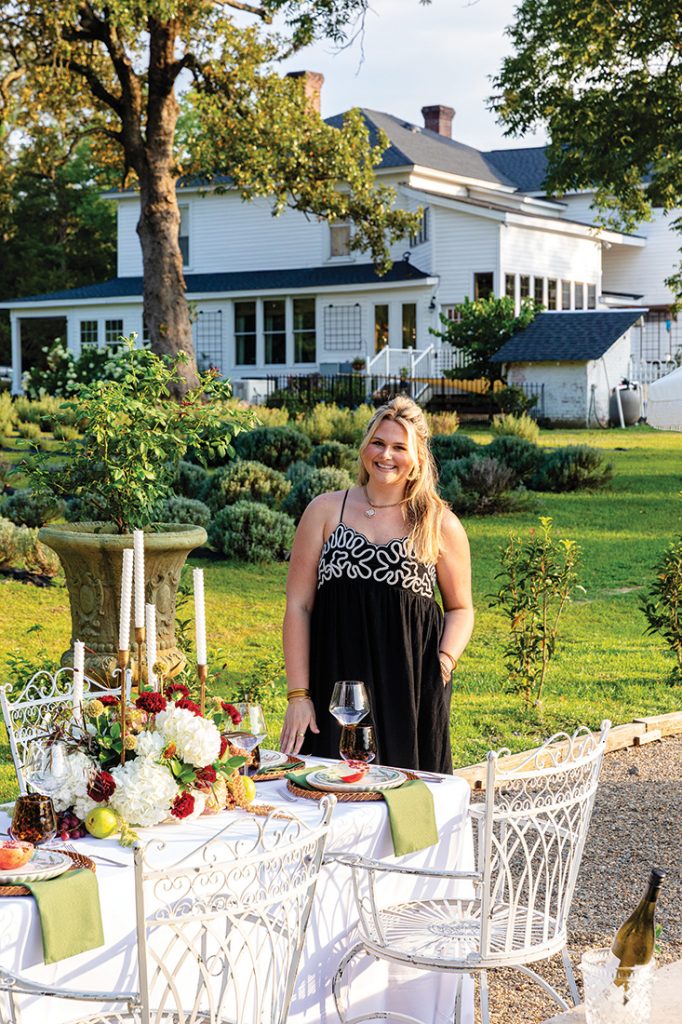
The beginning of autumn means the holiday season is right around the corner. With that brings the innate desire to gather. But you don’t have to wait for a special occasion to host. Dinner parties invite guests into your world in a way that technology never can. As the seasons settle into a gentler rhythm, let your evenings do the same. Allow conversation to fall in step with the changing season — intentional, comforting and unhurried, like wax slowly melting from a candle. To help inspire your next dinner party, we asked two elite hostesses their favorite tips and tricks for throwing together tables of any size, in a way that welcomes guests to relax, slow down and stay awhile.

Harvesting Hospitality

Maribeth Tumberg has a knack for making people feel welcome. In fact, the running joke among her closest friends is that she could talk to a brick wall, which means hosting comes naturally to her. “My goal was always to make our house the house everyone comes to,” says Tumberg. As a military spouse, she knows how important community is, and moving often means searching for it again and again. To her, a dinner party is a golden ticket. “It’s the easiest way to make friends. Who doesn’t want to go to a cute dinner party?”

Tumberg thrives on Southern hospitality. “I find smaller events give you more freedom with the choices you make,” she says. “But for me, just being around the people you love most and having a good meal makes it a great time.”

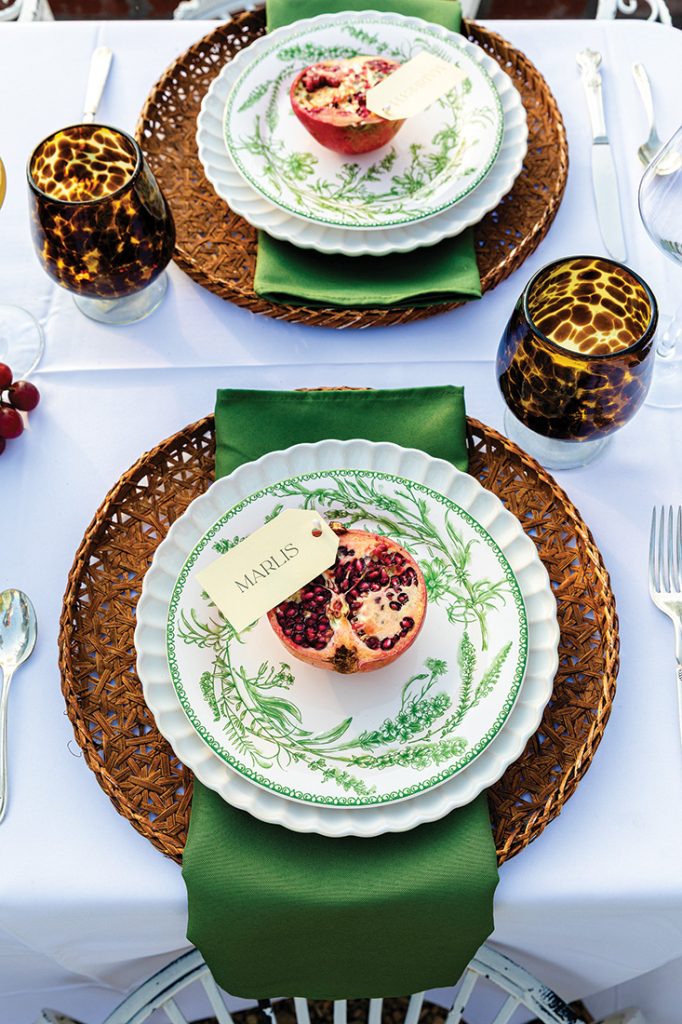
Every plan of hers begins with a mood board. Tumberg uses a lot of color when she’s decorating for a party, no matter the season. She says unexpected elements, patterns and textures tie everything together. “I love to be creative; I get that from my grandma.” 


Must Have:  Patterns, whether it’s the plate, the cup or the napkin — something should pop. Substance-wise? Wine.

Tip: If you’re on a budget but still want things to feel special, you can find plenty of rentals for things like linens and glassware in the area.

Setting: If the weather permits, always host outside. Nothing matches the beauty of the outdoors.


Maribeth Tumberg owns Party with MB, an event planning and design business for anything from a two-person dinner to small weddings. Originally from Greenville, South Carolina, Tumberg has been soaking up life in Southern Pines for the last 2 1/2 years, until her next move.

Grandeur, Simply Served

Capel Brendel believes a house is happy when it’s full. When she hosts, her goal is to make the atmosphere seem effortless. “People want it to feel easy and comfortable. It’s less intimidating to reciprocate if you’ve gone to someone’s house and it’s not quite perfect.”

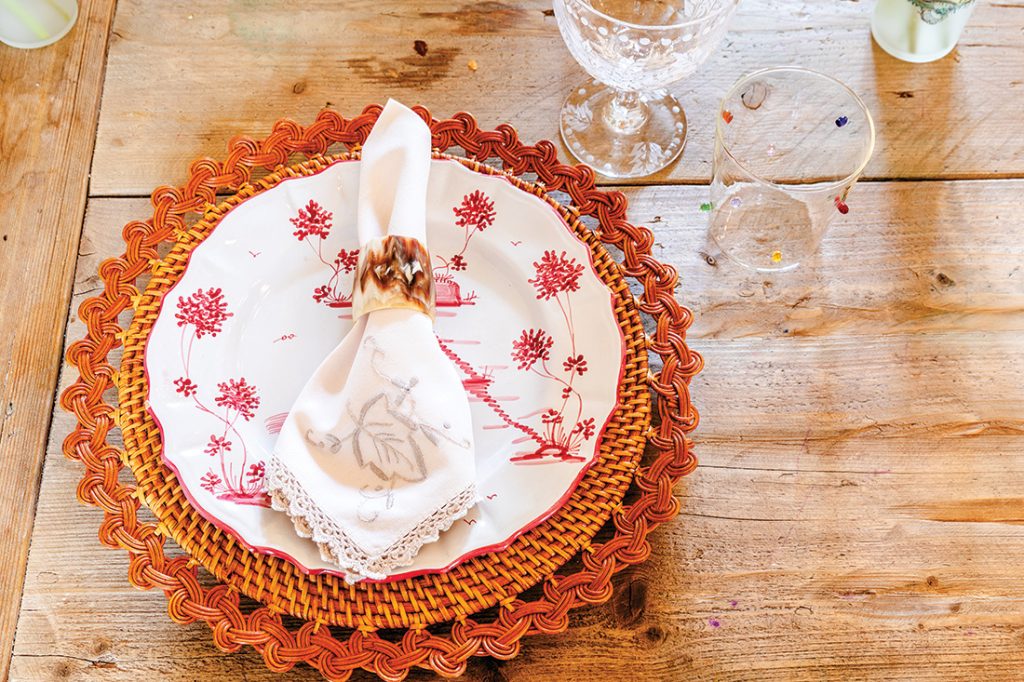
Brendel fondly recalls her parents’ dinner parties, and now, as a frequent hostess herself, she strives to create those memories for others. “To me, that’s the best gift to give,” she says. Her place settings often consist of borrowed items like napkins or plates from her mother and grandmother, giving each table spread a sense of character she cherishes.

If you have an extra set of hands, Brendel recommends dividing the responsibilities: Have one person greet guests, chat and mix drinks, while another handles the behind-the-scenes work like cooking and cleanup.

Games are an underrated tool to get folks talking and laughing. “You can linger around a table in someone’s home longer than you would in a restaurant.” Use that to your advantage.


Tip: Don’t wait to take a shower; you always run out of time at the end.

Drinks: Greeting guests with a sparkling rosé or ending the evening with a port gives the occasion a nice touch.

Must Have: Local flowers from the farmers market


Capel Brendel was born and raised in Southern Pines. A mother of four, she lives in Southern Pines and works remotely with Laforce, a communications firm in New York City. She considers the Sandhills the definition of a hidden gem, and you’ll often find her at the farmers market

Poem September 2026

POEM

Proto-Indo-European Speakers

Those steppe-dwellers had words for apple

and bee, so we can guess at where they were

and weren’t, can guess at the wheeled wagons

and lactose-tolerant mutations and skills

on horseback that helped them spread the tongue.

I love learning how thick forests kept languages

isolated, how textiles weren’t possible until sheep

ascended mountainous terrain in western Asia

and evolved longer wool, and all these factors

led to a family of shared sounds reaching

across continents, across time. Our words

for mouse and mead and star and new

aren’t so different from theirs, and I can’t help

thinking that they looked drunkenly

at the night sky and felt the same wonder

and renewal that I do when I stumble

into the darkness and am swallowed by a night

whose constellations form the same shapes

those nomadic herders would have seen —

bear, serpent, warring god — each a light

from someone else’s sun, so distant

it might as well be eternity. And someday,

my human descendant may reach

one of those planets and may have on the journey

a record of the words I spoke during this time

of ignorance, and he may see in his own words

some parallel to mine: remember or solace or joy.

— Ross White

State of Mind

STATE OF MIND

Our Unique Beauty

The greening of home

By Tommy Tomlinson

Illustration by Gary Palmer

This year my wife and I drove to Michigan for summer vacation. (July is way cooler up there than down here.) One day we were cruising on a highway somewhere south of Mackinaw City, headed for the Upper Peninsula. We rolled through mile after mile of farmland and trees. There was no way to count every shade of green.

In some ways it felt familiar. I’ve been down similar roads all over North Carolina. But it wasn’t . . . quite . . . right, like a picture that had been run through the copier one too many times. The shades of green up there weren’t the shades of green back home. My GPS — not the one on the screen, the one in my gut — told me I was somewhere else. I would’ve known that even if I had just awakened from a Rip Van Winkle nap.

It got me to thinking: What makes a landscape distinctive? And in particular, what makes North Carolina’s landscape distinctive? What are the clues that tell us where we are?

I’m not really thinking about pride of place, although maybe that’s part of it. I grew up in Georgia, down on the coast. When we go back to visit, and we cross the Savannah River coming down from South Carolina, I look over at Alix and say: Ahhhh. We’re in God’s country.

(Sometimes I say it if I’m the only one in the car.)

But the North Carolina marsh is different than the Georgia marsh — and the South Carolina marsh, for that matter. North Carolina marshes, to me, feel smaller and more scattered. They play peek-a-boo with you as you drive down toward the coast. They even smell different. Every marsh has a salty funk — it comes from dead plants and animals decaying in the mud and washed by the tides. North Carolina’s marshes smell a little cleaner somehow. Maybe it just feels that way to me because I grew up near pulp mills in Georgia. Millworkers like to say it’s the smell of money. I guess that’s possible, if money smelled like rotten eggs.

North Carolina beach sand is its own thing, too. The sand on the Outer Banks is what I think of as sandbox sand — tan and clean. Georgia sand is grayer and a little muddier. Florida Gulf Coast sand, down around Panama City, is sugar-white and crunches under your feet. I would not bet money on this, but part of me thinks that if you put me on one of those beaches blindfolded, my toes would be able to figure out where I was.

(FYI, the Michigan beaches were nicer than I expected . . . they reminded me of North Carolina’s. Lots of rocks in the water, though.)

Coming off the coast, the natural feature I think about most in North Carolina is the longleaf pine forest. The strands we have in the Sandhills and down toward Wilmington are the northern edge of the longleaf habitat (it stretches south and west in scattered spots all the way to Texas).

Most of the woods we see from the highway are dark and thick. A longleaf pine forest feels like a planned community. The trees are spaced wide, giving one another room to grow. The wiregrass underneath is a tasteful carpet. That orderly design depends on fire to come through every so often — a spring cleaning of sorts. When the natural cycles line up, what’s left is astonishing.

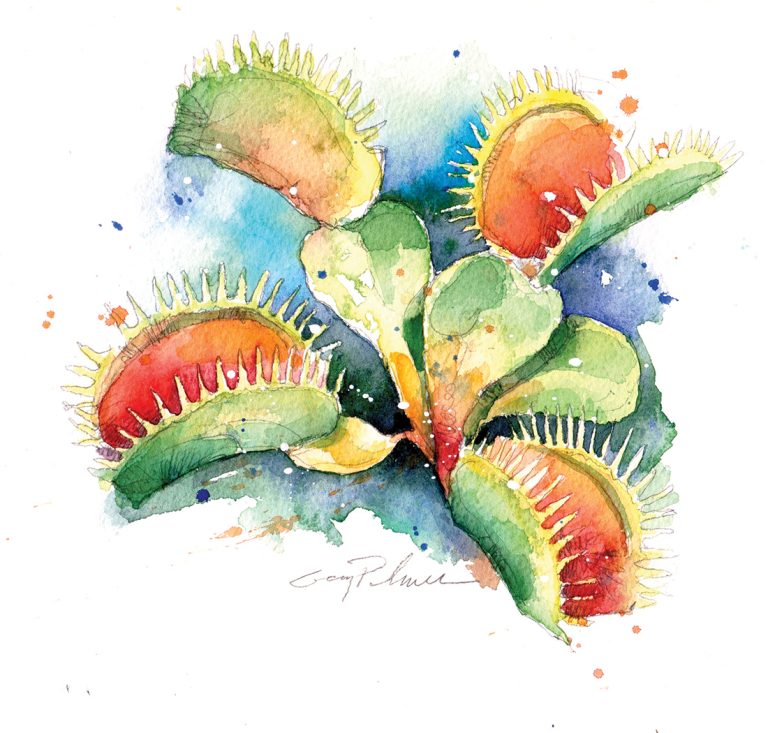
Years ago, a guide walked me a mile or so into a longleaf pine forest down in the southeast corner of the state. We were looking for Venus flytraps. You might know that a little circle down there — maybe a 75-mile radius from Wilmington — is the only place on earth where Venus flytraps grow naturally in the wild. We got to a tiny pond — no more than a big puddle, really — where clumps of flytraps grew a few yards off the bank. Not too dry, not too wet. If all you know of flytraps is Little Shop of Horrors, you might walk right past one without ever seeing it. They’re small and close to the ground. In the wild, most of the traps are no bigger than dimes.

You might also know that the tiny pond I described was probably a Carolina bay — one of thousands of shallow depressions strung along the East Coast all the way up to Delaware and New Jersey. Most of them are ovals aligned northwest to southeast. There are many scientific theories about how they came to be; the most intriguing theory is that they’re the result of a long-ago meteorite shower.

Of course, those are the scientific theories.

But when you’re standing next to one, surrounded by Venus flytraps, inside a longleaf pine forest that looks like it was designed by an interior decorator . . . your mind does start to wonder if North Carolina is some sort of Del Webb development for future retiring aliens.

I realize, at this point, that we have wandered far afield. This started out being about what makes North Carolina’s natural splendor distinctive, and ended up being about what might make us the next Area 51.

Let’s just leave it here for now: Our beauty is unique. If you’ve lived in North Carolina long, you can smell it and feel it and taste it. It doesn’t mean we’re better than everybody else — although if you want to claim that, go ahead. It just means that there are some things our bodies just know. And when we’re in North Carolina, we’re someplace special.

I hope the human race is not the only one to have figured this out.

Omnivorous Reader

OMNIVOROUS READER

Seeing Spirits

And the decisions that haunt us

By Jim Moriarty

Let’s dispense with the easy part. “Gram calls photographs paper ghosts. She says they’re the only ghosts everyone can see.” So says Willamena Wester — Wills to her friends — the central character of Sarah Addison Allen’s new novel, Paper Ghosts. The real apparitions show up later.

Gram is Alice Wester, the dowager of Hen Town. Nothing escapes Alice’s ability to know it or divine it in some quasi-mystical way. “Rewind,” the first of the novel’s three parts, takes place in 1976. Wills is a teenager, and her posse is known as The Feathers, named for their teased-to-the-max hairstyle. “By the time the bell rang, Wills had managed to get Dorothy’s feathers back in place, though she’d used so much hair spray that Dorothy was now combustible,” writes Allen.

We meet Andy Smooth, the head of a traveling musical group, and Jack Vaughn, the band’s youngest member and the person Wills falls desperately in love with. “He was quoting Shakespeare again, while dancing to a song no one could hear under an umbrella when there wasn’t a storm, with his hand to her waist as if it was meant to be there.” Ratted out by one of The Feathers — with a Polaroid, of course, of the young clandestine couple — Gram is determined to keep Willamena in Hen Town and tries to buy off young Jack, who accepts the money as a get-out-of-town stake, then tries to convince Wills to go with him.

“And I lie awake at night thinking about a beautiful girl I just met whose grandmother has made her believe that she can only exist here, that she will vanish like magic if she steps outside of this place, so she’s afraid to leave. And I can’t stay,” says Jack.

A tussle ensues in Gram’s “redbrick, federal-style home . . . three stories tall and imposing with more windows to see what was going on than any other house in town.” Jack tumbles down a flight of stairs — perhaps or perhaps not helped along by Gram — and dies. He’s buried in the basement but his ghost remains.

And so does Wills. We “Fast Forward” in part two, and Wills, who married (and outlived) the man she was supposed to marry before Jack came along, has remained in Wester House and, in almost every respect, morphed into her grandmother. Her nickname, to the living, has morphed, too, into Mim. At the door are her widower son, Tug (Terrance), and her granddaughter Bailey, who are moving in. “‘You’re a remarkable woman, Wills, but even you can’t open a door without turning the knob first,’ she heard Jack say from behind her.”

Tug gives Bailey the tour. “For the next half hour, the presence in the house followed them as Tug made sure Bailey knew every nook and cranny, most of it off-limits due to what he called the Wester Rules,” writes Allen. “The Wester Rules weren’t actually his rules. They were Mim’s. And they weren’t made up on the spot, either. They’d been around for a long time.” Those rules included no visitors, no music and a double-lock on the basement door.

Bailey, it turns out, can see Jack if Jack wants to be seen. “To her astonishment there was now a handsome young man standing next to the piano. He looked like someone from decades ago with his dark hair touching his shoulders and a shaggy mustache shaped like a horseshoe. His jeans had bell bottoms so long they touched the floor, and the snaps of his shirt were undone nearly to low-rise at this hips. There was a yellow rose pinned to the wide collar. He seemed so happy to see her that he didn’t know what to say. Or maybe he was just happy for her to finally see him.”

Mim becomes as protective of Bailey as her grandmother had been of her, a choice that leads to a different kind of disaster when Bailey is accosted, not by a true love like Jack, but by a thug of a man named Clutch, which calls for a different kind of accident altogether. Let’s just say, Clutch gets his — another mystery solved in the end. “I know I made you dependent on only me and your father for companionship, but I thought it was the one thing that would keep you safe until you could make your own decisions,” says Mim. “But what really happened was you grew up desperate to feel connection, which led you to Clutch. If I had just told you this story of the man I fell in love with, instead of imposing on you something you didn’t understand, things would have ended differently.”
Allen writes in the opening of her epilogue, “Once upon a time, there was a family of witches. But witches, it turns out, are sometimes only women who have been hurt, and are determined not to be again.” The toing and froing through the generations can get a bit confusing at times, but the trip is worth it. The great fiction writer Raymond Chandler once counseled others to try to put three things on every page that mean something to you as a writer. A sentence, a description, maybe just a word. The cumulative effect will be quality. Allen’s ability to turn a phrase is a fine example of it.

Of Jack: “It was such a vulnerable moment, his guard down, loneliness beaming through the cracks.”

Of Mrs. Orr, the housekeeper: “. . . taking every smudge on the furniture as a personal insult . . .”

On Jack: “It was Jack. Her beautiful Jack. He looked so out of place, a wildflower in a manicured garden.”

On Wester House: “This was an old house and the floorboards creaked like knee joints.”

On the neighborhood in Hen Town: “There was a curious element of the unseen, like if money could haunt you, it would haunt you here, where the air was as soft and cottony as a veil.”

When Mim leaves the house: “People immediately got on their phones and called their neighbors, tracking her movements across town the way they might have tracked a grizzly bear that wandered out of the woods.”

On Bailey: “Every time she colored her hair, she liked this moment best — looking in the mirror and seeing someone she didn’t recognize, hoping it was someone she finally wanted to be.”

And so on. They were among the many little treats that made Paper Ghosts a pleasure to read.