Hometown

Young Friends

In our old days we know what it means to have them

By Bill Fields

There is a beauty in friends that you’ve had since childhood, generational peers with whom you’ve darted around a basketball court, consumed too much beer and sweated out the college boards. These friends know what it is like to go gray or bald, to wish for a WD-40 for creaky knees, to see a parent decline and pass away.

In the last couple of years, I’ve discovered the pleasure of a different kind of friend, someone young enough to be my son.

I’ve always tended to have older friends. There were a couple of reasons. One was the influence of my sisters, who are 12 1/2 and 14 1/2 years older than me. I pored over their copies of the Lance, the East Southern Pines High School yearbook, well before I got to Pinecrest. After I immersed myself in golf, I played with plenty of folks who could have been older siblings or benevolent uncles and will always be grateful for those relationships. The rounds and practice-range sessions with these older friends were as enjoyable, and likely more meaningful, than all the hours with contemporaries who were searching for the secret, too.

When I began to freelance for NBC Sports in 2017 as a researcher/statistician in the main booth, eventually traveling to a dozen or so golf tournaments a year for the network, I was thrust into a new and hectic world. I’d done lots of media tasks over the decades — reporting, editing, photography, on-camera appearances talking about golf history — but TV production was a different beast and took some acclimation.

My friend Harrison, who will turn 30 this year, already was an old hand. He comes from a family with a history in sports television going back to his grandfather being instrumental in the development of ESPN. As I discovered, lots of golf TV folks start out as runners on the crew, working long hours helping everyone else get their jobs done. It is invaluable experience, and for those who are motivated and talented, can be the gateway to bigger things. NBC producer Tommy Roy, who has won dozens of Emmys, started as a runner, and so did quite a few of our colleagues.

Harrison began as a runner and has been a scorer/statistician for a handful of years, usually working with tower announcer Gary Koch. He knew the ropes I was trying to learn, but not long after he had helped me find the right trailer or truck — and trust me, there are a lot of them — we started spending time together outside the TV compound.

I have three nephews — another tragically passed away when he was 27 — and while we certainly get along, geography doesn’t help foster relationships when you live hundreds of miles apart. Harrison and I have become good friends in part because we regularly spend time together when we’re on the road.

We’ve shared fantastic cheesesteaks in Philadelphia and mediocre Indian food in the Chicago suburbs, sipped bourbon on an Orlando hotel balcony, played golf on a legendary Texas public course, Lions Muny in Austin. I chipped in at dusk on the 18th to win our match, then we went to a barbecue joint with another colleague, Mike, to chow down on ribs and brisket.

Harrison and I have broad conversations. He has seen a lot of the world and has traveled much more than I had by my late 20s. We talk a lot about work, as people do, but our talks cover plenty of ground. It has been refreshing to get the perspective of a smart person half my age. When I had to leave a tournament early to travel to see my ill mother in her last months, Harrison was a supportive sounding board over a meal before I went to the airport for my cross-country, red-eye flight.

We kid each other in the easy way that happens between good friends. I forgave him after he called my driving “soft” as I cautiously turned left onto an Atlanta freeway ramp. Sometimes, he even listens to me. When Harrison showed me the footage of a toast he offered at his sister’s wedding, I was pleased that he had followed my advice: Be brief and use humor.

On a table by the water in a Connecticut park last year, Harrison, his mom (whom I hadn’t met) and I ate pizza and salad and drank pinot grigio out of paper cups as the sun went down. There was a long week ahead for the two of us at the U.S. Open, but the takeout meal in a scenic spot was a perfect calm before the storm.

When we aren’t working together anymore — when we aren’t comparing airline upgrades or grading the telecasts — I have no doubt Harrison and I will keep in touch. Life throws you curve balls when you get older, some of them mean, but our friendship has been one of the good surprises, and I’m grateful for it.  PS

Southern Pines native Bill Fields, who writes about golf and other things, moved north in 1986 but hasn’t lost his accent.

In the Spirit

Batching Tips

How to be fast and flavorful

By Tony Cross

Now that our state’s restrictions are easing up and spring is in full effect, more and more folks are venturing back out to their favorite restaurants and watering holes. It’s nice to have a form of normalcy back, isn’t it? I know the word “normalcy” has been thrown around a lot lately, but if you’re a foodie (and drinkie) like I am, you appreciate what it means.

Despite the dumpster fire that last year left us, it is interesting to see how different businesses got out of their comfort zone and adapted to the chaos that quickly became everyday life. My business has been rooted in our slogan “flavors to go,” and we definitely had our run this time last year — we delivered over a thousand growlers of our carbonated cocktails to help medicate cabin fever sufferers. Batching is what we do. Now that we’re almost back at full capacity in bars and restaurants, I’d like to offer a few ways where you can get those drinks out fast while being able to connect with your guests for a longer period of time.

Punch

I still don’t get why more places don’t have punch on their menu. Once you have a great recipe in place and get it balanced, you should be able to make other concoctions around your base recipe. There are myriad examples in cocktail books and even more on websites that will give you the specs you need. It’s up to you to understand why these ratios work and go from there.

I read online a few weeks ago that a good rule of thumb for punch goes like this: 8 parts spirit; 5 parts water; 3 parts sour (citrus); 2 parts sweet (sugar cane, demerara, gomme syrup, agave, etc.); 1 part bitters or bitter liqueur; 1 part salt. For your sweet and sour, it always pays to start with oleo-saccharum. A trick I learned from bartender Jeffrey Morganthaler is to vacuum seal your oleo-saccharum syrups ahead of time and place them in the freezer. This way you can just pull out whichever one you need for the punch of the day. Let it thaw and build your punch.

Not only is a good punch delicious, it allows speed of service. Getting out cups of punch during a busy shift is effortless and allows you or your bartender to interact with your guests without running behind the bar like a crazy person.

Bottle

My business, Reverie Cocktails, started offering bottled cocktails to go last year for a few reasons. First, we know our flagship carbonated cocktails are not for everyone, and we wanted to attack sales from a different angle. Second, I know firsthand how delicious stirred cocktails are when they’ve had time to marinate. So, we started by delivering bottled old fashioneds and Sazeracs, and then graduated to martinis.

Yes. Martinis. I amaze myself how dumb I can be. How in the hell did I not offer these years back when I tended bar? One of the issues with a martini is you want it to be very cold when it arrives in front of your guest. Problem is, on a busy night it might take a server longer than usual to get that cold martini out. And even if it’s cold when it arrives, your guest’s second half won’t be as cold as the first. That is, unless they throw them back like I do daiquiris.

Enter prebatching. Being able to pull a bottle of martinis out of a freezer, and just pour into a chilled glass (be it a coupe or traditional martini glass), is a little bit of heaven. Your cocktail is now piercingly cold. Not only is it frigid, but now it will stay cold in that glass way longer than making it from scratch. I’m pretty confident in saying that it’ll be a long time before I make one at a time at my place from here on out. It’s too easy and yummy to just pour from the bottle. It’s one of life’s simple luxuries.

Don’t forget to dilute your stirred cocktails with good drinking water, and in the case of martinis, you’ll need to scale back on the H2O, or your bottled cocktail will freeze.

Draught

This is not a shocker. It’s my business’s expertise. To be honest, cocktails on tap can be easy, yet painful at times. If you’re starting out for the first time, start simple. Just because you have a great cocktail on the menu doesn’t mean it’s going to go well on draught. One does not simply take the ingredients and multiply by 50 and then fill up a keg and go to town.

Our customers often ask, “Can you do this drink? It’s killing our bartenders on the weekends.” Sometimes we can, sometimes we can’t. Try a modified highball cocktail (vodka plus soda) on draught. Add some of your favorite bitters and/or a liqueur to match. You will soon see what flavors amplify, and how you’ll need to balance it out.

A quick rule of thumb: Do not serve anyone a 2-ounce-at-a-time pour of carbonated spirit or they will light up like a Christmas tree. And make sure the water you’re using is delicious. It makes all the difference.

I have other suggestions, too, and if you’re interested in starting your own draught cocktail program — or just have questions — feel free to contact me via the email address below.  PS

Tony Cross is a bartender (well, ex-bartender) who runs cocktail catering company Reverie Cocktails in Southern Pines.

Pleasures of Life Dept.

A Southpaw’s Lament

On the wrong side of history

By Scott Sheffield

It’s high time somebody spoke up for us. We have been neglected and marginalized for far too long. We, the people of the left-handed persuasion. Depending on your source, left-handed people comprise roughly 10 percent of the world’s population. Nobody knows the troubles we’ve seen — unless you’re one of us. Try walking a day in our gloves.

It started during the Roman Empire. The Latin word for right was “dexter” and the word for left was “sinister.” As time went on, dexter started taking on the connotation of “proper” and “correct,” while sinister became synonymous with “unlucky” and even “evil.” This perception of the word sinister, and by extension the people who were left-handed, reached a pervasive level during the Middle or Dark Ages, when belief in the existence of sorcery and black magic was at its peak. Abnormalities were viewed as vile, even dangerous. Because only a small percentage of the population was left-handed or “sinistral,” left-handedness was considered an abnormality, and those who exhibited the trait were shunned and vilified.

A negative view of left-handedness persisted into the 20th century. A couple of my elementary school teachers tried to get us left-handed kids to write with our other (wrong, right?) hand by scolding, or worse, a rap on the knuckles. No amount of chastisement was sufficient to compel me, or many of the other brave resisters in my class, to change hands.

As time went on, the slights piled up. I was dismayed to learn that “left-handed compliment” basically meant an insulting statement disguised as praise. I discovered that many ordinary consumer products were made specifically for righties, or “dextrals.” Scissors, for example. The blades are fiendishly aligned to benefit the right-handed. If you doubt me, trying using your left. How does that make your thumb feel? And what about the common soup ladle? The lip is always on the left side, the way a right-hander would pour. If left-handed folks do that they end with untidy consequences. Manual can openers are right-hand, too. In yet another power move the handle must be held in the left hand while the user turns the crank with the right.

How about clothes? Belts, for example. I once bought a belt with a decorative buckle, but if I slid the belt strap through the pant loops to the right, which is the natural way for a left-hander to put on a belt, when I got around to fastening the belt to the buckle, the design was upside down. The belt was meant to be put on from right to left. And shirts. A standard man’s shirt has its buttons on the right, buttonholes on the left. It’s designed to be buttoned from the right. Trying to button my shirt with my left hand ties my fingers in knots. That goes for suit jackets, too. Yes, yes, standard women’s shirts have their buttons on the left, but that’s not to help out left-handed ladies, it’s just tradition.

Tools, machines and even some weapons are configured for the dextrals. Not long ago, when I was checking out my order at the grocery store and when the payment device asked me to sign my name, my hand bumped into the plastic COVID shield that separates shoppers from the clerk. It was nearly impossible to write my signature. Was this a plot hatched by Apple Pay?

There have been some bright spots for me as a left-hander. On a business trip to San Francisco many years ago, one of my co-workers and I went to Fisherman’s Wharf for a seafood dinner. Afterward, we attempted to walk off our sumptuous meals by strolling around the piers. At Pier 39 I noticed a sign written in bright yellow script that said “Lefty’s.” Below the name, in somewhat smaller, bright purple block print, were the words “San Francisco Left Hand Store.” Everything in the store, EVERYTHING, was left-hand oriented. It was the materialization of Homer Simpson’s neighbor, Ned Flanders’, Leftorium.

I was like a kid in a candy shop. I had to be dragged out of the store by my right-handed friend. While surfing the net recently, I was happy to see that Lefty’s is still there.

Of course, we were thrown a bone with International Left-handers Day. It was originally observed in 1976 to celebrate the uniqueness and differences of left-handed people. You 90-percenters may not celebrate it, but it’s a national holiday in my house.

In fairness, I have to give grudging credit to this right-handed world for one thing — out of necessity I’ve become quasi-ambidextrous. But let’s hope that the only left-handers who are considered vile or dangerous today are the ones who are, well, vile or dangerous.  PS

Scott Sheffield is a contributing writer for PineStraw and The Pilot. He may be reached at ssheff@nc.rr.com.

Sporting Life

A Day to Remember

An ice-cold beer and a bale of hay

By Tom Bryant

Mother took the photo.

Three good old boys. She liked to say we were her good old boys.

We were kicked back on the little screen porch right off the kitchen. In the photo on the left is my brother, Guery. The guy in the middle is my brother-in-law, Mike. Relaxing proudly on the right is yours truly. The foreground of the picture is a classic, probably found only in the South: a ’50s kitchen table with half a watermelon, accompanied very importantly by an Old Milwaukee beer.

This photo was taken during one of our annual vacations at the beach. Ocean Drive Beach, South Carolina, that is. A tradition that started with my grandparents back in the ’20s. Their farm has been part of our family dating back to 1830, when the old plantation house was built. Living in the low country of South Carolina, the only way to beat the summer heat and ravages by mosquitoes and biting flies was to spend as much time as possible at the coast, where the cool ocean breezes helped make the relentless summer heat bearable.

It was a simple plan. Granddad would load the farm truck with enough provisions to last for weeks: canned vegetables, hams, crates of live chickens, and every kind of provender possible. After the truck was loaded with goods, Mother and her seven siblings would climb aboard, and with Grandmother in the front seat, they would head to the beach.

Now Granddad had a farm to run, so naturally he couldn’t stay. He would unload the truck and the family and head back home to the farm, only returning on weekends or whenever there was a break in the constant chores of growing crops and raising livestock.

When we grandchildren came along, the tradition continued. Summer meant the beach. Mother and Dad would herd us into the family car, and we would make the trek to Ocean Drive, Crescent Beach, Cherry Grove or Windy Hill for a week or two, enjoying the gentle ocean, summer breezes and laid-back atmosphere of coastal living. It’s ironic, but even in the early ’50s, Myrtle Beach was considered to be too big and raucous for our family, and we never ventured farther south than Windy Hill.

After Linda and I were married, our first summer vacation was spent with the family. Mother, recognizing that we probably weren’t flush with cash, invited us to join her and Dad along with my brother and sisters at Ocean Drive. We jumped at the invitation. So the tradition continued. When my brother and sisters got married, it was only natural that their spouses join the crowd, and every summer we enjoyed a mini family seaside reunion.

My grandparents passed away in the ’60s, and Mother inherited their house and its surrounding fields. The old, antiquated house was in serious disrepair, having been abandoned by my grandmother when she moved to smaller quarters. It took several years, but Mother was a patient, determined woman. Her memories of growing up on the farm added to her determination to restore the family homestead.

That was part of the reason the three of us good old boys ended up holding forth on the little breakfast porch that summer. It’s simple really. Mother had reintroduced cows to the farm pastures and needed hay for their winter food. What better free labor than the three of us to haul the hay to the barn?

The adventure was preplanned. Mother called me the week before we were to rendezvous with the other members of the family. She asked my opinion about how the hay task would be received by the rest of the folks, and I heartily approved. She then talked to my sister in Florida, who also thought it would be a great event. The idea was to take a day from the beach, head back to the farm, about an hour away, and go to work. My Uncle Tom had inherited cleared farmland from Granddad’s estate, and he was already a full-time farmer of tobacco, soybeans, cotton and wheat. He had all the equipment necessary to harvest hay. Before we arrived, he baled the hay and waited for our labor to get the hay to the barn. When I pulled in the drive to the old house, we saw him out in the field with the tractor and hay wagon hooked up and ready to go.

It was a chore. It took all day to fill the barn, but fill it we did. I don’t think we could have pushed one more hay bale into the attic of that ancient outbuilding.

Linda and my sisters and the kids stayed at the beach while we loaded, hauled and hoisted all day. Mother was at the house preparing fried chicken and all the trimmings for supper, which naturally included a watermelon and most importantly a cooler full of cold beer. Mike provided the beer, Old Milwaukee. It was excellent and one of the few times I drank that brand. I’m not sure they even have that label anymore.

That week at the beach and the one day on the farm remains one of the family’s fondest memories. Mother was glowing. She was doing what she loved, spending time with her children. After supper when we were getting ready to drive back to the beach, she and I were sitting on the long, front porch. Guery and Mike were inside watching TV. My dad, Monroe, had passed away years before from a job-related illness, lung cancer. This was before all the government oversight monitoring industry for health regulations. Mother never remarried.

“You know what, Tommy?” She was in her favorite rocker. I was in the swing. We were looking out across the fields. A full moon was slowly rising. “Your daddy would have loved to have been part of this day.”

I was kinda choked up and could only mumble an answer.

She slowly stood and stretched and said, “Let’s get those boys moving and go on back to the beach. I bet that moon is beautiful over the ocean.”

The reunions continued for a few more years. But then the children had children, and those children had more children, and the meetings at the coast went away like the outgoing tide.

Mother passed away at the age of 99. During her later years, whenever I was around her for any length of time, she would invariably reminisce about summer and beach vacations. Those were some of her happiest memories.  PS

Tom Bryant, a Southern Pines resident, is a lifelong outdoorsman and PineStraw’s Sporting Life columnist.

Out of the Blue

Hands Off My Keepers!

In defense of not quite hoarding

By Deborah Salomon

I’m not a hoarder but have always owned a modicum of . . . well, things.

Not big things. Not expensive things. Just non-essentials found at Goodwill-type outlets, yard sales. This includes books, dishes and things to hang on the wall. 

They are NOT junk. Some are interesting, artistic. Many represent places I have been, people I have met or written about, like the tin can artist. Others fall into categories, thus qualifying as “collections.” For decades I collected masks, including a papier-mâché lady from Venice and a clay one from Florence, both mementos of 10 glorious days in Italy. Yet I also see value in now extinct Hellmann’s mayo glass jars with metal screw-on lids that hold a quart of homemade soup for a sick friend.

Where is Andy Warhol when you really need him?

However, as a recreational observer of humanity I know the difference between save (including collect) and hoard. Frugal people save. Eccentrics hoard. People who stockpile twist ties don’t deserve a classification.

The pandemic blurred definitions, leaving the late-night comedians reams of toilet paper to ridicule. Keep laughing, guys. Should COVID circle back you’re not getting any of mine. But I will share an inventory of what’s stored in the corners, pantry, closet, even the trunk of my car:

Jars: Besides Hellmann’s I hang onto glass maple syrup containers, with finger hooks at the mouth. Faux canning jars filled with pasta sauce are nice for storing anything, wet or dry. Remember the jelly jars that became kiddie glasses, often fought over? Kraft spreadable cheese still comes in them but the kiddies, even the grandkiddies, are long grown and gone.

Canned goods: I cannot resist a sale on canned tomatoes — crushed, stewed, whole, herbed Mexican or Italian — which I use for many recipes. A tower of cans fills a corner of the pantry because you never know who’s coming to dinner. So, should the virus provoke another quarantine and you’ve got an urge to make spaghetti sauce, I’m your gal.

Dishes: I saved a few dishes from every set I’ve owned, a mishmash of family history, plus single bowls, plates, mugs, soup crocks, cake plates I couldn’t resist. Definitely a hoard, but precious.

Socks: I could outfit a centipede. Being from a frigid climate, I know the value of warm feet. About 40 years ago I found a pile of men’s cashmere sock “seconds” (mostly unpopular colors) in a department store basement, for $2a pair. I bought at least a dozen. My husband wore them, my kids wore them, I wore them skiing until they disintegrated. I still have one pair, in red. I’m told the devil wears red socks. Me, too.

Buttons: Many sweaters, coats, blouses and other apparel come with an extra button or two, in case of loss. Great idea. Couldn’t possibly throw those away although I can’t recall using a single one. Sometimes I rifle through the jar, trying to remember the long-gone garments they matched. 

Boxes: Internet shopping means boxes . . . handsome, strong cardboard hopefully recycled after this single use. I want to adopt each one for kitty condos, pirate ships, footstools. When my kids were small, I would drive around on garbage day, looking for a washing machine or dishwasher carton reinforced with wood to keep in the garage for a rainy-day fort or playhouse.

Business cards: On my desk, four piles held together with rubber bands — probably 300 cards total. I only use two or three but what fun to flip through them, trying to recall when and why they were obtained.

Magazines: Everybody laughed when I hoarded/collected years and years of The New Yorker covers. Then, after moving into a new house I wallpapered one bedroom wall with the first batch and, in another house, an entire powder room, where guests sat a while and exited laughing.

Black pants: A girl can’t have too many: wide-leg linen, skinny stretch with or without stirrups, tailored synthetic, yogas, charcoal denim, crushed velvet gauchos, marled sweats for all seasons, all occasions formerly served by the little black dress.

Goofs: When LED and fluorescent light bulbs took over I read that regular incandescents would be phased out. No! The newbies hurt my eyes. So, I laid away a supply from 15-watt nightlights to 3-way floor lamps.

Well, the purge never happened. So I’m set for life.

Things I wish I’d hoarded: Money.

Things I wish I’d collected: Comic books, from the ’40s and ’50s, now worth big money.

Spring cleaning is the collectors/hoarders nemesis. We divest, reorganize.

Things I’ll throw out: Any of the above?

Not a chance.  PS

Deborah Salomon is a writer for PineStraw and The Pilot. She may be reached at debsalomon@nc.rr.com.

PinePitch

TRUST BUT VERIFY: As our communities deal with the challenges presented by the novel coronavirus, please be aware that events may have been postponed, rescheduled or existed only in our dreams. Check before attending.

Art Here, Art There, Art Everywhere

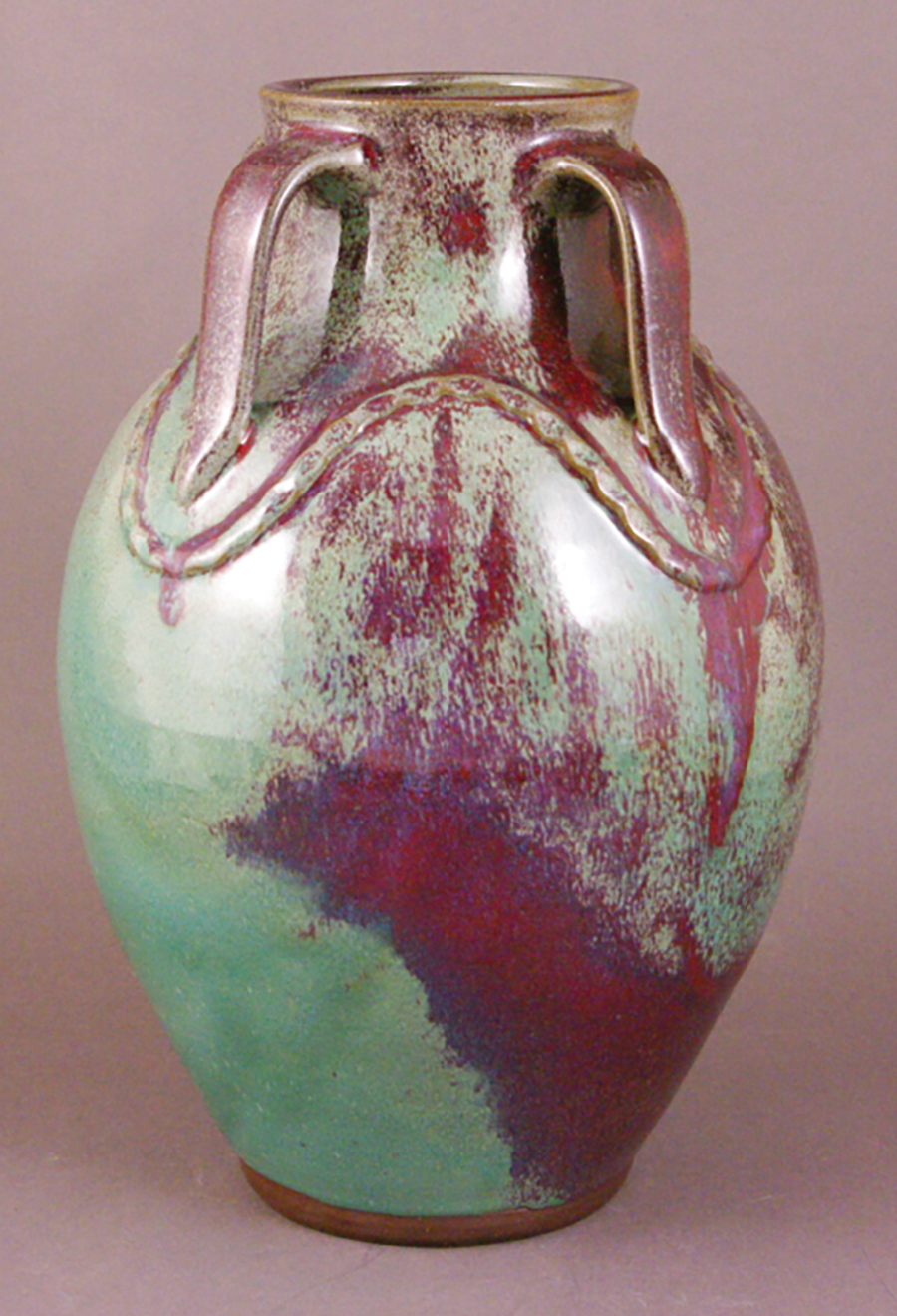
The Campbell House Galleries’ May exhibition opens at 5 p.m. on Friday, May 7, and runs through May 28, featuring Jugtown Pottery, paintings by Sharon Ferguson, JLK Jewelry, and woodworking by Andrew Ownbey. Campbell House is at 482 E. Connecticut Ave., Southern Pines. For info call (910) 692-2787 or visit www.mooreart.org.

Also on May 7, the Artists League of the Sandhills, 129 Exchange St., Aberdeen, will hold a reception from 5 p.m. to 7 p.m. featuring the work of Kathy Lueck in an exhibition titled “Adventures with a Palette Knife.” The exhibition runs through May 27. For additional information, call (910) 944-3979.

Have Corkscrew, Will Travel

Enjoy wine, light hors d’oeuvres, silent auctions, a wine raffle and jewelry at “Ladies Wine Out” at the Weymouth Center for the Arts & Humanities, 555 East Connecticut Ave., on Thursday, May 6, from 5:30 p.m. to 7:30 p.m. The rain date is May 13. Tickets are $20 for members and $25 for nonmembers and are available at www.ticketmesandhills or by calling (910) 692-6261.

Mother’s Matinee

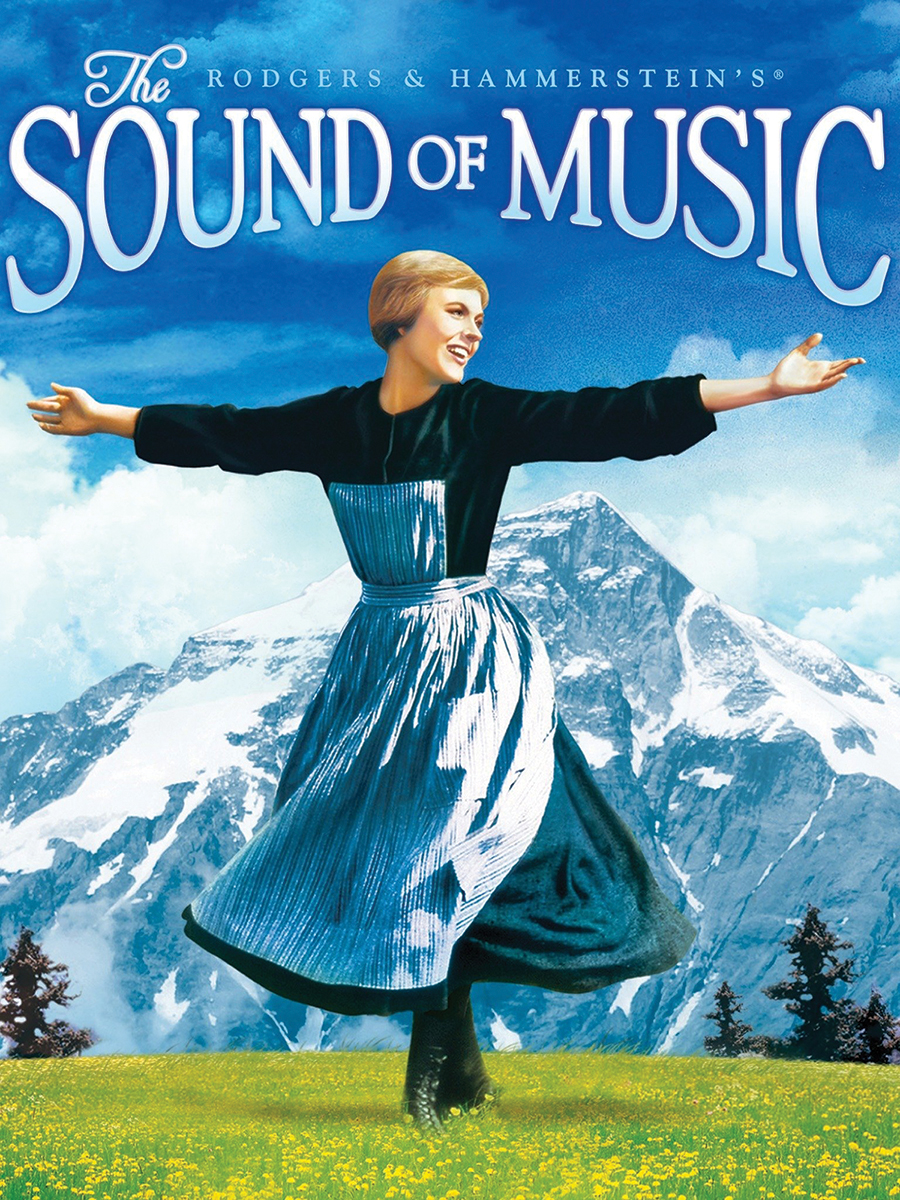
Celebrate Mother’s Day with a special showing of The Sound of Music at 2 p.m. on Sunday, May 9, at the Sunrise Theater, 250 N.W. Broad St., Southern Pines. Tickets are $10 per person, and masks are required inside the theater. For additional information visit www.sunrisetheater.com or call (910) 692-3611.

Cinema En Plein Air

The Sunrise Theater, 250 N.W. Broad St., in Southern Pines, will be featuring outdoor movies beginning with Mamma Mia! on Friday, May 7, and Saturday May 8, at 8:15 p.m.; and Ghostbusters on Friday, May 21, and Saturday, May 22, at 8:30. Tickets for the movies are $10 per person. In the event of inclement weather, the movies will be screened indoors. For more information call (910) 692-3611 or go to www.sunrisetheater.com.

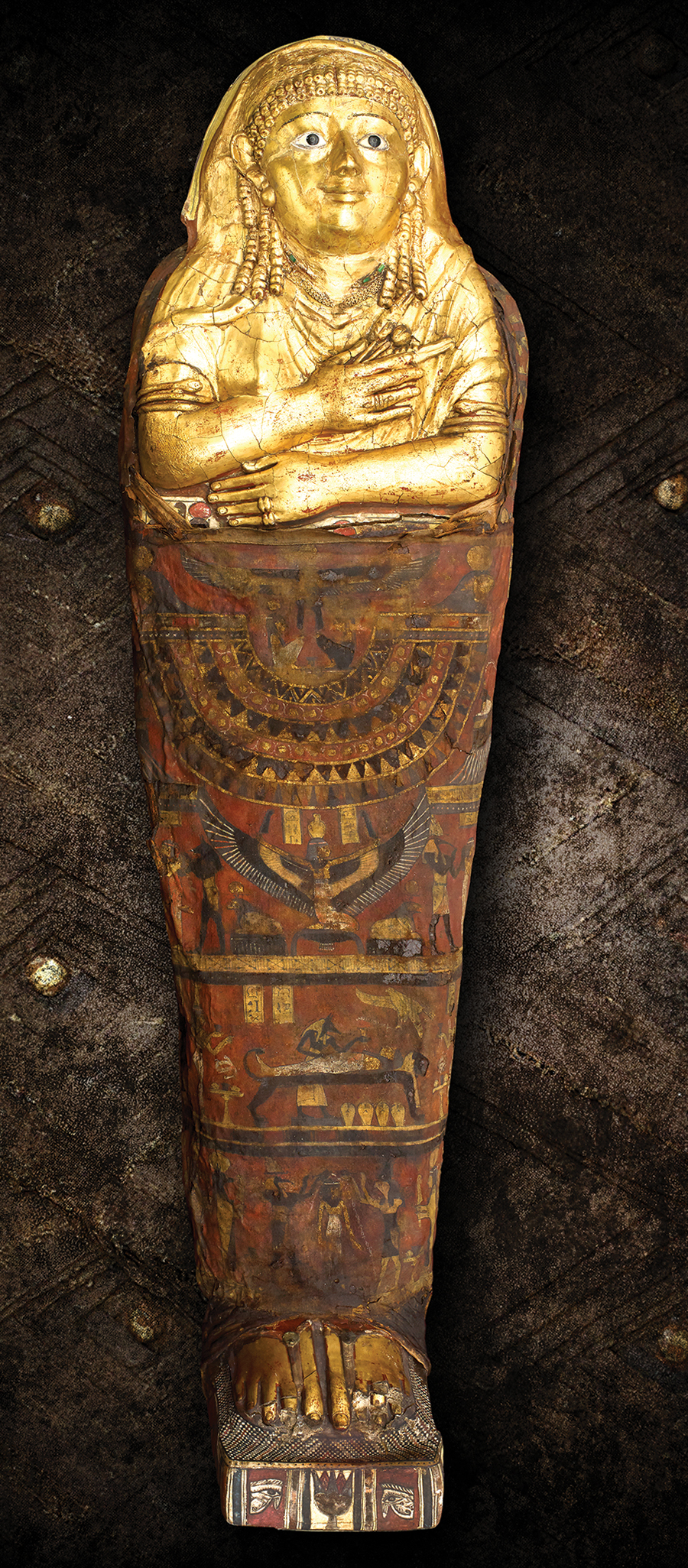
Gilded mummy called Lady Isaious. © 2020 Manchester Museum / Michael Pollard

Mummies Day

What says Mother’s Day more than a visit to the North Carolina Museum of Art’s exhibition of the Golden Mummies of Egypt? In a series of lavishly illustrated sections, the exhibition uses the collections of the Manchester Museum to showcase multicultural Roman Egypt (circa 300 B.C.E. to 200 C.E.) where diverse Egyptian, Roman, and Greek communities and influences were blended. Visitors will learn about the three mummies in the exhibition using interactives to see underneath the wrappings, thanks to digital radiography paired with multidirectional CT scanning. The exhibition runs through July 11. For tickets visit ncartmuseum.org.

Dig This

The Master Gardener Hotline will be back to talk you down off the horticultural ledge beginning Monday, May 3. Questions about lawns, plant care and sustainable gardening are all fair game. The Master Gardeners will be available from 10 a.m. to 12 p.m., Monday through Friday at (910) 947-3188. The program continues through Oct. 31.

Taste of North Carolina

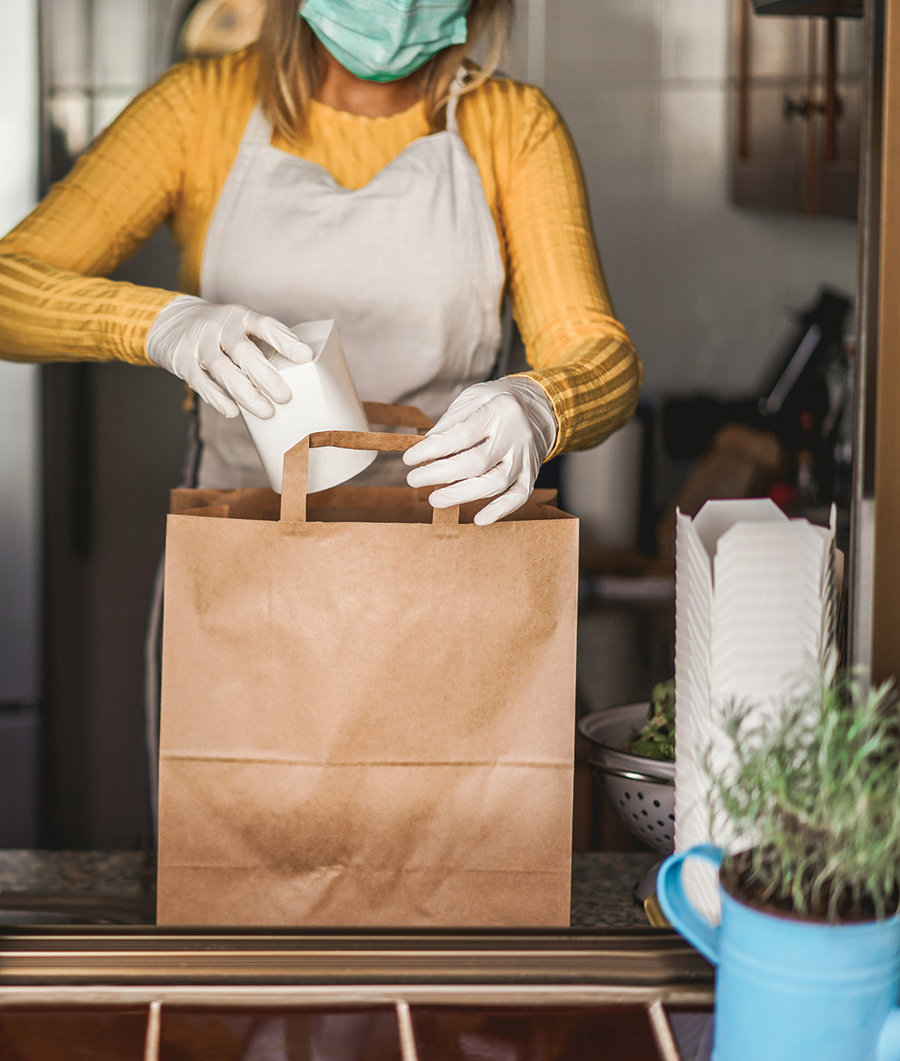
Given Memorial Library and Elliott’s on Linden will team up for another delicious Given to Go on Tuesday, May 18. The menu will be a seasonal spring mix, grilled chicken breast, herb red bliss potato salad and assorted cookies. Pickup is from 5:30 p.m. to 6:30 p.m. at the Given Memorial Library, 150 Cherokee Road, Pinehurst. Tickets for the fundraiser are $22 per meal and sales end on Friday, May 14. Meals can be pre-purchased at the Tufts Archives at (910) 295-3642 or by email at giventufts@gmail.com.

Golftown Journal

Golf on Foot

The delights of having a bag on your shoulder

By Lee Pace

Howard Lee was an administrator in Gov. Jim Hunt’s administration in 1977 when he initiated what would become a walking trail of some 1,200 miles from the North Carolina mountains to the Outer Banks. “To be able to get out here and see the trees and the flowers and to be able to see the animals and the natural areas is just so relaxing and so soothing,” Lee said on the 40th anniversary of the Mountains-to-Sea Trail in 2017.

Lee finds exercise and solace on another trail, too — a golf course.

One April afternoon in 2019, Lee and I were walking the fifth fairway at Old Chatham Golf Club just east of Chapel Hill, with the green complex set amid a hillside resplendent in white and pink azalea bushes at full bloom.

“If you can’t be relaxed looking at this kind of beauty, I don’t know,” said Lee, 84 at the time. “And that’s the beauty of walking, whether it’s a trail or the golf course, you learn so much when you can commune with nature. There’s always something to appreciate, a bird or flower or something in nature.”

Over four hours and 6 miles you come to understand how Lee, the former mayor of Chapel Hill and N.C. state senator, is a poster boy for playing golf the old-fashioned way — on foot.

Slinging the bag over his shoulder after one tee shot: “I enjoy carrying the bag, so I just think as long as someone my age can walk, it would be a sin not to do it.”

Strolling up to another shot: “I’ve been struck by the number of young people who are riders. They just jump in the cart and off they go. I hate to see that.”

And on his surprise at seeing newfangled golf carts equipped with a means to power up a cellphone: “For what good reason would you put a USB port in a golf cart? Isn’t the whole point of golf to get away from your cellphone for a few hours?”

Howard Lee and I sing from the same hymnal — with choruses abounding on the joys of walking the golf course and avoiding, at all costs, planting your bum in an artificial contraption. And I found over the last three years there are many more of our ilk.

Which is why I’m delighted this month with the release of my book Good Walks — Rediscovering the Soul of Golf at 18 Top Carolinas Courses. The coffee-table format volume was published by University of North Carolina Press and is built around essays, photographs and historic artifacts from a blend of private, resort and daily-fee courses around the Carolinas. The goal was to weave the architecture, ambience and culture into an essay about each of the courses, tipping the cap to those already in the choir of the walking golfer and offering a welcoming gesture to those on the outside.

That there is even a hook for a volume like this is a sad commentary on the state of golf in America. Walking golf? What’s the angle? Of course you walk when you play golf. I played Mid Pines in Southern Pines one afternoon in June 2019 with Ran Morrissett, an avowed walker and traditionalist and co-founder of the Golf Club Atlas website built around stories, photos and conversation about golf architecture. We arrived at the golf shop, checked in and were on the way to the first tee when a young attendant approached and offered to put our bags on a cart.

“It’s a walking sport,” Morrissett told him in a pleasant but direct and matter-of-fact tone and never broke stride walking toward the first tee. Later we were striding down the first fairway, enjoying the day. “I get nothing out of riding through corridors of condos or houses. That will not lift my spirit. Walking will.”

I play golf for a myriad of reasons. One is the never-ending challenge and the occasional pat on the head from the golf gods with that sub-80 score. Another is exercise. A third is the meditative quality of walking the ground and embracing nature. Enjoying the companionship of my playing partners is important as well — all the better if that’s split three ways while walking along rather than spending four hours-plus with one guy in a cart. Betting? Lame jokes? Hearing a guy tell some careworn story when it’s his turn to hit? Pounding beverages? Those don’t even register.

One of golf’s earliest appeals was its health-giving benefits, the player walking some 5 to 6 miles over varied terrain, making strength and endurance a key element of the sport. Too often today that component has been lost, with many golfers playing in a default mode of mandatory riding in motorized carts. I remember setting a last-minute round in Pinehurst many years ago, getting a tee time and two others to play. One of them showed up and said he’d invited a fourth, which was fine.

“Might as well fill up the carts,” he said. Apparently, it did not even register that someone would prefer to walk.

The book tells the stories of a handful of top golf experiences across the Carolinas, beginning with the oldest, Palmetto Golf Club in Aiken, S.C, and ending just as the 21st century beckoned and Eagle Point in Wilmington and Old Chatham were christened. Eighteen seemed like a good number for a golf book, right? The front nine clubs are pre-World War II, the so-called “Golden Age” of golf architecture when Donald Ross and Seth Raynor and their contemporaries had neither the handicap of modern environmental restrictions nor the convenience of dynamite and dozers. The back nine begins with the story of Myrtle Beach’s Dunes Club, a course that helped ignite that coastal area’s meteoric golf growth over the second half of the 20th century and continues with many of the upper-echelon clubs that mirrored the Carolina’s sporting and economic evolution into 2000.

The blend of courses leans toward the vintage, as many modern courses are stretched out for real estate purposes and lack a passionate roster of golfers treading on foot. I wanted to canvass all nooks of the Carolinas and weave in the great architects — from Ross to Raynor, from the Joneses (Robert, Trent and Rees) to Pete Dye and Tom Fazio.

I was gratified over the three years I spent writing and editing the book to see more and more clubs relaxing policies on mandatory carts and restrictions on trolleys. Pinehurst, Kiawah and Sea Pines, the venues of three courses featured in the book (No. 2, the Ocean Course and Harbour Town) all allow walking on any course, any time, any mode. Roaring Gap in the North Carolina mountains now allows walkers on weekend mornings. Biltmore Forest in Asheville has always had an outstanding walking culture and now devotes one room in its already cramped clubhouse to trolley storage.

“Mandatory carts is just not the way to do it,” says John Farrell, Sea Pines director of golf. “If you’re physically able, the way to play is to walk. It’s the easy way to roll. Here we’re at sea level, the proximity of greens to tees is good, it’s better socially, and obviously it’s better physically. There are so many benefits to walking I can’t see why you wouldn’t.”

The benefits, indeed:

Converse with everyone in your group, not just your cart mate.

Cool your emotions in private after a bad shot.

Notice every nook and cranny on the course and all the architectural details you miss from the edges.

Feel ravenous after four hours of stout exercise.

I could go on and on. Which I did, actually, in Good Walks.

I’ll leave you with the dedication and an invitation to pick up the book and enjoy the game as those old gnarly Scots did before combustion engines:

“To fellow golfers who’ve cherished the ground underfoot, the clink of clubs on their shoulder, the sun on their face and wind in their hair, the ducks by the lake and hawks in the sky — and to those waiting in the wings.  PS

Lee Pace’s Good Walks is available at bookstores and golf shops across the Carolinas and from uncpress.org/book/9781469662862/good-walks/.

Simple Life

Simple Gifts

The secret to a good life? Less is more

By Jim Dodson

A friend recently wondered why I named this column “Simple Life.”

I joked that it was better than the original name I came up with — “Frankly, My Name Escapes Me.”

In truth, the title is as aspirational as it is functional, a useful reminder that the longer I live, the more I grow to appreciate the value of simplifying my life.

In her recent column, “Simplicity: The Neglected Value,” author and communications coach Bruna Martinuzzi points out that we time-enslaved, stressed-out, overworking humans simply don’t know what’s good for us when it comes to where we place our focus in life.

“We read and hear enough about its benefits in just about every facet of our lives,” she writes, “yet we walk past it, every day, in pursuit of the more complex, complicated, tangled and sometimes puzzling. There is no glitter in simple, not enough buttons to play with. We fear that simple equates with easy, light, too basic — unsophisticated.”

Leonardo da Vinci, in fact, declared simplicity the ultimate form of sophistication. As did the likes of Winston Churchill, Albert Einstein, Walt Whitman, Lao Tzu, Yogi Berra, Marcus Aurelius, Leo Tolstoy and Maya Angelou. Rumi called it the dust that hides the gold.

Whether planning a wedding or a war, simplicity is key to a successful outcome, knowing what’s not essential and eliminating it before things get out of hand.

A year ago, the combination of the pandemic and wedding plans that had grown far more complicated than expected prompted my daughter, Maggie, and her fiancé, Nate, to postpone and rethink how they wished to tie the knot. They’ve since envisioned an intimate gathering of close friends and family to celebrate their union when the moment is right, somewhere in nature, stress-free and away from the madding crowd.

One unexpected benefit of this strange year of distance and isolation, social scientists and trend-watchers report, is a broad refiguring of how we Americans live, work and appropriate our time.

While churches and bars — the yin and yang of modern cultural society — still struggle to stay open, life-enriching activities like meditation, Zoom yoga, home gardening, golf and bird-watching have mushroomed in popularity. According to more than one expert on the American workplace, mobile workspaces and home offices will be the engine that produces the next Industrial Revolution, spawning a vast new generation of home-grown entrepreneurs and inventive visionaries.

History holds some encouraging parallels. During the Great Depression and Second World War, an era of severe economic dislocation and public self-sacrifice, a generation of self-made engineers, tinkerers and inventors — many working in the isolation of their own garages and backyard sheds — managed to create everything from frozen foods to the first computers, color TV to dialysis machines, jet engines to Tupperware. That boom became the foundation for the consumer revolution and space age of the 1950s and ’60s. Your smart phone is the godchild of that time.

A couple years ago, while traveling the Great Wagon Road for my current book project about America’s original immigrant highway, I paid an afternoon call on a lovely Amish family, the Lapps, who live in the heart of Pennsylvania’s lush Lancaster County.

The “plain” ways of America’s Old Order Amish — such as their unadorned clothing, use of oil lamps instead of electricity and reliance on horses for transportation and farming — are an echo of our vanished agrarian past and a living reminder of the virtues of simplicity.

Amish and Mennonite farmers were the first European settlers to answer William Penn’s call to Lancaster County in the late 17th century, using their wise farming practices and love of the land and their animals to transform the county’s rich limestone soil into the most productive farmland in the nation. The so-called “Garden Spot of the Nation” is now regarded as the birthplace of American agriculture.

The Lapp family’s ancestors had been on their land since before the American Revolution, living as comfortably in accord with nature and the Divine as anyone I’ve ever met. After Mervyn showed me around his immaculate barns, we sat with his wife, Catharine, in the evening light, sipping delicious meadow tea — a drink made from boiling fresh mint gathered from surrounding fields — beneath a grove of old trees. They talked about their three grown sons, all of whom worked in the family’s masonry business, and how devotion to God, family and the pleasure of doing good work with their hands were the pillars of a rewarding life. It was one of the most pleasing interviews I’ve ever conducted.

For the record, there were even a few myth-busting surprises, including the fact that the Lapp men were all crazy about playing golf, and that Mervyn was a lifelong L.A. Dodgers fan who often watched games on his neighbor’s television.

“If you’re smart,” he told me during our walk through his beautiful stone barn, “you take stock of what’s really important in your life . . . and other things you can simply live without.” He paused and gave me a wry look. “Simple things are always best. That’s a key to happiness. But I do need my Dodgers.”

As I drove home to North Carolina on a winding backcountry road, I was reminded of my own aspirations of simplicity, beginning with my chosen route home. Getting anywhere fast is one thing I can do without.

In his 1939 classic, The Importance of Living, Lin Yutang points out that beyond the noble art of getting things done, there may be an even nobler art of leaving things undone. “The wisdom of life,” he writes, “consists in the elimination of nonessentials.” 

During this year of distance from friends and family, in place of going out to movies or dinner, an older couple I know took up reading to each other every morning from their favorite books, a practice they plan to continue indefinitely. “It’s been a wonderful discovery,” Harry reports. “A simple gift that’s brought us closer than ever. It’s now part of our lives.”

Over this same interlude, I began work on a large garden I have dreamed of making for many years, one that will probably take me many more years to complete. As any gardener knows, of course, a garden is never finished, so my education as a man of the soil — and my wonder at its constant gifts — will never cease, until I do.

Simply put, what a lovely thought.   PS

Jim Dodson can be reached at jim@thepilot.com.

Simple Life

My Wife’s Secret Life

And why I’m happily married, blissfully in the dark

By Jim Dodson

I recently discovered that my wife, Wendy, enjoys a secret life.

Actually, I’ve known about it for years. I just never let her know that I knew about it.

It’s also possible that she’s always known that I know about it (and has chosen to keep that a secret, too).

Either way, the woman is a master at keeping her husband happily married and blissfully in the dark.

Consider the high drama of our recent unplanned kitchen makeover.

One evening last spring, our fancy German dishwasher blew up like the Hindenburg and flooded the kitchen of the charming mid-century bungalow we’ve spent the last five years faithfully restoring.

I suggested we move to Scotland.

Within days, however, Wendy had rallied a small army of specialists with industrial driers, fans and blueprints for a complete renovation.

Curiously, they all seemed to know my wife by her first name.

Though I’m hardly the suspicious type, such fraternal bonhomie did make me momentarily wonder if Dame Wendy might have a private, second career as a kitchen subcontractor and home makeover artist.

One of her not-so-secret pleasures, after all, are the makeover programs playing around the clock on HGTV, brick-and-mortar dramas where — in the span of 45 minutes — unspeakably decrepit houses are transformed into suburban show palaces by clever couples who make witty remarks about shiplap and infinity tubs.

Not that I’m the jealous type, but my bride speaks so casually about home-rehab hosts Joanna and Chip Gaines or the dorky Property Brothers or that sweet, folksy couple redoing the entire town of Laurel, Mississippi, it’s as if she actually knows them. And I can almost picture the Good Bones gals whispering sweet nothings about rare Victorian beadboard or vintage crown molding in Dame Wendy’s wise conch-like ear.

Unlike the unreality of these home makeovers, our massive kitchen “reno” took nearly a year to complete, including endless delays due to COVID-19. We upgraded the subflooring, wiring and plumbing; installed a beautiful Tuscan tile floor; searched two counties for new granite counters; and outfitted the entire kitchen with new appliances. We also ordered so many takeout meals that I considered moonlighting for Grubhub.

I’ll confess, there were moments when I had beguiling dreams of misty Scotland — specifically a rather fetching one in which I am rowing a dinghy across Loch Lomond with a provocatively dressed (and pre-crazy) Kim Basinger sitting in the bow.

Strictly between us, I have no idea what this dream could mean. But I’m not dinghy enough to tell my wife about it because she’ll know exactly what it means, and I really don’t want to spoil the surprise if Kim and I ever reach the other side of the loch.

Besides, doesn’t a bloke deserve a few healthy secrets of his own?  Sadly, I don’t have many others. Unless you count the fantasy about being the first man in history to ride his John Deere lawn tractor across America. Of course, that dream died when Wendy sold my tractor at a yard sale in Maine right before we moved to Carolina. She claims there was no room for it on the moving truck, meaning I couldn’t at least drive it home to the South and make a few bucks mowing lawns along the way.

I recently heard a top marriage specialist on the radio insist that the secret to a long and happy marriage is “not having too many secrets, but enough to keep a marriage interesting.”

The specialist, a female psychologist, didn’t specify how many secrets keep a marriage interesting, or conversely, how many keep a marriage from collapsing like a $2 beach chair.

Fact is, I am perfectly happy operating on a strictly “need-to-know” basis. She knows that what I don’t know won’t hurt me, which may be the key to our own long and happy marriage.

Besides, we have an enviable distribution of domestic duties and responsibilities.

Wendy runs the house, pays the bills, makes most of the important decisions and never fails to find my missing eyeglasses/wallet/car keys or TV remote when it’s clear some thoughtless nitwit has mistakenly put them somewhere just to make me go crazy.

Suffice it to say, I know my proper place in our happy domestic realm, outside in the yard quietly missing my beloved John Deere lawn tractor.

On an entirely separate front, I have no idea how much money I earn from my so-called literary career. I simply put together words that amuse me, send them off to editors I’ve never met who (sometimes) like and (eventually) pay me real folding money for them.

It’s a sweet mystery how this magic happens. I frankly never know my precise material worth, year to year, but I assure you it’s no mystery to Dame Wendy how much money I make — or am due — down to the last farthing.

Home and family, however, are where Wendy’s secret life truly excels.

Our four fully grown and theoretically independent children constantly call up from faraway places to share their endless existential crises or ask her advice on all manner of discreet topics, confiding things they wouldn’t dream of telling the old man, whom they only call when they need more farthings to cover the rent.

But that’s OK with the old man in question. The older he gets, the less he knows and the happier he is.

For it’s all about perspective — i.e. my wife’s clever design for our happily married life.

One final example shall suffice.

The other afternoon, I popped into the house from trying to start up my walk-behind mower for the first lawn-cutting of the spring and discovered that my multitasking domestic Chief Executive was putting the final touches on our brand new fully renovated kitchen in a manner most unusual.

She’d just assembled an elaborate rolling cart she’d ordered from some chic West Coast design house and was dancing rumba-like to South African reggae music as she decorated Easter cookies for neighborhood kids.

“I’m thinking of painting the den a lovely new green for the spring,” she blithely announced, sashaying past me. “It’s called Mountain Air. What do you think?”

As our elegant new dishwasher purred away, she waved the sample color on her smart phone, which isn’t remotely as smart as she is but probably a good deal smarter than her husband.

After 20 years of happy marriage, I’m no April fool.

I simply told her that I loved it and headed back to my stubborn lawn mower, secretly dreaming about Kim Basinger riding a John Deere tractor through the misty Scottish Highlands.   PS

Jim Dodson can be reached at jim@thepilot.com.

Southwords

Gram “R” Us

From hymns to Chips Ahoy

By Renee Whitmore

“I’m going to do some warsh. Do you need anything warshed?” Gram asked as she carried the laundry basket full of dirty clothes through the living room.

Even as an 8-year-old, I burst into giggles.

“You’re going to what?”

“Warsh clothes.”

“What is warsh?”

A familiar gleam highlighted her hazel eyes. “Oh, Naisy! You just like to laugh at your old Gram.”

One Sunday when I was a teenager, I was in church with Gram and Gramps. Standing beside her, I could hear her singing, adamantly and off key: “What can warsh away my sins?” I excused myself and went to the bathroom to get my face straightened up. The hilarity seemed to escape most of the faithful.

Gram always pronounced “wash” as if there was an R in it. And every single time, even though I knew it was coming, I would explode with laughter. She knew this, too. Saying “warsh” was just a part of her antics.

Gram, whose name was Audrey, was born in 1934. She was a child of the Depression and World War II and saved everything. I remember going through her fridge and pulling out ranch dressing, two years expired.

“Gram, this is old. I’m throwing it away.”

“It’s probably still good, honey.”

The intense mold spotting through the glass looked like an evil science experiment. “Bye, ranch.” I tossed it in the trash can.

You know what else Gram saved? Cookies. She loved cookies, especially chocolate chip ones, but any would do. As a kid, I would sneak them out of her kitchen drawers and, as an adult, it wasn’t unusual for me to find a dozen half-eaten cookies wrapped in paper towels hidden here and there in her bedroom.

Gram and Gramps (his name was Ray) had three kids. The oldest is my mom, and I’m the oldest of six grandchildren. Gram worked all her adult life as a nurse, and she was a good one. She spent her days taking care of patients and knew how to bark out orders like a drill sergeant.

Even as dementia darkened her mind, her wit shined. Once, when she was a patient in her own hospital, I found myself talking to one of the attending nurses on the phone.

“I asked her what her name is,” the nurse told me. “She said, ‘Puddin’ Tane ask me again and I’ll tell you the same.’ She never would tell me her name.”

Gram was an avid reader of this magazine. She always had the latest one, and my columns were bookmarked with Post-it Notes. She could never remember what I had written, but she knew it was her granddaughter behind the words. That made me smile.

In her final years, when dementia won the day, she would recite her favorite Scriptures and sing her favorite hymns. She spent her last days in hospice care, and I sang some of her favorites to her, even if I needed a quick YouTube tutorial first.

Gram passed away peacefully on August 9, 2020. When I was writing her obituary, I asked my Mom, uncle, siblings and cousins to describe her in one word. Here’s what I got:

Tenacious. Feisty. Punchy. Driven. Caring. Steadfast. Faithful. Strong.

After Gram passed away, we were going through her stuff, as family does, and in the bottom of her walker, we found a bunch of half-eaten cookies, carefully wrapped in napkins and tissues. The ants had found them, too.

If Gram had still been alive and I asked her why she had half-eaten cookies in the bottom of her walker she would have said, “I was saving them for later. You never know when you may need a cookie.”

And I would have said, “Gram, we need to warsh your walker.”  PS

When Renee isn’t teaching English or being a professional taxi driver for her two boys, she’s working on her first book.