Sporting Life

A Special Calling

Turning ducks on a dime

“In November,” the old man said, “even the
rattlesnakes don’t like to bite people.”

— Robert Ruark, The Old Man’s Boy Grows Older

By Tom Bryant

I’ve lived a bunch of Novembers, and each of them, although different, has carried a smidgen of sameness that has always made that special time of year one of the best.

If you’re an outdoorsman camping, hunting, fishing or just walking through the woods, November is the time that brings the rest of autumn into sharp focus. The sky is bluer, the air more fresh and crisp. All the animals seem more alive and alert. Ducks are in the middle of their migration south; male deer are in rut with necks swollen and antlers all scrubbed free of velvet. They’re prancing around looking for does. And if there are any quail, they’re alert, on the lookout for birddogs and hunters.

When I was a youngster, September meant going back to school, getting new books, and learning. It also meant the beginning of dove season, which made the month more palatable for me. Of course, I’d rather have been in the woods than in a classroom.

September went by in a flash and brought October, opening more hunting seasons and the first really cool weather that improved lake and river fishing.

October was the month to get ready. The older I get, the more getting ready there seems to be. In the long run, the preparation is better than the event itself. Seeing as how I’m a duck hunter more than anything else, in the weeks of October I’m in a dither rounding up all my equipment: waders, decoys, waterproof hunting coats, cold weather gear like wool shirts, socks and real necessities like long underwear. Duck boats have to be checked, canoes need to be updated with fresh camouflage, and duck calls need to be tried and, if necessary, retuned.

Over the years, I’ve collected a plethora of duck calls and have become somewhat proficient in using them. It really is quite an art. I can call a duck with my favorite call, but my call is nothing like that of a duck hunting guide I had the good luck to meet many years ago.

His name is Bill NightSky and he’s a Chippewa Indian who lives on the reservation close to Lake St. Clair in Canada. Bill is tall, about 6 feet, slender and moves with the natural grace of an athlete. He speaks with a slight accent. I think he enjoyed listening to a Southern accent because he smiled a lot when I answered questions about what duck hunting was like in the South. When we were heading out to his duck blind on Lake St. Clair and talking about calling ducks, he said to me, “You know, Tom, I don’t doubt you can call ducks using that special call hanging around your neck, but there isn’t a white man alive who can turn a duck like a Chippewa Indian. I’ll prove it to you this morning.”

And prove it he did. It was a weeklong trip. We flew to Detroit, spent one uneventful hour there, rented a van and drove across the river to Canada. At the border, we were thoroughly questioned by a guard about our guns. When she asked me if we had handguns, I laughed and replied, “Ma’am, I have a hard enough time hitting a duck with a shotgun, much less a handgun.” She didn’t smile or respond. I did get her to grin a little when I told her we were Southerners, had grown up with guns, and didn’t understand all the red tape in crossing the border. She even let us cross without unloading all our stuff from the car.

We had booked our rooms in a small hotel just a few miles from the Chippewa village and met our guide, Bill, early the next morning at an ice skating rink right outside the reservation. It was a real learning experience for me, my first visit to a tribal homeland. They had their own economy and government including game regulations and game wardens, police and, unfortunately, poverty. The destitution we encountered on the reservation was distressing. It was an eye-opening experience made more so by the goodwill we felt from our host and the natives we met when we hunted with them.

Bill split our party of four so that two of us went with another guide to the marsh bordering the lake, and Tom Bobo and I stayed with Bill to hunt from a small island a mile or so into Lake St. Clair.

The morning was misty and cold with a heavy frost, but in no time, we were hunkered down in the reeds looking out to open water and watching for ducks. Bill had put out just a few decoys, mostly big ducks like mallards, blacks and a couple of pintails. We were ready and waiting.

“I’m anxious to hear you blow your call,” I said to Bill. “What kind are you using?”

“The most natural one you can find,” he replied. “Watch, there are ducks heading our way.”

About eight or 10 ducks circled high above us, looking as if they were going to continue on down the lake. Bill cupped his hand over his mouth and did some chuckling that sounded exactly like a hungry mallard that had just discovered the mother lode of corn. The ducks put on the air brakes, turned on a dime and headed right back to our decoys. Bill did that same remarkable calling all morning using his mouth. No manufactured call. It was amazing.

As astonishing as it was to watch Bill NightSky call ducks with his mouth and hands, I still have to use a handmade wooden call. Not long ago, I had the opportunity to meet a young fellow from the Raleigh area who carves duck calls. They are more than a functional way to attract ducks. The calls he builds are works of art.

For me, a duck hunter who has lived through many seasons, it’s a pleasure to meet another duck-calling enthusiast, especially one as young as Tom Padden. Tom has turned his hobby into a business. If you’re lucky enough to get on the list for one of his handmade calls, I’m sure it will be a prized addition to your collection.

While we were having lunch, Tom showed me several pictures on his smart phone of duck calls he has made. Each one was remarkable. Looks are one thing, but when I asked him how they sound, he replied good naturedly, “Like a duck.”

I was fortunate several years ago to meet my cousin’s husband’s brother, who is an avid duck hunter and builds his own calls. He is also South Carolina’s duck-calling champion, for what year I don’t remember.  I convinced him to make me three calls. I kept one and gave the other two to good hunting buddies. They are strictly utilitarian in looks, but man, they do the job.

I plan on getting young Padden to make me a call this winter and can’t wait to add it to my collection. By the way, if you’re interested, his business is Birddog Outdoor Inc. in Cary, North Carolina. Get in touch. Probably, you’ll have to be added to the list, right under my name.  PS

Tom Bryant, a Southern Pines resident, is a lifelong outdoorsman and PineStraw’s Sporting Life columnist.

Bookshelf

November Books

FICTION

Here Is the Beehive, by Sarah Crossan

Ana, an unhappily married lawyer, and Connor have a three-year affair. Ana is happy to leave her family for him but Connor is hesitant. Ana finds out about his death from his wife, who calls Ana, Connor’s lawyer. The cause of death is kept from the reader. In beautiful and sparing language, this book is told in five parts dealing with Ana’s grief, love and loss — all a secret, even as she secretly changes the will so that she is the executor and can keep him close a little longer.

Together in a Sudden Strangeness: America’s Poets Respond to the Pandemic, edited by Alice Quinn

In this urgent outpouring of American voices, poets speak to us as they shelter in place, addressing our collective fear, grief and hope from eloquent and diverse individual perspectives. The executive director of the Poetry Society of America, Quinn was also the poetry editor at The New Yorker from 1987 to 2007 and an editor at Alfred A. Knopf for more than 10 years prior to that.

The Archer, by Paulo Coelho

From the bestselling author of The Alchemist comes an inspiring story about a young man seeking wisdom from an elder, and the practical lessons imparted along the way. It’s the story of Tetsuya, a man once famous for his prodigious gift with a bow and arrow, and the boy who comes searching for him. The boy has many questions, and in answering them Tetsuya illustrates the tenets of a meaningful life, how one must take risks, build courage, and embrace the unexpected journey fate has to offer.

NONFICTION

From Russia with Blood: The Kremlin’s Ruthless Assassination Program and Vladimir Putin’s Secret War on the West, by Heidi Blake

The untold story of how Russia refined the art and science of targeted assassination abroad — while Western spies watched in horror as their governments failed to guard against the threat — is now in paperback. Unflinchingly documenting the growing web of death on British and American soil, Blake bravely exposes the Kremlin’s assassination campaign as part of Putin’s ruthless pursuit of global dominance and reveals why Western governments have failed to stop the bloodshed. The unforgettable story that emerges whisks us from London’s high-end night clubs to Miami’s million-dollar hideouts, and ultimately renders a bone-chilling portrait of money, betrayal and murder, written with the pace and propulsive power of a thriller.

The Science of James Smithson: Discoveries from the Smithsonian Founder, by Steven Turner

By providing scientific and intellectual context to his work, The Science of James Smithson is a comprehensive tribute to Smithson’s contributions to his fields, including chemistry, mineralogy and more. This detailed narrative illuminates Smithson and his quest for knowledge at a time when chemists still debated things as basic as the nature of fire, and struggled to maintain their networks amid the ever-changing conditions of the French Revolution and the Napoleonic Wars.

Pancho Villa’s Saddle at the Cadillac Bar: Recipes and Memories, by Wanda Garner Cash

In 1924, Achilles Mehault “Mayo” Bessan and his 18-year-old bride journeyed from New Orleans to Mexico, where he ultimately transformed a dirt-floored cantina in Nuevo Laredo into a bar and restaurant renowned across the United States for its fine seafood and fancy cocktails. Cash writes, “I grew up behind the bar: first child and first grandchild. I spoke Spanish before I spoke English and I learned my numbers counting coins at my grandfather’s desk . . . I rode Pancho Villa’s saddle on a sawhorse in the main dining room, with a toy six-shooter in my holster. I fed the monkeys and parrots my grandfather kept in the Cadillac’s parking lot.” Readers will find themselves drawn to a different, more languid time, when Laredo society matrons passed long afternoons in the bar, sipping Ramos Gin Fizzes; when fraternity miscreants slouched into the Cadillac to recover from adventures “South of the Border”; when tourists waited in long lines for 40-cent tequila sours and plates of chicken envueltos.

CHILDREN’S BOOKS

Margaret’s Unicorn, by Briony May Smith

When a unicorn is your friend, you wish spring was far away. You wish for long days of feeding your unicorn water warmed by moonlight and flowers from the meadow. You want more first snows, warm fires and days splashing in the waves. But when spring comes and your unicorn rejoins his herd, you’re just glad for the wonderful memories of your amazing friend. The absolute perfect book for unicorn fans. (Ages 4-7.)

The Silver Arrow,
by Lev Grossman

What to do if it’s your 11th birthday and your life is much too boring? Why, write to your long-lost rich uncle and ask for a birthday surprise, of course! So when a full-sized steam engine arrives in Kate’s backyard, she and her brother find themselves rolling right into the middle of an epic adventure in which they must imagine cars for the train (swimming pool car!) and must care for the animals (talking ones!) who are waiting at each station platform with tickets. Perfect for a family read-together. (Ages 8-12.)

Pearl and Squirrel Give Thanks, by Cassie Ehrenberg

“Thanksgiving is when you share what you’re thankful for with family and friends,” Stan tells Pearl and Squirrel. Jump rope, fetch, fountains for swimming, friends and cuddly nap spots are all amazing things, but the thing Pearl and Squirrel are most thankful for is a warm dry place to call home. A break from the traditional Thanksgiving books, this one is sure to be a kid favorite this holiday season. (Ages 3-6.)

The Blue Table, by Chris Raschka

Flowers, apples, pies. There are so many things to be thankful for, but the thing that stands out the most is the family that gathers around the table. Great for Thanksgiving or any day everyone gathers, The Blue Table is a wonderful celebration of the things that matter most. (Ages 3-6.)

Only the Cat Saw,
by Ashley Wolf

As the family busily goes through their daily routine, only the cat sees the sheep grazing, the lightning bugs come out and the shooting star streak across the sky. Only the cat sees the beauty and wonder. A gentle reminder to slow down and appreciate the miracles in every day. (Ages 3-6.)  PS

Compiled by Kimberly Daniels Taws and Angie Tally.

Simple Life

A Country Made of Clouds

Awakening the dreamer is as simple as slowing down and looking up

By Jim Dodson

Not long ago, an old friend named Macduff Everton sent me a gift that reminded me to look up and take heart.

It was a stunning picture of clouds passing over a clubhouse at Smith Mountain Lake, Va., taken in late August of this year. Set against a dark, rainy sky, a line of bright white clouds that resembled the curling tops of ocean waves tumbled over the horizon, a remarkable cloud formation caused by shearing winds.

Macduff happens to be one of the world’s most honored landscape photographers, an artist whose work hangs in numerous museums around the world.  Art critics have compared him to Ansel Adams for his soulful eye and brilliant portraits of nature, landscape and people. 

Years ago, we traveled the world in each other’s company, photographing and writing about people and places from Ireland to New Zealand. Along with his wife, Mary, an internationally known artist in her own right, we once spent two weeks working in Cuba while Mary lectured at an art school in Havana. His photos from our fortnight on the forbidden island 25 years ago are some of the most soulful and revealing photos you’ve ever laid eyes on.

The amazing photo of clouds at Smith Mountain Lake, a rare formation technically known as a Kelvin-Helmholtz fluctus cloud, however, wasn’t a Macduff Everton jewel.

It was a simple photograph taken by Amy Hunter, member 50,322 of something called the Cloud Appreciation Society.

Macduff knew I would find it fascinating, which explains why his email featured the Society’s “Cloud of the Day” photograph along with a link to the organization’s website.

I clicked on it and spent a dreamy hour looking at a spectacular array of photographs and paintings of clouds posted by the society’s tens of thousands of members across 100 nations around the world, people who find comfort and inspiration in looking up at clouds. I also watched a TED Talk by the society’s founder, Gavin Pretor-Pinney.

His purpose in founding the Cloud Appreciation Society was to simply remind people of the value of looking up at the Earth’s most ephemeral live artwork.

“Clouds are so commonplace, so beautiful, people don’t even notice them unless they get in the way of the sun,” Pretor-Pinney told his TED audience, adding that Aristophanes, the Greek playwright, described passing clouds as “the goddesses of idle fellows” and believed they were, on the contrary, a boon to human imagination.

“Most people will admit to a nostalgic fondness for clouds that reminds them of their youth, finding shapes in the sky when we were masters of daydreams,” he said, pointing out that the digital world we live in today conspires to make us terminally too busy to pause and look up.

The point of cloud-spotting, as he calls it, is simply to slow down life’s swirling pace and observe the ever-changing beauty that is right above you, the perfect everyday meditation. “I think if you live with your head in the clouds it will help you keep your feet on the ground,” he says.

The society’s manifesto is a gem.

WE BELIEVE that clouds are unjustly maligned and that life would be immeasurably poorer without them.

We think that they are Nature’s poetry, and the most egalitarian of her displays, since everyone can have a fantastic view of them.

We pledge to fight “blue-sky thinking” wherever we find it. Life would be dull if we had to look up at cloudless monotony day after day.

We seek to remind people that clouds are expressions of the atmosphere’s moods and can be read like those of a person’s countenance.

We believe that clouds are for dreamers and their contemplation benefits the soul. Indeed, all who consider the shapes they see in them will save money on psychoanalysis bills.

And so we say to all who’ll listen:

Look up, marvel at the ephemeral beauty, and always remember to live life with your head in the clouds!

In a year under assault by a killer pandemic, a world suffering from a collapsed economy and a death rate spiraling ever upward, not to mention a presidential election that will offer either a ray of hope or more hopeless chaos, looking up at clouds suddenly struck me a very sensible thing to do.

I signed up right away and within days received my official Cloud Appreciation Society Certificate of Membership, newly minted member number 52,509, plus a nifty “Cloud Selector” designed to help a rookie cloud spotter identify the ephemeral art forever passing overhead.

It felt like 1957 all over.

That year, as a dreamy four-year-old who lived in a house directly across the street from the Gulf of Mexico in Mississippi, I became obsessed with storm clouds over the ocean thanks to a man named Big Earl who ran the printing press at my father’s weekly newspaper in Gulfport. Big Earl informed me that we lived “smack dab in the middle of Hurricane Alley.”

With a kind of ghoulish enthusiasm, he suggested that I keep a sharp eye on storm clouds over the Gulf because they would indicate when a major hurricane was headed our way.

His warning prompted me to write off for an official Hurricane Preparation Kit offered, as I recall, by the National Geographic Society, just to be ready for the big blow. Every day I watched the clouds over the Gulf.

But no hurricane ever came.

Plenty of bone-rattling thunderstorms did, however, which caused the Gulf to cough up spectacular sea shells for my mom and me to collect on our evening walks.  We often sat at the end of the dune boardwalk watching the changing skies over the water — a gorgeous light show of pleated pinks and purples — picking out shapes that looked like faces or animals in the sky.

That autumn, we moved home to Carolina. By then, I was hooked on skywatching.

On my first trip to England in 1977, arriving as dawn broke over the continent, my plane dropped through a thick soup of clouds that always seem to blanket the Blessed Isles when suddenly, just below, a magical green world of hedgerows and winding lanes appeared, a storybook village with a Norman church tower and a herd of sheep on the hill. I was utterly awestruck. Those clouds were a curtain to enchantment.

From that point forward, whenever work duties placed me in the sky — which was often in those days — I loved flying through and above clouds, watching moving continents of white stretching away to eternity below the wings of the airplane, a visually majestic kingdom where light and weather forever danced together. I came to think of that peaceful, otherworldly place as a “country made of clouds.” 

Several years ago, in fact, I even began writing a novel with that notion in its title, a project that recently morphed into a screenplay about a troupe of pioneering female pilots after World War II that my daughter Maggie — the real writer in the family — is working on, with a little help from her cloud-loving old man.

Here’s a key scene from my unfinished novel, A Country Made of Clouds, in which the protagonist, a famous aviatrix and women’s activist named Dodo Barnes, takes her young son up for his first ride in her old barnstorming biplane for a sunset flight over the Outer Banks. He’s a wispy little kid, not unlike I was in 1957. Dodo speaks into his ear as he perches on her lap, awestruck by the beauty of the shapes in clouds he sees below them.

“You know, Hawk,” says Dodo, “I find such happiness up here. It’s like a beautiful country made of clouds, a place where there are no wars, no turmoil, no sadness of any kind, only endless light and peaceful clouds you could almost walk on to forever. I sometimes think this must be what the way to heaven looks like.”

Somewhere during our many journeys together, I must have told my buddy Macduff Everton about this novel, describing a scene that was inspired by my mother’s own words as we sat on the dunes long ago watching clouds over the Gulf of Mexico.

Or maybe he just sensed that I would find the Cloud Appreciation Society a timely reminder of my days as a master of daydreams, the perfect antidote to a world turned upside down.

Whichever it is, society member 52,509 is thrilled to look up and put his head in the clouds.  PS

Contact founding editor Jim Dodson at jim@thepilot.com.

Weekend Away

Port City Adventure

The Madcap Cottage gents “arrive” in Wilmington, literally

By Jason Oliver Nixon

John and I moved to North Carolina from Brooklyn, New York, six years ago and, egads!, had yet to visit the North Carolina coast. Over the years, Florida friends had invited us to their retreats in Highlands and Blowing Rock, but a trip to the shore kept getting shelved in favor of somewhere more far-flung — say, Sicily.

And then . . . Hello, pandemic!

Living in High Point, our Emerywood nabes escape to the Figure Eights and Bald Heads, but we are a bit less fancy and more “beach-adjacent” people who like to savor the strands for a stroll rather than loll about shoreside all day. John and I enjoy a view of the water but we don’t really swim — unless it’s a pool. We love history. Sidewalks. Charming residential architecture. Cool restaurants. And a hotel with a real personality that welcomes dogs and avoids trough-style breakfast situations.

John and I polled our style-setting friends, and, eureka!, Wilmington seemed to fit the checklist perfectly.

Hence, we piled into the trusty Subaru with the four-pound rescue pups, and the “circus” set sail for the easy three-hour drive to downtown Wilmington. Home base for the long weekend: The supremely relaxed-chic ARRIVE Wilmington Hotel.

“You will love it — very Palm Springs,” said an in-the-know pal. And we did.

ARRIVE Wilmington, a bold charcoal-and-white brick, cobbled-together group of buildings, is part of a mini hotel group that stretches from Phoenix to Austin, from Memphis to, yes, Palm Springs. Easy, breezy, modern and yet steeped in history: The motel-like structure is actually one part circa-1915 dye factory meets one part former nunnery. On the dye factory front, the hotel has a colorful history: The historic marker outside the hotel’s main entrance trumpets the aptly named Topsy, the circus elephant who somehow escaped from her circus in the 1920s and ran amuck at the factory. Whew, we sighed, knowing that our high-strung pups would fit right in — but what did happen to Topsy après le déluge, we wondered.

Within the ARRIVE complex, 36 rooms look onto a stunning, verdant garden kitted out with Adirondack and French bistro-style chairs and gas lanterns amidst a cornhole course, fire pits and cozy tables. Enjoy nibbles such as fried beets with whipped goat cheese and ginger-marinated beef skewers whilst sipping a vodka- and Campari-laced Drunken Monk cocktail, proffered from the super-friendly team working the Gazebo Bar. Our suite — #16 — was largely proportioned with a vaguely nautical theme: beadboard paneling, leather sofa, cozy kitchenette (aka mini fridge) and spacious tiled bathroom with the sign “Head” above the door. In summary: The ARRIVE’s location at the corner of South Second Street and Dock is perfect for exploring. The staff couldn’t be more lovely and accommodating. And the rates — we feel — are wonderfully affordable (rooms start at $109/night for two adults).

Factoid: The hotel’s nunnery annex houses a kooky “confessional,” a performance-like living sculpture accessed via your room key card — the perfect tonic after a night of too much sinning out on the town.

After settling in with the pups, John and I walked to nearby Manna for a wonderful dinner. The meal was pricey — almost $225 for two — but beautifully crafted and paired with a level of intuitive, thoughtful service that we rarely, if ever, find in the Triad. John savored his half chicken with Carolina Gold dirty rice and kale, and I lapped up the Vichyssoise with trout roe and crème fraîche, plus smoked pork loin with radicchio and peaches.

Next morning, we explored downtown Wilmington and popped into a few of the charming shops lining ever-gentrifying Front Street before grabbing potent coffees at Java Dog.

For lunch we walked to Indochine, a good 3-mile stroll. “You walked?’ our chic-ster friend later asked, eyes wide, grasping her Chanel pearls. But, yes, these former New Yorkers can handle our own and had a blast stopping in at the several antiques outposts and a hipster coffee shop en route on up-and-coming Castle Street.

Indochine is pure bliss. Fun, funky, irreverent, no pretense, bustling, no reservations and housed within a former public library that’s ablaze with color and pattern — so very us. Plus, our 6-mile round trip adventure burned off the glorious dumpling sampler, papaya salad and crispy bird-nest noodles washed down with a cool Allagash beer. After lunching and before hiking back, we explored the numerous buildings next door to Indochine that comprise The Ivy Cottage consignment store and trundled home a Tiffany vase, blanc-de-chine Chinoiserie figures and an Italian ceramic basket filed with ornamental apples. Yes, that was us.

We toured moss-dripping Airlie Gardens, strolled postcard-perfect Wrightsville Beach at sundown, sipped margaritas with friends who arrived by boat at Wrightsville’s Tower 7, and explored downtown Wilmington with the pups who love wide sidewalks and abundant greenery. Oh, the amazing architecture and history in this port city! Sadly, the city’s many house museums were closed due to COVID, but they will be top of our list on our next visit.

And the epicurean adventures continued at full gallop . . .

Ah, Brasserie du Soleil out near Wrightsville Beach where we supped on knockout French bistro fare (think tuna tartare, steak frites and Scottish salmon with mint yogurt) as tree frogs serenaded us from the fountain on the bustling patio. We loved the cooking at True Blue Butcher and Table, but the strip-mall setting (read, primo view of a Chicken Salad Chick sign) left us aesthetically challenged. But, oh!, the terrific, buttery New York Strip with divine Béarnaise sauce and side of mac and cheese that we split with a glass of spot-on, $9 Tempranillo red. A little more ambience, s’il-vous plaît, or take advantage of the to-go option.

Breakfast at the long-running, dive-ish White Front Breakfast House was a blast, and we walked and walked and then walked some more. On our final afternoon, we kicked back at the ARRIVE’s Gazebo Bar with the dogs scampering about. We sipped a cool rosé and took stock.

Noted John, “I think this is the new Charleston but without the hordes. And there’s more of a range of restaurants here — I get so tired of the same Gullah fare night after night in the Holy City.”

And my take?

It’s still very affordable and a little rough around the edges and that’s part of the magic.

Final assessment?

Impressed.

John and I definitely need to return — and soon — to this little weekend wonderland called Wilmington.  PS

The Madcap Cottage gents, John Loecke and Jason Oliver Nixon, embrace the new reality of COVID-friendly travel — heaps of road trips.


ARRIVE Wilmington, arrivehotels.com

Out of the Blue

Giving Thanks

From the eye of the beholder

By Deborah Salomon

November opens the Season of Lists. Thankful lists for Thanksgiving. Santa wish lists for December. New Year’s resolutions for January. Except this Thanksgiving will look different. For starters, more than 200,000 tables will have an empty chair. Grace over the turkey may sound a somber note. And commentators’ lists will include revisions, beginning with giving thanks for survival. So far.

This has me looking around for good things, useful things, obscure things. Things that — as the trivial saying goes — we take for granted.

I don’t have to look very far.

I am thankful . . .

. . . that all my systems — plumbing, ventilation, battery, pump — are in working order. I hear, see, sleep, think just fine. If it weren’t for arthritis and lingering orthopedic injuries I’d still be running 3 miles a day. With expiration dates fast approaching, I’m doubly grateful.

. . . for hot water. Often, the best moments of my day are spent in the shower. Clean water, both hot for bathing and cold for drinking, is a huge unsung hero.

. . . for the moon and morning star: I rise before dawn, a lifelong habit. Everything is dark, still. Everything except the barren moon, which reminds me that ours is the only inhabitable planet. Confirming its barrenness in 1969 should have made us eternally grateful for Earth’s habitation. But no, we keep raping and plundering, burning and trashing. Remember, you can’t have your cake and eat it too.

. . . for sandwiches. Huh? There is no more convenient and delicious nourishment, whether Spam on mushy white or lobster salad on a Parisian demi-baguette. Quick and easy, too, for breakfast, lunch or supper.

. . . for the internet. No explanation required.

. . . for the professionals who perform scheduled maintenance: an angel dentist, a hairdresser who humors me, and a doctor who smiles and chats awhile. Topping the list, my computer guy who keeps this ancient equipment (the electronic kind) chugging along.

. . . for heat and AC, especially AC, a miracle. Nothing and nobody holds sway over weather. When I open my front door on a steamy July afternoon and feel that blast of cool . . . ahhhh, followed by guilt, remembering conditions in refugee camps in Africa and the Middle East.

. . . for my cats: Animals have always been a part of my life even when I didn’t have any, and pined. Nine years ago I adopted two adult kitties that had been abandoned in the apartment complex where I live. They repay me with affection, diversion, amazement and a few good laughs. Their instincts trump anything innate to humans. I could go on forever.

. . . for my two grandsons. The obnoxious granny is a cliché. I plead special circumstances. The boys’ father — my son — died when they were 5 and 7. Despite the emotional hardship of losing a parent, the older one announced a life plan at 9: travel the world, go to law school, make some money, start a family, go into politics. As of today he has visited 24 countries (including China, Japan, Vietnam, Thailand, Australia, Cuba, and others in both Central America and Eastern Europe) as an exchange student or backpacker. He graduated from law school, passed the bar first try, completed an internship, has a good job and a great girlfriend — a med student, no less. He speaks three languages fluently. He is 23. By age 4 his brother could identify every make of car by its insignia. Since then, he has loved and lived cars. Instead of college, he attended mechanics school, earned a license, got a job at a car dealership but wanted to try sales. The dealership gave him a desk and a chance. He bought a suit and some snazzy shoes and sold five cars his first month. He is 22, speaks two languages, can charm the bark off a tree, or Nanny. They are both exceptionally handsome young men. In these times when young adults face uncertainty I am thankful beyond words.

On a global note, thank (insert name of preferred deity) the election is over, for reasons too numerous to mention. That’s a separate list I cannot bear to undertake. Try Santa.  PS

Deborah Salomon is a contributing writer for PineStraw and The Pilot. She may be reached at debsalomon@nc.rr.com.

Hometown

Hooked on Office

Supplies — not Dunder Mifflin

By Bill Fields

I realized I might have a problem last year during a business trip to South Korea. My hosts were showing me around a shopping mall outside Seoul, and after seeing an array of high-fashion boutiques and stores with the latest tech, I had one request: Take me to the pens and pencils.

I was on the hunt for Korean-made writing tools unavailable back home. The tour guides were helpful, my interpreter, Chris, touting a popular, inexpensive, smooth-writing ballpoint stick pen favored by many Korean students and office workers. In a few minutes, I was checking out of a variety store with a couple of packs of Monami 153s, blue ink with a 1.0 tip. The purchase wasn’t the highlight of a full week in a foreign land but, for an office-supply geek, flying home with those pens certainly was satisfying.

Not that I loiter in my local Staples — weekly visits aren’t over the top, are they? — but I’ve been smitten with stationery for a long time, even before I secured my first pencil case in a loose-leaf notebook with the audible cinching of the three rings.

When the Swingline “Tot,” a tiny version of a desk stapler, appeared in stores, I saved my allowance to buy one. It didn’t take long for me to pop one of the staples into the pad of my left thumb.

That didn’t scare me away from office supplies. Nor did a pencil accident. I was at the time too short and not possessing enough hop to touch the top of the doorframe leading into our dining room. I was only inches away from my goal and figured, correctly as it turned out, that I could touch it while holding a pencil. But I carried it eraser-up, and the point gouged my right palm. More than a half century later, that speck of lead remains just below my middle finger.

Who didn’t love the retractable, push-button splendor of a Bic Clic? The different Flair colors for drawing up football plays? The bold letters that Magic Markers could make on poster projects? When my mother purchased a gross of pencils for me through her bank job and we attached a sharpener to my bedroom wall, it felt better than the Tar Heels winning a big game.

As I got older and into journalism, pens and notebooks were a perk of the profession. I got $150 a week to intern one summer at the afternoon newspaper in Winston-Salem. Being able to procure supplies from an office closet — all you wanted — was a life I could get used to.

My notebook tastes grew more refined. In the 1990s, fellow golf writer Michael Bamberger and I discovered we shared an affinity for a certain model of Boorum & Pease notebook with 48 sewn-in pages. They were small enough to fit in your pocket but large enough for good note-taking and cost only a dollar or so. Michael and I each hoarded a stash, but they don’t make them anymore.

Even during this “Everyday Carry” era with lots of fancy notebooks on the market, I lament that cheap and functional B&P style isn’t available anymore — they’re as extinct as the many little stationery stores in New York City that used to sell them. The Japanese-made Muji brand has some good offerings, about as close as you can get to my old favorite.

I’ve splurged on nice pens from time to time in recent years — mostly rollerballs and ballpoints, having figured out I am not a person for fountain pens no matter how much I admire their beauty. Whether on a legal pad or in a quality journal, putting pen to paper is its own pleasure in this digital age.

Not long ago I retrieved an Aurora rollerball from my desk caddy, a pen I bought not long after I moved to New York decades ago. It’s not old enough to be “vintage” as classified by the collecting world, but using it sure takes me back. For now — this might be as fleeting as April snow — it’s my favorite.  PS

Southern Pines native Bill Fields, who writes about golf and other things, moved north in 1986 but hasn’t lost his accent. Bill can be reached at williamhfields@gmail.com.

The Kitchen Garden

Sage Advice

It’s for more than just stuffing

By Jan Leitschuh

Sage, common culinary sage, is having a “moment” in creative cookery. Yet most of us still associate this undemanding, wooly gray-green herb with the Thanksgiving feast, as the classic, earthy seasoning for stuffing.

Or, of course, you could just use it to ward off negativity and unwelcome spirits. Long used in Native American and other cultures around the world, a smoky sage smudging is considered a space-purifying ritual. (Though white sage is most common, according to many sources, good old common sage will do the trick, too.)

There are many beautiful sages in the salvia world, with over 900 species in this mint-family member. Some are grown for flowers, texture and bulk in the garden. 

But it’s November. In this season of harvest and feasting, common culinary sage is worth a closer look. 

Or is it common?

Besides the classic evergreen perennial herb with the woolly, grayish leaves, you can also find other, more colorful varieties at some garden centers, such as green-gold, white-edged, curly, purple-leaved and tricolor culinary sages. All add texture and interest to the garden, with an edibility bonus.

There are still more edible sages, such as pineapple sage, whose lovely golden leaves and spiky red flowers are beloved by hummingbirds, butterflies and gardeners late summer to frost. But this sage grows faster and much larger than the common sage, reaching 3-4 feet in a single season. As the name suggests, the scent and flavor are reminiscent of pineapple. Fresh leaves are edible, and can be interesting in salads, or dried for a delicious tea.

Sages like our Sandhills soils, but our humidity? Less so. Air circulation will keep it happy. Sage likes a well-drained soil, preferably with a bit of compost worked in before planting. Attractive spikes of purple flowers appear in mid-summer, which attract birds, bees and butterflies. Prune plants back in the spring just as new growth resumes. Harvest leaves through the season as needed. This will keep the plant bushy. Since this resinous herb is evergreen in most zones, you can harvest sage well into late fall.

But how do we use thee? Let us count the ways . . .

First of all, there’s sage toothpaste. Truly. Google it if you don’t believe me. Apparently, studies show that sage contains over 60 useful compounds, many of which are beneficial to the mouth and gums, significantly decreasing mouth ulcers and inflammation of the gums.

Sage also has potent antibacterial, antifungal, antiviral and antimicrobial properties that help destroy cavity-causing bacteria and neutralize microbes that promote dental plaque. Sage also contains healing compounds that ease coughs and accelerate the healing of wounds, helping to soothe sore, swollen or bleeding gums.

Who knew?

A tea made from two tablespoons of dried or fresh sage is said to provide relief from teeth- and gum-related problems such as toothache and sore or swollen gums. (Brew the sage for a few minutes in boiling water, cool for 10 minutes. Swish in the mouth for 30 seconds and spit. Or, enjoy a cuppa.) A sage tea bag can also be placed on the gums to soothe the aching or inflamed area.

But it is the foodie aspects we wish to look at in this season of eating.

First off, meat. Sage was traditionally added to fatty meats. Sage is what makes breakfast sausage so unique in its taste. You can make your own breakfast patties and control the quality, adding a tablespoon of minced sage to a pound of ground pork sausage, also working in some red pepper flakes to taste, a teaspoon each of salt and brown sugar, half a teaspoon of black pepper, perhaps a pinch of cloves or marjoram.

Grilling out? Chicken bathed in an olive oil marinade with chopped sage, lemon balm, oregano, garlic, onion and thyme can lend a flavor similar to lemon herb chicken, say fans. The leftovers can be almost better!

A crusty Parmesan-sage pork chop with a dollop of homemade spicy applesauce on the side can warm up a fall supper. There are a number of such recipes on the internet.

I put sage in with roasts and most of my stews and simmer-dishes, along with other garden herbs like oregano, thyme, rosemary, celery and basil. Why wait for stuffing the whole turkey? I love cooking sage with ground turkey for quiche, or you could use in shepherd’s pie. Or just go ahead and make some dressing — comfort food for a late fall evening. 

Foodies favor their sage leaves fried in brown butter until crispy. Garlic is a common addition. From there, they might toss the buttery mix in with ravioli, in a white wine cream sauce, with pierogi or boiled cheese tortellini.

Others use the fried leaves on top of butternut squash soup — or any soup, for that matter. Another seasonal pairing is oven-baked sweet potatoes, or better yet, baked sweet potatoes and apples. Still others enjoy the fried sage leaves with a beet and goat cheese salad with balsamic vinegar.

A chicken or veal saltimbocca is common in Italian trattorias. The meat is enveloped in a tasty wrap of fresh sage leaves and thin slices of prosciutto. Again, recipes abound online.

Or, to cure what ails you, nothing is better on chilly days than homemade chicken noodle/rice soup with fresh sage. Others go the sweet-savory route, infusing honey with sage and adding to teas.

A sage chimichurri — a green Argentinean pesto-like sauce traditionally made with parsley — can be used as an accompaniment to spinach-stuffed mushrooms, fish, meats or pork sausages. (See recipe below.)

For all its culinary and medicinal properties, common sage should not be ingested in large amounts for a prolonged period of time, say, as essential oils or large quantities of tea. Sage contains small amounts of thujone, a neurotoxin also found in the notorious 19th century liqueur absinthe, thanks to the wormwood used in the recipe. Oregano also contains minute amounts of thujone.

Apparently, thujone is mildly psychoactive. Van Gogh and Picasso were big fans back in the day, claiming inspiration from absinthe. Thujone is actually found in many plants used in cultural spiritual rituals to enhance intuition. (So, back to the whole smudging thing.)

But the amounts ingested in seasonings, flavorings and smudgings are quite minute. Studies have shown three or four cups of sage tea do no harm, although if you have an existing condition that affects the kidneys or liver, or you’re taking some medications that may interact with thujone, you may wish to proceed with some caution and awareness.

If you wish to deploy the culinary benefits of this simple garden herb, perhaps start with the classic dinner sauce chimichurri, adapted for sage. Smudging optional.

Sage Chimichurri

1/4 cup sage leaves and stems, minced finely

1/4 teaspoon red pepper flakes

1/2 teaspoon salt

1 clove garlic, peeled and crushed or minced

1 tablespoon red wine vinegar

1 tablespoon water

3 tablespoons oil

Mix ingredients well and use as a marinade, or serve in a bowl as an accompaniment to spoon over pan-seared fish, sliced flank steak, stuffed mushrooms, grilled meats or pork loin.  PS

Jan Leitschuh is a local gardener, avid eater of fresh produce and co-founder of Sandhills Farm to Table.

Good Natured

Giving Thanks Daily

Why wait for a holiday?

Whose heart is fixed upon the good because it is the good shall fill his soul with good. — Ernest Holmes

By Karen Frye

Why dedicate just one day of the year to be thankful? There are 364 more days to be appreciative for all the things, great and small, in our lives. Giving thanks is a practice that supports us in a positive way.

Gratitude journals are an effective tool to practice being grateful. Once we are focused on the things we appreciate by writing them down daily, we establish a much deeper experience of gratefulness, and no longer need the list. It simply becomes part of our daily routine. You begin to see more goodness and the glass will be half-full rather than half-empty. By honoring the good in our lives, we are creating a lifestyle that will enrich us each day.

Going through challenging times like these puts life into perspective. Giving thanks for our blessings is important and can sometimes change outcomes to our benefit. It will certainly make the journey, and the challenges, easier to tolerate if we grasp some control over our mental outlook.

When we see good all around us and within us, only more good can come to us. If like begets like, then we are drawing to us the very best in life in every respect. When we are grateful for blessings large and small we create a magnetic attraction to more divine and wonderful things: more happiness, more prosperity, good health and, most of all, love.  PS

Karen Frye is the owner and founder of Nature’s Own and teaches yoga at the Bikram Yoga Studio.

PinePitch

TRUST BUT VERIFY: As our communities deal with the challenges presented by the novel coronavirus, please be aware that events may have been postponed, rescheduled or existed only in our dreams. Check before attending.

Munch Some Brunch

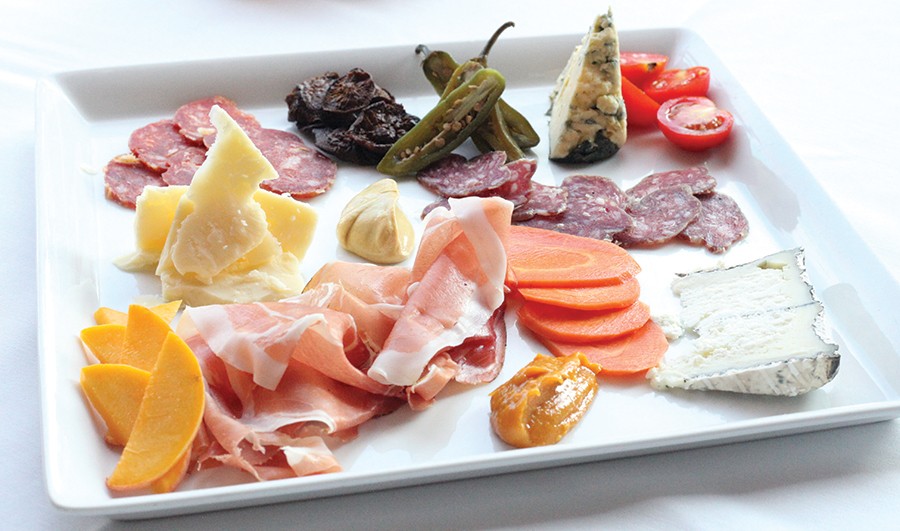
Support the Weymouth Center for the Arts and Humanities on Sunday, Nov. 1, by taking home some delicious eats from Thyme and Place Café, or bring a blanket and picnic on the grounds at 555 E. Connecticut Ave., Southern Pines. Boxed brunches are $20 for Weymouth members and $30 for non-members. For more information call (910) 692-6262 or go to www.weymouthcenter.org.

Ted Fitzgerald/The Pilot

Art on Offer

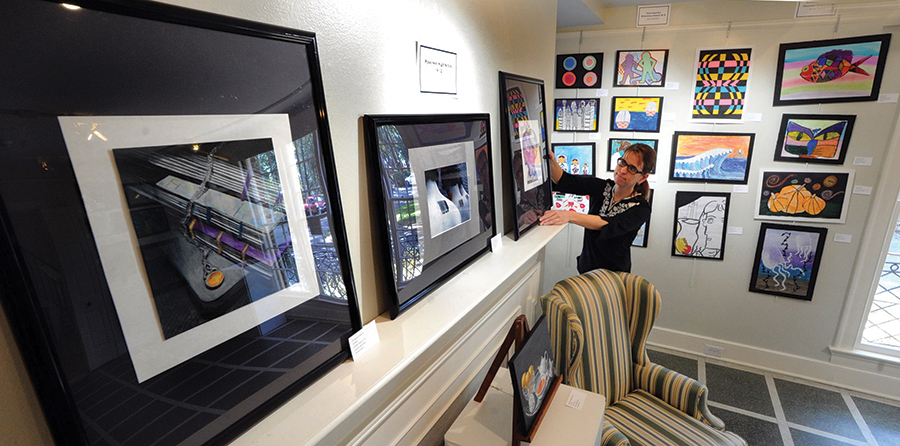
The Artists League of the Sandhills will be opening its 26th annual Art Exhibit and Sale on Friday, Nov. 6, from 10 a.m. to 3 p.m. at 129 Exchange St., Aberdeen. For information visit www.artistleague.org or call (910) 944-3979. The Arts Council of Moore County will also hold its opening reception for “Moore Artful Women” featuring the work of Beth Garrison, Paula Montgomery, Fay Terry and Mary Wright on Nov. 6 from 6-8 p.m. at the Campbell House Galleries, 482. E. Connecticut Ave., Southern Pines. Visitors will need to reserve time slots at 30-minute intervals. Masks will be required. For information go to www.mooreart.org or call (910) 692-2787.

Pop Up in the Pines

A community shopping fair dedicated to bringing together chic boutiques, talented artisans, food trucks and unique handmade goods springs to life on Sunday, Nov. 8, from 11 a.m. to 5 p.m. at the Southern Pines Brewery, 565 Air Tool Drive, Suite E, Southern Pines. Face masks will be required.

Get Your Goat On

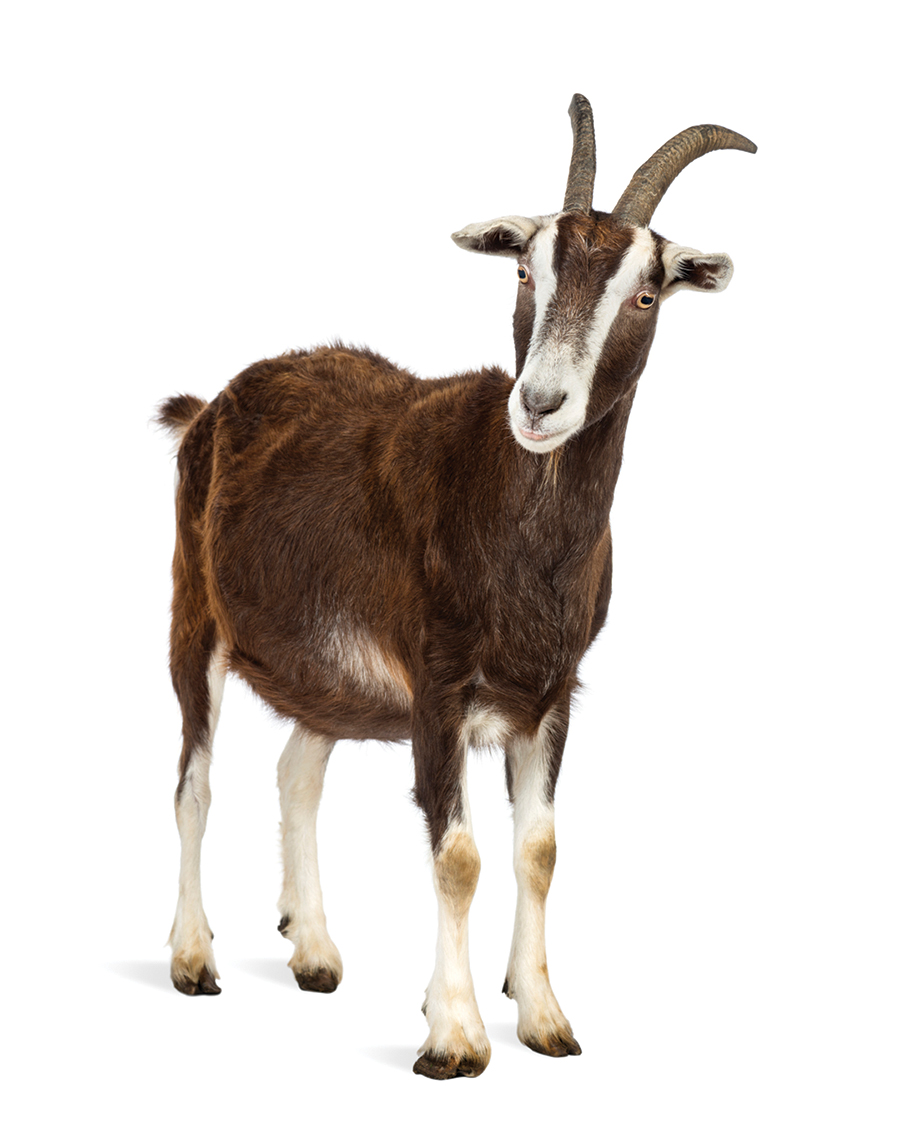
Visit Paradox Farm in November and hang out with the goats, feed some chickens and pigs, and take a peek at the new sheep. Group tours of Paradox Farm Creamery, 449 Hickory Creek Lane, West End, will be available on Friday and Saturday from 10-11:30 a.m. Tickets for 2-10 people are $100; 11-15 are $150. For information call (910) 723-0802 or visit www.ticketmesandhills.com.

Festival of Trees

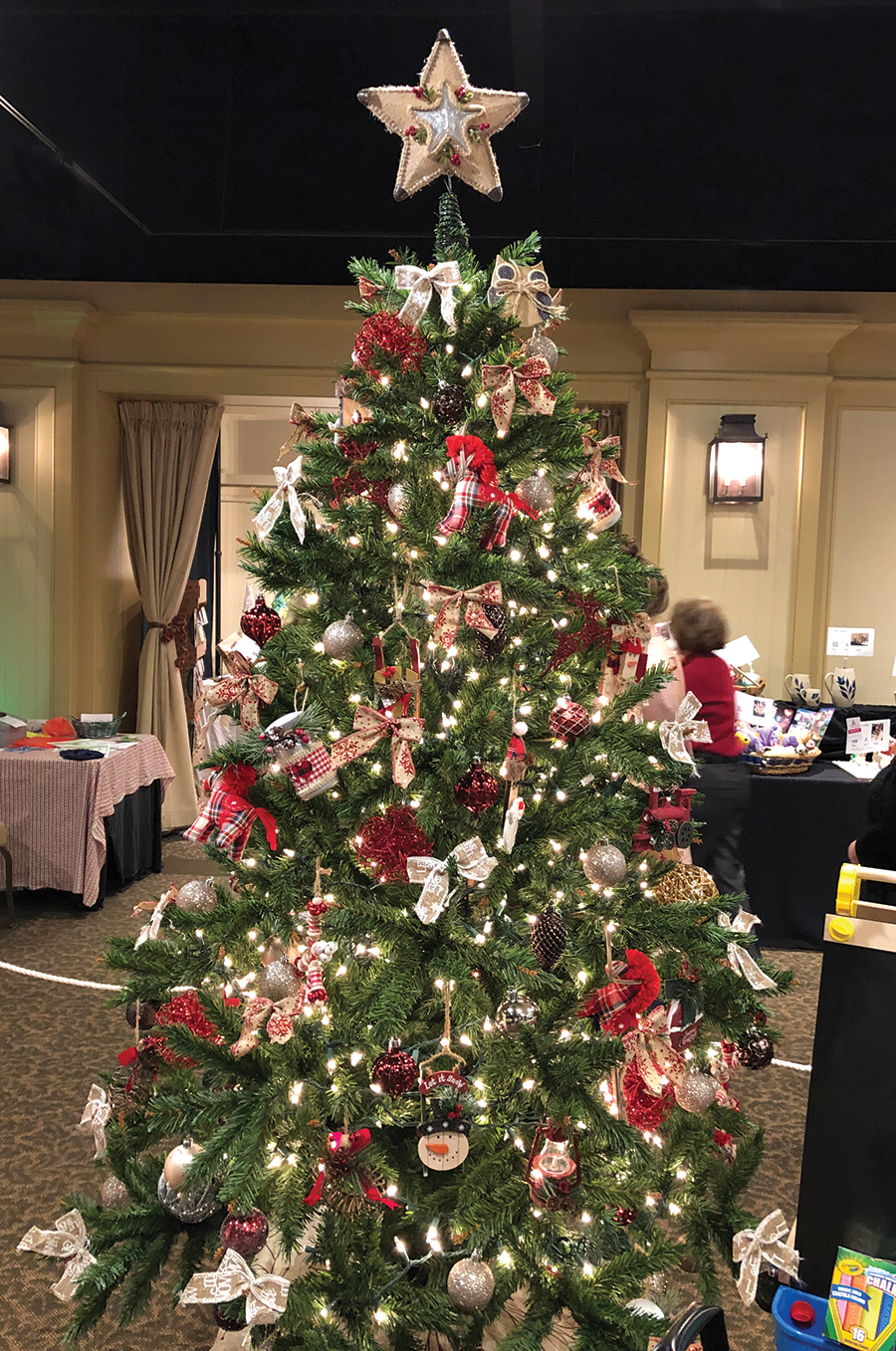
The 24th Annual Sandhills Children’s Center Festival of Trees will take place Nov. 18-22 at The Carolina Hotel, 80 Carolina Vista Drive, Pinehurst. Unlike previous years, the festival will be a ticketed event. For more information and tickets go to www.FestivalofTrees.org.

Spinning Wheel

Thirty pottery shops and almost 100 ceramic artists will come together for the Celebration of Seagrove Potters Tour, the largest sales and collector event of the year. The tour begins on Friday, Nov. 20, from 10 a.m. to 5 p.m. and continues daily through Nov. 22. It starts at Luck’s Cannery, 798 N.C. 705, Seagrove. For more information go to www.discoverseagrove.com/celebration.

A Christmas Carol

The Sunrise Theater will present the radio play of Charles Dickens’ A Christmas Carol on Nov. 28 and 29, times to be determined. There will be matinee and evening performances on both days. For more information visit www.sunrisetheater.com or call (910) 692-8501.

As Seen in the Sway:

Meet the Maker: The Saburro Shop

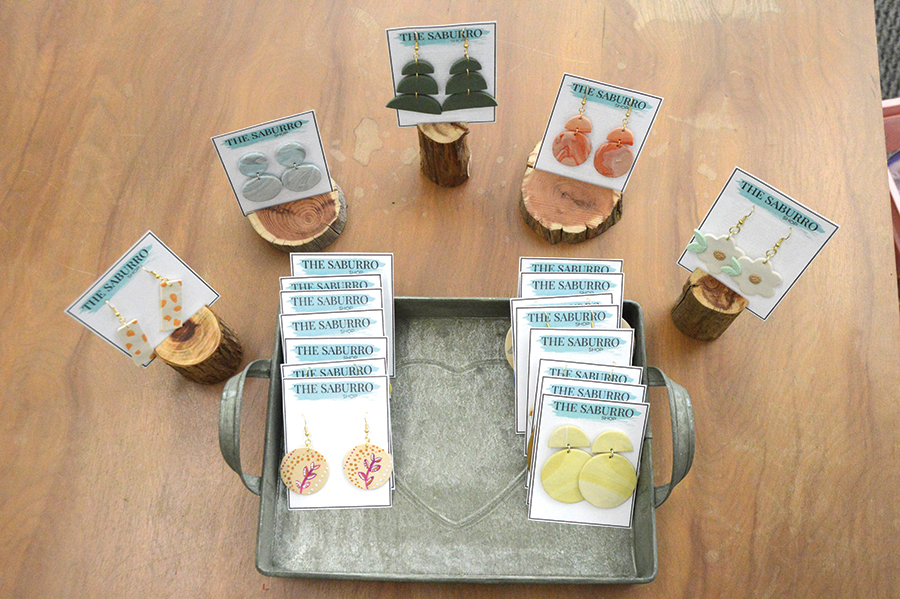
Scroll through The Saburro Shop on Instagram and you’ll find a little bit of everything. Bethany Saburro started her business in 2016, selling mostly custom woodwork and hand painted wooden signs, but recently found her niche in the earring world.

“I remember seeing a pair of earrings in a department store and thinking, ‘wait, I could make that,’” Bethany said.

She started out with wooden earrings, but later began experimenting with polymer clay, which have become her best sellers.

Each pair of earrings are uniquely designed by Bethany. From flowers to geometric shapes, each pair is different from the next.

A longtime lover of creating, Bethany used art as an escape. The Saburro Shop started out as mostly a hobby, but without the distractions of daily routines during quarantine, she felt inspired to invest more time in The Saburro Shop.

Bethany mostly sells her work through Instagram and occasionally on Etsy. You can also find it at Pine Scone Cafe in Pinehurst and Southern Pines, and My Sister’s Porch in Aberdeen.

“It’s so satisfying to do something that you love and to find that other people love what you spend your time and efforts on, too,” Bethany said.

Follow The Saburro Shop on Instagram to see what Bethany will come up with next.


Home by Design

Cooking for Julia

Cheesy olives and a smoky homage to one of the greats

By Cynthia Adams

When the spunky Southern writer Julia Reed died in September, it felt personal.

Reed was a character in her own stories, a real hoot and a holler, as my Mama Patty would have said. Her columns, design books and sassy cookbooks (one title was inspired by her mama’s spiking sangria with a kick of vodka) showed a penchant for storytelling and squint-eyed observations. 

Her New Orleans homes — one on First Street and a post-divorce duplex in the Garden District — were crammed with books, family heirlooms, paintings, antiquities but also found-objects like bird nests and turtle shells. She even called the new pad a “Cabinet of Curiosities,” a habit wealthy Victorians famously kept.

Reed’s memoir, The House on First Street: My New Orleans Story, was considered her best work. It was a love letter to post-Katrina New Orleans. (Reed’s Newsweek piece described a sign that advised NOLA looters: “Don’t Even Try. I am Sleeping Inside with a Big Dog, an Ugly Woman, Two Shotguns and a Claw Hammer.”)

Reed was classy — and wealthy — enough to upholster a pair of antique rattan chinoiserie sofas in hand-dyed silks. She bought vintage beauties from Magazine Street, where some of the South’s finest antiques wind up on offer. Her design sense was kicky and admired. 

She wrote One Man’s Folly about Furlow Gatewood, the gifted antiquarian who has restored several of the most beautiful homes to be found, gathering them all on his compound in Americus, Ga.

Reed not only knew Gatewood but stayed in one of his gorgeous homes, each of which are stuffed full of jaw-dropping treasures. They probably ate cheese straws, Gatewood’s favorite, and drank hard liquor. She no doubt brought her own deviled eggs and cheesy olives, which were touted in surprising places like The New York Times.

Cheesy olives, it was said, are the first party fare to be scarfed down.

The week she died of cancer at age 59, we were seeing two friends for Covid cocktails. It was time to drop my envy of Reed, her cool houses, great writing gigs and friendship with 95-year-old Gatewood, my celebrity crush.

I pored over her top five recipes, which the Gray Lady republished, determining to pay homage to Reed.

Even though her father was a Republican operative who worked for the Bush family, she was always diplomatic and her humor was bipartisan.

Once asked about a pol’s chances during a tony Washington, D.C. book tour, sipping vodka-infused sangria from a blue highball glass, Reed quoted Louisiana’s Edwin Edwards: “The only way I can lose this election is if I’m caught in bed with either a dead girl or a live boy.” 

The room dissolved in guffaws, because no matter where you stand on party lines, that was a bon mot.

(Actually, it qualified as a sangria-infused wet quip.)

But I digress. Cheesy olives sounded a lot like pigs in a blanket at first reading. Except, the dough, in addition to flour and egg, contains a block of cheddar and a hunk of butter. (And there is no pig.)

This was to be the virgin run of a stand mixer, bought years ago because of the rare color, a Chinese Chippendale green. It looked good on the counter. 

Thus, learning why, a dough hook, which this mixer didn’t have, is a thing. Cheesy dough clumped like a primordial life form to the beaters, with gleaming chunks of butter grinning through.

Wrestling the goopy dough from the beaters, I fashioned it around each Spanish olive. The results resembled The Little Prince illustrations.

I pried them off my fingers onto a cookie tray. The whole shebang required nearly an hour’s labor, the oven preheating most of those slow-moving minutes. 

The oven was hot enough to singe off my eyelashes, brows and fine facial hair.   

Next up: Reed’s exemplary pralines.

I substituted light brown sugar in the recipe. Measuring, mixing and anticipating the first taste of those olives — I beavered on with the candy.

The whining mixer was nearly up to the task of folding evaporated milk into butter, pecans and sugar. 

I mixed and mixed some more.

In the minutes stolen for a swift bathroom break, smoke had begun to billow from the oven. As in, call the fire station billows.

Turning off the oven I snapped on the oven light; the cheesy olives were pancake flat, bubbling in a screed of oil. That is, what oil wasn’t now pooled in the bottom of the oven. 

It was as if I had just laid eight ounces of cheddar cheese and two ounces of butter on the oven’s bottom and hit “incinerate!” 

The roiling smoke grew denser. I hesitated a second before opening the oven to grab the pan (rimless, another big mistake) and sprinted outside, our two dogs leaping and trying to get a good look.

After much swearing and flapping of towels and deployment of a floor fan, the kitchen smoke began to clear. 

“I have always said that danger — or at least the possibility of it — is a crucial element of any good party,” observed Reed. 

I was succeeding on that score. 

The pralines would cook stove top, thank God. 

I grimly set to melting sugar and copious amounts of butter in a double boiler. Standing over it with a cooking thermometer to gauge the perfect temperature, I couldn’t help but cuss a little. (I’d heard of good cooks who deliberately falsified recipes so nobody could steal their thunder.)

It was suspicious, how much fat burbled out of those disastrous olives, is all I’m saying. Then I noted: There was no mention of a double boiler. 

With lined pans waiting, I finally spooned up the praline goo. Being no fool, I knew better than to make candy on a rainy day; it was dry as a bone outside. But — the pralines never achieved the glistening appearance Reed described.

No matter, I scraped the last, suspiciously granular bits off the side of the saucepan and tasted, burning my index finger and tongue. Yep. They were granular alright.

Setting up rapidly, the pralines looked more like coconut stacks from Cracker Barrel. 

They did not look like pralines.

Earlier, we had made boiled peanuts, more Southern fare, and in a pique, I decided to make a cold soup.

The cheesy olives were misshapen lumps and the pralines were weird. But the peanuts were heavenly. I plunked them in a silver bowl and served up the whole shebang on good platters. Somewhere in the great beyond, Reed was having a belly laugh.   PS

Cynthia Adams is a contributing editor to PineStraw and O.Henry.