Almanac

By Ashley Wahl

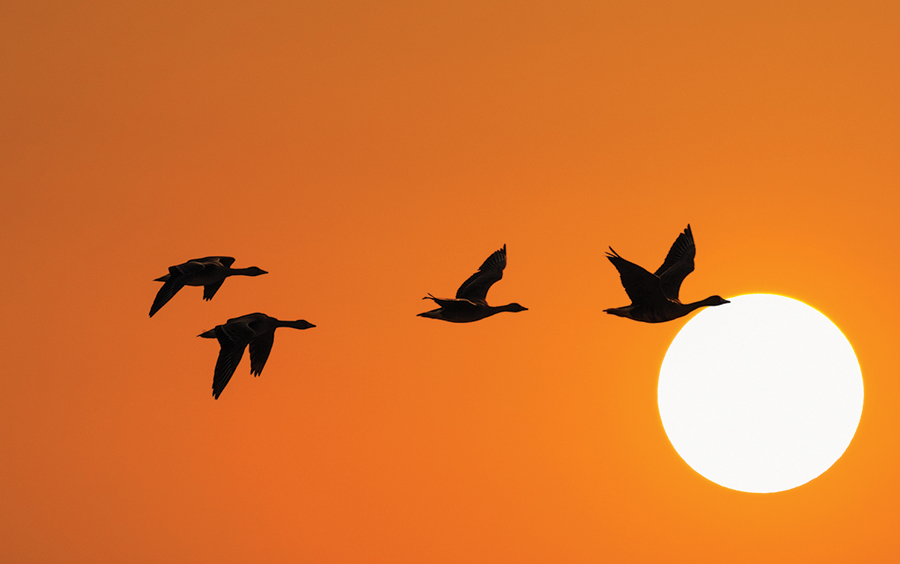
October is a cauldron of enchantment. The cracking open of pecan husks. The whirl of sparrows casting cryptic messages across fiery canvases. Crisp air and burn piles. Black walnuts and black dahlias. Golden leaves and ever-fading light.
October awakens the mystic, beckons homemade tinctures, loose-leaf teas, sage leaves wrapped in tidy bundles.

October is pumpkins and gourds, pumpkins and gourds, spring-blooming bulbs in the cool autumn soil.

She’s the veil between worlds — thin as a web in the morning light. The black cat that slinks across your path, disappears, then watches from beyond a silky sea of milkweed pods.
Do not be afraid. October is ripe with blessings. You need only let her reveal them.

Try squatting down — fluid movements are best — and then gaze into her yellow moon-eyes until all you can see is yourself. This is her invitation. And in her own time — you cannot rush nature — she will saunter toward you, perhaps with a jingle, and all superstition will dissolve.

October is the black cat kissing your hand, arm and shin with her face and body, her circular movements like that of an ancient symbol, a sacred dance, a living incantation. She is purring. She is plopping belly-up in the dry leaves at your feet. She is all but crawling into your lap — a playful and hallowed month filled with auspicious surprises.

There is no season when such pleasant and sunny spots may be lighted on, and produce so pleasant
an effect on the feelings, as now in October.
— Nathaniel Hawthorne

Mums the Word

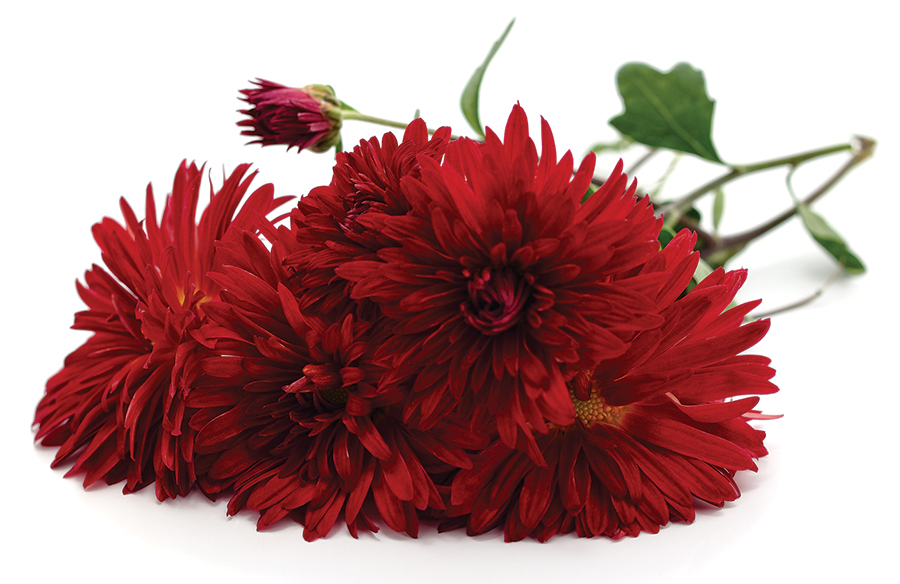
Chrysanthemums are blooming. Pink, purple, red, orange and yellow. Double-petaled and fringed. Heirloom cultivars as lovely as dahlias. 

In Chinese bird and flower paintings, chrysanthemums are depicted in ink wash paintings among the “Four Gentlemen” or “Four Noble Ones,” an assemblage of plants that represent the four seasons: plum blossom (winter), orchid (spring), bamboo (summer), and chrysanthemum (autumn).

Native to China, this medicinal flower was brought to Japan by Buddhist monks in the year 400. Here in the United States, a “Dark Purple” cultivar was imported from England in 1798 by Col. John Stevens, the American engineer who constructed the country’s first steam locomotive and steam-powered ferry. In the years since, mums have reigned as the “Queen of Fall Flowers,” singing alongside our kale, pansies and cabbage, and coloring our autumn gardens magnificent.

According to feng shui, chrysanthemums bring happiness and laughter into the home. They’re loaded with healing properties and have been used in traditional Chinese medicine for centuries. Chrysanthemum tea (made from flowers of the species morifolium or indicum) is considered a common health drink in China, often consumed for its cooling and calming effect. And as any flower-savvy gardener will tell you, mums repel most insects yet are non-toxic to animals.

Glory be to this noble flower! Long live the lovely Queen of Fall.

Autumn leaves don’t fall, they fly.

They take their time and wander on

this their only chance to soar. — Delia Owens, Where the Crawdads Sing

The Night Sky

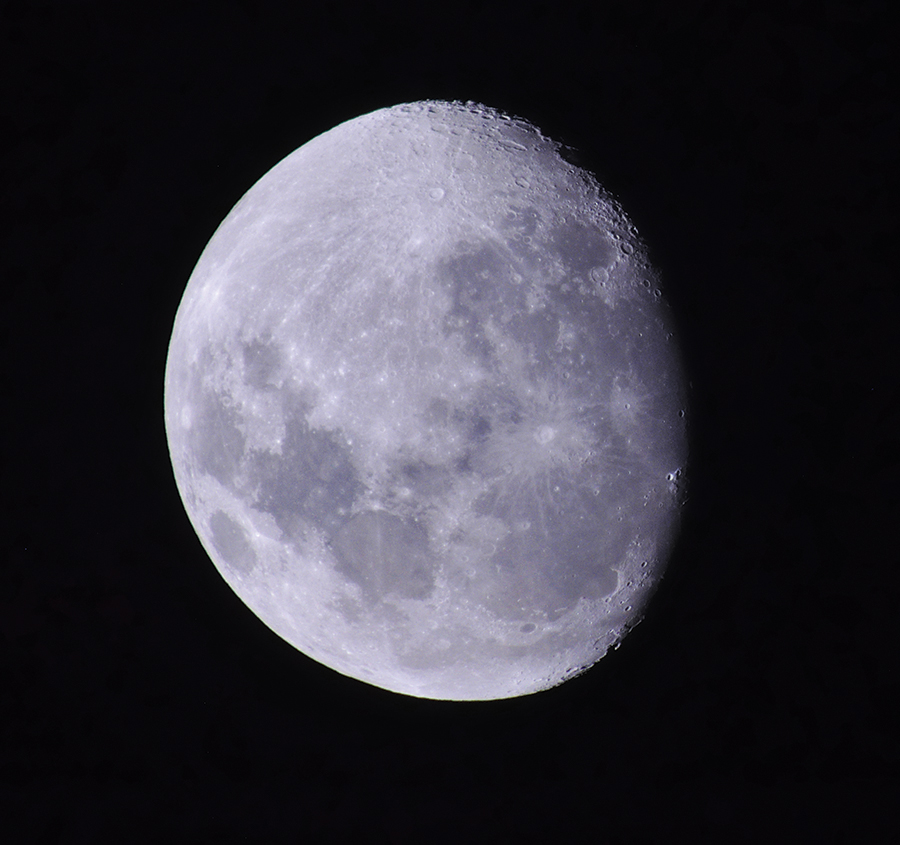
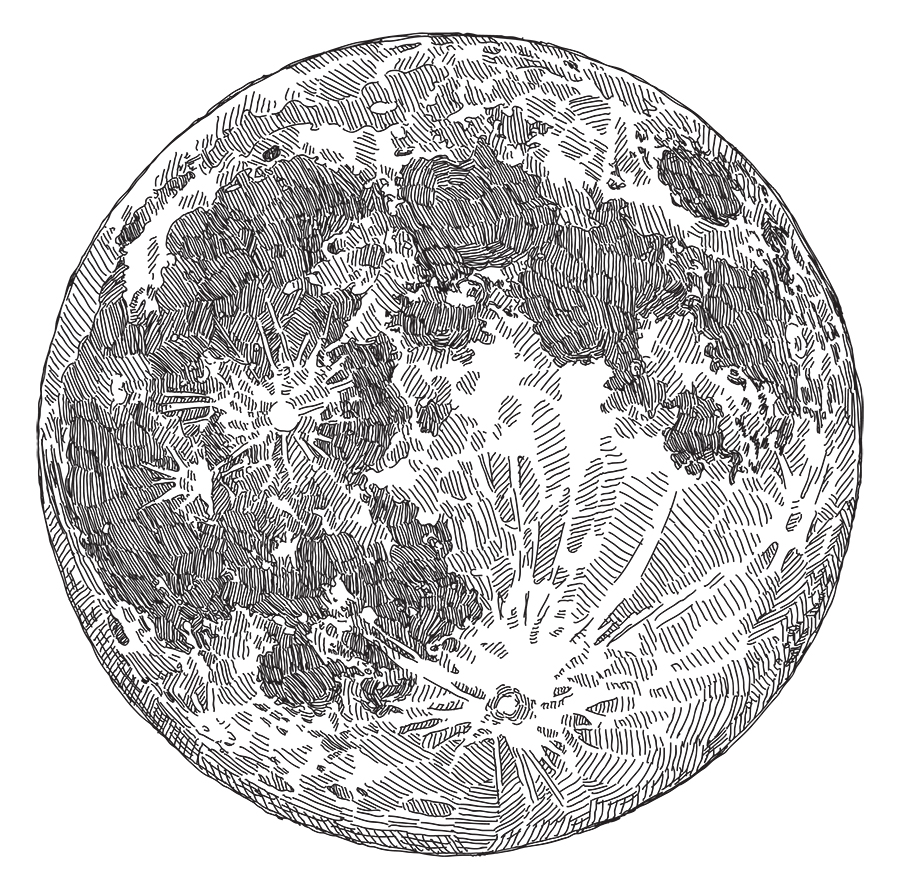
This year, the full harvest moon rises on the first of October, and on the last day of the month, the first blue moon of 2020 (the full hunter’s moon) will create the quintessential vision of Halloween, illuminating the sky for a howl-worthy night.

And, look, there’s another celestial beauty shining bright this month: Mars. 

On Oct. 6, Mars will be just about as close to Earth as it can get — 38.57 million miles — a proximity the likes of which we won’t see again until September 2035.

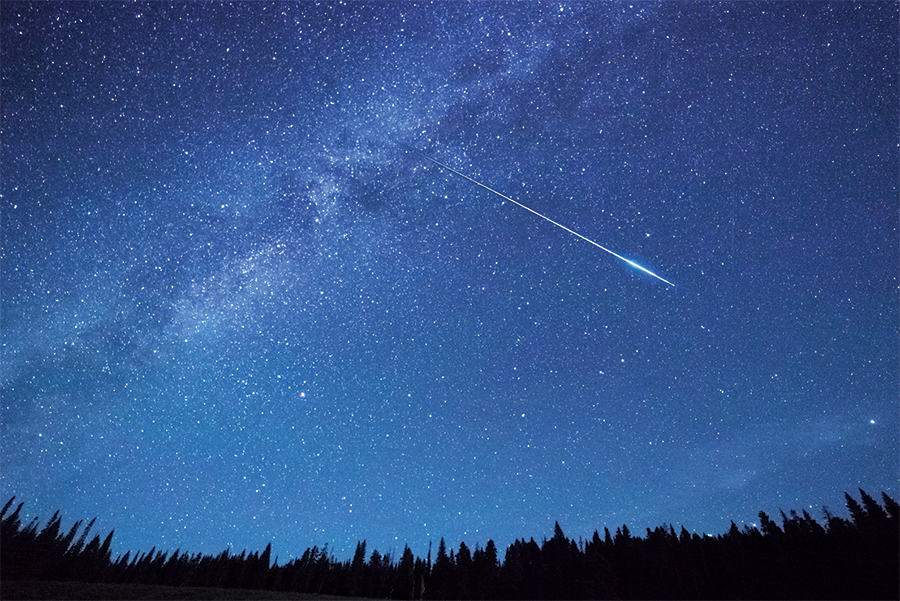
On Tuesday, Oct. 13, Mars will arrive in the constellation Pisces, beaming from dusk until dawn at a magnitude three times brighter than our brightest nighttime star, Sirius. In fact, this month Mars supersedes Jupiter as the second-brightest planet, following the moon and Venus as the third brightest object in the night sky.  PS

Almanac

September breaks you open with her golden hours, her wildflowers, her long, sweet kiss of transience. She is absolute radiance. Summer in her loveliest form. And one day, out of nowhere, she cradles your face in her tender hands, gazes into your dewy eyes, and tells you that everything will change.

September is the earliest fall leaves — yellow and burnt orange — dotting the trees like a Tibetan prayer flag strung across a verdant landscape. She’s the electric hum of cicadas, the pink glow of muhly grass in sunlight, blueberries on creeping crimson vines.

September is bewildering. Summer and autumn at once. She slows you down, asks you to savor what is right here, right now — treasures untold.

Look and see.

Pear trees heavy with yellow fruit.

Swamp sunflowers.

Monarch butterflies.

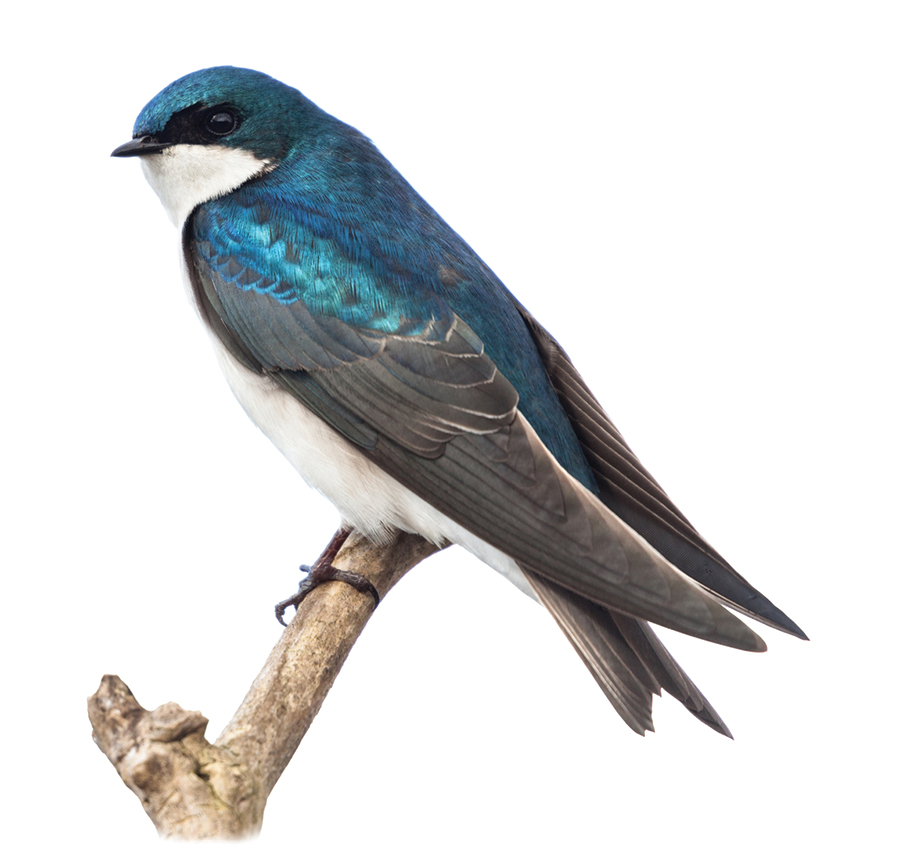
Eddies of tree swallows.

Here today, gone tomorrow. But such is the nature of September. Your face is in her hands now, and she asks you to watch closely.

You look up to the trees, notice the green and yellow leaves wave hello and goodbye as the first breeze of autumn passes through them. Just like that, summer is drifting beyond the veil, a transition that renders you both dizzy and tender.

September invites you inward. You aren’t looking for a sign per se, but you are open to one. A simple affirmation that all is as it should be; that you are where you should be, right here, right now.

It will take you by surprise.

Perhaps you will be on a walk. The path will be familiar, but today, on the stretch of trail that leads to the picnic bench in the woods, you will notice an arrangement of goldenrod and late summer flowers in a vase on the center of the table, the sun filtering through in such a way that the flowers glow. 

There is no one else around. You take a seat at the bench, and in this moment, all is well.

Everything will change, you think, but life is as it should be. Such is the nature of life and September.

Autumn is a second spring when every leaf is a flower. — Albert Camus

Signs of Autumn

According to The Old Farmer’s Almanac, Native Americans had several names for this month’s full moon — the “Corn Moon” and “Barley Moon” among them. Other names include “Moon When the Plums Are Scarlet” (Lakota Sioux), “Moon When the Deer Paw the Earth” (Omaha), and “Moon When the Calves Grow Hair” (Sioux). Poetic, don’t you think? Whatever you’d like to call it — imagine the names you might contrive — this month’s full moon will rise in the wee hours of Sept. 2, when the swallows swirl as one, when the leaves begin to turn, when the apples are ripe for the picking.

Speaking of apples, Johnny Appleseed Day is celebrated this month — on Saturday, Sept. 26. Born John Chapman (1774–1845), this American nurseryman and missionary was the living legend known for introducing apple trees to the Midwest and northern parts of present-day West Virginia. Among the colorful stories collected about this gospel-preaching plantsman, Chapman was said to have had a pet wolf who began following him after he healed its injured leg. And while that wasn’t a mush pot on his head, he did wear a tin cap used for cooking during his travels. Another fun fact: Chapman’s trees grew tart apples believed to have been used for alcoholic cider, as the fruit itself was practically unpalatable. In Michael Pollan’s book The Botany of Desire, the author dubs Chapman a “modern-day Dionysus.” Bet they didn’t tell you that in grade school.

I meant to do my work today —
But a brown bird sang in the apple tree,
And a butterfly flitted across the field,
And all the leaves were calling me.— Richard Le Gallienne

What You Sow

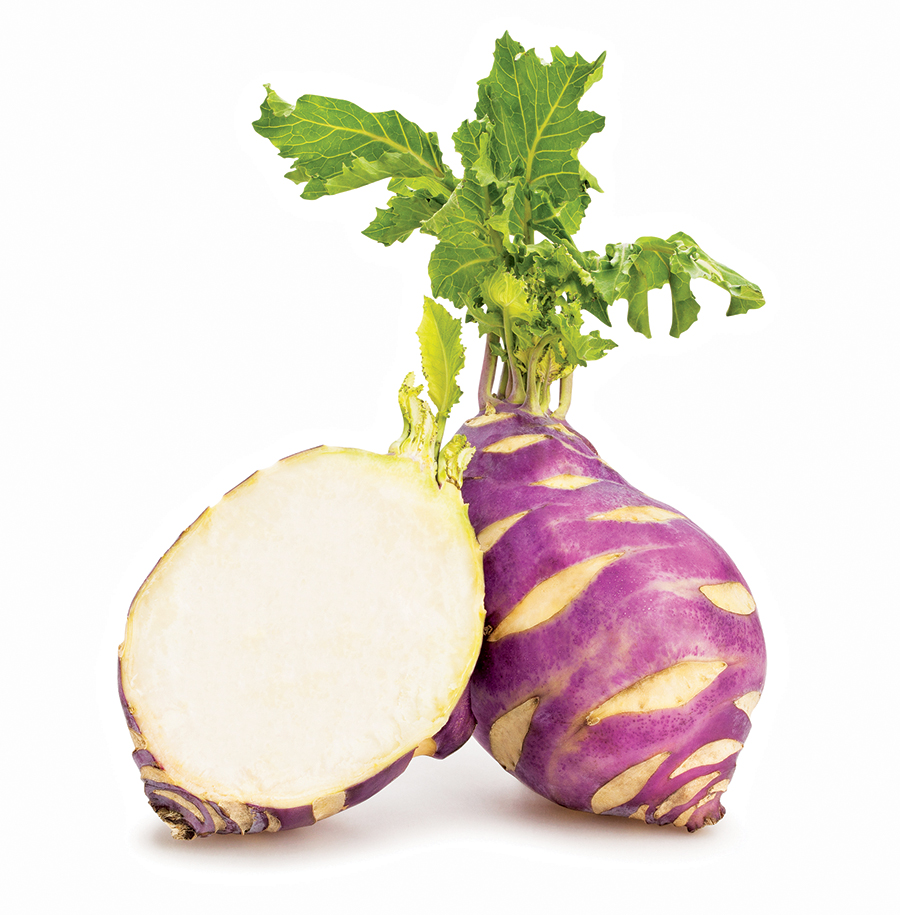
As winter squash and late summer crops spill from the September garden, plant mustard, radish, turnip, onion and pansies galore.  PS

Almanac

By Ash Alder

Always, always everything at once, and in August you can see it.

Blackberry and bramble.

Rose and thorn. 

Honey and hive.

The sweetness and the sting.

You cannot have one without the other.

August is carefree. Bare feet. Soft grass and ant bites. Sandspurs and sweet peas. Long days and hot nights. Sweet corn and crickets. Sunburn and bee balm. Picnics and rope swings and cool, flowing water.

Cool, flowing water . . . the one true remedy for the sweltering heat of summer. 

Ankle, shin, then knee-deep in the swollen creek, where the dog fetches driftwood and the snake rests coiled on the sunny bank, time slows down. If it’s true that water retains memory, then you are standing in a pool of ancient musings — an endless, ever-flowing cycle of beginnings and endings, life and death, sweetness and sorrow.

The dog interrupts your own introspection with a playful shake — water spraying in all directions — and you admire the fullness and purity of his presence. Amid the sweetness and the sting, he’s just here, joyfully and without a care. And in this moment, so are you.

You watch as a dragonfly kisses the water’s surface, wings glittering as it circles about this summer dreamscape. Even the dragonfly bites. We forget. And yet the sting is part of it, inseparable from the beauty of the bigger picture.

Lose yourself in the bramble and remember: The sting makes the berries all the sweeter.

Thank you, beloved August. Thank you for your thorns and fruits and wild honey. Thank you for all of it.

In August, the large masses of berries, which, when in flower, had attracted many wild bees, gradually assumed their bright velvety crimson hue, and by their weight again bent down and broke their tender limbs. — Henry David Thoreau

Pickle Me This

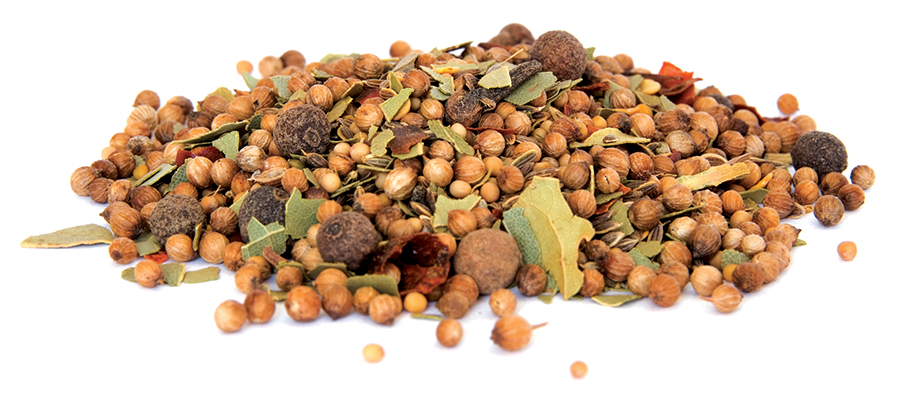
Want to savor the summer bounty while keeping things simple? Quick-pickle it. Refrigerator pickles will keep in the fridge for several weeks. And all you’ll need is your harvest, white distilled or apple cider vinegar, canning or pickling salt (read: not table salt!), water, and any glass or plastic container with a lid.

A “Simple Pickling Recipe” from The Old Farmer’s Almanac recommends 1 1/2 pounds of homegrown cucumbers, 1 cup of vinegar, 1 1/2 tablespoons of salt, 1 cup of water, and — if you’re feeling spicy — dill or mustard seeds, peppercorns, garlic cloves (peeled and smashed), or fresh dill, mint, or basil.

Got everything? OK, here we go:

If you’re flavoring your fridge pickles with herbs or spices, add that to your glass or plastic containers first.

Next, wash produce, slice into spears or coins, then add them to the containers, leaving at least 1/2 inch of headspace up top.

Time for the brine. Combine vinegar, water, and salt in a saucepan over high heat. Bring to a rolling boil, then pour hot brine over the veggies (cover vegetables completely with liquid but leave about 1/2 inch of headspace) and cover. Allow the jars to cool on the countertop for about an hour, then add your lids and pop those future pickles into the fridge. In three days to one week (the longer you wait the better they’ll taste), give them a try.

Natural Remedies

One of the highlights of porch-sitting in the summer is hearing the sweet, unmistakable buzz of hummingbird wings moments before it swoops in for a long drink from the feeder. One of the low points: mosquitoes. They also arrive with a buzz — arguably unsweet — and the only long drink they’re coming for is you.

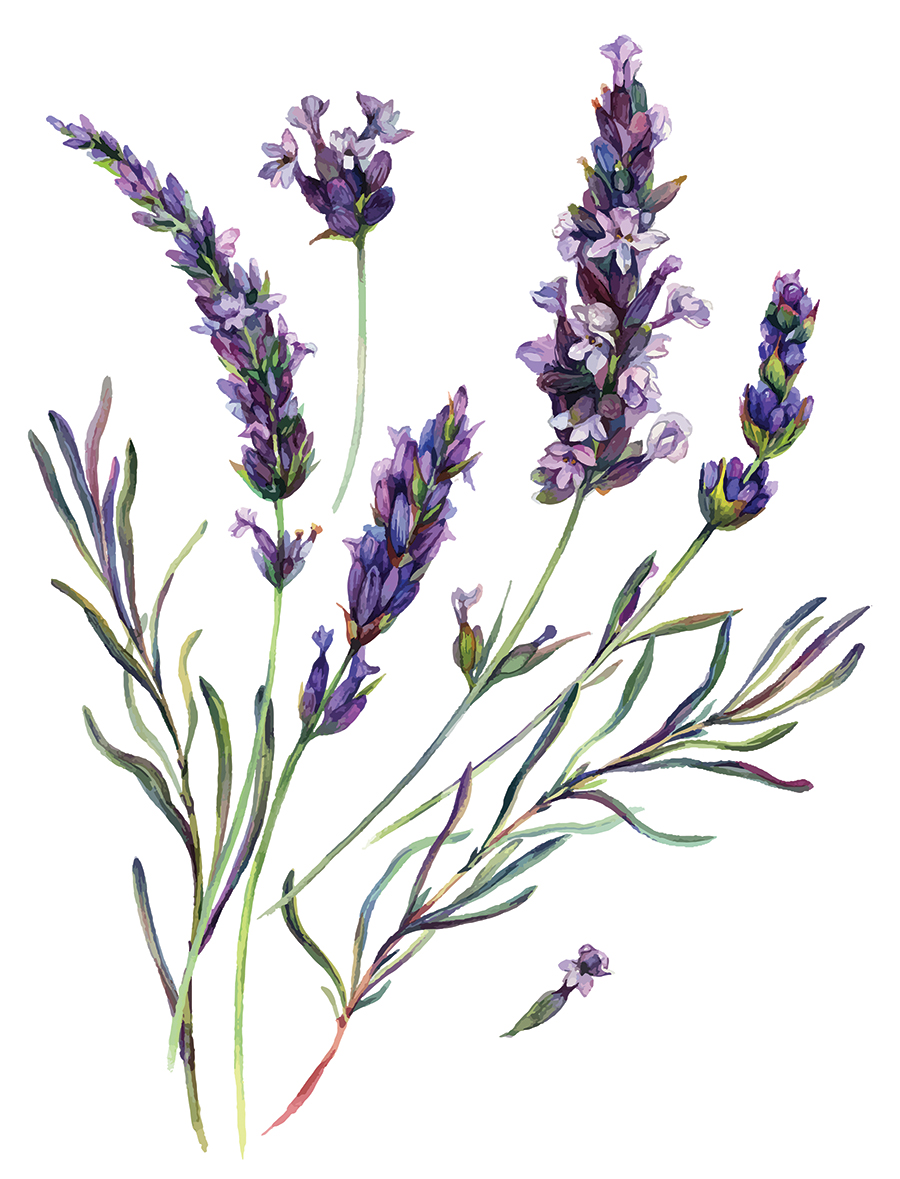
If you’re into natural mosquito repellents, you’ve likely tried citronella candles or added its oil to homemade sprays. But did you know that planting certain herbs and flowers in your garden might also help keep them at bay? Try lemon balm, marigolds, peppermint, catnip, lavender, rosemary, eucalyptus, neem, basil and thyme. Either way, you really can’t go wrong.  PS

What dreadful hot weather we have!
It keeps me in a continual state of inelegance.
— Jane Austen

Almanac

Weeks ago, before what felt like endless days of rain, two flats of tomato plants mysteriously landed on your porch (how’d they get there?), and so you planted them deep in the sunniest patches of your garden.

A Cherokee Purple here; two Lemon Boys there; a Park’s Whopper by the lush trough of sweet and purple basil; and sundry grapes and cherries scattered about in various pots and planters.

Now, the earliest fruits are ripening, and each new tomato is simply miraculous. One catches the sun, drawing you near — an heirloom cherry among a small cluster of green and yellow fruits. You hold it gently between your thumb and forefinger, can almost feel the life force pulsing inside. Days from now, that tomato will be ready for harvest. Patience, the garden whispers, and you know it’s true: Nature never rushes.

On the other side of the yard, where the Cherokee Purple is soaking up the earliest rays of light, you admire how strong and healthy the plant looks — how fully supported. The advice you were given echoes back like a dream: plant deep; don’t be afraid to bury a few of the leaves; the stem will sprout new roots.

Plump fruit heavy on the vine, you contemplate, is the gardener’s crystal sphere. It tells of the future, yes (tomato pies and homemade salsas). But it also tells of the past — the sunlight and rain; the good fortune; the “invisible” strength, growth, and magic that took root beneath the surface.

Patience, you whisper, reminding yourself that you, too, have much to offer, even if you can’t yet see it. Sunshine or rain, there is wisdom taking root. Be generous with yourself. Allow whatever space, care and time you require. 

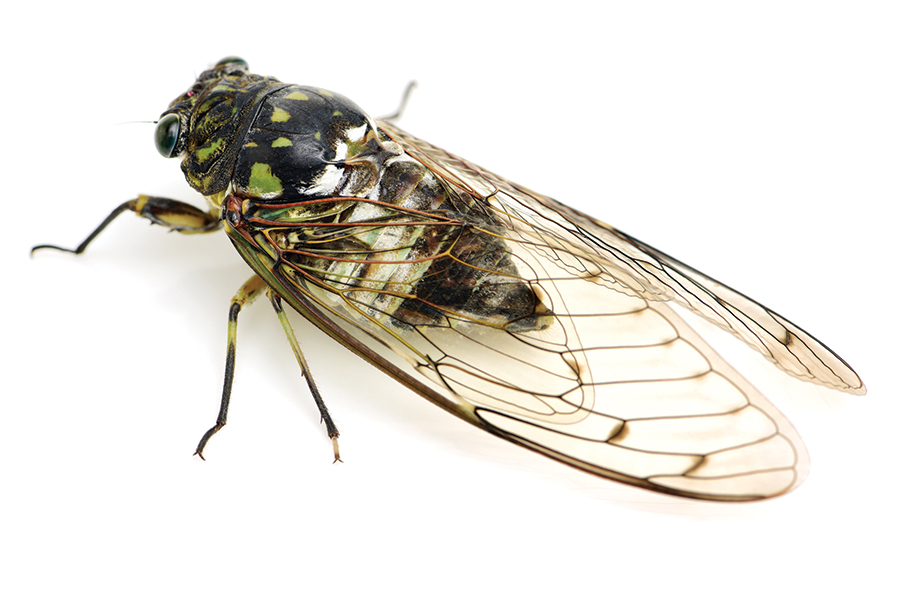
The cicadas have mastered this art form. Seventeen years underground, and here they are, screaming out in glorious ecstasy. Not a moment too late or too soon.

Homegrown Gourmet

If you find yourself with two pounds of homegrown tomatoes, and none of the following ingredients make you shudder (flour, mayonnaise, milk, cheese and butter), do yourself a favor and look up Laurie Colwin’s Tomato Pie. Summer supper seasoned with scallions and chopped basil, and can you say leftovers?

A world without tomatoes is like a string quartet without violins. — Laurie Colwin

The Goddess Tree

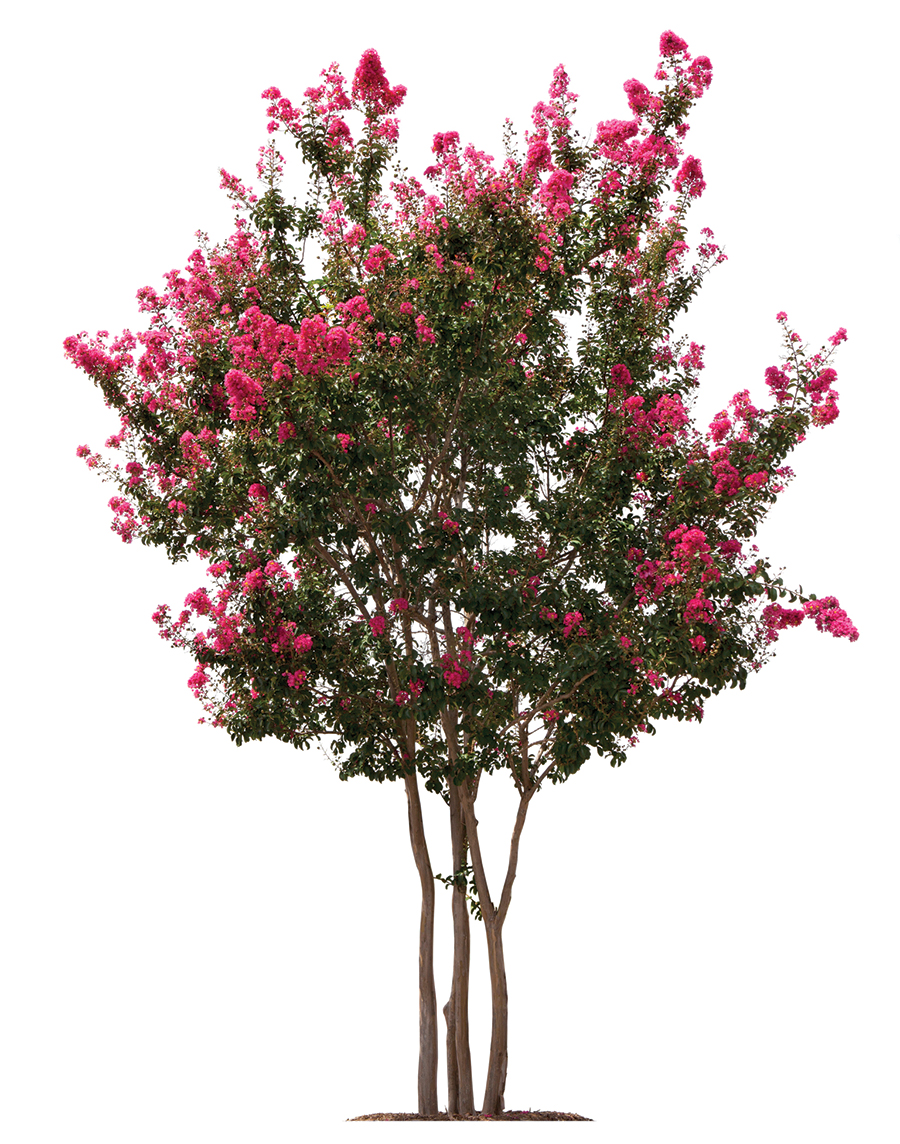
On more than one occasion, I have gasped at the crape myrtle’s likeness to a Greek goddess. The smoothness of its multicolored bark. How its trunk and slender branches seem to embody such poise and grace.

Now through September, the crape myrtle blooms, its bright pink flowers fragrant in the thick, summer air.

Although its English name derived from its myrtle-like leaves and crinkled, tissue-like petals, this ornamental tree is native to China, where its name means “hundred days of red.”

While the crape myrtle is not a true myrtle, the myrtle is known as the flower of the gods, and is specifically associated with Aphrodite, the Greek goddess of love.

Makes perfect sense to me.

The summer night is like a perfection of thought. — Wallace Stevens
The Grand Emergence

If you happened to hear — or are still hearing — the deafening hum of the million-plus “Brood IX” cicadas predicted to emerge in our state per acre after 17 years underground, then you have witnessed one of the fullest, most jubilant expressions of life on Earth.

Sometimes we forget how miraculous it is just to be here. And how wild. 

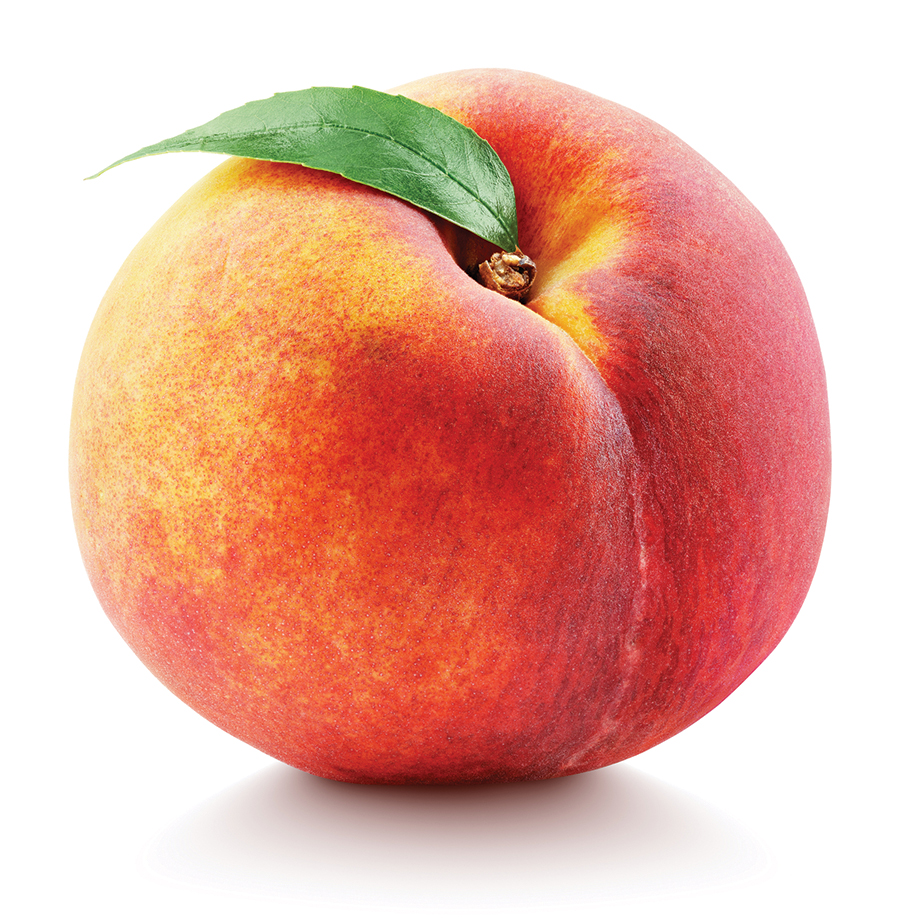
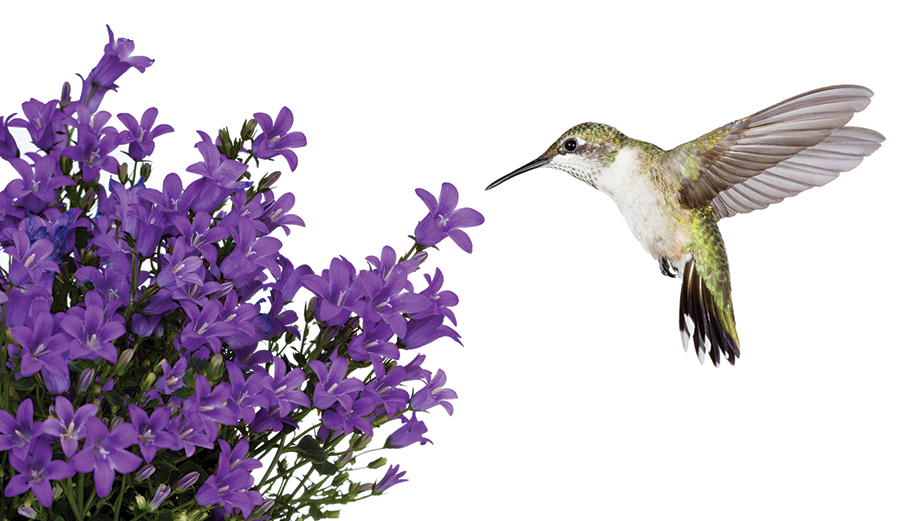
This dreamy month of summer, when the Earth is pulsing, buzzing, screaming with life in all directions, we remember. Ripe peaches and wild blackberries. Cornsilk and crickets. Butterfly weed and hummingbird mint.

It’s all a gift. 

The garden is ripe for harvest, and everything we need is here. Our only requirement, from time to time, is to celebrate our great fortune.

Happy Fourth of July, friends.  PS

Almanac

June is the ink that flows from the poet’s pen — sweet as gardenia and ephemeral as a dream; the fountain of everlasting passion.

If ever you have read the love letters from John Keats to Fanny Brawne, the girl next door who was to Keats “so fair a form” he yearned for finer language, then you can understand.

“I want a brighter word than bright, a fairer word than fair,” Keats wrote his dearest girl one long-ago summer morning. And then, the famous line:

“I almost wish we were butterflies and lived but three summer days — three such days with you I could fill with more delight than fifty common years could ever contain.”

Imagine landing love-drunk in the thick of glorious June:

The ecstasy of a world bursting forth with fragrant blossoms.

The sweet nectar of each inhalation.

The utter intoxication of existence.

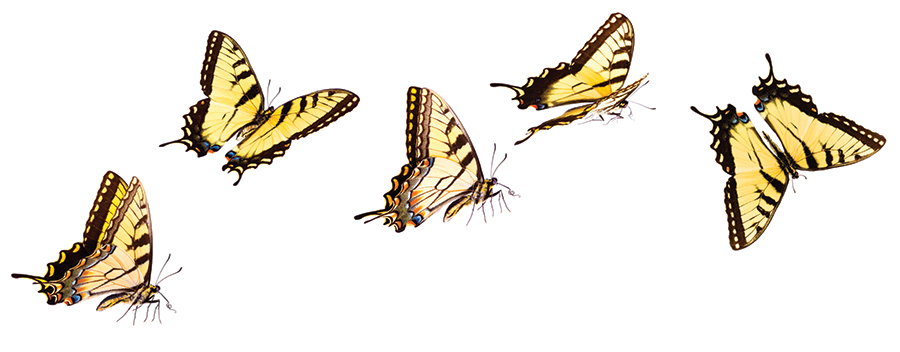
June is a medley of aliveness — brighter than bright, fairer than fair, and butterflies in all directions.

Be still in the June garden, where love letters between hummingbird and trumpet creeper flow like honey, and you will learn the language of the heart. 

June is the poet and the muse. Keats and Fanny.
Butterfly and bloom. 

Suppose you lived but three June days as rose, coneflower, poppy or phlox.

What you might receive as the giver of such resplendence . . . the true delight of life.

Pick (and Fry) You Some

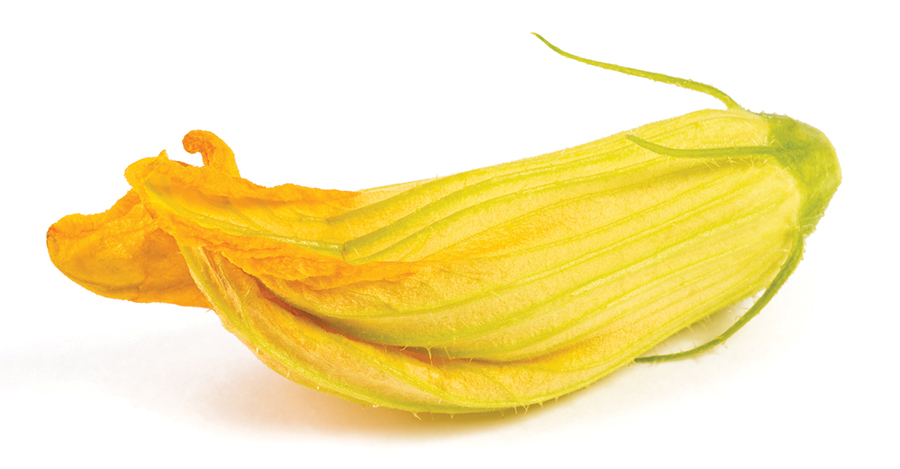
Something about edible flowers feels both deliciously wild and, well, just plain fancy. And since that bumper crop of zucchini comes with a holy explosion of yellow flowers, it seems fried squash blossoms are what’s for dinner — or at least the first course.

If you’re a squash blossom newbie, here’s one thing to keep in mind: There are he-blossoms and she-blossoms. The male blossoms, which grow on long stalks, don’t produce fruit; they pollinate. Female blossoms grow closer to the center of the plant; you’ll spot them by their bulbous stems (they’re sitting on fruit). Leave them to grow. Pick the male blossoms but leave enough so that the harvest may continue.

Another tip with the blossoms: Pick ’em the day you want to fry ’em. Check the petals for bugs and bees before removing the stamen or — if you picked a she-blossom — pistils. Wash, dry, and sauté or fry. Or if you want to take your summer dish to the next level, Google stuffed squash blossom recipes and see what happens next.

The Victory Garden

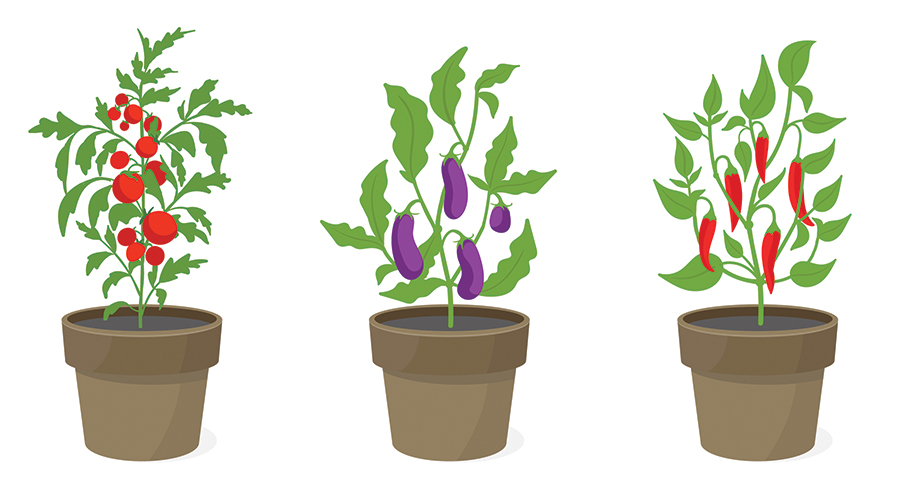
Among the positive effects of stay-at-home orders, at least in this neck of the woods, is that more people are growing their own food. Raised beds built from scrap wood and old pallets in late March are now turning out sweet peppers and pea pods, zucchini and summer squash, green beans, cukes, melons, eggplant, you-name-it.

Haven’t started your own kitchen garden? It’s not too late. This month, sow bush, pole and lima beans; plant cukes, corn, okra, eggplant, peppers, basil and — your sandwiches and neighbors will thank you — tomatoes. Start Brussels sprouts and collards for mid-July transplant, and don’t forget flowers to call in the pollinators. 

When your bumper crops arrive — you’ll know when you can’t pick ’em fast enough — find ways to share and save the summer harvest.

Green was the silence, wet was the light, the month of June trembled like a butterfly. — Pablo Neruda

Blueberries

Blueberry juice is not blue — it’s purple. I recall making this casual discovery on a summer day in my youth when, not sure why, I smooshed a plump one into the page of one of my journals. But that isn’t the only magical quality contained within this wonder berry. They are slam-packed with antioxidant health benefits, for starters. One handful contains 10 percent of your daily-recommended vitamin C, and did you know that a single bush can produce up to 6,000 blueberries a year? That’s 153 heaping handfuls.

Among the many health benefits associated with eating blueberries (lower blood pressure, reduced risk of cancer, increased insulin response, reversal in age-related memory loss), they’re also known to brighten your skin. I’m not surprised that Native American indigenous peoples called these scrumptious berries “star fruits.”

Father’s Day lands on Sunday, June 21 — the day after official summer. Consider planting a bush in Pop’s honor. Container; moist soil; full sun. Two or more bushes are better than one.  PS

Almanac

By Ash Alder

April doesn’t make a grand announcement.

She’s subtle. Sort of hums to let you know she’s close. Flutters in the periphery. And when she lands — like the ruby-throated hummingbird at the garden feeder — the world sings out.

April is a month of sweet transition. Purple martins replace purple finches. Yellow jessamine twists, climbs, dances across the landscape. Silver maple is flowering, and on the ground beneath it, you find the first of hundreds of brilliant green samaras (seed pods) that will spiral to the earth in the coming weeks. You pick up the fruit, spin it between your thumb and forefinger, hold it in your palm as if you are holding the wings of some tiny, mythical creature.

A ragtag choir of a dozen songbirds blurts out their threats and primal longings, and just beyond the flowering maple, a skinny tabby all but grins while brushing past the garden path.

The mornings are knit scarf- and corduroy-cool, but in the afternoon, your feet are bare, and you are sunning in a patch of tender young grass.

April is the last frost, dahlias in the garden, spring rain and fresh asparagus.

And as the first seeds of summer crops are sown (green beans, melons, cukes and squashes) you realize this: April is your answered prayer. Here and now. Late winter’s wish, come true.

In the spring, at the end of the day, you should smell like dirt. — Margaret Atwood, Unearthing Suite, 1983

Rain and Glory

Cows lie down this month same as any. But if you’re curious to know when the April showers are coming, observe a pine cone (they close when rain is on its way).

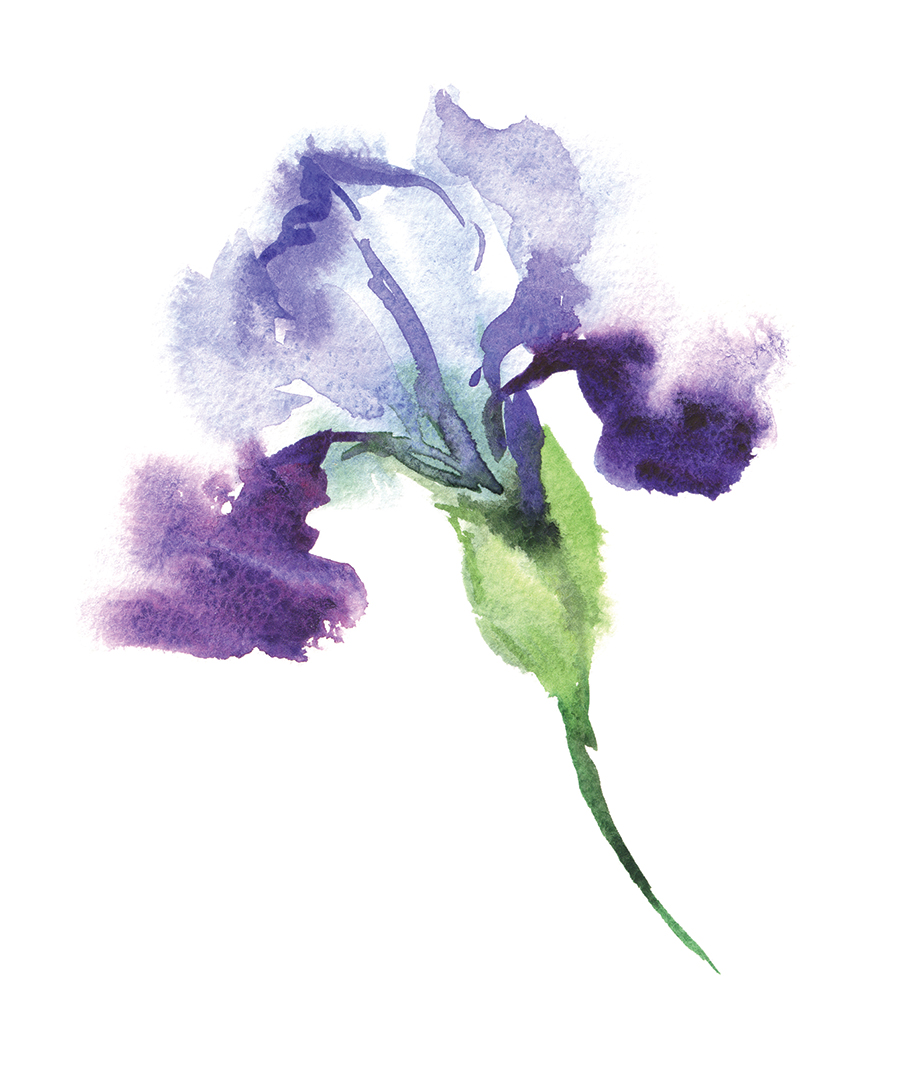
Of course, you don’t have to wait until May for the flower show. This month, fragrant jessamine and blooming azalea would be enough to satisfy any flower-loving gardener. But look and see hummingbird candy everywhere: coral honeysuckle, iris, buckeye, wild columbine.

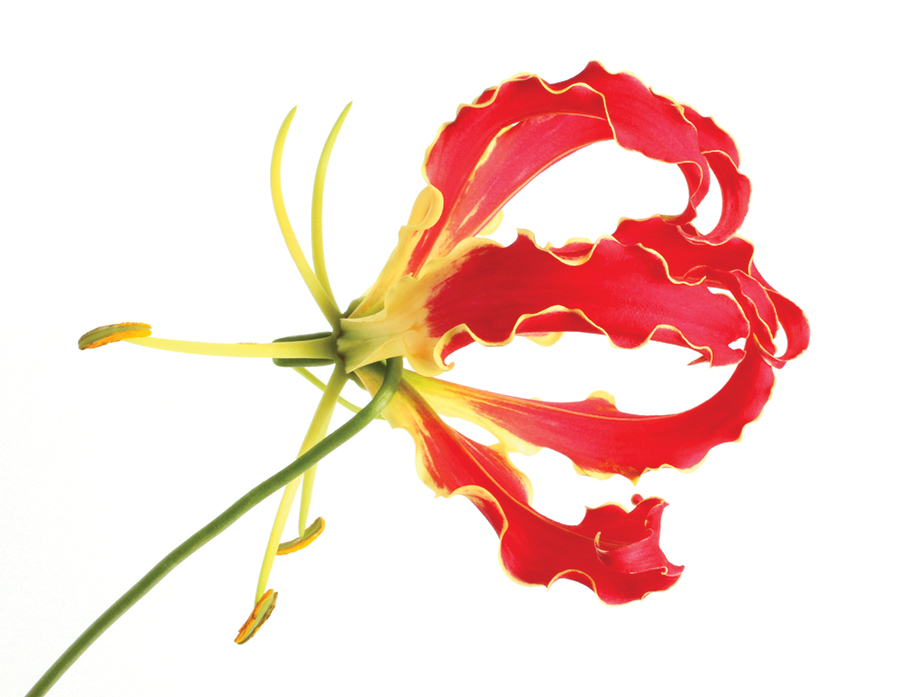
Now is time to plant dahlias, petunias, angelonia, heliotrope, lantanas and begonias. And in late April, color your midsummer garden electric with glory lily tubers. This tropical vine grows fast, climbing upward of 7 feet with its curling, grasping tendrils. Its flaming red and brilliant yellow flowers make it an absolute showstopper, and with its long, bright green stamen dangling beneath its down-facing petals, this deer-resistant “Flame of the Woods” resembles, to this nature-lover, some kind of exotic jellyfish.

Oh, lovely April: Bring on the rain, bring on the glory. 

Hug a Tree

April is a month of celebration. Easter Sunday, of course, on April 12. Earth Day on Wednesday, April 22. And on Friday, April 24, Arbor Day.

According to the Arbor Day Foundation, “One large tree can provide a day’s supply of oxygen for up to four people.”

Let that land for just a moment. Breathe it in, if you will. And if you’re interested in learning about the foundation’s bold “Time for Trees” initiative and how you can get involved, visit www.arborday.org.

April is a promise that May is bound to keep. — Hal Borland 

April Sky Watch

According to Space.com, two of the 10 “Must-See Skywatching Events to look for in 2020” occur this month.

First: the “Glory Nights” of Venus. April 2 and 3, Venus will appear high in the sky and as close to the Pleiades star cluster as it can get, lighting up the blue-white stars in such a way you’re sure to go all dreamy. Venus hasn’t been this close to the Pleiades since April 2012, and it won’t again for another eight years. Catch it if you can.

Next, on April 7, get ready for the supermoon — the biggest full moon of the year and, because of its closeness to Earth, “a dramatically large range of high and low ocean tides.”

Warm Your Bones

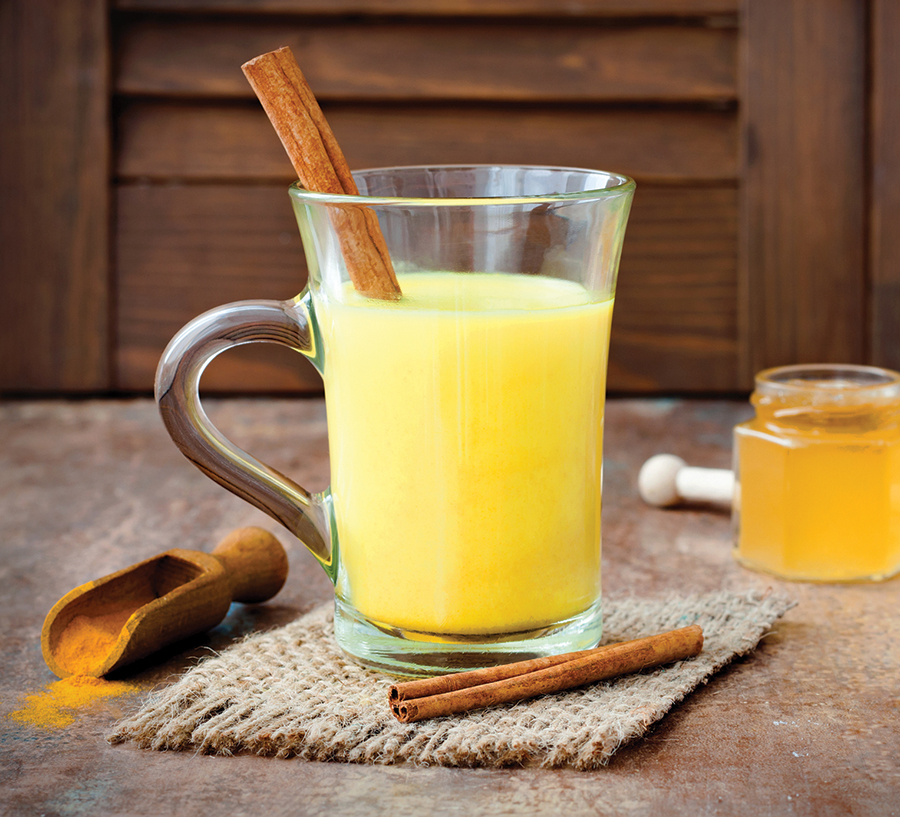
Spring is here, yes. But if you can’t seem to shake the final chill of winter, here’s one for you: golden milk. Warm and delicious and, according to Ayurvedic medicine, a powerful healing tonic for inflammation and digestive issues, this holistic, dairy-free beverage gets its golden color from its star ingredient: turmeric.

There are dozens of recipes available online. Most call for coconut or almond milk. Here’s one borrowed from WellnessMama.com that serves four. Golden milk in five glorious minutes. But if you’re worried about the possibility of staining your blender and/or countertops, this may be risky business.

Ingredients

2 cups milk of choice, such as almond pecan, coconut or dairy

1 teaspoon turmeric

1/2 teaspoon cinnamon

Pinch of ground pepper

Tiny piece of fresh peeled ginger root or 1/4 teaspoon ginger powder

Pinch of cayenne pepper (optional)

1 teaspoon raw honey or maple syrup or to taste (optional)

Instructions

Blend all ingredients, except cayenne pepper and honey, in a high-speed blender until smooth.

Pour mixture into small saucepan and heat for 3-5 minutes over medium heat until hot, but not boiling.

Add cayenne pepper and honey, if desired; stir to combine. Drink immediately.

Almanac

By Ash Alder

March is the blushing maiden, bright-eyed and smiling, her wild locks softly brushing your skin as she frolics past.

You knew she was coming. The birds have been singing her name for weeks. And yet her arrival has taken you by surprise. You, too, are blushing.

March is the blossoming redbud, soft light, a tapestry of pine needles, bark and grasses.

The nuthatch has crafted her nest, and like the pregnant doe, belly swollen with late winter pansies, a new energy is alive inside of you — a new innocence.

Pale pink blossoms adorn the saucer magnolia, but a tiny yellow flower has caught your eye.

Dandelion.

Simple, immaculate, glorious dandelion.

You see it as if through the eyes of a child, pluck it from the tender earth, tuck it snug behind your ear.

The birds are singing louder now. Ballads of clover, crocus, daffodil. And in the garden, each tiny blossom smiles back.

March has arrived and, with it, spring — as much in your heart as the outside world.

Spring makes its own statement, so loud and clear that the gardener seems to be only one of the instruments, not the composer. — Geoffrey B. Charlesworth

Destination Dandelion

Sometimes, especially on dreamy March mornings, the gentle pull of adventure arrives.

On such mornings, you will wander for the sake of wandering, nectar-drunk as a hummingbird as the fragrance of spring blossoms swirls around you.

You might follow the warmth of the sun, or a sweet aroma, or the distant rapping of a woodpecker, any of which will guide you someplace new.

Then maybe, on some quiet woodland trail, you will discover a fluffy young dog.

He won’t look hungry. Or lost. And from the way he is looking at you, he seems to be inviting you farther down the path.

You’ll walk together, for a mile or so, before the path reveals a rolling field. This is when you’ll realize that, across the field, inside the cottage with the smoking chimney, someone might be wondering where their dog went.

And so you’ll walk him home.

Inside the cottage, which smells of rich and exotic spices, an elderly woman is cooking dal on the stovetop. Her husband thanks you for returning Houdini (he slipped the gate again), and invites you to stay for lunch.

“I’ve just gathered greens for the dandelion salad,” he tells you.

You can’t say no to that.

Dandelion Salad

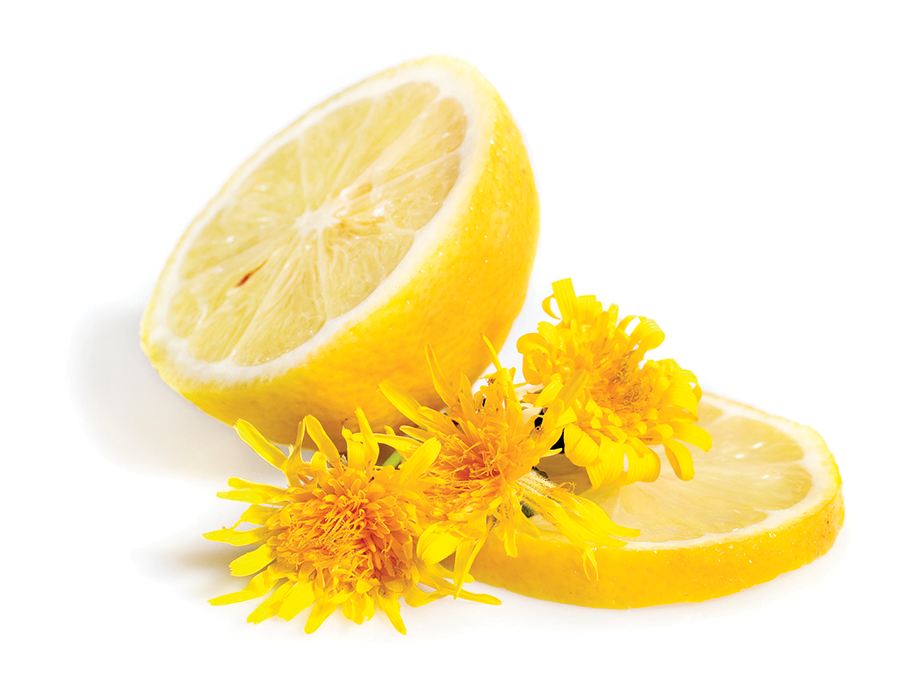
All you need: dandelion greens, wild and tender. Wash thoroughly, then toss with whatever you’d like. Lemon juice, fresh dill, olive oil and pepper.

Glory of Spring

Goddess of Fertility Day is observed on Wednesday, March 18 — the day before official spring. Among the goddesses celebrated on this day, Aphrodite is by far the most widely known.

Born from the foam of the sea, it’s fitting that this goddess of love and blinding beauty be remembered at a time when tender green shoots and brilliant flowers seemingly appear out of nowhere.

Historically, those seeking to conceive would make offerings to Aphrodite on this day — flowers, greenery, dessert wine, and triangle-shaped honey cakes.

Or, grow a garden in her honor.

Dandelions don’t tell no lies. — Mick Jagger

Laugh in Flowers

The earth has softened. In the garden, sow seeds for spinach, radish, turnip and kale. Plant a Flower Day is celebrated on Thursday, March 12 — but why stop at just one? March is a good month for planting lilies, tulips and roses. And don’t forget landscaping beauties, like rock cress, sweet pea or — in celebration of Saint Patrick’s Day on March 17 — clover.

Almanac

February blossoms make the cold hard to shake.

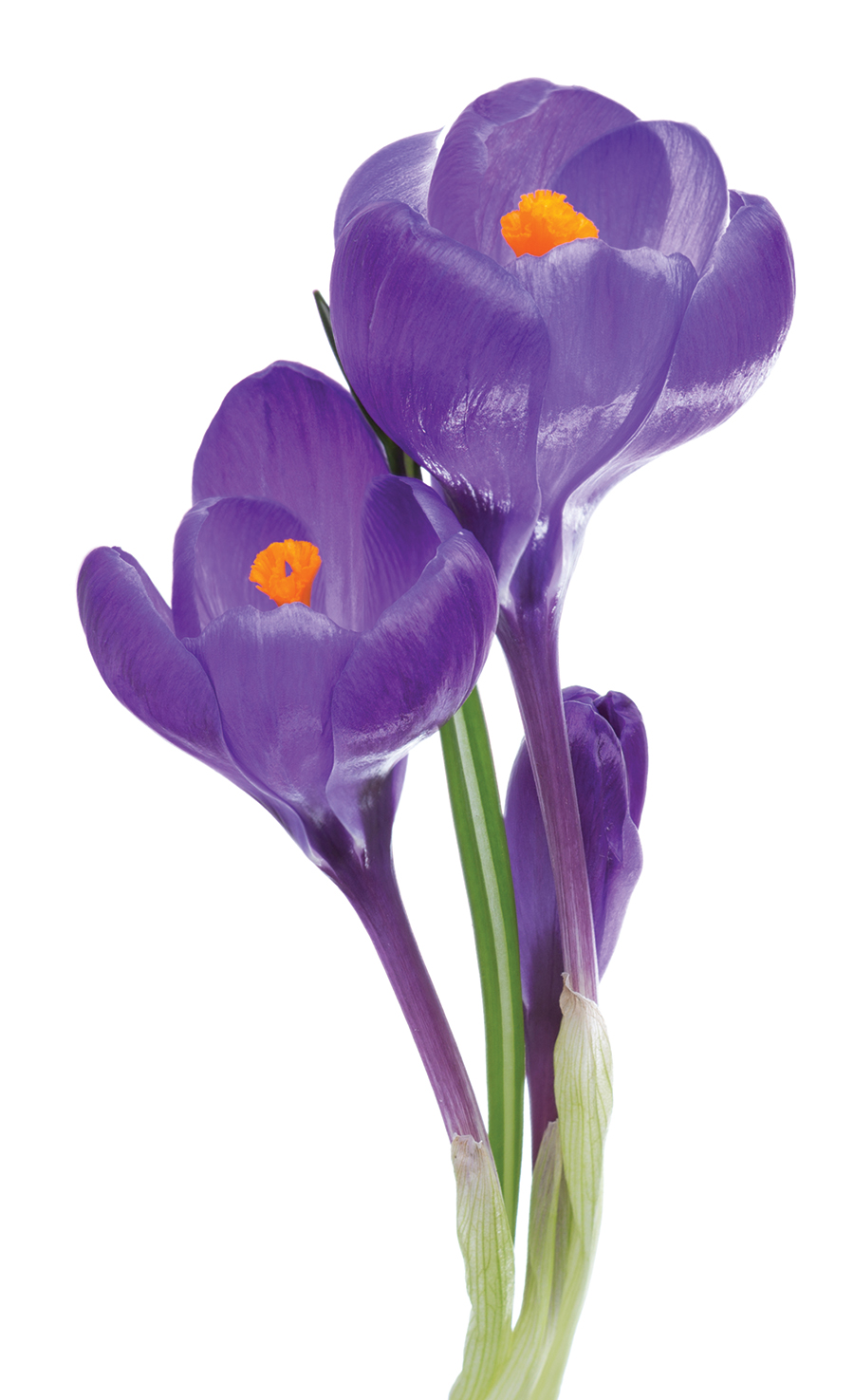
Crocus burst open like paper fortune tellers, hellebores whisper prophesies of spring, and in the backyard, where a speckled bird is kicking up fresh mulch, winter Daphne blushes like bright-eyed maidens in faded terra-cotta planters.

All of this, yet winter feels deep-rooted, endless. As if her flowers were cruel illusion. As if your bones could be forever yoked to this chill. 

Then one day, out of nowhere, a new warmth arrives with the daffodils, a new softness beckoning you outdoors.

Beneath the bare-branched sycamore, where the picnic table has all but forgotten its name, February sunshine feels like a warm bath. You’ve brought lunch — a thermos of soup — and as the sunbeams dance across your face and skin, you feel, for the first time in months, as open as the crocus. As if winter might release you. As if hellebores were true harbingers of spring. 

Beside your thermos, a feathery caterpillar edges toward you. Did it fall from the sky? You look up toward bare branches, wonder where he came from, where he’s going, whether he’ll be the speckled bird’s lunch. He’s closer now, gliding across your idle spoon, and as you observe his wispy yellow coat, you see yourself in this tiny being and in what he might become:

Enamored by each fragrant blossom; wide open; ever-seeking the simple grace of light.
February sunshine has transformed us, encoding within us the promise of spring. We can feel it now.

The Lenten Rose

When a plant blooms in the dead of winter, it is neither ordinary nor meek. That plant is a pioneer.

Also called the “Lenten rose”, the hellebore is a beloved and shade-tolerant herbaceous or evergreen perennial — not a rose — that so happens to thrive here. Some species more than others.

Take, for example, the bear claw hellebore, which is named for its deeply cut “weeping” leaves. February through April, this herbaceous perennial displays chartreuse green flowers that the deer won’t touch, and you shouldn’t either (read: toxic when ingested). As the flowers mature, the petal edges blush a soft, pale ruby. Talk about subtle beauty, but more for the eyes than for the nose (its crushed leaves are what give it the nickname “stinking hellebore”).

On behalf of every flower-loving soul aching in their bones for the coming spring, thank you, hellebore. You’re a true queen.

I know him, February’s thrush,

And loud at eve he valentines

On sprays that paw the naked bush

Where soon will sprout the thorns and bines.

— George Meredith, “The Thrush in February,” 1885

Full Snow Moon

The Full Snow Moon will rise at night on Feb. 8, peaking in the earliest hour of the morning on Feb. 9. Also called the Bone Moon, this supermoon (the closest the moon can come to Earth in its orbit) marks a time of heavy snowfall and, in earlier times, little food. If you’re warm and full-bellied, this moon is a good one to share the wealth.

Warm Your Bones

This month in the garden, sow beet, mustard and turnip seeds. Plant your spring salad (loose leaf lettuce, arugula, spinach, carrots, radish, cilantro). But while it’s cold out, soup!

The following recipe from DamnDelicious.net is a quickie — all the better for soaking up more February sunshine while the spring garden grows.

Spinach and White Bean Soup

Ingredients:

1 tablespoon olive oil

3 cloves garlic, minced

1 onion, diced

1/2 teaspoon dried thyme

1/2 teaspoon dried basil

4 cups vegetable stock

2 bay leaves

1 cup uncooked orzo pasta

2 cups baby spinach

1 (15-ounce) can cannellini beans, drained and rinsed

Juice of 1 lemon

2 tablespoons chopped fresh parsley leaves

Kosher salt and freshly ground black pepper, to taste

Directions:

Heat olive oil in a large stockpot or Dutch oven over medium heat. Add garlic and onion, and cook, stirring frequently, until onion is translucent, about 2-3 minutes. Stir in thyme and basil until fragrant, about 1 minute.
Stir in vegetable stock, bay leaves and 1 cup water; bring to a boil. Stir in orzo; reduce heat and simmer until orzo is tender, about 10–12 minutes.

Stir in spinach and cannellini beans until the spinach has wilted, about 2 minutes. Stir in lemon juice and parsley; season with salt and pepper, to taste.

Serve immediately.  PS

Every gardener knows that under the cloak of winter lies a miracle . . . a seed waiting to sprout, a bulb opening to the light, a bud straining to unfurl. And the anticipation nurtures our dream. — Barbara Winkler

Almanac

January is fresh linens, heightened awareness, infinite possibility.

Like a dream within a dream.

Last night, I dreamed I was flying through a thick forest of pine, a holy swirl of stars like pinholes to the heavens in the winter sky above me. Cassiopeia the Queen was dancing west of Polaris, and my breath became a living veil, the Big Dipper disappearing and reappearing with every exhale. Suddenly, in the midst of all this magic — flight, the crisp night sky, the dance of breath and starlight — I realized that I could plummet to Earth at any moment. And yet the thrill of the alternative ignited me. This is my dream, I thought. And to claim a dream requires faith.

As the Big Dipper rose above the North Star, I began pumping my legs, swimming through the air at what felt like the speed of light, weaving between trees, between realms, between worlds.

January is here, and with it, a world of infinite possibility.

A seed of hope.

A bulb, cracking open beneath the soil.

A field of daffodils in the making.

New beginnings, new rituals, new dreams.

All that is required is faith.

Rabbit, Rabbit

Every New Year’s morning in the first blush of light, I bundle up, go outside, and listen to the deep quiet. As Earth begins stirring with unseen critters, silhouettes dance in the periphery. Often, one of a rabbit.

On such occasions, I’ve wondered if there was some correlation between rabbits and New Year’s, but settled with my own belief that it was some sort of good omen. Only recently did I discover the quirky superstition of saying “Rabbit, rabbit” on the first day of the month for good luck. Have you heard about this?

According to the Farmers’ Almanac, the first written record of this strange rabbit habit traces back to a 1909 British periodical called Notes and Queries

I think I prefer my New Year’s tradition, and how the language of nature seems to transcend words. But, for what it’s worth: Rabbit, rabbit.

Rabbit, rabbit, and happy New Year!

Year of the Rat

Twelfth Night (Jan. 5), the eve of Epiphany, marks the end of the Christmas season. But the merriment continues. Saturday, Jan. 25, marks the celebration of the Chinese New Year. Cue the paper lanterns for the Year of the Metal Rat, a year of wealth and surplus. Bring it on.

According to one ancient myth, the rat is the first of all zodiac animals because it tricked the ox into giving it a ride to the Jade Emperor’s party, a race to determine the order in which the animals would appear. Just as the ox was approaching the finish line, the rat leapt down in front of it, arriving first. All this to say that 2020 just may be a year of newfound ingenuity and resourcefulness. But in case you’re not convinced that the Year of the Rat will be an auspicious one, this is for you:

In Rajasthan, India, there is a Temple of Rats dedicated to a Hindu warrior worshiped by her followers as the incarnation of the goddess Durga. Outside, a beautiful marble façade with solid silver doors. Inside, 25,000 black rats plus a few rare and especially “holy” white rats, all revered.

Now, on a side note, it’s said that cleaning or throwing out garbage on the day of the Chinese New Year is a spring festival taboo — you don’t want to “sweep away” the good luck! Unless you’re inviting a certain zodiac animal to the party (ahem), you might want to turn a blind eye to it. 

In the Garden

Bare branches against bright sky in every direction, and yet a closer look reveals flowering witch hazel, camellia and daphne, hellebores, apricot and winter jasmine.

In the garden, now’s the time for preparation. Prune what’s asking to go. Fertilize beds with wood ash. And when the soil is dry enough, plant asparagus crowns for early spring harvest.

Soon, a sea of spring vegetables will grace the garden. English peas, cabbage, carrots, radish, turnip, rutabaga. But now, patience.

Patience and faith.

Nature has undoubtedly mastered the art of winter gardening and even the most experienced gardener can learn from the unrestrained beauty around them. — Vincent A. Simeone

Almanac

December is a treasure trove of fragrance and memory.

One whiff of cinnamon, for instance, and I’m back in Grammy’s kitchen, watching the birds through the sunny window as cinnamon sticks simmer on the stovetop.

“Is that pesky critter back?” she asks, squinting as she scans the front yard, feeders swinging like pendulums.

“Oh, for Pete’s sake,” she says, watching a plump gray squirrel balance between a crape myrtle branch and a hanging tray like some kind of clumsy acrobat. “Hand me my squirt gun, would you?”

Incense fumes take me back further still: to the children’s Nativity play at Catholic Mass, frankincense and myrrh wafting up toward the vaulted ceiling as toddlers slink from laps to kneelers, climb from kneelers to creaky wooden pews. As the organist fires up “Joy to the World,” all I can see is Christmas dinner (sliced ham, soft rolls, green beans, potato gratin), a smorgasbord of cookies, and the ocean of neatly wrapped presents to follow.

And then — yes, there it is — the scent of Fraser fir.

I must have been 11 when my folks brought home that first real tree. Until that day, unfurling and shaping the plastic branches of our tired yet faithful artificial tree was, for me, the highlight of the holidays. But once the entire house smelled like a lush woodland forest, I was forever transformed. Although I had neither the words nor the reference for it then, now I might compare the experience to some kind of awakening — like falling in love. All I knew for sure was this: If I had any say in the matter, my days of plastic trees were done.

Hot chocolate, citrus, fire, peppermint bark, homemade pie . . .

This aromatic month, no telling what delightful memories might come to light.

The Real Thing

Spruce, pine or fir, evergreen trees have long been used to celebrate winter festivals — pagan, Christian or otherwise. If you’re considering a living tree for the house and landscape this year, you’ll want to keep it outside for as long as possible (read: It won’t be happy indoors for more than 14 days). Although their needles aren’t as soft as the iconic fir, white pines thrive in North Carolina.

Rosemary “trees” are another great option. Just be mindful not to “shock” them with too-cold temperatures if you snag one from a local nursery. The shorter their journey from cozy greenhouse to warm home, the better.

December Sky Watch

This month, love is in the night sky. On Saturday, Dec. 28, two days after an annular solar eclipse not visible from here (try Saudi Arabia, southern India or parts of Indonesia), a crescent moon and Venus will “kiss” in the southwestern horizon at 8:33 p.m. National Geographic named it one of the top sky-watching events of 2019. Take their cue. Mistletoe is everywhere. You know what to do.

Winterberry Magic

Want to draw more birds to your backyard this and future winters? Just add berries. Audubon North Carolina’s Bird Friendly Communities Initiative dubbed the winterberry “irresistible” to wood thrushes, gray catbirds, Eastern bluebirds, American robins, cedar waxwings and woodpeckers. And this native plant just so happens to thrive in the mountains, piedmont and coastal plain.

Like its iconic cousin the American holly, winterberry plants are either male or female. This means you’ll need to plant at least two-for-one to produce fruit. The winterberry flowers from April to June, and while it loses its leaves in the autumn (unlike the holly), all the better for witnessing its colorful berries, which it bears from August through December. You’ll get a better glimpse of the visiting birds that way, too.

Other plants with brilliant berries: beautyberry, deciduous hollies, Washington hawthorn.

I heard a bird sing

In the dark of December,

A magical thing,

And sweet to remember:

“We are nearer to spring

Than we were in September.”

— Oliver Herford, “Hope,” 1914

Stocking Stuffers for Your Favorite Gardener

• Snapdragon seeds

• Pruning shears

• Natural twine

• Gardeners hand cream

Winter Poems, by Barbara Rogasky