Almanac

Time Traveling

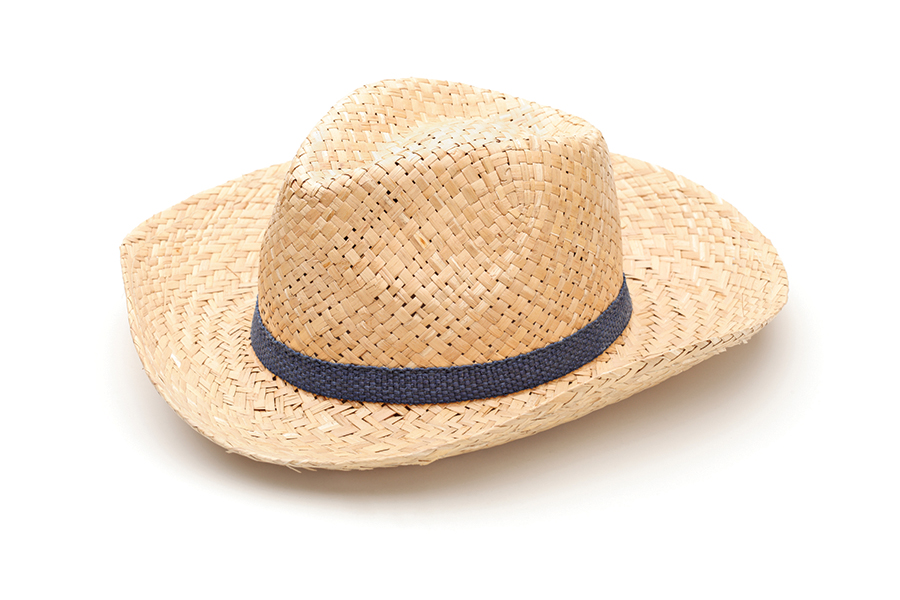
July is here and you are fishing on the bank with Papa, readjusting his faded straw hat seconds before it slips down your brow again. You don’t notice. You are busy staring at the water’s surface, thinking about the dancing cricket at the end of the line.

Summer sends us time traveling. Shucking sweet corn on the front porch with mama. Potato sack racing with your cousins. Sparklers on the lawn.

Ripe blackberries straight from the bush, but nothing tastes sweeter than summer love. You relive that first kiss, stolen beneath the Southern magnolia, and daydream at the pool with flushed cheeks and pruned fingers.

Papa reaches for the bagged lunch you packed together, unwraps a tomato sandwich, takes a pull of iced tea from the thermos. He is flashing back to his own childhood summers when you feel the tug on your line.

You wrestle a tiny sunfish, straw hat now slipping down past your eyelids. The fish is too small to take home, but papa won’t let you know it. He puts down his sandwich to help you remove the hook. You slip your first-ever catch into papa’s bucket. He lifts the straw hat from your eyes, winks, and then kisses your brow.

Rest is not idleness, and to lie sometimes on the grass on a summer day listening to the murmur
of water, or watching the clouds float across the sky, is hardly a waste of time.
— John Lubbock
Full Buck Moon Magic

Sure as our summer garden delivers fresh cabbage (read sauerkraut), July inspires cucumber salad, pickled melon, cantaloupe gazpacho, blueberries and whipped cream. Fourth of July falls on a Tuesday this month. We prepare for backyard barbecues, look for cool and simple dishes to delight friends and family.
At market, baskets of golden peaches spell homemade ice cream. The kids will love it. Hosting or traveling, stock up on pickled okra, scuppernongs, and heirloom tomatoes. This is a season that knows how to throw a delicious party. We oblige.

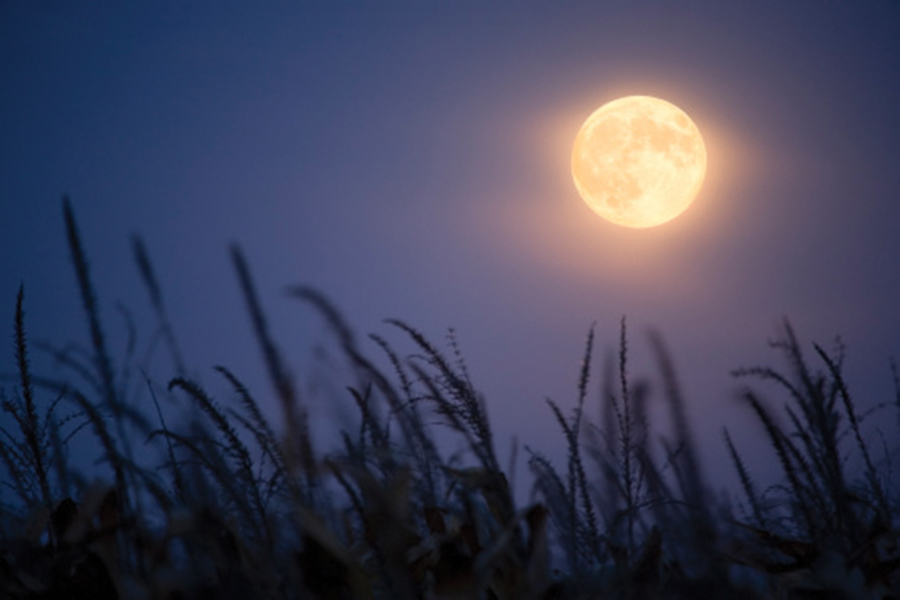
The Full Buck Moon falls on Sunday, July 9. If you’re gardening by the lunar cycle, pop flowering bulbs such as gladiolus and butterfly lily into the earth July 10–22 — day before the new moon. Not too late to plant squash, corn or snap beans, plus heat-loving herbs like basil, thyme and sage.

Summer doesn’t last forever. We’ve lived long enough to know that. As the cicadas serenade you into dreamland, allow visions of your autumn garden to come into focus. A gardener must always plan ahead.

Larks and Nymphs

Seeing as the spur of this month’s birth flower resembles the hind toe of a crested songbird, it’s little wonder how delphinium consolida got its common name. Larkspur (or Lark’s heel as Shakespeare called it) belongs to the buttercup family and, like the orchid, is a showy and complex flower. It’s also highly poisonous if consumed — but perhaps that’s what makes this striking beauty all the more appealing. Color variations convey different meanings. Purple says first love.

Water lilies aren’t just for frogs. Also a birth flower of July, genus Nymphaea takes its name from the Greek word meaning “water nymph” or “virgin.” A symbol of purity and majesty, the lotus flower is a spiritual icon in many cultures. Chinese Buddhists describe Heaven as a sacred lake of lotus flowers. Imagine.
Ah, summer,
what power you
have to make us
suffer and like it.

— Russell Baker

Something Different Dept.

Among the obscure holidays celebrated this month — Sidewalk Egg Frying Day (July 4), National Nude Day (July 14), and Yellow Pig Day (July 17), to name just a few — Build A Scarecrow Day is celebrated on Sunday, July 2. Egyptian farmers swaddled wooden figures with nets to create the first “scarecrows” in recorded history. Only they weren’t scarecrows, per se. They were used to keep quails from the wheat fields along the Nile River. If you’ve a corn crop to protect, consider making an art of it. But just remember, crows are smart cookies — and perhaps better friends than foe.  PS

Almanac

By Ash Alder

In June as many as a dozen species may burst their buds on a single day. No man can heed all of these anniversaries; no man can ignore all of them.–Aldo Leopold


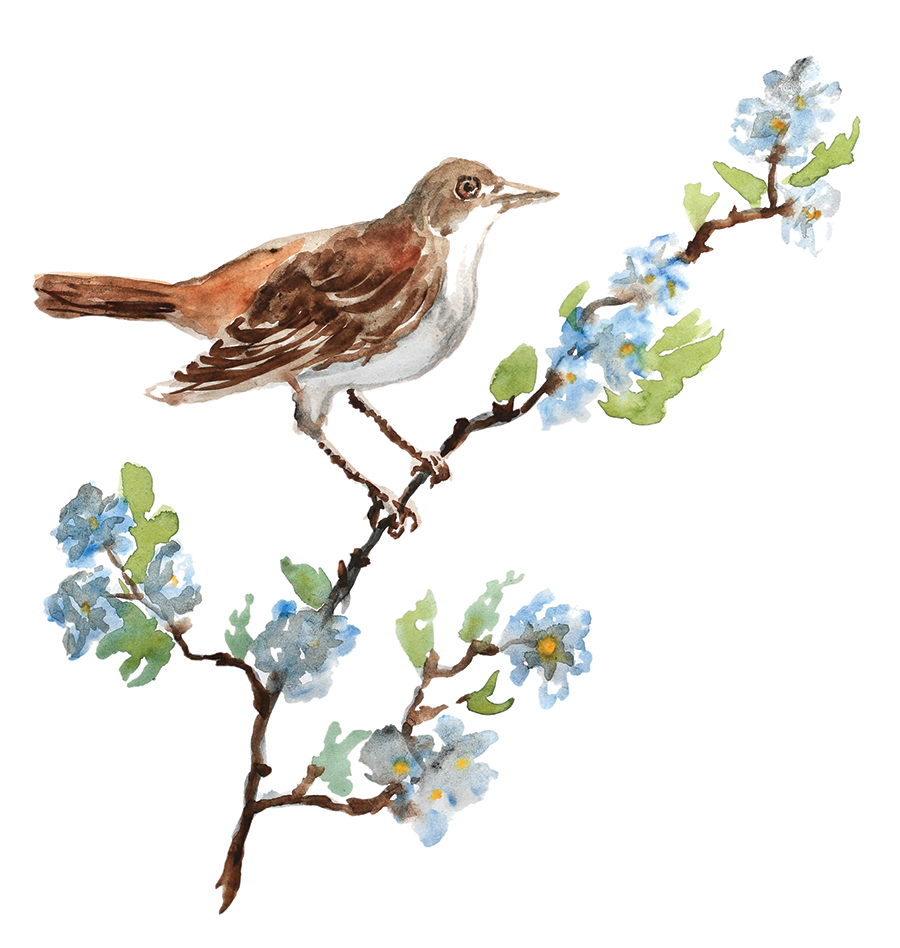
The mockingbird sings 100 songs. Ballads of honeysuckle and wild rose. Lady’s slipper. Skipper and milkweed. Plump strawberries. Cottontail and mophead hydrangeas.

June is here, he whistles, prelude to a queue of tunes about cukes and pole beans, creaky tire swings, hives full of honey. His morning song, syrupy as the last spring breeze, is interrupted by a string of sharp rasps. The tune tells how to scold a crow.

As fox kits scuffle in a pine-fringed wood, the sweep of a tail sends a troupe of dandelion seeds swirling into the dreamy green yonder. Summer is near, the mockingbird calls. We can feel the truth of it.

Cicada skin clings to the grooved bark of an ancient willow. On the solstice, a little girl finds it. The mockingbird watches her carry it home. Summer is here, the bird sings. The girl places the empty vessel on her
windowsill, hums a tune as sunlight washes over the golden amulet.

Evening unfolds. Fireflies dance beneath the sugar maple and a resident toad joins the cricket symphony. Mockingbird sleeps, yet the music swells
into the night.

Magic of Midsummer

The days grow longer. On Friday, June 9, a full Strawberry Moon illuminates the tidy spirals of golden hay dotting a nearby pasture. For Algonquin tribes, this moon announced ripe fruit to be gathered. Because the hives now hum heavy, the June moon is also called the Mead Moon. Honey, water and yeast. Patience. Sip slowly the magic of this golden season. 

Perhaps stemming from the ancient Druid belief that summer solstice symbolizes the “wedding of Heaven and Earth,” many consider June an auspicious month for marriage. This year, Solstice falls on Tuesday, June 20. Celebrate the longest day of the year with sacred fire and dance. Now until Dec. 21, the days are getting shorter. Sip slowly the magic of these golden hours.

When the sun sets on Friday, June 23 — a new moon — bonfires will crackle in the spirit of Saint John’s Eve. On this night, ancient Celts powdered their eyelids with fern spores in hopes of seeing the wee nature spirits who dance on the threshold between worlds. 

Lady’s Fingers

Some like it hot. Some like it cold. Whichever your preference, fresh okra is one of this month’s most delicious offerings. Also called lady’s fingers, okra is a member of the mallow family (think cotton, hollyhock and hibiscus). The edible seedpods of this flowering plant are rich in vitamins and minerals that promote healthy vision, skin and immune system. Because it’s an excellent source of fiber, okra also promotes healthy digestion.

Father’s Day falls on Sunday, June 18. Say “I love you” with a jar of pickled okra — local and, perhaps, with a kick.

Everlasting Love

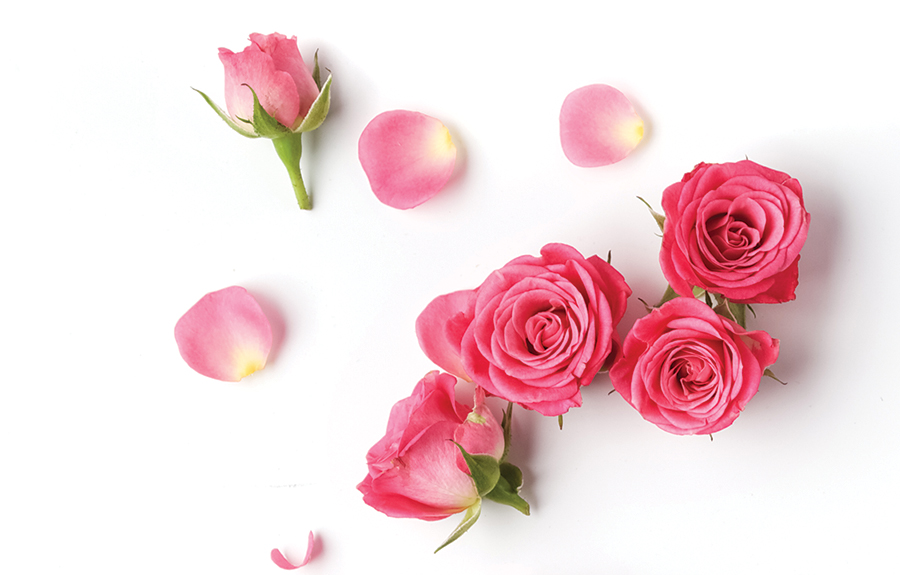
When you send someone roses — the birth flower of June — the color of the petals tells all. Red reads romance. Pink for gratitude. White or yellow for friendship. Orange for passion.  PS

I know a bank where the wild thyme blows,

Where oxlips and the nodding violet grows,

Quite over-canopied with luscious woodbine,

With sweet musk-roses and with eglantine.

–William Shakespeare, “A Midsummer Night’s Dream”

Almanac

By Ash Alder

I perhaps owe having become a painter to flowers. – Claude Monet

May is a month of magic. A single flower is proof. But the Earth spills fragrant blossoms with the fervor of a child in a spring wedding, hands dipping into that shaky wicker basket until the aisle resembles a sea of brush strokes — a Monet painting come to life.

May is a month of abundance. Plump strawberries. Rhubarb pie. Tomato vines winding up rustic garden trellises.

On May 1, an ancient fire festival called Beltane celebrates this fertile season with feasts and rituals. Midway between the spring equinox and summer solstice, Beltane was traditionally a celebration of light that marked the beginning of summer, a Gaelic May Day festival during which cattle were led between two sacred fires, the smoke from which was said to purify and shield the herd from disease before they were driven into open pasture. Villagers and couples danced round and leapt over the flames to cleanse their souls and invoke fertility and good fortune.

May is a month of flowers. In her book of essays and meditations inspired by a retreat to Florida’s Captiva Island in the early 1950s, Anne Morrow Lindbergh mused that “arranging a bowl of flowers in the morning can give a sense of quiet in a crowded day — like writing a poem or saying a prayer.”

Mother’s Day falls on Sunday, May 14, two days after the full Flower Moon. Gift her wildflowers. A sprig of dogwood. Irises from the garden. Gather them in the early light and feel the magic of May pulsing within them.

Spring in a Bottle

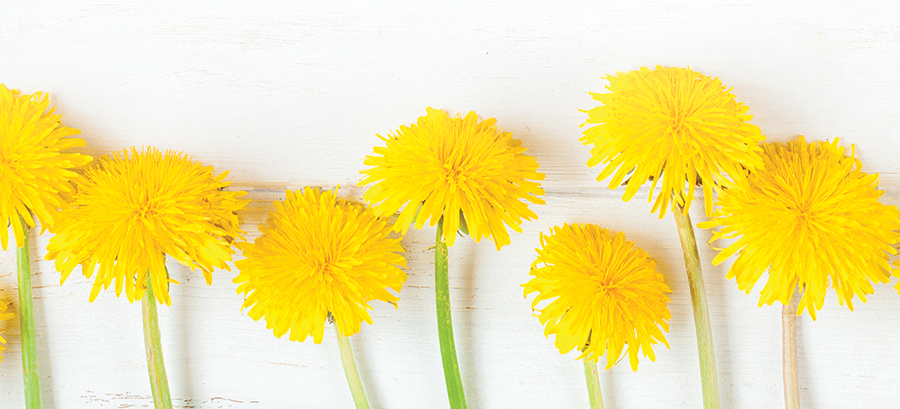
Remember picking your first dandelion? How it yellowed your clothes and fingers? How its tiny florets rendered it the most perfect specimen you’d ever seen? Before you knew it as weed or edible, dandelion was faithful companion. You wove it into wildflower crowns, you gathered them for Mother, and gasped when you found one gone to seed. Even as a child, you somehow knew that dandies spread like laughter. For that, you were grateful.

In the spirit of that playful inner child, harvest a basketful of dandelions on a warm May evening. Make wine. Pop off the blossoms. Soak them in citrus juices. Boil with ginger and clove. Bottle the sweetness of spring to enjoy all year.

Dandelion wine recipes are nearly as easy to find as the star ingredient. Just be sure to harvest from someplace free of pesticides. And when the blossoms stain your fingers, don’t be surprised by a sudden impulse to turn a cartwheel or somersault across the lawn.

Weeds are flowers too, once you get to know them.— A. A. Milne

The May Bush

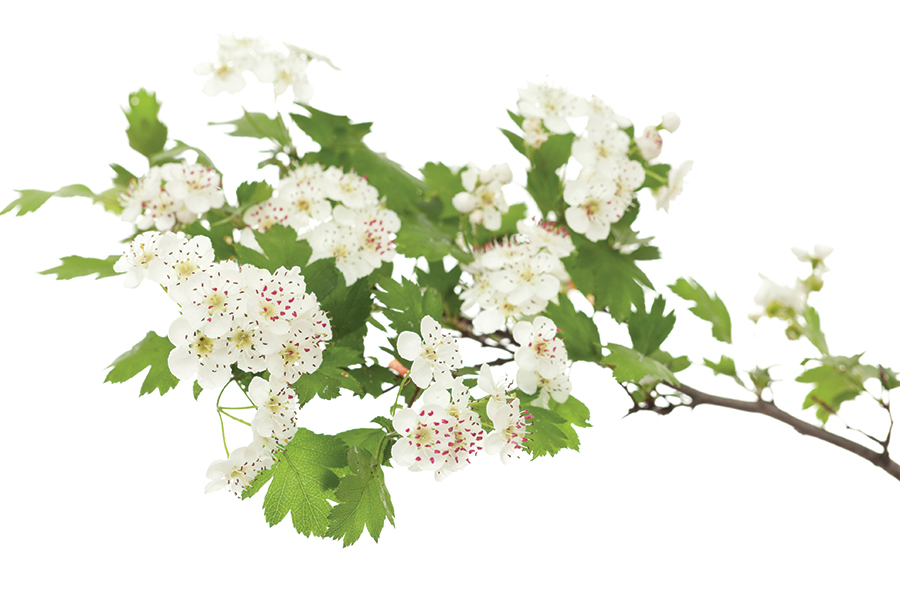
The first maypoles were made of hawthorn, a mystical tree whose pale blossoms represent hope and supreme happiness. Also called thornapple, hawberry and May bush, the ancient Celts believed this magical tree could heal a broken heart. If you stumble upon a wild hawthorn, especially one growing among ash and oak, legend has it you have found a portal to the faerie realm.

The Celts sure love their nature spirits. According to Celtic tree astrology, those born from May 13 – June 9 draw wisdom from the sacred hawthorn. Creative and charismatic, hawthorn types are often found performing for a crowd. They’re most compatible with ash (Feb. 18 – March 17) and rowan signs (January 21 – Feb. 17).

And wouldn’t you know it? The hawthorn is one of two birth flowers of May, the other being lily of the valley — less fabled but far more fragrant.

Almanac

April Flowers

Daisy and sweet pea are this month’s birth flowers. The first is a symbol of innocence and purity, while the latter represents blissful pleasure. If you wish to brighten someone’s day, a simple bouquet of fern and daisies will speak volumes. A gift of fragrant sweet pea, on the other hand, is best reserved for a sweet goodbye.

Every spring is the only spring — a perpetual astonishment. — Ellis Peters

April Love Song

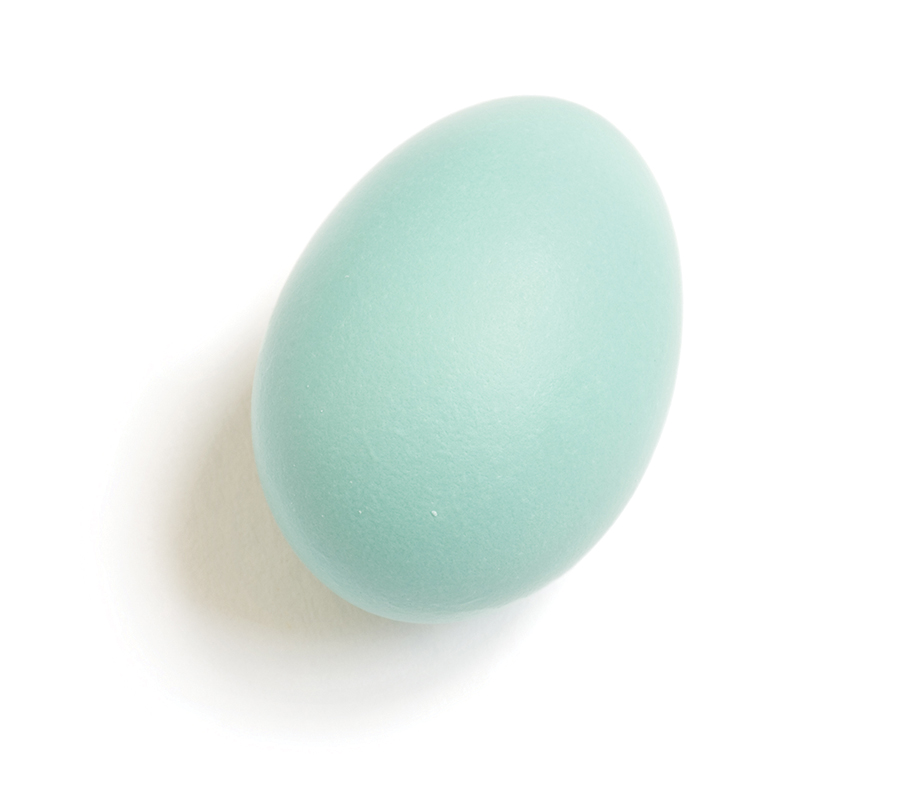
If ever there were a more delicious poem than April, perhaps only the bluebird would know it. Or the nectar-drunk duskywing. Or the glossy black rat snake, so entranced by the color of the robin’s egg that he swallows the pastel vessel whole.

April is here. Sow the beets and the broccoli. Plant the beans and the cukes. Harvest the tender green shoots of asparagus.

Welcome the rain. Let it kiss you, mused Harlem jazz poet Langston Hughes. Listen to its “sleep-song” on your roof at night.

Earth Day falls on Saturday, April 22. This month, gift the Earth a poem of love. Plant a tree in the garden. Buy local produce. Organize a community cleanup. And when the Earth sings, listen.   

Let the rain kiss you.

Let the rain beat upon your head with silver liquid drops.

Let the rain sing you a lullaby.

The rain makes still pools on the sidewalk.

The rain makes running pools in the gutter.

The rain plays a little sleep-song on our roof at night —

And I love the rain.

— Langston Hughes, “April Rain Song”

Must-See Moon

According to National Geographic, one of the “Top 7 Must-See Sky Events for 2017” will occur on Monday, April 10. On this dreamy spring night, just moments after sunset, Jupiter and the near-full Pink Moon will rise together in the eastern sky like forbidden lovers.

The Old Farmer’s Almanac speculates that a full moon in April brings frost. While it’s not actually pink, Algonquin tribes likely named this month’s full moon for the wild ground phlox that blooms with the arrival of spring. Also called the Sprouting Grass, Fish and Egg Moon, if the full Pink Moon rises pale on April 11, bet your folklore-loving bippy it will rain.

A Few Delicious Words

Henry James once mused that “summer afternoon” were perhaps the “two most beautiful words in the English language.”

“Easter brunch” make a
lovely pair.

Ditto “asparagus frittata.”

So if you find yourself playing host on Sunday, April 16, and life gives you fresh asparagus spears, steam until tender then add them to your favorite egg dish.

The Medicine Chest

Want to try your hand at an herb garden? Start now. Since most herbs thrive in full or filtered sun, carve out a cozy outdoor space with optimal light and drainage. Then, allow yourself to dream. Conjure up visions of lush beds with tidy labels, dark opal basil tangled with pineapple sage, aromatic bundles of herbs hanging upside down inside the coolest rooms of the house. Whether it’s medieval apothecary or fresh pesto that you’re craving, April is here to help make manifest your fantasy.

Here’s what to plant this month. Cue “Scarborough Fair” for reference.

Parsley – Rich in cancer-fighting compounds.

Sage – Digestive aid.

Rosemary – Improves memory.

Thyme – Antiseptic and anti-fungal properties.  PS

Almanac

It was one of those March days when the sun shines hot and the wind blows cold: when it is summer in the light, and winter in the shade. –Charles Dickens, Great Expectations

Worms on the March

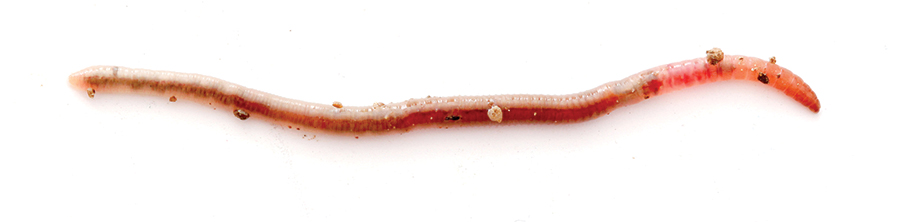
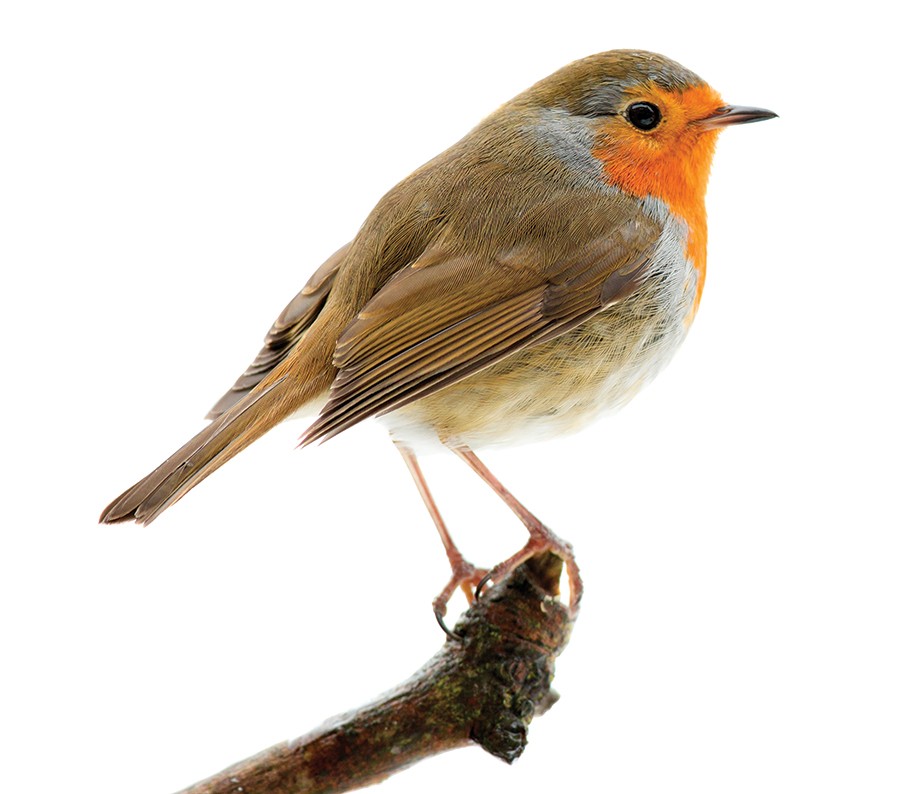
March is here and the world begins to soften. Some six feet underground, the earthworms are thawing, and when their first castings reappear in the dormant garden, so, too, will the robin. You’ll hear his mirthful, rhythmic song on an otherwise ordinary morning, pastel light filtering through the kitchen window where the sleeping cat stretches out his toes and, slowly, unfurls.

Cheerily, cheer-up, cheer-up, cheerily, cheer-up.

In other words: Spring has arrived.

All at once you notice flowering crocus, catkins dangling from delicate branches, colorful weeds dotting sepia toned landscapes. You watch the robin trot across the lawn, chest puffed like a popinjay as he pinballs from worm to fat, delicious worm. Soon he will gather twigs, feathers and grasses to build his nest.

Cheerily, cheer-up, cheer-up, cheerily, cheer-up.

As the kettle whistles from the stovetop, the aroma of freshly ground coffee warming the sunny room, a smile animates your face with soft lines.

Spring has arrived, you think.

And the world stirs back to life.

The Goddess Returns

The Full Worm Moon and Daylight Saving Time both happen on Sunday, March 12.  Because maple sap begins to flow in March, Native Americans deemed this month’s full moon the Sap Moon. You won’t want to miss it. And while you may miss that hour of sleep after turning the clocks forward, the longer days will make up for it in no time — especially when the field crickets start sweet-talking you into porch-sitting past supper.

Although the lusty robin may have announced the arrival of spring weeks ago, Monday, March 20, officially marks the vernal equinox. Greek myth tells that Demeter, goddess of harvest and fertility, celebrates the six-month return of her beautiful daughter, Persephone (goddess of the Underworld), by making the earth lush and fruitful once again. 

International Day of Forests and World Poetry Day fall on Tuesday, March 21 — a day after the start of spring. Celebrate with a poem by your favorite naturalist, and if you’re feeling inspired, try reading a few lines to a favorite stand of oak, maple or pine. 

In the spirit of Saint Patrick’s Day (Friday, March 17), why not spread white or red clover seed across bare patches of the lawn? One benefit of this flowering, drought-resistant legume is that it attracts pollinators and other insects that prey on garden pests. Plus, if you find a four-leaf clover — supposedly there’s one for every 10 thousand with three leaves — it’s said to bring you good luck. Give the shamrock to a friend and your fortune will double.

According to National Geographic, one of the “Top 7 Must-See Sky Events for 2017” will occur on March 29. On this Wednesday evening, Mercury, Mars, and a thin crescent moon will form a stunning celestial triangle in the western sky, with Mercury shining at its brightest to the right of the moon and Mars glowing above them.

Each leaf,

each blade of grass

vies for attention.

Even weeds

carry tiny blossoms

to astonish us. –Marianne Poloskey, “Sunday in Spring”

 Bald Facts about Daffodils

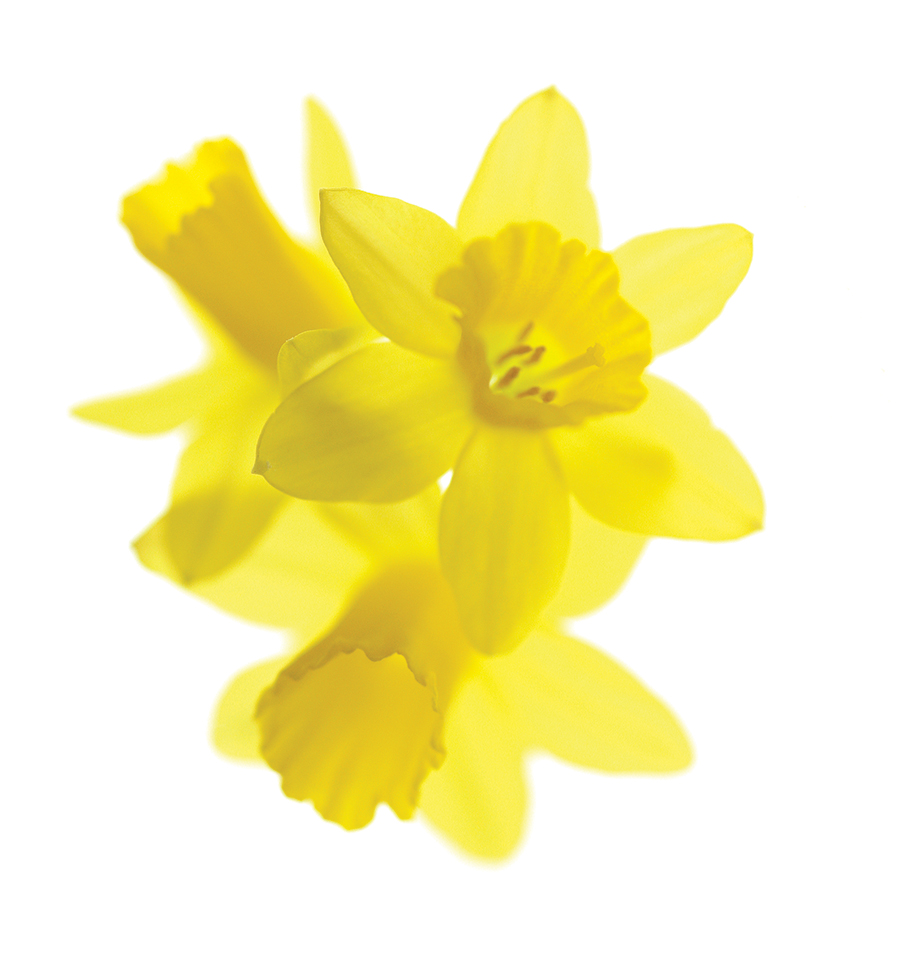
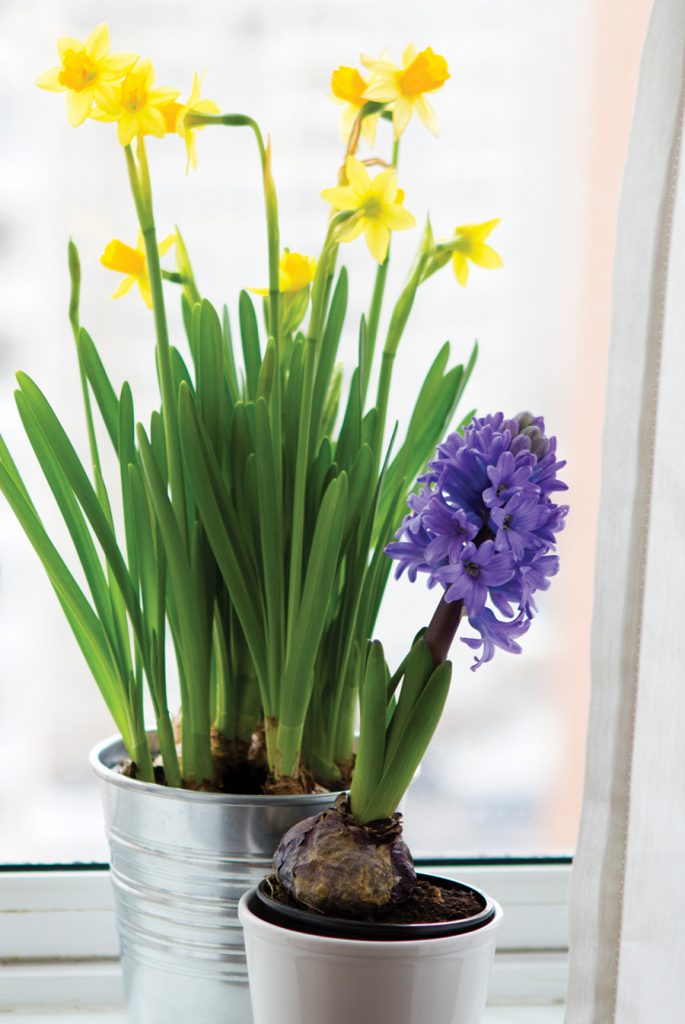
The daffodil — also known as jonquil, Narcissus and “Lent Lily” — is the birth flower of March. Synonymous with spring, this cheerful yellow flower is a symbol of rebirth and good fortune. And a little-known fact: Medieval Arabs used daffodil juice as a cure for baldness.  PS

Almanac

February, a form

Pale-vestured, wildly fair,—

One of the North Wind’s daughters,

With icicles in her hair.

– Edgar Fawcett, “The Masque of Months” (1878)

.

 The Snow Moon

Perhaps no poem paints a more fitting portrait of this time of year than Thomas Hardy’s classic verse about a “blast-beruffled” bird whose joyful song pierces the silence of a dark and desolate eve like an arrow through autumn’s last apple.

Read: February is here. Behold the first glorious explosion of golden daffodils.

Although “Darkling Thrush” is set at the cusp of a new year (and century), its haunting image of “tangled bine-stems” slicing the sky “like strings of broken lyres” invokes, at least for this nature lover, the bleakest yet most beautiful days of winter. Since the heaviest snows tend to fall this month, the full moon on Friday, Feb. 10, has long been called the full snow moon. The Cherokee called it the bone moon because, well, food was so scarce that supper was often marrow soup.

Speaking of soup, now’s time for root vegetable stews and chowders thick with heavy cream and gold potatoes. Make enough and you can eat from it all week — a quick and hearty fix after a cold evening spent pruning the rose bush and deadheading pansies. Through the kitchen window, a brown thrasher gently swings on the suet feeder before disappearing with twilight. It’s cold, but daylight is stretching out a little further every day. The soup simmers on the stovetop. Spring will be here soon.

Say it with Flowers

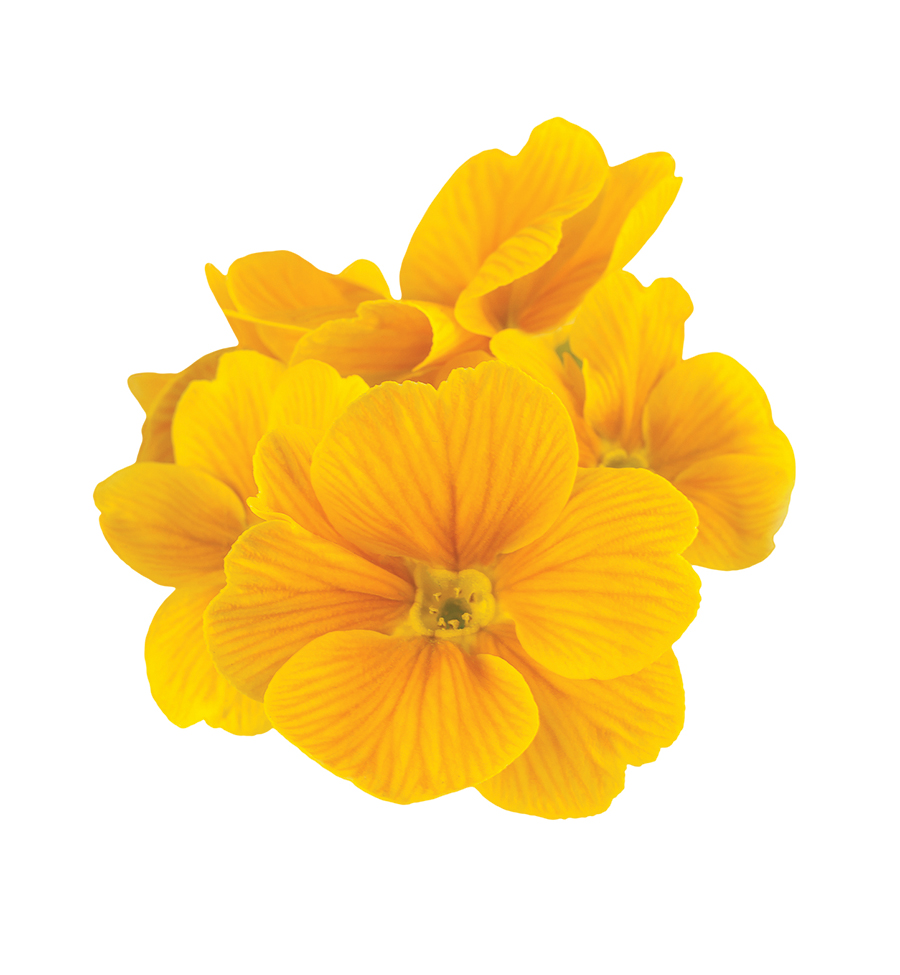
Violet and primrose are the birth flowers of February. The old folk poem calls the flower blue, but violets bloom mauve, yellow and white, too. Gift a lover a violet on Valentine’s Day and they’ll read: I’ll always be true. As for the primrose, a pale yellow perennial that thrives in cool woodland glades, the message crackles like an ardent fire:
I can’t live without you.

.

Love looks not with the eyes, but with the mind

And therefore is winged Cupid painted blind.

Nor hath love’s mind of any judgment taste;

Wings and no eyes figure unheedy haste.

And therefore is love said to be a child

Because in choice he is so oft beguiled.

– William Shakespeare, A Midsummer Night’s Dream


A Grimm Fellow

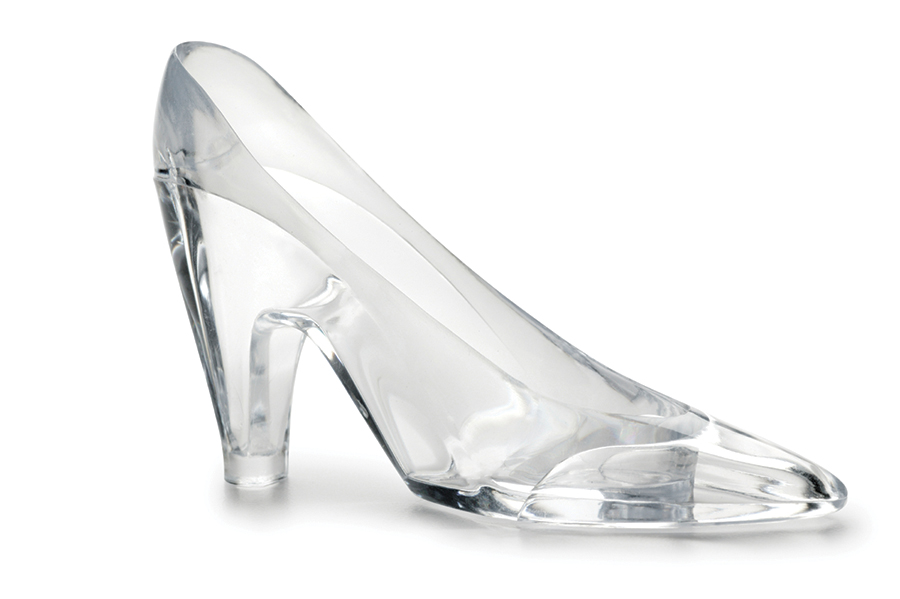
Wilhelm Grimm, younger of the Brothers Grimm, was born Feb. 24, 1786, in Hessen, Germany. Perhaps that’s why National Tell a Fairy Tale Day falls just two days later, on Sunday, Feb. 26. In addition to publishing a hefty collection of folk tales — “Hänsel and Gretel,” “Der Froschkönig” (“The Frog Prince”), “Dornröschen” (Sleeping Beauty), “Schneewittchen” (“Snow White”), and on and on — the brothers started writing a definitive German dictionary in 1838, but never did get around to finishing it. Add a little extra magic to this month of love by spinning a tale about fairies or mermaids, or, in the spirit of this bleak wintry season, perhaps something a bit darker. Like the one where the evil stepsisters cut off their toes to make the glass slipper fit.

Almanac

Begin Again

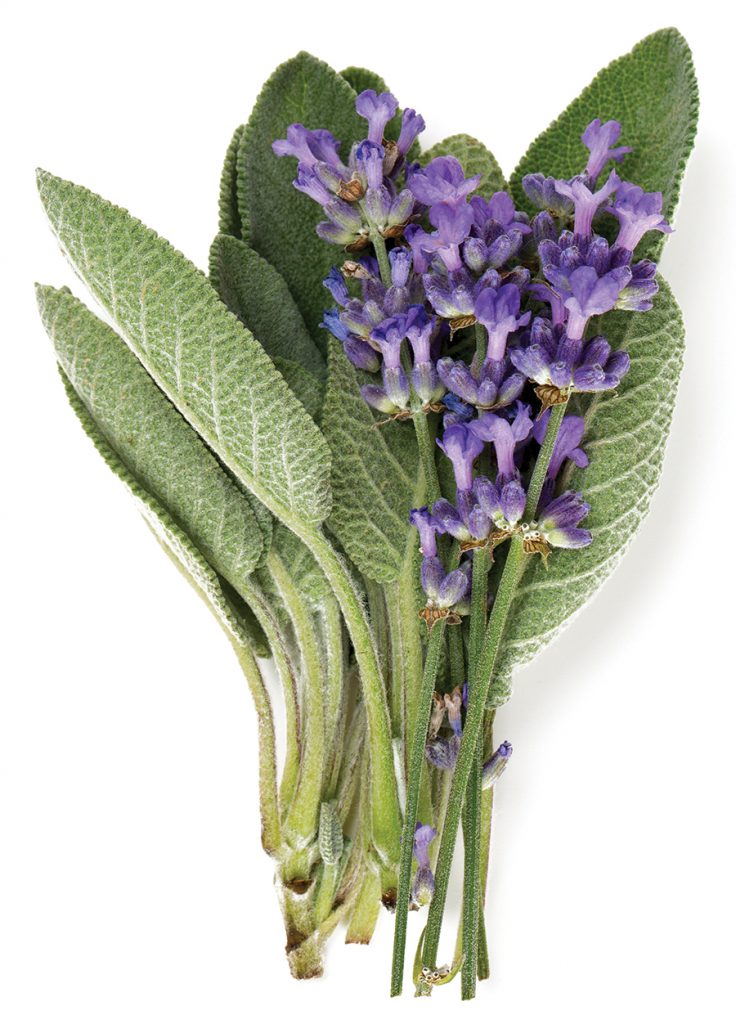
In many cultures, the first day of the year is considered to be a sacred time of spiritual rebirth and good fortune — a time to cleanse the soul and reopen one’s mind to the notion that anything is possible. Draw yourself a lavender salt bath. Light a beeswax candle. Indulge your senses with woodsy and earthy aromas such as cedarwood and sage, noticing how they recharge, calm and nurture you.

Be gentle with yourself on this first day of January. Celebrate exactly where you are — in this moment — and allow yourself to imagine the New Year unfolding perfectly. Look out the window, where the piebald gypsy cat drinks slowly from the pedestal birdbath. Notice the bare lawn, the naked branches stark against the bright, clear sky. Experience the beauty of this barren season, of being open and willing to receive infinite blessings. There’s nothing to do but breathe and trust life.

Breathe and trust life . . . 

Slice the Ginger

The Quadrantids meteor shower will peak on the night of Wednesday, January 4, until the wee morning hours of Thursday, Jan. 5. Named for Quadrans Muralis, a defunct constellation once found between the constellations of Boötes and Draco, near the tail of Ursa Major, the Quadrantids is one of the strongest meteor showers of the year. Thankfully, a first quarter moon will make for good viewing conditions.

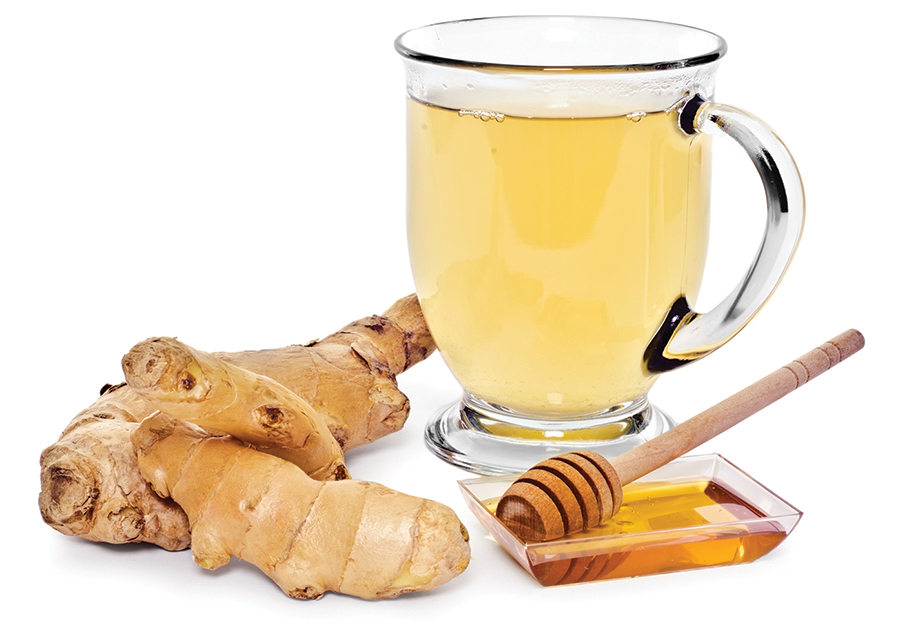
Speaking of Twelfth Night (January 5), the eve of Epiphany marks the end of the Christmas season and commemorates the arrival of the Magi, who honored the Infant Jesus with gifts of gold, frankincense and myrrh. Indeed it is a night of merrymaking and reverie. That said, if you’re seeking a hangover cure come Epiphany (January 6), ginger tea is an excellent and delicious home remedy.

Here’s what you’ll need:

4–6 thin slices raw ginger (more if you like a tea that bites)

1 1/2 ½–2 cups water

Juice from 1/2 lime, or to taste

1–2 tablespoons honey or agave nectar (optional)

And here’s what you’ll need to do:

Boil ginger in water for no less than 10 minutes. You really can’t over do it, so load up on ginger and simmer to your heart’s content.

Remove from heat; add lime juice and honey or nectar.

Sip slowly and allow your world to recalibrate.

Mercury shifts from retrograde to direct on Sunday, January 8. It’s time to take action. Plant the tree. Tackle your garden to-do list. And since Saturday, January 28, marks the celebration of the Chinese New Year of the Fire Rooster, a little advice from the bird: Be bold; live loud; don’t hold back.  PS

Almanac

How did it get so late so soon? It’s night before it’s afternoon. December is here before it’s June. My goodness how the time has flewn. How did it get so late so soon? – Dr. Seuss

Nature Whispers

According to Celtic tree astrology, those born between Nov. 25 and Dec. 23 draw wisdom from the sacred elder. Highly intelligent and energetic, elder archetypes are known as the “seekers” of the zodiac. Variety is this sign’s spice of life, but they’re most compatible with alder (March 18 – April 14) and holly types (July 8 – August 4).

Narcissus — aka daffodil — is the birth flower of December. Those familiar with the Greek myth know that Narcissus was a beautiful hunter who fell so deeply in love with his own reflection that it killed him. Speaking of hunters, the sun remains in the astrological sign of Sagittarius (the Archer) until the winter solstice on Wednesday, Dec. 21. Consider gifting your favorite Sagittarian with a potted daffodil, a vibrant spring perennial that carries messages of rebirth, clarity and inner focus.

December birthstones include zircon, turquoise and tanzanite — all blue, the color of communication and truth. In 2001, a 4.4 billion-year-old piece of zircon crystal was found in Jack Hills, an inland range north of Perth, in western Australia. Known as the “stone of virtue,” this ancient stone offers grounding and balancing energies to those who wear or carry it.

Kissing Bough

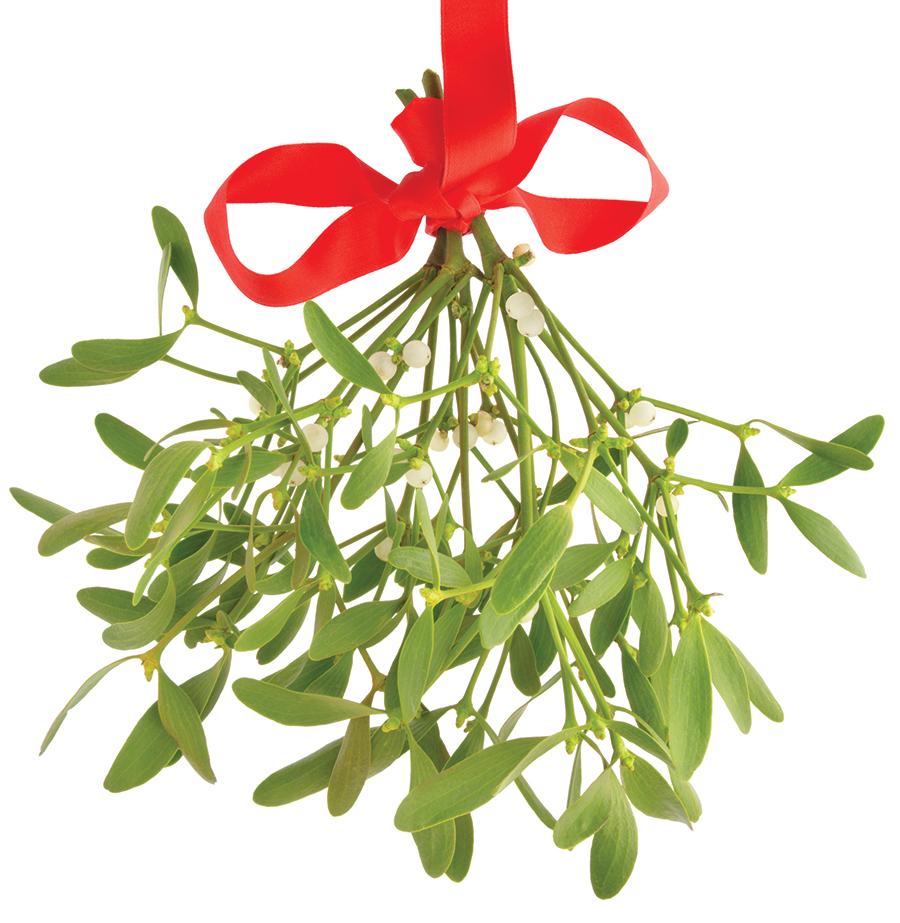
The ancient Druids believed that the mystical properties of mistletoe could ward off evil spirits, while Norse mythology rendered it as a symbol of love and friendship. ’Tis the season, and nothing spells romance like cutting a sprig of it from the branches of a sacred oak, apple or willow. During the early Middle Ages in England, mistletoe was used to ornament elaborate decorations made of holly, ivy, rosemary, bay, fir or other evergreen plants. Kissing boughs, as they were called, symbolized heavenly blessings toward the household. If you find yourself standing beneath one with someone you adore, consider it a heavenly blessing indeed.

Winter Solstice

As we approach the winter solstice — the longest night of the year — we look up to the planets and the stars to gain insight into the final hours of 2016. The Geminid meteor shower is expected to peak on the night of Tuesday, Dec. 13, until the earliest hours of Wednesday, Dec. 14. Although a full moon will make viewing conditions less than ideal, the possibility of sighting upward of 120 meteors per hour is reason enough to add the Geminid shower to your list of things to do this month. You’ll also want to note that Mercury goes retrograde from Dec.19–31. This will be a good time to review plans and projects. Test your soil. Think about next year’s garden, reflecting on the crops that fared well — or didn’t — in 2016. Consider waiting until Mercury goes direct on Jan. 1 to order seeds.

I Heard a Bird Sing

I heard a bird sing

In the dark of December.

A magical thing

And sweet to remember.

“We are nearer to Spring

Than we were in September,”

I heard a bird sing

In the dark of December.

— Oliver Herford, From Welcome Christmas! A Garland of Poems
(Viking Press, 1955)

Almanac

It was Autumn, and incessant

Piped the quails from shocks and sheaves

And, like living coals, the apples

Burned among the withering leaves.

–Henry Wadsworth Longfellow

Sprout Clout

November is crisp air and burn piles, corn crows and starlings, stone soup and Aunt Viola’s pumpkin bars. 

Many consider this eleventh month to be an auspicious time for manifestation. But first we must clear out the old. As we rake the fallen leaves that blanket the lawn, something deep within us stirs, and an ordinary chore becomes a sacred ritual. This is no longer about yard work. We look up from tidy leaf piles to naked branches, a gentle reminder that we, too, must let go. And so we stand in reverent silence, eyes closed as autumn sunlight paints us golden. In this moment, even if we feel sadness or grief, we give thanks for nature’s wisdom and the promise of spring. Wind chimes sing out from a neighbor’s porch, and we exhale a silent prayer. 

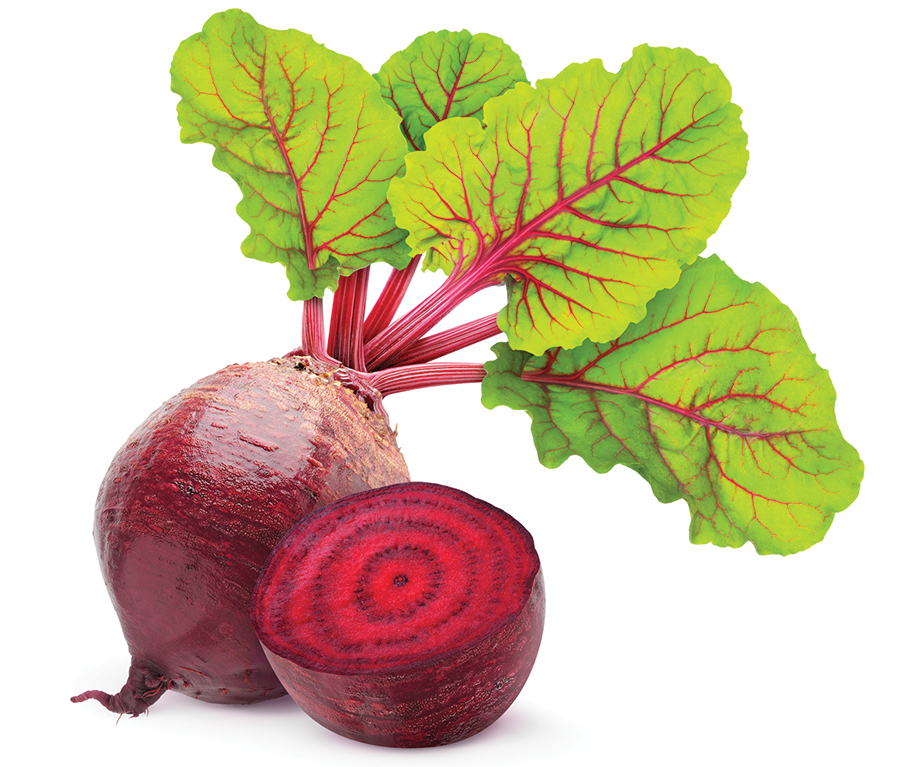
This month in the garden, plant cool-weather annuals such as petunias and snapdragons, and color your Thanksgiving feast delicious with cold-weather crops such as beets, carrots and Brussels sprouts. Arguably the country’s most hated vegetable (if overcooked, these edible buds turn pungent), one cup of Brussels sprouts is said to contain four times more vitamin C than an orange. Our friends across the pond sure go bonkers over them. In 2008, Linus Urbanec of Sweden wolfed down a whopping thirty-one in one minute, a Guinness World Record. Not to be outdone, in 2014, 49-year-old Stuart Kettell pushed a Brussels sprout to the top of Mount Snowdon — the highest summit in Wales — using only his nose. Although this peculiar mission was designed to raise funds for Macmillan Cancer Support, it also raises a valid question: What else might this cruciferous veggie inspire? Perhaps a nice cherry or Dijon glaze? Better yet, bust out the panko and try your hand at Buffalo Brussels. Thanksgiving football will never be the same.

No spring nor summer beauty hath such grace

As I have seen in one autumnal face.

—John Donne

To Your Health

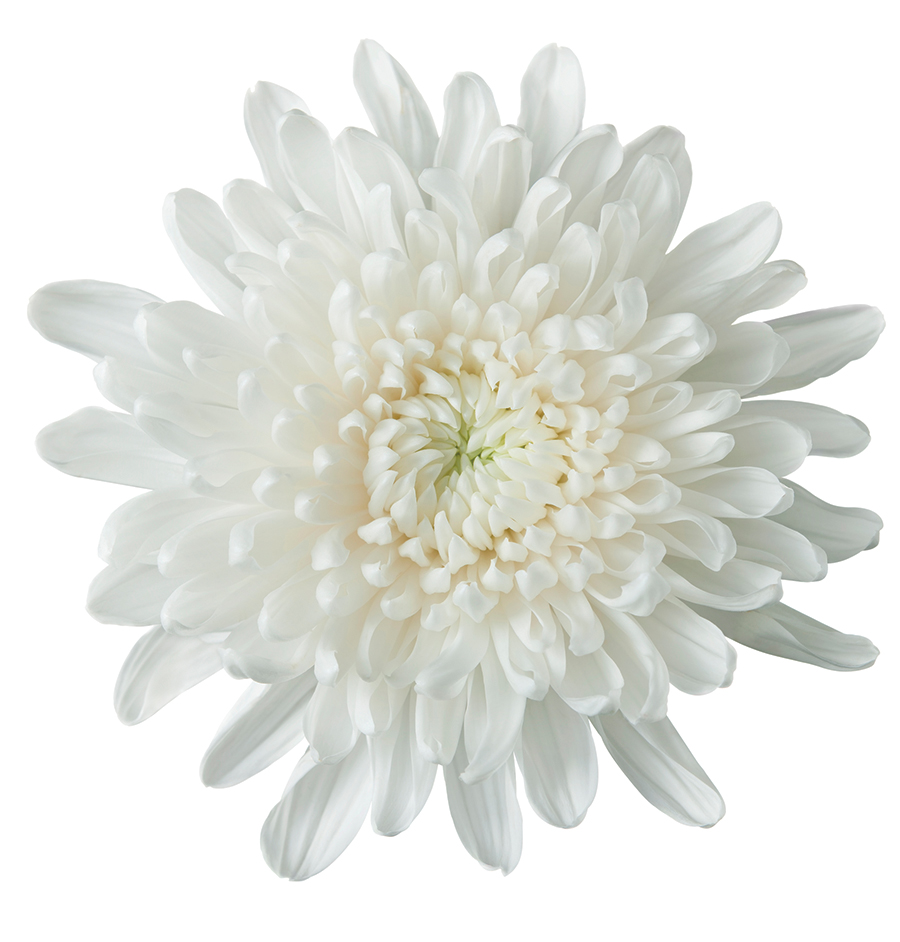
Chrysanthemums are the birth flower of November. Sometimes called mums or chrysanths, this perennial grows best in full sunshine and fertile, sandy soil. Because the earliest mums all had golden petals, many view this fall bloomer as a symbol of joy and optimism. First cultivated in China, these daisylike flowers so entranced the Japanese that they adopted one as the crest and seal of the Emperor. In fact, Japan continues to honor the flower each year with the Festival of Happiness. Legend has it that placing a chrysanthemum petal at the bottom of a wine glass promises a long, healthy life. 

Arboreal Wisdom

The ancient Celts looked to the trees for knowledge and wisdom. According to Celtic tree astrology, those born from October 28 – November 24 associate with the reed, a sweet-smelling, canelike grass the ancients used to thatch roofs, press into floors, and craft into arrows, whistles and flutes. Think Pan’s pipe. Reed people are the secret keepers of the zodiac. They can see beyond illusion and have a strong sense of truth and honor.
But anyone can look to this sacred and useful plant for its virtuous qualities.
When the wind blows through a field of them, it is said you can hear their otherworldly song. But you must be willing to receive their message. Reed people are most compatible with other reed, ash (February 19–March 17) or oak (June 10–July 7) signs. In the Ogham, a sacred Druidic alphabet, the symbol of the reed spells upset or surprise.  
PS

Almanac

The Feast of Trumpets

Rosh Hashanah begins at sundown on October 2. Also called the Feast of the Trumpets, this two-day Jewish New Year celebration includes the ritualistic sounding of the ancient shofar (ram’s horn) and foods to evoke shana tovah u’metukaha good and sweet year. Since now is the time of the apple harvest, what sweeter way to celebrate than with a Red or Golden delicious, fresh from the tree? By dipping said fruit in honey, of course. Consider this tasty Jewish custom when your neighbor presents you with a basketful of local apples, but don’t let it stop you from experimenting with cobblers and crisps, cinnamon-laced ciders, and in the spirit of Halloween, perhaps even shrunken apple heads. Granny Smiths work well for this — best if cored and peeled.

Using the tip of a pen, make indentions to guide your carvings. Cut hollows for the mouth and eyes, and carve away the apple flesh around the nose. Exaggerate the features. Your second apple will be better than the first, et cetera, but failed carvings spell homemade pie, so you might flub a few just for fun. Next, soak the carved apple heads in a mixture of lemon juice (1 cup) and salt (1 tablespoon) for a few minutes to help keep the fruit from molding. Pat dry. Now all that’s left to do is wait. A food dehydrator is the fastest and easiest way to dry out — aka shrink — your apple head, but a warm, well-ventilated area should also work. Since the drying process can take over a week, you’ll want to entertain yourself with other projects. In the spirit of carnival season, how about apple juggling?

Speaking of carving, did you know that the first jack-o’-lanterns weren’t made out of pumpkins? Named for the Irish folktale of Stingy Jack — a man who twice fooled the devil yet unknowingly doomed his soul to roam the Earth until the end of time — the tradition of carving grotesque faces into turnips and potatoes to scare off evil spirits is centuries-old. According to legend, Jack’s ghost carries a hollowed turnip aglow with an ember from the fires of Hell. Bet you can guess what happened when Irish immigrants came across their first pumpkin patch.

“Autumn is the hardest season. The leaves are all falling, and they’re falling like they’re falling in love with the ground.”

― Andrea Gibson, poet

National Runner-up

Marigolds are the birth flower of October. Known as the ‘herb of the sun’, these vibrant yellow, red and orange flowers were carried as love charms in the Middle Ages. Although Victorian flower language experts believe them to be symbols of grief, many associate marigolds with optimism. Burpee president David Burpee must have been among them. In the late 1960s, the seed salesman launched a spirited campaign for marigolds to be named the national flower. We chose the rose.

Herbs to Plant this Month:

Dill — Aids with digestion and insomnia.

Oregano — Used to treat skin conditions.

Sage — Increases recall ability.

Fennel — Improves kidneys, spleen, liver and lungs.

The Best Planting Time

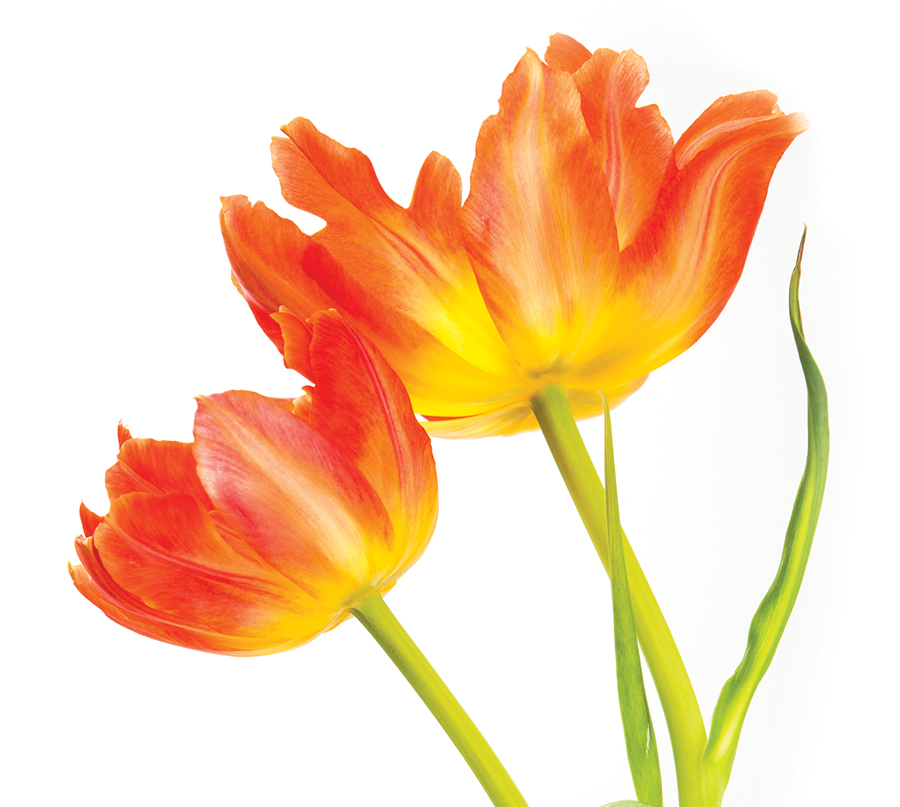
Tulip and daffodil bulbs will color your spring garden brilliant if you plant them before the ground freezes. Allow yourself to dream. Imagine your home nestled in a grove of golden flowers, fringed blooms spilling out of planters, window boxes, busted rain boots. The more bulbs you plant the better — and plant them at random. Save pumpkin seeds to plant in spring.  PS