
Almanac

The full Harvest Moon — also called the Singing Moon — will rise at approximately 7:30 p.m. on Friday, September 16. Owing to its close proximity to the horizon, the moon will appear vast and orange-colored. Don’t be surprised if you get the sudden urge to dance beneath it.

Also, because this month’s harvest includes the first plump grapes, the harvest moon is alternatively known as the Wine Moon. Red wine pairs well with Neil Young’s Harvest (1972) and Harvest Moon (1992). Should you feel inspired to drink from a sterling goblet while dancing on this brilliant night, consider offering a small libation to Dionysus, the Greek god of winemaking and ritual madness.   
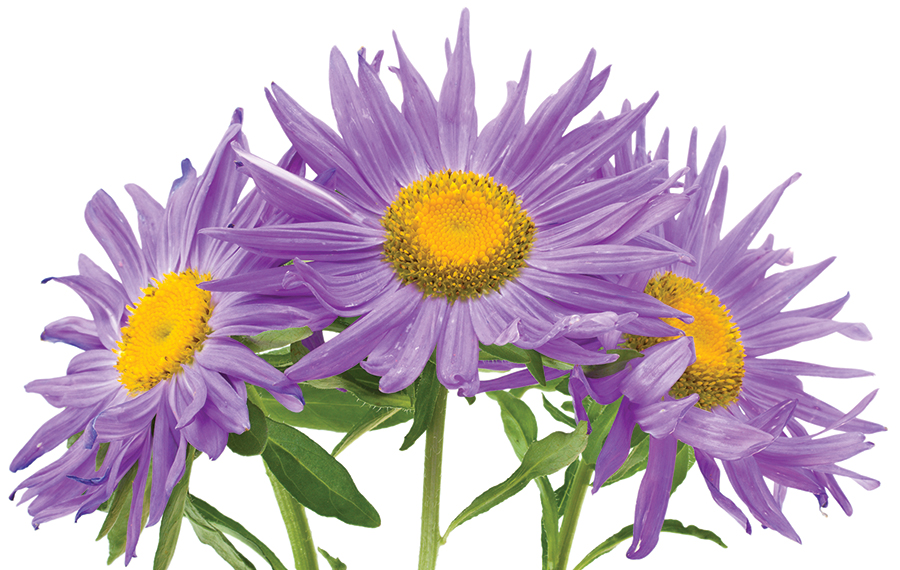
three violet asters

Asters (also called Italian starwort or Michaelmas Daisy) are the birth flower of September, their daisy-like blooms a talisman of love and symbol of patience. The ancient Greeks burned aster leaves to ward off evil spirits, and the plant was sacred to both Roman and Greek deities. Those familiar with the hidden language of flowers will tell you that a gift of asters reads:

Take care of yourself for me, Love.

“The crickets felt it was their duty to warn everybody that summertime cannot last forever. Even on the most beautiful days in the whole year — the days when summer is changing into autumn — the crickets spread the rumor of sadness and change.” ― E.B. White, Charlotte’s Web

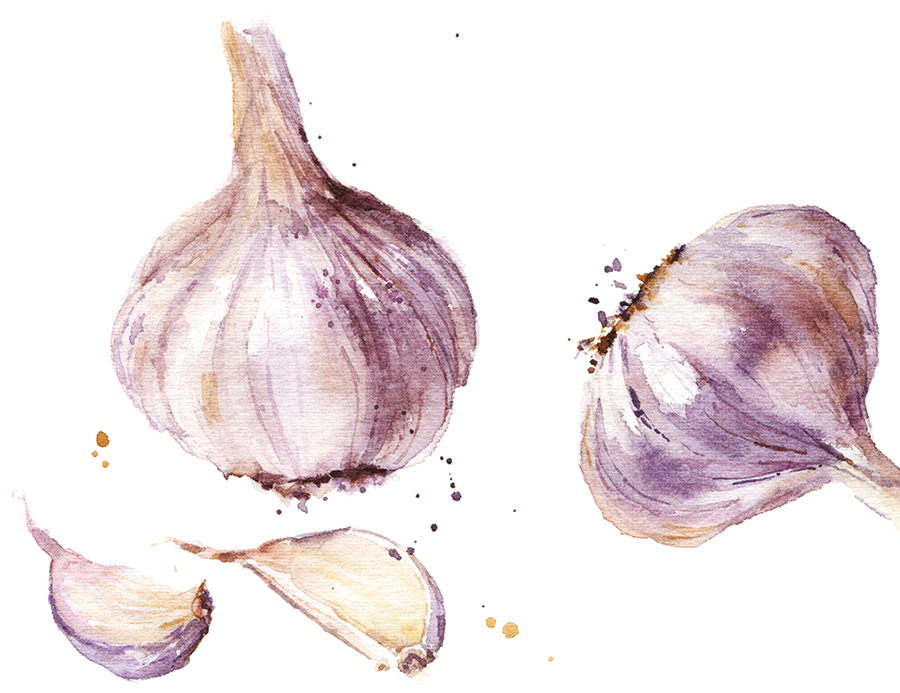
Plant your garlic now until the first hard freeze — the earlier the better, as large root systems are key. Although it won’t be ready for harvest until next June, growing your own garlic means you’ll be well equipped for cold (and collard) season next fall. Aside from boosting your immune system and enhancing your sautéed greens, garlic, researchers believe, can reduce the risk of various cancers. Roast a head until tender and add it to your rosemary mashed potatoes and squash casseroles.
This month, with the sun entering Libra (the Scales) on the autumnal equinox, we look to Nature and our gardens to remind us of our own need for balance and harmony. On Thursday, September 22, day and night will exist for approximately the same length of time. Mid-morning, when the astrological start of autumn occurs, take a quiet moment for introspection. In the fall, just as kaleidoscopes of monarchs descend for nectar before their mystical pilgrimage to Mexico, we must prepare to journey inward. Breathe in the beauty of this dreamy twilight — this sacred space between abundance and decay. The duality of darkness and light is essential to all of life.

Tolkien fans have double the reason to celebrate the equinox. In 1978, the American Tolkien Society proclaimed the calendar week containing September 22 as Tolkien Week. In J.R.R. Tolkien’s classic fantasy novels, The Hobbit and The Lord of the Rings, hobbits Bilbo and Frodo Baggins were both said to be born on September 22; Bilbo in the year of 2890, Frodo in 2968 (refer to the Shire calendar of Tolkien’s fictional Middle-earth).

This year, since Hobbit Day officially falls on the first day of autumn, consider hosting a grand birthday feast — call it Second Breakfast if you’d like — with a menu showcasing the bounty of the season. Decorate with ornamental corn, squash and gourds. Since no hobbit meal is complete without ale, mead or wine, you’ll want to have plenty. Punctuate the evening with fresh-baked apple pie. 

Alternatively, you might celebrate Hobbit Day by walking barefoot on the earth, a simple meditation practice with remarkable health benefits. If you’ve never heard of barefoot healing, check out Clinton Ober’s Earthing (2010) or Warren Grossman’s To Be Healed by the Earth (1999). Think about it: If the average hobbit lives about 100 years, they must be doing something right.  PS

Almanac

By Ash Alder

Welcoming the Harvest

August is a poem you can taste. Swollen fruit beckons us to the garden, the orchard, the roadside stand, and for some of us, the trailing vines that wind along the woodland path. The air intoxicates us with notes of wild honey and dandelion. Damselflies dance between milkweed and goldenrod, fiery sunsets fade into star-studded twilight, and come nightfall, the crickets and katydids gift us with song. Nothing gold can stay, they lament.

And so we savor each delicious moment.

The Wheel of the Year, an annual cycle of eight seasonal festivals (or sabbats) observed by modern pagans, includes a grain harvest celebration called Lammas (loaf mass) on August 1. Also called August Eve, the first harvest festival of the year includes a feast of thanksgiving, the first sheaf of wheat ritually baked into a sacred loaf said to embody the spirit of the grain. Regardless of which seasonal festivals you choose to observe, now’s as good a time as any to consider the abundance of the season, especially when you’re slicing that thick Cherokee Purple for the perfect ’mater sandwich. And as you sow your autumn garden — beets, carrots, peas and greens — try whispering a little song of thanks into the soil and see what follows: a new delicious season of magic, no doubt. Another harvest. But for now, listen to the katydids.

“August rain: the best of the summer gone, and the new fall not yet born. The odd uneven time.” — Sylvia Plath, The Unabridged Journals of Sylvia Plath

Starry Eyed

The gladiolus, or ‘sword lily,’ is the birth flower of August. Bright and showy, they symbolize a heart “pierced with love.”

Astronomically speaking, there’s a lot to pierce the heart with love this month: the Perseid meteor shower, for instance, which happens August 11–13 and is visible worldwide. Predawn is the best time to see it, and since the quarter moon will have set by 1 a.m., the dark sky should be an ideal canvas for this (pardon) stellar show.

Native Americans called the full moon of August the “Sturgeon” or “Green Corn” moon. On August 18, see what you’re inspired to call it. And if you’re prone to set intentions, the full moon is prime time. It’s also a good night for onion braiding, an ancient way to store bulbs pulled from the garden in late July. Some believe that onion braids offer protection, but they’re simply lovely. You need no reason more.

Taste of Summer

National Peach Month is here. A fun fact: True wild peaches (small and sour) are only found in China, where the fruit is said to have mystical properties and grant longevity to those who eat them. Our peaches (plump and sugary) have magical qualities, too. Don’t believe it? Sink your teeth into a just-picked one and see if you don’t grin like a sweet-toothed squirrel.

Also, August 3 marks National Watermelon Day. Slice one for a picnic in the backyard, where the kids can make a sport of seed spitting. Since watermelons are more than 90 percent water, they’re a tasty way to help stay hydrated on hot summer days. Slip them into salads and salsas, or treat yourself to something even sweeter, like a mint and watermelon soda float. The following recipe (and a delicious homegrown watermelon) came from a friend:

Fresh Mint and Watermelon Float

2 1/2 cups fresh watermelon chunks

12–15 fresh mint leaves, coarsely chopped

12 oz club soda or carbonated water

Vanilla ice cream

In a blender, combine watermelon, mint and water. Blend and pulse quickly for 30–60 seconds (or until watermelon breaks down). The blending will “de-carbonate” the water, but it should still have some fizz. Pour mixture through a fine mesh strainer into a large bowl to remove seeds. Fill two glasses with vanilla ice cream and pour watermelon soda over top. Garnish with additional fresh mint. Serves two.  PS