Focus on Food

FOCUS ON FOOD

Good Luck Grapes

A fresh take on an old tradition

Photograph and Story by Rose Shewey

What should naturally follow The Twelve Days of Christmas? The Twelve Grapes of New Year’s, of course. What sounds like a silly social media fad is actually an Old World Spanish custom which is, for better or for worse, rooted in tradition — though the origin isn’t entirely clear.

The ritual of las doce uvas de la suerte — or “the twelve grapes of luck” — entails eating one grape with each strike of the bell that rings in the New Year. The objective is to finish all your grapes before the chiming ends. It sounds easy enough but, depending on your level of soberness, can be a bit of a choking hazard. Each grape represents one month of the year to come. Those who finish their grapes in time are believed to have greatly enhanced their chances of good luck in the New Year.

Back to the risky business of stuffing your mouth full of grapes in under 30 seconds: While the grapes have to be fresh (some claim that cunning Alicantese winemakers started this ritual to sell an abundance of grapes), the fruit may be baked. So, keep the raisins in the pantry but do roast your grapes in the oven and enjoy jammy, sweet and warming grapes that will softly burst on your tongue and aren’t likely to clog your airways just minutes into 2025.

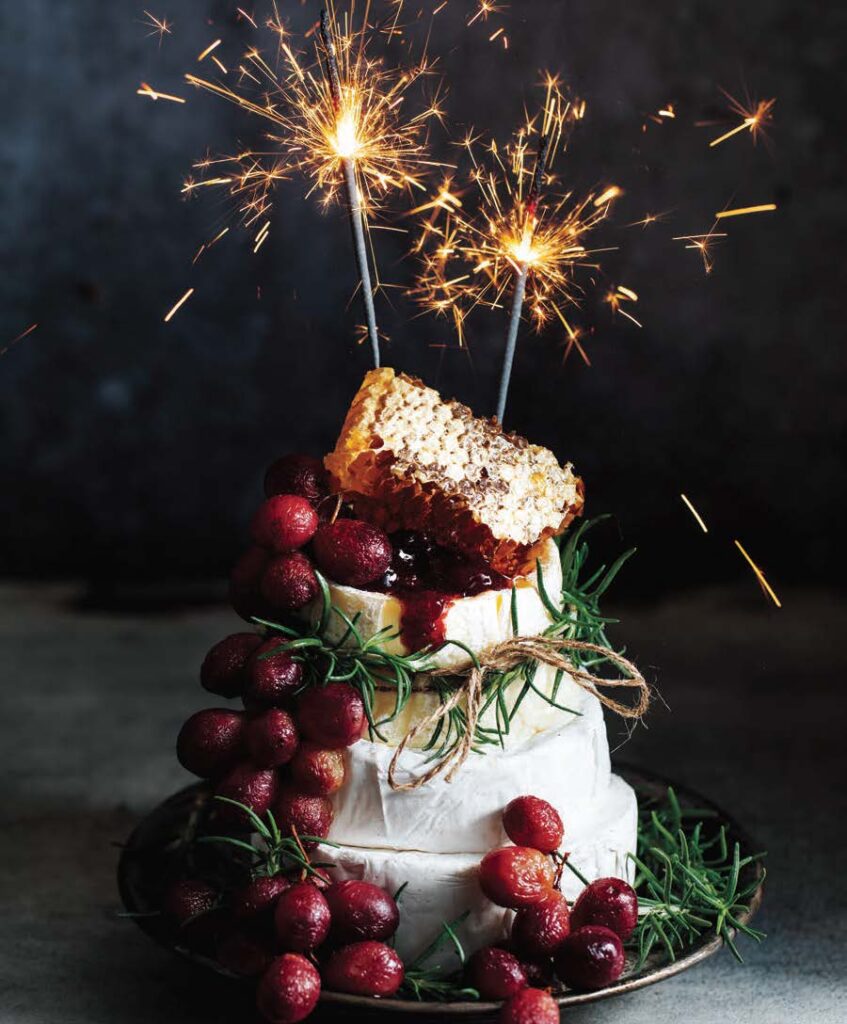
Or you could part with superstition entirely and relish your food in a, shall we say, more dignified and civilized manner. Serve roasted grapes with soft cheese and fresh baguette and savor every bite — no better luck to be had and projected forward than sharing delectable food with family and friends, unhurriedly, as you slide into the New Year.

Balsamic Roasted Grapes

1 pound grapes, washed and dried

2 tablespoons olive oil

2 tablespoons balsamic vinegar

1/2 teaspoon fine sea salt

A couple of twists of black pepper

Preheat oven to 400 degrees F. Separate grapes into smaller clusters or remove stems completely. In a large glass bowl, combine grapes with olive oil and balsamic vinegar and gently stir to evenly coat the grapes. Spread grapes on a roasting pan in a single layer (use two pans if grapes are too crowded) and sprinkle with salt and pepper. Roast for about 20-30 minutes or until grapes start to shrivel and burst. If desired, decant the pan juices into a small pot and simmer down into a savory syrup. Serve with brie cheese or on fresh baguette.

Birdwatch

BIRDWATCH

Magnificent Migration

The splendor of snow geese

By Susan Campbell

Here in central North Carolina, when someone says “goose,” we tend to think Canada goose. Canadas are everywhere — year-round —large, brown and white, often noisy and hard to dissuade from our yards, ponds and parks. Like it or not, they congregate in the dozens after breeding season ends in mid-summer. But these are not the only geese in our state during the cooler months. If you travel east, you will find snow geese — and not just a few dozen but flocks numbering in the thousands.

As their name implies, snow geese are mainly white in color. Their wing tips are black but their bills, legs and feet are pink. There is also, at close range, a black “grin patch” on their bills. Size-wise, snows are a bit smaller than Canada geese but their voices are, unquestionably, louder. They produce a single-syllable honk which is repeated no matter whether they are in flight or on the ground, day or night.

These beautiful birds are, like all waterfowl, long-distance migrants. As days shorten in the fall, snow geese gather and head almost due south before cold air settles in. Migration finds them high overhead, arranged in “V” formations and flying mainly at night, when conditions are cooler. They may stop and feed at staging areas along the way, staying in the same longitude for the most part. When flocks finally arrive in North Carolina, it will be in the early morning hours along our coast. These will be individuals from Eastern populations — birds that have come all the way from western Greenland and the eastern Canadian Maritimes.

During the winter, snow geese remain in large aggregations that move from well-known roosting locations, which are usually larger lakes, to nearby feeding areas that provide an abundance of vegetation — seeds as well as shoots and roots of nutrient-rich plants. These are likely to include native aquatic vegetation as well as agricultural crops such as corn and soybeans. As they move from place to place, even if it is a short distance, the birds will swirl up and into formation, honking all the while, and then swirling dramatically again as they descend. It is a sight to behold!

These distinctive birds can sometimes be found inland in the cooler months, though they are most likely to show up alone or in small numbers, mixed in with local Canadas. You might find the odd snow goose or two in a farm pond, playing field or agricultural area in the Triad or Sandhills.

To fully appreciate the splendor of these beautiful birds, it is worth a trip east in early-to-mid January. For the best viewing, try the large agricultural fields adjacent to, or on, Pocosin Lakes National Wildlife Refuge. You also may find birds moving to or from the lake at Lake Mattamuskeet National Wildlife Refuge. Pea Island National Wildlife Refuge on the coast holds a smaller number of snow geese in December. They can be seen feeding along N.C. 12 until the wild pea plants there — one of their favorite foods — are spent.

Men In Kilts

MEN IN KILTS

Men In Kilts

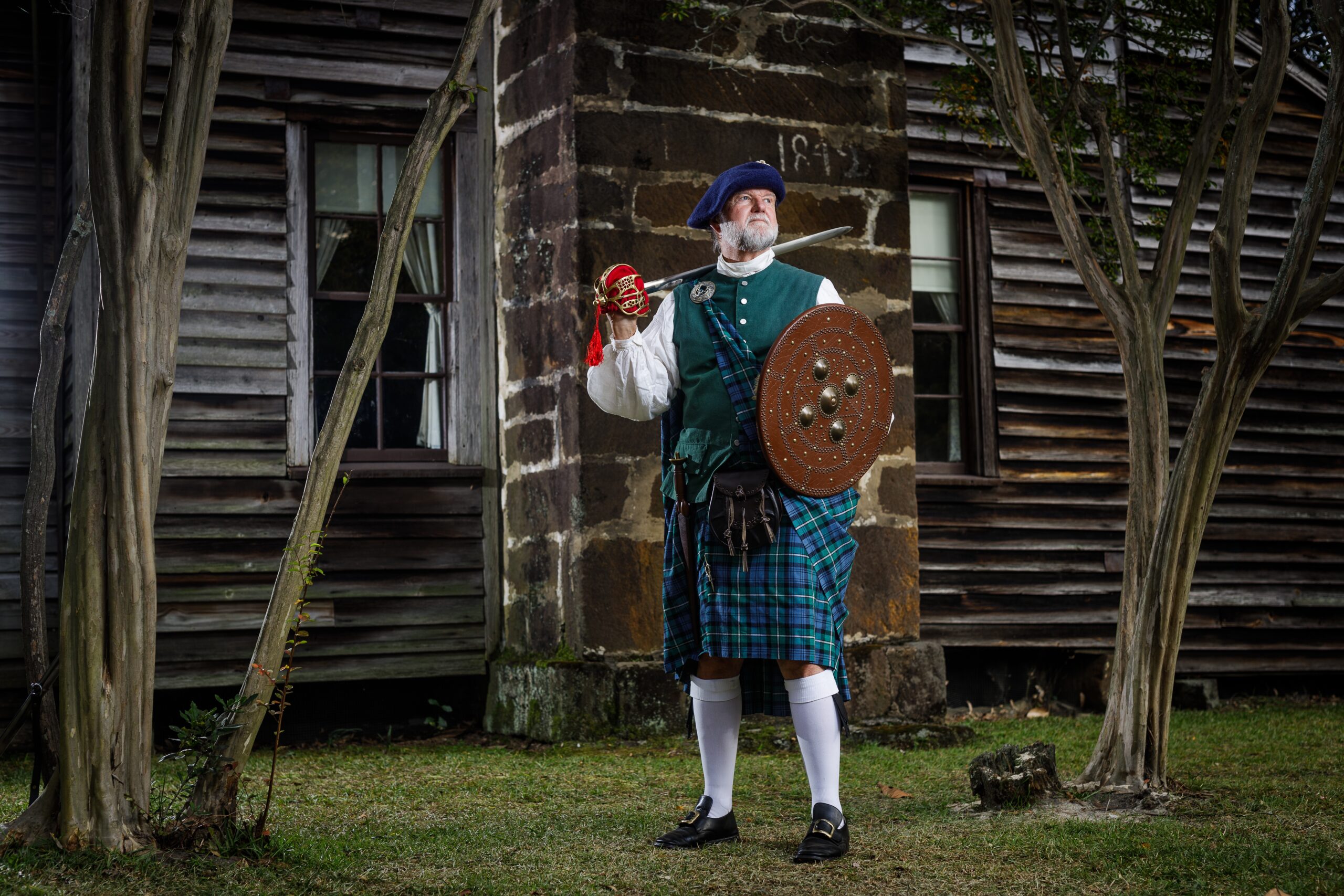
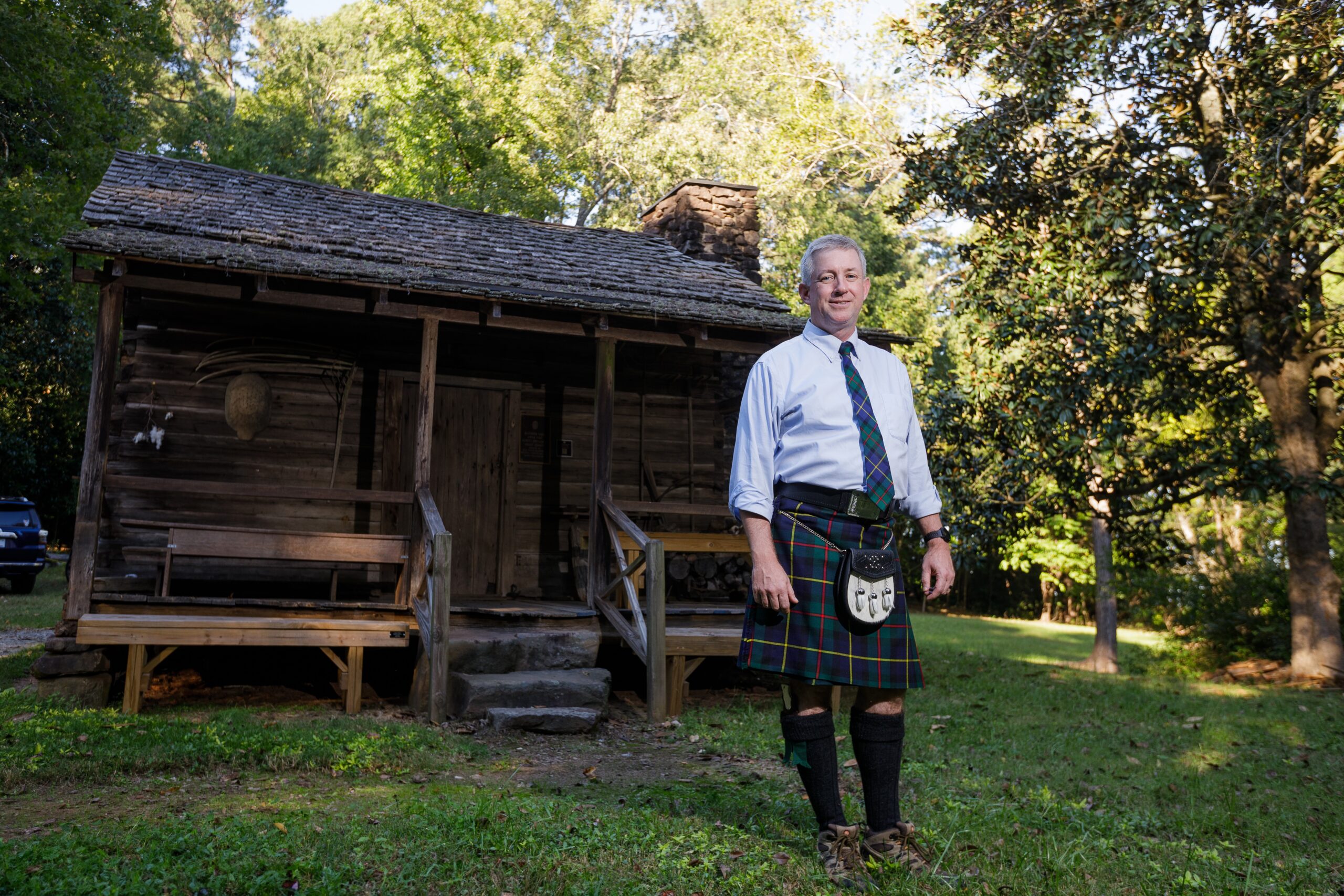
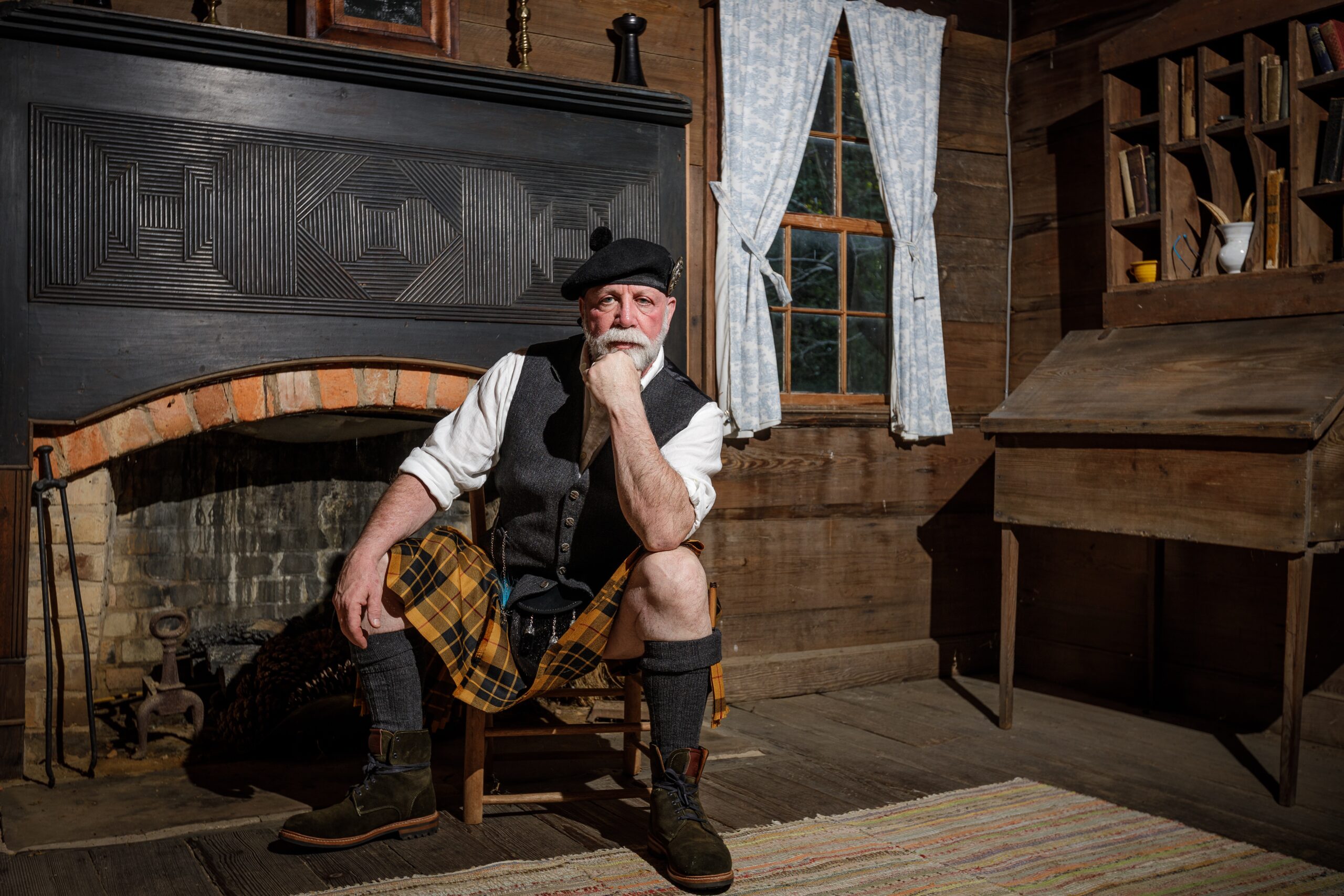
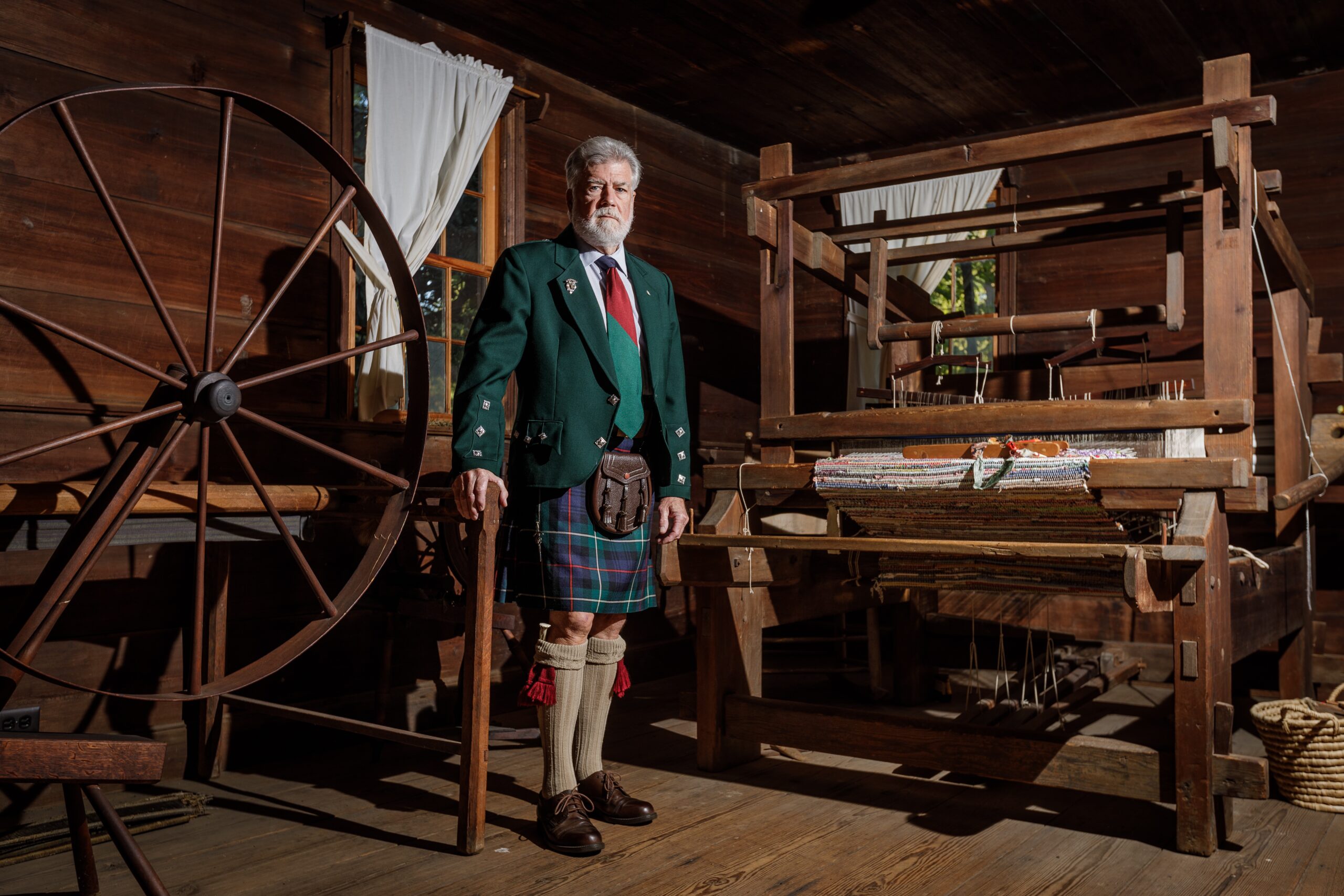
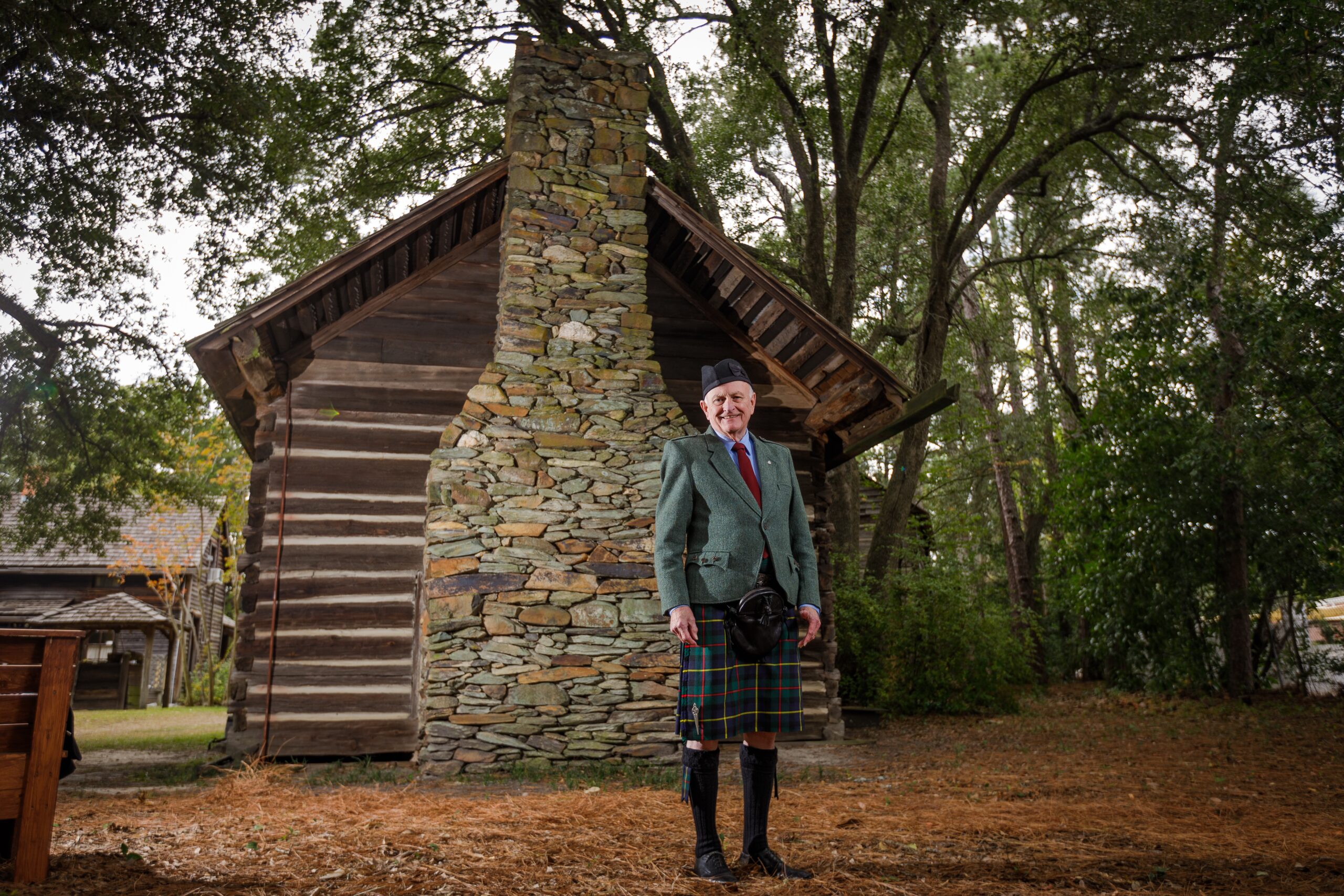
Aye, lads, it’s not the crime, it’s the cover-up, especially when it comes to raising money for a good cause. A dozen Moore County men donned the kilts of their clans to pose as pin-ups for a 2025 calendar supporting the Moore County Historical Association. The calendars are available at the Shaw House, 110 W. Morganton Road, Southern Pines and the Country Bookshop, 140 N.W. Broad Street, Southern Pines.

Photographed on the grounds of the Moore County Historical Association’s Historic Properties

Poem December 2024

POEM

December 2024

Winter Solstice

The sun through branches lights

my face. I look through

my eyelashes: prisms.

I close my eyes,

the field glows

warm carmine.

No snow, no

promise of snow.

A crow bark-laughs.

Another clatters its beak like castanets.

Their chatter perhaps

of pecans aplenty

or the simple mad joy

of being alive

in this moment.

It is easy

to love

what is passing.

Debra Kaufman

Christmas with Dylan

CHRISTMAS WITH DYLAN

Christmas With Dylan

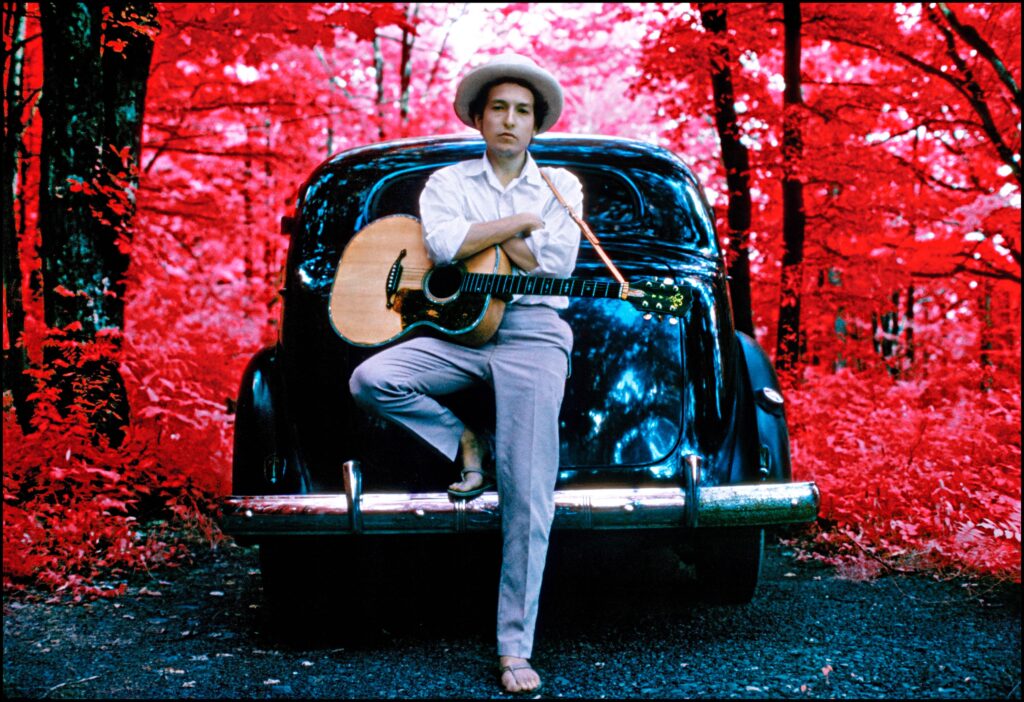
By Bland Simpson    Photograph by Elliott Landy

“A little more to the left.”

“No. It’s fuller around to the right.”

“Just try it my way and you’ll see.”

“Now the stand’s leaking.”

“Somebody’s liable to get electrocuted.”

“I swear you’ve got the best side to the wall.”

“I thought we’d be through by now.”

“You’re right — it was better back to the left.”

“Oh, God. I’ve already gone and tied it to the wall sconce.”

It was a few days before Christmas, 1968, and my family had gathered. The living room was filled with the intense clean resinous smell of the tree. Once we had it hoisted into place, we set about the bristly business of decorating. I was twenty, and my mind was full of music. Withdrawing to the sofa, I thought: Bob Dylan wouldn’t be caught dead doing this.

“The angel’s crooked.”

“Let’s not have the angel this year.”

“Not have the angel?!”

I decided to make a pilgrimage to Woodstock, New York, to see Dylan. It didn’t slow me down a bit that I had little to tell the man except that I was inspired by his songwriting. To shake Dylan’s hand, that would be Christmas enough.

The next afternoon, with no more than fifty dollars, I set out. I was catching a ride north with two friends from UNC, paying my share of all the twenty-six cents per gallon gas we’d burn, and coming back south by thumb. Fifty dollars would be plenty.

This was really my second pilgrimage to Dylan and Woodstock. The first I had undertaken several weeks before, during Thanksgiving, and had abandoned outside of East Stroudsburg, Pennsylvania. I got cold and lost my nerve on a little-traveled high-ridge country road there, and I turned back. On the way home I caught a ride with a Black schoolteacher, who carried me all the way down 81 through the Shenandoah Valley night. We drank a beer together the last hour before he let me out, and agreed that things might be getting better between the races, or at least we hoped they were.

Then a trucker hauled me from Hillsville down the Blue Ridge Mountains. When we stopped at a Mount Airy diner and I didn’t order anything, he thought I was broke and made me let him buy me a cup of coffee and a chance on a punchboard. Back in the semi, he gave me some liquor, which I drank from a six-ounce hillbilly souvenir jug he’d stashed under the seat. He let me off at 52 and 40 in Winston-Salem about four in the morning.

Immediately a hunter with an enormous buck strapped to the top of his Impala picked me up. A couple minutes later he said: “Look, I hope this don’t bother you none but I got to hear some music.” He popped an eight-track of Johnny Horton’s Greatest Hits into the tape player, and the car was full of the songs I’d learned to sing by: “Battle of New Orleans” and “Sink The Bismarck!” and “North to Alaska.” The teacher and the trucker and the Horton-loving hunter made me think better of the pilgrimage business. I forgot the Stroudsburg cold and knew I’d try again.

It was several weeks later, the evening of December 10th, when we piled into my friend’s ’65 Rambler and went roaring up the three-laned U.S. 1, which is these days a ghost road just south of the Petersburg Turnpike. On and on, all night, the first of many deep and dreamless long-haul trips up and down the Eastern Seaboard. I was astounded at the size and magnificence of the great bridge at Wilmington, aghast at the dazzling lunar landscape, gas flares and chemical air of north Jersey. One of my more worldly companions gazed upon the scene and remarked with a combination of pride and disgust: “America flexing her muscles!”

From the George Washington Bridge we looked out over the vast glare of Manhattan. In less than a year it would be my home, but that night it made me feel thoroughly out of place, for a few moments sorry I had even come. Soon it was past, and we were in the dark Connecticut country, and it was snowing lightly. I recovered my spirits; after all, I was on a mission.

They were driving me towards Storrs, Connecticut, to see the Hickey family, late of Chapel Hill, and coincidentally to perform a flanking maneuver to approach Woodstock from the north and east. The plan had been to leave me in New Haven where the big roads fork, but at the last minute my compatriots, who were bound for Boston, found it in themselves to veer off to the north and take me right into Storrs.

They left me at a gas station at first light, a gray dawning, six or eight inches of snow on the ground and more still coming down. I showed up oafish and unannounced at the Hickeys’ home between eight and nine in the morning, four days before Christmas. They masked whatever annoyance they might have felt and greeted me affectionately.

All four daughters in the Hickey family were home for Christmas except the one who drew me there. She wasn’t expected for another twenty-four hours or so. No matter. The other three were going ice-skating that day, and so, now, was I. Most folks don’t forget their first time on ice-skates, and with good reason.

Sue did finally come home, and we had a lovely New England time that next day. It was brisk, and the sun was bright on the unmelting snow. She got over the surprise of my presence, commiserated with me about the Tower-of-Babel Christmas tree back home, and wondered what I would say to Bob Dylan, himself, when we met. After breakfast the next morning she drove me out to the highway, and I was soon up at the Massachusetts Turnpike in the company of a Goddard student driving a Volkswagen with skis strapped to the back.

He was on intersession, he told me. He was going somewhere to ski for six or eight weeks, for which he would get academic credit. We drove west towards New York and the Hudson, and, before he left me off at the Saugerties exit, I had seen groves of chalk-white paper birches for the first time.

A couple of artists, a man and a woman, in a dingy old Pontiac drove me from Saugerties to Woodstock. They said they were friends of Bob’s, and suddenly everything felt very chummy. The artists called themselves Group Two-One-Two, after the route number of the Saugerties-Woodstock road. A few years later, when I was living on the Upper West Side in New York, I would see a notice in the Village Voice about a show they were having down in SoHo and meant to ramble down and take a look. But the notice would stay taped up on the refrigerator until well past the closing of their show, and I would never make the trip.

Group Two-One-Two’s explanation of where exactly Bob Dylan lived was so convoluted that I stepped into a shop in downtown Woodstock, a bakery, and asked them. In moments I was tromping on out of town through a wood and up a hill towards something called “The Old Opera House.” Dylan’s driveway, the bakers said, was right across from it.

It was about eighteen or twenty degrees in the middle of the afternoon, and I wasn’t used to such cold. I didn’t feel dressed for it, but I certainly looked like I was. I had on a Marine greatcoat from a surplus store south of Wake Forest, a slouch hat from a surplus store on Granby Street in Norfolk that I’d bought on my way to see Cool Hand Luke with my Virginia cousins, and a pair of snakeproof boots from Rawlins, Wyoming, that I’d bought on my way to be a cowboy in eastern Montana. (You, or your beneficiary, said the card in the boot box, got a thousand dollars if you died of snakebite while wearing the boots, providing the snake bit you through the boots.) All this was practical and, back home in North Carolina, warm winter wear, though my mother lamented that I looked like something from the Ninemiles — a remote swamp in Onslow County down east. It hardly mattered here. In Woodstock everyone looked like something from the Ninemiles.

Without my even thumbing for it someone offered me a ride, and there I was at The Old Opera House. There turned out to be six or eight driveways next to and across from the place, no names on mailboxes, certainly no sign that said: “This way to Bob Dylan’s house.” I waited. About twenty minutes went by before a thin man in his thirties came striding up the paved road. He would have walked right past me, but I spoke up: “Excuse me, do you know which one of these driveways goes to Bob Dylan’s house?”

“This one.” He pointed at the one he was starting down.

“Thanks.” I fell in beside him, and we walked fifty yards or so before either of us spoke again.

“Is Bob, uh, expecting you?”

“No.”

“Hunh. I don’t know if it’ll be cool for you to just . . . go up to his house.”

This was discouraging, but what could I do? Go back to the bakery and telephone for an appointment? “I’ve come from North Carolina,” I announced.

“Oh.” He gave up, and we kept walking. A few hundred yards into the woods the road forked, and he pointed towards a long low building of dark logs that looked like a lodge. “That’s Bob’s house.” Then he disappeared down the other fork.

In the driveway at Bob’s house were a ’66 powder blue Mustang and a boxy 1940 something-or-other with the hood up. Two men, one of them small and weedy, the other bulky and bearded, were working on the engine. I stomped up in my snakeproof boots, but neither of them looked up. After a minute or two of staring over their shoulders at the old engine, I finally said, quite familiarly, “Bob around?” The weedy man didn’t respond, but the big fellow gave a head-point at the log lodge and said, “Yeah.”

Sara Dylan answered the door, gave me a blank look, and closed the door. About two minutes later Bob Dylan himself appeared and stepped out onto the small porched entry. He wore blue jeans, a white shirt buttoned all the way up and a black leather vest, and he was very friendly and relaxed.

“Bland. What kind of name is that?”

A family name, I said. Then just to make sure he’d hear me right, he asked me to spell it.

“Bland. Well, I sure won’t forget that.” He talked in person just like he sounded on record in “The Ballad of Frankie Lee And Judas Priest.”

“North Carolina, that’s a long way.”

I agreed, but I wanted to meet him, shake his hand, tell him I admired his work, that I wanted to write songs myself.

“What did you want to do before you got this idea about writing songs?”

“I was going to go to law school.”

“Well,” he said, more serious than not, “country’s gonna need a lot of good lawyers. Maybe you ought to keep thinking ’bout that.”

This wasn’t what I had traveled hundreds of miles to hear. I started asking questions. Did he live in Woodstock all the time? Most of the time, he said, but he was thinking about moving to New Orleans. When would he have a new record out? In the spring — “I’m real happy with this one.” He was talking about “Nashville Skyline,” which he had just finished. I asked about a song of his the Byrds had recorded a song I’d heard out in Wyoming the summer before. “Yeah, I know the one you mean, but I can’t call the name of it right now — it’s in there somewhere.” The song was the riddle-round “You Ain’t Going Nowhere.”

We talked along like that for almost forty-five minutes, during which time I felt the cold acutely. Dylan was dressed in shirtsleeves, but he didn’t seem to notice the cold at all. He must have known my head was full of hero-worship, and he was kind enough to let my time with him be unhurried. The moment of my mission played out as naturally as the tide. I was immensely grateful, am grateful yet.

The pilgrim was ready to go home. I pulled my map out, unfolded it, and while we talked about what the best way to head back south was, the bulky fellow lumbered over from the old car where he and the weedy man had been working all the time. The mechanic ignored me, and I ignored him right back, which was easy enough: I had the entire eastern United States spread out in front of me. My mind was on the road, but I did want one last word or two with Bob Dylan. He gave Dylan a report on all the things that weren’t wrong with car, then said: “I think we can get it started if we hook it up to the battery charger.”

“Okay,” Dylan said. “It’s in the garage.”

“I got it already, and tried to hook it up, but even with that long cord it won’t reach. We need another extension cord.”

“Extension cord,” Dylan said, and looked past the big man at the old car. He thought about the request a few moments, then shook his head.

“Gee, Doug,” he said, “I’m afraid we just used the last extension cord on the kids’ Christmas tree.”

Character Study

CHARACTER STUDY

Hanging Up the Suit

A Santa’s last ho-ho-hurrah

By Jenna Biter

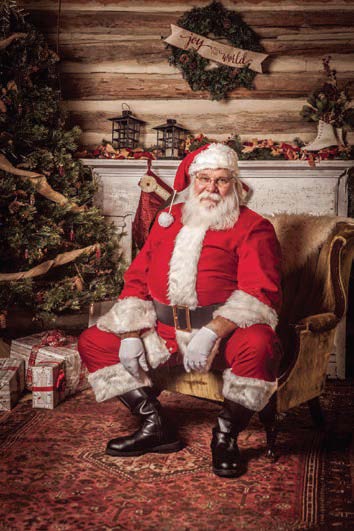
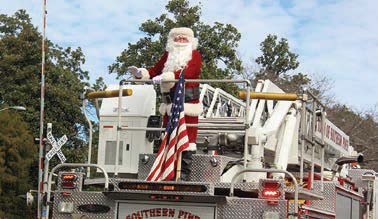
Santa takes a sip of coffee, not milk. He’s also not wearing red velvet. And he doesn’t go by Santa, St. Nick or Kris Kringle when he’s off the clock. He goes by Bill Russell, and he has lived in the Sandhills, not the North Pole, for almost 50 years.

“Once you get a little sand in the shoes, you can’t get it out,” Russell says, breaking into a smile. His rosy cheeks lift, causing his blue eyes to shine. Sure, he can step out of the Santa suit, but the jolly face travels with him.

“I wear this year-round,” he says, pulling at his cheeks.

Russell could remove his rimless spectacles but doesn’t. He could dye or shave his snowy white hair and beard but chooses not to. Bill is the real deal.

People do a double take even when he’s incognito, dressed in an outfit as inconspicuous as a navy microfleece and khaki shorts. It’s not rare for a young child to spot his beard, tug on the hem of Mom’s skirt and jab a pudgy finger his direction. Even though he’s off duty, Russell will give a friendly wave and a wink. Santa incognito.

Being St. Nick is a sacred responsibility. Russell knows that, and with his authentic appearance, it’s one that will follow him even as he steps out of his shiny black boots and into retirement.

After three final appearances as the kindly old elf, Bill is hanging up his Santa suit for good. He’s handing off the reindeer reins to spend more time with his beloved Mrs. Claus, Doris, during the most wonderful time of the year. It’s a Christmas gift they both deserve after his 30-plus years in the sleigh.

Russell first slipped into a Santa suit in his early 40s when his adult children, Chelsea and Russ, were still young. The kids knew their father was destined to be Father Christmas when his red beard began turning white.

“When it started going, that’s when they gave me the suit,” Russell says, remembering the peculiar birthday present. “It was down and dirty. A cheap one.” He laughs at the memory.

“Try it on, see if it works,” they said. And it did. Russell had the magic even in that bargain basement outfit.

His career started slowly, with a few small gigs. He posed for photos with the children of their church’s pastor, then worked an event for the Little People Loving and Learning Preschool in Southern Pines.

“That was one of my first real gigs, you know, showing up at a certain time and being Santa,” Russell says.

It’s fitting that the preschool site of one of his first appearances will also be the site of one of his last. The other sunset tour engagements are the Christmas party for the Russells’ retirement community, Pinehurst Trace, and The Arc of Moore County’s annual bowling party for people with intellectual and developmental disabilities.

“I can’t look them in the face and say, ‘No.’ I just can’t do it,” Russell says, shaking his head.

At the peak of his Santa persona, he sat for 26 events in a year, all stuffed into those hectic weeks between Thanksgiving and Christmas. He landed all the wish-granting gigs by word of mouth, never asking for one, and always worked them for free.

“I’m not saying someone wouldn’t slip me a $20 sometimes,” Bill says, hedging. He doesn’t want to risk landing on his own Naughty List.

Russell donned the red suit neither for money nor fame but because everyone — young, old and in-between — needs a good-hearted Santa come Christmastime.

“The suit commands a lot of power,” he says, striking a serious note. “It sounds ridiculous, but you’re looked at differently. Walk in wearing a Santa suit and this place becomes like putty in your hands.”
He rubs his fingers across his palm. “Can I come and see you, Santa?” Russell says softly in imitation. “It doesn’t matter if you’re 6 years old or 80.”

Even the slim minority of Scrooges are usually won over after a few magic moments with Santa. “It’s bizarre because I can’t think of anything to say right now, but if I put the suit on, it all just flows,” he says.

Often Russell worked two or three gigs per day, sometimes dashing across town to change into his Santa suit in a friend’s bathroom. “It can be a very exhausting day,” he says, physically and emotionally. “When you put the suit on, you’re on.” If he gave the first kid 10 minutes, he made sure to give the last kid 10 minutes, too, at times to the chagrin of hosts who were ready to wrap it up.

“You put your whole self into it for however long you’re there,” he says, describing the role like he’s a method actor.

That all-in mentality made no day more exhausting, nor more rewarding, than Santa’s annual fly-in at Pik N Pig, the barbecue hotspot in Carthage. Each year, a pilot would donate his plane and time to fly Bill and a schtick of skydiving elves from the Moore County Airport onto the runway beside the restaurant. When Santa Russell landed, there would be a line of 300 or so wide-eyed youngsters eager to climb onto his lap.

“Last year was my last year,” Russell says with a sigh. “That’s a lot of fun. I will miss that. I’ll miss the kids.”

Sometimes the kids were shy, screaming until their cheeks matched his suit. Other times they were inadvertently funny, like the time a young boy asked for a bull to breed with his cows. On occasion, the kids’ requests could even bring Bill to tears.

“Especially during the era of crisis when we were overseas fighting,” he says. “Every day, you’d get a kid come sit in your lap and say, ‘I just want my dad to come home.’”

The blue eyes puddle. “I just want them to know that Santa is always there,” he says.

And with a wink and a nod and a finger aside his nose, up the chimney he goes, one last time. 

Tea Leaf Astrologer

TEA LEAF ASTROLOGER

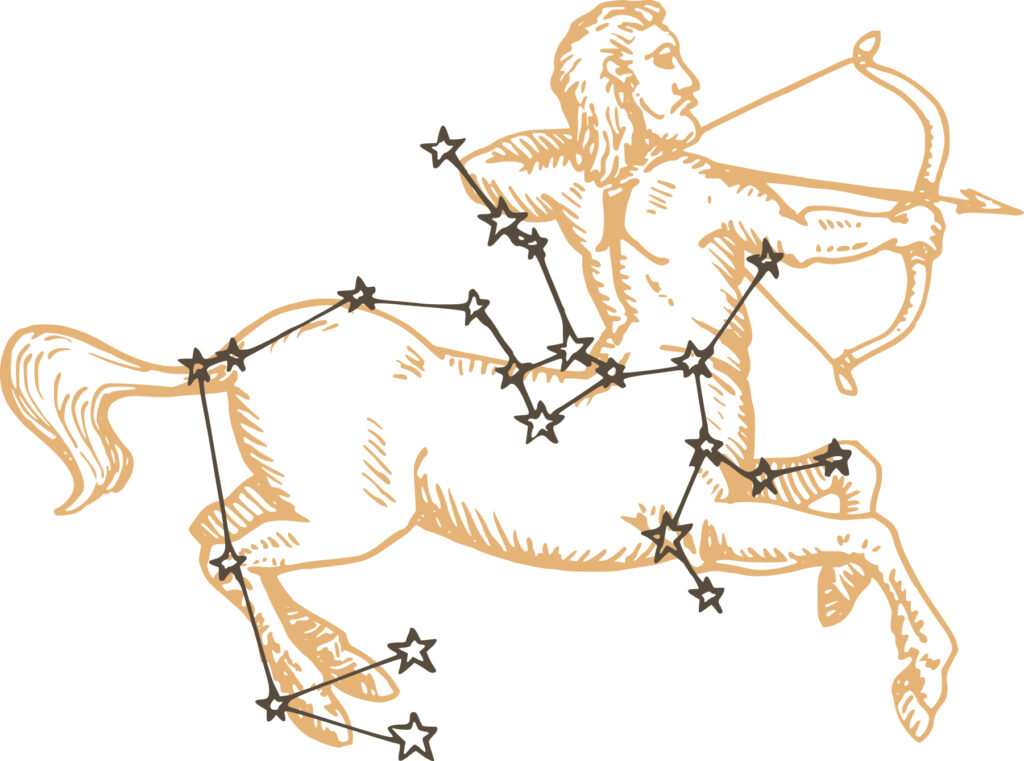
Sagittarius

(November 22 – December 21)

You know that shameless party guest who just can’t stop with the eggnog? Darling, you are the eggnog. Rich, indulgent and best in small doses, most folks simply don’t know how to handle you. This month kicks off with a Sagittarius New Moon conjunct a retrograde Mercury in Sagittarius (read: you’re going to feel tipsy). Wait until December 5 to dive into that new project you’re all charged up about. Success may take a while, but the seeds you plant now will take root.

Tea leaf “fortunes” for the rest of you:

Capricorn (December 22 – January 19)

The gift isn’t always obvious.

Aquarius (January 20 – February 18)

Don’t leave before the second act.

Pisces (February 19 – March 20)

Make friends with your color palette.

Aries (March 21 – April 19) 

Look under the couch.

Taurus (April 20 – May 20)

Cut the fluff.

Gemini (May 21 – June 20)

Invest in wool socks.

Cancer (June 21 – July 22)

Double dog dare you to care less.

Leo (July 23 – August 22)

Two words: sugared cranberries.

Virgo (August 23 – September 22)

Tacky is as tacky does.

Libra (September 23 – October 22)

Go for the upgrade.

Scorpio (October 23 – November 21)

Prepare to dazzle yourself.

Omnivorous Reader

OMNIVOROUS READER

Finishing Touches

How Katherine Min’s last novel came to be

By Anne Blythe

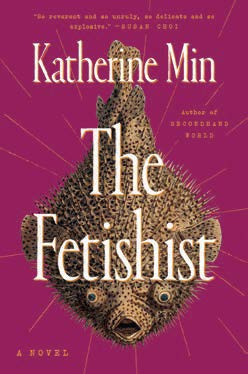
The story about the making of The Fetishist, Katherine Min’s posthumously published novel, is almost as interesting as the book itself. It has been touted as a novel ahead of its time — a comic, yet sincere, tender and occasionally befuddling exploration of sexual and racial politics.

The story is told through three main characters: Daniel Karmody, a white Irish-American violinist from whom the novel gets its name; Alma Soon Ja Lee, a Korean-American cellist, who’s only 13 when the first of many fetishists she encounters whispers “Oriental girls are so sexy”; and Kyoto Tokugawa, a 23-year-old Japanese American punk rocker who devises a madcap assassination plot to avenge the man she believes to be responsible for her mother’s suicide.

The novel starts 20 years after the estrangement of Alma and Daniel and ends with them reconnecting. In between, readers get to see Kyoto’s zany failed assassination attempt of Daniel and subsequent kidnapping. They’ll learn of his dalliances with a cast of women — many of them musicians, such as Kyoto’s mother, Emi — while he longed for the excitement and thrill he felt with Alma.

The intertwining of the narratives of these protagonists and the intriguing significant others in their orbits lead to alluring plot twists and a timeless appraisal of the white male’s carnal objectification of Asian women. But let’s start with the end of the book and the touching afterword by Kayla Min Andrews, Min’s daughter, a fiction writer like her mother, who explains how The Fetishist came to be published.

It almost wasn’t.

Min was diagnosed with breast cancer in 2014 and died in 2019, the day after her 60th birthday. She was an accomplished writer who taught at the University of North Carolina at Asheville for 11 years, as well as a brief stint at Queens University in Charlotte. Her first published novel, Secondhand World, a story about a Korean-American teen clashing with immigrant parents, came out in 2006 to literary acclaim and was one of two finalists for the prestigious PEN Bingham Prize. During the ensuing years, Min worked on what would become her second and final novel, The Fetishist, reading portions to her daughter over the years.

“My new novel is very different from Secondhand World,” Min told her daughter during a phone call Andrews details in her afterword. “It’s going to have many characters, omniscient narration. Lots of shit is going to happen — suicide, kidnapping, attempted murder. It’ll be arch and clever, but always heartfelt. I’m gonna channel Nabokov. And part of it takes place in Florence, so I have to go there as research.”

Min completed a draft of The Fetishist sometime in 2013, her daughter writes. “I assumed she would pass it to me when she was ready,” Andrews wrote. “But she was still revising, polishing.” Then the cancer diagnosis hit.

Although fiction had long been Min’s forte, she stunned her family shortly after getting the news, letting them and others know that she no longer was interested in what she had been writing and instead found purpose in personal essays examining her experiences with illness and dying.

“She never looked back,” Andrews wrote. “When anyone asked about The Fetishist, Mom would say, ‘I’m done with fiction,’ in the same tone she would say, ‘I’m a word wanker,’ or, ‘I’m terrific at math.’ Matter-of-fact, with a dash of defiant pride. She didn’t refer to The Fetishist as an ‘unfinished’ novel. She called it ‘abandoned.’”

And that was that.

As Min’s life was coming to an end, she and Andrews discussed many things, such as where she wanted her “remaining bits of money” to go, and how the playlist for her memorial service should include The Clash’s “Should I Stay or Should I Go,” DeVotchKa’s “How It Ends,” and Janis Joplin’s “Get It While You Can.”

“What we did not discuss in the hospice center was her abandoned novel. Or her essay collection. Or anything related to posthumous publishing,” Andrews wrote. After several years of grieving, therapy and a new celebration of her mother, Andrews and others saw to it that The Fetishist, found nearly completed in manuscript form on her mom’s computer, would be shared with others. Andrews helped fill in the story’s gaps.

“I am so happy Mom’s beautiful novel is being published; I am so sad she is not here to see it happen,” Andrews wrote. “I’m happy The Fetishist’s publication process is helping me grow as a writer and a person; I’m sad Mom’s death is the reason I’m playing this role. I suppose I no longer conceptualize joy and sorrow as opposites, because everything related to The Fetishist’s publication makes me feel flooded with both at once.”

Sorrow and joy are among the emotions that flood through The Fetishist, too. Min had it right when she told her daughter her novel would be “arch and clever, and very heartfelt.” The author’s note at the beginning of the novel sums it up well:

“This is a story, a fairy tale of sorts, about three people who begin in utter despair. There is even a giant, a buried treasure (a tiny one), a hero held captive, a kind of ogre (a tiny one), and a sleeping beauty,” she advises her readers. “And because it’s a fairy tale, it has a happy ending. For the hero, the ogre, and the sleeping beauty, and for the giant, too. After all, every story has a happy ending, depending on where you put THE END.”

PinePitch

PINEPITCH

PinePitch

Round and Round They Go

Enjoy local marching bands and a red-dressed elf during the Southern Pines Christmas Parade on Saturday, Dec. 7, from 11 a.m. to 12:30 p.m. Did someone say Santa? The parade route begins at Vermont Avenue and proceeds down the west side of Broad Street to Massachusetts Avenue, crosses the railroad tracks, then comes back down the east side of Broad Street. For info call (910) 692-7376. If you missed Mr. Claus on the seventh, the town of Vass will be giving him a lift on Saturday, Dec. 21. You can get more information at www.townofvassnc.gov.

A Pinehurst Tradition

What better way to get into the holiday spirit than by kicking back and enjoying the sweet sounds of “Holiday Pops” performed by the Carolina Philharmonic on Friday, Dec. 6, and Saturday, Dec. 7? Both concerts begin at 7:30 p.m. in Owens Auditorium, BPAC, Sandhills Community College, 3395 Airport Road, Pinehurst. For more information go to www.carolinaphil.org.

Pops II

You can celebrate the season with your holiday favorites and your North Carolina Symphony at the other “Holiday Pops” on Thursday, Dec. 12 at 7:30 p.m. in BPAC’s Owens Auditorium, 3395 Airport Road, Pinehurst. The performance features songs like “Sleigh Ride,” “White Christmas,” “Carol of the Bells,” “Christmas at the Movies,” music from Frozen, and more. For more information visit www.ncymphony.org.

And Now For Something Completely Different

If you’re looking for that one-of-a-kind, where-did-this-come-from knick-knack, bric-a-brac piece of art, the Starworks Holiday Market opens to the public from 9 a.m. to 8 p.m. on Saturday, Dec. 7 at Starworks, 100 Russell Drive, Star. For information go to www.StarworksNC.org.

Look Out Below

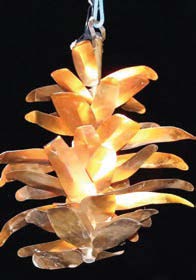
Wash away the old and ring in the New Year with family and friends at First Eve in downtown Southern Pines from 6 to 8 p.m. on Tuesday, Dec. 31. There will be live music, carnival games, face painting and good cheer. The pine cone drops at precisely 8. For additional information call (910) 692-7376.

Ho, Ho, Choo, Choo

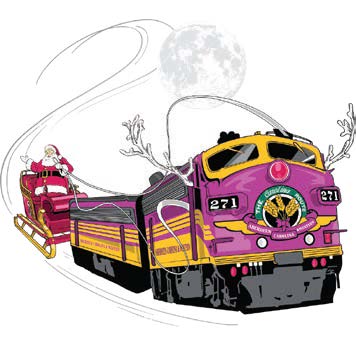
All aboard the Carolina Christmas Train on Wednesday, Dec. 4, from 5:30 to 7:15 p.m. hosted by the Aberdeen Carolina Western Railway, at Starworks Café & Taproom, 100 Russell Drive, Star. There will be additional train rides on Dec. 5 – 9 and Dec. 13 – 20. For information and tickets go to www.ACWR.com

Mozart Magic

When the Queen of the Night persuades Prince Tamino to rescue her daughter Pamina from the high priest Sarastro, we get to watch. It’s Mozart’s The Magic Flute, beamed in from the Metropolitan Opera at 1 p.m. on Saturday, Dec. 7, at the Sunrise Theater, 250 N.W. Broad St., Southern Pines. Tickets are $29.50. For information call (910) 692-3611 or visit www.sunrisetheater.com.

Let There Be Light

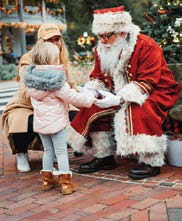
The annual Christmas Tree Lighting in the village of Pinehurst, with music, vendors, holiday cheer and a chance to see Santa, happens from 5 to 7:30 p.m. on Friday, Dec. 6, at Tufts Memorial Park, 1 Village Green Road, Pinehurst. There will be food and beverages available for purchase, and the Sandhills Trolley Company will be providing free shuttles from the Cannon Park Community Center. For additional information go to www.vopnc.org.

Film Feast-i-val

A cornucopia of holiday movies is coming to the big screen at the Sunrise Theater, 250 N.W. Broad St., Southern Pines. First up is National Lampoon’s Christmas Vacation at 7 p.m. on Thursday, Dec. 5. Next is Home Alone at 7 p.m. on Thursday, Dec. 12, followed by How the Grinch Stole Christmas on Thursday, Dec. 19. Batting clean-up is a free showing of Polar Express on Friday, Dec. 20, at 7 p.m. And last, but far from least, is the classic It’s a Wonderful Life on Thursday, Dec. 26, at 7 p.m. For information call (910) 692-3611 or go to www.sunrisetheater.com.

Wee Bit of the Old Sod

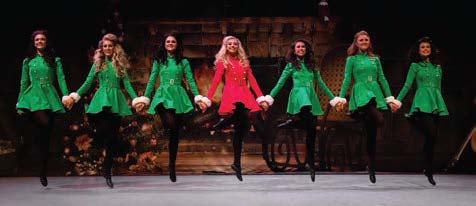
Featuring the return of vocalist Caitríona Sherlock, the “Irish Christmas in America” show at 7 p.m. on Wednesday, Dec. 11 in BPAC’s Owens Auditorium, 3395 Airport Road, Pinehurst, is filled with lively instrumental tunes on fiddle, flute, uilleann pipes and harp, along with old-style Irish dancing. Evocative photographic images provide a backdrop to some of the rich historical traditions of Ireland. For information go to: www.ticketmesandhills.com. And, if that doesn’t get your Irish up, the music and dance company A Taste of Ireland will present “A Celtic Christmas” at BPAC on Tuesday, Dec. 17 at 7:30 p.m. Check out www.eventbrite for more info.

Does Santa Get Syrup in His Beard?

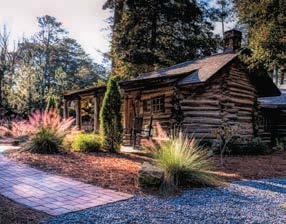
You can find out on Saturday, Dec. 14, at the Sandhills Woman’s Exchange, 15 Azalea Road, Pinehurst, at a breakfast featuring you know who, pancakes, bacon, a magic show, face painting, and balloon animals. Cost is $30 for adults; $10 for children 4 and over; and free for 3 and under. There is limited seating, however. Hey, it’s a cabin. For more information call (910) 295-4677 or go to www.sandhillswe.org.

Dissecting a Cocktail

DISSECTING A COCKTAIL

Saturday Night Wrist Punch

Story and Photograph by Tony Cross

Before the cocktail was created, punch was the globally popular, mixed distilled spirits drink. We can thank the British sailors who manned vessels for the East India Company for spreading the news. I first learned about punch from cocktail historian David Wondrich’s book, Punch: The Delights (and Dangers) of the Flaming Bowl. The recipes and techniques in it helped me find the proper balance between spirit, sugar, citrus, water and spice — the makeup of punch. Given the inevitable barrage of holiday parties, you can really shine as a host by offering a punch with a beautiful balance between sweet and sour. With some advanced preparation, your guests can simply help themselves from the party bowl. Years back, I took an old recipe — Major Bird’s Brandy Punch, from 1708 — and put my own spin on it.

Specifications

Oleo-saccharum*

16 ounces water

8 ounces fresh lemon juice

3 cups pineapple-infused cognac (I recommend Pierre-Ferrand 1840)**

1 cup pineapple-infused Jamaican rum  (I strongly recommend Smith & Cross)**

4 ounces Aperol

1/2 pineapple diced into 1-inch by 1-inch cubes

Lemon wheels

Nutmeg

Bundt pan or large ice molds

Execution

Ice: fill small bundt pan with water and freeze overnight.

*Oleo-saccharum: Peel the skin of four lemons, placing them in a bowl and adding 1 cup of sugar (by weight). Muddle the sugar into the peels, cover the bowl with plastic wrap and let sit overnight in the fridge.

**Pineapple-infused spirits: Dice 1 pineapple and add to medium-sized glass container. Add 3 cups of cognac and 1 cup of rum to the  container; seal tightly and leave at room temperature overnight (24 hours is ideal).

Punch: Place oleo-saccharum in a punch bowl. Add lemon juice and stir until sugar completely dissolves. Add 1 cup (8 ounces) of water, stir, and remove lemon peels from bowl. Fine strain infused spirits into punch bowl. Add remaining cup of water. Stir. Take a large ice mold and place in punch bowl. Add lemon wheels and pineapple pieces for garnish. Shave fresh nutmeg either into punch bowl or per serving.

(Note: The ice and infusions need to be made a night in advance.)