Tea Leaf Astrologer

TEA LEAF ASTROLOGER

Libra

(September 23 – October 22)

When the shoe no longer fits, no amount of stretching or bending will change that. This year has given you loads of opportunities to release what no longer serves your highest path. And with the solar south node eclipse in your sign on October 2, suffice it to say that this month is going to be more of the same — uncomfortable yet, ultimately, liberating. A word of advice on moving forward: You’re going to want arch support.

Tea leaf “fortunes” for the rest of you:

Scorpio (October 23 – November 21)

Be the squeaky wheel.

Sagittarius (November 22 – December 21)

Dog-ear the page for later.

Capricorn (December 22 – January 19)

Best not to download the app.

Aquarius (January 20 – February 18)

Lie down if you start feeling dizzy.

Pisces (February 19 – March 20)

Hint: They can’t read your mind.

Aries (March 21 – April 19) 

Book the trip.

Taurus (April 20 – May 20)

Bypass the candy corn.

Gemini (May 21 – June 20)

It’s time to call the shots.

Cancer (June 21 – July 22)

Write a love note to yourself.

Leo (July 23 – August 22)

Prepare for liftoff.

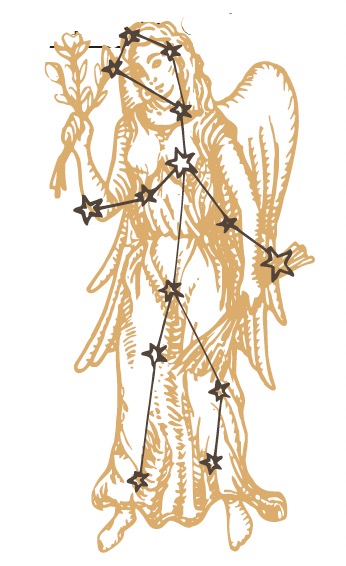
Virgo (August 23 – September 22

Sometimes more is more.

Dressed to Thrill

DRESSED TO THRILL

Dressed to Thrill

Audrey Moriarty

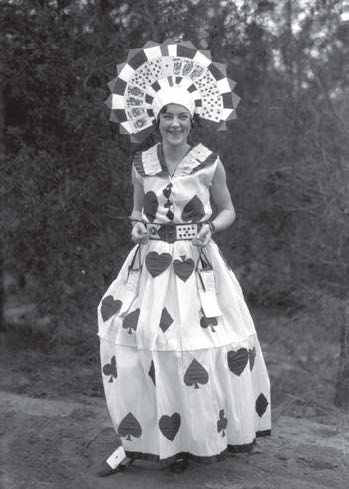
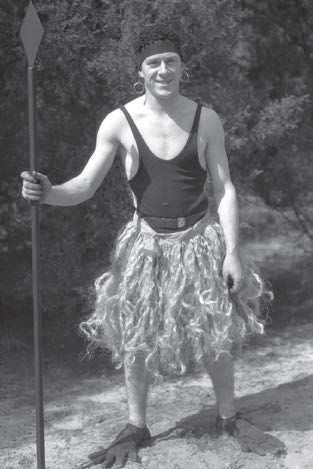
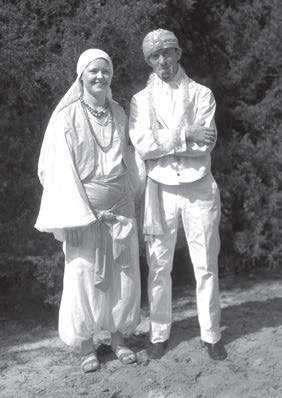
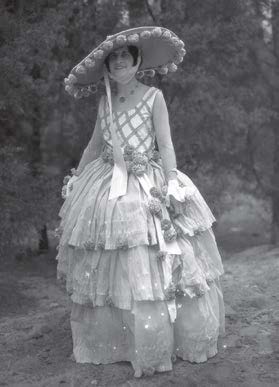
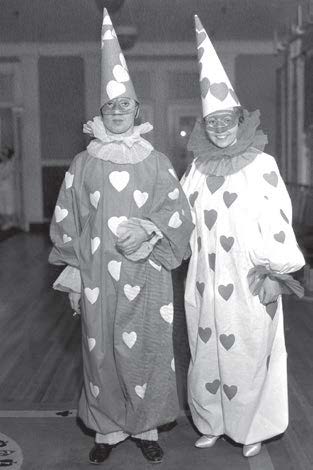
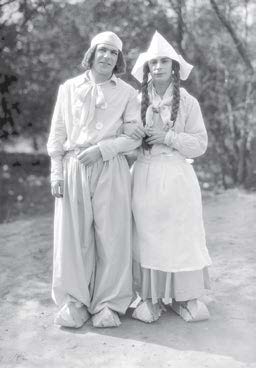
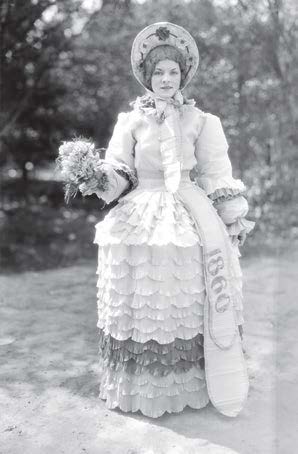
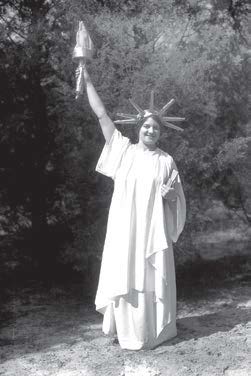
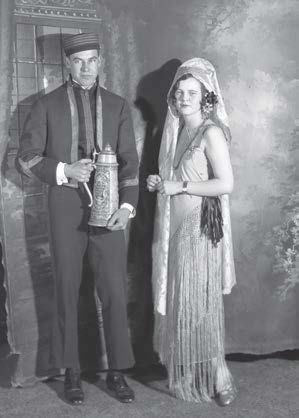
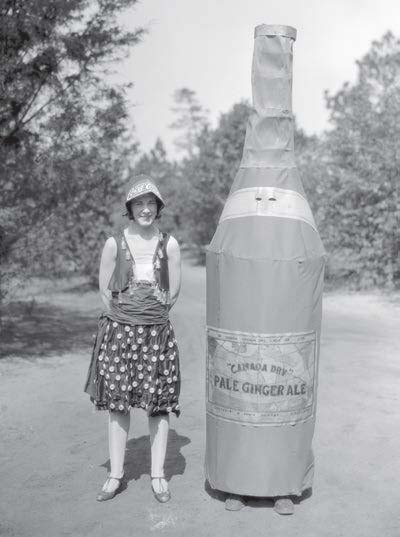
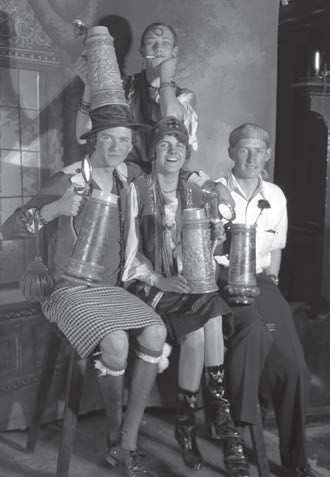
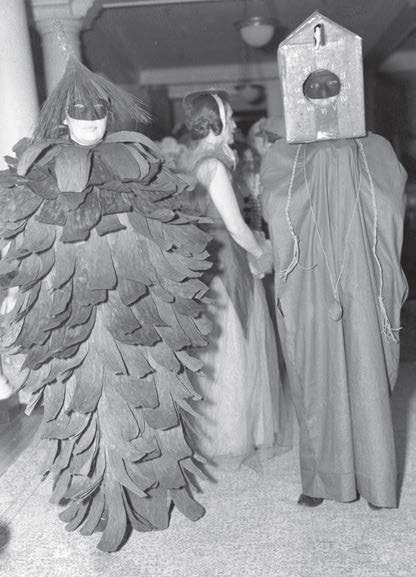
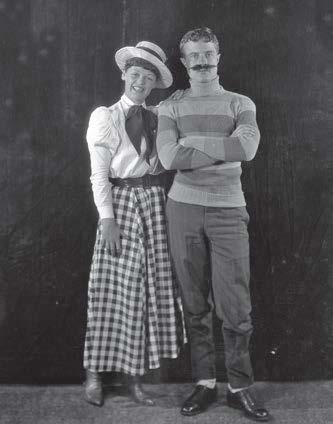
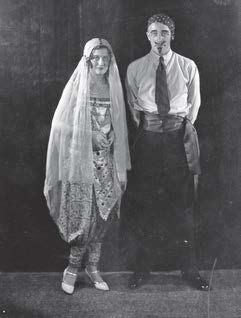
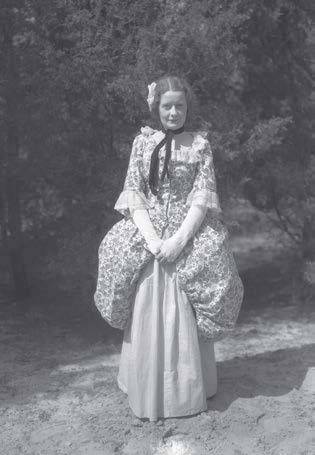
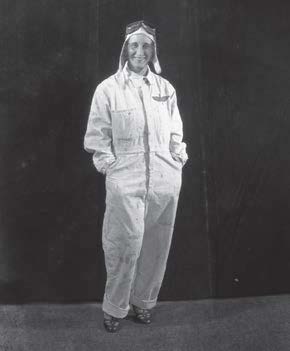
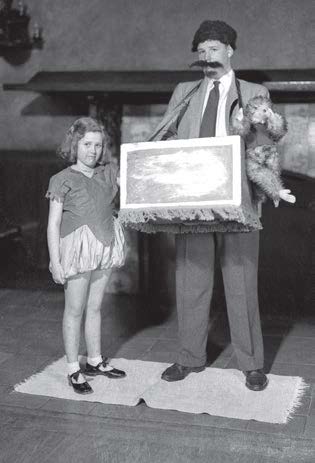
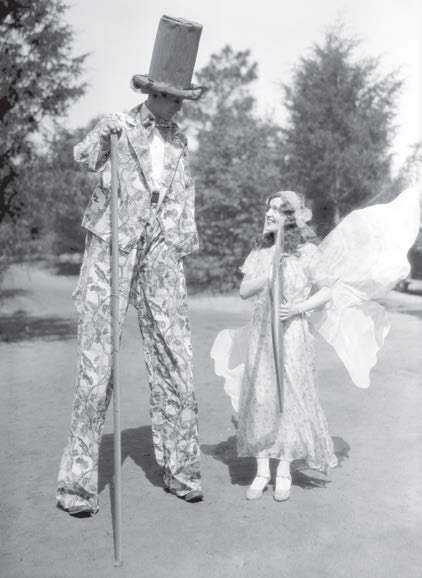
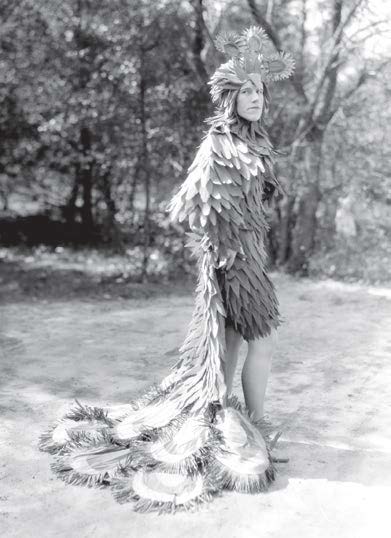
In the early 1930s, in a village not so very far away, masquerade balls were all the rage. Over time, the Carolina Hotel celebrated New Year’s Eve, St. Patrick’s Day and Valentine’s Day with dress-up galas. Guests and cottagers were “invited” to attend by Leonard Tufts himself, and admission was by card only. Invitations for guests were procured at the Carolina office. Other balls, sponsored by the Sandhill Shrine Club, were held at the Pinehurst Country Club. Donald Ross was the chairman of the Ball Committee and invited attendees by letter describing the club’s purpose, and enclosing a ticket and a stamped envelope. Tickets were $5, and proceeds supported the community’s “little sufferers.”

These events, however, were no match for the revelry of the employees’ masquerade balls. The annual “Frolic in the Spring” was attended not only by employees, but cottagers and guests as well. Held at the Carolina Hotel, the annual ball started with a parade from the dining room, down the great hall, and into the ballroom. According to the April 3, 1931, Pinehurst Outlook, “The annual employees’ masquerade brings out the best array of costumes seen during the entire season.”

Golftown Journal

GOLFTOWN JOURNAL

We Shall Gather

There’s no need to rush

By Lee Pace

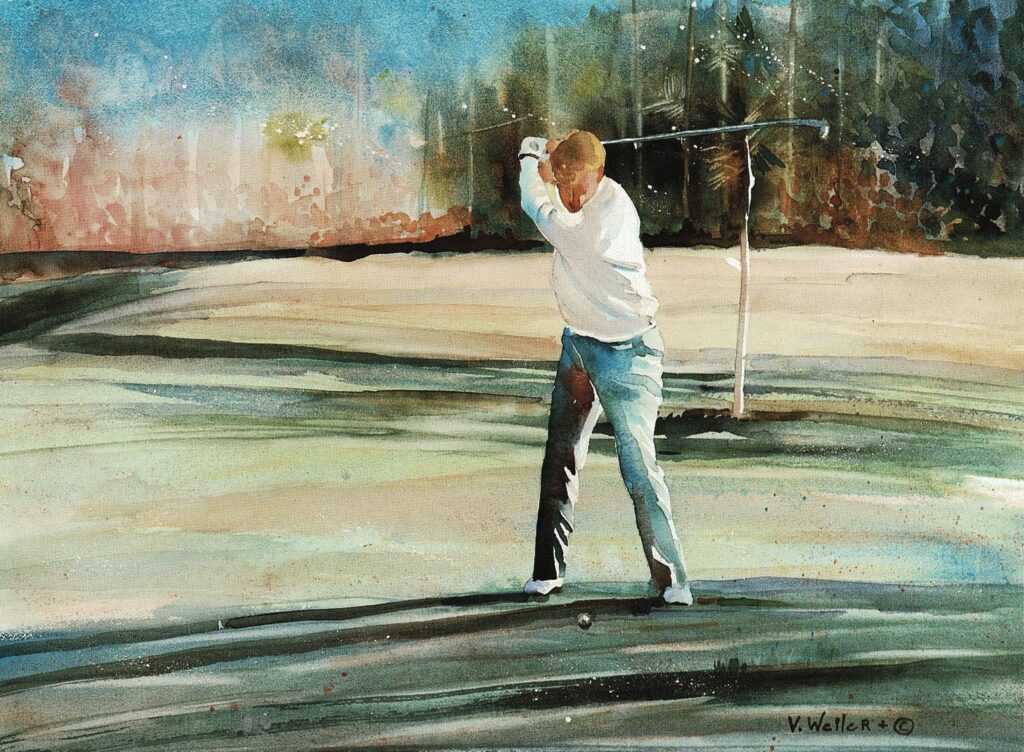
At the address of the golf swing, we talk about ball position, spine angle, grip pressure, takeaway and turn. At impact we talk about compression and clearing the hips and head position. Yet one element of the swing — under-appreciated and under-attended on the pages of golf magazines, YouTube instruction videos and Instagram golf pros — is the transition.

The top of the swing is the promised land of hitting good golf shots.

Getting too quick is kryptonite.

Taking your time is pure gold.

After all, if you’re going one direction and then want to reverse 180 degrees, you have to stop. What’s your hurry?

Renowned instructor Bob Toski tells his students to use the “Coca-Cola Swing,” employing a “pause that refreshes” at the top of the backswing.

“There should be no flash of speed at the top of your swing,” Toski says. “The club should be quiet and not bouncing. This gives you a chance to move the lower body down into the swing. You want to feel that you push the club back and pull it through. Think push, pause, pull.’”

Sean Foley, instructor over the years to noted golfers such as Tiger Woods and Justin Rose, counsels his pupils to be patient with the downswing. He uses the word “collect” in talking of the process of moving from backswing to downswing, particularly as it applies to the Englishman Rose.

“Too often, Justin gets a little tense at the top, and his transition back down to the ball is rushed,” Foley says. “Your arms should just fall from the top, rather than jerking the club down.”

Fred Couples, owner of the most liquid swing in golf and 1992 Masters champion, likes the word gather.

“Couples talks about ‘buying time’ at the top of the backswing,” says golf instructor Jim Nelford, a contemporary of Couples’ on the PGA Tour of the 1980s and ’90s. “Never be in a hurry. Take your time on your backswing. Couples will gather at the top and just let the club drop.”

Pat McGowan, a PGA Tour regular from 1980 through the early 1990s, was struggling when the tour arrived in New Orleans for the USF&G Classic in late March 1989. He was miserable throughout a practice round on the difficult Jack Nicklaus-designed English Turn Golf Club, all the penal water and sand accentuated by brisk winds. His friend and playing companion Phil Blackmar convinced McGowan to make rehearsal swings when the tournament started by swinging back to perfect position and exaggerating a pause to five seconds.

“You’ll look like an idiot, but so what?” Blackmar said, plunging the gallows humor knife as only good golf buddies can do. “You’ll look bad shooting 78. You might as well try it.”

McGowan did as suggested, shot a 68 to open the tournament, followed with a 70 and a pair of 71s for a ninth-place finish, his best of the year. You might get that story today from McGowan if you get rushed at the top on the practice tee at Pine Needles Lodge and Golf Club, where McGowan is the lead instructor.

“Some people act like the ball’s moving, that you’ve got to hit it before it runs away,” McGowan says. “The ball’s not going anywhere. Finish your backswing first. That exaggerated pause at the top during the practice swing carries over to the full swing and slows you down.”

Andrew Rice teaches that very move from his outpost at the Westin Savannah Harbor Golf Resort. He calls it the “Power Pause Drill.” At first, he’ll have a pupil swing to the top and pause for a count of three, then hit the ball. After that exaggerated feel, he’ll ask them to pause for just one second. The idea is that the feeling will become engrained.

“One thing I see is that golfers don’t complete their backswing,” Rice says. “Another is that they go jumping out of the gate with rotation, trying to get some energy running down the shaft into the clubhead. It’s a short, incomplete backswing.

“With this drill, they make a full, complete backswing and store that energy. It’s like touching home plate.”

John Marino, the longtime head pro at Old Chatham Golf Club in Durham, spent a lot of time talking golf over the years with Dick Coop, the professor at the University of North Carolina who had a sideline consulting with professional and elite amateur golfers on the mental side of the game. Coop played golf himself and was a member at Old Chatham.

“Dick liked to say, ‘If your shaft was a perch, let the bird land on it before you start your downswing,’” Marino says. “A smooth transition will help create good balance and good sequencing. Everyone wants to be ‘that guy’ at his club with perfect tempo. That idea helps you get there.”

Cameron Young is the poster boy on today’s PGA Tour for the benefits of coming to a complete stop at the top of the swing and then exploding into a massive spark of speed through the ball (he was No. 7 on the driving distance meter in 2023 with 316 yards a pop). Young learned to play golf from his father, David, who was the head pro at Sleepy Hollow Country Club, just north of New York City. As a junior golfer, Cameron struggled to match his swing plane going back and then coming through.

“Cam’s worked hard on not having a lot of rerouting during the transition, so the clubhead comes down not too far from the direction where it went up,” his father says. “He wants to get the lower body working toward the target while he pins his arms, club and upper body back, which makes it look like he’s standing still. There’s no conscious effort to pause.”

And you can find a talented and social media-conscious golfer on Instagram and YouTube today named Ben Kruper, who bills himself as “The Pause King.” Kruper developed his distinctive pause in 2023 working on his game while playing mini-tour events and developing a digital venue presence.

“I had a super quick transition and wanted to do something kind of drastic,” he says. “It’s helped my game a ton. That quick transition would get me way behind, I’d get stuck, and I’d have to flip at the ball. Under pressure, it got so out of hand.”

In one YouTube video, Kruper wields his syrupy tempo to one pure strike after another as golf instructor Grant Horvat watches.

“My God, you can’t hit it any better,” Horvat enthuses. “Perfect dollar-bill divots, one after another. You know, you’re pretty good at golf.”

With that, it’s off to the practice tee with a bottle of Coke to set beside that bucket of balls.

Hometown

HOMETOWN

The Memories Inside

Cruising past the old homestead

By Bill Fields

On a rainy afternoon not long ago, I drove by my childhood home not far from downtown Southern Pines. An old friend was with me, someone who also had grown up in town when it was its former drowsy and piney self, when “a sophisticated Mayberry” was an apt description of the place where we were lucky to live, those days now as distant as rotary phones and drugstore orangeades.

We pulled over to the curb, on the north side of the property and then on the east, our conversation seeming to take on the rhythm of the rental car’s intermittent wipers. It was easier to talk about the focus of the visit, a 1950s Cape Cod that held so much family history, than see it, which is why we assumed a couple of different vantage points and why, for me, this has been a rare excursion.

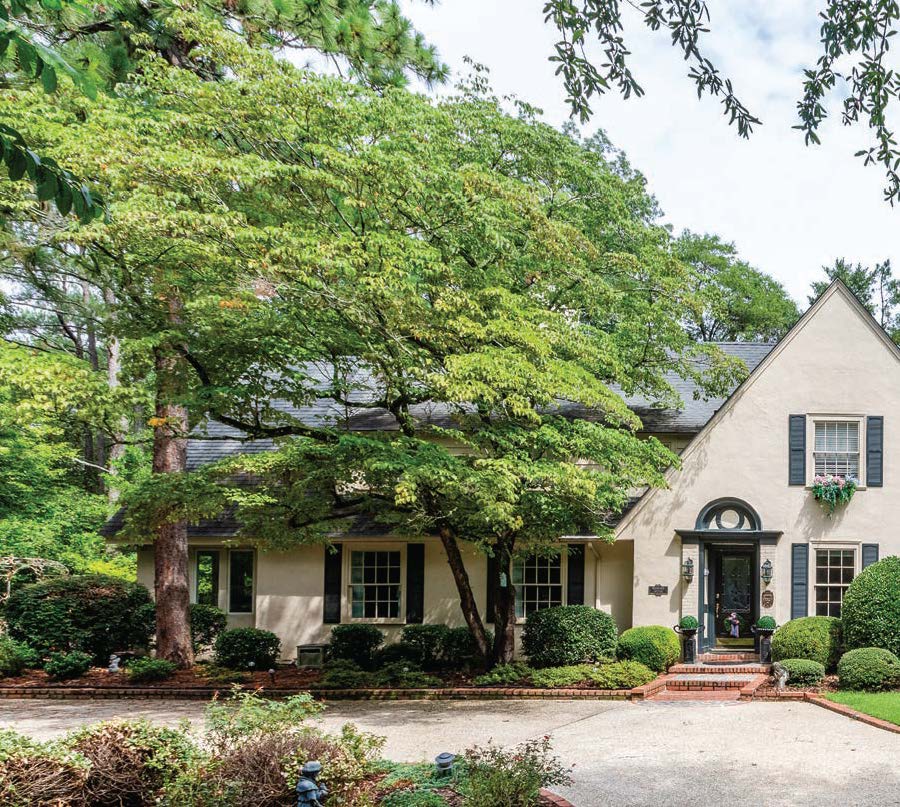
The original structure endures, but it takes some effort to get a glimpse of it, given that it’s surrounded by three “cottages” constructed on the property after we sold, one of them tall and painted a gray so dark it is nearly black. Our former five-bedroom residence is overwhelmed by the looming houses, making it seem like a shed out back of someone’s mansion.

My parents bought our home a handful of years before I was born in 1959. They had been living in Pinedene, close to Mt. Hope Cemetery. When the Highway 1 bypass was being built through their neighborhood, they were forced to move. About 10 years ago, when my mother was in her early 90s, she was in a car with me on a side street not far from the old Lob Steer Inn.

“There’s our old house,” she said. 

I thought her mind was playing tricks, but I subsequently confirmed that the Pinedene house wasn’t torn down but relocated to where Mom said it was. While some other family settled in there, my parents and two sisters moved to their new home. My siblings were off to college and their adult lives less than a decade after moving there, but 390 East New Jersey was my only address growing up.

That fact, as well as maintaining closer ties to our hometown through the years, is why I felt a closer attachment to our house than my sisters did. But we all found pleasure in being able to return there for a long time, perhaps too long if we’re being honest. Increasingly stubborn in old age, when her cognitive decline made things difficult and dangerous, Mom didn’t want to leave for a safer environment.

I won’t forget that day in 2017 when I walked her out the back door for the last time, toward the car and on to an assisted living facility. I would turn that lock dozens more times until the house wasn’t ours anymore. On those visits, I didn’t miss the volume on the television being set to a nonagenarian-without-hearing-aids level. It was nice to put a six-pack on the top shelf of the refrigerator instead of burying it in the vegetable drawer. How, though, I wished she was still there, sitting on her screened-in patio that she enjoyed so much, in a wicker chair that had been on her mother’s porch, azaleas and robins the sights and sounds beyond her favorite oasis.

It had been a home, not a house. As my friend and I chatted in the car so near yet so far from that memory, I was reminded of that.

I suppose I’m glad the structure still stands in its renovated form — that the walls that contained our hopes and fears weren’t demolished — but I will never go inside again. What went on in and around that home lives in my interior, easily recalled, the view unobstructed.