Creators of N.C.

Creators of N.C.

Beads on a String

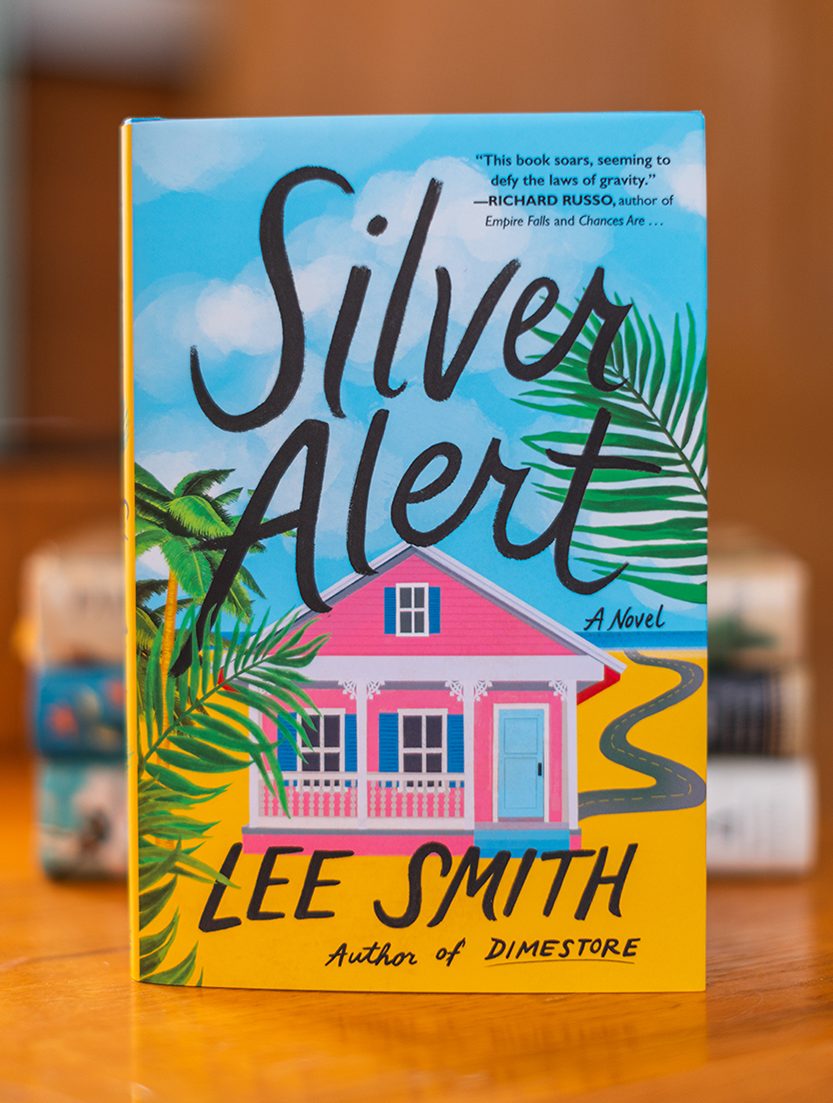
Silver Alert with Lee Smith

By Wiley Cash

Photographs By Mallory Cash
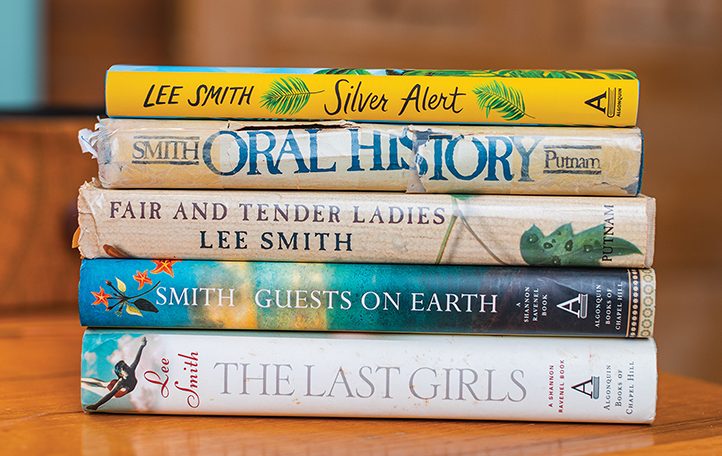
   

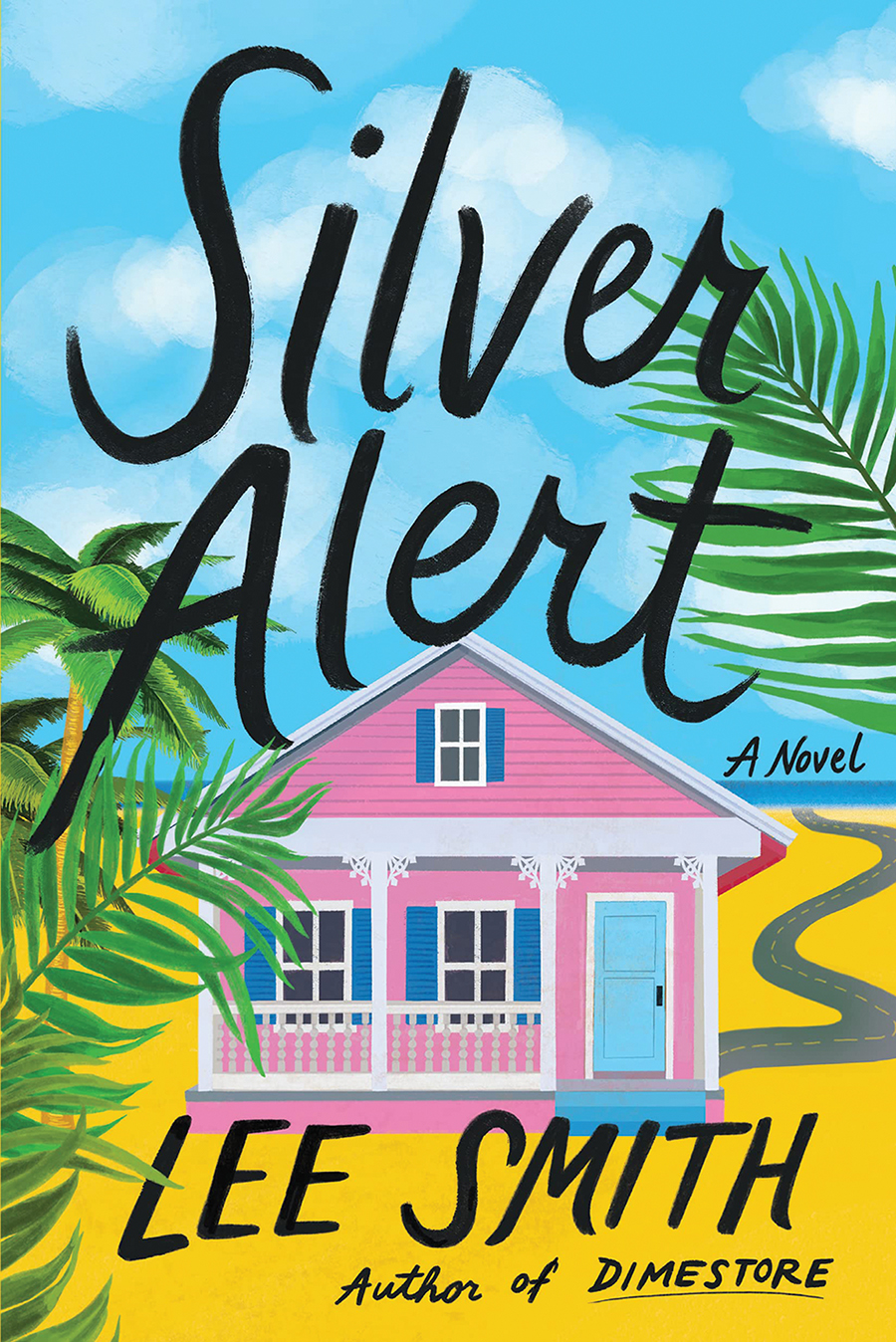
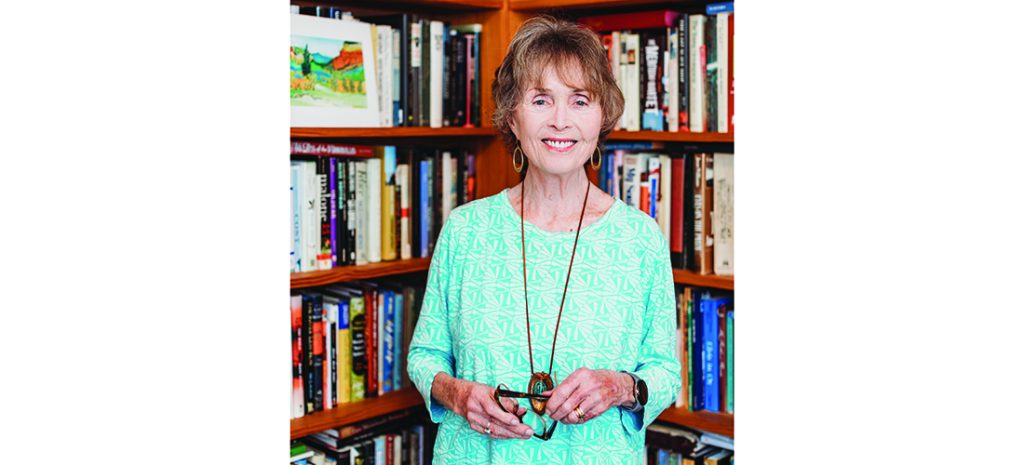
Silver Alert is Lee Smith’s 15th novel, and, if you believe her, it’ll probably be her last. How can this be true? How can the writer who gave us Ivy Rowe of Fair and Tender Ladies and the Cantrell family from Oral History be done with crafting memorable characters with expansive histories?

If this is true, if Silver Alert is indeed Lee Smith’s last novel, then at least readers will be left with several new characters to remember. There’s Dee Dee, a buoyant young aesthetician living under an assumed name who’s in Key West to hide from a past she can’t shake. There’s Dee Dee’s client Susan, a wealthy woman who seems too young to be locked in the throes of dementia. And then there’s Susan’s husband, Herb, a tough old guy from up north who, with his swollen prostate and weak bladder, can’t help but long for the days of his youth.

Silver Alert is everything readers want from good storytelling and sharply drawn characters; the book is alternately hilarious and heartbreaking, wise and lighthearted, sly and deeply profound. It’s the kind of novel that only Lee Smith could write, and it will remind readers to be thankful that she has given us so many.

The idea behind Silver Alert came to Lee a little differently than the ideas that spawned her previous novels. Several years ago, when she and her husband, writer Hal Crowther, were driving back from a winter vacation in Key West, they began spotting signs on U.S. 1, alerting readers with the words “Silver Alert,” complete with the make and model of a vehicle. Neither Lee nor Hal had ever heard of a silver alert, but they’d seen amber alerts that are issued when a youth goes missing, and they soon pieced it all together. They pieced together a story, too.

“We decided that it was an elderly guy who found a set of car keys in an old golf  shoe, and he’d taken off in his car with the mani-pedi girl from the assisted living place.”

Lee and Hal had a few laughs on their drive home, speculating about where the man would stop on a trip that might end up being his final burst of freedom.

“There’s never been a more natural plot,” Lee tells me. “That’s the number one plot in literature: ‘Somebody takes a trip.’ And number two is, ‘A stranger came to town.’”

If there’s a stranger who’s come to town in Silver Alert, it’s Dee Dee. She’s from the mountains of North Carolina, and her cheerful beauty belies the dark secrets of a life of poverty that has been suffered in the shadows of sex trafficking. She seems to be the only person who can settle Susan during her bouts of confusion, a continuous struggle that has overwhelmed Herb, whose existential angst is fueled by grieving for his wife and the sense that their life together is over.

“Bless her soul,” Herb thinks on the novel’s opening page, “and damn it all to hell.”

Herb’s sarcasm and cynical nature, especially after his and Susan’s kids stage an intervention and force the couple into selling their home to move into an assisted living facility, could have easily soured the reader’s soul — at one point the narrator even says that Herb “hates everybody that’s young, everybody that’s having fun” — but Lee doesn’t allow that to happen because soon even Herb is buoyed by Dee Dee’s infectious optimism, and it’s that optimism that inspires Herb to abscond with his yellow Porsche, Dee Dee riding shotgun.

I ask Lee how she so convincingly wrote a character like Dee Dee, someone who maintains her spirit in spite of the trauma and struggle in her past.

“Well, I think in part that is a form of self-defense,” she says. “It’s a way of putting a little shell around yourself.”

In the novel, Dee Dee has spent time at the fictional Rainbow Farm in northern Florida, which is a home for women who are hoping to escape life on the streets. It’s the kind of place that Lee knows pretty well after working with organizations like Thistle Farms outside of Nashville, Tennessee. According to the organization’s mission, it’s a “nonprofit social enterprise dedicated to helping women survivors recover and heal from prostitution, trafficking, and addiction” by offering a place to live and the opportunity to learn a professional skill. While at Rainbow Farm, Dee Dee learned to be an aesthetician, something that felt natural to Lee, who admits, “I love the beauty shop type of stuff.”

Dee Dee’s work and her relationships with new friends like Susan and Herb lead her to believe that the terrible fates of life are far behind her and getting farther away every day, even if they do still exist somewhere in her past. Throughout the novel, Lee brings the reader’s attention to this time continuum, including one moment when Dee Dee is watching moonlight move across a deck, thinking, “I am happy I’m so happy I will remember this for the rest of my life.” The book’s narrator steps in at that moment to add “and she would too.”

If Dee Dee is living in the moment while thinking about the future, Herb is living in the past while dreading what’s ahead. While he attempts to care for Susan, he continually “feels himself slipping back, back, back through time” to his first love, a woman named Roxana, whom he met when they were children in Buffalo.

Given Susan and Herb’s predicament of being forced into assisted living, it would be easy to read Silver Alert as a kind of elegy to aging, but I read it as the opposite. I read it as a celebration of life along the time continuum. It’s about the past, present and future existing in the space of our minds regardless of what our bodies are doing.

“I find incredible solace in that,” I tell Lee.

“Yes,” Lee says. “Here I am, almost 80 years old, and I think this might very well be the last novel I write. But I still have everything existing in me just like you said, all these ideas and memories are still there. You can do that with a novel.

“But things are sort of coming to me now in smaller scenes and short stories, smaller things like beads on a string, and you can see that in this book.”

If you were to look back over the novels that Lee has published, beginning with her debut The Last Day the Dogbushes Bloomed in 1968, you could see the beads on a string, the long continuum that has taken her from her hometown of Grundy in the Virginia mountains down to Hillsborough, North Carolina, and various parts of the state where she’s lived and worked. 

“In your early work, it seems that you were investigating and chronicling the place that you came from in southwest Virginia,” I say. “And then in your more recent work, maybe beginning with Guests on Earth and Silver Alert, it feels like you’re investigating your place in the larger world after leaving the mountains of your youth.”

“I think that’s true,” Lee says.

“As you’ve spent more time writing about life outside of the place you call home, do you feel your work is somehow getting more personal?”

“In a funny way, yes, I think so,” she says. “I write my fiction very much from real life. And so, when I had those closer ties to the mountains, that’s what I wrote about. And some of the other places I’ve lived since then that have interested me.”

Beads on a string. The long continuum. Grundy, Hillsborough, Key West, Florida, and the incredible characters and stories born from these places. It’s all there in Lee Smith’s novels, and regardless of whether or not she ever writes another one, it always will be.  PS

Wiley Cash is the Alumni Author-in-Residence at the University of North Carolina at Asheville. His new novel, When Ghosts Come Home, is available wherever books are sold.

Hometown

Hometown

Talking Heads

Life in the booth

By Bill Fields

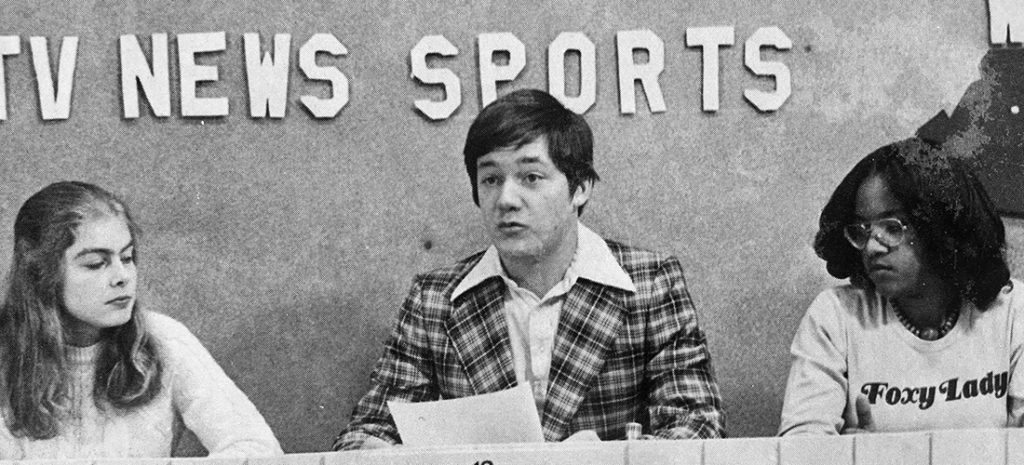
Feature Photo caption: Christine Morgan, Bill Fields and Janet Caldwell

When the PGA Tour turned up in the Sandhills during the early 1970s for the first time in two decades, it was a big deal for a sports-loving kid.

I was excited to attend the U.S. Professional Match Play Championship not only because my golf heroes were going to be in town, but because, on pro-am day at least, so were some of my sports television heroes who were teeing it up as celebrities.

At that point in my life, it probably was a toss-up whether I wanted to be Julius Boros, Arnold Palmer or Jack Nicklaus when I grew up; or Don Shea, Charlie Harville or Woody Durham.

Shea was the sports anchor at WTVD in Durham. Harville delivered the sports for WGWP in High Point. Durham handled sports for WFMY in Greensboro and in 1971 became the “Voice of the Tar Heels” on radio, a role he would have for 40 years.

During the 6 o’clock local news — depending on the preference of my parents and/or the trustiness of the antenna on our roof in Southern Pines — one of those sportscasters came into the house.

I wanted to be them. What could be better than talking sports, and getting paid to do so?

Sooner rather than later, I got to find out — about the “talking” part, at least. During senior year of high school, I hosted a weekly radio show on 990 WEEB, “Pinecrest Sports Spotlight.” One Saturday morning a record might have been set for most interview subjects in one room as most of the state champion girls’ basketball team and coach James Moore crammed into the studio.

Thanks to being in a television production class at Pinecrest that utilized the school’s closed-circuit television system, I was a TV sports anchor myself. The scripts were handwritten on carbon paper. I sat between Christine Morgan (news) and Janet Caldwell (weather). A high school with a broadcasting class was novel in the 1970s, prompting a reporter from The Sanford Herald to visit one morning.

I mentioned Woody Durham in one of my quotes to the reporter, but what I said was overshadowed by what I was wearing during the show in a photograph run by the Sanford newspaper: garish plaid sport coat paired with perhaps the widest collar ever manufactured showing outside my jacket, wings ready for takeoff. The best I can say about that image now is that I had a nice full head of dark hair.

Although I was in the broadcast sequence of journalism school at UNC, almost all of my experience during college was in print, not on the air. After graduating, there were jobs in newspapers followed by writing and editing positions on magazines.

My TV experiences were limited to occasionally appearing as a golf expert offering perspective on the sport’s history or hot topic of the day. (Over the last couple of decades, that’s usually been Tiger Woods.) But in 2017, I was asked to work as a researcher/statistician for NBC Golf Channel’s golf broadcasts. I’ve worked about a dozen tournaments annually since I first filled in as a replacement for someone who had left the position.

My microphone only allows me to talk to a colleague in the graphics department, but I’m just feet away from the pros who are talking to viewers. It has been quite an education for an ink-stained scribe to be a part of live television in a supporting role as I provide information and otherwise be as helpful as possible to the hosts.

I work most often with Dan Hicks but occasionally other broadcasters such as Terry Gannon, Mike Tirico and Steve Sands. They are as good at their jobs as the athletes they are covering. Without hesitation, I can say the teenager in the loud jacket could not have made his way up the on-air broadcasting ladder regardless of how much effort he put into it. I gravitated toward the media lane I should have been in.

To young dreamers out there who watch today’s top-notch announcers do their thing and imagine being in their headsets one day, work hard. Then work harder. And dress better than I did.  PS

Southern Pines native Bill Fields, who writes about golf and other things, moved north in 1986 but hasn’t lost his accent.

Birdwatch

Birdwatch

Working Without a Net

The bold, acrobatic Carolina chickadee

By Susan Campbell

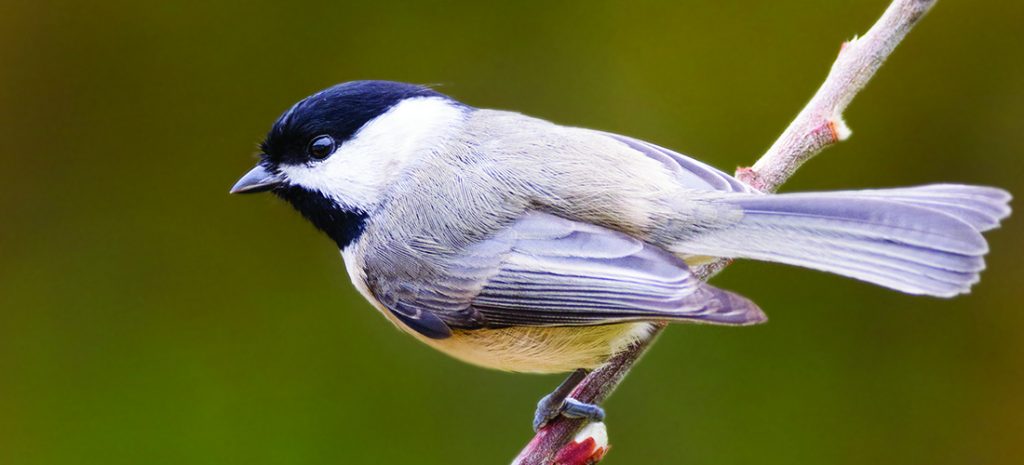
The chickadee is one of the most beloved feeder birds across the country. Central North Carolina is no exception, but “our” chickadee species is the Carolina chickadee, merely one of five different chickadees commonly found in the United States.

Chickadee species are quite similar, but the Carolina averages the smallest — less than 5 inches in length. It also has a range that extends farthest south: from central Florida, throughout the Gulf States and across to central Texas. The Carolina chickadee overlaps with the more widely distributed black-capped chickadee in parts of Pennsylvania, Ohio and Illinois. Black-cappeds and Carolina chickadees are very challenging to separate in areas where they are both found. Subtle differences such as the coloration of the edges of the wing feathers and variations in the calls are used to tell them apart. Here in North Carolina, black-cappeds can be found at the highest elevations of the Appalachians.

Carolina chickadees reside in a variety of woodlands across the state, from the mountains to the Outer Banks. They feed on everything from insect larvae to seeds and berries. Their stout, pointed bill is a useful tool for both picking at and prying open food. And these little birds are quite the acrobats: They have very strong feet, which enable them to easily cling upside down when foraging. Carolina chickadees are regular customers year-round not only at our sunflower seed feeder, but on the suet cage feeder. They are very bold, driving off woodpeckers and wintering warblers to get at the protein-rich offerings.

Our chickadees are not migratory, so the same individuals are around from day to day. Family groups will associate from summer through late winter before the young wander away in search of mates of their own. If they are to do so, it has to happen quickly, because the breeding season starts early for these little birds. Carolina chickadees are looking for empty cavities or a small snag by the end of February. Nests of soft materials are built during the month of March. A thick outer layer of mosses or shredded bark is lined with animal fur or plant down. The nest conceals the eggs and insulates the young during the cool days and nights of early spring.

It is fun to watch female chickadees during their nest building. They are the busy architects with the males looking on, defending the territory from other chickadees or competing nuthatches. Clumps of fine cat or dog hair (puggle undercoat is very popular in our yard) will be gathered by the mouthful if available. Otherwise, chickadees will, believe it or not, seek out mammals such as raccoons and pick loose strands of fur to take back to their nests.

A pair of chickadees may raise four to six young in a year. If eggs are lost to predators or the weather, they may try again, provided it is not too late in the season. Often chickadees are replaced by bluebirds or titmice in birdhouses come May or June, once their young have fledged.

So keep an eye out. You may find you have a pair of these feisty birds that has set up housekeeping nearby, or perhaps you will see a new family of chickadees descend on your feeder like the Flying Wallendas. PS

Susan Campbell would love to receive your wildlife sightings and photographs at susan@ncaves.com.

Focus on Food

Focus on Food

Mama Don’t Bake

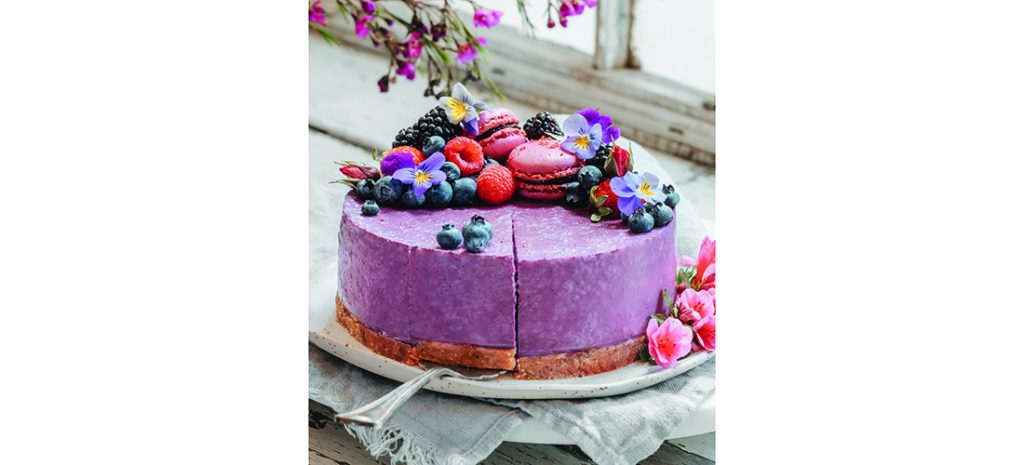
A simple cheese-less cheesecake

Story and Photograph by Rose Shewey

I talk about diet and nutrition as much as I talk about politics and the weather. Practically never.

To be honest, diet-talk is a regular snoozefest, in my book. But aside from lacking entertainment value, arguing diet- and nutrition-related issues is a no-win undertaking. Having self-studied nutrition for over a decade, I have come to understand that opinions, as well as science, vary tremendously on the subject and — as anybody who survived the great margarine craze knows — change fundamentally from time to time. Throw in body image and weight loss issues, and you’re in for some potentially awkward discussions. No thanks.

Still, despite all the controversies, can we agree that nutrient-dense foods are an excellent choice? I wouldn’t do this cheesecake any justice if I didn’t touch on the fabulously valuable ingredients this recipe calls for. I am talking about chia seeds, dates, almonds and cashew yogurt, as well as blackberries and even agar. For most health-minded chefs, particularly in the plant-based kitchen, there is something incredibly satisfying about adapting and healthifying conventional recipes. Substituting less nutritious ingredients with nutrient-rich, minimally processed foods to create a dish that looks, tastes and feels like the original is uniquely rewarding.

Take cheesecake, for example. To be clear, there is nothing wrong with regular cheesecake. I’ll be the first to grab a slice off the dessert buffet, but if I can have something of equal quality made with more wholesome ingredients, I will choose the more nourishing version every time.

So, does this cheese-less cheesecake taste like, well, cheesecake? It does. The yogurt gives it that tangy flavor, the texture is creamy and lush but firm enough to maintain its shape beautifully. On a scale of New York-style cheesecake to thick custard, this falls somewhere in the middle. And the proverbial cherry on top? This is a no-bake cake.


No-Bake Blackberry Chia Cheesecake

Crust

90 grams (8-10) dates, pitted

100 grams  (1 cup) ground almonds, blanched

1 teaspoon vanilla extract

Pinch of salt

Cake

340 grams (12 ounces) yogurt — I used store-bought cashew yogurt

55 grams (5 tablespoons) chia seeds

70 grams (about 1/4 cup) maple syrup, or more, to taste

1 can (400 milliliters) unsweetened, full fat coconut milk

3 tablespoons agar flakes (not powder)

300 grams (2 cups) blackberries, fresh or defrosted

Soak dates in boiling water for 10-15 minutes. Line the bottom of a 6-inch springform pan with parchment paper. Drain dates and squeeze out any excess water. Place all ingredients for the crust into a food processor and blend. Scrape down sides frequently while blending until you have a sticky, slightly coarse paste. Press the crust evenly into the bottom of the springform and set aside.

Mix yogurt with chia seeds and maple syrup and refrigerate. Stir the mixture occasionally to maintain an even texture. Pour coconut milk into a small saucepan, add agar flakes and bring to a boil. Reduce heat and simmer for about 6-8 minutes (or according to package instructions), stirring frequently. Meanwhile, add berries to a high speed blender and puree. Transfer berries to a large bowl and add coconut agar mixture, whisk to combine, then quickly incorporate the chia yogurt. Taste for sweetness; you may want to add more maple syrup if you like sweeter cakes, and promptly pour cheesecake mixture into the springform. Transfer cheesecake to the refrigerator and allow to set and chill for at least 3 hours, ideally overnight. Serve with fresh fruit or coconut cream.  PS

German native Rose Shewey is a food stylist and food photographer. To see more of her work visit her website, suessholz.com.

Tea Leaf Astrologer

Tea Leaf Astrologer

Taurus

(April 20 – May 20)

Shakespeare was a Taurus. And while most born under this sensual earth sign tend to be loquacious, few have a gift for reading the room. If you think you’re an exception, perhaps you’re right (but you’ll never know). Regardless, when benevolent Jupiter enters your sign on May 16, consider it a green light to ask for what you really want. Good things are coming. And when they do: “To thine own self be true.”

Tea leaf “fortunes” for the rest of you:

Gemini (May 21 – June 20)

The answer hasn’t changed.

Cancer (June 21 – July 22)

Water what you plant.

Leo (July 23 – August 22)

Make a U-turn.

Virgo (August 23 – September 22)

You’re overmixing again.

Libra (September 23 – October 22)

Keep your chin up.

Scorpio (October 23 – November 21)

There’s more than one way.

Sagittarius (November 22 – December 21)

It’s time to cull your “friends” list.

Capricorn (December 22 – January 19)

Say it in a letter.

Aquarius (January 20 – February 18)

Get ready to flex some new muscles.

Pisces (February 19 – March 20)

Deep listening requires deep stillness.

Aries (March 21 – April 19) 

Go back three spaces.   PS

Zora Stellanova has been divining with tea leaves since Game of Thrones’ Starbucks cup mishap of 2019. While she’s not exactly a medium, she’s far from average. She lives in the N.C. foothills with her Sphynx cat, Lyla. 

Serendipity

Serendipity

Hats Off to Hats

With a little help from the royal family

By Ruth Moose

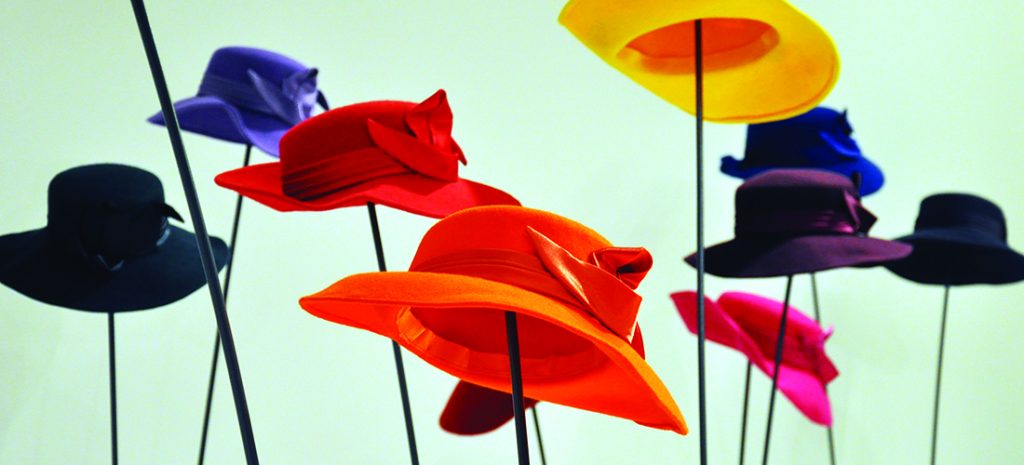
I miss wearing, seeing, buying hats. Queen Elizabeth always wore the most elegant, most becoming, absolutely stunning hats. Hats that matched her outfits. Perfect hats. Of course, she did have at her command and fingertips the finest millinery in the land. And she did them proud. What are the chances a newly crowned King Charles III can do half as much for the humble hat?

My grandmother, a country preacher’s wife, owned two hats — one for summer, one for winter. Summer’s hat was a flat pancake of black straw with silk daisies. Winter’s hat was a black felt cloche with a feather or two. She would never have gone to church bareheaded.

Nor without her gloves.

The last time I wore a hat was to a funeral. I had, on a crazy whim, gotten some fairy hair for fun. It was a sort of passing fancy, and the funeral for my sister-in-law was totally unexpected. I could not go to a funeral sporting red and blue and green fairy hair. Since it was January, I dug my black felt cloche from the top closet shelf and very respectfully went to the funeral. I was the only one there wearing a hat.

My mother was not a hat person, so I must have gotten my “hats” gene from my grandmother.

My Great Aunt Denise sold hats in the Peebles department store in Norwood, North Carolina, the town where she lived. It must have been the smallest store in the Peebles chain, yet she sold the most hats.

Every December Peebles paid for Aunt Denise to take the train from Hamlet, North Carolina, to New York to buy for the store. They knew every woman in town depended on her to “know” the market.

When the women of Norwood came into Aunt Denise’s Peebles, they went directly upstairs to the mezzanine, where Ladies’ Ready to Wear had mannequins with no arms, nor legs, that sat on tables wearing hats in every color, shape and fabric. Wide hats, tall hats, hats with flowers and feathers. Spring hats were pink and yellow, fluffy as frosted cakes. Some had veils or netting. All had ribbons. Fall and winter hats were serious in grays, blacks and browns. Gray hats hugged the mannequins close. They were the colors of rain and fog. Black hats were dark as night, and the women in Norwood knew they had to have at least one for funerals. It might have a feather or a veil, but it had to be a solemn piece.

No salesperson, male or female, ever knew their Ready to Wear clientele better than Aunt Denise knew hers. “Mrs. Cohen, when I was in New York last week and saw this hat, I knew it was just for you. I said to the designer, ‘I know just the lady for that hat.’” And then she’d add, in a whisper, “I only bought one. You won’t see yourself coming and going in this town. No ma’am.” Then she’d hold that hat up like a prize trophy, and Mrs. Cohen would start to reach for it, but Aunt Denise would step back, still holding the hat aloft. “Here,” she’d say, “let me put it on for you.” Then she’d lift it lightly, lay it on like a crown. “There,” she’d say, “don’t you feel like a queen now!”

Do you suppose Charles will feel so good?  PS

Ruth Moose taught creative writing at the University of North Carolina-Chapel Hill for 15 years and tacked on 10 more at Central Carolina Community College.

Bookshelf

Bookshelf

May Books

FICTION

All the Pretty Places, by Joy Callaway

In Rye, New York, in the Gilded Age, Sadie Fremd’s dreams hinge on her family’s nursery, which has been the supplier of choice for respected landscape architects on the East Coast for decades. As the economy plummets into a depression, Sadie’s father pressures her to secure her future by marrying a wealthy man among her peerage, but Sadie’s heart is already spoken for. Rather than seek potential suitors, she pursues new business to bolster her father’s floundering nursery. The more time Sadie spends in the secluded gardens of the elite, the more she notices the hopelessness in the eyes of those outside the mansions — the poor, the grieving, the weary. Sadie has always wanted her father to pass the business to her instead of to one of her brothers, but he seems oblivious to her desire and talent, and now to her passion for providing natural beauty to those who can’t afford it. When a former employee, Sam, shows up unexpectedly, Sadie wonders if their love can be rekindled, or if his presence will simply be another reminder of a life she longs for and cannot have.

The Making of Another Motion Picture Masterpiece, by Tom Hanks

From the Academy Award-winning actor and bestselling author, Hanks’ debut novel is the story of the making of a colossal, star-studded, multi-million-dollar superhero action film . . . and the humble comic book that inspired it. Part One of the story takes place in 1947. A troubled soldier, returning from the war, meets his talented 5-year-old nephew, leaves an indelible impression, and then disappears for 23 years. Cut to 1970. The nephew, now drawing underground comic books in Oakland, California, reconnects with his uncle and, remembering the comic book he saw when he was 5, draws a new version with his uncle as a World War II fighting hero. Cut to the present day. A commercially successful director discovers the 1970 comic book and decides to turn it into a contemporary superhero movie. We meet the film’s extremely difficult male star, his wonderful leading lady, the eccentric writer/director, the producer, the gofer production assistant, and everyone else on both sides of the camera. As a bonus, interspersed throughout the novel are the three comic books all created by Hanks himself.

The Postcard, by Anne Berest

Luminous and gripping to the very last page, The Postcard is an enthralling investigation into family secrets, a poignant tale of mothers and daughters, and a vivid portrait of 20th century Parisian intellectual and artistic life. In 2003, an anonymous postcard is delivered to the Berest family home. On the front is a photo of the Opéra Garnier in Paris. On the back are the names of Anne Berest’s maternal great-grandparents, Ephraïm and Emma Rabinovitch, and their children, Noémie and Jacques — all killed at Auschwitz. Fifteen years after the postcard is delivered, Anne, the heroine in this autofiction, is moved to discover who sent it and why. Aided by her chain-smoking mother, family members, friends, associates, a private detective, a graphologist and many others, she embarks on a journey to discover the fate of the Rabinovitch family and then the identity of the person who sent the postcard. What emerges is a moving story of a family devastated by the Holocaust and partly restored through the power of storytelling that shatters long-held certainties about Anne’s family, her country, and herself.

NONFICTION

His Majesty’s Airship: The Life and Tragic Death of the World’s Largest Flying Machine, by S.C. Gwynne

The tragic story of the British airship R101 — which went down in a spectacular hydrogen-fueled fireball in 1930, killing more people than died in the Hindenburg disaster seven years later — has been largely forgotten. Gwynne resurrects it in vivid detail, telling the epic story of great ambition gone terribly wrong. Airships, those airborne leviathans that occupied center stage in the world in the first half of the 20th century, were a symbol of the future. R101 was not just the largest aircraft ever to have flown and the product of the world’s most advanced engineering — it was also the lynchpin of an imperial British scheme to link by air the far-flung areas of its empire from Australia to India, South Africa, Canada, Egypt and Singapore. There was just one problem: Beyond the hype and technological wonders, these big, steel-framed, hydrogen-filled airships were a dangerously bad idea.


CHILDREN’S BOOKS

The Astronaut’s Guide to Leaving Planet Earth, by Terry Virts

At some point, every kid wants to be an astronaut, and with this guide, they’ll get their zero gravity feet on the right path. With a handy space info guide, space travel history timeline, pick-your-path career planning tips, and fun “ask an astronaut” Q&A, this fabulous guide is perfect for budding astronauts and curious young scientists. Autographed copies are available at The Country Bookshop. (Ages 8-14.)

The Seasons Within Me, by Bianca Pozzi

Sometimes the day is gray outside, but other times its gray inside you. Almost always the best way out of a gray day is to find a good friend who will sit with you until the rainbows shine through. This important book emphasizes that, while things aren’t always perfect, there’s always hope when supportive friends are nearby. (Ages 3-8.)

The Fantastic Bureau of Imagination, by Brad Montague

The Department of Dreams, the Cave of Untold Stories, the Planetarium of Possibility. These are all divisions of the FBI. That’s right, the Fantastic Bureau of Imagination. Whoosh down the whoosh-scilator and dive into possibility, fun and imagination. (Ages 4-8.)

Woo Hoo! You’re Doing Great!, by Sandra Boynton

Sometimes it just takes a little enthusiasm to change the world. Celebrate positivity, grand achievements, special days (and silliness) with this fun new gem that’s the perfect graduation gift alternative to Oh, The Places You’ll Go! (Ages 5-adult.)  PS

Compiled by Kimberly Daniels Taws and Angie Tally.

PinePitch

PinePitch

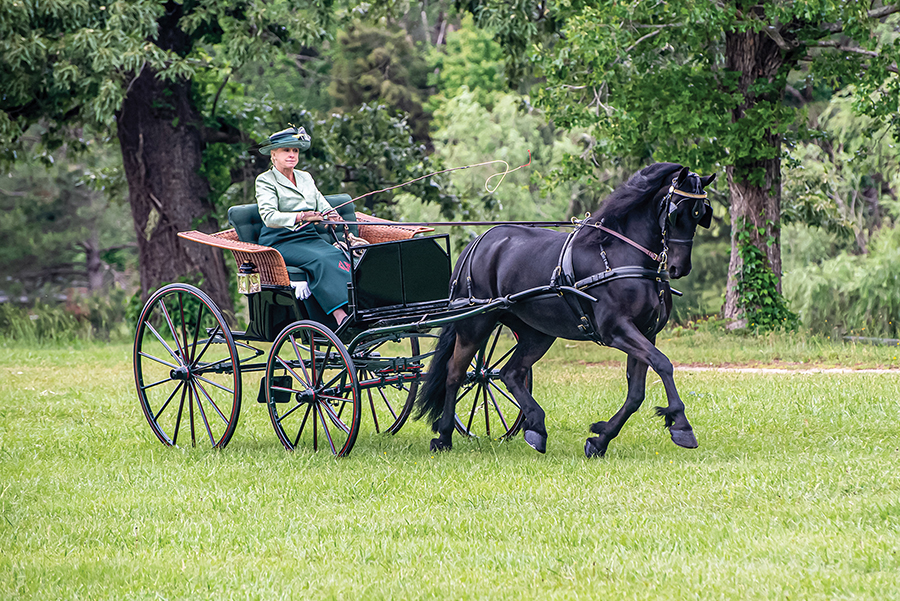
Photograph By Diane McKay

Happiness is a Swift Carriage

For over 30 years, the Carriage Classic in the Pines has been one of horse country’s premier equestrian events. Drivers and passengers in formal dress and well-appointed carriages negotiate mazes and compete for prizes. Held at Big Sky Farm on Tremont Road in Southern Pines, the combined test for all levels will be on Friday, May 5 with dressage and cones. The pleasure classes begin at 8:30 a.m. Saturday, May 6 and Sunday, May 7 concluding at approximately 4 p.m. on Saturday and noon on Sunday. For more information, see moorecountydrivingclub.net or contact Cheryl Bacon at (910) 309-7624.


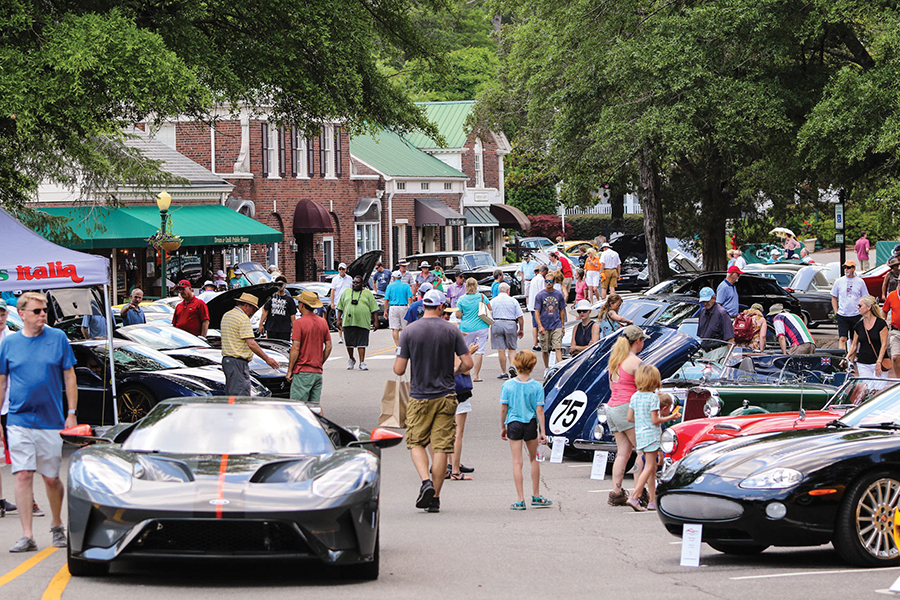
Zoom, Zoom

The three-day, sixth annual Sandhills Motoring Festival revs up in the middle of the village of Pinehurst with a block party and live band on Friday, May 26, and ends on Sunday, May 28, with the Concours in the Village and an awards show. The Concours is free and open to the public and runs from 9 a.m. to 3 p.m. with more than 160 classic and collector cars competing in various categories. For more information and specific times of events go to www.sandhillsmotoringfestival.com.


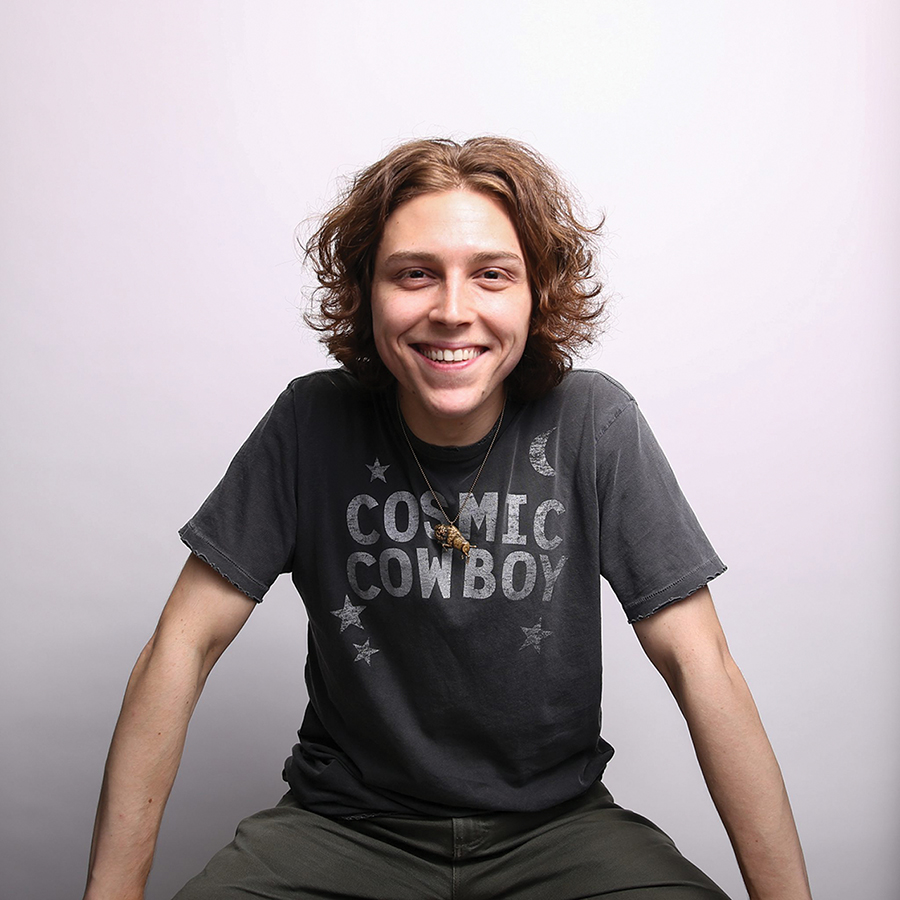
Welcome Back

First Friday returns to the grassy knoll — well, OK, the Sunrise square and the First Bank Stage, 250 N.W. Broad Street, Southern Pines — on Friday, May 5, at 5 p.m. The Cinco de Mayo headliner is Daniel Donato bringing his cosmic country western sound. For more information call (910) 420-2549 or go to www.sunrisetheater.com. It may be a new year but the old rules still apply. No rolling or strolling coolers, and please leave you dogs and cats at home.


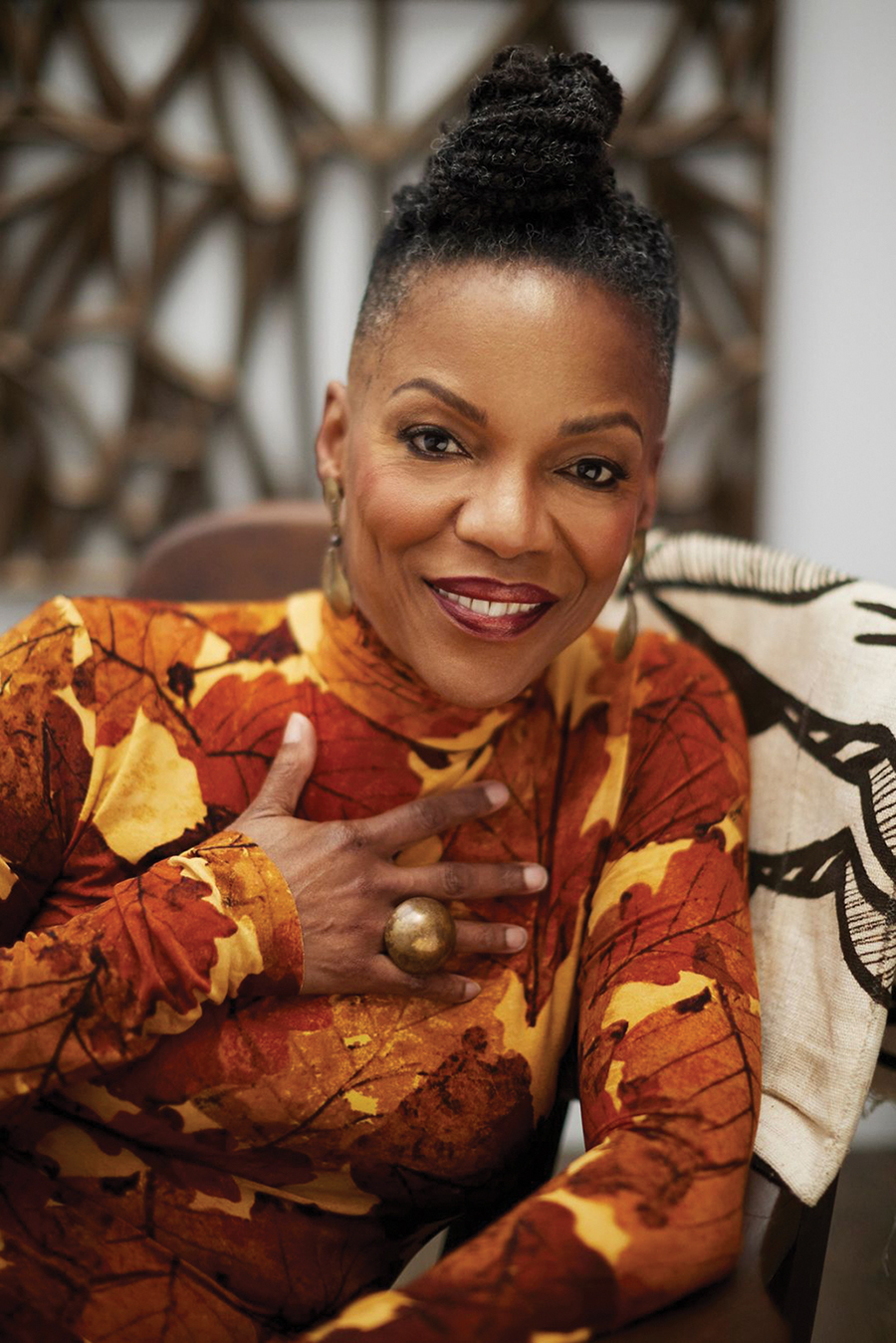
All That Jazz

Enjoy a night of music for a good cause on Friday, May 19, when the acclaimed Grammy-nominated jazz vocalist Nnenna Freelon performs in a benefit for the West Southern Pines Center for African-American History, Cultural Arts & Business at the auditorium at 1250 W. New York Ave., Southern Pines. Cost is $75. For additional information and tickets go to www.ticketmesandhills.com.


Dig Down

Photograph by John Gessner

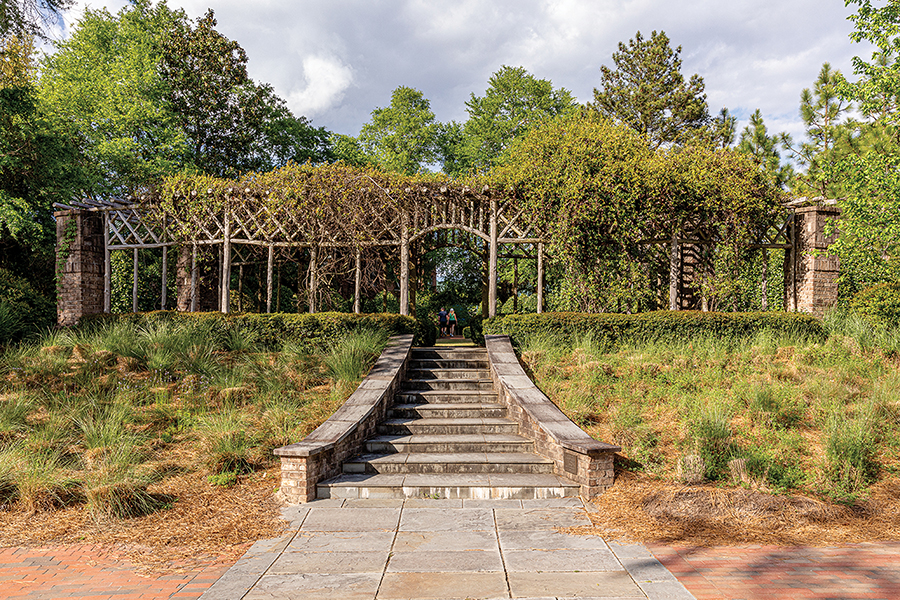
The Village Heritage Foundation hosts its Spring Garden Party on May 2 from 4-6 p.m. at Timmel Pavilion in the Village Arboretum, Pinehurst. Refreshments, wine and hors d’oeuvres will be served. Tickets are $30 per person with proceeds supporting the garden’s planned enhancements. In the event of rain, the venue will be the Fair Barn, 200 Beulah Hill Road S., Pinehurst. For tickets and information go to ticketmesandhills.com.


Hitting the Literary High Notes

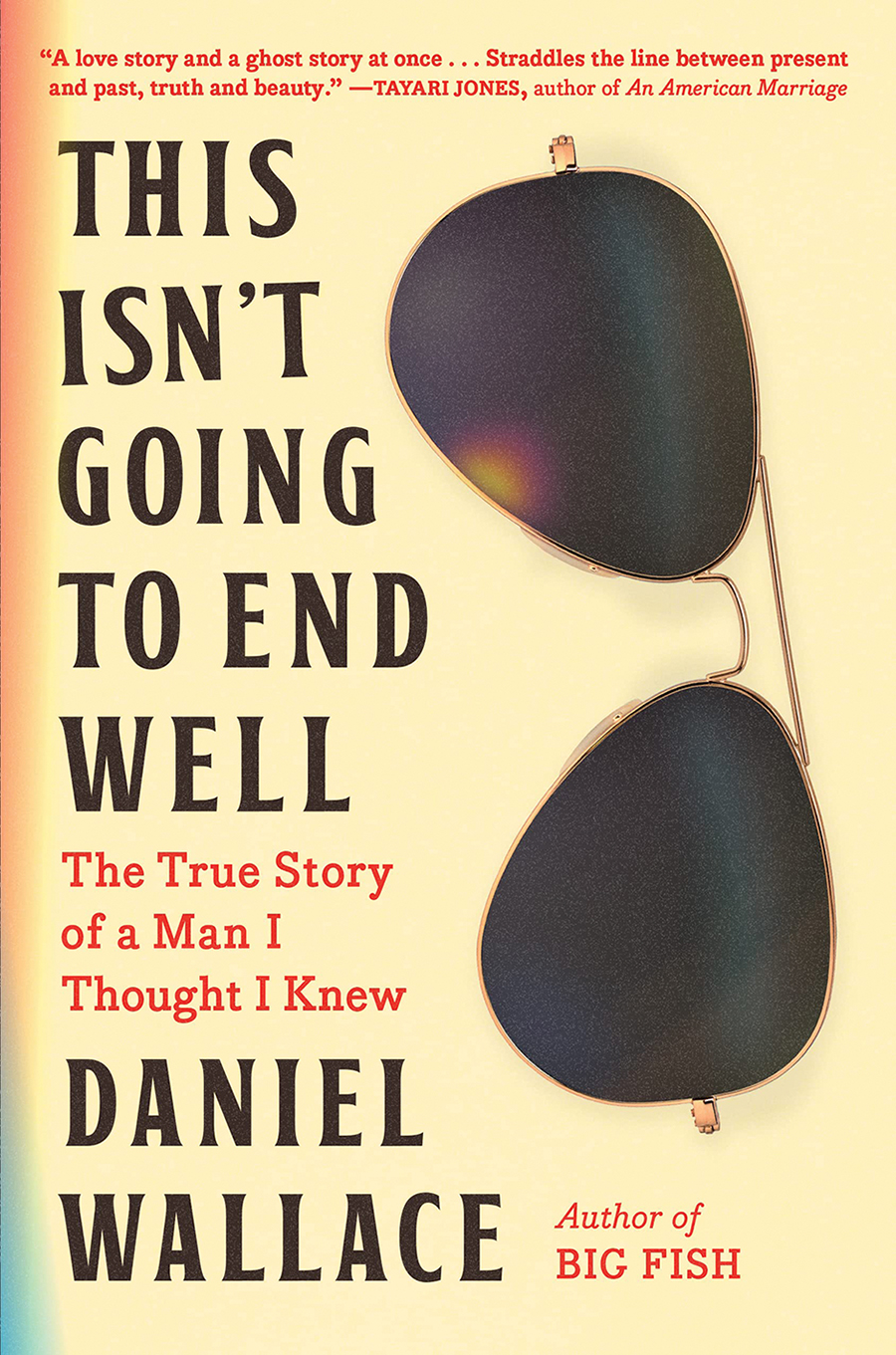
You’ll be able to rub dangling participles with two of North Carolina’s literary giants on back-to-back evenings on May 9 and 10. First up is Lee Smith, who will read from her new novel, Silver Alert, from 5:30 p.m. to 7 p.m. on Tuesday, May 9, at the Weymouth Center for the Arts & Humanities, 555 E. Connecticut Ave. She’ll be followed by Daniel Wallace, who will discuss his memoir This Isn’t Going to End Well: The True Story of the Man I Thought I Knew at 5 p.m. on May 10 at The Country Bookshop, 140 N.W. Broad St., Southern Pines. Folks, it just doesn’t get any better than that.


Taste of the Wild

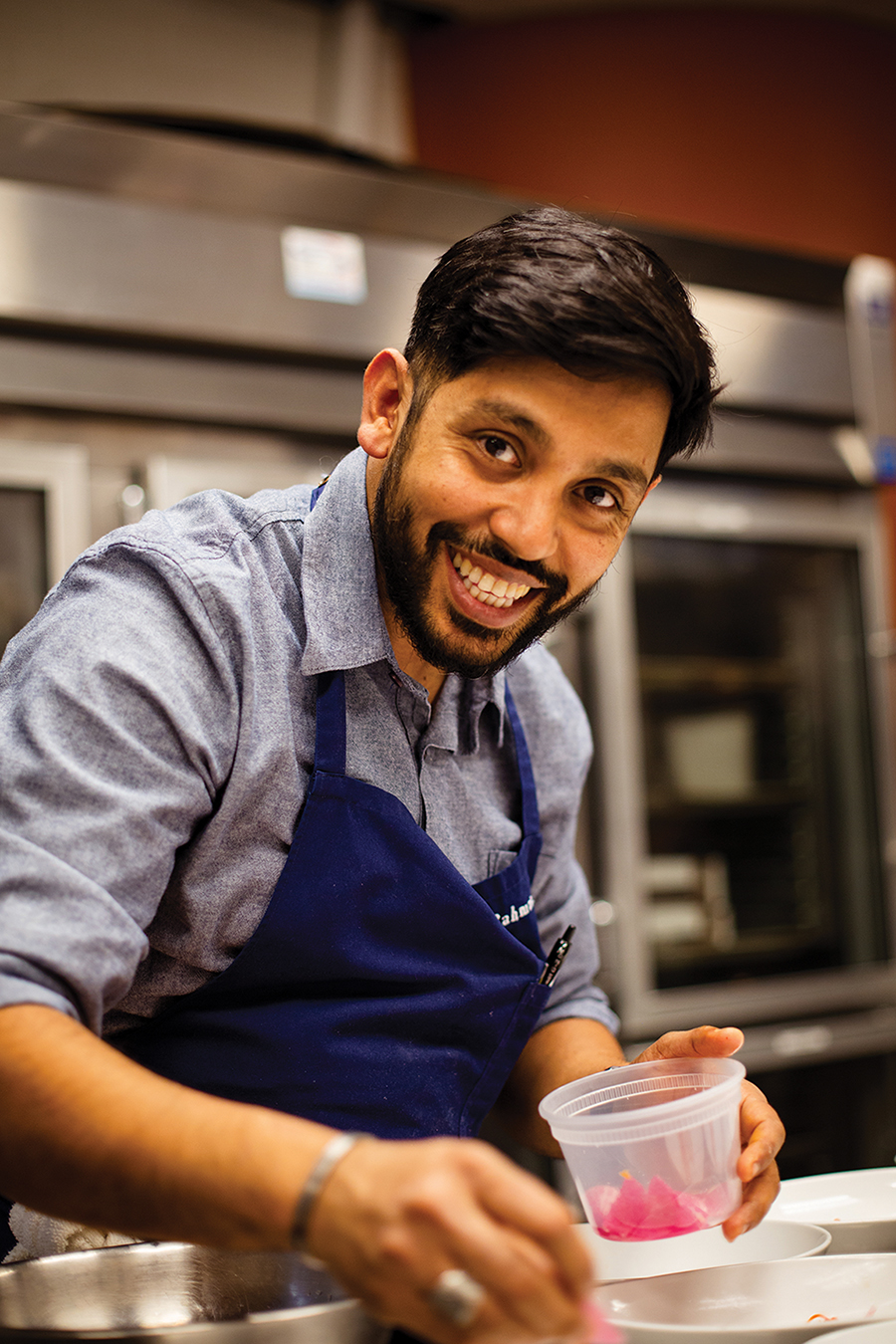
Join PineStraw magazine for a special farm-to-table dinner from 6 p.m. to 9 p.m. on Wednesday, May 24, when Mark Elliott of Elliott’s on Linden and Saif Rahman of Vidrio in Raleigh collaborate on a three-course meal sponsored by Wilders Wagyu at the Weymouth Center for the Arts & Humanities, 555 E. Connecticut Ave., Southern Pines. Cost is $100 and space is limited. For information and tickets go to www.ticketmesandhills.com.

In the Spirit

In the Spirit

Take It Outside

Patio cocktails that’ll make you social

By Tony Cross

There’s nothing quite like springtime in the Carolinas. Minus the pollen, I love everything Mother Nature has to offer this time of the year: the longer days, the warmer mornings and the cozy evenings. I even love the bees dancing from flower to flower. But I especially love that it’s patio cocktail weather. Not too cold, not too hot. . . just right. And with that, I’ll get right to it. Here are a couple of cocktails worthy of sharing on any patio — and one if you’re poolside, too.


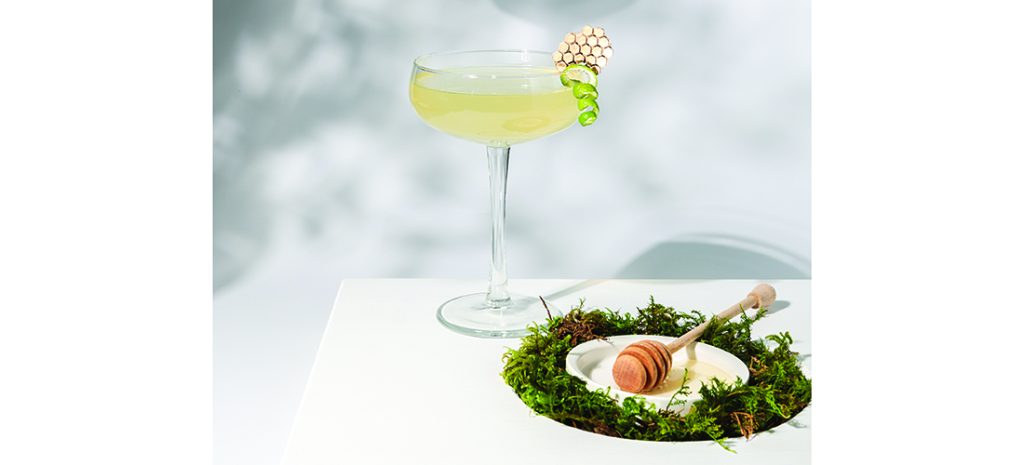
Bee’s Knees

Speaking of pollen, this three-ingredient cocktail is perfect for shaking up and sipping outside, while the worker bees do their thing. Though I’ve seen the drink attributed to a Frank Meier, who worked in Paris at the Ritz Hotel in 1921, and also to Margaret Tobin Brown, “Molly Brown,” in an issue of the 1929 Brooklyn Standard, the exact origin of the Bee’s Knees is unknown. It was probably created during Prohibition. The lingo in the States during that time frame had “the bee’s knees” right in there with “the cat’s pajamas.” More than likely, the honey was added to bathtub gin to mask the smell and soften the taste. But who cares who created this classic? It’s easy to make and incredibly balanced. Here’s how you do it.

2 ounces gin

3/4 ounce lemon juice

1/2 ounce honey syrup*

Lemon twist for garnish (optional)

Combine all ingredients in a cocktail shaking vessel, add ice, and shake hard for 10-15 seconds. Strain into a chilled cocktail coupe.

*Honey syrup: Combine 2 1/2 parts honey (you’re not doing it right if it’s not local) to 1 part hot water and mix until honey is dissolved. Once cooled, pour into a glass container, seal tight and refrigerate.


Colletti Royale

This spin on a margarita adds blood orange juice and rosé Champagne. How could you pass on that? It was created by bartender Julie Reiner at her bar, Clover Club, in New York City in 2013 for Valentine’s Day. Though I could drink this any day of the year, it tastes especially good outside during the month of May.

1 1/2 ounces reposado tequila

1/2 ounce Cointreau

1/2 ounce St. Germaine Elderflower liqueur

1/2 ounce blood orange juice

1/2 ounce lime juice

2 dashes Angostura Orange bitters

3 ounces rosé Champagne

Combine tequila, Cointreau, St. Germaine, juices and bitters into a shaker with ice and shake until vessel is chilled. Strain into a wine glass that’s filled with ice. Top with rosé Champagne, and garnish with a blood orange wheel.

A few notes: It’s hard to find blood oranges, especially during the warmer months. If you’re in a bind, you can substitute regular orange juice and Solerno Blood Orange liqueur (a fabulous addition to your home bar). Also, rosé Champagne isn’t cheap, so by all means find a less expensive, sparkling rosé that you would drink on its own.

Corona Cocktail

For those of you headed to the beach or pool who can’t take bar tools with you — or just don’t want the hassle — I give you the Corona Cocktail. That’s not an official name or anything. Actually, I don’t think this drink has a name, I’m just calling it that. But stay with me. All you’ll need is a shot glass for your measuring tool. I’m sure you can find it in yourself to let one of those tag along.

1 bottle Corona beer

1 ounce blanco tequila (splurge and make it Don Julio)

2 ounces orange juice

1/2 ounce grenadine

Squeeze of lime

Ready? Drink the Corona until the beer is level with the top of the label. Add tequila, orange juice and grenadine. Squeeze the lime into the bottle and pat yourself on the back: You’re officially a card-carrying mixologist. If you’re going to be one, however, you cannot, should not, and will not use store-bought grenadine — unless it’s an emergency and the ingredients are quality. Small Hands Foods, Liber & Co. and Jack Rudy are a few companies that make great grenadine. Better yet, save your money and make it at home. Equal parts turbinado sugar with POM pomegranate juice over medium heat until sugar is dissolved. Voilà! Now get out there and be social.  PS

Tony Cross is a bartender (well, ex-bartender) who runs cocktail catering company Reverie Cocktails in Southern Pines.

Golftown Journal

Golftown Journal

Ten Spot

Adding to the Pinehurst allure

By Lee Pace

Tom Doak was about 10 years old when he started taking family vacations and tagging along on his father’s business trips from their home in Stamford, Connecticut, to eminent golf destinations like Pebble Beach, Cypress Point, Harbour Town and Pinehurst. He had learned to play on a local municipal course named Sterling Farms, and it didn’t take much for the golf bug to bite. And there was a nascent sense that designing golf holes might be a cool way to spend a life.

“When I was a kid, all I wanted to do was to go outside and play,” says Doak, now 62. “When I discovered golf, I was amazed that such a large parcel of land would be devoted to a game. It’s a safe space where it’s OK to be excited about a good shot, to curse a bad one, to laugh at your friends, and to revel in the beauty of nature.”

One of his father’s business associates gave him a copy of the World Atlas of Golf, an early 1970s tome with text and images of courses from California to Scotland, Florida to Australia. “I pretty much memorized the book,” he says.

On a visit to Hilton Head, Doak picked up a small hole-by-hole guide to the Harbour Town Golf Links, which had just opened a few years earlier and was the toast of the PGA Tour and the golf world for the way Pete Dye routed the holes through the Spanish oaks and around the fingers of Calibogue Sound. The hole descriptions were crafted by Charles Price, the noted golf historian who was living in Hilton Head at the time, and was friends with Dye and island developer Charles Fraser.

“It had a diagram of every hole and a description of how to play it, just two or three sentences, very simple, something a 10-year-old could understand perfectly,” Doak says. “It hit me — this is why golf holes are built a certain way. I saw all these great golf courses at a very early age, and I thought, ‘They are all great, but they are totally different.’ I got a great understanding early on that there’s not a simple answer to why a golf course is great.”

He’s been chasing those answers ever since.

Doak pursued a degree in landscape architecture at Cornell University, graduating in 1982 and spending a year in the United Kingdom visiting more than 170 golf courses and caddying for two months at St. Andrews. He landed a job on Dye’s construction crew and helped build Long Cove Club on Hilton Head, then spent six years building courses for Dye while moonlighting as a writer, establishing a niche with Golf magazine as its golf course architecture chief. In the late 1980s, he began compiling short critiques of the hundreds of courses he’d played and seen and giving each a numerical rating of one through 10. The musings were first intended just for a network of friends but evolved into his 1996 book, The Confidential Guide to Golf Courses.

Pinehurst No. 2 was featured in that book as one of 31 courses designated as “The Gourmet’s Choice,” certainly with a 10 ranking, and Doak lauded the layout and the Donald Ross-designed green complexes. “Unquestionably his masterpiece, and a certifiable work of genius,” Doak wrote.

After the 2005 U.S. Open at Pinehurst, sometime around the 2008 U.S. Amateur held on No. 2, Doak was traveling through North Carolina with an intern on his now-established Renaissance Golf Design firm. They stopped in Pinehurst, and he walked the golf course again.

“I first saw No. 2 in the early 1970s,” Doak remembers. “I was 10 or 12 and was visiting with my parents. I’ve seen it at various times over 40 years. It’s always been one of my favorite golf courses. What made it cool was a bunch of little stuff, little ridges, touches of wire grass here and there. The strategy of the fairways stood out. There used to be places on the golf course where the fairway would widen out behind a bunker and you’d try to get way over in the left corner of the fairway to get at a pin on the right side of the green.

“On that last trip, it seemed like all of that had gone away. They were narrowing it up for major championships and getting the grass to grow nice and thick. All the texture and angles were gone. That’s what made the golf course — all the subtleties. I said that if I were to rate it again, I’d give it a seven or eight — but not a 10.”

He put his opinions out for the world to see on the message board of GolfClubAtlas.com. Among the comments he made was that No. 2 looked “like an aged relative with dementia. It was sad.”

Tom Pashley, at the time the marketing director for Pinehurst before ascending to the CEO position in 2014, saw the comment and printed out the entire thread of the message board conversation and passed it along to Don Padgett II, the president and CEO of the resort from 2004-14. Doak’s opinions were among a handful of observations that marinated in Padgett’s mind and led to the club hiring Bill Coore and Ben Crenshaw in the fall of 2009 to strip the course of its monochromatic green, and restore the textures and haphazard features and boundaries of the holes as they existed when Ross arrived at his final routing in 1935.

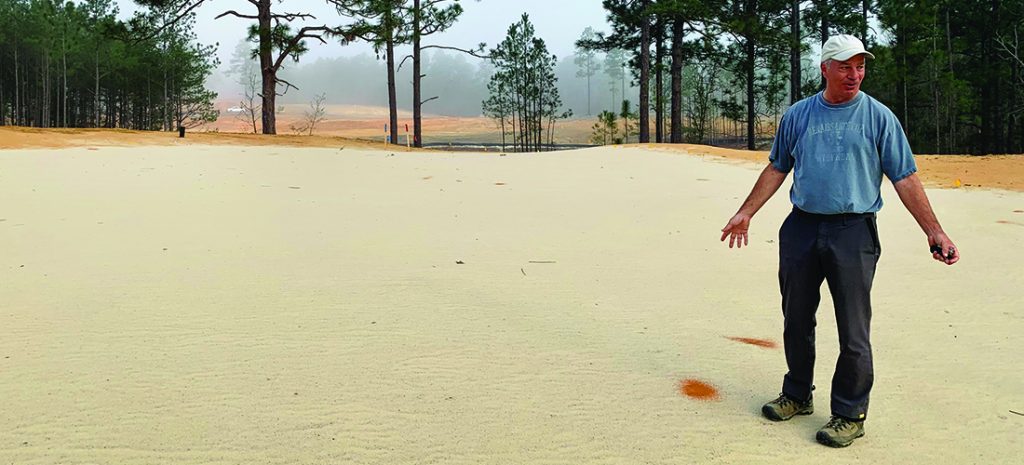
On this Sunday morning Doak smiles over breakfast at the Track Restaurant in Pinehurst, just minutes before driving 2 miles south to the site of the No. 10 course he’s building for Pinehurst on property that once housed the Dan Maples-designed Pit Golf Links. 

“I didn’t expect them to listen to me, and I know that’s not the best way to get the job to help them fix it,” he says. “But it was a great golf course and was not going in the right direction, and I just said something. Fortunately, Bill and Ben said pretty much the same thing, just much more subtly.”

In the decade since, the design operations of Doak and Coore & Crenshaw have each thrived as the golf marketplace has embraced their respective styles of hands-on attention and their preference to working on rugged, sandy landscapes, where ample drainage allows a limitless palette of design features. While working on the No. 2 restoration in 2010-11, Coore routed a course for Pinehurst that was going to be Pinehurst No. 9 — this before the resort bought the former Pinehurst National course in 2012 and made it No. 9. Now in the post-COVID glow of the golf industry explosion in general and the robust demand among members and the traveling public for Pinehurst’s existing nine courses, Pinehurst owner Robert Dedman Jr. and Pashley believed in 2022 it was time to pull the trigger on the new course.

Coore and Crenshaw was booked several years out but Doak had a hole in his schedule that would allow him to move construction personnel to Pinehurst in late 2022 and through the fall of 2023 to build a new course that could open in time for the 2024 U.S. Open set for Pinehurst. Now the little kid who was smitten with the look of Pinehurst No. 2 in the early 1970s before it got greened-over is leaving his mark in the Sandhills, positioning his course among some 40 others he’s designed, including the standouts at Pacific Dunes, Cape Kidnappers, Barnbougle Dunes, Ballyneal and Streamsong. 

“We’ve got a really cool piece of land,” Doak says as he navigates his truck through the sand and rough-cut passages of the pine forests and the stone quarry that sat there before a golf course was first built in the 1980s. On this morning, crews are just days away from beginning to sod some of the early fairways.

“This ground has more variety and a different feeling to it than any of the other courses at the resort,” Doak says. “There is a lot going on on this land. The course will start gentle, then it gets more dramatic at the quarry and then reaches the high ground, where we’ve got great long-range views. It’s a big piece of land, and you feel like you have all the pieces of the puzzle. It gives you the opportunity to do something really different.”

Doak is undaunted putting his ideas into the dirt in such close proximity to one of the world’s top courses. He designed Sebonack Golf Club on Long Island in the shadows of two of his favorite courses, The National Golf Links and Shinnecock Hills Golf Club, and built The Renaissance Club next door to Muirfield on the Scottish coast. He ignores the pressure and embraces the inspiration.

On one of his visits to Pinehurst, he stayed in Dornoch Cottage, the former Donald Ross home sitting near the third and fifth greens of No. 2.

“I’d take our guys out early in the morning and look at those greens,” he says. “‘This is what a great green looks like,’ I’d say.”

On this Sunday morning, Doak admits to having experienced a challenging day on Friday with his shapers, trying to get a couple of greens to look just so.

“I said let’s go to No. 2 and see what great greens look like and get back in the game.  PS

Lee Pace has written over four decades about all of the golf architects at Pinehurst, from Donald Ross to Gil Hanse. Contact him at leepace7@gmail.com and follow him on Instagram at @leepaceunc.