Almanac November 2025

ALMANAC

Almanac

By Ashley Walshe

November is the mother of quiet wonders.

Rainbows in spider silk. Wood ducks, migrating by moonlight. The slow-beating heart of a box turtle in brumation.

She gives and gives, offering her final mild days, her cool-season greens, the last of her berries, nuts and seeds. 

“Eat up,” she says to the wild ones. “There’s plenty here to go around.”

Bird and squirrel delight in her sweet and earthy fruit. Fox and deer, too. A feathery frost gilds mottled oak leaves on the first frigid morning.

When weary spider spins her silken sac, a cradle for a thousand eggs, the mother leans in close.

“Go now,” she whispers to the weaver. “Your work is done. Your babes shall know the tender kiss of spring.”

Wren song rings through chilly air. The last colored leaves gleam like stained glass in a light-filled cathedral. The altar remains blessed with beautyberries, acorns, persimmons and rosehips.

“Nourish yourself well,” the mother commands, folding moldy fruit and spoiled nuts into her womb-dark soil, where even the dead leaves are precious.

“I can use this,” she murmurs of what’s gone to rot. “Nothing will be wasted.”

Deciduous trees drift toward dormancy. Black snakes seek out burrows. Wood frogs prepare to freeze solid.

By and by, the great mother readies herself for winter’s deep, long sleep.

Surrendering her beauty back to the hard, damp earth, she strips away all she has to give: a humble banquet for the wild ones; what precious light remains; a bouquet of blessings in the name of quiet wonder.

But there is always a November space after the leaves have fallen when she felt it was almost indecent to intrude on the woods . . .     
— L.M. Montgomery,
Anne of the Windy Poplars

Inner Peace Casserole

A no-fuss recipe you’ll return to again and again. Simple, nourishing and gentle on the system, this soothing side dish is an unexpected crowd-pleaser at the most dynamic of family gatherings — and a treat the day after, too.

Prep and cook time: n/a

Yield: immeasurable

Ingredients

6 bushels of gratitude

3 pecks of grace

1 heaping cup of humor

4 dollops of kindness

1 pinch of forgiveness

1 dash of compassion

A dusting of birdsong

A breath of fresh air

Sunshine (if available)

Directions

Combine all ingredients. Stir and breathe slowly. Break for a kitchen dance party. Repeat.

Note: Modify ingredients to your taste. Sprinkle in some new ones. Leave out what doesn’t serve you. Make this recipe your own.

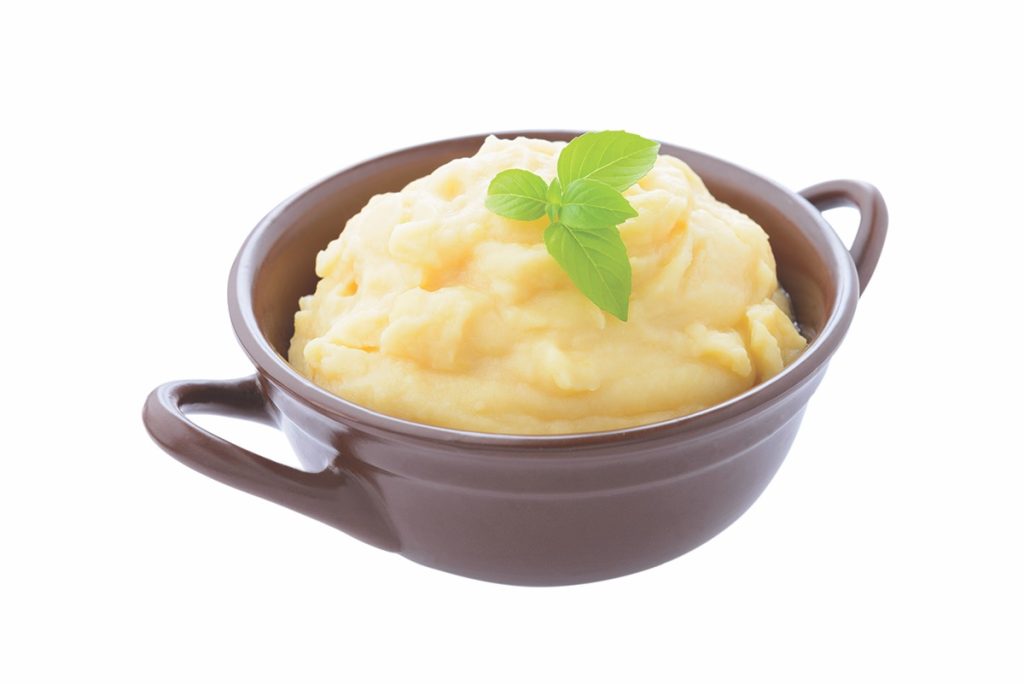
Do the Mashed Potato

If one plans to mash potatoes for the Thanksgiving masses, one knows they must double the batch. But does one have a plan for that whopping load of leftovers?

Three words: mashed potato pancakes.

If you haven’t tried them (there are several recipes available online), do yourself a favor and whip out the skillet. This isn’t a maple syrup-type situation. Think sour cream and chives. Think breakfast, lunch or dinner. Think no further.

You’ll thank yourself for mashing the extra mile. Especially if the fam is still visiting.

Simple Life

SIMPLE LIFE

I See the Birds

How I learned to look up and live more fully

By Jim Dodson

November is the month I take stock of the year’s happenings, the ordinary ups and downs as well as the unexpected challenges and graces that come with being alive and kicking in 2025. This year,
however, I’m looking back a bit further.

Two years ago, seemingly out of the blue as my oldest golf buddy, Patrick, and I were setting off on a golf adventure across Southern England, celebrating our mutual 70th birthdays and 60 years of friendship, I was diagnosed with prostate cancer. Talk about a trip buzz killer. 

Naturally, I was surprised to discover that I was one of a quarter million American men who annually develop prostate cancer. But perhaps I shouldn’t have been.

My dad, you see, discovered his prostate cancer at age 70. He chose to have his prostate surgically removed and went on to live a productive and happy life for the next decade. My nickname for him was “Opti the Mystic,” owing to the extraordinary faith and unsinkable optimism that carried him to the very end.

A few  years later, as I was completing work on my friend
Arnold Palmer’s memoir, A Golfer’s Life, the King of Golf was also diagnosed with the disease. Likewise, Arnie had just turned 70. He went straight to the Mayo Clinic and had his prostate removed. He lived a full life, reaching 87 years.

Experts say that most prostate cancers occur in men without a family history, though they concede that there may well be a family gene factor involved. In retrospect, I like to think that I was simply destined to follow the leads of the two men I admired most — a unique medical case of “like father, like son, plus his favorite boyhood sports hero.”

Joking aside, I chose a different treatment path than my dad and Arnie because, as I learned, there have been tremendous medical advances in prostate cancer treatment since their dances with the disease, providing modern patients a much greater chance of living out their natural life expectancy.

Thus, under the direction of an outstanding urologist named Lester Borden and veteran Cone Health oncologist Gary Sherrill, I chose six weeks of targeted radiation therapy followed by 24 months of a relatively new “super drug” my oncologist called “the Cadillac of prostate treatment.” 

During the discussions of options, I quipped to Lester (a fellow golfer) that I hoped to publish at least three more books on golf before I exited the fairways of life and someday shoot my age, the quest of every aging golfer. I also assumed that the golf trip to England was now out of the question.

Lester smiled. “You’ll have three books and maybe more,” he said. “Meanwhile, the best thing you can do now is to go play golf with your buddy in England and have a great time. That’s the best medicine.” 

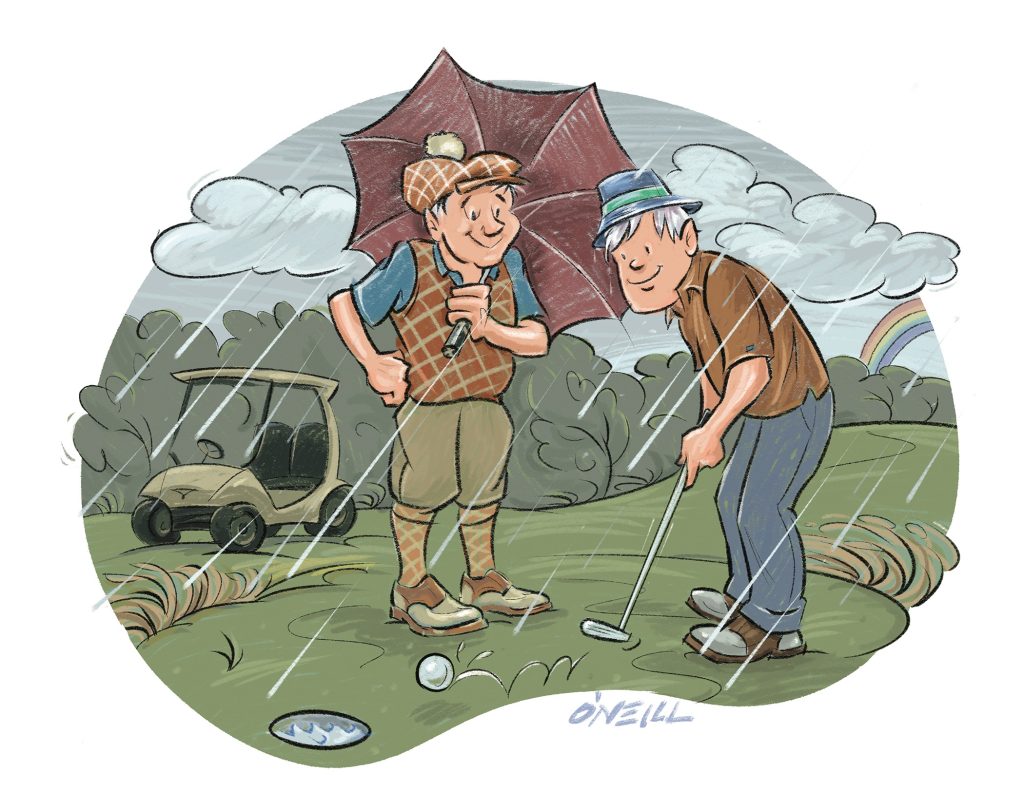
So, off we went. And though it turned out to be the statistically wettest week since the  Magna Carta, Patrick and I had a wonderful journey from Southern England’s east coast to west, seeing old friends and playing 18 nine-hole matches through howling winds and sideways rain over seven of Britain’s most revered golf courses. Somehow, amazingly, our roving golf match wound up being tied — in retrospect, perhaps the perfect ending and just what the doctor ordered. My prostate problem hardly entered my mind.

During our last stop at a historic club called Westward Ho, where we were both overseas members for many years, we had a delightful lunch (probably for the last time) with our dear friend, Sir Charles Churchill, 90, a legend in British golf circles, who reveled in our soggy tales of a golf match nobody won. The real winner, Charles reminded us, was our enduring friendship.

As anyone who makes the cancer journey understands, or quickly discovers, optimism and faith are essential tools in the fight against this merciless disease. 

Upon our return I resolved to spend the rest of my days with more optimism, good humor and a deeper gratitude for the life and work I’ve enjoyed — along with an awakened empathy for others who aren’t as fortunate.

The tools in my kit include a keen (if somewhat private) spiritual life that I exercise every morning when I chat with God under the stars. Plus, I often ask his (or her) advice throughout the day, especially when I’m watching birds at the feeders in early morning or late afternoon.

One of the surprising gifts from this period was a song I heard by chance — or maybe not? — called “I See the Birds,” by a gifted songwriter named Jon Guerra.

I was stuck in heavy city traffic, late for a lunch date and stewing over the insane way people drive these days, when this incredible song from God-knows-where mysteriously popped up on my music feed.

I see the birds up in the air

I know you feed them

I know you care

So won’t you teach me

How I mean more to you than them

In times of trouble

Be my help again   

By the end of the song, I was fighting back tears. It’s from a beautiful album simply titled “Jesus” that’s based on the Book of Matthew.

That song became the theme of my two-year journey back to health. I still listen to it at least once a day.

I also turned to the timeless wisdom of the old friends who line my library bookshelves.

“Don’t waste your life in doubts and fears,” advised Ralph Waldo Emerson, one of my favorite non-golfing heroes. “Spend yourself on the work before you, well assured that the right performance of this hour’s duties will be the best preparation for the hours or ages that follow it.”

With that guidance, the work before me during my cancer journey included the pleasure of publishing my most rewarding book and finishing a landscape garden that I’ve worked on for a decade. I also received a new left knee that might someday improve the quality of my golf game.

Best of all, we learned that my daughter, Maggie, is pregnant with a baby girl, due Christmas Eve, finally making me a granddad. Talk about a gift from the universe.

The final touch came last week when oncologist Gary Sherrill provided the good news. “You’re doing great,” he said. So, I’m doubling down on the things I’ve learned from my unexpected journey.

To judge less and love more. To thank my maker and see the birds up in the air.

Who knows? Maybe someday this budding grandpa may even shoot his age.

Hometown

HOMETOWN

Wonderful Wood

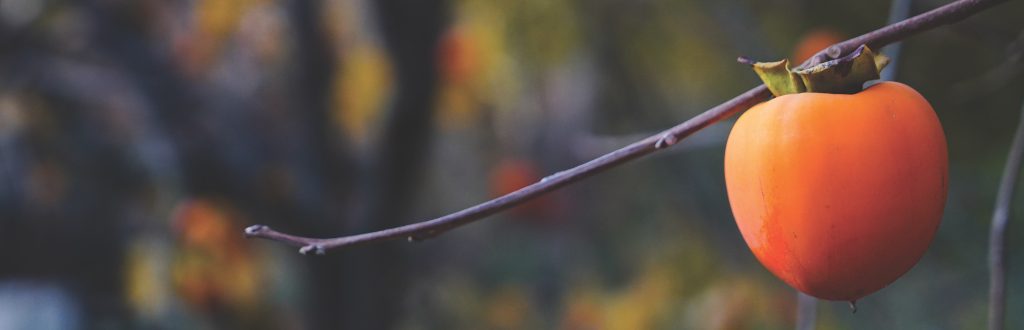
When the persimmon tree reigned supreme

By Bill Fields

Every fall, at some point after the days began to cool, I could count on hearing a complaint from my father.

“Those damn persimmons,” he would say. “That tree needs to go.”

Our yard was mostly populated by longleaf pines, half a dozen of which loomed taller than the two-story house they surrounded. Their fellow evergreen was a bulky cedar, thickened over the years like a college freshman with a generous meal plan and little willpower. Several maples and sycamores gave our corner of the block a little color around Halloween.

Dad realized that having to clean up the needles and leaves after they drifted to the ground was the price of shade. But he was much less understanding about what dropped from our Diospyros virginiana each autumn.

About 40 feet tall, our American persimmon tree, with its dark, blocky squares of bark, stood next to the driveway. It was in just the right location for its fruit to fall on our cars and stain them. We were a (well) used-car family during my early childhood. But Dad kept the vehicles washed and waxed and didn’t appreciate the mess made by the fleshy persimmons, which were about the color of a basketball and the size of a ping pong ball.

Sometimes, we kids threw them like baseballs at each other, unaware that the sweet pulp of the ripe fruits could be — when mixed with the proper amount of milk, sugar, eggs, flour and butter — turned into a tasty persimmon pudding. (I only sampled an unripe persimmon once, so astringent was its flavor.)

One day, my father hired a man with a chain saw, and the persimmon tree was no more. Its remains were hauled to the curb to be hauled off by town workers. For decades a small stump marked its former presence and demanded a slight detour when mowing.

Dad was not a golfer at that point, and I was a mere fledgling in the game. Neither of us knew that the type of tree chopped into pieces and piled by the curb figured so prominently in golf. Beech, ash, dogwood and other species were utilized for wooden clubheads during the 18th and 19th centuries in Great Britain, but American persimmon (native to south central and eastern parts of the U.S.) became the material of choice beginning in the early 20th century. Persimmon is dense and durable, ideal for golf clubs. I have wondered whether any clubheads could have been produced from the wood of the tree we had taken down because it was a nuisance.

I was a young teenager when I acquired my first persimmon-headed woods, lightly used MacGregor Tourneys manufactured in the late 1960s. Experiencing the “satisfying thwack” of a well-struck shot was a revelation. The sensation was something golfers of all abilities, from duffers to legends, sought to feel. When a golfer found a certain persimmon club to his or her liking, it could be a magical and productive union.

Ben Hogan broke through for his first individual wins on tour in the spring of 1940 — in Pinehurst, Greensboro and Asheville — with a MacGregor driver just given to him by Byron Nelson. Sam Snead used an Izett model driver and Jack Nicklaus a MacGregor 3-wood for decades. Persimmon clubs crafted in the 1940s through the early 1960s were regarded as being of the highest quality because of the old-growth trees the wood came from. Johnny Miller won the 1973 U.S. Open with a MacGregor driver made in 1961 and 3- and 4-woods manufactured in the 1940s.

The development of metal-headed woods in the 1970s and 1980s spelled the end of persimmon’s prominence for clubheads. Bernhard Langer was the last to win a major championship with a persimmon driver, at the 1993 Masters. Most of the high-tech drivers on the market now have clubheads more than twice the size of the persimmon classics.

Not that the old beauties which were such a part of golf history aren’t used today. There is an enthusiastic subset of golfers who enjoy collecting and playing vintage persimmon-headed clubs in at least some of their rounds. I am proudly among them. You get some strange looks from playing partners. A kid I got paired with at my local muni asked, “Don’t you like technology?”

But on the occasions when your drive with a 65-year-old club finishes in the same vicinity as theirs struck with a current model, it can be very satisfying. Golf’s much different with the modern stuff, but I’m not sure it’s better.

Focus on Food

FOCUS ON FOOD

Thanksgiving to Scale

Cornish game hens for two

Story and Photograph by Rose Shewey

Far be it for me to suggest you have anything but turkey for Thanksgiving. Tradition is tradition. But for practical purposes, those big ol’ birds may not be the perfect solution for every household across the land — especially those who celebrate in a more intimate setting or by their lonesome.

Take my family, for instance: There’s Mom, Dad, and a 7-year-old picky eater. If just the three of us opted to celebrate at home, even the smallest gobbler would produce days’ and days’ worth of leftovers. And, quite frankly, we don’t love turkey enough to have it for breakfast, lunch and dinner for an entire week.

Case in point: In 2024 my mom came to visit from Germany, where this very American holiday isn’t celebrated. To give her the complete experience of a traditional Thanksgiving dinner, we bagged the smallest turkey we could find and roasted it in the oven, along with all the usual fixings. The meal was spectacular but in the days that followed, we grew increasingly tired of coming up with ideas on how to use up the leftovers.

Passing on turkey does not mean you have to be content with ordinary, everyday fare on the last Thursday in November. Quite the opposite. While turkey is special, so are Cornish game hens — for the novelty of having a whole miniature bird on your plate, if nothing else. One bird makes about one portion of meat. Cornish game hens are extraordinarily tender and, contrary to their name, not “gamey” at all.

I’m in good company on Thanksgiving since my husband is as pragmatic about large stuffed birds as I am — as long as the substitute isn’t nut loaf.

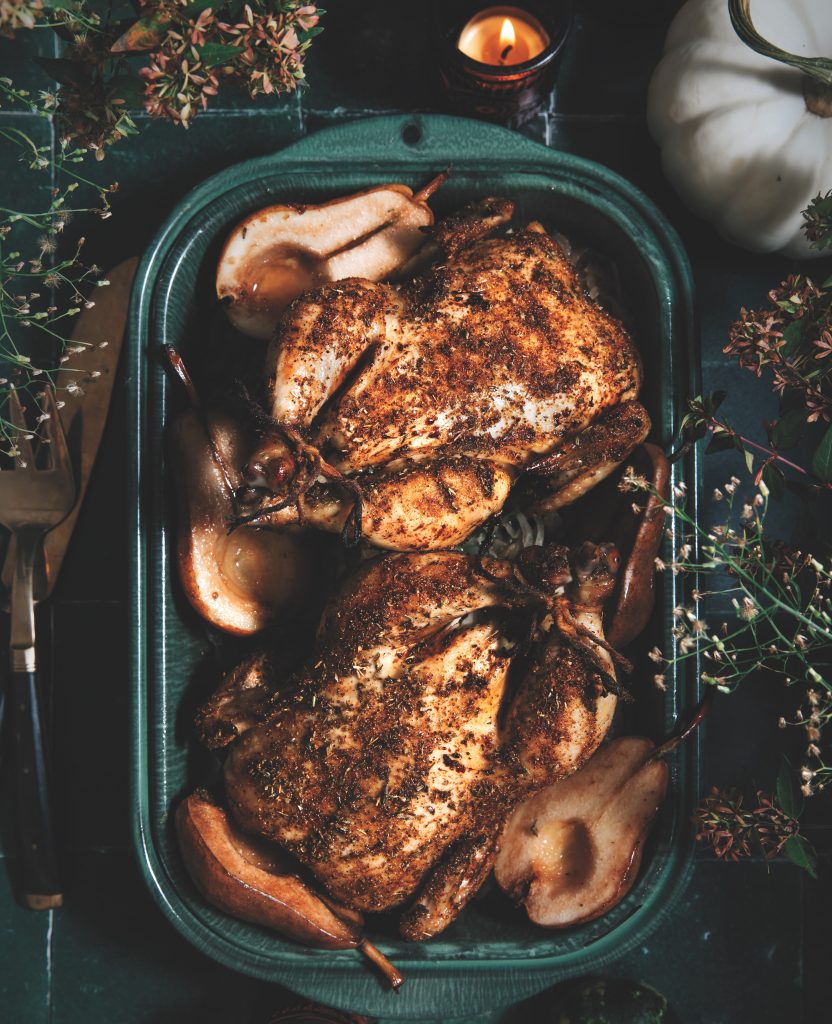
Autumn Spiced Cornish Game Hens with Roasted Pears

Ingredients

2 Cornish game hens, fully thawed

2-3 tablespoons olive oil

2 pears

Maple syrup, for drizzling

Balsamic vinegar, for drizzling

(For autumn spice rub)

2 tablespoons smoked paprika

1 tablespoon onion granules

1/2 tablespoon garlic granules

1/2 tablespoon ground coriander

1 teaspoons sea salt

1 teaspoon ground cinnamon

1/4 teaspoon ground nutmeg

Directions

Begin by making the spice rub. Combine all the spices in a small bowl and mix with a fork. Set the Cornish game hens in a roasting pan and remove giblets, if your birds have any inside. Brush a little olive oil on the hens, then massage the spice rub into the skin and all over the birds. Tuck the wings and tie the drums together using butcher’s twine. Bake in the oven on a lower rack at 425F for 50-60 minutes, or until the thickest part of the breast reads 165F. Cooking time will vary depending on the size of your hens. Wash, dry and halve the pears, scoop out cores and drizzle pears with a little maple syrup and balsamic vinegar. Arrange them next to the hens in the roasting pan for the final 20 minutes of cooking. Serve roasted Cornish game hens and pears with roasted potatoes and/or vegetable or any of your favorite side dishes. 

Stage Door

STAGE DOOR

Love Letters Redux

Duffy and Purl star at BPAC

By Jim Moriarty

When Linda Purl and her real life partner, Patrick Duffy, take to the stage to perform Love Letters, they can be forgiven if there is an occasional, if faint, sense of déjà vu, sharing in their own way both the distance and intimacy of the characters they portray.

Judson Theatre’s production of Love Letters, a finalist for the Pulitzer Prize in Drama written by A. R. Gurney, takes the main stage at the Bradshaw Performing Arts Center’s Owens Auditorium on Friday Nov. 14, at 7 p.m., with additional shows on Saturday Nov. 15, at 2 p.m. (with a “talkback” session with the actors following), and on Sunday, Nov. 16, at 3 p.m.

The play, first performed in 1988 and debuting both off Broadway and on the following year, is told in the epistolary form. The play’s sole characters, Melissa Gardner and Andrew Makepeace Ladd III, are side by side, seated at tables or standing, reading the notes and letters they have exchanged over five decades living their separate lives. In those intimate communications they tell each other about their dreams and ambitions, their hopes and disappointments. Coincidentally, Love Letters was Judson Theatre’s inaugural play in 2012, starring Tab Hunter and Joyce DeWitt.

Purl and Duffy became a couple via Zoom during the COVID pandemic, mimicking in their own way a shorter, more hi-tech version of Gurney’s characters though, as Purl says, “We’re so different from the characters we play. We first met when we were in our late 20s. We did a reading together. Literally 20 years later we bumped into each other again. And 20 years after that. We had these momentary, ‘Oh, hi. How are you doing? Nice to see you. Great. Great.’ And 20 years would pass and we’d have the same conversation.”

The lockdown changed all that. No one was working, the theater world was closed. Their relationship began in a group text and elevated to a standing date every evening. They even dined together a thousand miles apart until one day Duffy got in his car and drove from Oregon to Colorado. They’ve rarely been apart since.

Love Letters is a bit player in that. They’ve performed it multiple times in a half a dozen or more locations including London, Belfast, Florence and now Pinehurst. This will be the third time Purl — best known for her roles in The Office, Happy Days and Matlock — performs in a Judson Theatre production, having appeared in Joan Didion’s emotional one-woman play The Year of Magical Thinking, and in Jeffrey Hatcher’s comedy Mrs. Mannerly, both in BPAC’s black box McPherson Theater. “It’s become a very special place for me because of the guys who run it, Morgan (Sills) and Dan (Haley),” says Purl.

Each time Duffy and Purl do Love Letters together, it reveals more nuance for them. “It’s really the mark of such a good play,” says Purl. “You think, oh, this time it’s not going to get me, it’s not going to zap me in the heart or stomach, but it does. It seems like a simple play, and it is — and it isn’t.”

Duffy, well-known for his roles as Bobby Ewing in the nighttime soap Dallas and as Frank Lambert in Step by Step, has the same reaction. “The beauty of it is that it takes place over 55-60 years of these peoples’ lives,” he says. “You discover things from when they were 12 that you might not have thought about in rehearsal or the first three or four times you did it. Every time there’s a nice little treat, I would say, in doing the show. It never gets old.”

Does their own experience inform their work in Love Letters? On the margin, perhaps. “When you’re out there, you use everything you can,” says Purl.

“In my mind there’s no specific correlation as I’m doing it,” says Duffy, “but we confess this all the time — every once in a while on stage I’ll look at Linda and she’ll give me one of those looks that cemented the deal over Zoom.”

Sporting Life

SPORTING LIFE

Moonstruck

Kicking back at Mattamuskeet

By Tom Bryant

It was as if the good Lord heard we were going to get together for a weekend and decided to make it easy on a pair of outdoor geezers who sometimes, at the ripe old age they’re enduring, bite off a little more than they can chew. It was a duck hunting trip for early migrating teal that drew old friends together for the first time in a while.

We booked a hunt at our favorite waterfowl hunting spot, Mattamuskeet, where when the weather is right and the fall flight is at its peak, the blue wing teal will knock your hat off if you aren’t careful and are leaning just right.

We go back a ways, Bubba and me. We started hunting — duck hunting, that is — when we were still frisky and would climb over any obstacle rather than walk around it just to prove something. Neither of us can remember what we were trying to prove, and besides, who would even care? Experience and age educate, but sometimes they’re harsh teachers.

As usual, I got to the lodge first. Just as I was finishing up hauling groceries to the kitchen, my cellphone began its annoying chirping. It took me a bit to find it, as I had stored the blame thing in a bag between the crunchy bread and tonic water.

“Hey Bubba, where are you?”

“I’m just leaving Little Washington. Should be there a little past dark, if I can keep this thing on the road. I’ve got good news and bad news. Whatcha wanna hear first?”

“Give me whatever first. Most of the time your good news is bad news anyway.”

“I threw my back out this morning hauling a blasted flooded canoe out of the pond. I had to take three or four Advil just so I could drive. There ain’t no way I’m gonna be able to hunt tomorrow. You need to call Willard and tell him. You can hunt. There’s nothing wrong with your back.”

Willard and his father had long been guides on the Pamlico, and we’ve been hunting and fishing with him for years.

“No, man. I’m not gonna hunt without you. Who would listen to my wonderful stories?”

“Yeah, I know. Last time Willard threatened to leave us in the blind after hearing your stories for the 97th time.”

“I’ll call him. You need to come on. I picked up some Rose Bay oysters. I’m gonna start steaming them as soon as I take care of Willard.”

“Hey, now, don’t you eat all of ’em. I’ll be there as soon as I can.”

Willard was his usual gracious self and said that he would just move our deposit to a later date in the season and not charge us extra. He wanted to go fishing anyway. The blues were running, and if there’s anything Willard likes better than duck hunting, it’s fishing.

We were supposed to have a full moon that evening. “Not good for duck hunting,” Willard would say. “The ducks will move and feed with the light of the moon. You might as well stay home.”

I finished unloading all the groceries and decided to fire up the grill to be ready when Bubba arrived. There’s a swing on the deck under the living area. That’s where the grill is located so everything’s handy. I turned on my battery-powered lantern, lit a couple of candles and put them on the table beside the grill. Then I got the oysters ready to steam when Bubba arrived.

The moon was just beginning to rise from the Pamlico. As usual, it was a spectacular sight. I turned off the lantern, blew out the candles and kicked back in the swing. I’ve never seen two moon rises exactly the same. Each one seems to have its own character. For whatever reason, the most memorable I’ve had the great good fortune to witness have occurred over water.

There was an evening nightfall show I witnessed on Hyco Lake after a day duck hunting. Paddle, my little yellow Lab, and I were in my minuscule duck skiff skimming across the lake at full throttle. We were in a hurry, hoping to get back to the landing before black dark. As I skittered out of the small opening where we had been hunting and turned west, I was staring right into a dazzling sunset. But even more breathtaking was a sensational full moon rising in the east right behind us. Paddle and I were caught between sunset and moonrise, a sight I’ve only witnessed once and may never see again.

I’ve noticed in all my travels across this great country of ours that the moon seems to be different in certain regions. On our first big camping trip, we pulled our compact 19-foot Airstream from Southern Pines to Fairbanks, Alaska. We were gone a little over two months and drove 11,000 miles taking in the scenery, and sunrises and moonrises, along the way. Since we were in Alaska during June and July, when it hardly even gets dark, the moon we saw was just a sliver of a waning moon a time or two, and that was it.

Just the opposite in Montana. They call it the Big Sky Country for a reason. Camped at a little parking lot of a campground right outside Shelby, preparing to enter Canada the next morning, we witnessed a brilliant golden, luminescent moonrise over the horizon. It was so big and seemed so close to the ground, it was as if it we could touch it. I had the strangest feeling that I was witnessing one of God’s great undertakings that was put there just for Linda and me.

I could see the headlights of Bubba’s truck as he wheeled in off the main road and headed down the long drive to the cabin. When he pulled up right behind the lodge, I walked out to help him unload. He was slow getting out of his truck.

“Hey Bubba, how you moving?”

“Slow, son. Mighty slow. My back is giving me a fit. But I plan on fixing it with a good slug of Scotch and some of those oysters you’ve got laid out on that table. Some moon, huh?”

“Yep, a real harvest moon. Come on, I’ll help you unload and we’ll have some libation.”

In no time, we stowed all of Bubba’s gear in the second bedroom, fixed ourselves drinks, and steamed a bunch of oysters, saving some for the second night. Bubba had brought along a couple of deer tenderloin steaks but, full of oysters, we were in no hurry to cook.

We relaxed on the deck under the cabin, Bubba in the swing and me kicked back in a cushioned Adirondack chair. As usual, when we get together, stories and remember-whens dominate the conversation. This night was no different.

“That mule deer hunt we had in Utah featured a moon about like this one, don’t you think?” Bubba pointed up to our bright rising moon that was well into the sky.

“You know, Tom,” he continued softly as if the bright moon discouraged loud noises, “sort of like when we’re duck hunting — you and I have really had some adventures.”

I paused in answering, looking up at the moon.

“Yeah Bubba, that’s the truth, for sure, and I hope we have a few more ahead of us.”

He laughed and said, “Let’s start by grilling those steaks.”

Birdwatch

BIRDWATCH

The Powerful Fox Sparrow

Large, handsome and hard to spot

Sparrows are a common sight throughout central North Carolina in winter. Historically, eight different species could be found in a day across the Sandhills and Piedmont. The gregarious, prolific and very adaptable house sparrow was added to the mix in the 1800s by early settlers who yearned for a familiar bird from the Western Hemisphere — as well as a means to control insect pests associated with human habitation.

At this time of year, the largest and most handsome of the sparrows is inarguably the fox sparrow. It’s also one of the hardest species to find. Perhaps because of its size and brighter coloration, it is frequently hidden in the vegetation. The fox sparrow is typically over 8 inches in length and very stocky, with bold rufous streaking on its underparts. From the head down the back to the tip of the tail it is a “foxier” reddish in color. Several races of the fox sparrow exist in the U.S. and Canada, with those found farther west being browner all over.

The fox sparrows that we see in winter breed from northern Ontario east to Newfoundland and south into parts of Nova Scotia. They move south in fall and start to appear in North Carolina in October. They seem to flock loosely with other sparrows and finches during the colder months. They prefer habitat that is immediately adjacent to water. Although they eat mainly insects during the summer, in winter seeds and berries tend to make up much of their diet.

More often than not, fox sparrows can be found in expanses of bottomland forest, kicking vegetation and debris for food, though there are lucky backyard birdwatchers who regularly observe them taking advantage of millet and other small seeds under their feeders. During very cold and wet weather, they may move farther into drier areas in search of a meal. I don’t usually see them where I live unless it snows — our predominantly grassy yard is too open to appeal to them. However, we have wet woods with dense tangles of evergreen vegetation not too far away.

Because of their size, fox sparrows are quite strong and capable of uncovering food that is buried deep in the forest floor. They will actually use both feet together to scratch and dig beyond the reach of other small birds. If you are out in wet habitat — or if you check under your feeders after a mid-winter snowfall — you may be treated to a glimpse of one of these handsome and powerful birds.

Sandhills Photo Club

SANDHILLS PHOTO CLUB

M is for . . .

The Sandhills Photography Club was started in 1983 to provide a means of improving members’ photographic skills and technical knowledge, for the exchange of information, and, by club activity, to develop membership potential and public interest in the art of photography. For meetings and information visit www.sandhillsphotoclub.org.

Tier 3 Winners

Tier 3, 1st Place: Mucho Motivacion by Pat Anderson

Tier 3, 2nd Place:

Marriott Marquis by Donna Ford

Tier 3, 3rd Place:

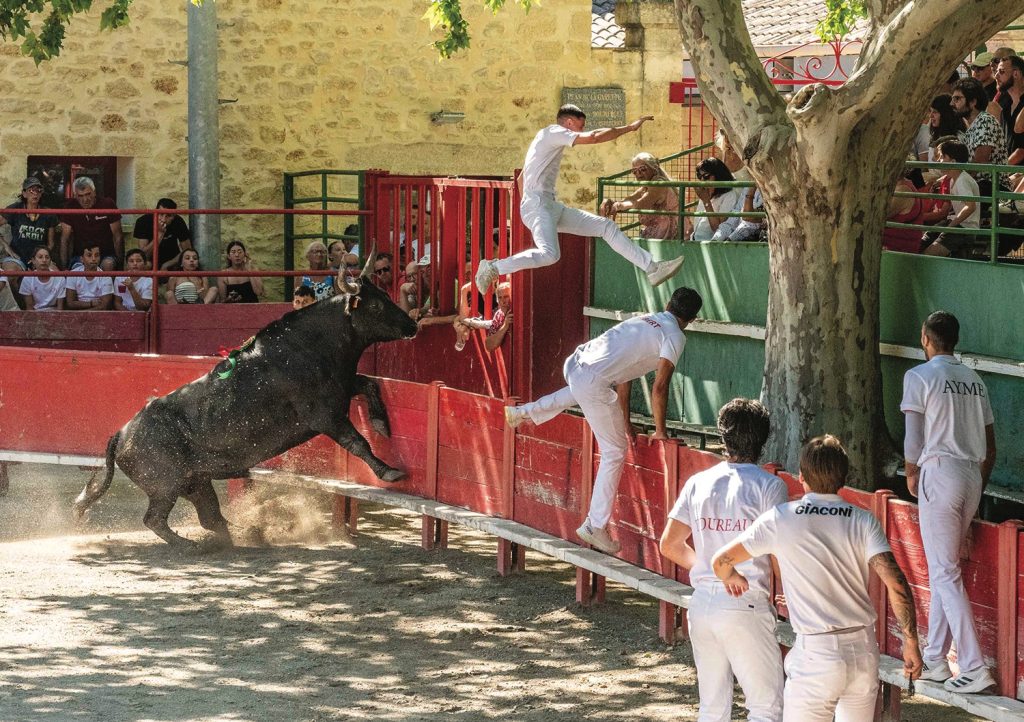
M is for Murder by Dave Powers

Tier 2 Winners

Tier 2, 1st Place:

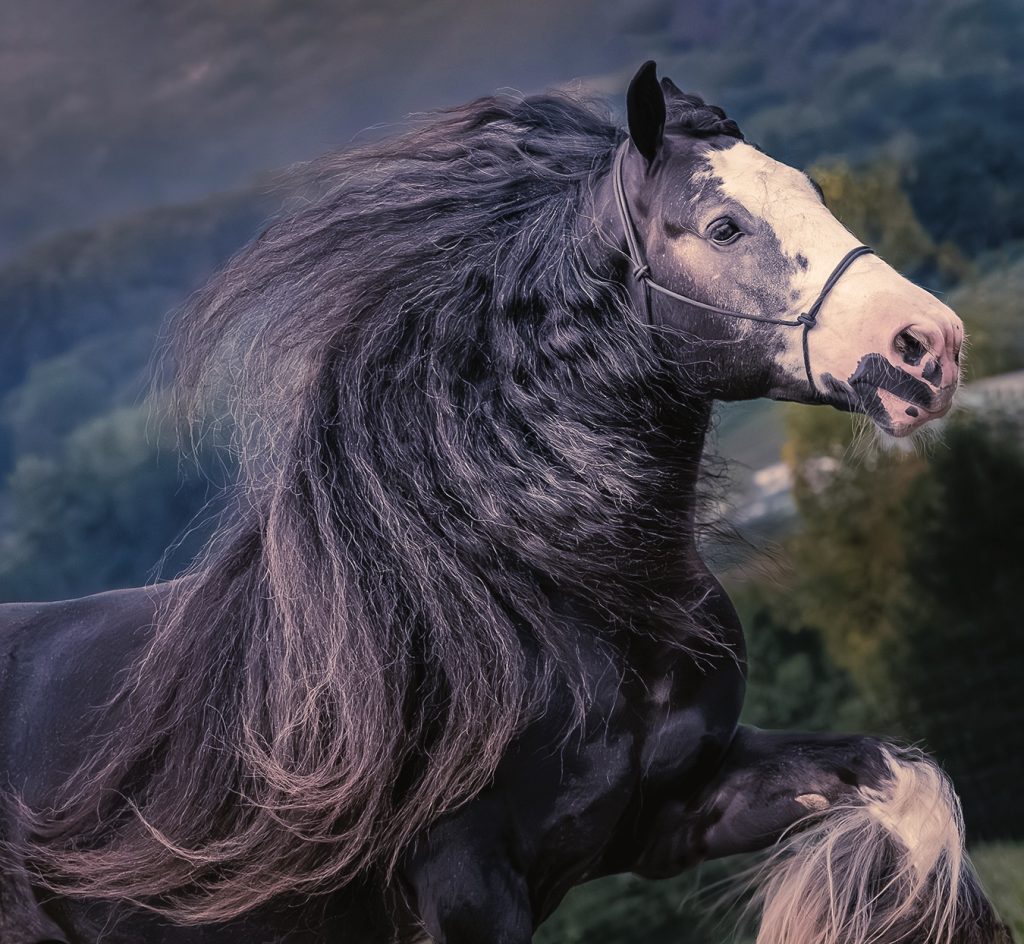
The Mane Event by Pam Jensen

Tier 2, 2nd Place:

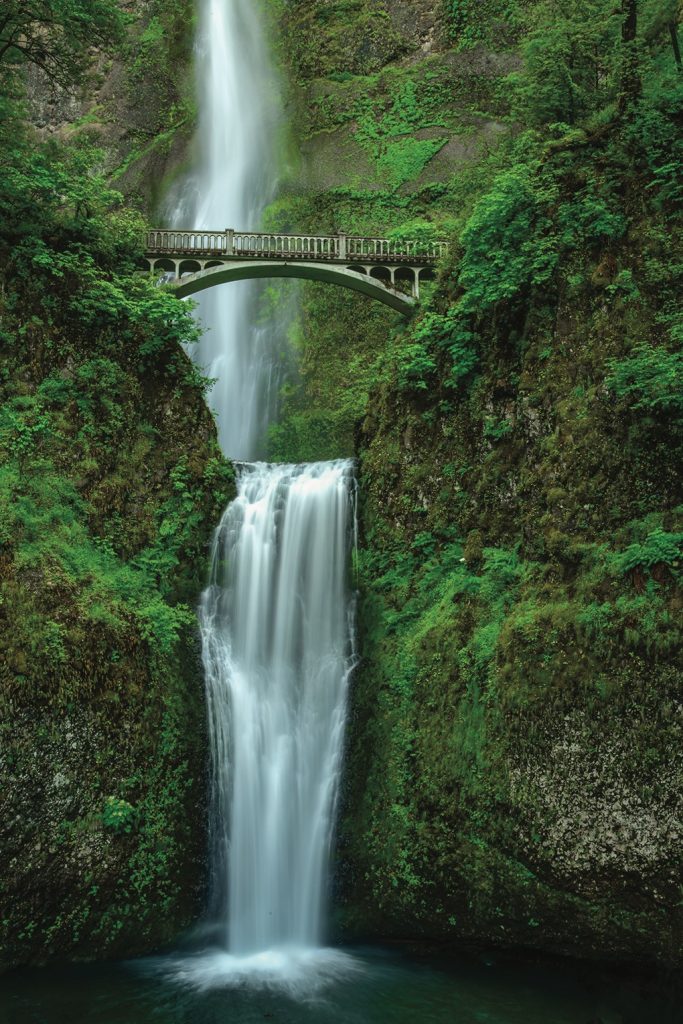
Multnomah Falls by Donna Sassano

Tier 2, 3rd Place:

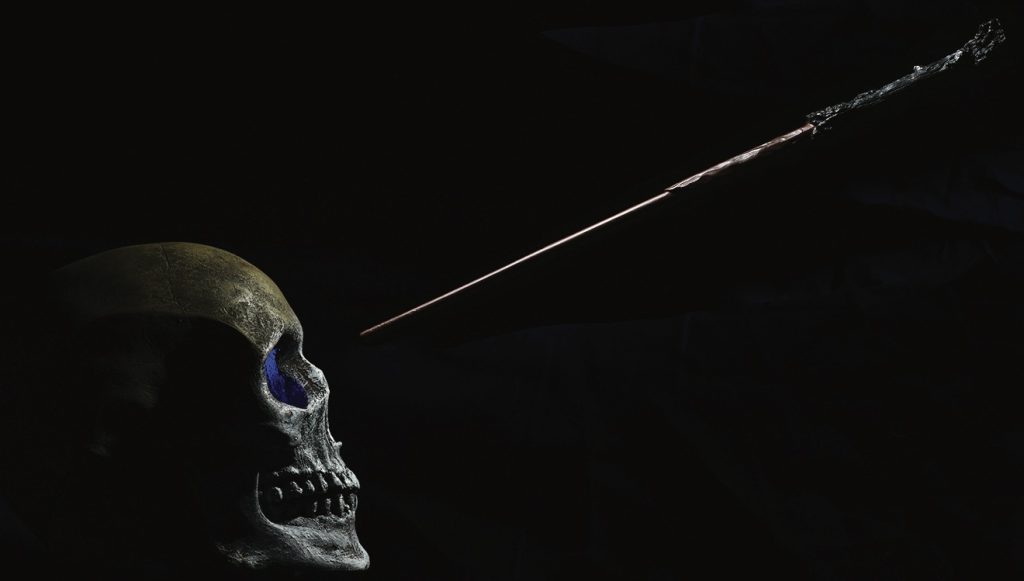
M is for Magic Wand by Joshua Simpson

Tier 1 Winners

Tier 1, 1st Place: Maniac on a Motorcycle by Jameson Everett

Tier 1, 2nd Place:
The Measure of our Hands in E Minor by Hilary Koch

Tier 1, 3rd Place:

Mailboxes by Donna Arnold

Tier 1, Honorable Mention:

Mom Making Music by Mary Bonsall

Bookshelf

BOOKSHELF

October Books

FICTION

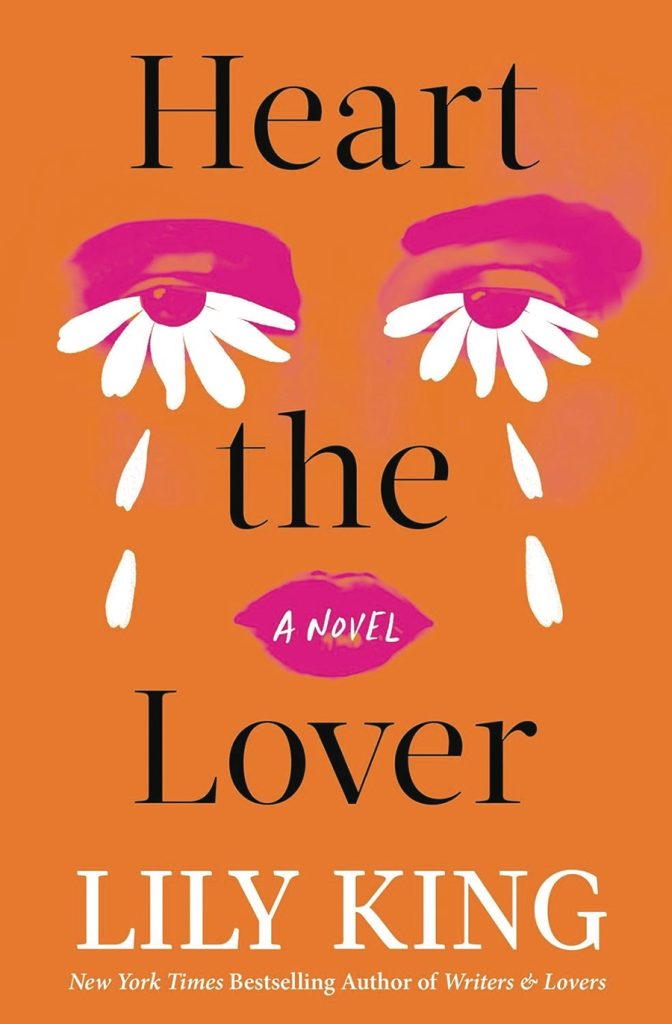
Heart the Lover, by Lily King

Jordan’s greatest love story is the one she lived, the one that never followed the simple rules. In the fall of her senior year of college, she meets two star students, Sam and Yash, from her 17th Century Lit class. The boys invite her into their intoxicating world of academic fervor, rapid-fire banter and raucous card games. They nickname her Jordan, and she quickly discovers the pleasures of friendship, love and her own intellectual ambition. But youthful passion is unpredictable, and soon she finds herself at the center of a charged and intricate triangle. As graduation comes and goes, choices made will alter these three lives forever.

Decades later, the vulnerable days of Jordan’s youth seem comfortably behind her. When a surprise visit and unexpected news bring the past crashing into the present, she returns to a world she left behind, and must confront the decisions and deceptions of her youth.

The White Octopus Hotel, by Alexandra Bell

London, 2015: When reclusive art appraiser Eve Shaw shakes the hand of a silver-haired gentleman in her office, the warmth of his palm sends a spark through her. His name is Max Everly — curiously, the same name as Eve’s favorite composer, born 116 years prior. And she has the sudden feeling that she’s held his hand before . . . but where, and when?

The White Octopus Hotel, 1935: In this belle époque building high in the snowy mountains, Eve and a young Max wander the winding halls, lost in time. Each of them has been through the trenches — Eve through a family accident and Max on the battlefields of the Great War — but for an impossible moment, love and healing are just a room away . . . if only they have the courage to step through the door.

NONFICTION

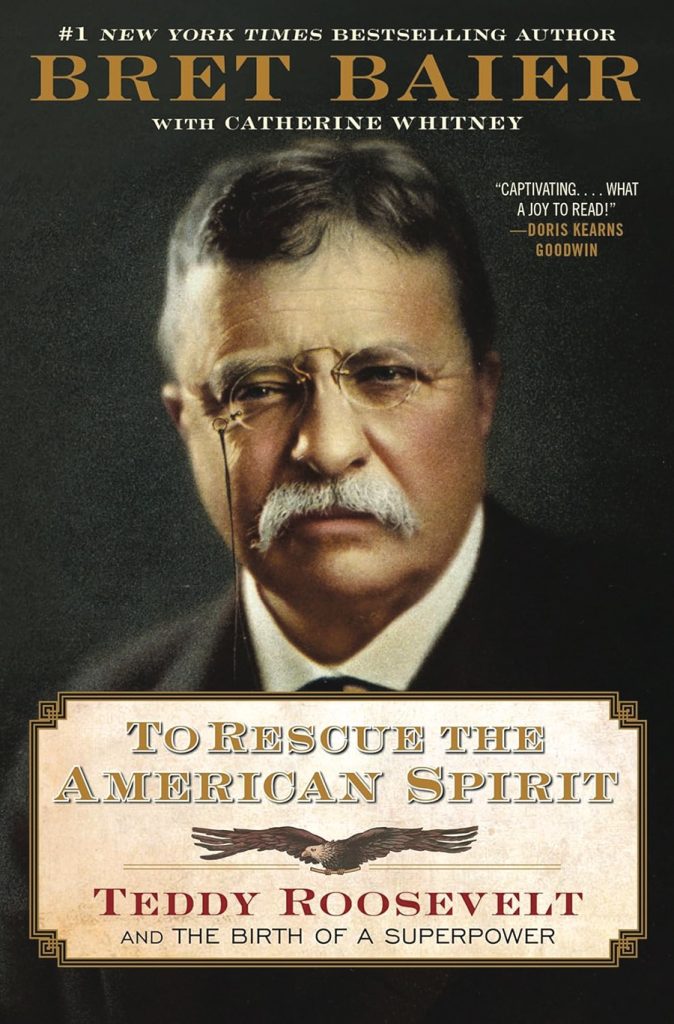
To Rescue the American Spirit: Teddy Roosevelt and the Birth of a Superpower, by Bret Baier

An iconoclast shaped by fervent ideals, Theodore Roosevelt’s early life seems ripped from the pages of an adventure novel. Abandoning his place in New York aristocracy, he was drawn to the thrill of the West, becoming an honorary cowboy who won the respect of the rough men of the plains, adopting their code of authenticity and courage. As a New York State legislator, he fought corruption and patronage. As New York City police commissioner, he walked the beat at night to hold his men accountable; and as New York governor, he butted heads with the old guard to bring fresh air to a state mired in political corruption. He was a passionate naturalist, conservationist and hunter who collected hundreds of specimens of birds and animals throughout his life.

A soldier and the commander who led a regiment of “Rough Riders” during the Spanish-American War, Roosevelt’s show of leadership and bravery put him on the national map. As president, he brought energy, laughter and bold ideas to the White House, pursuing a vigorous agenda that established America as a leader on the world stage. Baier, Fox News Channel’s chief political anchor, reveals the storied life of a leader whose passion, daring and prowess left an indelible mark on the fabric of our country.

The Uncool: A Memoir, by Cameron Crowe

This long-awaited memoir by one of America’s iconic journalists and filmmakers is a joyful dispatch from a lost world, a chronicle of the real-life events that became Almost Famous, and a coming-of-age journey filled with music legends as you’ve never seen them before. Born in 1957 to parents who strictly banned the genre from their house, he dove headfirst into the world of music. By the time he graduated high school at 15, Crowe was contributing to Rolling Stone. His parents became believers, uneasily allowing him to interview and tour with legends like Led Zeppelin, Lynyrd Skynyrd, Bob Dylan, Crosby, Stills, Nash and Young, and Fleetwood Mac. The Uncool offers a front-row ticket to the 1970s, a golden era for music and art when rock was young. Crowe spends his teens politely turning down the drugs and turning on his tape recorder. He talks his journalism teacher into giving him class credit for his road trip covering Led Zeppelin’s 1975 tour. He embeds with David Bowie as the sequestered genius transforms himself into a new persona: the Thin White Duke. Youth and humility are Crowe’s ticket into the Eagles’ dressing room in 1972, where Glenn Frey vows to keep the band together forever; to his first major interview with Kris Kristofferson; to earning the trust of icons like Gregg Allman and Joni Mitchell. It’s a magical odyssey, the journey of a teenage writer waved through the door to find his fellow dreamers, music geeks and lifelong community. The path leads him to writing and directing some of the most beloved films of the past 40 years, from Fast Times at Ridgemont High and Say Anything . . . to Jerry Maguire and Almost Famous. His movies often resonate with the music of the artists he first met as a journalist, including Tom Petty and the Heartbreakers, The Who and Pearl Jam.

The Uncool is also a surprisingly intimate family drama. For the first time, Crowe opens up about his formative years in Palm Springs and pays tribute to his father, a decorated Army officer who taught him the irreplaceable value of the human voice, and offers a full portrait of his mother, whose singular spirit helped shape him into an unconventional visionary.

CHILDREN'S BOOKS

Squirrels Scamper, by Mélina Mangal

Two young children — cousins Kamali and Josiah — notice the squirrels moving fast outside their window and venture to the backyard to watch them. They practice using their sense of balance to gain confidence while they climb, jump and move like the squirrels do. Taking in a beautiful fall day, they help rake the yard before jumping in their pile of leaves, noticing how their own work and play are parallel to a squirrel’s day. Squirrels Scamper is part of the Outside Our Window Board Book series, encouraging children — especially those in urban environments — to explore, protect and delight in nature.

The Five Wolves, by Peter McCarty

Across oceans, through fields and down tunnels, five daring wolves traverse the planet in search of wonders to draw and paint. All the while, a disembodied narrator spins the tale of their absurdist adventure and asks big questions. What is art? And who does it belong to? Part epic picture book, part graphic novel, The Five Wolves defies genres. With intricate ink work and meticulous hand-lettering, McCarty has crafted an exquisitely illustrated epic poem and a testament to the power of art and artists.

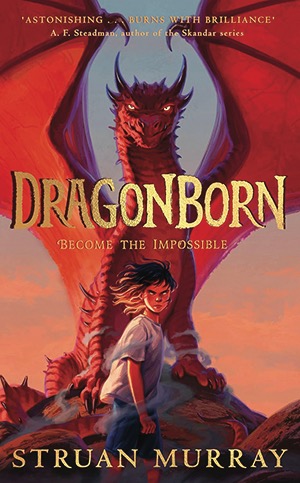
Dragonborn, by Struan Murray

There is a secret world of dragons that lurks at the edges of our own. But dragons also live among us. These Slumberers have been human for so long they have forgotten their true selves — until something awakens the dragon within. Twelve-year-old Alex Evans is about to wake up. Ever since her father’s death, Alex’s overprotective mother has smothered her with unbreakable rules and unspoken fears. Feeling trapped, Alex’s frustration has become too big to hide away. Burning inside, she erupts into a fierce, fiery roar. A new school and a new life await her on the legendary island of Skralla, one of the last surviving dragon havens. There, she will train alongside other young dragons who are wild, untamed and — unlike Alex — skilled at transforming and embracing their dragons within. As dark factions begin to rise, Alex finds herself in a race to unlock her long-dormant power before Drak Midna, the greatest dragon of all, rises to wage war against the human world.

Simple Life

SIMPLE LIFE

The Comforts of October

Cooler days, evening fires and scary-good cookies

By Jim Dodson

My late mother liked to tell how, once upon a time, I loved to stand at the fence of the community-owned pasture behind our house in North Dallas feeding prairie grass to a donkey named Oscar.

I was barely walking and talking.

“You weren’t much of a talker, but seemed to have a lot to say to Oscar, far more than to anyone else,” she would add with a laugh. “We always wondered what you two were talking about.” 

Oscar’s kind, old face, in fact, is my first memory. Though I have no idea what “we” were talking about, I do have a pretty good hunch.

My mom also liked to tell me stories about growing up in the deep snows of Western Maryland, which sounded like something from a Hans Brinker tale, fueling my hope to someday see the real stuff. Quite possibly, I was asking Oscar if it ever snowed in Texas. 

I finally got my wish when we visited my mom’s wintery German clan for Christmas, days after a major snowstorm. It was love at first snowball fight with my crazy Kessell cousins. We spent that week sledding down Braddock Mountain and building an igloo in my Aunt Fanny’s backyard in LaVale. I hardly came indoors. I was in snowy heaven.

My mom took notice. “You’re such a kid of winter,” she told me. “Maybe someday you will live in snow country.”

Her lips to God’s ears.

Twenty years later, I moved to a forested hill on the coast of Maine where the snows were deep and winters long. My idea of the perfect winter day was a long walk with the dogs through the forest after a big snowstorm, followed by supper near the fire and silly bedtime tales I made up about our woodland neighbors as I tucked my young ones into bed. On many arctic nights, I lugged a 50-pound bag of sorghum to a spot at the edge of the woods where a family of white-tailed deer and other residents of the forest gathered to feed. Tramping back to the house through knee-deep snow, I often paused to look up at the dazzling winter stars that never failed to make me glad I was alive.

Perhaps this explains why I love winter as much as my wife does summer.

The good news is that we find our meteorological balance come October, a month that provides the last vestiges of summer’s warmth even as it announces the coming of winter with shorter days and sharply cooler afternoons. We share the pleasure of October’s many comforts.

As Wendy can confirm, her baking business ramps up dramatically in October as customers at the weekend farmers market clamor for her ginger scones, carrot cake and popular seasonal pies — pumpkin, pecan and especially roasted apple crumb — which typically sell out long before the market closes at noon. October marks the beginning of her busiest and happiest baking season.

Meanwhile, back home in the garden, I will be joyfully cutting down the last of the wilted hydrangeas, cleaning out overgrown perennial beds, spreading mulch on young plants and already planning next summer’s garden adventures — that is, when I’m not raking up piles of falling leaves, a timeless task I generally find rather pleasing until the noise of industrial-strength leaf blowers fire up around the neighborhood.

Their infernal racket can shatter the peace of an October morn and make this aging English major resort to bad poetry, with apologies to Robert Frost:

I shall be telling this with a sigh

two roads diverged in a yellow wood

and I one weary gardener stood

and took the path less traveled by

with rake in hand and shake of fist

oh, how these blowers leave me pissed! 

With the air conditioning shut off and the furnace yet to fire up, on the other hand, October brings with it the best time of the year to fling open bedroom windows and sleep like footsore pilgrims at journey’s end. At least our three dogs seem to think so. Our pricey, new, king-sized marital bed begins to feel like a crowded elevator on chilly October nights.

Among October’s other comforts are clearer skies, golden afternoon light and the first log fire of the season, celebrated by a wee dram with friends and thoughtful conversation that drifts well into the night until the host falls asleep in his favorite chair. That would be me.

Everything from my mood to my golf game, in fact, improves with the arrival of October. And even though my interest in all sports seems to dim a little bit more with each passing year (and the worrying growth of online betting), the World Series and college football can still revive my waning boyhood attention on a brisk October weekend.

Halloween, of course, is the grand finale of October’s comforts. What’s scary is how much money Americans shell out annually on costumes, candy and creepy, inflated yard decorations (something like $11.6 billion last year, according to LendingTree), which suggests to me that being happily frightened by the sight of lighted ghouls on the lawn and kids who come in search of candy dressed as the walking dead is simply a welcome break from the daily horrors of cable news.

Our Halloween routine is one I cherish. Wendy’s elaborately decorated Halloween cookies disappear as fast as she can make them (I’m partially to blame, but who can resist biting the head off a screeching black cat or a delicious, bloody eyeball?) and I take special pleasure in carving a pair of large jack-o’-lanterns, one smiling, the other scowling, which I light at dusk on Halloween. Years ago, I used to camp on the front steps dressed as a friendly vampire until I realized how scary I looked, with or without the makeup.

Now, the dogs and I simply enjoy handing out candy to the parade of pint-sized pirates and princesses and other creatively costumed kids who turn up on our doorstep.

The best thing about October’s final night is that it ushers in November, a month of remembrance that invariably makes me think of my late mother’s stories of snow and a gentle donkey named Oscar.

Last year, my lovely mother-in-law passed away on All Souls Day, the morning after Halloween. Miss Jan was a beloved art teacher of preschool kids, whose creativity and sparkling Irish laugh brought joy and inspiration to untold numbers of children.

And me.

What a gift she left to the world.