Almanac

November is cold mornings and cashmere.

Before the earliest skein of geese break the silence of the day, you unearth your winter wardrobe, rediscovering the ageless sweater that, despite its annual reappearance, always feels brand-new.

When the geese trumpet across the sky, you are cradling your coffee by the kitchen window, watching the backyard squirrels zigzag like pinballs as they unearth their own buried treasures.

November is time to take stock.

On the back porch, there is kindling to split. And back in the kitchen, one dozen Bartlett pears resemble a Claude Monet still-life.

What will you bring to the table this month?

One dozen Bartlett pears now peeled, cored, and chopped, simmer on the stovetop with three pounds of cranberries, two cups of dried cherries, one cup of sugar.

November is equal parts sweet and bitter.

Your bones seem to know that winter is near, yet your skin sings in cashmere.

Even as the autumn leaves descend, the Earth continues to give, give, give.

Pastel sunrises.

Winter squash and rainbow chard.

Murmurations of starlings.

And camellia blossoms which, despite their annual reappearance, always feel like tiny miracles.
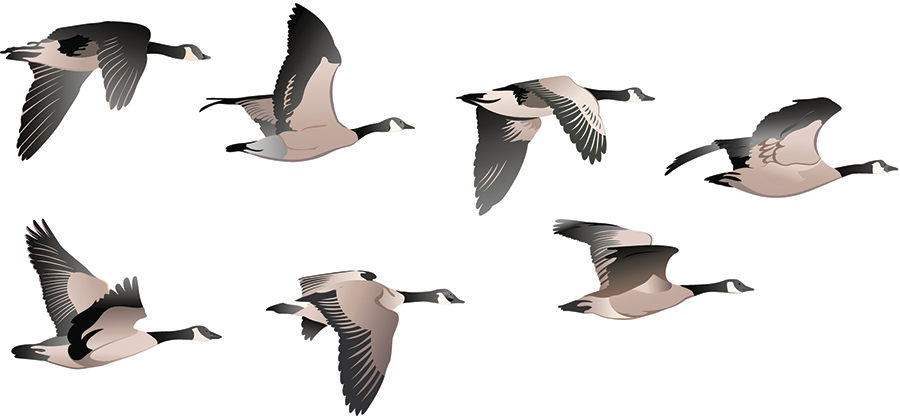
Two sounds of autumn are unmistakable, the hurrying rustle of crisp leaves blown along the street or road by a gusty wind, and the gabble of a flock of migrating geese. Both are warnings of chill days ahead, fireside and topcoat weather. — Hal Borland

What Will You Create?

Thanksgiving is celebrated on Thursday, Nov. 28. As you craft your Thanksgiving plate with the zest of a landscape architect, consider what you are creating on a larger scale. Are you building a life that is savory? Bitter? Sweet? Or does it offer a little bit of everything — bursting at the seams with color and flavor, yet with enough space for gratitude and magic?

Looking Up

According to National Geographic, three of the top sky-watching events of 2019 happen this month, beginning with the Transit of Mercury on Nov. 11. Of course, you won’t be able to witness what will look like a tiny pinhole traveling across the sun with the naked eye, nor should you attempt this without safety precautions (eclipse glasses, solar binoculars, solar filters, etc.). According to the article, “This will be the last transit of Mercury available to North Americans until May 7, 2049.”

On Sunday, Nov. 24, don’t miss brilliant luminaries Venus and Jupiter close as ever in the southwest horizon — just 1.4 degrees apart. And on Thanksgiving Day, 45 minutes after sundown, take another look low in the southwestern sky and see what National Geographic calls the “celestial summit meeting” of Venus, Jupiter, Saturn, and a hairline crescent moon.

The Power of Gratitude

The correlation between gratitude and happiness was common sense long before it was research material. And yet, time and again, psychologists’ findings support what poets and sages of the ages have long been conveying: Gratitude is good for you.

Moreover, it can radically change your life.

A recent article by Harvard Medical School’s Harvard Health Publishing offers six simple practices for cultivating gratitude:

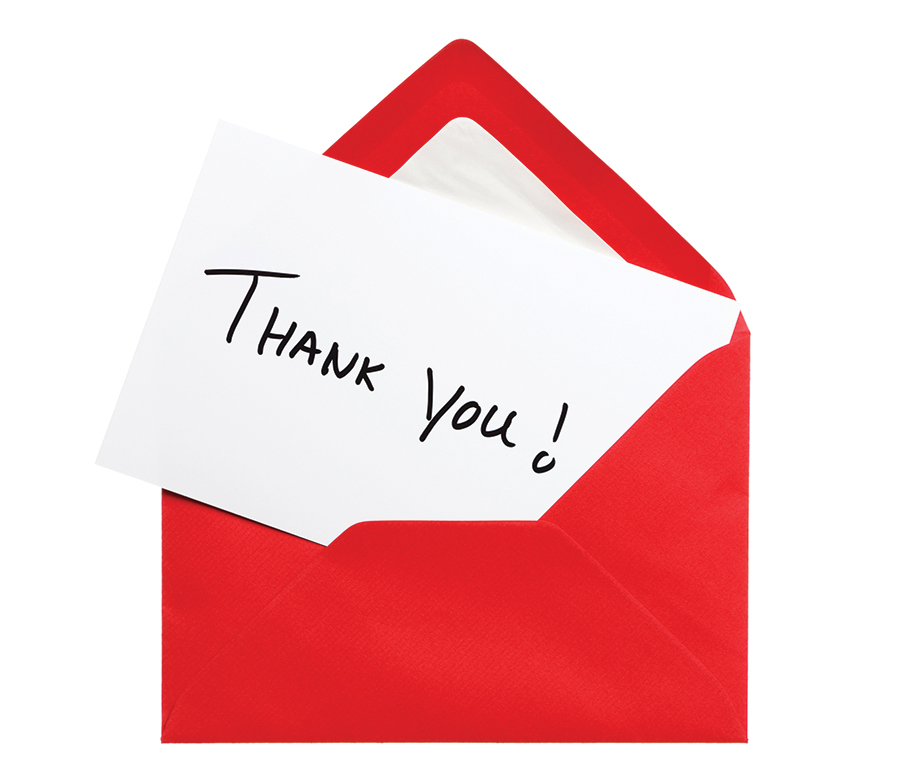
1. Write a thank-you note.

2. Thank someone mentally.

3. Keep a gratitude journal.

4. Count your blessings.

5. Pray.

6. Meditate.
And while we’re on the subject, here are three powerful quotes on gratitude that suggest its utter potency:

“Acknowledging the good that you already have in your life is the foundation for all abundance.” — Eckhart Tolle

“We need to learn to want what we have, not to have what we want, in order to get stable and steady happiness.” — Dalai Lama

“Be thankful for what you have; you’ll end up having more. If you concentrate on what you don’t have, you will never, ever have enough.” — Oprah Winfrey

Happy Thanksgiving!

Almanac

On mornings such as this — brisk, charged — the mourning doves that line the city wires suddenly take to the air, 50 or more of them in pastel twilight, swirling in wide, graceful circles as if stirred by some unseen hand, the sky some vast, invisible cauldron.

The sight is both delightful and haunting, and you feel as though you are witnessing some kind of living spell, a sacred ritual performed by Earth and her sentient beings.

This spell is called October. Perhaps you know it well?

Red and golden apples

Red and golden leaves

Ashes from the burn pile

Honey from the bees

Three caws from the raven

An acorn from the squirrel

A whisker from the black cat

Aster from a girl

Pansies from the garden

Barley, wheat, and rye

and what’s an incantation without

Grandma’s pumpkin pie

Bats in the Eaves

Spiders spin their webs in the rafters year-round, yet as Halloween approaches, neighbors deck their yards and porches with fake webs and creepy-crawlers, and supernatural beings sure to scare the trick-or-treaters.

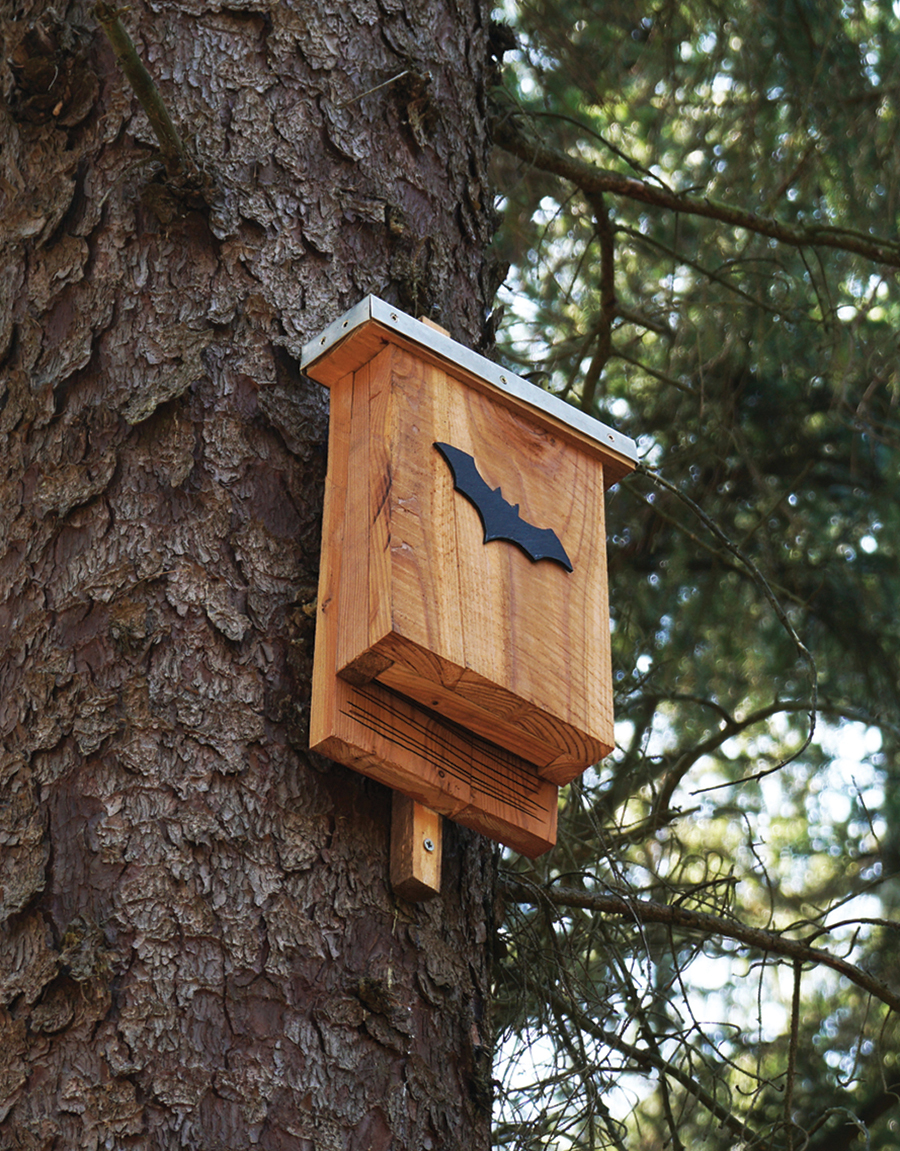
But a word on the plastic bats: Why not welcome the real deal instead? Aside from being adorable — they’re like winged squirrels with tiny fox-meets-bear-meets-pig-like faces — bats play a key role in natural pest control.

Consider installing a bat box in the eaves of your house and witness the mosquito population decline come next summer. If you build it, they will (hopefully) come. Especially if you plant night-scented flowers that attract moths and other night-flyers. Best if there’s a nearby water source. And please, for the sake of the bats, no fake webs. Check out the Bat Conservation International website for information and resources: www.batcon.org/resources/getting-involved/bat-houses.

October sunlight bathed the park with such a melting light that it had the dimmed impressive look of a landscape by an old master. Leaves, one, two at time, sidled down through the windless air. — Elizabeth Enright, Apple Seed and Apple Thorn, 1953

Before the Frost . . .

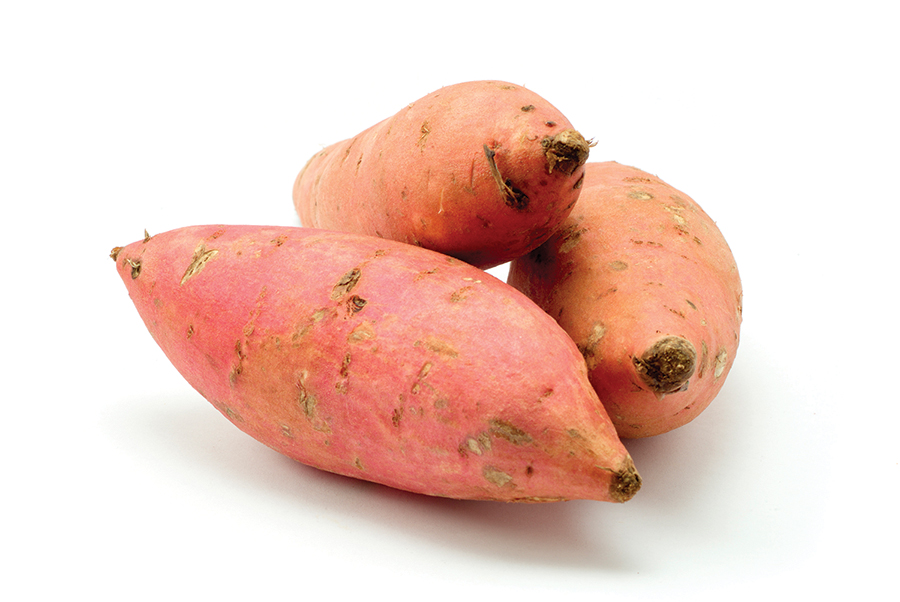
Dig up summer bulbs and the last sweet potatoes, compost fallen leaves, and in this transient season of light and shadow, plant, plant, plant for spring.

Daffodils, tulips, crocus and hyacinths.

Radishes, carrots and leafy greens.

And to color your autumn garden spectacular, blanket the earth with pansies.

But in October what a feast to the eye our woods and groves present! The whole body of the air seems enriched by their calm, slow radiance. They are giving back the light they
have been absorbing from the sun all summer.
— John Burroughs, Under the Maples

Battle of the Pies

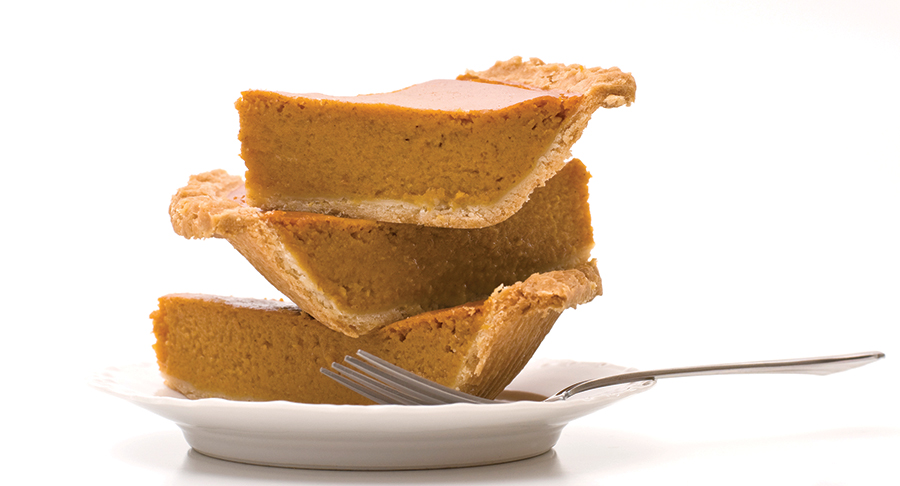
Let’s get right to it: pumpkin or sweet potato? Since my mother never baked either one (or any pie, come to think of it), naturally I love them both. (Yes, I’ll have another slice of that orange whatchamacallit.) But ask me to choose one pie over the other and watch my eyebrows do a funny dance.

I couldn’t begin to describe the differences.

Turns out there are many, and that this infamous Battle of the Pies has caused many a great divide at many a Thanksgiving table.

It’s pie, folks.

But I did a little sleuthing:

Pumpkin pie is spicier, denser, less caloric, decidedly Northern.

True Southerners cry for sweet potato, the sweeter, airier, more nutritious of the pies.

Except, apparently, for my maternal great-grandmother, who reportedly baked two pies at a time, both pumpkin — one for the table, one for my uncle.

“Tommy could eat an entire pie in one sitting,” says my mom of her younger brother. “Nothing made my Grandmother Barlowe happier than the joy in his eyes when he saw her pumpkin pies.”

“Unfortunately,” Mom added, “I just don’t care for them.”

The long and the short of it, in this season of pumpkin-spiced everything, I can’t help but wonder why sweet potato latte isn’t such a buzzword.

Almanac

By Ash Alder

“Every apple orchard is haunted,” a friend recently offered. “Have you ever noticed? All of them. Day or night.”

I considered the statement, the labyrinths of gnarled trees echoing with distant thuds of falling fruit,
autumn’s electric whisper . . . 

“I could see that,” I replied.

And yet, having never experienced an orchard in August, when the skin of the earliest apples turns from yellow to green, green to red, the flesh inside from green to white, I wouldn’t know for sure. Could only speculate that the ripening of such autumnal offerings in the sweltering heat of late summer is some kind of omen.

Yes, summer is here. Yet the tangles of wild blackberries will vanish in an instant.

There is movement in the periphery. Always. Perhaps there is something haunting about that.

It is remarkable how closely the history of the apple tree is connected with that of man. — Henry David Thoreau

Flower Mandala

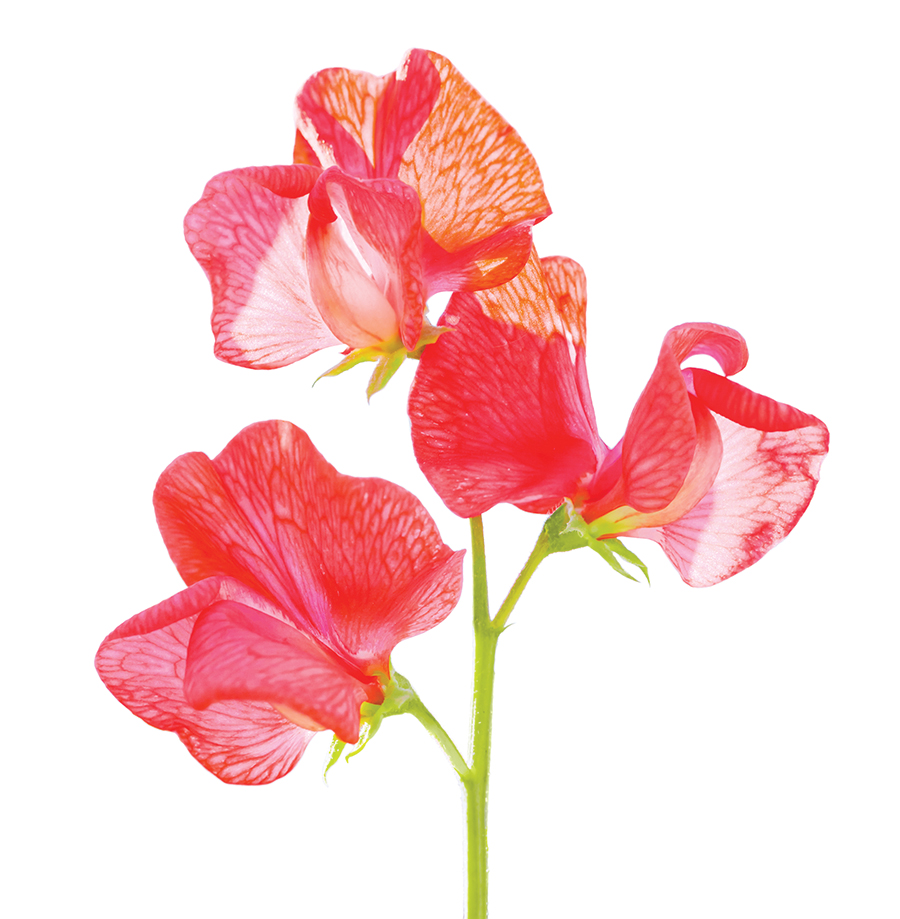
In August, when roadside ditches brim with late summer wildflowers — sweet pea and yarrow and swamp milkweed — pull over. 

If you travel with water and a makeshift vase for occasions such as this, handpick a small arrangement for an instant boost in spirit.

And if you’re feeling inspired, dream bigger.

Last year, an hour before sunset, a gardener friend and I met at a favorite climbing tree by a nearby lake to design a flower mandala for the simple joy of creation. I brought a modest handful of black-eyed Susans, some amethyst, a single sunflower. She brought a garden: purple clover, coleus, woolflower, Queen Anne’s lace, fern, walnut, sycamore leaves, and at least a handful of miscellaneous beauties rich in color and texture.

Ancient tools for meditation, mandalas are believed to represent the cosmos, radial designs that guide the creator toward a sense of inner harmony and the essence of his or her own soul.

Ours led us to a space of absolute wonder, and as the final fireflies of summer began dancing among the boughs of our beloved tree, we noticed a small group of passersby that had quietly gathered to enjoy our nature installation — two spirals joined by an unbroken thread of leaves and petals.

We are all so intricately connected. When you follow the simple callings of your heart, no telling how you will color the world.

Bring on the Magic

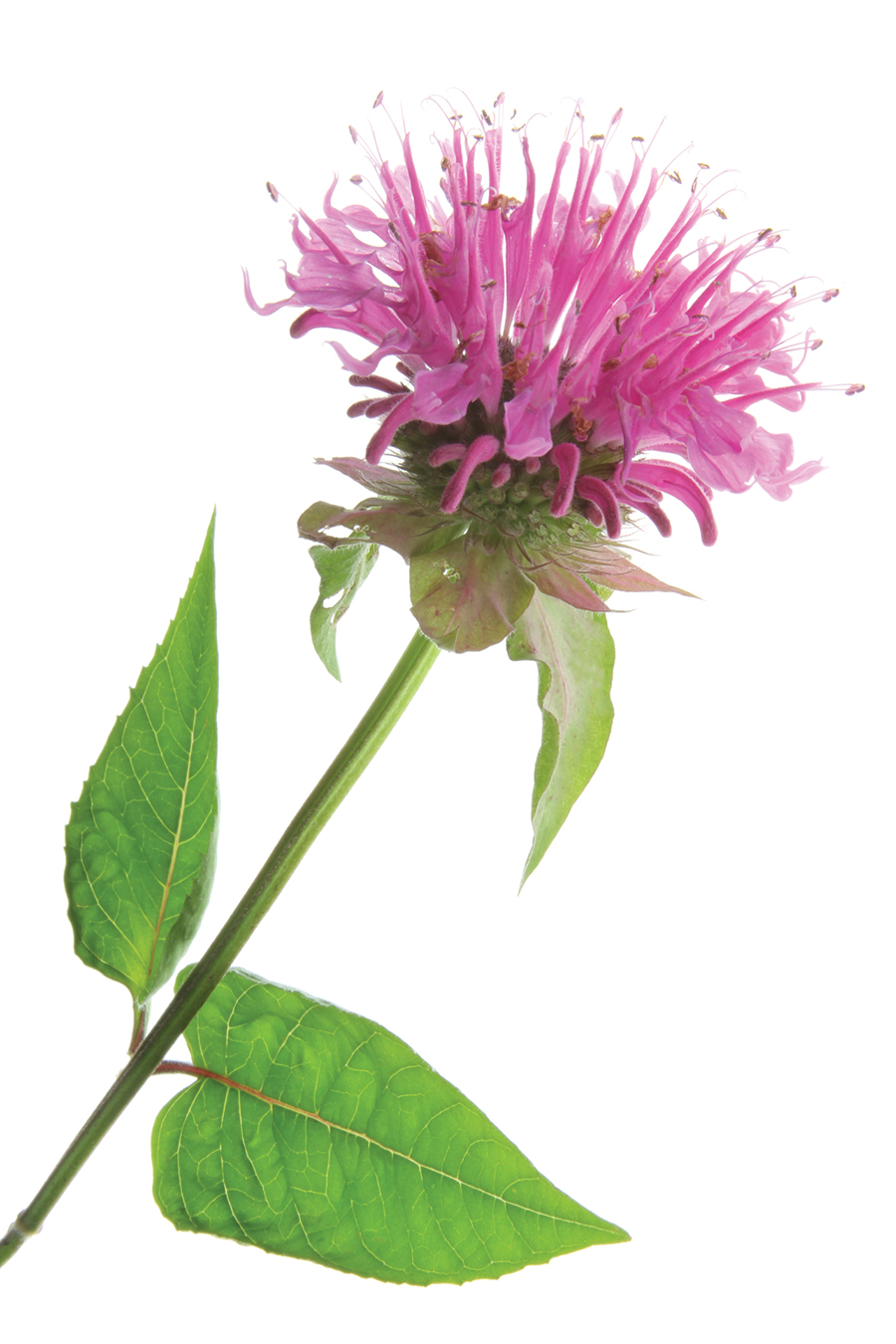
Among our late summer bloomers: bee balm, a showy yet rugged perennial that blossoms red, pink or lavender. Also called horsemint, Oswego tea and bergamot, its fragrant leaves add notes of citrus and spice to any garden. What’s best? Hummers, bees and butterflies find the flower simply irresistible.

A member of the mint family, bee balm grows best (and spreads!) in full sun. Add its colorful flowers to your summer salad, dry its leaves for tea, and above all, know that your balm is a sweet, tasty tonic for a band of local pollinators.

Spoonful of Sugar Water

A friend recently shared with me a Newsroom 24 article from 2018 that states that without bees, we wouldn’t be alive. “If bees were to disappear from the face of the Earth, says David Attenborough, voice of The Blue Planet and Planet Earth, humans would have just four years to live. He suggests leaving a teaspoon of sugar water in your garden to help energy-depleted bees make it back to the hive. “Simply mix two tablespoons of white, granulated sugar with one tablespoon of water, and place on a spoon for the bee to reach,” says Attenborough. In so many words: Save the bees, save humanity.

Deep summer is when laziness finds respectability. — Sam Keen

The Night Sky

This year, our beloved Perseid meteor shower occurs just two days before the full Sturgeon Moon, creating less than optimal viewing conditions for the annual display of up to 90 shooting stars per hour.

That said, just before dawn on Tuesday, Aug. 13, the moon will set, gifting us with an hour of darkness — a blessed chance to catch a glimpse of the magic.  PS

Almanac

Snapshots from July are salt-laced and dreamy.

Children skipping through sprinklers on the front lawn.

Baskets of ripe peaches, still warm from the sun.

Tree houses and tackle boxes.

Tangles of wild blackberry.

Brown paper bags filled with just-picked sweet corn.

Last summer, gathered in celebration of July 4, we made a game of shucking sweet corn on my grandmother’s front porch. Two points for each clean ear, a bonus per earworm, yet as husks and corn silk began to carpet the ground beneath us, joy and laughter were all that counted.

And now, memories.

Like Papa’s pickles, made with the cukes from his
own garden.

Speaking of Papa . . . something tells me he would have loved watching us turn a chore into a simple pleasure, perhaps the secret of any seasoned gardener.

The Art of Shade-Dwelling

In the sticky July heat our state is known for, not just the flowers are wilting.

Advice from a fern: seek shade and thrive.

Yes, you.

Bring a hammock, summer reading, refreshments, pen and journal.

Daydream beneath the lush canopy. Bathe in the filtered light. Indulge in the summery soundscape. Cloud gaze.

And if you’re looking for a spot by the water, follow the spiraling dragonfly. She will always lead you there.

The dandelions and buttercups gild all the lawn: the drowsy bee stumbles among the clover tops, and summer sweetens all to me. — James Russell Lowell

Fresh from the Garden

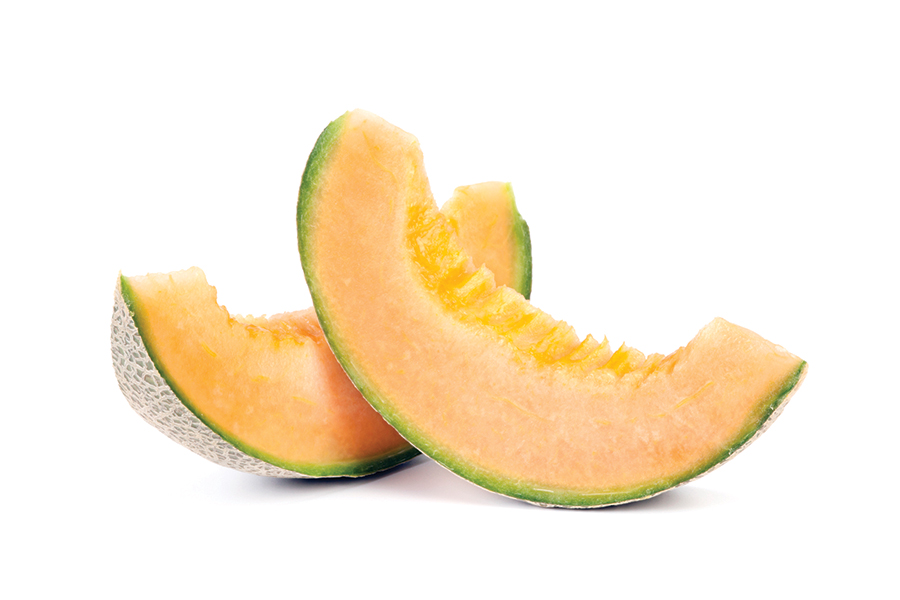
Eggplant, snap beans, green beans, summer squash. Plump tomatoes are spilling from the vine, but there are two words on my mind: melon season.

In one word: cantaloupe.

And while it’s fresh and abundant, consider some new ways to enjoy it.

Blend it with club soda and honey.

Salt and spice it with crushed peppercorn and sumac.

Toss it with arugula, fennel and oregano.

Make cool melon soup, or sweet-and-salty jam.

Nothing spells refreshing like chilled cubes of it after a hot day in the sun, but if you’re looking for savory, check out the below recipe from Epicurious.

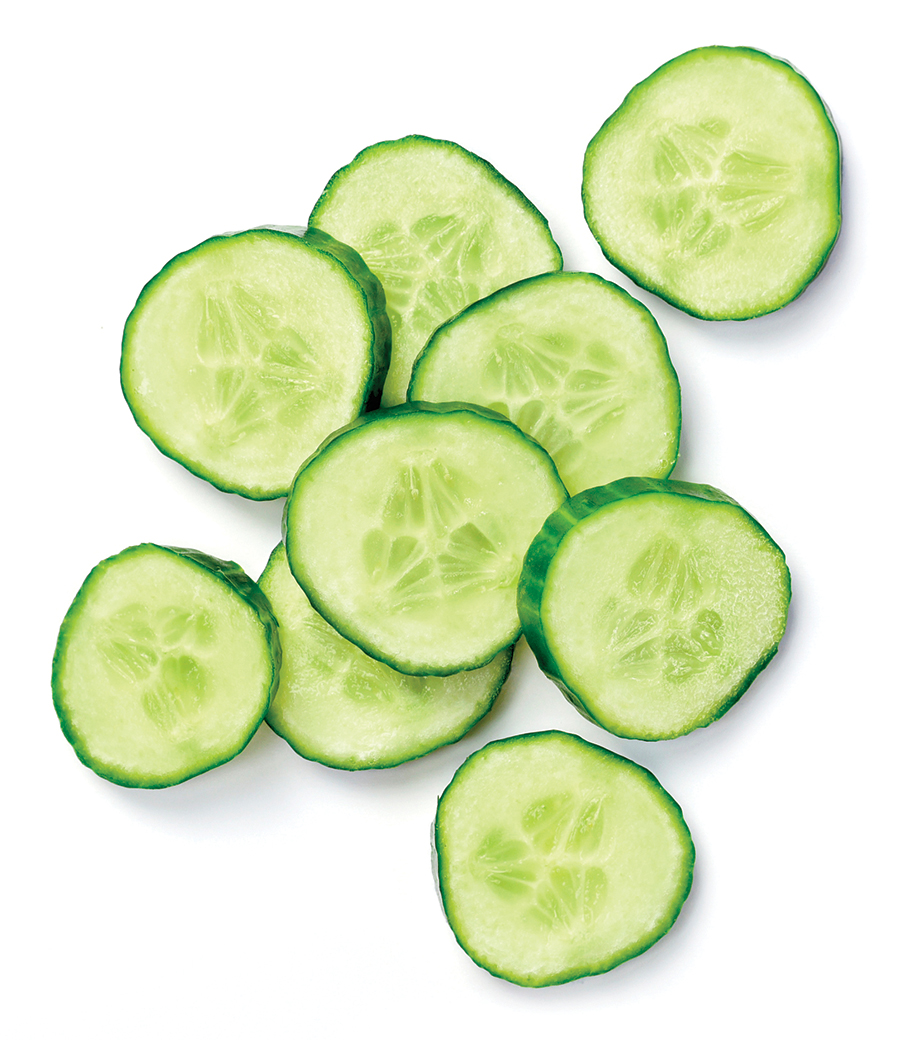
Cantaloupe and Cucumber Salad

(Makes 4 servings)

Ingredients

1/2 cup olive oil

1/4 cup Champagne vinegar or white wine vinegar

1 teaspoon ground coriander

1 teaspoon kosher salt

1/4 teaspoon freshly ground black pepper

1/8 teaspoon ground cardamom

1/2 large cantaloupe, rind and seeds removed, flesh cut into 1-inch pieces

1 large English hothouse cucumber, sliced on a diagonal ½-inch thick

2 Fresno chiles, thinly sliced

1/2 cup unsalted, roasted pumpkin seeds (pepitas)

1/4 cup chopped cilantro

1/4 cup chopped mint

Sumac (for serving)

Ingredient Info

Sumac is a tart, citrusy spice generally sold in ground form. It can be found at Middle Eastern markets, specialty foods stores and online.

Preparation

Whisk oil, vinegar, coriander, salt, pepper and cardamom in a large bowl. Add cantaloupe, cucumber and chiles, and toss to coat in dressing. Let sit, uncovered, 15 minutes.

To serve, add pumpkin seeds, cilantro and mint to salad and toss gently to combine. Top with sumac.

Lazy Days of Summer

The full buck moon rises on Tuesday, July 16, which, according to The Old Farmer’s Almanac, is a good day for pruning, mowing and weeding. But if R&R is more your speed, below are a few obscure holidays you might add to the calendar.

July 10: Pick Blueberries Day

July 17: Peach Ice Cream Day

July 20: Ice Cream Soda Day

July 22: Hammock Day

Happy Independence Day, friends. Happy, happy hot July.  PS

Almanac

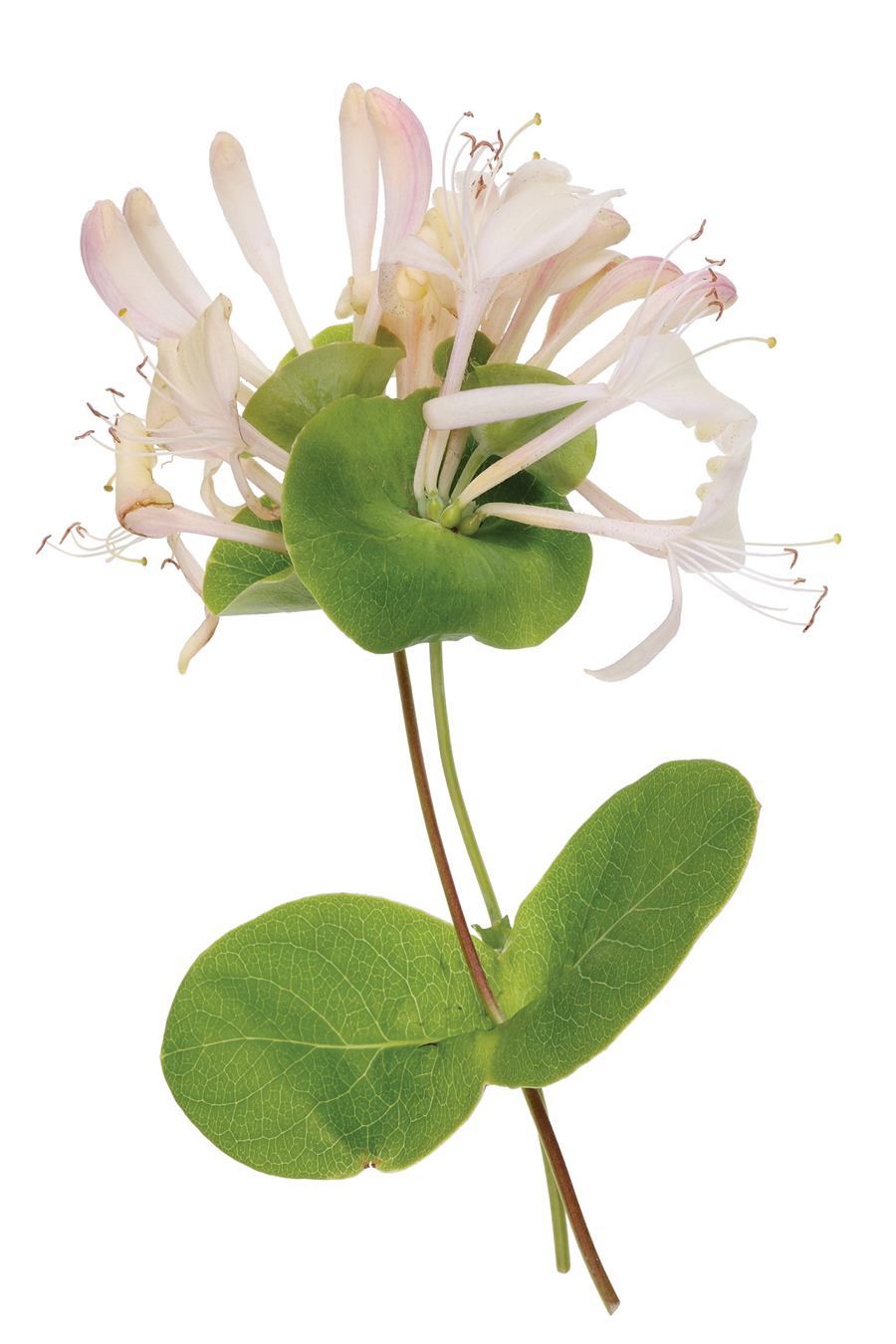
One whiff of wild honeysuckle sends me down the bumpy dirt road, down the gravel drive, down to the back paddock, where the bay pony greets me at the gate, alfalfa hay tangled in her thick black mane.

As a child, summer mornings at the farm were sacred to me.

At the earliest light, while the air was still cool, we watered flowerbeds and drinking troughs, then took off bareback down the lush woodland riding trail.

Past the quiet creek, where water moccasins sunned on fallen logs, past the neighboring farm, where an ancient donkey wheezed in exaltation, on past the patch of ripening blackberries, I return to the place I first experienced the taste of wild honeysuckle, a place I return each June, if only in my mind.

This year, summer solstice lands on Friday, June 21.

And yet the sweetness of the season arrives unexpectedly — in an instant, in one delicious whiff, inside a single drop of nectar.


Figs of Summer

June marks the arrival of the earliest blackberries and scuppernongs. Picking herbs at dawn for midday pesto. Fried squash blossoms and fresh sweet corn. The first ripe fig.

I’ll never forget the Devon Park rental with the young fig tree out back. “It’s never produced fruit,” the landlord had told me.

And yet, one June evening, after scrubbing and filling the concrete birdbath, there it was: a tiny green fruit.

I watched that perfect fig slowly ripen day after day, for weeks.

Just as a caterpillar emerges from cocoon-state completely transformed, one day my darling fig was purple.

Soon, it would be ready to harvest. One more day, I told myself.

But the next day, the birds had beaten me to it.

Take whatever wisdom you wish from this little memory. And as for you birds: I hope the fig was delicious.

No great thing is created suddenly, any more than a bunch of grapes or a fig. If you tell me that you desire a fig, I answer that there must be time. Let it first blossom, then bear fruit, then ripen.  — Epictetus

Hand-picked Sweetness

In addition to the uplifting aroma of its summer blossoms, the honeysuckle is a plant of many surprising health benefits. (Add honeysuckle oil to the bath, for example, to soothe arthritis or muscle pain.) But what could be sweeter than adding homemade honeysuckle syrup to your favorite summer refreshment (iced tea, lemonade, sorbet, fresh fruit, you-name-it)? The below recipe stores up to one month in the refrigerator. Do make sure to harvest blossoms that are free from pesticides. And, if you make enough syrup, share the sweetness with a friend.

Honeysuckle Blossom Syrup

Ingredients

1 cup sugar

1 cup water

50 honeysuckle blossoms

Instructions

In a small saucepan, combine sugar, water and honeysuckle blossoms.

Using medium to high heat, bring to a boil, stirring constantly.

Reduce heat and simmer for 3-4 minutes.

Remove from heat and allow to cool completely.

Strain into a jar; refrigerate.

It is the month of June, The month of leaves and roses, When pleasant sights salute the eyes and pleasant scents the noses. — Nathaniel Parker Willis

Let There Be Magic

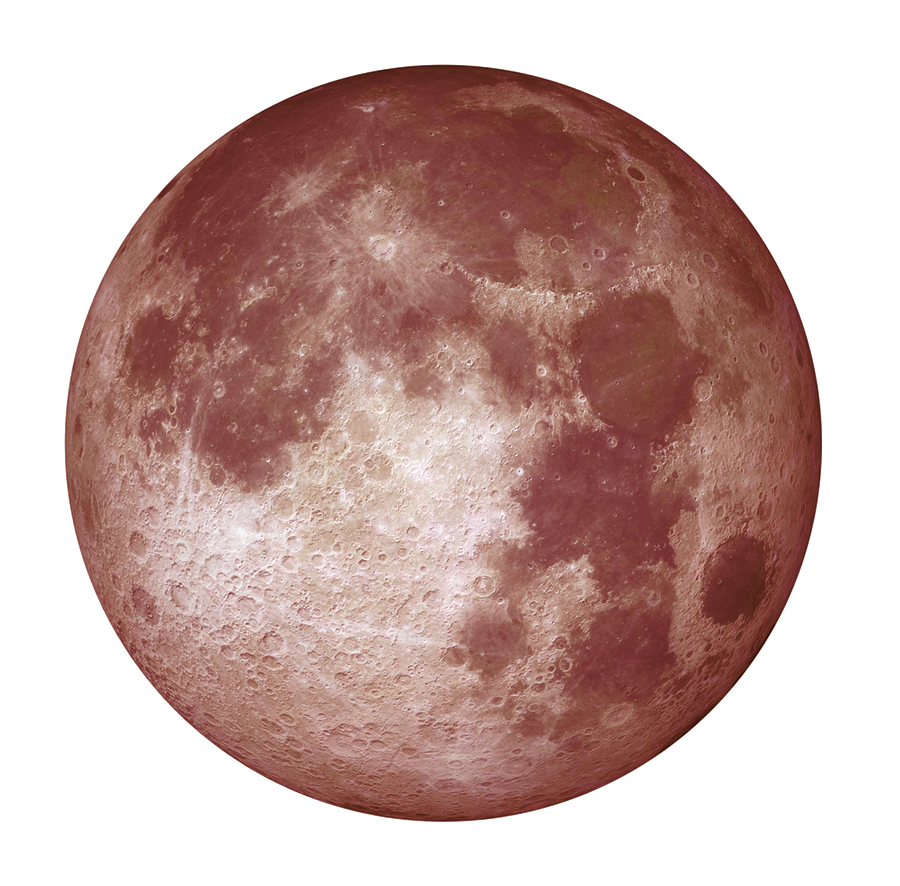
The Full Strawberry Moon rises on Monday, June 17 — four days before the solstice. Also called the Honey Moon, the Mead Moon and the Full Rose Moon, allow the brilliance of this June wonder to illuminate all the magic and potential of this brand-new season. And if you happen upon ripe wild strawberries for the occasion, don’t forget the honeysuckle blossom syrup in the fridge.

Almanac

By Ash Alder

The soft thud of a magnolia blossom crashing down upon the tender earth takes me back . . .

Rope hammock swing.

Soft light filtering through smooth green leaves.

Love notes tied with twine to sweeping branches.

We both knew it would not last. And yet we had our glorious season.

Life is like that. Fleeting as a fragrant white flower. And as May blossoms burst forth in jubilant splendor, we cherish the transient, intoxicating beauty of spring, and relearn the sacred dance of loving and letting go.

May is the beginning and the end.

On the bookshelf, Aldo Leopold’s A Sand County Almanac hasn’t been opened since the crash-landing of yet another bygone romance that died on Easter weekend, years ago now.

January, February, March, April.

Four cozy months of essays read aloud in bed, yet if we took any morsel of wisdom from Leopold’s poetic reflections of the natural world, it was this: Life is an endless dance of change.

This morning, I take the book to the front porch, turning to the dog-eared page of May — a fresh new chapter.

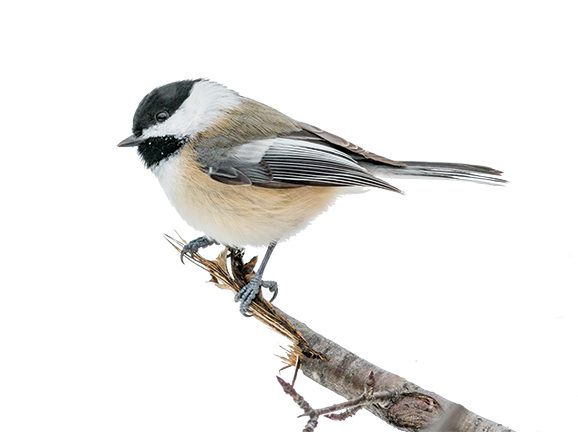
As a black-capped chickadee draws quick sips from the nearby birdbath, I read about the return of the upland plover, what Leopold refers to as the “final proof of spring” in rural Wisconsin.

Here, the final proof of spring is gone. We have landed on the fresh new chapter of May, a glorious season of its own.

Children are the anchors that hold a mother to life. — Sophocles

Cinco de Mayo

Mark your calendar. The Eta Aquarid Shower peaks just before dawn on Sunday, May 5. You could witness 10—40 meteors per hour. Not exactly the return of Halley’s comet, but it’s a chance to catch a glimpse of the famous comet’s debris. Find yourself a soft spot on the lawn. Breathe in the aroma of Southern magnolia. Enjoy the show.

The Mother’s Moon

The Full Flower Moon rises on Saturday, May 18. Also called Mother’s Moon, Milk Moon and Corn Planting Moon, this month’s moon illuminates red fox pups, fluffy cygnets, and wildflowers everywhere.

Speaking of lunar magic, The Old Farmer’s Almanac looks at the positions and phases of the moon to determine the “best days” for various activities. This month, the best days for planting aboveground crops are May 8 and 9 (plan now for July sweet corn on the grill). Plant belowground crops May 26.

Cut hay May 1–3.

Prune May 10–11 to encourage new growth.

Can, pickle, or make sauerkraut on May 26.


’Tis like the birthday of the world,

When earth was born in bloom;

The light is made of many dyes,

The air is all perfume;

There’s crimson buds, and white and blue,

The very rainbow showers

Have turned to blossoms where they fell,

And sown the earth with flowers.

      — Thomas Hood

Gifts for Mama

Mother’s Day falls on Sunday, May 12. I think of my fourth-grade teacher, who asked us to bring in one of our mother’s high heels. Yes, just one. We spray-painted it gold, lined the inside with floral foam, and proudly stuck a dozen plastic flowers inside. Happy Mother’s Day to all. May you walk in beauty.

Here are a few seeds of inspiration for the beloved mother figure in your life:

• Daylily bulbs

• Mexican tarragon for the herb garden

• Azaleas

• Ornamental pepper

• Wax begonia

• A new pair of shiny gold shoes

Almanac

April is a procession of wonder.

Flowering redbud. Rising asparagus. Row after row of tulips and daffodils.

When the earliest strawberries arrive, childhood memories of roadside stands and pick-your-own patches follow. The first time your grandma took you strawberry picking, you’d never seen berries so plump or vivid. Two, three, four buckets later, you’re back in the car, eyes twinkling, belly full of fruit made sweeter because you picked it.

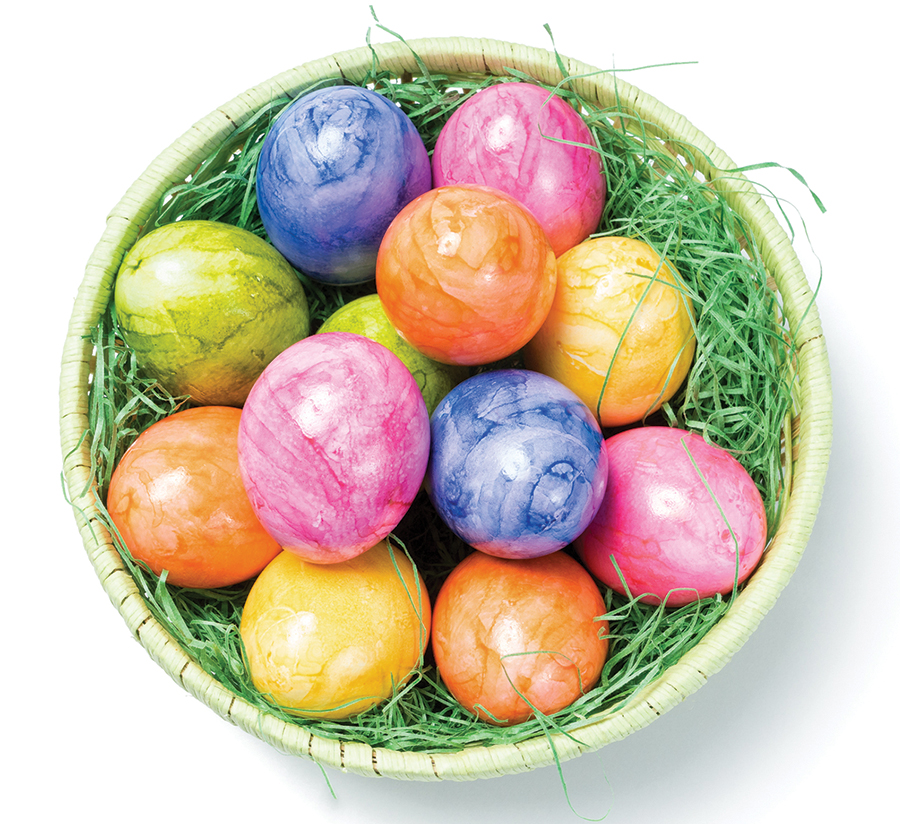
Easter conjures memories of Sunday hats and wicker baskets, and a grade-school field trip to a house down the street from the church. There, a classmate’s yard is dotted with dozens of colorful eggs — some painted, some plastic, all filled with candy — but all hearts are set on the coveted silver one, a super-sized treasure found in the low branches of a climbing tree when the sun hits the foil just right.

Maybe next year.

Or perhaps the true magic is discovering what you aren’t trying to find, like the robin’s nest in one of the hanging baskets.

In my early 20s (read, coin laundry days), on a visit home for Easter, my folks planted a basketful of plastic eggs in the backyard, each one filled with quarters.

Sometimes the great surprise is the wonder that grows with age.

Scope It Out

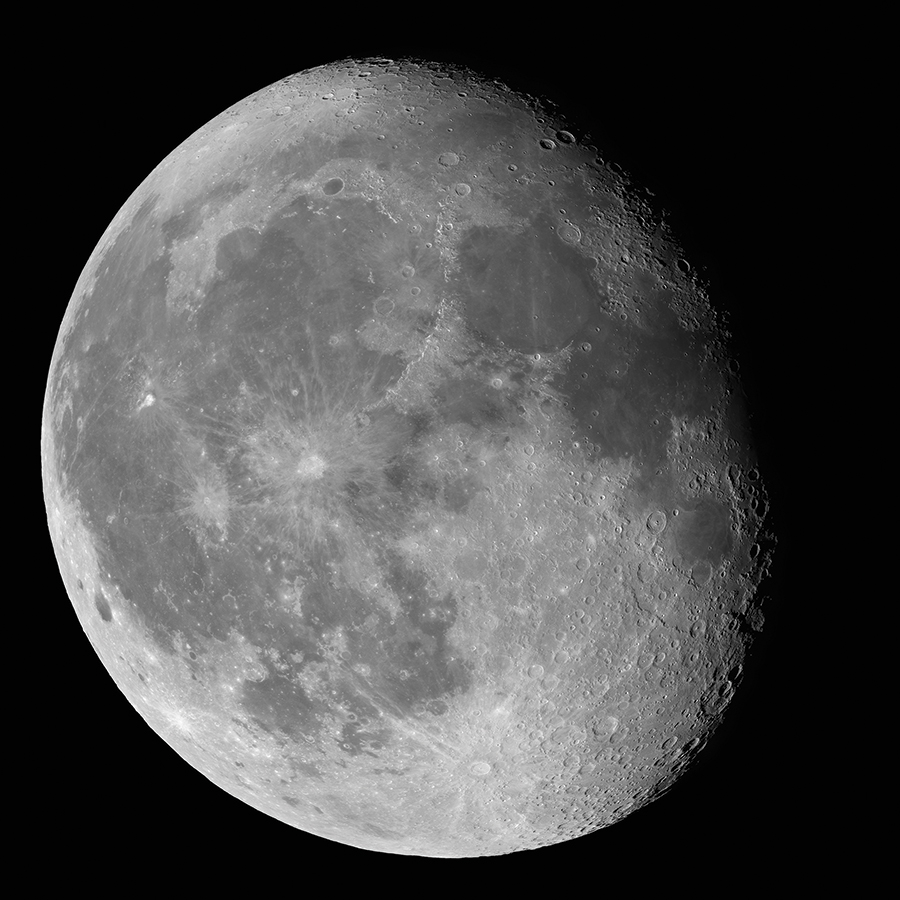
According to National Geographic, one of the top sky-watching events of the year will occur on Tuesday, April 23. On this dreamy spring morning, at dawn, watch as the waning gibbous moon approaches brilliant Jupiter as if they were forbidden lovers. Use binoculars if you’ve got them.

The Last Frost 

The Old Farmer’s Almanac speculates that a full moon in April brings frost. Cue the Full Pink Moon on Good Friday, April 19.  While it’s not actually pink, Algonquin tribes likely named this month’s full moon for the wild ground phlox that blooms with the arrival of spring.

Consider it a signal that it’s time to plan your summer garden.

Plant now, and enjoy fresh tomatoes and cukes right off the vine.

Devilish Alternative

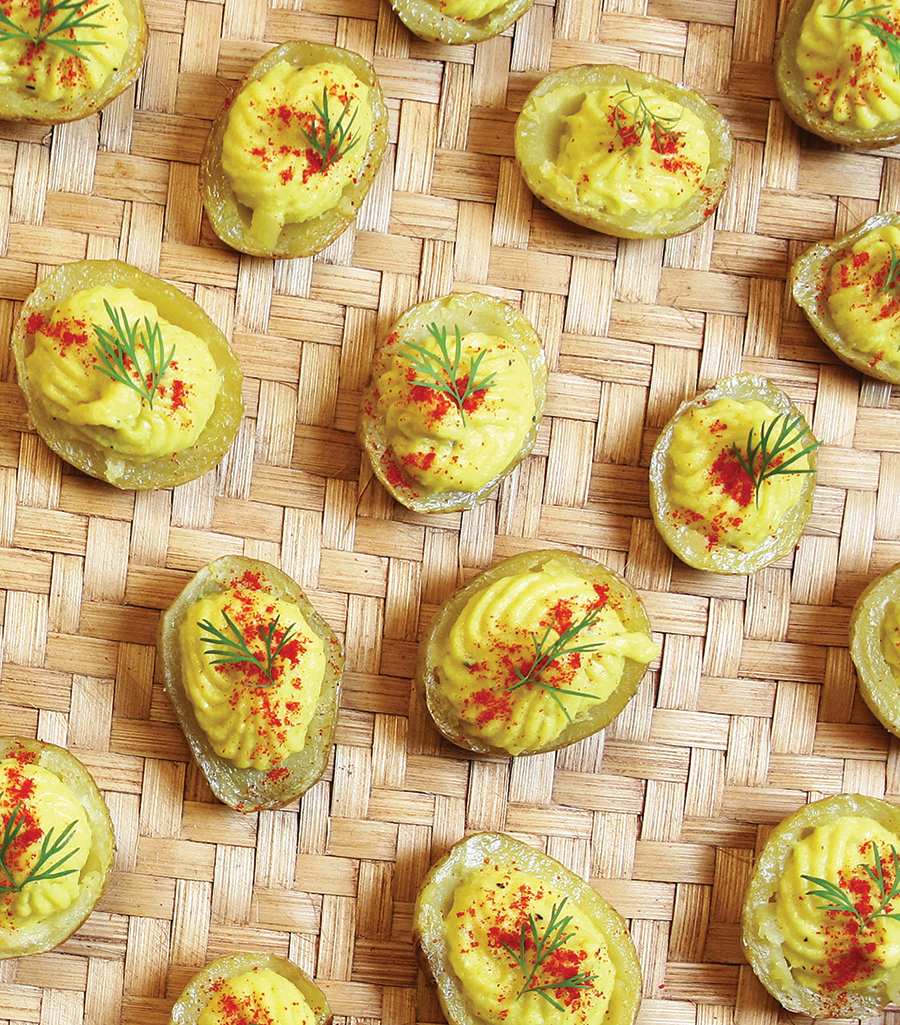
My younger brother has single-handedly cleared a tray of deviled eggs at more than one Easter supper. That’s why I was particularly stunned when he told me that he was adapting a vegan diet. No more deviled eggs? Well, not exactly. But when he told me about Thug Kitchen, a vegan cookbook peppered with language that would make our granny’s draw drop, I understood. Inside: a recipe for deviled chick-pea bites. Although we can’t print that here without heavy-handed edits, check out this equally scrumptious vegan recipe from Whole Foods Market: tender roasted baby potatoes topped with spicy yolk-free filling. Brother approved.

Deviled Potatoes

Ingredients:

12 baby potatoes (about 1 1/4 pounds)

2 teaspoons extra-virgin olive oil

1/2 cup vegan mayonnaise

1/3 cup drained silken tofu

1 tablespoon Dijon mustard

1 teaspoon sweet paprika

1 teaspoon turmeric

1/2 teaspoon coarse sea salt

1/4 teaspoon ground black pepper

Method:

Preheat the oven to 350°F. Line a baking sheet with parchment paper.

Cut each potato in half crosswise. In a large bowl, toss potatoes with oil and place cut-side down on the prepared baking sheet. Roast until tender when pierced with a knife, about 30 minutes. Let cool.

Using a melon baller, scoop out center of each potato half. Combine potato flesh, mayonnaise, tofu, mustard, paprika, turmeric, salt and pepper in a food processor and pulse just until smooth. Scoop filling into potato halves. Refrigerate for at least 30 minutes (and up to 2 days) before serving.

(Want to take this deviled egg alternative to the next level? Sprinkle with finely chopped fresh parsley before serving.)

If Spring came but once in a century, instead of once a year, or burst forth with the sound of an earthquake, and not in silence, what wonder and expectation there would be in all hearts to behold the miraculous change!  — Henry Wadsworth Longfellow

Almanac

“And here is the serpent again,” wrote the late poet Mary Oliver, “dragging himself out from his nest of darkness . . . looking for the sun.”

Three decades after she wrote it, Oliver’s “Spring” slides into consciousness. Oh, how you’ve missed these sunny mornings. As soft light filters through the kitchen window, you think of the snake, moving “like oil” over pine needles, tasting the air with its tongue.

March is here, and as an owl cries out from its distant nest, you taste the glorious poetry of spring.

Pink blossoms against leafless branches on the saucer magnolia.

Pink squirrel babes, blind and wriggling in their drey.

Pink rain jacket left hanging on the porch, pocket full of pine straw, blue bird flitting in and out of periphery. 

This year, the spring equinox arrives on March 20, in tandem with World Poetry Day on March 21.

Fitting.

And as you gently scoop the contents from your jacket pocket — a beautiful tapestry of needles and grasses — you think again of Mary Oliver, and of the delicate treasures she wove with nature and light.

Thank you, blue bird, for starting over.

Thank you, black snake, winding round the rising grass.

Thank you, poet within each of us, for acknowledging the beauty that is always waiting for us, like sunlight after a long, dark winter.

Hello, sun in my face. Hello you who made the morning and spread it over the fields . . . Watch, now, how I start the day in happiness, in kindness.  Mary Oliver

Nature’s Bard

In honor of the beloved and recently departed best-selling poet Mary Oliver, who made tangible the heart-breaking beauty of the natural world, and World Poetry Day on March 21, below is an excerpt from “When Death Comes,” in which the poet “considers eternity as another possibility.”

When it’s over, I want to say: all my life
I was a bride married to amazement.
I was the bridegroom, taking the world into my arms.

When it’s over, I don’t want to wonder
if I have made of my life something particular, and real.

I don’t want to find myself sighing and frightened,

or full of argument.

I don’t want to end up simply having visited this world.

Thank you, dear poet, for taking such transient beauty into your arms. And for those considering eternity: Oliver’s “Such Singing in the Wild Branches” is good medicine.

Amethyst Falls 

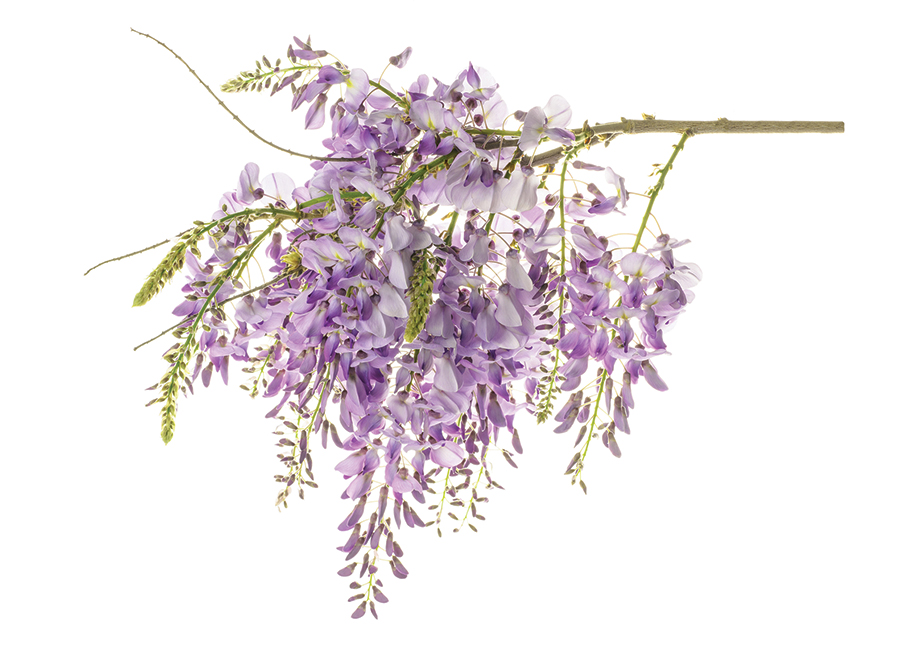
I once heard someone dub wisteria the “evil overlord of the plant kingdom” and, for better or worse, have never been able to shake it. If ever you’ve battled with wisteria in your backyard, perhaps you’ve given it a comparable name. But if you’re still reading this . . . if ever you’ve wished to make friends with this intoxicatingly fragrant vine, consider introducing a native cultivar, amethyst falls.

Less aggressive than its exotic Asian relatives known for choking out trees and, yep, swallowing houses, amethyst falls blooms on new growth, making the vines easier to prune back and train. Although the leaves and cascading purple flowers are smaller than the common wisteria you may have given a less-than-kind name, an established amethyst falls plant can climb 15–20 feet per season.

Bonus points: It’s drought tolerant and deer resistant.

March Garden To-Do

Replace winter mulch

Sharpen dull mower blades

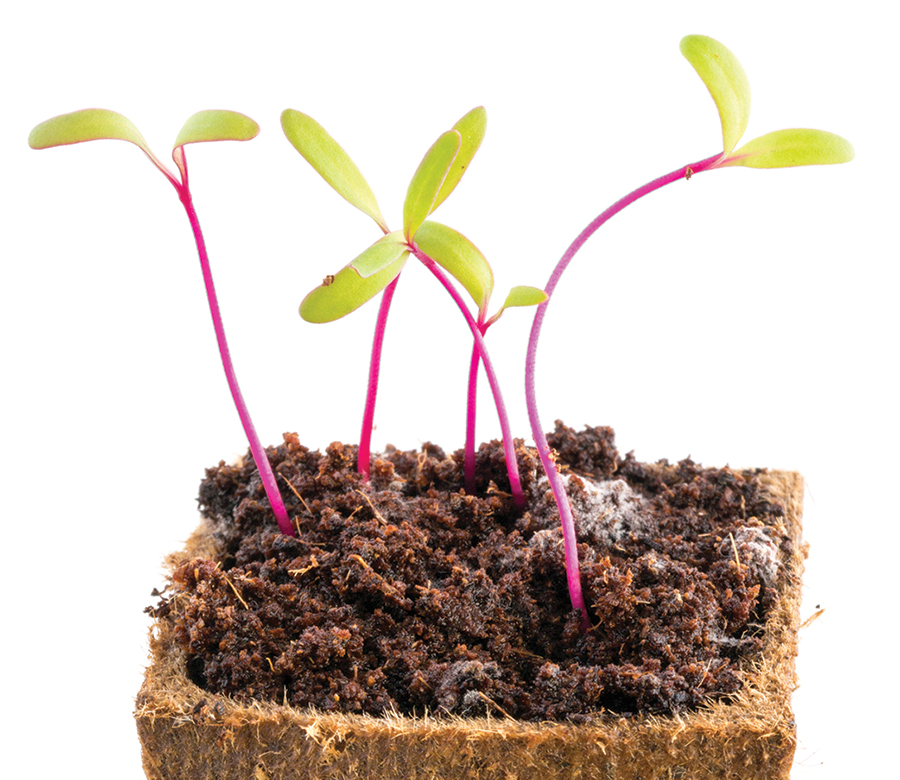
Sow seeds for spinach, radishes, turnips, and kale

Stop and smell the flowering redbud and dogwood

Almanac

Spring violets follow snow; the daffodils push through it.

Whoever grumbles curses at this cold month need only witness an explosion of February Gold, the early bloomer that utterly beams with exaltation.

We thaw from the inside out.

In the garden, wren and titmouse sing out from bare branches, and something within you stirs. You put on the kettle, light a candle, phone a friend you didn’t know could use the extra warmth.

Come over, you say, reaching for an extra mug. 

Some days, just as the daffodils push through snow, your kindness is the February Gold that lights up the world.

Say It in Flowers (or Spoons)

This and every month, red roses say I love you. But if you’re looking to dazzle your sweetheart with something different this Valentine’s Day, here are a few customs from around the world:

Exchange pressed snowdrops (Denmark).

Pin the name of your one true love on your shirtsleeve (South Africa).

Offer carved melons and fruit (China).

Although the Welsh celebrate their patron saint of lovers on Jan. 25, this gift might take the cake: the love spoon. Carved with intricate patterns and symbols, these wooden spoons have been given as tokens of affection for centuries.

Let us love winter, for it is the spring of genius. — Pietro Aretino

This Little Piggy

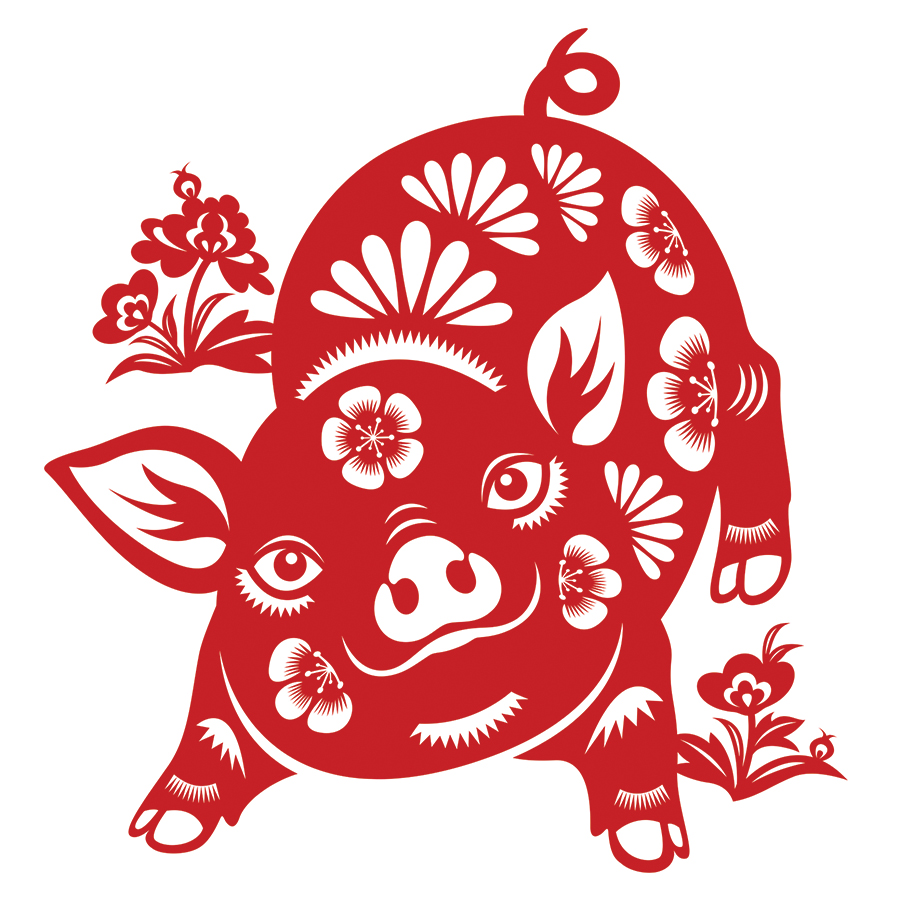
Tuesday, Feb. 5, marks the celebration of the Chinese New Year. Cue the paper lanterns for the Year of the Pig, a year of wealth and good fortune. Also called the Spring Festival, this lunar New Year is considered a fine time to “sweep away” ill fortune and create space for your abundance to arrive. It’s also a fine time for dumplings.

Because they resemble ancient gold ingots, Chinese dumplings are made by families on New Year’s Eve for the same reasons we slow-cook black-eyed-peas and collards.

In honor of the Year of the Pig, consider trying your hand at homemade dumplings. Or, in case you missed out last month, here’s a Hoppin’ John recipe adapted from The Traveling Spoon Chef on Instagram:

Ingredients:

1 pound dried black-eyed peas

10 cups water

1 medium onion, diced

1/4 cup butter

1 ham steak, diced

1 teaspoon liquid smoke

1 teaspoon salt

1 teaspoon pepper

1 bunch chopped kale (optional)

1-2 cups cooked rice (optional)

Directions:

Soak black-eyed peas overnight in 6 cups of salted water. Rinse and drain well. In a large pot, sauté onion in butter until tender. Next, add one diced ham steak (optional), 4 cups water, liquid smoke, salt and pepper. Add drained black-eyed peas to the pot, cover, and let simmer for 4 hours, stirring occasionally. If desired, stir in kale and rice just before serving. And a pinch of extra luck.

“Save some leftovers for the following day,” says the chef, and call it “Skippin’ Jenny.”

The Garden To-Do

This month, plant your greens, Brussels, peas and beets. Turnips and radishes. Broccoli and carrots. Asparagus. And Irish potatoes, three inches deep.

There is a privacy about winter which no other season gives you . . . Only in winter can you have longer, quiet stretches when you can savor belonging to yourself.
Ruth Stout, How to Have a Green Thumb without an Aching Back

Almanac

January is a masterpiece unfurling.

In the garden, everything feels like a tiny miracle. Each ice crystal. Each smiling pansy. Each tender bud on the heirloom camellia.

Notice how the curling bark of the river birch looks like downy feathers.

Even the sunlight looks softer than you’ve ever seen it.

Folk singer Cat Stevens made popular the Christian hymn that says as much:

Morning has broken, like the first morning

Blackbird has spoken, like the first bird

Praise for the singing, praise for the morning

Praise for them springing fresh from the world . . .

In January, the sweetness of infinite possibility appears in many forms, and in every direction.

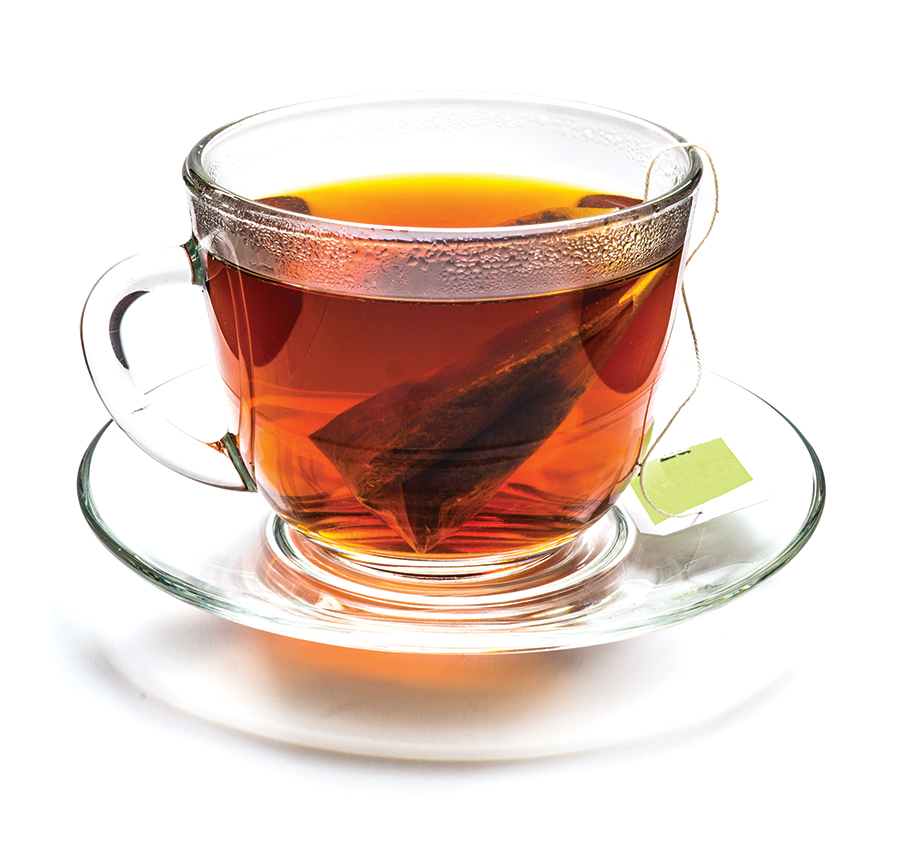
You clean the birdbath, add fresh water, return to the kitchen for the whistling kettle. As your sachet of tea pirouettes in hot water, the aroma of citrus, clove and cinnamon permeates the air, and there is movement in the periphery. Flashes of red. Through the window, you watch a pair of cardinals splash round in the clean water, preening each feather — each tiny miracle.

January is a threshold to wonders yet unknown. You enter bright-eyed, as if your very breath brings to life each miracle. As if you can taste the sweetness of the first morning with every cell.

The New Year, like an Infant Heir to the whole world, was waited for, with welcomes, presents, and rejoicings. — Charles Dickens, The Chimes

Royal Mayhem

What’s a Twelfth Night Feast without the possibility of being crowned king or queen for the evening? In ancient Roman times, a single bean was baked into a fruit-laden pastry, the recipient of which appointed “Lord of Misrule” for the night. Also called “King of the Bean,” whoever received the loaded slice of cake was decked in full regalia. And don’t forget to celebrate the “Queen of the Pea.”

Twelfth Night falls on January 5, Eve of Epiphany and the new moon, a good time to set intentions (and drink wassail).

What magic are you calling in this new year? Crown yourself King or Queen for the night, fill your chalice, and dream bigger.

Sweet Herbal Magic

While the soil is cool, plant spring bulbs and fruit trees, harvest edible weeds and winter greens, and when the work is done, create sacred space to enjoy this winter season . . . and tea.

January is National Hot Tea Month.

Loose leaf is best.

Indulge.

Add honey, lemon, spices, sticks of cinnamon.

Cook with it.

Chai and matcha shortbread cookies. Roasted oolong ice cream. Tea-smoked quail, turkey or duck.

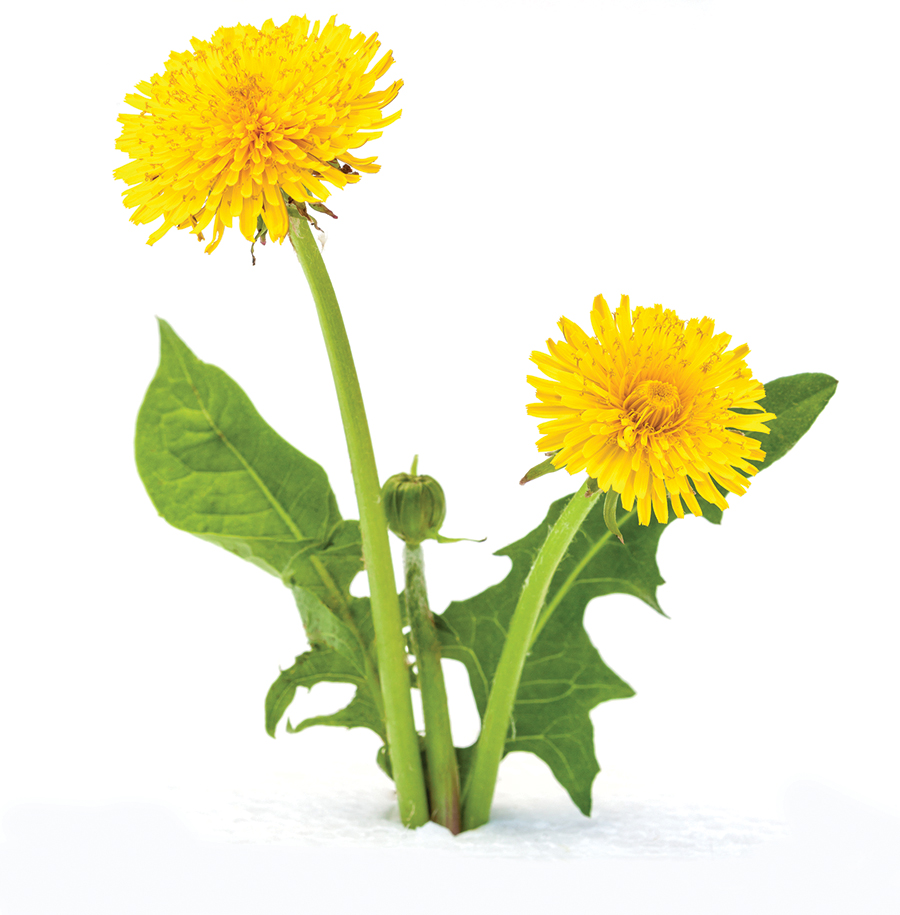
Detoxing? Dandelion root has long been used to help cleanse the liver and gallbladder.

Sore throat? Try peppermint, echinacea, ginger root or slippery elm.

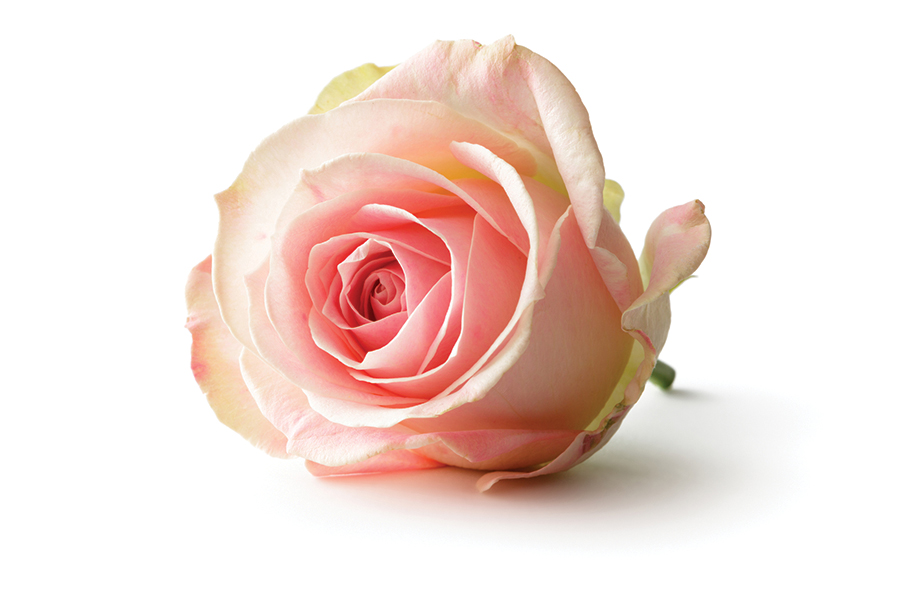
And if you’re dreaming of summer: sweet rose.

Time has no divisions to mark its passage, there is never a thunder-storm or blare of trumpets to announce the beginning of a new month or year. Even when a new century begins it is only we mortals who ring bells and fire off pistols. — Thomas Mann, The Magic Mountain

Happy New Year

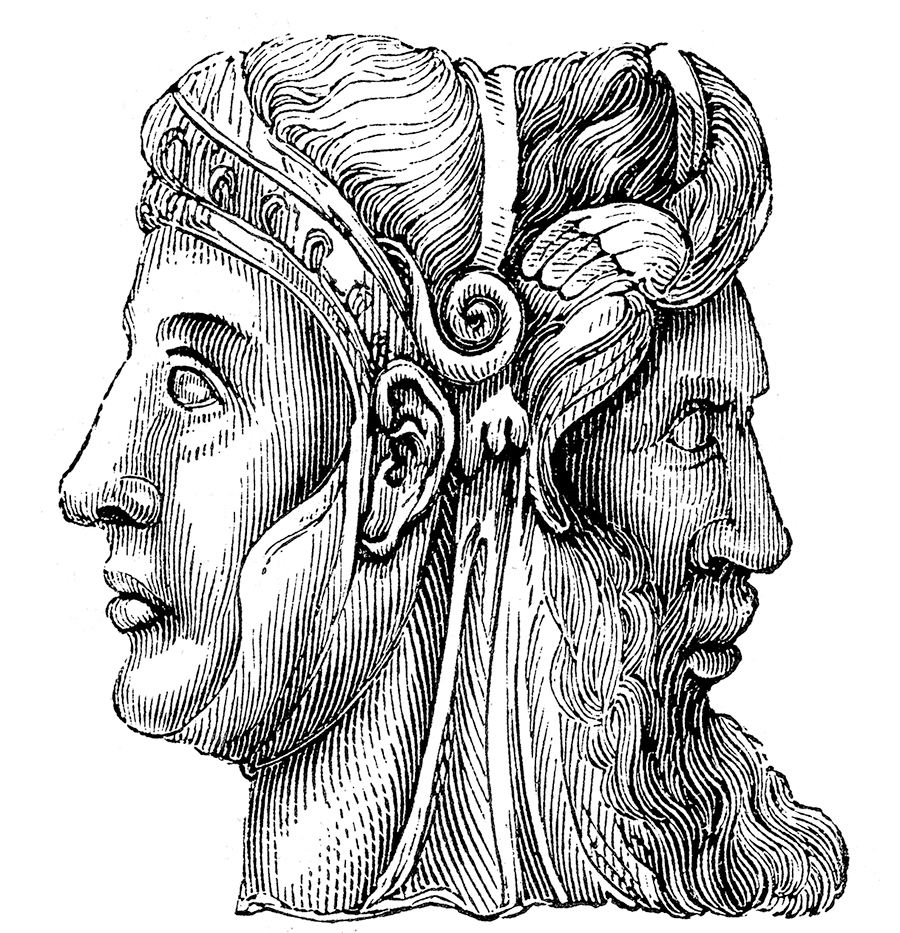
Although the ancient Roman farmers’ almanac dubs Juno the tutelary of the month, conventional wisdom claims that January is named for Janus, two-headed god of beginnings, endings, and everything in between: gates, transitions, passages, and doorways.

Speaking of doors . . .

Know how Denmark celebrates New Year’s Eve? Breaking dishes on the doorsteps of those nearest and dearest, a strange yet endearing way of expressing love and best wishes. The bigger the pile of shattered dishes you discover at your front door on January 1, the bigger the fortune you will receive in the coming year.

You might try an alternate gesture of kindness here: a gift from the garden; a letter; sachets of spicy loose-leaf tea.  PS