
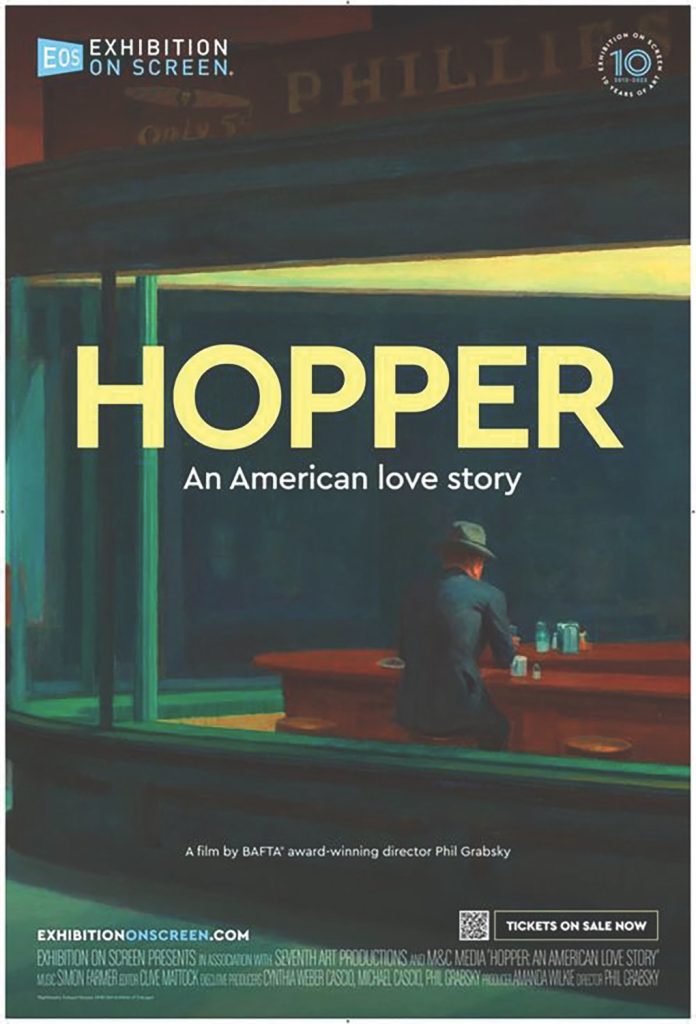









When American painter Edward Hopper felt blocked he would devour pulp crime novels and private eye stories or spend entire days at the cinema watching film noir. In partnership with the Arts Council of Moore County, the Exhibition on the Screen series at the Sunrise Theater, 250 N.W. Broad St., Southern Pines, features Hopper: An American Love Story, on Thursday, Sept. 4, at 2 p.m. and 7 p.m. Then, at the end of the month, the series continues with John Singer Sargent, renowned as the greatest portrait painter of his era. Showtimes at the Sunrise are Tuesday, Sept. 23, at 2 p.m., and Thursday, Sept. 25, at 7 p.m. For more information and tickets go to www.sunrisetheater.com.
The Sandhills Repertory Theatre pairs Ol’ Blue Eyes with the woman who made Oz famous in Sinatra & Garland: The Concert That Could Have Been, on Saturday, Sept. 20, at 2 p.m.and 7:30 p.m., and Sunday, Sept. 21, at 2 p.m., at the Sunrise Theater, 250 N.W. Broad St., Southern Pines. For info go to
www.sunrisetheater.com.
The Woofstock fundraiser to help upgrade Martin Park for man’s best friends is Saturday, Sept. 20, from 10 a.m. – 2 p.m. at Memorial Park, 210 Memorial Park Court, Southern Pines. There will be music, contests, food trucks and vendors with doggy and people stuff. For information call (910) 692-7376.
Hold on to your palette knives on Friday, Sept. 5. Southern Pines Parks and Rec will be celebrating Art Day at the Downtown Park from 5 – 7 p.m. Drop off a canvas or create one on the spot depicting what you love about S.P. Cost is $2. Best in show will be displayed in conjunction with Autumnfest in October. For information call (910) 692-7376. Also from 5 – 7 p.m., the Artists League of the Sandhills will hold an opening reception for an exhibit featuring the best in show and first place winners of the June 2023, ’24 and ’25 judged shows. The prize-winning art will be on display at 129 Exchange St., Aberdeen. Info: www.artistleague.org. And also in the mix, the Arts Council of Moore County opens “Entanglements” from 6 – 8 p.m. displaying the works of Jo Tomsick, Josiah King and Luke Huling. The exhibit at the Campbell House, 482 E. Connecticut Ave., Southern Pines, hangs until Sept. 26. Call (910) 692-2787 or visit
The Virginia MacDonald Quartet with MacDonald on clarinet, Bruce Barth on piano, Mark Lewandowski on bass and Maria Marmarou on drums performs on the lawn at the Weymouth Center for the Arts & Humanities, 555 E. Connecticut Ave., Southern Pines on Sunday, Sept. 28 beginning at 2 p.m. For information go to
www.weymouthcenter.org.
Take the Wayback Machine and listen to the Chicago tribute band Chi-Town Transit Authority on Friday, Sept. 19, from 7 – 9 p.m. at the Sunrise Theater, 250 N.W. Broad St., Southern Pines. If You’re Feelin’ Stronger Every Day, tickets begin at $35. For more information and, honestly, Does Anybody Really Know What Time It Is? go to www.sunrisetheater.com.
John “Papa” Gros is a New Orleans artist, keyboardist, singer and songwriter, and you get to hear him perform for free on the First Bank Stage on the grassy knoll next to the Sunrise Theater, 250 N.W. Broad St., Southern Pines, on Friday, Sept. 5, from 5 – 9 p.m. Y’all know the drill. The music doesn’t cost a dime but the beer requires both money and the appropriate age. Leave the four-legged friends at home. For more information go to www.sunrisetheater.com.
Writer, performer and comedic actress Erin Foley headlines the Bradshaw Performing Arts Center’s comedy series on Monday, Sept. 22, from 7 – 8 p.m. in the Owens Auditorium, 3395 Airport Road, Pinehurst. Among her many credits, Foley has been on Chelsea Lately, Curb Your Enthusiasm and co-starred in the cult classic movie Almost Famous. She is the host and creator of Herlights, a podcast with over 300 episodes dedicated to covering women’s sports. For information and tickets go to
www.ticketmesandhills.com.
The Shaw House Heritage Fair and Moore Treasures Sale begins on Friday, Sept. 12, from 9 a.m. to 1 p.m. at the Shaw House, 110 W. Morganton Road, Southern Pines. There will be collectibles, pottery, jewelry, art, antiques, vintage books, toys, glassware and on and on. The Heritage Fair, benefiting the Moore County Historical Society, continues on Saturday, Sept. 13, from 9 a.m. to 4 p.m., with vendors, food, live music, old-time craft demonstrations and farm animals tame enough for petting. For information go to www.moorehistory.com.
Too country for rock and too rock for country, the high energy Charlotte band Bourbon Sons supplies the sound for Live After 5 from 5:15 – 9 p.m. on Friday, Sept. 12, at the Village Arboretum, 375 Magnolia Road, Pinehurst. Bring chairs, blankets and your toe-tapping boots. There will be food trucks and kids’ stuff, too. For info go to www.vopnc.org.

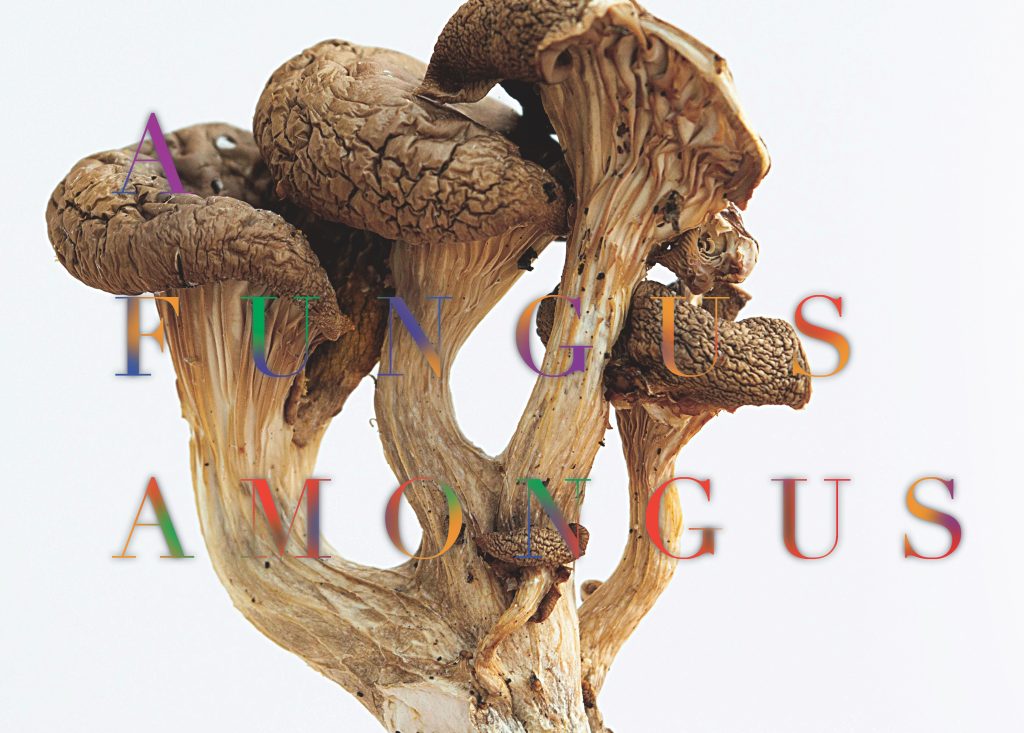
By Emilee Phillips
In the dark basement of a sprawling farmhouse, a mother and son work daily — and meticulously — tending to colorful bunches of oyster and lion’s mane mushrooms. Like the natural mushroom systems that grow underground, the labyrinthine basement is laid out in intricate patterns, a maze of rooms, each dedicated to its own phase of cultivation.
The rhythmic routine of misting, monitoring humidity and harvesting is as much art as it is science — a quiet but steady labor rooted in patience and precision only to be broken up by the laughter of a family joke.
In a home that sits on 200 acres of farmland that has been in the family for three generations, Candice Graham and Jonathan Bumgarner have converted their basement into Cranes Creek Mushrooms, breathing new life into empty space.
There is something profoundly grounding about a family farm. In the fast-paced, ever-changing landscape of modern life, the farm represents a constant — a space where the rhythms of nature dictate the pace of life, where the priorities shift from instant gratification to patience. It’s about cultivating a lifestyle that prioritizes sustainability, where food is grown with intention, animals are raised with care, and the land is honored as a precious resource.
Graham inherited the farm from her mother, who wasn’t a farmer herself but had a vision for her children’s future. In an act at the intersection of hope and business, she arranged for 322 pecan trees to be planted that, one day, would tower over the land and provide an additional revenue stream to sustain the farm. Though still young, some of her trees are beginning to produce, her promise literally coming to fruition.
Determined not to see the land broken up and sold off, the family had to get creative. They decided to take a leap into the unknown with mushroom farming. Aside from pecans, neither Graham nor Bumgarner had dabbled in agriculture before. “You take one step forward and three steps back with farming,” Graham says. “There’s a lot of education and research involved.”
Their first summer was trial and error. Beginning outside in a barn, they quickly learned the unpredictability of the effect natural climates can have on fungus farming — an experience that resulted in a complete do-over and driving them inside and underground. One way to bypass the natural limitations of mushroom farming, such as seasonality, is through indoor farming, which allows for year-round production and more control over the finicky crop. Now Cranes Creek Mushrooms produces a variety of oyster mushrooms, including black pearl, elm, chestnut, king trumpet and blue. From start to finish the process takes about two to three months. Lion’s mane — especially prized for tinctures and unique dishes — takes even longer, requiring about five months to grow. The longest part of the process is the preparation and sanitation of everything.
“It’s a very sterilized process, which is ironic considering how much mold mushrooms produce,” Bumgarner says with a chuckle.
The operation begins by soaking wheat grains to use as a breeding ground for the mushroom spores to colonize and reproduce, building vast networks of their root-like structures, called mycelium. Then the spawn is placed into large biodegradable bags and formed into blocks. The blocks are monitored closely after spores are added. These blocks are then arranged on rows of shelves in one of the converted basement rooms, where the mushrooms grow mostly in the dark, changing color from brown to white to nearly black, and then back to white again. In the wild, this part of the journey would happen underground.
“If it gets just one little germ in it, it multiples,” Graham says. If at any point in the process something appears wonky, the entire bag must be discarded. It’s survival of the fittest for these fungi. “You have to keep an eye on them every single day,” she says.
In another room, the next phase begins in large inflatable tents equipped with zippered doors and climate control. This “fruiting” space is lined with shelves of carefully arranged grow blocks that sprout with alien-like forms. Mushrooms thrive in humidity, but the temperature must be carefully managed. “A lot of people think mushrooms grow in the dark, but they actually crave light,” Graham says.
The family works in the tents wearing masks to avoid inhaling too many spores in the confined space. “A lot of it is about the tedious little things,” Bumgarner says.
“None of the labor is hard; you just have to keep an eye on them. It’s like having little babies,” Graham says.
Just days after the fungi begin emerging from the mycelium bags, they’re ready to harvest. For Bumgarner, the most satisfying part is twisting off a large clump of mushrooms, a small and crisp snap accompanying the plucking. Oyster mushrooms sprout in delicate clusters, their soft, fan-shaped caps unfolding in shades of pale cream or dusky blue-gray, like the soft brushstrokes of a watercolor painting. The bushels vary in size, resembling bouquets of flowers.
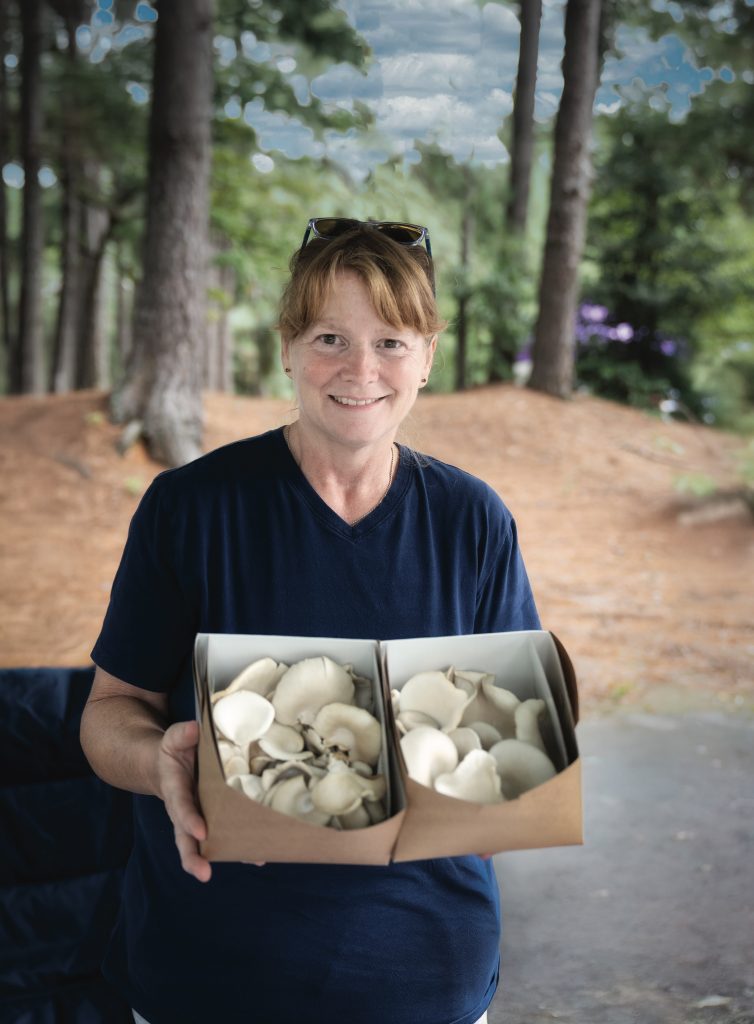
Just as mushrooms seemingly pop up out of nowhere, so too has their rise in popularity. With growing awareness of their health benefits, mushrooms were named “Ingredient of the Year” by The New York Times in 2022. At the Moore County Farmers Market in Southern Pines, Graham and Bumgarner regularly set up their booth with a selection of oyster mushrooms, lion’s mane and mushroom tinctures, all far from your average white button mushroom. They take the time to educate the curious about the complexities of mushrooms, whether for cooking or as tinctures. “We’re met with a lot of curiosity,” says Graham.

Every week, it seems, the duo find themselves explaining the benefits of lion’s mane mushrooms with their distinctive, almost otherworldly appearance — long, white, hair-like tendrils resembling the mythical abominable snowman. Despite the growing buzz around their potential health benefits, Graham and Bumgarner are often surprised when people haven’t heard of lion’s mane. Graham takes tincture droplets daily, which she believes improves memory and reduces inflammation. For them, mushrooms aren’t just a culinary ingredient; they’re a form of nature’s medicine.
The two are also experimenting growing rieshi mushrooms, which are thought to help aid relaxation. “Everyone needs to relax more,” says Graham. Mushroom-based products like mushroom coffee have been gaining popularity in recent years, but Bumgarner believes tinctures are the way to go. “They’re more potent, pure, and taste better,” he says. Cranes Creek Mushrooms soak their mushrooms in pure vodka to make their tinctures.
Oyster and lion’s mane mushrooms are seldom found in traditional grocery stores. In many ways, they are a quiet luxury, accessible to those who shop with intention at places like farmers markets and co-ops. Their luxury isn’t due to high cost or rarity, but rather their shelf life, which makes them less suited for conventional grocery store environments.
In addition to the farmers market, you can find Cranes Creek Mushrooms in gourmet dishes from local restaurants such as Ashten’s and Elliott’s on Linden. For Bumgarner, nothing beats the simplicity of sautéing mushrooms in butter. He and his mother agree that lion’s mane has a more unique texture, almost chicken-like, with a flavor that is difficult to explain to someone who has never tasted it. “It’s meatier,” he says. “One of the most interesting things I’ve learned about mushrooms is that you don’t get any of the benefits, other than fiber, unless you cook them.”
Graham says the shared mother and son moments are one of the most rewarding parts of their business. “We get a lot of family time. We can tease and talk and work.” As someone passionate about eco-friendly practices, Graham was thrilled to learn about the benefits the mushroom spawn blocks could bring to the soil on the farm.
Along with mushrooms, Graham and Bumgarner have added quail and chickens to their operation, knowing the extra minerals and nutrients from the spent mushroom blocks can aid the overall health of the animals on their property. “We are trying to get to the point where the farm supports itself,” she says. “I also have to stay busy or I’m not happy.”
More than a business, Cranes Creek Mushrooms is life underground, a labor of love, fueled by family.


By Claudia Watson
It’s a slight squeak of the wooden gate that welcomes me to the garden, but once I step inside, the sounds shift. There’s a gentle breeze rustling the leaves, creating a soft whisper. The garden’s colors and textures blend with its aromatic smells and birdsong. It’s a soothing symphony, all mine for a few sacred minutes at dawn.
Nature has always been an escape for me, keeping me centered even in the most challenging of times. When I was young, I filled the hours in a woodland and creek, teasing polliwogs, rock-hopping and chasing the delicate butterflies flitting among the wildflowers. Then, I’d seek my secret sanctuary, an ancient white birch tree, snuggle into its curved hollow and listen as the wind in its branches whispered.
Immersive experiences, such as those youthful pursuits, connect us to nature’s wonders. We are hard-wired to find them engrossing, soothing and a powerful tool for healing. Gardens are particularly well-suited to tap into those connections in health care settings where life-challenging and life-threatening events are amplified.
Healing gardens engage the senses and foster those connections. They are designed with a passive involvement approach that allows visitors to be present and absorb the elements of nature, without structured activities and programs.

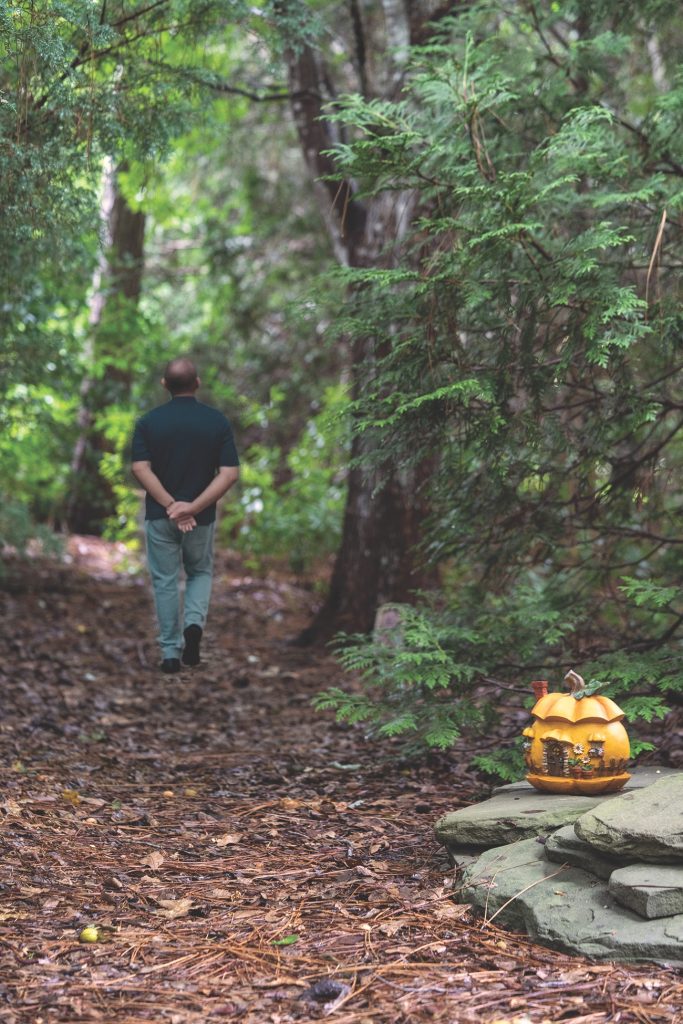

It was the long and exhausting experience of caring for their loved ones in the hospital that motivated Dr. Lynda Acker and Cassie Willis to approach the Foundation of FirstHealth with a vision to construct a healing garden on the regional hospital system’s Pinehurst campus. Acker and Willis were longtime gardeners, and it was their vision and design, supported by the community’s love for the concept and philanthropic spirit, that brought the Healing Garden oasis to life in 2012.
Located behind the Clara McLean House, the public garden is meticulously designed, expansive and mature. On any given day, it might host a patient undergoing treatment at the hospital, a medical provider taking a break, or a garden club enjoying the season’s blooms. Its beauty and tranquility instill a sense of calm and peace.
Upon entering the Healing Garden through its rose-laden moongate, a visitor is immediately greeted by the sound of birdsong. This auditory experience, combined with the garden’s visual beauty, creates a tone that sets the stage for a peaceful and engaging journey. The meandering, curved stone paths encourage exploration and curiosity about what lies around the next turn.
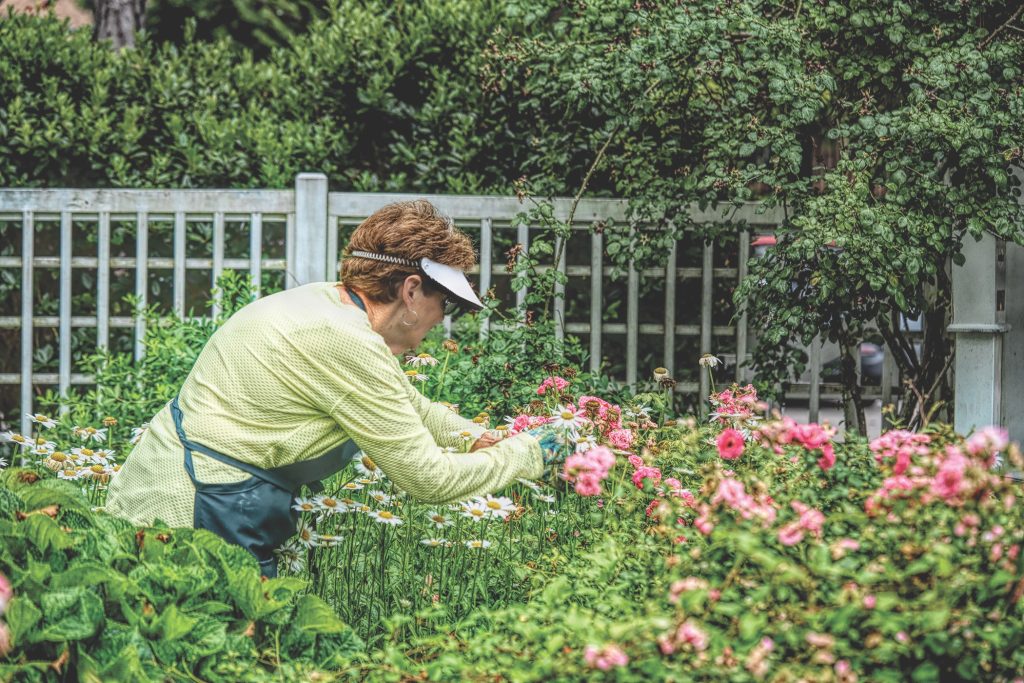

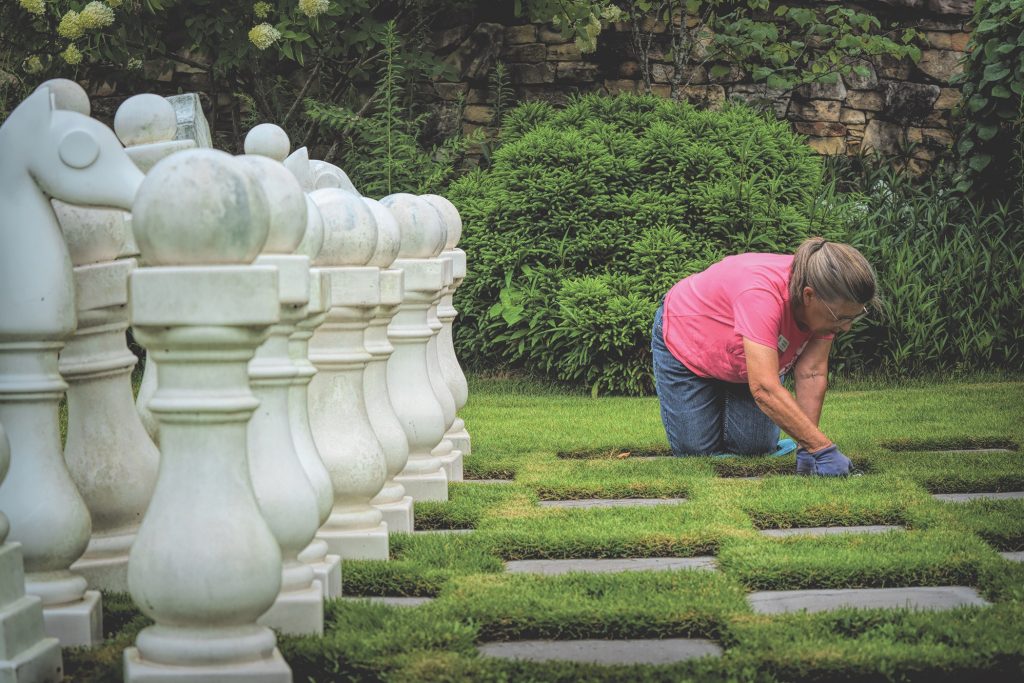
Small seating areas, including an intimate Lutyens bench in the Cottage Garden surrounded by mophead hydrangeas and roses, invite visitors to linger. The replica of a 15th century English stone dovecote serves as the visual and functional centerpiece of the garden.
The bounty of unusual trees, including a mature loquat, towering snowball viburnum, Chinese elms and vitex, adds a sense of curiosity. Beds of showy Japanese anemones and Mexican petunias add bursts of color. At the same time, sensory stimulation is offered by new dawn climbing roses, daisies, native salvias, herbs and a grey owl juniper that smells like a Christmas tree.
Many plants possess unique features that make them a natural conversation starter. One morning, as I was guiding our weekly volunteer work session, I was approached by a visitor intent on learning more about the plant he held in his hand.
“Can you please tell me the name of this?” asked 76-year-old Harlan Devore, holding out a weed.
“Chickweed,” I said.
“The Latin name, please?” he asked.
Embarrassed, I replied, “I don’t know.”
It was the beginning of our friendship, made in the garden. Devore, a retired military officer and science teacher for 20 years, was a patient undergoing treatment for cancer and staying at the Clara McLean House.
“I grew up loving plants because my mom did and she always used a plant’s Latin name, so that’s how I know plants, not by the common name,” he told me. Using a lot of show-and-tell, we discussed weeds in two languages. He met many of the garden’s volunteers and then asked if he could pull the weeds when he had spare time.
“Sure, if you’re OK with the work. It would be greatly appreciated,” I said, and showed him where we stored our tools and the debris bins.





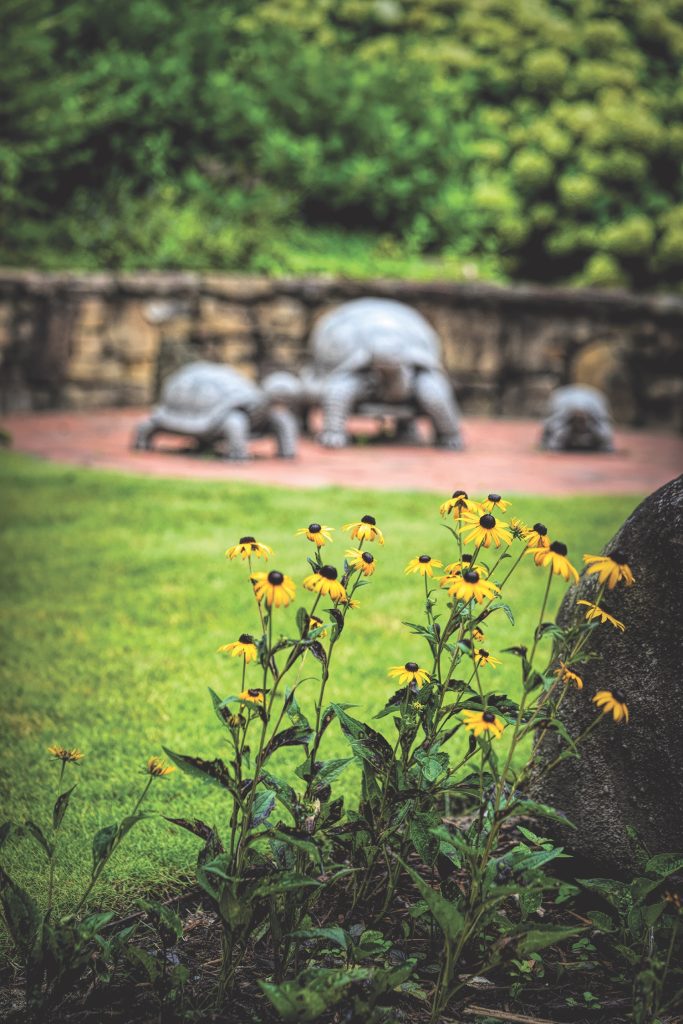

When I returned a couple of days later, I found three 32-gallon bins full of weeds. Later that week, Devore asked if he could join the garden volunteers every week. He believes that active physical involvement with the garden enhanced his healing while instilling a sense of usefulness and accomplishment — and he made new friends who share his love for it. Today, he’s in remission, spending time with his family, volunteering for numerous organizations, kayaking on a local lake and, of course, pulling weeds at home.
“You reflect on your life, but sitting by the garden’s waterfall reading and listening to the birds took my mind off my worries,” he says of the garden. “I felt absorbed into nature, and that helped me relax.”
Gardens and natural spaces enrich both the body and the soul. When you view nature, you become embraced by its tranquility and beauty. It’s a welcome distraction, especially if you’re grieving. The gardens on the FirstHealth Hospice and Palliative Care campus opened in 2015 and were conceptualized with nature in mind, recalls Acker, who, with Sally DeWinkeleer, designed the peaceful space. With its carpets of densely planted, vibrant flowers and plants, the gardens provide patients, families and caregivers a place for rest, reflection and engagement with nature.
“We considered the individual needs of those who will benefit from this space,” explains Acker. “They need relief from the stressful conditions and long hours in Hospice House. The gardens and the outdoor sitting and walking areas provide respite at any time of the day or night.”
In addition to the beautiful flowers and serene atmosphere, the gardens feature a single-path labyrinth shaded by white Natchez crape myrtles. The labyrinth serves as a therapeutic tool, encourages mindfulness, and is designed to help individuals navigate the complex emotions associated with grief and loss.
“It’s a meditative experience, a reflection of your journey,” says DeWinkeleer, who lost her mother before working on the project. “It was a powerful and safe way to help me process my grief.”
A small pond was placed at a corner across from the Hospice House, where its mesmerizing movement and gentle sound offer a calming space to passersby.
One of the most poignant scenes at the gardens happens in early spring, when the grounds present a breathtaking display of thousands of cheerful daffodils. As the sun crests the horizon at dawn, its golden light illuminates the fields of daffodils, symbolizing hope, rebirth and new beginnings.
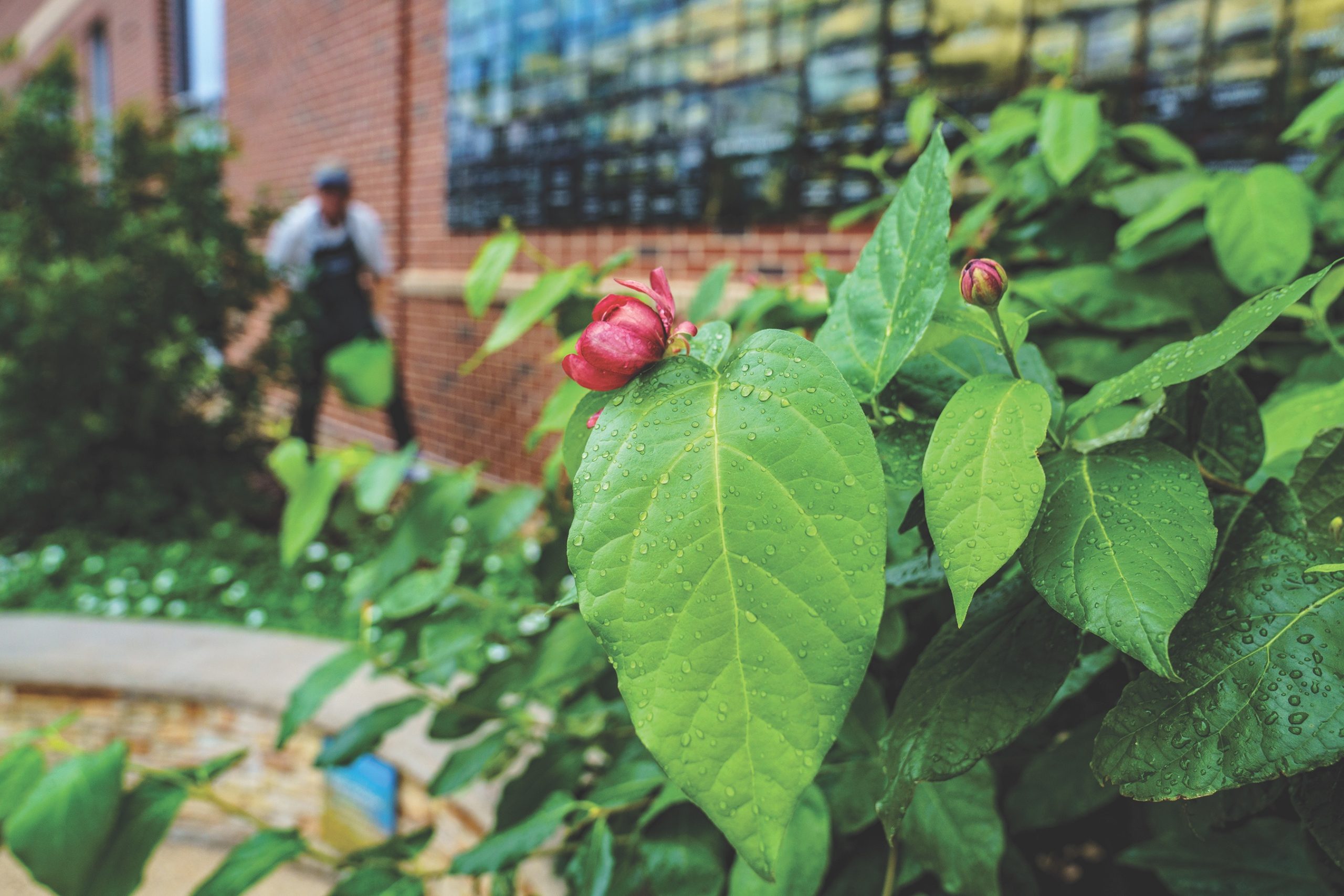
The healing gardens at FirstHealth of the Carolinas, including two of its newest at the Cancer Center, are lovingly cared for by community volunteers, many of whom have spent years tending them. These dedicated individuals aren’t just nurturing plants — they are creating an environment where patients, families and staff find peace and serenity during some of life’s most challenging times.
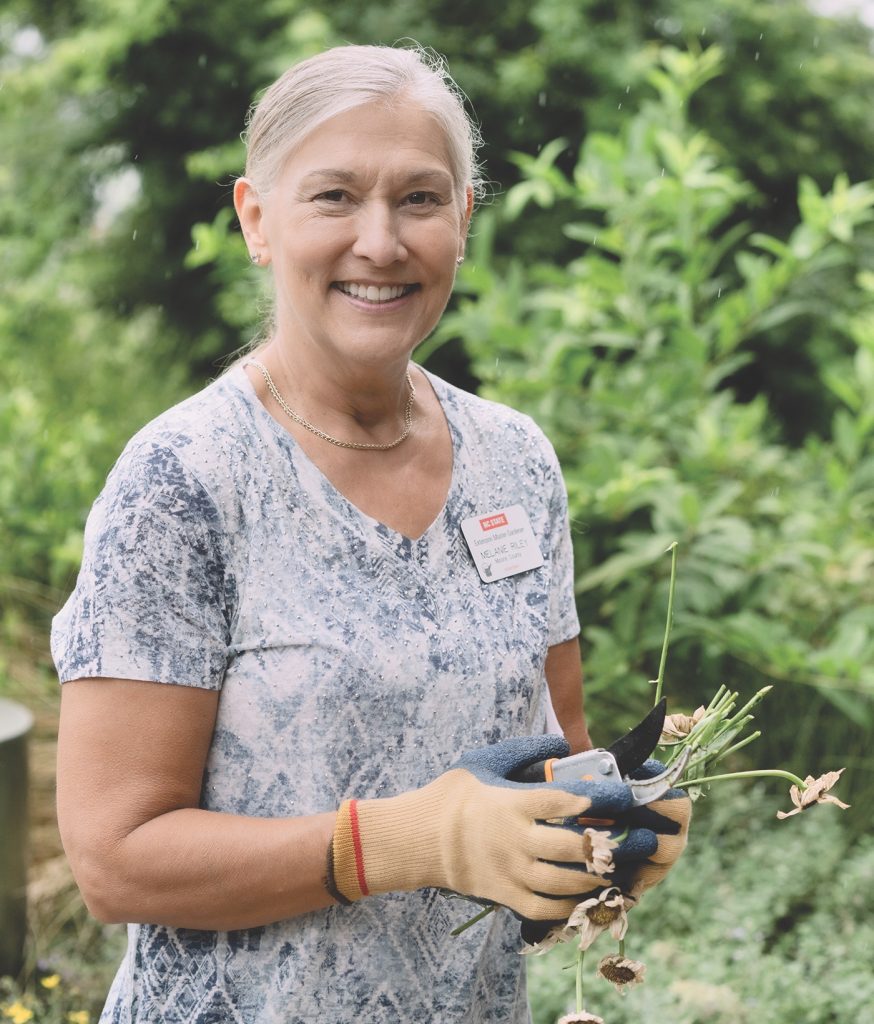
“When I saw how many people found comfort in this garden, I knew I had to be part of it,” says Melanie Riley, a volunteer at FirstHealth’s Cancer Center, which opened in 2023. Riley had just begun the 13-week Extension Master Gardener program with the Moore County Extension Service when she was diagnosed with breast cancer. After reviewing the options, she elected a double mastectomy, and days later, passed her final EMG exam. After her recovery, she began volunteering at the Cancer Center’s Healing Gardens, co-designed by Acker and the building’s architect.
“Working here among those with cancer, as well as survivors, gave me a sense of control over my health and emotions,” she says. Now cancer-free, Riley says her experience in the garden was not only life-enhancing, it became life-rebuilding. She cherishes her mornings working in both the lobby-level and rooftop healing gardens.
“Patients and their caregivers come out to the garden for an uplifting distraction from their concerns,” she says. “I’ll introduce myself as a cancer survivor and offer them an encouragement stone that’s engraved with an uplifting message.”
That small stone is often the conversation starter, as they share their experiences. “It’s such an important validation for them to know another has made it through,” says Riley, reflecting on her own turbulent passage through the disease. “Then, I’ll notice a shift in their mindset. They are calmer and will ask about the flowers and plants, as well as the little bugs they see. They leave their worries for a bit and depart with a brighter perspective and a smile.
“It’s magical when they step into the nature of it all.”
Time spent in green spaces has a profound and positive impact on our lives. Whether it’s birdsong, a gurgling stream or the wind blowing through the tall trees, nature provides joy and comfort. Listen closely, as it whispers, “All is well.”


By Bill Fields
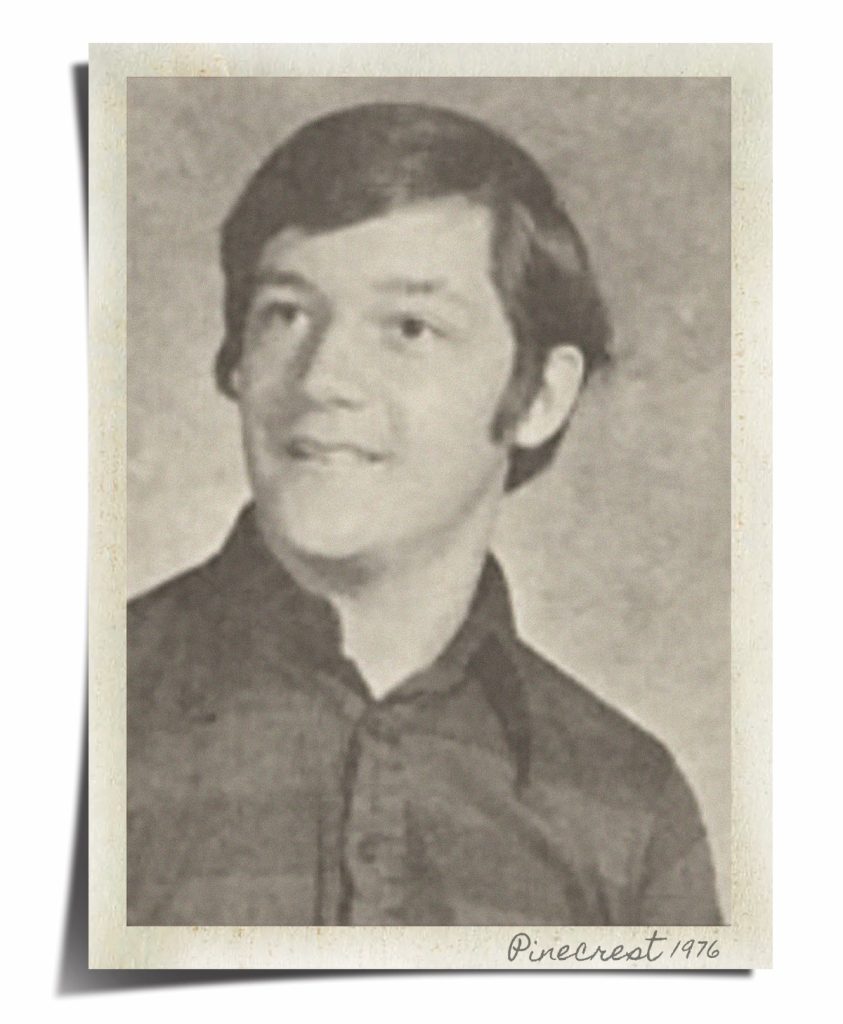
Amid some recent decluttering — well, to be honest, plain old rummaging through the contents of a castaway cardboard box obtained from the ABC store that had sat for years in the closet of my childhood home — I found a letter to my mother from my first-grade teacher at East Southern Pines Elementary, Alice Caddell.
“It has been a joy to teach Bill this year,” Mrs. Caddell wrote. “He is a very intelligent boy, and I am expecting great things from him. Bill has been so good to share his books and toys with us. We do appreciate it. I shall miss Bill next year.”
Two thoughts immediately came to mind upon reading the handwritten message:
1). The dusting powder Mom gave Mrs. Caddell at the end of the 1965-66 school year must have been of the highest quality.
2). I peaked way too soon.
Clearly — and thank goodness — Mrs. Caddell never compared notes with math teachers I had further down the line when the work was more complicated than adding and subtracting the wobbly numbers I’d formed with a thick pencil on wide-ruled paper. My score on the math portion of the SAT was the equivalent of getting blown out 56-7 on a Saturday afternoon in September. If she had seen that, she might have reconsidered her praise for a boy who had let classmates play with his G.I. Joe and Matchbox cars.
Even if it has been a long time since you’ve been in a classroom, recollections of the good and the bad come flooding back this time of year.
You certainly recall the places where you learned. In my case, that meant nine years of elementary and middle school on the campus between New York Avenue and Massachusetts Avenue in Southern Pines, three years at Pinecrest High School, followed by four years (plus a summer session) at UNC-Chapel Hill.
What you learned? Of course, from cursive to typing, “Run, Spot, run!” to “Emilio y Enrique están aquí.” Montpelier and Pierre were state capital challenges for those of us who grew up taking field trips to a museum or prison in Raleigh. Attempting to dissect a frog in 10th grade biology wasn’t nearly as much fun as chasing tadpoles. My world view broadened upon discovering there are bodies of water in America that make Aberdeen Lake look like a puddle.
But the people we learn from linger most vividly in memory. No one goes through a dozen or more years of school without experiencing at least a few teachers whom you’d rather forget, people ill-suited for the profession going through the motions, more eager for the last bell of the day to ring than even some of their least-motivated pupils. I had a college journalism professor who thought small, throttling my ambition — it didn’t work —instead of feeding it.
Fortunately, those types of individuals are outnumbered by their more skilled and passionate brethren who regardless of personality possess the gift to inspire as well as instruct, whose command of a subject and enthusiasm for it rubs off. That kind of talent results in a student chasing knowledge long after a final exam in a particular course.
Since I didn’t go to kindergarten, Mrs. Caddell got me off on the right foot, and Mrs. Robbins was just as kind and good at her job in second grade. My sixth-grade teacher, Miss Hall, had a gift for making you want to learn, to show off by making excellent grades. In the ninth grade, Spanish teacher Jeanette Metcalf enthusiastically guided me through my introduction to a foreign language.
At Pinecrest, Karen Hickman (journalism) and Eloise Whitesell (English), got me off on sound footing when I was trying to learn how to string sentences together. Once I began taking courses in the School of Journalism at Carolina, Jan Johnson did a great job teaching the basics, although I’m glad none of my early newswriting efforts from J-53 are archived for anyone to see. In a couple of advanced courses I took later, professors John Adams and Richard Cole, true scholars of the craft, were demanding yet nurturing. And regardless of what level or subject someone is teaching, that is an unbeatable combination.

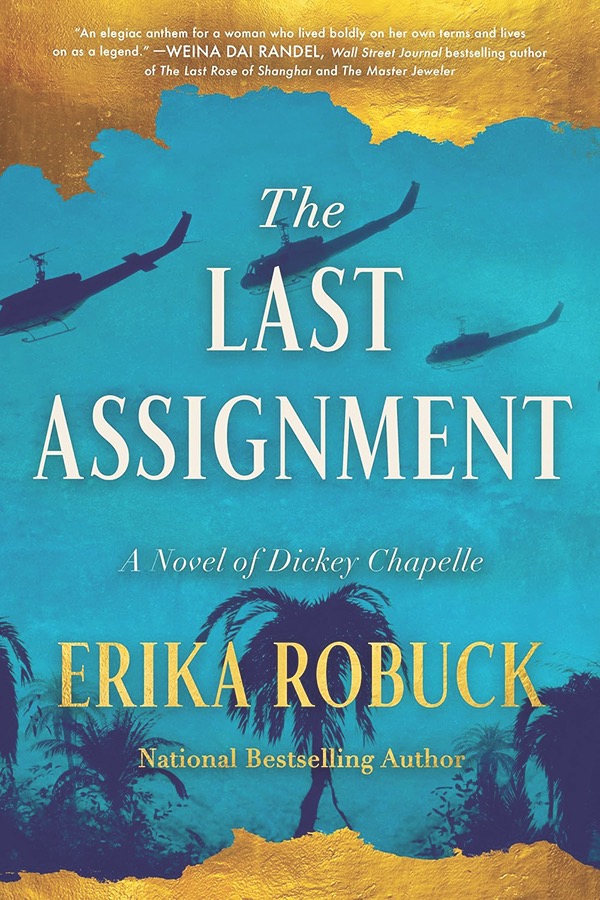



The Last Assignment, by Erika Robuck
It’s the fall of 1956 and award-winning but often-maligned combat photojournalist Georgette “Dickey” Chapelle works for the International Rescue Committee — started by Albert Einstein during the Second World War — to bring the plight of the world’s war refugees to the attention of the American people. Still grieving the death of her mother, just two years after the death of her father, and in the midst of a prolonged and painful separation from her philandering husband, Dickey identifies deeply with displaced people — particularly women, children and orphans. After a refugee rescue goes wrong, Dickey finds herself imprisoned in a Soviet camp, and it’s there that a flame is lit deep inside her to show the world what war really means. Her journey places Dickey in the most perilous of dangers where she realizes that, in trying to galvanize support to save oppressed peoples, she is saving herself.
Saltcrop, by Yume Kitasei
In Earth’s not too distant future, seas consume coastal cities, highways disintegrate underwater, and mutant fish lurk in pirate-controlled depths. Skipper, a skilled sailor and the youngest of three sisters, earns money skimming and reselling plastic from the ocean to care for her ailing grandmother. But then her eldest sister, Nora, who left home a decade ago in pursuit of a cure for the world’s failing crops, goes missing. When Skipper and her other sister, Carmen, receive a cryptic plea for help, they must put aside their differences and set out across the sea to find, and save, Nora. As they voyage through a dying world both beautiful and strange, encountering other travelers along the way, they learn more about their sister’s work and the corporations that want what she has discovered. The farther they go, the more uncertain their mission becomes: What dangerous attention did Nora attract, and how well do they really know their sister — or each other?
Somebody Is Walking on Your Grave: My Cemetery Journeys, by Mariana Enriquez
Fascinated by the haunting beauty of cemeteries since she was a teenager, Enriquez visits them frequently on her travels around the world. When the body of a friend’s mother who was “disappeared” during Argentina’s military dictatorship is found in a common grave, Enriquez begins to examine the complex meanings of cemeteries and where our bodies come to rest. She journeys across North and South America, Europe and Australia, visiting Paris’ catacombs, Prague’s Old Jewish Cemetery, New Orleans’ above-ground mausoleums and the opulent Recoleta in her hometown of Buenos Aires. Enriquez investigates each cemetery’s history and architecture, its saints and ghosts, its caretakers and visitors, and, of course, its dead. Fascinating and spooky, weaving personal stories with reportage, interviews, myths, hauntology, personal photographs, and more, Somebody Is Walking on Your Grave reveals as much about Enriquez’s own life and unique sensibility as the graveyards she tours.
The Psychology of Money: Timeless Lessons on Wealth, Greed and Happiness, by Morgan Housel
Doing well with money isn’t necessarily about what you know. It’s about how you behave. And behavior is hard to teach, even to really smart people. Investing, personal finance and business decisions are typically taught as a math-based field, where data and formulas tell us exactly what to do. But in the real world people don’t make financial decisions on a spreadsheet. They make them at the dinner table, or in a meeting room, where personal history, your own unique view of the world, ego, pride, marketing and odd incentives are scrambled together. In The Psychology of Money, Housel shares 19 short stories exploring the strange ways people think about money and teaches you how to make better sense of one of life’s most important topics.

Fox and the Mystery Letter, by Alex G. Griffiths
Fox has a mystery to solve — and a friendship to fix! In the dense forest, in a lonely cottage, there lives Fox. Fox is perfectly happy all by himself until one day, a letter arrives: “Dear Fox: I know how much you enjoy puzzles. I bet you can’t resist this one . . . Head to the forest path to begin your journey. From an old friend.” Fox doesn’t need any mysterious puzzles or adventures . . . still, it can’t hurt to look at the first clue. Of course, one clue leads to the next. Fox follows arrows in the mud; notes taped to trees; swirling smoke signals; a map from a bottle; and gifts from fellow animals — on the trail of a friendship that once was. (Ages 3-5.)

A Spoonful of the Sea, by Hyewon Yum
On her birthday, a girl is presented with a bowl of miyeokguk — seaweed soup — instead of the cake she wants. As she stirs her soup, her mother tells her how mothers eat it after giving birth and how it is served on birthdays to honor them; about haenyeo — women who dive into the ocean’s depths to harvest shellfish and seaweed; and how, many mothers ago, a pregnant haenyeo saw a whale eating seaweed after giving birth and tried it after having her own baby — creating a tradition that would continue for generations of daughters to come. In her picture book Yum has crafted a luminous and heartfelt celebration of motherhood, heritage, and the deep-rooted connection between women and nature. (Ages 4-8.)

Henry Is an Artist, by Justin Worsley
Henry is a dedicated artist, a master sculptor, and . . . a dog. Each day on his walks to the park, he leaves his new “art” for people to admire. But his sculptures keep getting tossed in the garbage without even being noticed! That is until, one day, when someone quite unexpectedly falls in love with his work and, at last, Henry has his moment to shine. This truly unique picture book about creativity, perseverance, and, well, poop, is a hilarious ode to undiscovered artists everywhere. (Ages 4-8.)

By Ashley Walshe
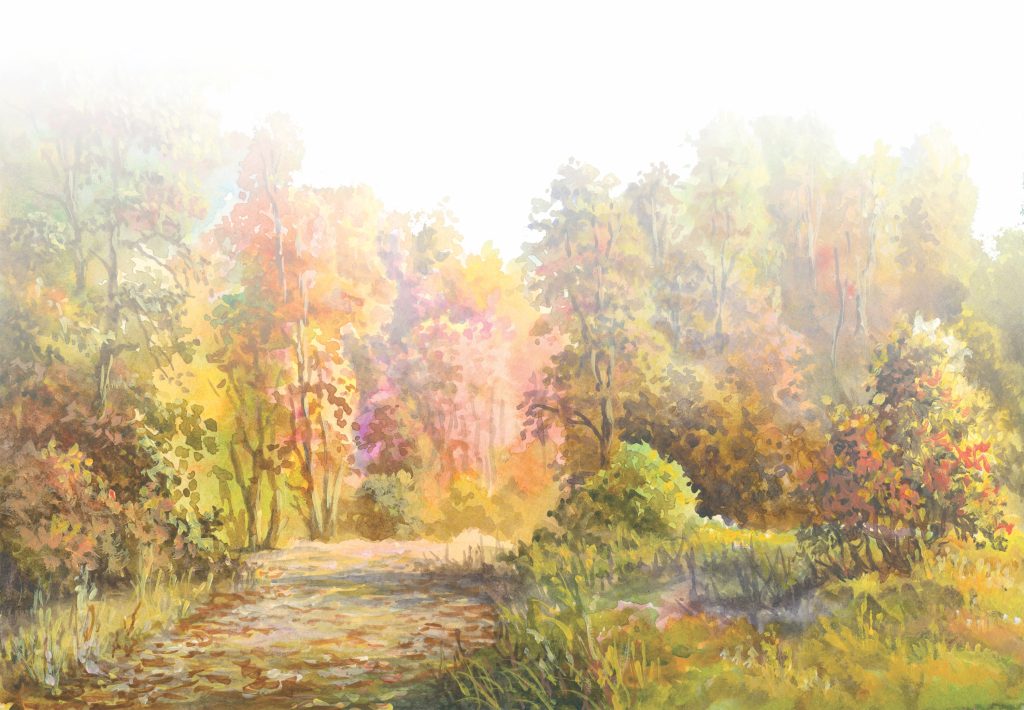
September is the letter you don’t see coming. The one you will memorize. The thorn and the balm for your aching heart.
Dear one, summer writes in florid longhand. This won’t be easy. I love you, and I must go.
Your head spins. You can smell her on the pages, in the air, on your skin — the spicy-sweet amalgam of pepperbush, honeycomb and night-blooming jasmine. You steady yourself and keep reading.
Her tone is as soft as lamb’s ear, gentle as butterfly, warm as field mouse. Still, your heart feels like an orchard floor, each word a plummeting apple. Not just the fruit wears the bruise.
You can never lose me, she writes. Close your eyes and feel me now.
Sunlight caresses your face, chest and shoulders. At once, you’re watching a movie reel of summer, recalling the riot of milkweed, the tangles of wild bramble, the deafening hum of cicadas.
Picnics and hammocks. Daydreams and dragonflies. Puffballs and palmfuls of berries. It’s all right here.
When you open your eyes, you notice a lightness in your chest — a shift.
Yes, a yellow leaf is falling. But, look. Wild muscadine climbs toward the dwindling sun, singing silent vows in golden light.
You can chase me if you wish, she writes, her script now hurried. Or, you can be as fruit on vine: purple yet unbruised, ripe with sweetness and steadfast as the seeds you hold within you.
If you think our flowering dogwoods put on a show in early spring — striking white (or pink) bracts popping against the still-leafless woods — just wait until month’s end, when its ripe berries bring in waves of avian passersby.
Of course, there are the usual suspects: mockingbirds and jays; woodpeckers and warblers; cardinals, catbirds, thrashers and thrushes. But if you’re lucky, those clusters of brilliant red berries could conjure migratory wonders such as the scarlet tanager, the rose-breasted grosbeak or even a rowdy troupe of cedar waxwings to your own front yard.
According to one online database (wildfoods4wildlife.com), the flowering dogwood berry ranks No. 29 on the “Top 75” list of wildlife-preferred berries and fruits. While blackberries top the list, flowering dogwood ranks above persimmon, plum and black cherry (note: ranks were determined by the number of species that eat said fruit, not by its palatability). If curated by tastiness — or mockingbird — sun-ripened figs would have surely made the cut.
On Sept. 19, three days before the Autumnal Equinox, look to the pre-dawn sky to catch a thin crescent moon hovering ever close to brilliant Venus. Although a lunar occultation of the Morning Star will be visible from Alaska and parts of Canada (that’s when the moon passes directly in front of the planet), we’ll witness a conjunction more akin to charms dangling from an invisible chain.

By Jenna Biter
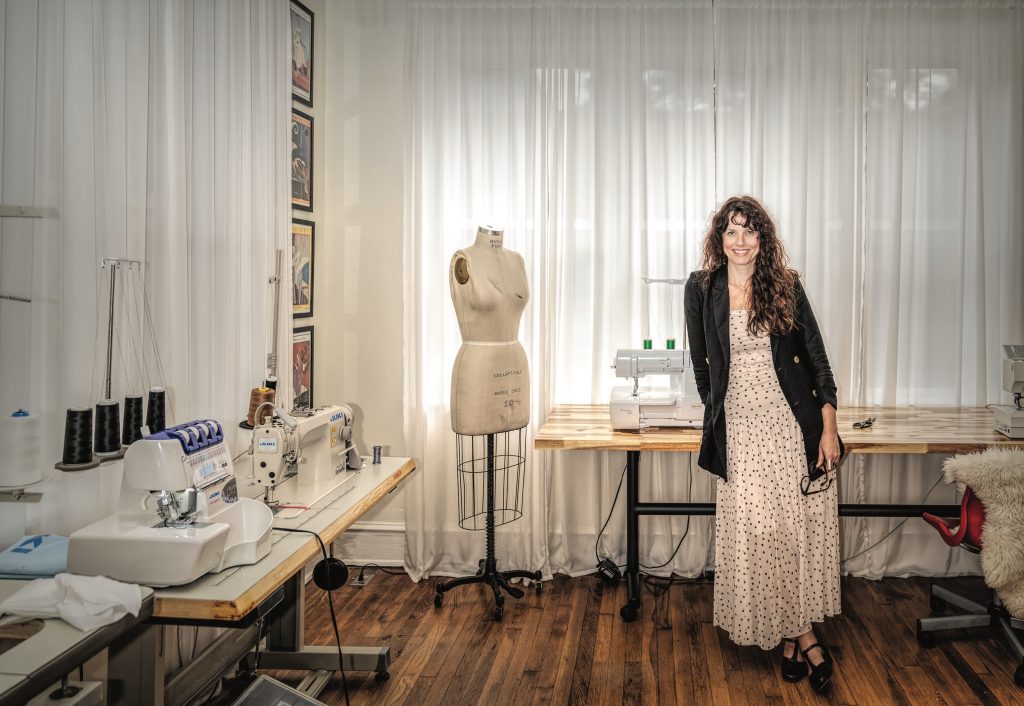
Brass picture lights illuminate a wall of black and white photographs. One shows a vintage Courier sewing machine. Another shows the workspace of a white-haired tailor in Modena, Italy. He’s mid-stitch with a garment beneath his hands.
Andrea Jones’ father lived in Modena for a year or two, and he captured the scene at his daughter’s request. She couldn’t pass up the opportunity to have an Italian craftsman inspiring her from the wall of her tailoring shop in Southern Pines.
Jones opened Andrea Marie Tailoring last July. Within the month, she’d already served six brides, and filled and refilled an industrial clothing rack with incoming and outgoing alterations. A year later, she’s even busier.
“I need to wipe this down because I had a bride in here last night,” Jones says. The alterations platform glitters like a diamond. “She had sparkles.”
She smiles at the beautiful mess and resolves to sweep it up later. Her auburn curls swing out as she turns on a dime, walks past the Italian tailor and makes an immediate right between the check-in counter and a bench upholstered in denim.
“It’s still a work in progress,” Jones says, surveying her space. Her buoyant tone suggests she’s more excited about what’s to come than hung up on what hasn’t.
Thousands of clients burdened by pants too long or too short, a bridesmaid’s dress in need of “some work” or a thrifted suit that seemed like a good idea at the time have made a beeline for the back left corner of Belvedere Plaza. Oversize, golden letters spell “TAILOR” above black double doors. Welcome to Andrea Marie Tailoring.
The space was originally part of the historic Belvedere Hotel in Southern Pines and more recently housed a tattoo parlor. Sewing machines and spools of thread have replaced the tattoo guns and permanent ink. Though different, the hum of machinery drones on.
A typical week might include sewing on rank for promoted soldiers, mending holes in well-loved denim and nipping in a bridal bodice.
“My two loves right now are suiting and bridal,” Jones says, trying the combination on for size. “I like the juxtaposition of those two different worlds.”
After living in the Sandhills for seven years, Jones decided to bring her more than two decades of professional tailoring experience to her very own shop. The decision was a lifetime in the making.
“To be honest, I just couldn’t afford to go out and buy new clothing,” Jones says, remembering her humble beginnings. Her mother, Rosaline, taught her how to make the dresses she couldn’t afford to buy. With a needle in hand and knowledge in head, she threaded her way through school, constructing her own homecoming and prom dresses. She didn’t need a fat wallet to purchase the latest fashions by Gucci or Prada; all she needed was lookalike acid-green lace, a sewing machine and the muscle memory in her hands.
“It feels like a superpower,” Jones says with a laugh. “Oh, I can make that!” She slices her finger through the air like Fairy Godmother conjuring Cinderella’s glittering gown out of sooty rags. In a world where so much is done by swiping and typing, there is something almost magical about the physical work of the hands.
Jones nurtured her superpower while studying at Brigham Young University, where she spent off-hours working in the school’s tailoring department.
“I knew I had some skills, so I applied for that, got the job, and they taught me everything,” she says.
“Everything” was a lot to learn.
“We’re talking hundreds of suits coming in at all times,” Jones says.
She altered wedding dresses for brides, mended uniforms for the university and even fielded the occasional head-scratcher. “Some guy came in one day and asked, ‘Can you put a zipper in my turtleneck?’”
The pace was high, and Jones was an achiever. She worked her way into management and eventually supervised students just like herself. After marrying and having a baby, she bid goodbye to the department, and the young family bounced around the country as military families do.
“I’ve worked with whoever I could, whenever I could,” she says.
Jones worked long hours at dry cleaners, created custom bridal gowns, altered vintage clothing for herself, designed dresses for manufacture, built a community with other home sewists, and started social media channels to share her know-how. She even sells her own home-sewing patterns online through her company, Mark Patterns. If it involves a needle and thread, fabric or clothing, Jones has probably tried her hand, or she’ll be getting to it soon.

By Jim Dodson
September may be the ultimate month of change.
As summer’s lease runs out, the garden fades, and days become noticeably shorter and sometimes even cooler, hinting at autumn on the doorstep. After Labor Day, summer’s farewell gig, in 39 percent of American households — those with school-age kids — the days bring new schedules and an accelerated pace of life.
Just down the street, a dear neighbor’s firstborn is settling into her dorm at Penn State University. Her mom admits to having tender emotions over this rite of passage.
I know the feeling well. I remember driving both my children to their respective universities in Vermont and North Carolina, sharing stories with their mother on the way about their growing up and marveling how time could possibly have passed so quickly. Without question, dropping my kids off at college was a ritual of parting that stirred both pride and emotion.
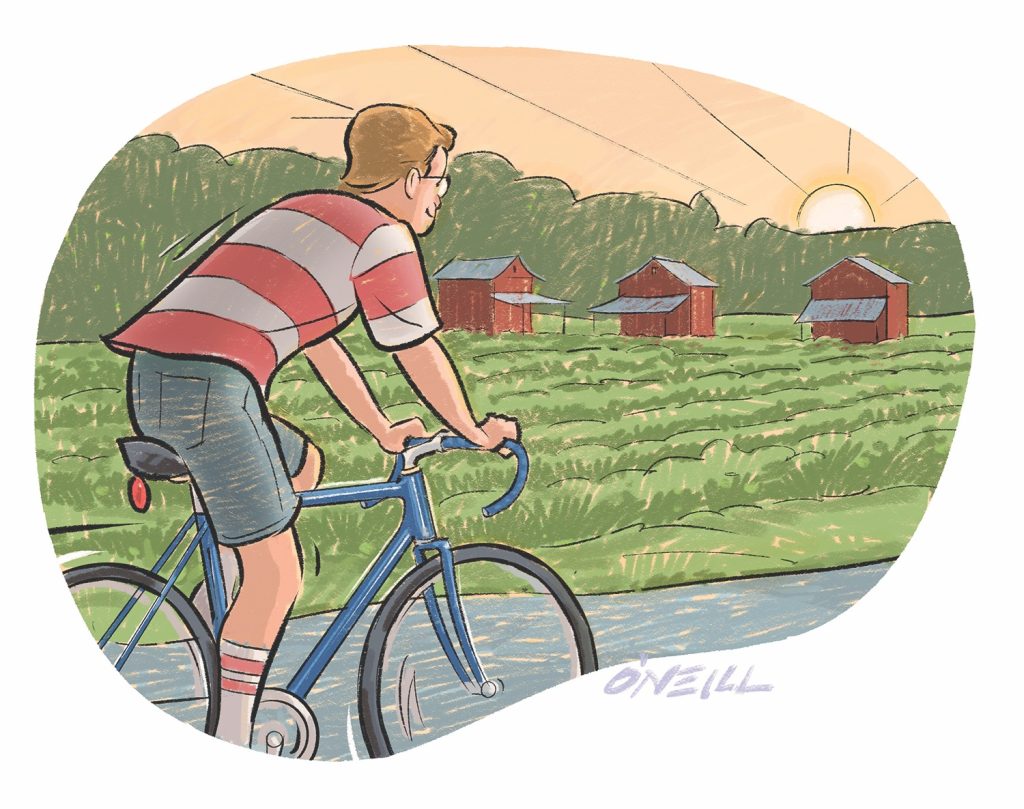
On a funnier note, September’s arrival reminds me of my own unexpected journey to East Carolina University half a century ago. On a blazing afternoon, my folks dropped me off at Aycock dorm, now Legacy Hall, with my bicycle, a new window fan and 50 bucks for the university food plan.
Not surprisingly, my mom hugged and kissed me, and wiped away a tiny tear; my dad merely smiled and wished me good luck. He also looked visibly relieved.
“You made the right decision, son,” he said. “I think you’ll really enjoy it here.”
The previous winter, you see, I fell hard for a beautiful French exchange student at my high school named Francoise Roux. During the last few weeks before she headed home to France, we had a two-week courtship that included long walks and deep conversations about life, love and the future.
I was too nervous to kiss her. Instead, on the last night before she flew away, sitting together by a lake in a park, I played her a traditional French lullaby on my guitar, an ancient song her father sang to her when she was little. During the drive back to her host’s residence, we even discussed the crazy idea that, when I graduated in the spring, I might forego college in America for the time being in favor of finding a newspaper job in France so we could stay together.
As we said goodbye under the porch light, she leaned forward and gave me our first — and last — kiss.
It was a sweet but improbable dream. Yet, having won Greensboro’s annual O. Henry Writing Award the previous spring (and consumed far too much Ernest Hemingway for my own good), I decided to skip applying to college and seek a job in Paris. Touting my “major” writing award and one full summer internship at my hometown newspaper, I brazenly applied for a job as a stringer for the International Herald Tribune’s Paris bureau.
Amazingly, I never heard back from the famous newspaper.
Come middle May, still waiting for a reply, I was having lunch with my dad at his favorite deli when he casually wondered why “we” hadn’t yet heard from the four colleges I’d applied to for admission.
“Actually, Dad,” I said, “I didn’t apply to them. I have a better plan in mind.”
I sketched out my grand scheme to spend a year working in Paris, where I would cover important news stories and gain valuable life experience in the same “City of Lights” that he fell in love with during the last days of World War II. I mentioned that I was waiting for a job offer from the International Herald Tribune.
He listened politely and smiled. At least he didn’t laugh out loud. He was an adman with a poet’s heart.
“This wouldn’t have anything to do with a certain pretty French girl named Francoise, would it?”
“Not really,” I said. “Well, a little bit.”
He nodded, evidently understanding. “Unfortunately, Bo, you will have to get a draft number this September. And if you get a low number and aren’t in a college somewhere, you might well be drafted. That will break your mother’s heart. How about this idea?”
He suggested that I simply get admitted to a college somewhere — anywhere — until we could see how things panned out with the draft. There were rumors that Nixon might soon end it. Until then, a college deferment would keep me from going to Vietnam.
Reluctantly, I took his advice and applied to several top universities. None had room for me, though UNC-Chapel Hill said I could apply for the spring term. Too late to be of use.
On a lark at the end of May, my buddy Virgil Hudson said he was going down to East Carolina University for an orientation weekend and invited me to tag along. I’d never been east of Raleigh.
On our way into Greenville that beautiful spring afternoon, we passed the Kappa Alpha fraternity house, where a lively keg party was happening on the lawn. I’d never seen more beautiful girls in my life. Young love, as sages warn, is both fickle and fleeting.
“Hey, Virge,” I said, “could you drop me off at the admissions office?”
The office was about to close, but the kind admissions director allowed me to phone my guidance counselor back home and have my transcripts faxed. I filled out the form and paid the $30 admission fee on the spot, leaving me 10 bucks for the weekend.
By some miracle I still can’t fathom, ECU took me in.
The first thing I did on the September morning before classes got underway was get on my bike and ride due east toward New Bern. As a son of the western hills, I simply wanted to see what this new, green countryside looked like.
The land was flat as a pancake and the old highway wound through beautiful farm fields and dense pine forests. A couple hours later, I stopped at a roadside produce stand to buy a peach and had a nice conversation with an older farming couple who’d been married since the Great Depression.
I had no idea how far I’d pedaled. “Why, sonny, you only have 10 more miles to New Bern,” the old gent told me with a soft cackle. I got back to my dorm room after dusk — having fallen in a different sort of love.
There was something about this vast, green land with its rich, black soil and friendly people that quietly took hold of my heart.
My freshman year turned out to be a joy. My professors were terrific, and my new friend and future roommate was a lanky country kid from Watts Crossroads, wherever the hell that was. His name was Hugh Kluttz.
We are best friends to this day.
Having “gone east and fallen in love,” as my mother liked to tell her chums at church, I became features editor of the school newspaper — artfully named The Fountainhead — where I wrote a silly column that undoubtedly shaped my writing life.
In 2002, upon being named Outstanding Alumni for my books and journalism career, I confessed to an audience of old friends and university bigwigs that “going east and becoming an accidental Pirate turned out to be the smartest move of my young life — one I indirectly owe to a beautiful French exchange student I never saw again.”
Funny how life surprises us. A few years ago, out of the blue, I received a charming email from Francoise Roux, wondering if I was the same “romantic boy who once played me a lullaby on his guitar?”
We’ve exchanged many emails since then, sharing how our lives have gone along since that first and last kiss under the porch light. Francoise is a devoted grandmother and I’m about to become a first-time grandfather around Christmas. Soon enough, I’ll be playing that old French lullaby to a new baby girl, marveling alongside my daughter and her husband as they embark on their own, uncharted journey.


By Stephen E. Smith
A few chapters into Siddharth Kara’s The Zorg: A Tale of Greed and Murder That Inspired the Abolition of Slavery, you might consider putting the book aside. After all, we live in a world fraught with grievance. Why burden ourselves with crimes committed 245 years ago?
The answer is obvious: Ancient injustices are the source of contemporary injustices. Cruelty begets cruelty. So you’ll likely continue reading The Zorg, despite the graphic inhumanity it depicts.
Kara is an author and activist who studies modern slavery. He has written several books on slavery and child labor, including the New York Times bestseller and Pulitzer Prize finalist, Cobalt Red, and he has much to tell us in his thoroughly researched and skillfully crafted narrative of the Zorg massacre, which serves as a disturbing yet obligatory lesson for contemporary audiences.
In late 1780, the Zorg, a Dutch ship, set sail for Africa’s Gold Coast to take on a cargo of Africans to be sold in the New World. Such slaving enterprises were common. It’s estimated that more than 12 million captive human beings were transported on 35,000 voyages between the 16th and mid-19th centuries, so the Zorg was unusual only in the exceptional misfortunes that befell its crew and captive cargo.
After reaching its initial destination in Africa, the Zorg was captured by British privateers, and the ship was loaded with more than 440 enslaved humans, twice the number it was equipped to carry. The British captain, who had little experience commanding a slave ship, and his crew were ill-prepared to make the journey; nevertheless, they set sail for Jamaica. Poor seamanship, faulty navigation, rough seas, and a lack of food and water plagued the enterprise. The Zorg missed Jamaica and had to retrace its journey. The human cargo suffered greatly, sickness took its toll on the crew, and the ship’s water supply ran low. Eventually, the crew had to decide who would live and who would die.
The first to be tossed overboard were the women and children, followed by the weaker male captives. It was a heartless and brutal business, and 140 human beings were sacrificed for the “greater good.”
Such atrocities were not uncommon in the slave trade. Still, Kara’s graphic, novelistic description of these events is compelling without being gratuitous. The massacre of the innocent Black captives will be disturbing for anyone unfamiliar with the horrors of the Middle Passage, and those readers schooled in the inhumanity of the slave trade will find themselves moved to a new level of compassion. Kara’s skills as a writer and his deft storytelling bring history to life, and readers with any sense of empathy will react with genuine horror.
But the story of the Zorg doesn’t end there. When the captain, crew and surviving slaves found their way to Jamaica, the slave trading syndicate that had financed the voyage made a claim against the insurers of the enterprise, hoping to recoup the value of the human cargo that had been jettisoned. A trial followed, and a jury found that the murder of Africans was legal — they were simply a commodity — and the insurers must pay. Each lost slave was valued at $70, about the price of a horse.
Still, the controversy might have faded from memory — what was the loss of a few African captives? — but it was soon learned that the Zorg had arrived in Jamaica with a surplus of fresh water that had been taken aboard during a storm at sea. With the water supply replenished, the crew continued to dispose of the weaker captives so they might obtain more insurance money — in other words, the captain and crew committed insurance fraud. The verdict was appealed, and a protracted legal battle ensued between the insurers and the trading syndicate. The resulting public uproar catapulted the sensational story onto the front pages of England’s most prominent newspapers, transforming what might have been an insignificant controversy into a protracted struggle that would end the English slave trade with the Slave Trade Act of 1807, which in turn ignited the abolitionist movement in the United States. It would take the cataclysmic Civil War to decide the matter in America.
Slavery may be outlawed in every country, but it persists. According to the latest Global Estimates of Modern Slavery (2022) from Walk Free, the International Labour Organization and the International Organization for Migration, 49.6 million people live in modern slavery in forced labor and forced marriage, and roughly a quarter of all victims of modern slavery are children. The concept of slavery — the notion that a dominant culture or race remains superior to a once enslaved race — has not been purged from our hearts and minds.
For readers who aren’t interested in history but are fascinated by horrific tales, The Zorg fits the bill. The Russian writer Maxim Gorky, who knew something about imprisonment and slavery, understood our fascination with the terrible. “I know of genuine horrors, everyday terrors,” he wrote, “and I have the undeniable right to excite you unpleasantly by telling you about them in order that you may know how we live and under what circumstances. A low and unclean life it is, and that is the truth . . . one must not be sentimental, nor hide the grim truth with the motley words of beautiful lies. Let us face life as it is.”
At the very least, Kara’s skillfully crafted narrative will leave readers wondering how future generations will perceive the inequities and struggles of the tragic times we live in.
The Zorg will be available online and in bookstores Oct. 14.


By Tom Maxwell
Seminal producer, songwriter and musician Mitch Easter remembers the intersection where he was stopped when Big Star’s power pop masterpiece “When My Baby’s Beside Me” came on his car radio in the 1970s. “It just sounded so great,” Easter says. “The thing is, mainstream radio stations avoided stuff with guitars back then. You heard a lot more electric pianos and Carpenter-types. So, when you would hear a rock song like that — with all these great sounding guitars — it really popped out.”
Big Star was a short-lived Memphis band that left a lasting legacy. Easter thinks his local Winston-Salem FM station played them for a couple of weeks almost by accident. “Radio stations were more independent back then,” he says, “and I think somebody took a shine to that song.”
Those two weeks would help shape the rest of Mitch Easter’s life. Big Star had such an effect on the young musician that in 1978, he and two friends went to Memphis to meet their idols, even though the band had broken up several years previously. “Somewhere along the way we’d been given information about how to find (co-founder) Chris Bell,” Easter says. “So we went out there and hooked up with Chris. He was working at Danvers, this roast beef place that his parents owned. We passed a note back from the cashier and this guy came out, like, ‘Who’s looking for me?’”
Bell took them to Sun Studios, where former Big Star frontman Alex Chilton was making a record. “I don’t think Chris and Alex had seen each other in a while. So, it’s cool if we were some kind of icebreakers.” Bell would be dead before the year was out, killed in a car accident a couple of days after Christmas. He was 27.
Soon after his Memphis trip, Easter followed other musician friends to New York. “We were all big fans of the punk scene coming out of New York,” he says, “even though none of us were really punk rockers per se. It was a proper music scene. There were little labels popping up, and there was Trouser Press and New York Rocker magazines.”
Easter planned to open a recording studio in New York. He had a keen interest in recording technology and by this time had racked up considerable experience experimenting in his parents’ basement with reel-to-reel multitrack tape machines. “I remember very distinctly reading in an electronics magazine a description of what really happens in the recording studio and laughing it up because it was completely mysterious to me,” he says. “I used to imagine that on the early Beatles things when George Harrison was playing acoustic and then there was a solo, I thought somebody threw him an electric guitar really fast and he started playing it.”
That New York life wasn’t meant to be. In his own words, Easter “chickened out” and moved back to North Carolina, but the Triad had changed. Original bands were forming left and right; local college stations were playing post-punk bands like the Buzzcocks; and a cool new club called Fridays opened up in Greensboro. “It was really a pizza joint,” Easter says, “but they had the new-type rock bands play on the weekends. It was full of the kind of kids that I saw in New York. The other thing I observed was people dancing. It was like it had been rediscovered.”
In short order, Easter addressed his quarter-life crisis by opening a recording studio named Drive-In Studio, because it was situated in his parents’ two-car garage in rural Winston-Salem. One of his early bookings was a weekend spent recording demos with a young band out of Athens named R.E.M.
“There was this big split back then,” Easter says. “A lot of the recording studios were still operating on the fumes of disco — and the fumes were pretty strong. So, there was a vibe that the bands did not dig about ‘real’ recording studios. Maybe in New York and London these punk bands were working in nice studios, but there wasn’t anything like that here. There were either real funky garage studios or the big studios. The perception of Drive-In was that this was a studio oriented for you, which it kind of was. It was really humble.”
Happy with their demos, R.E.M. soon returned to make a proper record. In 1982, Easter produced their dazzling debut EP (extended play), Chronic Town.
Meanwhile, Easter was writing, singing and performing with his own group, a power-pop trio named Let’s Active, which he formed with then-girlfriend Faye Hunter and drummer Sara Romweber, sister to Chapel Hill rocker Dexter. In 1983, Easter co-produced R.E.M.’s first full-length Murmur and wrote pure pop gems with Let’s Active, like “Every Word Means No,” issued on the band’s debut EP Afoot.
This, then, became Mitch Easter’s busy musical life for the next decade. Along with R.E.M.’s sophomore album Reckoning, he produced visceral power pop records with bands like X-Teens, Game Theory, The Connells, Velvet Elvis and Love Tractor. Let’s Active carried on making albums until its dissolution in 1990, an act that led to newly formed groups from nearby scenes in Chapel Hill and Raleigh.
Drive-In Studio closed in 1994, when Easter opened a new “residential” studio near Kernersville called Fidelitorium. “I’m a great supporter of making records in bedrooms and all that kind of stuff,” Easter confided, “but there’s a thing about going to a dedicated space that’s really useful. It focuses your effort, especially with a group. A lot of people need to get away from their house.”
And there’s art in the studio beyond the music. “The other thing that dawned on me is that you take a whole lot better pictures in a proper studio, right?” Easter says. “I love those electric Dylan-era pictures from Columbia Studios in New York, those great black and white pictures of big rooms that don’t have much in them but very cool looking musicians. You could only do that in a proper studio. I’m sorry that these big places are going away because they were very romantic to me.
“Even uncool studios were important because if they hadn’t existed, you might not have had that unbelievable scene in Boogie Nights, when they want their tapes back and they haven’t paid for them. I just hope that the big places don’t totally go away or only do soundtracks for epic blockbusters. There’s a meeting place thing about a proper studio that’s kind of beautiful.”
Easter, a portrait of the artist as an older man, will turn 71 in November. “It’s funny about music,” he says. “You’ve got a long trajectory of possibilities. Little kids can be really good at music in a certain mechanical way, and sometimes they’re pretty expressive, too. I might have played the best when I was in my mid-30s, but I have more sense about it now. When your fingers do a bunch of stuff, that’s great, but maybe you’re not thinking about it quite enough, or you’re doing too much. The thing that’s so cool about pop music is there is a place for all those stages. It’s funny that rock music has finally allowed people to be old. It’s a really wonderful thing in these everything-is-falling-apart times to think that there is good stuff to do throughout your life when you’re a musician.”
We use cookies to improve your experience on our site. By using our site, you consent to cookies.
Manage your cookie preferences below:
Essential cookies enable basic functions and are necessary for the proper function of the website.
Statistics cookies collect information anonymously. This information helps us understand how visitors use our website.
Google Analytics is a powerful tool that tracks and analyzes website traffic for informed marketing decisions.
Service URL: policies.google.com (opens in a new window)
SourceBuster is used by WooCommerce for order attribution based on user source.