Bookshelf

Bookshelf

FICTION

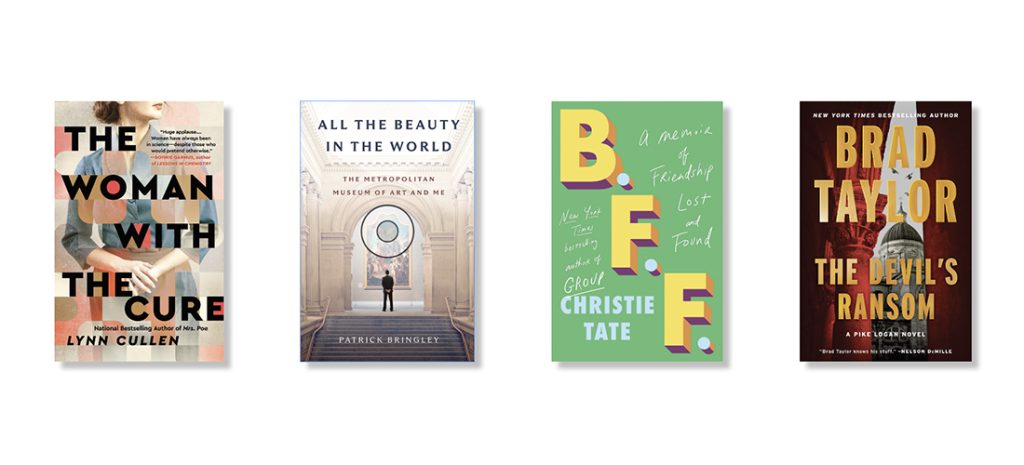
The Woman with the Cure, by Lynn Cullen

In 1940s and ’50s America, polio is as dreaded as the atomic bomb. No one’s life is untouched by this disease that kills or paralyzes its victims, particularly children. Outbreaks of the virus across the country regularly put American cities in lockdown. Some of the world’s best minds are engaged in the race to find a vaccine. The person who succeeds will be a god. But Dorothy Horstmann is not focused on beating her colleagues to the vaccine. She just wants the world to have a cure. Applying the same determination that lifted her from a humble background as the daughter of immigrants, to becoming a doctor — often the only woman in the room — she hunts down the monster where it lurks: in the blood.

The Devil’s Ransom, by Brad Taylor

Conducting a routine cover development trip to Tajikistan, Pike Logan learns that Afghanistan has fallen, and there’s a man on the run — one who has done more for the United States in Afghanistan than anyone else. Pulled in to extract him, Logan collides headlong with a broader mystery: His covert company, along with every other entity in the Taskforce, has been hit with a ransomware attack, and there’s some connection between the Taliban and the hack. Given the order to track down the perpetrators, he has no idea that the problem set is much, much larger and more dangerous than a simple attack on his organization. That hack was just a test run, and the real one is coming soon.


NONFICTION

All the Beauty in the World: The Metropolitan Museum of Art and Me, by Patrick Bringley

Millions of people climb the grand marble staircase to visit the Metropolitan Museum of Art every year. But only a select few have unrestricted access to every nook and cranny. They’re the guards who roam unobtrusively in dark blue suits, keeping a watchful eye on the 2 million-square-foot treasure house. Caught up in his glamorous fledgling career at The New Yorker, Bringley never thought he’d be one of them. Then his older brother was diagnosed with a fatal cancer and he found himself needing to escape the mundane clamor of daily life. He quit The New Yorker and sought solace in the most beautiful place he knew. To his surprise, and the reader’s delight, this temporary refuge becomes Bringley’s home away from home for a decade. We follow him as he guards delicate treasures from Egypt to Rome, strolls the labyrinths beneath the galleries, wears out nine pairs of company shoes, and marvels at the beautiful works in his care. All The Beauty in the World is an inspiring portrait of a great museum in the tradition of classic workplace memoirs like Lab Girl and Working Stiff.

B.F.F.: A Memoir of Friendship Lost and Found, by Christie Tate

After more than a decade of dead-end dates and dysfunctional relationships, Tate has reclaimed her voice and settled down. Her days of agonizing in group therapy over guys who won’t commit are over, the grueling emotional work required to attach to another person tucked neatly into the past. Or so she thought. Weeks after giddily sharing stories of her new boyfriend at Saturday morning recovery meetings, Christie receives a gift from a friend. Meredith, 20 years older and always impeccably accessorized, gives Christie a box of holiday-themed scarves as well as a gentle suggestion: Maybe now is the perfect time to examine why friendships give her trouble. “The work never ends, right?” she says with a wink. With Meredith by her side, she embarks on a brutally honest exploration of her friendships past and present, sorting through the ways that debilitating shame and jealousy have kept the lasting bonds she craves out of reach. But when Meredith becomes ill and Christie’s baggage threatens to muddy their final days, she’s forced to face her deepest fears in honor of the woman who finally showed her how to be a friend.


CHILDREN’S BOOKS

Evergreen, by Matthew Cordell

There comes a point in every squirrel’s life when they have to face their fears. So it is for Evergreen. Thunder, predators, hawks! Evergreen faces them all on the mission to care for the ailing Granny Oak. With the charm of the beloved “Little Bear” books, this one’s sure to become a classic. (Ages 6-8.)

Love, Escargot, by Dashka Slater

Oooh la la! Escargot, the adorable French gastropod, is back for another adventure. It’s Snailentine’s Day, and Escargot is (slowly) on the way to a très bonne fête with canapés, crudités, dancing and beautiful cards to exchange with the one who makes you feel magnifique! Silly, fun, and just a little French, Escargot is sure to become a giggle-inducing read-together favorite for any day of the year. (Ages 3-7.)

A Is for Aretha, by Leslie Kwan

Aretha Franklin, Billie Holiday, Chaka Khan, Diana Ross. Read through the alphabet with famous Black women in this history lesson disguised as a lovely picture book. Get it for Black History Month, keep it for an everyday reminder of the powerful women who shaped our world. (Ages 3-8.)

The Labyrinth of Curiosities, by Faye Moss Rider

Information junkies, listen up. This is the book you’ve been waiting for. From one fact-filled rabbit hole to another, The Labyrinth of Curiosities dives into everything from flying lemons to hidden salt mines in a clever new way. (Ages 7-12.)  PS

Compiled by Kimberly Daniels Taws and Angie Tally.

Out of the Blue

Out of the Blue

The Nose Knows

Sniffing down memory lane

By Deborah Salomon

Mmmmm — something sure does smell good.

That’s because the holidays extending from late January to late February maintain food links: Chinese New Year, Jan. 22; Valentine’s Day, Feb. 14; President’s Day, Feb. 20; Mardi Gras, Feb. 21. Black History Month is celebrated throughout February, often with soul food dinners, proof that food carves out a place in the brain’s memory centers.

The aroma of meatloaf or apple pie baking, coffee brewing or chicken frying might do the trick. Lacking the aroma, I have seen a grown man cry at the mention of his mother’s strawberry jam simmering on the back burner.

Olfactory memories die hard, or not at all. Who knows, maybe cavemen wept recalling wild beasts on the spit.

Of all the ethnic cooking in January and February, Chinese revs my engine the most. The memory is as clear as what happened yesterday — maybe clearer.

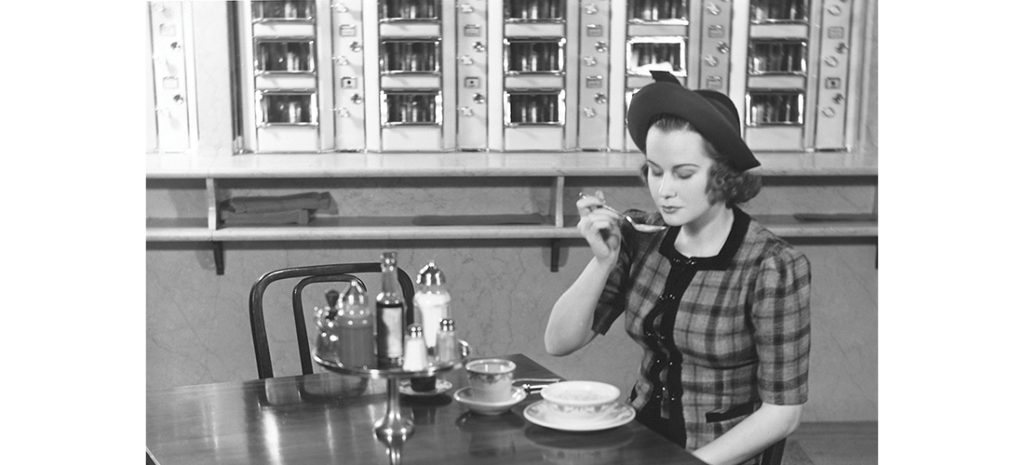
I grew up in New York City in the 1940s. My parents weren’t much for restaurants. However, since my mother was not an enthusiastic cook, I practically grew up at the Automat. PBS recently aired a two-hour documentary about these landmark cafeterias that, I’m sure, left a great many grown men crying.

Once a year, on my birthday, my parents took me to the original Ruby Foo’s, in the Theater District, not Chinatown. We had soup, rice and pressed duck. The French call these succulent ovals quenelles. To me, they were pure heaven, but what did a 7-, 8- and 9-year-old know about Asian cuisine?

I clearly remember wearing my dress-up coat and leggings (January is cold in Yankeeland), the dark restaurant interior with leather banquettes, how the waiters presented each dish with a flourish, especially to the birthday girl. I didn’t mind that I never once had a birthday party with friends. Nor did I figure out that going to Ruby Foo’s was so much easier for my mother.

She liked pressed duck, too.

For lunch at the Automat, it had to be a liverwurst sandwich and baked beans in a small brown crock. Weep, Boston, weep. This crock contained beans baked in a sweet, tomatoey sauce which formed a crunchy crust. Decades later, I spotted a similar crock in an antique shop. Everything came rushing back as the dealer ran for the Kleenex. 

My husband grew up in Brooklyn. We met at Duke. What fun, recalling our favorite Automat dishes, except his were hamburger steak and mashed potatoes, mine fried scallops and creamed spinach, not an encouraging sign.

I doubt subsequent generations display such emotional attachments to food. How could they, with such a variety? Where is the purism, the authenticity? The old aunties with specialties are dying out. The local Chinese buffet is an international smorgasbord of spring rolls, French fries, mac and cheese, corn on the cob, sesame chicken, apple cobbler and chocolate pudding. Pizza concocted from a cauliflower crust topped with kale has lost its Italian accent. Valentine’s Day may still suggest filet mignon and cheesecake, but fading fast are happy memories of chitlins.

Yet Groundhog Day felt the need to field a commemorative dish called Groundhog Pie, which, thank goodness, contains beef, not ground groundhog.

I almost threw up, learning that Turducken (chicken stuffed inside duck stuffed inside turkey) gets a boost at Thanksgiving.

What must that smell like, roasting?

No . . . I want my turkey stuffed with homemade cornbread laced with celery, onions and fresh sage. Ah, the aroma, the memories that smell triggers, both sad and happy. Make some this February; it’s never too late.  PS

Deborah Salomon is a contributing writer for PineStraw and The Pilot. She may be reached at debsalomon@nc.rr.com.

Golftown Journal

Golftown Journal

Pick Your Poison

Everyone needs a go-to

By Lee Pace

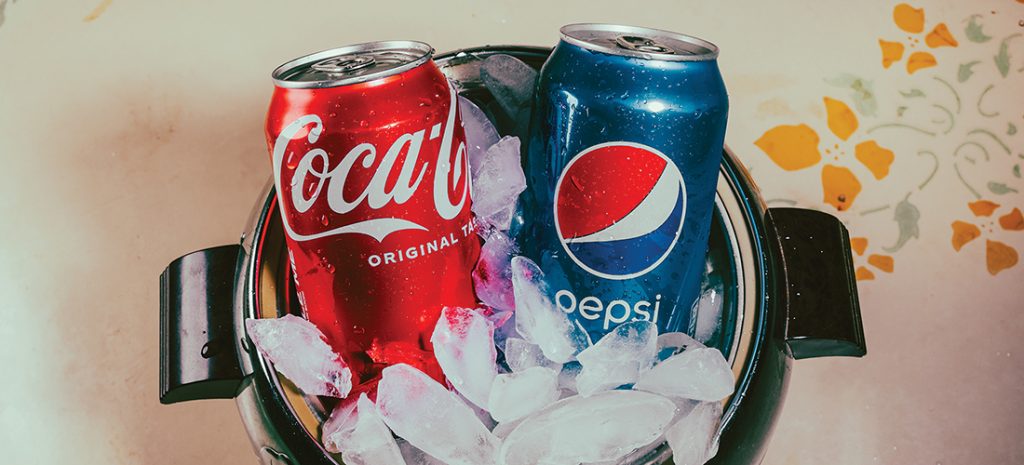
Pick one: Beach or mountains? Charcoal or gas? Dog or cat? Coke or Pepsi? Thin crust or thick? Sweet tea or unsweet? Forged or cast? Draw or fade? I lean toward the former in each pair but admit to some negotiating room when Linville beckons in the heat of August. But certainly cast in stone are charcoal, dogs and the idea that a golf ball hit with a slight right-to-left flight pattern for a right-handed golfer is by far the Rolls-Royce of golf shots.

“You only hit a straight ball by accident,” the great Ben Hogan once proffered. “The ball is going to move right or left every time you hit it, so you had better make it go one way or the other.”

History and the Hall of Fame can present arguments on both sides of the issue, but without question many of the finest players in the game have preferred the fade, among them Jack Nicklaus and Tiger Woods. Perhaps it was not as much liking the left-to-right shape as it was abhorring the extreme version of the opposite curve — the snap hook.

“I hate a hook,” Hogan said. “It nauseates me. I could vomit when I see one. It’s like a rattlesnake in your pocket.”

Davis Love Jr. taught his son Davis III an upright swing, “and you’ll never have to worry about a hook,” he said. Bruce Lietzke won 13 times on the pro tour wielding a power fade that earned him the nickname “Leaky.” Lietzke prided himself on saying, “I play one shot. That’s all I need.”

Lex Alexander played collegiately at Wake Forest University in the mid-1970s and made friends with Lietzke, a University of Houston golfer. Alexander was a young assistant pro to Claude Harmon at Winged Foot Golf Club in the late 1970s when Lietzke would come through when the PGA Tour was in the New York area.

“The 17th at Winged Foot is a long par-4, dogleg right,” Alexander says. “I would give him the line and he would then unleash one of his long towering fades to that exact target, and I will never forget how far his ball went. With a good drive, I’d have 200 yards into the green. Bruce started his tee shot toward the left rough, it curved right-center and left him an 8-iron.”

In Pinehurst, for many years one of the great ambassadors of the fade was Harvie Ward, the two-time U.S. Amateur champion from Tarboro who spent the last 15 years of his life living in the village of Pinehurst and playing a lot of golf at Forest Creek Golf Club.

“One of the nicknames we gave Harvie was ‘Carvie Ward,’” says Chuck Cordell, one of Ward’s best friends and a frequent golf companion. “He had a very weak left-hand grip, and his duck hooks were in the left side of the fairway. Most of the time he hit it straight down the middle with just a whisper of fade. He had a very compact swing, but pound-for-pound he could hit it as far as anyone, only straighter.”

Ward began working with Payne Stewart in 1985, and they had a productive four years, but in 1989 Stewart said he wanted to master both shapes in the manner of Seve Ballesteros, certainly one of the great shotmakers of all time.

Ward didn’t agree.

“I told him I thought it was good to know how to work the ball, but you still needed to have the one shot that you could depend on,” Ward said. “I told him you don’t want to go around the golf course hitting one left-to-right and the next one right-to-left. You go down that road and one day you’ll come to the last hole and not have anything to depend on, that it would jump up and get you.”

To my personal sense of feel and style, there’s nothing like a draw. There’s nothing as mouth-watering as a left-side hole location or a dogleg left hole. There’s nothing like the crisp slice of turf and the tiny speck flying high against the blue sky, turning ever so lovingly and gently from right to left. A 3-wood picked off the ground is perhaps the litmus test of a well-oiled and precise swing, and a 3-wood cleanly struck with a gentle draw is golf’s utopia. Real men hit a draw. Drawers of the ball eat steak, faders get quiche.

A draw is the offspring of a good grip, an athletic address, an on-plane path, the proper closing of the clubface at impact and extension down the line afterward. Gads, man, but you’re standing inside your swing, so how else can you hit the ball?

Hank Haney, who began his golf instruction career at Pinehurst in the late 1970s and later acquired clients as diverse as Woods and Charles Barkley, says a perfectly on-plane swing can do nothing but produce a draw for that every reason.

“You want to contact the inside part of the ball with the clubface closing as it comes through in order to start your little draw to the right of the target,” Haney says. “This is a fact. I’ve never heard a teacher dispute this point.”

John Gerring won the Atlantic Coast Conference golf title in 1957 for Wake Forest and went on to become a longtime club pro in Atlanta, Detroit, Asheville and Spartanburg, and a well-respected golf teacher. He carried the nickname “Dr. Hook,” borne of his proclivity to play and teach a right-to-left ball flight.

“The hook has two advantages,” says Gerring. “It’s longer and it’s more forgiving. It’s more forgiving because the angle of approach is shallower.”

Jack Burke Sr. used to teach that “you only own the inside half of the ball,” that you had to find a swing that let you come from inside to square to the target. Harvey Penick once told Don Wade of Golf Digest that he thought it was a myth that a draw would not stop as quickly as a fade if — and it’s a big if — the ball was struck cleanly and properly and not pulled.

Of course, many will argue these points, mainly because if you over-cook a draw, you’re left with a screaming hook that is bereft of backspin and any sense of direction. Have more careers been sidetracked over too much Old Crow or too many duck hooks? It’s probably a dead heat.

“You can talk to a fade, but a hook won’t listen,” Lee Trevino once famously observed.

Trevino was haunted as a young man on the hardscrabble Texas public courses by an out-of-control hook, and he marveled one day in 1963 when he was invited to Shady Oaks Country Club in Fort Worth while watching Hogan hit practice balls. Hogan had exorcised the demon hook in the mid-1940s by finding what he called “the secret.” The essence of that mystical panacea has been debated for decades, but two elements certainly were a grip adjustment and the cupping motion Hogan developed with his left wrist, an action that put the brake on his lightning quick hand action that earlier produced so many hooks.

Trevino, a driving range attendant at the time and still four years removed from his first foray onto the PGA Tour, didn’t dare approach Hogan that day at Shady Oaks. But what he saw stayed with him for life, and he took the image of Hogan’s soft fades back to the practice tee.

“The only way I could figure out was just to grab the club and hold on for dear life,” Trevino says, inferring that the extra grip pressure from the middle two fingers of his left hand helped keep the clubface open at impact.

So there you have it, proof positive that either way works. It’s all a matter of taste. Meanwhile, I’ll look forward to pulling my 5-wood on a 185-yard par-3 with the pin hugging the left.  PS

Lee Pace has written Golftown Journal since 2008. Contact him at leepace7@gmail.com and follow him on Instagram at @leepaceunc and on Twitter @leepacetweet.

Poem February 2023

Poem February 2023

spring and some

the woman coming toward me

wears a red cape. she smiles

she likes my red hat and

she says so. the temperature

is dropping rapidly, the wind

is rising. they had predicted

rain and possibly snow; i

had not believed them. still

my red hat threatens to

blow away and her red cape

swirls about her. she says

i like your red hat, i smile

and say i like your red cape.

spring is coming by the

calendar, a red letter day,

but this day the temperature

drops, the wind blows up,

rain and possibly snow loom,

and we pass. red hat. red cape.

          joel oppenheimer

Tiny Love Stories

Tiny Love Stories

Design by Keith Borshak

The assignment was simple. Well, maybe not so simple. Write a love story in 100 words or less. As the old saying (often attributed to Mark Twain, because if we don’t know where stuff comes from, we always attribute it to Twain) goes, “I apologize for the length of this letter. If I’d had more time it would have been shorter.” The story could be about a significant other, or not. It could be fact or fancy. It just had to be short. As it turns out, wonderful things come in small packages.         Jim Moriarty


It happened on a frigid winter morning, probably sometime around 1965. I was 12. My father was an early riser who loved to cook breakfast. I was too. One morning I wandered out to the kitchen, where he was stirring some kind of white goop in a saucepan.

“What’s that?” I asked.

“It’s called SOS.”

“What’s that?”

“In the Army we called it shit on a shingle. It got me through the war. See if you like it.”

He brought me a plate with the white goop on toast.

I’d never tasted anything so wonderful in my life.

Still haven’t.        — Jim Dodson


She floated through a series of ports over the years, stitched together by a singular guiding thread. A short stretch in her life when she taught piano coincided with a suspended moment in mine when I was in need of a teacher. Shy, stubborn, a fish out of water, piano was my solace. Pat took me in, a boy of 7, sensed a spark and painted a vista of my life in music, as if peering back nostalgically from some future shore. When the time came, she untethered me and set my sail. She loved me. And I loved her.       — David Michael Wolff


He reaches a raisiny hand for hers, squeezes the knotted fingers. The wheelchairs are too far apart for kissing. Second best will have to do. She’s different than six decades ago but still the same. He smiles a golden retriever grin at the blue sky, sunny day. Hibiscuses spill onto the patio. A breeze whistles by. “Oooh.” He winces, like the chill took a bite. Concern lines his forehead. “Is it warm?” He raises a crooked pointer at her bare, bony arms. The words aren’t quite right — but close — momentarily resurfaced from tired gray matter by the habit of love.       — Jenna Biter


In 1999 I was a flight attendant. Returning from Stuttgart, I told a fellow flight attendant about a dream I’d had the night before. In it, I met my husband, who had dark hair, dark eyes and was of foreign descent. We looked all through the plane before take-off but didn’t see him. Before landing, as I was changing my shoes, a man walked up and said, “Excuse me, would you ladies happen to have a lint brush?” The man from my dream was standing right before me. Black hair, brown eyes, of Greek descent. We married 10 months later.       — Cherry Amanatidis


I see Mom’s footprints in the sand, her arches so high only the impression of her toes, the ball of her foot and the heel appear. Her feet turn out at a 5 degree angle, as though she wants to go somewhere else — left? Right? I see her sun-kissed and windswept walking away from me, alone, kicking at sea foam, crouching to admire a shell. She is getting smaller and smaller until she’s a dot on the horizon, and then I see her reappear through wavy heat, returning, defined, getting larger and larger, until she is here with me again.       — Marilyn Barrett


I was recovering from knee replacement surgery and had been sleeping in a recliner in the den. One early morning, just as dawn was starting to gather in the East, Evelyn got up and for some reason came out to check on me. My eyes were closed and she thought I was sleeping. Very gently she tousled my hair and stroked my arm. It felt like I was being touched by an angel. Nearly 56 years into “us” she is still my girlfriend.       — John Dempsey


Early in our relationship, Lisa came with me on a Scottish golf trip — a big stretch for a relatively new player. I got wind of a golf tournament we could play in while there. Lisa was game, provided we would be playing together. “No problem,” I said. Upon arriving, we discovered (to my chagrin) she was on her own, paired with three excellent female players. Had Lisa refused to play and ditched me forever, I wouldn’t have blamed her. Instead she played — as good-natured, endearing and romantic a round of golf as ever there was.       — Bill Case

     

She watched him from the chair that he placed by the window so that she could “keep an eye on” him. Watch him shovel the snow from the front steps. The kids, he told her, were “coming for the occasion.” What occasion? Was it her birthday? She would ask him later.

“No, my sweet darling, it’s not your birthday yet,” he smiled as he came to her chair side. “It’s the luckiest day of my life, 50 years ago today we said I do.”

Tenderly he cradled her face in his cool hands and kissed her. “Forever, I do.”        — Neville Beamer


“I was there,” Myra said.

I was there,” I said.

That was our last phone call. Feeling the crush of being a first-year med student, Myra was unsure about the relationship with “my favorite sportswriter,” her label on a balloon bouquet I received at the paper.

We talked after she got out of class. I waited at one door of Stone Hall. She waited at another. Each of us left not knowing the other had shown up.

I carried the frustration of that missed connection for 17 years, to another door in another city. When I arrived, Myra was waiting.       — Bill Fields


It was July 3, 2020. Despite COVID cancellations, restrictions and military orders, I had convinced my fiancé to keep our original wedding date. Four days before, he agreed. We secured vendors, rings and cake. The venue? Our apartment.

More than 75 screens with our loved ones’ faces joined our officiant and musicians on Zoom. Two friends used roaming and static cameras to capture it all. I walked down the aisle in our kitchen. We shared our vows in the living room and had our first dance in the dining room. Hope and love found a way. It was virtually perfect.       — Lorelei Colbert


Jackson’s a chocolate Lab. I’ve always wanted a dog, but he’s more for Wylie. We stand under the willow with the water running out the hose, Jackson, Wylie and me. Dandelions cover the lawn: a yellow rebellion.

When Wylie was 4, a pit bull took a tiny chunk of his left cheek.

Wylie turns the bottle of soap upside down and squeezes. You can rub it in, I tell him. It’ll feel good. Wylie’s hand hovers above the river of shampoo, hesitant, and Jackson sits on the wet grass, covered in strawberry-scented soap, straight, still, waiting for my son’s hand.        — Katrina Denza



Having gone on without any rehearsal to cover an actress who had to be out that night, I was shattered from stress. I was dating a fella who said to come “home” to his place after the show.

I rang the doorbell and collapsed into his arms.  He led me to the bedroom, where he had a robe and a hot bubble bath all drawn for me. He settled me in and came back with two glasses of Champagne. He perched on the tub, handed me a glass and said, “Now, tell me everything.”

Why would I not marry him?        — Joyce Reehling


There is a Japanese art of repairing broken pottery by joining together the cracks with gold. It is a reminder to celebrate flaws and missteps in life. Last year every single aspect of my life turned to a misstep. Then slowly, one day at a time, the cracks began to fill with gold. The cracks were filled by little surprises and unexpected moments. Things I would have never conjured up myself. Now I welcome the flaws and missteps because we need to be cracked open! That’s how the light gets in.        — Brady Gallagher


He was 96, drifting in and out of awareness, in a hospital bed in the downstairs of the home he built with his own big hands, the home where I asked him almost 50 years before if I could marry his daughter. She and I were leaving in the morning. As her brother and sisters watched, she took one of those hands in both of hers and, knowing she would never see him alive again, squeezed it softly and said, “I love you, Daddy,” and my heart broke, for her, for him, for us.        — Jim Moriarty


We met in Chapel Hill, on a drizzly Wednesday morning. I tried to postpone, thinking a few more months could do us both good, but you wouldn’t wait. I imagine we were both scared — I certainly was. You were tiny, but that first cry was strong and clear. Every day since then, little girl, I’ve loved you more. Your fearlessness, your voice that has learned to speak and sing and say Mama. I had explored before, across mountains and deserts, combat zones and tourist traps. Now, my favorite adventure is rocking chairs and read-alouds and rainy days with you.        — Amberly Weber
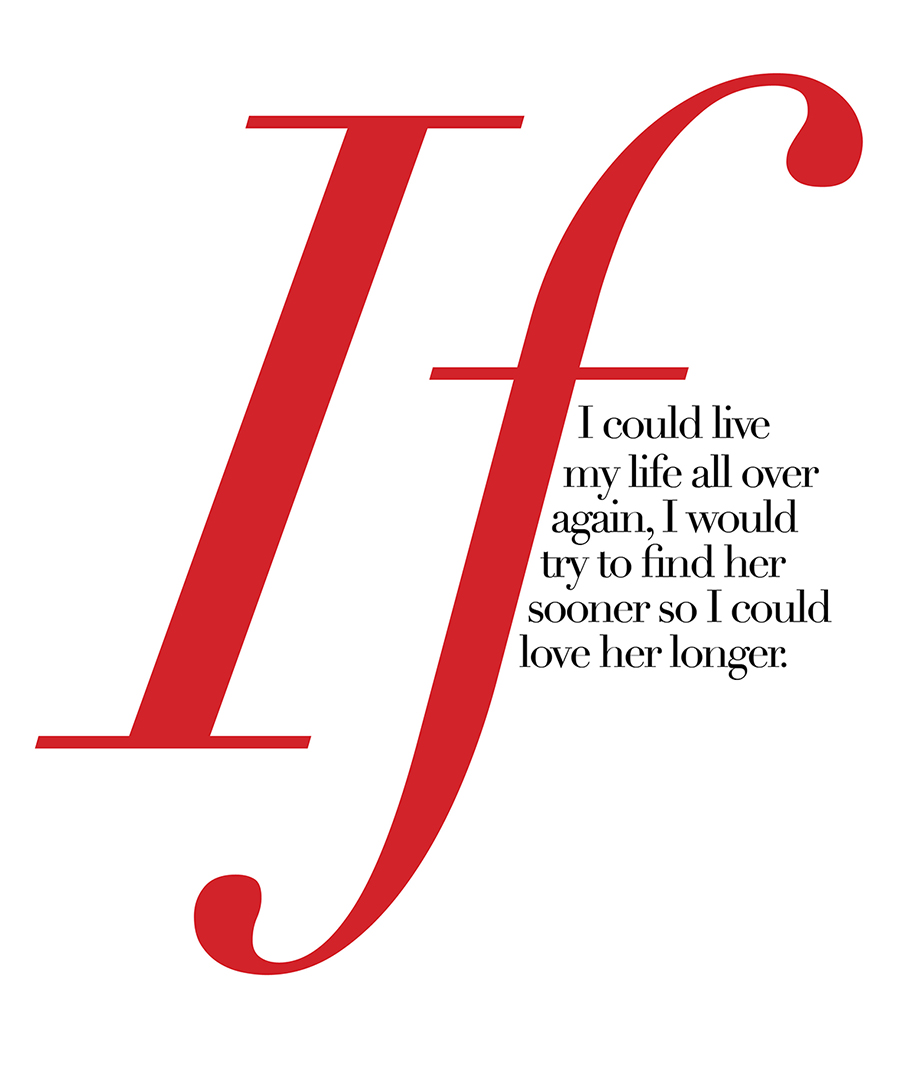
 

On break from Howard University, I went to a Pinecrest basketball game, where I saw the most beautiful woman in the world. Her cocoa skin, her million-dollar smile, her almond-shaped eyes made time stand still. One of my brother’s friends said, “Don’t waste your time, she won’t give you the time of day!” Not only did she give me her time but she gave me her unconditional love, her hand in marriage, and two wonderful sons. If I could live my life all over again, I would try to find her sooner so I could love her longer.        — Mitchell G. Capel


I was hosting that morning. I wasn’t supposed to be. Usually I served in the evenings. But not today.

The restaurant was empty that morning. It wasn’t supposed to be. Usually Saturday mornings saw lines out the door. But not today.

I saw him when he entered. The man of my dreams. We chatted. I had his server bring him a birthday treat. As he left, I hastily wrote my number on a piece of receipt paper. 

That was 2011.

One day, it might sink in that I get to spend my whole life with this man. But not today.        — Cara Mathis


Not all things begin at the end, but our love story does. After one has their heart shattered into a million tiny pieces, the kind that are so delicate and scatter, like a glass ornament that fell on a hard floor, you don’t ever expect to recover. In a way you don’t. But, if you take two people who suffer the same grief and put them together — much like a punchline — what you end up with is a hopeful and beautiful beginning. You have unbreakable, insane and unexpected love. This I know.        — Beth MacDonald


He’s been gone more than four decades, a victim to that three-packs-a-day habit that snared so many in the mid-1900s. But I loved everything about my dad, Thomas Aiken Pace. He introduced me to Tar Heel sports, Dizzy Dean, Sonny Jurgensen, Frederick Forsyth, a cold Falstaff, a marinated steak, the curveball and a Stingray bicycle. On rainy days, he’d drive me on my paper route, and I think he knew full well I was sneaking looks inside the Playboy magazines in his drugstore. And from this most gentle man I learned there was no good reason to ever raise your voice.        — Lee Pace


I make a big deal of birthdays. Ryan is a Leo, so his comes first between the two of us. “It’s just another day,” he’d say. Naturally, I ignored that for his 23rd and made it my mission to make it the best birthday ever. Giddy was the only way to describe him that day. That’s the smile I hold on to. He repaid the sentiment on my 21st. It’s still the best one. In two more years I’ll catch up to his age, 25, and when I blow out my candles I’ll wish for him.        — Emilee Phillips


We got home from a night at the neighbors. The house was glowing with warm light as we hurried to escape the cold. The dog needed to go out, so I lingered as you went inside. New lights came on and you appeared in the kitchen window in full pajamas and favorite robe. I watched as you danced your funny little dance in the light of the open refrigerator. The dog and I soon returned inside to hear there was no music playing at all. You saw my face and asked me, as you often do, “Why are you smiling?”        — Anthony Parks



1971, London, Soho, lunchtime. I see a large rubber plant walking toward me with attractive, female undercarriage. As it got closer, I recognized its carrier – none other than the beautiful girl in the office I fancied from afar. I asked her if she had had lunch. Two minutes later we were sitting down in an Indian restaurant talking away over the poppadoms like we’d known each other all our lives.  Three months, and quite a few curries later, we were engaged. We just got back from London celebrating our 50th. The Indian is still there. Rubber plant, not so much.        — Tony Rothwell


The curtain rises (if there is one). The stage is set for a love affair unlike any other. The performers rehearsed for this moment when they use their energy and passion to act their hearts out. Tonight’s audience doesn’t care how good you were last night! Something special happens: an electric connection between performer and audience. For well-trained and well-prepared actors, craft and technique disappear. We’re living the performance together. Our love affair transcends time and space. Thriving, flourishing, and changing every night, every matinee . . . everywhere there’s a stage and an audience. Surrender. Let love change us.        — Morgan Sills


You still sport that boyish grin, the same one you used when, after a lovely dinner and seemingly endless tour of Raleigh Christmas lights, you plucked up the courage to ask if I’d “bear your children.” High school, college, Greek parties, Crazy Zacks, and Jimmy V wins. We danced to beach music with sand between our toes, and “With This Ring” still means forever. Sometimes 44 years feels like a lifetime ago until that grin brings me back to our first kiss — stolen while gathering Spanish moss for a Christmas float, when I was 17 and you were 18.        — Kathryn Talton


He was leaning in for a kiss. Should I turn away? I had a boyfriend, after all. Sort of. Everything was happening in slow motion. I’d had a crush on Alan since the day we met, almost three years earlier. As friends, we’d watched each other bend for relationships that never seemed to fit. But love wasn’t supposed to be simple, was it? Being with Alan never seemed like an option. His lips were so close mine were buzzing. Now we were living 300 miles apart. This wasn’t exactly convenient. Yes, it’s what I wanted, but — contact.        — Ashley Walshe

Birdwatch

Poem February 2023

The Eagles Have Landed

America’s bird is on the rebound

By Susan Campbell

Anyone who has had the good fortune to spot a bald eagle, whether soaring overhead or perched along a waterway, cannot help but be awed by their handsome appearance. This large raptor is not only our national symbol but the only eagle found solely in North America.

Benjamin Franklin supposedly lobbied for the wild turkey, the only endemic bird species to the United States, to be our national bird. But Congress decided on the bald eagle in 1782, as a result of its perceived fierce demeanor. In actuality, bald eagles are mainly carrion eaters but will attack wounded mammals, birds and aquatic animals as well. They are very opportunistic and will also snatch prey from crows if they get the chance.

During the first half of the 20th century, eagles were erroneously persecuted by raptor hunters, often by ranchers who were attempting to protect their investments. They were also affected by metal toxicity as a result of feeding on game containing lead shot. Additionally, during the period of broad-scale DDT application, as most people know, the toxin accumulated in carnivores at the top of the food chain. And, as was the case in several bird species, it caused eggshell thinning such that eagle eggs broke long before they could hatch.

Bald eagles were declared an endangered species in 1967. Following the ban on DDT and the passage of the Endangered Species Act in 1973, their numbers began to rebound. On June 28, 2007, the species was declared recovered. Here in North Carolina they are being closely monitored by state biologists. Although the number of nests and young has been increasing, they are still considered threatened here.

In the Sandhills, there are year-round sightings of individuals, most commonly on larger lakes such as Lake Surf (Woodlake) or Lake Pinehurst. At least one pair has been nesting in Moore County for a few years now: in (wait for it) Eagle Springs. Farther north, they can be frequently spotted around Falls or Jordan Lake in the Triangle or Lake Townsend in Greensboro.

In mid-winter, birdwatchers and endangered species biologists are on the lookout for eagle nests. Bald eagle pairs return to their breeding territories and lay eggs ahead of most other raptors (the exception being great horned owls, which begin breeding activities a bit earlier). Their sizable platforms of dead branches and large sticks may or may not be easy to spot. Eagle nests, if they are reused from year to year, will be gradually enlarged but not massive affairs. Newer nests can be well concealed in the top of a live evergreen or large snag.

Eagle young, who typically fledge in April, take three to four years to mature. They will not successfully attract a mate until they have a fully white head and tail. Should you see an adult in the weeks ahead, keep an eye out for a second bird. A pair of adults may mean there is a nest somewhere nearby. If you suspect that you have found a nest, definitely give me a holler!  PS

Susan Campbell would love to receive your wildlife sightings and photographs at susan@ncaves.com.

PinePitch

PinePitch

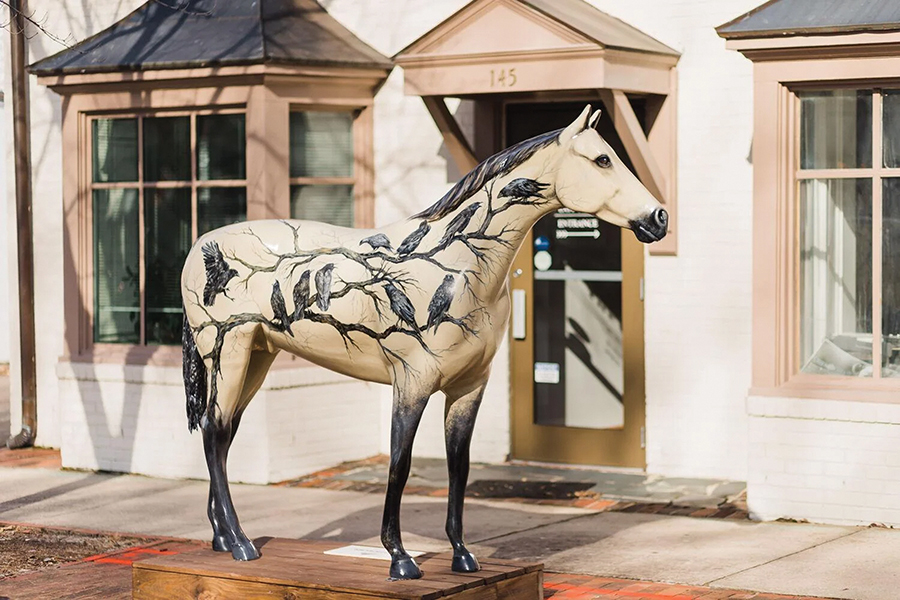
Painted Ponies Running Wild — Again

They may not be Misty’s foal, Stormy, but you’re sure to fall in love with more than one of Broad Street’s very own wild horses. These 14 painted beauties will be decorating the town of Southern Pines until early April to capture the imagination of the horse-crazy among us. The event culminates in a live online auction of the ponies on Saturday, April 15, with proceeds benefiting the Carolina Horse Park Foundation. Last year’s herd brought in over $125,000. Info: www.carolinahorsepark.com.

 
Mike Howell

Think Tank Thoughts

The James E. Holshouser Jr. Speaker Series will host Mike Howell, director of the Heritage Oversight Project, for “An Afternoon with the Heritage Foundation,” from 2:30 p.m. to 5:30 p.m. on Sunday, Feb. 5, at BPAC’s Owens Auditorium, 3395 Airport Road, Pinehurst. The event features updates from a leading conservative public policy think tank, including a presentation on the border situation between the U.S. and Mexico. For information and tickets, go to www.ticketmesandhills.com.


Southern Gothic in the Sandhills

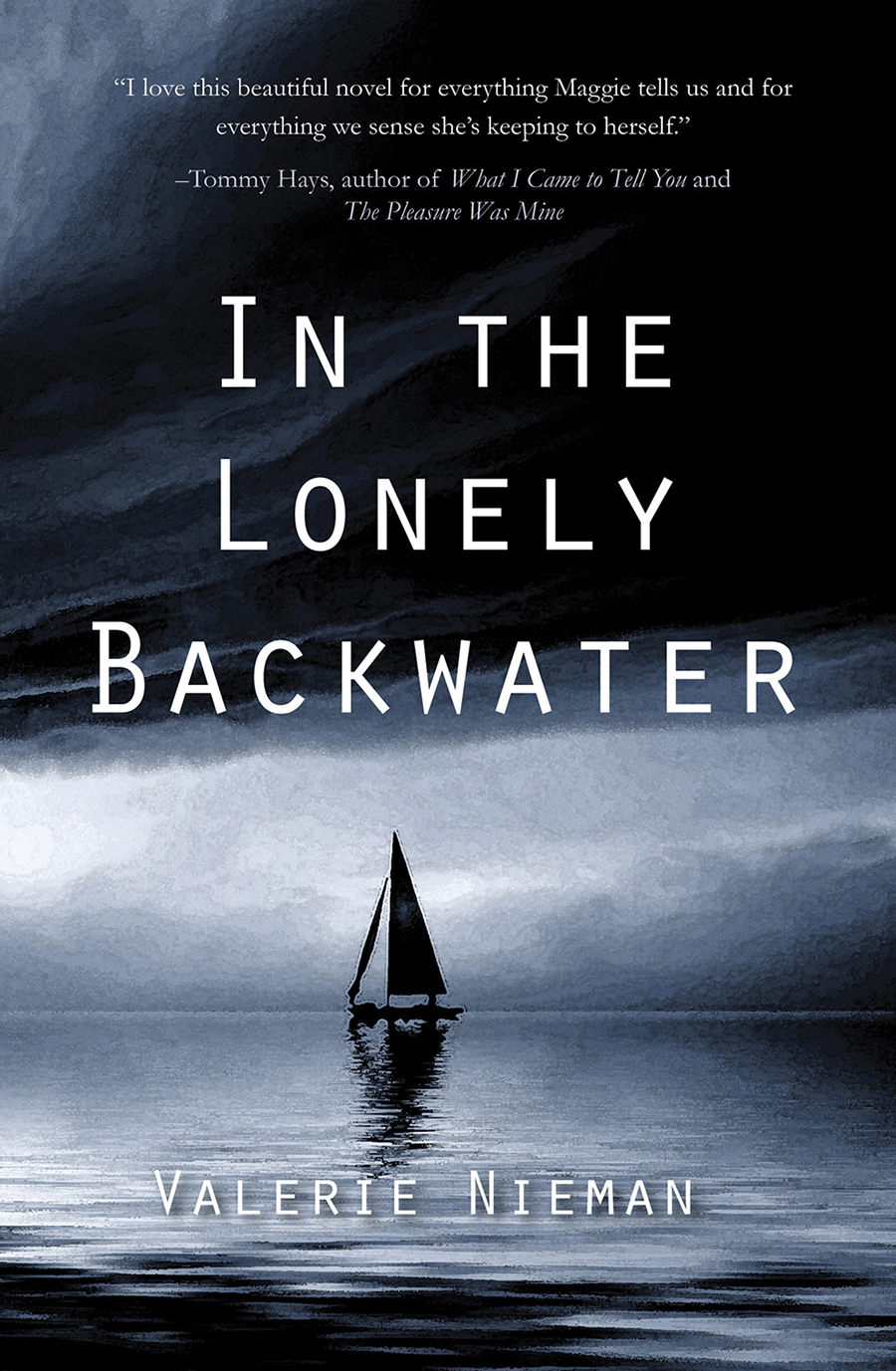
On Wednesday, Feb. 22, Weymouth Center for the Arts & Humanities writer-in-residence Valerie Nieman will read from her latest novel, In the Lonely Backwater, a gripping and graceful mystery in the Southern gothic tradition released in May 2022. When Maggie becomes a prime suspect in the prom-night murder of her cousin, we learn she has secrets not even a detective can unravel. Admission is free at the Weymouth Center for the Arts & Humanities, 555 E. Connecticut Ave., Southern Pines. Reading begins at 5:30 p.m. For information, go to www.weymouthcenter.org.


No Strings Attached

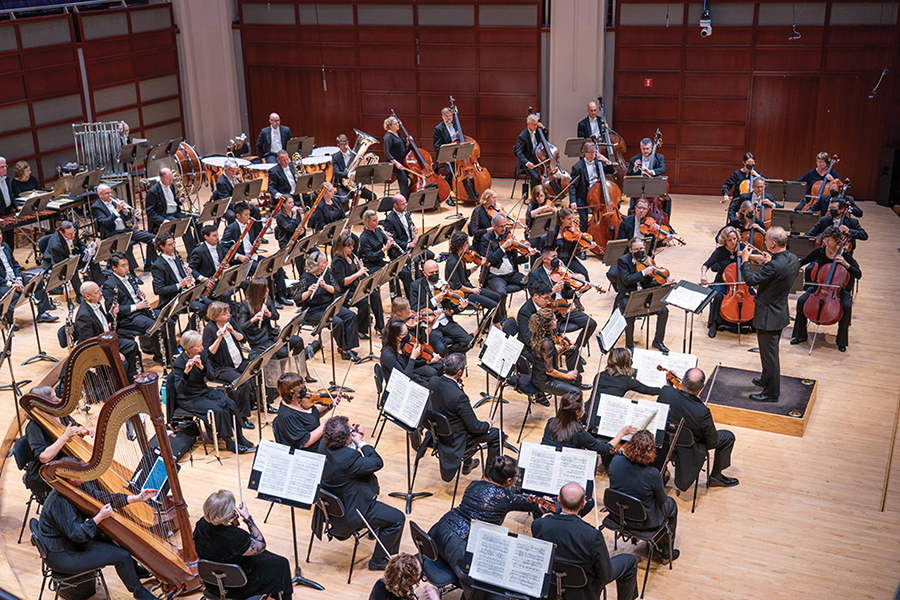
Get in the Valentine’s spirit with music that’s good for the heart and soul. On Thursday, Feb. 2, at 7:30 p.m., the North Carolina Symphony will perform Felix Mendelssohn’s String Symphony No. 7 at Robert E. Lee Auditorium, 250 Voit Gilmore Road, Southern Pines. It’s one of 12 string symphonies Mendelssohn wrote between the ages of 12 and 14. Busy boy. For more information, go to www.ncsymphony.com.


The Four Freshmen

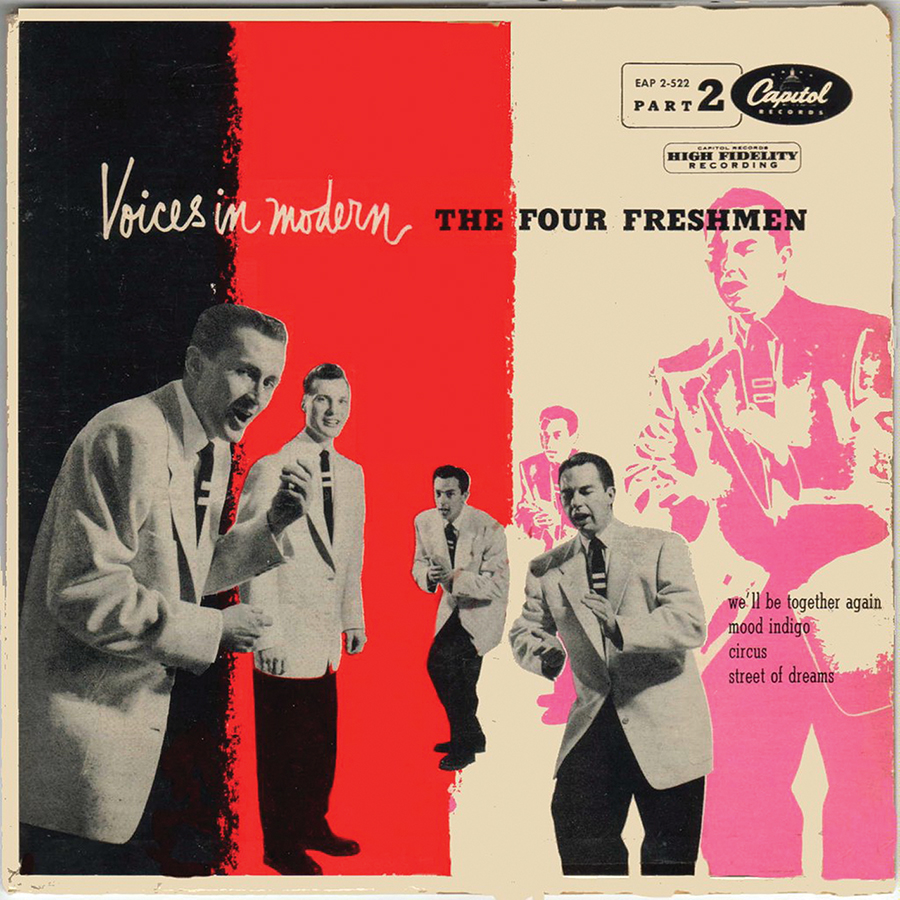
You don’t need a trip down Route 66 to find The Four Freshmen: Just grab a seat at BPAC’s Owens Auditorium, 3395 Airport Road, Pinehurst, at 7 p.m. on Friday, March 3, when the group that has recorded over 75 albums, 70 top-selling singles and received six Grammy nominations performs live on stage. The integrity of the sound created by the “original guys” (the group was formed in 1948) has been meticulously maintained, with a modern twist of elegance to the time-honored sound that The Beach Boys’ Brian Wilson once called his favorite band to watch live. For more information and tickets, go to www.ticketmesandhills.com.


An Affair to Remember

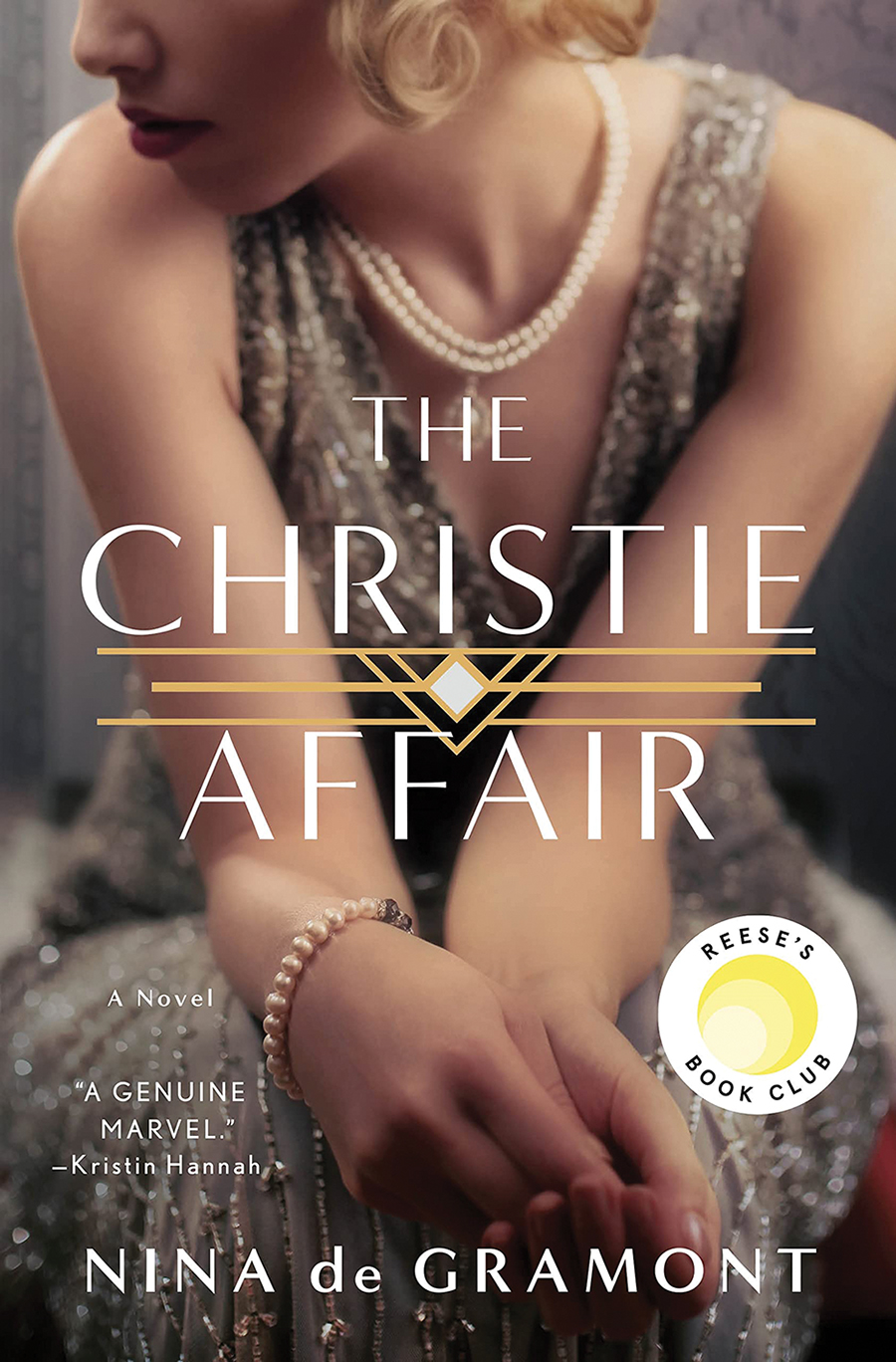
Just in time for the paperback release, University of North Carolina Wilmington creative writing professor and author Nina de Gramont will talk about her book The Christie Affair on Wednesday, Feb. 15, from 5 p.m. to 6 p.m., at The Country Bookshop, 140 N.W. Broad St., Southern Pines. For information and tickets, go to www.ticketmesandhills.com.


Heart and Soul

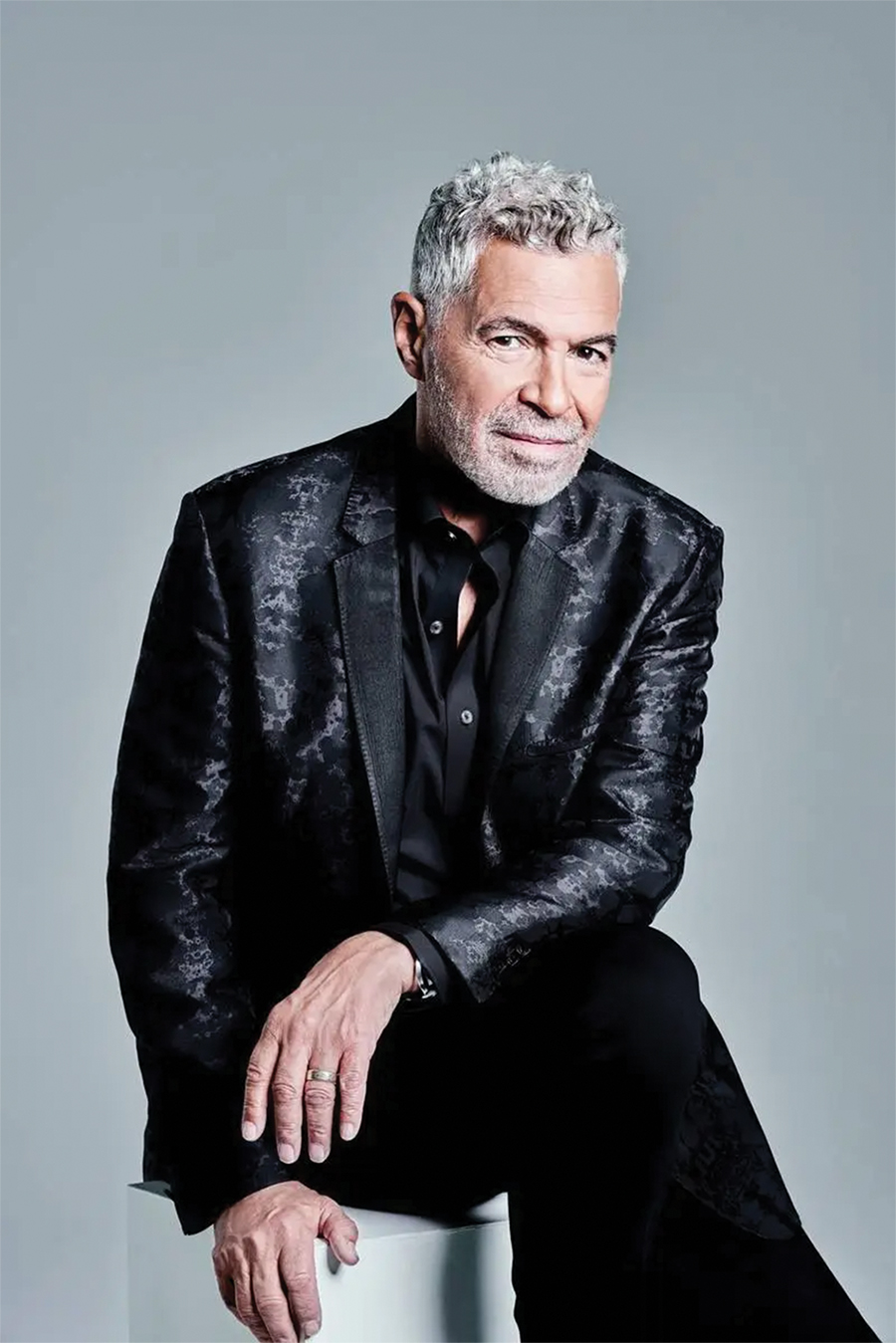
Vocalist Clint Holmes headlines the Heart of Carolina Jazz Orchestra under the direction of Dr. Gregg Gelb at 7:30 p.m. on Saturday, Feb. 11, at BPAC’s Owens Auditorium, 3395 Airport Road, Pinehurst. Holmes’ 40-year career has taken him from the top of the charts to an Emmy award for his own TV show and from a Grammy nomination to headlining in Las Vegas. For information and tickets, go to www.ticketmesandhills.com.


Learning about the Lumbee Tribe

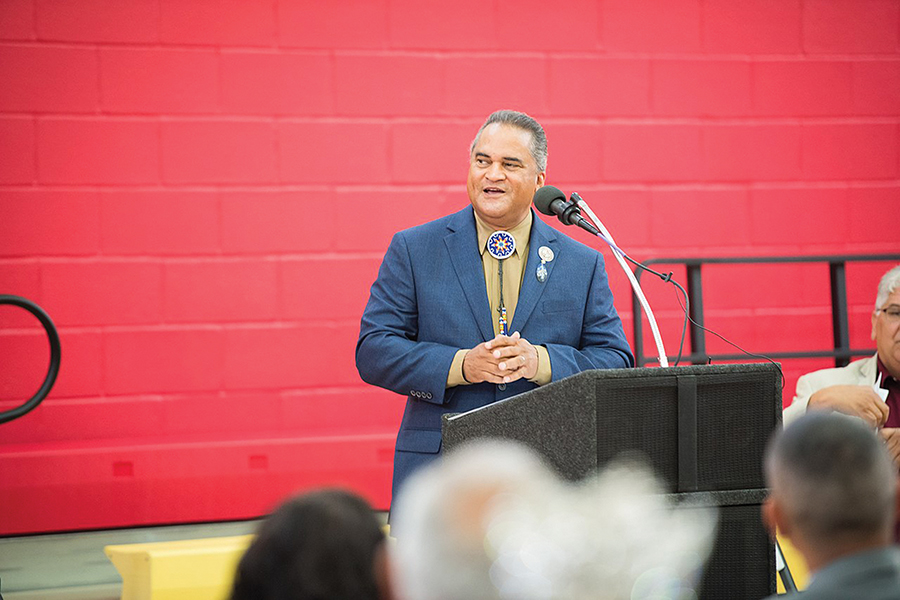
The first of three parts in the spring lecture series “Lumbee Life, Lore & Legacy” features Harvey Godwin Jr. discussing “The Background and Local History of the Lumbee Tribe” at 2 p.m. on Sunday, Feb. 19, at the Weymouth Center for the Arts & Humanities, 555 E. Connecticut Ave., Southern Pines. Cost is $15 for members and $20 for non-members. For information, go to www.weymouthcenter.org.

Tea Leaf Astrologer

Tea Leaf Astrologer

Aquarius

(January 20 – February 18)

You’ve heard the tale of the two wolves, right? The good wolf and the bad wolf at battle within each of us? The one you feed is the one who wins. This wisdom is particularly applicable for you this month, Water Bearer. Although your wolves may have different names — visionary and fool, perhaps — the message is the same. Which animal will you feed?

Tea leaf “fortunes” for the rest of you:

Pisces (February 19 – March 20)

It’s time to shake some dust.

Aries (March 21 – April 19) 

Rainbows and sunshine, baby.

Taurus (April 20 – May 20) 

Say it with flowers.

Gemini (May 21 – June 20)

Probiotics with the assist. 

Cancer (June 21 – July 22)

You can’t rush your own spring.

Leo (July 23 – August 22)

The cake is not done.

Virgo (August 23 – September 22) 

Just use what you’ve got. 

Libra (September 23 – October 22)

Trust your inner compass. 

Scorpio (October 23 – November 21)

Don’t forget to claim your prize.

Sagittarius (November 22 – December 21)

Sometimes the shortcut isn’t a shortcut. 

Capricorn (December 22 – January 19)

Shake it and start over.  PS

Zora Stellanova has been divining with tea leaves since Game of Thrones’ Starbucks cup mishap of 2019. While she’s not exactly a medium, she’s far from average. She lives in the N.C. foothills with her Sphynx cat, Lyla. 

In the Spirit

In the Spirit

Manhattan Variations

Subtle twists, refined tastes

By Tony Cross

While I was at work last week, I saw a bottle of vermouth that I enjoy and immediately realized that it had been a minute or so since I’ve made and enjoyed a Manhattan. I vowed to make myself one that night.

It was getting a little late by the time I was heading home, and I remembered I was out of Grand Marnier. A quick detour to the local ABC store aaannnddd . . . they’re closed. “Damn it!” I pouted, furious that I had literally missed the window by five minutes. I’ve done that maybe twice in my life. When I got home I went to my cabinet to get a bottle of rye and a bottle of Angostura bitters. As I was reaching for the bitters, my hand was drawn to a small bottle of Angostura cocoa bitters. “This could be good,” I thought. I grabbed the bitters, retrieved my vermouth from the fridge, and away I went whipping up the cocktail. It was so good I’ve been making one every night since.

Those of you who know how to make a Manhattan might wonder why the hell I would need an orange liqueur — it’s not even an ingredient in the drink. And you would be right. Until you try it. I’ll explain. But first, let’s KFC this thing and look at the original recipe.


Manhattan

2 ounces whiskey (bourbon or rye)

1 ounce sweet vermouth

2 dashes Angostura bitters

Bourbon or rye will do, just make sure that the proof is 90 or above. It truly does make a better Manhattan. As far as vermouth goes, my go-to is always Carpano Antica, but other vermouths such as Cocchi, Cinzano, Dolin, etc., will do. As always, make sure your vermouth has been refrigerated after opening. Vermouth that has been sitting in your liquor cabinet is trash — throw it out. The bitters, in my opinion, must be Angostura. There are other aromatic bitters available if you’d like to switch it up, and there is nothing wrong with that, though I still think Angostura reigns supreme. When you are using bitters, make sure that the dashes are not drops. Don’t be scared to give that bottle a shake.

Now, the orange liqueur. When I first got into mixing drinks, I followed Dushan Zaric from Employee’s Only in New York City. His cocktail book was my Bible. In it, he has a recipe for a Manhattan that goes something like this:

Manhattan (Employee’s Only version)

1 1/2 ounces rye whiskey

1 3/4 ounces sweet vermouth

1/2 ounce Grand Marnier

3 dashes Angostura bitters

Right off the bat you’ll notice that there is more vermouth in this version of a Manhattan. Back in the 1800s in legendary bartender Jerry Thomas’ day, this was a vermouth cocktail and it did have orange curaçao. The folks at EO like to honor the cocktail and make it the way it was done 150 years ago. Truth be told, I would do a 2:1 ratio of rye and vermouth but keep the Grand Marnier at 1/2 ounce. It is delicious and a must-try for any whiskey fan.

The next variation was created by bartender Todd Smith when he worked at Bourbon & Branch in San Francisco in 2005. By swapping out the sweet vermouth with amaro (an Italian liqueur), the drink leans more toward the bitter end.

Black Manhattan

2 ounces rye whiskey

1 ounce Amaro Averna

1 dash Angostura bitters

1 dash orange bitters

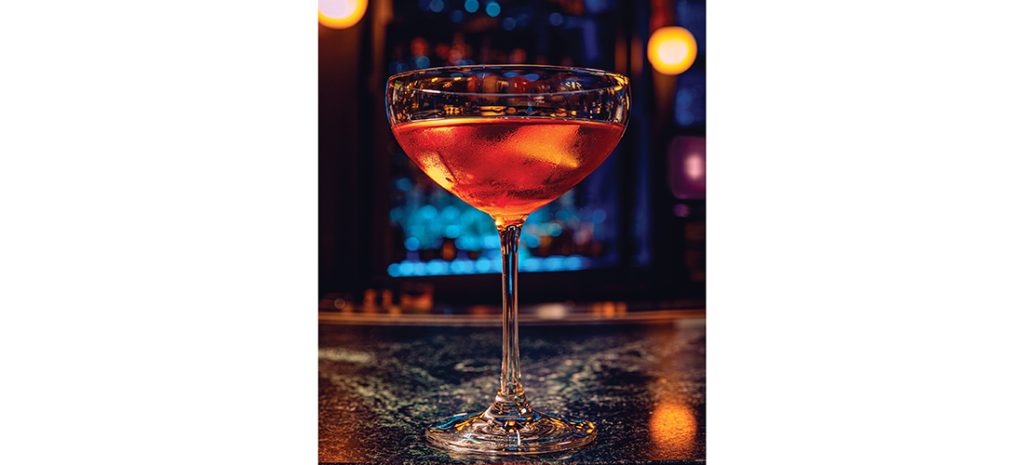
Last but not least, my latest nightly treat. There’s nothing to it, just the addition of cocoa bitters. I did, however, play around with the specs a little. For instance, I always use a rye when making Manhattans, but it just so happened I had a bottle of Old Scout straight bourbon whiskey that had been gifted to me, so on my second night of making Chocolate Manhattans, I gave it a shot. The Old Scout is a whopping 121 proof (yikes!), but the sweet vermouth takes the edge off and the cocoa bitters makes the cocktail come together. If you don’t have a high proof bourbon, a 90 proof (or higher) rye whiskey will most definitely do. As for garnishes, I usually use a lemon peel — expressing its oils over the cocktail — but, as luck would have it, I purchased and opened a bottle of Luxardo Maraschino cherries and hot damn, does it make that last sip taste like dessert! Cherries, chocolate . . . am I still talking about a grown-up cocktail? You betcha.

As with all of these Manhattan cocktails, the setup and execution are the same: Make sure your drinking coupe is cold. Add all liquid ingredients into a chilled stirring vessel. Use good ice (if possible) and stir until the cocktail is cold and enough water is diluted, then strain your cocktail into the cold coupe.

Chocolate Manhattan

2 ounces Old Scout 6-year straight bourbon whiskey 

1 ounce Carpano Antica vermouth

2 dashes Angostura Cocoa bitters

1 dash Angostura bitters  PS

Tony Cross is a bartender (well, ex-bartender) who runs cocktail catering company Reverie Cocktails in Southern Pines.

Simple Life

Simple Life

Where Does the Light Go?

Reflections on a beloved friend’s passing — and growing older

By Jim Dodson

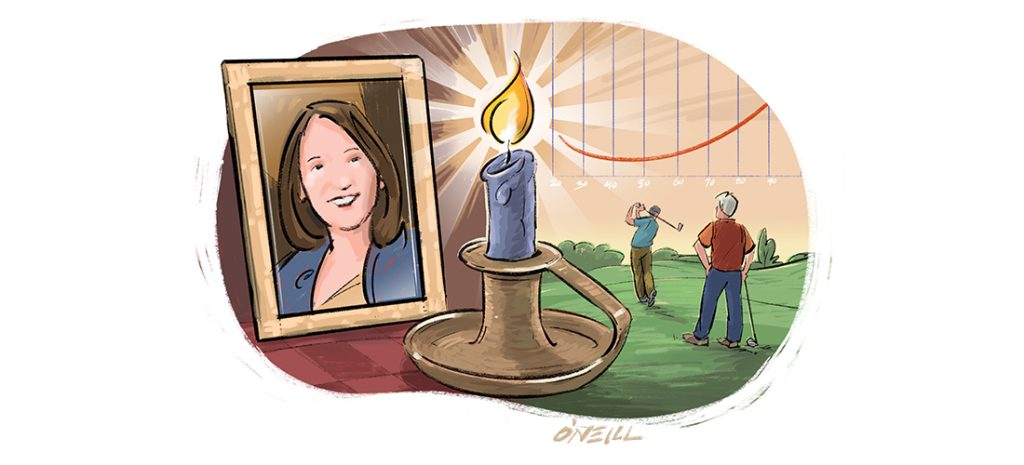
In an early time, according to the late Irish bard and spiritual thinker John O’Donohue, Medieval mystics loved to pose the beguiling question: Where does the light go when the candle is blown out?

I couldn’t help but think of this conundrum one recent Saturday morning as I sat in a pew of the First Presbyterian Church in downtown Atlanta, having taken a redeye flight from Los Angeles in order to attend a dear friend’s funeral service.

Celetta Randolph Jones — Randy  as she was affectionately known by hundreds, if not thousands of people — was one of my oldest and closest friends. She walked into my life in 1977 at the Atlanta Journal-Constitution two days after I arrived at the oldest Sunday magazine in the nation. Editor Andy Sparks believed we needed to meet because we were both single, students of American history and Randy knew the city like the back of her most elegant hand.

I’d just turned 24, a wide-eyed bumpkin from North Carolina. Randy was almost 30, the sophisticated media officer of The Georgia Trust for Historic Preservation. I think perhaps Editor Sparks believed sparks might fly between us, which they did. Just not the kind he envisioned.

We discovered instead a friendship for the ages. During my nearly seven years in Atlanta, Randy became my frequent dinner companion during which no subject was out of bounds — God, politics, my literary ambitions and her string of colorful boyfriends who could never keep up with her.

By the time my career carried me off to New England, Randy had started her own public relations firm and was quickly becoming a megastar representing the likes of Coca-Cola, British Airways and dozens of other A-list regional and international clients. Despite the distance, our friendship only deepened and grew. When my daughter, Maggie, was born in 1989, Randy, who never married, was delighted to become my daughter’s godmother. She came to New England and North Carolina many times for holidays and family occasions, and I never failed to stay with her whenever I passed through Atlanta. She truly was one of the great lights — and gifts — of my life.

It was lovely to learn from the words of remembrance from her adoring brothers, Harry and Powell Jones, that “Aunt Randy” actually had a dozen or more godchildren she faithfully lavished attention and wisdom upon over the decades, even after a freakish illness destroyed her immune system and forced her to sell her thriving company. She moved to a high rise apartment in Atlanta’s Four Seasons Hotel where she became a tireless fundraiser for Emory University Hospital, The Woodruff Arts Center, her church and many other charities. According to brother Harry, everyone in the building, from the hotel doorman to her neighbor, Charles Barkley, considered Randy their best friend. Her generosity to friends and strangers alike knew no bounds.

I saw Randy a month or so before she passed away. She was frail but mentally vibrant and connected to people as ever, wanting to hear about my latest book project and her goddaughter’s life in L.A. We sat together for almost two hours. When I got up to go and bent to kiss her cheek, she remarked, with her wonderful, sultry, deep Georgia accent, “We have traveled pretty far together, haven’t we?”

“And we’re not done,” I replied. “You helped light the way.”

She patted my hand. “Don’t worry. That light will never go out.”

I think she knew we would never see each other again in this world. But had no doubt whatsoever about the next.

So where does the light go when the flame is blown out?  I’ll leave that debate to the Medieval mystics and take my friend Randy at her word that the light will never go out.

The passing of one you love, however, inevitably calls up thoughts of your own brief mortality.

This month, with not a lot of fanfare, I reach my Biblically proscribed threescore years and ten, a phrase popularized by Psalm 90, which was read at Randy’s service. Seventy was considered a ripe old life in ancient times.

Fortunately, I have two best buddies — Patrick and Joe — who are also reaching 70 around the same time I am: Joe in January, Patrick in March. At our regular luncheons of the Stuffed Potato Philosophy & Adventure Club, we often talk about how pleased we are to be “older” dudes who are still working at jobs we love and appreciating life more than ever. True, body parts don’t work as fluidly as they once did, but it’s amazing what we never worry about anymore, including death, taxes, career ups and downs, and the inevitability of growing older. This spring, Patrick and I plan to celebrate 58 years of playing golf together in America and Britain by setting off for a final roving match across Ireland, Scotland and England for perpetual bragging rights. Our legs may grow weary, but, I assure you, not our spirits.

A recent study shows that we are not alone, revealing that the vast majority of older Americans are as happy — and busy — as they have ever been in American society. As anti-ageism activist Ashton Applewhite recently pointed out in her outstanding TED Talk, older people tend to become more optimistic as they age, worry far less than younger folks, and really only have two things to be concerned about — that someday the people you love will die, and that parts of your body will eventually quit working. Fear of death doesn’t even make the list. Remaining open to new adventures and connected to people turns out to be a path for a long and meaningful life. Applewhite calls it the U-Curve of Happiness.

Was it simply the hand of sweet synchronicity that I happened to hear her inspiring TED Talk on the radio during the long drive home to North Carolina following Randy’s memorial service, or maybe something only a mystic could explain?

I’ll probably never know. But in the meantime, I’ll happily follow the flame wherever it leads next. PS

Jim Dodson can be reached at jwdauthor@gmail.com.