Time was, before video games and apps, every kid wanted a tree house — a place to daydream, to pretend, to lick drippy popsicles on a summer evening. It’s not too late.
John Lennon built a beauty in Hollywood. Winston Churchill had one constructed on his estate, for the grandchildren. And, for $115 — less than the rack rate at a covey of hotels and motels — four people can stay in a little gem overlooking Lake Pinehurst, with a full magazine-worthy kitchen plus two bedrooms, a loft, a living/dining area, a bath and a half, three TVs, WiFi, heat, AC, a wraparound deck and built-in relaxation.
Sound like an infomercial? More like a PSA (public service announcement), since who isn’t soothed by a water view while greeting squirrels eyeball to eyeball?
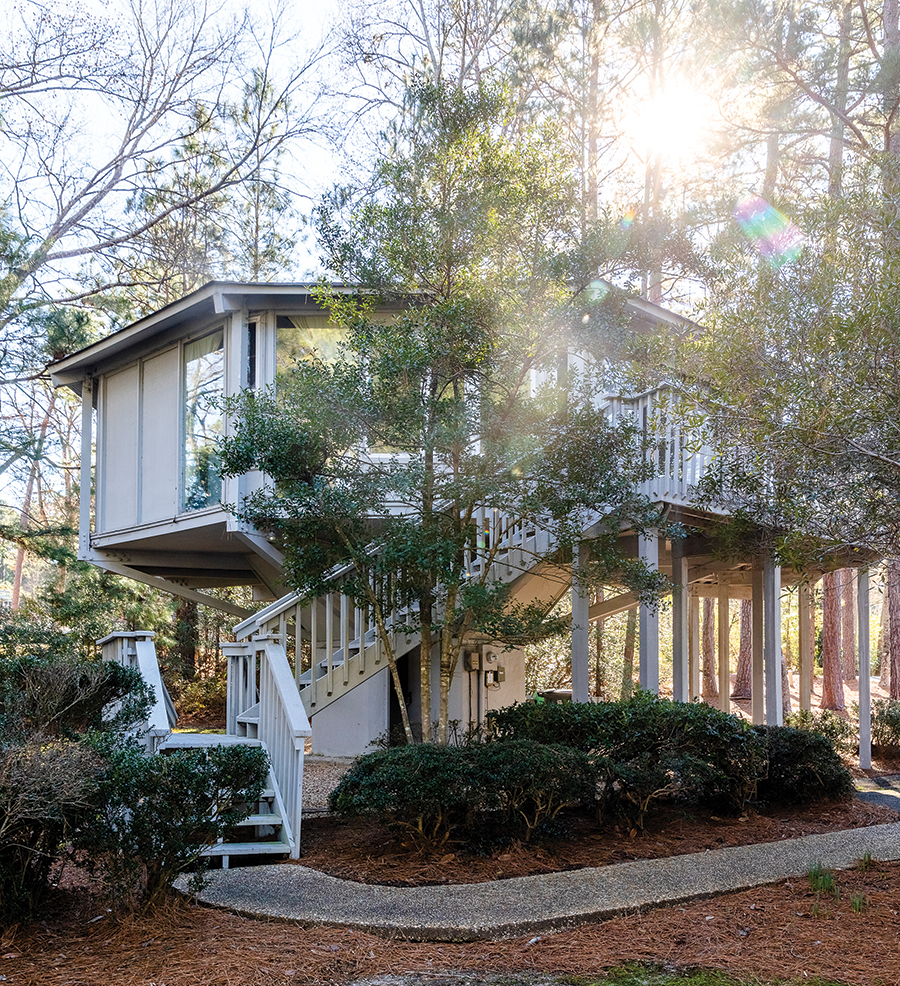
From a distance, these octagons on stilts — they’re not actually attached to trees — resemble intergalactic pods preparing to blast off for home. Surely, everybody who has driven by this cluster on the way to Lake Pinehurst wonders what lies within.
The curiosity may be primordial. Earliest humanoids could well have slept in trees, unreachable by wild animals — though any archeological evidence of it would never have survived. Stilted structures, for storage and for living, were built in the Amazon region, all through the Indo-Pacific and in Africa. In the Arctic, stilts raise houses above the permafrost. And beach houses crowding the seashore and barrier islands up and down the Atlantic coastline have more stilts than YouTube has videos. You can find resort clusters in the Blue Ridge Mountains lifted off the ground and Rocky Mountain ski-in, ski-out chalets built into snow-packed slopes.
Backyard tree houses can be status symbols for artists, poets, philosophers and wealthy Peter Pans. An International Tree House Architecture Competition draws wild entries from Denmark to Switzerland, France to Long Island, New York.
Tree houses as vacation properties gained popularity in the 1970s — the Diamondhead era in Pinehurst — and were incorporated as part of the new lake community near the No. 3 course. The houses, ordered from catalogs (including Sears), arrived as kits to be assembled on-site. Their unusual shapes provoked mixed reactions from village traditionalists. Most of the original units have been remodeled, often glamorized beyond recognition. Some are owner-occupied seasonal vacation homes. Others are investment properties rented to golfers, wedding guests, family reunion out-of-towners, and businessfolk on retreat through Airbnb, Vrbo and local agents, including Sandhills Rentals.
Perfect, when the in-laws visit — but do advise them to bring sensible shoes, because this house-on-stilts rises nearly 20 feet, accessed by an exterior stairway.
Inside, the scale of this example in the Brae Burn enclave, at 800 square feet, feels compact except for the generous kitchen, with granite countertops, a full-sized fridge, built-in cooktop and oven, dishwasher, microwave, breakfast bar with adjoining dining table seating six, facing a living room with sofa and upholstered side chairs. Two bedrooms sleep four. Between the kitchen and sitting area, a desk accommodates the ubiquitous laptop. With COVID still restricting office attendance, what’s not to like about a tranquil, private work getaway?
The floors are easy-clean stained bamboo. Furnishings throughout blend a soothing grassy green with cream upholstery and dark woods. Tableware and linens are high quality. Curtains offer privacy since most of the tree houses are built in clusters. Every inch appears tasteful, spotless, well-maintained.
For pretty obvious reasons, barbecue grills are not allowed on the decks. As consolation, this tree house comes with a kayak, facilitating an escape when the tigers and gorillas drop by for appetizers.
February is a creature from an ancient myth, a wise old woman, a mystical crone goddess.
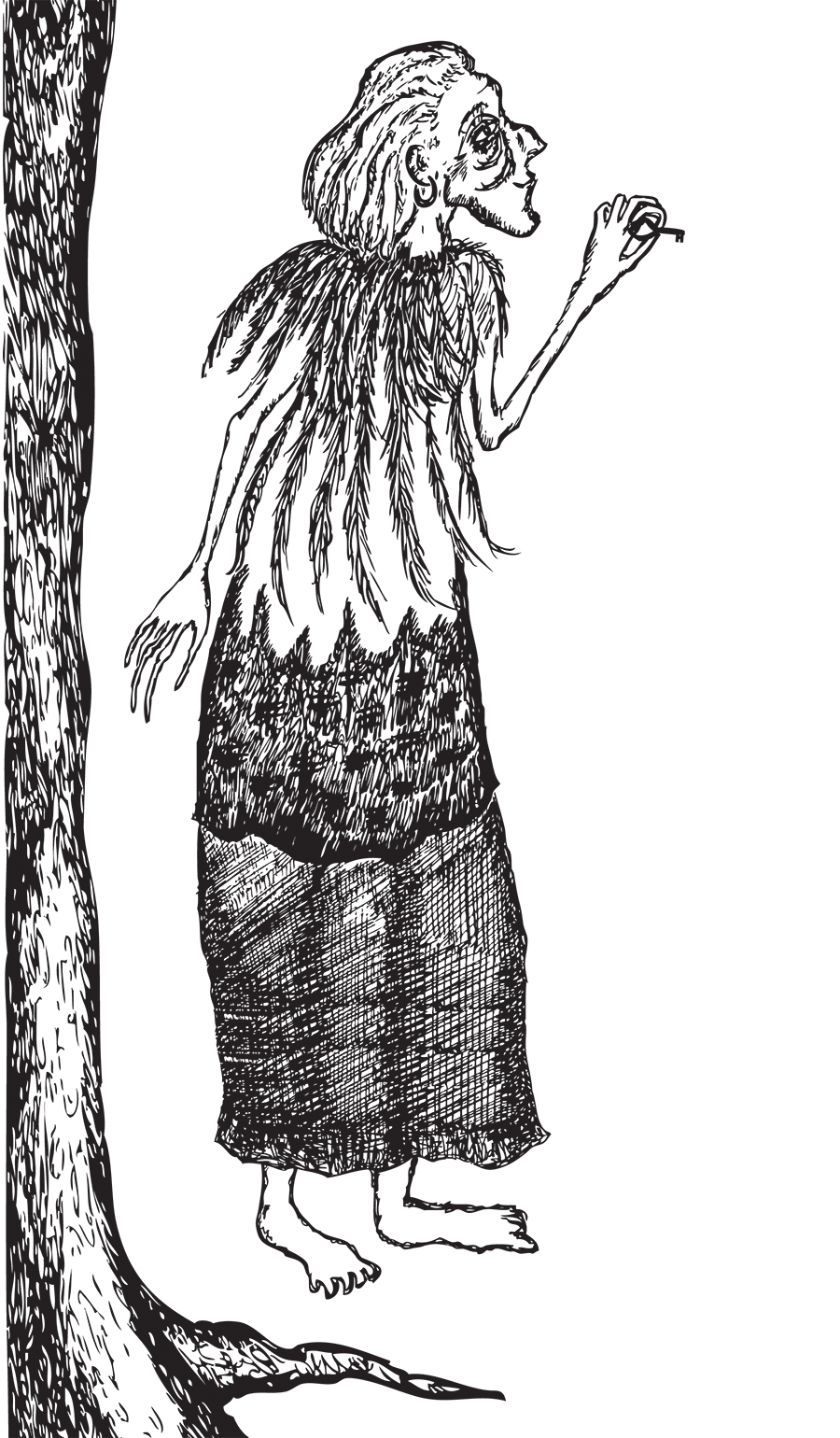
At first glance, she is homely, haggard and frightening. Her face is gaunt. Her garments, threadbare. Her skin like gray, crinkled paper.
There is nothing soft or warm or pleasant about her. Time and the elements stripped her of her beauty long ago. She lurks in the shadows, a bag of bones with sunken eyes, crooked fingers and limbs like wind-swept trees. Her icy breath swirls through the air like a ravenous arctic wolf.
Few have dared to approach — let alone understand — her. Most avoid her like the plague.
She does not require your favor. And yet, should you dare to gaze upon her, she will offer a wisp of a smile. A mysterious light will shine from her deep-set eyes, and while she will not speak with words, you will hear her, clear as a bell in the night: follow me.
Into the darkness you’ll trudge, cold air burning like poison ivy, frozen earth crunching beneath your feet. Rows of naked trees reach toward a grim, abysmal sky, and you wonder how life could possibly grow in this barren landscape, this pregnant silence, this bitter womb of winter.
As she walks, the crone slips her wrinkled hand into her cloak pocket and withdraws a rusted skeleton key. At once it is clear: This is no forsaken beast. She is the chosen one: the gatekeeper between death and life, the end and the beginning, the black of night and the first blush of dawn.
You begin to notice what was already here: early crocuses bursting through the frosty soil; milky white snowdrops and fragrant wintersweet; a host of sunny jonquil. A great horned owl screams out.
The crone does not glow like a young maiden or a new mother. But as you softly gaze upon her, you see the grace of a soul who has witnessed many seasons — a wise one who knows that spring is ever on the silvery horizon. That the only way to it is through it.
Feed the Birds
It’s been a long winter for everybody — especially our winged friends. Feed the Birds Day is celebrated each year on February 3. If ever you’ve wondered where St. Francis of Assisi, patron saint of animals, came up with his “For it is in giving that we receive” line, consider that he’s often depicted with a bird in his hands.
You think winter will never end, and then, when you don’t expect it, when you have almost forgotten it, warmth comes and a different light.— Wendell Berry
Space and Time
According to EarthSky.org, one of the most anticipated sky scenes of 2022 happens 40 minutes before sunrise from February 11–16, when Venus, Mars and Mercury will all be visible in the darkest spell of morning.
Another scene not to be missed this month: The “Winter Hexagon,” a prominent group of stars comprised of Rigel (in Orion), Sirius (in Canis Major), Procyon (in Canis Minor), Aldebaran (in Taurus), Capella (in Auriga) and Pollux (in Gemini). Also called the “Winter Circle,” you can find this asterism by first looking for Orion’s brightest star, Rigel, the bluish star at the lower right (in other words, below the belt). From here, draw a line straight up to Aldebaran, then continue following the bright points counterclockwise until you complete the circle.
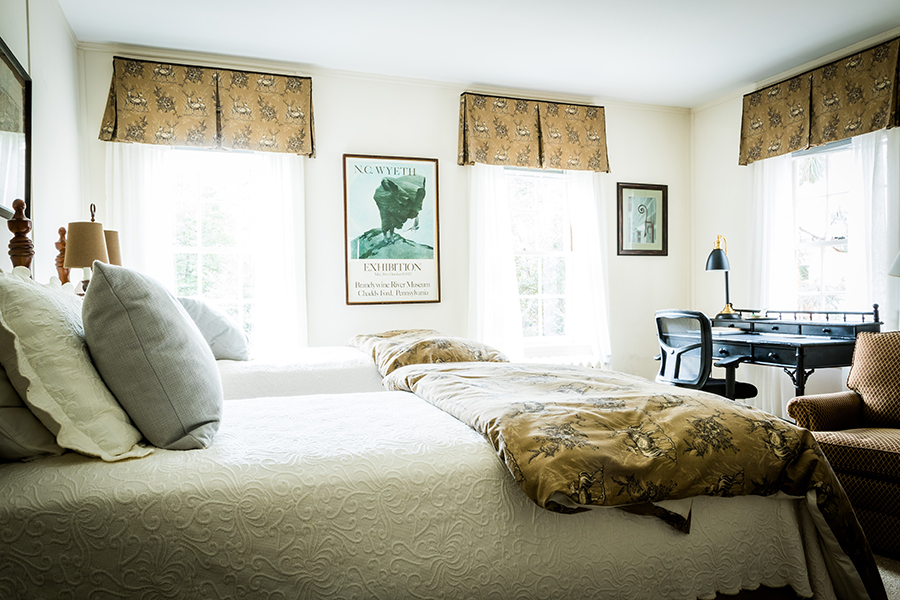
On the second floor of the Boyd House, cloistered in quiet rooms set apart, Weymouth writers-in-residence labor over novels, poems, memoirs, and all manner of literary endeavors. I wrote a considerable portion of my novel, The Girls in the Stilt House, in one room or another in those quarters, everyday responsibilities left behind, all attention on the work at hand.
Writing in that grand old house is unlike writing anywhere else. Although writing is, by nature, a solitary experience, at Weymouth I am sequestered with ghosts — F. Scott Fitzgerald, Thomas Wolfe, Max Perkins, Paul Green, and a host of others. An abundance of illustrious authors of James Boyd’s day were guests in the house, and something of their essence seems to linger in the air.
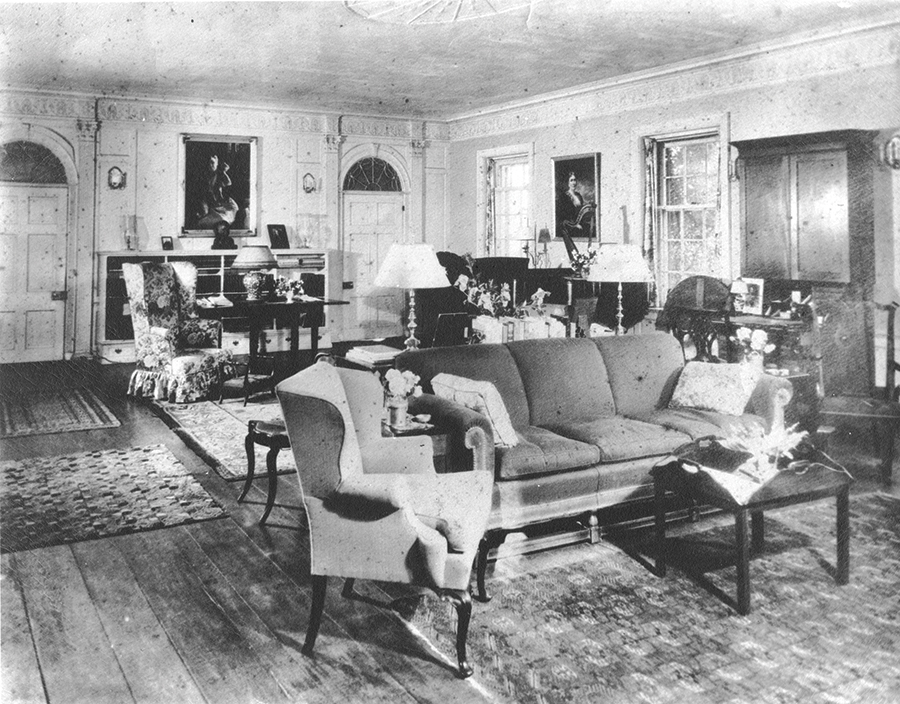
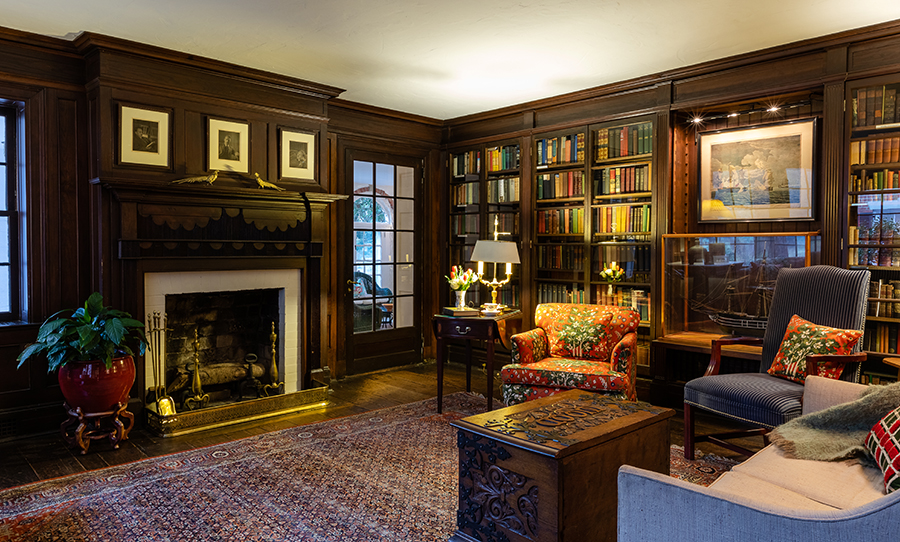
On occasion, I sit with these ghosts at night in the intimate, dimly lit downstairs library. It is not difficult to picture them gathered in front of the fireplace, talking books and writing and agents and editors. This room is inherently inspiring, with its broad, rustic floorboards and rich wood paneling, walls lined with glass-front bookcases housing Boyd’s vast collection of volumes. When I was working on The Girls in the Stilt House, I often padded down to this library to slip into the past and meet my characters in their own time period. In a small pool of light from a floor lamp behind the sofa, the windows black with the night, I found inspiration that is unique to Weymouth.
My imagination is in high gear in that beloved house. Sometimes I pretend as a child would, but isn’t pretending the primary calling of a novelist? I settle into my assigned bedroom like a character settling into a story. So much that remains of the ’20s and ’30s throughout the house — the old push-button light switches, the shutter hooks outside the windows, the peekaboo keyholes, the sleeping porches — immerses me in the era in which both my last novel and my current work-in-progress are set. I arrange my writerly necessities on the desk, look through the wavy glass of a hundred-year-old window, and feel connected to everyone who has ever gazed out at that view of longleaf pines and English gardens.
I have come to know the house like a friend. There is a little door behind the bed in the Sherwood Anderson room, so small one would have to crawl through it, that is still a mystery to me, but I know where to find the corner fireplace that appears in an old black and white photograph upstairs yet is nowhere to be seen in a tour of the house. There is a stunted staircase leading to nowhere that I accidentally stumbled upon in a closet. I know where the old wood floors creak most loudly, and that on just the right kind of stormy night, wind blowing across the window shutters can sound almost like footsteps on the old iron balcony outside the Paul Green and Thomas Wolfe rooms.
In the North Carolina Literary Hall of Fame upstairs, I see James Boyd working at his standing desk, still there today in front of the window with a view he loved. Downstairs, I see Thomas Wolfe, as the legend goes, climbing through a window before dawn after a long train ride and a bit of imbibing. When Weymouth hosts an event in the great room, voices, laughter and music drifting up the stairways, I hear a 1930s party, those familiar ghosts dining and dancing and telling stories.
Whispered among some of the Weymouth writers are rumors of a different kind of ghost. I have had no otherworldly experiences to relate, and I tend to be somewhat Nancy Drew-ish about that. But I suspect that almost everyone who is alone in that enormous house and steps into the dark hallway between bedroom and bathroom in the wee hours, is, for those few seconds at least, a believer.
There is a camaraderie among the housemates, usually no more than four of us at a time. During the day, we pass each other in the hallways almost like ghosts ourselves, exchanging a quick snatch of conversation or just a nod, our minds still on our work. We occasionally share lunches in the kitchen or walks through Weymouth Woods. Sometimes, near the end of a week’s solitary work, a few of us gather in the evening to read to each other from what we’ve written, the night-quiet house lending itself to reflection and the sorting out of life’s complexities, for both our characters and ourselves.
With each residency, I feel as if I’m adding my fingerprints to those of James and Katharine Boyd’s literary comrades, my footprints to those of all the writers who have walked those worn floors, a hundred years ago or last week. Weymouth’s writers-in-residence are all beneficiaries of the tradition of hospitality to authors established by the Boyds and furthered by a long line of Weymouth’s loving caretakers.
It’s just a building, but I have a relationship with that house. I miss it when I’m not there. It welcomes me back when I return. And my writing is richer because of it.PS
Kelly Mustian is the author of the USA Today bestselling novel The Girls in the Stilt House, shortlisted for the 2022 Crook’s Corner Book Prize, and is pretty sure she is Weymouth’s biggest fan.
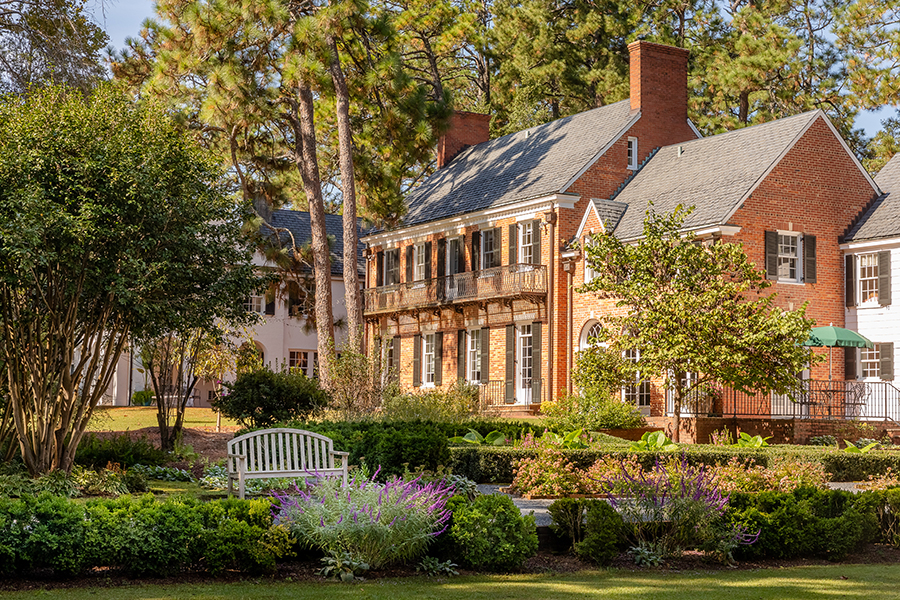
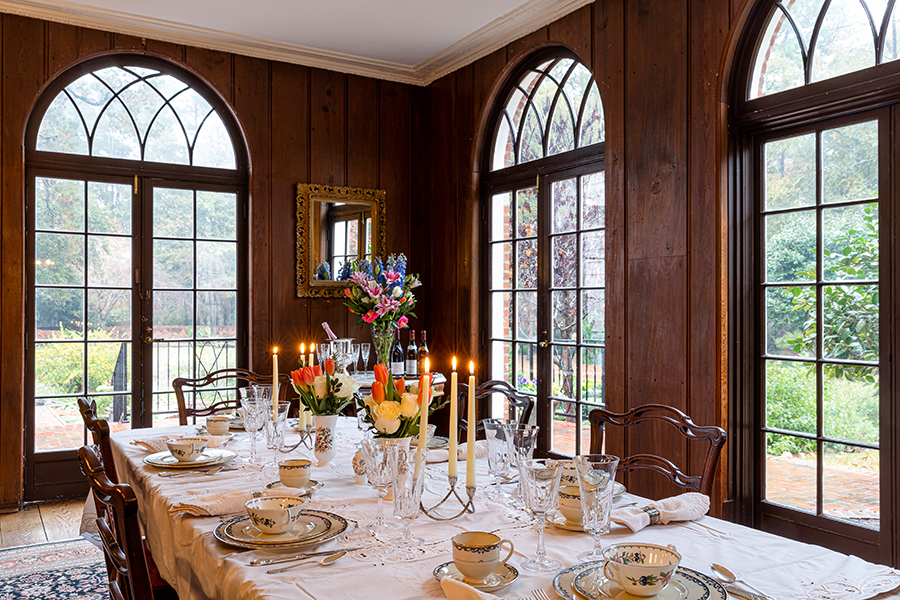
One hundred years ago, a remarkable couple made a remarkable house their home. Sitting commandingly atop Shaw’s Ridge east of downtown Southern Pines, the house of Katharine and James Boyd, built from a rough sketch into today’s 9,000-square foot rambling manor, shares its 21st century spirit with its 20th century soul, retaining its birthright as a haven for writers, musicians, in fact, artists of all kinds. It is the home of the North Carolina Literary Hall of Fame as well as the North Carolina Poetry Society. It plays host to chamber recitals, jam sessions and contemplative strollers. And, since 1979, hundreds of writers-in-residence have padded down its hallways on cat feet, savoring the solitude of serious work in an enchanted place.
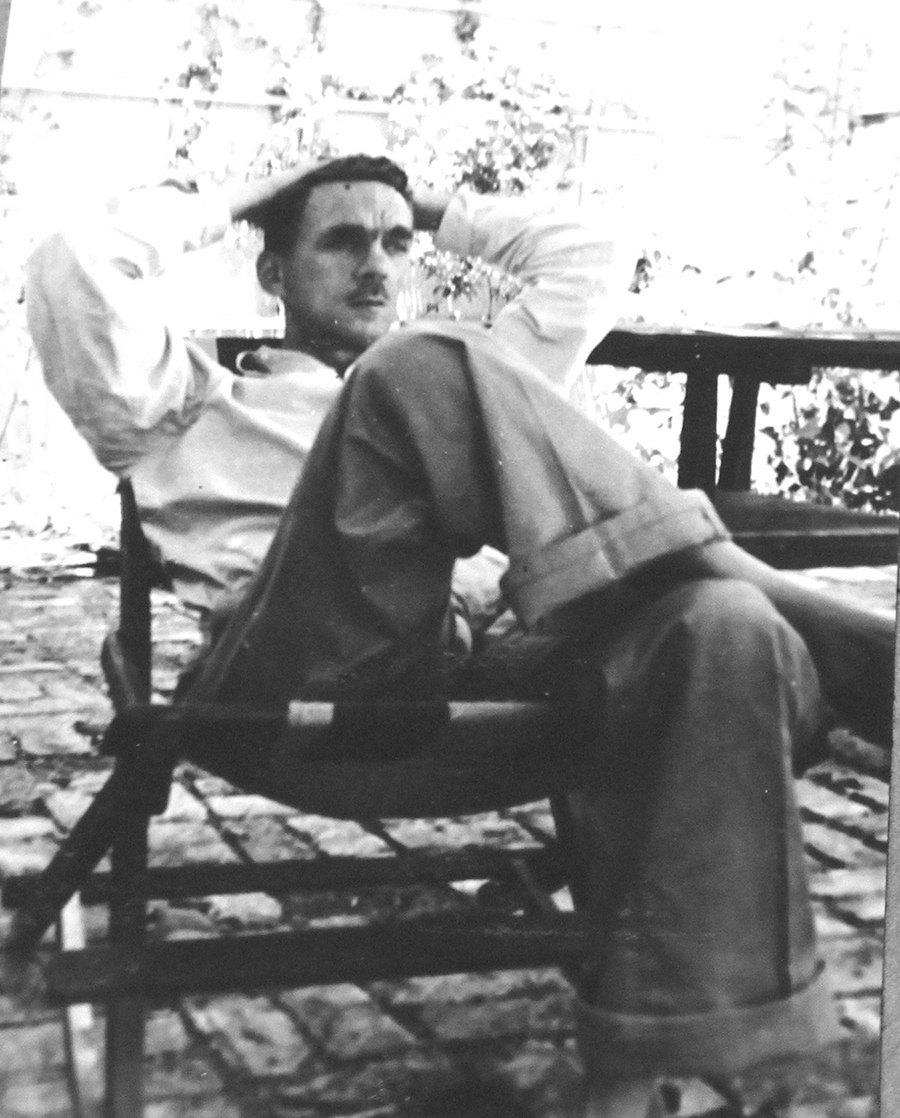
James Boyd
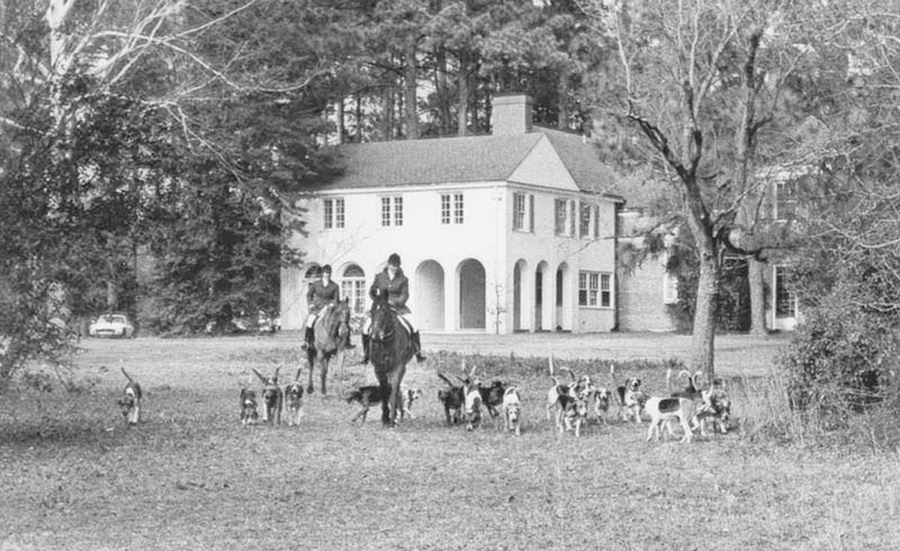
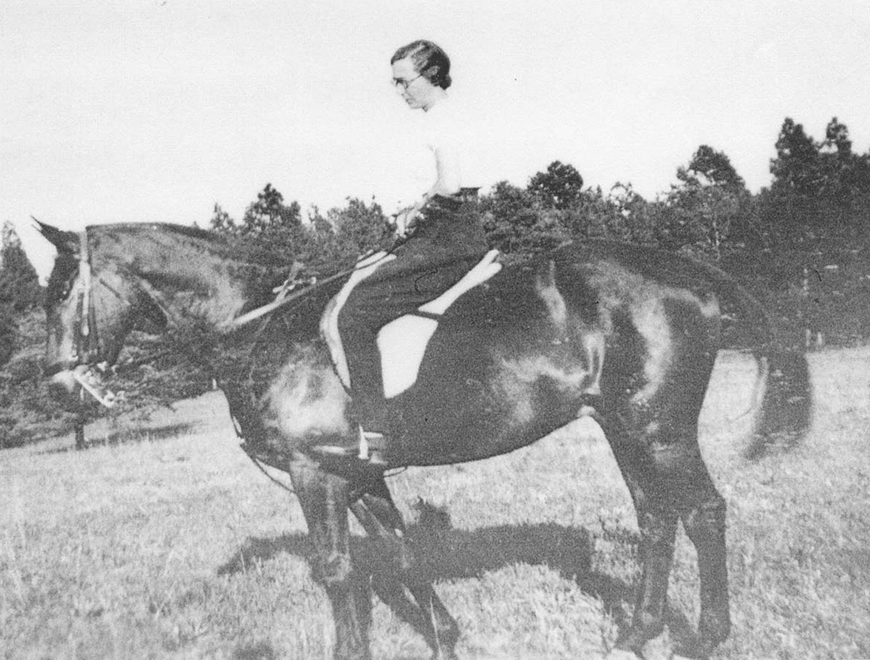
It is unknown precisely how the teenage Katharine Lamont made the acquaintance of the 20-something James Boyd. One biographer claims they met at a dance, possibly in New York, in 1916. A less likely scenario suggests that Katharine, an accomplished foxhunter with the Millbrook Hunt in New York, could have ridden to the hounds at Weymouth, where she would have encountered James, an avid practitioner of the sport. What is known is that in June 1916, Katharine became the owner of a 3.725-acre tract adjacent to the driveway entrance to Weymouth, quite an acquisition for a 19-year-old. She built a small house on the property, the “Lamont Cottage,” now called the Gatehouse.
Their relationship blossomed during the summer of 1917, and the two began entertaining thoughts of marriage. Both the Boyd and Lamont families were of similar wealth and social strata. Katharine’s father, Daniel Lamont, was vice president of the Northern Pacific Railroad and served as secretary of war during President Grover Cleveland’s second term. James’ ancestors — primarily through the efforts of his grandfather, James Boyd, and his father, John Yeomans Boyd — amassed the Harrisburg, Pennsylvania-based family’s fortune through investments in coal, steel, railroads and banking.
The extended Boyd family had begun vacationing in Southern Pines shortly after 1904 when grandfather James, in search of a Southern retreat, purchased vast parcels from three of the Sandhills’ pioneering families — the Blues, the Shaws and the Buchans. Eventually, the elder James would own over 1,500 mostly pine-forested acres. He called his estate “Weymouth Woods,” so named because its tall longleaf trees reminded him of majestic pines he observed in the seacoast town of Weymouth, England. To serve as the family’s residence, the elder James acquired an existing home adjacent to his acreage.
Grandson James attended the Hill School in Pottstown, Pennsylvania, and later Princeton University (also the alma mater of his father, John Yeomans Boyd, and his brother, Jackson) where he became the managing editor of the college’s literary magazine. After his graduation in 1910, he worked briefly at the Harrisburg Post writing stories and drawing cartoons before enrolling at Trinity College in Cambridge, England, where he received a master’s degree in English literature. He returned to Pennsylvania, taking a short-lived teaching position but ill health forced him to resign in 1913. He recuperated at Weymouth and became increasingly involved in foxhunting, forming the Moore County Hounds with Jackson a year later.
Katharine Lamont Boyd
With a boost from Southern Pines friend Frank Page (who put in a good word with his publisher brother Walter Hines Page), the young James Boyd secured a job in September 1916 in New York with the Doubleday, Page publication Country Life in America. Boyd remained in the position just a few months, a recurring theme shared with his previous brushes with employment, opting instead to volunteer with the American Red Cross in New York, where he aided in the procurement of ambulances to support the war effort in Europe.
This served as a prelude to Boyd’s enlistment in the U.S. Army Ambulance Service in August 1917, soon after the U.S. entered World War I. Irksome sinus problems had previously caused his rejection for service by the Army and the National Guards of Pennsylvania and New York. He finally passed the physical after a corrective procedure.
Despite the certain knowledge that the war would soon separate them, James and Katharine were married at the Lamont family residence in Millbrook on Dec. 15, 1917, and enjoyed an extended honeymoon at Weymouth. In February 1918, Boyd received orders to report to his unit. In July, 2nd Lt. Boyd arrived in Italy, where he took charge of the Army ambulance service there. In August, he was transferred to France, where his unit supported the Saint-Mihiel campaign and the Argonne offensive, both critical events in turning the tide in the Allies’ favor. The exhausting duties proved punishing to Boyd’s frustratingly fragile health and resulted in several hospitalizations. He was discharged from service on July 2, 1919 (his 31st birthday), and returned home to Katharine.
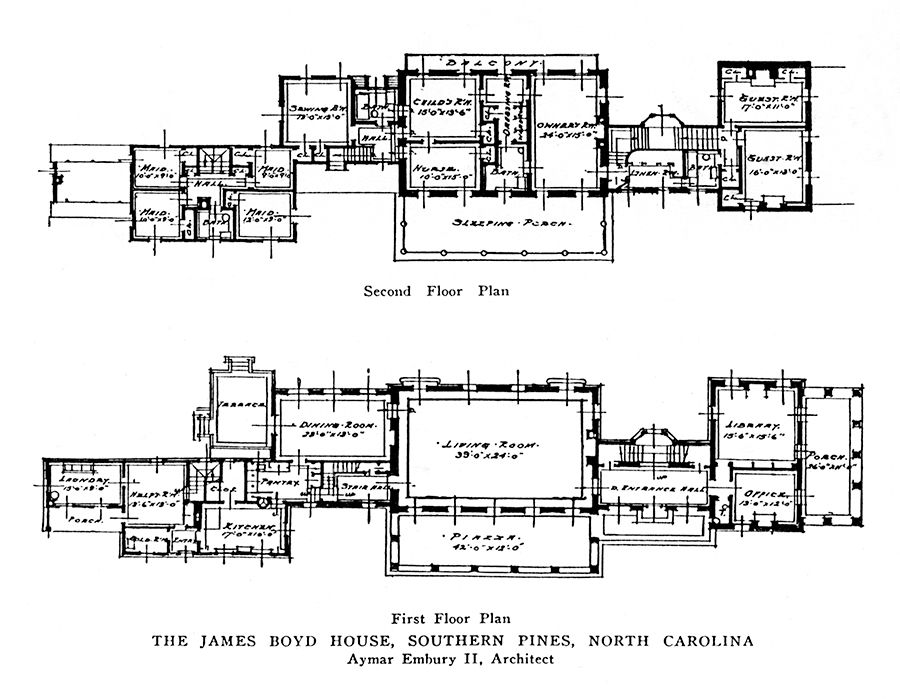
James’ father had passed away before the war, in March 1914, at age 51. When the heirs divvied up the estate’s far-flung assets, James wound up with most of Weymouth. After returning from Europe, James and Katharine began making plans to build their new home up the ridge from the former site of James’ grandfather’s house (the elder James had passed away in 1910), which the family had dismantled and moved in 1920. The architect they chose was Aymar Embury II — yet another Princeton alum — then in the process of building the Mid Pines Inn and Country Club. Using James Boyd’s drawing as a starting point, Embury designed a house that pleasingly blended elements of Colonial Revival and Georgian architecture. The exterior was said to resemble the Westover, Virginia, home of Colonial planter William Byrd. Landscape designer Alfred Yeomans (surprise, another Princetonian) laid out new Weymouth gardens and a swimming pool, bordered by a serpentine brick wall. A stable and kennels were constructed as well.
James Boyd became firmly ensconced as Southern Pines’ foremost country squire. He checked all the requisite boxes: Master of the Hounds; owner of a splendid home on vast acreage; scion of an old-line family (as was his wife); and wealthy but not flauntingly so. He would never have to work to make ends meet. And, frankly, up to 1921, his work résumé was wafer thin. Aside from his military hitch, Boyd’s longest tenure of employment at the three jobs he’d held in his 33 years was about nine months.
With a background in literature and having successfully published a few short stories as a schoolboy, Boyd thought perhaps he could make something of himself as a writer. He figured that Weymouth, relatively free of distractions and enjoying three seasons of comfortable climate, would provide an ideal environment for the solitary business of writing.
So, he began.
Boyd’s first objective was to craft a short story for one of the numerous New York magazines, at the time a prime outlet for writers. He settled in to work at Lamont Cottage, where he and Katharine resided prior to the completion of their new home. In mid-1920, Scribner’s magazine editor, Robert Bridges, paid $100 for the piece “The Sound of a Voice,” though the first Boyd creation to hit the newsstands was his short story “Old Pines,” published by Century Magazine in March 1921.
Finding his stride in his new home, Boyd accelerated his production of short stories, dictating them to Katharine in his downstairs study (now called the foyer) next to the house’s library. The study featured a door to a side porch. According to Dotty Starling, the archivist for the Weymouth Center for the Arts & Humanities, it “was frequently a thoroughfare for the family heading outside.” And the Boyd family was growing. James Boyd Jr. was born in 1921, followed by the births of Daniel Lamont Boyd in 1923 and Nancy Boyd in 1927.
Writing short stories was fine, but to be considered a serious author, Boyd felt he needed to write books. In 1922, he began composing a work of historical fiction set largely in Edenton, North Carolina, during the Revolutionary War. The plot involves the dual dilemmas faced by young Johnny Fraser, the son of a British Loyalist father, and a mother favoring independence from the crown.
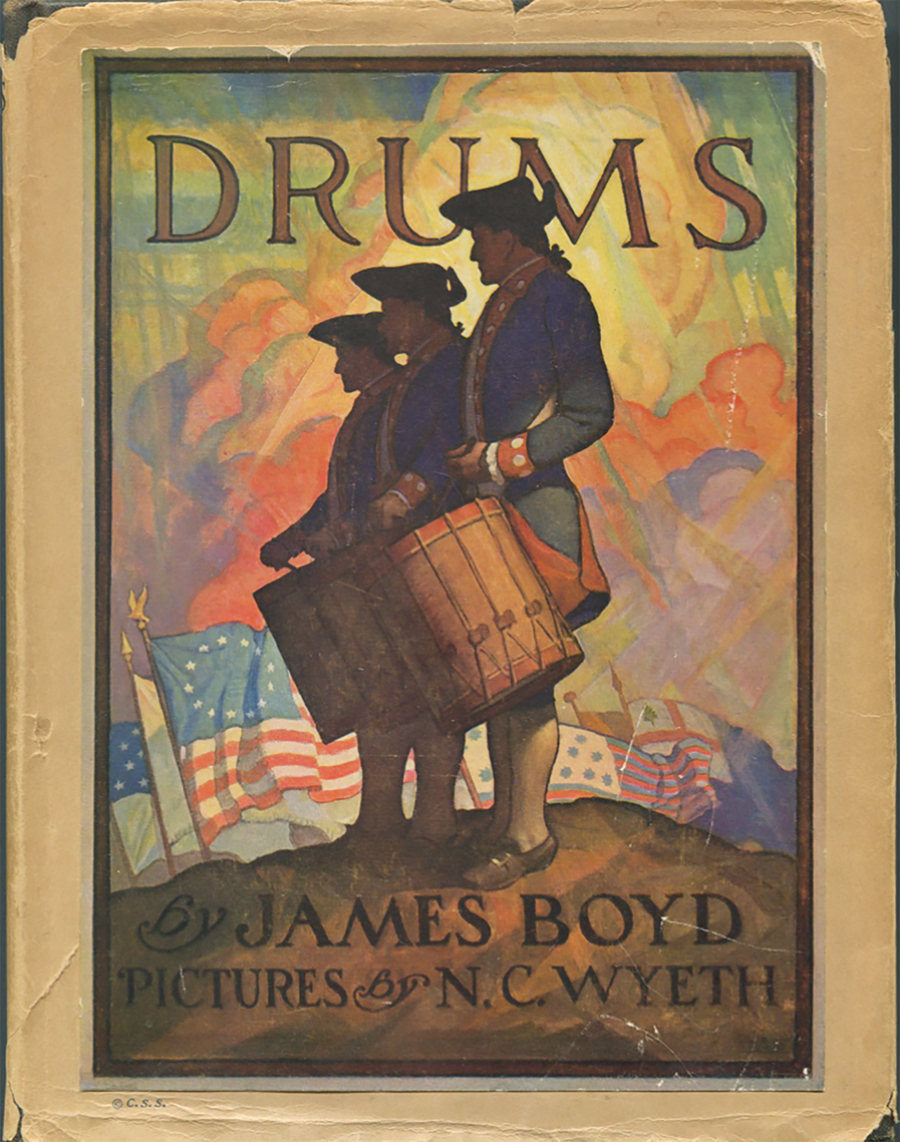
Boyd submitted Drums to Charles Scribner’s Sons, and his manuscript came to the attention of Maxwell Perkins, one of publishing’s most storied editors. Perkins would not only edit the works of Ernest Hemingway, F. Scott Fitzgerald and Thomas Wolfe; he discovered those superstars. Perkins liked what he saw in Boyd’s work and guided the fledgling novelist through the editing process. Published in 1925, Drums was reprinted in 1928 as part of the Scribner’s “Illustrated Classics Series,” with illustrations by N.C. Wyeth.
Drums was a major hit. Critic E. C. Beckworth of The New York Evening Post hailed it as “the finest novel of the American Revolution that has yet been written.” The book’s success resulted in four printings in the first month after release, and 40,000 sales in five months. The breakthrough numbers were welcome news to Boyd, while advancing Perkins’ reputation for discovering unknowns able to craft captivating and profitable novels.
Brimming with confidence, Boyd was soon at work on a second historical novel, Marching On, set in Wilmington, North Carolina, during the Civil War. It features a seemingly dead-end love affair between a poor farmer and the daughter of an aristocratic planter. Perkins did not care for Boyd’s proposed one-word title, “Marching.” In a November 1926 message Perkins writes, “I think ‘Marching On’ solves the problem. ‘Marching’ alone, as a present participle, has a monotonous suggestion, and an indefinite one. But ‘Marching On’ suggests a goal.” The 1927 book outsold Drums.
Boyd and Perkins would become lifelong friends. Unlike Hemingway, Fitzgerald or Wolfe, Boyd never craved the limelight. In his biography, James Boyd, David Whisnant writes that while Boyd was serious about his craft, “in his characteristically diffident way he rarely took himself very seriously in public . . . He neglected to create and protect the kind of public image most writers instinctively make . . . He minimized the seriously artistic side of his personality and accentuated the ‘country squire’ side.”
Boyd’s third novel, Long Hunt, in 1930, is a frontier adventure tale set in North Carolina’s western mountains. Among the book’s admirers was Look Homeward, Angel author and fellow Scribner’s contributor Thomas Wolfe, who informed Boyd that “ . . . Long Hunt is a beautiful book, and aside from personal feelings I am proud to know the author. There is not a poor line or a shoddy page in it . . . It has in it the vision of mighty rivers and of the enormous wilderness and of the richness and glory of this country.”
Boyd’s rise and Scribner’s connections led him to friendships with numerous acclaimed writers. Literary giants began making pilgrimages to Weymouth to hobnob with the hospitable Boyds, including Wolfe, Fitzgerald, Sherwood Anderson (Winesburg, Ohio), Struthers Burt, John Galsworthy, Laurence Stallings, Perkins and Paul Green (The Lost Colony), who became his best friend. All things literary were discussed in amiable fashion during these visits, one notable exception being Fitzgerald’s inebriated and insulting critique of his host’s fourth novel, Roll River, during a three-day stay in 1935. Wolfe felt enough at home at Weymouth that he unhesitatingly hauled his massive 6-foot, 6-inch frame through an unlocked window into the great room, where he slept sprawled on the floor.
The constant flow of visitors caused the Boyds to add two new wings to the house. James relocated his writing area to a spacious room on the second floor, now the N.C. Literary Hall of Fame. An admiring Wolfe credited Boyd and his guests with giving “North Carolina a literature before it had native writers of its own.”
The Boyds’ friends, whether they were authors, foxhunters or farmers, usually stayed for dinner, engaged in charades and, given sufficient lubrication, sang whimsical songs with madcap lyrics in which they poked fun at one another. Daughter Nancy Boyd Sokoloff later remembered that the family’s doors “were always open — to friends and neighbors who came to talk about politics, farming and gardening, writing, horses and dogs, history, music, education. That’s the way my parents hoped it would always be.”
Boyd wrote one more book of historical fiction, Bitter Creek, set in the cattle country of Wyoming circa 1890. It was the least successful of his historical novels. In the fall of 1940, he found a new calling. Aghast that democracy had virtually disappeared in Europe and that Nazi Germany was making some headway in America with its insidiously false propaganda, he, along with good friend and U.S. Solicitor General Francis Biddle, decided to do something about it. They believed that the Nazis’ lies could be effectively combated by a series of radio plays celebrating the Bill of Rights and the virtues of democracy. Boyd assembled a team of the country’s finest writers, each of whom agreed to write one radio play gratis. They included Orson Welles, William Saroyan, Archibald MacLeish and Paul Green. The shows needed actors, and Burgess Meredith (later the grizzled trainer in Rocky) rounded up cast members willing to donate their services. Boyd arranged for half-hour Sunday afternoon broadcasts of the plays on CBS Radio, again gratis.
Because no one was being paid and the playwrights were uncensored, Boyd named his enterprise “The Free Company.” Overcoming the difficulties of coaxing writers with towering egos to work free on a tight schedule, he orchestrated the broadcast of 11 plays between February and May 1941. Upward of 5 million listeners tuned in.
Soon after the final airing, Boyd acquired ownership of The Pilot newspaper and infused funds to stabilize the paper’s operations. As editor-publisher, he contributed a wide variety of writings, ranging from editorials upbraiding powerful North Carolinians for failure to provide meaningful employment opportunities for Blacks to whimsical verse. Poetry became a frequent mode of expression. Boyd’s final book, 18 Poems, was published in January 1944.
During a February 1944 engagement at his alma mater Princeton, Boyd suffered a cerebral hemorrhage and died at age 55. His demise posed a daunting challenge for Katharine, who assumed control of The Pilot. She became an excellent journalistic writer in her own right. Her “Grains of Sand” column won awards. Though she was shy, Katharine’s editorials proved to be even more outspoken than her late husband’s on matters of civil rights. She even scolded legendary Sen. Sam Ervin, whom she felt had not done enough to secure the ballot for Blacks. Katharine would run the paper for a quarter-century, selling it to Sam Ragan in October 1968.
Her achievements as a pioneering female publisher were dwarfed by her philanthropy to an array of artistic organizations and local institutions. In 1963 she donated 400 acres of Weymouth land to the state, thereby establishing the Weymouth Woods – Sandhills Nature Preserve. Another 30-acre parcel was given to the Episcopal Diocese for the establishment of the Penick Village retirement community.
As Katharine aged, she worried about what would happen to the Boyd House and surrounding 200 acres after she was gone. By the mid-1960s, she was the last family member left in the Sandhills. Children James Jr. and Nancy resided out-of-state. Third child Daniel, a hero in World War II, perished in a 1958 accident. Katharine’s brother-in-law, Jackson, had moved back to Harrisburg.
Photograph by John Gessner
In 1967, Katharine, now 70, explored whether one of her favored charities, Sandhills Community College, could make good use of Weymouth while also preserving it. SCC was then brand new; its first classes were held in 1966 in various temporary locations. Raymond Stone, then the president of the fledgling college, expressed interest in the concept, perhaps as a writers’ workshop, a continuing education center or a venue for seminars.
It was music to Katharine Boyd’s ears. It seemed SCC was the best, and probably only, hope for the long-term survival of her beloved estate. In an informal arrangement with Stone, she welcomed SCC horticultural students to use the grounds. Thereafter, Katharine established a trust, effective upon her death, naming SCC as beneficiary of Weymouth’s remaining real property. Katharine fervently hoped the college would keep Weymouth as is, but sensitive that financial considerations could make a “hands-off” policy impractical, she did not seek to permanently hamstring the college. Correspondence from the time indicates Katharine did not oppose SCC’s selling lots for housing along Connecticut Avenue after her death.
By the early ’70s, when Katharine was suffering from Alzheimer’s disease, James Jr. took over discussions with Stone and SCC. He wrote in a 1972 letter to Stone that the trust would not constrain SCC when Katharine passed away, provided SCC was agreeable to preserving the Boyd House and 70 acres of virgin longleaf timber forest. Katharine’s son indicated that upon his mother’s death, he and sister Nancy intended to “terminate the Trust and turn the whole Weymouth Campus over to the control and jurisdiction of the College to do as they wish.” Concerned that financial considerations might mandate a different course, the college balked at promising the permanent survival of either Boyd House or Weymouth’s pine forest.
Photograph by John Gessner
Following Katharine Boyd’s death in February 1974, Dr. Stone, on behalf of the Sandhills College Foundation, accepted tender of Weymouth’s property by the trust’s two remaining trustees, banker Norris Hodgkins and Dr. R.M. McMillan (James Jr. and Nancy declined to serve). In addition, Katharine’s will bequeathed the school $75,000 for Weymouth’s maintenance. SCC would give “the old college try” to making use of Weymouth for its horticultural activities. The college also scheduled continuing education and inhalation therapy sessions at Boyd House. But Stone quickly concluded it was impractical to hold regular classes six miles from the main campus on Airport Road. Thus, the house essentially sat vacant.
Worse yet, the formerly elegant home became an intractable money pit for SCC. In an October 1976 article in the Pinehurst Outlook, Stone advised that taxes and heating costs for the house were running over $7,000 annually. Repainting the exterior had cost $15,000. He estimated it would cost a mind-numbing $250,000 to restore the now ramshackle house to its former glory.
Several of Stone’s quotes raised eyebrows. “It [the house] has no architectural value,” he wrote. “Let’s face it, the house is a liability.” The SCC president still wanted his school to build a cultural arts center, but not at Weymouth. “I would like to see the property sold,” confided Stone, “and the proceeds used to build a fine memorial on this campus [Airport Road] to Katharine Boyd.” Dr. Stone finished with this nugget: “We have complete freedom on what to do with the property.”
Sam Ragan wrote in The Pilot that “it would be a shame to see the old Boyd estate sold for another land development . . . Weymouth is a priceless part of our heritage. It would be unthinkable not to keep it.” Ragan thought Weymouth would make for an ideal cultural arts center.
Photograph by John Gessner
But talk was cheap. Was any existing Moore County nonprofit organization in a position to outbid developers for the property (estimated market value $1 million), save the Boyd House and dedicate Weymouth to a public use such as Ragan’s suggested cultural arts center? There was not.
James Boyd’s best friend, fellow author Paul Green, started the ball rolling toward creating one. After learning that officials of the Sandhills College Foundation were meeting to address SCC’s Weymouth difficulties, the 82-year-old Green drove down from Chapel Hill to attend. He pleaded with the college’s higher-ups to allow time for a Friends of Weymouth entity to form and raise funds to buy the property. He then pledged $1,000 himself. “Weymouth is waiting,” he said with rhetorical flourish. “Does it wait for life or death?”
Howard Muse, president of the Sandhills Sierra Club, said, “It’s the timberland that concerns us. It contains what we believe to be the last sizeable stand of virgin growth of longleaf pines.” Both Muse and Joe Carter, a naturalist-ranger with the Weymouth Woods – Sandhills Nature Preserve, focused attention on the presence of an endangered species in the woods — the red-cockaded woodpecker.
Elizabeth Stevenson “Buffie” Ives, the sister of former presidential candidate Adlai Stevenson, and four-star Navy Admiral I. J. “Pete” Galantin joined forces in late 1976 to form the Friends of Weymouth as a fundraising entity with the admiral serving as president. R.W. Drummond of Whispering Pines donated $20,000 to kick off the project. It was a beginning.
Photograph by John Gessner
The Friends then explored whether the North Carolina state government might aid the cause by purchasing the woodland portion of Weymouth (about 200 acres) and incorporating it into the adjacent Weymouth Woods – Sandhills Nature Preserve. Gov. Jim Hunt and Howard Lee of the Department of Natural Resources responded affirmatively and sought assistance through the North Carolina’s Nature Conservancy. The Conservancy conditioned any commitment of funds on the Friends’ ability to raise the money to acquire the Boyd House and its surrounding 26 acres. While SCC was unwilling to wait indefinitely to market the property, it did grant a one-year option to the Friends and the Nature Conservancy to buy the entirety of Weymouth and, later, the college agreed to extend the time for exercising the option to April 5, 1979.
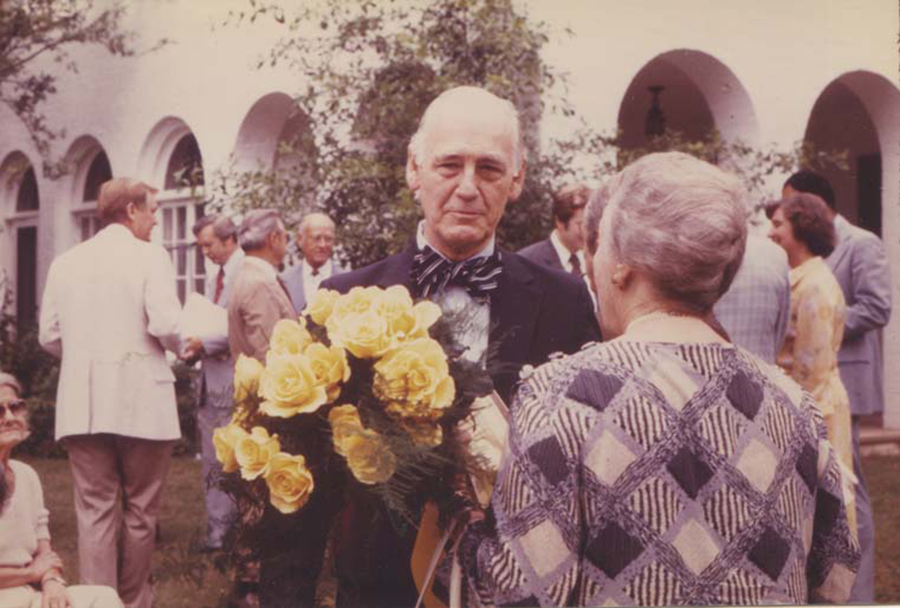
As the deadline loomed, the campaign picked up speed. Buffie Ives persuaded former first lady Lady Bird Johnson to make a speech at a Weymouth fundraiser at Pinehurst Country Club in January 1979. In her speech, she described Weymouth “as a place that breathes life into creativity.” She added, “I wish I could have been privy to the fireplace conversation when Thomas Wolfe, or Sherwood Anderson, or John Galsworthy, or Adlai Stevenson, that master wordsmith, were here.”
Photograph by John Gessner
The event did much to close the fundraising gap. Finally, on March 23, 1979, the Friends of Weymouth and the Nature Conservancy informed SCC that they were prepared to exercise their option to purchase Weymouth. The cost was $700,000 and the property changed hands.
The opening ceremony was held at Weymouth on the east lawn on a hot and sunny 20th of July. Gov. Hunt summed up the day’s significance this way: “James Boyd made this a place for inspiration . . .What has happened here has inspired all of us.”
The Weymouth Center for the Arts & Humanities was born, and the Boyd House was reborn. Of course, the raising of money for the center was not over with the acquisition; it continues today and will never end.
The outcome would have especially gratified Katharine Boyd. Her beloved woods are intact; Sandhills Community College, one of her favorite charities, is thriving; and Weymouth has become a cultural arts center as she had hoped. A hundred years later, it’s just how she dreamed it.PS
Dotty Starling’s tireless research and generosity with her time contributed to this story. Pinehurst resident Bill Case is PineStraw’s history man. He can be reached at Bill.Case@thompsonhine.com.
It was as if, for a moment, I could remember the future.
I’d just left Sam Ragan’s office at The Pilot where he’d chatted with me, a cigarette pinched between his thumb and forefinger, from behind stratums of desktop paper about his plans for the Boyd House, the former home of novelist James Boyd and his family. He mentioned that F. Scott Fitzgerald, Thomas Wolfe and Sherwood Anderson, mainstays of our literary canon, had visited there and how he intended to establish a writers’ retreat in the old house, a sanctuary where North Carolina authors could work in peace and quiet and relative seclusion. He suggested I drive to the house, wander through the rooms and imagine the possibilities.
I parked my car in the weedy yard of the house on Weymouth Heights, stepped inside the foyer and climbed the stairs to what had been James Boyd’s study. In 1977, the space was being used by Sandhills Community College as a classroom for respiratory therapy students, and banks of florescent lights dangled from the plaster ceiling, and Formica-topped metal desks were scattered haphazardly on the old plank floors. But Sam had given me an intriguing taste of the house’s history, and taking in the scene I could imagine, for a moment, the room decades in the future, again populated by writers. What amazes me these many decades later is that it all happened just as Sam said it would.
At the time of my first visit, I found the house in dire need of repair. Sam might have hoped for an illustrious future for the dark paneled library, the twisting hallways with their random two-tread steps, the haphazardly situated bedrooms — an architectural puzzle pieced together from mismatched parts — but the house might just as easily have been razed and a high-dollar subdivision erected on the valuable property.
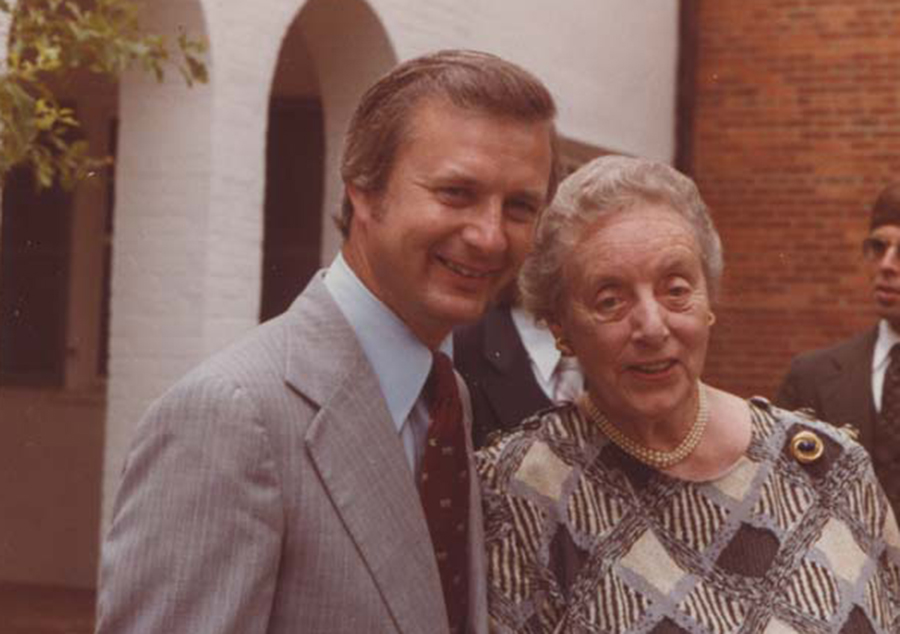
Gov. Jim Hunt and Elizabeth “Buffie” Ives
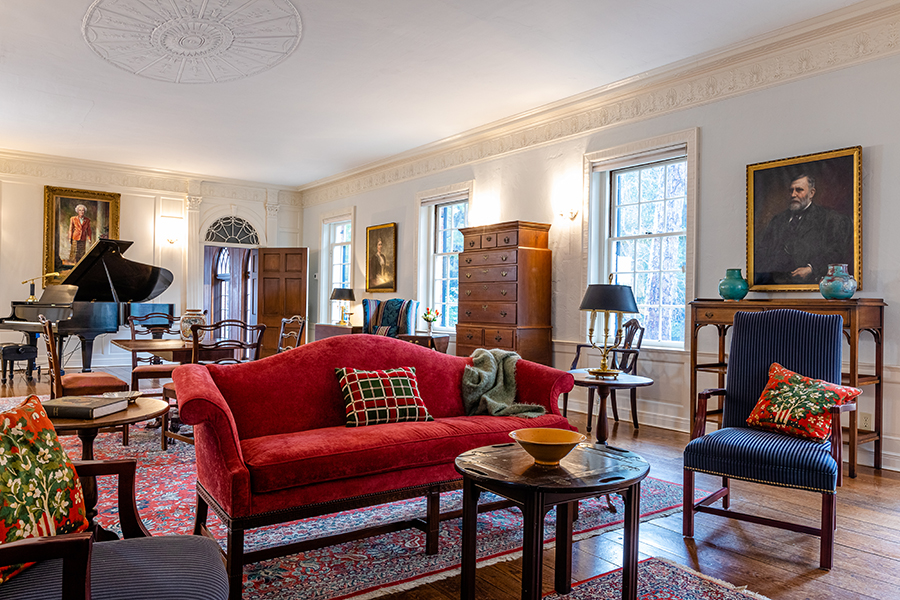
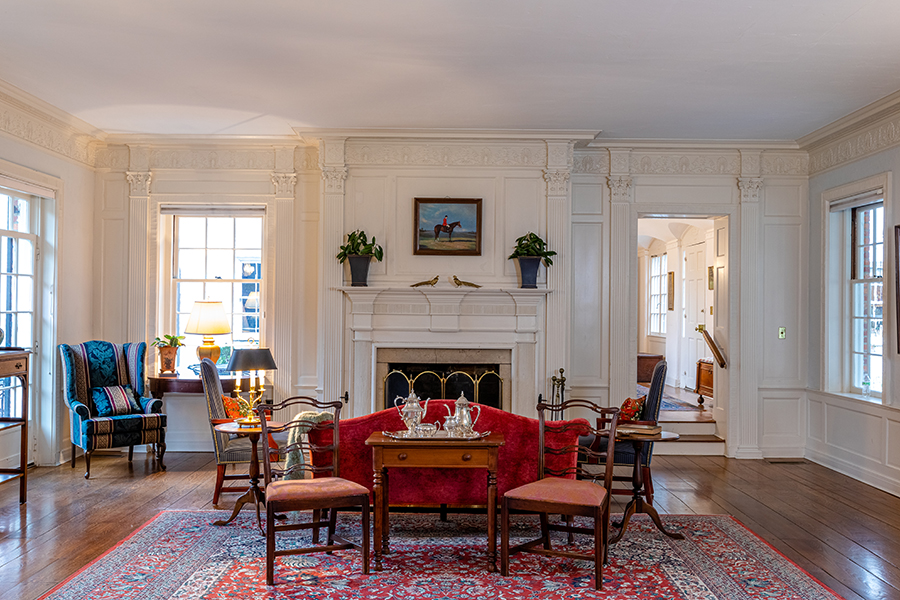
Plaster was crumbling. Paint was peeling. Pipes were clanking. The once-elegantly furnished great room was piled high with institutional furniture. But despite a half century of heavy use and the jumble of educational paraphernalia, there remained a romantic aura about the place: Blue-green sunlight slanted through the great room’s French doors and played on the worn, wide pine flooring. The filigreed plaster ceilings and grooved woodwork retained their charm, suggesting that wonderful things had happened there and would again.
Sam Ragan, Buffie Ives, Paul Green, Norris Hodgkins and other writers and community leaders banded together to form the Friends of Weymouth. They selflessly donated their time and money and raised the funds to purchase the property — and they immediately set about transforming the Boyd House, renaming it the Weymouth Center for the Arts & Humanities, into the writers’ retreat Sam had envisioned. I was present, along with my friend Shelby Stephenson, at a few of the meetings in Weymouth’s dining room, where the physical and financial logistics of the undertaking were discussed. These informal gatherings were blessedly brief, no more than general affirmations of the plans Sam had contrived, and after all these years, I remember only one specific exchange verbatim.
Guy Owen, author of The Ballad of the Flim-Flam Man, was a guest at the meeting, and he happened to joke, “We should house the pornographic writers in the stables.”
Buffie Ives, Adlai Stevenson’s sister, sat up straight and snorted, “There’ll be no pornographic writers at Weymouth!” Buffie was a woman of strong opinions, an adamant local preservationist, and she meant to have her way.
Rooms were painted, beds donated, the house adequately spruced up, and literary folk began to apply for residencies. The first writers to make use of the Weymouth Center were Guy Owen and poets Betty Adcock and Agnes McDonald. Sam asked me to welcome them on their arrival — I knew all three from the North Carolina Writers Conference — and to make them feel at home, which meant I should leave them to their writing.
As planned, Guy and Agnes left after a week, and Betty stayed for another five days. She was alone in the big empty house with its creaks and groans, the windows rattling as Fort Bragg grumbled in the distance. After a few hours spent in solitary, she phoned me to ask a favor. “May I sleep at your house?” she asked. “I just can’t be here all by myself.”
I’d known Betty for five or six years, and my wife and I considered her a close friend, so for a week, I drove to Weymouth at sundown so Betty could sneak out to spend the night at my house. At dawn, I’d drive her back to Weymouth, and she’d slip into bed so it would appear, if someone happened to check on her, that she’d been sleeping peacefully through the night.
It wasn’t long before word spread in the North Carolina writing community that residencies were available at Weymouth, and writers began to apply with surprising frequency. I’d like to claim I knew every writer who turned up at the back door, and in the beginning of the program that may have been true — North Carolina writers were a tight bunch in those days — but as the state has grown, a deluge of scribblers has descended upon Weymouth to partake of its storied enchantments, which are no doubt more the product of hard work than mystical thinking or encounters with resident spirits.
Tucked in a file cabinet at the Weymouth Center is a partial list of writers who’ve been in residence, but for many of the early years we kept no accurate record of who occupied the house and for how long. It’s safe to say that there have been hundreds of residencies, not counting return visits. Almost every North Carolina writer of any note has written or offered a public reading at Weymouth: Clyde Edgerton, Fred Chappell, Lee Smith, Bland Simpson, Reynolds Price, Wiley Cash, Tom Wolfe (The Electric Kool-Aid Acid Test Wolfe), Tim McLaurin, Robert Morgan, Margaret Maron — and too many others to mention here.
For the first 40 years of Weymouth’s existence, I served on the board or the program committee with other volunteers who were devoted to maintaining Weymouth (the house requires constant upkeep) while providing lectures, performances and readings of interest to the community. Weymouth has hosted hundreds of public programs and private gatherings — classical concerts, plays, dance performances, lectures, fundraisers, club luncheons, Poetry Society gatherings, business meetings, holiday celebrations, formal cocktail parties, poetry readings, pig pickings, North Carolina Literary Hall of Fame inductions, songwriting workshops, square dances, and hundreds of gatherings that simply marked the joys of life, great and small.
On a spring evening I might enjoy the Red Clay Ramblers in the great room; a month later I might be listening to brilliant classical guitarists perform in the same space. I heard Doc Watson pick “Black Mountain Rag” on the terrace, and a rock band kick out the jams on the front lawn a week later. Weymouth has provided the state and the Sandhills community with a public venue that has imbued each event with an air of intimacy and import.
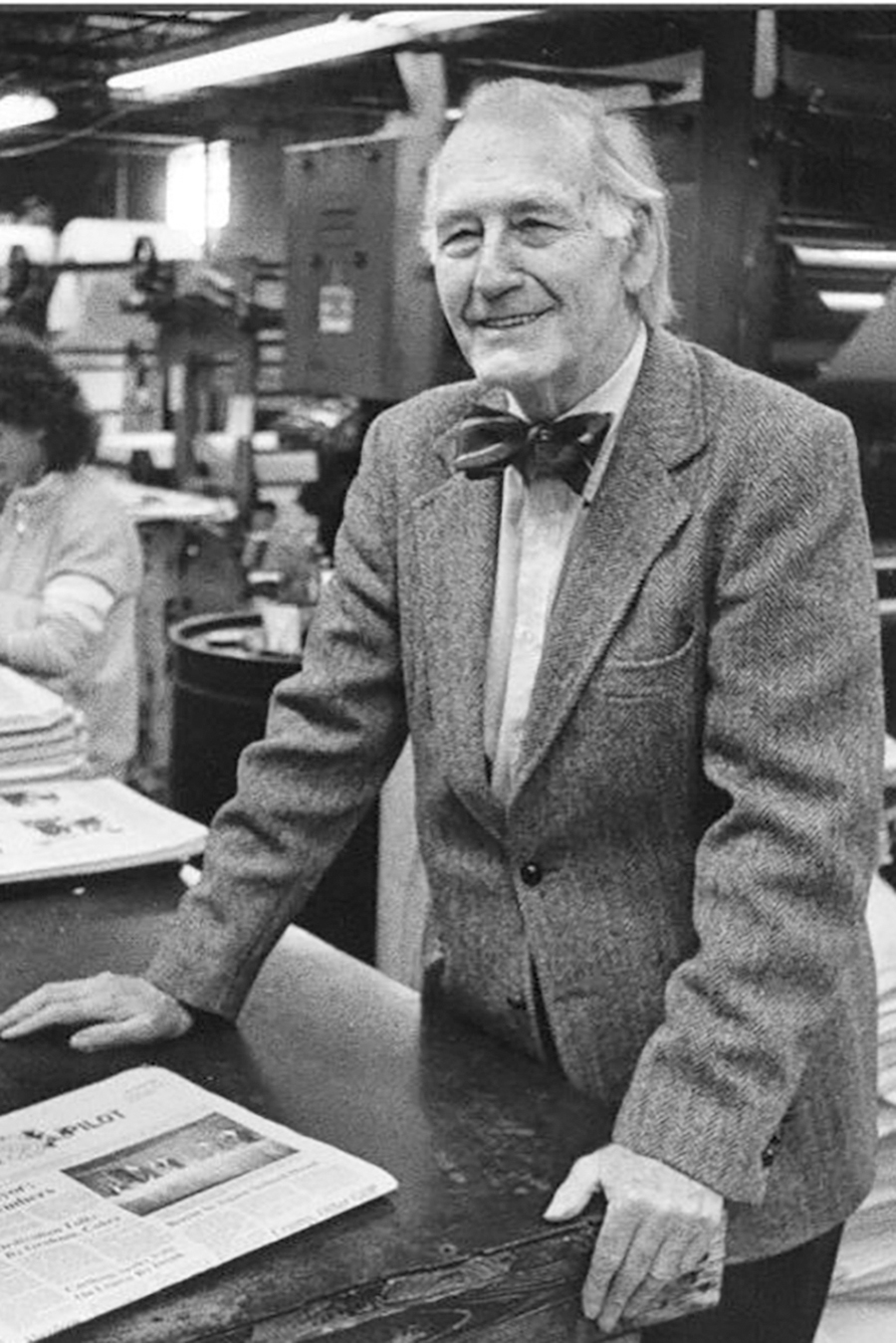
Sam Ragan
I admit that when I first stepped inside the Boyd House in 1977, all I knew about James Boyd was what I’d read on the state historical marker on the corner of Vermont and May, but by the early ’80s I’d read Boyd’s novels (no easy task), and that set me on a personal quest to discover everything I could about the Boyd family.
In the ’80s and ’90s, I visited the Southern Historical Collection at the University of North Carolina-Chapel Hill on at least 10 occasions to read the Boyd letters, an experience that opened up the family’s lives as an epistolary narrative — their ambitions, internal conflicts, and their abiding regard for one another and their fellows. I admired the letters James wrote to Katharine during World War I, when he was stationed in France with the Army Ambulance Corps. His affection for his young wife is palpable in his sentimental use of language. I held in my hands letters written by Fitzgerald, Wolfe, Anderson, Hemingway, Paul Green, Scribner’s editor Maxwell Perkins, and many other literary figures.
In the mid-’90s, I traveled to the Firestone Collection at Princeton University to read the Maxwell Perkins papers, and there I discovered a stack of correspondence between Boyd and Perkins. There were also letters from Wolfe and Fitzgerald concerning their relationships with Boyd.
I was particularly moved by a letter from Katharine to Perkins written after James’ success as a novelist had waned. She asked Perkins not to reveal to her husband that she’d written, but she implored him to write James a letter of encouragement so that he might overcome the writer’s block he was experiencing.
In the ’90s, I interviewed Jim Boyd, James and Katharine’s surviving son, about his life in Southern Pines. He recalled with amusement his meeting with Thomas Wolfe — “He climbed in through an open window in the middle of the night and fell asleep on the couch; I found him there when I came downstairs in the morning. . . .” — and he was forthright about his relationship with his mother and father and their literary friends: “These were people who were drinking martinis at 10 in the morning.”
More than four decades of working with Weymouth has stuffed my head with too many memories to recount them all here. Lord knows how many names I should have mentioned but didn’t. Rest assured that it’s not from lack of regard for their good works and personal sacrifice. I honor the Dirt Gardeners, the Women of Weymouth, and all the committee members who have come and gone. Every one of them is his or her own historian; they all have a story to tell — and they should tell it. The history of Weymouth has thousands of authors.
My final judgment is that the Boyd House/Weymouth Center for the Arts and Humanities is, without question or qualification, a community masterwork, an example of what well-meaning and determined volunteers can achieve when toiling for the greater good. Maybe our children and grandchildren will know this, for it seems probable to be the best version of these tragic times which we will pass along to them.
A few years ago, I was in the Great Room participating in a song circle where each player offers a tune or two. When it was my turn to play, I announced: “Eighty years ago this evening, F. Scott Fitzgerald was sitting in this room discussing the art of the novel with James and Katharine Boyd and Struthers Burt and his son.” The faces of my fellow players went blank. Fitzgerald, smitzgerald, they seemed to say, play your guitar already. Only then did I realize that they were doing what I had done: They were thinking about the song they were going to sing — the story they could one day tell about their performance at Weymouth. They were remembering the future.PS
Stephen E. Smith is a retired professor and the author of seven books of poetry and prose. He’s the recipient of the Poetry Northwest Young Poet’s Prize, the Zoe Kincaid Brockman Prize for poetry and four North Carolina Press Awards.
January is a waltz between a warm den and the bleak and frigid landscape.
Inside, movement is unhurried, ritualistic. The fire crackles. The gentle cadence of the cat lapping water is a dreamy incantation. You drift into the kitchen. Creaky floorboards spill their secrets in your wake.
From the deep silence of this winter morning, each sound is its own poem. Even the coffee has a pulse, cascading from dripper to mug like a dark and fragrant river. The rhythmic clanking of sugar spoon against ceramic mimics rustic wind chimes. A plume of steam dances like a risen cobra.
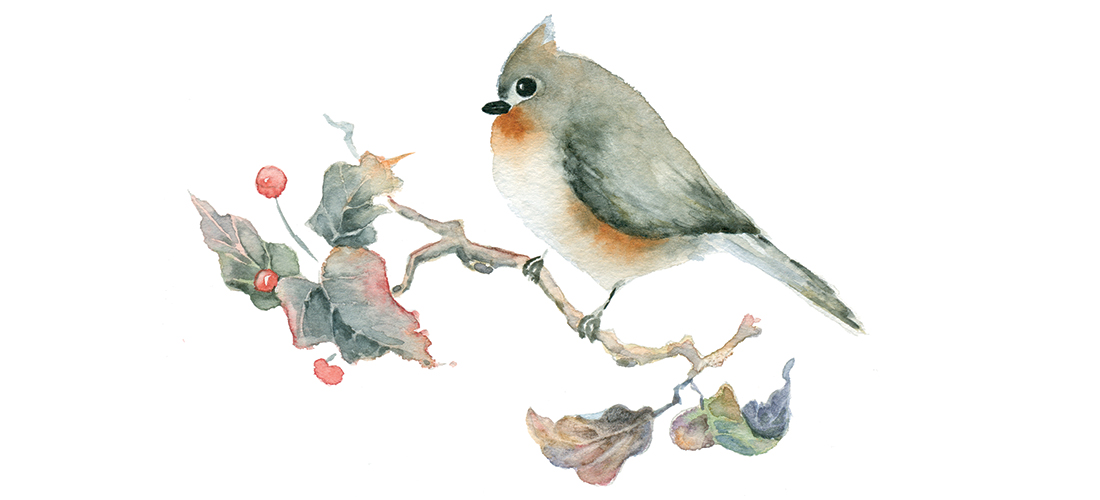
Outside, dawn slowly breaks. A lonely titmouse greets the day. No need to rush. Trust. You’ll know when it’s time to leave the den.
Whether you’re walking to the car or the woodshed or a mile down the road, you are ready for a sacred pilgrimage. Days like today, when the air stings like nettle, invisible treasure is afoot: silence for deep listening; stillness for the same; nothingness to spark discovery.
As your feet drum against the frozen earth, consider the world that sleeps below: the dormant roots and seeds, the creatures cozy in their burrows. And when the soft light kisses your windburned face, consider the sun, ceaselessly rising, ceaselessly giving of its warmth. Consider how you are both — the dreamer and the rising sun.
January gives you what you need. The wind sweeps through what’s still here and the titmouse sings out. You hum a few shaky notes, unearth buried treasure on the long waltz home.
All That Simmers
The new year calls for a fresh start. Or at least a fragrant simmer pot. Creating a stovetop potpourri can be a fun and soothing ritual. Start with a pot of water. Consider what you’d like to invoke: brightness (lemon slices), warmth (cinnamon sticks) or clarity (rosemary sprigs)?
There are very few rules.
Bring the water to a boil. Add your ingredients. Reduce the potion to a simmer. Enjoy.
Allow this aromatic blend to work its healing magic on your space for up to several hours — but be sure to add more water as needed.
Winter should not be considered as only negation and destruction. It is a secret and inward working of powers, which in spring will burst into visible activity.
—Henry James Slack,
The Ministry of the Beautiful
New Year’s Dip
In the Netherlands, thousands plunge into the icy waters of the North Sea each year on New Year’s Day.
Doesn’t a warm bath sound better?
And on January 4 — in the dark, earliest hours — a celestial shower.
This year, thanks to a sylph of a crescent moon, conditions look good for the annual Quadrantids, a spectacle known to light up the night sky with up to 40 brilliant meteors per hour.
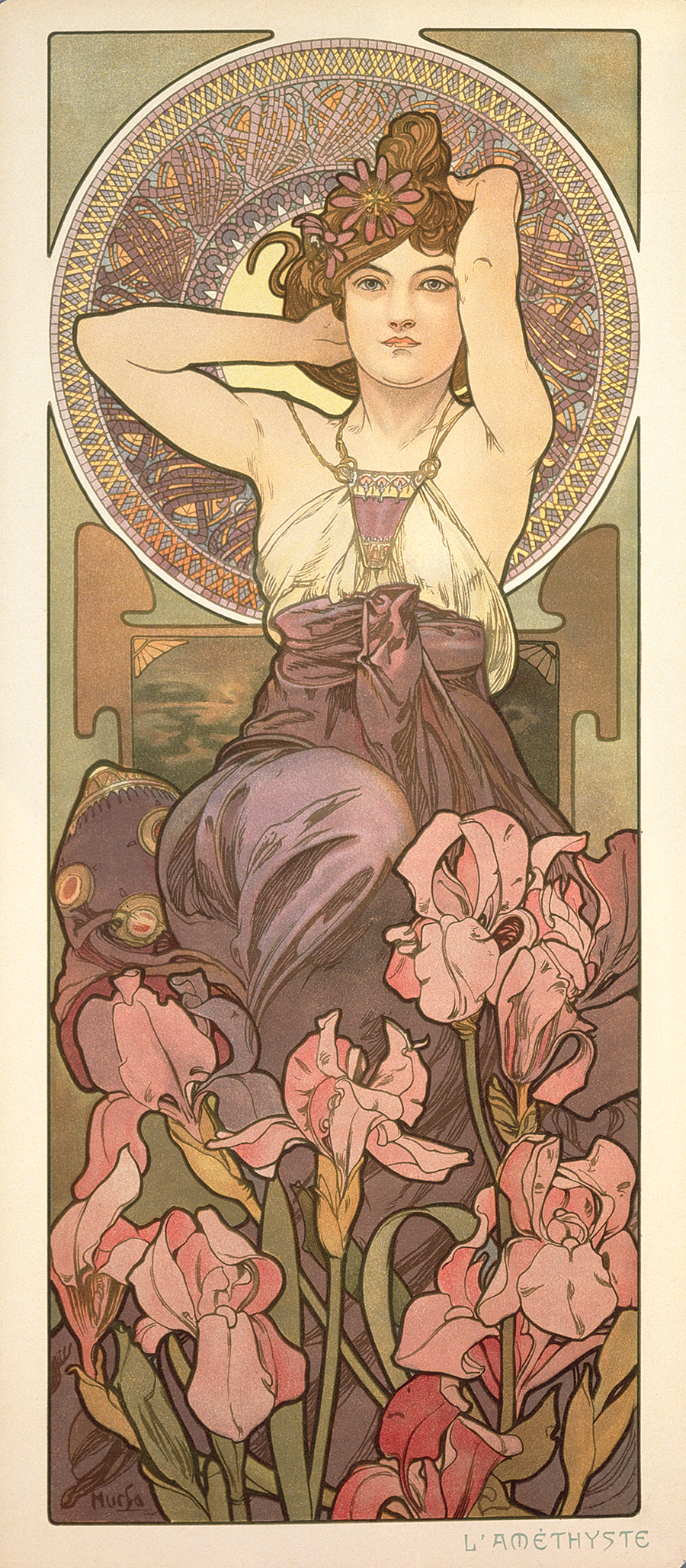
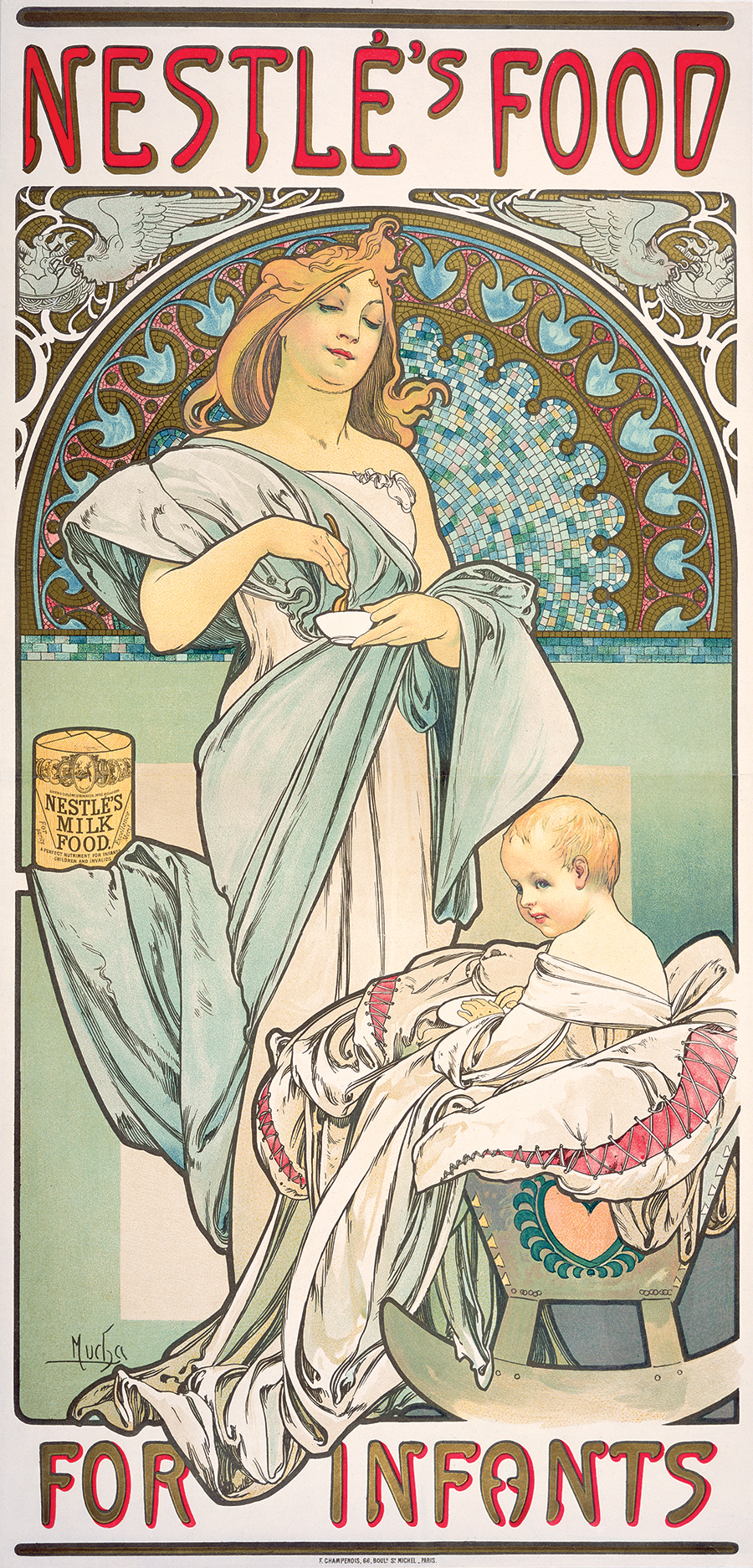
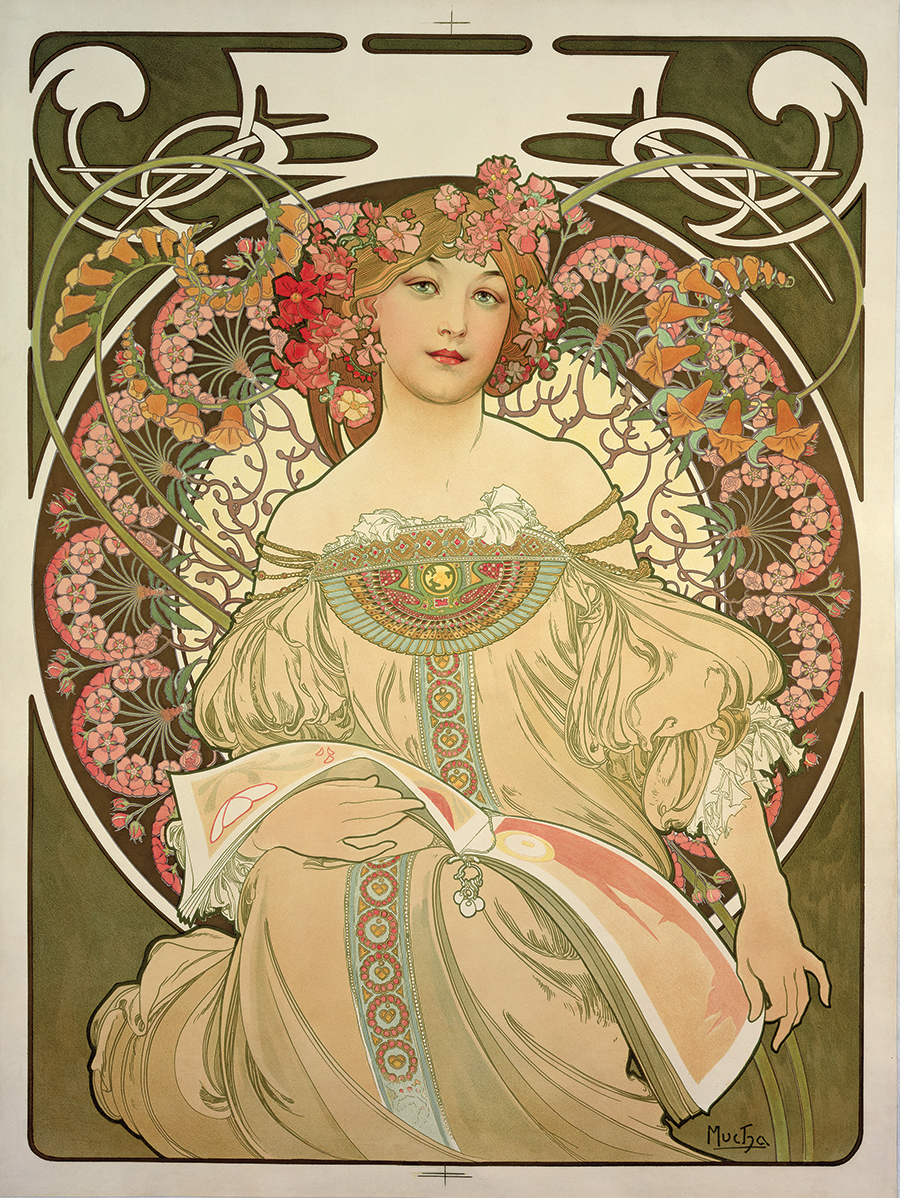
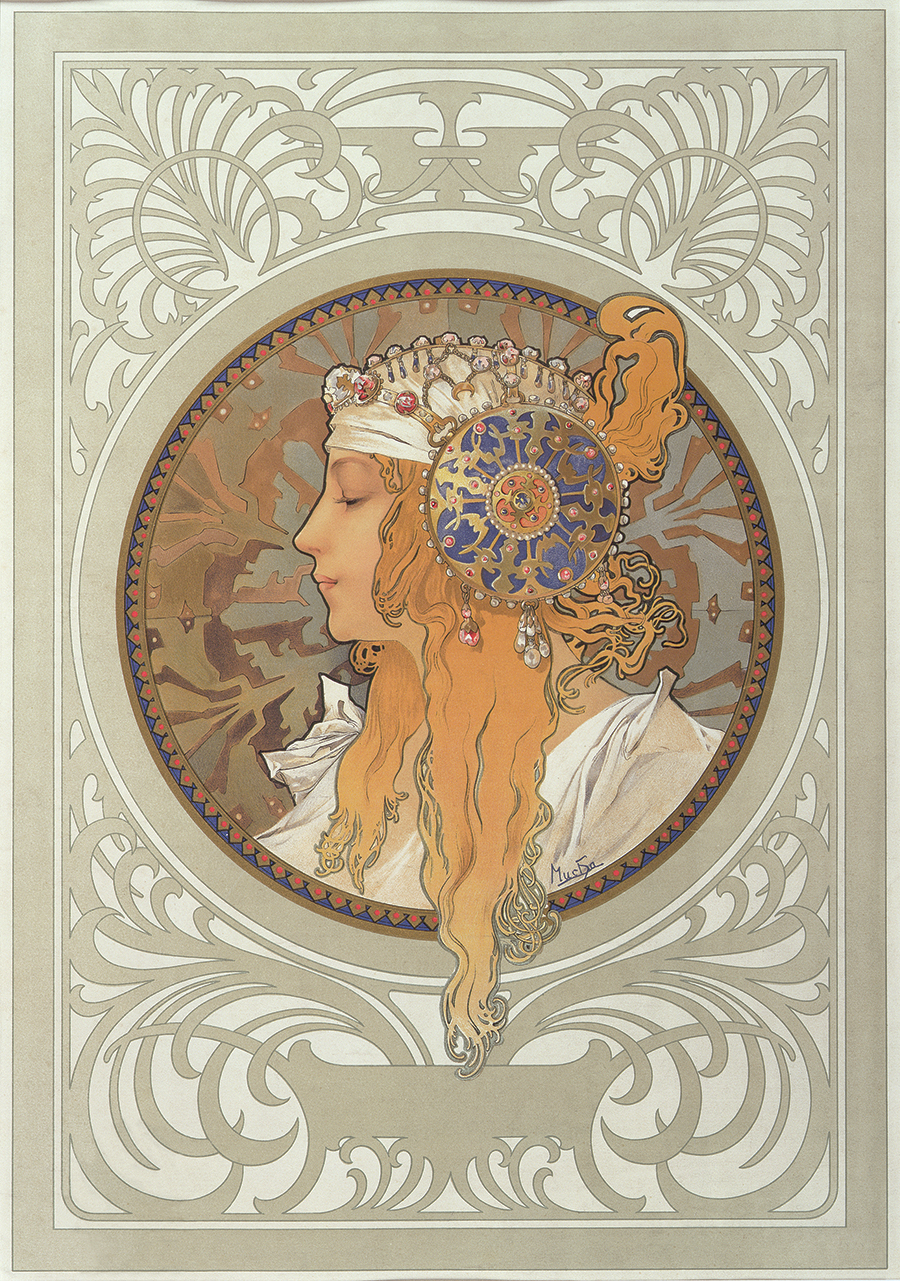
Though no single artist invented the late 19th century Art Nouveau movement in the way Pablo Picasso and Georges Braque defined cubism, Alphonse Mucha’s name appears at the very top of the rolling credits. The grand sweep of his life and career, everything from his ground-breaking lithographic posters and photography to his decorative commercial work on products like champagne and chocolate, his friendships with Paul Gauguin and Auguste Rodin, his links to mysticism, and his staunch Slavic patriotism, are all on view at the North Carolina Museum of Art through Jan. 23.
Think of Mucha as the Andy Warhol of his era. He was to lithographic printing what Warhol became to screen printing. “Warhol appropriates mass culture in a way that’s different from Mucha, but he is associated with celebrity (Marilyn Monroe) in a very distinct way. Mucha gets his start working with Sarah Bernhardt in Paris, who is a superstar actress at the time. He makes a name for himself with images of a famous woman in a very similar way to Warhol,” says Michele Frederick, the associate curator of European Art at the N.C. Museum of Art.
Mucha and Warhol were artistic rock stars of their day, financially successful juggernauts, turning commercial imagery to suit their own artistic aesthetic. “The idea of breaking down barriers between fine and applied arts and using commercial language in what becomes fine art is very similar,” says Frederick. It was at the very heart of Art Nouveau — the rejection of a rigid, classical definition of what subjects and forms could define what was art and what wasn’t.
“Art Nouveau in Paris is essentially invented by Mucha in the 1890s,” says Frederick. It was called Le Style Mucha.
Mucha’s commercial art, breathtaking in its execution, was innovative in ways that remain distinctly modern. One of the posters in the exhibit is for Cycles Perfecta, a bicycle company. “He doesn’t really show much of the bicycle,” says Frederick. “You can’t tell if it has two wheels or two pedals or a seat. What he’s showing you is what it feels like to use this product. When you think of a company, like Apple, some of its most iconic advertisements show you what it feels like to use an iPod, not how it works. That’s something that’s super modern.”
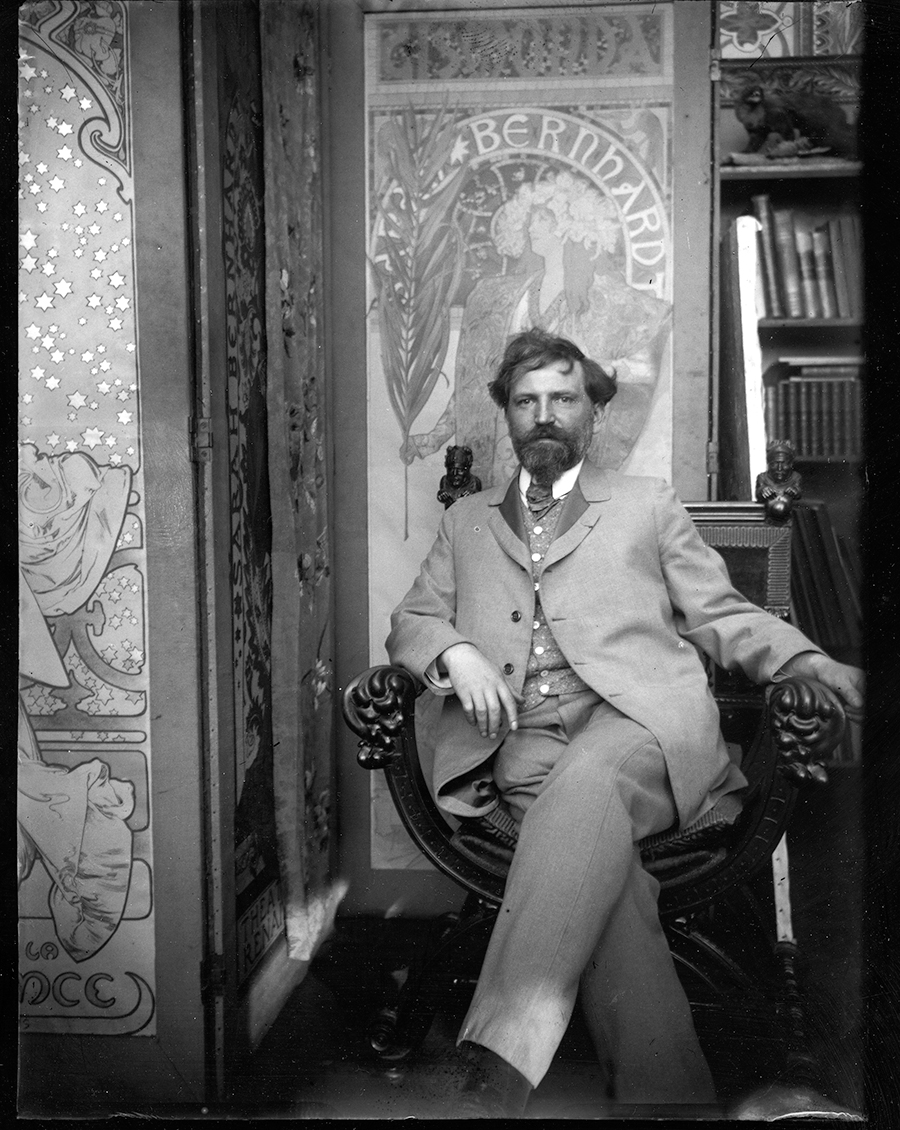
Born in 1860 in the small town of Ivančice in what is now the Czech Republic, Mucha’s training was traditional in every regard. He studied at the Munich Akademie der Bildenden Künste (the academy of fine arts) and then the Académie Julian in Paris. His breakthrough work was a poster commissioned by Bernhardt for the play Gismonda at the Theatre de la Renaissance. The play opened with great success in October of 1894, and its run was being extended beyond the Christmas holidays. Bernhardt wanted a new poster to be hung on Jan. 1, 1895, advertising both herself and the play. The poster depicts Bernhardt in a richly embroidered costume with a mosaic-tiled wall and Orthodox cross in the background.
“For Mucha,” writes Tomoko Sato in his book Alphonse Mucha, “Byzantine civilization was the spiritual home of Slavic culture . . . Mucha’s use of the Byzantine motif in Gismonda was partly influenced by the mediaeval Greek setting of the play; nevertheless, from around 1896 onward, Slavic motifs became a regular feature of Mucha’s posters.”
In 1894 Mucha met and became friendly with the Swedish writer August Strindberg, who at the time was consumed with concepts of mystical forces and the occult. “Mucha was profoundly influenced by Strindberg’s notion of ‘mysterious forces’ that guided a man’s life,” writes Sato. “This was later to contribute to Mucha’s own idea of ‘unseen powers,’ which is manifested in his work as the recurring motif of a mysterious figure appearing behind the subject.” Mucha’s spiritual journey led him to Freemasonry, which he practiced for the remainder of his life.
“So much of Mucha’s art 100-plus years later looks very French to us,” says Frederick. “Preserving the idea of his Czechness is very important. He’s not just a commercial artist, he’s a political artist as well, especially later in his career.”
After repeated trips to the United States, wealthy Chicago businessman Charles Richard Crane (son of the plumbing parts baron Richard T. Crane) agreed to finance Mucha’s grand opus, The Slav Epic, a patriotic project that would consume the last decades of his life. He began working on the first of what would become 20 monumental paintings — the largest is 19 1/2 feet by 26 feet — in 1911, when his homeland was still ruled by the Hapsburg monarchy, consolidated then as the Austro-Hungarian Empire. In 1928, marking the 10th anniversary of the creation of Czechoslovakia following the end of World War I, Crane and Mucha together bequeathed the paintings to the city of Prague. The N.C. museum’s exhibit features large digital projections of the paintings as well as close-up views of some of their details.
“I am convinced that the development of every nation can only be successful if it grows organically and uninterruptedly from its own roots, and the knowledge of its past is indispensable for the preservation of that continuity,” Mucha said at the ceremony donating the works.
The peace and independence of Mucha’s Slavic homeland was short-lived. In 1933 Adolf Hitler became the chancellor of Germany. In March of 1939, German troops marched into Prague, and Hitler declared the establishment of the German Protectorate of Bohemia and Moravia. Mucha was arrested, then released, by the Gestapo. He died four months later. PS
Jim Moriarty is the Editor of PineStraw and can be reached at
jjmpinestraw@gmail.com.
Dec. 25 marks the first day of the Christmas season, not the last. In Christian theology, the 12 days of Christmas begin with the birth of Christ and end with the Epiphany, the coming of the Magi, on Jan. 6. Thanks to the time span, “The Twelve Days of Christmas” came to be the earworm millions of radio listeners subconsciously hum from November till year’s end with the predictable vocal breakthrough at “five golden rings.”
Printed in 1780, the children’s book Mirth without Mischief features the earliest known version of the playful lover’s ode. Of course, the carol’s origins are less than clear, but most historians agree that the song was originally a memory-and-forfeit game. Singers who forgot lyrics paid their playmates with a forfeit like a kiss on the cheek. Only competitive kids, Jeopardy! champions, or carolers with serious sets of lungs typically finish the song, so we asked 12 local confectioners to interpret the verses in a visual cheat sheet of holiday desserts.
A Partridge in a Pear Tree
By Kayla Renee Cakes
Kayla Lowery found an image of a lyric sheet while searching the internet for partridge-in-a-pear-tree inspiration and knew that she wanted to scrawl the carol’s opening line, “On the first day of Christmas,” on her cake to introduce the song. She daubed the fowl and foliage with a palette knife and paintbrush to achieve a vintage design that matches the tenor of the 18th century song. “I’m more of a buttercream hands-on kind of person than I am a fondant person,” she says, referring to her painterly technique. Lowery, 22, started her baking business when she was just 14 and will open her first storefront in January in downtown Raeford.
Email: kaylareneecakes@gmail.com
Instagram: @kaylareneecakes
Facebook: @KRLCakes
Two Turtle Doves
By Grace Filled Baker
“I am always inspired by vintage cakes,” says Alison Reed, whose mother in-law, Debbie Reed, taught her how to bake, passing along vintage piping techniques in the process. “I knew I wanted to do a heart, keep it clean and simple and white,” she says of her dessert. Reed made a chocolate cake with cream cheese filling, gracing it with two chocolate turtle doves. Doves mate for life, so the heart shape is fitting. Reed prefers to work in muted tones that support the vintage modus operandi of her home-based bakery, Grace Filled Baker.
Website: gracefilledbaker.com
Email: alison@gracefilledbaker.com
Instagram: @gracefilledbaker
Facebook: @GFBgracefilledbaker
Three French Hens
By Sal’s of Southern Pines
Sarah Gunderson, an experienced chef who runs her own catering and cake business, meticulously deconstructed “three French hens” into a crêpe cake layered with a pomegranate compote and diplomat cream, a pastry cream folded with whipped cream. She garnished her cake with pistachios and honeyed orange peel. The crêpes are French. The pastry cream is made with eggs, representing the hens. The “three” represent faith, love and hope. “I did honey for hope because I hope for a sweeter tomorrow; pomegranate for love; and then crêpe again, for the unleavened bread, for faith,” Gunderson says.
Website: salsofsouthernpines.com
Email: sgunderson@salsofsouthernpines.com
Facebook: Sal’s of Southern Pines
Instagram: @sals_ofsouthernpines
Four Calling Birds
By Cakes in the Pines
Kristen Donovan has been baking since her 13-year-old daughter was 3 and has been running her one-woman show, Cakes in the Pines, for two years. “I wanted to make it bright, happy — a Christmasy feel,” Donovan says. “Especially since these past two years have been a little dark.” So, instead of blackbirds, she opted for an evergreen-colored, vanilla bean buttercream overlayed with a snow-covered Christmas tree and a trio of white birds. The fourth calling bird, made of fondant and sugar paste with wafer paper wings, alights on the top tier, which is a marble cake. The bottom tier is vanilla.
Email: cakesinthepines@gmail.com
Facebook: @cakesinthepines
Instagram: @cakesinthepines
Five Golden Rings
By Pineconefections
Mary Hannah Ellis has some serious local baking credentials, but she’s a hobby baker and wants to keep it that way. “Baking should always be enjoyable; the kitchen is where I go to escape from work,” she says. She escapes to the tropics for the fifth day of Christmas. “I love Christmas, but I’m not a fan of winter,” Ellis says. “Summer is my favorite season.” So, of course, her interpretation has a piña colada spin. The “five golden rings” of paradise is a three-tiered cake made of pineapple layers with coconut-pineapple filling and coconut cream cheese buttercream, and it’s decorated with pineapple rings and piped sprigs of holly.
Instagram: @pineconefections
Six Geese A-Laying
Form V Chocolates
“When I thought of six geese a-laying, I immediately thought of golden goose eggs,” says Scott Hasemeier, Pinehurst’s resident chocolatier, who specializes in hand-painted bon bons. In a three-day process, Hasemeier made thin-shelled white chocolate eggs, filled them with a caramel “yolk,” and then tossed the eggs in golden luster dust before cozying them into a nest of chocolate-covered pretzels. “I rolled the pretzels into a small branch, and then I covered that with some chocolate bark and sprayed it with some green cocoa butter to make it look mossy,” he says.
Website: formvchocolates.com
Email: formvchocolates@gmail.com
Facebook: @FormVChocolates
Instagram: @formvchocolates
Seven Swans A-Swimming
Cookies by Jay
When Jessica Wirth and her family were stationed in England, she and her British neighbor would take their kids to feed a few of England’s swans, all technically owned by the queen — though her majesty exercises that option only in the waters nearest Windsor castle. After mastering the art of decorating cookies with royal icing, Wirth now runs her own home-based, cookie-making bakery, Cookies by Jay. She even owns a 3D printer to make her “seven swans a-swimming” cookie cutters. The cookies are her signature almond vanilla-flavored
sugar cookies with a soft-bite vanilla royal icing and hand-painted details.
Website: cookiesbyjay.com
Email: cookiesbyjaync@gmail.com
Instagram: @cookiesbyjay
Facebook: @CookiesbyJay
Eight Maids A-Milking
Ashley’s Sweet Designs
“I decided to do the scene with a big red barn because it’s like where I came from,” 24-year-old Ashley Garner says. “Robbins is a farm town.” She constructed an entire country scene out of movable sugar cookies finished with royal icing that anyone would like to eat and every kid would like to play with . . . and then eat. Garner started making and decorating cookies and cakes after catching the bug from watching television bakers. She posted her creations to social media, and people started placing orders. Now, she’s baking at Robbins’ new Middleton Street Bakeshop, where the owner, Carrie Ritter, allows her to work on her own business, Ashley’s Sweet Designs.
Email: ashleyssweetdesigns@outlook.com
Facebook: Ashley’s Sweet Designs
Nine Ladies Dancing
Lynette’s Bakery and Café
Lynette Bofill opened her eponymous bakery and café in 2019, and she’s been serving up Cuban American favorites ever since. She’s interpreted nine ladies dancing in a flan that tastes like Christmas. “My grandmother always made flan for every holiday or birthday,” she says. “It’s not a holiday without one.” Bofill’s “nine ladies dancing” is flavored with orange and cranberry and doused in a cranberry-bourbon citrus sauce. She imagined the soft, delicate caramel custard as nine elegant ballerinas, and the cranberry, citrus and shot of bourbon as their bold moves. “It comes together just like a performance,” she says.
Website: lynettesbakerycafe.com
Email: info@lynettesbakerycafe.com
Facebook: @LynettesBakeryCafe
Instagram: @lynettesbakerycafe
Ten Lords A-Leaping
C.Cups Cupcakery
Growing up, Chelsea Schlegel enjoyed artistic endeavors like painting and sculpture. After graduating with a bachelor’s degree in hospitality and resort management, cake decorating turned out to be her match-made-in-heaven career fit. “I was always watching Food Network as a kid and loved the Ace of Cakes,” she says. Schlegel works as the cake decorator at Janell Canino’s C.Cups Cupcakery, where she created the bake shop’s “ten lords a-leaping” cake. “I decided to be pretty straightforward with it,” she says. And it paid off.
Website: theccupscupcakery.com
Email: southernpinescupcakes@gmail.com
Facebook: @theccupscupcakery
Instagram: @ccupscupcakery
Eleven Pipers Piping
The Bakehouse
“I immediately knew I wanted to do something classic,” says Teresa Santiago, the pastry chef at The Bakehouse in Aberdeen. “‘The Twelve Days of Christmas’ is a Christmas carol written in the 1700s, and it made me think of large chapels with stained glass windows and a really traditional Christmas.” Santiago hand-piped and painted the stained glass panels on columns of fondant, shaped the Christmas tree out of tempered chocolate, and hand-blew the ornaments from sugar. “Here at the Bakehouse, we love Christmas,” she says.
Website: thebakehouseofaberdeen.com
Email: thebakehouse@yahoo.com
Facebook: @thebakehouseofaberdeen
Instagram: @thebakehouseofaberdeen
Twelve Drummers Drumming
The Macaron Sisters
Military wives, friends and devoted bakers Morgan Wagner and Lindsay Weaver decided to tackle the art of macaron making together. They were hooked after their first batch, eventually launching their home-based business, The Macaron Sisters, to share their passion for the French cookie. “With macarons being naturally round with flat tops, we thought it would be neat to make them look like drums,” says Wagner. The lighter brown cookies with green piping are spiced gingerbread with eggnog buttercream, and the darker brown cookies with red piping are classic chocolate with chocolate peppermint ganache.
Used to determine whether a user is included in an A / B or Multivariate test.
18 months
_ga
ID used to identify users
2 years
_gali
Used by Google Analytics to determine which links on a page are being clicked
30 seconds
_ga_
ID used to identify users
2 years
_gid
ID used to identify users for 24 hours after last activity
24 hours
_gat
Used to monitor number of Google Analytics server requests when using Google Tag Manager
1 minute
_gac_
Contains information related to marketing campaigns of the user. These are shared with Google AdWords / Google Ads when the Google Ads and Google Analytics accounts are linked together.
90 days
__utma
ID used to identify users and sessions
2 years after last activity
__utmt
Used to monitor number of Google Analytics server requests
10 minutes
__utmb
Used to distinguish new sessions and visits. This cookie is set when the GA.js javascript library is loaded and there is no existing __utmb cookie. The cookie is updated every time data is sent to the Google Analytics server.
30 minutes after last activity
__utmc
Used only with old Urchin versions of Google Analytics and not with GA.js. Was used to distinguish between new sessions and visits at the end of a session.
End of session (browser)
__utmz
Contains information about the traffic source or campaign that directed user to the website. The cookie is set when the GA.js javascript is loaded and updated when data is sent to the Google Anaytics server
6 months after last activity
__utmv
Contains custom information set by the web developer via the _setCustomVar method in Google Analytics. This cookie is updated every time new data is sent to the Google Analytics server.
2 years after last activity
SourceBuster is used by WooCommerce for order attribution based on user source.
Name
Description
Duration
sbjs_current_add
Timestamp, referring URL, and entry page for your visitor’s current visit to your store
session
sbjs_migrations
Technical data to help with migrations between different versions of the tracking feature
session
sbjs_first
Traffic origin information for the visitor’s first visit to your store (only applicable if the visitor returns before the session expires)
session
sbjs_current
Traffic origin information for the visitor’s current visit to your store
session
sbjs_first_add
Timestamp, referring URL, and entry page for your visitor’s first visit to your store (only applicable if the visitor returns before the session expires)
session
sbjs_session
The number of page views in this session and the current page path
30 minutes
sbjs_udata
Information about the visitor’s user agent, such as IP, the browser, and the device type