Southwords

Ticket to Ride

Transported by a book

By Patricia M. Walker

I like to troll thrift stores for books. It’s always an adventure, and at 50 cents apiece, you can hardly go wrong. If you do, you can simply re-donate. No harm. No foul.

Occasionally you reach for a book that looks interesting and find the joke’s on you, because when you open it, you discover it’s one you donated months ago. Standing there looking at your own name and the little stamp you mark your books with, you feel strangely proprietary and a little ashamed all at the same time. Worse, it’s just possible that the book is looking back at you with an accusatory stare, as if to say, “How could you give me away? Don’t you love me anymore?”

More interesting, however, are the times you find other people’s names and marks. Or an inscription that says: “To Glenn, May this first Christmas as part of our family bring you joy, George and Grace, Christmas, 1993”; or “M. A. Crichton from Mrs. Pyle, Christmas, 1938.”

Then, too, there are the stamps along the deckled edges or on the title pages that say Estes Valley Library — Withdrawn; Vermillion Public Library, Vermillion, South Dakota; Dowse Memorial Library, Sherborn, Massachusetts; Rivoli Township Library, New Windsor, Illinois; Fort Loramie Jr./Sr. High School Media Center; West Slope Community Library, Portland, Oregon; or most exotic of all, U.S. ARMY RVN SPEC SVC LIBRARIES APO 96243. That’s when you know the book has a life of its own, a story to tell. You hold it in your hands, leaf through the pages, trying to imagine exactly how it got here. What circuitous path did it follow to wind up on this shelf, perhaps thousands of miles from where it started?

Sometimes, there are even clues, relics of another reader’s life, hidden among the pages — a receipt from a bookstore in the Denver airport, a flier for “Buddhism and Meditation” from the Rameshori Buddhist Center in Atlanta, or a small ivory card printed in pale blue with a drawing of a young Chinese student at his desk and the words “If found please return to,” but with nothing filled in.

Best of all are the bookmarks — Decitre Librairie Papeterie in Lyon, France; Arcadia Books in Spring Green, Wisconsin; Golden Braid Books in Salt Lake City; Frenchmen Art and Books in New Orleans; Lunenburg Bound Books and Paper in Nova Scotia; Eighth Day Books in Wichita; the iconic City Lights Books in San Francisco; and much closer to home, Blue Ridge Books in Waynesville, North Carolina.

Of course, the stores they represent are indies and not thrift stores, but you love them all the same. You can just visualize the people who work there, how the books are arranged, the comfy sofas and chairs, the jingle of the bell as the regulars come in the door. You wonder if they’re still in business, and if so, whether some day you could — would — pack your bag and go there.

How you would walk in and say hello to the woman or man behind the counter; tell them you’ve come all these miles because of the bookmark you hold in your hand, a bookmark you found in Manhattan Transfer by John Dos Passos or The Red Notebook by Antoine Laurain, or The Buffalo Hunters by Mari Sandoz or Blondes, Brunettes and Bullets by Nils T. Granlund; or a thousand possible others.

And you are absolutely certain they will smile and be thrilled that you have come so far to visit their store. Then they will offer you a scone, show you around, pull volumes off shelves for you to admire. And you will buy something, new or used, not only because it’s the polite thing to do, but because you really do want that Penelope Lively or Kent Haruf or Philippe Claudel that’s sitting right there on the shelf. Besides, there’s always room in your luggage.  PS

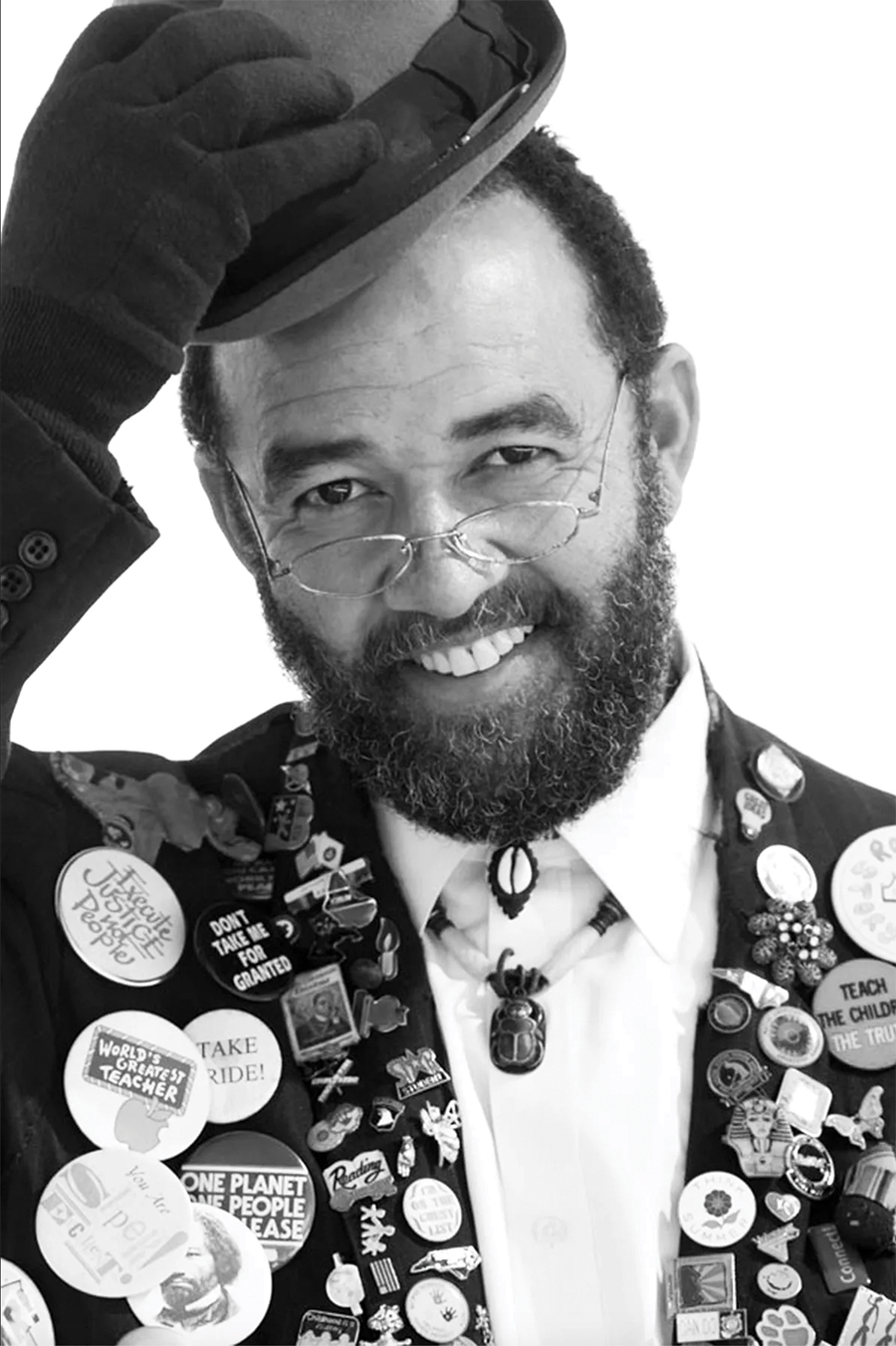
Patricia M. Walker is a retired teacher/purchasing manager/financial services administrator who was born and raised in Chattanooga,
Tennessee. She wrote her first novel when she was 9.

Simple Life

Summer Twilight

The brief, magical time between day and night

By Jim Dodson


Not long ago as a beautiful summer evening settled around us, my wife and I were sitting with our friends, Joe and Liz, on the new deck facing over our backyard shade garden, enjoying cool drinks and the season’s first sliced peaches.

The fireflies had just come out. And birds were piping serene farewell notes to the long, hot day.

“I love summer twilight,” Joe was moved to say. “Everything in nature pauses and takes a breath.” He went on to remember how, growing up in a big family of nine children, “my mother would shoo us all outdoors after supper to play in the twilight until it was dark. It was a magical time between day and night. A glimpse of heaven.”

“We played Kick the Can and Red Light, Green Light,” Liz remembered. “The fading light made it so much fun.”

“And flashlight tag,” chimed Wendy, my wife, sipping her white wine and joining the memories. “We didn’t have to come in until the first stars appeared and my mother called us to come in for a bath and bed.”

In a world that increasingly seems so different from the quieter, simpler one we grew up in, we all agreed, something about twilight seems about as timeless as moments get in this harried and overscheduled life we all live.

In truth, our ancient ancestors held much the same view of the changing light that occurs when the sun sinks just below the horizon, or rises to it just before dawn, softly stage-lighting the world with a diffusion of light and dust, heralding either the prospect of rest or awakening.

Like most rare things, the beauty seems to be in its brevity.

Back when I was a small boy in a large world, summer twilight was especially meaningful to me. During my father’s newspaper career, we lived in a succession of small towns across the sleepy, deep South where we rarely stayed in one place long enough for me to make friends or playmates. Because it was a time before mass air conditioning, I lived out of doors with adventure books and toy soldiers for companions, building forts and conducting Punic wars in the cool dirt I shared with our dog beneath the porch. The heat and brightness of midday made my eyes water and my head hurt.

In the rural South Carolina town where I attended first grade, a formidable Black woman named Miss Jesse restored my mother, a former Maryland beauty queen, to health following a pair of late-term miscarriages, and taught her how to properly cook collards and grits. Come midday, while my mother rested, Miss Jesse would haul me out from under the porch and make me put on sandals to accompany her to the Piggly Wiggly or to run other errands around town in her baby blue Dodge Dart.

Beneath a stunning dome of heat that lay over the town like a death ray from a martian spaceship, it was Miss Jesse who explained to me that daytime was when the world did its business and, therefore, shoes and good manners were necessary in public. Removing my sandals to feel the cool tile floors of the  Piggly Wiggly beneath my bare feet — the only air conditioned place in town save for the newspaper office — was a tactical error I made only once, as Miss Jesse had complete authority over my person.

Yet it was also she who had me stand on her feet, dancing my skinny butt around the kitchen as she and my mother cooked supper to gospel music playing from the transistor radio propped in the kitchen window. Miss Jesse also informed me that both a good rain and twilight were two of the Almighty’s holiest moments, the former refreshing the earth, the latter replenishing the soul.

I often heard her singing a gospel tune I’ve since spent many years unsuccessfully trying to find, a single line of which embedded itself in my brain: “In the shadows of the evening trees, my lord and savior stands and waits for me.”

Miss Jesse was with us for only a single summer and autumn. She passed away shortly before we moved home to North Carolina. But I have her to thank for restoring my mom’s health and giving me a love of collards, a good rain and summer twilight.

The suggestion of that old hymn she loved speaks to another perspective on twilight.

Some poets and philosophers have used it as a metaphor, indicating the fading of the life force. Others view it as the end of life, a dying of the light that symbolizes the coming of permanent night, a prelude to death.

On the other hand, as I read in a science magazine not long ago,  all living things would fade and die from too much light or darkness were it not for twilight, that in-between time of day when we see best.

For that reason, metaphorically speaking, it’s worth remembering that twilight also comes before the dawn breaks, marking the beginning of the day, the renewal of activity, a resumption of life’s purposes.

Tellingly, birds sing beautifully at both ends of the day — a robust greeting to the returning light of dawn and a solemn adieu as twilight slips into dusk.

As a lifelong fan of the twilight that exists fleetingly at both ends of the day — someone who is fast approaching his own so-called twilight of life — I take comfort in the words attributed to Saint John of the Cross who wrote, “In the twilight of life, God will not judge us on our earthly possessions and human success, but rather on how much we have loved.”

I also love what actress Marlene Dietrich famously said about the summer twilight — namely that it should be prescribed by doctors. It certainly heals something in me at day’s end.

A friend I mentioned this to not long ago sent me a short poem by a gifted Black poet named Joshua Henry Jones Jr., a son of South Carolina who passed away about the time Miss Jesse was teaching me to “feet dance” in my mama’s kitchen.

It’s called “In Summer Twilight” and nicely sums up my crepuscular passion.

Just a dash of lambent carmine

Shading into sky of gold;

Just a twitter of a song-bird

Ere the wings its head enfold;


Just a rustling sigh of parting

From the moon-kissed hill to breeze;

And a cheerful gentle, nodding

Adieu waving from the trees;

Just a friendly sunbeam’s flutter

Wishing all a night’s repose,

Ere the stars swing back the curtain

Bringing twilight’s dewy close.

Now, if I could only find that sweet gospel hymn that still plays in my head.  PS

Jim Dodson can be reached at jwdauthor@gmail.com.

Dome, Sweet Dome

Paying it forward in Pinebluff

By Deborah Salomon

Photographs by John Gessner

“E.T. phone home.”

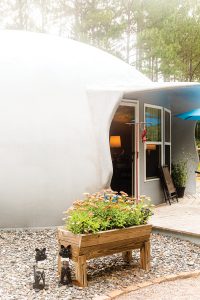
That rings a bell at a triple-dome Pinebluff structure resembling an albino caterpillar/spaceship — a real shocker in the cottage-y enclave adjacent to Pinebluff Lake.

“Oh yes, people stop and knock on the door,” says Candy Ruedeman, who bears no resemblance to an extraterrestrial. The undulating exterior of the domes is the antithesis of conventional stick construction with its straight lines and 90 degree angles. The shaded interior, resulting from limited windows, feels comforting and safe, enveloping its occupants. Inside, the air feels cool rather than AC-frosty. Each room is equipped with a ductless, wall-mounted AC/heating unit. Concrete blown over a foam core provides insulation. Poured concrete floors refresh bare feet.

Although above ground, construction surpasses FEMA’s guidelines for survivability. In 2016, Hurricane Matthew blew a dock off the nearby lake but swept over the domes without damage.

These monolithic dome homes — the semi-official title — are fire resistant, termite-and-rot-proof, energy efficient and, besides hurricanes, have survived tornadoes and earthquakes. Some are lavish multi-story residences with balconies and turrets. Others enable year-round swimming pools. A commercial dome housing offices or stores benefits from instant recognition. Ski resort domes, beach domes, mountain domes, office domes, school and studio domes exist. Still, not everybody could live in a house where hanging pictures can be a challenge, where straight-line furnishings don’t fit, where electric outlets can’t be added or moved, and where bumping into a textured concrete wall can skin a knee.

Skip and Candy Ruedeman weren’t “everybody.” He served in Vietnam as an Air Force fighter jet mechanic. She was a critical care nurse. Both grew up in Kentucky, in ordinary middle-America houses. Their only joint residential adventure: building a log home from a kit.

They were living in Colorado as retirement from the water-conditioning business approached. “We wanted to get back to the green, and be nearer the beach,” Candy says. Golf was a factor, but not primary. Skip had a cousin who lived in Moore County. They came for a look, liked the area but not the resort bustle of Pinehurst and Southern Pines.


“I can make a home anywhere,” Candy continues. “But we wanted a place where we couldn’t hear the neighbors.” The 1-acre heavily wooded lot in Pinebluff suited their needs.

Skip knew dome homes from helping a friend build one in California. The mechanics fascinated him. Explained simply, a ring foundation reinforced with rebar is laid for each dome. Vertical steel bars embedded in the ring attach at the overhead apex. A special fabric is placed on the base and inflated. Foam is applied to interior surfaces, which are then sprayed with a concrete mix that can be painted.

Because of zoning and planning requirements each window opening required a dormer-like configuration. The Ruedemans topped them with curved “eyebrows.” The division of interior space can be accomplished with straight walls, or curvy, suggesting niches. For their “Pine Dome,” Candy and Skip chose mostly curvy, creating the look of a modern art museum.

“Curiouser and curiouser,” Alice whispers from the rabbit hole.

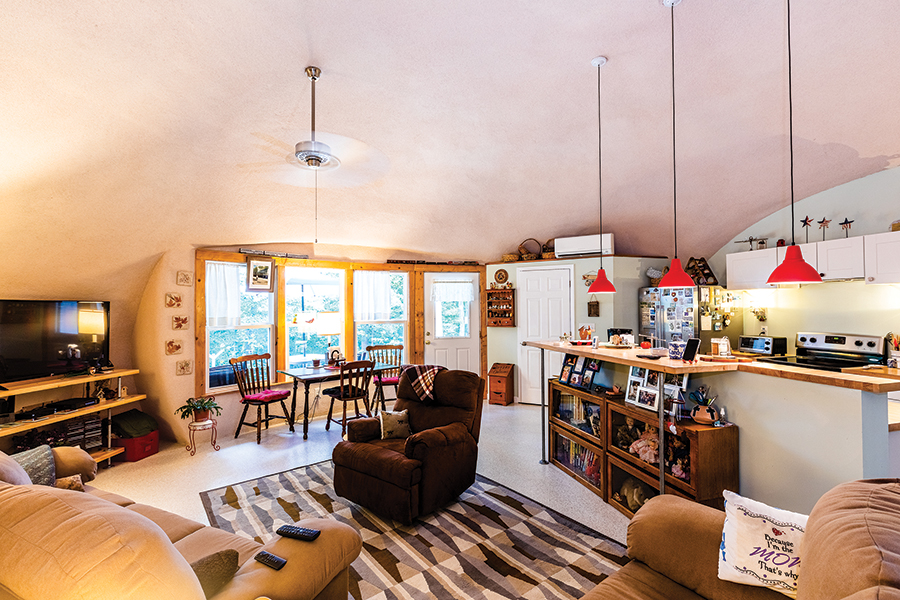
The 1,700-square-foot space was sectioned into a living-kitchen-great room, three bedrooms, two baths and two eating areas, but no formal dining room. Closing off a corner of the kitchen created a pantry. Conventional glass doors open onto a deck overlooking a clearing where Candy feeds the forest creatures. At one end of this three-hump caterpillar stands a conventional shed/workshop for Skip’s tools; at the other, a fenced vegetable garden.

Construction by professionals, with the Ruedemans crewing in, took eight months. Lacking straight lines, the house presented measuring problems for building inspectors. In December 2014, they moved in.


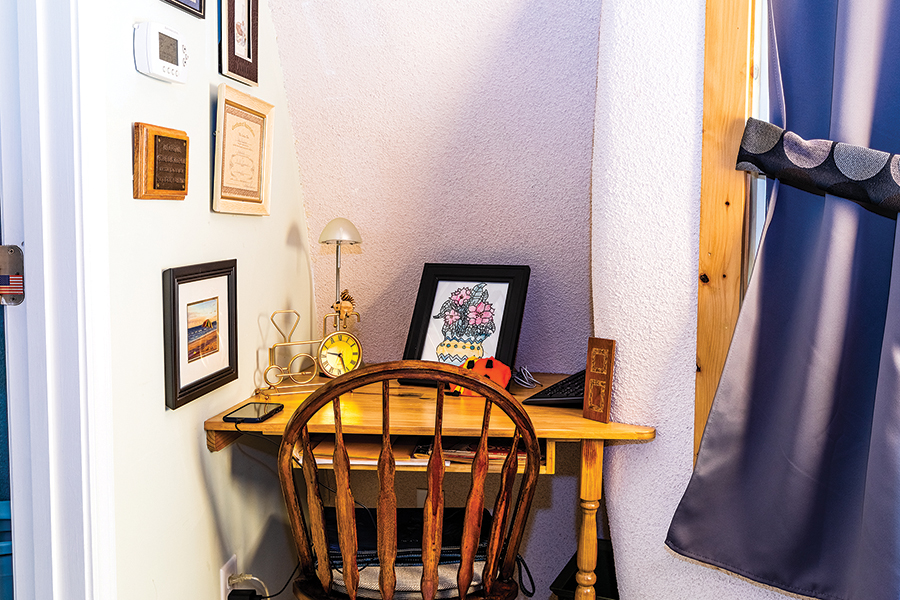
The couple decided to ditch all their furnishings except one bed and start anew at Ikea, supplemented by tables, shelves, and other pieces, including an African violet stand designed and crafted by Skip. Since the master bedroom had no wall space for their dresser, they created a closet around it. A desk belonging to Candy’s dad became a bathroom vanity.

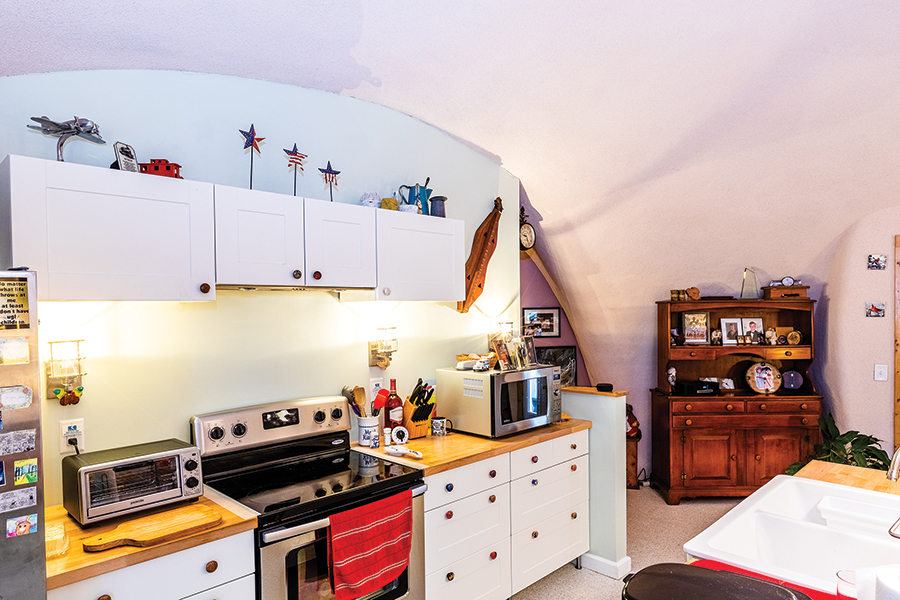
Other décor choices have a single purpose: showcasing mementos accumulated by a close, loving family. One hallway is virtually covered with photos of their two sons and five grandchildren plus framed documents from Skip’s Air Force career. An old printer’s tray holds miniatures. A photo shows Candy skydiving. In one bedroom Candy hung sections from a quilt made by her grandmother. On a kitchen wall, a holder displays painted eggs. A dulcimer made by her father hangs on another.

The top section of a lawyer’s bookcase with glass doors stands opposite the sofa. In it is a collection of dolls and teddy bears, each representing a person or event. “That one is from my first Christmas. This is the first Christmas present Skip gave me,” Candy says. “This is the first time I’ve had them on display.”

Skip loved trains. A toy track and cars are mounted over the deck doors. Candy’s best idea was asking friends and family to paint wooden pulls for the kitchen drawers and cabinets. Each is different, personalizing a galley kitchen separated from the living room by only a counter.

But what must the neighbors think? That a UFO landed on their quiet street? Don Woodfield lives across from Pine Dome. He watched the construction from clearing the land to blowing the concrete. His opinions have been positive from the get-go.

“Never a thought,” Woodfield says. “Just we’ve got new neighbors. Let’s go find out about them.” So over he went, beer and snacks in hand, soon discovering that, like himself, Skip was a Vietnam vet. Later on, they worked together on a Habitat for Humanity home build.

By now, the caterpillar has settled into the landscape. The coffee-colored plush sofa and upholstered headboards don’t seem stranded against curving walls. But this summer something is missing.

Skip passed away last August, suddenly, at 76. Candy is comforted living among his handiwork.

“This house was our legacy. This is what we chose to do, the house Skip wanted to build.”

There have been offers to buy Pine Dome. But for now Candy, with visits from her children and grandchildren, will stay close to him here, in a house far from ordinary but close to home.  PS

Hometown

Blast from the Past

Keeping it cool when the heat is on

By Bill Fields

When I spent my last night in my childhood home — grown, gray and practically groaning from the aches of helping empty its considerable contents over several days — I went to bed upstairs comforted by a familiar sound I knew soon would be only a memory.

It was a hot summer evening, and the noise came from a window air conditioner that had been in the family for nearly 45 years, since I was a teenager. In old age the unit still cooled, even when set to the lowest of its three speeds, a limit mandated by my mother that I usually obeyed even after she was no longer living in the house.

Cranking up the temperature control to 6 or 7 (on a 1 to 10 dial) ensured a chilly output. The aging wonder wasn’t quiet by any means, and when it went through its cooling cycle it was as if the appliance was having a coughing fit before easing back into its customary sound.

Back in 1974 — I recall it arrived on East New Jersey Avenue in the days not long before Richard Nixon departed the White House — and in the following decade before central air was installed, the Sears purchase was situated in the living room and was powerful enough to cool most of the first floor.

That truly was a miracle summer of 20th century innovation. We had acquired cable television not long before, which meant the Atlanta Braves were on almost every night. The local access channel showed an endless loop of National Golf Foundation instructional films. And we could watch the Wilmington, Raleigh or Greensboro stations without having to adjust a finicky antenna.

During several months a year, though, the addition of AC seemed a bigger deal than acquiring cable TV, even to a very sports-minded boy. Shade trees, cold showers or electric fans could only do so much when the temperature soared in August.

I camped out on the carpet not far from the brand-new air conditioner for a couple of nights. Whether asleep or awake, it felt like our family had hit the jackpot because we now had the comfort of a motel room or restaurant at home when it was sweltering. After 18 holes in the heat or a steamy hour mowing the grass, nothing felt better than standing in front of the window unit for a quick, cold blast. Even my father, who liked to park himself shirtless on the back porch with a cold beer on toasty evenings pre-AC, got very used to the manufactured cooling.

A few years later, when I went off to college and a room without air conditioning — my dormitory’s location trumped its creature comforts by a long shot at the start of one semester and the end of the next if it was hot — I missed our AC dearly. My first summer in New York City, a decade later, out of stubbornness and thrift, I didn’t purchase a small window unit during a persistent heat wave and struggled to sleep despite a fan positioned as close to my bed as I could get it.

On trips home, I never had to worry about being too hot. The old reliable window unit was relocated upstairs after the house was equipped with central air. But the new system never seemed adequate for the second floor, making the original AC an important feature on my visits.

As the years went by, I kept expecting the window unit to fail each time I returned during hot weather, but it never did. Perhaps Mom’s speed restrictions had extended its life, or maybe they don’t make ’em like they used to. Like a baseball player closer to the end than the beginning who can still paint the black, it happily and capably pitched a few innings each summer in the week or so I would be in town. That last night home, I woke up with a blanket up to my chin.  PS

Southern Pines native Bill Fields, who writes about golf and other things, moved north in 1986 but hasn’t lost his accent.

PinePitch


Acting and Air-Conditioning — What’s Not to Like?

The Judson Theatre Company continues its summer theater festival with two Sandhills area premieres. Catch one or both to beat the August heat. Opening Aug. 5 at 8 p.m. and running through Aug. 14 is the comedy fantasia Buyer & Cellar about a struggling actor working in the basement mall of Barbra Streisand’s home. And, from Aug. 19 – 28, get ready for Tick, tick, BOOM! a three-person musical by the author of Rent about an aspiring composer worried he made the wrong career choice. Performances begin at 8 p.m. for both shows in the black box McPherson Theater at Bradshaw Performing Arts Center, 3395 Airport Road, Pinehurst. Info and tickets: www.ticketmesandhills.com.


Even Better than Scooby-Doo

Don’t miss the first in Weymouth’s new Saturday morning family series featuring Mitch Capel as “Gran’daddy Junebug” on Aug. 6 at10 a.m. Capel is a master storyteller, recording artist, published author and poet. He has been featured at numerous schools, libraries, museums and festivals since 1985, including the Kennedy Center in Washington, D.C.; the National Storytelling Festival in Jonesborough, Tennessee; The Smithsonian’s 2009 Folklife Festival on the National Mall; and the presidential inauguration of Barack Obama. Free admission but registration is required. Weymouth Center for the Arts & Humanities, 555 E. Connecticut Ave., Southern Pines. Info: www.weymouthcenter.org.


Elle and Kermit

Step back in time with two favorite throwback films in the Sunrise Theater’s Summer Film Series. Check out Legally Blonde at 7 p.m. on Thursday Aug. 4, or catch The Muppet Movie at 7 p.m. on Aug. 11. Sunrise Theater, 250 N.W. Broad St., Southern Pines. Tickets are $10. Info: www.sunrisetheater.com.


Photograph By Ted Fitzgerald

Live After Five

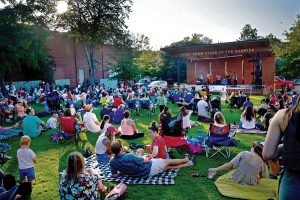
Bounce!, a high energy wedding and party band from the Triangle area, will be playing all your favorite dance songs from the last 40 years. Local favorite Whiskey Pines will open from 5:15 p.m. to 5:50 p.m., so grab your lawn chair and don’t be late. Dance the night away till 9 p.m. at Tufts Memorial Park, 1 Village Green Road, Pinehurst. Picnic baskets are allowed and food trucks are standing by, but no outside alcohol. Not to fear, you can still purchase beer, wine and soft drinks as you slide into your blue suede shoes. Info: www.vopnc.org.


Where’s John Travolta When You Need Him?

Break out the headbands and shimmy into your bell-bottoms, then head to downtown Aberdeen for an evening of Snap and Hustle with “the greatest disco revival show in the world.” For one night only catch Boogie Knights at a pop-up disco from 8 p.m. to 11:59 p.m. at The Neon Rooster, 114 Knight St., Aberdeen. Info and tickets: www.ticketmesandhills.com.


Calling All Amateur Pitmasters

For three days dip yourself into all things barbecue at the Pinehurst Barbecue Festival, a celebration of taste and tradition. With four signature events sprinkled across the weekend like a dry rub, you can revel in bourbon pairings, grilling classes and music from tribute band Chicago Rewired. From September 2 – 4, there’s something for the whole family at the village of Pinehurst. 6 Chinquapin Road, Pinehurst. Info and tickets: www.ticketmesandhills.com.


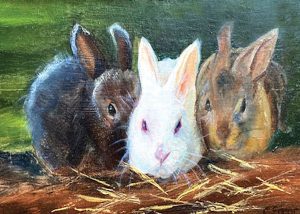
Triplets by Cindy Edgar

The Artist Sees What Others Only Glimpse

Get a view through the artists’ eyes at two exhibits this month. The Artists League of the Sandhills, 129 Exchange St., Aberdeen, will host an opening reception on Friday, Aug. 5, from 5 p.m. to 7 p.m. for its exhibit “Small Gems of Art,” which will run through Aug. 26. Info: (910) 944-3979.
Also on Aug. 5, the Arts Council of Moore County will present the 42nd annual “Fine Arts Festival” opening and awards ceremony at the Campbell House Galleries, 482 E. Connecticut Ave., Southern Pines from 6 p.m. to 8  p.m. The show will remain open until Aug. 26. Info: (910) 692-2787 or www.mooreart.org.
 

Blood, Guts and Books

Finish your summer reading quest with the author of Ship of Blood: Mutiny and Slaughter Aboard the Harry A. Berwind, and the Quest for Justice on Wednesday, Aug. 24, at 5:30 p.m. A native son of Sanford, author-in-residence Charles Oldham will share his love for all things Tar Heel history from 5:30 p.m. to 7 p.m. Free admission, registration required. Weymouth Center for the Arts & Humanities, 555 E. Connecticut Ave., Southern Pines. Info: www.weymouthcenter.org.


Have a Brighter By and By

Enjoy your Sunday with one of Weymouth’s popular “Come Sunday” Jazz brunches on Aug. 28 from 11:30 a.m. to 2 p.m.  Bring your own blanket, chairs and a picnic. There will be a cash bar with mimosas, beer, wine and non-alcoholic choices. The event features internationally renowned jazz artists each performing their own rendition of Duke Ellington’s classic, Come Sunday. Cost is $25 for members and $35 for non-members. Weymouth Center for the Arts & Humanities, 555 E. Connecticut Ave., Southern Pines. Info: www.weymouthcenter.org.


Photograph By Ted Fitzgerald

Rock On

First Friday is back from its July hiatus with Dangermuffin, a Carolina-based band that weaves lyrical themes of sea, sun and spiritual connection with Americana, island-influence, folk and jam. Enjoy food trucks, some Southern Pines Brewery brews, and listen to great music while supporting the local theater on Aug. 5 from 5 p.m. to 8 p.m. No dogs, outside alcohol or rolling coolers. Sunrise Theater, 250 N.W. Broad St., Southern Pines. Info: www.sunrisetheater.com.

Millicent Womble + Holden Poole

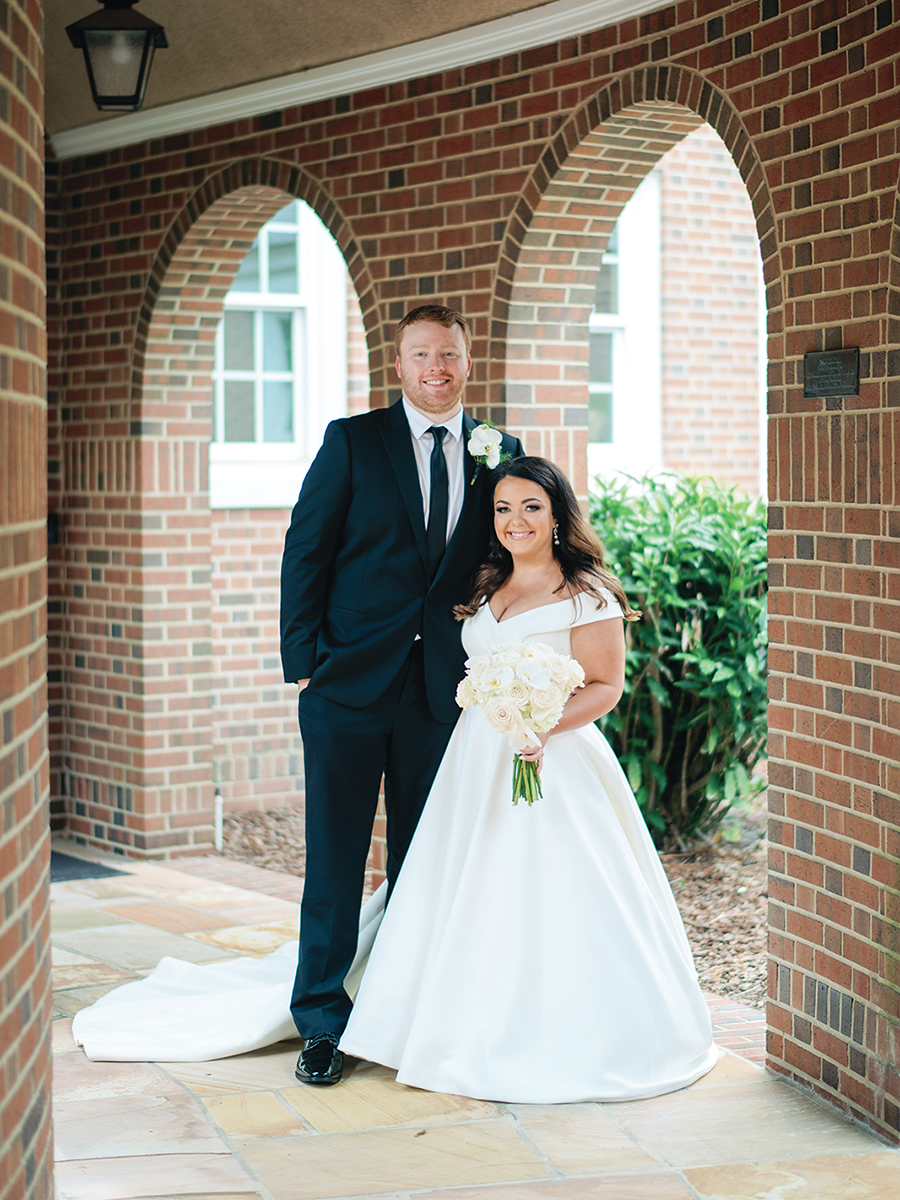
MILLICENT WOMBLE + HOLDEN POOLE

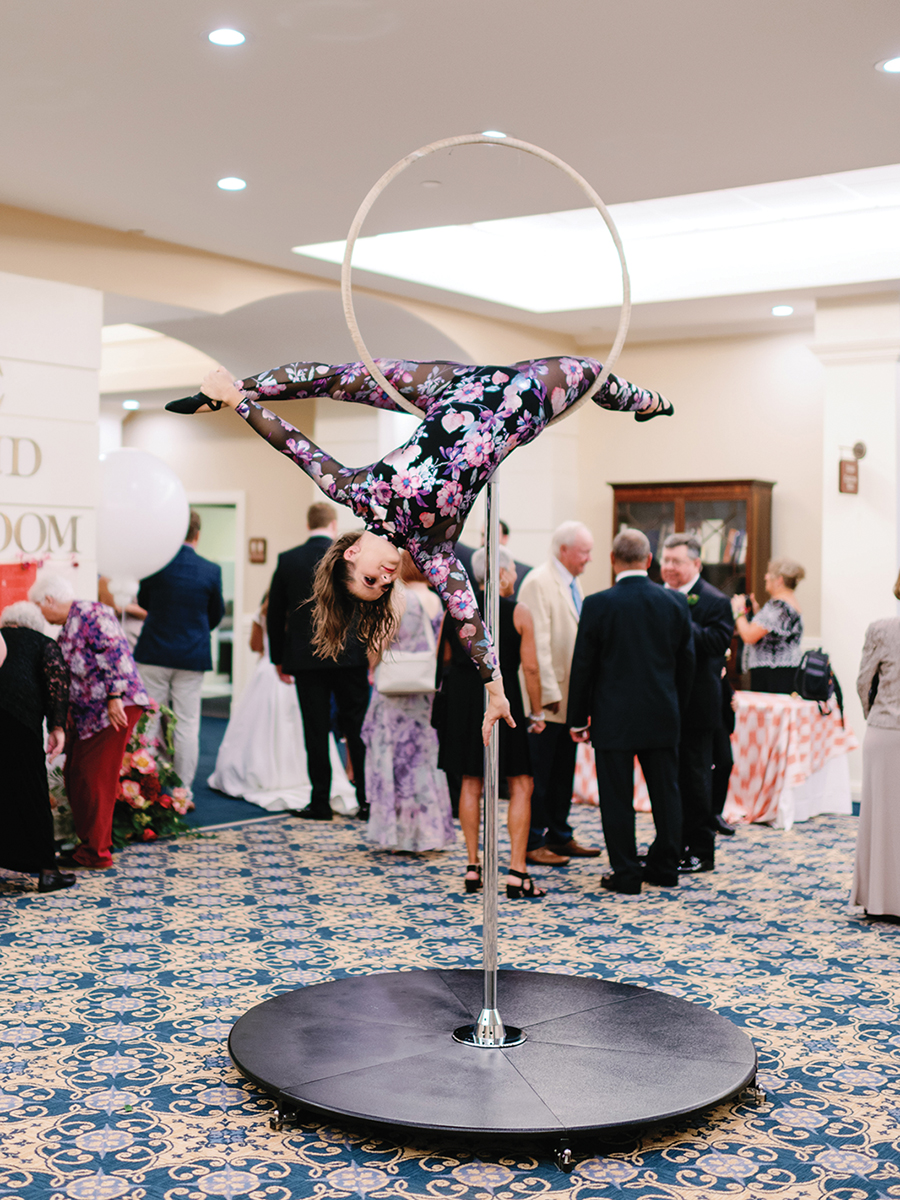
Photographer: Kelsey Nelson Photography Videographer: The Family Films Wedding Planner: Vision Events Wedding & Event Planning Wedding Coordinator: Deborah Davis, The Village Chapel

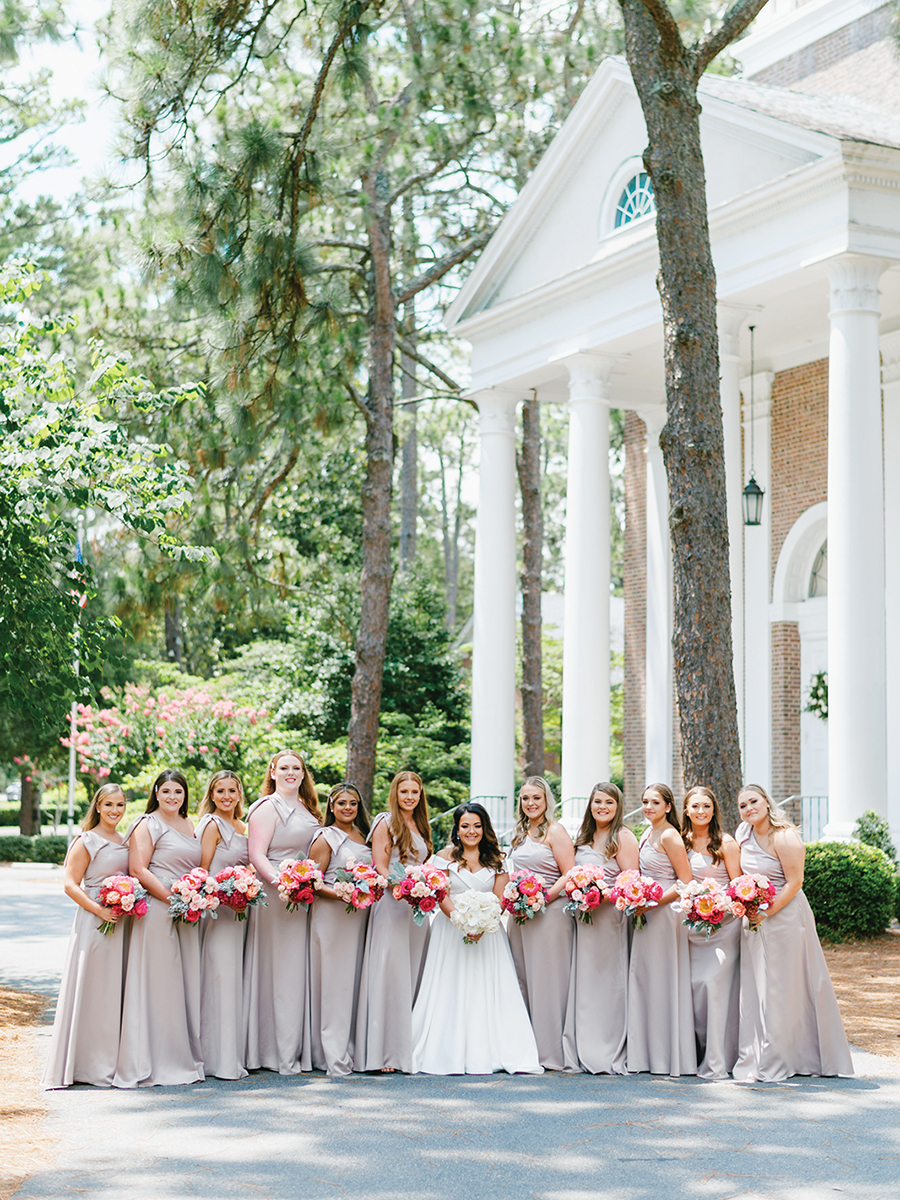
Millicent and Holden started dating while attending East Carolina University. “One of our first dates was a sorority social of mine,” Millicent said. Once Holden survived that (and chose to stick around), Millicent decided he was a keeper.

During a weekend getaway to Charlotte — a city the couple loves — Holden proposed to Millicent in Romare Bearden Park while his sister covertly snapped photos to document the engagement.

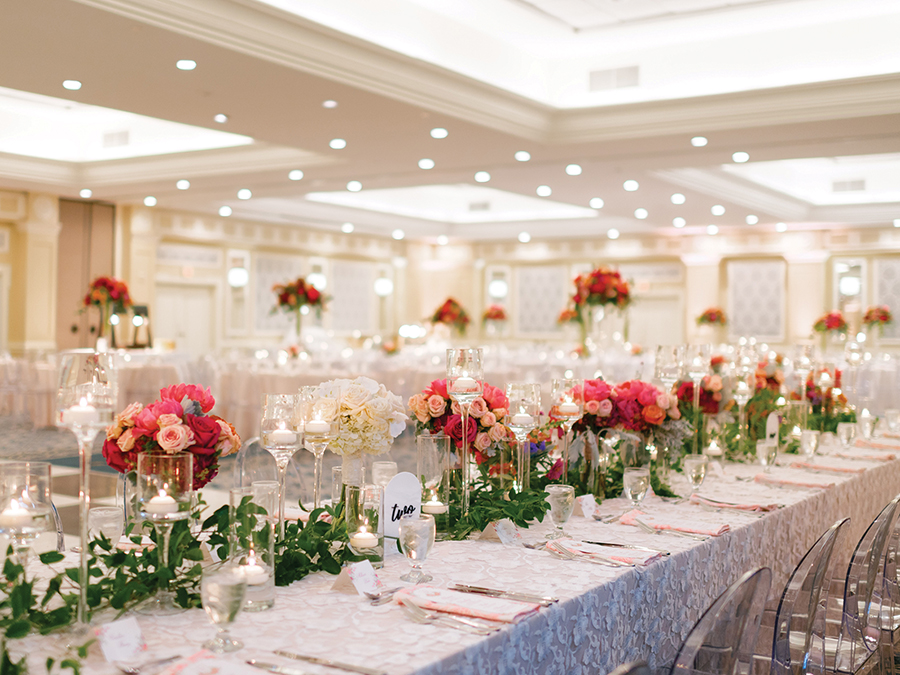
When selecting a venue, Millicent knew just where to go: She has many beloved childhood memories from The Carolina Hotel.

“We had so many wonderful memories there,” Millicent said, “from delicious dinners to enjoying Christmas decorations or sitting on the front porch of the resort and enjoying the Pinehurst view.”

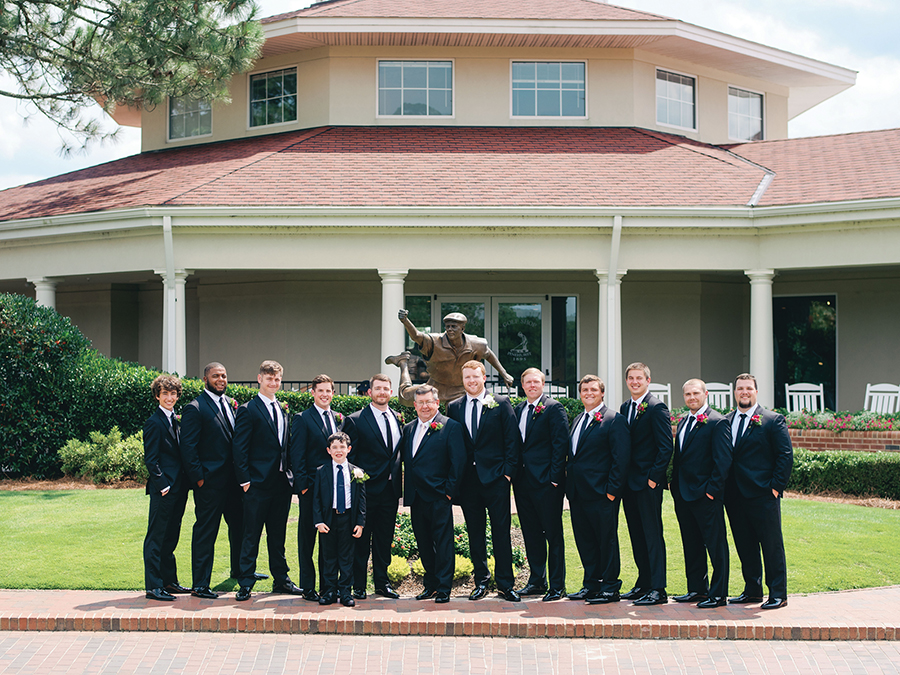
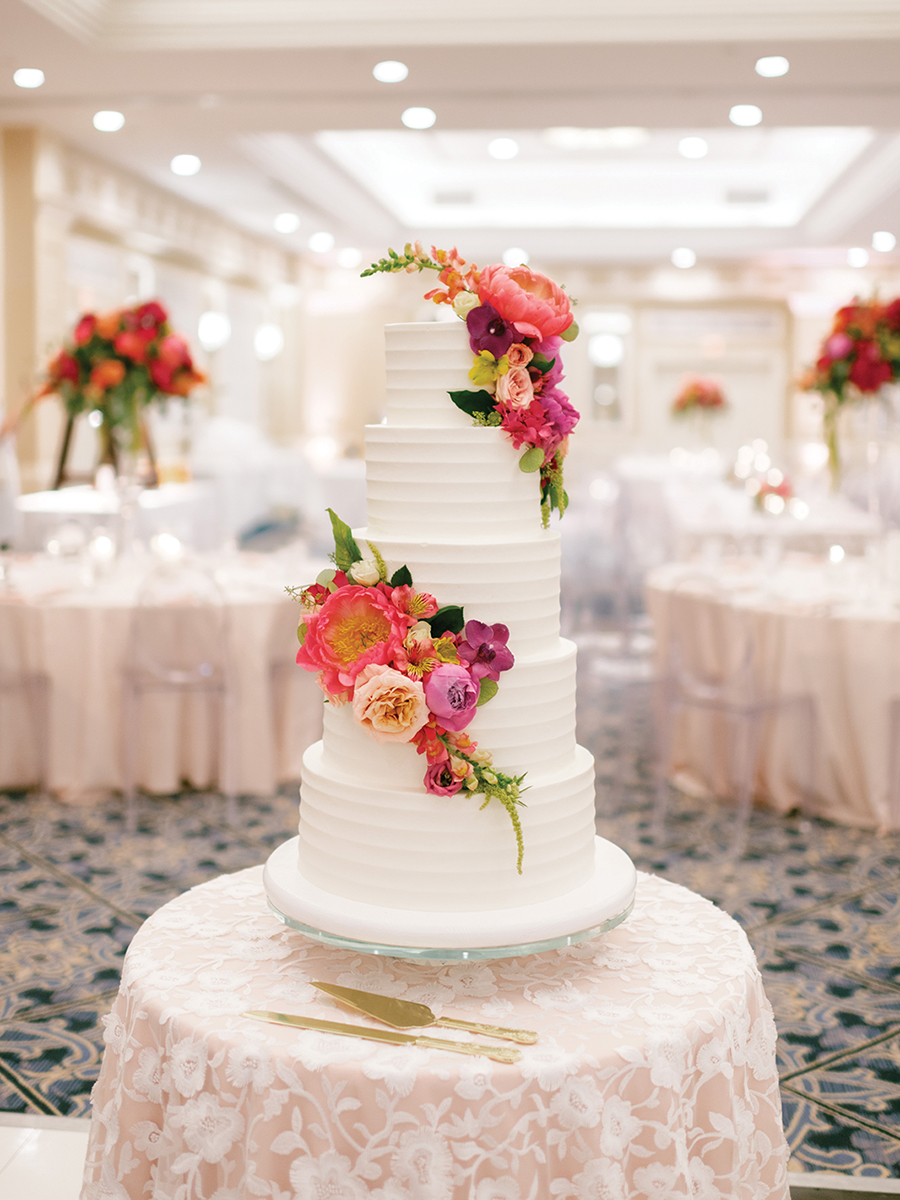
Holden loves playing golf, so when his future bride suggested a Pinehurst wedding, he didn’t need to be convinced. The pair tied the knot at The Village Chapel and then celebrated at The Carolina Hotel, just a short walk away.

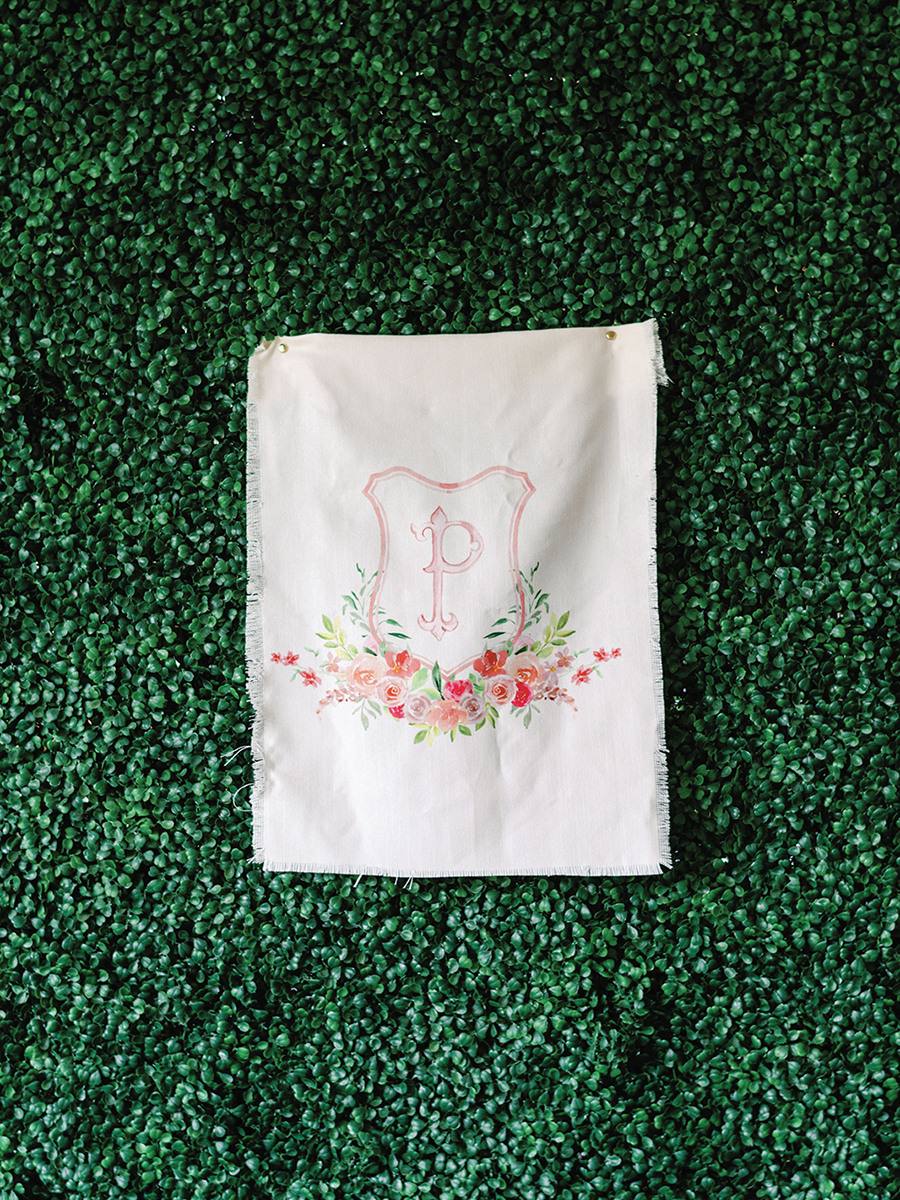
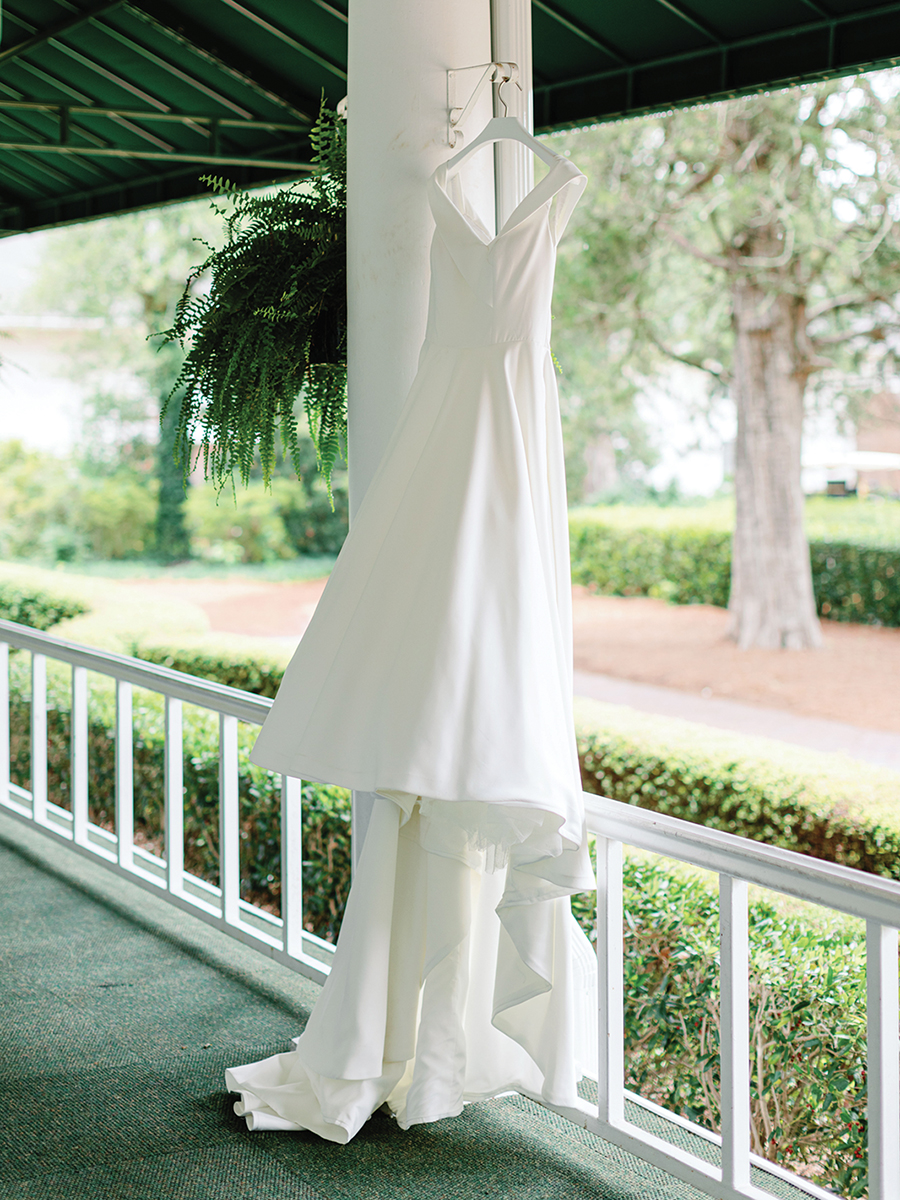
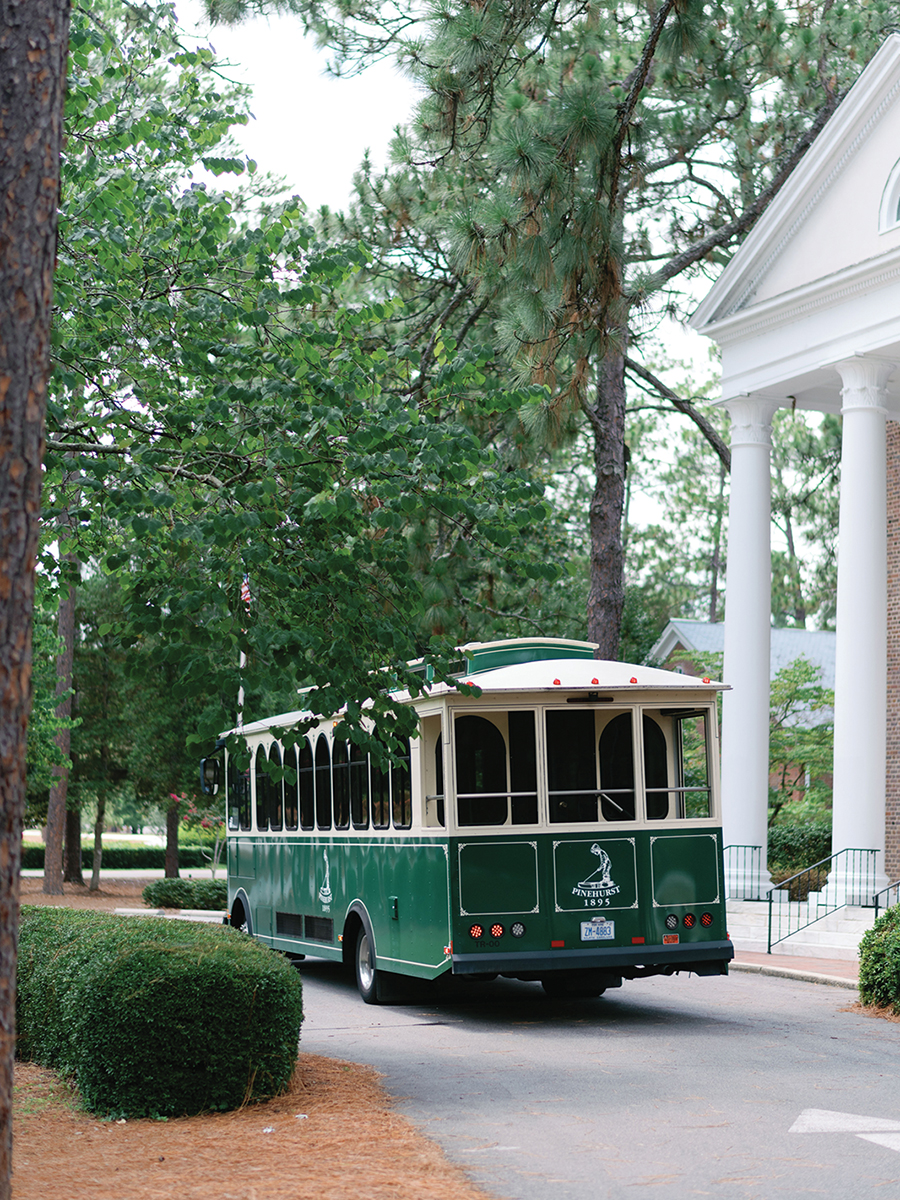
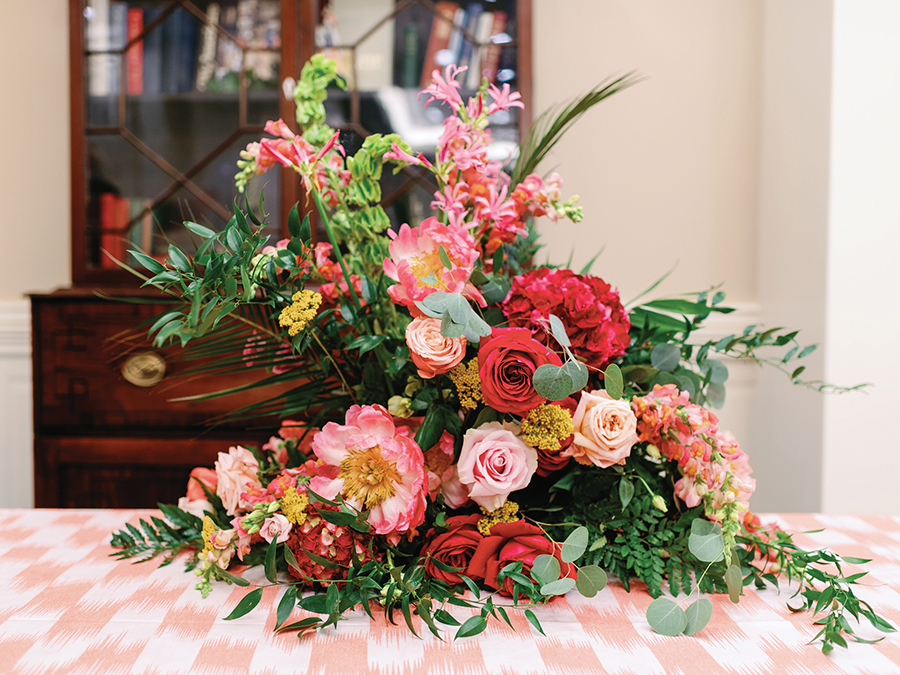
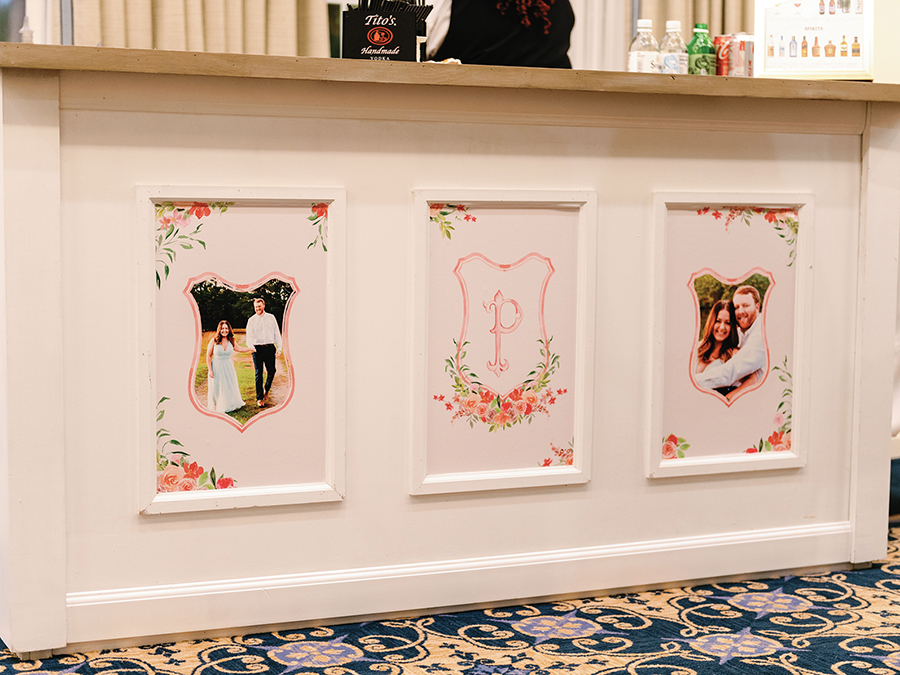
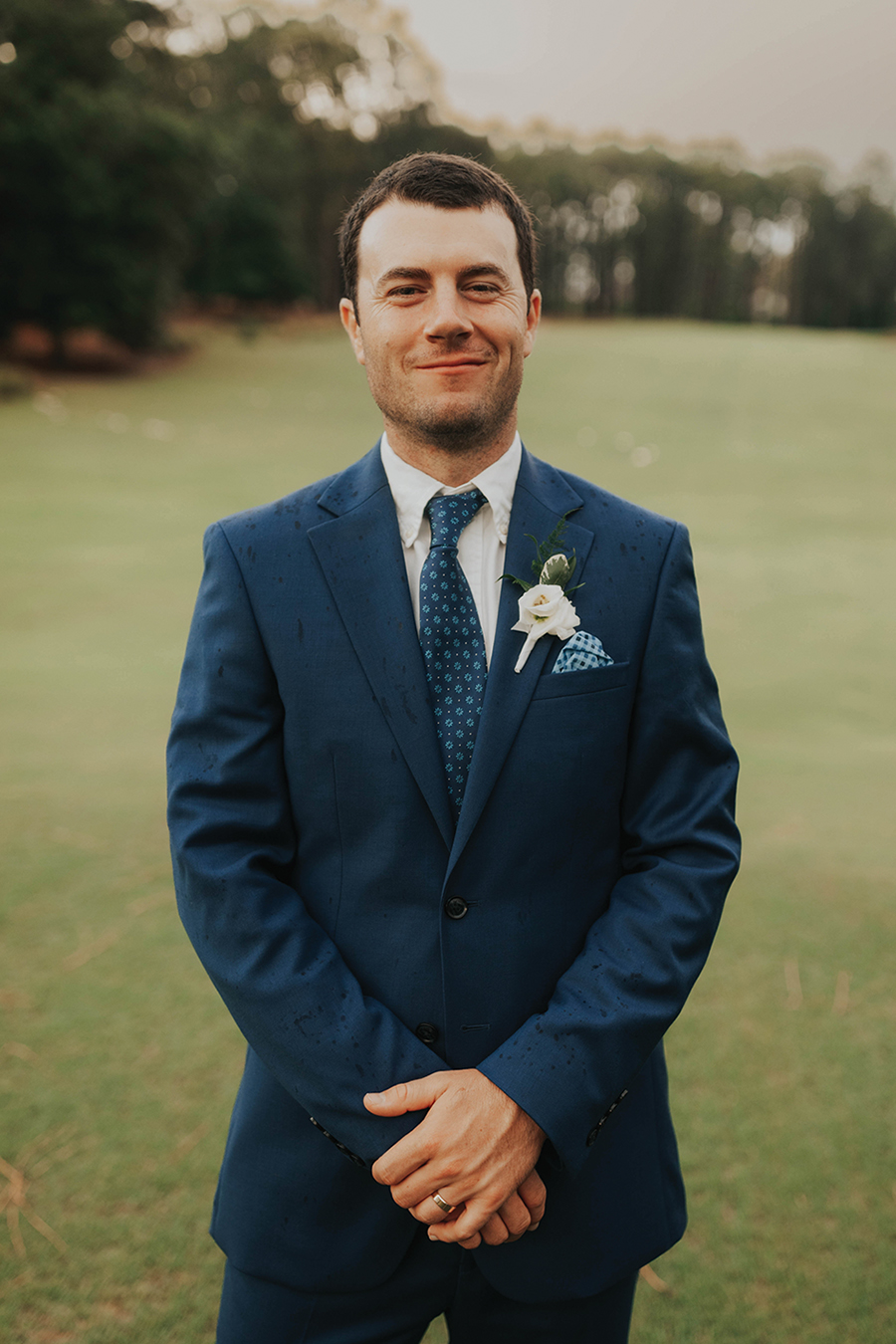
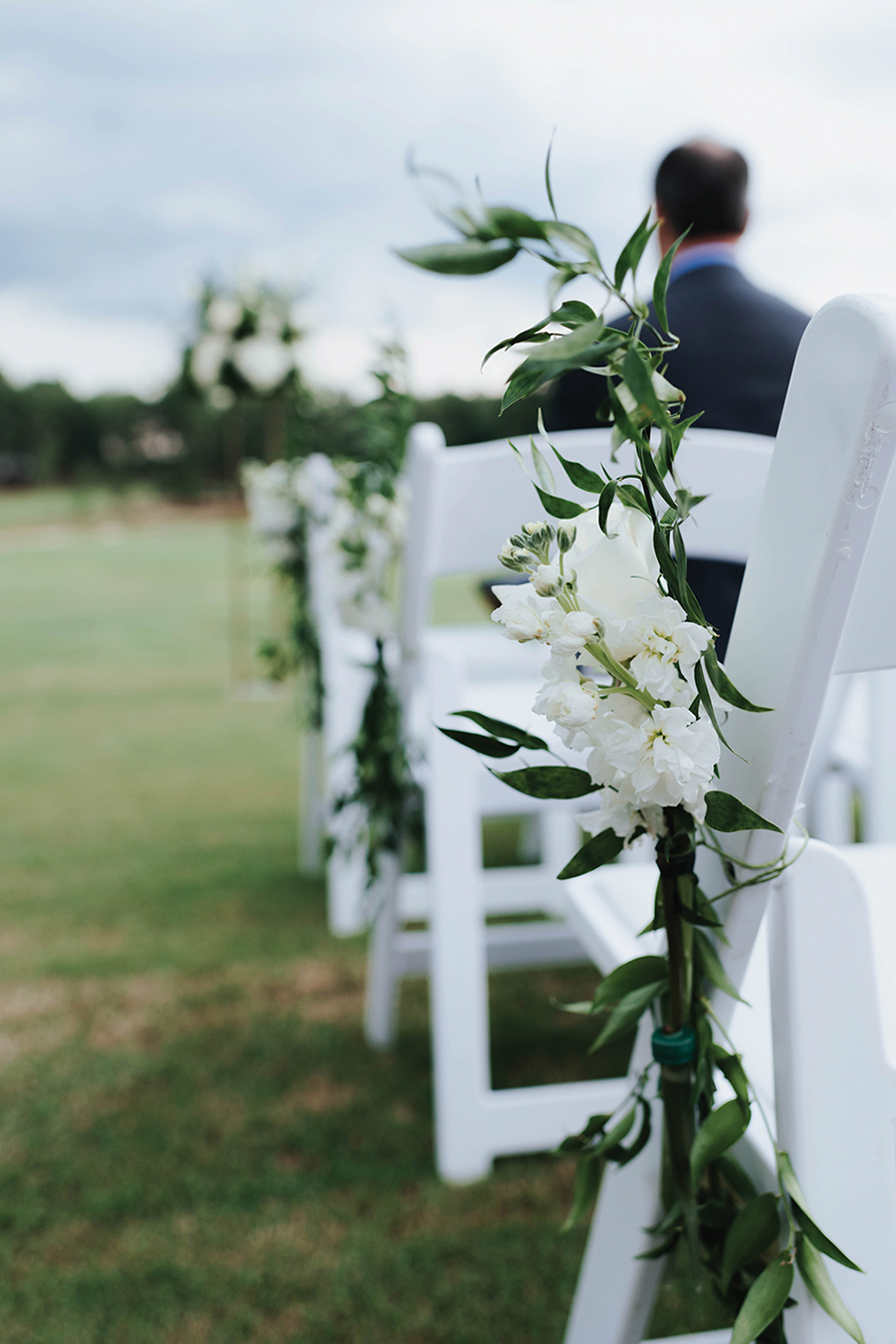
Ceremony: The Village Chapel | Reception: The Carolina Hotel, Pinehurst Resort | Dress: Lovely Bride | Hair: Autumn Dickerson, Bella East Salon and Spa | Makeup: Blushed Bridal | Bridesmaids: Mori Lee, Carolina Bridal World | Groom & Groomsmen: Men’s Wearhouse | Flowers: Jeffrey’s Florist | Cake & Catering: Pinehurst Resort | Invitations & Programs: Ashley Triggiano Fine Art | Transportation: Kirk Tours & Limousine

Kailey Osterman + Eric Parziale

KAILEY OSTERMAN + ERIC PARZIALE

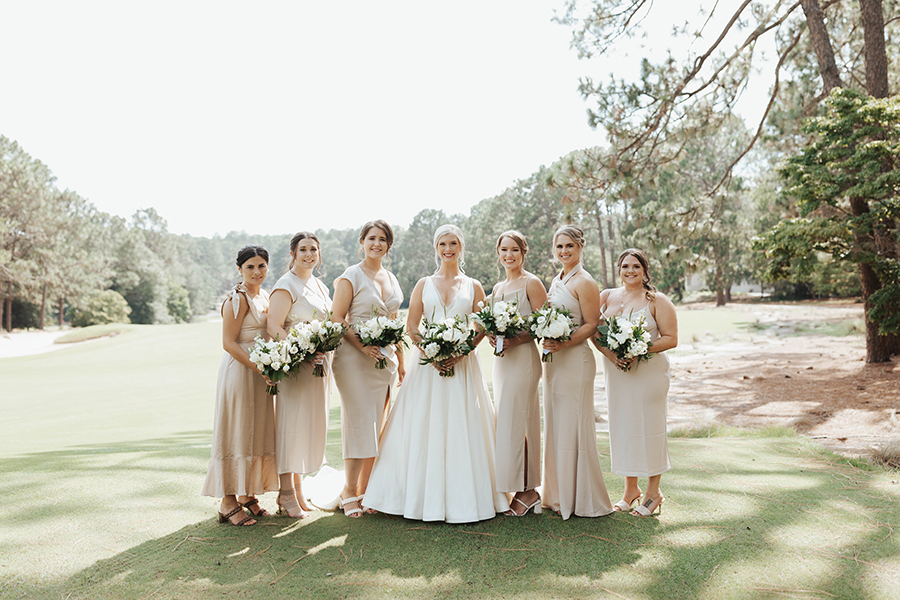
Photographer: Catherine Leigh Photography Videographer: Davis Video Productions Wedding Coordinator: Jonathan Ward, Ward Productions

A tennis match, an empty ring box, and a little help from Poppy — the couple’s Boston terrier who ran onto the courts with the “missing” ring attached to her collar — made for the engagement of Kailey’s dreams. And that was only the first act of the night Eric had planned. When the couple arrived at Eric’s parents’ house, their closest friends and family were waiting to celebrate over good food.

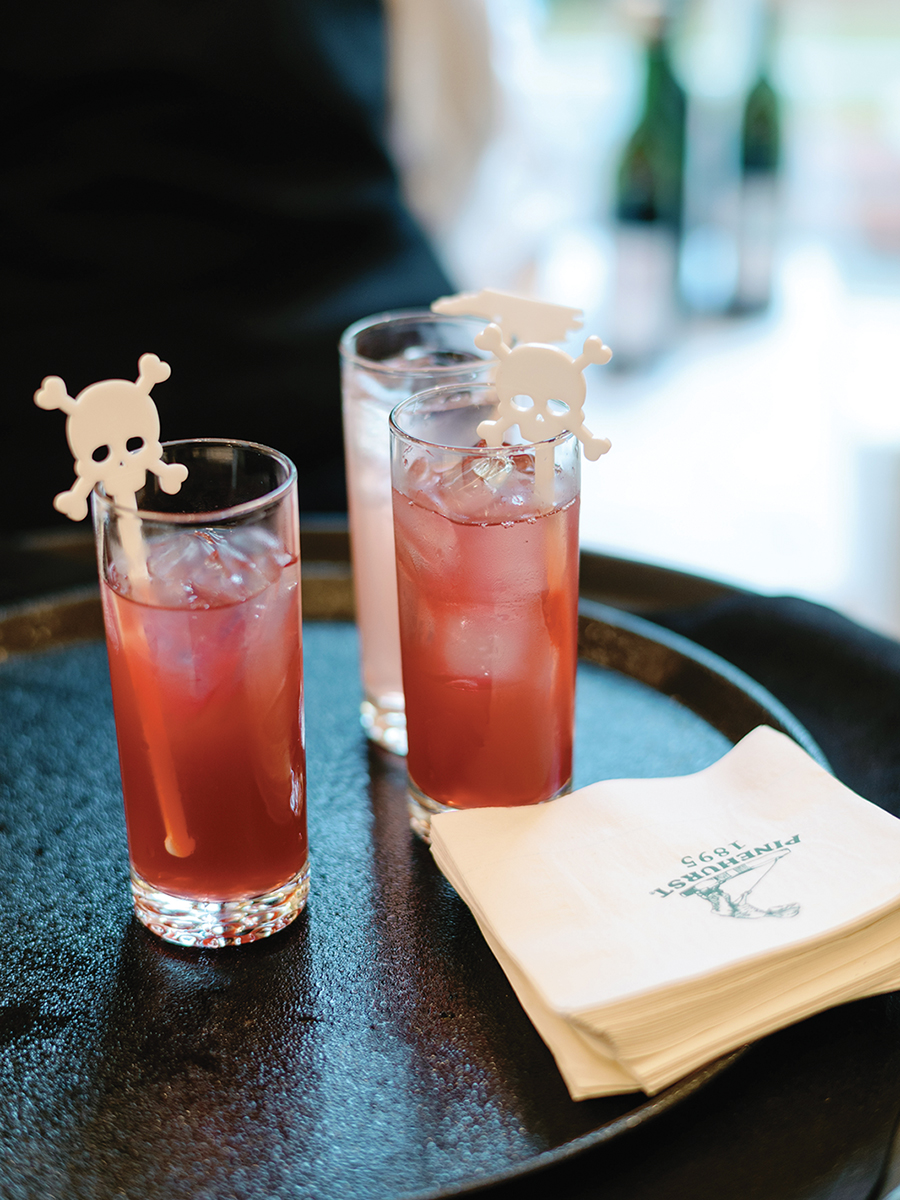
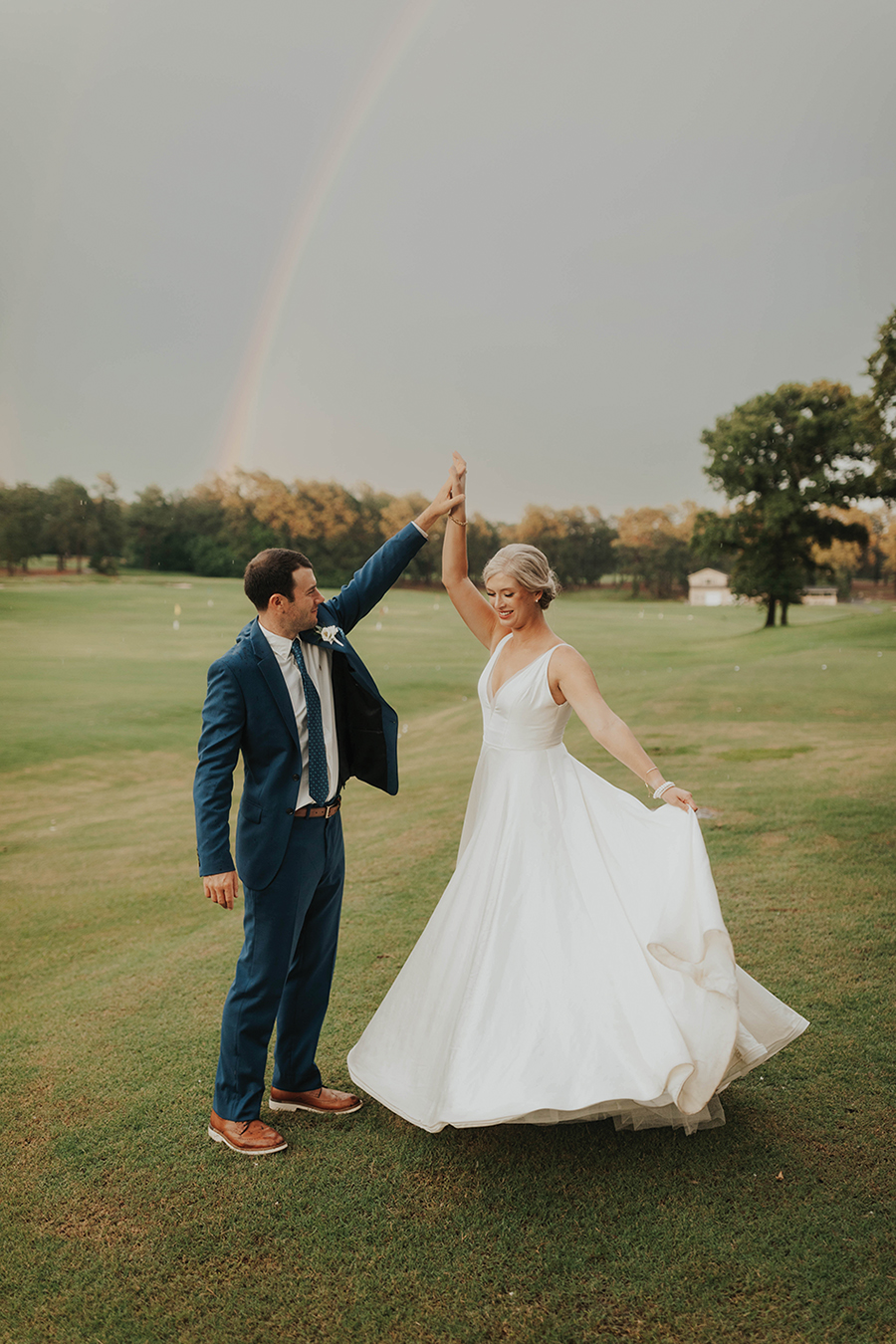
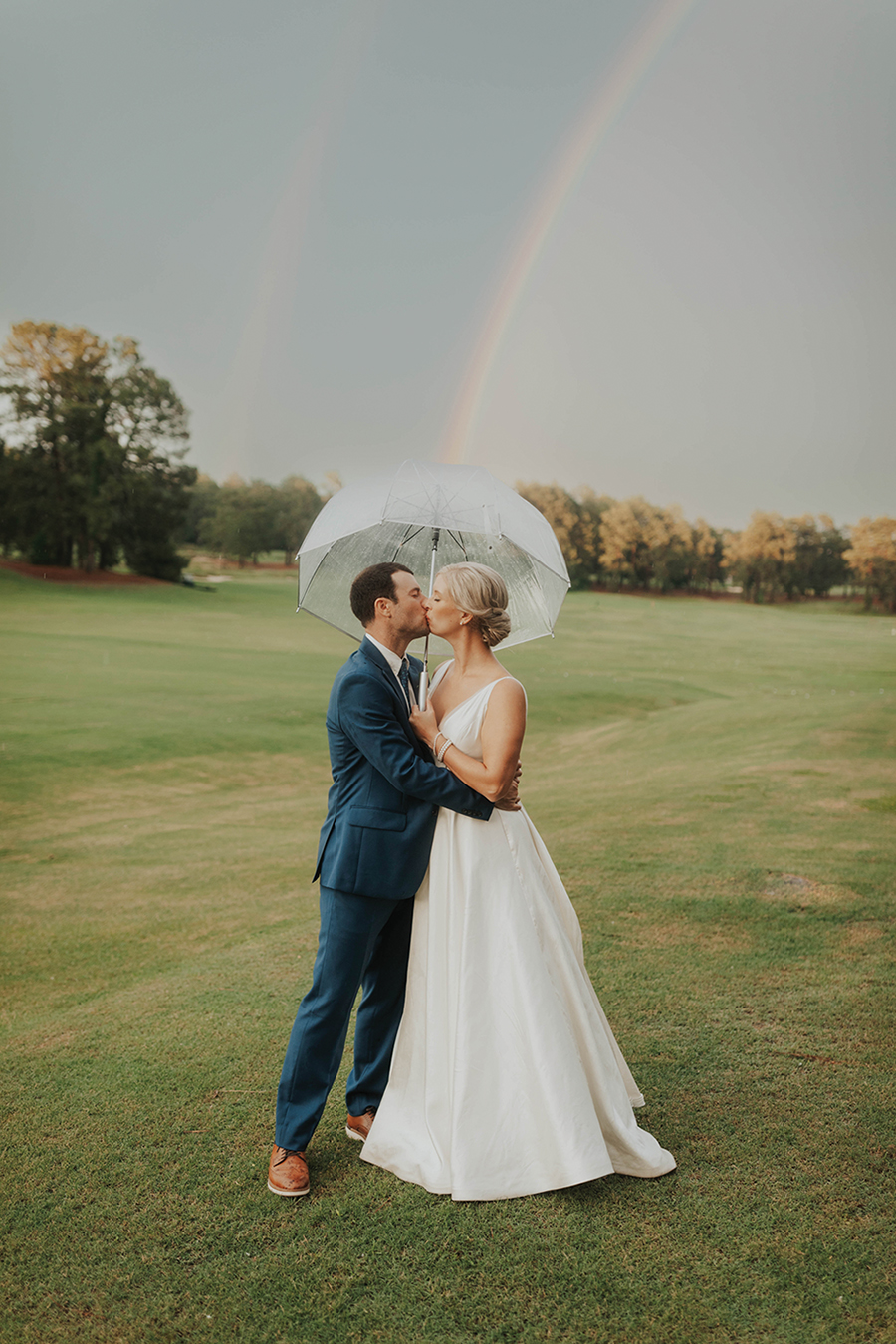
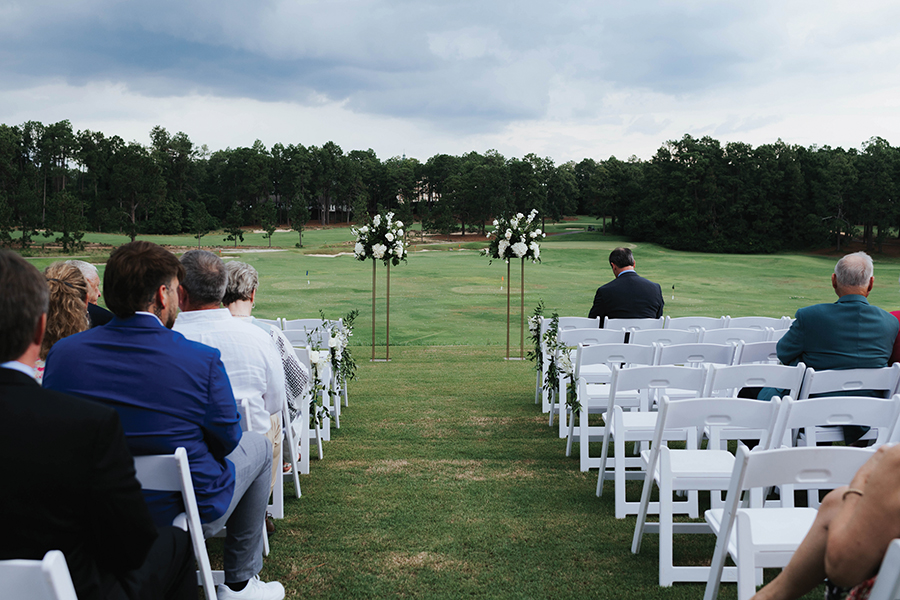
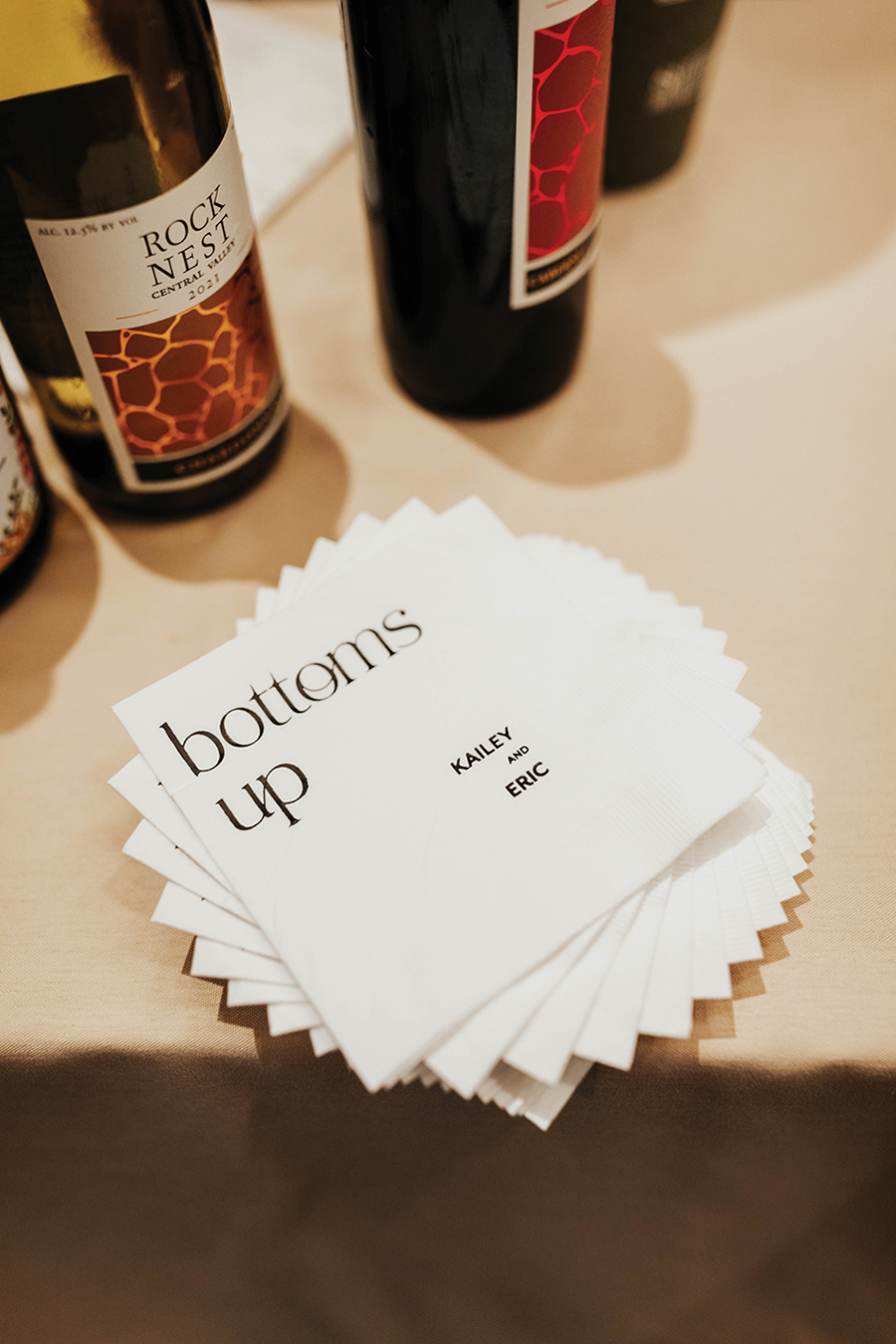
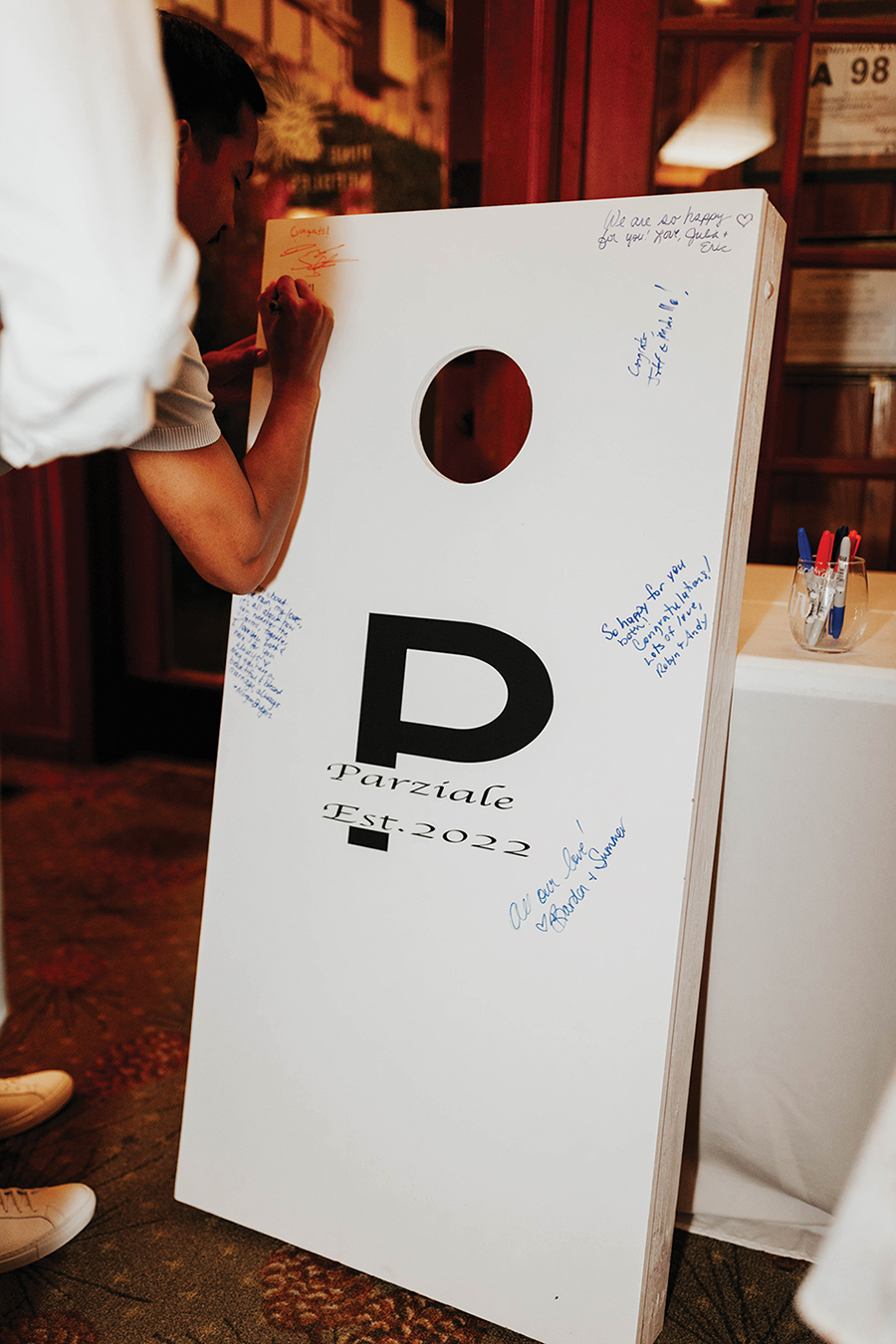
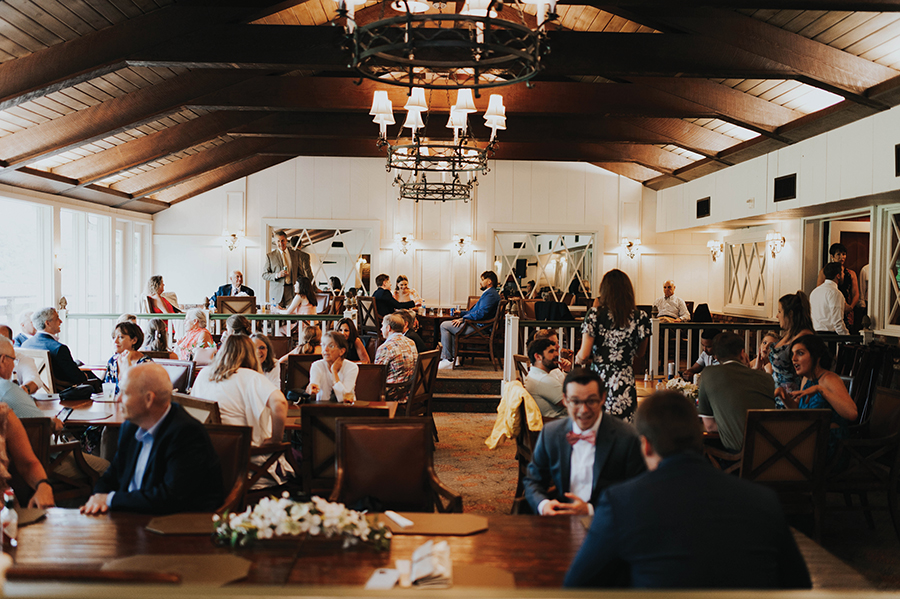
Living on the 18th hole of Pine Needles Golf Club, the Pinehurst natives had a special connection to their wedding venue. An outdoor reception was planned, but Mother Nature intervened. Unexpected rain forced the party inside to the club’s dining room, but the queso fountain and taco bar kept the bride and groom and all their guests cheesing the night away.

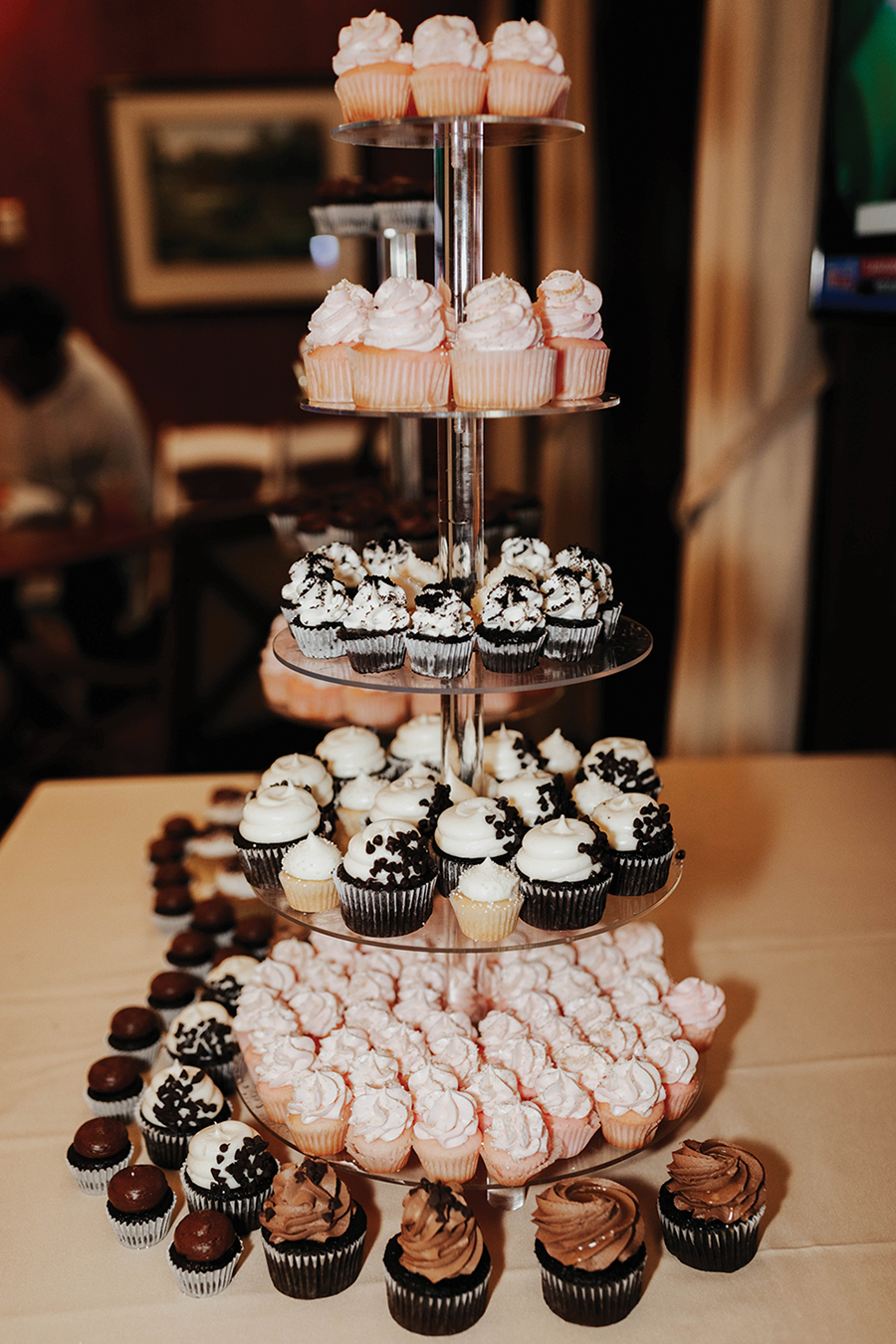
Ceremony & Reception: Pine Needles Lodge & Golf Club | Dress: Jenny Yoo | Shoes: Cecelia New York | Hair & Makeup: Chelsea Regan Makeup + Hair | Bridesmaids: BHLDN | Groom & Groomsmen: JoS. A. Bank | Flowers: Jack Hadden Floral & Event Design | Cake: C.Cups Cupcakery | Catering: Pine Needles Lodge & Golf Club | Rentals: Ward Productions | Invitations & Programs: Zola

Almanac

Watermelon — it’s a good fruit. You eat, you drink, you wash your face. — Enrico Caruso


July is the great melon harvest, a bellyful of sweetness, the mother lode of summer.

In the sun-soaked garden, swollen fruit ripens on tangled vines. A green-striped wonder steals the show. One hundred days ago, when the Earth was newly soft, a flat, dark seed journeyed from palm to soil — a token from last summer. A tiny stem rose from the dirt. Leaves emerged. Vines ran in all directions. After an explosion of tiny yellow flowers: an explosion of tiny green fruits.

Today, a whopper.

The watermelon tells you when it’s ready. Sort of sings out, sending a signal through its smooth, thick rind. You give it a thwack, close your eyes and listen. The sound is rich and resonant — pitch perfect — like the beat of a primal drum.

The tendril closest to the fruit is shriveled and brown, just as it should be. And when you roll the melon over, another telltale sign: the yellow field spot on its underside.

Its aroma is the final giveaway. Not too strong. But even through the rind, the sweetness is undeniable.

You gently twist the melon from the stem, carry it in your arms like a sacred offering. Everyone knows that a watermelon isn’t just a watermelon. It’s an entire cosmos, the culmination of summer. Inside, a vibrant pink world is studded with hundreds of tiny black seeds. When you sink your teeth into that half-moon slice, the flavor hits you at once. You taste spring rains and summer days; bee tongue and butterfly kisses; the nectar of the journey and the freshness of the right-now.

As pink rivulets run down your chin and fingers, you want for nothing more. Because in this moment — wet, sticky and sweet — summer is everything.


All Ears, Baby

Nothing says Fourth of July like bread and butter pickles. Blueberry picking. Watermelon ice cream. And did someone mention sweet corn?

Platinum Lady or Bodacious?

Regardless, fresh is best.

Make shucking a family thing (the kids still think it’s fun).

Bring out the salt and pepper. Loads of butter. And if you’re the one behind the grill, you can’t go wrong with pure and simple. The best memories always are.


Super Buck Moon

Native Americans called this month’s moon the Buck Moon since male deer antlers, which were velvety nubs back in the spring, have reached full maturation by July. Also called the Thunder Moon and the Hay Moon, this month’s full moon rises on Wednesday, July 13 — the second and final super moon of the year. No matter what you call it, you can expect totally dreamy. PS

Bookshelf

July Books

FICTION

The Ruins, by Phoebe Wynne
If you are in need of a riveting Gothic novel set on the dazzling French coast, this is your next read. A group of abhorrent, self-absorbed British school chums gather at a French chateau with spouses and children in tow. As old secrets surface and bad behaviors erupt, the neglected children suffer until it all comes to a cataclysmic end. This is an intense, white-knuckle trip of a story you won’t soon forget.
Fellowship Point, by Alice Elliott Darkb
Celebrated children’s book author Agnes Lee is determined to secure her legacy — to complete what she knows will be the final volume of her pseudonymously written Franklin Square novels; and even more consuming, to permanently protect the majestic peninsula in Maine known as Fellowship Point. To donate the land to a trust, Agnes must convince shareholders to dissolve a generations-old partnership. And one of those shareholders is her best friend, Polly Wister. Fellowship Point is the masterful story of a lifelong friendship between two very different women with shared histories and buried secrets, tested in the twilight of their lives, set across the arc of the 20th century.

Tomorrow, and Tomorrow, and Tomorrow, by Gabrielle Zevin
On a bitter cold day, in the December of his junior year at Harvard, Sam Masur exits a subway car and sees, amid the hordes of people waiting on the platform, Sadie Green. He calls her name. For a moment, she pretends she hasn’t heard him, but then, she turns, and a game begins: a legendary collaboration that will launch them to stardom. These friends, intimates since childhood, borrow money, beg favors and, before even graduating college, they have created their first blockbuster, Ichigo. Overnight, the world is theirs. Not even 25 years old, Sam and Sadie are brilliant, successful and rich, but these qualities won’t protect them from their own creative ambitions or the betrayals of their hearts. Spanning 30 years, Tomorrow, and Tomorrow, and Tomorrow is a dazzling and intricately imagined novel that examines the multifarious nature of identity, disability, failure, the redemptive possibilities in play, and above all, our need to connect.


The Poet’s House, by Jean Thompson
Carla is in her 20s, working for a landscaper, lacking confidence, still unsure what direction her life will take. Viridian is a lauded and lovely aging poet whose reputation has been defined by her infamous affair with a famous male poet, Mathias, many years earlier. When Carla is hired to work at Viridian’s house, she is perplexed by this community of writers: their tendency to recite lines in conversation, the stories of their many liaisons, their endless wine-soaked nights. And still she becomes enamored with Viridian and her whole circle, and especially with the power of words, the “ache and hunger that can both be awakened and soothed by a poem,” a hunger that Carla feels sharply at this stagnating moment in her young life. Thompson’s novel is at once delightfully funny and wise, an unforgettable story about a young woman who discovers the insular world of writers.


Calling for a Blanket Dance, by Oscar Hokeah
Told in a series of voices, Calling for a Blanket Dance is a moving and deeply engaging debut novel about a young Native American man finding strength in his familial identity. It takes us into the life of Ever Geimausaddle through the multigenerational perspectives of his family — his father’s injury at the hands of corrupt police; his mother’s struggle to hold on to her job and care for her husband; the constant resettlement of the family; and, the legacy of centuries of injustice. Ever must take the strength given to him by his relatives to save not only himself but also the next generation of family in this honest, heartbreaking and ultimately uplifting story.


CHILDREN’S BOOKS

The World’s Longest Licorice Rope, by Matt Myers

The best picture books are the ones that make readers giggle, inspire curiosity and elicit a genuine hmmmmm? The World’s Longest Licorice Rope does all three. Join us Tuesday, July 26, at 4 p.m. at The Country Bookshop to celebrate the book’s birthday. There will be snacks and a surprise ending. Tickets are available at https://ticketmesandhills.com/events/myers-madness-7-26-2022. (Ages 4-8.)


First Words USA

From the redwood forests to the Gulf stream waters, this book was made for you and me! Celebrate America’s birthday with this fun first words book featuring all things USA.  (Ages birth-2.)


I Just Want to Say Goodnight, by Rachel Isadora

With monkeys, chickens, goats and ants, this one is anything but the typical going-to-bed book. You’ll fall in love with the clever and charming LaLa and may not mind reading this one again and again and again. (Ages 1-3.)


The Pet Potato, by Josh Lacey

Pets come in all sizes and colors and shapes. In Albert’s case, the shape is, well, a potato! This fun read-aloud is perfect for any family considering bringing a new pet into the home — even if it is a vegetable. (Ages 4-7.)


Wild Horses, by Melissa Marr

Chestnut, gray, bay. You’ll fall in love with horses of every color in this stunning real-picture picture book just perfect for any young horse lover. (Ages 4-8.)


See You Someday Soon, by Pat Zietlow Miller

So many of the ones we love are so very far away. This sweet story with retro illustrations will help keep those faraway friends and family close at heart. (Ages 3-7.)  PS

Compiled by Angie Tally and Kimberly Daniels Taws

Hometown

Beach Dreams

Catching a wave and a sno-cone

By Bill Fields

The town where I have lived for a long time has lovely public beaches on Long Island Sound. I’m grateful to get a sticker for my car each spring and have access to them. There have been plenty of peaceful, breezy afternoons by the water, and notwithstanding the $75 ticket for parking in a fire lane — the signage wasn’t clear — it is an upside of residing in Connecticut.

That said, these beaches are not “the beach” that I and many of my contemporaries knew growing up. For our family it meant a week away if money wasn’t tight, a long weekend if it was. Our destination for vacation was usually Ocean Drive, with a Cherry Grove or a Windy Hill thrown in every couple of years, all the rental cottages or motels being in the same flip-flop shop region known for a long time now as North Myrtle Beach.

The anticipation of these summer trips can’t be overstated, for they were Christmas without the presents, the journey itself being the gift. If I could relive those days, I wouldn’t change much except sparing my father the annual request to drive all the way to the Gay Dolphin in Myrtle Beach one night during our stay so I could empty my change purse on a plastic shark or rubber gator.

Looking back, Dad had the right idea in floating on his back just beyond the breakers, oblivious to my mother’s worries that he was out too far. We kept closer to shore, always wondering if the wave-riding would be superior with one of the rental rafts than our flimsy dime-store model.

Overall, though, there was about as much envy as sand-free sheets. I got to eat corn dogs and sno-cones and drink all the soft drinks that I wanted. For a year or two I was obsessed with a brand that wasn’t sold in the Sandhills, Topp Cola, and urged Mom and Dad to pick up a supply when they went shopping at the Red & White upon arriving in Ocean Drive.

The culinary highlight every year was dinner — we called it supper — at Hoskins, the seafood restaurant in Ocean Drive that had opened in the late-1940s. The flounder, shrimp and oysters fried there were light and tasty. The hushpuppies were sublime, not as dense as the ones I cranked out on my weekend shifts in the kitchen at Russell’s Fish House. The air conditioning felt great after a day in the sun.

Hoskins was just two blocks from the best place we stayed at the beach, a house owned by Leland and Marquita Daniels. It had a large screened-in area in the middle with bedrooms on one side, and a kitchen and living room on the other. If, after eating at Hoskins, we didn’t go back there for cards or board games, it meant that I had gotten my way and our gang was going to play miniature golf. (I still have a wooden nickel from Jungle Golf on Highway 17 that I sometimes use for a ball marker.)

Most days I would already have gotten in plenty of practice at the Putt-Putt in Ocean Drive, then located right on the oceanfront. For a couple of bucks, you could putt all you wanted until 5 p.m., nirvana for someone whose town didn’t have miniature golf. Years later, I discovered that one of the kids who was spending hours at that same Putt-Putt location around that time was Rick Baird, who in 2011 became one of the rare few to ever ace all 18 holes in a round of Putt-Putt. Our family beach mini-golf games amid the faux tigers and lions were for bragging rights and, for this budding golf nerd, a highlight of the trip, even if I didn’t develop into a world-class putter.

When the car was packed and we were heading away from the ocean, another beach trip over, it felt like watching one of those colored golf balls disappearing down the chute on the 18th hole. For a year, I’d have to put a shell to my ear and listen. PS

Southern Pines native Bill Fields, who writes about golf and other things, moved north in 1986 but hasn’t lost his accent.