The Omnivorous Reader

Change of Place

How the king of the legal thriller became an adopted son of Carolina


By D.G. Martin

When John Grisham’s latest novel, Camino Island, hit bookstore shelves in June, it immediately rose to number one on The New York Times best-seller list and stayed there for weeks.

No surprise there. That is what John Grisham’s books do.

But Camino Island is different from most of Grisham’s previous 30 novels. It is not his usual legal thriller in which crimes and mystery intersect with the lives of lawyers and judges.  Lawyers make only cameo appearances in the new book.

Instead, the action is set in the literary world — the world of writing, publishing and selling books. There is also a literary underworld of criminals who steal and sell valuable manuscripts. Grisham still gives us a crime story. But this time writers, readers and booksellers, as well as thieves, take center stage. 

One of the book’s central characters gives it a strong North Carolina connection. Mercer Mann, a writing instructor at UNC-Chapel Hill, is losing her job. She suffers writer’s block as she tries to complete her second novel to follow up her first mildly successful one. Carrying a burden of tens of thousands of dollars in student debt, she is at loose ends. Her desperate situation and some other personal connections make her a prime target to be recruited for an undercover assignment to help recover a stash of valuable stolen papers.

Earlier, a group of clever thieves has broken into the Princeton University library and walked away with the original manuscripts of The Great Gatsby and four other novels written by F. Scott Fitzgerald. The papers were insured for $25 million. The insurance company suspects that Bruce Cable, a rare book dealer and bookstore owner, has possession of the Fitzgerald papers. He is the center of a group of writers, fans and book collectors on Camino Island, a small resort community near Jacksonville, Florida.

Somehow investigators for the insurance company learn that Mercer’s grandparents had lived on Camino Island, that their house is still in the family, and that Mercer has been a frequent visitor. The company sends the case’s lead investigator, Elaine Shelby, to Chapel Hill to recruit Mercer. She wants Mercer to go to Camino Island, where she can infiltrate Bruce’s group, make friends with him, and try to learn whether he has the Fitzgerald papers.

In Chapel Hill, Elaine wines and dines Mercer at Spanky’s and the Lantern restaurants, two of the town’s favorites, and, incidentally, not far from the house where Grisham and his wife, Renee, live when they visit their daughter and her family, who live in Raleigh.

Mercer is a reluctant recruit, but Elaine is persistent and persuasive. Elaine’s promise to pay Mercer’s student debt is a clincher. She tells Elaine, “I have sixty-one thousand dollars in student debt that I can’t get rid of. It’s a burden that consumes every waking hour and it’s making me crazy.”

Elaine promises, “We’ll take care of the student loans.” Plus, she offers another $100,000.

Later, when Mercer has doubts, Elaine continues to persuade, “You’re a writer living at the beach for a few months in the family cottage. You’re hard at work on a novel. It’s the perfect story, Mercer, because it’s true. And you have the perfect personality because you’re genuine. If we needed a con artist we wouldn’t be talking right now.”

Sure enough, Mercer becomes part of the group of writers who gather around Bruce and his bookstore. Some of them, Mercer discovers, “are seasoned raconteurs with an endless supply of stories and quips and one-liners. Others are reclusive and introverted souls who labor in their solitary worlds and struggle to mix and mingle.”

As she mingles and mixes, she learns that the popular authors whose books have sold well “longed for critical acclaim, while the literary ones . . . longed for greater royalties.”

Getting to know the writers leads to Mercer getting to know Bruce, the smart and charming owner of Bay Books. He owns a dozen seersucker suits and wears a different color each day. He has persuaded 100 customers to collect signed first editions and to put in a standing order to buy signed copies of the latest book by every visiting author. Bay Books makes big money on the sales, and those sales attract book tour visits by America’s most popular authors.

Bruce does well as an independent bookseller. He does even better collecting and selling rare books and signed first editions.

Is he also making even more money dealing in the dark world of stolen books and papers?

Mercer’s assignment is to get to know Bruce well enough to learn whether he has possession of Princeton’s Fitzgerald papers. By courting and charming him, she ultimately finds the answer.

Meanwhile, he is courting and charming her, too. While she is finding out about his dark world, he prepares defenses to turn the tables on her and the investigators’ plot to prove that Bruce has his hands on the Fitzgerald papers.

So, as the story moves toward an expected ending, Grisham does his usual. He twists the expected into a set of cascading surprises that will fool, entertain and delight his readers, just as he does in his legal thrillers.

Is there more than an entertaining story here? Does Grisham, for instance, want to highlight our country’s growing problem with the student debt that is affecting so many young Americans? He says not. The student debt burden on Mercer, he says, is just a small plot point in the Camino Island story. But, according to Grisham, his next legal thriller, coming out in October, will have overwhelming student debt as a central feature of the new novel’s plot.

North Carolinians love their authors. They love for North Carolina authors to have the kind of success Grisham enjoys. Some North Carolina Grisham fans argue that his growing connections to our state give us grounds to say that he is one of us.

Grisham himself says his farm near Charlottesville, Virginia, is his home and that he is very happy there.

However, his North Carolina contacts are substantial. In addition to his house in Chapel Hill, his daughter’s family in Raleigh, and the Chapel Hill scenes in the latest book, he is a Carolina basketball fan. Grisham and popular television host Charlie Rose have an ongoing $100 bet on every Carolina-Duke basketball game.  Rose supports his alma mater, Duke. Grisham bets on Carolina.

On his recent book tour to promote Camino Island, he made only 11 stops. Four were in North Carolina, twice as many as in any other state. Along the way he invited other North Carolina literary giants — Randall Kenan, Jill McCorkle, John Hart, Ron Rash, Wiley Cash and Clyde Edgerton — to discuss their work.

Even if Grisham and his wife are still proud Virginians, we can declare them honorary North Carolinians.

Grisham dedicated Camino Island to Renee. He gives her credit for helping develop the new book’s plot as they were driving to Florida for vacation. They collect rare books and signed first editions. When they heard a radio report about a stolen rare book, they were off and running and had the outline of the book developed before they got out of the car.

I bet they were driving through North Carolina when the idea hit.

John Grisham’s Do’s and Don’ts for Writing Popular Fiction*

1. DO — WRITE A PAGE EVERY DAY

That’s about 200 words, or 1,000 words a week. Do that for two years and you’ll have a novel that’s long enough. Nothing will happen until you are producing at least one page per day.

2. DON’T — WRITE THE FIRST SCENE UNTIL YOU KNOW THE LAST

This necessitates the use of a dreaded device commonly called an outline. Virtually all writers hate that word. I have yet to meet one who admits to using an outline. Plotting takes careful planning. Writers waste years pursuing stories that eventually don’t work.

3. DO — WRITE YOUR ONE PAGE EACH DAY AT THE SAME PLACE AND TIME

Early morning, lunch break, on the train, late at night — it doesn’t matter. Find the extra hour, go to the same place, shut the door. No exceptions, no excuses.

4. DON’T — WRITE A PROLOGUE

Prologues are usually gimmicks to hook the reader. Avoid them. Plan your story (see No. 2) and start with Chapter 1.

5. DO — USE QUOTATION MARKS WITH DIALOGUE

Please do this. It’s rather basic.

6. DON’T — KEEP A THESAURUS WITHIN REACHING DISTANCE

I know, I know, there’s one at your fingertips.

There are three types of words: (1) words we know; (2) words we should know; (3) words nobody knows. Forget those in the third category and use restraint with those in the second.

A common mistake by fledgling authors is using jaw-breaking vocabulary. It’s frustrating and phony.

7. DO — READ EACH SENTENCE AT LEAST THREE TIMES IN SEARCH OF WORDS TO CUT

Most writers use too many words, and why not? We have unlimited space and few constraints.

8. DON’T — INTRODUCE 20 CHARACTERS IN THE FIRST CHAPTER

Another rookie mistake. Your readers are eager to get started. Don’t bombard them with a barrage of names from four generations of the same family. Five names are enough to get started.

*Shared first in The New York Times, May 31, 2017. PS

D.G. Martin hosts North Carolina Bookwatch, which airs Sundays at noon and Thursdays at 5 p.m. on UNC-TV.

Good Natured

Quenching a Thirst

Hibiscus tea’s multiple benefits


By Karen Frye

In the midst of the summer heat we seek ways to cool off a bit. Often nothing hits the spot like a glass of iced tea. We have been consuming tea for centuries. Much to one’s surprise there exists a lovely tea made from flowers of the specific species of the hibiscus plant hibiscus sabdariffa. The plant originates in Africa. Hibiscus has a deep red color (reminds me of Kool-Aid) and the scent is berry-like. On the palate, tart cranberry dominates your taste buds. Hibiscus is caffeine-free and delicious on its own, hot or cold. It combines well with a little honey for sweetness, or add a splash of your favorite juice or sparkling water.

The medicinal benefit of hibiscus tea is amazing. Some nutritionists believe drinking hibiscus tea on a regular basis may help reduce blood pressure. Participants in a 2008 study of 65 subjects presented to the American Medical Association averaged a reduction of 7 points in systolic pressure. Hibiscus also contains enzymes that can aid in the digestion of food. Drinking a cup of hibiscus tea before a meal may help reduce the absorption of carbs and sugars and assist in losing weight. In addition to blocking sugar absorption, the tea has cleansing and anti-bloating properties and is high in vitamin C.

Hibiscus is enjoyed as a food around the world in various ways. Sometimes it’s candied and used in desserts. In Mexico, it is used in savory and sweet dishes, salsas, enchiladas, and quesadillas.

Basic Hibiscus Tea

Add 1/4 cup of dried hibiscus flowers to 4 cups of pure water (cold or room temperature is fine) in a large jar. Cover and set in the refrigerator overnight. Strain and add honey to taste. Use mint leaves or a squeeze of lime for additional flavor.

Hibiscus Tea Blend

4 cups boiling water

4 teaspoons dried hibiscus flowers

1 teaspoon dried mint

1 vanilla bean

3 cloves

1 cinnamon stick

Pour water over all the ingredients. Steep for 10 minutes, strain. Add local honey for sweetness.

You can find hibiscus flowers in bulk or tea bags at Nature’s Own along with tea ready-to-drink at the juice bar, in addition to hibiscus soda on draft. PS

Karen Frye is the owner and founder of Natures Own and teaches yoga at the Bikram Yoga Studio.

simple life

Notes From a Firefly Summer

A message from tiny lights shining in the darkness


By Jim Dodson

Early one morning back in late June — the eve of the summer solstice, as it happened — while I was making coffee in the kitchen before sunrise, I heard a small sound of an animal in distress. I stepped out to our carport and found a baby rabbit lying on his back, his feet lightly kicking, as he looked up at me.

I gently scooped up the little fella, wondering how he’d gotten into such a fix. But then it came to me.

He’d been brought home by one Boo Radley, our young tiger cat who was at present missing his collar and bell. This explained everything. Wearing his bell, Boo Radley is a fairly harmless dude on the prowl. Without it, a feline serial killer and menace to small creatures everywhere. He’d been roaming free for a full week without his collar and bell, which also explained the dead yellow finch I’d found on the stone path beneath the feeder out back and buried in the primroses.

Fortunately the tiny rabbit’s injuries appeared slight. As I carried him across the street to a wild area in my neighbor’s yard where lots of rabbits congregate in the evening, I thought about a couple of books about rabbits that helped to shape my view of life.

The first was Beatrix Potter’s The Tale of Peter Rabbit, which I still own a copy of, given to me by my mother at a very early age, along with Kenneth Grahame’s The Wind in the Willows. These were the first two chapter books I’d read during the solitary summer days in the small Southern town where my father worked for the newspaper.   

Before I set him down in the tall grass, I gently massaged the baby rabbit between the ears and gave him the only line from Peter Rabbit that I could recall: “Maybe your mother will put you to bed with some chamomile tea.”

Our neighborhood, which is old and heavily forested, teems with rabbits. We see them in groups on our early morning and evening walks with the dogs. I joke that we actually live in Bunnyland, a vast empire of tunnels and warrens where these small brown herbivores who are either considered a nuisance by gardeners or a sign of ecological harmony by tree huggers — and I am both things, by the way — reside in a world of their own, coming out at the corners of the day to munch on clover and grass and any fool’s unfenced veggie patch. Most are so tame you can walk within a few feet of them. 

I freely admit having a soft spot for rabbits, probably because of Peter Rabbit but also because the first living creature I intentionally killed was a rabbit, which I shot one cold afternoon while hunting with my father on Henry Tucker’s farm in the hills west of town. I was 12 or 13. It was late on New Year’s Day. The rabbit stood up as we approached across the stubble of a harvested cornfield, erect as a Presbyterian elder. It was my first hunt. Several young rabbits scampered away in terror but the old rabbit stood his ground on his haunches watching us approach. I leveled my 20-gauge and pulled the trigger without a second thought.

My dad made me take the rabbit home to skin and cook, pointing out his belief that it would be a crime not to honor the rabbit’s life by wasting his flesh. I ate as much of it as I could bear, thinking how, just hours before, this handsome elder of the rabbit race had been out for his last New Year’s walk. Off and on, I dreamed about that rabbit for years.

And I never hunted again.

But I soon learned much more about guns and the brevity of life. When I was 21, my girlfriend was murdered by a 15-year-old kid with a handgun during a botched robbery of a country club in the mountains. Within a few years I was a staffer for the biggest news magazine in the South, covering Atlanta’s record crime wave, interviewing grieving families and coaching a mixed-race baseball team in a city where someone was killing young black kids and tossing their bodies into the Chattahoochee River. The kids on my team and their parents were terrified that they might be next, which is why I drove them home to the federal housing project after practices and games.

During this dark passage of life, I also covered victims of a shooting war on the Texas border with Mexico for a national church magazine, went undercover at a notorious Tennessee game preserve, interviewed convicted murderers, rode with homicide cops, traveled with armed Klansmen and watched a dozen autopsies. One hot August night while walking my dog down our leafy and quiet street in Midtown, I even saw my neighbor shot dead on his porch during a late-night robbery. He was an Emory med student whose promising life went out like a porch light. He died as his hysterical girlfriend and I waited for the emergency medical technicians to arrive. 

Somewhere about that time, I read Richard Adams’s leporine masterpiece Watership Down and decided I’d had enough killing. Days after I turned 30, I pulled up stakes and moved to the banks of a green river in southern Vermont where I rented a small cabin heated by firewood that I split by hand. There, I taught myself to fly fish, procured a pup from the local Humane Society, resumed playing golf and read every book I’d ever meant to read including Watership Down for a second — maybe even a third — time. It became my favorite book.

On summer evenings in the wildflower meadow just outside my cabin door, I’d sit until well after dark watching fireflies dance and rabbits feed. Sometimes the rabbits came right up to my doorstep. Amos the dog was fascinated by them but trained not to give chase. Some grew so unafraid of us they hopped right up to him. I think they thought he might be one very big rabbit.

Years later, when I kept a large flower garden on a hilltop in Maine, I made a silent deal with the rabbits and white-tailed deer that inhabited our forest keep. I planted them a summer garden near a vernal spring at the back of our property, where they fed contentedly through the summer and into the fall. In winter, I trudged out under an Arctic moon to dump 50-pound bags of sorghum on the summer feeding spot. I even made up a fanciful tale about a couple of bumbling black bears called Pete and Charlie who dined in our “Animal Garden,” a tale both my now-grown children vividly recall. Pete and Charlie were part of all our lives, and probably will be for a long time.

Magically — or by random luck — the deer and rabbits never ate my Volkswagen-sized hostas or other tender bedding plants. Ours really was a Peaceable Kingdom.

So what do you suppose is a firefly’s true purpose in this world?

My grandmother, Beatrice Taylor, used to say “lightning bugs” were simply God’s way of reminding us of how brief one’s light shines in this world. She refused to let my brother and me collect them in a jar, citing their fragile dance with mortality.

My own belief is that fireflies are in this world simply to delight and make us pause in a darkening landscape, and remember what childhood felt like, inspiring a true sense of awe over a bug that serenely lights up as it goes its way through the uncertain night. What a living metaphor for how to live your own life.

Whatever else can be said of this firefly summer, regardless of a world beyond the neighborhood and childhood imagination that forever appears to be in danger of coming apart at the seams, it’s been a bountiful season of bunnies and fireflies in our neck of the woods — and kids playing in the dark, too.

The other evening we passed a group of a dozen youngsters of various sizes — toddlers to young teens —  joyfully playing a game my wife and I both loved to play in the long summer dusks of our childhoods. My Southern neighborhood gang called it “Red light, Green Light,” my wife’s Yankee crowd, “Statue.” The name changes but not the basic idea. These kids called their updated version “Night at the Museum.”   

As a central figure shuts eyes and counts out loud, the players attempt to advance “home” without being seen moving when the count is up and the leader’s eyes  suddenly open. Players must freeze like rabbits or statues on the lawn.  As we watched, a tiny barefoot girl was the first to reach “home”, gleefully slapping hands with the older kids.

Just then we heard a mother’s voice calling to her children, another welcome echo of American childhood. Somewhere in the darkness, young Boo Radley was on the prowl again, a world made safer by his new collar and bell. PS

Contact Editor Jim Dodson at jim@thepilot.com.

Laura & Timothy Faircloth

LAURA & TIMOTHY FAIRCLOTH

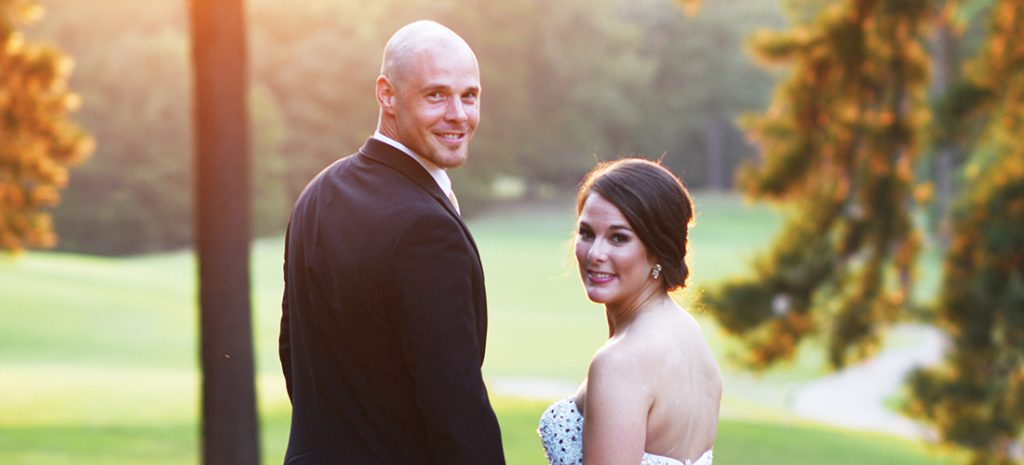
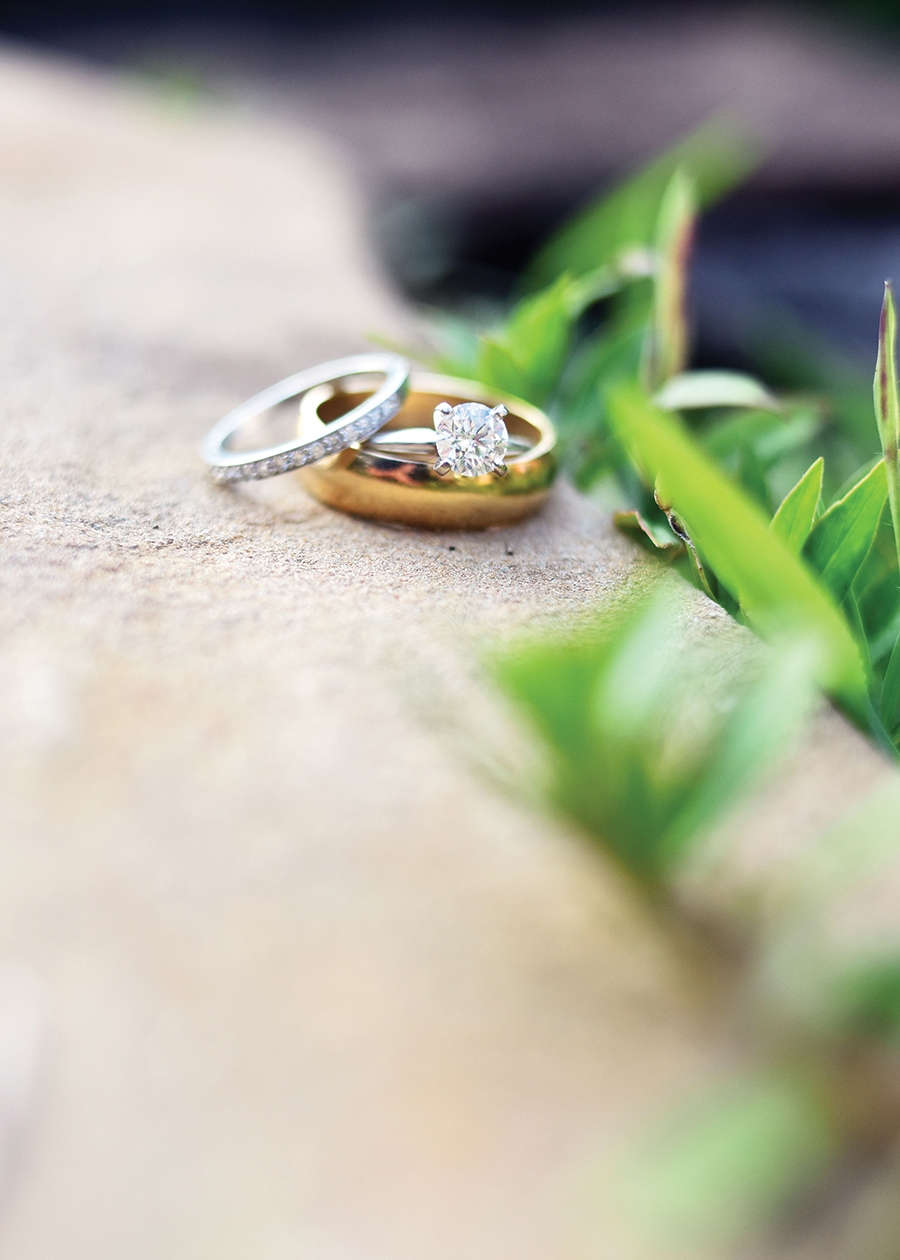
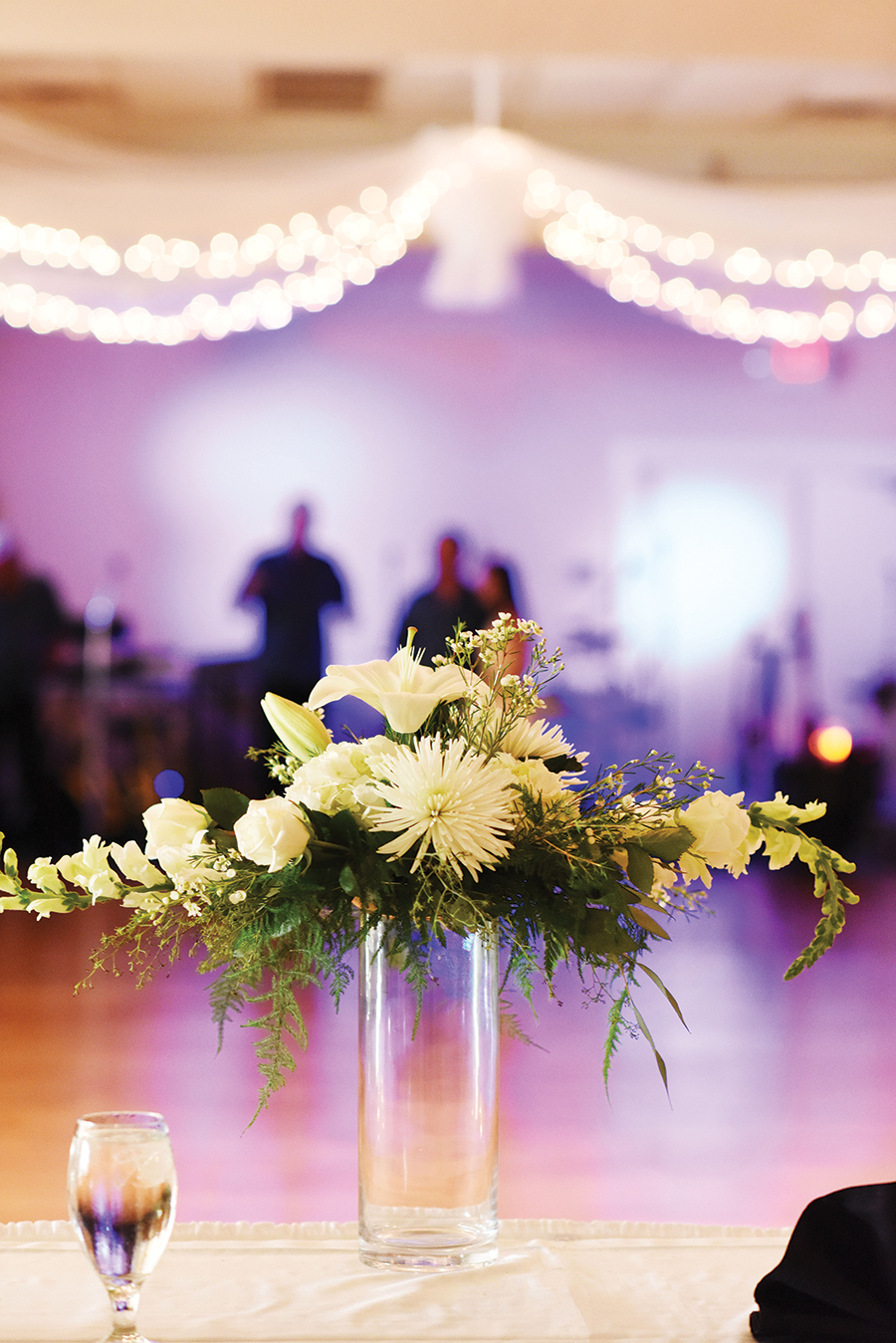
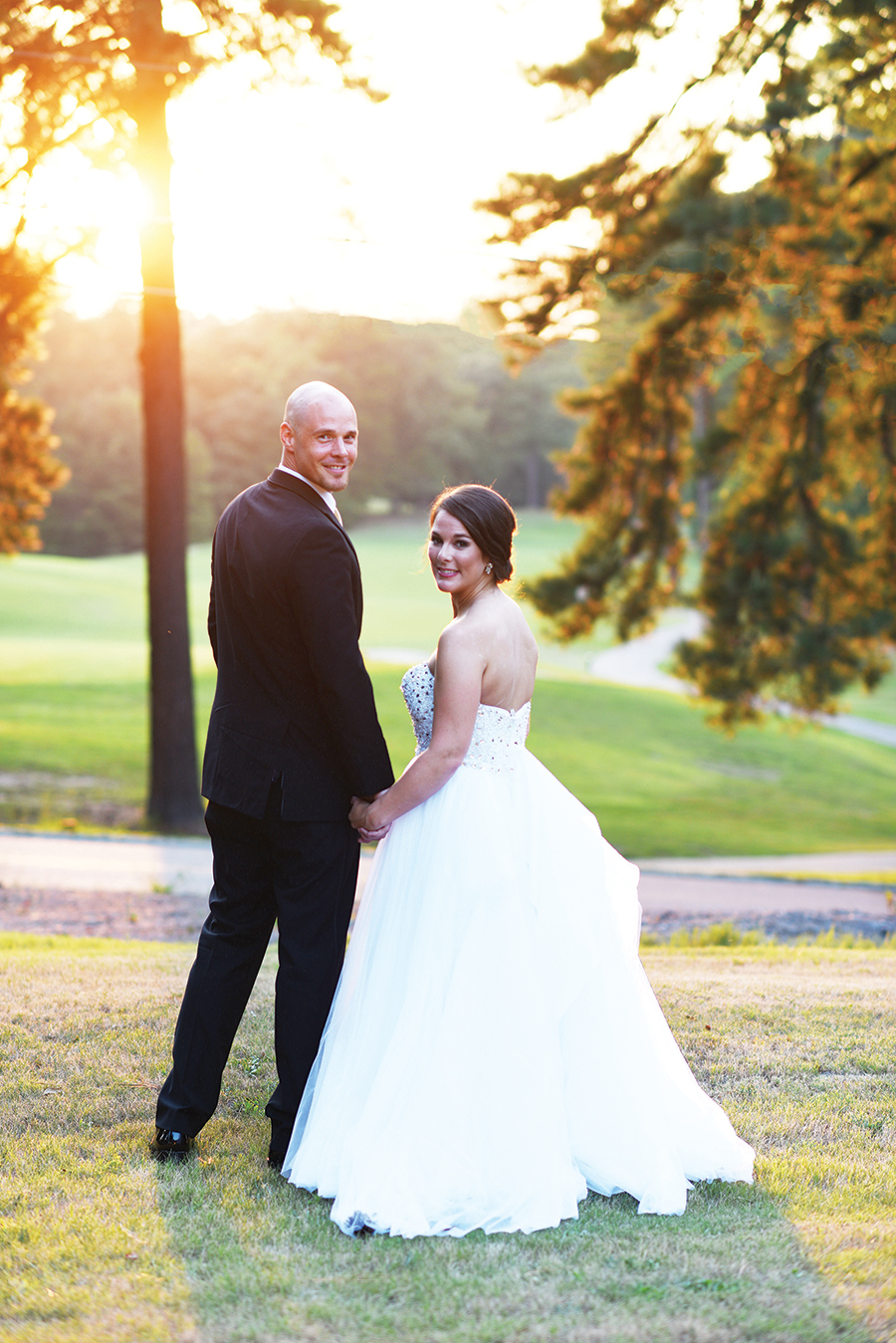
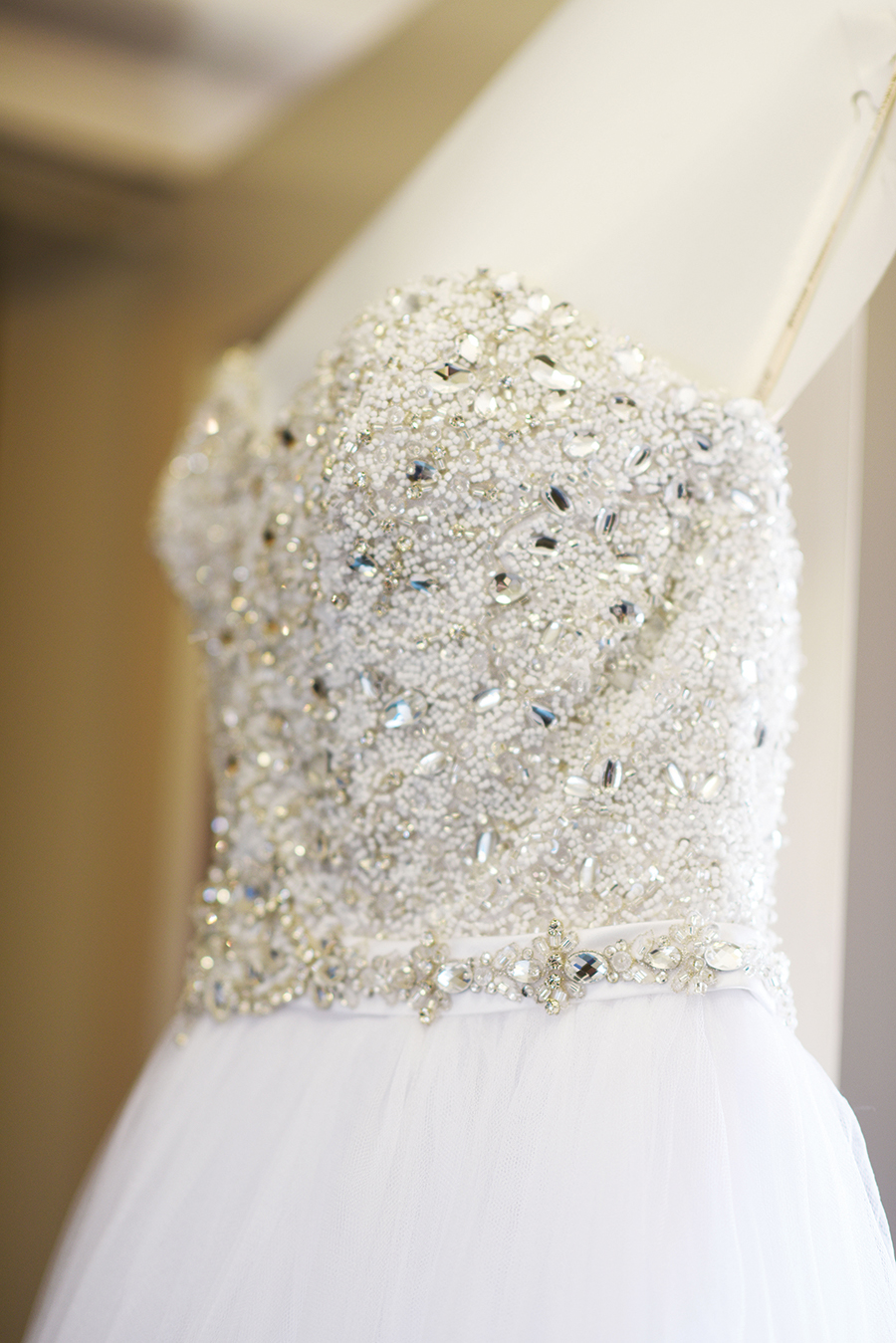
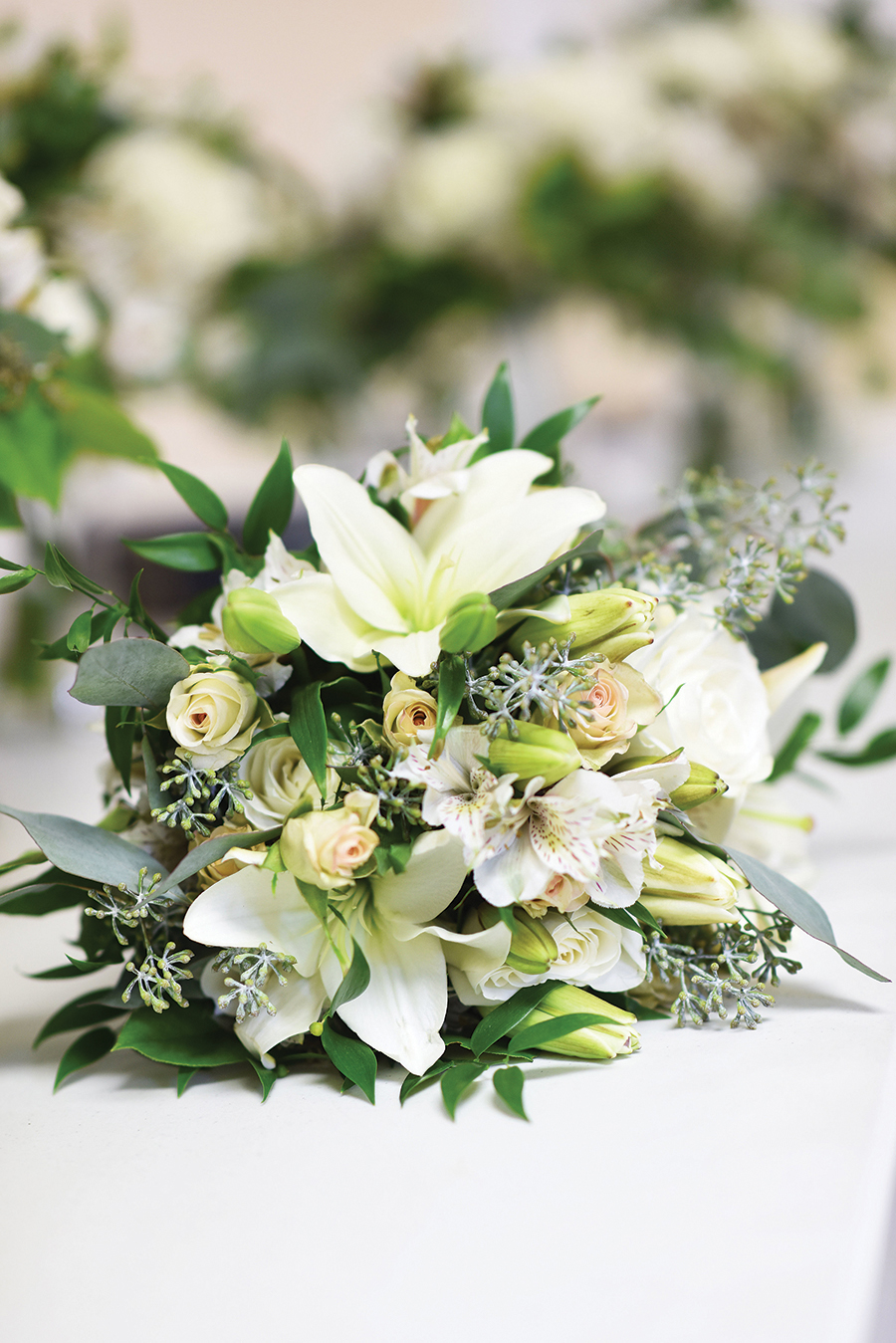
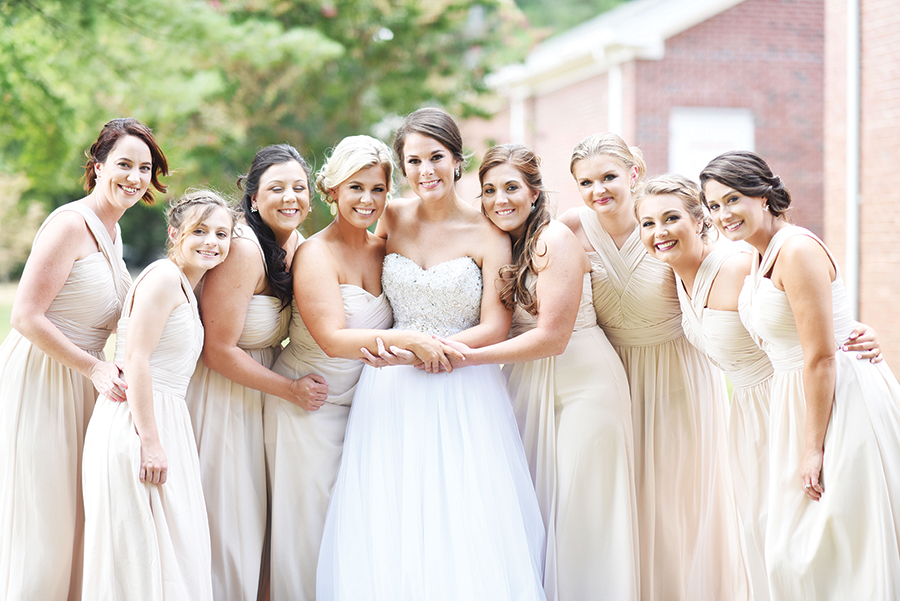
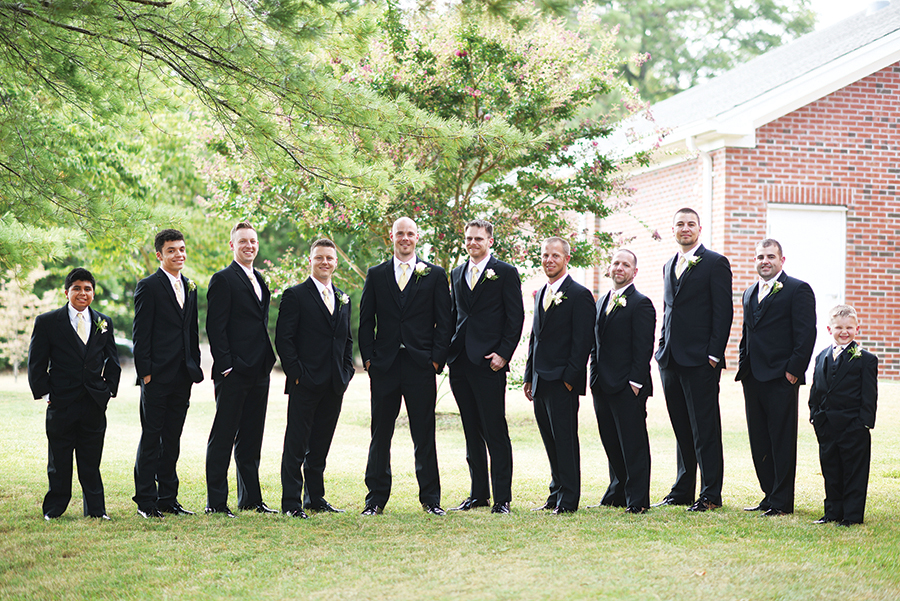
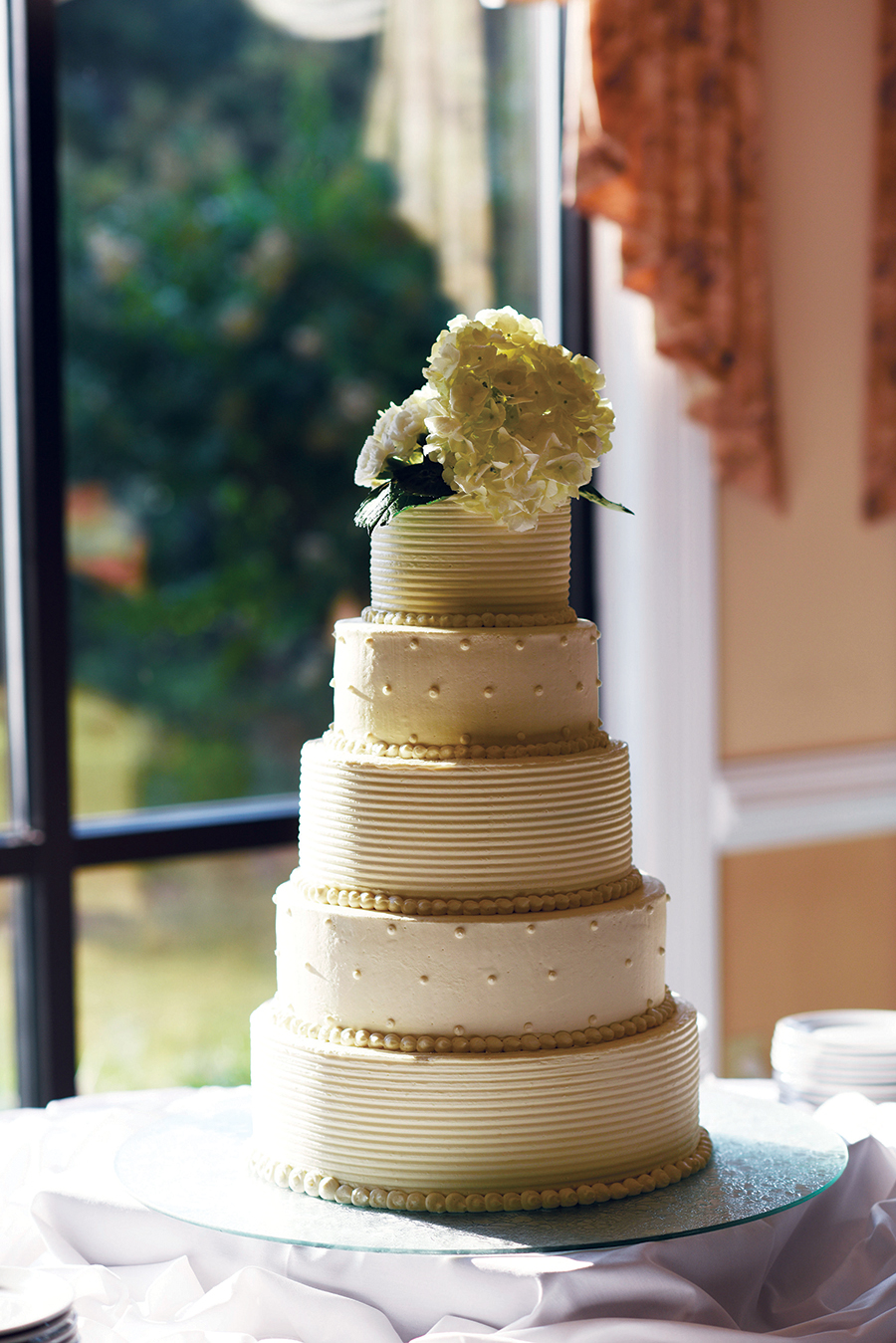
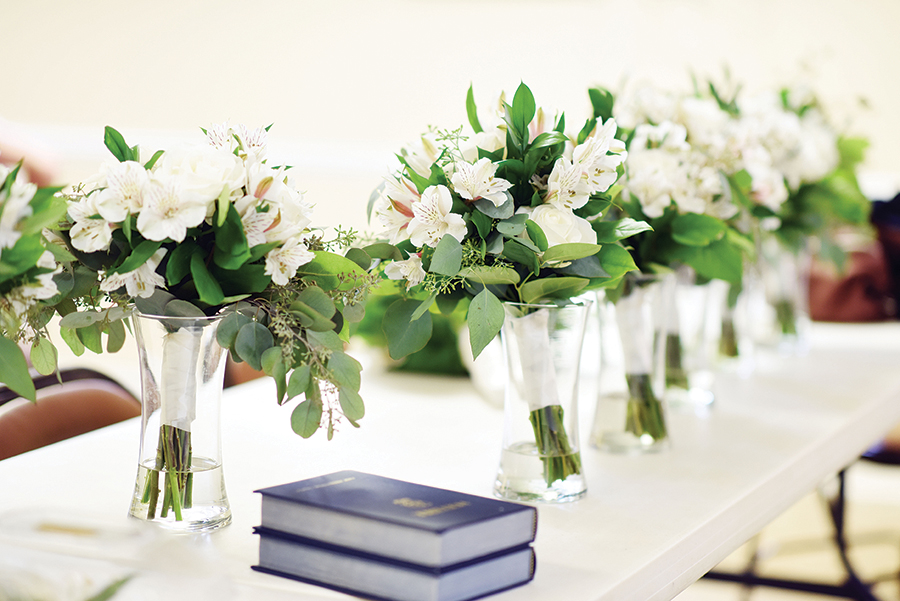
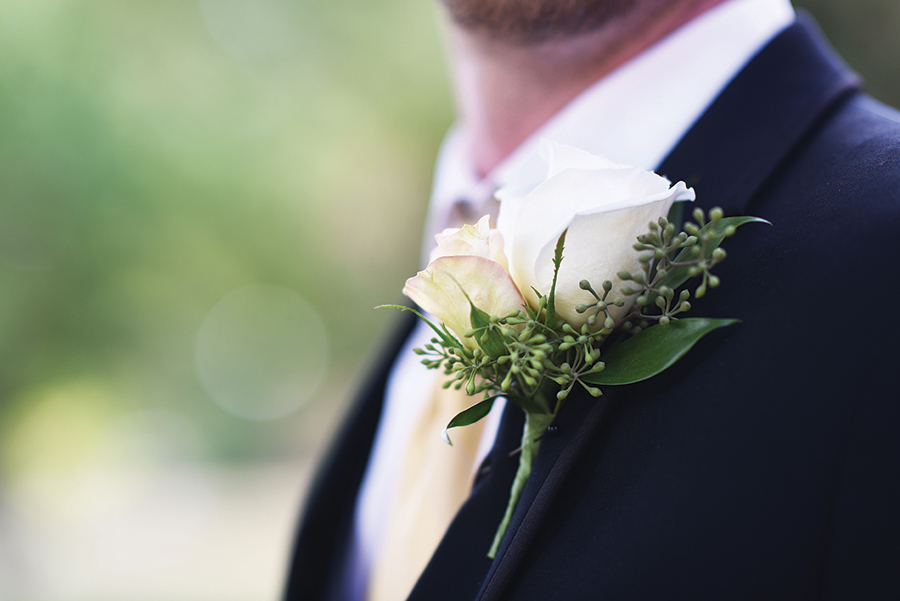
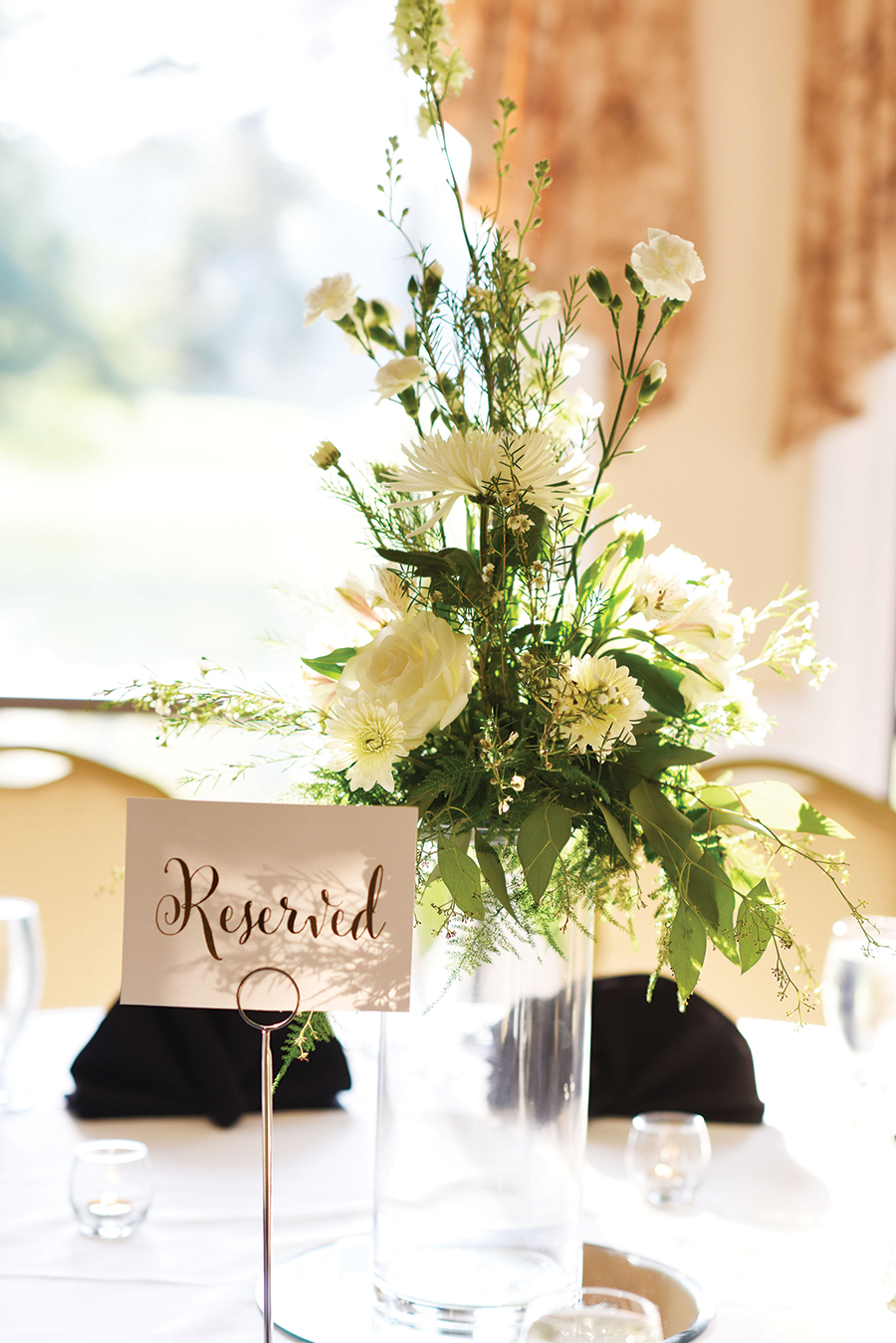
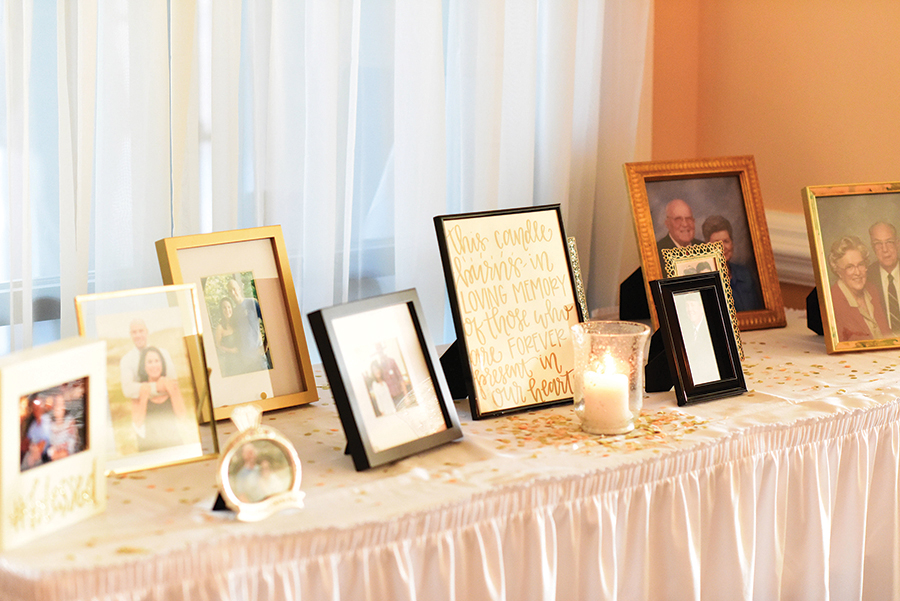
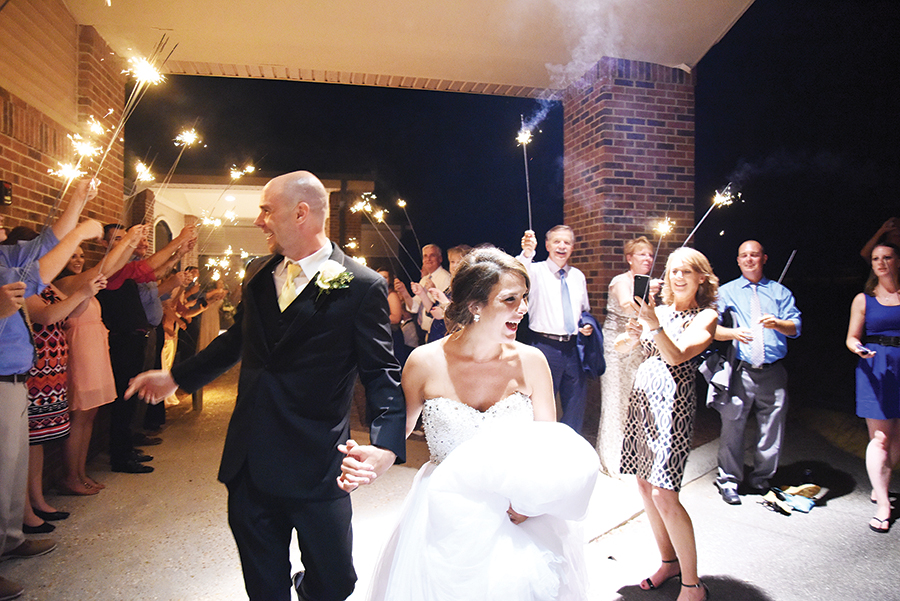
During a short six-month engagement, the Faircloths planned a simple and timeless wedding at First Presbyterian Church of Carthage, the church Laura attended while growing up in Moore County. Tim didn’t have many demands in the process, but did insist the wedding colors be classic black and white rather than the pre-planned navy and champagne. The couple faced the challenge of including every part of their large, blended family in some aspect of the wedding, no matter how small. They made it happen, and spent the night celebrating the marriage and merging of two families.

Photography: Helen Woolard, Visuals by Helen Ceremony: First Presbyterian Church | Reception: Country Club of Whispering Pines | Dress: Maggie Sottero |Wedding Attire: Calvin Klein and Bridal Boutique of NC Shoes & Jewelry: Badgley Mischka, Moon & Lola | Flowers: Floral Designs by Eddie | Hair & Makeup: Zachary Hewett, Fharren Kivett and Alison Hardison of Roots Beauty Shop | Cake: Jimmy Barber | Entertainment: Ella Patrick of Momma Molasses, Leon Monroe, organist Elizabeth William and The Sand Band

The Cake Lady’s Best

By Jim Dodson     Photograph by Mark Wagoner

Before our second official date two decades ago, my wife-to-be Wendy put me to work boxing up wedding cakes.

Please note that I said “cakes.” For there were more than 100 of them — perfect little wedding cakes meant for two, gorgeously decorated confections created for a Bridezilla who believed all guests deserved their own personal wedding cake.

“She saw it in a magazine and went to all the local bakeries but nobody wanted to take on the job,” Wendy explained with a laugh as we set about carefully boxing up the baby bridal cakes. Once they were packaged, they were ferried into the kitchen by various neighbors in her cul-du-sac in Syracuse, N.Y., who’d graciously offered their refrigerators for storing the miniature works of art.

Following the delivery, she even rewarded me for my assistance with a cake that didn’t make the final cut. It was spectacularly good, some kind of buttery white cake with a raspberry filling. The bride, for the record, was over the moon with the diminutive delicacies.

Over dinner later that night, I asked Wendy how she had developed her cake-making chops. She explained that she’d always been the natural baker in her family of three daughters, but really found her footing when Karen, her middle sister (Wendy is the eldest) needed a wedding cake. Wendy offered to make it, expertly copying an elaborate cake fromMartha Stewart’s 1995 bible on nuptials, Weddings.

The cake apparently was a big hit and word quickly circulated. Within a relatively short time Wendy had developed a cottage industry she called The Cake Lady and saw a steady stream of folks wanting cakes for all occasions showing up on her suburban Syracuse doorstep. By then she had deepened her considerable knowledge of cake-making by taking an advanced course in the craft and by devouring every classic and modern book she could find on the subject of making cakes.

One afternoon not long after my serious courtship of her commenced, I breezed into her kitchen and saw a large wicker basket filled with fresh-popped popcorn sitting on her kitchen counter. I blithely grabbed a handful of it, discovering, to my horror and embarrassment, that I was holding a gooey glob of icing. The cake was actually a groom’s cake, meant for a fellow whose favorite snack food was popcorn.

I was caught literally licking my fingers — the icing was excellent — when my own unflappable girlfriend entered the kitchen, took one look at my boneheaded gaffe, laughed it off and got to work repairing the damage. Soon that basket of “popcorn” was as good as new — and I knew without question this gal was the one for me.

Two years later, she made our own stunning wedding cake crowned by a bouquet of beautiful summer flowers for the rowdy lobster bake and reception we threw under a harvest moon on our forested hilltop in Maine. A crowd of 100 was expected. A crowd at least half again that size showed up.

The cake was gone within minutes after we cut the first piece, which I never even got a taste of (only the remnant cake tops saved in the refrigerator), an indication not only of how beautiful Wendy’s cakes typically are but — far more important in her view — how delicious.

Over the next decade, as the schoolteacher, wife and part-time baker made cakes for every sort of occasion for friends, co-workers and relatives — rarely charging anything save for major wedding cakes — I was often pressed into service as the cake delivery man and general factotum.

There were some memorable near disasters — like the three-pedestal all-butter cream wedding cake some mad bride in love with the fountains of Versailles ordered for the hottest summer day in Maine. As it sat in an unair-conditioned alumni house on the Bowdoin College campus, there was an interminable delay during which the butter cream began to melt and the entire back of the cake ran downhill. I received a remarkably calm telephone call from Wendy asking me to bring several of our children’s wood alphabet blocks, a screwdriver and some shims to the alumni house. By the time I got there, she’d managed to somehow recreate the back of the cake and soon stabilized the pedestals with the aforementioned blocks. Talk about grace under fire — or heat wave, as it were.

Then there was the wedding party where, moments after we delivered the cake, the groom’s auntie slapped the bride’s mother and all hell broke loose — almost taking Wendy’s beautiful cake with it.

After that, Wendy more or less hung up her wedding cake apron and concentrated simply on making outstanding cakes for friends and family. In our household, the joke is that mama’s cake tops — the portion sliced off the top of a baked cake to allow a flatter surface for decorating — are works of art in and of themselves and never fail to disappear to the last crumb.

Requests for her cakes always seem to surge at the holidays and in summer, when friends are going away and need something special for family dinners.

These two summer standouts are my favorites: a spectacular coconut cake and a strawberry-whipped cream cake that never fails to set picky brides aswoon.

Like all gifted bakers, the former Cake Lady is happy to share her favorite recipes — especially since her husband no longer has to worry about delivering them.

Coconut Cake

Icing:

6 cups confectioners’ sugar

6 sticks (1/2 cup each) of unsalted butter

1 tablespoon vanilla

1/4 cup coconut milk

Combine all ingredients in the bowl of an electric mixer and beat on high for 10 minutes.

Cake:

2/3 cups of unsalted butter

2 1/2 cups of sifted cake flour

1 2/3 cups of sugar

1 teaspoon salt

3 1/2 teaspoons of baking powder

1 1/4 cups milk

1/2 cup coconut milk

3 eggs

1 teaspoon vanilla

One large bag of unsweetened, grated coconut

Preheat oven to 350 degrees.

Lightly butter and flour the bottom and sides of two 9-inch cake pans (or use Baker’s Joy spray).

In the bowl of an electric mixer, combine the flour, sugar, salt and baking powder. Mix for 30 seconds.

Add the remaining butter and 1/4 cup milk and coconut milk and start beating. While beating, add another 1/2 cup milk.

Add eggs, the remaining 1/2 cup milk and vanilla. Beat 2 minutes longer. Pour equal amounts into each pan and bake 35 to 40 minutes.

Let pans stand for 5 minutes and then remove cakes to cooling racks.

To Assemble:

Set one layer on a cardboard round. Spread one cup of icing on the top of the first layer and generously sprinkle grated unsweetened coconut on top. Place second layer on top and ice the top and sides with the coconut icing. Sprinkle coconut on top and sides of cake, pressing coconut into sides as you go. Serve!

Whipped Cream Strawberry Cake

Icing:

6 cups confectioners’ sugar

6 sticks (1/2 cup each) of unsalted butter

1 tablespoon vanilla

1/4 cup heavy cream

Combine all ingredients in the bowl of an electric mixer and beat on high for 10 minutes.

Remove 1 1/2 cups of icing and beat in 1/3 cup of strawberry purée (recipe below)

Strawberry purée:

2 cups fresh or frozen strawberries (if using frozen store-bought strawberries, use unsweetened)

1 teaspoon sugar

Combine and purée in the bowl of a food processor.

Cake:

2 cups sifted cake flour

1/2 teaspoon salt

3 teaspoons baking powder

3 egg whites

1 cup (1/2 pint) heavy cream

1 1/2 cups sugar

1/2 cup cold water

1 1/2 teaspoons vanilla extract

Preheat oven to 350 degrees. Lightly butter and flour the bottom and sides of two 8-inch cake pans (or use Baker’s Joy spray).

Sift the flour, salt and baking powder together three times and set aside. Beat the egg whites until stiff but not dry. Whip cream until stiff and fold into eggs. Add sugar gradually and mix well, folding in with a rubber spatula. Add dry ingredients alternately with water in small amounts, beginning and ending with the flour mixture. Blend well. Pour equal amounts into the pans and bake until the center is set, about 30–40 minutes. Let cool in pans for 10 minutes and then remove to cooling racks.

To Assemble:

Spread the strawberry icing in the middle. Top with second layer and cover the entire cake with the vanilla frosting. Add decorative boarders on top and bottom. Fill in top with fresh strawberries. Serve with additional strawberry purée on side.  PS

Kings of the Castle

An architect out to conquer the world blazes a trail through Vineland

By Deborah Salomon     Photographs by John Gessner

North Page Street has a certain aura, a whiff of bygone times — a neighborhood apart from elegant Weymouth a few blocks east. The faded houses sit back aways, sheltered by towering magnolias. Even the ones in disrepair appear family-friendly, with wide porches where kids played on rainy days. Residents once strolled down these streets of an evening. Yards twinkled with fireflies, waiting to be caught in Mason jars.

Children skipped up to Broad Street for ice cream.

Back then, time was marked by passing trains. Now, the early summer haze is shattered by hammers and saws wielded by sweating hard-hatters working for Dean King: architect, developer, builder, entrepreneur, businessman, preservationist. A boyish 40, Dean exudes the enthusiasm of a teenager out to conquer the world.

“I want to build for myself. I want to take risks, flip houses, make money,” he says.

Not only does he walk the walk and talk the talk . . . he lives the life. Dean, his beautiful wife, Tori, and adorable children, Levi and Josie, occupy, for now at least, half of a rambling Southern Victorian guest house — Magnolia Lodge — which he bought, tore down to the studs and built back as a duplex, which he will eventually rent, as he does the other half, probably to military families.

Annie Oakley slept here. So did Al Adams, whose mother operated the guest house with nine units beginning in 1936.

“It was a wonderful house to grow up in,” says Al, who lived there from age 4 to 19. He recalls climbing the magnolia tree to eat scuppernong grapes from the arbor — and getting cornered by a wasp. At mealtime, he rang a bell calling boarders, mostly retired Northern ladies, to the table. After dinner, they would play croquet on a court where the garage now stands.

Much as they love millennial transformation, the Kings will move when Dean finishes renovating the rambling classic a few hundred yards away. Tori’s on board; in 11 years they have moved nine times, saving thousands by taking advantage of the two-year tax deferment.

How so, these urban nomads?

Dean grew up in Rockingham. His talents surfaced early. “I was always artistic, liked to build stuff,” meaning a kids’ hideaway and a two-story tree house constructed with scrap lumber. He parlayed his skills into a degree in architecture, from UNC Charlotte, then lived high in North Carolina’s largest city. By day, he worked for a company that designed hotels. By night, “I enjoyed myself like a young man living downtown and making good money should.”

Not good enough. “I didn’t want to sit in an office — and hotels didn’t excite me.”

A friend who started Pinnacle Development Design Build in Southern Pines suggested he move. Dean knew the area, realized the potential. Tori, a high school teacher and photographer from Ohio, supported the idea.

They relocated in 2005. With partners and associates, Dean designed several projects, including The Pinnacle Lofts on West Pennsylvania Avenue and Broad Street Lofts, both examples of the urban redevelopment trend which entices people to live downtown, or nearby, in new units or repurposed buildings, with services within walking (or biking) distance. The concept took hold in the ’90s as decaying factories in Manhattan’s Soho, Tribeca and Meat Packing District became fashionable condos. Abandoned tobacco warehouse and textile mill residential developments in Durham and elsewhere followed suit.

Dean was convinced: “Urban density is the way to go.” A younger demographic was discovering downtown Southern Pines, one that could afford west of the tracks (formerly Vineland) but not the historic district, where “cottages” designed in the Roaring Twenties by Aymar Embury have been rebirthed as mini-mansions.

Building Pinnacle Lofts was straightforward new construction, but buying an entire block of North Page Street (with a partner) in 2014 seemed risky, since 100-year-old structures like the Magnolia are usually money pits.

“I was scared to death,” Dean admits. Removing asbestos alone cost $25,000.

The house had stood vacant for half a dozen years. Dean describes the interior as “gross,” which actually proved inspiring. Since nothing but the bones and chimneys were salvageable, he could follow his imagination.

Because “imaginative” best describes the interior.

But first, the porch — 48 feet long, with a slanted ceiling and original posts and floorboards that Dean labored to preserve. Before social media, people connected on porches. Here, Tori and Dean sit for hours on rockers and a church pew they salvaged from a fire pit. “I like to think how many people have sat on this front porch in the last 100 years,” Tori says. The porch is especially useful, since the house has no conventional living room. Instead, just beyond the front door, what Adams remembers as Magnolia Lodge’s lobby became the foyer and family dining area with a sloping ceiling, built-in shelves under the stairs and a bay of paned windows. Tori’s office with separate entrance, formerly Al’s bedroom, is off to the right.

Front, center and open stands the kitchen — something that would have been hidden out back in the early 1900s when the house was new. A massive butcher block from White’s Grocery in Rockingham, a business run by Dean’s family, represents the past, along with simple cabinetry, exposed shelving, an oxen-yoke pot rack, ceramic tile backsplash, a bank of brightly painted school lockers, original doors and windows with wavy glass. Tori has brightened snow-white walls, moldings and columns with faux antique signs and vivid pottery. The original floorboards, some approaching 20 feet, must have been milled from tall local heart pine. Exposed brick chimneys, board-and-batten walls, panel doors and moldings provide texture.

Off the kitchen is a narrow sitting room — more TV den than parlor — which suits the young family. Bath and powder rooms, none quite the spa variety, were wedged into the tight layout.

“Dean is good at maximizing space,” Tori says.

Wall décor is limited to poster-sized art photos of the children.

A narrow flight of stairs with original banister and newel posts leads to the bedrooms — adequate but not huge. “People don’t spend time in the master bedroom anymore,” Dean reasons. But he did provide a dressing room and closets, often tiny in even spacious Southern Victorians.

At the top of the stairs a sunroom with original stained glass panels and a low table and chairs is where Levi and Josie draw and play games. “My mother used to grow flowers there,” Al says as he points to where the bedrooms had been, even remembering names of the boarders.

The house has a third floor with more bedrooms, but given its condition, Dean “left it for the ghosts.”

Except for a few old pieces, the furnishings throughout pit Ikea against Pottery Barn — sleek, tasteful, utilitarian, perfectly suited to a young family on the move. Tori boldly mixes formal upholstered dining room chairs with a rough picnic table and benches. An old railroad trolley serves as a coffee table in front of a modern sectional sofa with a side table painted pastel turquoise. Woven rugs in geometric patterns complete the casual look.

An attached double garage is, Dean admits, a necessary anachronism. He will tuck one around back, out of sight, in their next address, just down the street.

“But I’m not sure we’ll ever have a forever home,” Dean admits. Until then, “We’re living in a brand new 100-year old house . . . with good vibes.”  PS

Love Your Skin

And be careful what you put on it

By Karen Frye

Nature’s Own recently enjoyed a milestone birthday. When our health food shop turned
30 this past April, nothing in the store was mainstream. Not even soy milk.

Over the past 10 years, information about eating healthy and reading labels has reached more and more people. Folks have discovered that the foods they eat affect how they feel and that many conditions may even disappear by a change in diet. Grocery stores have expanded their inventory to meet the growing demand for fresh and organic foods. But while we’re paying more attention to what we put in our bodies, not as much notice is given to what we put on our bodies. Our skin is our largest organ. Would you really consider slathering toxic lotion on your liver?

The Enviromental Workers Group is a nonprofit, nonpartisan organization working to educate consumers about the products we buy: if they’re safe; if they’re environmentally friendly; and more. Their website is a reliable source of research and information. When it comes to body care, EWG has rated many of the top brands for safety.

The body care industry has few guidelines, and often there are inert ingredients in products not listed on the label. Some can be harmful, especially with long-term use. Parabens, phythalates, formaldehydes, triclosan and synthetic colors are prevalent in nearly all creams, lotion, lipstick, makeup, shampoo, nail polish, etc. They are typically filled with petroleum by-products as well.  There is a cascade of symptoms that can stem from the toxins you use on your skin daily, including hormone imbalances and premature aging of the skin.

Even sunscreen can be problematic. Most agree that sunscreen use is important to prevent sunburn and skin cancer. We think we are doing the right thing by daily applying sunscreen to protect ourselves from sun damage, and dutifully apply it to our children as well. But some chemicals pose risks of their own. Shop for a sunscreen that is made without oxybenzone and petroleum by-products.

The supplement astaxanthin — the pigment responsible for the reddish color in salmon and trout — is particularly useful in skin and eye health due to its powerful ability to absorb ultraviolent rays, especially UVB rays. It acts like an internal sunscreen, reaching all the layers of the skin. It also slows down the aging of the skin, reducing wrinkles and fine lines. The antioxidant activity of astaxanthin is 6,000 times greater than vitamin C.

Aloe is what we think of for sunburn relief, but my favorite remedy is calendula (a resin from calendula flowers). Bodyceuticals create an excellent calendula, aloe, coconut and kukui nut oil and spray for skin discomfort like sunburn and to relieve itching and redness, diaper rash and windburn. This nourishing oil will help to maintain your tan and minimize peeling. After your long summer days working or playing in the sun, be careful what you put on the beautiful skin you’re in.  PS

Karen Frye is the owner and founder of Natures Own and teaches yoga at the Bikram Yoga Studio.

A Reunion of Memories

The beach brings them all back

By Tom Bryant

Over the last 10 years I’ve become somewhat of a specialist in setting up our little Airstream in preparation to camp. I don’t care how many times I’ve done it, I still have to refer to my mental checklist or I could leave out something important, and invariably, it will come back to bite me. It’s fun, though, and sometimes I remind myself of the dad in the holiday classic A Christmas Story, when he was timing himself while changing a tire on the old family Dodge. My record, from start to finish, including connecting to electric and water and lowering the stabilization jacks, is 20 minutes. I’ve yet to break that record, but every new campground offers me a new challenge.

On our last early summer trip to Huntington Beach State Park in South Carolina, I thought I’d broken the record, but Linda, my bride, reminded me that the awning wasn’t out, and in the summer, that’s part of the contest. So the 20-minute record still stands. We were camped on a site right across from a huge grassy field surrounded by live oaks. The sites along the edge of the field were filled to the brim with four large tow-behind campers surrounded by a bunch of kids who appeared to be from 6 to 12 years of age, all supervised by young parents. After I put the awning out, I grabbed a couple of folding chairs from the Cruiser and a cold drink from the fridge and kicked back to watch the doings right across the campground road.

They were having fun. The kids were running from here to yonder, riding bikes, pulling wagons and, in general, having a great time. I called to Linda, who was still inside sorting stuff that we had let ride on the bed coming down from Southern Pines. “Hey, Babe, come on out here and watch this. See what it reminds you of.”

Linda made herself some lemonade and joined me under the awning. “Wow, look at all those kids,” she exclaimed.

“I tried to count them, but the way they’re moving, it’s like trying to count new puppies in a box. What does it remind you of?”

“When we were young and used to rendezvous at the beach with your family.”

I agreed, and we watched for a while as the adults restored some order, and they all packed up and headed to the beach. They had a little convoy of youngsters and wagons packed with beach umbrellas, games, snacks and a couple of the youngest children.

“There was a bunch of us, but I don’t believe we ever had as many as those folks across the road.” We talked and reminisced about the vacations when we would meet at the beach with my mother and dad, brother and sisters and all our children. We did that for years until the kids got married and started having their own children. Eventually, the numbers became unmanageable, even with two houses. Nowadays when we get together we do so in a more sedate fashion.

“I miss our family beach trips,” Linda said. “I wish we could do it again, but I know it’s impossible. Everybody’s spread out all over the country.”

“Yeah, I even miss the big family reunions we used to have on the farm. Do you remember the year we had the last one?”

“No, it was so long ago. It’s getting late. I guess I’d better start supper. How about tuna salad?”

“That’s good for me. Can I help?”

Linda replied that she had it under control and went into the little Airstream. I sat and watched as sea gulls soared at treetop level out toward the ocean. I tried to remember the last big family get-together on the old plantation and couldn’t. When my grandparents were alive, we had them every five years.

After our last reunion, I put together a few observations of the extended family gatherings, and Mom used them on the back of a brochure she had printed with the addresses of relatives. Those descriptions from long ago help me remember those wonderful times:

— Cars with license plates from all over the country parked in the front yard.

— Everyone greeting one another and trying to talk at once.

— Older folks trying to figure out whose son or daughter you are.

— Kids running through the big house, slamming the front screen door.

— Brothers, sisters and cousins remembering past reunions when Uncle Jim and Uncle Fred played tricks on each other.

— New babies showing up every year. Older faces missing.

—The old house reverberating with laughter from family members who have been separated too long.

— Kids swinging each other in the long rope swing that’s tied to the ancient pecan tree.

— Different members of the family setting up lawn chairs under the huge oaks trying to catch the noon breeze, while a few diehards suffer the heat on the long rain porch.

— Ladies in the kitchen preparing food for the buffet tables in the dining room, and people everywhere catching up on family news.

— And at last, dinner, after a blessing thanking the Almighty for everything that’s good.

— Relatives trying to eat a little of everything from Uncle Tom’s barbecue to Aunt Sylvia’s pound cake. Covered dishes everywhere with food galore.

— Babies and old folks napping in the shade of the giant oak trees after a memorable old-fashioned dinner and more talking about family and friends and family history.

— And as the day slowly wanes, family members gather children and belongings, and after hugging and kissing everybody, climb into their cars and head back home. 

— Finally, the house grows quiet again, and it seems as if the ghosts of reunions past walk the old halls smiling.

A strong breeze came off the ocean and I could smell rain. Cumulus clouds inland began to grow darker, and faraway grumbles of thunder could be heard. I began to batten down chairs and tables in anticipation of a summer storm. Down the little camp road, I spotted the folks from across the way coming back from the beach. They were laughing and shouting to one another and as happy as only a young energetic bunch can be.

It was catching. I smiled as I watched the adults herd the children to where they needed to go, then take a much needed breather in chairs pulled into a circle around a fire ring. It was a pleasure watching them have fun.

Good folks, I thought. They’ve got a lot of living to do.  I wish them well.  PS

Tom Bryant, a Southern Pines resident, is a lifelong outdoorsman and PineStraw’s Sporting Life columnist.

PinePitch

Carolina Peach Festival

The 21st Annual N.C. Peach Festival begins Friday, July 14, in Candor at 6:30 p.m. with the Peachy Feet 5K. On Saturday, July 15, at 8:30 a.m. there’s a peach-cooking contest at Town Hall before lining up for the parade at 10 a.m. on Main Street. Then take a helicopter ride for an overview of beautiful Montgomery County. With your feet back on the ground, move to the music of Jim Quick & Coastline, the Sand Band, Rockin’ Acoustix, and Big Bang Boom. Take part in fun activities for all ages — everything from camel rides to karaoke, bungee trampoline, miniature train rides, petting zoo and more. And don’t miss meeting the 2017 Peach Queen. Admission is free. Fitzgerald Park, Candor. Info: (910) 974-4221 or ncpeachfestival.com.

Fireworks, Festivals, and Fun for All on the 4th of July

The Village of Pinehurst offers a daylong celebration, starting with its annual Independence Day Parade at 10 a.m., followed by the patriotic pet contest, an antique car display and Sandhills Farmers Market in the Pinehurst Village Center and Tufts Memorial Park, 1 Village Green Road W. At 2 p.m., slip into the Grand Ballroom of the Carolina Hotel, 80 Carolina Vista Dr., for the Moore County Concert Band’s rousing and entertaining performance of Sousa marches and patriotic favorites. And, at 6 p.m., the fun continues at the Pinehurst Harness Track, 200 Beulah Hill Road S, with a free concert, children’s activities and fireworks celebration.

The Town of Aberdeen is also offering an evening of live entertainment, food vendors, and activities including a rock climbing wall, an inflatable slide and bounce houses. Something for all ages, starting at 5 p.m. at Aberdeen Lake Park, 301 Lake Park Crossing.

Fort Bragg celebrates with musical acts, parachute free-fall demonstrations, a flag ceremony, fireworks, food and beverages from 3 p.m. to 11 p.m. at Main Post Parade Field 11, 25 Capron St., on the base.

For information on all of these events, visit www.explorepinehurst.com or consult your PineStraw Arts and Entertainment Calendar.

Tea with Trigiani

On Monday, July 17, The Country Bookshop invites you to Thyme and Place Café for tea, tiramisu and to visit with New York Times best-selling author Adriana Trigiani, whose previous books include The Shoemaker’s Wife. She will be discussing her new book, Kiss Carlo, the epic story of an Italian-American family in 1949 in South Philadelphia, whose peace and prosperity is threatened by a decades-long feud. At the story’s center is young Nicky Castone and his struggle to fulfill his dreams while holding on to the family he cherishes.

This ticketed event will be at the Thyme and Place Café, 155 Hall Ave., Southern Pines, from 3 to 4:15 p.m. The cost is $42, which includes an autographed copy of the book, tea, and treats. Tickets are available online and at The Country Bookshop. For more information, call (910) 692-3211.

Something Moore

On Friday, July 14 and Saturday July 15, The Arts Council of Moore County will be holding its popular Arts Council Treasure Chest Sale and Fundraiser. Come and find a treasure among the antiques, art, jewelry, pottery, china, silver, furniture and other collectibles featured this year. When you purchase your special item, you’ll be supporting Arts Council’s programs throughout Moore County.

You can donate items until July 13, so there’s still time to let one or more of your old treasures become someone else’s new treasure. The sale will be held 9 a.m. to 4 p.m. on Friday and 8 a.m. to 4 p.m. on Saturday at the Campbell House Galleries, 482 E Connecticut Ave. in Southern Pines. For more information and pickups, call (910) 692-2787 or email katherine@mooreart.org.

First Friday

You just might feel like you’re in New Orleans when you come downtown on Friday, July 7, as First Friday welcomes The New Breed Brass Band. This 9-man, New Orleans band blends funk, rock, jazz, and hip-hop with the second-line, brass band tradition, a style that has been called the quintessential New Orleans art form. Enjoy good food, beverages and entertainment at this family-friendly event, beginning at 5 p.m. It is free and open to the public, but please don’t bring your dogs. The First Bank Stage at the Sunrise is located at 250 NW Broad St. in Southern Pines. For more information call (919) 692-8501.

Interpreting the Qur’an

On Thursday, July 13, at 3:30 p.m., retired U.S. Army Foreign Area Officer Jason Criss Howk will be at The Given Memorial Library, at 150 Cherokee Road in Pinehurst to talk about Islam, Islamism and the contents of the holy book of Islam. Howk is the author of the recently released book, The Qur’an: A Chronological Modern English Interpretation. Much of Howk’s career focused on South Asia and the Middle East, and he teaches courses and leads discussions about Islam across the country. This presentation will be repeated at 7 p.m. at the Outpost/Given Book Shop, 95 Cherokee Road, Pinehurst. Both are free and open to the public. For more information, call Lisa at (910) 295-7002.

The Rooster’s Wife

Sunday, July 2: Shawn Camp, preeminent Americana and country songwriter and lead singer of the Earls of Leicester, is bringing his full band. $20.

Sunday, July 9: The Sunday Exchange presents I Draw Slow, Ireland’s answer to Americana. This five-piece, Dublin roots string band finds new, folksy grooves in old-time Appalachian song. Admission is free to this event, next door to the Artists League of the Sandhills, 129 Exchange St., in Aberdeen.

Sunday, July 16: The Sam Frazier Band performs stellar guitar licks and funky bluesy songs for listening and dancing. Poet, songwriter, and journalist Molly McGinn opens the show in a big way. $10.

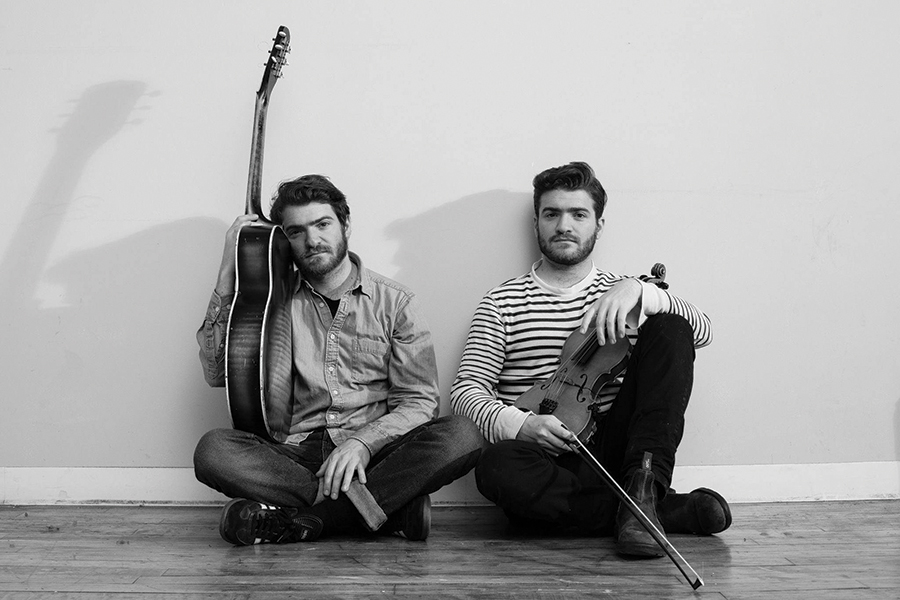
Sunday, July 23: The Brother Brothers and Che Apalache perform. The Brother Brothers really are brothers, and their familial connection comes through in the music. Rich harmonies and thoughtful songs accompanied by guitar, cello, violin and banjo. $15.

Friday, July 28: The Louisiana Soul Revival delivers the soul, blues and funk music of Louisiana with a 6-piece band fronted by National Blues Hall of Fame and Louisiana Music Hall of Fame inductee, Doug Duffey. This is a Friday Night Dance Party. $20.

Sunday, July 30: The Rooster’s Wife celebrates the end of the season with a special appearance in honor of a milestone. Patrick Fuller and his dad, Craig, of Pure Prairie League and Little Feat fame, open the show. They are followed by Wild Ponies, featuring the magnetic chemistry of husband-and-wife duo Doug and Telisha Williams. $20.

Ticket prices listed above are in advance. All shows are at 6:46 p.m. and, except for the Sunday Exchange, take place at The Poplar Knight Spot, 114 Knight St. in Aberdeen. For more information call (910) 944-7502.