Almanac

By Ash Alder

The world’s favorite season is the spring. All things seem possible in May.— Edwin Way Teale

May and the heart sings of somersaults, cartwheels across the lawn, dandelions tucked behind the ears of children. 

May is a month of sweetness.

The pick-your-own-strawberries, soft-spring-rain, butterflies-in-the-garden kind of sweetness.

And magnolia-blossoms-for-Mama.

In the garden: snow peas, fennel, broccoli, kale.

In the kitchen: bearded iris in a pail.

May is a month for sweethearts — and dancing.

Dancing round maypoles, dancing round in circles, dancing round the Beltane fire.

The first maypoles were made of hawthorn, a mystical tree which the ancient Celts believed could heal a broken heart.

Breathe in spring and feel your heart somersault, hopscotch, send a flurry of dandelion seeds whirling as it cartwheels through a field of sweetness.

Gifts for Mama

Mother’s Day falls on Sunday, May 13. I think of the hundred-year-old ferns in my grandmother’s sunroom, the ones that belonged to her florist mother, and how love, when nurtured, grows and grows.

A few seeds of inspiration for the beloved matriarch in your life:

Sprig of dogwood.

Pickled magnolia petals.

Lemon basil.

Bulbs for the garden: dahlias,
      wild ginger,

climbing lily.

Stepping stones.

Wildflower crown.

Peach, pear or nectarine tree.

Basketful of dandelion (for wine).

Eternal love.

The Full Flower Moon rises on Tuesday, May 29. Also called Mother’s Moon, Milk Moon and Corn Planting Moon, this month’s moon illuminates the whitetail fawns, wide-eyed owlets, wildflowers everywhere.

According to The Old Farmer’s Almanac, the best days for planting above-ground crops this month are May 18, 19, and 26–28. Plant below-ground crops May 9 or 10.

Plan now for July sweet corn on the grill.

Pickled Magnolia Flowers

Try this to add a side of whimsy to your spring salad.

Ingredients

One pound fresh young magnolia flowers

1 1/2 cups rice vinegar

One cup of sugar

One teaspoon of salt

Directions

Wash and dry petals, then put them in a sterilized jar with salt.

Mix rice vinegar and sugar in pan, then bring to boil.

Pour hot vinegar and sugar mixture over flowers. Allow to cool, then cap the jar.

Spring — an experience in immortality.— Henry D. Thoreau


Flower Power

The essence of good scents

By Karen Frye

Flowers have a way of making our hearts feel something sweet and wonderful, but there is a special healing power they can bring to your life, too.

Decades ago a prominent British physician, Dr. Edward Bach, believed disease was the manifestation of negative states of mind, a disharmony between a person’s physical and mental states. He observed that worry, anxiety, impatience and unforgiveness depleted a patient’s vitality so much that the body lost its resistance and became more vulnerable to disease.

Dr. Bach closed his practice, left his home in London and spent the rest of his life traveling throughout England in a search for curative plants. He discovered 38 remedies, one from water, the others from flowering plants and trees. Today, more than ever, the connection of the mind and the body are well recognized and the research continues to grow.

Flower remedies are made simply by transferring the essence of the flower into liquid — usually water — by steeping the petals or leaves. Each flower or plant has a specific healing effect. The essences are subtle but, taken regularly, can have a positive impact on our consciousness. The effect of the remedies is not to suppress negative attitudes but to transform them into positive ones, stimulating the potential for self-healing. There are remedies to help release guilt and shame, increase self-esteem, stimulate creativity, become more balanced and grounded. The purpose of the essences is to support the immune system by relieving depression, anxiety and other trauma that weakens the body. It is important to note that they are not a replacement for traditional medical treatment, but work in conjunction with modern medicine. They are gentle and safe and have no side effects. All ages can use them.

In addition to the 38 individual essences, 39th, is Rescue Remedy, is a combination of five flower essences: impatiens, star-of-Bethlehem, cherry plum, rockrose and clematis. This is the first-aid remedy for sudden shock, an accident, a family upset, a stressful event like an exam or an interview, going on stage or giving a speech. One of the single flower remedies, sweet chestnut, is for agonizing mental anguish, total exhaustion, feeling the future is hopeless. Another flower, honeysuckle, helps the bereaved.

The work of Dr. Bach, who died in his sleep in September 1936 shortly after his 50th birthday, lives on with the help of his friends and family. People all over the world use Bach Flower Remedies. His purpose in life was to find what he knew nature had to offer us. There are now hundreds of remedies identified and studied to assist in just about any mental or emotional condition that hinders health. Healthy mind, healthy body. PS

Karen Frye is the owner and founder of Natures Own and teaches yoga at the Bikram Yoga Studio.

The Dash of Life

Savoring time between the beginning and the inevitable

By Jim Dodson

At the beginning of Episode Two of my favorite British TV program of the moment, a charming series called Delicious, the central character, a roguish head chef, speaking from his grave in a Cornwall churchyard, recalls a famous poet’s observation about the symbolism of markings in stone.

“On a gravestone you see two dates — a beginning and an end, with a tiny dash in between. That dash represents everything you’ve ever done. Everywhere you’ve ever been. Every breath kiss or meal. It all boils down to just one little dash. . .”

As a chronic wanderer of old burying grounds and admirer of witty epitaphs, I learned years ago that burying stones “speak,” telling tales and offering nuggets of wisdom to those willing to listen. 

Most of us, however, are living in a time when daily life seems like a frantic dash from one place to the next. With work ruled by the tyranny of deadlines and calendar books, and private time invaded by social media and the clamors of an info-addicted world, it is often not until one reaches a certain age or experiences some kind of unexpected drama that the need to pause and reflect upon one’s own mortality — the meaning of the dash — becomes clear.

One year ago this month, I had my dodgy gall bladder removed. Frankly, I wasn’t sorry to see it go. The blessed little thing had been bugging me for years. At the same time, I owe that mysterious little organ a genuine debt of gratitude because in the course of a common preparatory scan, a small growth near my lower intestines was detected. It was nipped out by artful surgical procedure, revealing itself upon analysis to be a slow-growing tumor. Fortunately, the prognosis is excellent. There is only a four-percent probability of recurrence, which means no follow-up therapy is required for the time being.

Life is full of verdicts, large and small. Needless to say, I was relieved by this one and, to be blunt, awakened by it. But for a chance discovery, things could easily have gone a very different direction, as I’d enjoyed the kind of good health one might easily take for granted. In short, I was lucky to have had that aching gall bladder.   

But mortality is full of wake-up calls and epiphanies. Wise souls take notice of the changing landscape around them, and sometimes within.   

On one hand, I was powerfully reminded of the brevity of my time on this Earth, and on the other, comforted by the fact that I had excellent role models for aging smartly and — begging to differ with poet Dylan Thomas — going gently into that good night. Both my parents had their own run-ins with the dreaded C-word at about my age but never complained and went on to live astonishingly full and happy lives for the next two decades.

Their dashes, in other words, were both robust and well-lived till the end, full of gardens and grandkids, travel and exploration, making new memories and doing good work, making friends and keeping faith in the sustaining power of human and divine love. My old man worked until he was 80 and moderated the men’s Sunday School class at our church for almost a quarter of a century. My Southern mama cooked every week for the church feeding program and worked with homeless families. During the last two decades of their lives, they went to movies and took walks like old lovers, and snuck off to the hills for private weekends away. I took to kidding them that they were behaving like irresponsible teenagers.

More important, when their “Time” finally arrived, their “dash” expired its length — I was fortunate to sit with both at their bedsides as they slipped the bonds of this Earth. Nothing was left unspoken, and they displayed no fear whatsoever about the end of their days or the adventure that lay ahead. Sages of every faith tradition hold that human beings tend to pass away as they have lived their lives.

My father’s final words on a sleety March evening were, “Don’t worry. It will be fine in the morning. Go kiss your babies.”  Sure enough, the sun came out at dawn, birthing a beautiful spring day. And I did as instructed.

On a summer afternoon four years later, while sharing a glass of wine on the terrace of her favorite seaside restaurant in Maine, I remarked to my mom that she must really miss my father. She simply smiled. “Of course I do, Honey. But don’t worry. I’ll see him very soon.”

A week or so later, she suffered a stroke and was talking about her grandchildren as her nurse in the ICU changed her sheets moments after I left her. “Your mom’s heart monitor suddenly went flat and I looked over at her,” she told me later. “Her eyes were closed and she was smiling. I’ve never seen a more peaceful passing.”

Every now and then I stop by the simply dated gravestones of my folks in a beautiful cemetery not far from our house, just to say hello  — and thanks for the guidance. 

That said, a surprising number of friends my age — I recently turned 65, though I don’t feel anywhere close to that — confess amazement over how rapidly their lives are passing, how quickly their days seem to have vanished down the rabbit hole of time. Perhaps they hear the clock of the world in their inner ear. “Is it already Monday again?” quips our dear old pal Susan with a husky laugh. She walks with my wife and me every morning at five, as nature and the neighborhood are both just stirring.

Susan’s question is more of an amused observation about the speed of life than a complaint about its brevity. She teaches special-needs minority kids in one of the most disadvantaged neighborhoods of the city. And though she herself cracked 65 a few month ahead of me, her bounteous enthusiasm, creativity and passion for doing good work and making a difference in a small person’s life are flat-out palpable. She radiates joy and an infectious curiosity about what lies ahead — proof of Poor Richard’s admonition that a long life may not be good enough, but a good life is long enough.

As for my part, the older I get, the slower I plan to walk. Part of the reason is creaky knees. As the tortoise proved, slow and steady wins the race — if this life is a race at all. 

The other reason for slowing down my dashing life is to see more of the passing landscape. Not long ago, my wife and I began “training” for a walk across Italy from Lucca to Rome this coming September with 50 or so other pilgrims from our church.

During the weekly “practice” hikes around the city at dusk, which are really just a lovely excuse to socialize and drink good wine afterwards, I am invariably somewhere at the rear of the pack, ambling along at my own pace, the aforementioned knees gently complaining with every step, but happy to follow where the others lead. This is a trick I learned early in life, for I’ve long been something of a solitary traveler, taking my own sweet time to get wherever I’m going.

As the second son of an itinerate newspaperman who hauled his family all over the deep South during some of the region’s most turbulent years, I experienced a decidedly solitary boyhood, exploring the woods and fields largely on my own or reading books on a rainy porch. Occasionally I’d check out historic graveyards, battlegrounds and Indian burial mounds with my older brother and father. Dick and I both became Eagle Scouts but were never too keen on the group dynamic. We preferred going our own ways at our own rhythm.

As we passed through one of the city’s older neighborhoods on our practice hike the other evening, my bride — chatting pleasantly with other pilgrims as she motored by her slow-footed husband — glanced around and remarked, “You know, I’ve never seen the city from this angle before. It’s quite beautiful, isn’t it?”

Indeed it was, and is.

As the sun set, her comment made me think about how slowly I plan
to walk across Tuscany this summer, taking in all I can before my “dash” runs out.

Emily Webb Gibb’s ’s haunting farewell speech from Thornton Wilder’s poignant play Our Town was also suddenly in my head.

Gibbs is the young heroine who passes away in childbirth and looks tearfully back on a wonderful life and family she fears she may have taken for granted, as the stage manager leads her to join the other spirits in the village cemetery.

“. . . They’re so young and beautiful. Why did they ever have to get old? . . . I love you all, everything. I can’t look at everything hard enough. It goes so fast. . . . We don’t have time to look at one another. I didn’t realize. All that was going on in life and we never noticed. Take me back — up the hill — to my grave. But first: Wait! One more look. Good-bye, Good-bye, world. . . Good-bye, Mama and Papa. Good-bye to clocks ticking and Mama’s sunflowers. And food and coffee. And new-ironed dresses and hot baths and sleeping and waking up. Oh, Earth, you’re too wonderful for anybody to realize you. Do any human beings ever realize life while they live it?”

May is a lovely time to wander a churchyard, I find. The Earth is in bloom and old stones speak of the need not to dash too quickly through the journey.

Contact Editor Jim Dodson at jim@thepilot.com.

Mary Jessup & Aaron Wilkison

MARY JESSUP & AARON WILKISON

Photographer: Pinehurst Photography

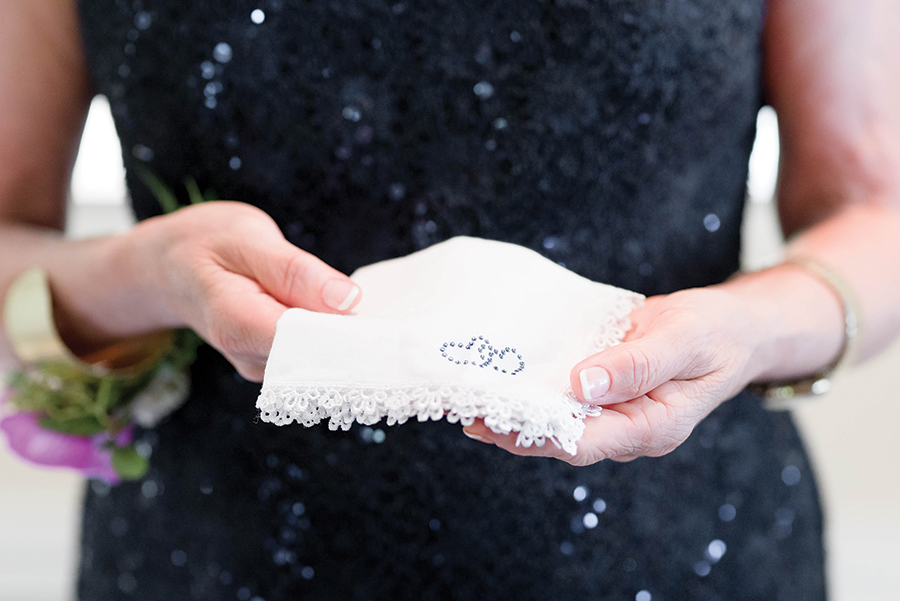
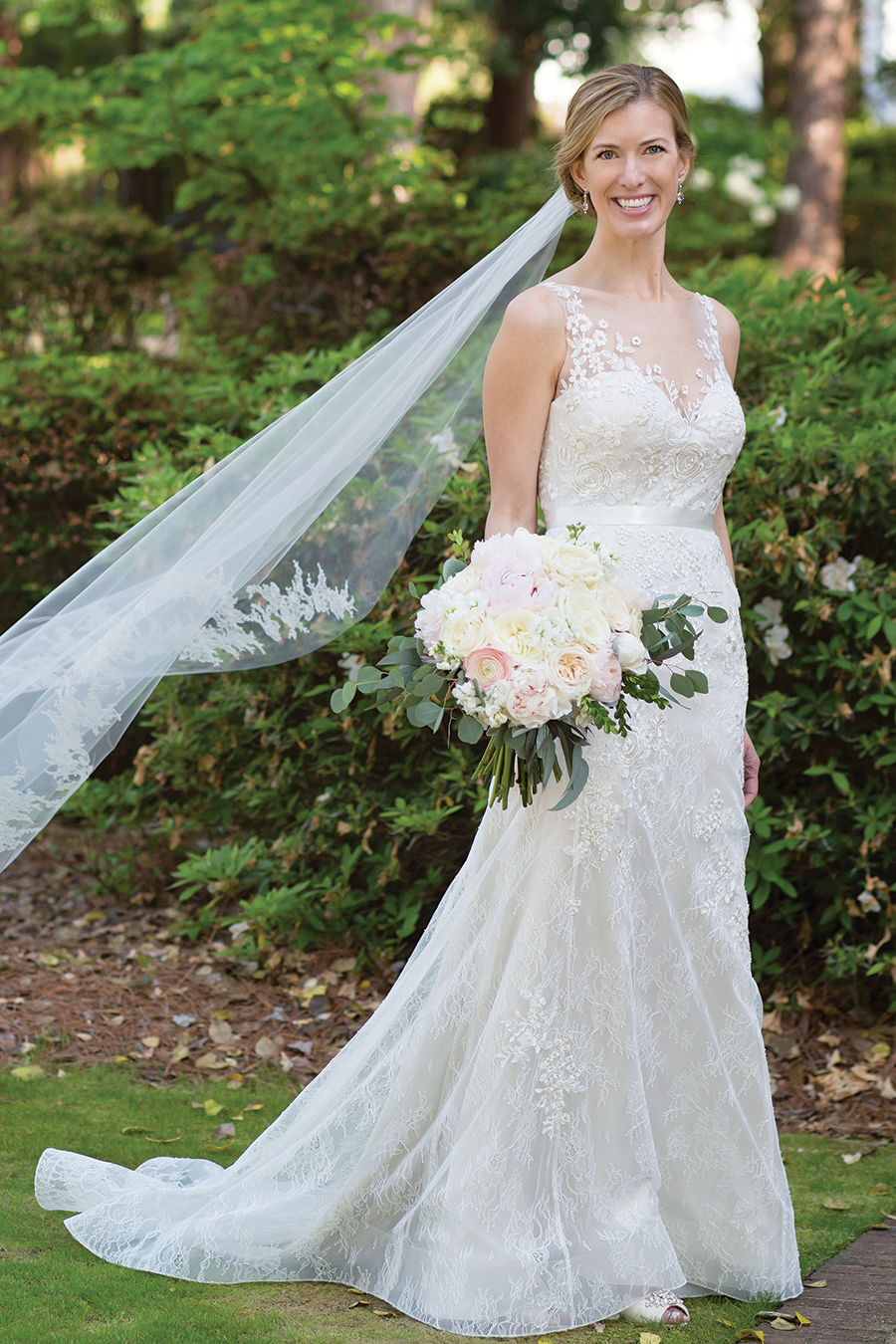
Butterflies beset these Moore County kids each time their rival middle school teams met on the court, and again in the hallways of their shared high school. Somehow, they didn’t start seriously dating until college — but just a few years after graduation, the two were on a train to Washington, D.C., where Aaron had planned a sunrise proposal under the cherry blossoms. During a late morning ceremony at Mary Jessup’s childhood church, Bethesda Presbyterian in Aberdeen, mothers of the bride and groom lit a candle to signify two families uniting. The newlyweds were chauffeured to a reception at 305 Trackside via an antique car, and guests enjoyed a brunch of doughnuts and a biscuit bar. After a stay at the Holly Inn in Pinehurst, the couple jet-setted to a honeymoon in Belize.

Ceremony: Bethesda Presbyterian Church Reception: 305 Trackside Videographer: Davis Video Productions | Dress: Morilee by Madeline Gardner Shoes: B Makowsky Wedding Attire: NY Bride and Groom Flowers: Botanicals, Carol Dowd Hair: Rosa Lospinuso | Makeup: Karma Beauty Bar | Cake & Catering: Rick’s Catering | Desserts: Duck Donuts | Vintage Car: Happy Ferguson | Entertainment: DJ from Ward Productions


Lindsey & Brady Palmer

LINDSEY & BRADY PALMER

Photographer: Brittany Anderson Photography Wedding Planner: McLean Events

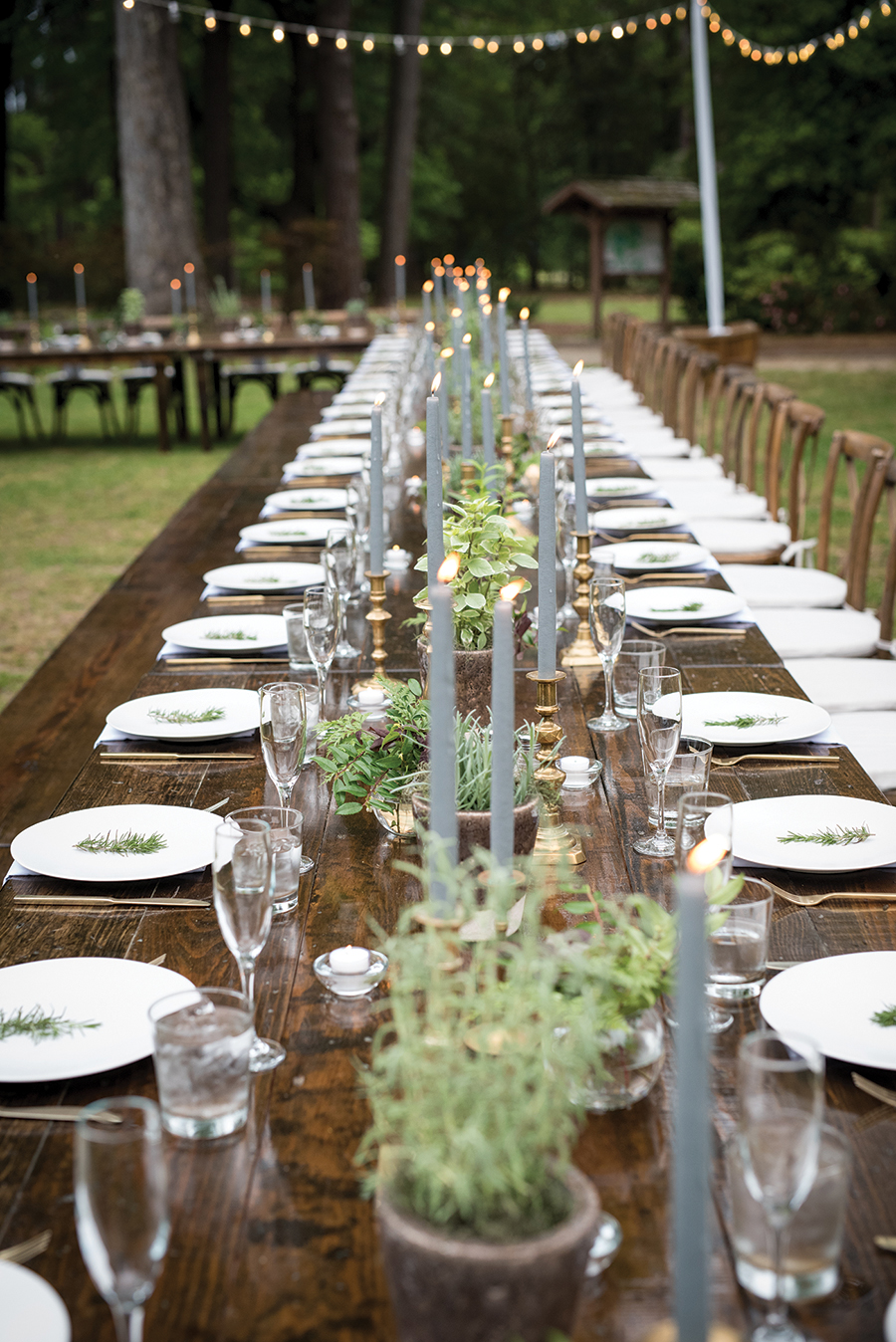
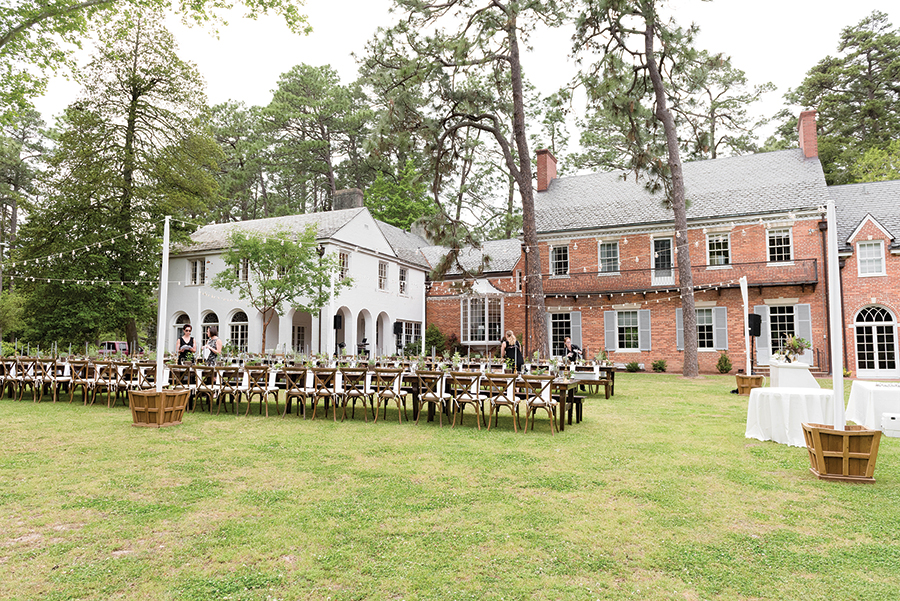
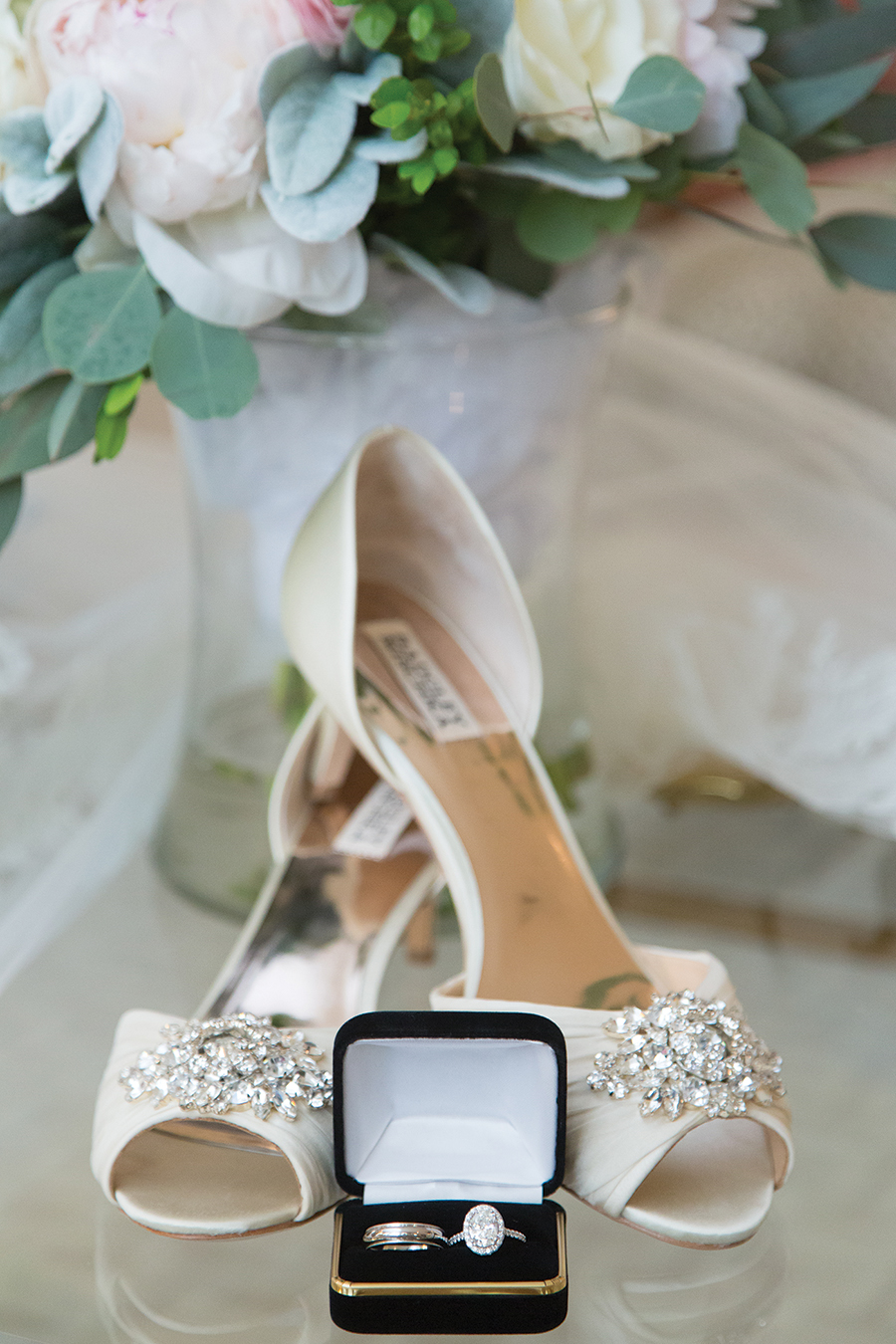
During family vacations in Pinehurst, a young Lindsey would gaze up at The Village Chapel and dream of one day marrying her prince within its walls. Years later, at the Jefferson Inn, friends would introduce her to a young airman who would make his princess’ dreams come true with a waterfront proposal in Charleston, S.C. — complete with a ride in a horse-drawn carriage. The fairy tale continued with a spring ceremony put on with help from Brady’s 5-year-old daughter, McKenna, and a reception at the Country Club of North Carolina, where Lindsey’s parents have been members for more than 30 years. A custom crest, featuring the couple’s favorite things, was on display as guests enjoyed cocktails and a live band. Following a spirited rendition of “Country Roads,” guests waved American flags as the newest members of Pinehurst royalty drove away in a golf cart.

Ceremony: The Village Chapel Reception: The Country Club of North Carolina Videographer: Pictory Productions Dress: Monique Lhuillier Shoes: Badgley Mischka Groomsmen: The Black Tux Flowers: Maggie’s Farm Hair & Makeup: Retro Salon | Cake: The Bakehouse | Wedding Rings: Hawkins & Hawkins Fine Jewelry | Life Painter: Brooke Lupton, Salty Girl Designs | Entertainment: Bounce! | Custom Crest: Simply Jessica Marie LLC

A Sparkling Alternative

How carbonated water can bring your “mocktail” to the next level

By Tony Cross

At the beginning of the year, some folks embark on the journey known as “Dry January.” Maybe some of you reading this participated in — or should I say, endured? — a few weeks respite from consuming alcoholic beverages, giving your liver a much-needed holiday from the holidays. For those who did: You sure did miss a couple of great snow parties. Not that I was at any of them; I was taking a break from drinking, too. I’ve had a few this year, but that’s it. Just a few.

My business had its first full year in 2017, and we made a lot of strides. Even though I’m excited that we grew, the year was bittersweet. I lost my only brother at the end of 2016, and I spent a lot of last year looking through hazy eyes and going through the motions while trying to make sense of everything. I am a firm believer that sometimes it takes life knocking us down into the dirt before we can grasp what we’re capable of, allowing us to fight back. In a nutshell, that’s what happened with me. This year, I’ve started drinking less and working more. I even started teaching an Inferno Hot Pilates class in my spare time. Switching things up has allowed me to enjoy a variety of non-alcoholic beverages. I used to have a few on my menu way back when, and it’s always smart to have something — other than Diet Coke — available for guests when you’re hosting a party. I’ve gained a new appreciation for engineering (pretentious?) creative mocktails. Here are some simple and fun drinks when you’re taking a night (or a month) off.

There is one thing I have begun drinking more of: La Croix sparkling water. I can’t even tell you how excited I am to get home and have one these days. I hope that sentence doesn’t get me banned from the bartender’s union. These zero calorie, canned beverages have become a staple in my refrigerator. If I was going to throw a party, or someone asked me to be in charge of the bar at theirs, I would go the extra mile. Adding sparkling water into the mix with any drink (alcoholic or non-alcoholic) is never a bad idea. I mean, have you tried our carbonated draft cocktails? What you want to do is create your own base, whether it’s a syrup or juice combo. Now that spring is upon us, here’s a quick drink that you can whip up and serve made to order, or batch them like a punch. Using fresh cucumber juice this time of the year is perfect for creating light and refreshing elixirs. Add to that a touch of sugar, Pooter bitters from the folks over at Crude Bitters in Raleigh, and you’ve got yourself a winner.

The Pooter Cuke

Sliced lime

2 ounces fresh organic cucumber juice

1/2 ounce fresh lime juice

1/4 ounce simple syrup (2:1)

5 drops Crude “Pooter” Smoke & Salt bitters*

4 ounces sparkling water

Add cubed ice to a Collins glass. Thinly slice lime wheels and put 3-4 of them in the glass. Combine ingredients (except sparkling water) in a shaker, add ice, and shake like hell for 5 seconds. Strain into Collins glass and top with sparkling water.

*If bitters is out of the question, just add a small pinch of Celtic salt. No substitutes on this one. Have you tried Celtic salt? No? Go pick up a bag and see what I mean. It’s amazing.

The gin and tonic is the essential summertime drink. But there are two things wrong with writing about this cocktail right now: 1) I’m trying to pass on great non-alcoholic recipes and; 2) It’s not summertime. Well, we can still have the tonic, minus the gin, and sometimes springtime in the South can be just as hot as other states’ summers. So, without further ado, the Blackberry Tonyc. Believe it or not, my tonic syrup holds its own without any booze, and the notes of orange-citrus complements quite a few types of fruit. Not only does the color turn out gorgeous in this one, but you might convert some tonic haters (speaking from experience here).

Blackberry Tonyc

3/4 ounce TONYC syrup

1/2 ounce blackberry syrup**

1/2 ounce fresh lime juice

4 ounces sparkling water

Orange peel

Combine all ingredients (except sparkling water) into a shaker with ice and shake hard for 5 seconds. Pour sparkling water in shaker, and then strain into a glass with ice. Express the oils from an orange peel over the top of the drink. Place orange peel into drink afterward. Santé!

**Blackberry syrup: Wash and rinse 6 ounces fresh blackberries. Put them to the side. In a pot, combine 12 ounces baker’s sugar with 8 ounces water over medium-high heat. Stir until sugar has dissolved. Place sugar syrup in a blender with blackberries. Blend for 10-15 seconds. Pour into a container, and seal. Place in refrigerator overnight. The next morning, strain the syrup through a cheesecloth. Bottle, seal and refrigerate. If you want this syrup to last more than a few weeks, add an ounce of 100-proof vodka to it.  PS

Tony Cross is a bartender who runs cocktail catering company Reverie Cocktails in Southern Pines.

Okra Strut

An ode to the South’s quintessential veggie

By Nan Graham

Ladies Fingers, gumbo or okra . . . the plant has many names and even more uses. Our okra, like many things Southern, is regarded by some as inferior, an essentially unworthy vegetable. We Southerners never remark, as some do, that it is “slimy.” It’s the same as saying that Aunt Tillie’s nose twitches after her fourth bourbon and branch water. In these parts, we tend to ignore such aberrations and avert the eyes.

Okra is a cousin to our emblematic cotton as well as the hibiscus and hollyhock. After the boll weevil decimated King Cotton, the pesky bug turned to okra for breakfast, lunch and supper. Travelers noted okra cultivation in Egypt as far back as 1216, so like most Southerners, okra likes to trace its lineage back a bit. Even today, okra grows wild in West Africa and in parts of India.

It has been popular in our neck of the woods since the 18th century . . . reported by Thomas Jefferson. Aside from its veggie status, whether fried, pickled or paired with onions and tomatoes or used to thicken stews, okra is extraordinarily versatile. During the Civil War, the benighted plant was used by Confederates as plasma and a blood extender. Unable to get coffee, they also made do with a hot drink made from okra seeds, which they pretended was a macchiato from Starbucks.

Possible future uses for okra include a particle board material that is better than material we use now, even chopped into feed for livestock and using roots and stems as fuel. It has been used “for making rope and producing paper.”

But wait until you hear the medicinal benefits. It’s a great low-calorie, zero-fat (unless fried) food. Also a super fiber additive, diuretic, and even contains a male contraceptive, gossypol. Wait, there’s more. Its laxative constituent feeds you good bacteria and slows the rate of sugar in the intestinal tract, stabilizing your blood sugar. Scientists claim that okra helps with acid reflux, and aids in controlling asthma.

It all sounds a bit like the snake-oil salesman in the Wizard of Oz, but studies are recognizing okra’s value. And your mental health is not ignored. Okra is said to be excellent for those feeling exhausted and experiencing depression. Okra seems to have something for everyone.

My husband, wearing his beloved pith helmet, planted a Victory Garden in our side yard. He especially prized his lush okra plants with its star-shaped leaves and spectacular white flowers. But in the sizzling July sun, the plants were prone to fainting . . . a case of the real Victorian vapors. Extra watering revived them for a while, but soon the heat exhaustion set in again, and the okra plants bent back on their stems in a full-out swoon.

Their gardener in his pith helmet devised a rescue plan — ingenious but bizarre. He gathered every umbrella in the house, tied each umbrella to a stake next to each distressed okra plant, and opened every umbrella. Yellows, green checks, fuchsia stripes and firehouse reds (even one red, black and white Mickey Mouse vinyl number) bloomed over the garden. Dazzling!

Passersby stopped dead in their tracks at the sight of the umbrella bouquet. All onlookers agreed it was a novel horticultural solution. Despite my Rube Goldberg’s heroic and theatrical efforts, the okra succumbed. The plants were taken off life support. The umbrellas were returned to their respective closets and automobiles. The day of the whimsical flowers was over . . . the riot of color . . . gone.

Okra, prone to be the object of jokes, seems to lend itself to the theater of the absurd. In Mississippi, Delta State University even has a Fighting Okra mascot . . . no fooling. The official mascot is the Statesman, which is slightly overcome with its own gravitas, especially in contrast to the overwhelming popularity of the zany Fighting Okra.

I think our Carolina cousins to the South may be on to something. The Okra Strut in Irmo, South Carolina, began in 1974 and every September offers a parade, crafts, fried okra, of course, and a highlight event called the Shoot-out at the Okra Corral . . . an eating contest featuring what else?

So if you have been sneering at this fuzzy vegetable, please give it a second chance. We all deserve one. And that old Southern standby might even become the new kale! PS

Nan Graham is a frequent contributor with unparalleled knowledge of the South.

Bold Is Beautiful

Surprises await inside a timeless exterior

By Deborah Salomon     Photographs by John Gessner

If ever a house made beautiful music that house must be Stone Oaks Farm:

— The lilting remnants of an Irish brogue, from flame-haired Mary Dunlop, who chose crystal chandeliers for her kitchen.

— The Canadian inflection of crack golfer, hockey fan and guitarist Craig Dunlop.

— A duet of aboriginal art collectors.

— The echoes of grandchildren on summer vacation.

— The patriotic anthems of Craig and Mary’s mother countries.

— The purr of a foundling kitten who transitioned from barn to master bedroom.

— Everywhere, any time, music of many sorts from an indoor-outdoor sound system. Right now, country tunes top the playlist. “They make me feel like dancing,” Mary says. So Mary and Craig hopped over to Nashville — and danced.

— Should the house itself find a voice, only a bold, booming baritone would permeate 6,000 square feet on six acres, with terrace, pasture and barn. Because only bold folks would purchase a modest cottage and attach a 4,000-square-foot, three-story addition walled with 350,000 pounds of Tennessee fieldstone laid by a family of masons from Troy. That endeavor alone, crowned by a Celtic knot, took a year. The result deserves a  historic places marker. As for time and expense, Craig has no regrets. “There’s nothing as timeless and classic as stone.”

The Dunlop’s ballad rings familiar.

“We’ve been coming to Pinehurst for years,” Mary begins. Both are serious golfers. They kept a small house, sufficient for getaways. Then, out for a drive one fine day in 2004 they came upon the cottage, built in 1929, tucked behind massive pin oaks on Midland Road. They bought it immediately with the intention of creating a family homestead that looked the part. Never mind they were living in Milan, with an apartment in Paris. Previous addresses have included Toronto, Vancouver and Edmonton. After cruel Alberta winters, Pinehurst was paradise.

“Until now, I’ve never lived in one place for more than six years,” Mary says.

Another two years passed before they occupied Stone Oaks. By then, a cottage of unknown provenance had become the core from which a new residence radiated.

First-timers on a walkthrough had better leave a trail of breadcrumbs or arm their GPS. The floor plan is complicated.

Mary starts in the kitchen, accessed by a long outdoor gallery (don’t trip over the rocking chairs) leading to the three-car garage over which hang American, Canadian and Irish flags beneath a Celtic knot. According to a commemorative pillow, the couple became American citizens on Oct. 28, 2016. “I love kitchens but I hate to cook,” says Mary. She pored over magazines until finding the right design: two islands, one granite-topped for the sink and breakfast bar, the other with a chopping surface of polished African Iroko wood.  Above the range, a backsplash of Irish Connemara marble. Dark beams match the cabinets, some stained black. A double-wide stainless fridge, a desk and combination pantry-coat closet, bar and butler’s pantry, two dishwashers and numerous ovens facilitate entertaining.

Mary couldn’t decide on lighting fixtures until the crystal chandeliers caught her eye at Pottery Barn. She likes “quirky,” best illustrated by original wooden street signs from Pinehurst, which she found at the dump. Now, they border the ceiling in kitchen and sunroom.

“This was the living room,” Mary says of her dining room long enough to accommodate a 12-foot table of stained wood planks on a central support, “so nobody gets their legs tangled up underneath.” On the walls, Canadian paintings of startling form and color; some appear lifted from Stravinsky’s The Firebird ballet, others from an anthropology textbook. Across from the dining room what had been a tiny bedroom now serves as a petite parlor with white damask-upholstered pieces, pale avocado walls and rug plus a second quirk: artsy photos of cigar smokers’ heads, old and wizened. “We saw them in a Paris restaurant . . . the owner told us where to find (the photographer),” Mary recalls. On the mantel facing the smokers stands a delicate antique clock belonging to Mary’s mother — or a French king.

Photographs, hundreds, hang everywhere. Besides chronicling family history on all four walls of a powder room, they commemorate athletic and professional achievements. One corner is devoted to musicians — Elvis, The Beatles and, as a joke, Justin Bieber. The sunroom features a Tiger Woods retrospective and more hockey.

If the parlor looks seldom-used, not so Mary’s “place,” a clubby den with wood paneling, bookshelves, oversized leather chairs, fishing trophies and assorted golf memorabilia. Yes, that’s Craig with Soviet Union President Mikhail Gorbachev, also Canadian parliamentarians and golf notables. Mary feels comfortable here, especially when Craig is away:  “I walk in, put my feet up, turn on the fire, pour a glass of wine . . .” and relax.

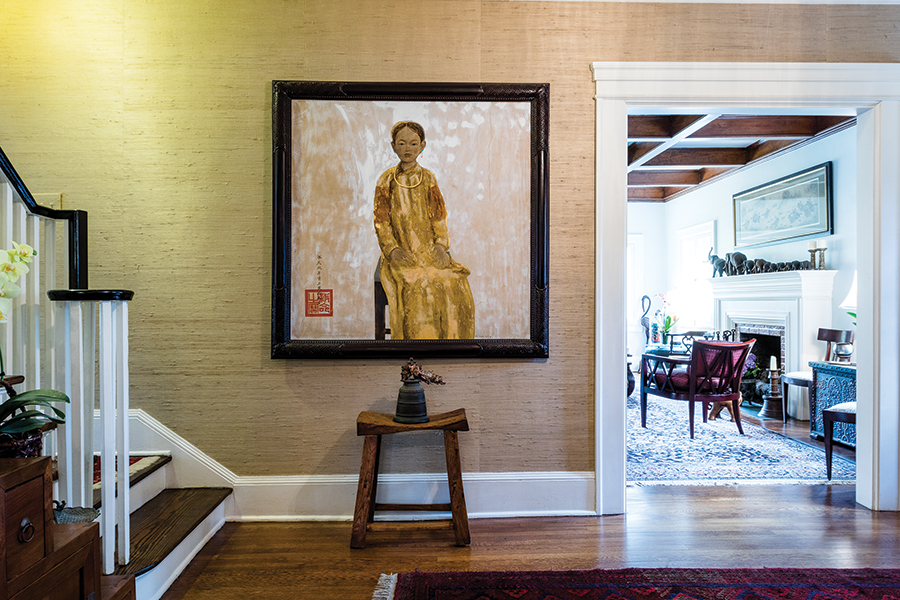
Upstairs dormer guest bedrooms on the cottage side are a nice size, decorated traditionally. Cross over into the addition and everything gets bigger. Much bigger. The Big Room (usually described as “great” or “family”) with more built-in bookcases, a three-story vaulted ceiling with skylights, exposed rafters and beams, a circular candle fixture suspended from the apex, stone fireplace with raised hearth, maroon brocade on sofas and chairs set a Tudor tone contradicted only by an enormous folk-art painting leaning on the mantel.  Side walls are entirely paned windows and doors, providing light to offset the dark woods. On either side stand dining room tables, one from Mary’s family, the other from Craig’s.

“We like stairs,” is Mary’s explanation for the open staircase with balcony over the Big Room, leading to the master suite: a bed-sitting room with fireplace, a quirky three-legged coffee table made from a tree trunk cross section, an unusual tiled shower room (no messy glass enclosures). Finally, Craig’s man cave extraordaire, with fitness equipment, steam and sauna, guitar display, office nook and bear skin with head, taken down by Craig himself, in Ontario.

Mary’s confluence of décor styles is her own, unassisted by professionals. Furnishings in storage during their European sojourn have traveled from High Point to Canada and now back to Southern Pines. Enhancing these are two stunning family heirloom sideboards, various tables and an antique rocking chair belonging to Mary’s mother, reupholstered in a leopard print — delightfully quirky.

“We live outside in the summer,” Mary says, when their two daughters and four grandchildren arrive for six weeks. The terrace garden with pathways, raised beds and fire pit once hosted a Rooster’s Wife-style concert. This postcard needs horses leaning over the paddock fence. For a while, the Dunlops boarded a few but no more. Instead, Mary has installed a vegetable garden that supplies the kitchen when she — or someone else — cooks. “I’ve forgotten how,” she says.

Stone Oaks is a home not only of voices but layers representing well-traveled lives. Along with eclectic art and furnishings Mary is not above levity, as in a ceramic figurine on the hall table, titled “Happily Dying of Chocolate.” The wood in the sunroom may have been rescued from a local barn but posters along the porch tease “Asylum for the Insane, Evaluation Center.” Giant glass and papier mâché pears adorn side tables in the Great Room. Mary boldly hangs Picasso’s familiar Girl Before a Mirror over a king-sized sleigh bed.

Even the land speaks for itself. Longleaf pines are absent, replaced by mature banks of rhododendron. The gnarled trunk of an ancient pin oak dominating the circular driveway resembles an elephant hide. Ivy entwines other trees. “What I wanted was a comfortable, friendly, warm home, nothing antiseptic or pretentious,” Craig maintains. He likes that every room can be a separate living space, with its own personality. “I needed a home able to absorb my junk. Walls covered with things and pictures add comfort.”

Mary concurs: “I didn’t want perfection, just a place where if you spill some wine, it’s OK.”

Not to worry — there’s plenty more in the 600-bottle temperature-controlled wine cabinet. There’s probably a song for that, too, although more likely Frank Sinatra than Garth Brooks.  PS

Almanac

If the flowering cherry tree could speak, she wouldn’t tell of her own beauty.

Words could never capture it.

But with her powder soft voice, she might sing of the garden: banksia rose spilling over with fragrant yellow blooms; copper mobile, whirling beneath the redbud; foxglove, swooning from the tender kiss of the nectar-drunk hummingbird.

She might sing of bluebirds or violets or kissing in the rain.

Or maybe she does.

Yes, can’t you hear her? Voice like a siren. Sultry as a whisper at the nape of your neck.

Listen. 

She serenades the squirrel babes, blind and naked, whose mother built their nest with stuffing from the neighbor’s patio cushions.

At twilight, she hums low while the pregnant doe clears a row of tulips sweet as candy. 

Sunny jonquils harmonize with whippoorwill — Look-at-me! Look-at-me! — but the deer moseys onward.

As cherry maiden stifles laughter, all the world sings back.

Carrot Bloody Mary (Serves 4)

Ingredients

32 ounces carrot juice

8 ounces vodka

6 ounces pickle juice

juice from one-half lemon

5 dashes Worcestershire sauce

3 teaspoons crab seasoning (more for rimming)

3 teaspoons black pepper

2 teaspoons dill

2 teaspoons garlic powder

2 teaspoons ground ginger

2 teaspoons horseradish

2 teaspoons hot sauce (modify by your heat preference)

Instructions

Add all ingredients into a pitcher, then stir until combined.

Slide the flesh of a lemon around the rim of each pint glass, then place the rims onto a plate of crab seasoning to lace them.

Fill pint glasses with ice, then pour the carrot juice mixture over top. — garnish with pickled vegetables, celery, or tomatoes. Enjoy!

While the Azalea’s Still Blooming . . .

Plant the eggplants, beets and melons! Pumpkins, squash, green beans and peppers! And if you’re looking for a down-home summer — the white bread and black pepper type — sew the cukes and maters in the soft, cool earth.

Asparagus Season

Greek myth tells that spring is when Demeter, mother-goddess of harvest and fertility, celebrates the six-month return of her beautiful daughter, Persephone (goddess of the Underworld), by making the earth lush and fruitful once again.

But what on earth did she do with all those tender green shoots of asparagus? Quiche. Soup. Risotto. Frittata. Asparagus custard tart . . .

In the spirit of Easter (Sunday, April 1),
how about a festive beverage to serve up with that asparagus-studded brunch?

And don’t forget all those garden parties
this month.

The ancient Celts looked to the trees for knowledge and wisdom. According to Celtic tree astrology, those born from April 15 to May 12 associate with willow, an enchanted tree that symbolizes love, fertility, beauty and grace. Creative, patient and highly intuitive, willow people are mystical by nature. They are most compatible with birch (December 24 to January 20) and ivy (September 30 to October 27) signs.

PinePitch

Live After 5

Live After 5 returns to Tufts Memorial Park Friday, April 13, with music, dancing, food, beer, wine and fun activities for the kids. The event is free, and you are invited to bring picnic baskets if you want but, please, no outside alcoholic beverages. Beer, wine and other beverages will be available at the park for purchase, in addition to food from Jason’s Mini Donuts and What’s Fore Lunch food trucks. The band will be Night Years. Don’t forget your lawn chairs, blankets and dancing shoes. The fun begins at 5:30 p.m., and continues until 9 p.m. Tufts Memorial Park is located at 1 Village Green Road W., in Pinehurst. For more information, call (910) 295-1900.

Meet the Author

In Frances Mayes’ new book, Women in Sunlight, three middle-aged, American women, Camille, Julia, and Susan, meet at an orientation for an active lifestyle community and decide to lease a villa in Italy. When they make friends with their American neighbor, Kit, the women begin to see new potential for themselves, rediscovering their sense of adventure over the course of a year in the land of la dolce vita. Mayes will be at The Country Bookshop on Thursday, April 12, at 5:30 p.m. to discuss the book, answer questions, and sign copies. Stop by, meet and get inspired by “the Bard of Tuscany,” author of Under the Tuscan Sun and much more. The Country Bookshop is located at 140 N.W. Broad St., in Southern Pines. Call (910) 692-3211 for more information.

Blues & Brews: A Festival at the Farm

Malcolm Blue Farm is a living history farm dating back to the early 19th century when the Sandhills area was known as the Pine Barrens. A visit to the farmstead and museum will give you a rare glimpse into the life of early settlers and on Saturday, April 21, from 11 a.m. to 6 p.m., you’ll get to enjoy a day of bluegrass performances by Tommy Edwards Bluegrass Experience, Unspoken Tradition, Time Sawyer, and Songs From The Road Band. You can stroll around the beautiful grounds, shaded by 100-year-old Darlington oaks as you enjoy the music and festival. Beer, cider and food will be available for purchase. Admission is $5. The Malcolm Blue Farm is located at 1177 Bethesda Road, Aberdeen. For more information, call (910) 944-7275.

Annual Home & Garden Tour

The Southern Pines Garden Club celebrates its 70th anniversary by inviting you into six gracious homes, enhanced by inspiring floral arrangements, and lovely gardens. The tour, on Saturday, April 14, from 10 a.m. to 4 p.m., includes “Loblolly” (the Lancaster Home), designed for Helen Boyd Dull, a Garden Club founder; the Saulnier Home, designed by Alfred B. Yeomans, a nationally renowned landscape architect who helped shape the Weymouth neighborhood in the late 1800s; and Liscombe Lodge in Pinehurst, once the home of Gen. George Marshall. Tickets are available at The Country Bookshop, The Sandhills Woman’s Exchange or www.southernpinesgardenclub.com, and are $20 in advance or $25 the day of, and include an orchid sale, a Pinehurst Resort greenhouse tour and restaurant discounts. All proceeds go toward community beautification and horticultural education projects. The tour begins at the Campbell House, 482 E. Connecticut Ave., Southern Pines. For more information, call (910) 690-1440.

The Miracle Worker

As a baby, Helen Keller was stricken with an illness that left her blind and deaf. As a young child, she was nearly feral. Yet she grew up to graduate cum laude from Radcliffe College and become an influential social and political activist and inspirational role model. The story of that transformation, made possible by her teacher, Annie Sullivan, is told in William Gibson’s play The Miracle Worker.

Judson Theatre Company brings The Miracle Worker to the stage at Owens Auditorium from Thursday through Sunday, April 12 to 15. The production stars John James, from TV’s Dynasty series, and New York actors Lea DiMarchi as Annie Sullivan and Allison Podlogar as Helen Keller. Owens Auditorium is located on the Sandhills Community College campus, at 3395 Airport Road, Pinehurst. Tickets are $38 in advance and $43 at the door. Student, military and SCC discounts are available at the door. For show times and tickets, visit www.judsontheatre.com.

Southern Pines Springfest

On Saturday, April 28, more than 160 vendors from North Carolina and beyond will entice you with their beautiful paintings, jewelry, metal art, photography, woodwork, designs from nature, and more. For your entertainment, there will be games, rides, food and live music. Activities for kids abound on the Kid’s Block; and the Youth Bike Races for children 10 and under will have kids competing on their bikes, tricycles and Big Wheels. Sponsored by the Southern Pines Business Association and the Town of Southern Pines, the day of spring festivities happens from 10 a.m. to 4 p.m. along both sides of Broad Street in historic downtown Southern Pines. For more information, call (910) 315-6508. And don’t forget Springfest at Shaw House, from 11 a.m. to 4 p.m. on the corner of Morganton and Broad St., where tours and activities will be free for the day.


The Carolina Cabaret

Enjoy the Carolina Philharmonic’s “Broadway Cabaret” starring Jeff Kready, a suave song and dance man who appeared in A Gentlemen’s Guide to Love and Murder and Billy Elliott the Musical and Megan McGinnis, who debuted on Broadway in The Diary of Anne Frank and played Beth in the musical Little Women. With David Michael Wolff hosting from the keyboard, Jeff and Megan will take you on a journey through some of your favorite melodies, interlaced with riveting backstories. You can catch this intimate performance at either 3 p.m. or 7:30 p.m. on Saturday, April 21, at Owens Auditorium, Sandhills Community College, 3395 Airport Road, Pinehurst. Tickets range from $30 to $60, with discounts for students and active military. For more information, call  (910) 687-0287 or visit www.carolinaphil.org.

A Spirited Evening of Music

On Wednesday, April 4, the Southern Pines Sister Cities, under the musical direction of Baxter Clement, will present a community concert with local and Irish teen musicians. As part of the Sister Cities International Music Exchange Program, students from the Southern Pines area traveled to Ireland to study Irish music and perform, and the music students from Newry, Mourne and Down District of Northern Ireland are coming here to do the same. Come to the Sunrise Theater, enjoy the music and offer some warm Southern hospitality to these young visitors. The performance is free and starts at 7 p.m. The Sunrise Theater is located at 250 N.W. Broad St., Southern Pines. Call (910) 315-4323 for more information.