Almanac

The simplicity of winter has a deep moral.
The return of Nature, after such a career of splendor and prodigality, to habits so simple and austere, is not lost either upon the head or the heart. It is the philosopher coming back from the banquet and the wine to a cup of water and a crust of bread.

– John Burroughs, The Snow-Walkers, 1866

It’s been a while since you’ve come to visit, and when you see her, you gasp.

She looks different. And not just the kind of different one looks from the passing of an ordinary spring, summer and fall.

She has stories.

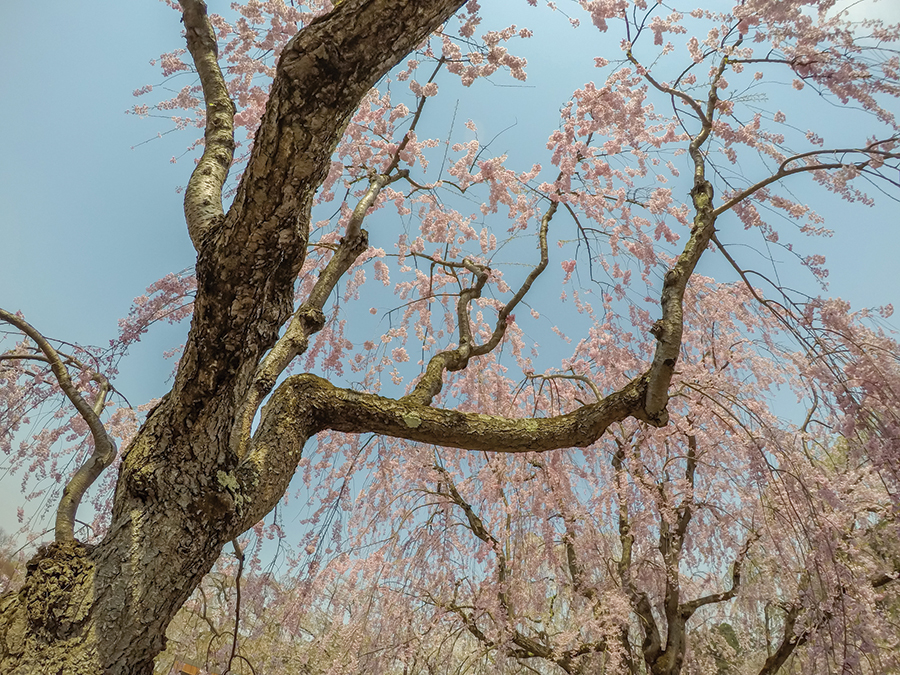
In the sweeping meadow, the weeping cherry is the axis about which all of life revolves. It’s always been this way, at least for as long as you have known her. Which is why you’re so shaken to discover the woodpecker drillings along her trunk and branches.

Signs of decay.

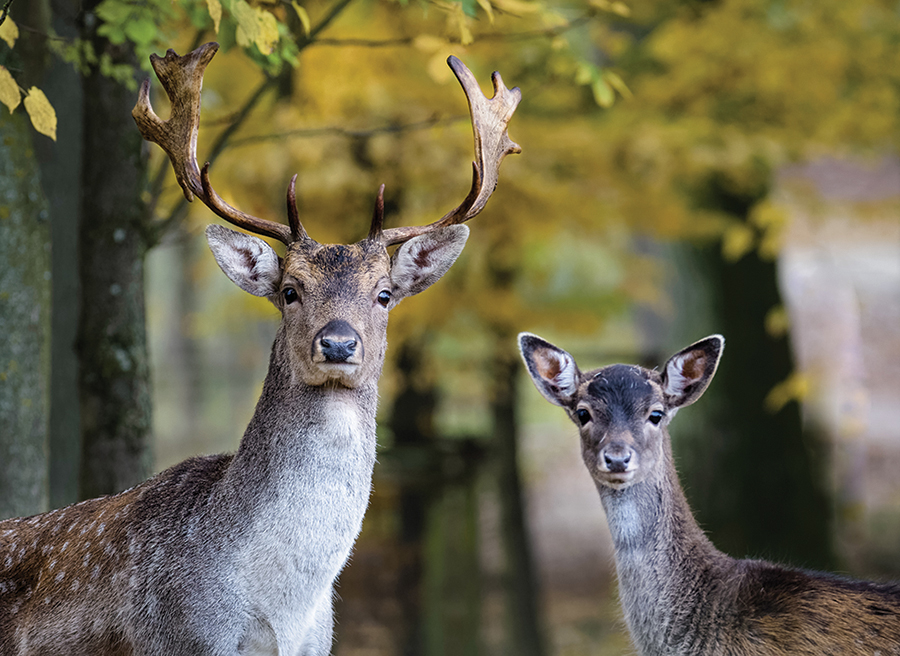
As you sit beneath her trunk, comforted by her silhouette in purple twilight, three, four, five white-tailed deer slip through the longleaf veil in the distance. Either they do not see you, or they recognize you as one of their own.

Six deer.

Seven.

You watch them graze in the meadow — just feet away now — and as the last doe brushes past, you exhale a silent prayer.

Grace is here.

You place your hands on the weeping cherry’s trunk, honoring this perfect moment, this bare-branched season, the vibrancy among decay. 

It’s time to go home now. It won’t be the same. But there are stories to share. And grace.

Spirit of the Deer

As a child, Christmas Eves were spent at my grandparents’ house, where all the cousins hoped to be the first to spot the shiny pickle ornament Papa had hidden in the tree. After evening Mass, then dinner, where soft butter rolls, pumpkin bars and scalloped potatoes were first to vanish from the spread, gifts were exchanged. Whoever found the pickle got theirs first.

And then, the hour drive home.

“Watch for deer,” Papa would say before we left.

We always saw them, frozen in the headlights on the roadside.

Three, four, five . . . six deer, seven.

I counted until drifting off to sleep.

Many ancient cultures believe that when an animal crosses your path, its spirit has a special “medicine” for you. The deer is a messenger of gentleness and serenity.

If you happen to see one in the thicket of holiday hustle and bustle, even if it’s the one you recall snacking on your hosta and pansies last spring, consider the ways you can bring more grace and kindness to yourself and the world.

Comet and Cupid

According to National Geographic’s Top 8 Must-See Sky Events for 2018, the comet eloquently named 46P/Wirtanen will travel past the luminous Pleiades and Hyades star clusters as it makes its closest approach to the Earth on Sunday, December 16 — the comet’s brightest-ever predicted passage.

Whether or not you catch the celestial show, don’t miss the chance to celebrate the “rebirth of the Sun” on Friday, December 21 — the day before the full cold moon. Call it winter solstice, Yule or midwinter, the longest night of the year is a time for gathering . . . and ritual.

In Japan, it’s tradition to take a dip in the yuzu tub, a hot bath filled with floating yellow yuzu fruit, to ward off the common cold.

Not a bad way to welcome winter.

Or around a fire with dearest friends, sharing stories and cider beneath the near-full moon.

In the Garden this Month

Rake fallen leaves for compost.

Plant hardy annuals (snapdragon, petunia, viola).

Take root cuttings from cold-sensitive perennials and plant them indoors.

Order fruit trees and grape vines for late-winter planting.

Dream up, then plan for your spring garden. 

Almanac

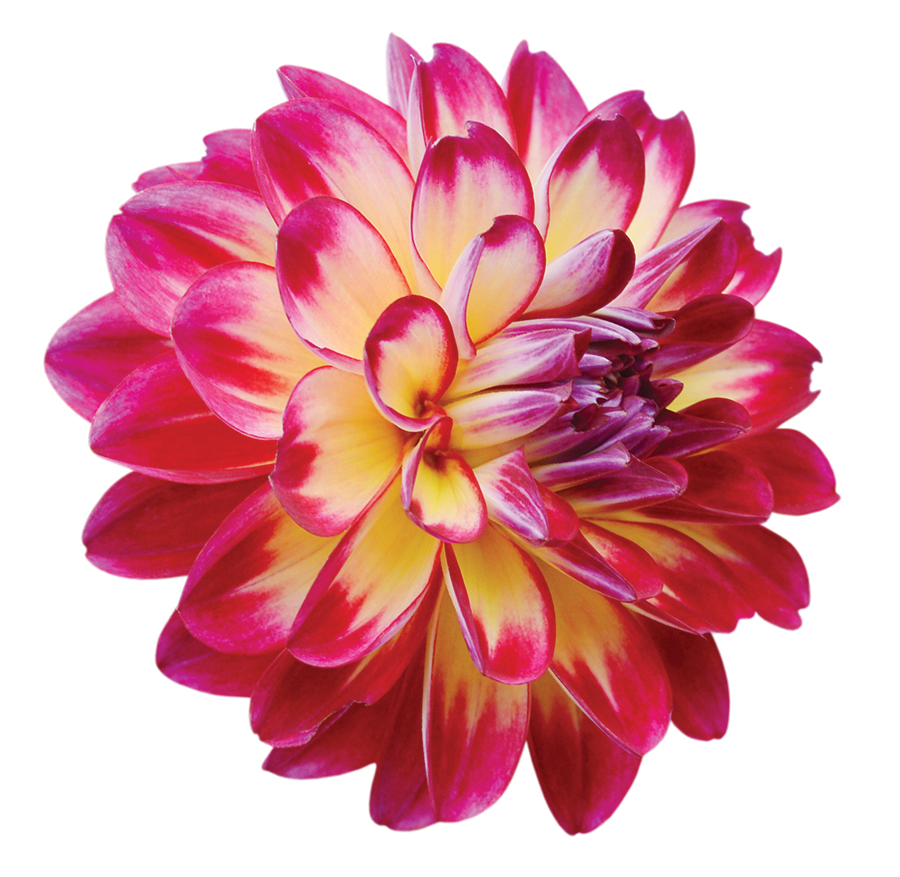
Hollowed pumpkins filled with dahlias. Acorns, gourds and pheasant feathers. Cinnamon and clementine. November is a holy shrine.

Can you feel that? The vibrancy among the decay?

The veil between worlds is thin.  

In the garden, the holly gleams with scarlet berries, beckons bluebird, warbler, thrasher, and — do you hear those lisping calls? — gregarious flocks of cedar waxwing. 

We too offer fruit. Some for the living, some for the dead.

Altars lined with flickering candles, candied pumpkins, marigolds and copal incense are lovingly created in remembrance of deceased loved ones, who are believed to return home for El Día de los Muertos, a Mexican holiday celebrated Oct. 31 through Nov. 2.

Sweet bread, warm meals, soap to cleanse the weary soul . . .

Imagine celebrating Thanksgiving with that kind of spirit.

Or better yet, try it. 

For man, autumn is a time of harvest, of gathering together.

For nature, it is a time of sowing, of scattering abroad. Edwin Way Teale

Seeds of inspiration for the November gardener:

·  Enjoy the quiet hour of morning, the sweet gift of Daylight Saving Time (Sunday, Nov. 4). 

·  Day after Thanksgiving, sow poppy seeds on the full Beaver Moon for a dreamy spring.

·  Feed the birds.

·  Force paperwhites, hyacinth and amaryllis bulbs for holiday bloom.

·  Stop and smell the flowering witch hazel.

The Eleventh Hour

Best known by nom de plume George Eliot, Victorian-era novelist Mary Anne Evans so loved fall that she claimed her very soul was wedded to it. “If I were a bird,” she wrote, “I would fly about the earth seeking the successive autumns.” No surprise she was born in November, the 11th hour of this season of swirling leaves, snapdragons, goldenrod and falling apple.

Sesame Street’s googly-eyed Muppet Cookie Monster was born Nov. 2, on the Mexican Day of the Dead.

You want cookie?

In the spirit of life and death, try pan de muertos instead, a sweet bread baked in honor of departed loved ones. The below recipe came from a sweet-toothed friend who isn’t afraid to wake the dead.   

Pan de Muertos (Mexican Bread of the Dead)

Bread:

1/4 cup butter

1/4 cup milk

1/4 cup warm water

3 cups all-purpose flour

1 1/4 teaspoons active dry yeast

1/2 teaspoon salt

2 teaspoons aniseed (or 1/2 teaspoon anise extract)

1/4 cup white sugar

2 eggs, beaten

2 teaspoons orange zest

Glaze:

1/4 cup white sugar

1/4 cup orange juice

1 tablespoon orange zest

2 tablespoons white sugar

Directions:

Heat butter and milk together in medium saucepan. Once butter melts, remove mixture from heat, then add warm water.

In a large bowl, combine 1 cup of the flour, plus yeast, salt, aniseed, and 1/4 cup of the sugar. Beat in the warm milk mixture, then add eggs and orange zest and beat until well combined. Stir in 1/2 cup of flour and continue adding more flour until the dough is soft.

Turn dough out onto a lightly floured surface and knead until smooth and elastic.

Place the dough into a lightly greased bowl, cover with plastic wrap, and let rise in a warm place until doubled in size (allow 1 to 2 hours). Next, punch the dough down and shape it into a large round loaf with a round knob on top. Place dough onto a baking sheet, loosely cover with plastic wrap, and let rise in a warm place for about 1 hour or until roughly doubled in size.

Bake in a preheated oven at 350 degrees for about 35 to 45 minutes. Remove from oven, let cool slightly, then brush with glaze.

To make glaze: In a small saucepan combine the 1/4 cup sugar, orange juice and orange zest. Bring to a boil over medium heat and boil for 2 minutes. Brush over top of bread while still warm. Sprinkle glazed bread with white sugar.

Almanac

September is the golden hour of summer.

Soon, the squash blossoms will disappear. Ditto fresh okra, watermelon, sweet corn and roadside stands. The crickets will grow silent, and the black walnut will stand naked against a crisp winter sky.

But right now, in this moment, everything feels soft, dreamy, light.

In the meadow, goldenrod glows brilliant among Joe-Pye and wild carrot.

In the garden, goldfinches light upon the feeder, swallowtails dance between milkweed and aster, and just beyond the woodland path, the hive hums heavy.

September is raw honey on the tongue.

I think of my Devon Park rental, retrieving the old push mower from the woodshed and discovering a colony of honeybees busy beneath the creaky floorboard. In the space between the floor joists: 40 pounds of liquid gold. Gratitude arrives with the scent of ginger lilies. I exhale thanks to the apiarist for transporting the bees to his own backyard — and for leaving just a taste of their honey for me.

September is master of subtly. Satiety following an electric kiss; anticipation for the next one. Delight in this golden hour, this taste of sweet nectar, this gentle reminder to be here now.

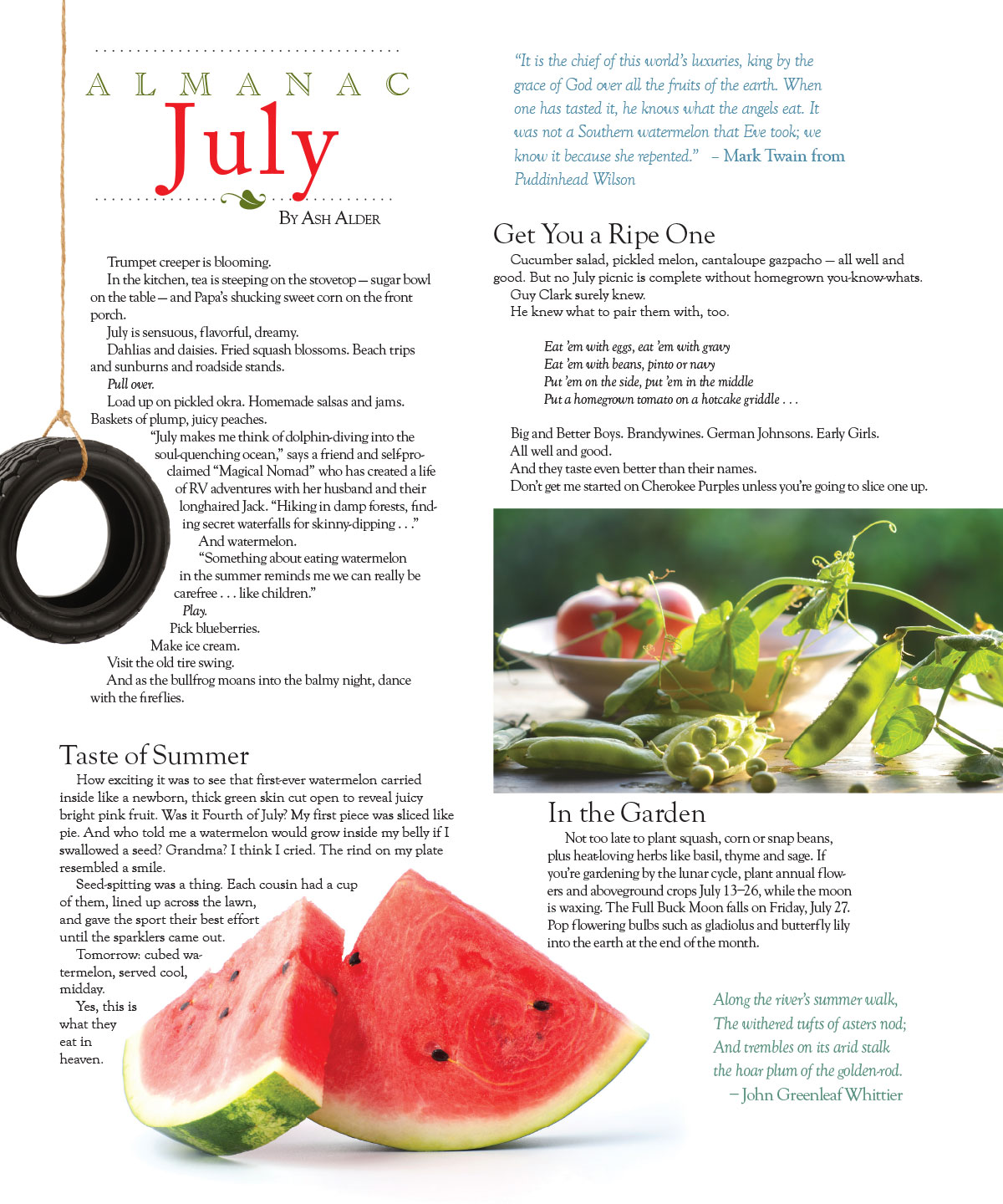
‘Tis the last rose of summer,

Left blooming alone;

All her lovely companions

Are faded and gone.

— Thomas Moore, The Last Rose of Summer, 1830 

Pecan Harvest

Yes, the time has come. If you’re lucky enough to have one or more pecan trees growing in your backyard, then you know that the earliest nuts fall in September. And those who are lucky enough to know the ecstasy of homemade pecan pie will tell you that the efforts of the harvest are worth it. Or just ask one of the neighborhood squirrels.

Here’s a trick. If you’re wondering whether a pecan is fit to crack, try shaking a couple of them in the palms of your hands first. Listen. Do they rattle? Likely no good. Full pecans sound solid, but the way to develop an ear is trial and error. You’ll catch on.

And in the spirit of Mabon, the pagan celebration of the autumnal equinox, consider offering libations to the mighty pecan tree. My bet is they’ll relish your homemade mead as much as any of us.

Sweet and Good

September is National Honey Month. According to the National Honey Board (exactly what it sounds like: a group dedicated to educating consumers about the benefits and uses of all things you-know-what), the average honeybee produces 1 1/2 teaspoons of honey over the course of its entire life. Here’s another nugget that might surprise you: A typical hive can produce between 30 to 100 pounds of honey a year. To produce just one pound, a colony must collect nectar from about 2 million flowers. Think about that the next time you hold in your hands a jar of this pure, raw blessing.

Wish to make mead? Honey, water, yeast and patience.

But if pudding sounds more like your bag, here’s a recipe from the National Honey Board:

Honey Chia Seed Pudding

Yield: 4 servings

Ingredients:

2 cups coconut milk

6 tablespoons chia seeds

1/2 teaspoon vanilla extract

2 tablespoons honey

Fresh berries

Granola

Directions:

Combine coconut milk, chia seeds, vanilla and honey in a medium bowl. Mix well until the honey has dissolved. Cover and refrigerate for at least 4 hours, but preferably overnight.

Stir well and divide the pudding into individual portions.

Serve with fresh berries. Add granola, if desired.

(I recommend adding a few organic cacao nibs too.)

As the Wheel Turns

The autumnal equinox occurs on Saturday, Sept. 22, just two days before the full Harvest Moon. Speaking of, if you’re gardening by the moon, plant annual flowers (pansies, violets, snapdragons and mums) and mustard greens during the waxing moon (Sept. 9–21). Onion, radish, turnip, and other vegetables that bear crops underground should be planted during the dark (aka waning) moon. According to the Old Farmer’s Almanac, old-time farmers swear this makes for a larger, tastier harvest.

The breezes taste

Of apple peel.

The air is full

Of smells to feel –

Ripe fruit, old footballs,

Burning brush,

New books, erasers,

Chalk, and such.

The bee, his hive,

Well-honeyed hum,

And Mother cuts

Chrysanthemums.

Like plates washed clean

With suds, the days

Are polished with

A morning haze.

— John Updike, September

Almanac

By Ash Alder

Remember meeting that first giant? Being dazzled beyond words by its radiance and splendor, gasping as if you’d just entered a world alive with magic beans and singing harps and ornate birds with eggs of gold? 

Or perhaps you met a field of them? Smiling sun gazers. Stilt walkers among a carnival of phlox and zinnias and late summer bloomers. Nothing says August like a host of majestic sunflowers. As they follow our blazing sun across the wispy-clouded sky, these towering beauties remind us that we, too, become that which we give our attention.

Listen for the soft thuds of the earliest apples. Notice the silent dance of the spiraling damselfly, wild raspberries, the star-crossed romance between milkweed and goldenrod.

Queen Anne’s lace adorns roadside ditches and, in the kitchen, fresh mint and watermelon smoothies await sun-kissed children still dripping from the pool. 

“Can we grow our own?” they ask, eyes still aglow from the cheerful band of sunflowers they saw at a friend’s house days ago.

Come spring, as they work the magic seeds into the cool soil, all the world will sing.

Good Clean Fun

Given optimal growing conditions (plenty of sun and space), the sunflower can grow up to 13 feet tall in as few as six months. And once summer and her birds have harvested the last of its seeds, consider using the head as a biodegradable
scrubbing pad.

I almost wish we were butterflies and lived
but three summer days — three such days with you
I could fill with more delight than fifty common
years could ever contain.  
— John Keats

Cozy with the Crickets

Sure as the summer garden yields sweet corn and sugar snap peas, the Perseid meteor shower returns. Following the new Sturgeon moon on Aug. 11, the annual show will peak on the night of Sunday, Aug. 12, until the wee hours of Monday, Aug. 13. A thin crescent moon should make for excellent viewing conditions. Cozy up with the crickets. Believe in magic. Breathe in the intoxicating perfume of this summer night.

The luxury of all summer’s sweet sensation is to be
found when one lies at length in the warm,
fragrant grass, soaked with sunshine, aware of
regions of blossoming clover and of a high
heaven filled with the hum
of innumerous bees.

— Harriet E. Prescott, The Atlantic Monthly, August 1865

Food for Thought

The dog days are still here. According to the Old Farmer’s Almanac, the hottest days of summer coincide with the rising of Sirius, the Dog Star, beginning July 3 and ending Aug. 11.

Meantime, sit beneath the shade of a favorite tree.

Sink your teeth into a just-picked peach.

Lose yourself in a tangle of wild blackberries.

And as you watch the busy ants march along empty watermelon rinds and overripe berries, remember there is work to do.

Stake the vines.

Can or freeze excess of the harvest.

Prepare the soil for autumn plantings: purple top turnips and Chinese cabbages; Ebenezer onions and cherry belle radishes; spider lilies and autumn crocus and greens, greens, greens.

Allow yourself to enjoy it.

August creates as she slumbers, replete and satisfied.  — Joseph Wood Krutch  

Almanac

By Ash Alder

June evening fades in such a way you wonder if it’s all a dream.

We let go of spring, our palms now cupped to receive the first blackberries, scuppernongs, Cherokee Purples warm from the sun.

Plump strawberries slowly vanish from the patch, and when the fireflies come out to dance, out, too, comes the homemade mead. 

This year, summer solstice falls on Thursday, June 21. We celebrate the longest day of the year with bare feet, new intentions, sacred fire and dance. Now until Dec. 21, the days are getting shorter.

Savor the fragrant amalgam of honeysuckle and wild rose. Feel the hum of heavy hives, porch fans and crickets. And as cicadas serenade you into dreamy oblivion, sip slowly the sweetness of this golden season.

Whistling for More

I can’t see “Butter Beans” hand-painted on a roadside sign without hearing the Little Jimmy Dickens tune my grandpa used to sing or hum or whistle to himself on quiet Sunday drives:

Just a bowl of butter beans
Pass the cornbread if you please
I don’t want no collard greens
All I want is a bowl of butter beans.

Red-eye gravy is all right
Turnip sandwich a delight
But my children all still scream
For another bowl of butter beans.

When they lay my bones to rest
Place no roses upon my chest
Plant no blooming evergreens
All I want is a bowl of butter beans.

The Carolina Chocolate Drops sing a much sultrier song about this summer staple, but both tunes suggest that, in the South, the lima is the darling of beans.

Good for the heart (this sparks another ditty but we won’t go there), butter beans are rich in dietary fiber, protein, minerals and antioxidant compounds.

Slow cook them or toss them in a cold summer salad. Regardless of how you choose to eat them, best to get them fresh while you can. 

On this June day, the buds in my garden are almost as enchanting as the open flowers. Things in bud bring, in the heat of a June noontide, the recollection of the loveliest days of the year — those days of May when all is suggested, nothing yet fulfilled. – Francis King

Magic, Mighty Oak   

When the sun sets on Saturday, June 23, bonfires will crackle in the spirit of Saint John’s Eve. On this night, the ancient Celts would powder their eyelids with fern spores in hopes of seeing wee nature spirits dancing on the threshold between worlds.

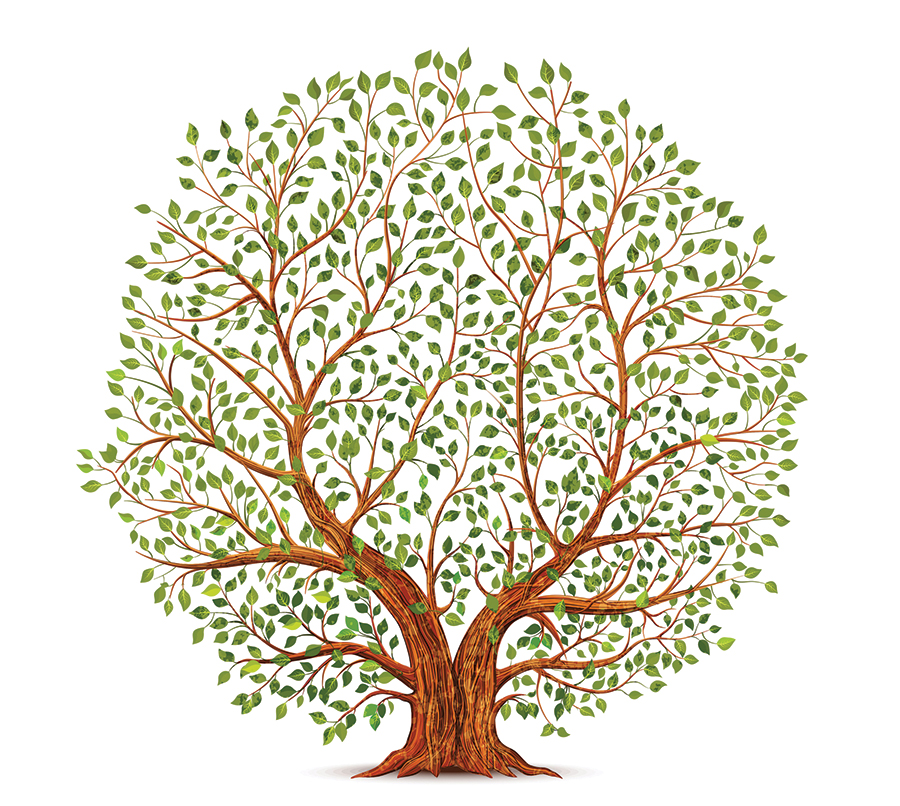
The Celts sure loved their nature spirits. According to Celtic tree astrology, those born from June 10 — July 7 resonate with the sacred oak, a tree said to embody cosmic wisdom and regal power within its expansive roots, trunk and branches. Strong and nurturing, oak types radiate easy confidence. They’re most compatible with ash (Jan. 22 — Feb. 18) and reed (Oct. 28 — Nov. 24) and ivy (Sept. 30 — Oct. 27).

If you find yourself in the company of an ancient oak on a dreamy summer evening, do be on the lookout for playful flashes of light. 

I wonder what it would be like to live in a world where it was always June. – L. M. Montgomery

Gifts for Papa

Father’s Day falls on Sunday, June 17. I think of my papa’s old fishing hat, how it would slide down my brow and, eventually, past my eyelids, then remember his hearty laugh. A few seeds of inspiration for the beloved patriarch in your life:

A new feather for the old cap.

Homemade bread for mater sandwiches.

Pickled okra — local and with a kick!

Homemade mead.

Seeds for the fall garden: lettuce, cabbage, cauliflower, collards, pumpkin. 

Almanac

By Ash Alder

The world’s favorite season is the spring. All things seem possible in May.— Edwin Way Teale

May and the heart sings of somersaults, cartwheels across the lawn, dandelions tucked behind the ears of children. 

May is a month of sweetness.

The pick-your-own-strawberries, soft-spring-rain, butterflies-in-the-garden kind of sweetness.

And magnolia-blossoms-for-Mama.

In the garden: snow peas, fennel, broccoli, kale.

In the kitchen: bearded iris in a pail.

May is a month for sweethearts — and dancing.

Dancing round maypoles, dancing round in circles, dancing round the Beltane fire.

The first maypoles were made of hawthorn, a mystical tree which the ancient Celts believed could heal a broken heart.

Breathe in spring and feel your heart somersault, hopscotch, send a flurry of dandelion seeds whirling as it cartwheels through a field of sweetness.

Gifts for Mama

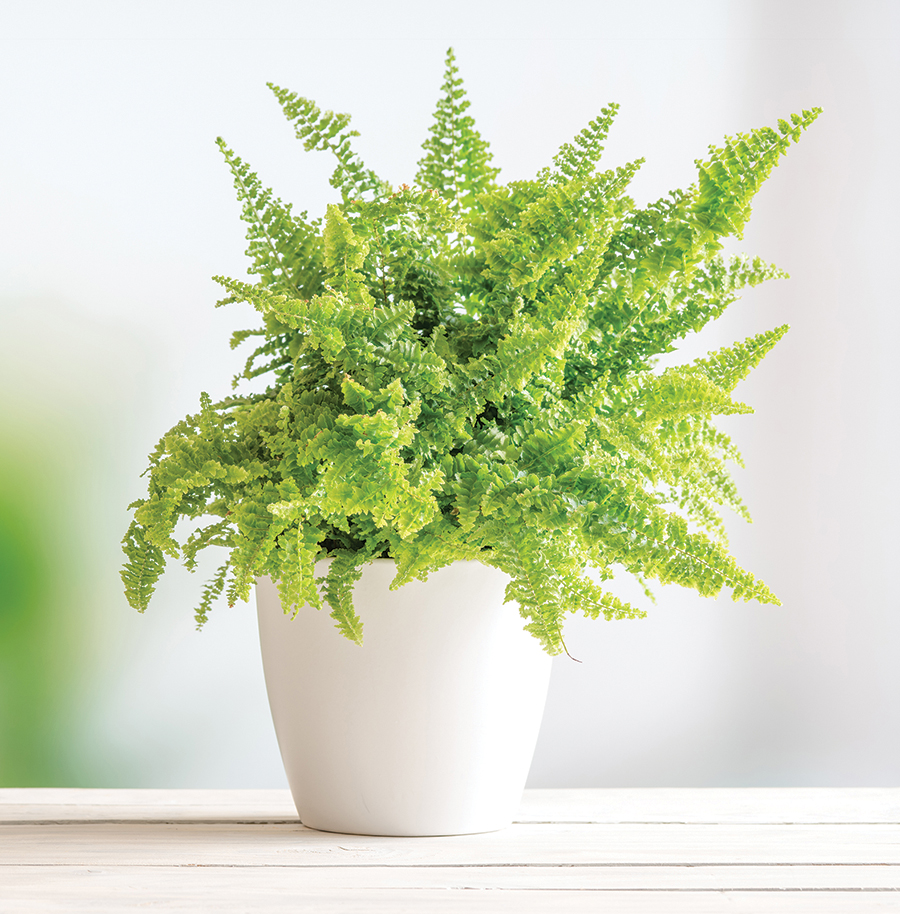
Mother’s Day falls on Sunday, May 13. I think of the hundred-year-old ferns in my grandmother’s sunroom, the ones that belonged to her florist mother, and how love, when nurtured, grows and grows.

A few seeds of inspiration for the beloved matriarch in your life:

Sprig of dogwood.

Pickled magnolia petals.

Lemon basil.

Bulbs for the garden: dahlias,
      wild ginger,

climbing lily.

Stepping stones.

Wildflower crown.

Peach, pear or nectarine tree.

Basketful of dandelion (for wine).

Eternal love.

The Full Flower Moon rises on Tuesday, May 29. Also called Mother’s Moon, Milk Moon and Corn Planting Moon, this month’s moon illuminates the whitetail fawns, wide-eyed owlets, wildflowers everywhere.

According to The Old Farmer’s Almanac, the best days for planting above-ground crops this month are May 18, 19, and 26–28. Plant below-ground crops May 9 or 10.

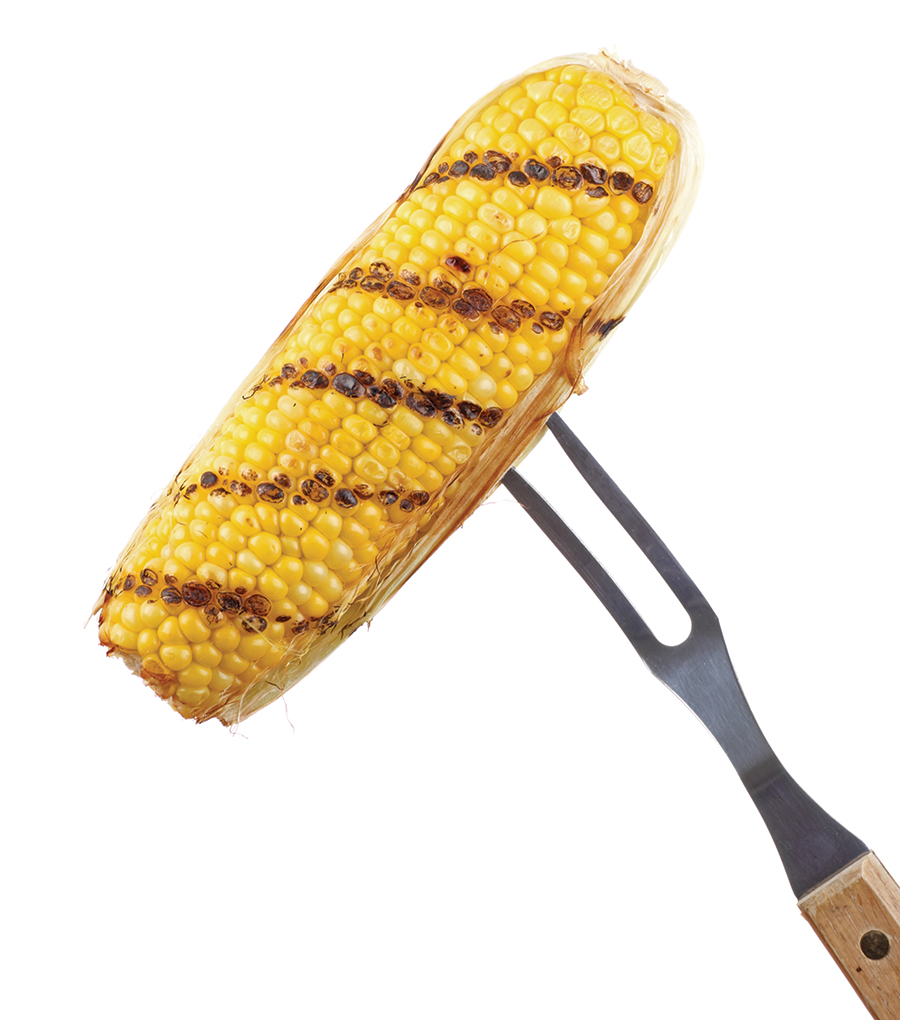
Plan now for July sweet corn on the grill.

Pickled Magnolia Flowers

Try this to add a side of whimsy to your spring salad.

Ingredients

One pound fresh young magnolia flowers

1 1/2 cups rice vinegar

One cup of sugar

One teaspoon of salt

Directions

Wash and dry petals, then put them in a sterilized jar with salt.

Mix rice vinegar and sugar in pan, then bring to boil.

Pour hot vinegar and sugar mixture over flowers. Allow to cool, then cap the jar.

Spring — an experience in immortality.— Henry D. Thoreau


Almanac

If the flowering cherry tree could speak, she wouldn’t tell of her own beauty.

Words could never capture it.

But with her powder soft voice, she might sing of the garden: banksia rose spilling over with fragrant yellow blooms; copper mobile, whirling beneath the redbud; foxglove, swooning from the tender kiss of the nectar-drunk hummingbird.

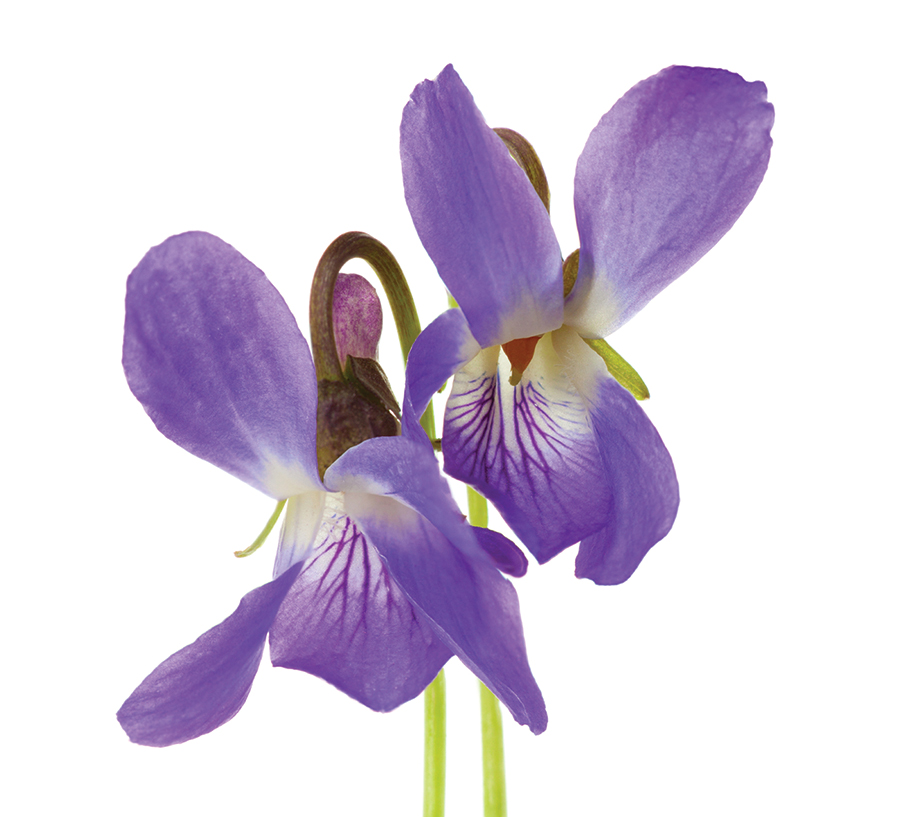
She might sing of bluebirds or violets or kissing in the rain.

Or maybe she does.

Yes, can’t you hear her? Voice like a siren. Sultry as a whisper at the nape of your neck.

Listen. 

She serenades the squirrel babes, blind and naked, whose mother built their nest with stuffing from the neighbor’s patio cushions.

At twilight, she hums low while the pregnant doe clears a row of tulips sweet as candy. 

Sunny jonquils harmonize with whippoorwill — Look-at-me! Look-at-me! — but the deer moseys onward.

As cherry maiden stifles laughter, all the world sings back.

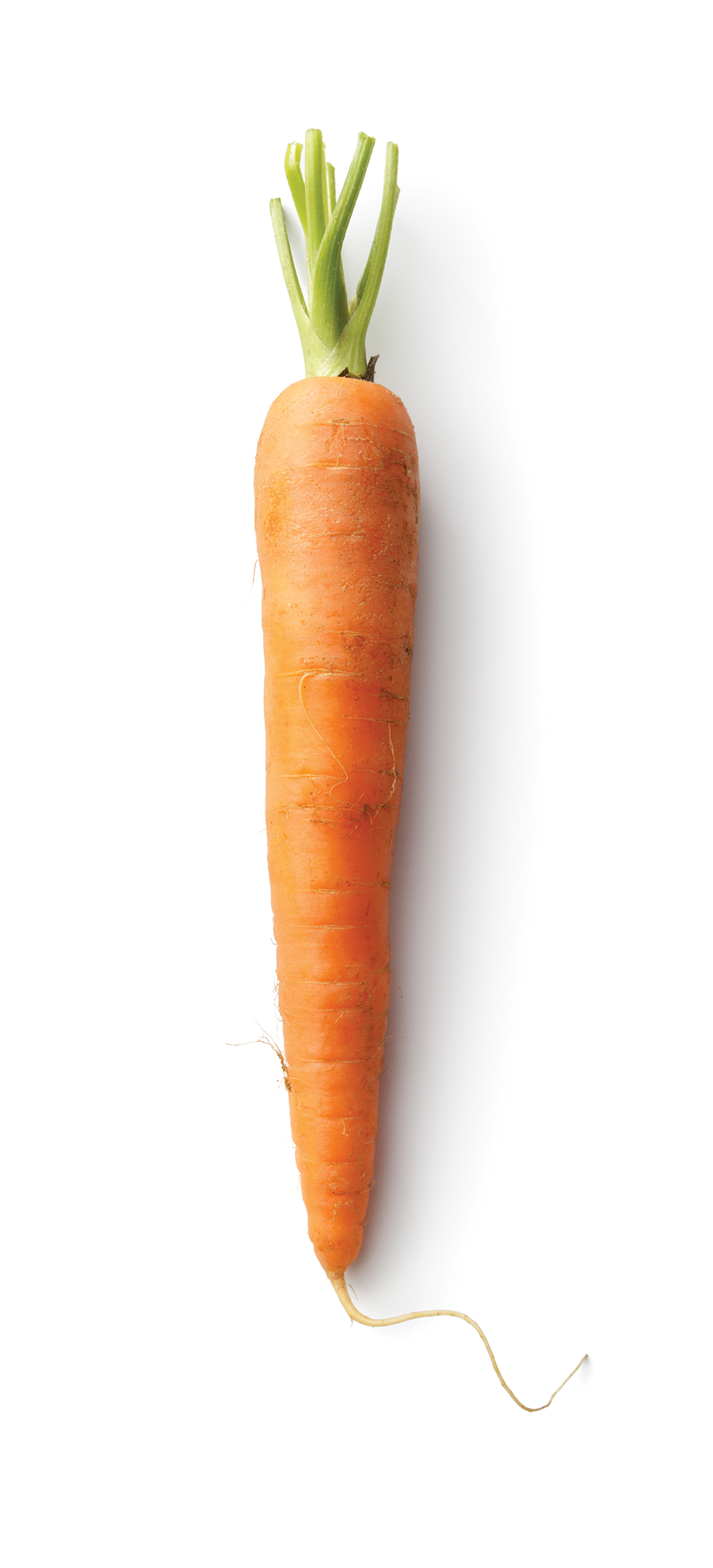
Carrot Bloody Mary (Serves 4)

Ingredients

32 ounces carrot juice

8 ounces vodka

6 ounces pickle juice

juice from one-half lemon

5 dashes Worcestershire sauce

3 teaspoons crab seasoning (more for rimming)

3 teaspoons black pepper

2 teaspoons dill

2 teaspoons garlic powder

2 teaspoons ground ginger

2 teaspoons horseradish

2 teaspoons hot sauce (modify by your heat preference)

Instructions

Add all ingredients into a pitcher, then stir until combined.

Slide the flesh of a lemon around the rim of each pint glass, then place the rims onto a plate of crab seasoning to lace them.

Fill pint glasses with ice, then pour the carrot juice mixture over top. — garnish with pickled vegetables, celery, or tomatoes. Enjoy!

While the Azalea’s Still Blooming . . .

Plant the eggplants, beets and melons! Pumpkins, squash, green beans and peppers! And if you’re looking for a down-home summer — the white bread and black pepper type — sew the cukes and maters in the soft, cool earth.

Asparagus Season

Greek myth tells that spring is when Demeter, mother-goddess of harvest and fertility, celebrates the six-month return of her beautiful daughter, Persephone (goddess of the Underworld), by making the earth lush and fruitful once again.

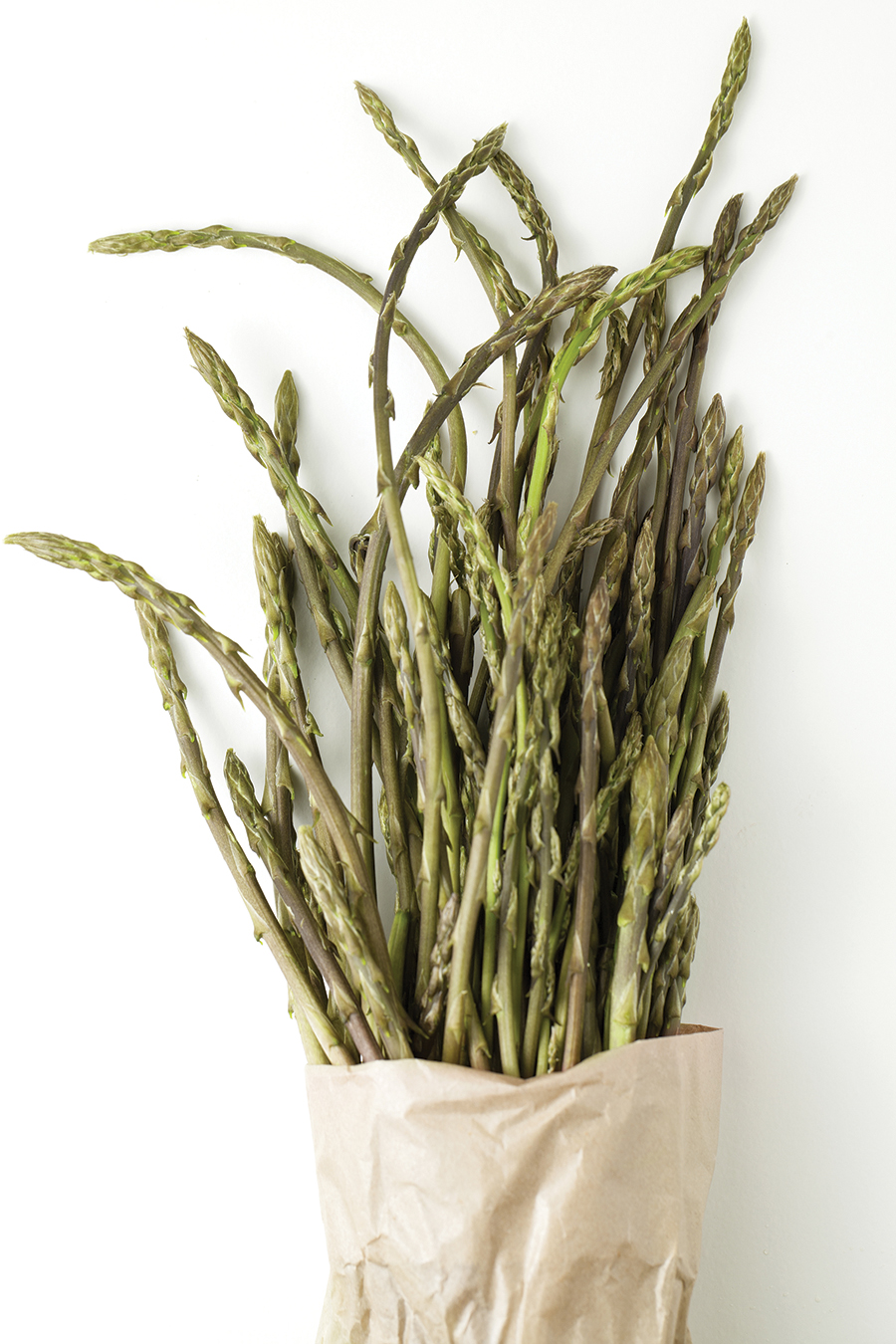
But what on earth did she do with all those tender green shoots of asparagus? Quiche. Soup. Risotto. Frittata. Asparagus custard tart . . .

In the spirit of Easter (Sunday, April 1),
how about a festive beverage to serve up with that asparagus-studded brunch?

And don’t forget all those garden parties
this month.

The ancient Celts looked to the trees for knowledge and wisdom. According to Celtic tree astrology, those born from April 15 to May 12 associate with willow, an enchanted tree that symbolizes love, fertility, beauty and grace. Creative, patient and highly intuitive, willow people are mystical by nature. They are most compatible with birch (December 24 to January 20) and ivy (September 30 to October 27) signs.

Almanac

Something primal awakens within you on the first day of spring.

You rake the lawn, re-seed bare patches, feed the compost, prune the
fruit trees, repair the wooden trellis, and celebrate the new buds on the heirloom azalea.

Soon, the banksia rose will be a waterfall of fragrant yellow blooms, and foxglove will swoon from the tender kiss of a ruby-throated hummingbird.

Spring is synonymous with life, and each breath is nectar to your soul. As robin exhales mirthful tunes of snowdrop, crocus and daffodil, you find yourself whistling along. Today: songs of iris, thrift and pussy willow. Tomorrow: ballads of blue speckled eggs. 

When the soil is workable, you sow the first of the peas, spinach, lettuce and leeks, sealing each seed with a silent prayer.

Tuesday, March 20, officially marks the vernal equinox. Urban legend has it you can keep an egg balanced upright at the exact moment that the sun crosses the plane of the Earth’s equator. Perhaps. Although you might have a better chance of cutting a deal with the wisteria.

Interview with a Leprechaun

If ever there were an optimal day to spot a leprechaun, surely it would be March 17. That’s what an Irish-blooded friend of mine stands by. As a young girl, Mary would wake with the birds on St. Patrick’s Day morn — the day before her birthday — and lie in the grass in her front yard.

“I thought for sure I would spot a leprechaun there at sunrise,” she recently told me. “I could feel it in my bones.”

Year after year she tried, but on the day before her 11th birthday, she gave up. Perhaps it was silly to believe in the magic of St. Paddy’s Day.

Or maybe it wasn’t.

At sunrise on her 11th birthday, something told her to lie in the yard once more.   

“I saw a quick movement out of the corner of my eye,” she remembers, then ran across the yard to discover a perfect four-leaf clover in the grass.

“I still swear a leprechaun guided me there,” she says.

Flash forward 20-plus years to a Welsh pony farm in western North Carolina where, this time of year, when the weeping cherry is in bloom, Mary finds four- and five-leaf clovers on a daily basis — sometimes by the dozen.

Halloween of 2015, while scanning a favorite field for an hour and a half, she found 117 four- and five-leafers, which she handed out to trick-or-treaters.

“I dressed up as a leprechaun for the occasion.”

How on this clover-loving Earth does she find them?

“Sometimes I see them as movement, and sometimes I hear their vibration,” she explains. “Nature speaks to those who listen.”

If the leprechauns aren’t guiding her, then perhaps the luck is simply in her blood. I’m inclined to believe that both are true.

The best thing about finding clovers?

“Giving them away,” says Mary. “I love seeing the smile on the face of someone who has never seen a four-leaf clover in person.”

The Lunar Report

Two full moons this month. On Thursday, March 1, celebrate the Full Worm Moon by sowing the season’s first root crops and fruiting perennials. Named by the Native Americans who so intimately knew and loved the land, this year’s third full moon signifies a softening Earth and the return of the robin. A second full moon falls on Sunday, March 31. Celebrate by doing that once-in-a-blue-moon something.

Bird Messenger

In Frances Hodgson Burnett’s classic children’s novel, a cheerful robin helps 10-year-old Mary Lennox unearth a rusty key to a long-abandoned garden.

The Secret Garden isn’t just a story of forgotten roses and the promise of spring. It’s about the healing properties of the Earth, and how, within and without, love can transmute the bleakest and most dismal places. Listen to the robin: The key is in the soil beneath you.