Almanac

Almanac


March is a born artist, wide-eyed and unbridled, creating for the sake of life itself.

The genius begins with a single daffodil, warm and bright, nodding in a stream of honeyed light. Each petal is a world of yellow. Each leaf, a meditation on green.

The artist becomes obsessed.

One daffodil becomes a series, progressively abstract, until each flower is more essence than form.

Paintings expand into wild landscapes. Quick as the hand can move, a rolling sea of yellow starbursts stretches from one canvas to the next. The foreground softens. Thick and messy brushstrokes evoke a tender, playful light.

Crested irises and yellow violets now spill from the frenzied brush, followed by flowering clover, purple deadnettle, wild onions, chickweed and a downy flush of dandelions.

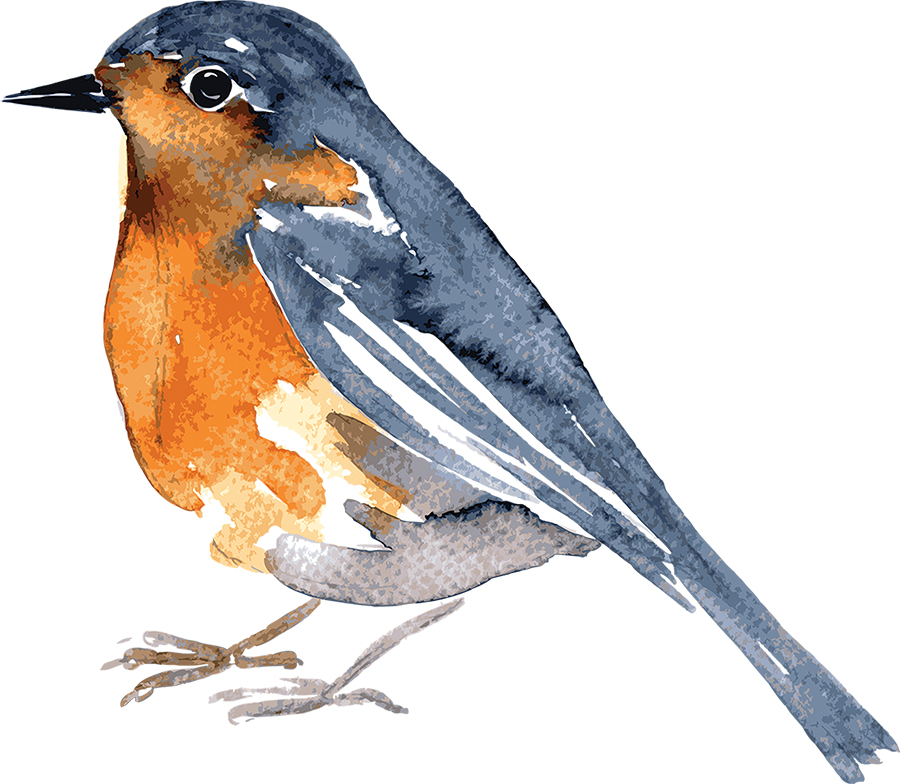
Robins begin to appear. Bluebirds, too. Tree swallows and towhees and red-winged blackbirds. The painting nearly sings out.

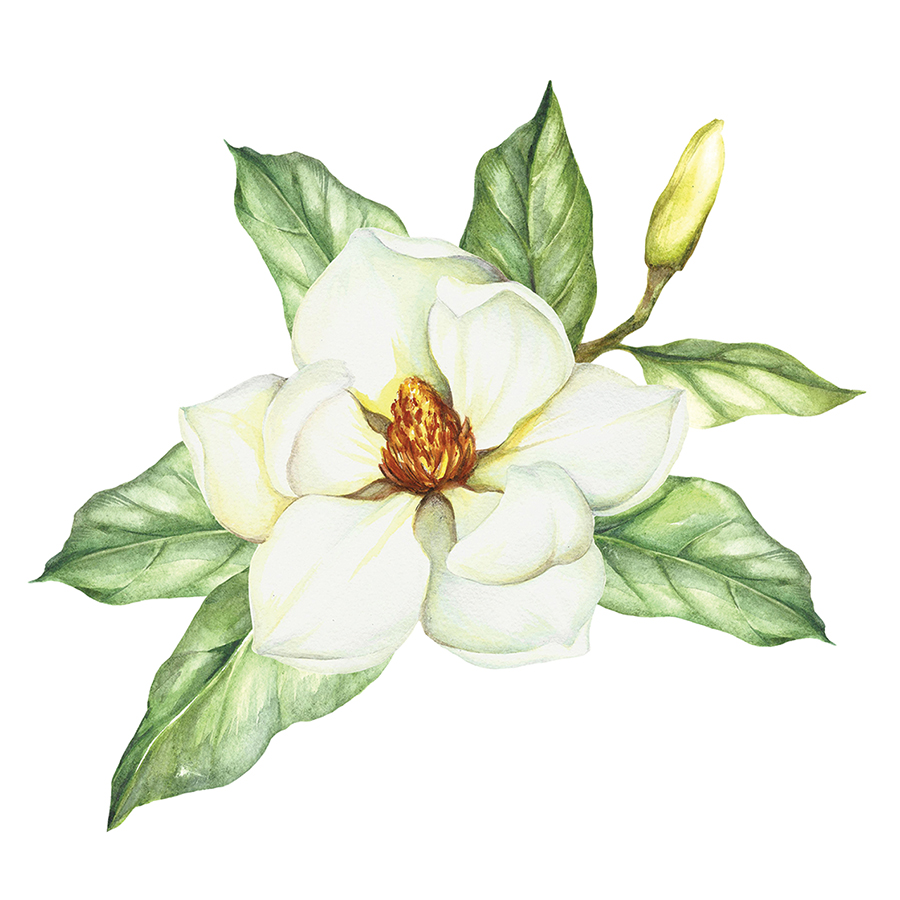
Leafless branches, stark among the luscious earth, are suddenly laden with clusters of crimson whirligigs. Redbuds are studded with bright fuchsia blossoms. Soft pink swirls adorn silver-limbed saucer magnolias.

The brush strokes quicken. A sweep of tulips colors the earth magnificent. As spring bursts forth, flower by brilliant, quivering flower, the artist surrenders to the muse.
On the Wild Side

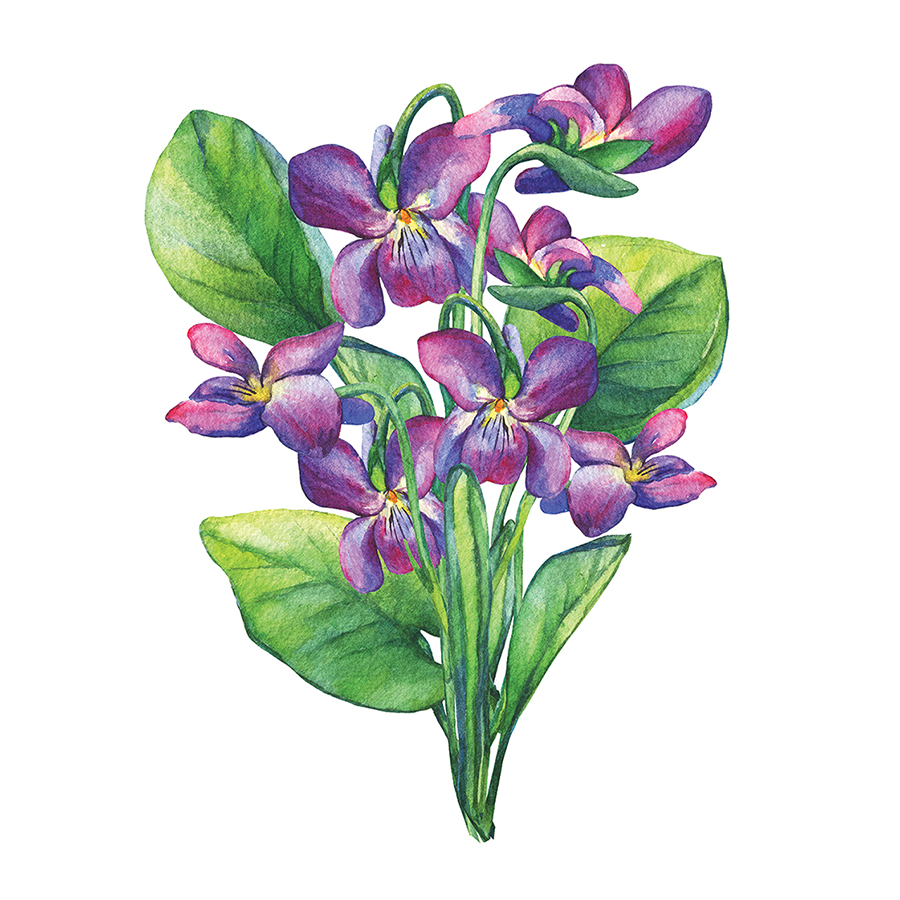
Among the wild blossoms beginning to carpet the soft earth — fig buttercups and field mustard, blood root and Johnny jump-ups, dimpled trout lilies and Carolina jessamine — the common blue violet is one you’ll likely spot in damp woods and shady meadows. Also called the woolly blue violet, wood violet or common meadow violet, this short-stemmed perennial is known for its heart-shaped leaves (edible) and white-throated purple flowers (also edible).

But have you ever seen a bird’s foot violet? Named for the shape of its narrowly lobed leaves (they do, in fact, resemble bird feet), this viola species prefers dry, sandy soil and pine lands. The five-petaled flower, lilac or bicolored with bright orange anthers, is largely considered to be the most beautiful violet in the world. But what spring bloomer isn’t a bewitching vision to our winter-weary eyes?


Our life is March weather, savage and serene in one hour.             — Ralph Waldo Emerson
 

A Time to Sow

The cold earth is thawing. The Full Sap Moon rises on Tuesday, March 7. The maple sap is flowing once again.

The vernal equinox occurs on Monday, March 20 — along with a dark, balsamic moon. As a new season and cycle begin, we return to the garden.

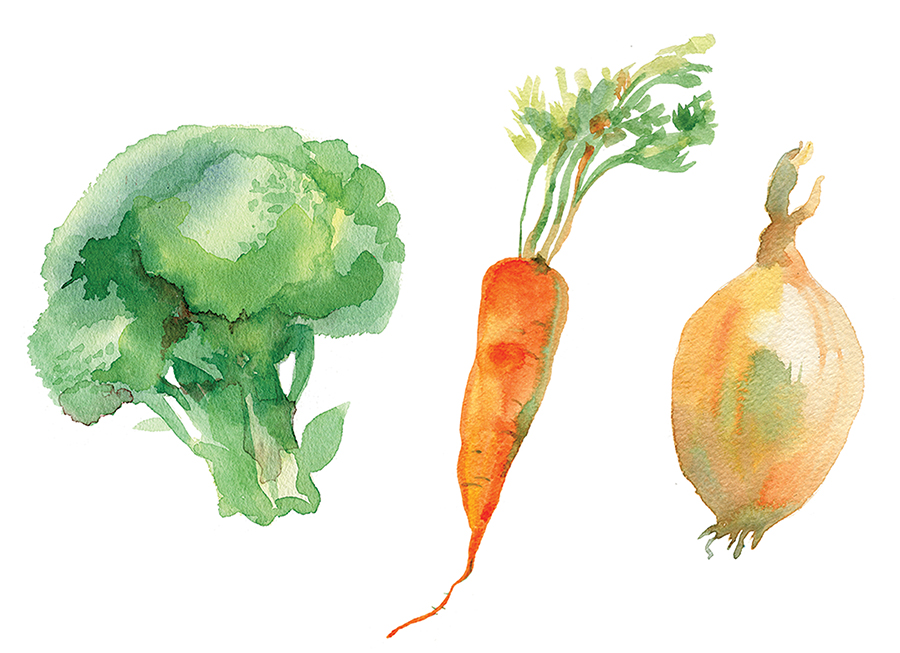
In early March, sow carrot, spinach, radish, pea and turnip seeds directly into the softening earth. Mid-month, sow chives, parsley, onion and parsnips. At month’s end: beet and arugula seeds.   

Broccoli, cauliflower and cabbage seedlings can be transplanted outdoors mid- to late-month. Ditto kale, Swiss chard, lettuce and kohlrabi.

Growing season has commenced. As the days grow warmer still, behold the simple miracle of spring’s return. The miracle of life itself.  PS

Almanac

Almanac

February knows you’re weary.

She can tell by the longing in your eyes, the ache in your chest and shoulders, how you carry the cold like a burden.

On these frost-cloaked mornings, you dream of soft earth and tender blossoms, spring peepers and swallowtails, songbirds and sunny afternoons.

February knows. She cannot give you what she does not have. And yet, she offers hope.

At dawn, the frigid air nips your face and lungs, stuns you with its jarring presence. It’s hard, at first, to see beyond the dense clouds of your own breath. This is where you start: Breathe into the mystery. Let the formless take form. Watch your own warmth shape the world around you.

As the pink sky slowly brightens, two silhouettes appear in the glittering distance.

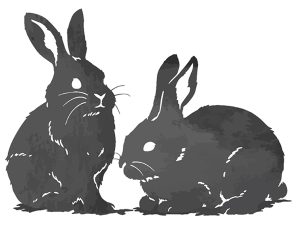
A pair of rabbits.

Something about their gentle presence softens the very landscape, softens your edges and your gaze. Weeks from now, their quiet stirrings will have conjured the first of many quivering litters. Something deep within you stirs.

February offers contrast.

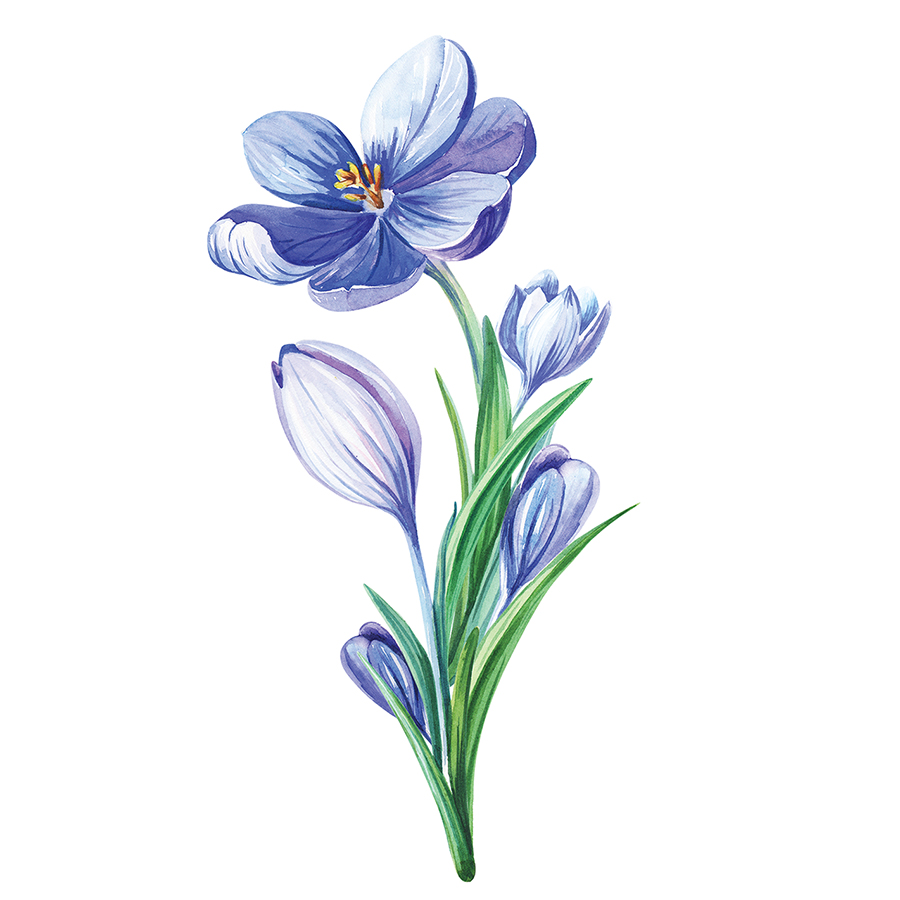
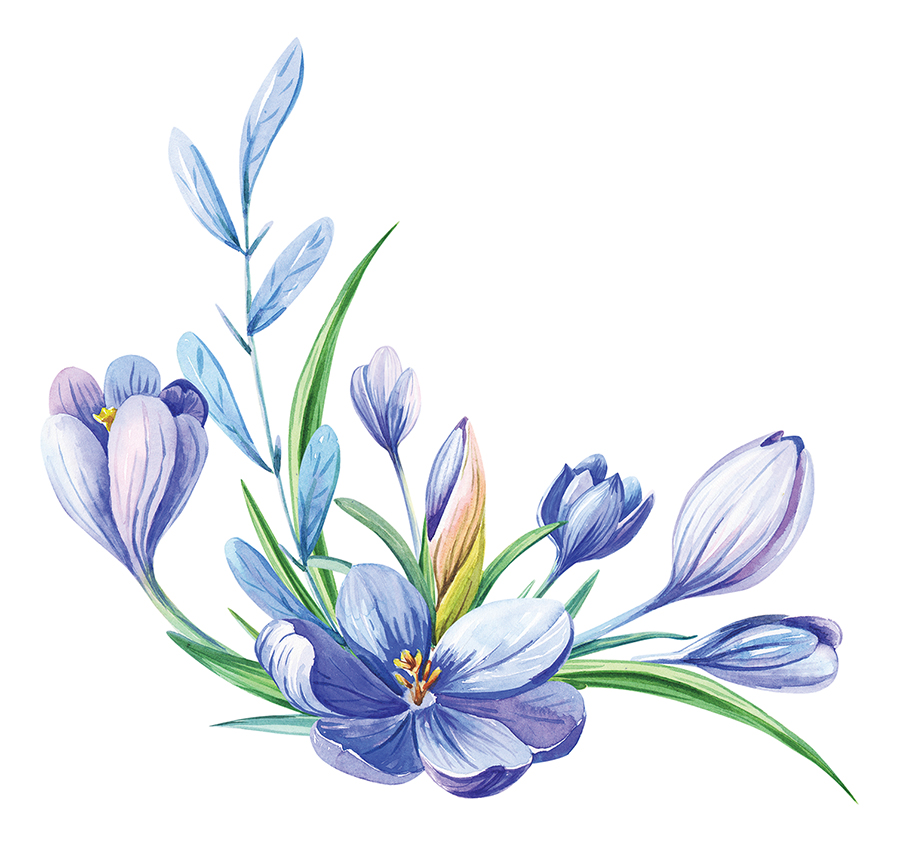
Suddenly, you notice early crocus, jewel-like petals drenched with more color than you’ve seen in months. For now, this luscious purple is enough.

But there’s more.

When the first golden daffodil emerges from the frozen earth, a sunbeam lights upon your face. You close your eyes, basking in this subtle warmth, this fleeting glimpse of what’s to come.

The cold becomes quiet. As you walk the icy bridge between the harsh clutch of winter and the tender kiss of spring, you carry yourself differently. Hope is gleaming in your eyes, glittering on the horizon, tucked inside your chest like a sacred gift.


Bridge Between Seasons

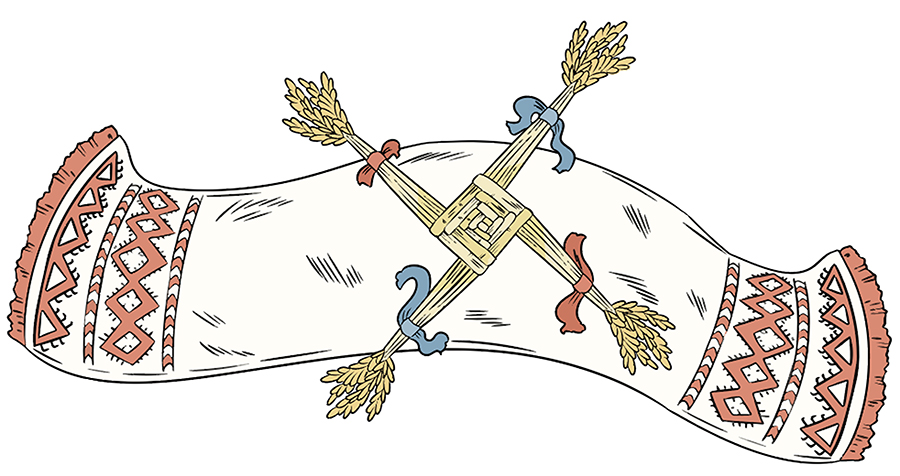
The ancient Celts looked to the Wheel of the Year to celebrate and honor nature’s cycles, drawing wisdom from the turning of each season. Imbolc (observed on Feb. 1) marks the midpoint between the winter solstice (Yule) and the spring equinox (Ostara). In other words: Imbolc is a bridge between death and rebirth. Also known as Candlemas or Brigid’s (pronounced Breed’s) Day, this festival honors the return of the sun and celebrates the Celtic fertility goddess Brigid.

The days are growing longer. The sun, stronger. The earth opens to a quickening rhythm.

Soon, the seeds from last year’s harvest will be sown. As spring awakens within and around us, the great wheel turns and turns.


While it is February one can taste the full joys of anticipation. Spring stands at the gate with her finger on the latch.   — Patience Strong


Crocus Pocus

Perhaps you know that saffron, the complex and costly spice, comes from the red stigmas of the autumn-blooming saffron crocus (C. sativus), not the snow crocuses you see now, bursting through the frozen earth. And yet, these winter-blooming beauties offer something of even greater value: the ineffable promise of spring.

Plant your own corms this fall. They’ll need full sun, moist but well-drained soil and a quiet winter to unlock their incomparable magic.  PS

Almanac

Almanac

January is a creation story.

It begins with the wrinkled hands of a grandmother — perhaps your own grandmother — in the darkest hour of morning.

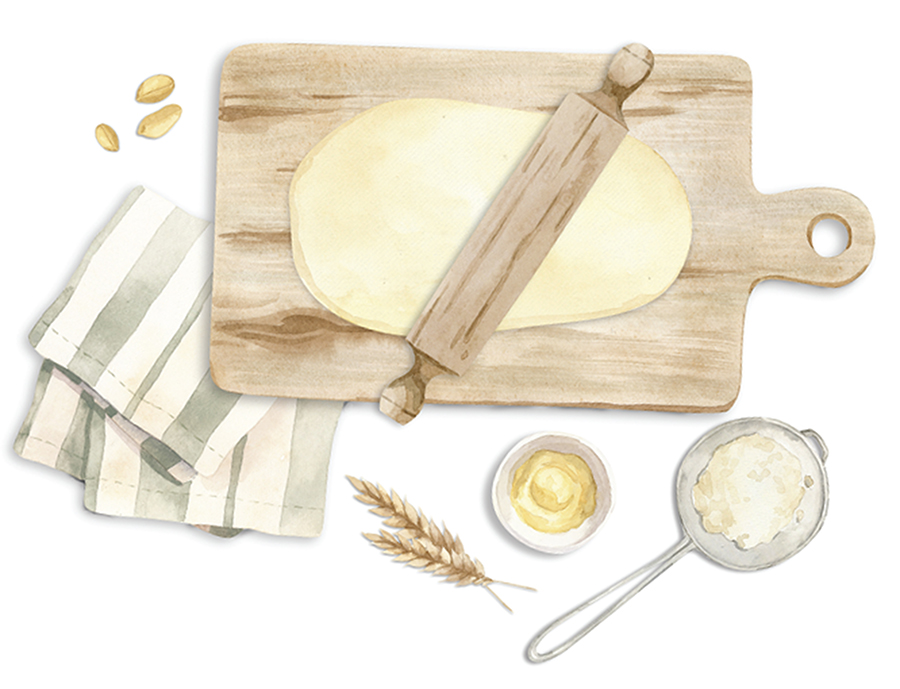
The wise woman knows the secrets of this barren season. She’s found warmth in the bone-chilling air; comfort in the aching silence; promise in the dwindling pulse of winter. When the frozen earth has nothing left to give, she reaches for the mother dough — the breath of life — then steadies herself for the tedious ritual.

The mother dough is a myth of its own: a wild yeast kept bubbling since the dawn of time. The grandmother feeds it once more — a bit of flour, a bit of water — then walks away. 

Breadmaking is a dance of time and space.

Tonight, she’ll make the leaven. Tomorrow, the dough. The rest is as crucial as the work.

At first light, a nuthatch sings its rhythmic song. Grandmother washes her ancient hands, folds the dough four times over, then lets it sit.

Two, three, four — sit.

Two, three, four — sit.

Again. And, again. And, again.

The hours tick by. The dough rises. The grandmother hums as she dusts the work surface. 

Creation is a process. After she shapes and scores the loaves, she bakes and cools them. Neither bread nor spring can be rushed. Such is the wisdom of this bitter season. Such is the wisdom of the grandmother.


Year of the Rabbit

The Lunar New Year begins on Sunday, Jan. 22. Goodbye, tiger. Hello, rabbit.

Considered the luckiest animal in the Chinese zodiac, the rabbit is a calm and gentle creature known for its grace, compassion and ability to take swift action. Those born in rabbit years are said to embody these desirable traits. Never mind their fickle nature and escapist tendencies.

But what does the Year of the Water Rabbit have in store for the whole fluffle (yes, that means bunch) of us? 

Some say peace. Some say hope. The rabbits in the yard suggest more rabbits.


Anyone who thinks gardening begins in the spring and ends in the fall is missing the best part of the whole year, for gardening begins in January with a dream.   — Josephine Nuese


The Blank Canvas

January is for dreaming. Every gardener knows that. Fetch the sketch pad. Reflect on last year’s highs and lows. Ask what your garden is missing.

This frosty month of seed catalogs and new beginnings, allow yourself to think outside the planter box. Or inside, if that’s your preference.

Is yours a kitchen garden? Butterfly garden? Purely ornamental?

Suppose you added more fragrance. Snowdrops in the springtime. Aromatic herbs in summer. Chrysanthemums in autumn. Honeysuckle and jasmine woven in between.

Color outside the lines. After all, nature does it all the time.   PS

Almanac

December is a frosted window, a singing kettle, the busying of hands.

Beyond the glass, the breath of winter settles upon the still earth like a blanket of glittering lace. The garden withers. The air grows bitter. The cold sucks the life from the glistening landscape.

Yet, for a few precious hours, the wild ones stir.

As the sun thaws the silvery earth, critters emerge from their hideaways.

Birds flit from feeder to swinging feeder.

Deer feast on turkey tail mushrooms; paw for acorns; chomp on chicory and sunchoke roots.

Mice sniff out seeds. Rabbits munch on winter buds. Hawks watch from the naked trees above.

Inside, time is measured by cups of tea — earthy, dark and sweet. The fire crackles. The kettle sings. Quiet hands ache to make things:

Sourdough loaves studded with walnuts and dried figs.

Gingersnap cookies thick with blackstrap molasses.

Stovetop potpourri swirling with pine, orange and warming spices.

Winter wreaths woven with wild grape and honeysuckle vines.

Beyond the window, night comes early. The air grows frosty. Critters disappear with the dwindling light.

You stoke the fire, tend the kettle, nurture an ancient knowing growing wilder in your winter bones.

Long Nights Moon

The Cold Moon rises on Thursday, Dec. 8. Also called the Long Nights Moon and the Moon Before Yule, this month’s full and luminous wonder will share the limelight with a bright and strikingly visible Mars. With the Red Planet at opposition (meaning the Earth is positioned between it and the sun), Mars will appear brighter than all the stars.

Speaking of lustrous marvels, the Geminids meteor shower will peak on Dec. 13 and 14, illuminating the night sky with up to 120 meteors per hour. As its name suggests, this celestial pageant will emanate from the constellation Gemini, but here’s a hint: Just look up.

The final meteor shower of 2022 happens in tandem with the winter solstice on Dec. 21 — the longest night of the year. Although it’s hardly as eventful as the aforementioned Geminids, a dark sky makes conditions favorable for the Ursids, a minor shower that peaks with up to 10 meteors per hour.

May your nights be merry and bright. And your New Year, full of light.


Someone I loved once gave me a box full of darkness. It took me years to understand that this too, was a gift.      — Mary Oliver


Where the Sunchokes Shine

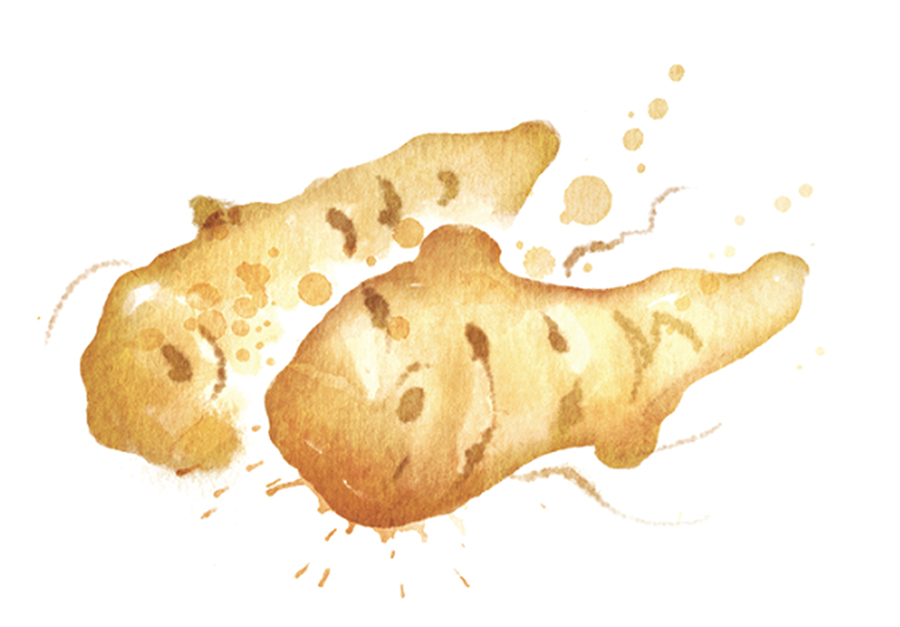
’Tis the season for Jerusalem artichokes, which are not, in fact, from The Holy City. Nor are they artichokes. These tasty tubers, also known as sunroots, sunchokes, wild sunflowers and earth apples, were first cultivated by indigenous peoples. When Italian settlers discovered this yellow-flowering plant, they dubbed it girasole, the Italian word for sunflower. The blossoms do look a bit like sunflowers, but they are actually more like daisies. Anyway, “girasole” became “Jerusalem” over time. You know how it goes.

Assuming the ground isn’t frozen, the tubers can be harvested all winter. Then what?

Scrub them, slice them and toss them with oil and spices.

Roast them until tender. Sauté them with garlic. Pan-fry them with butter and sage. You’ll figure it out.

A root by any other name would taste as savory and sweet.   PS

Almanac

November is a great sweeping wind, a clearing of what must go, a dance with a howling reaper.

The crickets have disappeared. Their nightly serenades, which crackled like warm vinyl from spring through harvest season, faded with the first hard frost. In their wake, the wind shrieks through naked trees. A great horned owl bellows from his perch.

The garden folds into itself. The porch toads that lurked by the watering can on warm autumn evenings now burrow beneath the frost line. Field mice shimmy down chimneys, squeeze through eaves, craft their nests inside cozy walls.

Songbirds come and go. Hermit thrushes strip the hollies of their crimson fruit. White-throated sparrows shuffle through crumpled leaves, scratching up what’s buried underneath.

The wind sings of a quickening darkness. The squirrels, scrambling to cache pecans as they fall, retort with squawks and chatter. A skein of geese sails across a golden sunset.

At dusk, when the wind nips at the heels of those still roaming, a pair of coyotes yips and howls beyond the fringe. Back and forth they shriek, wailing like banshees, piercing the air with their shrill and haunting staccato.

“I’m here,” cries one to the other.

A single voice sounds like dozens.

A biting wind howls back.

When Pies Fly

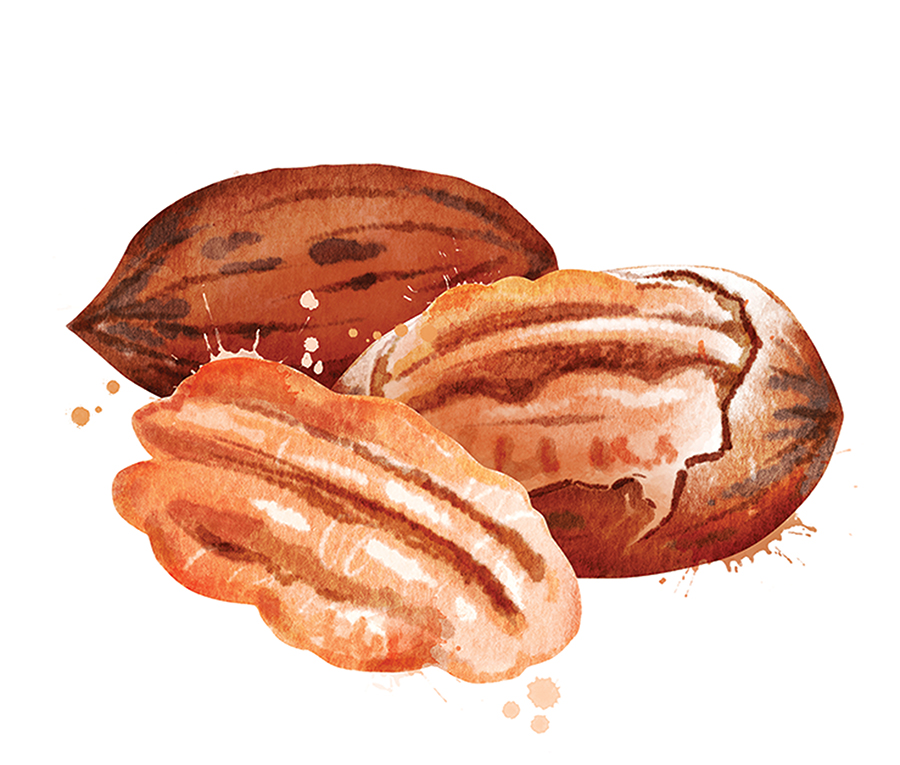
For our neighbors in Albany, Georgia (pecan capital of the world), it’s raining you-know-what right now. But we have our share of toothsome treasures plummeting upon our leaf-littered neck of the woods, too. Especially in the southeastern part of the state. Whatever you call them — PEE-cans or pee-KAHNS — ’tis harvest season. Pick them as they drop or else the crows and squirrels will beat you to it. You’ll want to let them cure (essential if they’re not yet ripe) before shelling and freezing them. Store them in a mesh bag — and in a cool, dry place — for about two weeks. While you’re waiting? Dream of pie.

On that nut-studded note, have you ever cracked pecans? If so, then you can more deeply appreciate that the average pecan pie packs between 70 and 80 of those sweet and buttery little candies. No need to mention the calories.


O wild West Wind, thou breath of Autumn’s being.

Thou, from whose unseen presence the leaves dead

Are driven, like ghosts from an enchanter fleeing

— Percy Bysshe Shelley


Prepare to be Dazzled

On Tuesday, Nov. 8, a total lunar eclipse begins around 3 a.m. According to Smithsonian magazine, which named this celestial event one of 10 “dazzling” must-sees of 2022, the moon will appear reddish, as if “all the world’s sunrises and sunsets” are being cast upon it.

Speaking of dazzling events, here’s to hoping your Thanksgiving will be described as such. At the very least, don’t let the parsnips eclipse that homemade pie.  PS

Almanac

October is the wisdom weaver, spinning the invisible to light, capturing the ephemeral, then letting it all go — again and again.

On this crisp autumn morning, waves of yellow leaves release themselves to the damp earth, and golden light illuminates a silver orb. Glistening with beads of dew, the spider web is a work of wonder. A series of concentric whorls and radial lines resembles the helm of an ancient ghost ship; the thumbprint of an unseen giant; a chandelier turned sideways. Dripping like crystals from tidy spirals of silk, hundreds of water droplets hold within them tiny worlds of ever-shifting beauty and light. Until the dew dries, each leaf falls 1,000 times. Until the dew dries, a hidden world is manifest.

The garden spider knows three things: creation, destruction and the space in-between. In other words: Nothing will last. She isn’t afraid of starting over.

In the evening, when the shadows take life and the owls cackle like witches gone mad, the black and yellow spider will swallow her own web. The same wind that sends colored leaves swirling will carry a fresh line of silk from one swaying tree to another, the bridge from which the weaver spins anew.

Tomorrow, the air will be cooler; the light, softer; the leaves, a brighter shade of gold. The spider, silent at the navel of her orb, will wait for her next cue. It’s neither time to build nor devour. And yet, the leaves continue to spill. The crows are roosting by the hundred. An invisible force is stirring, whirling at the center of all living things.


Flickering Lights

Before the first winter squash was gutted and carved to resemble a ghoulish floating head, early Irish immigrants fashioned jack-o’-lanterns from turnips and mangelwurzels (root vegetables used as fodder). Why? Tradition. And to ward off evil spirits, of course.

Have you ever seen a face hacked into a hollowed-out turnip? By comparison, our pumpkin “jacks” appear quite jolly. If you’re really trying to spook your neighbors this year, consider whittling a bushel of root veggies for the front porch. Or not.

Pumpkin Craft

Sure, you can roast the seeds (toss with oil and sea salt, then bake for 20 minutes at 350 degrees). But what of all the pumpkin guts?

If you’re one to add pumpkin to everything but the compost pile — muffins, oatmeal, waffles, cookies, soup — try making a purée. It’s like pie filling, minus all the sugar and spices. And it’s pretty simple:

First, remove the seeds (you’re roasting them anyway, right?). Next, steam the pulp until it’s tender (about 30 minutes), let cool, then use a potato masher or food processor until pulp is smooth and creamy. Freeze the excess.

Yes, a sugar pumpkin will taste better. But a carvin’ pumpkin is more fun.  PS

Almanac

The summer ended. Day by day, and taking its time, the summer ended.

— James Baldwin, Just Above My Head

September takes you by surprise again.

She told you she was coming. Tried to, anyway. Back in July, when the butterflies were puddling on the wet earth, she sent her first announcement — a tulip poplar leaf: half orange, half yellow.

“See you soon,” she scribbled across its waxy surface.

Perhaps it slipped through the cracks.

In August, when the hummingbirds were weaving among hibiscus, she scattered a few more notes. The marbled muscadine leaf, swirled with gold, brown and rust. The crimson maple leaf, brilliant as a summer flower. The star-shaped sweetgum leaf, splotched like a palette with autumn’s fiery hues.

Somehow you missed them.

Suddenly, it seems, September is here, playfully tugging at the loose threads of summer.

But she doesn’t just surprise you once.

On cool mornings, she permeates the air, perfume thick with earth and musk. Now and again, she pinches your cheeks; tousles your hair. Her very presence is electric.

The trees shiver and blush.

Chimney swifts and swallows haunt the evening sky with dark, flickering clouds.

A screech owl sings out, voice quavering like a treble violin.

Now that she’s got your attention, she begins to unravel the golden season leaf by marbled, rust-colored leaf. She doesn’t rush, nor does she dawdle. She just sips the light from the summer sky, strips the green from the rustling trees and, sometimes, surprises herself.

Equinox Flower

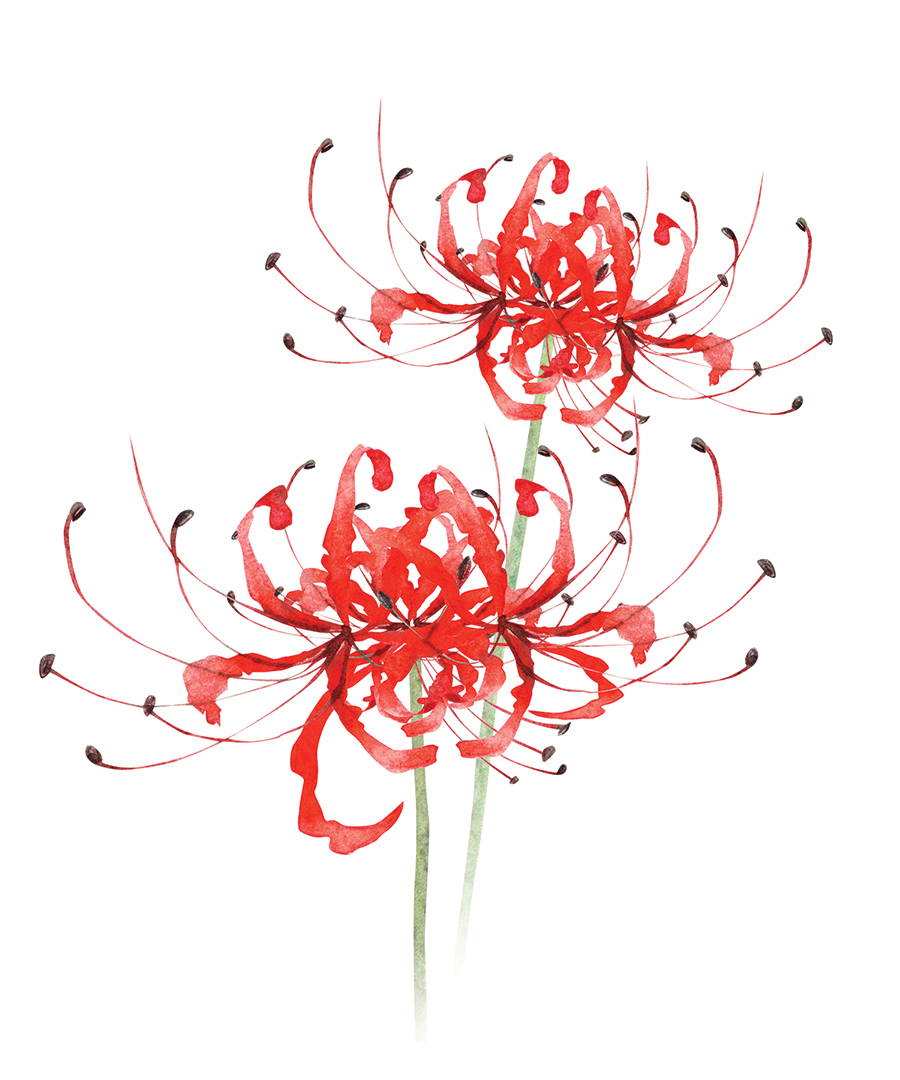
The apples are falling. Figs, drooping. And among the early fall bloomers — crape myrtle, chrysanthemum and autumn crocus — one has a name truly fit for the season: the equinox flower. Lycoris radiata (also known as the red spider lily, red magic lily and surprise lily) bloom on naked stalks, often after a heavy rainfall. The coral-red blossoms comprise an explosion of curled petals with long stamens that resemble the legs of a you-know-what (see alternate names). Winter foliage follows.

In Japan, the name for the red spider lily — Manjushage — means “flower of the heavens.” While this dazzling flower is often associated with death and the afterlife, don’t let that stop you from planting it in your own garden. The butterflies love them. Japanese rice farmers use them to deter mice. But should they attract the lost soul of some distant ancestor, ancient Buddhist text tells that this eye-catching beauty will help to guide them along.


On This Harvest Moon

The full harvest moon rises on Saturday, Sept. 10 — 12 days before the autumnal equinox, aka, the first day of fall.

And what of the harvest?

Garlic, garlic, garlic. Bushels of apples and sweet, plump figs. Potatoes, tomatoes and greens galore.

Don’t forget the honey.

The days are growing shorter. As the golden season fades, savor what is here, now: the nectar and fruits of a waning summer. PS


Almanac

By Ashley Walshe

The month of August had turned into a griddle where the days just lay there and sizzled.

— Sue Monk Kidd, The Secret Life of Bees


August is equal parts ecstasy and agony.

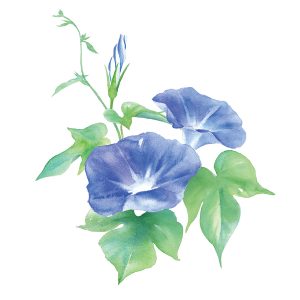
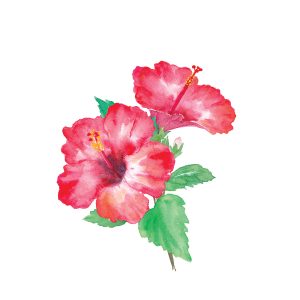
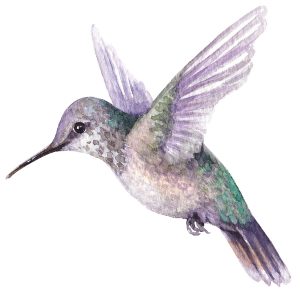
At dawn, a shimmer of hummingbirds dips and weaves among cascades of morning glories and a sweeping sea of hibiscus. In one day, the nectar of one thousand flowers will have sweetened their bellies and tongues. In one month, when the blossoms fade, the tiny birds will disappear, taking summer with them.

The honeybees have multiplied. They drift in dizzying circles, supping joe-pye weed and purple coneflower as if the future of the hive depends on it. And it does. The bees know that the season is slipping with each precious sip. They know not to waste it.

Swallowtails orbit goldenrod and lemon balm, ring around the butterfly bush, float like dreams from blossom to fragrant blossom. Soon they, too, will vanish.

Yet — for now — all is lush and dreamy. All is warm and sticky-sweet. Never mind that each kiss between bee and flower could be the last. The golden season always dims to black.

And so, you savor the last glorious slice of it. Absorb it with your whole body like the water snake sunning on the rock. Cradle it like a sipping spirit; inhale deeply, drink slowly, let the textures and flavors roll around on your tongue.

Sprawl out across the summer grass. Float from flower to flower. Drink the nectar of one thousand blossoms.

Harvest the fruits of the garden. Sink your teeth into them. At night, dance among the fireflies, here for a glittering moment, and then gone.

The cicadas know. As they scream out in rapturous longing — ecstasy and agony and nothing in-between — you soak up the sweetness of summer as if the future depends on it. As if it will carry you through the darkest days of winter. 

Sweet Morning Glory Late Summer Harvest

The morning glories have run wild. Twining vines with heart-shaped leaves and fragrant, tubular flowers, these late summer bloomers are hummingbird magnets. They thrive in full sun and, given a trellis or fence, will climb up to 20 feet.

Among the most common varieties are Heavenly Blue (sky-blue with white-and-yellow throats), Grandpa Ott (a royal purple heirloom from Germany), Fieldgrown (an amalgam of white, pink and purple blossoms) and Crimson Ramblers (a hummingbird favorite).

True to its name, the blossoms open in the morning, each lasting for just one glorious day.

Late Summer Harvest

The garden gives and gives. August offers eggplant, green beans and peppers. The last of the sweet corn. The earliest apples, pears and figs. And — oh, yes — an endless stream of plump tomatoes.

But what to do with them?

The ’Mater Sammich never fails (make mine with Cherokee Purple, balsamic glaze and pesto mayo — I’m no purist). Cook them down into sauces. Dice them for pico de gallo. Make bruschetta, pasta salad and summer quiche.

Better yet, pluck them straight off the vine, sprinkle with salt and enjoy.  PS

Almanac

Watermelon — it’s a good fruit. You eat, you drink, you wash your face. — Enrico Caruso


July is the great melon harvest, a bellyful of sweetness, the mother lode of summer.

In the sun-soaked garden, swollen fruit ripens on tangled vines. A green-striped wonder steals the show. One hundred days ago, when the Earth was newly soft, a flat, dark seed journeyed from palm to soil — a token from last summer. A tiny stem rose from the dirt. Leaves emerged. Vines ran in all directions. After an explosion of tiny yellow flowers: an explosion of tiny green fruits.

Today, a whopper.

The watermelon tells you when it’s ready. Sort of sings out, sending a signal through its smooth, thick rind. You give it a thwack, close your eyes and listen. The sound is rich and resonant — pitch perfect — like the beat of a primal drum.

The tendril closest to the fruit is shriveled and brown, just as it should be. And when you roll the melon over, another telltale sign: the yellow field spot on its underside.

Its aroma is the final giveaway. Not too strong. But even through the rind, the sweetness is undeniable.

You gently twist the melon from the stem, carry it in your arms like a sacred offering. Everyone knows that a watermelon isn’t just a watermelon. It’s an entire cosmos, the culmination of summer. Inside, a vibrant pink world is studded with hundreds of tiny black seeds. When you sink your teeth into that half-moon slice, the flavor hits you at once. You taste spring rains and summer days; bee tongue and butterfly kisses; the nectar of the journey and the freshness of the right-now.

As pink rivulets run down your chin and fingers, you want for nothing more. Because in this moment — wet, sticky and sweet — summer is everything.


All Ears, Baby

Nothing says Fourth of July like bread and butter pickles. Blueberry picking. Watermelon ice cream. And did someone mention sweet corn?

Platinum Lady or Bodacious?

Regardless, fresh is best.

Make shucking a family thing (the kids still think it’s fun).

Bring out the salt and pepper. Loads of butter. And if you’re the one behind the grill, you can’t go wrong with pure and simple. The best memories always are.


Super Buck Moon

Native Americans called this month’s moon the Buck Moon since male deer antlers, which were velvety nubs back in the spring, have reached full maturation by July. Also called the Thunder Moon and the Hay Moon, this month’s full moon rises on Wednesday, July 13 — the second and final super moon of the year. No matter what you call it, you can expect totally dreamy. PS

Almanac

June holds nothing back. Dripping with decadence, she drapes her frills and trimmings across limbs, stems and wild earth. She isn’t afraid to take up space, nor is she afraid to ask for more.

More beauty. More bramble. More texture. More color.

And nothing shy of the full spectrum.

Red poppies speckle sunny meadows. Orange tiger lilies brighten the foreground. Yellow swallowtail flit hither and yon.

Green — as in every sumptuous shade of it — shoots and sweeps across the landscape.

Blue chicory dances along roadsides. Indigo buntings flicker among the woodland fringe. Violet hydrangeas sweeten the lawn. 

“More is more is more,” she says, weaving among peach and coral roses; the first stunning wave of star-shaped clematis; a swell of multicolor zinnia.

The air is an amalgam of honeysuckle, lemon balm, basil and gardenia.

More fragrance? If it’s good enough for the hummingbirds, bring it on: Rivers of feathery bee balm, cascades of trumpet creeper, explosions of flowering salvia.

Bring on the music-makers, too. The buzzers and screamers. All who twitter, chirp and croon. Listen for the rattle call of the northern flicker. The coo of the pigeon. The lusty moan of the lonely bullfrog.

In the garden, the squash plants runneth over. Green tomatoes fatten on the vine. Salad greens reach for the rising sun.

Bring on your glorious wildness, June. Your luscious too-muchness. Your sultry, voluptuous summer.

No need to hold back.


June is bustin’ out all over.    — Oscar Hammerstein II


All That Glitters

According to Smithsonian Magazine, two of this year’s most “dazzling celestial events” happen this month, beginning with the first supermoon of the year on Tuesday, June 14.

What, you ask, is a supermoon? It’s when the moon is full at its perigee (aka, closest proximity to Earth). According to NASA, a supermoon can appear up to 14 percent larger and 30 percent more luminous than a full moon at its apogee (farthest point from Earth). As if June needed one more reason for us to swoon.

Next on the don’t-miss-it docket: five planets in rare alignment from June 19–27. Make that six if you’ve got a telescope and minimal light pollution. Just before sunrise, gaze toward the eastern sky for a chance to spot Mercury low on the horizon, then Venus (always the brightest planet), Mars, Jupiter (second brightest) and Saturn (high in the south) in a diagonal line visible to the naked eye. Those with proper optics may also spot Uranus — yep, that bright green speck — just above Venus.

Do look up. At the very least, you might catch some fireflies.


The Color Purple(ish)

It’s beet season. If their vibrant magenta color wasn’t reason enough to love them, consider that these earthy roots are loaded with antioxidants, fiber, folic acid and potassium. Even their greens are a superfood. And nothing says summer like a cold beetroot salad.

Boil them until tender. Once cool, peel them under cold running water, then cut into 2-inch cubes.

Toss them with olive oil, orange juice, cumin, salt, fresh mint and cilantro.

Admire your stained fingers . . . and enjoy.  PS