Simple Life

SIMPLE LIFE

The Gift of Nature

And the power of the Earth to heal

By Jim Dodson

One morning this past February, I stepped out to assess how my garden had fared from one of the coldest, soggiest winters in memory.

It wasn’t a pretty sight. 

The Asian-themed shade garden I’d spent a decade creating in our backyard under towering oaks appeared to be devastated, buried beneath drifts of sodden leaves and dozens of downed tree limbs. The only visible signs of life were weeds and grass creeping over the garden beds like an insurgent army.

I’m no rookie in landscape gardening. I’ve built — and restored — three major gardens in my life, including an ambitious native garden in a forest on a coastal hilltop in Maine, where we lived for two decades.

Hard weather, as they say up in Maine, makes good timber — a theory, I’ve discovered, that’s applicable to human beings as well as gardens.

I remembered this eternal truth as I took stock of my battered garden, wondering if it would ever look as glorious as it did last summer.

After a morning of clearing debris and raking out beds that showed little to no signs of life, I ruefully joked to Wendy, my wife, that our “ruined” garden was the final insult from a winter we were both eager to forget.

It started on All Saints’ Day back in November, with the death of Wendy’s mom, a lovely Irish lady who spent her career teaching children how to love art. In the end, dementia robbed “Miss Jan” of her sparkling wit and even the ability to recognize those she loved. At least she spent her final days on our terrace, warming her face in the late autumn sunshine. The last thing she said to me was, “Look, isn’t the sun beautiful today?” She never spoke again.

For the first time ever, three of our four children, admittedly all grown-ups, failed to make it home for the holidays, which made for a too-quiet house at Thanksgiving and lots of empty stockings. Fortunately, our youngest, Liam, showed up two days before Christmas, briefly brightening the mood before I went under the knife for a full left-knee replacement that left me wondering, as the New Year dawned, what dump truck ran over me.

I skipped the narcotic painkillers in favor of Tylenol, however, because I was under the intense pressure of a tight deadline to correct and return within a fortnight my editor’s marks on the most important book of my life. As a proud Luddite, I was forced to use a complex digital editing system that left me feeling like a child trying to operate a jumbo jet. Fortunately, in the nick of time, my digitally savvy bride stepped in to get the job done. Printed manuscripts, I learned, evidently went out of fashion with handwriting. 

To make things more fun, as I wrestled with a hoisted leg and new technology, a work crew arrived to renovate our Donna Reed-era primary bathroom, knocking down walls and pulling up floors — making such a godawful racket, it seemed they were taking out half the house.

Most disturbing of all, amid this clamor and craziness, I lost my longtime gardening pal, Boo Radley, our beloved 14-year-old cat, who suffered a sudden series of seizures that grew more horrifying as the days went along. We finally put him peacefully to sleep on his favorite blanket.

Every family, of course, goes through periods of intense stress and challenge when the chaos of life seems to pile up like snow against the door. That’s just part of making the human journey. To place our winter of discontent in proper context, as my late Scottish father-in-law liked to say, ours were “pretty high-class problems in a world that is full of sorrow and woe.”

It took an unexpected birthday card from a dear old friend to lift my cloud of gloom and remind me of what’s really important in the grand scheme of things.

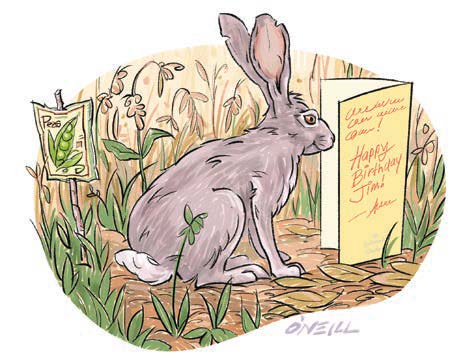
Ashley Walshe’s clever card amounted to a gentle poke from the universe, depicting an old, gray rabbit nibbling something in the garden. She knows I have a thing for woodland rabbits.

“Another year,” read the card. “Another gray hare — Happy Birthday!”

You may know Ashley from the soulful monthly Almanac she writes for the magazine, and from her many years adding earthy wisdom and wit to our editorial team. Among other things, she is a gifted poet and a true daughter of the Earth.

Not surprisingly, it was her accompanying hand-written message that reminded me of the lessons in gratitude and joy we’ve shared over the many years of friendship:

“In all seriousness,” she wrote, “thank you for showing me the joy of growing backwards . . . The secret, perhaps, to this wild, wonderful life on Earth.”

The idea of growing backwards is simply our way of describing a life in tune with nature, timeless values (some would call “old-fashioned”) that promote kindness and compassion to all living creatures and a deep reverence for the Earth.

In a year that has already seen apocalyptic wildfires out West, a record number of killer tornados in the heartland and a hurricane that will be remembered for generations, it isn’t much of a stretch to realize Mother Earth is sending us a serious message about our behavior.

Last November, Ashley and husband Alan nearly lost everything they own — including their lives — when their first home on a pretty hillside just outside Asheville was almost washed away by Hurricane Helene.

“At the height of the storm,” she remembers, “we were huddled in our house with our dog, Dirga, watching frightening torrents of water roar down the mountainside, washing away many of the houses around us. I remember asking Mother Mary to please keep us safe.”

Moments later, the couple heard a loud crash of trees that fell directly in the path of the rampaging waters, diverting the Biblical flood away from their home.

It was, she says, “a miracle. Nature saved our house.”

After escaping for a time to stay with friends outside the danger zone, the couple returned to find their home still intact but surrounded by a world of mud and debris.

“Helene brought me back to a higher level of consciousness, a desire to let go of things that don’t really matter in the course of daily life,” she says. “It also brought out an amazing amount of kindness and support among complete strangers who helped each other through the crisis. I think it changed many lives.”

The good news, she says, is that her bare yard is now a blank canvas awaiting the creation of a “wonderful new garden.”

Days after she told me this, she sent me a photograph of the lone plant that miraculously survived the Great Flood — a single, gorgeous tulip that popped up with the coming of spring. “Nature always gives us a gift,” she wrote.

That same afternoon, I noticed my own garden miraculously springing to life.

By now, it should really be something.

Omnivorous Reader

OMNIVOROUS READER

A Day at the Beach

When everything goes wrong

By Anne Blythe

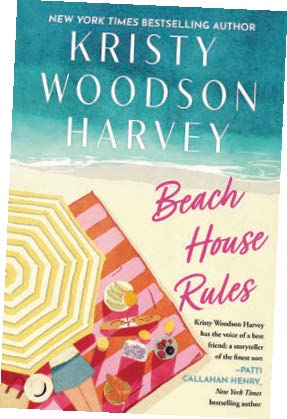
If you’re one of those people who like to walk on the beach and dream up scenarios for what might be happening in some of those homes looking out over the ocean, Kristie Woodson Harvey has a whale of a tale for you.

In Beach House Rules, the Beaufort-based author takes readers inside a massive two-story oceanfront home enveloped by “the salt air and rhythmic shush of the waves” in fictional Juniper Shores, North Carolina. Harvey’s 11th book, which she describes as “an ode to female friendship,” also has mystery, a touching exploration into what makes a family and, of course, a love story or two — many of the elements for a breezy, easy beach read.

Inside Alice Bailey’s massive beach house is the “mommune,” an intriguing co-living situation that — because of a variety of individual crises — brings a cast of women and their children together. Charlotte Sitterly and her teenage daughter, Iris, are the newest “mommune” residents, having found themselves in need of shelter, hugs and support after being locked out of their five-bedroom, four-and-a-half bath shorefront home by the FBI.

Bill, husband of Charlotte and dad of Iris, is in the local jail, accused of a white collar crime that thrusts their family into the glaring spotlight of an anonymous gossipy Instagram account that revels in “sharing bad behavior and delicious drama in North Carolina’s most exclusive coastal ZIP code.”

Charlotte, Bill and Iris came to Juniper Shores during the height of the pandemic, refugees from a locked-down New York City. While snuggling on the wide-open beach during what was supposed to be a temporary visit, soaking up the orange glow of a Mayflower moon and watching their daughter make friends with a neighbor girl, Bill suggested they build a house there, miles and worlds away from their hectic and confined city life. Charlotte leaned into her husband and quickly said yes.

Fast forward to Charlotte’s meltdown in the lobby of Suncoast Bank, three days after coming home to a swarm of police cars and FBI agents combing through her dream house. With the family’s financial assets seized, Charlotte needed a job. Her work history was in finance, so she thought she would try the local bank, but convincing a bank or investment firm to take on the spouse of a man accused of stealing large sums of money from his clients was a tough sell.

Alice, known around town as the woman with three dead husbands in 12 years, offered Charlotte a supportive ear and refuge at her former bed-and-breakfast where women and their children facing hardships comprise the “mommune.” With only enough cash to afford two more weeks at a modest hotel, Charlotte agreed. Her mind raced as she walked into the Bailey house. What if Alice was a creepy killer who’d offed her husbands? Was she a lunatic or a saint? And always in the back of her mind, what if Bill had, indeed, committed the financial crimes he was accused of? Charlotte tamped down those questions as Alice took her through the unlocked door into a haven with a chef’s kitchen, an open-plan dining room, a living room that stretched across the entire house and an array of comfortable bedrooms.

Through the alternate narratives of Charlotte, Iris and Alice, Harvey weaves in the many side stories. We learn about Julie Dartmouth, Alice’s niece and a dogged reporter who was the first woman to take up residence, along with her children, in the Bailey house. Before Charlotte and Iris arrived she “seemed to absolutely revel in writing about Bill’s arrest.” But “beach house rules” changed that.

Grace, Julie’s best friend and an Instagram influencer who has gained a large following sharing her recipes on “Growing with Grace,” was the second mom to join the so-called “lost ladies club.” She moved in after her husband split to Tokyo, leaving her with a mortgage to pay and children to raise, one of whom is a star high school quarterback and heartthrob, an added bonus for Iris, a 14-year-old navigating the highs and lows of teenage years.

Elliott Palmer, Alice’s former boyfriend who wants to reignite their love story, has the potential to upend this makeshift family. He’s not deterred by Alice’s wake of dead husbands or other claims that she’s cursed. “You’re not going to kill me,” he tells her over a bottle of Champagne and a remote table for two overlooking the water.

Harvey weaves all these storylines together, thread by thread, mystery by mystery, to an end that reveals whether or not Alice — who, not coincidentally, had taken a financial hit from the white-collar crime Bill is accused of — had ulterior motives when she invited Charlotte and her daughter to stay with her.

While there are dark clouds that hang over the many mysteries within this mystery, the romance and light fun make it more about community and the friendships that can unexpectedly occur when it seems like everything is falling apart.

According to the Beach House Rules, setbacks can be blessings in disguise.

Simple Life

SIMPLE LIFE

Gone But Not Forgotten

The legendary newspaper woman who changed my life

By Jim Dodson

According to latest government projections, a record 3.7 million high school kids and 4.11 million college students will graduate this spring. In a world turned upside down by partisan politics and unpredictable economics, worries about the future are understandable. 

Once upon a time, I was there myself, waiting for the direction of my life to present itself.

In late spring 1976, America’s Bicentennial year, I was enrolled in a new M.F.A. writing program at UNCG and working part-time for my dad in advertising until I could figure out what to do with my life. America was slowly coming out of a powerful recession and job prospects were thin on the ground.   

Sadly — or maybe not — I turned out to be a lousy ad salesman. I could talk up a storm with my old man’s clients but never quite close the deal.

I also had an alternative plan of caddying for a year on the PGA tour, which proved to be a bust when I was assigned a tubby, wisecracking CBS TV star for the Wednesday Celebrity Pro-Am who’d never played the game. He told vulgar jokes to young women in the crowd and roguishly passed gas loudly to amuse the gallery. After a long and humiliating afternoon fetching my client’s lost golf balls from creeks, backyards and thorny bushes, he handed me a $2 tip and advised with a wink, “Don’t spend all that in one place, Sonny.”

I hurried straight to the Sedgefield Country Club bar with just that in mind.

At that early hour of the evening, the bar was empty save for an elderly gentleman sitting around the corner of the bar, nursing a cocktail.

As I drank my beer, to my shock and delight, I realized the gentleman at the end of the bar was none other than Henry Longhurst, the celebrated Sunday Times golf writer and CBS commentator — one of my literary heroes.

“Young man,” he spoke up with his charming grumble, “you look like I feel most mornings when confronting myself in the bathroom mirror.”

When I mentioned my horrible afternoon of caddying for a farting buffoon who killed my dream of caddying on the Tour, Henry “Longthirst” simply smiled. He asked what other options I had in mind. Confessing that my heart wasn’t into my graduate studies, I boldly commented that my real goal was to someday become a golf writer.

The great man nodded and slowly rose, placing a fiver on the counter. As he headed to the door, he placed his hand on my shoulder and said quietly, “Well, young man, if you do decide to write about this ancient game, you will find no shortage of rogues, bounders and peculiar characters, but also inspiring champions and some of the finest people on Earth. Good luck to you, then!”

I was thrilled by this encounter, taking it as a sign that the universe would deliver something good down the fairway of life.

A few days later, I received a phone call from Juanita Weekley, the managing editor of the city’s beloved afternoon newspaper, where I’d interned for two summers. She invited me to drop by for an interview.

“Be here at 5:30 sharp,” she said. “But don’t get your hopes up. You have lots of competition.”

I found her alone in her office the next afternoon. “Come in and close the door,” she said in her famous no-nonsense way.

Mrs. Weekley was a newspaper pioneer, the first woman to edit a major newspaper in the state, a tough, plain-spoken redhead who reminded me of Lou Grant, the crusty editor from The Mary Tyler Moore Show.

As I sat down, she pointed to a stack of folders on her desk. “These are applications from half a dozen outstanding candidates for this job. They are all female from top journalism schools. I’ve been instructed by personnel to hire a female. My question to you is, why should I even consider a skinny white kid from the west side of Greensboro?”

I understood her point. But I also had nothing to lose. I was still buzzing from meeting one of my sports journalism heroes.

Brazenly, I replied, “Because I’ll write circles around them all.”

Madam Weekley did not appear amused. Instead, she reached over her desk, picked up the wickedest-looking letter opener I’d ever seen and tapped it slowly on her desk.

“OK,” she said after a long pause. “I’m going to take a chance on you. But listen closely. If you’re not the best damn writer in this newspaper in a year, I’ll chase you out of the building with this thing.”

I spent the next year writing like mad to avoid being run off by her evil, sharp tongue and even sharper letter opener. At one point, however, Mrs. Weekley called me into her office and handed me the keys to a wheezing, 1970 day-glow orange AMC Pacer staff car and instructed me to drive a 75-mile circumference around the Gate City, searching for “good stories about country life” for the Sunday paper’s Tar Heel Living section.

“Think of it this way,” she said. “You’ll be our version of Charles Kuralt, writing about rural life and colorful characters you meet along the way. It’s right up your alley.”

She wasn’t wrong. 
Over the next six weeks, roaming the backroads of the western Piedmont and the Blue Ridge foothill country, I found an assortment of fascinating small-town stories and colorful folks to write about, including several homegrown artists, a brilliant Yale-educated physician running a clinic in an impoverished mountain town, an award-winning poet, a famous moonshiner, the biggest Bluegrass festival in history, and the winner of a Bear Creek talent show, whose mom invited me to marry her daughter after she graduated from high school. I politely declined.

Looking back, it was the best job any rookie reporter ever had — one that shaped my life.

My “country” tales won a major newspaper award and landed me a staff job at the Sunday Magazine of the Atlanta Journal-Constitution, where I was the youngest writer of the oldest Sunday magazine in the South.

Two decades later, I was back in my hometown on a national book tour for my bestselling memoir, Final Rounds. 

I stopped off to say hello to Juanita Weekley, the pioneering woman who took a chance on me way back when, and bring her a signed copy of my book.

She was in declining health. But her face lit up when she opened the door. We hugged and sat for an hour, and I thanked her for not running me off with her letter opener.

As she walked me to the door, she took my hand. “I knew you were going to be a superb writer,” she said, holding back tears. “I just didn’t want you to know that! I couldn’t be prouder of you, dear. Hiring you was one of the best things I ever did in my career.”

I kissed her cheek and thanked her. “It would never have happened,” I said, “without you.”

Juanita Weekley passed away in 2003.

Gone but never forgotten.

Focus on Food

FOCUS ON FOOD

French Squared

Croissants jazz up a traditional dish

Story and Photograph by Rose Shewey

If I see French toast on a breakfast menu, I inevitably think: old bread. I can’t help it. Jazzed up old bread, yes, but old bread nonetheless.

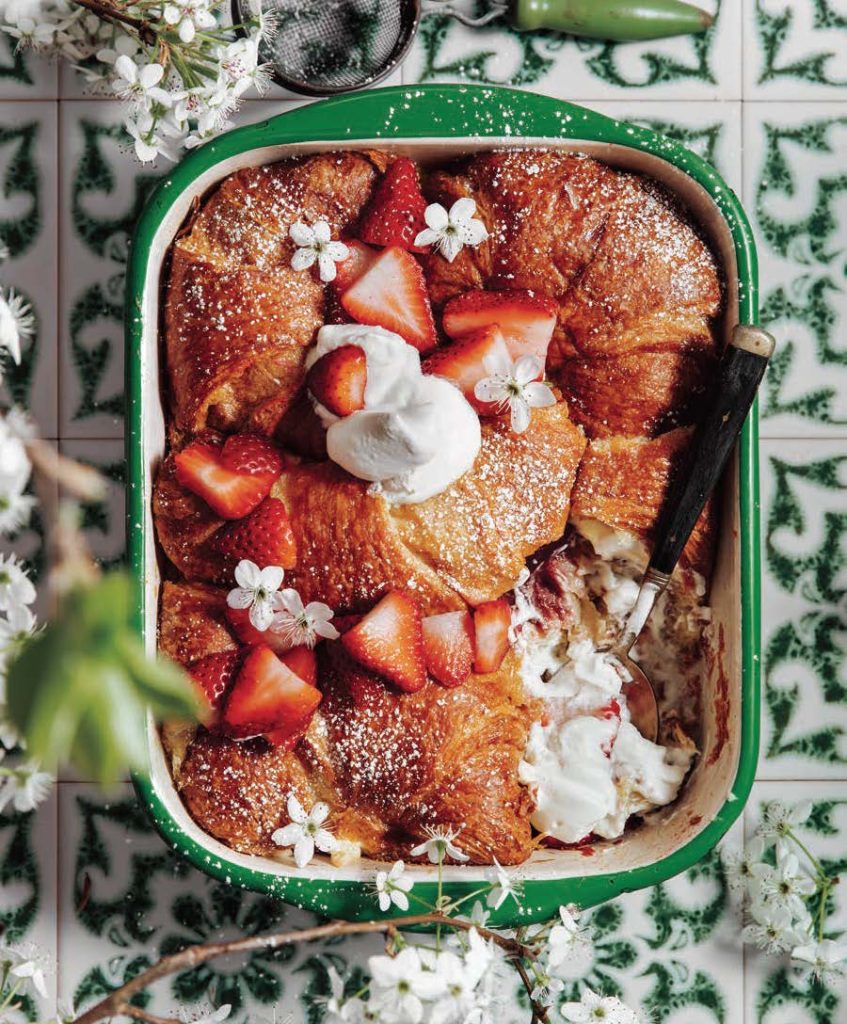
For a start, it’s always been my belief that French toast is a “make at home with leftovers” food. Stale bread soaked in an eggy milk mixture? In various languages, most of Europe calls this dish “poor knights.” It sure sounds like something starving wayfarers would have appreciated. Then I came across a version of this meal that had me at the very edge of my seat: Croissant French Toast Bake.

Initial enthusiasm was quickly replaced by the sinking of my heart. Since French toast works best with dry bread, the implication was clear: You need to have day-old croissants (not just one, but several) lying about to make this dish. In our home, freshly brewed stovetop espresso and golden-baked, just-out-of-the-oven croissants are the raison d’être, the pinnacle of a dignified life, so to speak. Fresh croissants typically don’t make it to lunchtime, let alone the next day.

So, special arrangements were made to get this meal underway. I ventured out and bought prepackaged croissants. Naturally, if you have an abundance of homemade croissants, or access to artisanal baked goods, you may not need to go this route but grocery store croissants are a fine option for this purpose. I opted to add strawberries — after all, ’tis the season — but pick your favorite fruit and make the dish your own. This version of French toast is a departure from the traditional recipe, but it makes for a celebratory upgrade of the original.

Croissant French Toast Bake with Strawberries

(Serves 6)

4 eggs

1 1/4 cups milk

2 tablespoons sweetener, such as maple syrup or honey

2 teaspoons vanilla extract

1/2 teaspoon ground cinnamon

Pinch of salt

6 croissants, cut in half (or torn into larger pieces)

5-6 tablespoon strawberry jam

6 ounces cream cheese, room temperature

1/4 cup butter

Fresh strawberries and whipped cream for serving

Add eggs, milk, sweetener, vanilla extract, cinnamon and salt to a large bowl and whisk. Dip the bottom halves of the croissants into the egg mixture and place into a 8×10-inch greased baking dish. Spoon jam and dollops of cream cheese over top. Dip the remaining croissants into the egg mixture and lay on top of the bottom halves, pouring any remaining egg mixture over the croissants. Refrigerate for at least one hour or overnight.

Preheat oven to 375°F. Slice butter and place on top of the croissants, then bake for 40-45 minutes. If needed, cover the dish with a lid or foil to prevent croissants from browning too much.

NC Surround Sound

NC SURROUND SOUND

Stepping Up

Citizen Vinyl pressed into service

By Tom Maxwell

There’s a beautiful Art Deco building at 14 O. Henry Avenue in Asheville, located on a particularly high spot in that already elevated mountain city. Completed in 1939, it was built to house owner Charles Webb’s two newspapers (the morning’s Asheville Citizen as well as the Asheville Times afternoon edition) in addition to his newly-acquired-but-already famous radio station WWNC-AM. For the last five years, Webb’s glass brick, black granite and limestone behemoth has been home to Citizen Vinyl, a unique combination of record pressing plant, recording/mastering studio, record store, art gallery and café. But in October 2024, the place served as an altogether different kind of community hub.

“We were one of the few Asheville businesses that had both power and internet a couple of weeks after the hurricane,” Citizen Vinyl founder and CEO Garland (Gar) Ragland says, “so we immediately pivoted to becoming a community resource. We ran extension cords out of our space in the building, and got the word out that we had internet available and power for people to charge their digital devices and cellphones. We had hundreds of people coming every day to power their phones and text or call their loved ones to let them know they were safe.”

In September, Hurricane Helene wiped large swaths of Appalachia off the map. Entire towns in western North Carolina and eastern Tennessee in valleys near rivers or creeks were washed away. Marshall, a small town north of Asheville, was destroyed. To the east, Swannanoa suffered a blow from which it has yet to recover. The recently established Arts District, nestled alongside the French Broad river in West Asheville, was suddenly under 12 feet of water. The big Art Deco building that houses Citizen Vinyl was quicker to recover than most other businesses thanks to its elevation and its proximity to NOAA’s Federal Climate Complex, which houses both the National Climatic Data Center as well as the country’s Climate Archive.

Soon, one of Citizen Vinyl’s food partners, Michelle Bailey, set up smokers and grills in their little parking lot and started preparing meals from food donated by far-flung friends and her regional farming network. “She started the weekend after the hurricane,” Ragland says, “and served about 1,500 hot meals every weekend for weeks. She had friends from Louisville, Kentucky, come over and bring hundreds of pounds of top-shelf smoked meats and barbecue. So, we pivoted — because we really didn’t have any other option than to just lean in and support our community in whatever way we could.”

Ragland is quick to point out that he and his friends weren’t the only people who met the moment. “There were many, many, noble efforts,” he says, “and what was revelatory to me was how unique and special this community of people is, how readily and instinctively people showed up to help one another. There were people on street corners with signs saying ‘Free Water Here,’ or ‘Hot Food.’ I was really impressed and inspired and proud to be a member of this community because we showed up for each other.”

Ragland, a native of Winston-Salem, started Citizen Vinyl in 2019. Inside Charles Webb’s three-story building, he established the pressing plant along with Sessions (the breezy bar and café) and Coda: Analog Art & Sound (a combination art gallery and record store). On the top floor, Ragland converted the hallowed space of WWNC into Citizen Studios, a recording and mastering facility. He can quote the building’s history chapter and verse.

“Charles Webb designed and dedicated the top floor of the Citizen-Times building to be the new home for his radio station,” Ragland says. “It was state-of-the-art. He modeled it after the RCA Victor Studios in New York. By the time of the station’s construction, WWNC-AM had already become one of the most popular radio stations in the country. It was previously located a couple of blocks away in the Flatiron Building, and it was there that Jimmy Rodgers made his national radio premiere in 1927.” Immediately after the station reopened in its new location bluegrass legends Bill Monroe and the Blue Grass Boys debuted on February 2, 1939. The group played the daily afternoon “Mountain Music” slot until WWNC became a CBS affiliate.

At the time, artists from all over the country were descending on Asheville because of WWNC’s reach. “It was the highest elevation radio station east of the Mississippi,” Ragland says. “That 570 kHz radio frequency could throw from downtown Asheville all the way to West Texas and up into southern Canada.”

The amazing thing is, despite eastbound I-40 being washed out between Old Fort and Black Mountain — while half of its westbound lanes crumbled down into a gorge outside of Knoxville — Citizen Vinyl never stopped pressing records. “Our shipping and receiving did slow down,” Ragland notes, “and we had a couple slow months.” Not that big a deal, considering the town wouldn’t have potable water for 11 weeks.

In the best of times, people tend to think of things like music and food as ephemera, as if they’re mere ornaments to the real work of producing wealth. But you’d be hard pressed to think of two things more deeply woven into the fabric of community than a mother singing a lullaby to her drowsy infant, or the connections made and deepened by a shared meal in a desperate moment.

“Being part of this community and serving as a cultural hub has been a really important part of our ethos and business,” Ragland says. “The hurricane, full disclosure, put into jeopardy our ability to sustain the café and the event space. But that said, the challenges only reinforced the values and the ethos that we’ve constructed this business to be, evidenced by our name.”

The word “citizen” has been with us since the late Middle Ages, and has specific meanings in different areas of law, religion and the military. Ragland is well aware of both the promise and potential risks of using that word.

“Obviously, there’s a history that we wanted to honor by calling the business Citizen Vinyl,” he says. “But the term itself is a very provocative name to title your business because it means different things to different people. For the undocumented person, it’s a loaded word. It can be an alienating and divisive term. But on the flip side, ‘citizen’ asks the question: What does it mean to belong to a place?’ We were intrigued by the opportunity to help shape and define what it means. We’re music nerds, not music snobs. We don’t judge people’s music tastes. We want to celebrate music, art and community. We don’t pass judgment on anyone. We want to operate our business in a way that defines ‘citizen’ in the most positive of ways. The hurricane, if nothing else, created an opportunity for us to put into practice a lot of the things that we aspire to be as members of the Asheville community.”

The quote “We may achieve climate, but weather is thrust upon us” is often attributed to O.Henry, the author Citizen Vinyl’s street is named for. The catastrophic destruction caused by Hurricane Helene may have kept you away from Asheville, but it’s time to go back, to witness firsthand the climate of resilience and community achieved by its citizens.

Birdwatch

BIRDWATCH

Big Blue

The majesty of great blue herons

By Susan Campbell

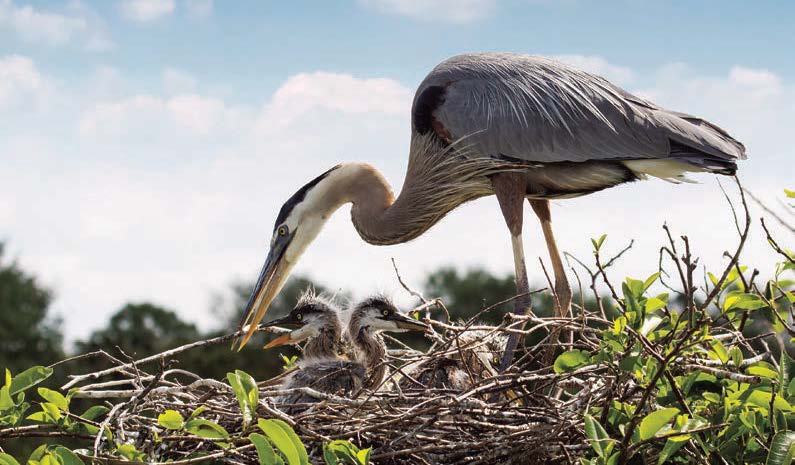
The great blue heron is a bird that will get anyone’s attention, bird lover or not. It is the largest of all the species found in the Sandhills and Piedmont and is second in wingspan only to the bald eagle. Also, the way it ever so slowly stalks its prey in the open is unique. Great blues are colonial nesters often gathering very close together in trees in wet environments where terrestrial predators are not a threat.

Great blues can be found across North Carolina year-round foraging in a variety of wet areas. However, nesting habitat can be harder to find. Many wet areas are too shallow to preclude raccoons, opossums and other climbing animals. Sizeable beaver ponds or islands in the middle of sizeable lakes with mature trees or large snags are attractive. And if a pair or two are successful in raising a brood high above the water, it is likely that the numbers of nests will grow in subsequent years to form a “heronry.” The female will weave a cup nest from the branches and then smaller, softer material (such as twigs, grasses, moss, etc.) that her mate delivers.

The bond between a pair of great blues is very strong during the breeding season. Male and female are both involved with rearing the nest generation. The large nest can accommodate up to five eggs. Both adults incubate and then brood the young. The male spends most of the daylight hours at the nest while the female is there overnight. Herons are very good parents, able to defend their young with not only their heavy, sharp bills but with very powerful wings.

It will take a year or more for the young to reach maturity. During the first several weeks they are fed mainly fish by their parents. As they begin to forage for themselves, they will become opportunistic, eating everything from large, aquatic invertebrates (such as crayfish) to frogs and even the eggs of other bird species. Some individuals will not breed until their third summer. Sexually mature birds will sport long plumes on their neck and back. They may be seen displaying to their mates by raising their crests and clapping bills together at or near the nest site.

The loud raspy croaking of herons is territorial and can be heard day or night at any time of the year. They will defend rich feeding areas as well as their nest from competitors. Great blues also call when in flight, perhaps to maintain contact with family members. In the air, these big birds have a very characteristic profile with slow, deep wingbeats, their necks coiled, and legs trailing out behind them.

These huge birds are amazingly unafraid of humans. Although they seldom tolerate a close approach, they are frequently found feeding from bulkheads, farm ponds and even small backyard water features. Many great blue herons have learned that people may provide an easy meal — even if it is in the form of fish remains or table scraps. So, keep an eye out; you may find one of these large birds closer than you think.

PinePitch

PINEPITCH

PinePitch

Rites of Spring

The Carolina Philharmonic presents the “Ripples of Spring,” at 7:30 p.m. on Saturday, May 3, at BPAC’s Owens Auditorium, 3395 Airport Road, Pinehurst. The concert features Aaron Copland’s Appalachian Spring, Jean Sibelius’ Finlandia, and Cello Concerto No. 1 by Camille Saint-Saens with cellist Sophia Bacelar. For additional information visit www.carolinaphil.org.

Great Art, Big Screen

Go in-depth with exhibitions on screen of Vincent Van Gogh and Michelangelo Buonarroti in May at the Sunrise Theater. Van Gogh: Poets & Lovers explores the artist’s years in the South of France in an effort to better understand the troubled and iconic painter. The first showing is Thursday, May 8 at 7:00 p.m. with a second screening on Monday, May 11 at 3 p.m. On Tuesday, May 20 at 2 p.m. Michelangelo: Love and Death makes a cinematic journey through the great chapels and museums of Florence, Rome and the Vatican. There will be a second showing on May 22 at 7 p.m. For more info go to www.sunrisetheater.com or call (910) 692-3611.

Calling All Authors

At least the Sandhills variety. Meet the authors and illustrators of the Sandhills at the fourth annual Pages of the Pines, a festival celebrating the books of local writers and artists. The gathering begins at 10 a.m. on Saturday, May 3, and lasts until 2 p.m. at the Southern Pines Public Library, 170 W. Connecticut Ave., Southern Pines. For more information go to www.sppl.net.

First of the Firsts

The TGI Friday tradition like no other — First Friday — debuts for 2025 on the outdoor stage at Sunrise Square, 250 N.W. Broad St., Southern Pines, featuring the music of J & The Causeways, a New Orleans soul and R&B band with backbeats and soaring horns surrounding the sound of vocalist Jordan Anderson. Festivities begin at 5 p.m. Y’all know the rules for this free, family event — Cujo stays home. For further information go to www.sunrisetheater.com or call the Sunrise Theater at (910) 692-3611.

Make Mine a Double

The Women of  Weymouth hold their annual happy hour on the grounds of the Weymouth Center for the Arts & Humanities, 555 E. Connecticut Ave., Southern Pines, on Friday, May 30, from 5 to 9 p.m. There will be appetizers and desserts by Genuine Hospitality Catering, a wine bar, vendors and music by John McDonald. For more information visit www.weymouthcenter.org.

Bye-Bye Birdie

Susan Campbell, hummingbird bander, researcher, naturalist and PineStraw columnist, will talk about the birds of the Sandhills on Wednesday, May 7 at 1 p.m., at the Sandhills Horticultural Gardens, 3245 Airport Road, Pinehurst. She’ll offer identification tips and talk about our feathered friends’ preferred foods and nesting habits. The talk is free, but the audience is limited to 100. For information go to  www.sandhills.edu/gardenevents.

Fired Up

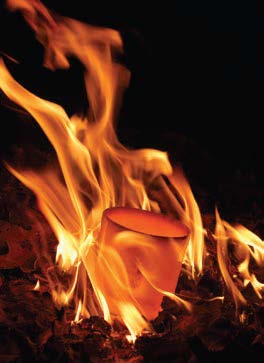
Starworks’ International Woodfiring Conference, “Sustain: Woodfire NC 2025,” takes place in Star from May 22-25. The gathering unites artists, students and ceramic enthusiasts from more than eight countries to explore every facet of woodfiring, examining its cultural, environmental, ethical and aesthetic dimensions. Registration begins at $190. For information go to www.WoodfireNC.com

Being a Dad

World-renowned bestselling author James Patterson sits down with David Woronoff, publisher of The Pilot and PineStraw, to discuss Patterson’s warm and relatable nonfiction book The #1 Dad Book. Filled with stories and advice to unlock the mysteries of fatherhood, they take the stage on Thursday, May 15, from noon to 1:30 p.m., at the Sunrise Theater, 250 N.W. Broad St., Southern Pines. Tickets are $30. For information go to www.ticketmesandhills.com.

Your Best Daffy Duck

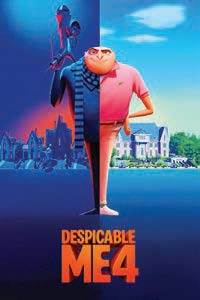
If you can say “despicable” without spitting, you can throw down a blanket or put out a chair and watch Despicable Me 4 under the stars on Friday, May 16, beginning at 8 p.m. in Downtown Park, Southern Pines. Singer and songwriter Savanna Bassett will perform from 6:30 to 8 p.m. It’s all free. For information call (910) 692-7376.

Garden Party

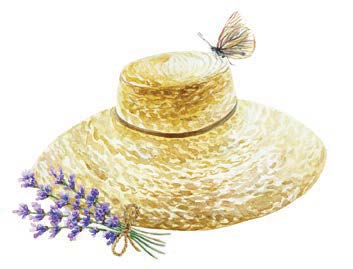
Wear your fancy hats and spring colors when the Village Heritage Foundation hosts its Spring Garden Party at the Village Arboretum’s Timmel Pavilion, 105 Rassie Wicker Drive, Pinehurst, on Tuesday, May 6, from 4 to 6 p.m. There will be wine and grazing tables slam full of hors d’oeuvres. Tickets are $30 per person and can be reserved at www.ticketmesandhills.com.

Classical Chords

Enjoy the Astralis Chamber Ensemble from 2 to 4 p.m. in the Boyd House Great Room at the Weymouth Center for the Arts & Humanities, 555 E. Connecticut Ave., Southern Pines. The ensemble is a globally acclaimed group comprised of award-winning musicians featuring unique instrument pairings. For additional information go to www.weymouthcenter.org.

Pleasures of Life

PLEASURES OF LIFE

The Hills Are Still Alive

Remembering Mom and The Sound of Music

By Tom Allen

I was 6 years old when The Sound of Music opened at the Ambassador Theater in Raleigh in August 1965. The movie, loosely based on the life of Maria von Trapp and her singing family, played to sold-out audiences for 61 weeks, one of only a few films the Ambassador ever hosted that required reserved seating.

Somehow my parents snagged a ticket and took me along. I’m sure my mother arranged the outing. A church soprano, she loved Julie Andrews. The Sound of Music was my first movie, and memorable for other reasons. Our tickets were for a Sunday matinee, meaning not only did we attend on the Sabbath, but we also missed church.

For this Sunday outing, we dressed to the nines. Dad wore a suit, my mom a best dress. I remember bundling up like a British schoolboy, donning my houndstooth wool suit and dapper newsboy cap.

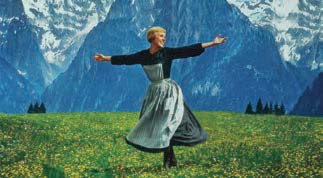
The Ambassador was cavernous compared to our small, county seat theater. When the movie started, the curtain rose in accordion-like folds. And who can forget that opening scene, the camera closing in on Maria — via helicopter — and Andrews making those hills come alive? If we could miss church for such a stirring opening scene, surely Mother Superior could forgive Maria’s tardiness to Mass.

Beautiful scenery, with a musical narrative featuring cool kids romping around the Alps, decked out in traditional Bavarian dress, kept my attention. An intermission, another rarity, meant time to stretch, share a box of popcorn, and wonder if Maria would follow her heart and return to the widowed captain and his children.

Happily, like a Hallmark movie’s predictable plot, the captain ditched the pushy baroness and proposed to Maria. My mom cried when they married. The majesty of the cathedral’s organ during Maria’s procession engulfed the theater and brought chills. Even my dad, never a movie fan, commented how moving the scene was. We sat on the edge of our seats, wondering if the singing von Trapps would be able to compete in the Salzburg Music Festival. We cheered when they not only won but escaped the Nazis. That final trek across the Alps to freedom, accompanied by a reprise of “Climb Ev’ry Mountain” brought the movie to an end and viewers to their feet in a lengthy applause.

Until I was old enough to hang with friends, Mom was my movie companion. The films, mostly beloved Disney favorites, provided fun diversions and cherished memories. But Richard Rodgers and Oscar Hammerstein’s blockbuster, offering moviegoers a glimpse into the life of cloistered nuns as well as a lesson about one of history’s darkest seasons, also gave us the gift of music in sound, sight and lyrics. How many Baby Boomer kids can remember that raindrops on roses and whiskers on kittens are favorite things and that a doe is a deer, a female deer?

Along with Rodgers and Hammerstein, I have my mom to thank for that gift. A music major who chose marriage and having a family over a degree, and possible singing career, she tolerated my dad’s love of country and Southern gospel music. Unlike most of her friends, she wasn’t an Elvis fan. The Beatles were “too much.” Stately hymns and stirring anthems, coupled with the crooning of Como, Crosby and Sinatra, were her preferences. On occasion, she would iron clothes on Saturday afternoons while listening to the Metropolitan Opera on Raleigh’s WPTF but, a product of her times, she liked a little beach music, the Temptations, some Frankie Valli. I can’t remember her singing in the shower, but she wore out our 33 rpm vinyl recording of The Sound of Music. And while my taste varies from Gregorian chant to Morgan Wallen, after listening to that album for hours, I, like Mom, can sing every song.

My mother, as well as my family, was far from perfect — like the real life Maria and von Trapp family. Mom would tell you she was no nun, but her good days, and our family’s good days, far outnumbered the challenging ones. Even in the last weeks of her life, she sang, faintly but clearly. The night she died, recordings of her favorite hymns sang her to heaven. Her goodness was passed down to her two granddaughters, whom she adored. They, like her, fell in love with The Sound of Music, wearing out our VHS copy during their childhood and teenage years. And though she did not live to meet them, I’m sure her granddaughters’ children — three great-grandsons — would be among her beloved favorite things.

Southwords

SOUTHWORDS

Ah, the PGA

A good time was had by all

By Jim Moriarty

I’ve had a fondness in my heart for the PGA Championship since 1979 when I wrote what we used to call the “gamer” for Golf World magazine, the little engine that could, founded by Bob Harlow in Pinehurst in 1947. Often regarded as the least of golf’s four majors, it was my first time writing about any of them, and I remain deeply and profoundly in like with it. What I produced doesn’t belong in the journalism hall of fame but there is enough persiflage in it to suggest the troublesome wiseass I would become. Besides, anything that can be won five times each by Walter Hagen and Jack Nicklaus is good by me. The 107th running of the club pros (the PGA of America is, after all, their organization) will be conducted this month on the magnificent Quail Hollow Club in Charlotte, which makes me wish it was 1979 all over again.

That championship was played at Oakland Hills Country Club in suburban Detroit, not far from the Red Fox, an upscale restaurant on Telegraph Road where, four years earlier, Jimmy Hoffa was supposed to meet with a couple of Tonys and was never seen again. If memory serves — and these days it rarely does — the media was lodged in a Holiday Inn also not far from the Red Fox. The hotel was in the midst of renovations, which meant the rooms were cheap. The lone non-negotiable requirement of any media hotel was (and I’m guessing still is) that the bar be functional and the hours generous. In this regard it was tiptop. In others, not so much.

One day when I returned from the course, tired and sweaty, I pushed the button to get on the elevator and was greeted by half a dozen enthusiastic policemen with sidearms, bulletproof vests and a battering ram. They were headed for the same floor my room was on to make a drug bust. One of them politely offered to squeeze me in but I told them, “Naw, you all go on, I’ll catch the next one” — a minor subterfuge that, of course, required a timely visit to the hotel bar.

That year a journeyman pro named Rex Caldwell, nicknamed Sexy Rexy, held the 54-hole lead by two shots over Ben Crenshaw, four clear of David Graham, Jerry Pate and Tom Watson. Tall and thin, Caldwell was flashy in his flared trousers and made good copy. A bit too good. He was quoted guaranteeing a victory. “You can make book on it,” he supposedly said. What Rex actually said was, “Hell, I’ll be nervous. You can make book on that.”

After dinner on Saturday night, when I got back to the hotel I ducked into the bar. There was Rex in a corner booth with a woman under each arm. For all I knew they were his cousins but I, for one, wasn’t going to make book on Caldwell winning the PGA.

David Graham, the Australian, wound up beating Ben Crenshaw, the crowd darling, in sudden death but only after David choked away a two-shot lead with a double bogey on the 18th. Graham has never claimed it was anything other than the pressure of the moment. What was remarkable is that he was able to walk off that last green — “I felt like I was 6 inches tall,” he said — and gather himself enough to win a playoff. He had to make a 25-foot putt on the first extra hole and a 10-footer on the second, just to stay alive.

Graham came up hard. He quit school at 13 and left home at 16. He has described his father as “a nasty guy” and, as far as I know, from the day he left they never spoke to each other again. David had an edge to him but if you were his friend, he was the kindest, most loyal man you could ever know.

Dick Taylor, the editor of Golf World who sent me to cover the ’79 PGA, considered David a dear friend. Two years after Oakland Hills, Graham won the U.S. Open at Merion Golf Club producing what I still consider the finest exhibition of ball-striking ever in the last round of our Open. He hit 17 greens. The one he missed was on the collar of No. 17. An inveterate club tinkerer and designer — Graham fashioned the irons Crenshaw used at Oakland Hills — on the Monday after Merion, Taylor called Graham’s home to congratulate his friend privately, not in the public of a media mash up. David’s wife, Maureen, answered the phone. Dick said, “For God’s sake, tell him to leave those clubs alone.”

Maureen relayed the message. From his shop, Graham yelled back, “Tell him I’m regripping them right now!”

Bookshelf

BOOKSHELF

May Books

Fiction

The Emperor of Gladness, by Ocean Vuong

One late summer evening in the post-industrial town of East Gladness, Connecticut, 19-year-old Hai stands on the edge of a bridge in the pelting rain, ready to jump, when he hears someone shout across the river. The voice belongs to Grazina, an elderly widow succumbing to dementia, who convinces him to take another path. Bereft and out of options, he quickly becomes her caretaker. Over the course of the year, the unlikely pair develops a life-altering bond, one built on empathy, spiritual reckoning and heartbreak. The Emperor of Gladness shows the profound ways in which love, labor and loneliness form the bedrock of American life.

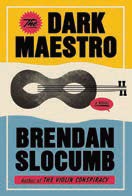
The Dark Maestro, by Brendan Slocumb

Curtis Wilson is a cello prodigy, growing up in the southeast D.C. projects with a drug dealer for a father. Through determination and talent — and the loving support of his father’s girlfriend, Larissa — Curtis claws his way out of his challenging circumstances and rises to unimagined heights in the classical music world. Then, suddenly, his life disintegrates. His father, Zippy, turns state’s evidence, implicating his old bosses. Now the family — Curtis included — must enter the witness protection program if they want to survive. Curtis is forced to give up the very thing he loves the most: sharing his extraordinary music with the world. When Zippy’s bosses prove too elusive for law enforcement, Curtis, Zippy and Larissa realize that their only chance of survival is to take on the criminals themselves.

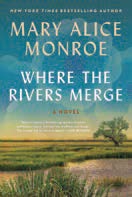
Where the Rivers Merge, by Mary Alice Monroe

It’s 1908 and the Low Country of South Carolina is on the cusp of change. Mayfield, the grand estate held for generations by the Rivers family, is the treasured home of young Eliza. A free spirit, she refuses to be confined by societal norms and spends her days exploring the vast property, observing wildlife and riding horses. But the Great War, coastal storms and family turmoil bring unexpected challenges, putting Eliza on a collision course with the patriarchal traditions of a bygone era. Fast-forward to 1988. Eliza, now 88, is the scion of the Rivers/DeLancey family. She’s fought a lifetime to save her beloved Mayfield and is too independent and committed to quietly retire and leave the fate of the estate to her greedy son. She must make decisions that will assure the future of the land and her family — or watch them both be split apart. Where the Rivers Merge is a dramatic and sweeping multigenerational family story of unyielding love, lessons learned, profound sacrifices, and the indomitable spirit of a woman determined to protect her family legacy and the land she loves.

Nonfiction

Mark Twain, by Ron Chernow

Before he was Mark Twain, he was Samuel Langhorne Clemens. Born in 1835, the man who would become America’s first great literary celebrity spent his childhood dreaming of piloting steamboats on the Mississippi. But when the Civil War interrupted his career on the river, the young Clemens went west to the Nevada Territory and accepted a job at a local newspaper, writing dispatches that attracted attention for their brashness and humor. It wasn’t long before the former steamboat pilot from Missouri was recognized across the country for his literary brilliance, writing under a pen name that he would immortalize. After establishing himself as a journalist, satirist and lecturer, he eventually settled in Hartford, Connecticut, with his wife and three daughters, where he went on to write The Adventures of Tom Sawyer and Adventures of Huckleberry Finn. He threw himself into the hurly-burly of American culture and emerged as the nation’s most notable political pundit. At the same time, his business ventures eventually bankrupted him. Twain suffered the death of his wife and two daughters, and the last stage of his life was marked by heartache, political crusades, and eccentric behavior that sometimes obscured darker forces at play. Drawing on Twain’s bountiful archives, including thousands of letters and hundreds of unpublished manuscripts, Chernow captures the man whose writing continues to be read, debated and quoted.

Children's Books

Mugs and Kisses: World’s Best Mom, by Teresa Bonaddio

There are so many reasons to love our moms! Moms are magicians, our strongest supporters, our biggest fans. Moms deserve to be honored. This adorable mug-shaped board book is perfect for Mother’s Day, birthdays or any day you want to celebrate the amazing moms that make our lives great. Pair with mom’s favorite tea or coffee for the perfect gift. (All ages.)

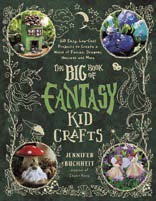
The Big Book of Fantasy Kid Crafts, by Jennifer Buchheit

Fairy house bird feeders, suncatcher dragon wings, egg carton gnomes, firefly lanterns and more. With fabulous photos and step-by-step instructions, craft-crazy fantasy adventurers (and their grownups) will enjoy many afternoons of fun with this unique how-to book. (Ages 4-12.)

K Is in Trouble Again, by Gary Clement

Darkly comic K is back for more (slightly tragic) adventures, perfect for that tween graphic novel reader who appreciates a little gallows humor and has outgrown “Big Nate” and “Dog Man.” (Ages 10-13.)

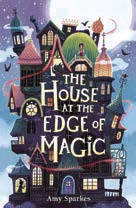
The House at the Edge of Magic,
by Amy Sparkes

Sometimes heroes come in the most unlikely form. Nine is a pickpocket without an altruistic bone in her body. When she lifts a tiny house from a lady’s purse and knocks on the door, it morphs into a giant higgledy-piggledy house complete with a troll housekeeper named Eric, a mad alchemist who is really a spoon, and a hopscotch-loving wizard all living under a terrible curse. Will Nine choose to become a hero and help? (Ages 9-12.)