Living la Vie en Rose

Designer brings Paree to Pinehurst

By Deborah Salomon    Photographs by John Gessner

Don’t judge a book by its cover, but do heed what a front door says about a house. Especially if the door is bubble gum pink.

Why?

“Because I like it,” Cathy Carlisle says.

Those four words explain what sets Rambler Cottage apart from retreats built in Pinehurst in the early 1900s for golfing snowbirds. One by one, these white clapboard “cottages” have become showplaces for family heirlooms, antique-barn finds, High Point upholstery, built-in bookcases, plantation shutters, heart of pine floors, Capel rugs, miles of moldings, magazine kitchens and spa bathrooms built around claw-foot tubs.

Instead, Cathy, an American Society of Interior Design member, has indulged her love for formality, à la française.

“I got that in Paris,” she says, pointing to a handsome 19th century breakfront — and lots else. The trips were for stocking her shop in Rocky Mount, where the Carlisles lived (in a home built like a European villa) before relocating to Pinehurst full time in 2000. Cathy’s romance with formality began during childhood, when dinner was served in the dining room, with silverware and linens. This era worshipped Givenchy, Dior, Catherine Deneuve, Chanel, Jack and Jackie in Paris.  “By the time I was 7 I knew I wanted French (things),” Cathy says. “My mother took us to museums and plays, places where we wore white gloves.” When working for a client, “I have to make them happy. This is to make me happy.”

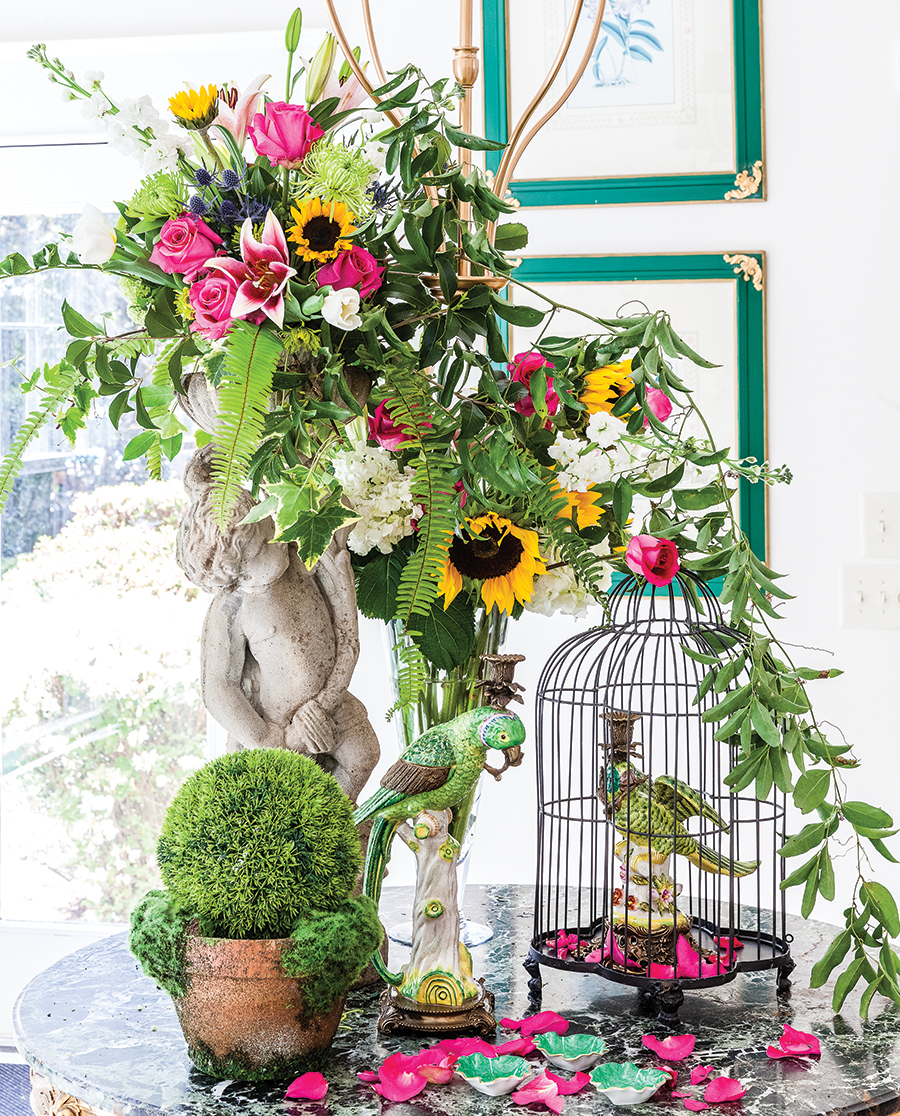
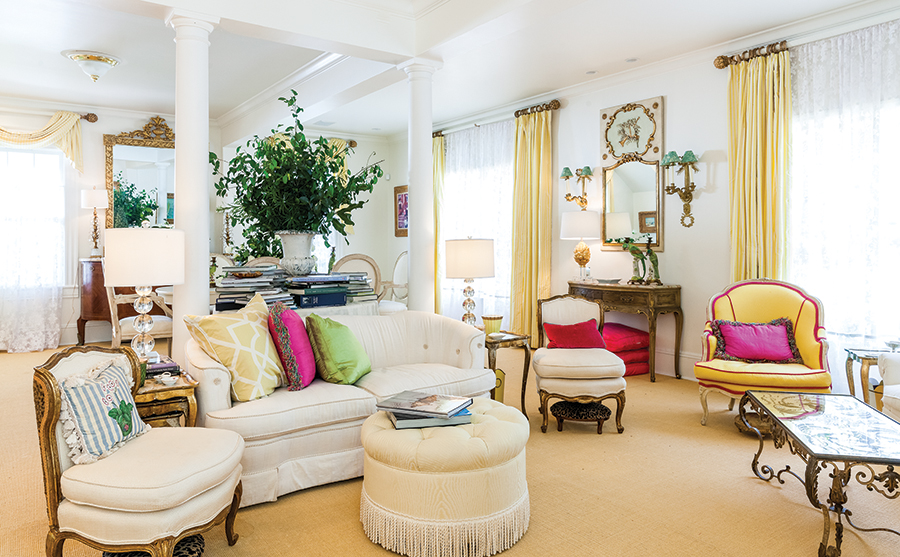
Cathy interprets French décor not as rustic Provençal, but with carved chairs, pastel fabrics, lace demi-drapes, fanciful chandeliers and sconces, gilded mirrors and frames for her own paintings, described as abstract impressionist, adorning what appears to be an average-size cottage from the exterior, but extends in many directions.

In fact, legend has it that Donald Ross dubbed the house “Rambler” because it rambles on and on.

As does its story.

The three-quarter-acre plot where Rambler stands was purchased in 1910, likely from the Tufts family, by Warren Manning, a landscape architect employed by Frederick Law Olmsted. Manning was tasked with the first village plantings, according to documents at the Tufts Archives. But he never developed the land, instead selling it to F.W. Von Cannon, cashier of the new Bank of Pinehurst, who built the cottage in 1915. Publications describe it as having a gabled roof, front shed dormer and screened porch, later enclosed as part of the entranceway. The cottage was classified as year-round occupancy, which meant multiple fireplaces and a full kitchen.

The original floor plan has all but disappeared into renovations accomplished by half a dozen owners, resulting in a warren of small sitting rooms which Cathy furnished with settees, benches, mini bureaux, fanciful objets d’art and books cantilevered, not piled or stacked, on tables.

But given her penchant, why Pinehurst, not francophone New Orleans?

Sam Carlisle, an attorney/mediator/arbiter, was attending a seminar at the Carolina Hotel. “No matter where Cathy is she looks at houses,” Sam says. Fatefully, she picked up a sales brochure describing Rambler. “I have to see this house before we leave,” she told Sam. They rode by in the pouring rain, with no intention of moving anywhere for 20 years. Coincidentally, a few days later Sam’s law partner proposed the two couples buy a condo in Pinehurst, to share. “I told him, well, Cathy already found this cute house …”

Cathy and condo have little but their first letter in common. “I could never be happy in anything modern,” she says.

They returned on a Sunday, bought Rambler as a vacation property the following Thursday. The house had been updated in the ’70s and looked it — which provided Cathy the thrill of the chase.

Sam had doubts: “The only way you’ll make that house French is to rename it Rom-blay.”

How wrong he was.

Cathy began by creating a vestibule with a hot pink bench (matches the front door) opening into a foyer “to introduce my house.” The foyer’s formality sets the tone, which contrasts sharply to the picket-fence-and-shutters street view. Its flooring: classic black and white tiles, while a green marble-topped round table from a Paris flea market stands in the center as it would in a European townhouse or an antebellum Southern mansion. Spiral topiary rises from pots here and everywhere. Exit right, into the high-ceilinged salon, another surprise, since it appears to have double fireplaces a few yards apart, although one is in the dining room, separated from the salon only by columns and a half wall.

“Cathy was always going to have a fussy parlor,” Sam says. She chose to place ornate French furnishings, tiny footstools and curvy-legged tables on wall-to-wall sisal carpeting (“I like a mix”) instead of polished hardwood or Oriental rugs, which she “doesn’t like.”

She does like mirrors: An architectural installation covers a wall in the foyer and others, ornately gilded and framed, reflect living and dining rooms.

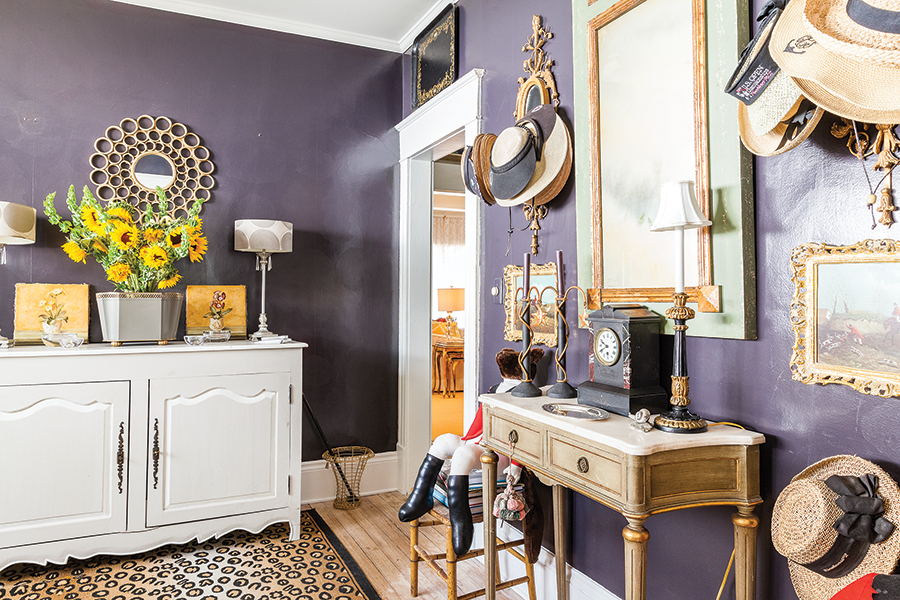
A second exit from the vestibule reveals another surprise. This room, probably the original master bedroom, is totally Sam’s. The floors, sanded and whitewashed pine. The upholstery, Scotch plaid; and on the walls — painted a striking brownish-black, with a hint of aubergine — hang 11 shotguns belonging to his ancestors as well a collection of antique maps, most of eastern North Carolina and all identifying Tarboro, where Sam and Cathy grew up and became high school sweethearts. “This one from 1775 is of North and South Carolina during the Revolutionary War. George Washington had a copy,” Sam explains proudly.

Europeans do not overemphasize kitchens. Cathy’s, mostly black and white with lemon walls, is both functional and a good backdrop for her collection of green Majolica pottery.

Surprises continue. Up a narrow flight of stairs typical in Pinehurst cottages, the fabrics, painted white floors and woven area rugs are pure Martha’s Vineyard B&B except for the original paneled floor-to-ceiling sleeping porch, which made summer nights almost bearable.

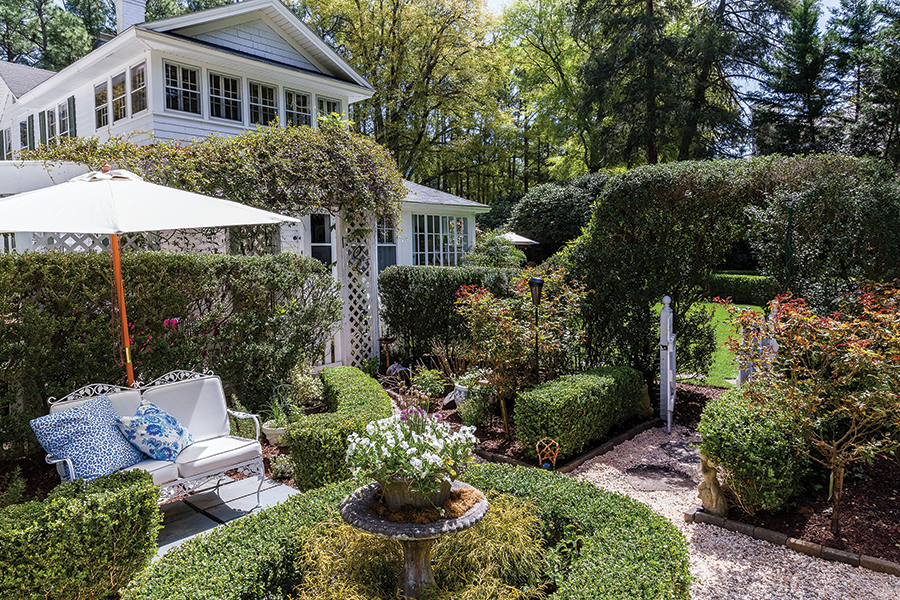
What Cathy does emphasize is her garden — actually a series of “secret gardens” grouped, with seating, for relaxing and conversing, all designed by Cathy in 1994, when she razed the area and began anew. Along one side, neatly trimmed shrubs form ellipses with focus plantings in the center.

Why the unusual forms?

“Because I like it,” Cathy repeats. “I find them pleasing to the eye.”

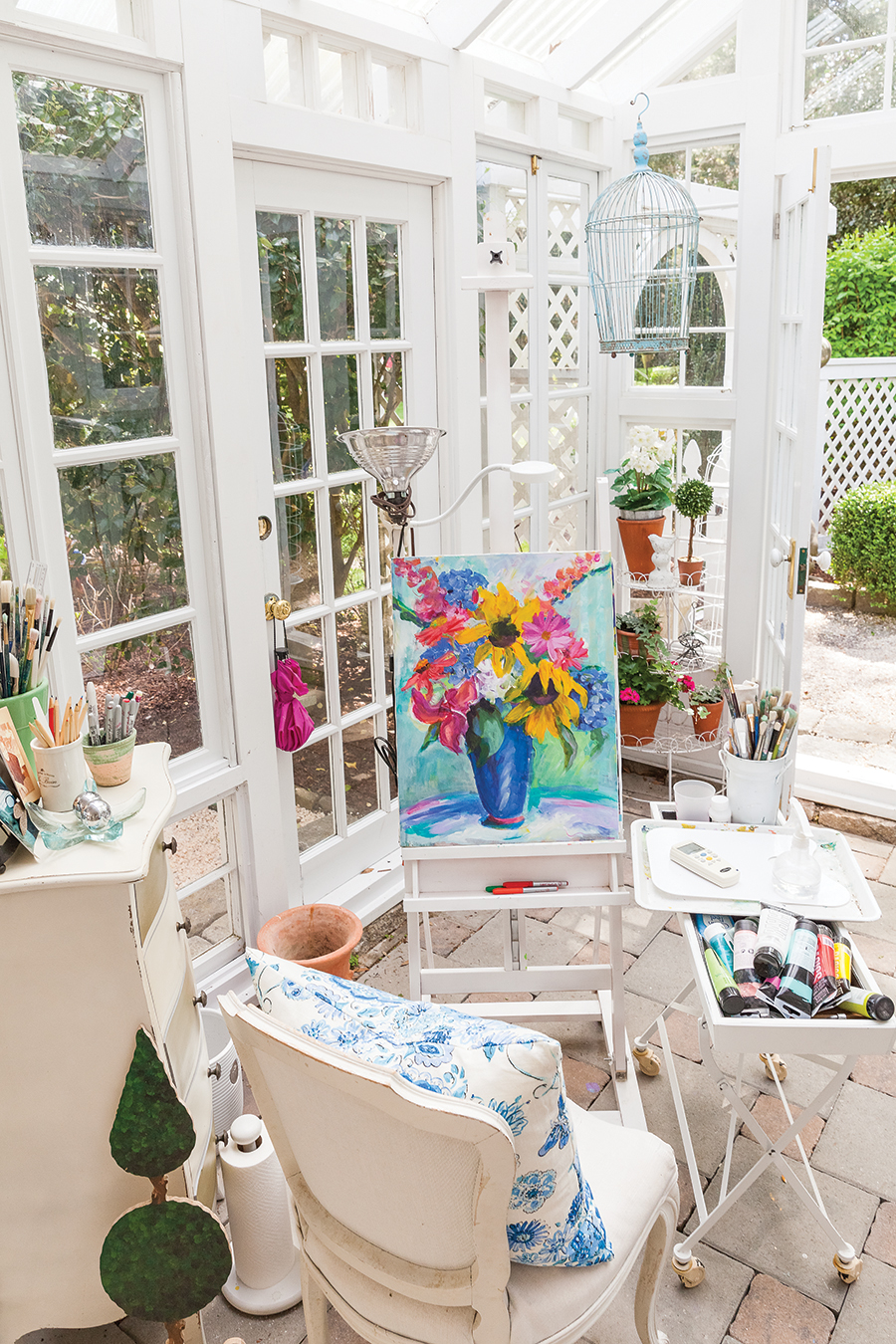
The final surprise, so very Cathy, so very French, is her garden studio, contrived from a single-car garage, of no use since its driveway lost access to the alley. Here, she employs blue and white for country French freshness. Here, flooded by sunshine from skylights and paned windows, Cathy paints, designs, reads and plans. Those plans include a shocker: The Carlisles will soon move to a more formal historic house in the village on which Cathy will, once again, imprint her style.

Why?

Certainly not because they need more space, or a better location. “Just because I love old houses,” she says.  PS

Cereal for Breakfast?

Umm . . .maybe not

By Karen Frye

One of the biggest game-changers in the food industry was when processed food became more desirable than fresh food. For some people, the convenience of breakfast cereals became a priority. I clearly remember Saturday grocery shopping with my mother, staring at all the beautiful cereal boxes, and making my choice. I typically went for the Rice Krispies, a pretty boring selection with all the cereals on the market these days.

If I had only known back then, or even cared, I would have stayed far away from the cereal aisle. Cereal is what I call “dead food.”

Most breakfast cereals are heavily marketed as being healthy — low fat, whole grain, high fiber, all natural. When you look at the ingredients, the first few on the list are refined grains and sugar. These are highly processed foods that are loaded with added sugar. The cereal manufacturers are experts at marketing, especially toward children, using bright colors and popular figures to attract attention. Cereal costs a few cents to make, and usually sells for $4-5 a box. Huge profits for a multi-billion-dollar industry.

The way that cereals are manufactured, a process called extrusion, is probably not what you would ever imagine. The grains are mixed with water, processed into a slurry, and placed in a machine called an extruder. This process denatures and alters the structure of an otherwise healthy grain. The grains are then forced out through a tiny hole at a high temperature and pressure, which shapes them into little o’s or shreds or flakes, also destroying much of the nutrients. Next, the cereal is sprayed with a coating of oil and sugar as a sealant to give it a crunch. Unfortunately, even the cereals sold in natural food stores are made using this same method.

I do agree that breakfast is an important meal, but you should be mindful of what you choose. Children are the largest consumers of breakfast cereal. It would be wise to serve your family something healthier for the first meal of the day. There are options that could become as easy as pouring milk over extruded grains. Hot cereals like oatmeal are a good option, and can be prepared the night before to eat in the morning. Eggs provide much needed protein in the morning. I like to make deviled or boiled eggs, and they are ready to grab on the go.

Retire your cereal bowl forever, or maybe start filling it with fresh seasonal fruit.  PS

Karen Frye is the owner and founder of Natures Own and teaches yoga at the Bikram Yoga Studio.

Trespassing on Fertile Ground

Writing a book requires a curious spirit, a rental car and potential bail money

By Wiley Cash

On two separate occasions, my career as a novelist has nearly resulted in my being charged with breaking and entering. The first instance occurred at my elementary school. When I was 35 years old.

In June 2013, I was invited back to my high school in Gastonia, North Carolina, to receive an alumni award that was to be given during the school’s graduation ceremony. After flying down on Friday and settling in at the hotel, I woke up early on Saturday morning with a little time to kill, and I thought I’d drive my rental car over to Robinson Elementary, where I had gone to school as a child. The baseball field behind the school serves as the model for the ball field in the opening scene of This Dark Road to Mercy, a novel whose final edits I was then in the middle of completing. I wanted to see the ball field again and make certain that I had gotten it “right” on the page. I wanted to know that my memory had done it justice.

I followed the sidewalk to the back of the building, where a playground sat, the old baseball field resting at the bottom of the hill. I stood there, picturing my characters, two young sisters, playing on the ball field. Once I was certain that I had imprinted the scene upon my mind, I made my way back to the front of the school. That is when I passed the gymnasium. At that moment, the exact smell of the gymnasium came back to me, a scent I had not smelled in almost 25 years: fresh carpet, new paint, well-used basketballs, and something else that I wasn’t able to place. I couldn’t resist my curiosity in wondering whether or not the gym still smelled the same. I checked the door. It was unlocked. I opened it and stepped inside.

I have two bits of news to report: First, the gymnasium at Robinson Elementary has smelled the exact same for almost 25 years. Second, Robinson Elementary’s security alarm is really loud.

I slammed the door and stood there for a moment, and I’m not going to lie: I considered fleeing. Before I continue, let me tell you a little about my rental car. It was a souped-up, turquoise Camaro. The guy at the rental place had been excited when he told me about the car, and I didn’t have the heart to tell him that it wasn’t quite my style. Now, I pictured myself in my suit and tie, burning rubber in a turquoise Camaro as I peeled out of my old elementary school’s parking lot. I did the only thing I could think to do: I pulled out my cellphone and called 911 on myself. The conversation went something like this: No, I don’t work for Robinson Elementary. No, I don’t have a child who goes here. No, I’m from out of town. But I’m a writer, and I wrote about Robinson in a novel that will be out next year. I have to let you go. The police are here.

A similar line of questioning occurred during my parking lot police interrogation. As soon as I was released my wife called. “Is that a siren?” she asked. I gave the only answer I could give. “I set off the alarm at my elementary school.” Apparently, my wife is used to this type of behavior because all she said was, “I’ll talk to you later.”

The second time my career as a novelist nearly resulted in a rap sheet for breaking and entering occurred last spring, just west of Gastonia in the small town of Bessemer City, where much of my forthcoming novel The Last Ballad is set. The novel, which is based on true events, tells the story of a young woman who is swept up in a violent mill strike during the summer of 1929. Her name was Ella May Wiggins, and she worked at a mill in Bessemer City called American Mill No. 2. After a little research, I was able to locate the crumbling mill: It had been sold several times over the intervening decades, and, from where I sat parked along the road in front of the old mill, it appeared abandoned.

I got out of the car, a Subaru Forester — more inconspicuous and better suited for exploration than the Camaro — and approached the gate, assuming it would be locked, but there was no lock, and when I tried to open the gate it opened easily. I climbed back into my car, drove through the open gate, and parked in front of the mill.

For the next half hour I took pictures outside the mill, wondering where Ella had entered it, wondering how I would capture it on the page. It was painted a fading white, but I knew from old photographs that the red brick beneath had once been exposed. I also knew that Ella had worked as a spinner, but from outside the mill, I couldn’t imagine where the spinning room would have been located. I considered trying the doors to see if any of them were unlocked. I even considered climbing up the ramp and trying to gain entry to the doors in the loading area. But the place was so quiet and felt so undisturbed that something gave me pause. The mill felt haunted, whether by Ella’s presence or my own imagining, I could not tell. I decided to snap one more photo of the mill before getting back into my car and heading for Asheville, where I was scheduled to give a reading that evening.

And that’s when I saw him: a scarecrow of a man standing on the loading dock about 100 yards from me. I lowered my camera, feeling as if I’d just been caught stealing secrets. The man wore blue jeans and a button-down shirt, a baseball hat pulled low over his eyes. His face was obscured by shadow, but he appeared to have a mustache and to be wearing thick glasses. I lowered my camera, and I stared at him. He stared back at me.

My car was parked between us, and I considered sprinting to it and getting behind the wheel and stepping on the gas for Asheville. But instead I approached the man where he stood. I didn’t say a word until I was within 10 feet or so of where he loomed above me from his perch on the loading dock.

“Hello,” I said. “My name’s Wiley Cash, and I’m a writer, and I’m writing about a woman who worked at this mill in 1929. I was just taking a few pictures for research.”

Silence.

“Her name was Ella May Wiggins,” I said. “She was shot and killed during the Loray Mill strike.”

More silence.

“Have you ever heard of her?”

He raised his eyes, looked out toward the road where the gate remained open from my illegal entry. He stared at my Subaru, and I suddenly wished I’d been driving the Camaro. Finally, he looked at me. I wondered if he would go inside and call the police, or if he’d disappear and return with some kind of weapon and take the law into his own hands.

“Well,” he said, “I reckon you’d better come inside and have a look around.”

His name was Walter, and he was 67 years old. He’d grown up in Gastonia not too far from the place where I’d grown up, and he’d been working at the mill — under one owner or another — since the late 1970s.

“There were almost 200 employees back then,” he said. “Today, we’ve got two on the floor.”

Inside, two middle-aged women were busy packaging cloth rope and preparing it to be shipped. Neither of them looked up when Walter and I passed.

The mill appeared even older once I was inside it. It was dark and musty, the hardwood floor worn smooth from decades of foot traffic and pocked from years of heavy machinery being moved across it, the ceiling low and riddled with what appeared to be hand-hewn beams and crossbeams where single bulbs cast soft yellow light defined by deep shadows.

“This is probably exactly what this place looked like when she worked here back in ’29,” Walter said. He stopped, looked at me. “What did she do?”

“She was a spinner,” I said.

“Come on,” he said.

I followed him up a rickety staircase to the second story. It ran almost the length of the mill, but it was virtually empty. The roof pitched above us at a sharp angle. Sunlight streamed through dirty glass windows and chinks in the walls. Gaps in the flooring made it so I could see through to the story below.

“This is where the spinners would’ve worked,” he said. “The machines would’ve been up here.”

“Would it have been loud?” I asked.

“Deafening.”

“And hot?”

“You can’t imagine,” he said.

“She worked 70 hours a week for $9,” I said. “And she had five children. Four had already passed away. She joined the strike because she thought the rest of them might die if something didn’t change.”

He drew his lips into a straight line, shook his head in what seemed like either disbelief or disappointment. I thought of the two silent women at work downstairs, and I wondered if Walter saw anything of Ella’s story in theirs.

When I left, I told Walter that I’d make sure he got a copy of my novel when it came out. I told him I’d drop by the mill and see him. He smiled.

“If we’re still here,” he said. “If so, I hope you’ll stop by.”

I’ve learned that sometimes, as a writer, you have to get out of the (rental) car and open doors. Other times, it’s best to wait for doors to be opened to you. PS

Wiley Cash lives in Wilmington, North Carolina, with his wife and their two daughters. His forthcoming novel The Last Ballad is available for pre-order wherever books are sold.

Sunday Lessons

In the loving hands of a remarkable grandmother

By Kathleen Causey

The black cat clock sat directly above the living room chair where my grandmother wove the rag rugs she sold all over the country. Its large eyes clicked back and forth in time with the swishing tail, mesmerizing my little sister with its quirkiness. I watched my grandmother’s hands, bent in strange ways from my own, twisting the multi-colored satin blanket binding with amazing speed and spinning tales in a soft voice without dropping a stitch.

Hattie Mae Cochran wasn’t my blood relative. I inherited her at age 7 when my mother married her son. This would be my mother’s third marriage and his as well. The union brought a boatload of half-brothers and stepsisters, and it was never comfortable explaining the relationships of our family. The best part of the deal was inheriting Grandma Cochran. She didn’t have her mother’s Cherokee dark looks, but was fair-haired, light skinned and small in stature, with the patience to explain why her strong-minded son demanded so much from his children.

After church on Sunday our extended family met at Grandma’s house. We would stop and pick up the bucket of Kentucky Fried Chicken and she would have the veggies ready, covered and sitting in their bowls on the back of the stove. In the summers, we followed her down the garden rows helping to hold the basket as she picked ripened tomatoes and cukes for our lunch. In the winters when it was too chilly to play outside, I would squeeze in at her feet with my siblings and cousins in her tiny living room and hear the stories of her life — how they built their cabin too close to a rattlesnake den in Wilkes County and the snakes would try to crawl up through the cracks in the floor in the winter; how, come spring, they moved the cabin farther up the ridge; how they used newspaper to fill the cracks to stop the freezing wind from blowing through. Her fingers stopped only to hand us a needle to thread as she filled our imaginations.

My stepfather, with his Elvis Presley good looks, ran a strict house, demanding perfection and routine, and never spared the rod. Grandma was my savior. I spent weekends with her, bravely following her down into the cellar with my arms filled with Mason jars as she used a stick to clear the spider webs away from our path. She taught me how to make bread and butter pickles; how to put up beans; how to use my fingers to cut in the butter to make biscuits; how to make a flaky crust for her wonderful lemon meringue pie. Grandma made lacy, intricate doilies; crocheted afghans and quilted like a magician. On special weekends, she allowed me to hunt through her private quilt collection she kept in the closet of the guest room. One hangs on a ladder rung in my dining room. The circles of material were from colorful scraps of dresses and shirts. It took months to finish and she couldn’t bear to sell it, or give it away until it became mine.

I overheard my parents say that the year my Grandma gives up her garden will be her last. When that spring came and she said she wouldn’t be planting, my heart was heavy with the grief of what was to be. I am a grandmother now, and though this woman has long left this world, her voice is with me. She is there with each pie crust I make, with each tomato I pick, with each stitch I sew.  As summer comes and the earth starts to warm, I look at my own hands and how they are changing with time, and I hope one day my granddaughters will sit and ask why my fingers are crooked and bent; and perhaps they will listen patiently as the tail of the clock swishes and the eyes click back and forth.  PS

Kathleen Causey lives and golfs in Seven Lakes, North Carolina, volunteers at the Sandhills Woman’s Exchange, and knows way more about cyber security than your average grandmother.

Marriage in the Age of Social Media

The father of the bride-to-be gets a lesson in millennial weddings

By Tom Allen

June belongs to fathers and brides, except this father will walk his daughter down the aisle in August.

My wife and I knew the FaceTime call was coming. Our daughter Hannah’s boyfriend, Zach, gave us the heads-up. He planned to propose, at a lovely spot overlooking Grandfather Mountain, in Western North Carolina. When the ringtone sounded, everyone smiled through a few tears.

Hannah struck up a conversation with this nice chap her freshman year at N.C. State. They started dating early in her junior year. The “M” word came up, occasionally. He asked our blessing in December, proposed in February. “You can do this,” I told myself, much like I had when I learned I was going to be a father or the day we moved Hannah into her college dorm. “Millions of dads go through this every year,” I reasoned. Treading in the footsteps of Spencer Tracy and Steve Martin, I became, until August 19, the father of the bride.

Friends who’d been through the experience gave the same advice: “Keep quiet and write the checks.” I understand what’s required of the bride’s family — our bank account is leaner than it was three months ago. I’ve given up purchasing that red Toyota Tacoma flatbed truck (with extended cab, back-up camera and heated seats). Still, I shun the stereotype. No, I won’t lose sleep over Hannah’s choice of hors d’oeuvres for the reception. I really don’t have an opinion on the color of the bridesmaids’ dresses (although my mouth dropped when informed there would be 10). But Hannah has a sister in college. Retirement looms. I’m not content to live on beans and bread for the sake of a reception feast that rivals William and Kate’s. Grass-fed prime rib and imported Champagne? Surely Pinterest offers creative ways to serve chicken and green beans. Would Emily Post sneer at a Sara Lee pound cake for dessert?

What to wear? What to wear? The guys (10, of course) are donning black suits and skinny ties, the color of which has yet to be determined. No sweat. I’m sure, after numerous texts, Snapchats and Instagrams, the perfect shade will emerge. And how hipster will I look in a skinny tie, whatever that is? Hannah and my wife, Beverly, scoped out mother-of-the-bride dresses on a recent Saturday. Feeling a bit left out, I stayed home and mowed the lawn. I anticipated pictures. A text requested my opinion. “Lovely . . . for the grandmother of the bride,” I responded. The second ring, a few minutes later brought a similar comeback. “A little low cut, don’tcha think?” After the third ding, everyone agreed. Emojis confirmed the choice. “You look smashing,” I texted my wife. “Love the bling.”

I look forward to the father-daughter dance, at the reception. Though I’m partial to “My Girl,” by The Temptations, Hannah has a Stevie Wonder hit in mind. Either will be fine. We both love to dance, and I’ll love dancing with her. We haven’t decided whether we’ll interrupt for a real throw-down. Bruno Mars and “Uptown Funk”? Hannah and her dad could go viral.

I think I’m ready to walk my daughter down the aisle — a bittersweet moment, same as when she was born, when I waved goodbye on her first day of kindergarten, and when we moved her in to her college dorm. I’ll selfie a pep talk. “You can do this. Millions of dads do every year.”

The ceremony will be intensely personal, given my profession. After another minister asks, “Who brings Hannah to marry Zach?” and I’ll respond, place her hand in his, then I’ll officiate their ceremony. I’m honored she asked, and like walking her down the aisle or waving goodbye as we drove away from the dorm, I’ll get through it, just fine. Besides, my officiant fee is a bargain.

What words will I offer Hannah and Zach? I’ll encourage them to be kind, to dream, to pray. I may tell them to pay off their credit cards every month and change the oil in the cars every 3,000 miles. I might remind them of how fortunate they are to have families who love them, friends who stick by them, and faith to guide them in tough times. We’ll be sad that my parents, who loved and nurtured Hannah and her sister, died before the happy day (my mother appreciated a fine glass of Champagne). I’ll remind Hannah and Zach that marriage is serious business, that living with imperfect people takes work. I’ll bless their union, then introduce a new couple, and a daughter with a new last name.

Beverly and I will smile, with the occasional tear, while the family poses for pictures. Afterwards we’ll celebrate like our wedding is the only one in the world.

On what I suspect will be a hot, humid August night, Beverly and I will say our goodbyes and watch as Hannah and Zach’s happiest day winds down. I’m not sure if they’ll drive away in Zach’s college Kia or a horse-drawn carriage. Do millennials Uber to their wedding night destination? Who knows? I’ll rest well, perhaps dream of that red Toyota Tacoma, and wonder when I’ll get to be the father of the bride again.  PS

Tom Allen is minister of education at First Baptist Church, Southern Pines.

Calls of the Wild

The season of the full-throated eastern phoebe is here

By Susan Campbell

Eastern phoebes are small black-and-white birds that can be easily overlooked — if it weren’t for their loud voices. Repeated “feee-bee, fee-bee” can be heard around wet areas all over our state during the warmer months. The farther west one travels through the Piedmont and into the Foothills, calling males become more and more common. From March through June, they loudly and incessantly declare their territory from elevated perches adjacent to ponds and streams.

Phoebes have an extensive range in the Eastern United States: from the coast to the Rockies and up and across central Canada. In the winter they can be found in southern states from the Carolinas over to Texas down into Mexico and even in northern Central America. They are exclusively insectivorous, feeding on beetles, dragonflies, moths — any bugs that will fit down the hatch. Although they don’t typically take advantage of feeders, I have seen one that did manage to negotiate a suet cage one winter. The birds’ feet are weak, and they are not capable of clinging. So this bird actually had perfected a hovering technique as it fed in spurts.

Originally, Eastern phoebes would use ledges on cliff faces for nesting. We do not know much about their habits in such locations since few are found breeding in such places now. Things have changed a lot for these birds as humans have altered their landscape and offered them an abundance of urban locales in which to nest.

In our area, phoebes can be easy to spot as a result of their loud calls, but their nests may not be. Good-sized open cup structures, the habitats will be tucked in out-of-the-way locations. Typically they will be on a ledge high up on a girder under a bridge or associated with a large culvert. The corner of a porch or another protected flat spot often suits them. Grasses and thin branches are woven and glued together with mud, so the nests are necessarily located near wet areas.

The affinity eastern phoebes have for nesting on man-made structures in our area may indicate that these are safer than more traditional locations. Climbing snakes are not uncommon in the Piedmont and Sandhills. Black rat snakes and corn snakes are not as active in buildings as they are on bridges and other water-control structures. It might be that the birds are adapting their behavior in response to these predators and others that are less likely to dwell so close to human activity.

In recent years it has been fascinating to discover the variety of locations that these little birds choose as support structure for nesting.  Light fixtures and light boxes (such as the one on our hay barn that is this year’s choice for the local pair), gazebos, porch support posts and other domestic structures suit their needs as long as they are covered by at least a slight overhang. Water, of course, is a necessity for phoebes in summer, and they require mature trees for perching and foraging, as well. So keep an ear out and perhaps you will find one of these adaptable birds nearby — ’tis the season! PS

Susan would love to receive your wildlife sightings and photos at susan@ncaves.com.

Taylor & Ren Babcock

TAYLOR & REN BABCOCK

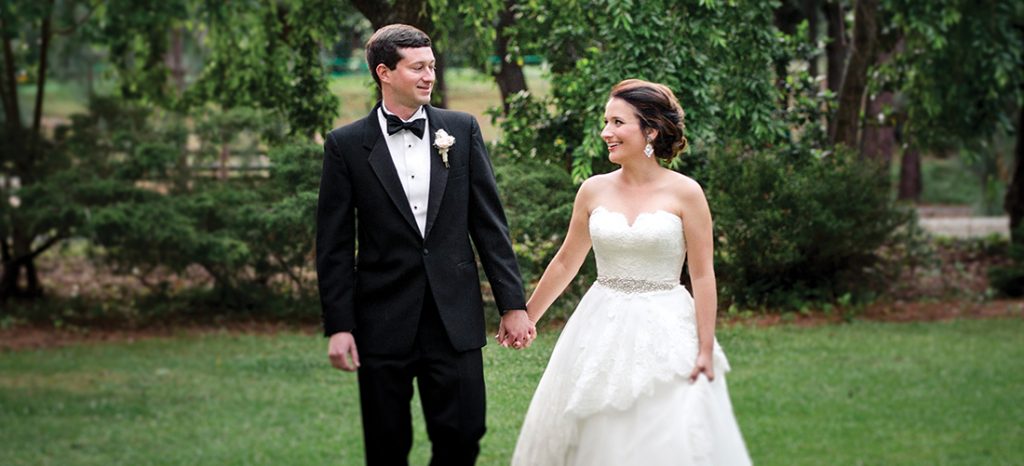
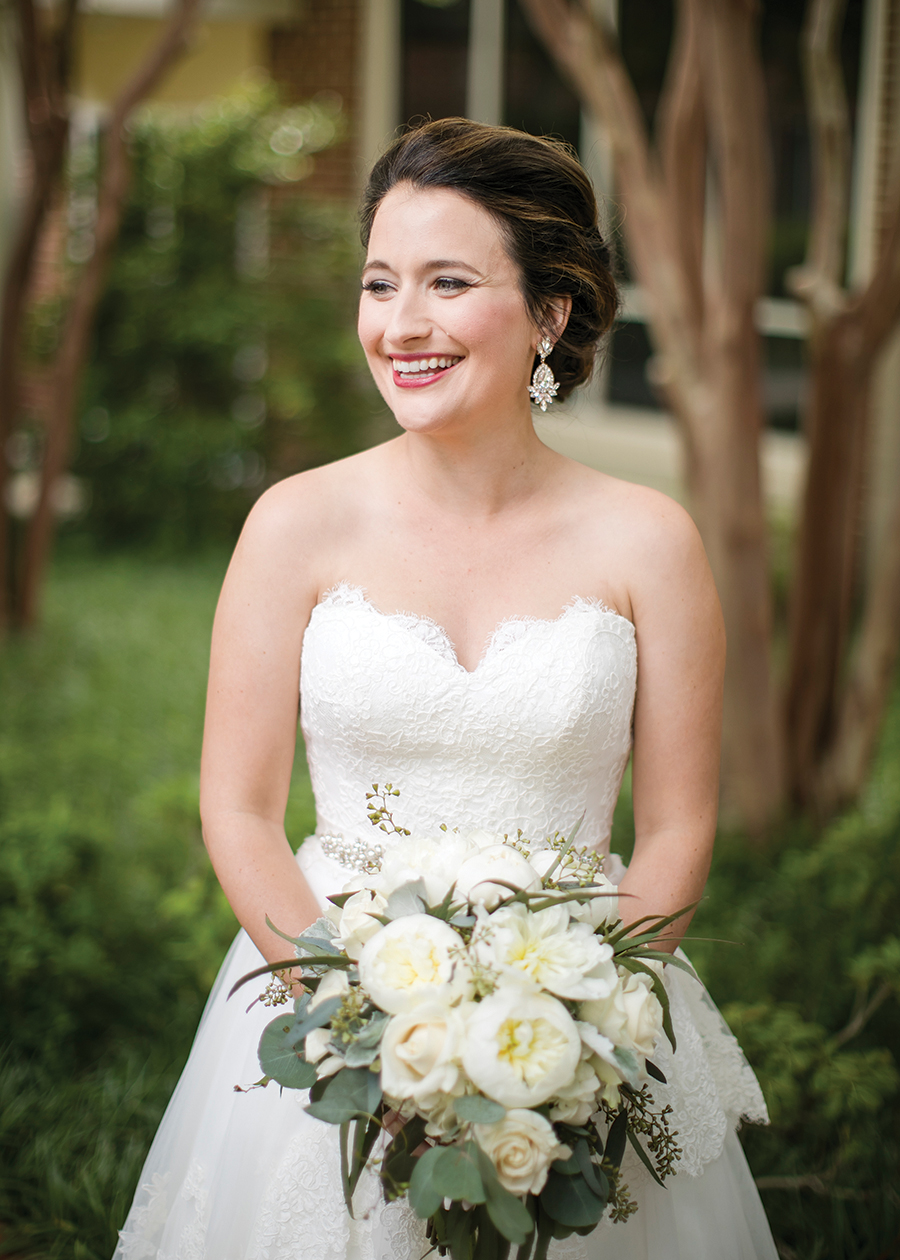
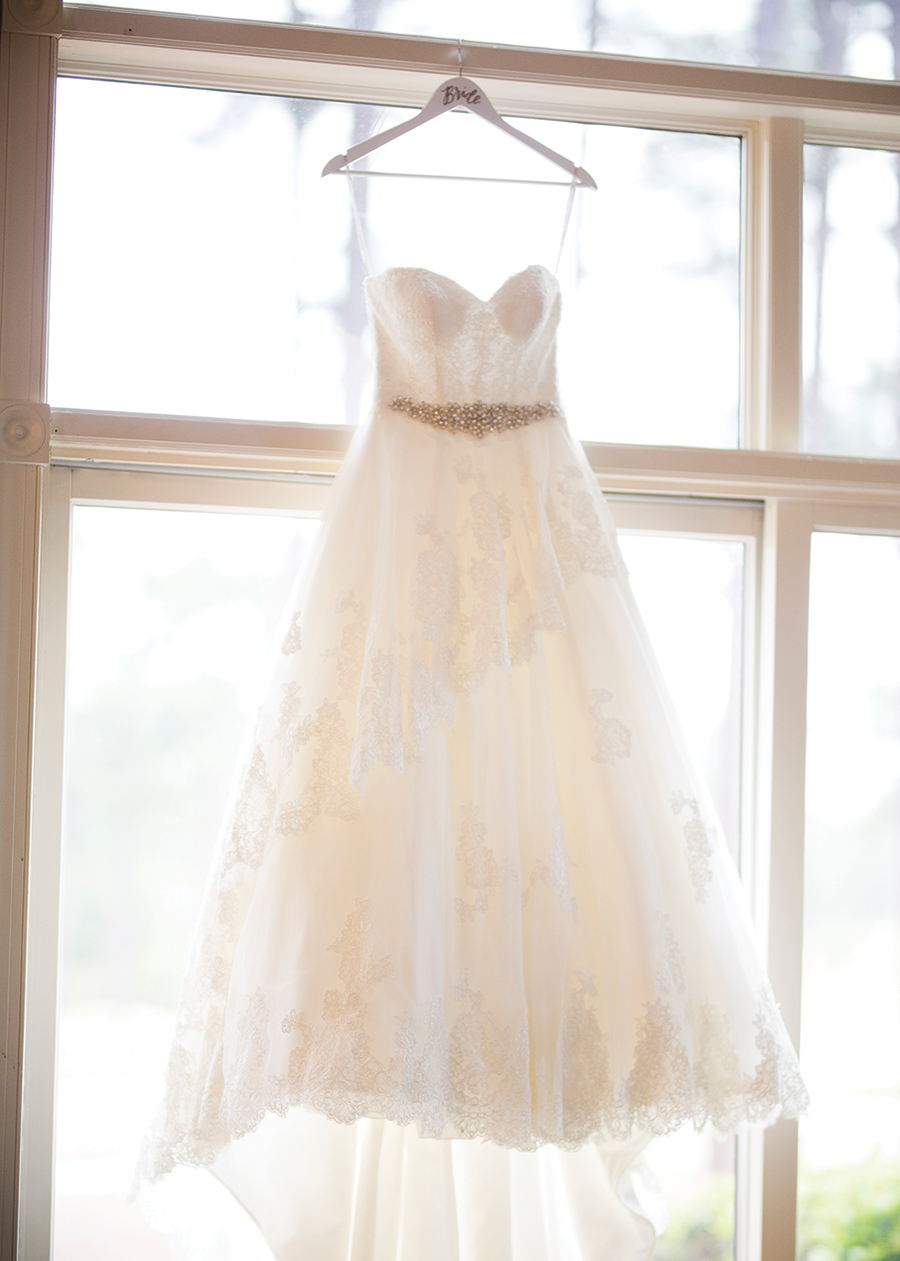
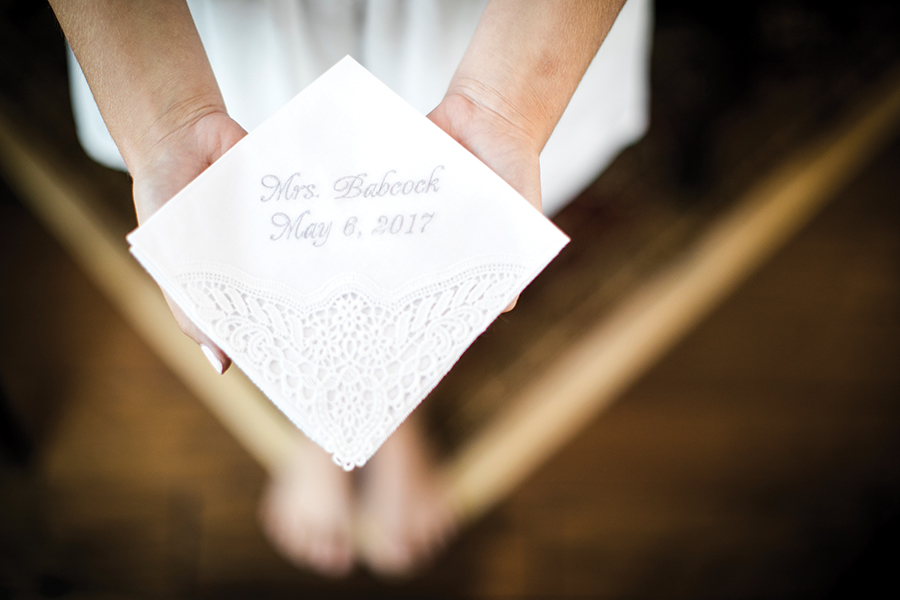
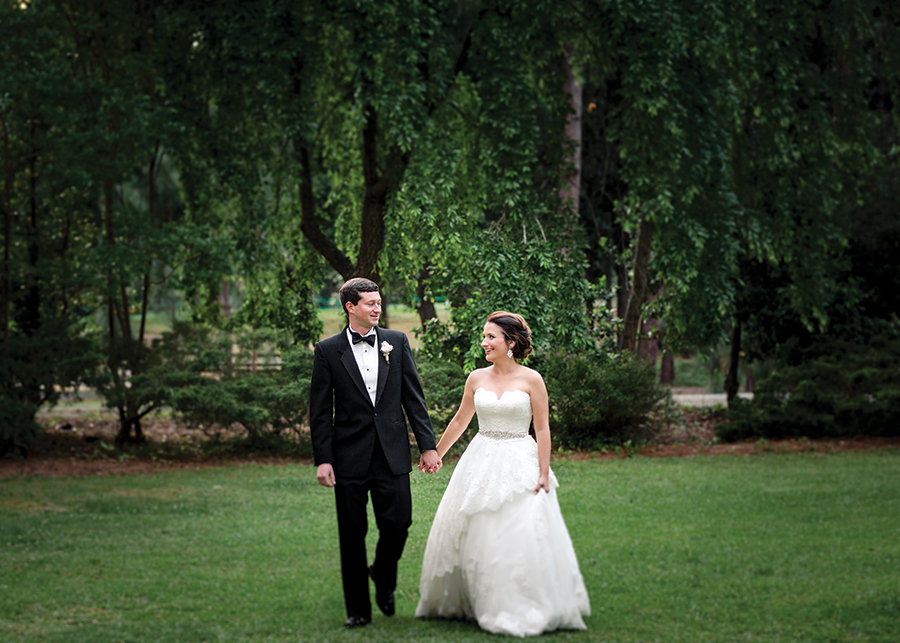
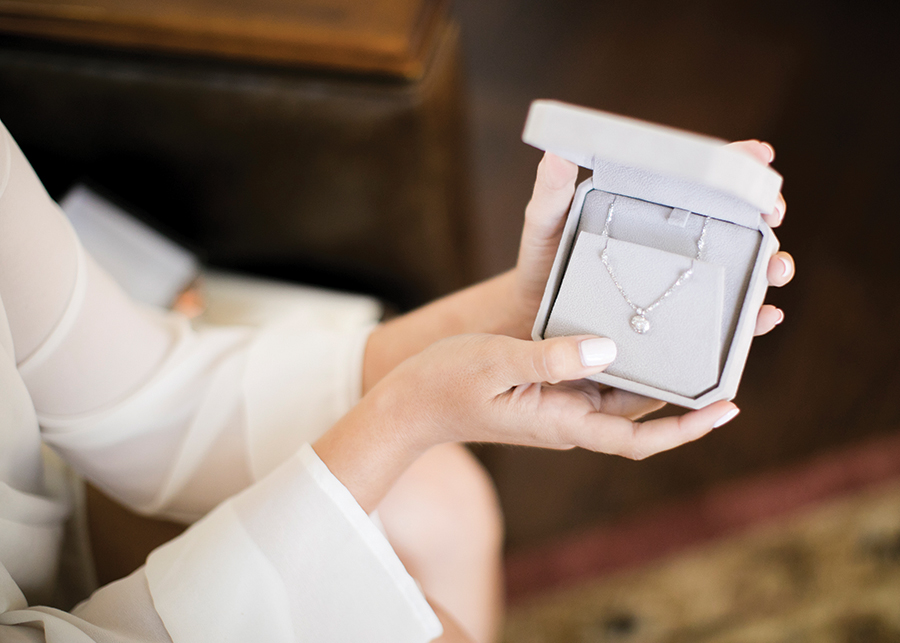
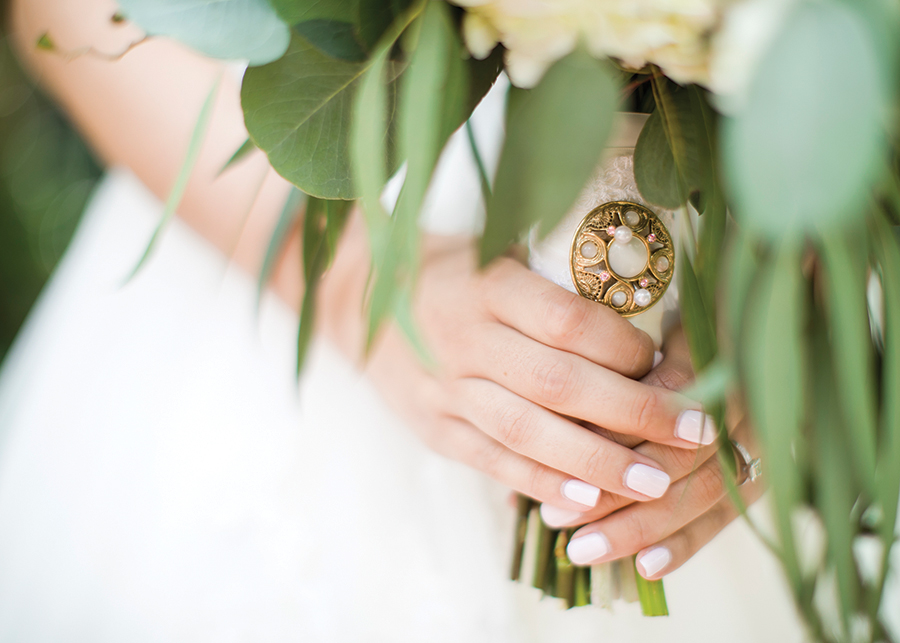
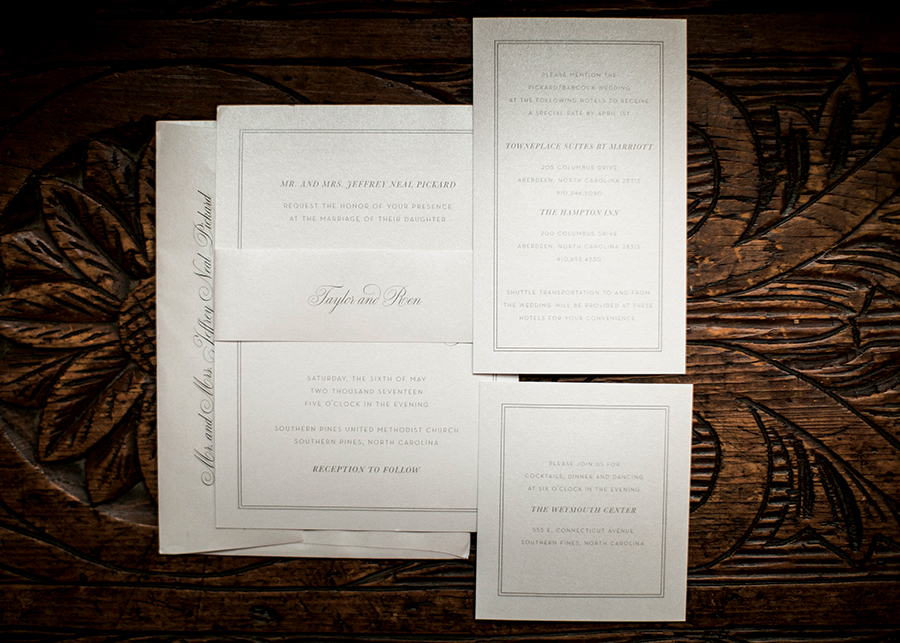
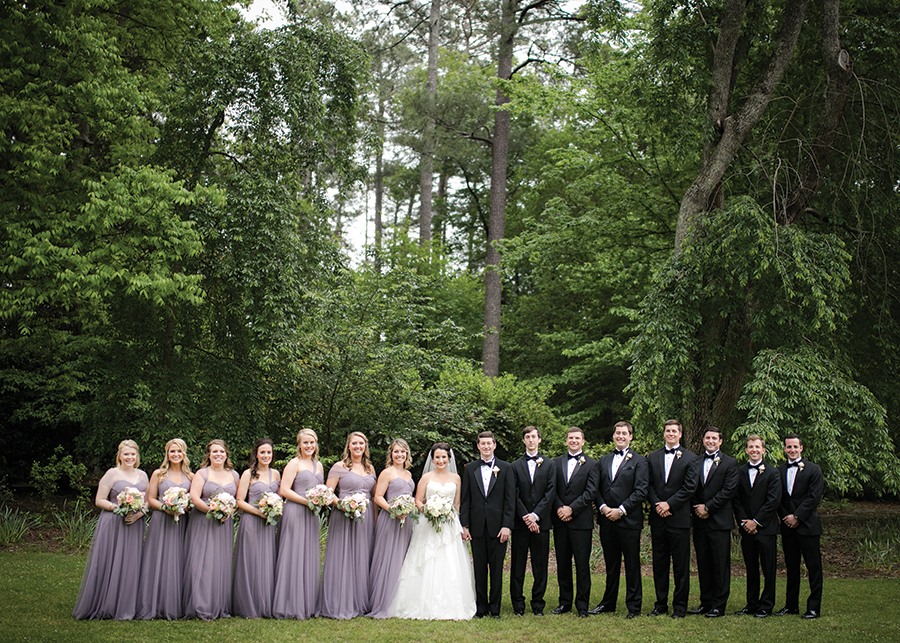
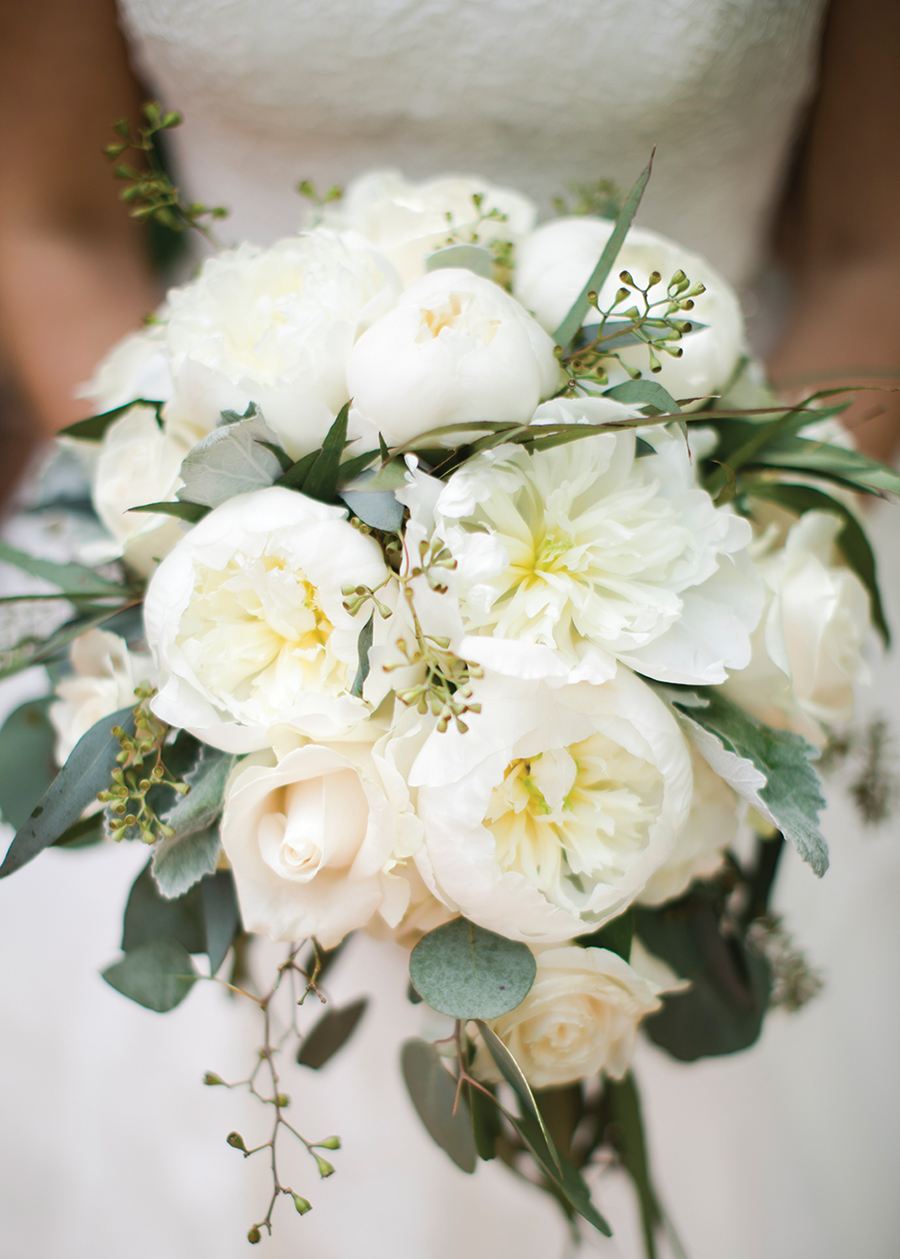
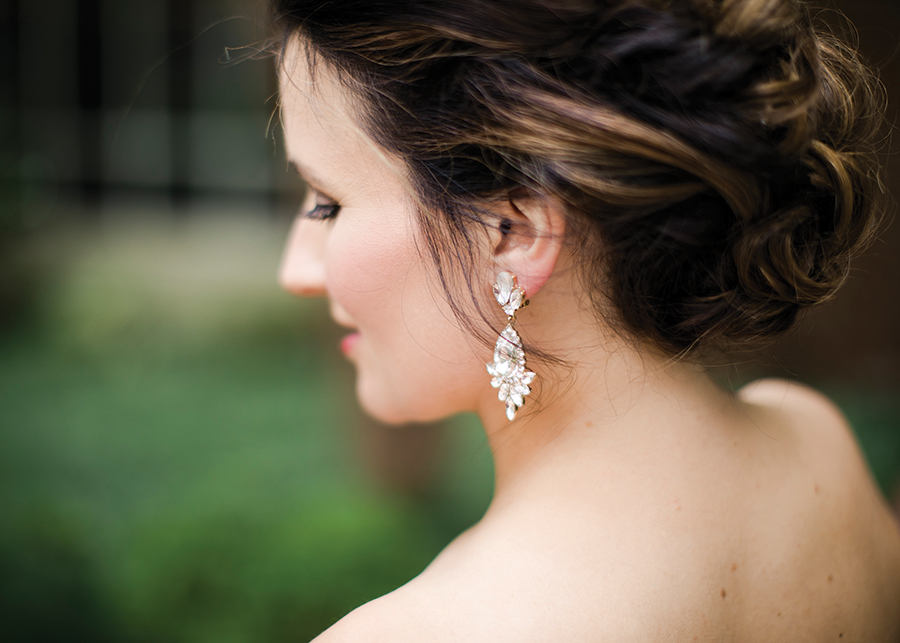
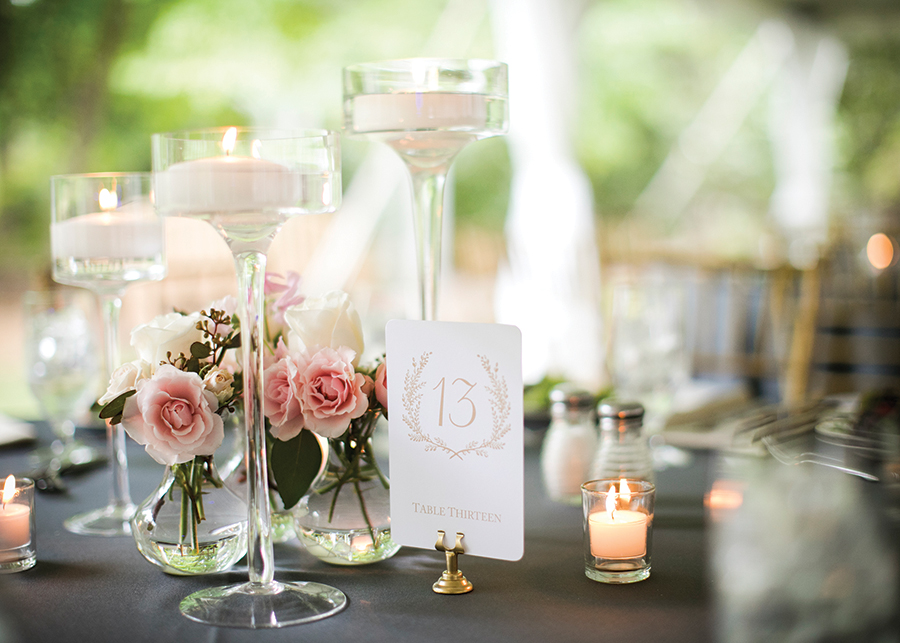
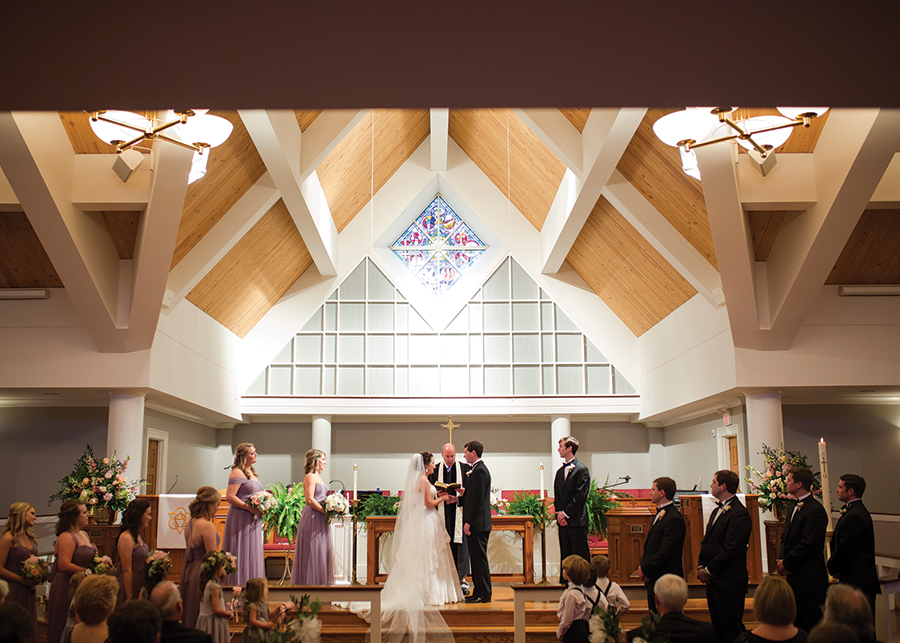
Taylor and Ren Babcock were married in a sentimental spot, the Southern Pines United Methodist Church, the same church where the bride’s parents wed. Growing up in Pinehurst, Taylor spent many adolescent years in United Methodist and preferred a Moore County wedding to one in Raleigh, couple’s current city. The Babcocks brought their vision for a romantic garden wedding to life, holding the reception outside on the Weymouth Center lawn under bistro lights. The groomsmen were gifted Peter Millar golf shirts, holding true to Pinehurst’s favorite pastime. Having enlisted help from the best vendors and friends they could find, the Babcocks can confidently say their wedding day was the best day of their lives.

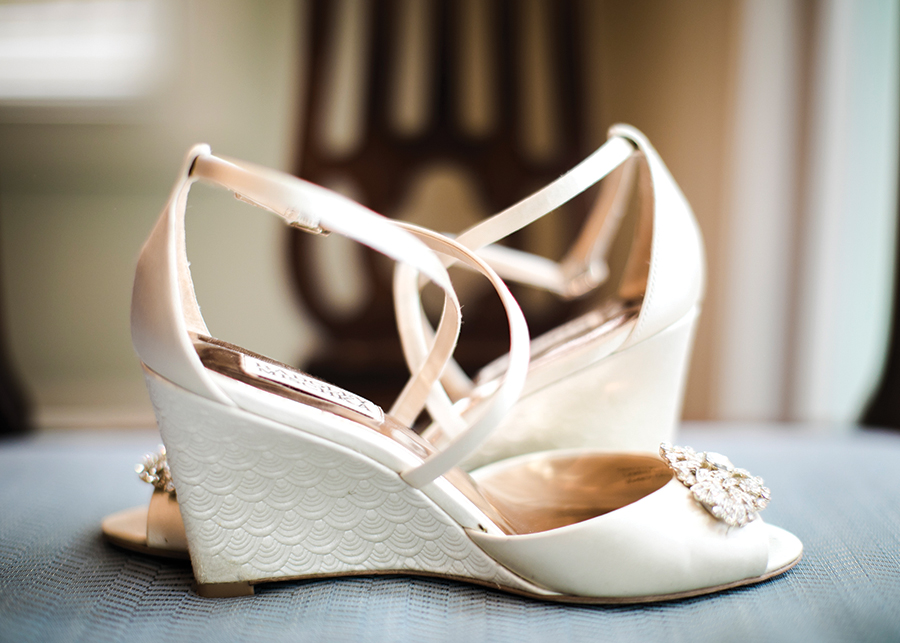
Photography: Amaris Photography Ceremony: First United Methodist Church | Reception: Weymouth Center | Wedding Attire: Jos. A. Bank, Watters, and New York Bridal | Shoes: Badgley Mischka | Flowers: Jack Hadden Floral & Events | Hair & Makeup: Marti Prevette and Jen Galster from Sky Parlor Salon  | Cake: The Bakehouse | Entertainment: The Dickens Band, CE Rentals

My Mother’s Pocketbook

By Tom Allen

Mom said her boy loved to plunder. Sounds illegal. I prefer “explore” but will make do with “nosey.”

Two places were off limits to my curiosity — the bottom drawer of Dad’s chest of drawers and Mom’s pocketbook.

Mom never called her pocketbook a “purse.” Something colloquial, perhaps. The first time I took a peek, her pocketbook was on the kitchen table. I, perhaps 5 or 6 and not tall enough to look inside, leaned the bag in for a good snoop. “Leave that alone. That’s my pocketbook.” Her tone of voice reinforced the prohibition. I apologized and got the message — hands off, that’s mine.

Mom owned several pocketbooks — one she carried most days, the others for dressier occasions. She preferred darker bags for winter, softer colors for spring and summer. I have no idea why the prohibition against snooping. I doubt she carried anything illegal or illicit; what mattered was that the contents were her business, her stuff. And don’t we all need a space for odds and ends? Some nook or niche to stash a pen or some quarters or a few Tic-Tacs? Maybe a drawer or, if you’re lucky, a closet? Mom carried the usual items — a wallet, some Kleenex, a tube of lipstick. What else was for her to know and for me not to find out.

If my dad drove a car until the wheels fell off, Mom would tote a pocketbook until its fabric was worn or dirty. And, unlike Imelda Marcos, Mom wasn’t a packrat. When the time came, she dumped the purse and bought a new one, probably from Belk, with a coupon, on Seniors Day. When Mom became a grandmother, a pocketbook was the ideal Mother’s Day gift from our daughters. Mom could make it last, at least until the next May, if not the Christmas after.

I recall, as a teenager, the first time Mom asked me to fetch the wallet from her purse. Was she serious?  Was this a set-up? Would my hand be mauled by a steel trap, a finger bitten off by a pocket-sized varmint? I snatched the wallet, without another glimpse into the nether regions. At last, I must be worthy of her trust. Even today, when my wife asks me to retrieve something from her purse, I get a little uneasy.

Mom’s last pocketbook was a camel-colored Kim Rogers number with a mismatched Aigner wallet, purchased, I’m sure, from Belk. Age and illness robbed her of mobility and independence. A move from her home of 60 years to a furnished assisted-living residence disconnected her from familiar possessions as well as her few living friends. My dad’s death, six months before hers, compounded the loss. At this final residence, Mom — whether sitting in her lift chair or napping in her hospital bed — kept her pocketbook nearby, ready with a pen, a tissue, or just a reminder that something still belonged to her.

I handled financial matters in Mom’s last year and, with her permission, took anything from her wallet or pocketbook that might compromise security or identity. She understood, yet when poking around for her wallet, there was still a sense I’d violated her last private space. Even more, there was a sense that the child had attained adulthood. As the circle closes, the son becomes the parent, the caregiver — an honor but, at times, sad, even terrifying.

After she moved, I left $12 — a ten and two ones — in her wallet. Eight months later, on the night she died, I took her pocketbook home.  I did not look inside for months. When I did, I found that $10 bill. Perhaps she tipped a caring aide or gave a folded bill to a granddaughter as grandparents often do. Along with the wallet, I found high school snapshots of our daughters that Mom could proudly show. There was a Cover Girl pressed-powder compact, a red Revlon lipstick, a handful of tissues, two pens, some melted Halls cough drops and a few coins. Pen marks covered the fabric lining.  Lipstick stained a zippered compartment. The soft faux leather still smelled like the house where I grew up, a place my parents made into a home.

Mom’s pocketbook rests in the bottom drawer of my chest of drawers, not off limits to anyone.  I’m saving it for a plundering grandchild who might walk away with a $10 bill. Me? I’m content to watch memories in the making, while thinking of how very happy one mother would be.  PS

Tom Allen is a longtime — and deeply loved — contributor to PineStraw.

Maybe Baby

For Taurus, golden days are ahead

By Astrid Stellanova

May means in Taurus-speak, maybe, or maybe not. Taurus, we know better than to pull your tail and enrage the hothead in you. Friends know you as surprisingly sunny and funny when unprovoked. Shakespeare, Queen Elizabeth II, Adele, George Clooney, Tina Fey, all share the sign of Taurus, and none of them seems too ill-tempered, right?  — Ad Astra, Astrid

Taurus (April 20–May 20)

If anybody crosses somebody in your camp, you’re liable to burn their house down, eat the provisions and take their mule. You are a fierce adversary, Sugar, with a fierce sweet tooth, right? But there is the other side, all generous and loving, and when that side shines, everybody wants to stand in your golden light. This is the reason you collect friends — and enemies — like nobody’s business. Speaking of which, a business opportunity opens in due time. You have every reason to give it a very good look. 

Gemini (May 21–June 20)

This month is Willy Wonka fun and crazy for you. Find the wild child in you to go with it and play. The fact that you finally made it into the candy factory says a lot about just how tenacious you are. You earned your pass and then some. The month you are going to have is one you have longed for, Honey.

Cancer (June 21–July 22)

Last month’s shenanigans left you a little sheepish and secretly ashamed. Get over it, Sweet Thing. You may have gone to the extremes, but there ain’t no reason you can’t reboot and move on. You paid to play, and nobody had more fun than you did. BTW: Brace yourself for an unexpected love to surface.

Leo (July 23–August 22)

Two days this month will reveal aspects of your abilities and talents that you have denied or suppressed. If you can just go with the flow, these talents will lead you to unexpected outcomes offering a brand-new vocational choice. Pay extra attention to the number 4 for additional clues — and don’t argue so dang much. 

Virgo (August 23–September 22)

There is either a good time or a good story this month for Virgo. When you stop muddling over something long past, you will find the traction to move forward. The fact that it is over is something you ain’t quite accepted yet. Sugar, the past is as stale as an old doughnut, but the present is where your true joy lies. 

Libra (September 23–October 22)

The past month was a doozy, and you felt like a wing-walker with a drunk pilot at the controls. This is a time of trusting in yourself and waving bye-bye to the ding-dong person formerly in charge of your destiny. You are the pilot of your life, Sweet Thing. You don’t have to do aerial tricks to prove it, either.   

Scorpio (October 23–November 21)

It was sweeter than a bite of a hot buttered biscuit drizzled with honey just to watch the face of a rival fall behind as you roared to the front, wasn’t it? You have pulled way ahead, but they ain’t giving up quite so easy. It might pay off for you to form a peaceful pact with them, or else spend the rest of the year playing a mean game of tag.

Sagittarius (November 22–December 21)

You’ve dodged a few bullets this year. Beginning to face that maybe careless and reckless ain’t just your driving traits?  Now, settle down and cogitate. Let the lessons and the luck sink in, Sugar. It is fun to be one step ahead of trouble,
Twinkle Toes, but it might detract from more important work you have yet to do.

Capricorn (December 22–January 19)

Recent events have confirmed your latest inspirations were a success, and some powerful folks are about to bet on you and your newest ideas. If you were a horse, you would give Seattle Slew a run for the money. All signs point to your standing in the winning circle, Honey Bun. Bow, smile and say thank you.

Aquarius (January 20–February 18)

In the past, you let one close to you dictate the terms of your life, right down to who, what, where and how things would go down. Have you noticed how wrong they were about what worked for you?  Fire their fool self. You are in a unique situation, Honey Bunny, to reposition your life and your happiness.

Pisces (February 19–March 20)

When you got right down to it, you immediately figured out what you needed. That wasn’t so hard was it?  Now you have won the admiration of someone who could use your past experience. Pay it forward. Give this person the benefit of what you know. Your lives intersected for a good reason, Sugar.

Aries (March 21–April 19)

By garaging your three-horsepower moped, you have found the peace and quiet you didn’t know you needed.  As entertaining as it was to watch you roar around town in a ball cap and gray pantyhose, it seems about time you embraced your serious side. You are going to need it. There is a real challenge ahead, Darling. You are up to it.  PS

For years, Astrid Stellanova owned and operated Curl Up and Dye Beauty Salon in the boondocks of North Carolina until arthritic fingers and her popular astrological readings provoked a new career path.

Donald Ross Revealed

Local author Chris Buie’s engaging new biography of Pinehurst’s Patron Saint of Design

By Lee Pace

Chris Buie moved to Southern Pines as a 10-year-old in the mid-1970s, was a regular golfer and swimmer at what was then known as the Southern Pines Elk Lodge, and later played on O’Neal School teams that won three state golf titles in the early 1980s. All of those PGA Tour stops at Pinehurst No. 2 in the 1970s — with winners from Johnny Miller to Hale Irwin, from Jack Nicklaus to Raymond Floyd — made an indelible mark on an adolescent Buie.

It was amazing to see your heroes 10 feet away on the tee in a tight match,” he says. “It was absolutely fantastic growing up with that. It was mesmerizing.”

Years later, Buie found himself being similarly affected with the enormity of the 2014 U.S. Open at No. 2. Some 340,000 people flocked to the resort over a fortnight to take in the third Open to be played on No. 2 and the resort’s inaugural Women’s Open that would come the next week. Those events are on top of the two U.S. Amateurs, one Ryder Cup Match and one PGA Championship to have been played on the course that the Scottish architect Donald Ross cobbled from the sand over some three decades from 1907 to 1935.

“I was standing behind the 12th tee on Saturday and took in that panoramic view,” Buie says. “The entire place was packed. I couldn’t believe it. I was just really struck. I guess you could say I had an epiphany. The unusually clear thought is that not one of these people would be there if it was not for this guy Donald Ross.”

At that point Buie, whose career had ranged from social work to marketing and who had authored one book, The Early Days of Pinehurst, decided to delve into the Ross story on his own and produce a book with his findings. The result, The Life & Times of Donald Ross, was released this spring. The 296-page oversized book was published by The Classics of Golf, retails for $75 and is deep with previously unearthed details on Ross’ life and interesting visuals — from shots of a tweed-attired Ross driving a golf ball from the Library of Congress to a map of the 36 holes he built at Oak Hill in Rochester designed with eight “layers,” or starting and stopping points beyond the usual first and 10th tees.

Buie interviewed five people who knew Ross and took advantage of research advances today that allow an author to canvass innumerable newspapers more than a century old from the comfort of his own office and internet connection.

“Being able to tap into that is something that really hasn’t been available before,” Buie says. “Previously, you would have had to travel to a lot of libraries. Anyway, there were a lot of great interviews and information in those old articles.”

Having visited Ross’ hometown of Dornoch, Scotland, twice for chapters in my own books about Pinehurst golf and its evolution, having visited the Dornoch museum and interviewed descendants of Ross’ contemporaries, and certainly having played dozens of Ross courses and written about many of them, I thought my reservoir of Ross knowledge quite extensive. But I found in Buie’s book morsel upon morsel of anecdotes I’d never read or heard before. To wit:

On the look and feel of Dornoch in 1890, this passage from an English author:

“Although really a seaside place, it is surrounded by woods, moors and mountains, thereby combining such pursuits of the Highlands — as grouse or partridge shooting, deer driving (but not stalking) or fly fishing. Ladies who do not care to follow the gun or play the fly, can find charming spots to sketch, and Dornoch is surrounded by lovely walks and drives, and there are several charming excursions at greater distances.”

On Sunday golf in Dornoch being considered sacrilegious, that some church-goers were taking odd-looking “walking canes” to worship but actually using them as golf sticks on the way home, sneaking into the dunes for a couple of holes:

“Despite their discretion, most of the villagers knew exactly what the ‘Sabbath breakers’ were up to. As with any small town, little happened without being known by everyone in short order.”

On Ross’ upbringing in the conservative, strict schools of northern Scotland in the 1870s and an anecdote from his great-grandson, Alex Shapiro:

“He decided to dip the pigtails of a girl that was sitting in front of him in an inkwell on his desk. The teacher came over and hit him so hard that it broke his nose. Donald was so scared about telling his father for fear of what would happen to him that he kept it to himself. So it was never tended to and for the rest of his life he could only breath out of half of his nose.”

On Ross apparently being at the vanguard of the idea to have front and back nines, an idea at odds to the links concept of the British Isles where most courses ran “out” in one direction along the coast, then turned “in” for the final nine:

“One of the desirable shapes for a piece of golf property is that of a fan,” Ross said. “It gives you the opportunity to place your clubhouse in the center or handle of the fan and lay out two loops of nine holes on either side of the handle … This layout affords another rather pleasant feature, as members can stop after nine holes and have refreshments.”

On his meeting the titans of American business and being particularly fond of Henry Ford, who asked him to design and build a course for his workers in Dearborn, Michigan:

“(Ford) is a different type of any from almost any other I have met,” Ross said in a 1923 letter to Pinehurst owner Leonard Tufts. “He opened up pretty freely to me, and I have a cordial invitation to stay at his house, and I will accept some time. I would like to know him better. He surely likes peculiar angles, and I already know he has a mind of his own. He would be lost as a President — and it’s entirely outside of his line of endeavor. He is too frank to be a politician. He is a plain democratic man and wealth has not turned his head.”

On the pressure he felt in the depths of the 1930s Depression to find new projects so that he could keep his workers employed:

“I want to get the contract to build it so that I can find work for a few of my good men here who must be discharged unless I can find other employment,” he said in a 1937 letter to his daughter. “That, you see, is the responsibility that goes with being a father to so many workers. I feel that they depend on me for a livelihood.”

By that time Ross had just completed his final routing of No. 2, adding the current fourth and fifth holes and discarding two that ran into ground now occupied by course No. 4, and had built seven courses in the Sandhills — four at Pinehurst Country Club, one at Pine Needles, one at Mid Pines and 27 holes at Southern Pines. Those were among the some 400 courses he would design across mostly the eastern half of the United States.

Buie says one of the most notable takeaways from his research was how Ross’ fingerprints are on so many elements of golf’s evolution in America — from design to clubmaking to helping elevate the status of the once lowly club pro. The second was how he “instilled the game with the proper spirit,” Buie says. “He was adamant about that. He wanted everything done ‘the right way.’ But he was especially strident about that when it came to golf. He was outspoken about that and vigilant, as well.”

Buie vouched that idea with an interview
he found from a 1939 interview in the Elmira Star Gazette:

“In my long association with golf, covering practically the entire life of the game in the United States, there has never been a scandal in connection with professional golf,” Ross said. “This is a glorious reputation for golf and must be maintained if the game is to continue to hold the respect of the public, and continue in the unusually fine atmosphere it has created.”

One wonders what Ross would have thought of the Tiger Woods story from 2009, but you get the point.  PS

Lee Pace has written Golftown Journal since 2008 and has authored four books about golf at Pinehurst, his most recent “The Golden Age of Pinehurst” in 2014.