Almanac

November is a great sweeping wind, a clearing of what must go, a dance with a howling reaper.

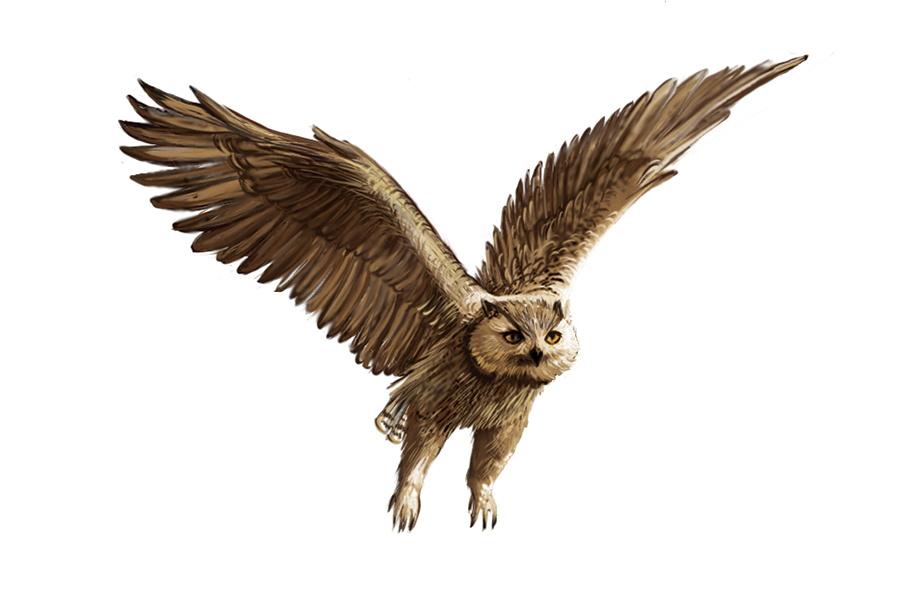
The crickets have disappeared. Their nightly serenades, which crackled like warm vinyl from spring through harvest season, faded with the first hard frost. In their wake, the wind shrieks through naked trees. A great horned owl bellows from his perch.

The garden folds into itself. The porch toads that lurked by the watering can on warm autumn evenings now burrow beneath the frost line. Field mice shimmy down chimneys, squeeze through eaves, craft their nests inside cozy walls.

Songbirds come and go. Hermit thrushes strip the hollies of their crimson fruit. White-throated sparrows shuffle through crumpled leaves, scratching up what’s buried underneath.

The wind sings of a quickening darkness. The squirrels, scrambling to cache pecans as they fall, retort with squawks and chatter. A skein of geese sails across a golden sunset.

At dusk, when the wind nips at the heels of those still roaming, a pair of coyotes yips and howls beyond the fringe. Back and forth they shriek, wailing like banshees, piercing the air with their shrill and haunting staccato.

“I’m here,” cries one to the other.

A single voice sounds like dozens.

A biting wind howls back.
When Pies Fly

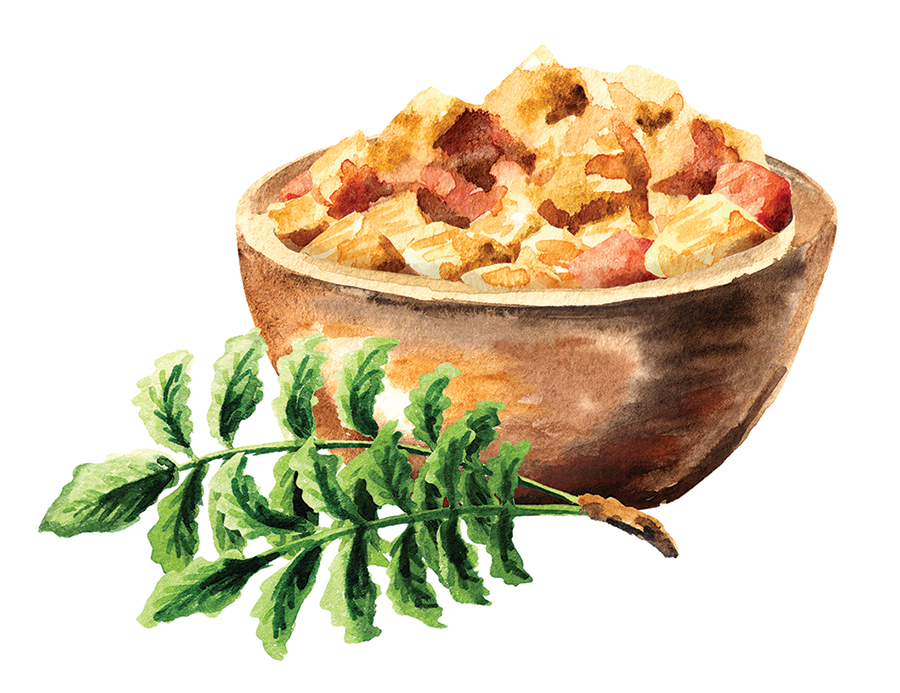
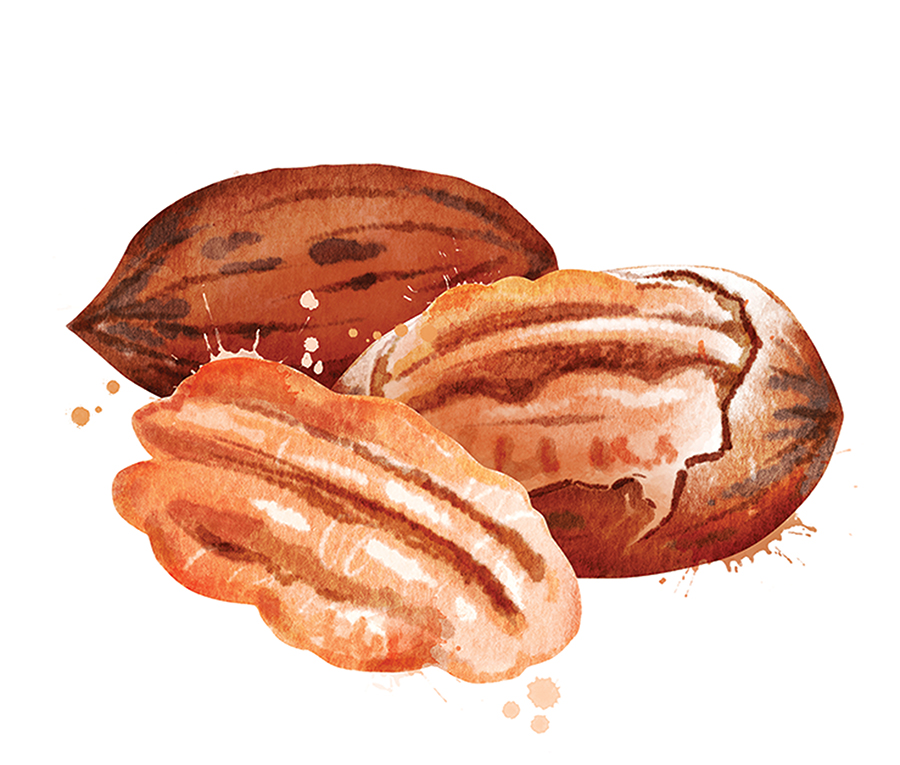
For our neighbors in Albany, Georgia (pecan capital of the world), it’s raining you-know-what right now. But we have our share of toothsome treasures plummeting upon our leaf-littered neck of the woods, too. Especially in the southeastern part of the state. Whatever you call them — PEE-cans or pee-KAHNS — ’tis harvest season. Pick them as they drop or else the crows and squirrels will beat you to it. You’ll want to let them cure (essential if they’re not yet ripe) before shelling and freezing them. Store them in a mesh bag — and in a cool, dry place — for about two weeks. While you’re waiting? Dream of pie.

On that nut-studded note, have you ever cracked pecans? If so, then you can more deeply appreciate that the average pecan pie packs between 70 and 80 of those sweet and buttery little candies. No need to mention the calories.


O wild West Wind, thou breath of Autumn’s being.

Thou, from whose unseen presence the leaves dead

Are driven, like ghosts from an enchanter fleeing

— Percy Bysshe Shelley
 

Prepare to be Dazzled

On Tuesday, Nov. 8, a total lunar eclipse begins around 3 a.m. According to Smithsonian magazine, which named this celestial event one of 10 “dazzling” must-sees of 2022, the moon will appear reddish, as if “all the world’s sunrises and sunsets” are being cast upon it.

Speaking of dazzling events, here’s to hoping your Thanksgiving will be described as such. At the very least, don’t let the parsnips eclipse that homemade pie.  PS

Almanac

October is the wisdom weaver, spinning the invisible to light, capturing the ephemeral, then letting it all go — again and again.

On this crisp autumn morning, waves of yellow leaves release themselves to the damp earth, and golden light illuminates a silver orb. Glistening with beads of dew, the spider web is a work of wonder. A series of concentric whorls and radial lines resembles the helm of an ancient ghost ship; the thumbprint of an unseen giant; a chandelier turned sideways. Dripping like crystals from tidy spirals of silk, hundreds of water droplets hold within them tiny worlds of ever-shifting beauty and light. Until the dew dries, each leaf falls 1,000 times. Until the dew dries, a hidden world is manifest.

The garden spider knows three things: creation, destruction and the space in-between. In other words: Nothing will last. She isn’t afraid of starting over.

In the evening, when the shadows take life and the owls cackle like witches gone mad, the black and yellow spider will swallow her own web. The same wind that sends colored leaves swirling will carry a fresh line of silk from one swaying tree to another, the bridge from which the weaver spins anew.

Tomorrow, the air will be cooler; the light, softer; the leaves, a brighter shade of gold. The spider, silent at the navel of her orb, will wait for her next cue. It’s neither time to build nor devour. And yet, the leaves continue to spill. The crows are roosting by the hundred. An invisible force is stirring, whirling at the center of all living things.


Flickering Lights

Before the first winter squash was gutted and carved to resemble a ghoulish floating head, early Irish immigrants fashioned jack-o’-lanterns from turnips and mangelwurzels (root vegetables used as fodder). Why? Tradition. And to ward off evil spirits, of course.

Have you ever seen a face hacked into a hollowed-out turnip? By comparison, our pumpkin “jacks” appear quite jolly. If you’re really trying to spook your neighbors this year, consider whittling a bushel of root veggies for the front porch. Or not.

Pumpkin Craft

Sure, you can roast the seeds (toss with oil and sea salt, then bake for 20 minutes at 350 degrees). But what of all the pumpkin guts?

If you’re one to add pumpkin to everything but the compost pile — muffins, oatmeal, waffles, cookies, soup — try making a purée. It’s like pie filling, minus all the sugar and spices. And it’s pretty simple:

First, remove the seeds (you’re roasting them anyway, right?). Next, steam the pulp until it’s tender (about 30 minutes), let cool, then use a potato masher or food processor until pulp is smooth and creamy. Freeze the excess.

Yes, a sugar pumpkin will taste better. But a carvin’ pumpkin is more fun.  PS

Almanac

The summer ended. Day by day, and taking its time, the summer ended.

— James Baldwin, Just Above My Head

September takes you by surprise again.

She told you she was coming. Tried to, anyway. Back in July, when the butterflies were puddling on the wet earth, she sent her first announcement — a tulip poplar leaf: half orange, half yellow.

“See you soon,” she scribbled across its waxy surface.

Perhaps it slipped through the cracks.

In August, when the hummingbirds were weaving among hibiscus, she scattered a few more notes. The marbled muscadine leaf, swirled with gold, brown and rust. The crimson maple leaf, brilliant as a summer flower. The star-shaped sweetgum leaf, splotched like a palette with autumn’s fiery hues.

Somehow you missed them.

Suddenly, it seems, September is here, playfully tugging at the loose threads of summer.

But she doesn’t just surprise you once.

On cool mornings, she permeates the air, perfume thick with earth and musk. Now and again, she pinches your cheeks; tousles your hair. Her very presence is electric.

The trees shiver and blush.

Chimney swifts and swallows haunt the evening sky with dark, flickering clouds.

A screech owl sings out, voice quavering like a treble violin.

Now that she’s got your attention, she begins to unravel the golden season leaf by marbled, rust-colored leaf. She doesn’t rush, nor does she dawdle. She just sips the light from the summer sky, strips the green from the rustling trees and, sometimes, surprises herself.

Equinox Flower

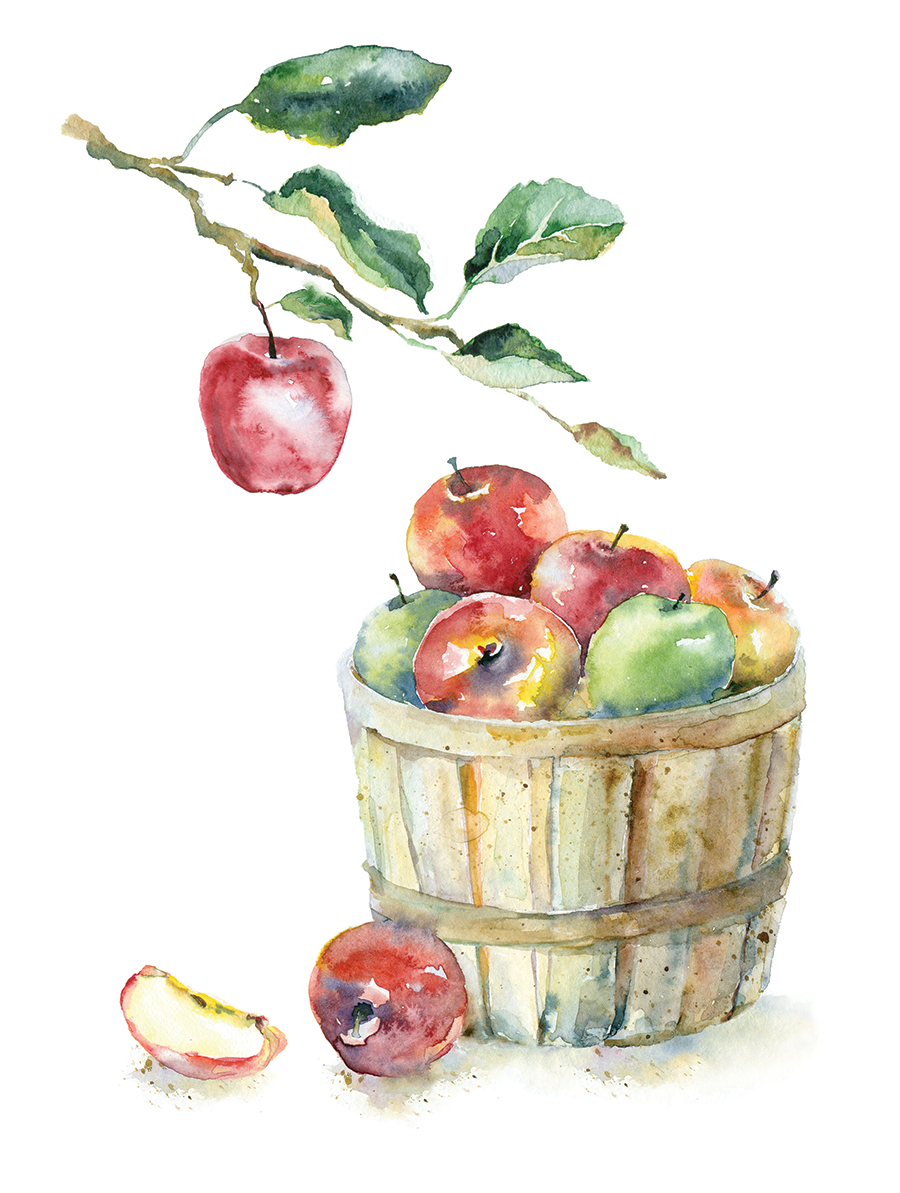
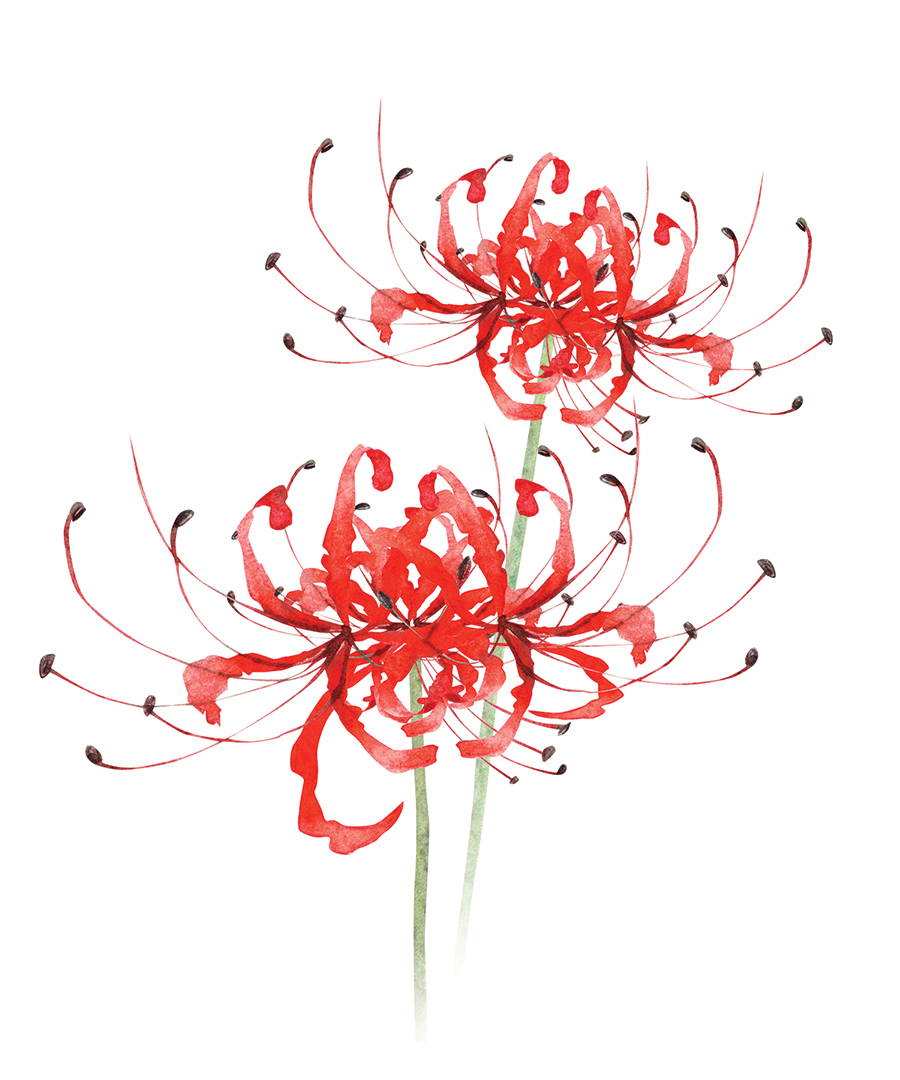
The apples are falling. Figs, drooping. And among the early fall bloomers — crape myrtle, chrysanthemum and autumn crocus — one has a name truly fit for the season: the equinox flower. Lycoris radiata (also known as the red spider lily, red magic lily and surprise lily) bloom on naked stalks, often after a heavy rainfall. The coral-red blossoms comprise an explosion of curled petals with long stamens that resemble the legs of a you-know-what (see alternate names). Winter foliage follows.

In Japan, the name for the red spider lily — Manjushage — means “flower of the heavens.” While this dazzling flower is often associated with death and the afterlife, don’t let that stop you from planting it in your own garden. The butterflies love them. Japanese rice farmers use them to deter mice. But should they attract the lost soul of some distant ancestor, ancient Buddhist text tells that this eye-catching beauty will help to guide them along.


On This Harvest Moon

The full harvest moon rises on Saturday, Sept. 10 — 12 days before the autumnal equinox, aka, the first day of fall.

And what of the harvest?

Garlic, garlic, garlic. Bushels of apples and sweet, plump figs. Potatoes, tomatoes and greens galore.

Don’t forget the honey.

The days are growing shorter. As the golden season fades, savor what is here, now: the nectar and fruits of a waning summer. PS


Almanac

By Ashley Walshe

The month of August had turned into a griddle where the days just lay there and sizzled.

— Sue Monk Kidd, The Secret Life of Bees


August is equal parts ecstasy and agony.

At dawn, a shimmer of hummingbirds dips and weaves among cascades of morning glories and a sweeping sea of hibiscus. In one day, the nectar of one thousand flowers will have sweetened their bellies and tongues. In one month, when the blossoms fade, the tiny birds will disappear, taking summer with them.

The honeybees have multiplied. They drift in dizzying circles, supping joe-pye weed and purple coneflower as if the future of the hive depends on it. And it does. The bees know that the season is slipping with each precious sip. They know not to waste it.

Swallowtails orbit goldenrod and lemon balm, ring around the butterfly bush, float like dreams from blossom to fragrant blossom. Soon they, too, will vanish.

Yet — for now — all is lush and dreamy. All is warm and sticky-sweet. Never mind that each kiss between bee and flower could be the last. The golden season always dims to black.

And so, you savor the last glorious slice of it. Absorb it with your whole body like the water snake sunning on the rock. Cradle it like a sipping spirit; inhale deeply, drink slowly, let the textures and flavors roll around on your tongue.

Sprawl out across the summer grass. Float from flower to flower. Drink the nectar of one thousand blossoms.

Harvest the fruits of the garden. Sink your teeth into them. At night, dance among the fireflies, here for a glittering moment, and then gone.

The cicadas know. As they scream out in rapturous longing — ecstasy and agony and nothing in-between — you soak up the sweetness of summer as if the future depends on it. As if it will carry you through the darkest days of winter. 

Sweet Morning Glory Late Summer Harvest

The morning glories have run wild. Twining vines with heart-shaped leaves and fragrant, tubular flowers, these late summer bloomers are hummingbird magnets. They thrive in full sun and, given a trellis or fence, will climb up to 20 feet.

Among the most common varieties are Heavenly Blue (sky-blue with white-and-yellow throats), Grandpa Ott (a royal purple heirloom from Germany), Fieldgrown (an amalgam of white, pink and purple blossoms) and Crimson Ramblers (a hummingbird favorite).

True to its name, the blossoms open in the morning, each lasting for just one glorious day.

Late Summer Harvest

The garden gives and gives. August offers eggplant, green beans and peppers. The last of the sweet corn. The earliest apples, pears and figs. And — oh, yes — an endless stream of plump tomatoes.

But what to do with them?

The ’Mater Sammich never fails (make mine with Cherokee Purple, balsamic glaze and pesto mayo — I’m no purist). Cook them down into sauces. Dice them for pico de gallo. Make bruschetta, pasta salad and summer quiche.

Better yet, pluck them straight off the vine, sprinkle with salt and enjoy.  PS

Almanac

Watermelon — it’s a good fruit. You eat, you drink, you wash your face. — Enrico Caruso


July is the great melon harvest, a bellyful of sweetness, the mother lode of summer.

In the sun-soaked garden, swollen fruit ripens on tangled vines. A green-striped wonder steals the show. One hundred days ago, when the Earth was newly soft, a flat, dark seed journeyed from palm to soil — a token from last summer. A tiny stem rose from the dirt. Leaves emerged. Vines ran in all directions. After an explosion of tiny yellow flowers: an explosion of tiny green fruits.

Today, a whopper.

The watermelon tells you when it’s ready. Sort of sings out, sending a signal through its smooth, thick rind. You give it a thwack, close your eyes and listen. The sound is rich and resonant — pitch perfect — like the beat of a primal drum.

The tendril closest to the fruit is shriveled and brown, just as it should be. And when you roll the melon over, another telltale sign: the yellow field spot on its underside.

Its aroma is the final giveaway. Not too strong. But even through the rind, the sweetness is undeniable.

You gently twist the melon from the stem, carry it in your arms like a sacred offering. Everyone knows that a watermelon isn’t just a watermelon. It’s an entire cosmos, the culmination of summer. Inside, a vibrant pink world is studded with hundreds of tiny black seeds. When you sink your teeth into that half-moon slice, the flavor hits you at once. You taste spring rains and summer days; bee tongue and butterfly kisses; the nectar of the journey and the freshness of the right-now.

As pink rivulets run down your chin and fingers, you want for nothing more. Because in this moment — wet, sticky and sweet — summer is everything.


All Ears, Baby

Nothing says Fourth of July like bread and butter pickles. Blueberry picking. Watermelon ice cream. And did someone mention sweet corn?

Platinum Lady or Bodacious?

Regardless, fresh is best.

Make shucking a family thing (the kids still think it’s fun).

Bring out the salt and pepper. Loads of butter. And if you’re the one behind the grill, you can’t go wrong with pure and simple. The best memories always are.


Super Buck Moon

Native Americans called this month’s moon the Buck Moon since male deer antlers, which were velvety nubs back in the spring, have reached full maturation by July. Also called the Thunder Moon and the Hay Moon, this month’s full moon rises on Wednesday, July 13 — the second and final super moon of the year. No matter what you call it, you can expect totally dreamy. PS

Almanac

June holds nothing back. Dripping with decadence, she drapes her frills and trimmings across limbs, stems and wild earth. She isn’t afraid to take up space, nor is she afraid to ask for more.

More beauty. More bramble. More texture. More color.

And nothing shy of the full spectrum.

Red poppies speckle sunny meadows. Orange tiger lilies brighten the foreground. Yellow swallowtail flit hither and yon.

Green — as in every sumptuous shade of it — shoots and sweeps across the landscape.

Blue chicory dances along roadsides. Indigo buntings flicker among the woodland fringe. Violet hydrangeas sweeten the lawn. 

“More is more is more,” she says, weaving among peach and coral roses; the first stunning wave of star-shaped clematis; a swell of multicolor zinnia.

The air is an amalgam of honeysuckle, lemon balm, basil and gardenia.

More fragrance? If it’s good enough for the hummingbirds, bring it on: Rivers of feathery bee balm, cascades of trumpet creeper, explosions of flowering salvia.

Bring on the music-makers, too. The buzzers and screamers. All who twitter, chirp and croon. Listen for the rattle call of the northern flicker. The coo of the pigeon. The lusty moan of the lonely bullfrog.

In the garden, the squash plants runneth over. Green tomatoes fatten on the vine. Salad greens reach for the rising sun.

Bring on your glorious wildness, June. Your luscious too-muchness. Your sultry, voluptuous summer.

No need to hold back.


June is bustin’ out all over.    — Oscar Hammerstein II


All That Glitters

According to Smithsonian Magazine, two of this year’s most “dazzling celestial events” happen this month, beginning with the first supermoon of the year on Tuesday, June 14.

What, you ask, is a supermoon? It’s when the moon is full at its perigee (aka, closest proximity to Earth). According to NASA, a supermoon can appear up to 14 percent larger and 30 percent more luminous than a full moon at its apogee (farthest point from Earth). As if June needed one more reason for us to swoon.

Next on the don’t-miss-it docket: five planets in rare alignment from June 19–27. Make that six if you’ve got a telescope and minimal light pollution. Just before sunrise, gaze toward the eastern sky for a chance to spot Mercury low on the horizon, then Venus (always the brightest planet), Mars, Jupiter (second brightest) and Saturn (high in the south) in a diagonal line visible to the naked eye. Those with proper optics may also spot Uranus — yep, that bright green speck — just above Venus.

Do look up. At the very least, you might catch some fireflies.


The Color Purple(ish)

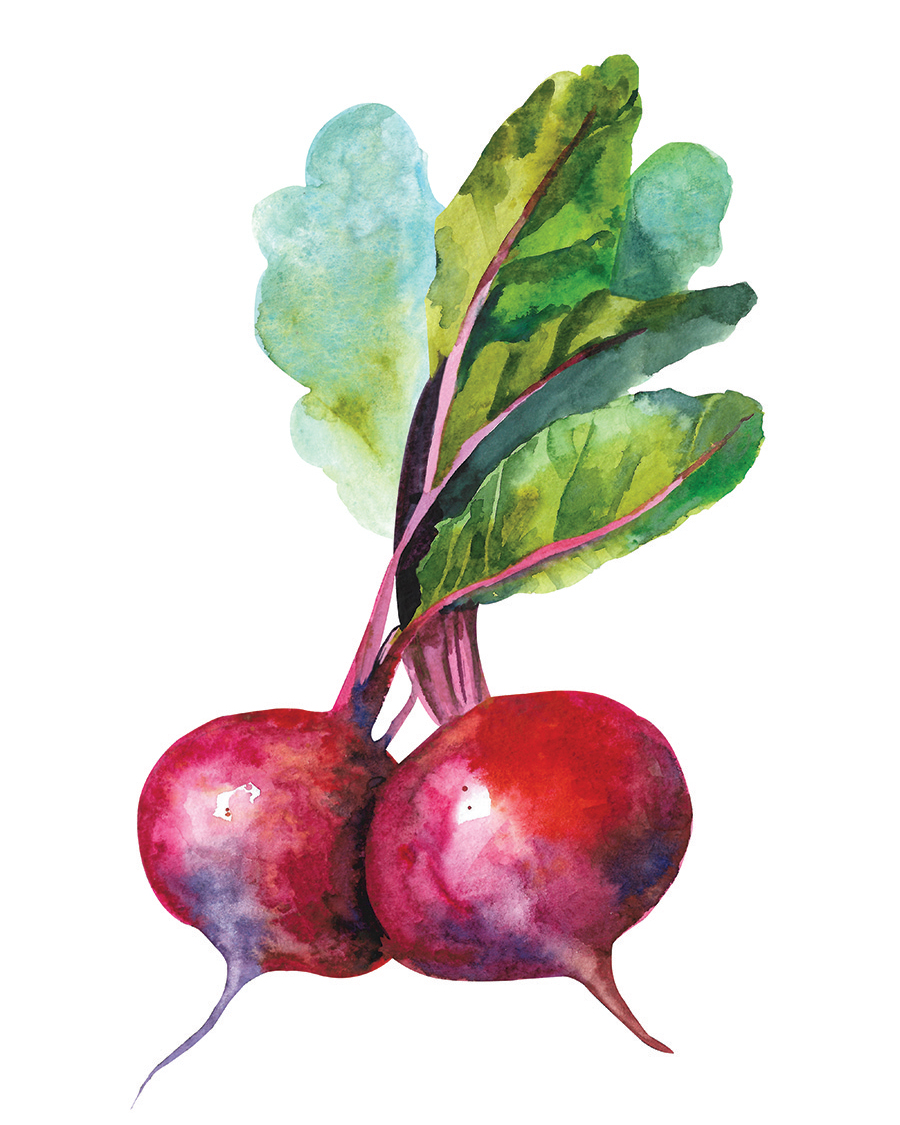
It’s beet season. If their vibrant magenta color wasn’t reason enough to love them, consider that these earthy roots are loaded with antioxidants, fiber, folic acid and potassium. Even their greens are a superfood. And nothing says summer like a cold beetroot salad.

Boil them until tender. Once cool, peel them under cold running water, then cut into 2-inch cubes.

Toss them with olive oil, orange juice, cumin, salt, fresh mint and cilantro.

Admire your stained fingers . . . and enjoy.  PS

Almanac

April

By Ashley Walshe

April hath put a spirit of youth in everything.

— William Shakespeare

April is a child of wonder, lord of the mud pies, the crown prince of play.

Yesterday it rained so hard the earthworms learned to swim. Today, the peepers are peeping. The sun is out. The prince of play gathers the essentials:

Large wooden spoon? Check.

Mixing bowl and pie tins? Check, check.

Measuring cups? Don’t need them.

There’s a watering can full of rain on the back porch. Or, there was. The boy squishes across the yard, settles onto the floor of his squashy kingdom.

Mud sings as sweet as any muse. But you must know how to listen.

The boy closes his eyes, readjusts his flower crown and scoops up a wet heap of earth. He dabs a little on his face. He squelches his fingers through it. He digs into the mire with his toes.

Eureka!

This is what the mud said:

In a large mixing bowl, combine two parts squish and one part rainwater. Wriggle your toes as you stir, mixing until the first hummingbird graces the first bearded iris.

When the cottontail rabbits multiply, fold in a dash of wet grass and a fat pinch of redbud before transferring to pie tins.

As the robins pluck their breakfast from the lawn, top with generous layer of dandelion leaves.

Garnish with snakeskin, snail shells and a
dollop of wisteria.

The sun will take care of the rest.


Fairy Rings

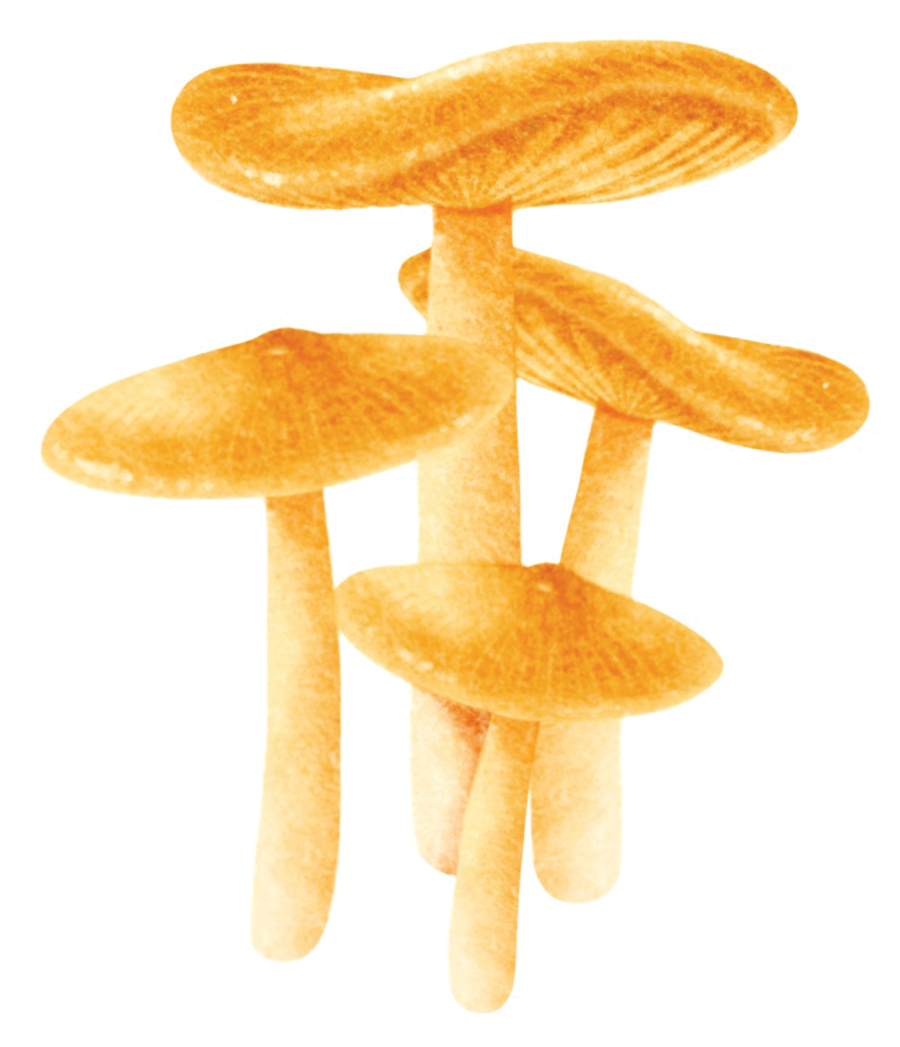
Spring is doing what spring does best. The earth is softening, once-barren landscapes now bubbling with tender buds and blossoms. In the garden, asparagus rises like birdsong. And after it rains? Enter Marasmius oreades, aka, the fairy ring mushroom.

If ever you’ve stumbled on a near-perfect circle of these buff-colored, wavy-capped fungi, perhaps you’ve smiled at the amusing “coincidence.” Or maybe it spooked you, particularly if one popped up on your own lawn. (Note: These boomers are known to kill turf.)

Myth and folklore refer to these circles as “fairy rings.” Can’t you almost see it? A wild band of wee folk dancing among these mushroom portals?

Tempting as it may be to step inside a fairy ring, myths warn against it. Long of the short of it, those who are lured inside become captives of an unseen realm where hundreds of years can pass in a blink.

On the subject of fair warnings: The fairy ring mushroom is actually a choice edible with a sweet quality that has made its dried caps the star ingredient of more than a few macaroon and cookie recipes. (Go on, look them up.) But this innocent wildling does have a toxic lookalike. Best not to harvest unless you know for sure. And, certainly, withhold from sautéing them.

Foxglove

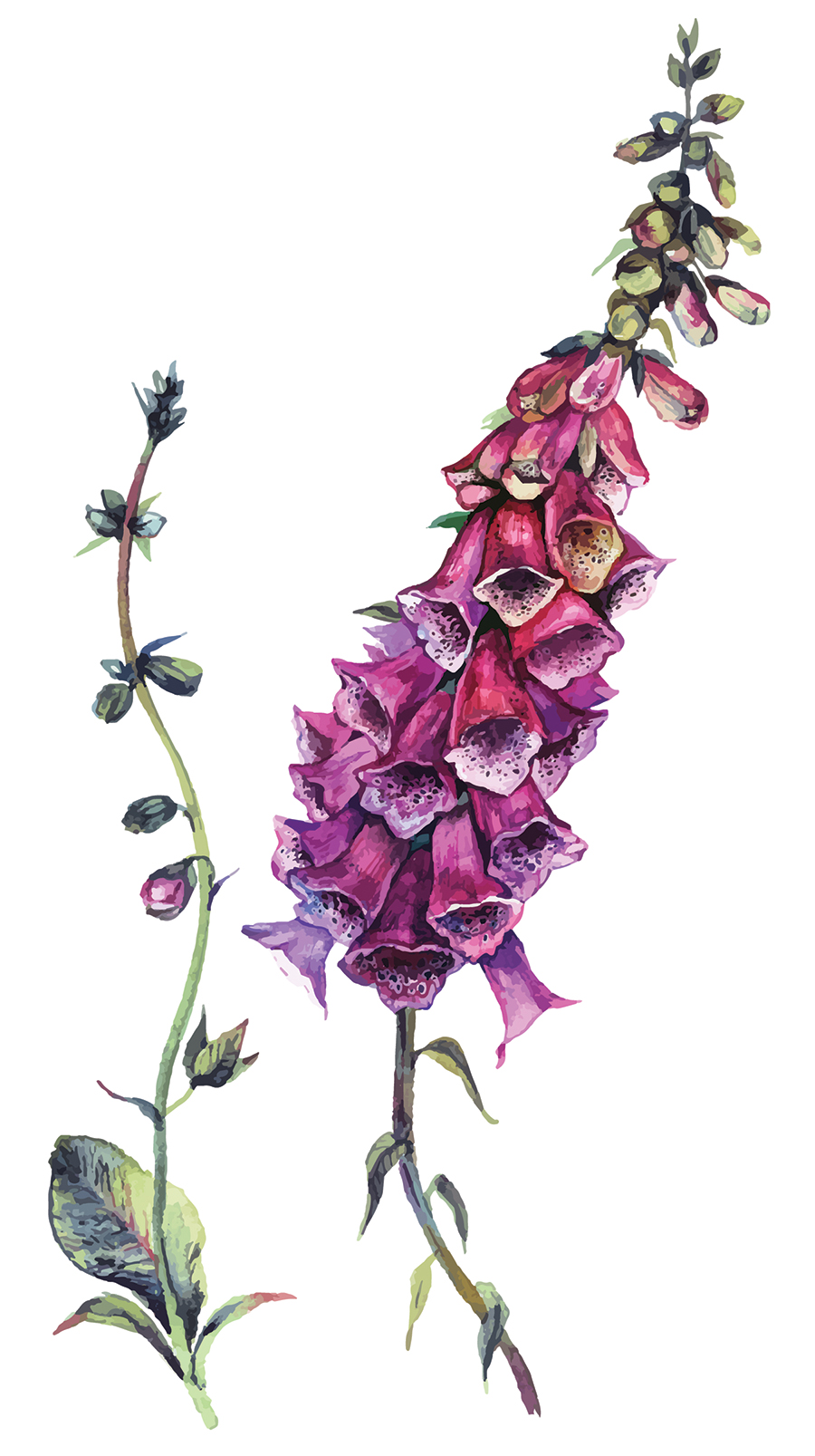
How did the pretty foxglove get its name? Etymologists have spun many theories. In 1847, William Fox Talbot proposed that “foxglove” may have derived from “folks’ glove,” especially since the Welsh called the flower maneg ellyllon, aka, “fairies’ glove.”

This much we do know: They are bumblebee magnets.

If ingested, the common foxglove (Digitalis purpurea) is highly poisonous to people and animals. In this case, looks can’t kill. But one could see why the Scottish called them “witches’ thimbles.”  PS

Almanac

March

By Ashley Walshe

In March winter is holding back and spring is pulling forward. Something holds and something pulls inside of us too.

— Jean Hersey

March is an age-old prophecy: a great thaw followed by a riot of life and color.

Some said it would start with a single daffodil. A field of crocus. The soft warble of a bluebird.

All the signs are here. And in the bare-branched trees, where wild tangles of dead leaves resemble papier-mâché globes, newborn squirrels wriggle in their dreys, eyes closed.

Weeks ago, winter felt eternal. The cold air stung your face and fingers. The world was bleak and colorless.

Now, the red maple is blooming. Saucer magnolia, too. You build the last fire, sweep the hearth, return to the garden and its wet, fragrant earth.

Frost glistens in the morning light, but you know it’s true — that spring is coming. You know because the birds know. They cannot help but blurt it out.

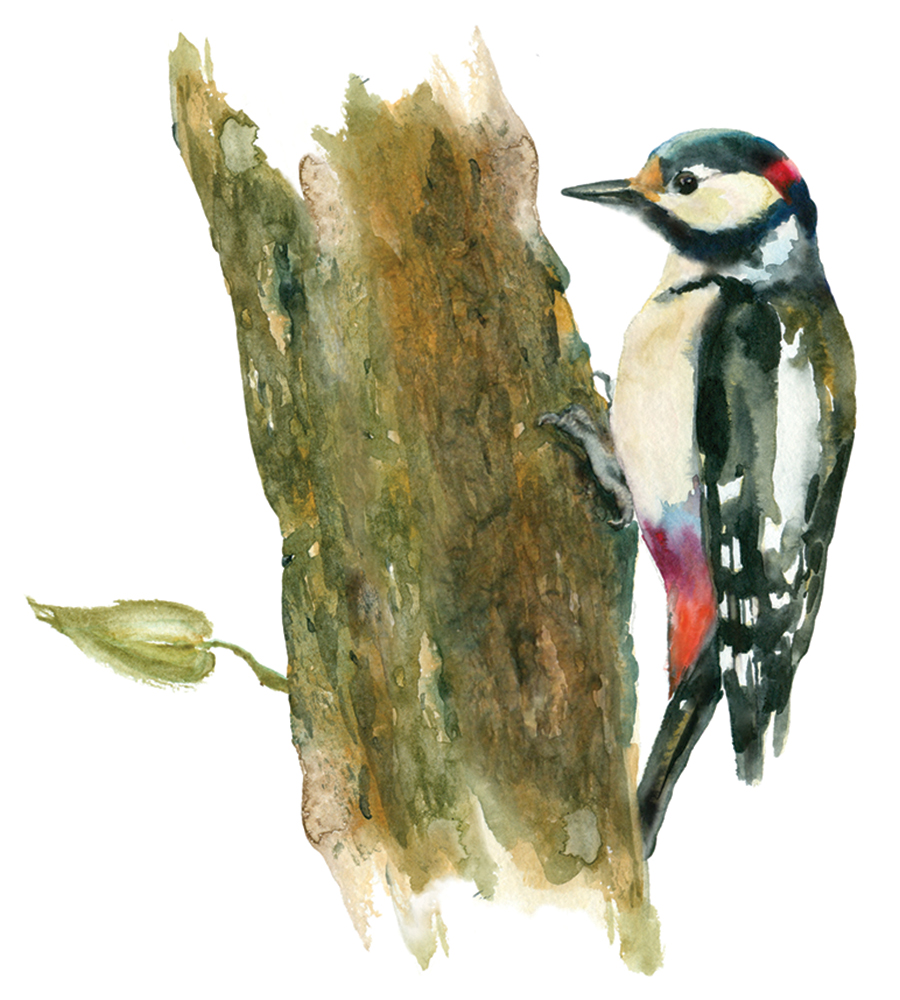
Beyond the flowering quince, a woodpecker drums on a towering pine.

A towhee gushes drink-your-tea.

A robin whistles cheerily, cheer up, cheer up, cheerily, cheer up.

Soon, spring peepers and chorus frogs will join the band. The first bee will drink from the first hyacinth flower. A young squirrel will open its eyes.

Sunlight kisses wild violets, purple dead nettle, tender young grasses. Everywhere you look, you notice a new warmth, a new softness, the gentle pulse of life. By some miracle, spring has arrived. A sweet mystery born from the icy womb of winter.

A Gardener’s Luck

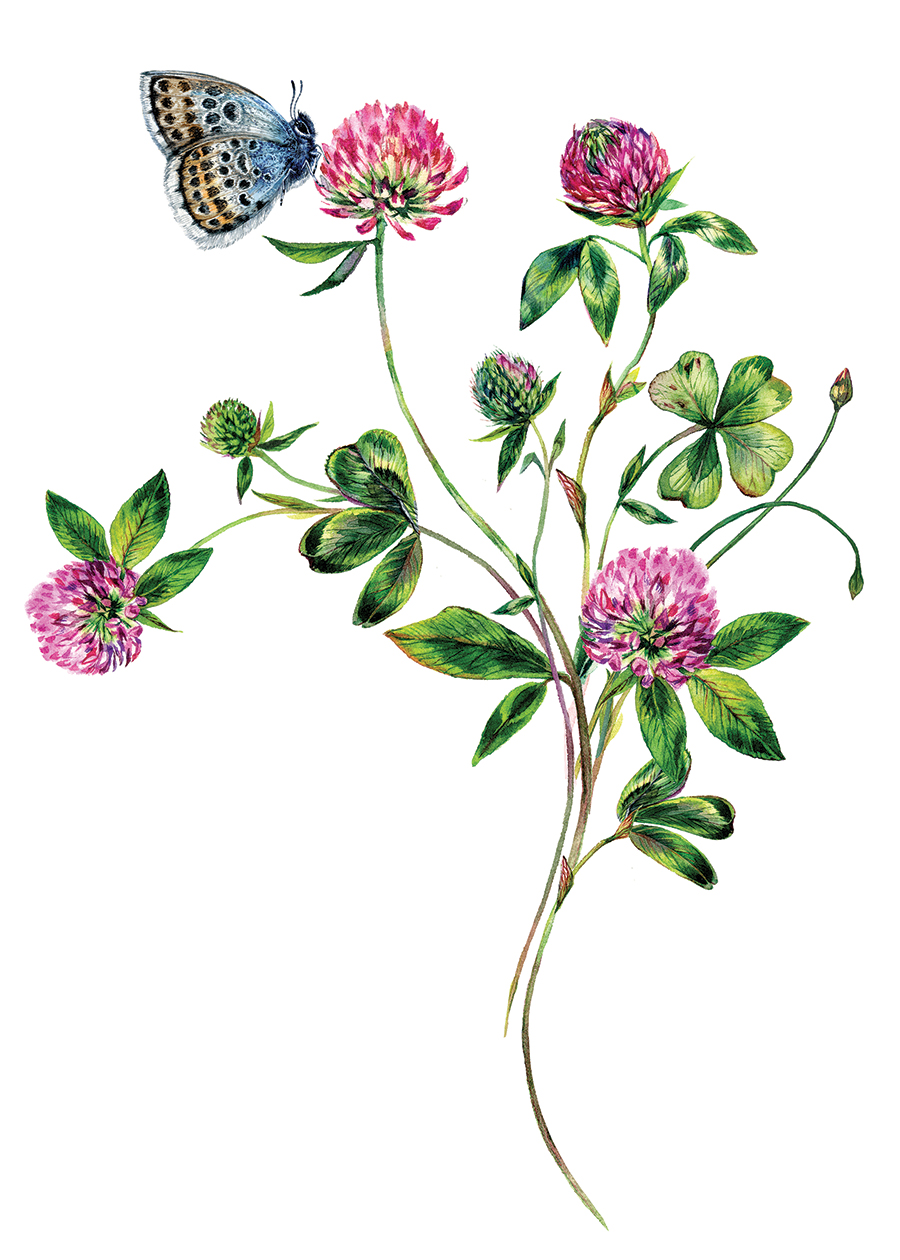
Let’s talk about three-leafed clover (genus Trifolium), a flowering herb in the legume family that just might be what your lawn or garden has been missing. Common as weeds — and often disregarded as such — clover can grow in most any climate, tolerate poor-quality soil and resist most pests and diseases. Here’s the best part: clover can “fix” spent patches of earth by restoring nitrogen levels. In other words, it’s a natural fertilizer and often is used as green manure crop.

Using clover as a ground cover between garden beds will also attract pollinators. Mix some clover with your grasses and your lawn will look greener. An added bonus: It’s impervious to dog urine. Even if you never find a four-leafer, that’s some good garden luck.

Spring Forward

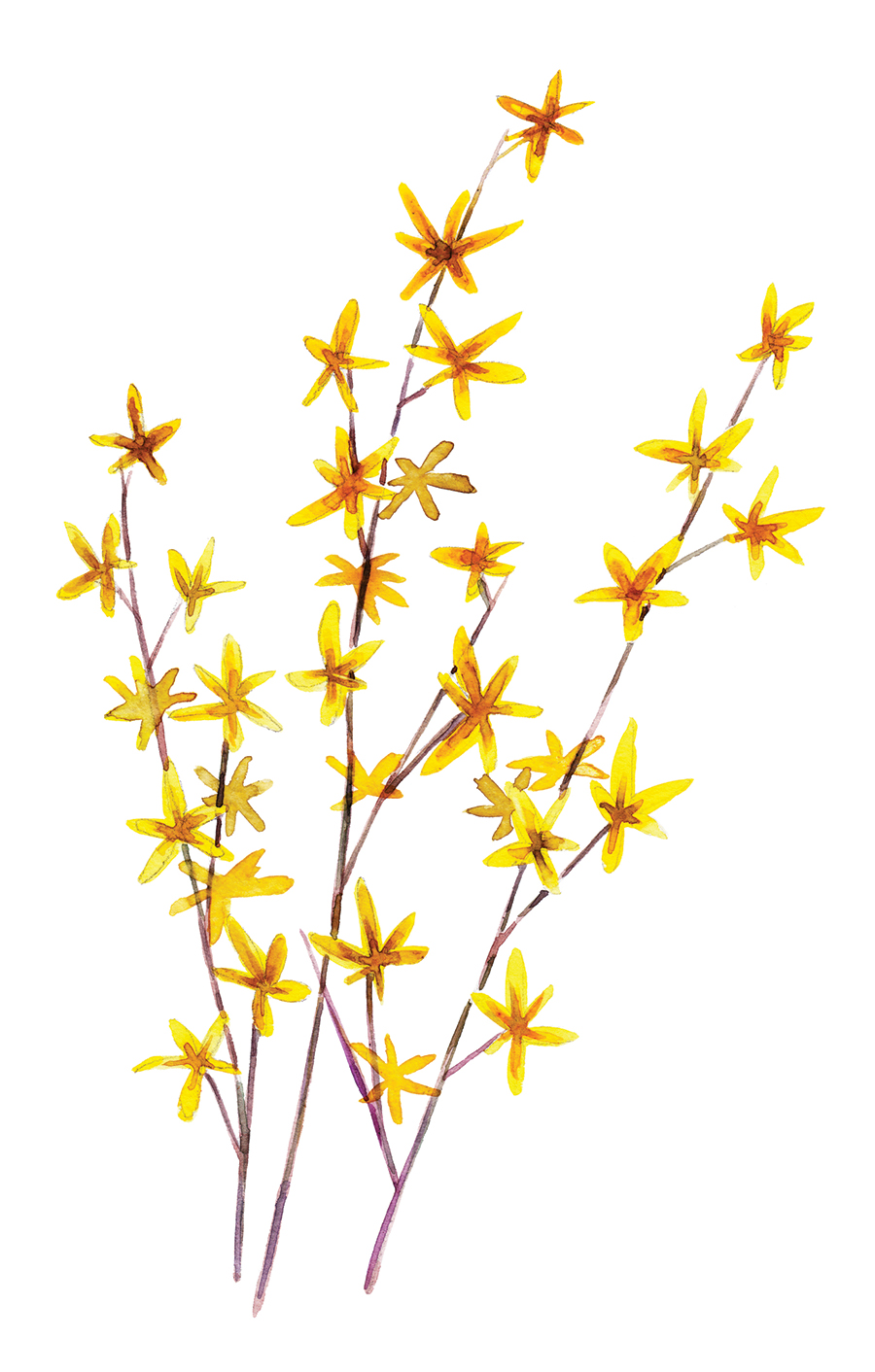
Daylight saving time begins Sunday, March 13. Longer days inspire evening walks, birding, a quiet hour in the garden. Notice what’s flowering: breath-of-spring (winter honeysuckle), brilliant yellow forsythia, lemony scented star magnolia. Notice what needs to be pruned: ahem, the rose bush. Although the vernal equinox occurs Sunday, March 20, spring has been here for weeks, present in each glorious inhalation. Allergy season? Coming soon.  PS

Almanac

By Ashley Walshe

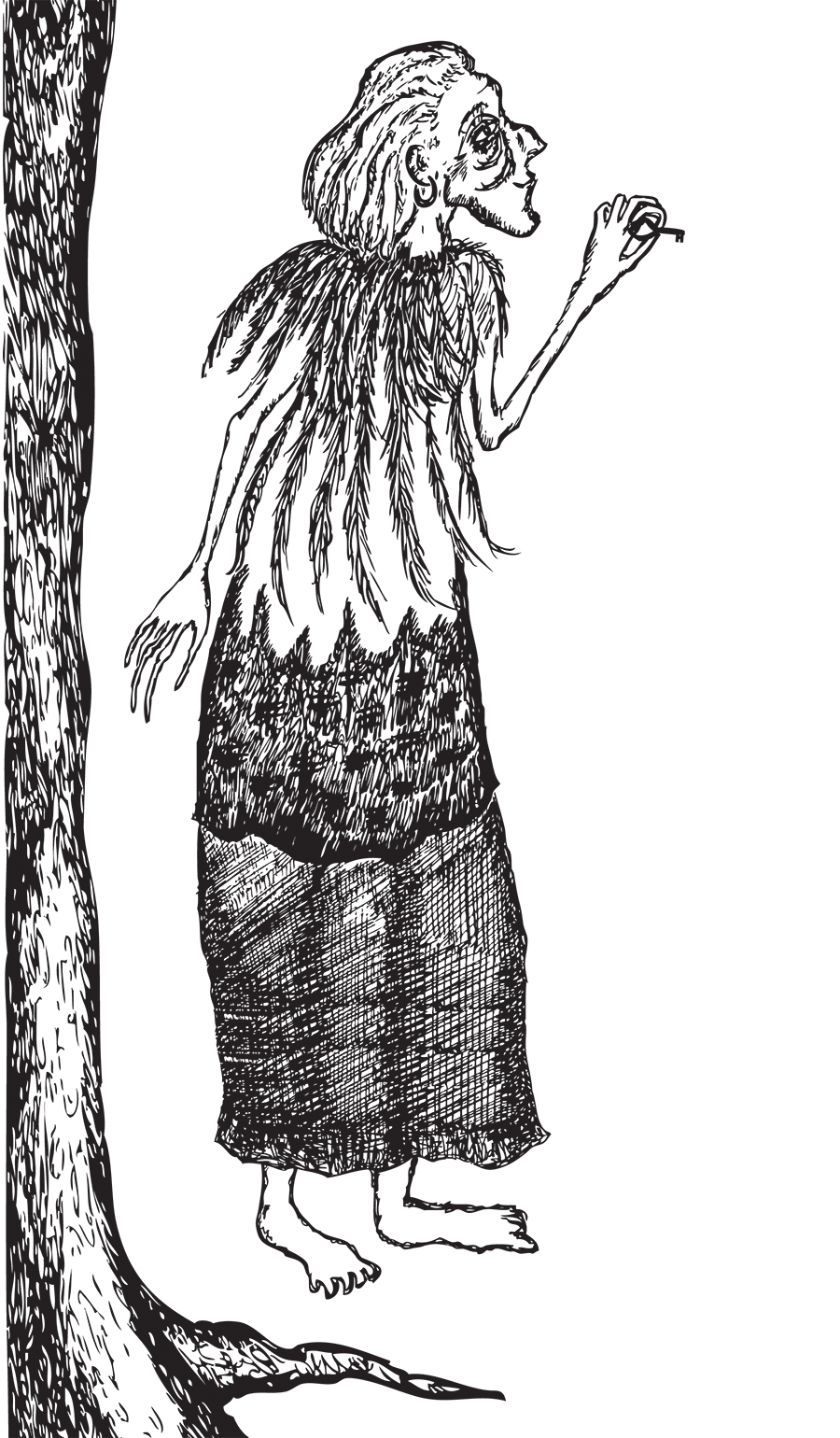
February is a creature from an ancient myth, a wise old woman, a mystical crone goddess. 

At first glance, she is homely, haggard and frightening. Her face is gaunt. Her garments, threadbare. Her skin like gray, crinkled paper.

There is nothing soft or warm or pleasant about her. Time and the elements stripped her of her beauty long ago. She lurks in the shadows, a bag of bones with sunken eyes, crooked fingers and limbs like wind-swept trees. Her icy breath swirls through the air like a ravenous arctic wolf. 

Few have dared to approach — let alone understand — her. Most avoid her like the plague.

She does not require your favor. And yet, should you dare to gaze upon her, she will offer a wisp of a smile. A mysterious light will shine from her deep-set eyes, and while she will not speak with words, you will hear her, clear as a bell in the night: follow me.

Into the darkness you’ll trudge, cold air burning like poison ivy, frozen earth crunching beneath your feet. Rows of naked trees reach toward a grim, abysmal sky, and you wonder how life could possibly grow in this barren landscape, this pregnant silence, this bitter womb of winter.

As she walks, the crone slips her wrinkled hand into her cloak pocket and withdraws a rusted skeleton key. At once it is clear: This is no forsaken beast. She is the chosen one: the gatekeeper between death and life, the end and the beginning, the black of night and the first blush of dawn.

You begin to notice what was already here: early crocuses bursting through the frosty soil; milky white snowdrops and fragrant wintersweet; a host of sunny jonquil. A great horned owl screams out.

The crone does not glow like a young maiden or a new mother. But as you softly gaze upon her, you see the grace of a soul who has witnessed many seasons — a wise one who knows that spring is ever on the silvery horizon. That the only way to it is through it.

Feed the Birds

It’s been a long winter for everybody — especially our winged friends. Feed the Birds Day is celebrated each year on February 3. If ever you’ve wondered where St. Francis of Assisi, patron saint of animals, came up with his “For it is in giving that we receive” line, consider that he’s often depicted with a bird in his hands.

You think winter will never end, and then, when you don’t expect it, when you have almost forgotten it, warmth comes and a different light. — Wendell Berry

Space and Time

According to EarthSky.org, one of the most anticipated sky scenes of 2022 happens 40 minutes before sunrise from February 11–16, when Venus, Mars and Mercury will all be visible in the darkest spell of morning.

Another scene not to be missed this month: The “Winter Hexagon,” a prominent group of stars comprised of Rigel (in Orion), Sirius (in Canis Major), Procyon (in Canis Minor), Aldebaran (in Taurus), Capella (in Auriga) and Pollux (in Gemini). Also called the “Winter Circle,” you can find this asterism by first looking for Orion’s brightest star, Rigel, the bluish star at the lower right (in other words, below the belt). From here, draw a line straight up to Aldebaran, then continue following the bright points counterclockwise until you complete the circle. 

Almanac

By Ashley Walshe

December is a bed of ash and embers, an ancient ritual, a deep and permeating warmth.

The songbirds are stirring. You slip on your work gloves, slip out the back door, fade into the arms of the dark and wintry morning.

On the walk to the woodshed, the cold air stings your lungs. You gather the kindling and hardwood. You gather yourself for the long journey inward. The leaves crunch gently underfoot.

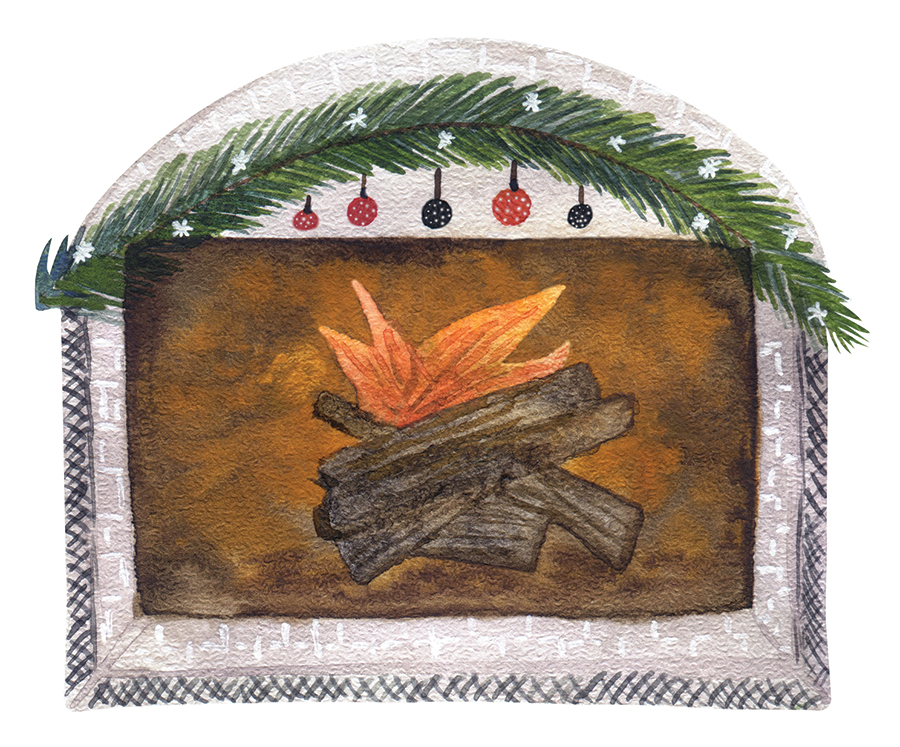
Back inside, where the sleeping cat resembles a furled frond, the hearth becomes a sacred alter. You kneel down, offer the gifts of summer’s storms: walnut, oak and maple limbs. In a moment of deep silence, the wood speaks. The fire keeper listens close.   

Once the kindling catches, time slows. And as the logs begin to pop and crackle, the dancing flames transport you to every fire you have ever known. You are transfixed — enchanted. Here and many places, as if all timelines have merged.

At once, something breaks you from your trance: a primal knowing. It’s time again to feed the fire. You add another log, shift your focus from the flames to the glowing embers, the source of true and lasting warmth. The sleepy cat unfurls.

Soon, you’ll slip on your gloves to return to the woodshed. Back and forth you will go, all winter. The cold air will sting your lungs, but you’ll be ready for it. You’ll embrace it. An ancient fire will glow within you, will guide you through the darkest days of winter.

Gift from the Magi

Gold? We get it. But frankincense? Because the trees that produce this fragrant resin flourish only on the coast of the Arabian Peninsula, in India and the Horn of Africa, there was a time when, like myrrh, this sap was as valuable as gold. Used for perfumes and incense, as well as for its antiseptic and anti-inflammatory properties, frankincense has a heavenly (yet earthy) aroma that has long made it a coveted offering for religious ceremony. Its scent is believed to reduce anxiety and stimulate the immune and respiratory systems. And did you know that, when burned, its smoke repels insects? A wise gift indeed.

Peppermint Tea

Eggnog and wassail have their place.

But peppermint tea requires no hubbub.

It’s sweet, but not too sweet.

Caffeine-free.

And unlike nog, which doesn’t exactly leave you feeling light and airy, peppermint tea promotes healthy digestion.

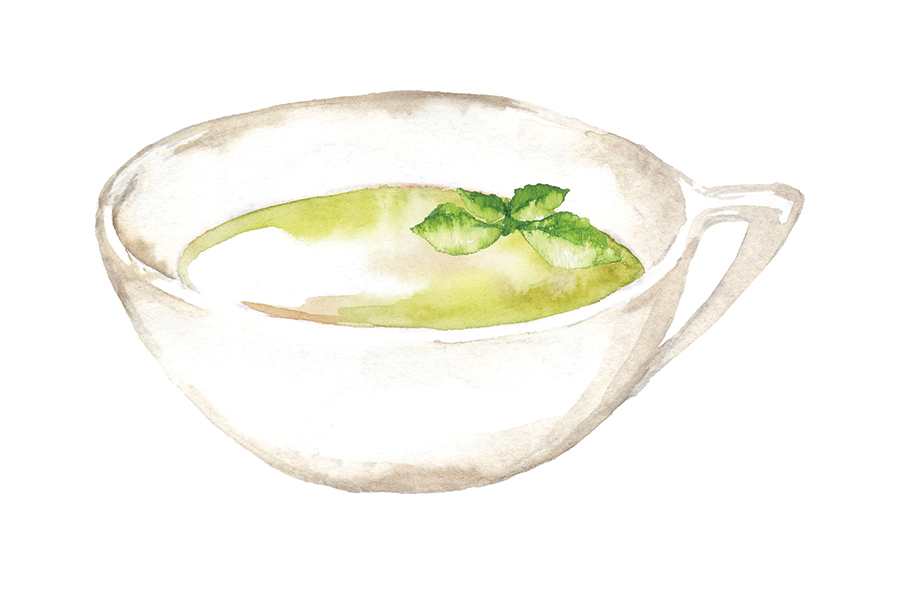
For a ritual for one, bring a cup of purified water to a boil. Place seven peppermint leaves into a favorite teacup, then add hot water and steep with fresh tarragon leaves and a quarter-inch slice of vanilla bean. Stir in a spoonful of local honey.

Ritual for two? Double it up. 

Winter is the time for comfort, for good food and warmth, for the touch of a friendly hand and for a talk beside the fire: it is the time for home.

– Edith Sitwell