Brooke Forbis + Ian Swaim

BROOKE FORBIS + IAN SWAIM

Photographer: J. Christina Photography Wedding Planner: Vision Events Wedding & Event Planning

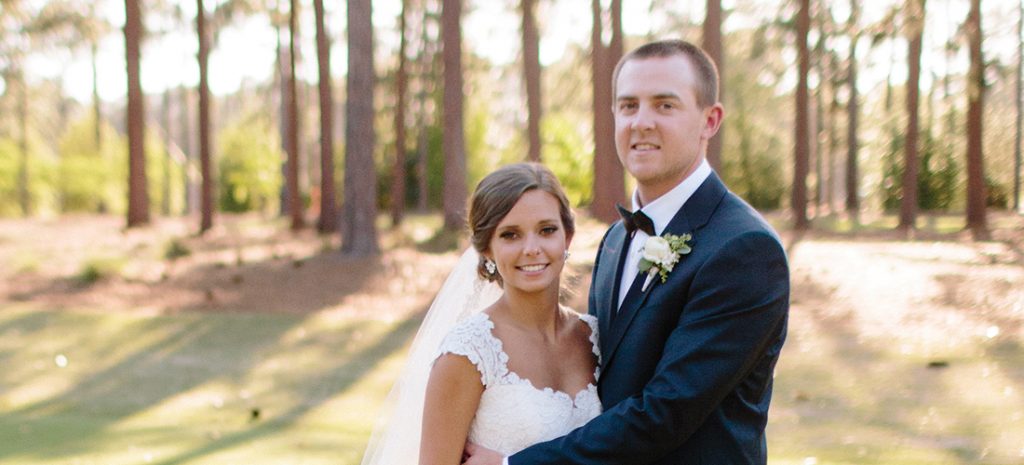
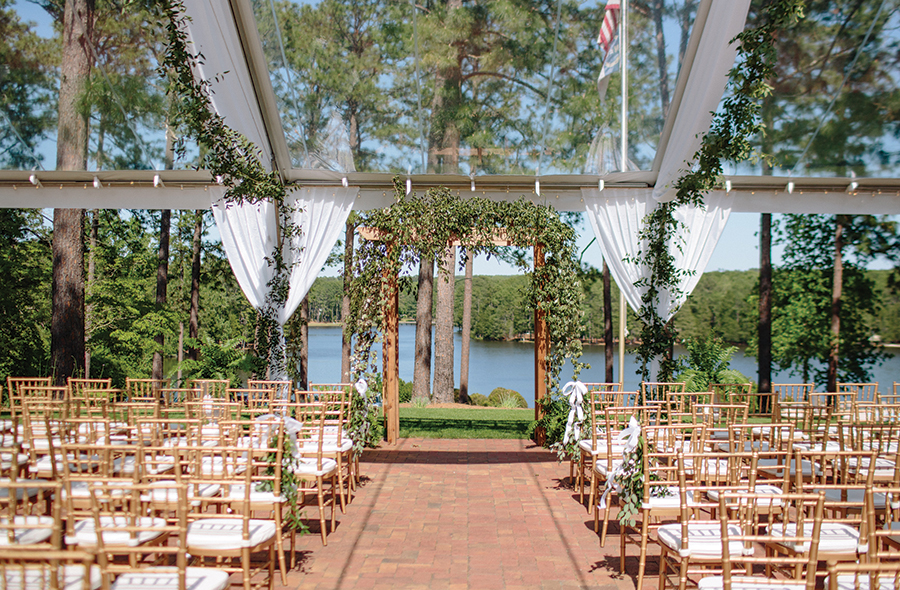
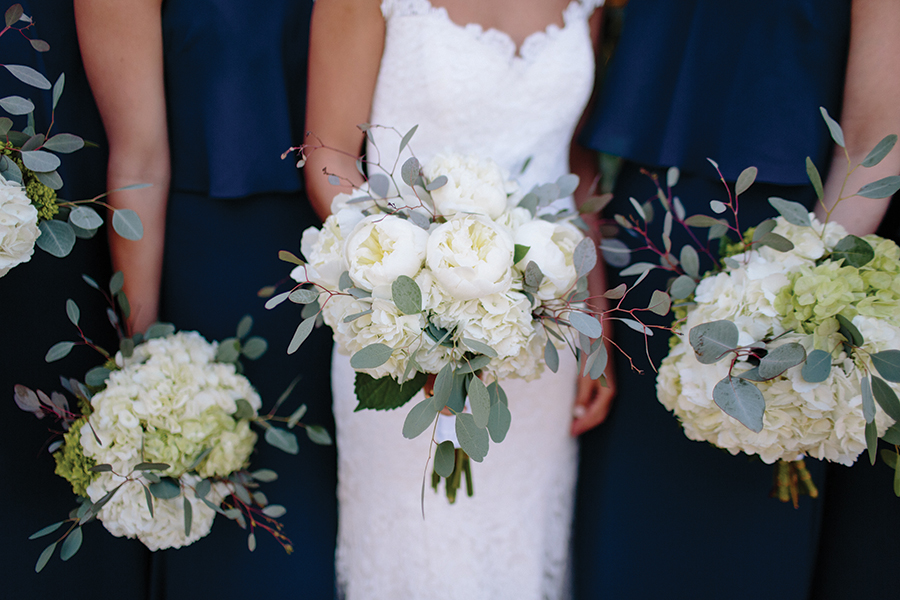
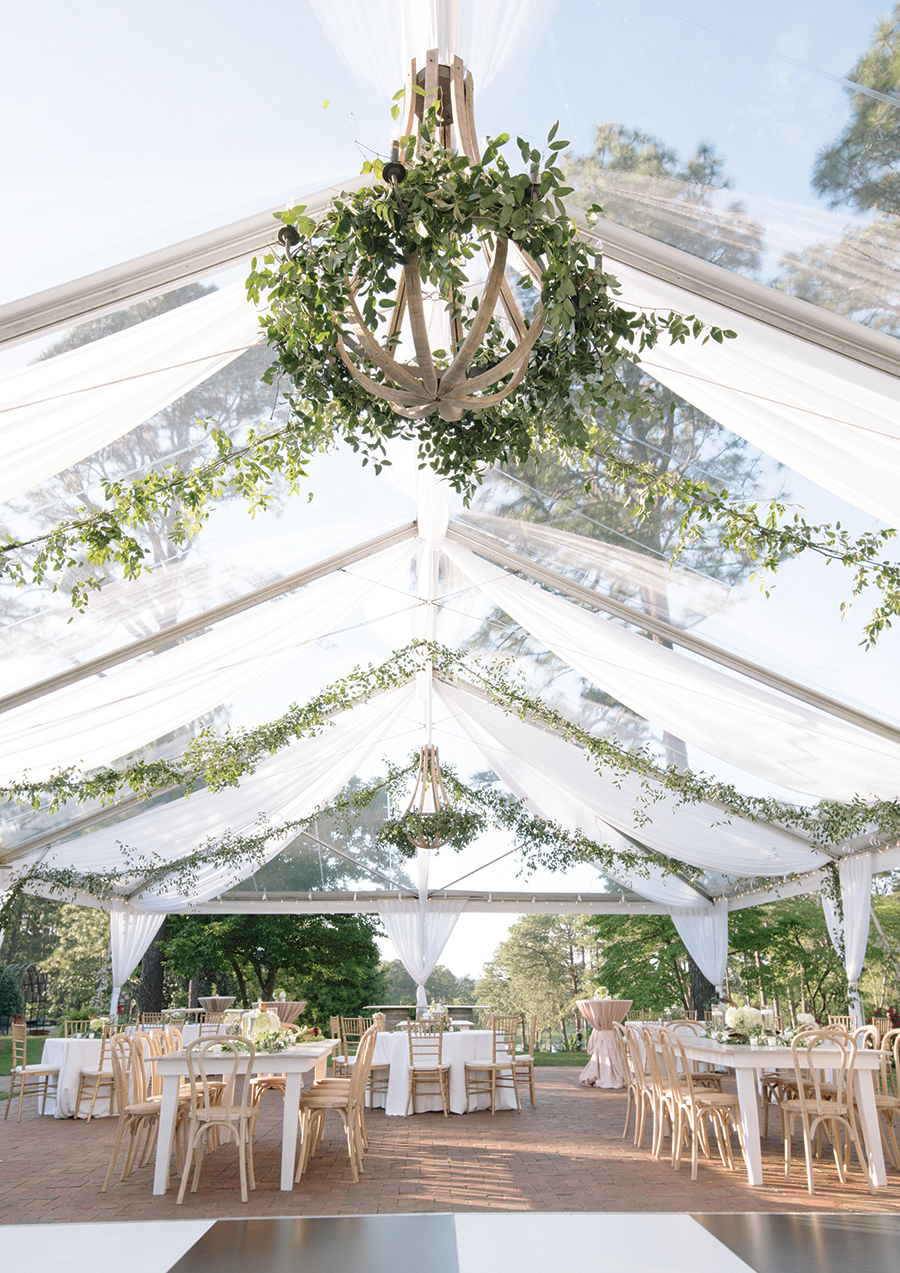
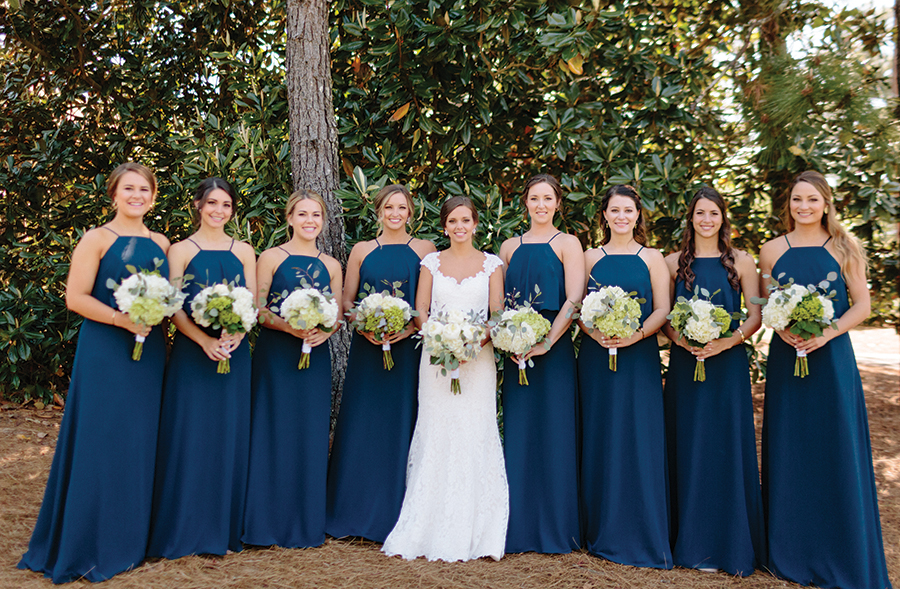
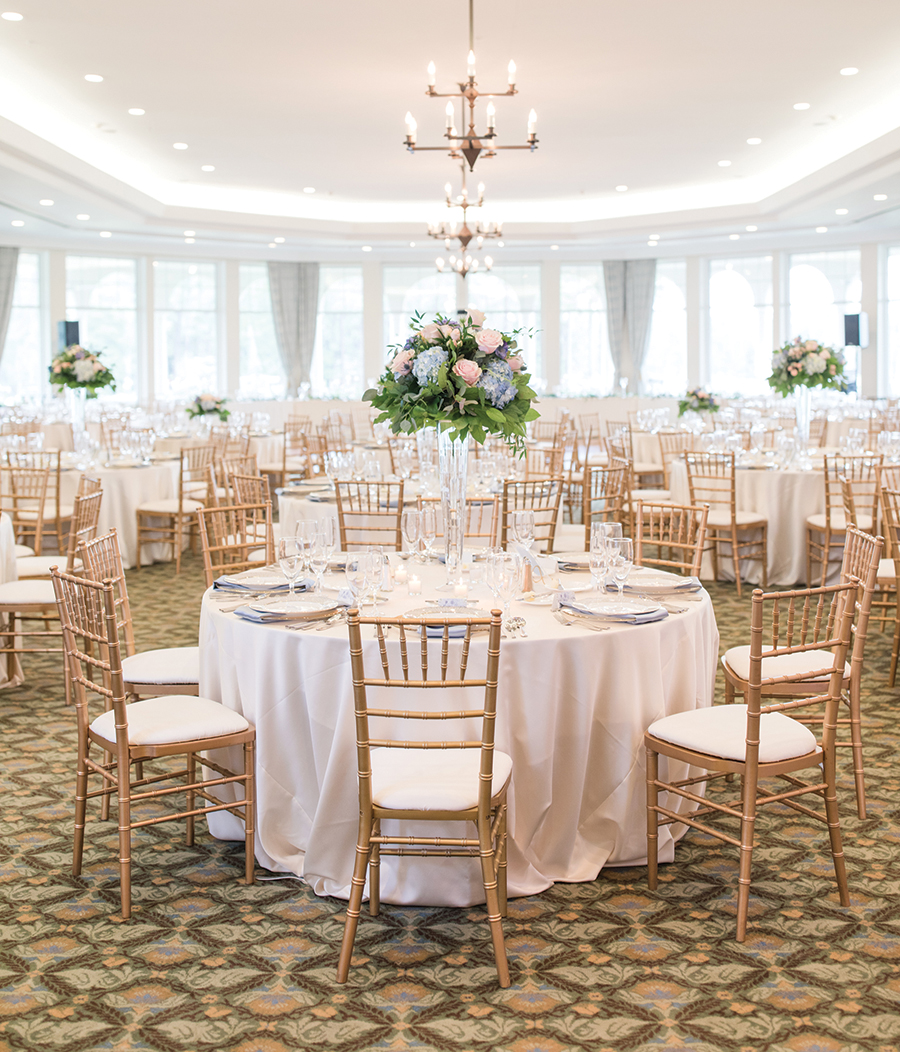
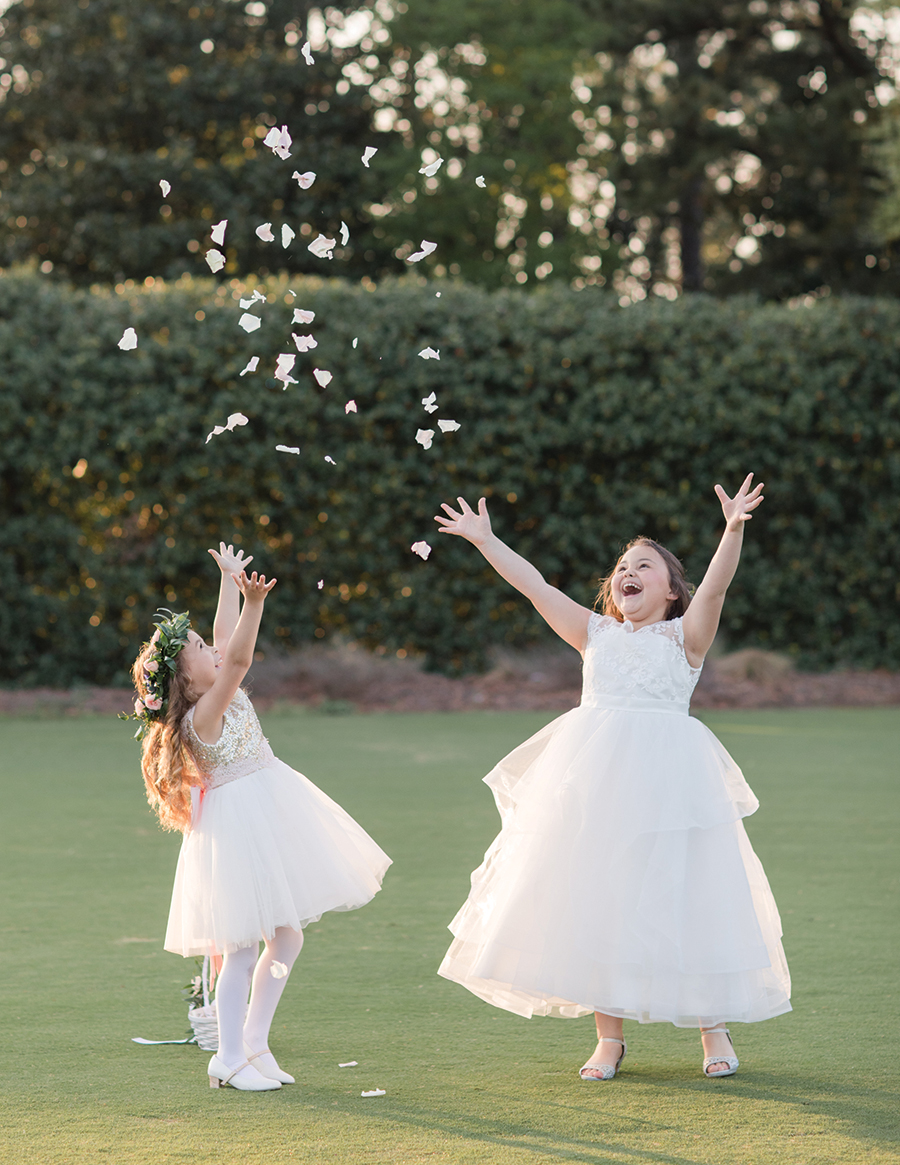
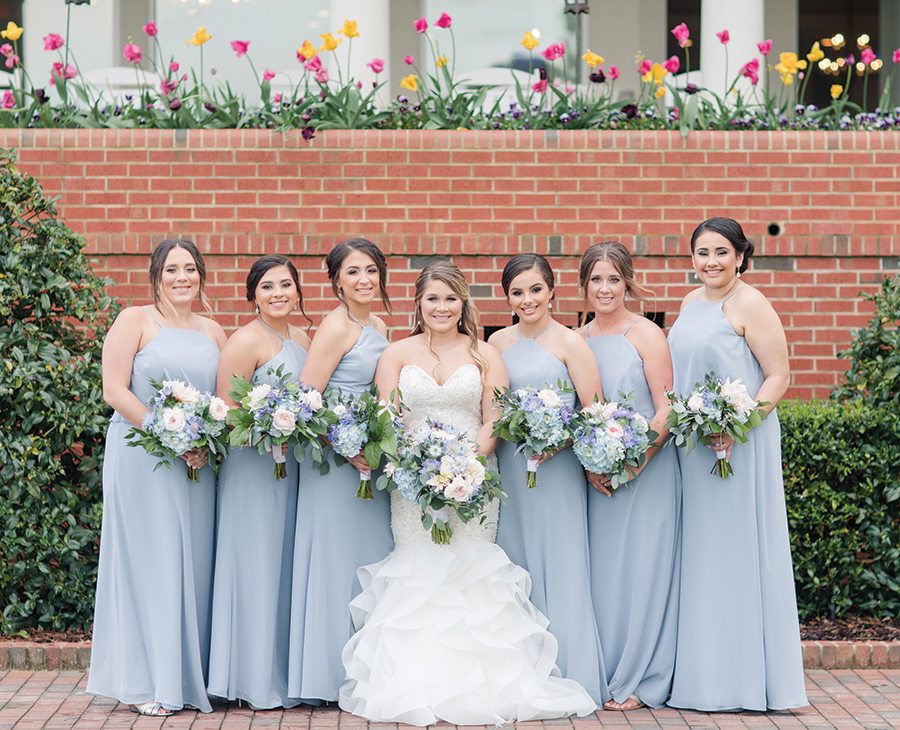
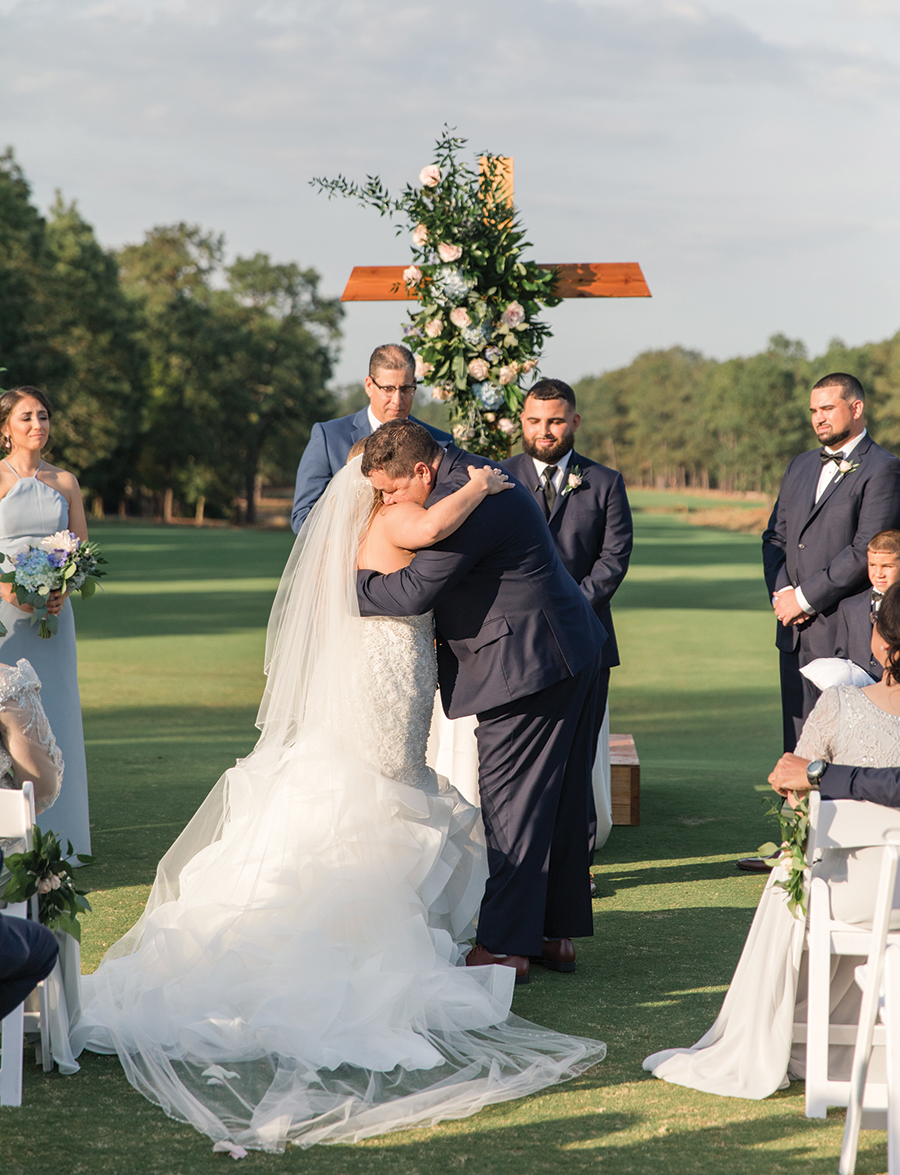
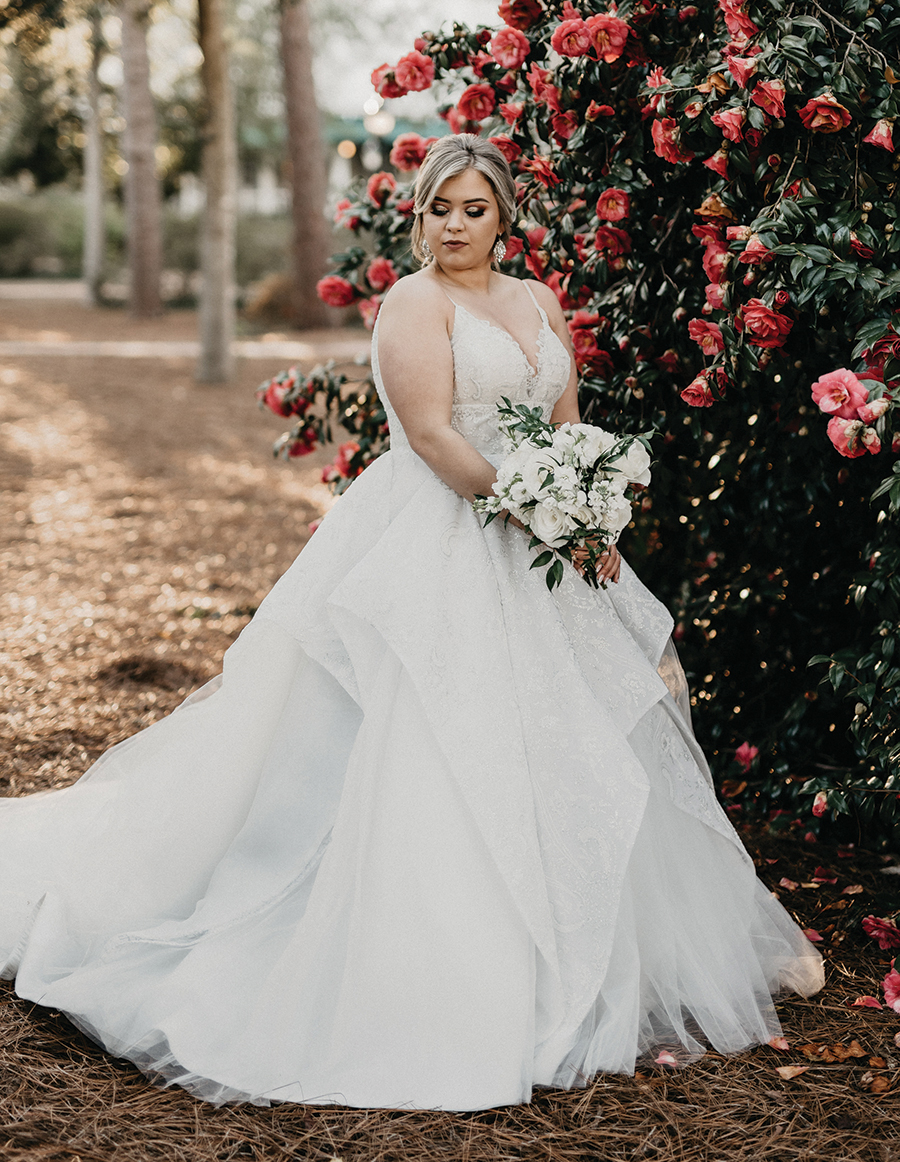
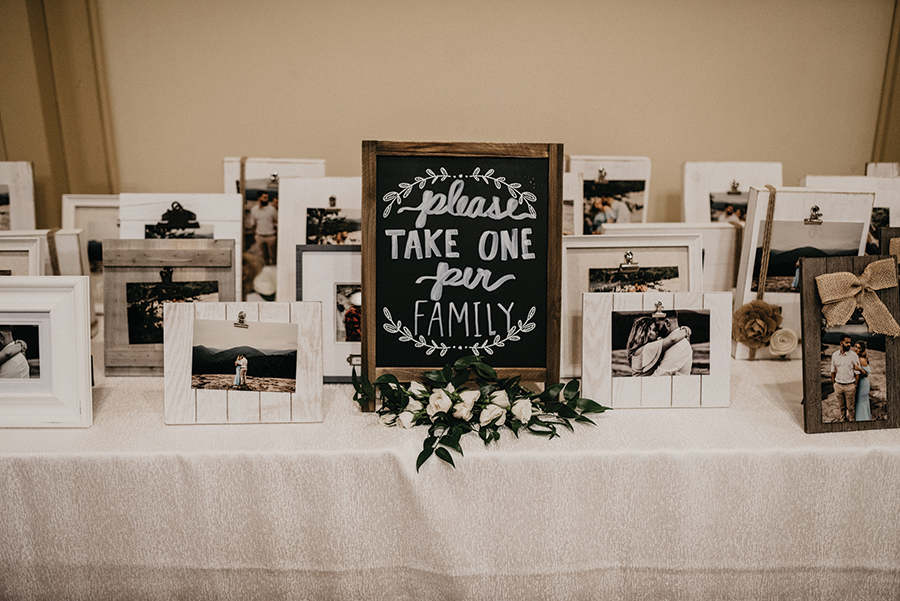
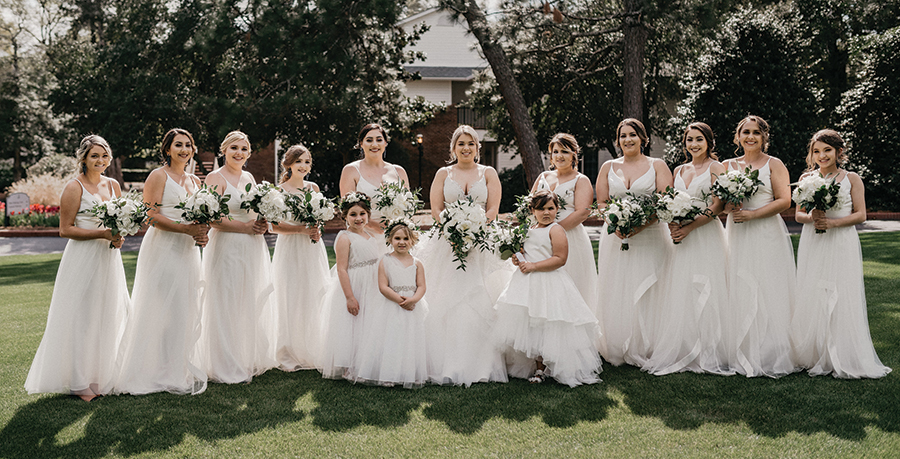
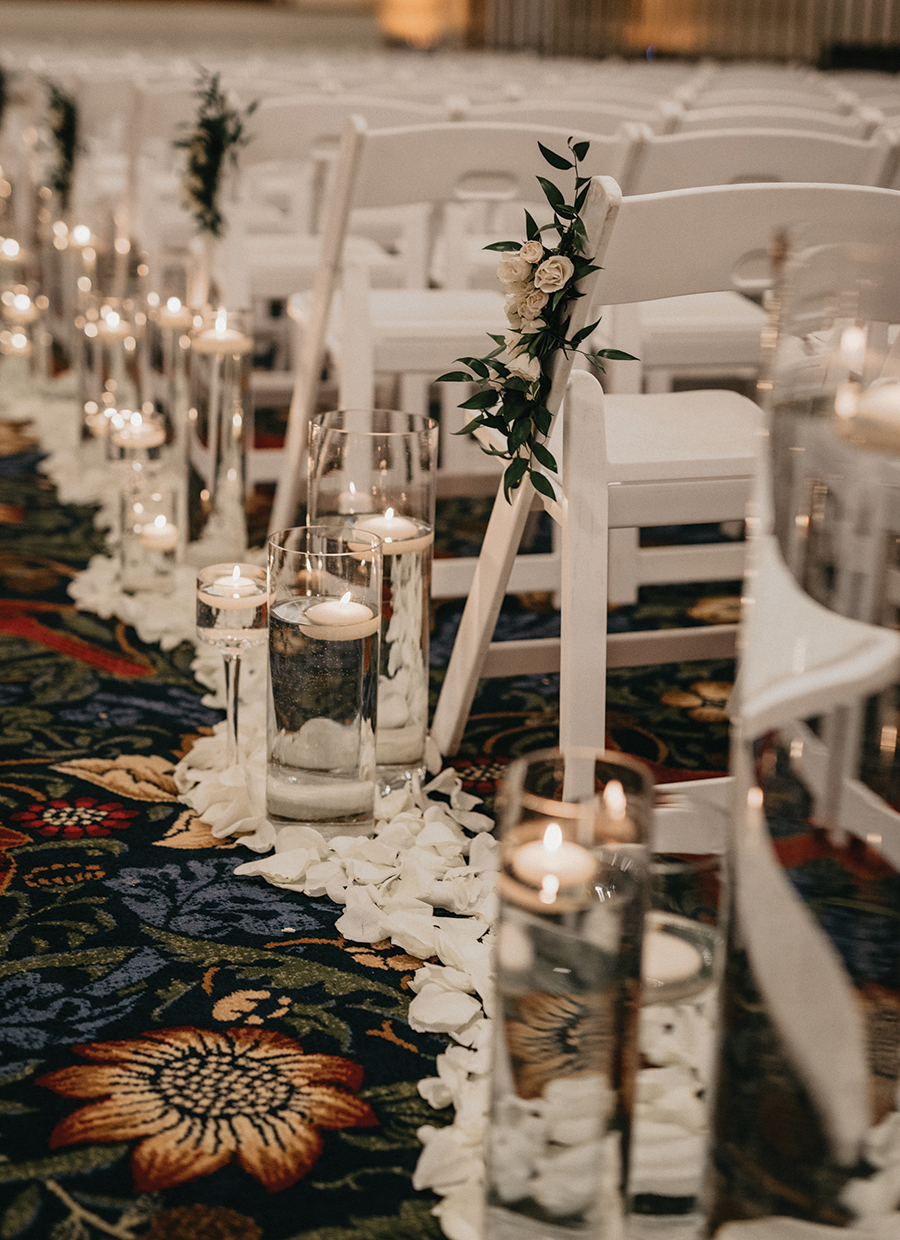
A waterfront wedding was in the cards for these nature lovers, who promised to say “I do” as the waves crashed around them at Holden Beach. Months later, family and friends looked on as Brooke and Ian tied the knot on the patio overlooking the lake at the Country Club of North Carolina.

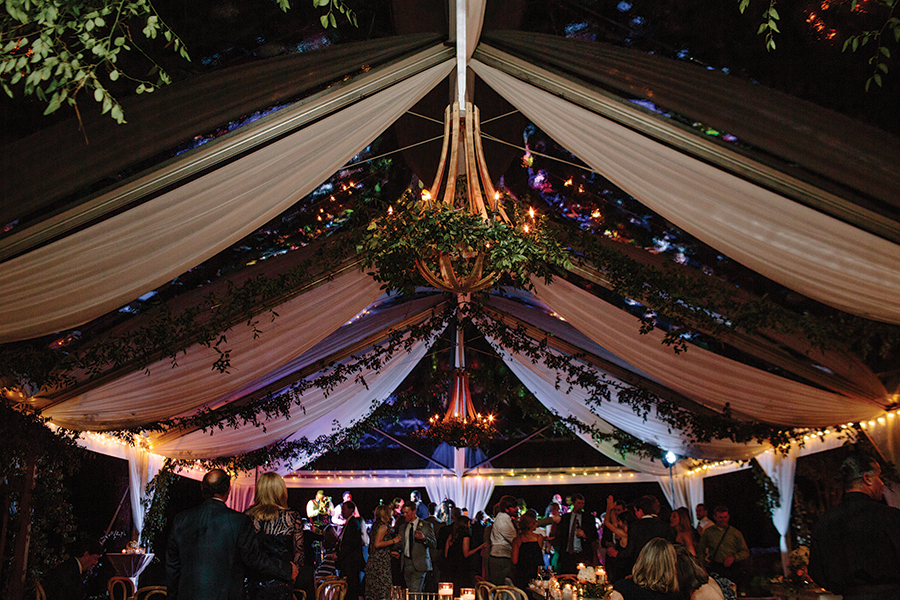
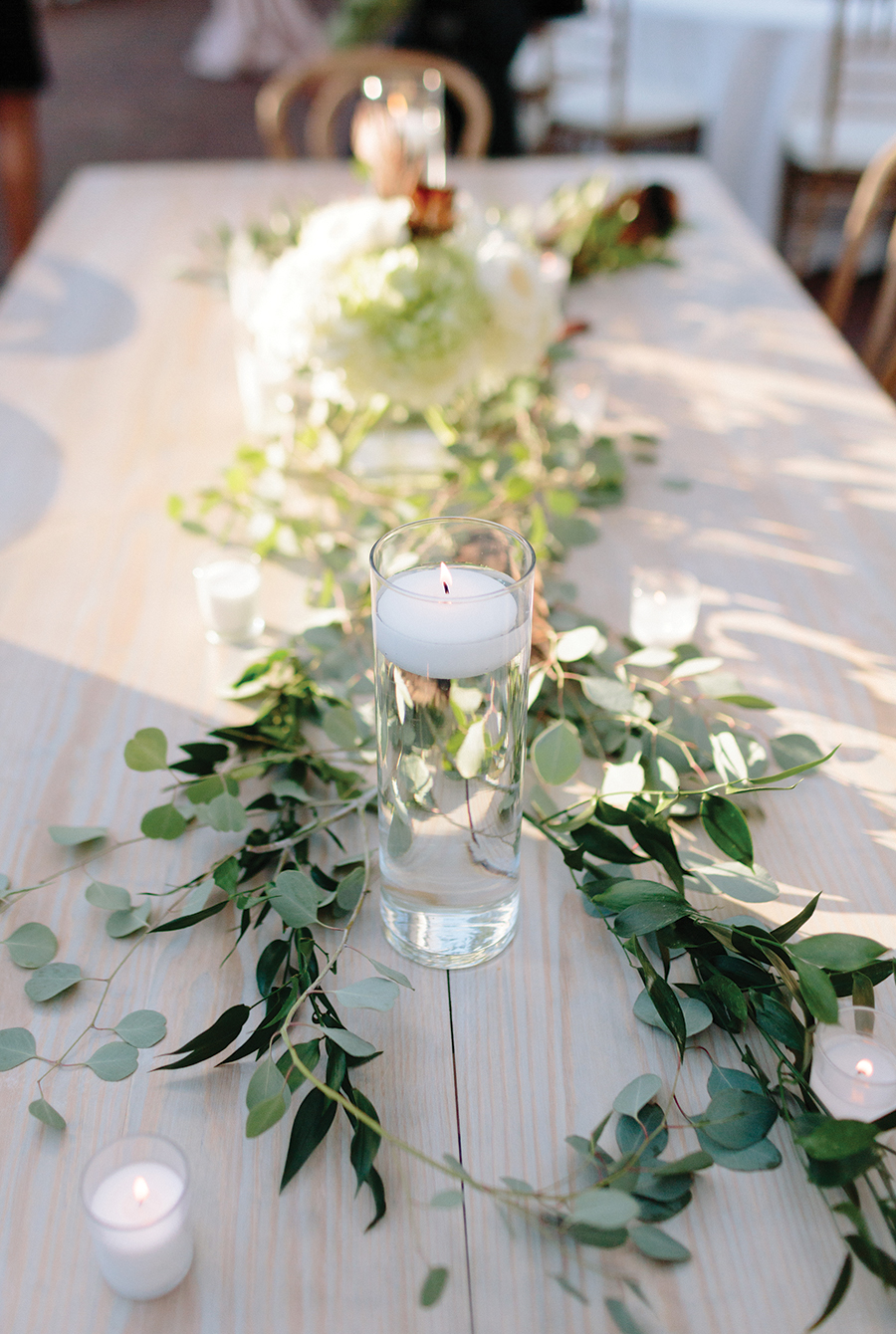
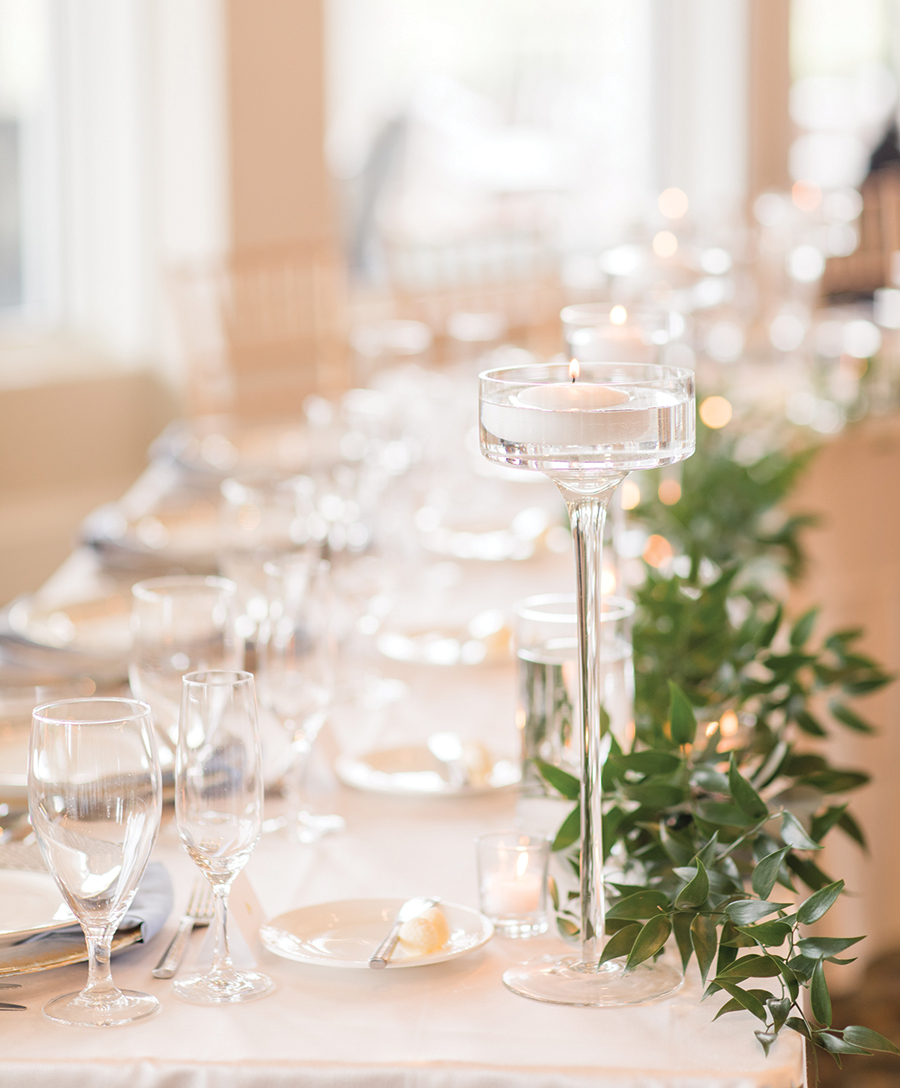
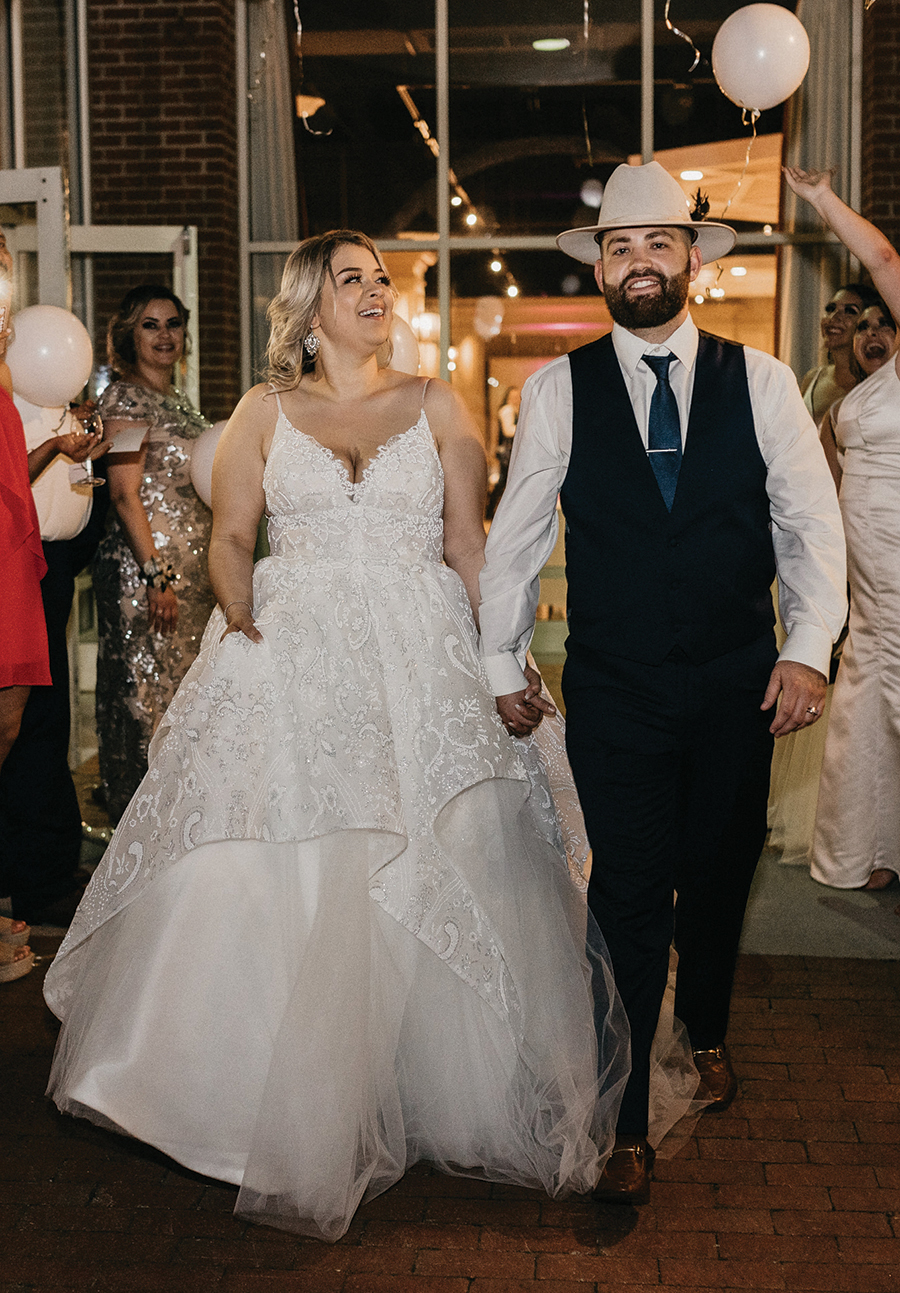
After a ceremony officiated by Brooke’s childhood minister, the natural setting was flipped into a reception fit for party animals, complete with a live band. As a DJ spun tunes during the afterparty, Brooke and Ian made their getaway under the light of the moon.

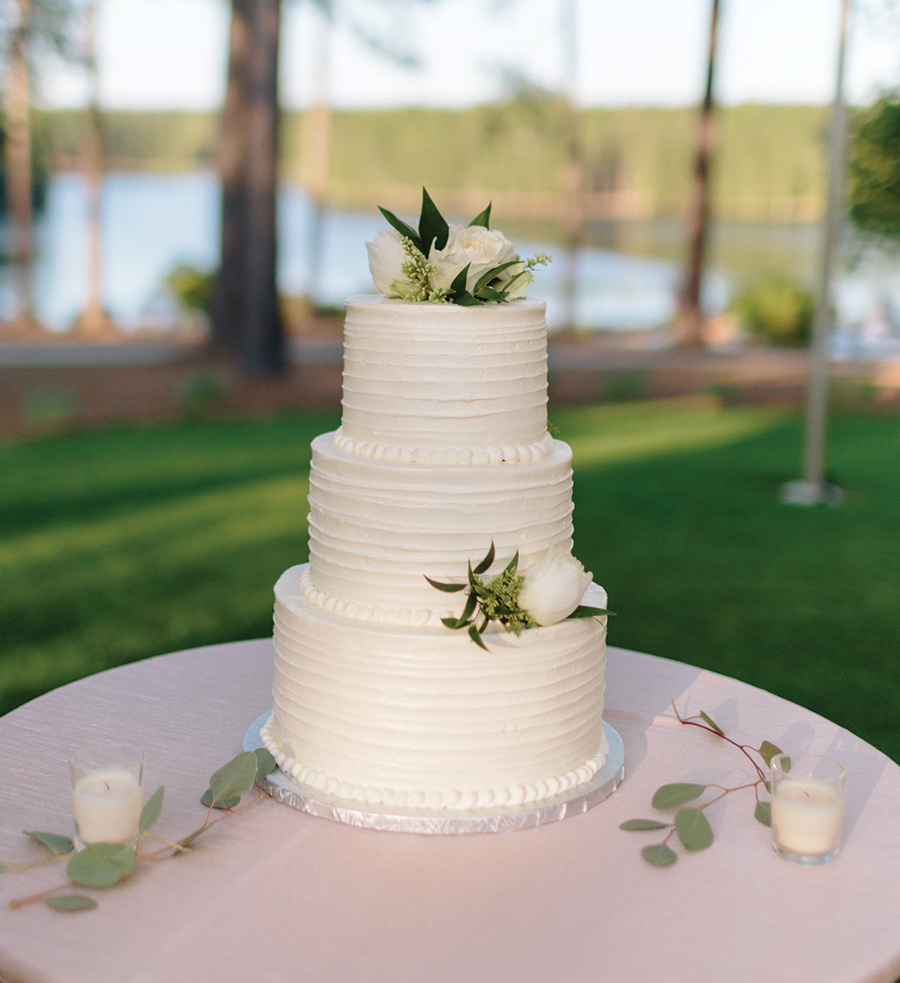
Ceremony & Reception: Country Club of North Carolina | Videographer: Whitewash Films | Dress: Nitsa’s Apparel, Winston-Salem Hair & Makeup: Retro Salon & Wine Bar | Earrings: Poppy Shop | Bridesmaids: Bella Bridesmaids | Groomsmen: The Gentlemen’s Corner | Flowers: Hollyfield Design, Inc. | Cake: The Bakehouse | Rentals: Party Reflections, Greenhouse Picker Sisters, Blush Linens

Miranda Woods + Caleb Chavis

MIRANDA WOODS + CALEB CHAVIS

Photographer: Jennifer B. Photography Wedding Coordinator: Bailey Grinde, Pinehurst Resort

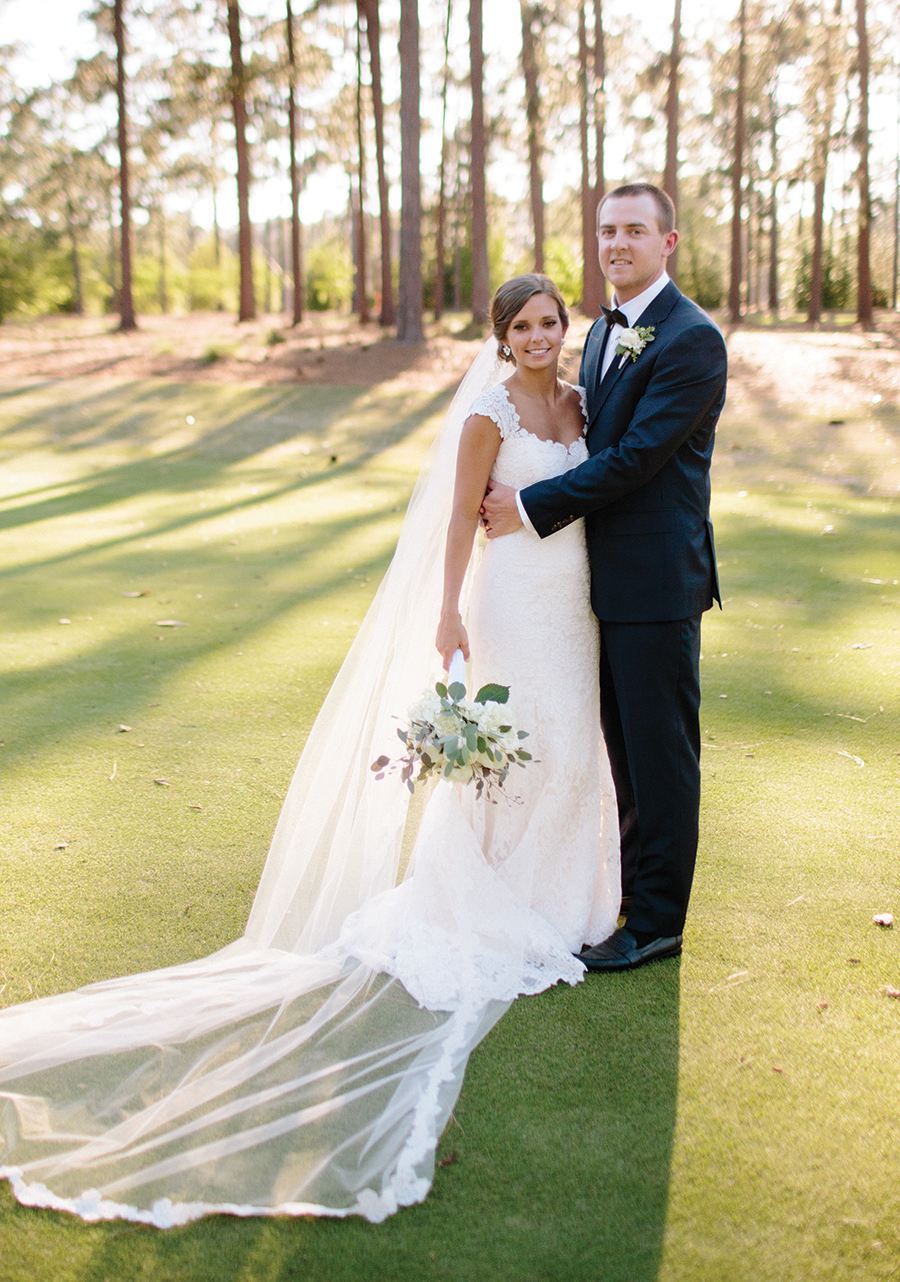
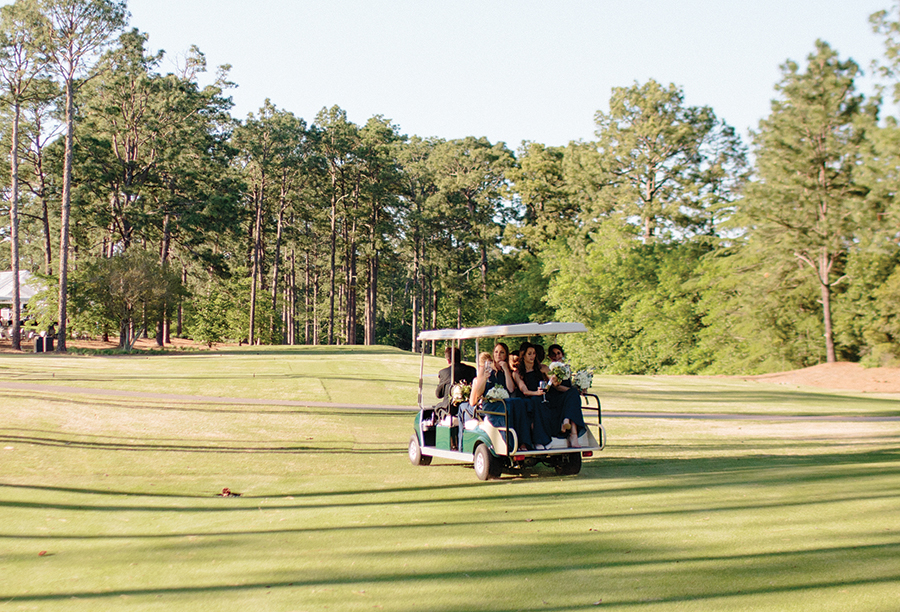
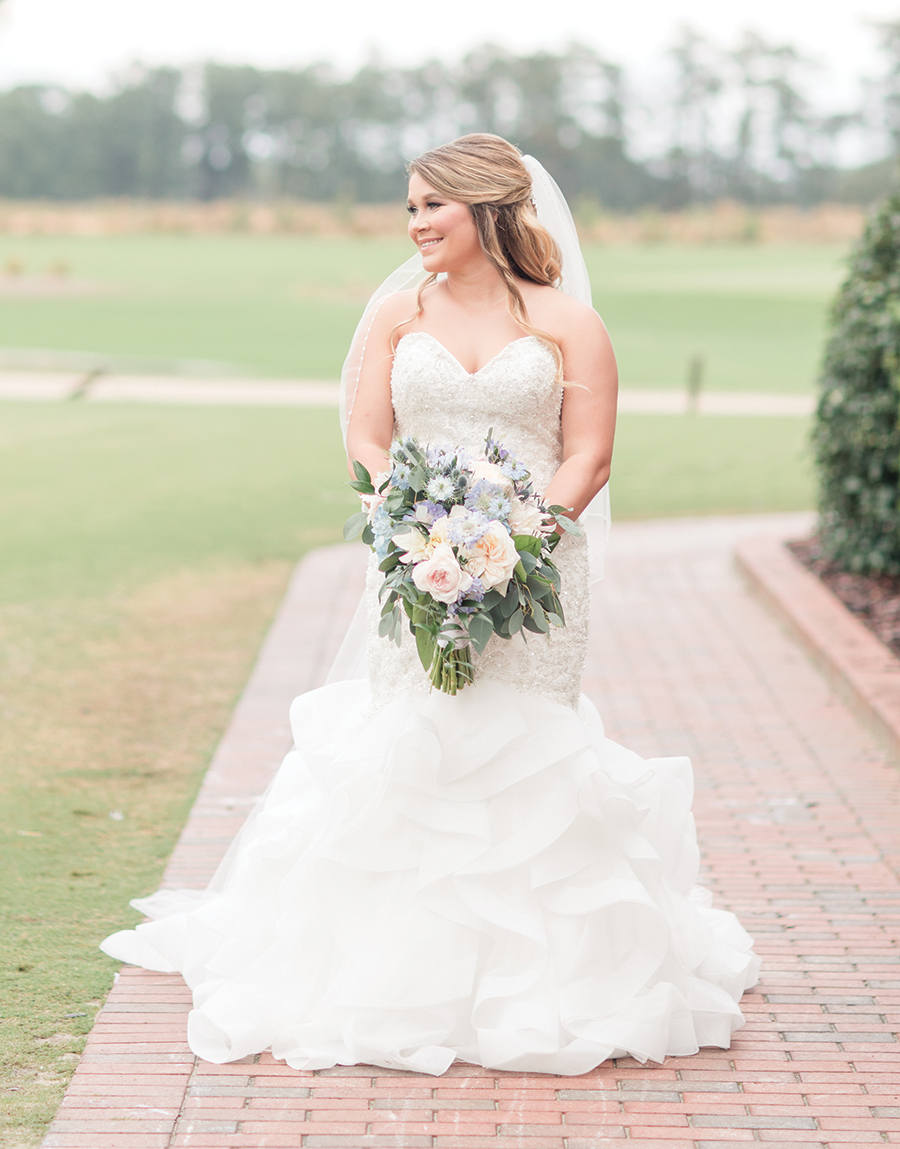
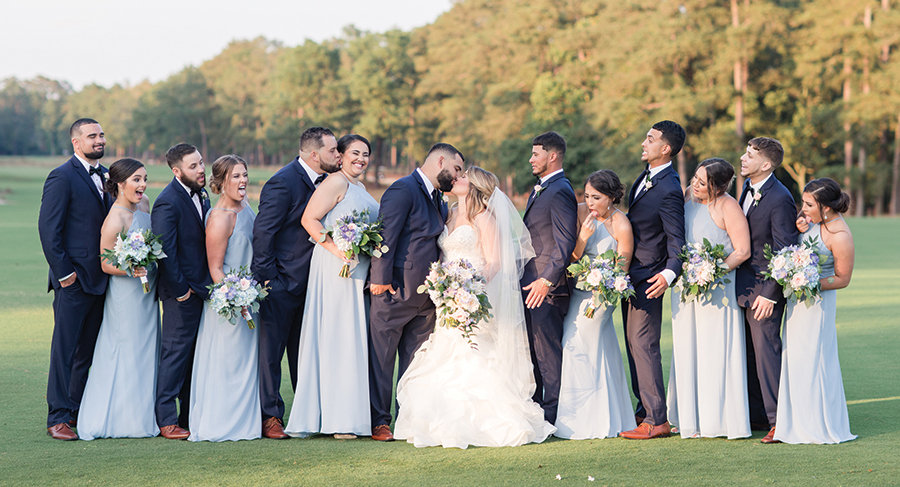
The first clue that Miranda and Caleb would live happily ever after came in the form of a  scavenger hunt, during which this soon-to-be bride collected roses along the way to a golf course proposal. The second was how her soon-to-be husband’s face lit up when they toured the venue where they would say their vows, Pinehurst No. 2. The third? When the day’s clouds parted just in time for the ceremony.

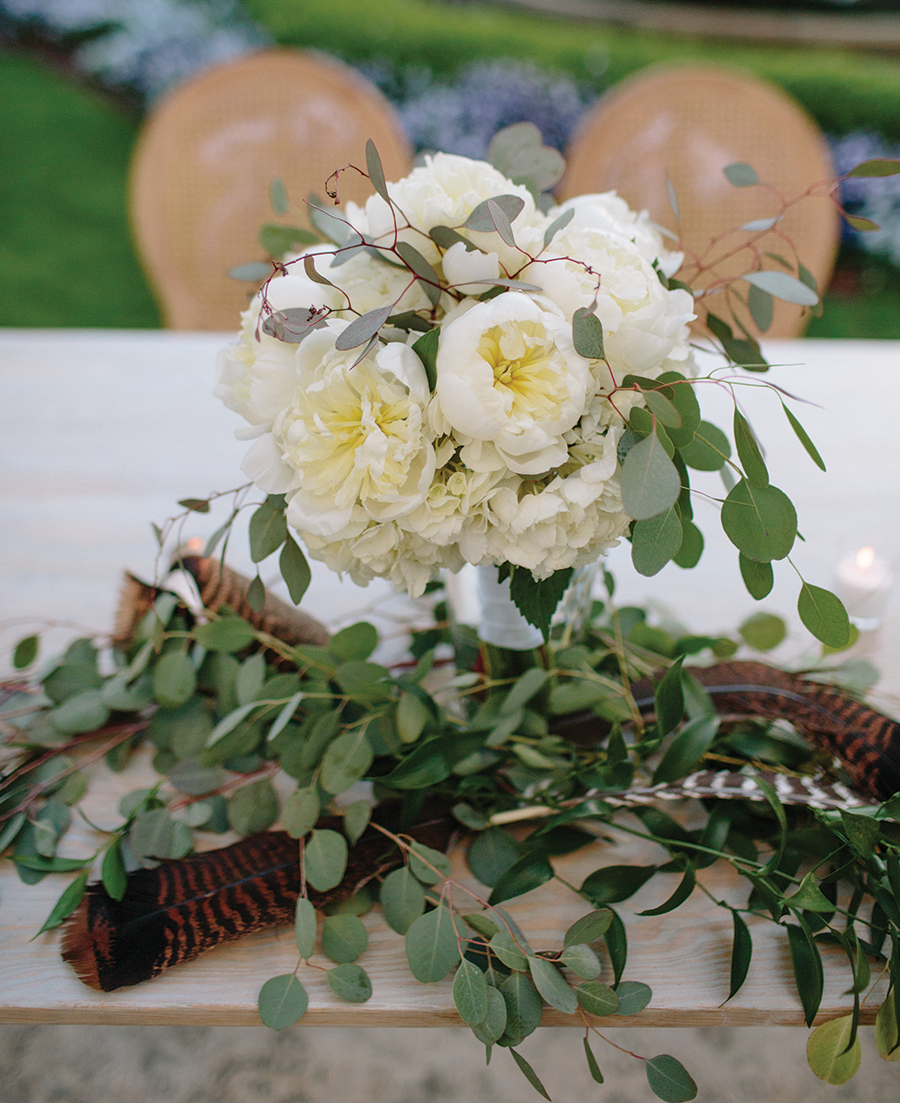
With decorations designed to not detract from the already beautiful scenery and Pinehurst Resort’s wedding planners by their side, the couple were able to relax and enjoy the reception that followed at Pinehurst Country Club — along with clear skies and a bright future ahead.

Ceremony: Pinehurst No. 2 | Reception: Pinehurst Country Club | Videographer: Reel Weddings | Dress: Allure Couture Hair: Gregory Chavis Makeup: Fallon McNeil and Jamie Alvarado | Bridesmaids: Bella Bridesmaids by Hailey Paige | Groomsmen: Harley’s Tuxedos, Laurinburg | Flowers: Jack Hadden Floral & Event Design | Cake & Catering: Pinehurst Resort | Transportation & Rentals: Pinehurst Resort

Kayla Locklear + Richard Ward

KAYLA LOCKLEAR + RICHARD WARD

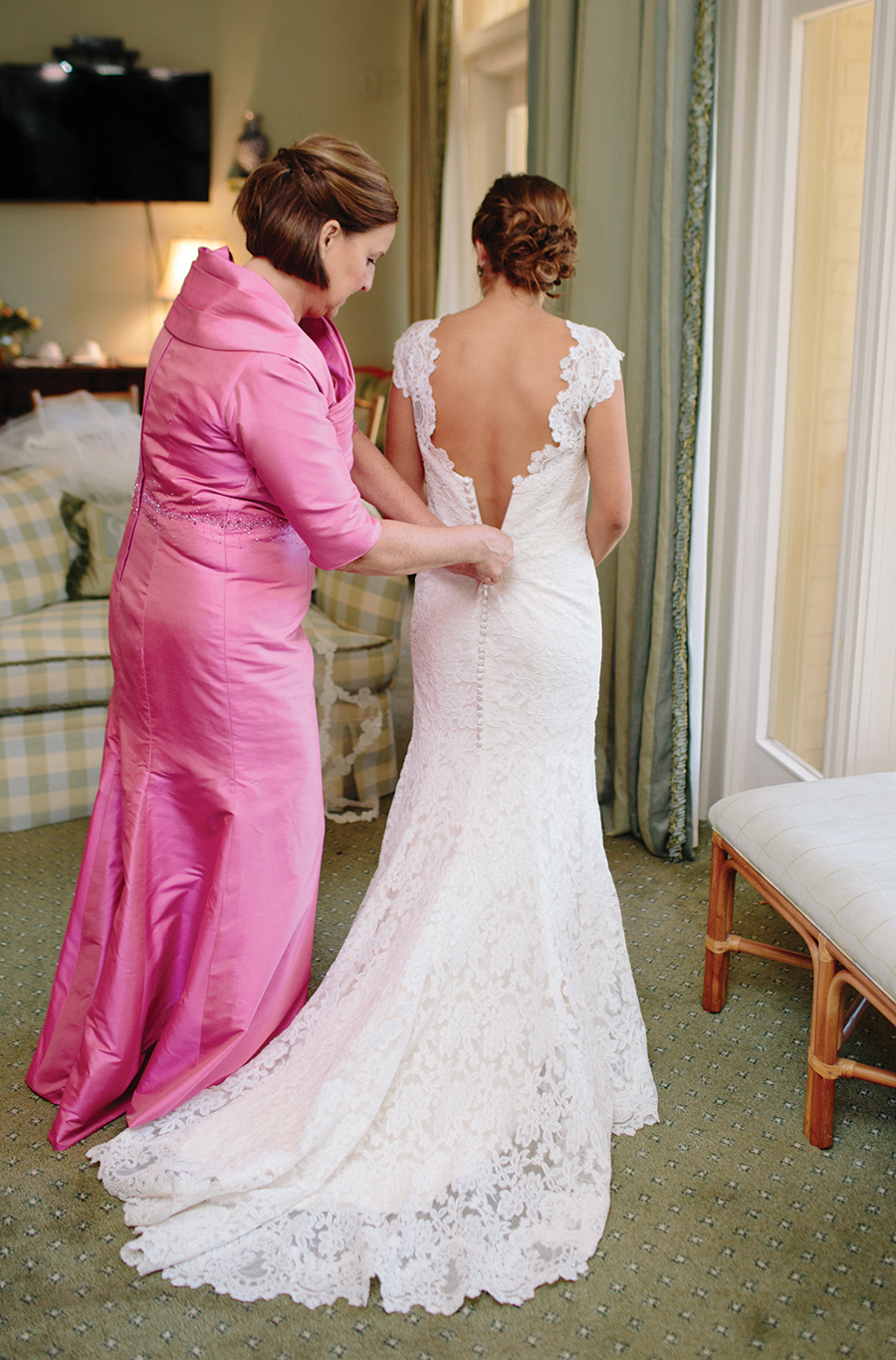
Photographer: Samantha Floyd Photography Wedding Coordinator: Bailey Grinde, Pinehurst Resort Like most kids in a small town, Kayla and Richard grew up in the same circles — but it would take years before the two realized they were soulmates. Richard made up for lost time by getting down on one knee during his own college graduation party, when both were surrounded by family and friends.

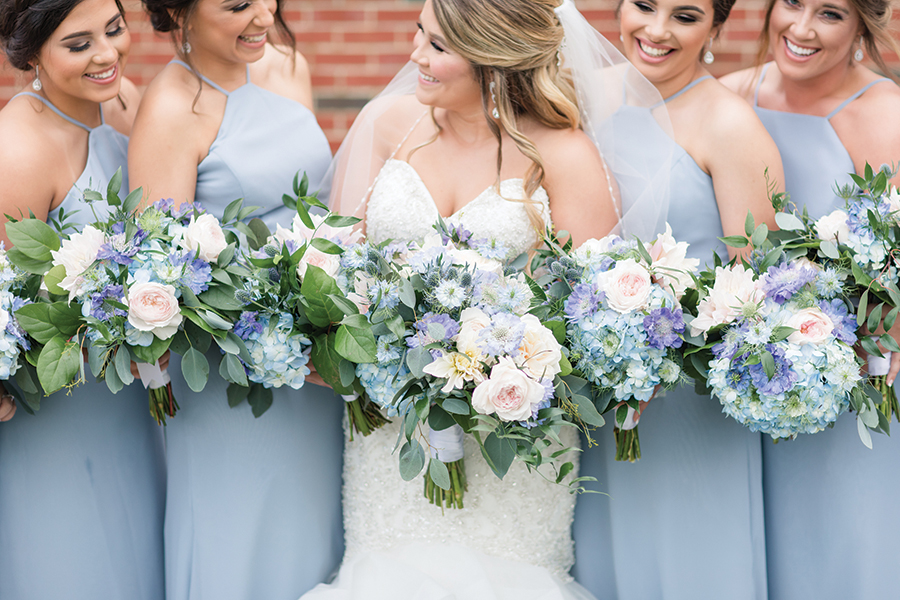
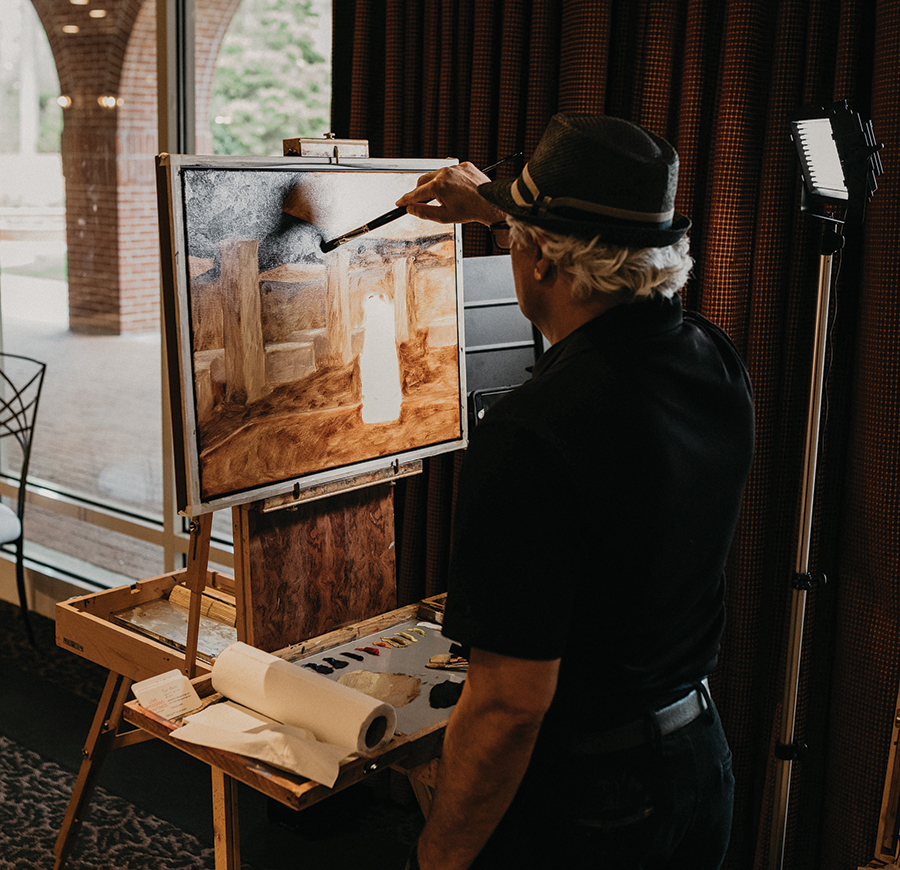
Kayla recovered quickly enough not only to say yes, but to plan the couple’s dream wedding at The Carolina Hotel in 10 short months. From the contemporary styling to the custom painting of their first dance, Kayla wouldn’t change a thing.

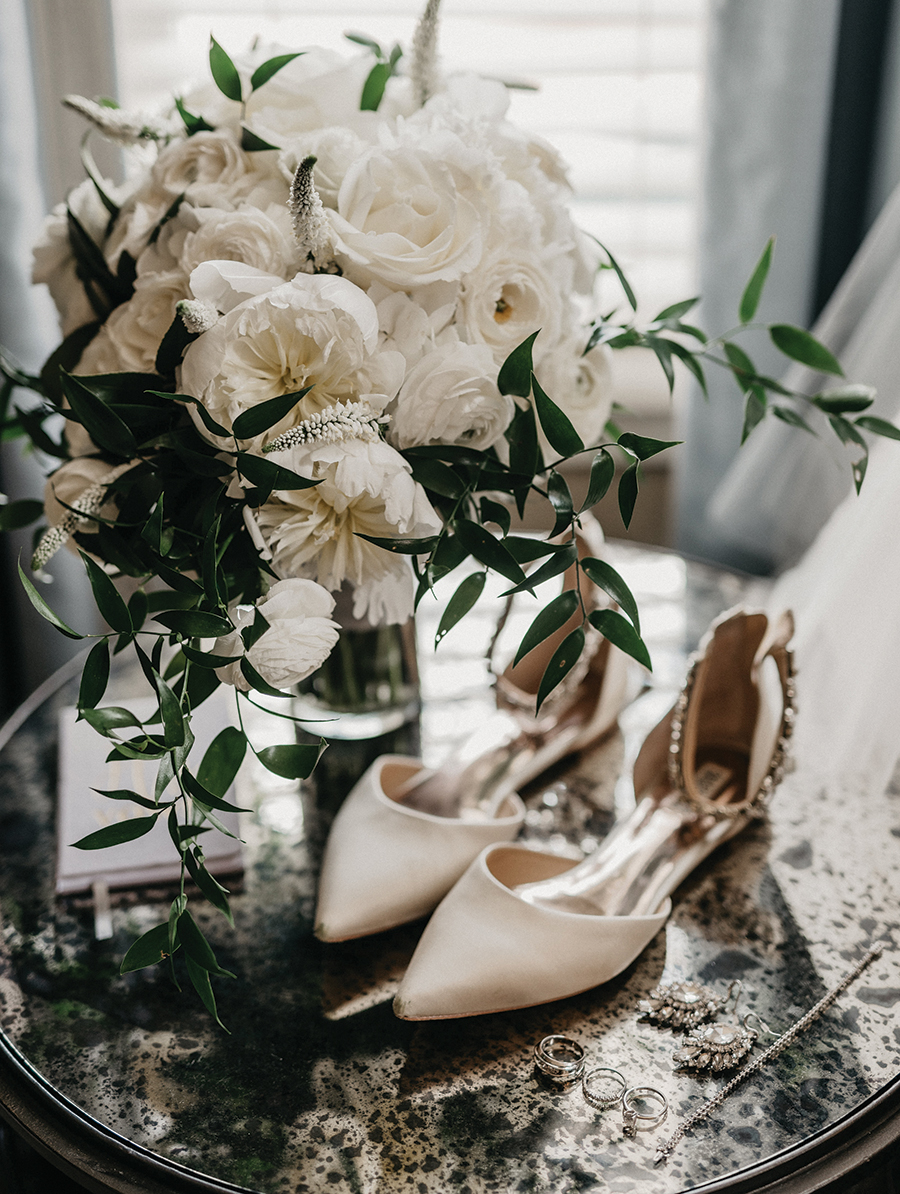
Ceremony: Cardinal Ballroom, Pinehurst Resort | Reception: Carolina Terrace, Pinehurst Resort | Videographer: Travis Jones | Dress: The Markle Gown by Hayley Paige | Shoes: Badgley Mischka Hair: Nu Bella Salon, Pembroke Makeup: Mirah Beauty, Fayetteville | Bridesmaids: Bella Bridesmaids | Flowers: Jack Hadden Floral & Event Design | Cake & Catering: Pinehurst Resort | Custom Neon Signs: Narwall: Custom Wedding Signs | Live Painter: Tesh’s LIVE Wedding & Event Paintings


PinePitch

Festival D’Avion

Wing it all weekend at the Festival D’Avion at the Moore County Airport, 7425 Aviation Blvd., Carthage. The aircraft fly in all day on Friday, April 12, and depart between 4 and 6 p.m. on Saturday, April 13. There will be a concert Friday evening at 7:30 p.m. by On The Border: The Ultimate Eagles Tribute Band. For tickets and information go to www.ticketmesandhills.com.

Home and Garden Tour

The historic Fownes Cottage is one of six homes highlighting the 71st Annual Southern Pines Garden Club Tour of Homes on Saturday, April 13th from 10 a.m. to 4 p.m. In addition to the homes and gardens, there will be orchid and plant sales, art exhibits and more. Tickets are $20 in advance and $25 the day of the tour. Tickets can be purchased at the Campbell House, The Country Bookshop, the Women’s Exchange or online at southernpinesgardenclub.com.

Dig It

The Weymouth Center for Arts & Humanities will be offering some friendly prices on plants from the Weymouth estate and gardens on Saturday, April 6 from 9 a.m. to 1 p.m. Bring your own wagon, if you can, to haul away your treasures. Coffee and baked goods will be for sale. White elephant items and tools available, as well, at 555 E. Connecticut Ave., Southern Pines. For information call (910) 692-6261 or go to weymouthcenter.org.

Meet the Author

Scott Huler, the author of A Delicious Country: Rediscovering the Carolinas Along the Route of John Lawson’s 1700 Expedition will be at The Country Bookshop, 140 N.W. Broad St., Southern Pines, on April 10 at 5 p.m. For information go to www.thecountrybookshop.biz.

A Postcard from the Past

The Moore County Historical Association will exhibit “Turn of the Century Photography” featuring the men and women who saved early Moore County, reflected in fragile and rare post cards. The display will be at the Shaw House, 110 W. Morganton Road, Southern Pines from 1-4 p.m. on Saturday, April 27. For information call (910) 692-2051 or visit www.moorehistory.com.

Classic Concert Series

Listen to violinist Benjamin Beilman and pianist Andrew Tyson perform chamber music selections at the Sunrise Theater, 250 N.W. Broad St., Southern Pines, from 8 to 10 p.m. on Monday, April 8. Tickets are $30 for Arts Council members, $35 for non-members. For information call (910) 692-2787 or visit www.mooreart.org.

14th Annual Clenny Creek Day

Enjoy live music, food, raffles, vendors and two historic homes at Clenny Creek Day from 10 a.m. to 4 p.m. on Saturday, April 20, at Bryant House and McLendon Cabin, 3361 Mount Carmel Road, Carthage. There will be American Revolutionary War and Civil War re-enactors, an Easter egg hunt, face painting and more. For information call (910) 692-2051 or go to www.moorehistory.com.

Tracking the Tortoise

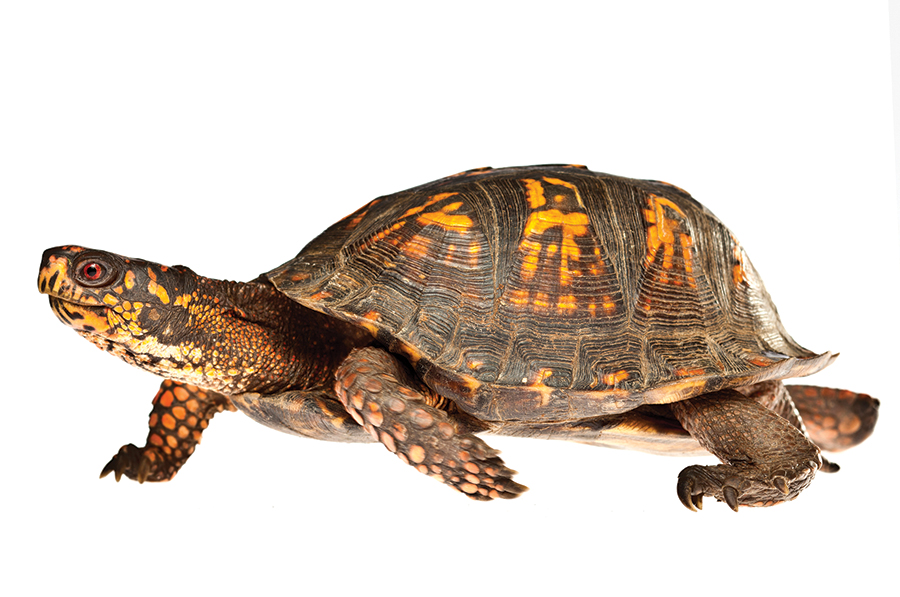
Join biology professor Dr. John Roe from the University of North Carolina-Pembroke to learn about box turtles and the radio transmitter methods used to track them. The program is free and open to the public at 3 p.m. on Sunday, April 28, at Weymouth Woods-Sandhills Nature Preserve, 1024 Fort Bragg Road, Southern Pines. For information call (910) 692-2167 or go to www.ncparks.gov.

One More Time, With Feeling

National Theatre Live offers this encore performance of Alan Bennett’s Allelujah! filmed live at London’s Bridge Theatre during its limited run. The story is set at The Beth, an old-fashioned cradle-to-grave hospital threatened with closure as part of an efficiency drive. A documentary crew, eager to capture its fight for survival, follows the daily struggle on the Dusty Springfield Geriatric Ward and the triumphs of the old people’s choir. Showing is at 10 a.m. on Thursday, April 25, at the Sunrise Theater, 244 N.W. Broad St., Southern Pines. For informational call (910) 692-3611 or go to www.sunrisetheater.com.

Spring for Angela

Cousin Amy and Whiskey Pines will perform a charity fundraising concert for Angela Gaskell — warm, curious, and passionate about animals and the environment — who’s also in need of a new kidney. The concert will be at the Shaw House on Sunday, April 28, from 2 to 5 p.m.


Simple Life

Life and Limb

My cabins in the sky

By Jim Dodson

One of my secret pleasures is a mind-candy house program on Animal Planet called Treehouse Masters, in which an infectiously enthusiastic house designer and self-described “tree whisperer” named Pete Nelson and his merry band of workers create mind-boggling treehouse retreats for clients. His stated mission is to help customers get back to nature and in touch with their inner kid.

It’s a pure fantasy show that combines three of my favorite things — houses, trees and memories of climbing them during my childhood. It was probably inevitable for a kid who grew up on a diet of adventure books, and camping and hiking forests all over the western portions of this state and neighboring Virginia, that I would eventually get around to building a treehouse, especially after I saw Disney’s 1960 version of Swiss Family Robinson. The shipwrecked but enterprising Robinson clan lashed together a furnished treehouse palace that featured running water from a turning wheel, thatch-roofed bedrooms, a full-service kitchen and salvaged ship’s wheel that raised the ladder each evening to protect against wild animals or unwelcome visitors. They lived with a pair of large friendly dogs and a parrot, and even had a piano that somehow survived the shipwreck.

In my opinion, those lucky Robinsons had the perfect life.

Of course, I was only 7, a kid who’d had a happy but fairly solitary life building forts in the woods and reading adventure books, the son of a Southern newspaperman who hauled his young family across the Deep South to his various posts before coming permanently home to Greensboro in 1959 — shortly before the shipwrecked Robinsons showed up in Cinemascope on the big screen.

My first treehouse was a distinctly modest platform affair — more lookout stand that actual shelter. Perched in a patch of hardwoods in a public park across the street from the apartment we rented while our first house was being built in a rural subdivision, it was probably illegal. But so were the Robinsons. You reached the platform by inching up a thick-knotted rope. The platform was probably only 10 feet off the ground but it felt amazingly close to heaven in the trees, the ideal place for me to sit and read and keep an eye out for wild animals or unwanted visitors.

At the rear of our new property, my father knocked together an impressive one-room treehouse he furnished with a second-hand dining room table, four mismatched chairs and an old rickety bookcase. I spent a year furnishing that rustic pied-à-terre in the sky with my favorite childhood books and “interesting” stuff I found all over creation until one regrettable summer afternoon I found three girls from the neighborhood having an unauthorized tea party with their dolls in my cherished aerie. Without thinking of the consequences, I fetched a garden hose to cool off the party and quickly felt the wrath of several outraged mothers, hastening the demise of my beloved place on high.

That’s why, when I stumbled across Treehouse Masters, my inner child was set loose from detention.

The New Age treehouses Pete Nelson and his crew create are elaborate affairs that make the industrious Robinsons look like rank beginners. They typically include all the creature comforts of the modern Earth-bound home and then some: fancy woodstoves and electric lights; flush toilets and outdoor showers; kitted-out gourmet kitchens and decks with breathtaking views from high in the trees, rivaling anything you would find in a swanky vacation home.

My favorite segment of the show, however, is when the host calls on fellow treehouse nuts who have created their own unique handcrafted cabins in the sky, retreats that display incredible craftsmanship, artistry and ecological harmony.

One I particularly enjoyed involved a bearded chap who built himself a gorgeous treehouse that was more like a storybook chapel over a stony brook in the Connecticut woods. It was essentially a meditation and reading room with large windows, a simple desk, woodstove, small functioning kitchen and a room where he could sit for hours watching nature through the seasons, forgetting the rest of the world.

His was a slightly more elaborate version of the treehouse I fully intended to someday create above a vernal pool in the forest behind the post-and-beam house I helped build with my own hands on a forested hill in Maine.

The spot — on a beautiful hillside deep among hemlock and birch and proximate to geologic kettles left by the receding ice age — overlooked a seasonal stream and vernal pool dominated by a large lichen-covered stone that I named my “Thinking Rock.” This is where the transcendental kid in me often escaped with my dogs to read, think, smoke a pipe and get right with God and nature.

The bittersweet irony is that the forested retreat I long had in mind never got off the ground, so to speak, because, in the blink of an eye, my own kids were grown and heading off to college, and I was feeling an unexpected gravitational pull of my old Carolina home.

Impossible as it once seemed, I said goodbye to the rugged timbered house and English garden-in-the-woods that I spent nearly two decades building and cultivating, a place where I fully expected to end my days and eventually become part of the landscape when who I am moved on, leaving only a trail of ashes behind.

But life, to paraphrase Emerson, is full of compensations. A few years back, my wife and I purchased a lovely old bungalow that once upon a time was my favorite house in the heavily forested neighborhood where I grew up — two doors away, in fact, from the house where my family lived for almost 40 years.

I joke that I’ve all but completed the Sacred Redneck Circle of Life.

A large part of the place’s allure, I must admit, was the two-car and workshop garage in back that featured a funky little second-floor apartment you reach by climbing a set of rickety wooden steps that take you to rooftop height amidst century-old white oak trees.

Because the house sits on perhaps the highest point in the entire neighborhood, the first time I climbed those steps and turned around to check out the view, my heart leapt like a kid up a tree.

From just under the white oak canopy that reminded me of the arched ceiling of a Medieval cathedral — providing wonderful cooling shade all summer — I could see the world with a bird’s-eye-view: vaulting trees and rooftops across the neighborhood, not to mention birds and squirrels galore, passing clouds, a huge patch of sky by day, a glorious quilt of stars by night.

Suddenly I had the treehouse I’d always dreamed of owning, this one equipped with electric power and heat, small kitchenette and bathroom with fully functioning toilet and shower. The cheap dark-wood paneling gives it a perfect rustic air and a couple of overhead fans keeps the place cool in summer. If it isn’t quite worthy of Treehouse Masters, it fits me like lichens on a thinking rock.

Just outside the door, I hung a large set of Canterbury chimes from a stout limb of the massive white oak at the foot of the steps. When the wind blows a certain way, I swear I hear the first five notes of “Amazing Grace.”

These days, if you visit my “treehouse,” you will find a pair of comfortable reading chairs (one of which my dog Mulligan occupies when she’s officially on duty), several bookcases filled with favorite books, a French baker’s table where I write, a wicker daybed where I sometimes seek horizontal inspiration on late afternoons, various vintage posters and prints I’ve collected from four decades of journalism and travel, a cabinet case filled with some of my own books and a few awards, a second cabinet that holds “Uncle Jimmy’s Genuine Real Stuff Museum,” framed photos of my children and a pair of large rare portraits of Walter Hagen and young Fidel Castro, themed lamps (a blue coat soldier, a Bengali elephant, a monkey climbing a palm tree), several busts (Ben Franklin, Alexander the Great, a Templar knight), three sets of old golf clubs, a full golf library, several checkered golf flags, and a large replica of the first American flag with thirteen stars in a circle of blue.

Nobody in their right mind would want all this stuff in their real house. But like the Swiss Family Robinson, this oddball collection from a long journey home has finally found the perfect place in my cabin in the sky. PS

Contact Editor Jim Dodson at jim@thepilot.com.

In the Spirit

Mean Muggin’

Crafting the perfect party vessel

By Tony Cross

A few months back, I was asked by an online publication that caters to bar managers and owners to write a column discussing Tiki cocktails. There’s no Tiki scene here in the Sandhills, so I had to reach out to a few people who know a lot more than I do on the matter. I was able to chat with the bar manager from one of my favorite bars in Asheville, MG Road, about their Tiki drinks and cocktail classes. Of course, having a great cocktail is key to running a successful program, whatever style you want to promote. But with Tiki drinks, you definitely need the proper aesthetic to create beautiful visuals for your guests before they take their first sip. One of the angles I wanted to attack was Tiki mugs and glassware. I follow a lot of bartenders on Instagram and knew immediately who I wanted to message in hopes of getting an interview.

Before you make your first Tiki drink, you’ll need to choose a glass, Tiki mug, or as Danny Gallardo refers to it, “a vessel.” Danny is the owner of Tiki Diablo, in Los Angeles. I became familiar with Danny’s work after following his Instagram page (tikidiablo) a few years ago. If you’re looking for the guy to create and craft a special vessel for you, look no further. We chatted on the phone for a while, and he quickly informed me that all things Tiki had been revived much longer ago than I thought. “It was very rare to see any place as cocktail-centric,” he said of L.A. in the late ’90s. “There’s a local bar in L.A. — and this is when Jeff Berry* was still living here — where he and a group of us would get together on Wednesday nights. They had been going there for five or six years and trying to reverse-engineer these drinks. I came from the art side of it. I was carving wood Tikis, big 8-foot, 9-foot statues, and was just starting to make mugs. I thought it was very interesting that they were taking notes and drinking these drinks while discussing this stuff. And I’m like, ‘What the hell are they doing? This is crazy, I’ve never seen this before.’ So, there were cocktail nerds way back when. The Tiki movement had already had its first exposure in ’02 and ‘03.”

Danny’s mugs took off locally and statewide, and he was able to create and ship wholesale to a chain of Home Depot stores. “I took advantage of the momentum I had where we released a lineup of Tiki goods through Home Depot. That kind of helped me out with name recognition outside of the Tiki-world bubble. We were all the way to Louisiana, and over 600 stores. I used that as a launching point for pushing my method.”

Today Tiki Diablo’s mugs are international. “We’re doing a lot of work with distilleries that are not U.S.-based; ones that are appreciating what we’re doing,” he says. “Those making finely handcrafted rums are saying to us, ‘Hey, you’re a good fit. You’re making handmade, small-batch mugs, that are brand specific.’ We design and make unique mugs for every single client. No client gets the same design; everything is from scratch.”

Danny is the sole designer and sculptor in his company. He does, however, have a crew that has been making ceramics since 1980. “I’m a firm believer in surrounding myself with people that are better than I am,” he says. He makes the mugs for Berry’s world-renowned Latitude 21 bar. “A lot of stuff that I make is brand-centric. What people decide to do with the mugs is up to them, which makes a lot of my stuff hard to get. This year we’re going to put an emphasis on buying mugs directly from our website (tikidiablo.com).” Contact them, and they will customize a mug specifically for your bar or restaurant. “Three Dots and a Dash just sold a whole array (of mugs) that I made for them. Don’t quote me on the price, but they were at least $125 a piece, and sold in a matter of days.”

What Danny does see as trending in the Tiki world is collecting these one-of-a-kind mugs. “I have noticed a trend in themed bars, not necessarily a Tiki bar, but you have to have mugs as a part of your business plan now. Nowhere else are you going to clear up to $80-$100 on one item on your menu. Pure profit. Undertow, in Phoenix, those guys know what they’re doing. They order back-to-back, they sell everything out, and as they’re making their final payment, they ask me, ‘OK, what’s next?’ It’s a huge component in sales and income for bars now, getting the mugs going, and moving on to the next ones.” Danny says most businesses do this by having mug release parties. “People are lining up in the morning to make sure that they get a mug,” he says.

And what does Mr. Tiki Diablo drink in his vessels? “I’m a classic Mai-Tai guy, I love a daiquiri too. Those are my go-tos. I don’t bartend at home because all of my friends are excellent bartenders. I don’t mess with what I don’t know. Let the experts do their thing. Let me stay out of the way.”

Even if you have exquisite glassware and mugs from Danny (he was gracious enough to send the mug pictured on the previous page), you’re still going to have to make sure that what’s inside counts. Remember: Don’t skimp on the essentials. Fresh juices, homemade syrups, and quality spirits. It doesn’t have to be expensive to be considered quality. Once you have your recipe down pat, you’ll have your friends and guests loving what they’re tasting with their eyes and palates.

(* “In the Spirit” featured Jeff “Beachbum” Berry in the October 2017 issue of PineStraw.)  PS

Tony Cross is a bartender who runs cocktail catering company Reverie Cocktails in Southern Pines.

April Bookshelf

April Books

FICTION

At Briarwood School for Girls, by Michael Knight

Lenore is a young student in the 1990s who finds herself pregnant as she navigates her junior year on the basketball team, in the school play, and talking through her problems with a ghost from decades past. But the very history that is revered in the region — the buildings, the grounds, the surrounding Virginia countryside — is threatened by the commercialized invasion of an imminent Disney theme park, much to the dismay of locals and students alike. Knight proves himself once again to be a spinner of a great story.

The Gulf, by Belle Boggs

The author of The Art of Waiting and Mattaponi Queen delivers a novel filled with satire, irony, warmth and wit. Two liberal atheists in need of work, along with a venture capitalist, decide to open a writing school for Christians in a decrepit motel on Florida’s Gulf Coast. Marianne is a floundering poet who finds herself in the position of administrator, getting the actual site ready and culling through the applicants, while waiting for her ex-fiancé, Eric, to return from Dubai and assist her. The result is a motley assortment of teachers and students. After a comical and rocky first few days, they manage to find common ground. It could have worked until a politician with an agenda becomes involved.

The Editor, by Steven Rowley

What if you are called by a major publishing company to meet with an editor to discuss your first novel? What if the editor who walks into the room is Jacqueline Kennedy Onassis? That’s the situation writer James Smale finds himself in. Jackie and James develop a strong working relationship as she expertly guides him through his novel while encouraging him to confront the truth about his own family. The Editor is satisfying, charming, witty, and an intuitive look at family, relationships and life — a stylish and unforgettable tribute to a stylish and unforgettable woman.

Stay Up with Hugo Best, by Erin Somers

Suave, debonair, womanizing late-night talk show host Hugo Best is ending his decades-long career with a fizzle. To 29-year-old June Bloom, writing assistant to the show, he is still an iconic figure. He unexpectedly invites her for a long weekend at his mansion — no strings attached — and she accepts. What follows are overwhelming, underwhelming, awkward comical scenarios between the characters that can make you laugh and cringe simultaneously.

The Girl He Used to Know, by Tracey Garvis Graves

The author of On the Island writes about Jonathan and Annika, who meet in the chess club at the University of Illinois and bring out the best in each other, finding the confidence and courage within themselves to plan a future together. What follows is a tumultuous yet tender love affair that withstands everything except the unforeseen tragedy that forces them apart, shattering their connection and leaving them to navigate their lives alone. A decade later, fate reunites them in Chicago. She’s living the life she wanted as a librarian. He’s a Wall Street whiz, recovering from a divorce and seeking a fresh start.

The Peacock Emporium, by Jojo Moyes

In the ’60s, Athene Forster was the most glamorous girl of her generation. Nicknamed the “Last Deb,” she was beautiful, spoiled and out of control. After she agrees to marry the gorgeous young heir Douglas Fairley-Hulme, rumors began to circulate about Athene’s affair with a young salesman. Thirty-five years later, Suzanna Peacock is struggling with her notorious mother’s legacy. The only place Suzanna finds comfort is in The Peacock Emporium, the beautiful coffee bar and shop she opens that soon enchants her little town. There she makes, perhaps, the first real friends of her life, including Alejandro, a male midwife, escaping his own ghosts.

NONFICTION

Save Me the Plums, by Ruth Reichl

The editor-in-chief of Gourmet and a New York Times best-selling author writes a memoir about her groundbreaking tenure at the top food magazine in the world, helping to create a culture of chef superstars. The story of a former Berkeley hippie who enters the corporate world, Reichl shares the insider look at running the storied magazine (and closing it).

The Second Mountain: A Quest for a Moral Life, by David Brooks

Brooks explores the four commitments that define a life of meaning and purpose: to a spouse and family; to a vocation; to a philosophy or faith; and to a community. Our personal fulfillment depends on how well we choose and execute these commitments. The New York Times columnist looks at a range of people who have lived joyous, committed lives, and who have embraced the necessity and beauty of dependence. He gathers their wisdom on how to choose a partner, how to pick a vocation, how to live out a philosophy, and how we can begin to integrate our commitments into one overriding purpose.

Maybe You Should Talk to Someone, by Lori Gottlieb

With startling wisdom and humor, therapist Lori Gottlieb invites us into her world as both clinician and patient, examining the truths and fictions we tell ourselves and others as we teeter on the tightrope between love and desire, meaning and mortality, guilt and redemption, terror and courage, hope and change. Maybe You Should Talk to Someone is revolutionary in its candor, offering a deeply personal yet universal tour of our hearts and minds and providing the rarest of gifts: a boldly revealing portrait of what it means to be human.

The Animal’s Companion, by Jacky Colliss Harvey

In The Animal’s Companion, the acclaimed author of Red: A History of the Redhead turns her keen eye for cultural investigation and her remarkable storytelling skills to a pet project: the history of animals as our companions in everyday life. It’s a history that dates as far back as 26,000 years ago to a cave in France where anthropologists discovered evidence of a boy and his dog taking a walk together. From that point forward, Colliss Harvey takes us on a sweeping journey through centuries and across continents to examine how our relationships with our pets have developed, yet stayed very much the same. Along the way she shares delightful stories of the most famous, endearing and sometimes eccentric pet owners throughout history.

CHILDREN’S BOOKS

Babymoon, by Hayley Barrett

The perfect gift for newly expectant parents. Unlike any other “new baby” book, this special little title focuses on those few, precious days parents have with their newborn as together they become a new family. (Age birth-1.)

The Little Guys, by Vera Brosgol

These little guys are just about the cutest things in all the forest, and when they band together, they can do just about anything, can take just about anything . . . can get all they need. But just how much is too much? And just where do the needs of the whole forest come in? These little guys will warm your heart as they open their hearts to the needs of others both big and little. (Ages 3-6.)

Where the Heart Is, by Jo Knowles

It’s the first day of summer and Rachel’s 13th birthday. With a summer job caring for the neighbor’s farm animals, her best friend, Micah, nearby and weeks of warm weather to look forward to, Rachel is living the dream. But when bad news threatens all she loves, Rachel must make some difficult decisions about who and what are important in her life. At once sweet, silly, sad and ultimately satisfying, Where the Heart Is is the perfect summer read. (Age 12-14.)

Ghost Boys, by Jewell Parker Rhodes

In the end, and in the beginning, all we really have are our stories. In Ghost Boys, Jerome’s story, Sarah’s story, Grandma’s and Kim’s and Emmett’s stories are all one: that only the living can make the world better. This story — their story — will haunt the reader long, long past the final page. Sure to be a winner this award season, Ghost Boys is an absolute must-read. (Ages 12-16.)

Lovely War, by Julie Berry

Clever, snarky, beautiful and completely impossible to put down, this sweeping epic love story absolutely has it all. Aphrodite, as narrator, shares a tale of absolute love and passion — a tale of four mortals from divergent backgrounds whose lives are forever connected through interactions during World War I. It’s a story that even has the gods of fire and war wiping an occasional tear from their eyes and softens the heart of the god of the underworld. (Ages 14 to adult.)  PS

Compiled by Kimberly Daniels Taws and Angie Tally

Drinking with Writers

With the Author Himself

An internal dialog

By Wiley Cash   •   Photograph by Mallory Cash

Wiley Cash and I have known one another for almost 42 years, but I do not see him very often. Work as writer-in-residence at the state university in Asheville has him driving back and forth across the state quite a bit, and if you are to believe his social media accounts, he is usually sprinting through one airport or another, behind on a writing deadline and struggling to find Wi-Fi to return students’ emails. That’s what he gets for giving up his smartphone.
Life has been pretty busy since Wiley’s first novel, A Land More Kind Than Home, was released in the spring of 2012. Since then he has published two more novels, taken a few teaching positions, and moved a couple times. He and his wife, Mallory, who is a photographer, are also the parents of two young daughters.

A few weeks ago I sent him a text. (He can still text with a flip phone. It just takes him longer.)

Me: let’s get a beer

Wiley: high cholesterol. Been jogging. Coffee?

Me: does beer give you high cholesterol?

Wiley: beer makes it harder to jog

Me: where should we meet for coffee? Prefer a place that also serves beer.

Wiley: our house Thursday morning

Mallory meets me at the door when I arrive at their home near Carolina Beach.

“His majesty is still in his robe,” she says.

“Late night?” I ask.

“No,” she says. “He just works from home. His robe is like his employee uniform.”

“You work from home too,” I say. “You’re not wearing your pajamas.”

“Maybe the robe life is the exclusive lifestyle of authors.”

I look up and see Wiley coming down the stairs in a bright red robe and gray bedroom slippers. We shake hands.

“It’s been a while,” Wiley says. “When did you get glasses?”

“Last year,” I say.

He strokes his white beard and tucks his (graying?!) hair behind his ear.

“We’re getting old,” he says. He smiles. “At least you are.”

“I guess that means we’re having coffee instead of beer.”

He smiles and leads me down the hallway, past the kitchen, and into a sitting room that has recently been converted into his daughters’ playroom. He offers me a seat in one of two tattered yellow armchairs.

“When we bought this house we thought it would be a great place to host parties,” he says. He smiles and looks around the room. “Turns out it’s been a great place to host children’s books and games and toys.”

While Wiley makes coffee in a French press, we discuss what has kept him busy since his most recent novel, The Last Ballad, was published in the fall of 2017. He tells me about the Open Canon Book Club, an online book club he founded to introduce readers to diverse books by diverse authors, and the Land More Kind Appalachian Artists’ Residency, a retreat he and Mallory and two friends founded in West Virginia. He is also teaching, a lot: Aside from his work as writer-in-residence at the University of North Carolina-Asheville, he also teaches in the Mountainview Low-Residency MFA Program. In his spare time he is trying to work on a new novel, one that is already behind deadline.

“How are you finding the time and space to write?” I ask.

He pours me a cup of black coffee, pours one for himself, and then sits back in his chair.

“It’s hard,” he said. “I’m really busy, but everything I do is about writing in one way or another. When I teach, I teach writing. When I give a talk at a library or university, I’m talking about writing. When I’m reading books for the book club or reading through applications for the artists’ residency, I’m thinking about the written word and how it works to achieve an author’s intentions. Literally everything I do pertains to writing. My life is one huge literary conversation that never stops.”
“It all sounds like a lot of work,” I say. “Are there many rewards?”

“Aside from my mom constantly asking if my editor’s mad at me because my novel is late? Sure. There are a lot of rewards,” he says. “I’m so lucky that my one-time hobby has become my full-time occupation, or occupations.” He looks over his shoulder at a wall of glassed-in bookshelves in the living room. “Speaking of rewards,” he says, “you want to see a really cool one?”

He gets up and walks into the other room. When he returns he is carrying a small statue on a pedestal. “Meet Sir Walter Raleigh,” he says. He slides one of his girl’s chairs away from a children’s table and sets the statue on the chair. He makes a show of polishing it. “I received this a few weeks ago from the North Carolina Historical Book Club. I love it.”

“You seem like a proud father,” I say. “Speaking of fatherhood, how has it changed your writing?”

“Being a parent has deepened the experience of storytelling in ways that have really surprised me,” he says. “Our oldest, who’s 4, is obsessed with narrative. I probably tell six or seven stories a day about saber tooth tigers and early people and ghosts and pirates. A few nights ago I heard her telling Mallory about how telling stories can cause them to feel true. That left a huge impression on me because that’s what I want to do as a writer. I want to tell my readers fictional stories that they believe nonetheless.

“And our 3-year-old is really interested in telling stories. A few days ago, she told Mallory a story that began It was the first day of school. His mother came to get him. He was not sad, but quiet. Are you kidding me? I don’t write opening lines that beautiful.”

“If your girls told a story about you, what would it be?” I ask. Wiley takes a sip of his coffee and looks toward the window.

“It was the first day of writing a new novel,” he says. “His mother had already called to check on his progress. He was not sad, but tired.”

“Pretty good lines,” I say.

“Thanks,” he says. “They’re yours if you write my biography.” PS

Wiley Cash lives in Wilmington with his wife and their two daughters. His latest novel, The Last Ballad, is available wherever books are sold.

Mom, Inc.

Aunt Jean

Letters, laps and Chinese food

By Renee Phile

I am . I live in a small, A-frame, wood-paneled house in the mountains of West Virginia. I skip outside the sliding glass door and run down the long, winding driveway to our mailbox. The faded white paint on the side of the box reads “19 Poplar Grove Estates.” The red flag is down, a good sign. I open up the mailbox and peer in. A car advertisement. Several envelopes addressed to my parents, probably bills. And then my hand touches it. It’s nestled under the rest of the mail: a pale green envelope addressed to me. The neat penmanship fills the envelope, and the return name reads “Aunt Jean.” I smile, rip open the envelope, not able to wait another second to read my letter from my pen pal.

She writes about her day and the books she is reading (two by Mary Higgins Clark). She writes about the weather (rainy). She writes how she enjoyed our visit last month, and would we be visiting anytime soon? She signs her letter like she always signs it:

Your Kindred Spirit,

Aunt Jean

**

I am 14. Dad and I drive up north to see Aunt Jean at her home in Martinsburg, West Virginia. We call ourselves the “Aunt Jean Club,” but yesterday we caught wind that there were some other family members, who will remain unnamed, who feel excluded from the club (even though the club is “open”), so we are keeping our club on the DL.

The three of us are sitting on her old beige couch, reading books. I look over at Aunt Jean, and watch her read. She smiles at one page, frowns at the next. Her eyes start to water as she reads, and I look away and focus on my own book.

“Aunt Jean?” I ask after several minutes. “Have you read that latest book by Mary Higgins Clark? The one about nighttime?”

“Hmmmm . . . ” she says, “I do believe I have.” Her eyes close as she thinks, “But let me check in my notebook . . . yes . . . (as she ruffles through the pages). Yes, I read it two weeks ago. I have it written down right here, and I wrote ‘good’ beside it, so I suppose it was good,” she chuckles.

“I want to read it,” I say.

“You love reading just like I do. You and I are certainly kindred spirits,” she says.

After several hours of reading and lounging on the couch, we heat up a frozen lasagna and play Scrabble. Aunt Jean tells us story after story — about growing up during the Depression, about her two brothers and one sister, about how she worked as a librarian, about her husband who passed away around the time I was born. Dad and I listen, then, out of nowhere — bam! — a 60-point play. Dad and I look at each other, amazed. She was undefeated at Scrabble. She still is.

**

I am 22. Yesterday, I graduated with a bachelor’s degree in English, and I have no clue what to do with my life. Most of my college friends are heading to the beach to celebrate, but I can’t think of anywhere I would rather be than at Aunt Jean’s house. I drove up here yesterday, right after graduation.

It’s just her and me, and earlier today we went to the Martinsburg Mall to walk laps and eat Chinese food. Aunt Jean said two laps around the mall are 3/4 of a mile, and she would know because that’s where she walks four mornings a week. We have spent the day reading, talking, sipping weak coffee, and of course, playing Scrabble. Lots and lots of Scrabble.

I tell her how I don’t know what to do with my life. All I know is that I love English and writing. “Go with what you love, and the rest will take care of itself,” she says. I do just that.

**

I am already 36 years old. (How did that happen?) It’s April, and I’m thinking about Aunt Jean, because her birthday is in April. She passed away in January 2013, and I miss her, but I don’t feel she’s far away.

I still read all the time. I still write all the time. I practice my Scrabble strategies daily. Now it’s through an app called Words with Friends, but it’s still basically Scrabble. I went with my love for English and writing, and the rest has taken care of itself, just as she said.

I’m organizing my closet, and I find an old shoebox. I open it, and see her neat penmanship stretch across the envelopes. The box is full. I take an envelope out, open it. I read the first few lines, then skip to the last part, my favorite part. There it is: Her cursive letters swirl and swoop to form the words:

Your Kindred Spirit,

Aunt Jean  PS

Renee Phile loves being a teacher, even if it doesn’t show at certain moments.