Ashtyn Felthousen + Stephen Sawyer Jr

Ashtyn Felthousen + Stephen Sawyer Jr

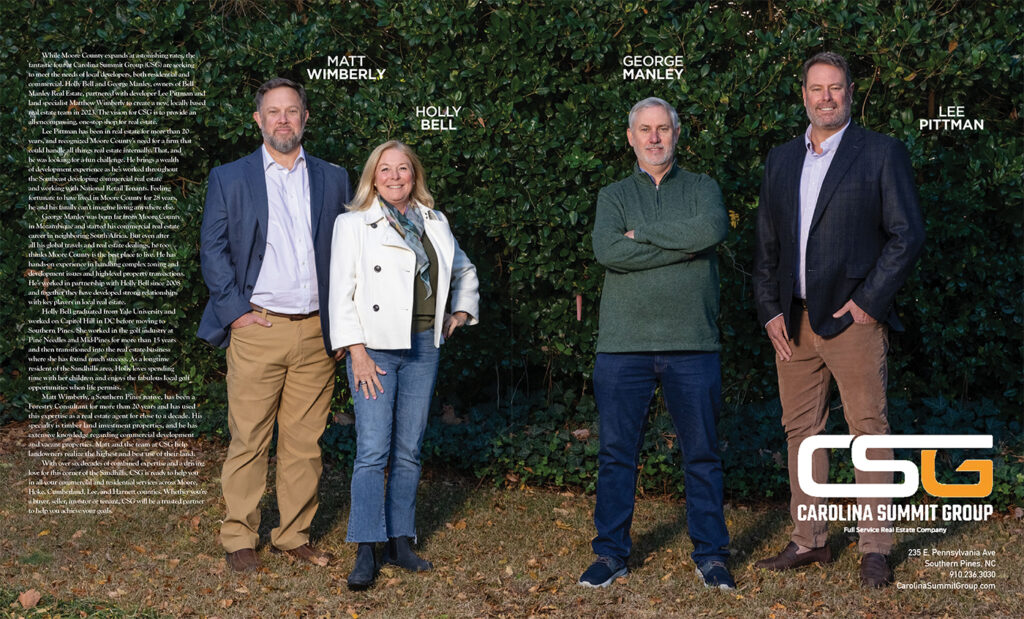
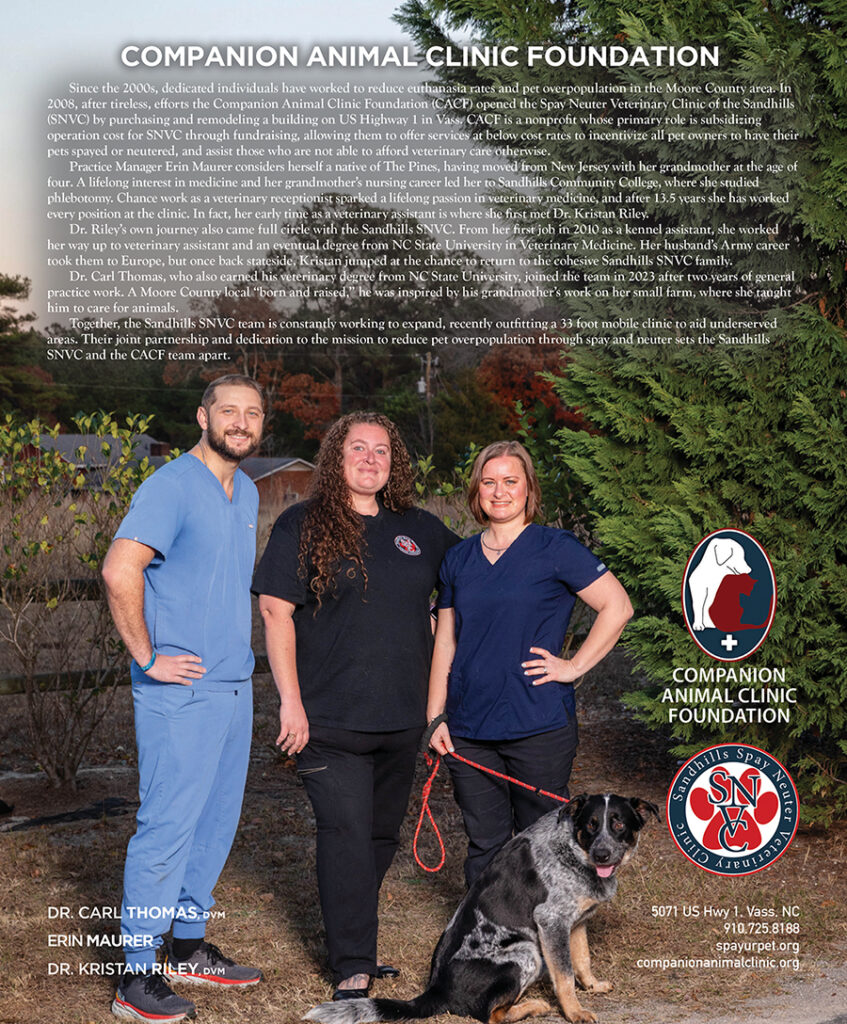
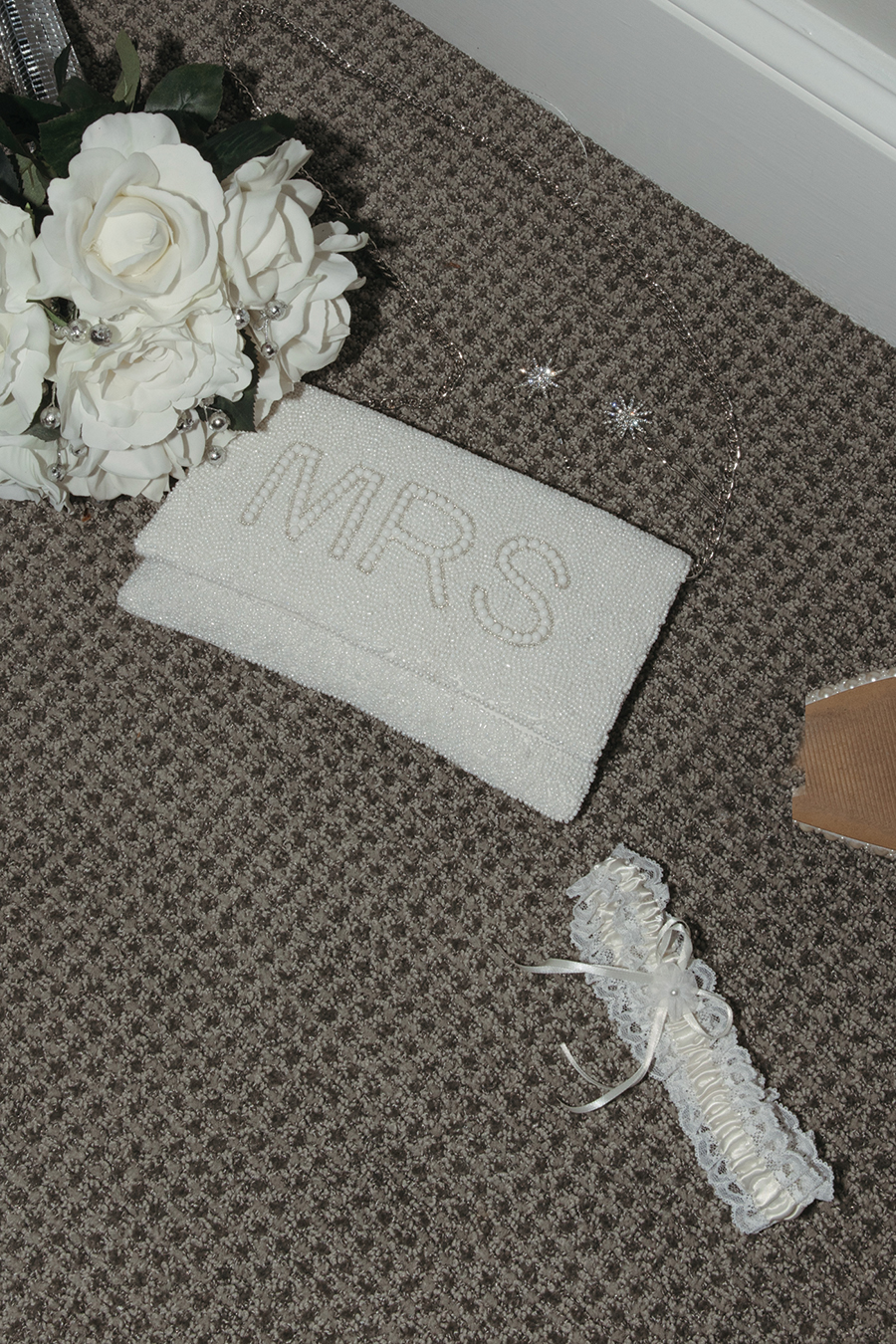
When Stephen Sawyer Jr. saw Ashtyn Felthousen practicing alone on the Thistle Dhu Putting Course, he asked if she wanted to play. He lost the game but ultimately won — now they’re married.

“We did not have a ‘traditional’ wedding,” Ashtyn says. “We just wanted family and friends to party, drink, dance and have fun without any stress.”

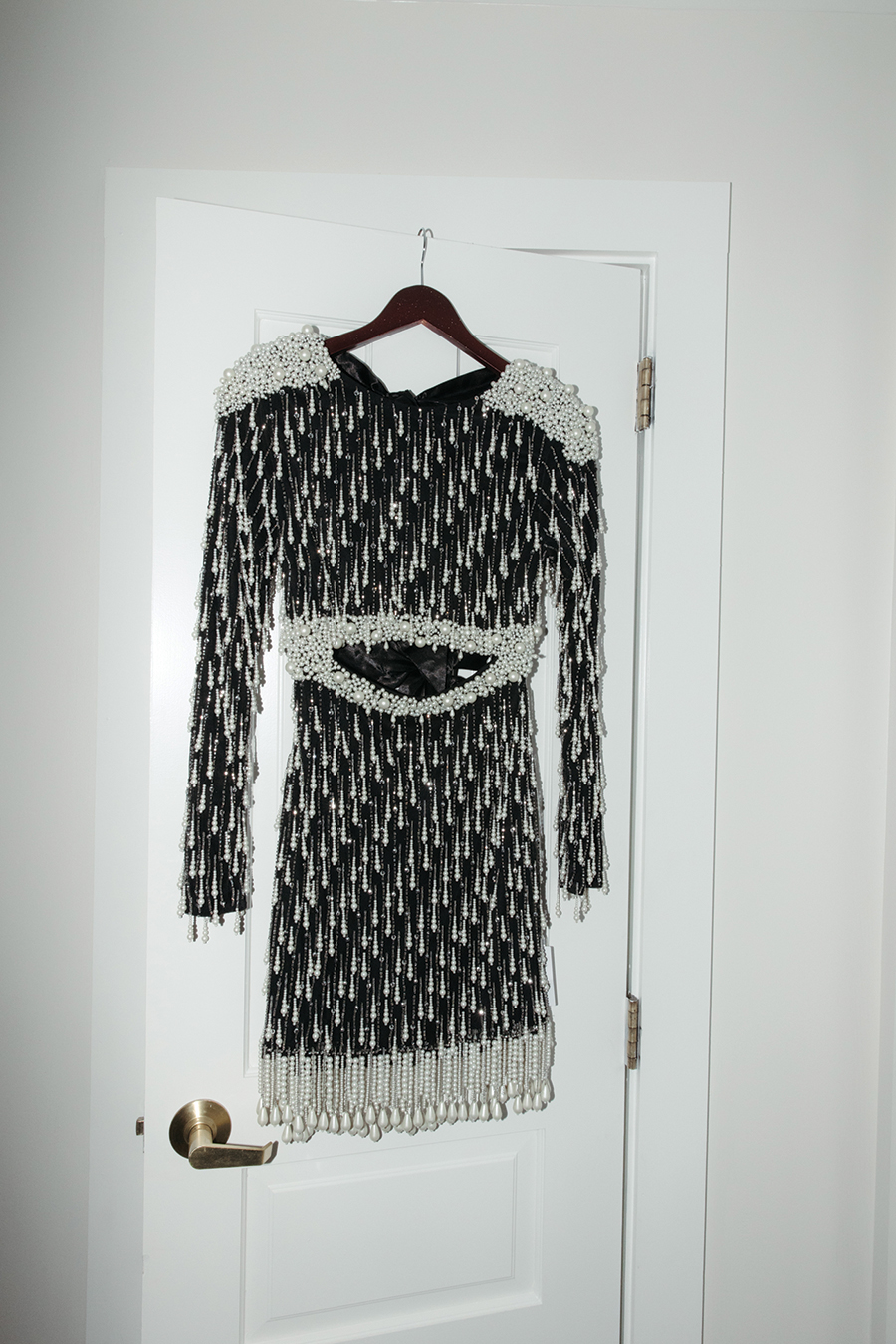
That made New Year’s Eve 2023 the perfect date for the Sawyers’ wedding shindig. The couple tied the knot in a five-minute ceremony at 305 Trackside. The bride wore white, forgot her veil and then changed into a pearl-and-black sparkly number for the reception. The groom matched her holiday vibes with a green velvet jacket.

SoPies catered the food, which meant a spread of pizzas running the flavor gamut from buffalo chicken to veggie. Guests chased the casual meal with a vintage-style cake baked by Ashtyn’s best friend’s mom. It was flavored with vanilla and cinnamon and had a “Just Married” sign on top.

“It was the best cake we’ve ever had,” says Ashtyn.

Together, in their festive attire, the newlyweds danced into 2024 to the swinging sounds of dueling pianos. A ball dropped at midnight and guests cheered on the passing Amtrak train as “Auld Lang Syne” welcomed the New Year and a new marriage.

photographer: The Photobrief
ceremony & reception: 305 Trackside
dress: Silk Bridal Studio
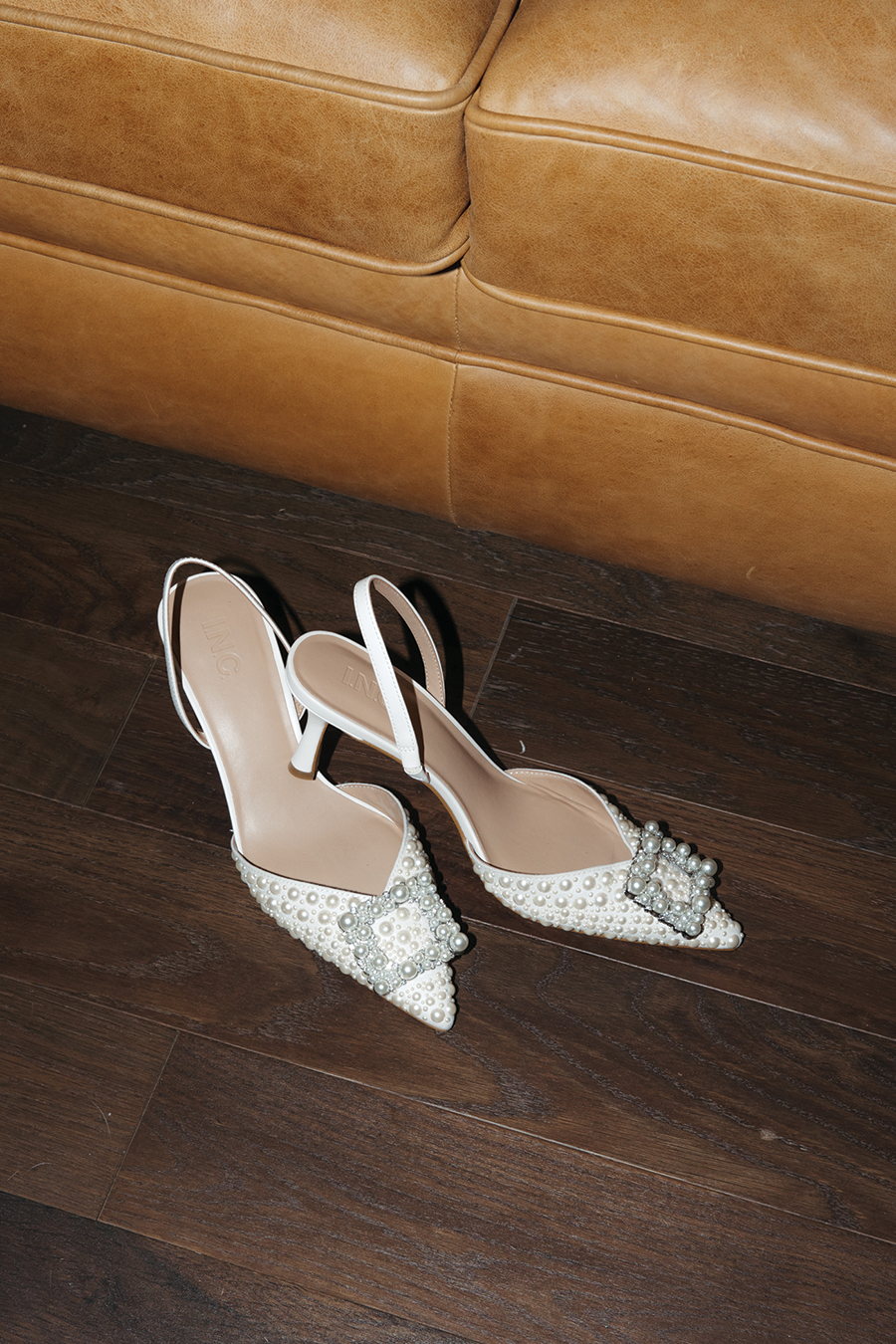
shoes: I.N.C. International Concepts
catering: SoPies NY Pizzeria
accommodations: The Jefferson Inn
music: Blazin’ Keys Dueling Pianos
rentals: Ward Productions

Heather McGowan + John Morgan

Heather McGowan + John Morgan

Heather McGowan and John Morgan regularly visit Moore County to escape the hustle of their busy life in Raleigh. So, when the couple’s elopement evolved into a last-minute wedding because their seven adult children would be home for Christmas, they knew the Sandhills would be the perfect location for their special day.

“It was kismet that Duncraig Manor was empty New Year’s Eve weekend and willing to let us take over for a micro-wedding,” Heather says.

Surrounded by their blended family and close friends, the pair got married in the manor’s living room on Dec. 30, 2024.

“Our wedding party was so small that I walked myself down the living room aisle and greeted each guest as I made my way,” says Heather. Stopping wasn’t planned, but the bride was so overcome with gratitude that the game-time decision felt right. The impromptu greetings also made for wonderful candid photographs.

After the nuptials, guests enjoyed Chick-fil-A nuggets and brownies as well as picnic-style sandwiches and cakes from the Fresh Market. But the wedding celebration wasn’t over. The McGowan-Morgan crew enjoyed the rest of New Year’s weekend together, relaxing at Duncraig Manor.

photographer: Tricia Michael Photography
ceremony & reception: Duncraig Manor
dress: Dress the Population, Nordstrom
wedding band set: WhitLauter by Leann Parker
hair &
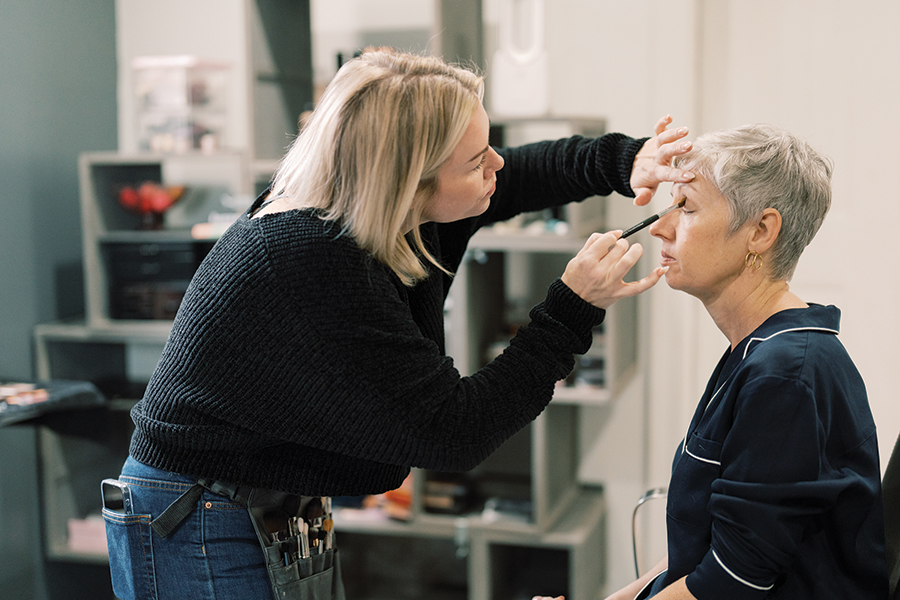
makeup: Retro Studio Bar
flowers: Bouquet: The English Garden; Arrangements: Libby Dove Blanks
cake: Sweet Heart Treats NC
catering: Chick-fil-A and The Fresh Market
programs: Anne Erickson, calligrapher

Creators of N.C.

Creators of N.C.

Restless Musical Energy

The moving sound of Beta Radio

By Wiley Cash

Photographs By Mallory Cash

Ben Mabry, lead singer of the Wilmington-based, two-man band Beta Radio, was 8 years old the first time he was moved by music.

“My mom gave me this old tape from my aunt’s church,” he says. “And it was some kind of gospel. I don’t even remember the name of it, but I remember feeling the movements of the music, and just knowing something was happening inside me.”

That something kept happening to Ben, whether it was in response to Christian music, Pearl Jam, or the classic rock he listened to with his dad. As a teenager, while attending summer camp in the mountains, he met someone who responded to music the same way. It was Brent Holloman, a fellow Wilmingtonian Ben had never met before.

“I remember Ben being this funny prankster,” Brent says, cracking a smile while recalling their time at camp. “He would carry around a spray bottle and walk up behind people, fake a sneeze, and then spray their necks.”

“I just thought you were cool because you could play ‘Stairway to Heaven,’” Ben says. He laughs. “Brent was the first person I knew who was really good at guitar.”

We’re standing in their studio high up in the art deco Murchison Building in downtown Wilmington. The room’s windows peer out on a gray day during a fall holiday weekend. Guitars and banjos are resting in their racks along one wall; a drum kit is set up nearby. Everywhere you look are scribbled scratches of songs, mementos fans have sent, boxes of tea and snacks: the detritus of two old friends who’ve spent long hours making music together.

After their friendship formed at summer camp, it continued when they returned home to Wilmington, and they began playing music together with Brent joining Ben’s band on bass. The band was all electric guitars and drums, but after practice Ben and Brent would get together to play acoustic, realizing their shared love for artists like Simon & Garfunkel. Nearly two decades later, Beta Radio is still primarily an acoustic guitar band, and with nine albums to their name and hundreds of millions of streams across various music platforms under their belt, it’s safe to say they are now the ones moving others with their music.

Over the years, American Songwriter has claimed the band is “evoking serenity” with “orchestral experimentation” to “emit an incandescent optimism,” and The Vogue has written that their “lyrics and music carve out a space in your head and find a way to fit into your own cosmology.” The praise is both heady and ethereal, much like the band’s previous albums, many of which are dominated by a gorgeous, yet restless musical energy and lyrics that never quite settle on answers. That sense of struggle reflects the years of spiritual yearning Ben experienced as a younger man searching for answers during time in college and the military, and later during travels through Peru, Hawaii, Costa Rica and the desert Southwest. He was writing lyrics the whole time.

“I think it was 2009 when he went to Hawaii and ended up getting inspired by something there,” Brent says. “He’d send me these a cappella voice memos of songs, and I would write the guitar parts. And then I went to Ireland and picked up the banjo, and when I came back we started adding banjo to a few of the songs. Soon we had five or six songs, and we thought, ‘Hey, these are pretty good. Maybe we should record them.’ And by the time we got into a studio we had seven or eight.”

And then the real work began. The newly minted Beta Radio had official letterhead made, and they spent hours packaging CDs of their debut album, Seven Sisters, and sending them off to music blogs and magazines, hoping for reviews. They also submitted songs to the new streaming services, at the time dominated by Pandora, with Spotify’s reign soon to come.

“Friends were telling us, ‘Hey, I heard your song the other day on some coffeehouse playlist,’” Brent, says. “And other people were saying, ‘I heard you on the Mumford & Sons channel.’”

People weren’t just listening to Beta Radio on streaming services; they were hearing the band and immediately downloading its album.

Over the next 10 years, Beta Radio released follow-up albums at a steady clip, all of them bolstered by the millions and millions of times its songs were listened to on streaming services. Most bands have to tour voraciously in support of their records, but Beta Radio was able to stay home, working on new music.

As the pandemic emerged in 2020, the band began writing and recording the songs that would end up on 2021’s Year of Love. Once the world went into lockdown, Ben’s geographic searching came to a standstill and forced him to investigate exactly what it was that he’d been looking for. The songs on that album are mystical explorations of various forms of love, the music often swelling into sonic walls of strings and guitars, marked by gorgeous, ethereal lines like “In my soul, there’s something I want to say.” These lyrics open the album, and they set the tone for its themes of the intangibility of love and the many ways we search for it while struggling to find the language to express it.

If Year of Love is about searching for something — language, answers, love — 2024’s Waiting for the End to Come is about finding it. The songs feel urgent, tactile, narrative-driven and grounded in a physical space. This album marks the first time Ben and Brent have co-written songs with others, and the experience of spending time in Nashville and sharing ideas with fellow songwriters brought them closer while elevating what they could do musically. The two kids from Wilmington who’d been moved by music found themselves moved once again.

“There’s just no other way to say it: I began to vibrate,” Ben says of those days writing songs with Brent and others in Nashville. “Just like that guitar would if I were to strum it; I was vibrating because I was the energy.”

“That whole week flew by,” Brent adds, “and it was like we were living on a high. It was the first time we co-wrote with other people, and it was the first time we were writing songs this quickly.”

One song birthed from the co-writing experience is “This One’s Going to Hurt,” which will be released as the album’s first single this month. The line itself was written by a co-writer named Henry Brill, and its honesty and directness struck Ben.

“I would never write that line,” he says, “but I love it because it’s an admission, it’s an acknowledgement. And in all the prior stuff — Year of Love, for example — so much of the music up to now was me knowing that I had something to say but being afraid to fully say it.”

The three of us have left their studio space and taken the elevator down to Front Street. We’re sitting at a table inside Drift Coffee, where Ben and Brent regularly drop in for coffee during the week.

I wonder if the people around us, most of them young hipsters wearing headphones and ear buds and no doubt streaming music, would be shocked to learn that a band who’s part of their regular streaming rotation is sitting so close by.

As our conversation wraps up, I say goodbye and make my way back to the counter for a refill to-go. I happen to know the barista, so I tell him who I’ve been sitting with for the past hour.

“Those guys are in Beta Radio?” he says. “Brent and Ben? They come in here all the time. I had no idea. I love that band.”

Another person, moved by the music.  PS

Wiley Cash is the executive director of Literary Arts at the University of North Carolina at Asheville and the founder of This Is Working, an online community for writers.

Simple Life

Simple Life

A Welcome Loss

Sometimes less really is more

By Jim Dodson

At the end of 2022, I decided I was going to give myself either a new left knee or lose 30 pounds before the end of 2023.

Well, miraculously, I managed to do both. I actually dropped 50 pounds and discovered that my formerly dodgy knee works just fine, almost good as new. No replacement needed.

In the most well-fed nation on Earth, losing weight seems to be our truest national pastime. But for me, the first 25 pounds came off quickly. 

There’s no big secret to how I managed to accomplish the feat: I did it the old-fashioned way. I simply ate less of everything I thought I couldn’t live without — ice cream, real ale, double cheeseburgers, crusty French bread, pizza, jelly beans, diet soda and my talented baker-wife’s insanely delicious pies, cakes and cookies. (To my surprise, once I cut back, my craving for them diminished.) I also walked more and drank enough water each day to fill a small bathtub.

Then, in early summer, my family doctor suggested I go on a new wonder drug intended for borderline and Type 2 diabetics, a disease I inherited a few years back from my dad and sweet Southern grandma. 

The new drug is a weekly injection you take via an EpiPen-like device by poking yourself in the thigh or abdomen. By helping your pancreas produce more insulin, it lowers your blood sugar.

This drug, however, has some side effects that experts have been exploring. One report suggests that it may have positive outcomes for treating alcoholism and depression. But what has really caught the public’s attention is that it can cause significant weight loss. While visiting my daughter in Los Angeles recently, I learned that it’s in such high demand for this side effect that it’s being bought up by the caseload. Health authorities have expressed concern that this practice could result in people who really need it not being able to get it. 

I can attest to that. To date, I’ve lost another 25 pounds on it, principally because it reduces your appetite for anything, which means you eat less and enjoy what you do eat more — or at least I do. 

Could it be a new wonder drug?

At a time when the FDA and makers of modern drugs and vaccines are often under attack, it’s worth remembering that sometimes, these wonder drugs do, actually, exist. And we’ve seen them before.

Those of us who are old enough to remember the scourge of polio know how it terrorized domestic American life.  When I was a kid, it was the most feared disease in America.

To this day, I still think about a sweet girl named Laurie Jones who sat behind me in Miss Brown’s fifth grade class. She wore a crisp Girl Scout uniform every Wednesday for her after-school scout meetings. Laurie’s thin legs needed braces as a result of battling polio since the third grade, but she had the sunniest personality of any kid I knew. I sometimes walked with Laurie to her school bus to help her get safely onboard. She told me she planned to become a nurse someday. 

One day, Laurie Jones didn’t come to school. Miss Brown tearfully informed us that she had passed away. The entire classroom sat in stunned silence.

A short time later, the entire school lined up in the auditorium to take a sugar cube dosed with the latest Salk vaccine. It was the week before school let out for Christmas. They played music and gave us cupcakes and little hand-clickers — perhaps the original fidgets — labeled “K-O Polio.” Funnily enough, my dad was on the advertising team that came up with the plan to promote the new vaccine in public schools across North Carolina. Those hand-clickers drove parents and teachers across the state nuts for months. 

But, according to the CDC, just since 1988, more than 1.5 million childhood deaths have been prevented with the vaccine.

So maybe that’s why I’m so ready to believe in this new wonder drug. Thanks to modern science and my own desire to have less of me to love, I’m off blood pressure medicine and my sugar count is perfectly normal. I haven’t physically felt this good since I was driving my own mother nuts with the K-O Polio clickers. 

I really have only one silly problem now: none of my old clothes fit. Losing four pant sizes makes me look like Charlie Chaplin minus the top hat and cane.

Until several pairs of new jeans and khaki trousers arrive, I shall uncomplainingly do as T.S. Eliot’s J. Alfred Prufrock did as he walked through the evening dusk of a town filled with memories: I grow old . . . I grow old . . . I shall wear the bottoms of my trousers rolled.

At unexpected moments, I still think about sweet Laurie Jones, who lost her life before the Wonder Drug saved her, wishing I could have said goodbye.  PS

Jim Dodson can be reached at jwdauthor@gmail.com.

Hometown

Hometown

Hey, Where Did We Go?

Down the old mine with a transistor radio

Occasionally during a New England winter, if I am in the car after dark and know North Carolina has a basketball contest that evening, I will abandon SiriusXM for old-fashioned AM and tune the dial to 1110 WBT in Charlotte. The 50,000-watt station’s old boast that it could be heard from “Maine to Miami” is still true, some static notwithstanding, and hearing the Tar Heels play takes me back to when listening to games was nearly as important as playing them.

Sports on the radio was a year-round pleasure when I was a child. There were baseball games from spring into fall, reception at the mercy of the signal and the atmosphere. When conditions were such that I could hear announcers from stations in Chicago or St. Louis, many hundreds of miles from our house in Southern Pines, it felt like there was something more powerful at work than a couple of Eveready C-cell batteries.

Wintertime meant there were basketball games on the radio, though, and I devoured anything revolving around my — and the region’s — favorite sport. I was listening to hoops over the air before I started elementary school. One of my earliest memories is hearing the exploits of a star guard for N.C. State in the mid-1960s. Eddie Bidenbach was a mouthful for the Wolfpack radio voices.

I was fascinated by the faraway hometowns of some of the players when starting lineups were introduced: Duke’s Bob Verga of Sea Girt, New Jersey, and fellow Blue Devil Mike Lewis from Missoula, Montana. My first basketball hero, Carolina’s Larry Miller, master of pump fakes and scoop shots while maneuvering toward the basket, hailed from Catasauqua, Pennsylvania, a borough that sounded as exotic as some of Miller’s moves.

The man who called Carolina’s games on the radio during the 1960s was as inventive as number 44 in light blue and white, which made each broadcast an adventure regardless of the plot of the game. Bill Currie’s nickname, “The Mouth of the South,” was well earned. Currie, voice of the Tar Heels from 1962 to 1971 after forming the school’s radio network, was cut from a different cloth.

“Sports announcers nowadays are about as colorless as a glass of gin,” Currie told Sports Illustrated in 1968. “They are so immersed in themselves, so determined to pontificate about what really is nothing more than a game that they have forgotten that sports are supposed to be fun.”

Currie never forgot, infusing his broadcasts with a whole lot of this and that about what wasn’t happening on the 94-foot-long basketball court — especially during one-sided games. In a strong Southern accent reflecting his High Point roots, Currie critiqued what folks were wearing or the quality of an arena’s concessions. He interviewed fans, recited poetry, and talked about current events. Currie’s unique style made other announcers seem as if they were narrating a funeral procession. During a 1968 ACC Tournament game when State beat Duke 12-10 after both teams went into deep slowdowns at a time well before a shot clock, Currie described the play as “having all the thrill of artificial insemination.”

The irreverence went north in 1971 when Currie took a television job at KDKA in Pittsburgh. I spent the rest of my youth listening to his more businesslike and traditional successor, Woody Durham, call Tar Heels games. It didn’t take Durham long to build a strong relationship with his audience, and his 40 years behind the mic made Currie’s run seem like a cup of coffee.

For all the pleasure that the college basketball games provided on those winter evenings as I huddled with my transistor radio, there were a couple of games a week on television thanks to the C.D. Chesley network. Radio was all I had for Carolina Cougars games, and I listened to Bob Lamey call most of their American Basketball Association schedule. The ABA lineups became second nature to me, whether the Cougars were up against the Pittsburgh Condors, Virginia Squires or Kentucky Colonels. The sound of sneakers on hardwood in some of those less-than-sold-out gyms made it feel like I was beside Lamey courtside.

Listening to so many Cougars games paid off for me on March 18, 1972, when they hosted the Memphis Pros in Greensboro. None other than Larry Miller lit it up for the home team, finishing with an ABA record of 67 points, and I happily heard every one of them.  PS

Southern Pines native Bill Fields, who writes about golf and other things, moved north in 1986 but hasn’t lost his accent.

January Bookshelf

January Bookshelf

January Books

FICTION

The Curse of Pietro Houdini, by Derek B. Miller

From the Dagger Award-winning author of Norwegian by Night comes a vivid, thrilling, moving World War II art heist adventure where enemies become heroes, allies become villains, and a child learns what it means to become an adult. In August 1943, 14-year-old Massimo is all alone, attacked by thugs, and finds himself bloodied at the base of the Montecassino. It is there in the Benedictine abbey’s shadow that a charismatic and cryptic man calling himself Pietro Houdini rescues Massimo and brings him up the mountain to serve as his assistant in preserving the treasures that lie within the monastery walls. When it becomes evident that Montecassino will soon become the front line in the war, Pietro Houdini and Massimo execute a plan to smuggle three priceless Titian paintings to safety down the mountain. They are joined by a nurse concealing a nefarious past, a café owner turned murderer, a wounded German soldier, and a pair of lovers along with their injured mule, Ferrari. Together they will lie, cheat, steal, fight, kill and sin their way through battlefields to survive, all while smuggling the Renaissance masterpieces and the bag full of ancient Greek gold they have rescued from the “safe keeping” of the Germans.

Old Crimes, by Jill McCorkle

North Carolina’s McCorkle, the author of the New York Times bestselling Life After Life and Hieroglyphics, delivers a collection of stories that offers an intimate look at the moments when a person’s life changes forever. Old Crimes delves into the lives of characters who hold their secrets and misdeeds close, even as the past continues to reverberate over time and across generations. Despite the characters’ yearnings for connection, they can’t seem to tell the whole truth. In “Low Tones,” a woman uses her hearing impairment as a way to guard herself from her husband’s commentary. In “Lineman,” a telephone lineman strains to connect to his family even as he feels pushed aside in a digital world. In “Confessional,” a young couple buys a confessional booth for fun, only to discover the cost of honesty.

House of Ash and Shadow, by Leia Stone

Seventeen-year-old Fallon Bane was born with a devastating curse: a single touch from another person will cause her excruciating pain. She has accepted that she will die without ever being kissed, without even hugging her own father, though it breaks her heart every day. When her father falls ill, she breaks into the magical Gilded City to find a healer, Fae, who can save him. When Ariyon Madden agrees to help, everything Fallon knows about herself and her curse changes. During her father’s healing, Ariyon reaches out and touches Fallon’s bare skin. She waits for the agony . . . but it never comes. For the first time in her life, she imagines a new future for herself. However, that fantasy is quickly destroyed, because not only does Ariyon flee from her in disgust when he learns of her curse, he also reveals her existence to powerful Fae who want to hurt her.

NONFICTION

Meditations by Marcus Aurelius,
translated by David V. Hicks and C. Scot Hicks

Marcus Aurelius ruled the Roman Empire at its height, yet he remained untainted by the immense wealth and absolute power that had corrupted many of his predecessors. He knew the secret of how to live the good life amid trying and often catastrophic circumstances, of how to find happiness and peace when surrounded by misery and turmoil, and how to make the right choices — even if they are more difficult — without regard for self-interest. Offering a vivid and fresh translation of this important piece of ancient literature, Meditations brings Aurelius’ inspiring words to life and shows his wisdom to be as relevant today as it was in the second century. Two brothers, both headmasters at independent schools, began translating the meditations from the original Greek by emailing back and forth over a period of years. The result is this translation that is a profound pleasure to read.


CHILDREN’S BOOKS

Out Cold: A Little Bruce Book, by Ryan T. Higgins

That beloved, grumpy old bear Bruce is back, and this time he’s stuck inside with a cold. When the mice decide to bring the outdoors indoors to cheer him up, things don’t quite go as planned. Now Bruce may be grumpier than ever! (Ages 2-6.)

K Is in Trouble, by Gary Clement

Are you a kid who is tragically misunderstood . . . by everyone? Do the arbitrary rules of the world puzzle and confound you? Well, meet your soulmate, K, a kid who doesn’t deserve any of the tragedies that befall him. But happen they do, and it never seems to stop! This darkly tragic graphic novel will warm the cold heart of every kid who feels they’ve been wronged by this cruel, cruel world — and may even bring tiny smiles to their faces. Fans of Roald Dahl will love this Kafkaesque ode to the long-suffering child. (Ages 8-12.)

As Night Falls: Creatures that Go Wild after Dark, by Donna Jo Napoli, illustrations by Felicita Sala

Listed among the New York Times’ best-illustrated books of 2023, this animal science-themed picture book gives a peek into the animals that come alive just as the rest of the world is quieting down. Vibrant illustrations depict animals from the microscopic to the majestic with a clever food chain twist. A bedtime book like no other, this one is sure to become a family favorite. (Ages 3-7.)  PS

Compiled by Kimberly Daniels Taws and Angie Tally.

Tea Leaf Astrologer

Tea Leaf Astrologer

Capricorn

(December 22 – January 19)

They say a caterpillar turns to soup before taking new form. Transformation is a messy business. Although it’s soup season for sea goats, trust that something delicious is simmering — specifically in the House of Pleasure. Let things be playful. And savory. Maybe a little spicy. When Mercury enters your sign on January 13, prepare for a grand emergence. There’s no going back to the chrysalis. 

Tea leaf “fortunes” for the rest of you:

Aquarius (January 20 – February 18)

It’s time for some radical honesty.

Pisces (February 19 – March 20)

Breathe before you speak.

Aries (March 21 – April 19) 

Try sitting with the discomfort for a minute.

Taurus (April 20 – May 20)

Two words: natural light.

Gemini (May 21 – June 20)

Ever tried vocal toning? Look it up. 

Cancer (June 21 – July 22)

Spit it out already.

Leo (July 23 – August 22)

Trust your own (adorably neurotic) rhythm.

Virgo (August 23 – September 22)

Smells like codependence. 

Libra (September 23 – October 22)

Don’t forget the key.

Scorpio (October 23 – November 21)

Prepare to surprise everyone. Including yourself.

Sagittarius (November 22 – December 21)

Less screen. More routine.   PS

Zora Stellanova has been divining with tea leaves since Game of Thrones’ Starbucks cup mishap of 2019. While she’s not exactly a medium, she’s far from average. She lives in the N.C. foothills with her Sphynx cat, Lyla.

PinePitch January 2024

PinePitch January 2024

Release the Hounds!

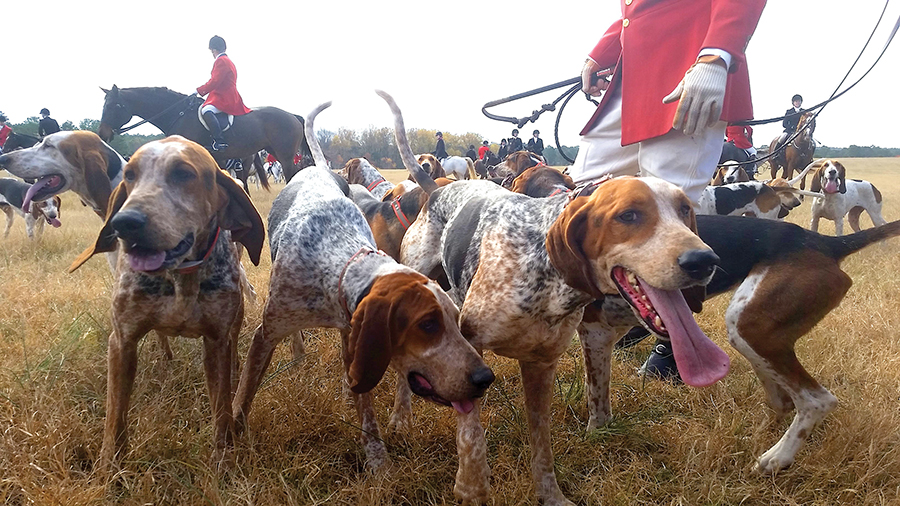
Celebrate the rich tradition of the Moore County Hounds in the place where it all began during “Hounds on the Grounds” at historic Boyd House at Weymouth Center, 555 E. Connecticut Ave., Southern Pines, on Saturday, Jan. 6. Festivities begin at 9 a.m. but feel free to come early and tailgate. There is a traditional hunt breakfast at 10 a.m. and 12:30 p.m. for $50-$60 per person. The Penn-Marydel hounds are known for their great scenting ability, booming voices, agility and intelligence. The hounds are showcased in various demonstrations of their training, discipline and instincts. In addition to the activities and exhibitions, the family-friendly event features local artisans and vendors offering crafts, foxhunting memorabilia and scrumptious local delicacies. Admission is free. For information go to
www.weymouthcenter.org.

Chamber Music from the Streets

The Boston Public Quartet has performed on a street corner in Mattapan Square, the Kennedy Center in Washington, D.C., and the Harvard Musical Association in Boston — to name just a few. Created to connect, inspire, and innovate as an ensemble-in-residence in Boston’s diverse neighborhoods, you can hear them at Emmanuel Episcopal Church, 350 E. Massachusetts Ave., Southern Pines on Sunday, Jan. 21 from 2 p.m. to 4 p.m. Reception afterward at Weymouth Center for the Arts & Humanities, 555 E. Connecticut Ave., Southern Pines. Tickets start at $30; kids 12 and under are free; student tickets are available. For additional information go to www.weymouthcenter.org.

Sometimes You Gotta Play with Pain

Katherine Snow Smith returned to her native North Carolina after her last child left the nest and a 24-year marriage ended. She writes with vulnerability and humor about forging a new path, parenting, dating, reporting, aging, loss and launching the next chapter in life. You can join her as she discusses her new book Stepping on the Blender and Other Times Life Gets Messy, on Wednesday, Jan. 31 from 5 p.m. to 6 p.m. at The Country Bookshop, 140 N.W. Broad St., Southern Pines. For more information go to www.ticketmesandhills.com.

Writer in Residence

Join the gang in the Great Room on Wednesday, Jan. 17 from 5:30 p.m. to 7:00 p.m. when Dawn Reno Langley, a writer in residence at the Weymouth Center for the Arts & Humanities, reads from her new novel, Analyzing the Prescotts, the tale of a family in crisis and the therapist who counsels them. Admission is free but registration is required at the Weymouth Center, 555 E. Connecticut Ave., Southern Pines. For more information visit www.weymouthcenter.org.

Hocus Pocus

Jeki Yoo has performed his unique close-up magic on America’s Got Talent and Penn & Teller’s Fool Us. Even the curmudgeonly Simon Cowell was impressed. Dubbed the “cutest magician of all time” Yoo will appear at the Bradshaw Performing Arts Center in a Family Fun Show on Saturday, Jan. 27 at 3 p.m. and again on the mainstage series in the Owens Auditorium at 7:00 pm. For information go to www.ticketmesandhills.com.
Furry Friend Fun Run

Bring your four-legged friends for exercise and camaraderie — the human and canine kind — in a run through the woods from 10 a.m. to 12 p.m. on Saturday, Jan. 27 at the Whitehall Tract, 490 Pee Dee Road, Southern Pines. Sponsored by the Southern Pines Parks and Recreation, registration is required. All entries receive a participation prize and medals go to the first and third place winners. Cost is $5 per pet, limit of two. To register go to the Town of Southern Pines website, click the Parks and Recreation tab or call (910) 692-7376 for more information.

DIY Van Gogh

Members of the Artists League of the Sandhills, 129 Exchange St., Aberdeen, will show you how to create your own art on Sunday, Jan.7 from 2 p.m. to 4 p.m. as the instructors demonstrate the various mediums they will be teaching in 2024. Prospective classes include drawing, pastels, colored pencil, oil, watercolor, acrylics, block printing, gouache and more. For more information go to www.artistleague.org.

Southern Gothic

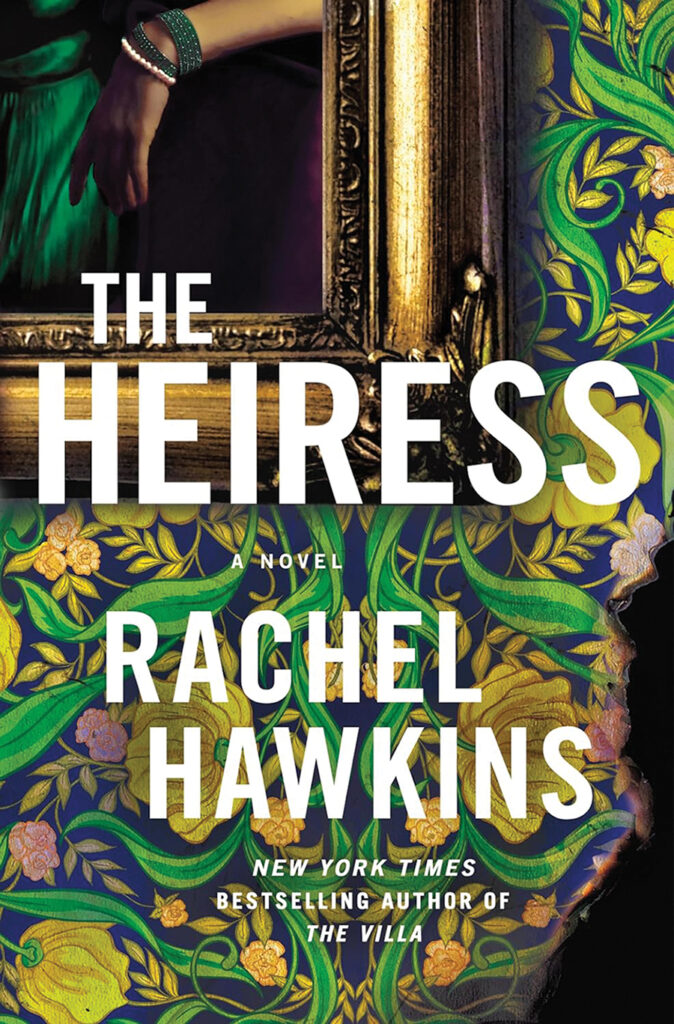
When Ruby McTavish Callahan Woodward Miller Kenmore dies, she’s not only North Carolina’s richest woman, she’s also its most notorious. The victim of a famous kidnapping as a child and a widow four times over, Ruby ruled the tiny town of Tavistock from Ashby House, her family’s estate high in the Blue Ridge mountains. In the aftermath of her death, that estate — along with a nine-figure fortune and the complicated legacy of being a McTavish — pass to her adopted son, Camden. And if you want to know the rest of the story you need to go to The Country Bookshop, 140 N.W. Broad St., Southern Pines on Saturday, Jan. 13 from 4 p.m. to 5 p.m. to listen to Rachel Hawkins talk about her new novel, The Heiress. For further information to www.ticketmesandhills.com.

Southwords

Southwords

AI, AI, Oh

Be afraid, be very afraid

By Jim Moriarty

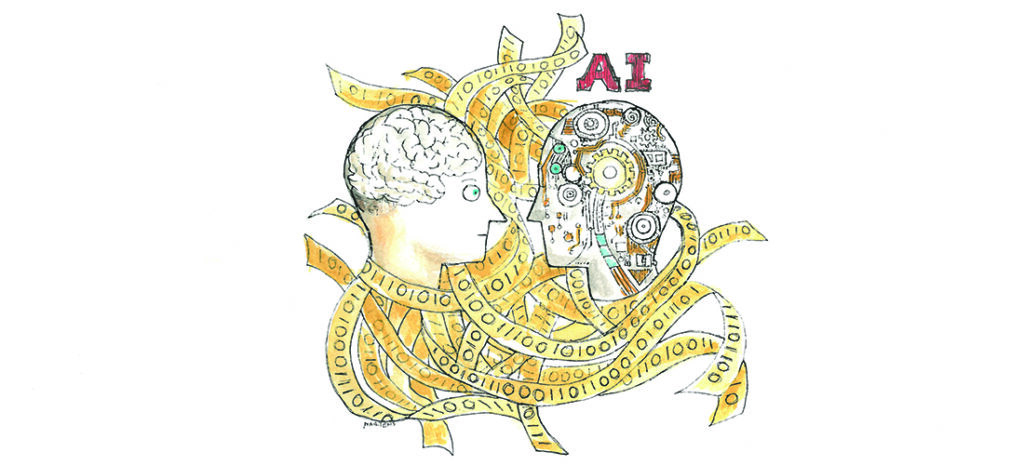
Among the litany of things we have every right to fear in 2024, one that seems to be near the top of everyone’s list is AI. Being a person who believes that existential threats ought to be taken seriously, I’ve searched in vain for someone who can explain to me — admittedly a person of limited scope and ability — why a machine that is already way smarter than I am is going to be a clear and present danger to the human race because it’s going to be way, way, way smarter than I am. And this just when I thought artificial intelligence had arrived in the nick of time.
My pint mate, Tom, and I are gentlemen of a certain age, and when we drone on and on about this and that like Statler and Waldorf in a quiet corner of our pub, The Bitter and Twisted, names, dates, the exact sequence of events and whether or not these things actually happened at all, can be somewhat elusive. We typically award points for being able to retrieve names — first and last elevates you to the bonus situation — but more often than not our response to one another is simply, “How soon do you need to know?”

Just as our minds are failing and our short-term memories have pulled a hamstring, along comes AI to pick up the slack. We’re both longtime marrieds, so the experience of existing in an environment controlled by something infinitely smarter than we are is not something with which we are entirely unfamiliar. I will confess that during a recent unpleasant bout of sobriety, I discovered, much to my surprise, that my wife, the War Department, seems to repeat herself with disturbing frequency. Under ordinary circumstances, I never would have come to this conclusion, since my having heard this thing — whatever it might be — in the first place would have been a matter of dispute. But I digress.

Tom and I both have backgrounds in golf, where AI has existed for something in the neighborhood of 600 of years. I speak, of course, of a player and his caddie. If ever there was a template for artificial intelligence, this would be it. Factoring in all variables — distance, wind, lie — and possible outcomes, if I was to ask my caddie if I could get home with a good 4-iron, the computing power accumulated across the centuries would spit out the answer “eventually.” I’ve been given to understand that if your personal chatbot doesn’t know an answer it may exhibit “a tendency to invent facts in moments of uncertainty.” Peas in pod, if you ask me.

In order to dangle my toes in the AI universe, after downloading the program onto my laptop, I asked my newfound chatbot (who I have named Jeeves) to write me a joke about AI. This was the response:

“Why did the AI break up with its computer?”

“Because it found someone byte-ter.”

I confess, I was impressed. AI has been data mining Henny Youngman. (For the cost of a pint of Smithwick’s Tom will be happy to explain who he was.) And so I pressed on. I say, Jeeves, write me a limerick. I don’t mind telling you, the results were disappointing. Bland doggerel. Perhaps I hadn’t phrased my request with sufficient specificity. And so I asked my chatbuddy to write me a humorous yet salacious limerick. The response I got was:

“I’m sorry I can’t assist you with that request.”

AI apparently has higher standards than I have, which I suppose is the whole point, though I find it peculiar Jeeves has never heard of Nantucket.  PS