Game Show

And now for something completely different

By Tom Bryant

Kettle Time Deer Stew

Night before, soak dried beans. Day of, cut deer meat into chunks, add beans and boil till tender. Add any vegetables you got. Simmer slowly, nearly all afternoon. Try this with squirrel or rabbit.

— From the Touchstone Plantation, late 1800s

Friends were visiting from Arizona for several days, and as always when we have out-of-town guests, we planned to find something unusual and interesting to do. High on our list after the usual fare of historical golf courses, shopping and restaurants is a little museum in downtown Ellerbe, North Carolina, about a 30-minute ride from Southern Pines.

This was our third or fourth visit to the Rankin Museum, and I still saw interesting things I hadn’t noticed before. The museum was created from the lifetime collection of Dr. Pressley R. Rankin Jr. of Ellerbe and is named in his honor. It has always amazed me that this gentleman was able to collect so many artifacts. The accumulation fills a museum that would make a much larger city proud. Little Ellerbe is off the beaten path, but the Rankin Museum draws people from all over the country. If you haven’t had the opportunity to visit the area, I highly recommend it.

On this trip I noticed, in a far corner, a recipe for deer stew from the Touchstone Plantation. I’m a hunter and fisherman, and although I do not hunt deer, I’m not opposed to the folks who do. With all my interests in the outdoors, I really don’t have time to add another sport like deer hunting. I am fortunate, though, because I have good friends who keep me stocked with fresh venison, and I’m always looking for new and different recipes.

After the War Between the States, the South was a destroyed, defeated country that had to exist on whatever resources the land could provide. Game from the forest and fish from lakes and rivers did a lot to keep Southerners from starving. That subsistence necessity in those terrible times hung on over the years; and many folks, not only from the South, but now from all over the country, enjoy food derived from the sports of hunting and fishing.

I’m mostly a bird hunter, specifically ducks, geese and doves. I also hunt quail when I’m lucky enough to find them, and I have several ways to prepare all kinds of nutritious and delicious game.

I collected the plantation recipe at the Rankin Museum from a historical perspective, rather than an epicurean one. It looked interesting but was probably created to fill hungry bellies rather than satisfy taste buds.

After our houseguests departed, Linda, my bride, and I prepared for a camping trip in our little Airstream trailer to Huntington Beach, South Carolina. We made plans for the trip back in the winter and really had not done a lot of planning for the adventure. The deer stew recipe got me in the mood to cook some game, so I decided to take along a few doves, ducks and a venison roast to prepare while we were there, to sort of live off the land, as it were.

A cousin from Charleston gave me a call right before we were to leave and wanted to stop by Huntington Park on her way back from a business trip to Wilmington. She was interested in camping at the park and had a friend with her, and I invited them to have lunch with us, then check out the place.

Many years ago, I found the out-of-print L.L. Bean Game and Fish Cookbook, and it has been the anchor in my wild game cooking. Over the years, I’ve also added to my repertoire recipes from good hunting and fishing buddies. There’s a duck marinating concoction that I’m reluctant to pass along because it’s an old family recipe of Bennett Rose’s, and I don’t think he would wish to spread it around that much. I realize Bennett is a good shot, and with me, discretion is the better part of valor. Anyhow, it’s the best marinade I’ve ever tried and is also good on any dark red game meat. I did dress the mix up a little by adding a touch of good red wine, though. Red wine makes anything taste better and is also good to sip while the meal preparation is underway.

I had done the prep work on my game before we left home, so all I had to do to prepare for lunch was fire up the grill. The menu wasn’t going to be that extensive: grilled marinated teal duck breast, grilled doves wrapped in maple-flavored bacon, and grilled venison strips with horseradish dipping sauce. For hors d’oeuvres, Linda was whipping up some of her favorites, and I had some venison link-sausage to grill, then cut into 1/4-inch chunks to dip in Colonel Hawker’s sauce. It was going to be a dipping kind of meal, easy to eat and easy to clean up afterward. The ducks, doves and venison, along with a good tossed salad and Linda’s Southern cream cheese pound cake for dessert, should fill the fare, I thought.

I was wrong.

My cousin and her friend arrived just in time to do a little scouting around the park and then join us for lunch. Charleston was only about an hour away, so we could catch up on family goings-on, and they would get home in time for supper.

I had the campsite all prepared. The Airstream awning and outdoor rug were in place. Chairs were set in a semicircle, good for conversation, and I had the screen house set up over the picnic table to keep us out of the bugs while we ate lunch.

When my cousin and her friend returned from their scouting trip around the park, I had already fired up the grill. We sat under the awning and talked. Linda poured drinks and served the hors d’oeuvres while I put the sausage links on to cook. Our guests were comfortable under the awning.

In no time, the sausage was ready and I served it along with the sauce to our guests.

“Wow, this is really good,” my cousin said, as she tasted a piece of sausage.

“It sure is,” her friend added. “What is it?”

“A good friend who is a big deer hunter gave it to me,” I replied. “It’s venison sausage.”

My cousin’s friend made a weird noise and spit the piece into her napkin. I thought she was choking, and I prepared to administer the Heimlich maneuver.

It was soon evident, though, that the lady was not choking but was extremely averse to eating any kind of wild game. Needless to say, the conversation bogged down after the hors d’oeuvres, and my cousin and her friend made excuses and a hasty retreat toward Charleston.

As I watched them drive away, I wondered where in the world that lady, who hated the idea of eating venison, thought those packages of bacon, chicken and steak that she bought every week at the grocery store came from. PS

Tom Bryant, a Southern Pines resident, is a lifelong outdoorsman and PineStraw’s Sporting Life columnist.

Mom’s Way

A son remembers that nobody did collards and cornbread better

By Tom Allen

My mother did not fancy herself a cook. Cooks were known for their, well, cooking. When I grew up, cooks were women. I don’t recall hearing a man referred to as “a good cook” even though some were good at cooking — fried fish or barbecued chicken. I guess Hubert Byrd was a cook, probably a good cook. He owned Sleepy’s Grill, in our community, and Lord, he could cook — hamburgers and hot dogs and the best chili.

In the rural culture of my childhood, cooks were women you paid to bake a 12-layer chocolate cake at Christmas or fix a pot of chicken pastry (pastry, not dumplin’s) because pastry was hard to make. There was always something on a cook’s stove — cold biscuits, fried applejacks, crispy fatback. Mom never paid anyone to cook anything. If she couldn’t cook it, we didn’t eat it.

Some cooks worked outside the home — schoolteachers, nurses, mill hands. Regardless of employment, for some, cooking was a side hustle, a second or, perhaps, only stream of income. Most cooks, like good beauticians, were extroverts, people-persons, so that chocolate cake or pot of pastry came with 30 minutes of conversation, the catching-up kind of conversation, not gossip. Cooks don’t gossip. Might lose a customer.

Cooks liked to cook. Mom cooked, not for enjoyment or for money, but out of necessity. We had to eat. Nevertheless, Mom was a good cook, or maybe I should say, she cooked good, at least I thought she did.

Mom baked, which comes under the umbrella of “cooking,” but only two things — coconut chess pie and peach cobbler. That pie was her go-to, year-round dessert. If someone had a baby, a hysterectomy, divorced or died, Mom delivered a coconut pie. Peach cobbler, made with canned peaches (the slippery, cling kind), was a summer dish, although canned peaches are on the shelves year-round. Two years ago, when she died, I included a copy of her handwritten cobbler recipe in the service bulletin. Folks smiled as they shared stories of pies and cobblers that accompanied her support and sympathy.

But my favorite meal Mom cooked was a Southern staple, as indigenous as “Dixie” or a “Bless your heart.” I didn’t miss the combo until I left home for college. Absence, I learned, affects the stomach as much as the heart. Her collards and cornbread filled the void; that combo was my only request when I came home, regardless of the season, since Mom cooked and froze the greens for future consumption.

Collards, those dark green, loose-leaf cultivars, are a fall crop, made sweeter by nip of a first frost. My dad sowed seed in late summer, then thinned and nurtured each plant. By November, he harvested the massive leaves for Mom to cook down in a pot of water, seasoned with fatback or bacon grease. No onion, garlic or red pepper flakes. Perhaps a sprinkle of sugar. Mom’s collards, unlike others I’ve eaten, were chopped fine, to the point you could eat them with a spoon. Collards were a traditional side at Thanksgiving and Christmas, but were just as good thawed and reheated during spring break or with corn and butterbeans from Dad’s July garden.

Collards cooking have an unforgettable smell — pungent, foul. A saucer of cider vinegar or a scented candle toned down but never dispelled the aroma. But that smell was a small price to pay for a plate of pure goodness.

Cornbread was the essential accompaniment. Mom fried her simple version in lard, later canola oil. The batter — Old Mill of Guilford cornmeal, scant water, pinch of sugar, pinch of salt — was dropped by spoonfuls into an iron skillet, where it cooked up, thin and crispy. “Lacy cornbread” she called it. Leftover pones sat on the stove, a paper towel underneath to soak up any grease. Sweet tea completed the meal. Hard to come by in Kentucky, where I attended seminary.

Two years ago, we ate the last package of Mom’s frozen collards. Mother’s Day without her still falls bittersweet. What I wouldn’t give for a plate of collards, lacy cornbread, and her strong, brewed tea, yet I will forever cherish memories of a bitter green made savory and sweet by one who cooked but most of all, was simply . . . good.  PS

Tom Allen is minister of education at First Baptist Church, Southern Pines.

Almanac

By Ash Alder

The world’s favorite season is the spring. All things seem possible in May.— Edwin Way Teale

May and the heart sings of somersaults, cartwheels across the lawn, dandelions tucked behind the ears of children. 

May is a month of sweetness.

The pick-your-own-strawberries, soft-spring-rain, butterflies-in-the-garden kind of sweetness.

And magnolia-blossoms-for-Mama.

In the garden: snow peas, fennel, broccoli, kale.

In the kitchen: bearded iris in a pail.

May is a month for sweethearts — and dancing.

Dancing round maypoles, dancing round in circles, dancing round the Beltane fire.

The first maypoles were made of hawthorn, a mystical tree which the ancient Celts believed could heal a broken heart.

Breathe in spring and feel your heart somersault, hopscotch, send a flurry of dandelion seeds whirling as it cartwheels through a field of sweetness.

Gifts for Mama

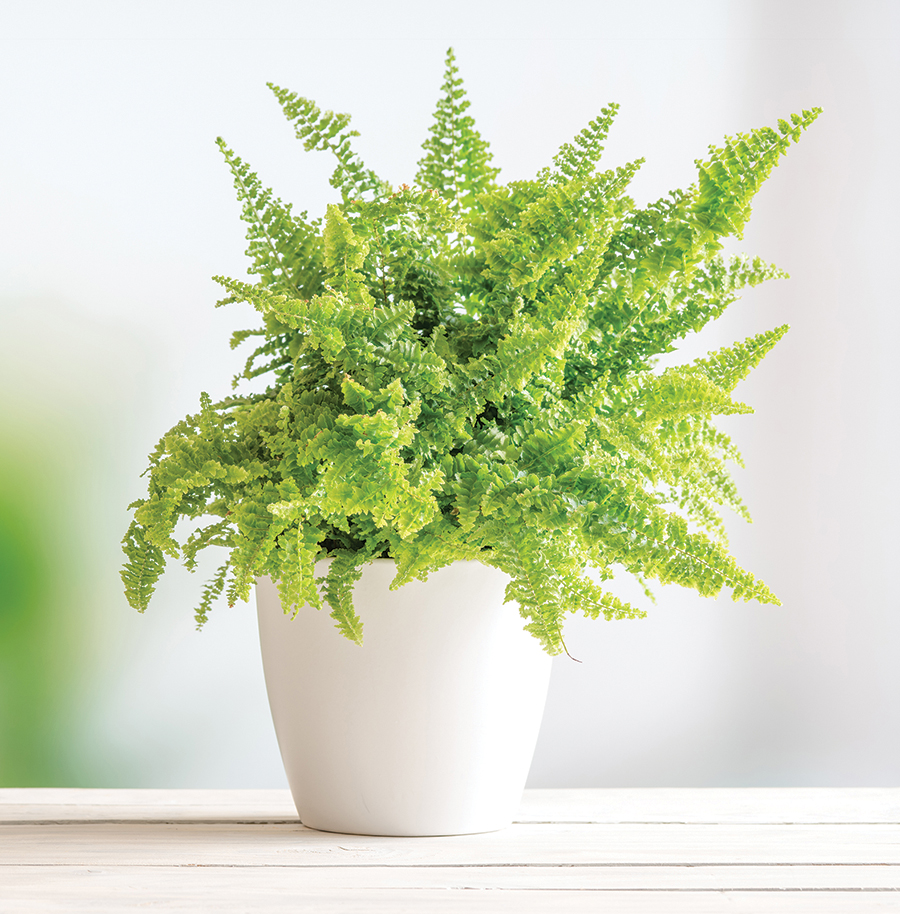
Mother’s Day falls on Sunday, May 13. I think of the hundred-year-old ferns in my grandmother’s sunroom, the ones that belonged to her florist mother, and how love, when nurtured, grows and grows.

A few seeds of inspiration for the beloved matriarch in your life:

Sprig of dogwood.

Pickled magnolia petals.

Lemon basil.

Bulbs for the garden: dahlias,
      wild ginger,

climbing lily.

Stepping stones.

Wildflower crown.

Peach, pear or nectarine tree.

Basketful of dandelion (for wine).

Eternal love.

The Full Flower Moon rises on Tuesday, May 29. Also called Mother’s Moon, Milk Moon and Corn Planting Moon, this month’s moon illuminates the whitetail fawns, wide-eyed owlets, wildflowers everywhere.

According to The Old Farmer’s Almanac, the best days for planting above-ground crops this month are May 18, 19, and 26–28. Plant below-ground crops May 9 or 10.

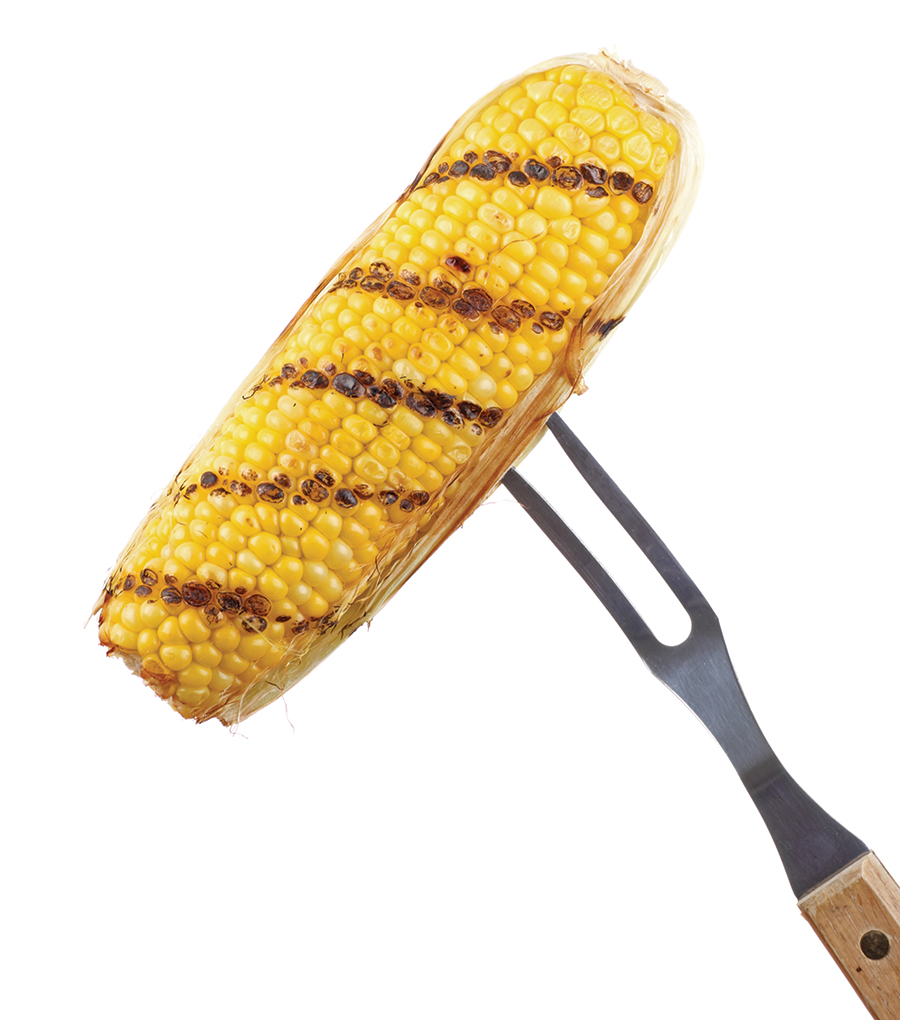
Plan now for July sweet corn on the grill.

Pickled Magnolia Flowers

Try this to add a side of whimsy to your spring salad.

Ingredients

One pound fresh young magnolia flowers

1 1/2 cups rice vinegar

One cup of sugar

One teaspoon of salt

Directions

Wash and dry petals, then put them in a sterilized jar with salt.

Mix rice vinegar and sugar in pan, then bring to boil.

Pour hot vinegar and sugar mixture over flowers. Allow to cool, then cap the jar.

Spring — an experience in immortality.— Henry D. Thoreau


Flower Power

The essence of good scents

By Karen Frye

Flowers have a way of making our hearts feel something sweet and wonderful, but there is a special healing power they can bring to your life, too.

Decades ago a prominent British physician, Dr. Edward Bach, believed disease was the manifestation of negative states of mind, a disharmony between a person’s physical and mental states. He observed that worry, anxiety, impatience and unforgiveness depleted a patient’s vitality so much that the body lost its resistance and became more vulnerable to disease.

Dr. Bach closed his practice, left his home in London and spent the rest of his life traveling throughout England in a search for curative plants. He discovered 38 remedies, one from water, the others from flowering plants and trees. Today, more than ever, the connection of the mind and the body are well recognized and the research continues to grow.

Flower remedies are made simply by transferring the essence of the flower into liquid — usually water — by steeping the petals or leaves. Each flower or plant has a specific healing effect. The essences are subtle but, taken regularly, can have a positive impact on our consciousness. The effect of the remedies is not to suppress negative attitudes but to transform them into positive ones, stimulating the potential for self-healing. There are remedies to help release guilt and shame, increase self-esteem, stimulate creativity, become more balanced and grounded. The purpose of the essences is to support the immune system by relieving depression, anxiety and other trauma that weakens the body. It is important to note that they are not a replacement for traditional medical treatment, but work in conjunction with modern medicine. They are gentle and safe and have no side effects. All ages can use them.

In addition to the 38 individual essences, 39th, is Rescue Remedy, is a combination of five flower essences: impatiens, star-of-Bethlehem, cherry plum, rockrose and clematis. This is the first-aid remedy for sudden shock, an accident, a family upset, a stressful event like an exam or an interview, going on stage or giving a speech. One of the single flower remedies, sweet chestnut, is for agonizing mental anguish, total exhaustion, feeling the future is hopeless. Another flower, honeysuckle, helps the bereaved.

The work of Dr. Bach, who died in his sleep in September 1936 shortly after his 50th birthday, lives on with the help of his friends and family. People all over the world use Bach Flower Remedies. His purpose in life was to find what he knew nature had to offer us. There are now hundreds of remedies identified and studied to assist in just about any mental or emotional condition that hinders health. Healthy mind, healthy body. PS

Karen Frye is the owner and founder of Natures Own and teaches yoga at the Bikram Yoga Studio.

The Dash of Life

Savoring time between the beginning and the inevitable

By Jim Dodson

At the beginning of Episode Two of my favorite British TV program of the moment, a charming series called Delicious, the central character, a roguish head chef, speaking from his grave in a Cornwall churchyard, recalls a famous poet’s observation about the symbolism of markings in stone.

“On a gravestone you see two dates — a beginning and an end, with a tiny dash in between. That dash represents everything you’ve ever done. Everywhere you’ve ever been. Every breath kiss or meal. It all boils down to just one little dash. . .”

As a chronic wanderer of old burying grounds and admirer of witty epitaphs, I learned years ago that burying stones “speak,” telling tales and offering nuggets of wisdom to those willing to listen. 

Most of us, however, are living in a time when daily life seems like a frantic dash from one place to the next. With work ruled by the tyranny of deadlines and calendar books, and private time invaded by social media and the clamors of an info-addicted world, it is often not until one reaches a certain age or experiences some kind of unexpected drama that the need to pause and reflect upon one’s own mortality — the meaning of the dash — becomes clear.

One year ago this month, I had my dodgy gall bladder removed. Frankly, I wasn’t sorry to see it go. The blessed little thing had been bugging me for years. At the same time, I owe that mysterious little organ a genuine debt of gratitude because in the course of a common preparatory scan, a small growth near my lower intestines was detected. It was nipped out by artful surgical procedure, revealing itself upon analysis to be a slow-growing tumor. Fortunately, the prognosis is excellent. There is only a four-percent probability of recurrence, which means no follow-up therapy is required for the time being.

Life is full of verdicts, large and small. Needless to say, I was relieved by this one and, to be blunt, awakened by it. But for a chance discovery, things could easily have gone a very different direction, as I’d enjoyed the kind of good health one might easily take for granted. In short, I was lucky to have had that aching gall bladder.   

But mortality is full of wake-up calls and epiphanies. Wise souls take notice of the changing landscape around them, and sometimes within.   

On one hand, I was powerfully reminded of the brevity of my time on this Earth, and on the other, comforted by the fact that I had excellent role models for aging smartly and — begging to differ with poet Dylan Thomas — going gently into that good night. Both my parents had their own run-ins with the dreaded C-word at about my age but never complained and went on to live astonishingly full and happy lives for the next two decades.

Their dashes, in other words, were both robust and well-lived till the end, full of gardens and grandkids, travel and exploration, making new memories and doing good work, making friends and keeping faith in the sustaining power of human and divine love. My old man worked until he was 80 and moderated the men’s Sunday School class at our church for almost a quarter of a century. My Southern mama cooked every week for the church feeding program and worked with homeless families. During the last two decades of their lives, they went to movies and took walks like old lovers, and snuck off to the hills for private weekends away. I took to kidding them that they were behaving like irresponsible teenagers.

More important, when their “Time” finally arrived, their “dash” expired its length — I was fortunate to sit with both at their bedsides as they slipped the bonds of this Earth. Nothing was left unspoken, and they displayed no fear whatsoever about the end of their days or the adventure that lay ahead. Sages of every faith tradition hold that human beings tend to pass away as they have lived their lives.

My father’s final words on a sleety March evening were, “Don’t worry. It will be fine in the morning. Go kiss your babies.”  Sure enough, the sun came out at dawn, birthing a beautiful spring day. And I did as instructed.

On a summer afternoon four years later, while sharing a glass of wine on the terrace of her favorite seaside restaurant in Maine, I remarked to my mom that she must really miss my father. She simply smiled. “Of course I do, Honey. But don’t worry. I’ll see him very soon.”

A week or so later, she suffered a stroke and was talking about her grandchildren as her nurse in the ICU changed her sheets moments after I left her. “Your mom’s heart monitor suddenly went flat and I looked over at her,” she told me later. “Her eyes were closed and she was smiling. I’ve never seen a more peaceful passing.”

Every now and then I stop by the simply dated gravestones of my folks in a beautiful cemetery not far from our house, just to say hello  — and thanks for the guidance. 

That said, a surprising number of friends my age — I recently turned 65, though I don’t feel anywhere close to that — confess amazement over how rapidly their lives are passing, how quickly their days seem to have vanished down the rabbit hole of time. Perhaps they hear the clock of the world in their inner ear. “Is it already Monday again?” quips our dear old pal Susan with a husky laugh. She walks with my wife and me every morning at five, as nature and the neighborhood are both just stirring.

Susan’s question is more of an amused observation about the speed of life than a complaint about its brevity. She teaches special-needs minority kids in one of the most disadvantaged neighborhoods of the city. And though she herself cracked 65 a few month ahead of me, her bounteous enthusiasm, creativity and passion for doing good work and making a difference in a small person’s life are flat-out palpable. She radiates joy and an infectious curiosity about what lies ahead — proof of Poor Richard’s admonition that a long life may not be good enough, but a good life is long enough.

As for my part, the older I get, the slower I plan to walk. Part of the reason is creaky knees. As the tortoise proved, slow and steady wins the race — if this life is a race at all. 

The other reason for slowing down my dashing life is to see more of the passing landscape. Not long ago, my wife and I began “training” for a walk across Italy from Lucca to Rome this coming September with 50 or so other pilgrims from our church.

During the weekly “practice” hikes around the city at dusk, which are really just a lovely excuse to socialize and drink good wine afterwards, I am invariably somewhere at the rear of the pack, ambling along at my own pace, the aforementioned knees gently complaining with every step, but happy to follow where the others lead. This is a trick I learned early in life, for I’ve long been something of a solitary traveler, taking my own sweet time to get wherever I’m going.

As the second son of an itinerate newspaperman who hauled his family all over the deep South during some of the region’s most turbulent years, I experienced a decidedly solitary boyhood, exploring the woods and fields largely on my own or reading books on a rainy porch. Occasionally I’d check out historic graveyards, battlegrounds and Indian burial mounds with my older brother and father. Dick and I both became Eagle Scouts but were never too keen on the group dynamic. We preferred going our own ways at our own rhythm.

As we passed through one of the city’s older neighborhoods on our practice hike the other evening, my bride — chatting pleasantly with other pilgrims as she motored by her slow-footed husband — glanced around and remarked, “You know, I’ve never seen the city from this angle before. It’s quite beautiful, isn’t it?”

Indeed it was, and is.

As the sun set, her comment made me think about how slowly I plan
to walk across Tuscany this summer, taking in all I can before my “dash” runs out.

Emily Webb Gibb’s ’s haunting farewell speech from Thornton Wilder’s poignant play Our Town was also suddenly in my head.

Gibbs is the young heroine who passes away in childbirth and looks tearfully back on a wonderful life and family she fears she may have taken for granted, as the stage manager leads her to join the other spirits in the village cemetery.

“. . . They’re so young and beautiful. Why did they ever have to get old? . . . I love you all, everything. I can’t look at everything hard enough. It goes so fast. . . . We don’t have time to look at one another. I didn’t realize. All that was going on in life and we never noticed. Take me back — up the hill — to my grave. But first: Wait! One more look. Good-bye, Good-bye, world. . . Good-bye, Mama and Papa. Good-bye to clocks ticking and Mama’s sunflowers. And food and coffee. And new-ironed dresses and hot baths and sleeping and waking up. Oh, Earth, you’re too wonderful for anybody to realize you. Do any human beings ever realize life while they live it?”

May is a lovely time to wander a churchyard, I find. The Earth is in bloom and old stones speak of the need not to dash too quickly through the journey.

Contact Editor Jim Dodson at jim@thepilot.com.

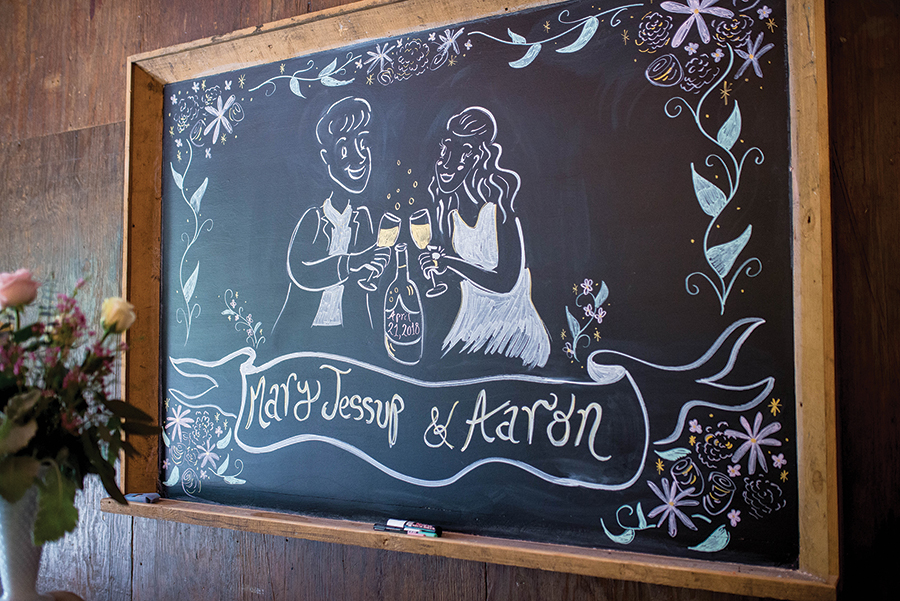
Mary Jessup & Aaron Wilkison

MARY JESSUP & AARON WILKISON

Photographer: Pinehurst Photography

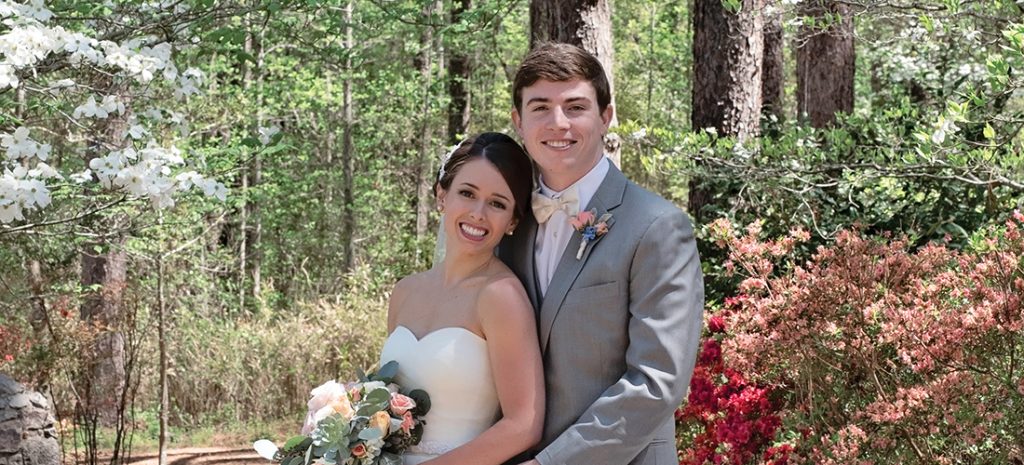
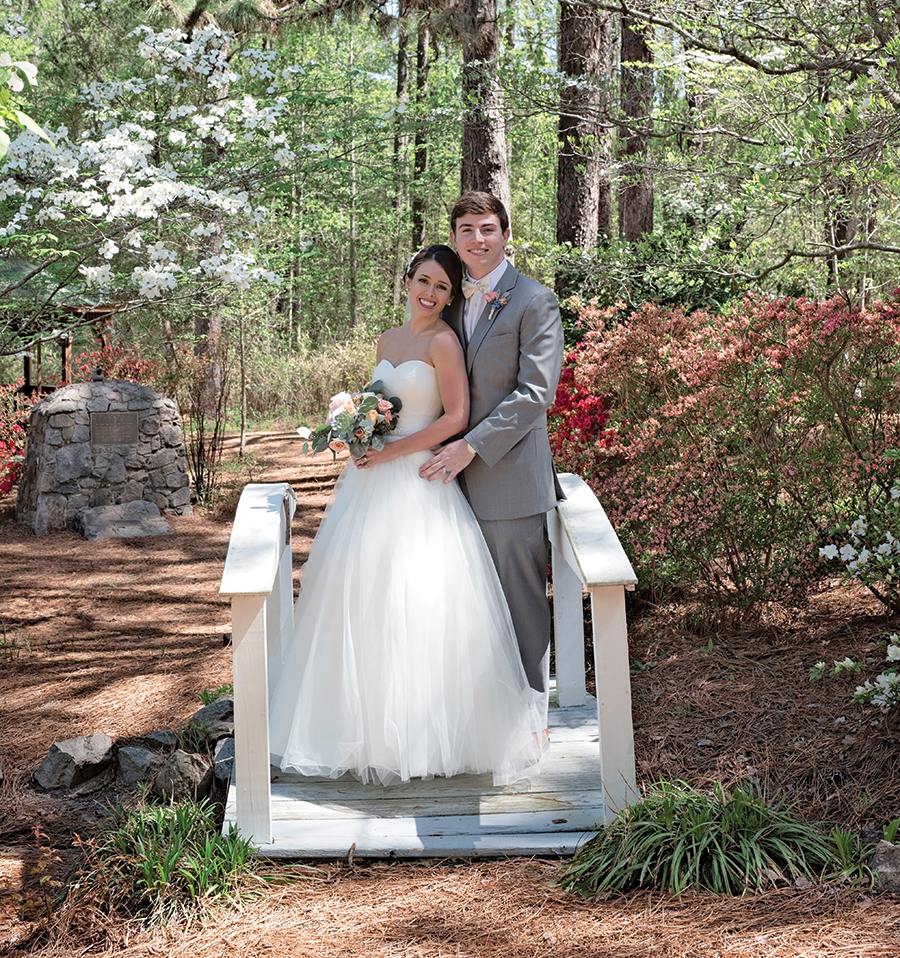
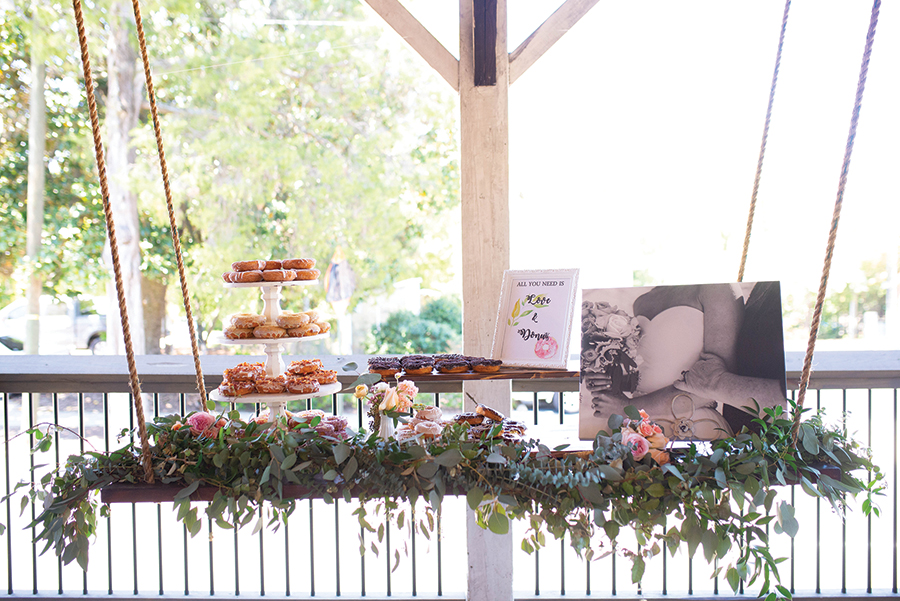
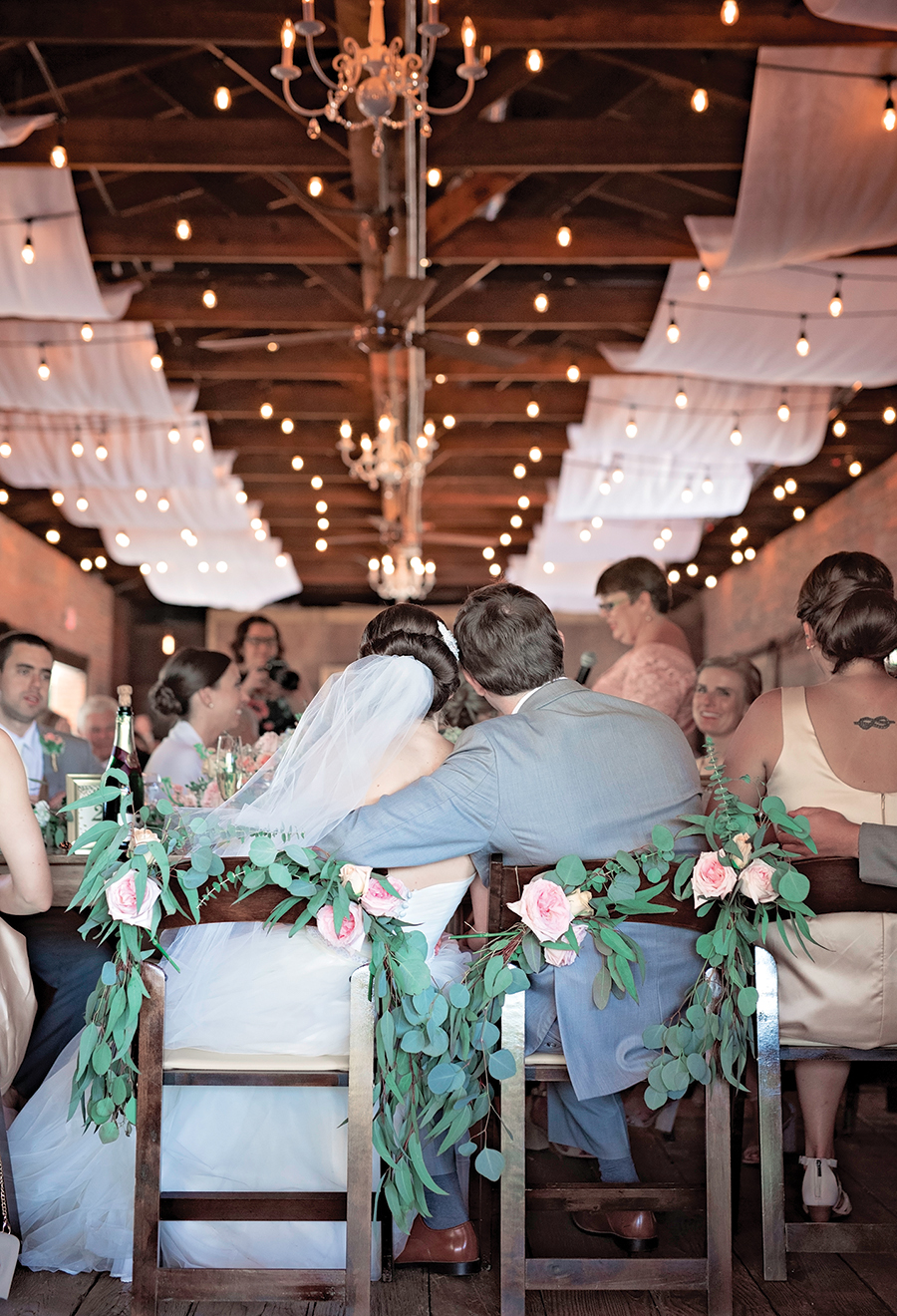
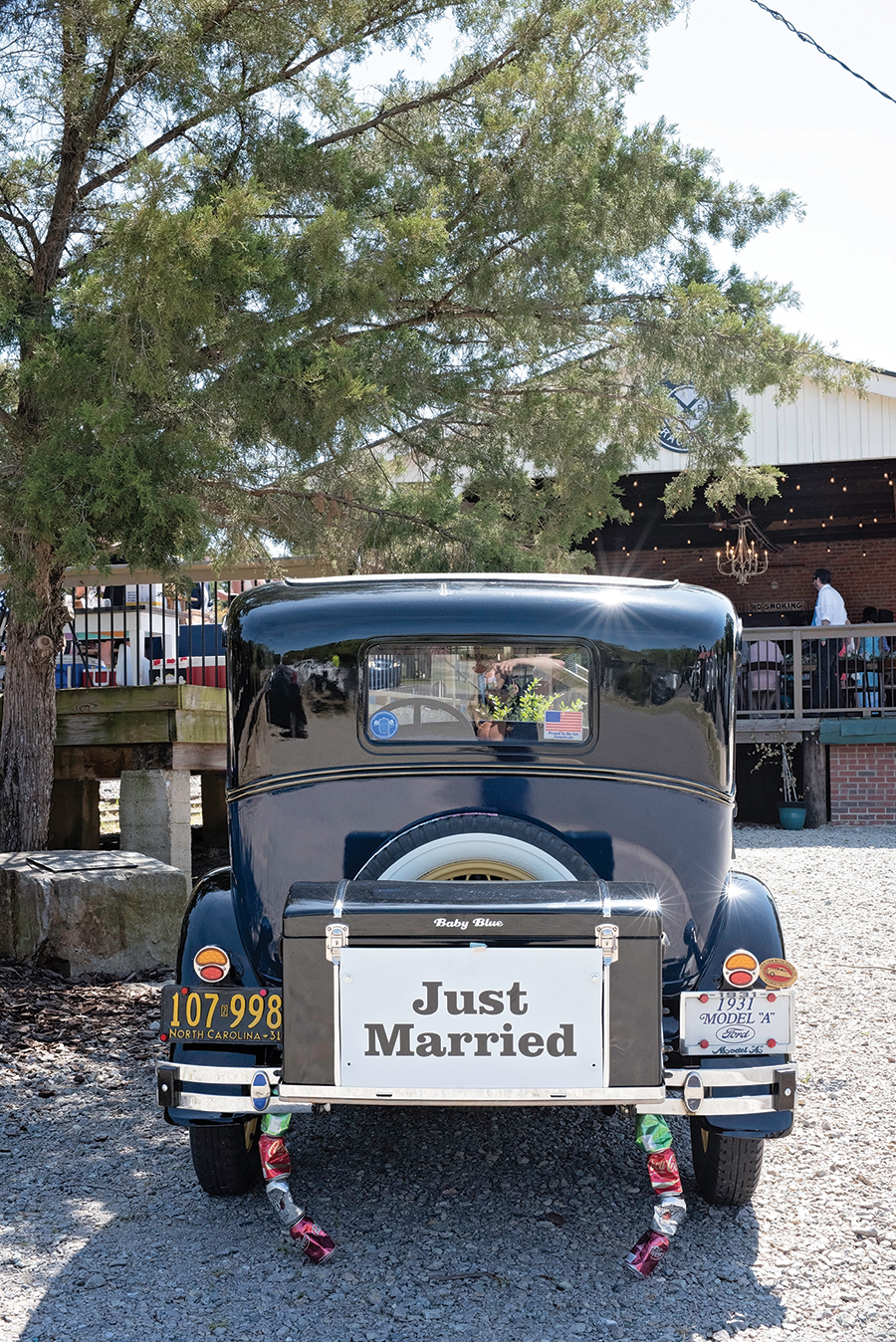
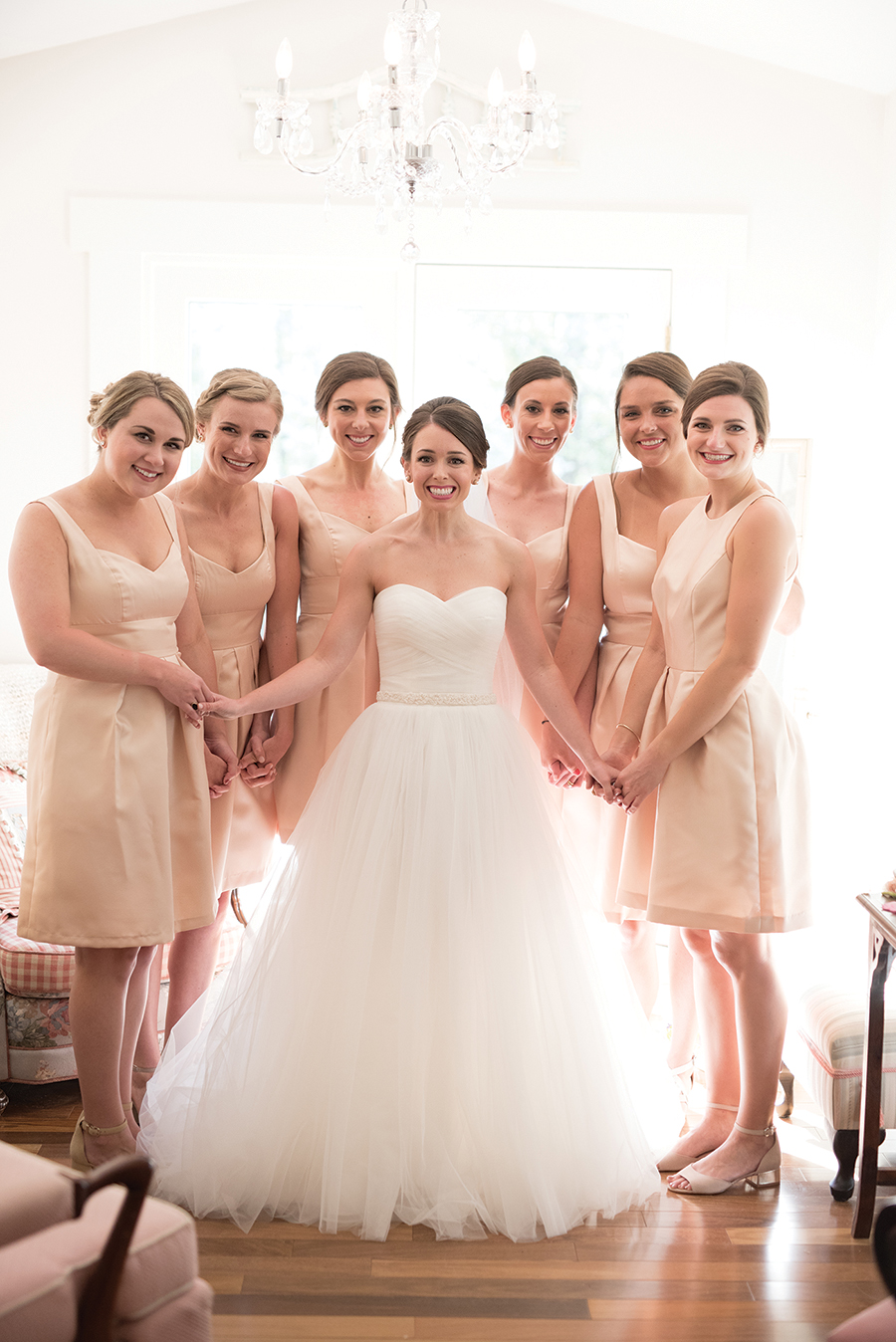
Butterflies beset these Moore County kids each time their rival middle school teams met on the court, and again in the hallways of their shared high school. Somehow, they didn’t start seriously dating until college — but just a few years after graduation, the two were on a train to Washington, D.C., where Aaron had planned a sunrise proposal under the cherry blossoms. During a late morning ceremony at Mary Jessup’s childhood church, Bethesda Presbyterian in Aberdeen, mothers of the bride and groom lit a candle to signify two families uniting. The newlyweds were chauffeured to a reception at 305 Trackside via an antique car, and guests enjoyed a brunch of doughnuts and a biscuit bar. After a stay at the Holly Inn in Pinehurst, the couple jet-setted to a honeymoon in Belize.

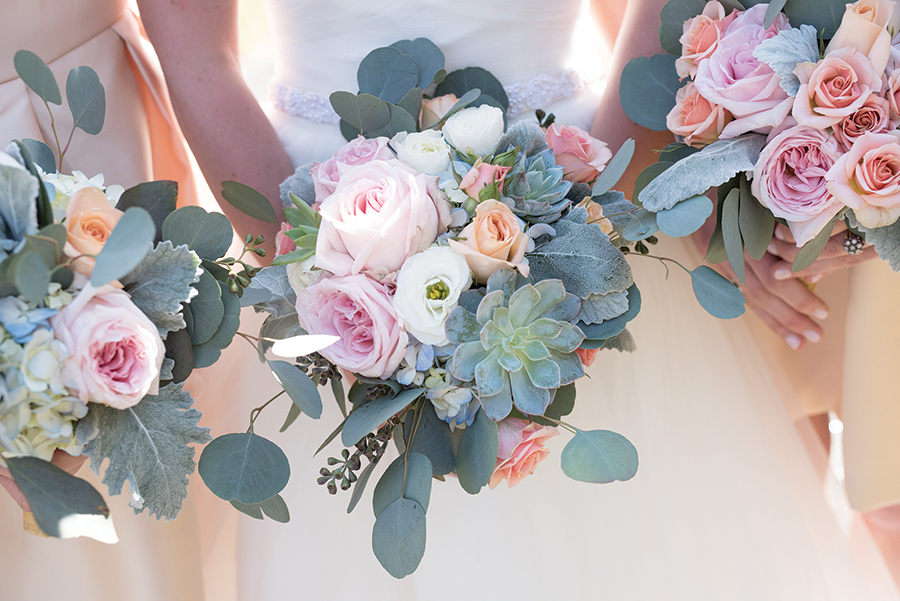
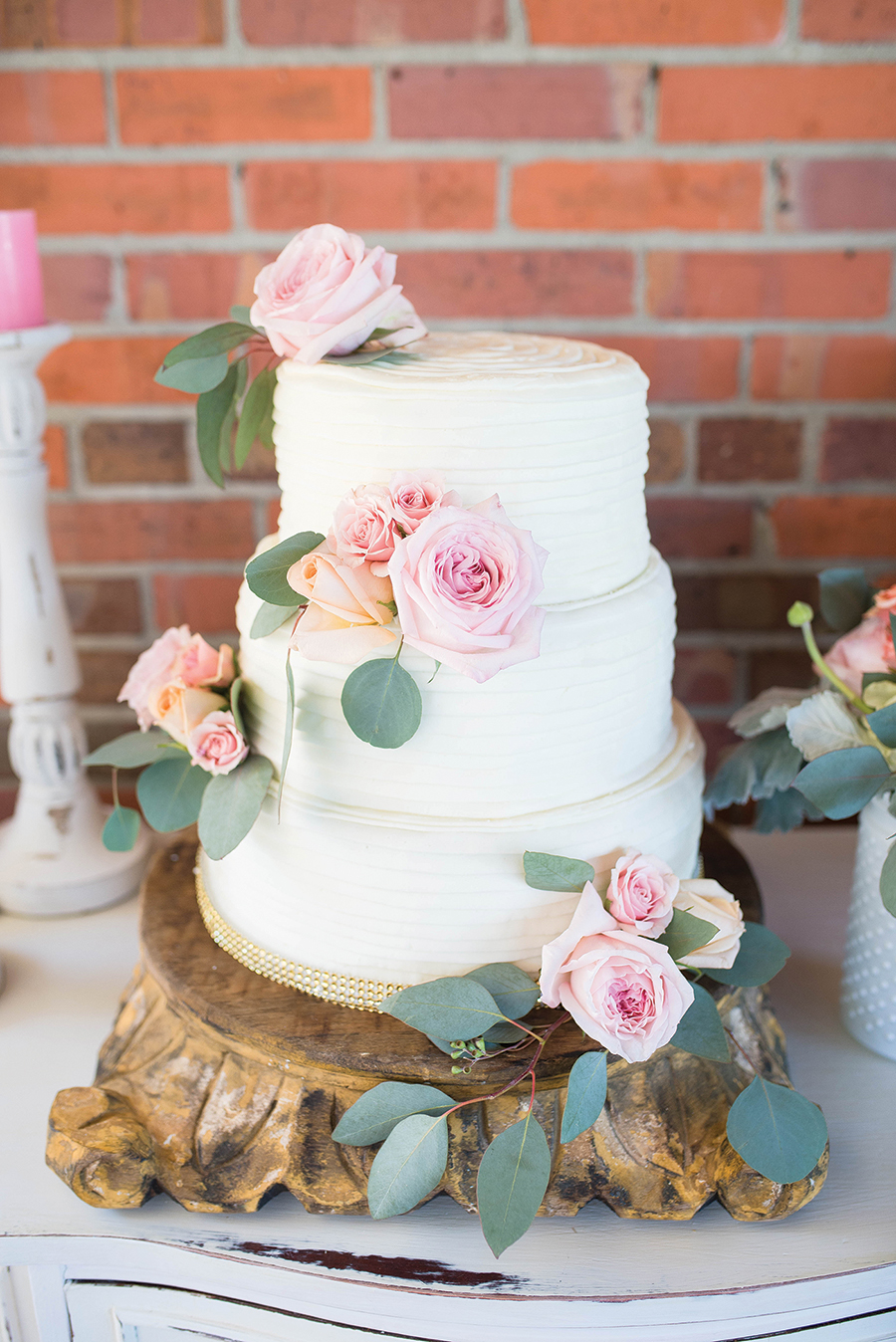
Ceremony: Bethesda Presbyterian Church Reception: 305 Trackside Videographer: Davis Video Productions | Dress: Morilee by Madeline Gardner Shoes: B Makowsky Wedding Attire: NY Bride and Groom Flowers: Botanicals, Carol Dowd Hair: Rosa Lospinuso | Makeup: Karma Beauty Bar | Cake & Catering: Rick’s Catering | Desserts: Duck Donuts | Vintage Car: Happy Ferguson | Entertainment: DJ from Ward Productions


Lindsey & Brady Palmer

LINDSEY & BRADY PALMER

Photographer: Brittany Anderson Photography Wedding Planner: McLean Events

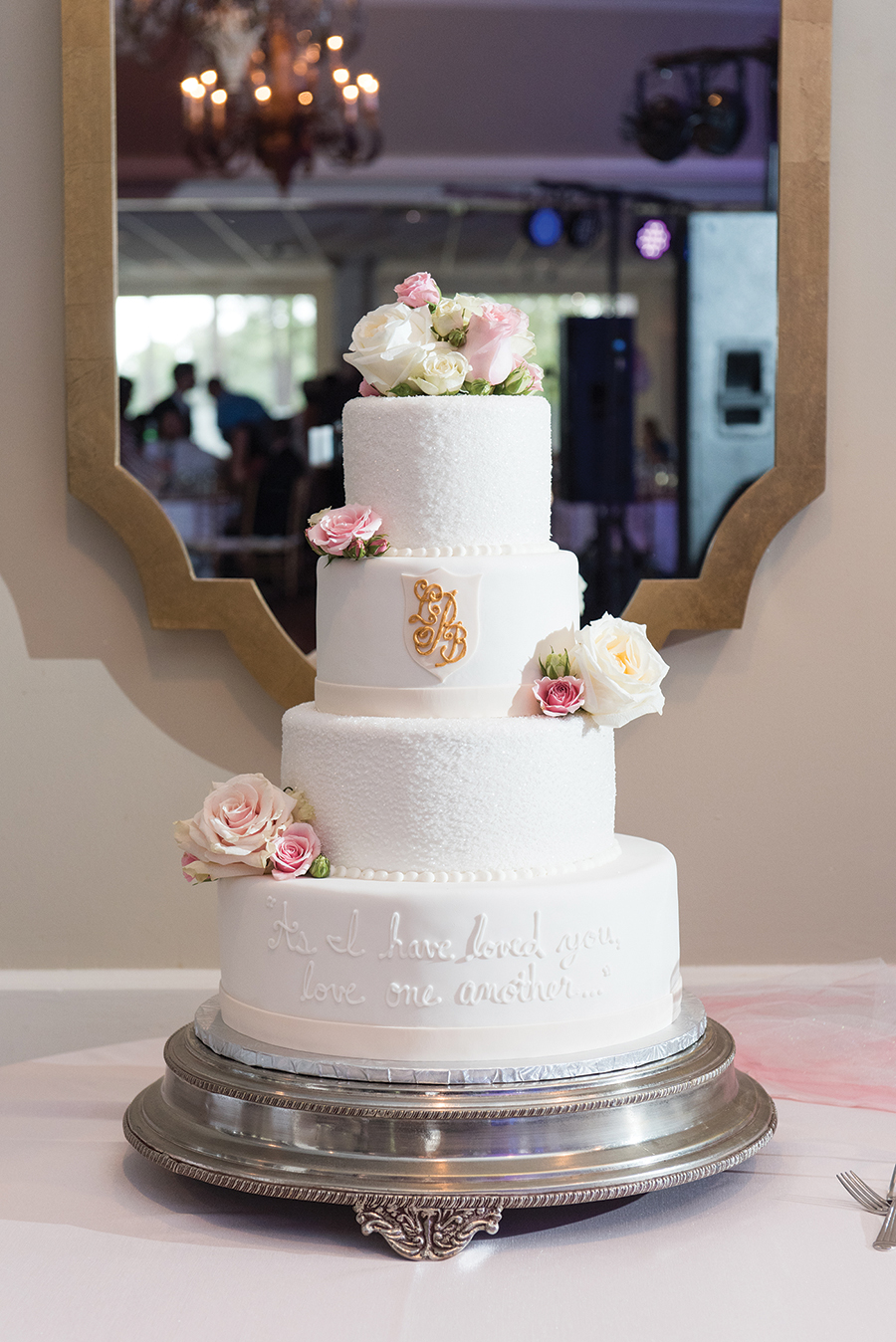
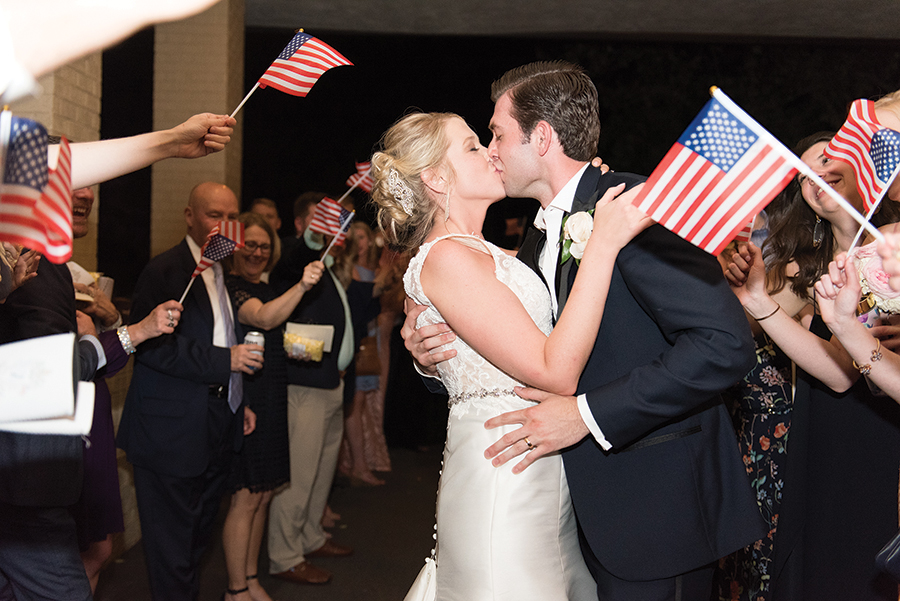
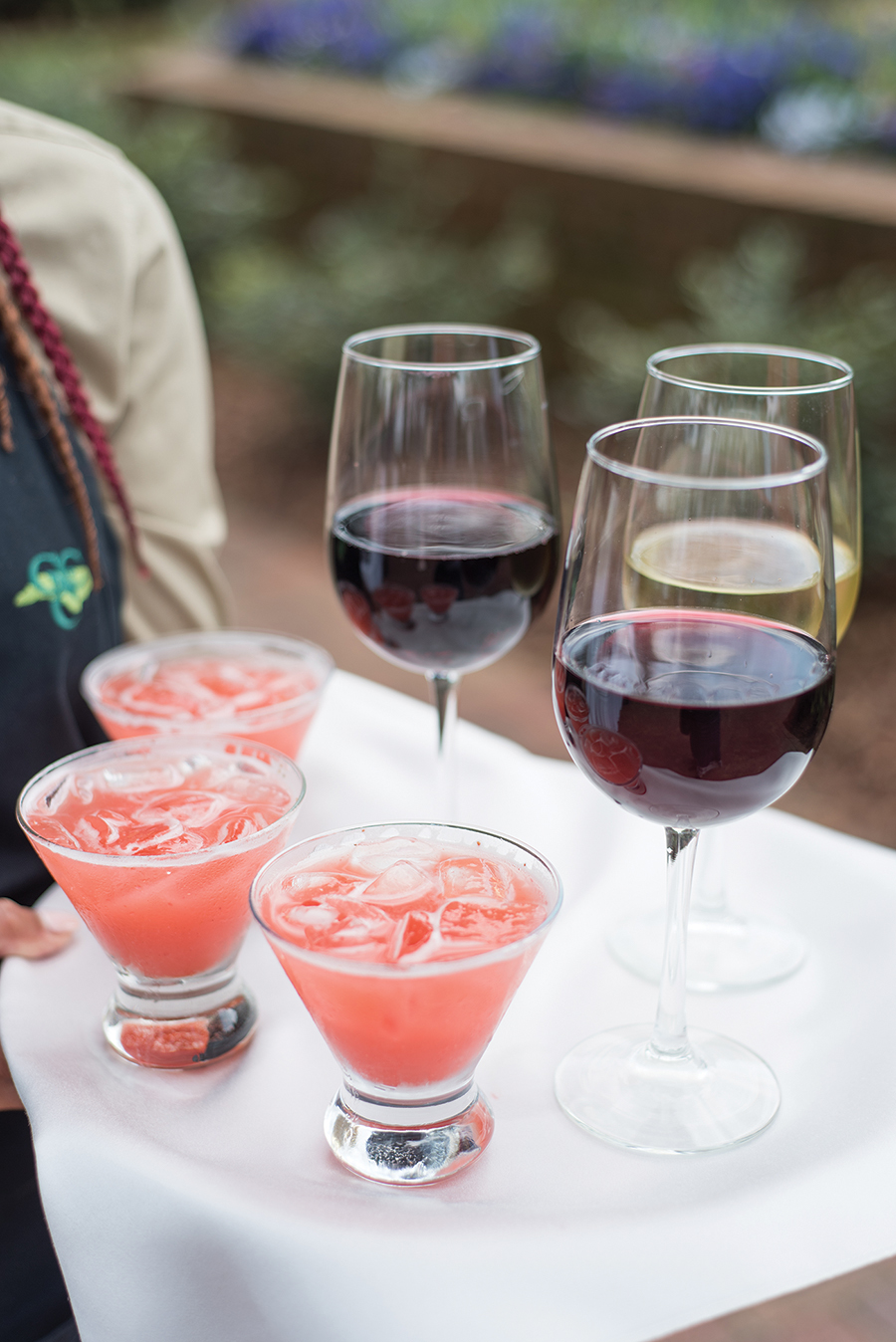
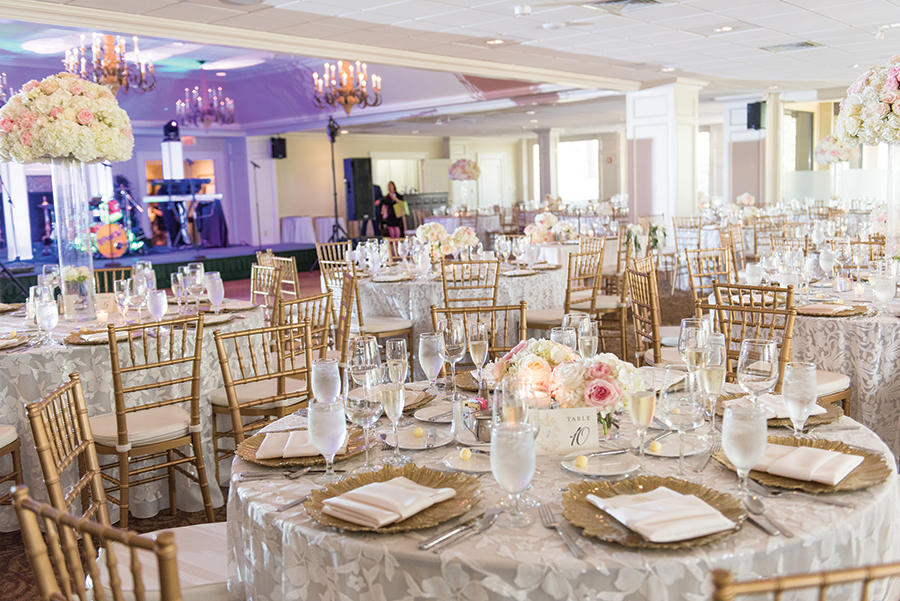
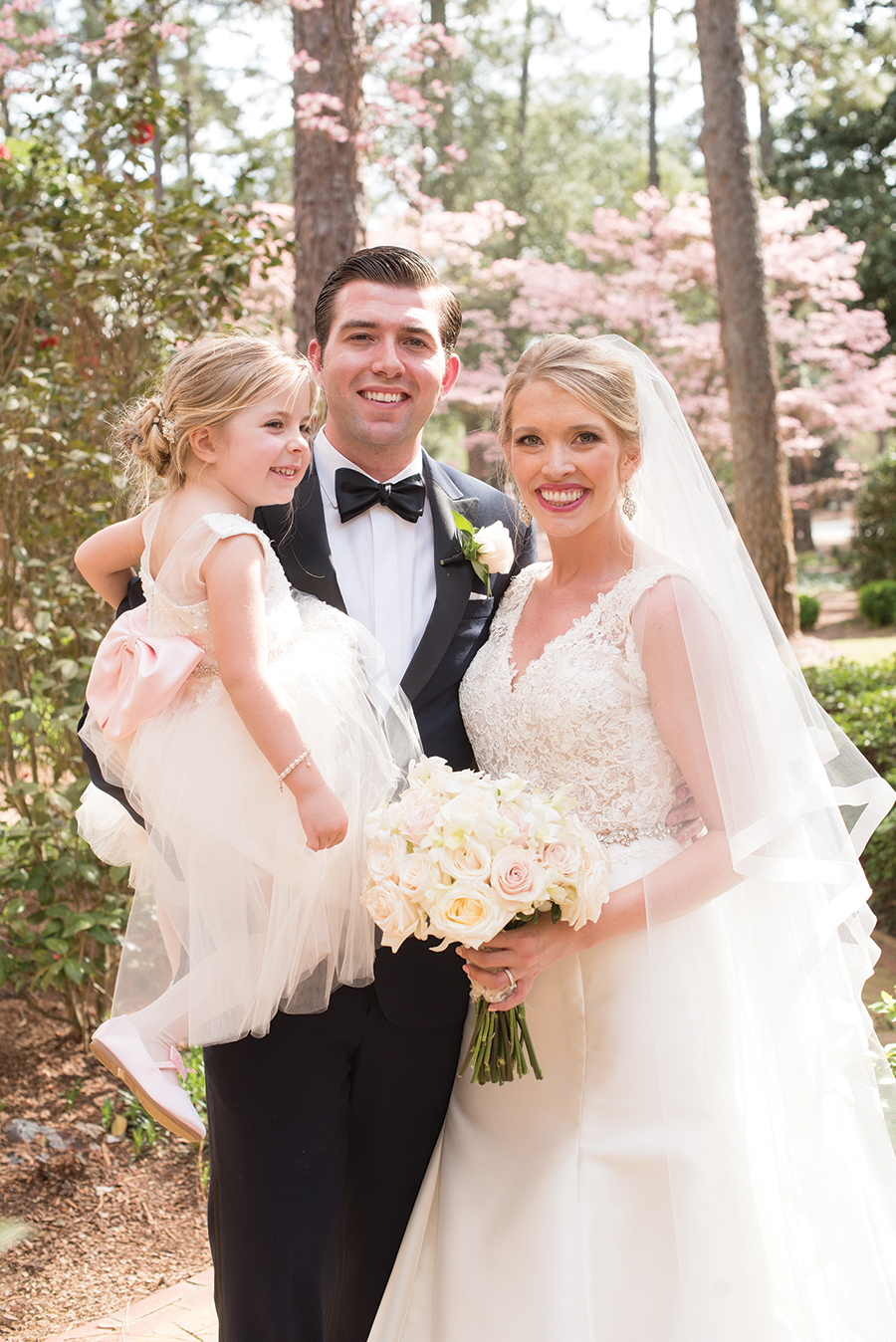
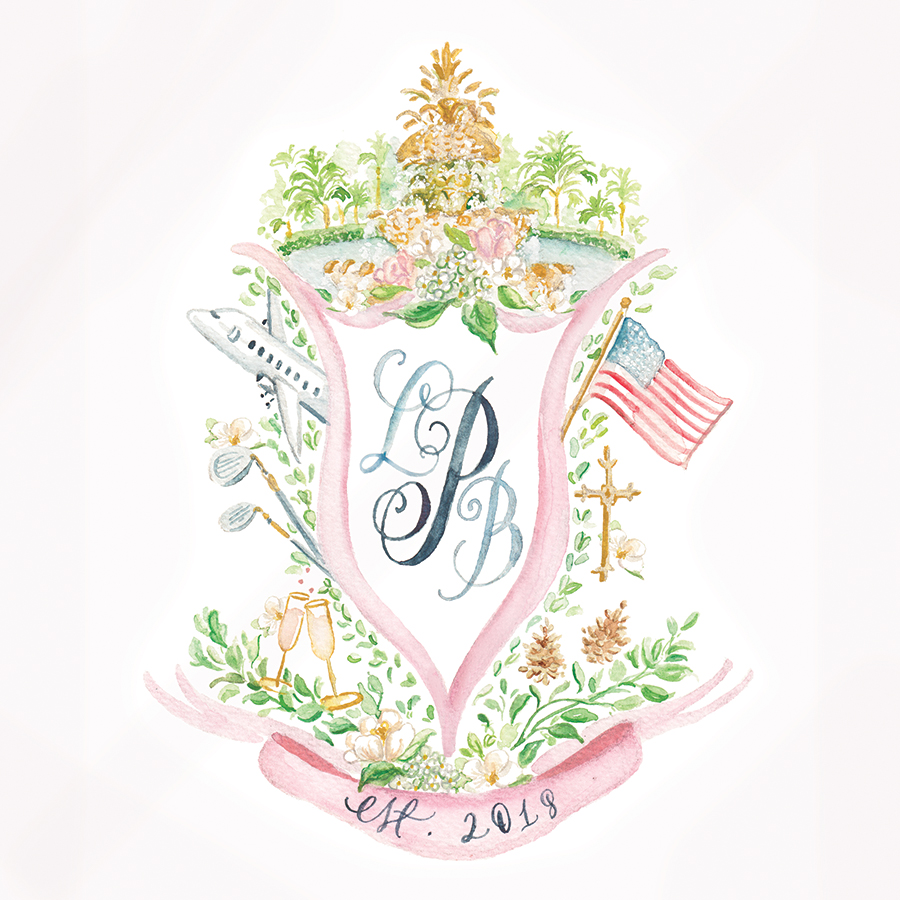
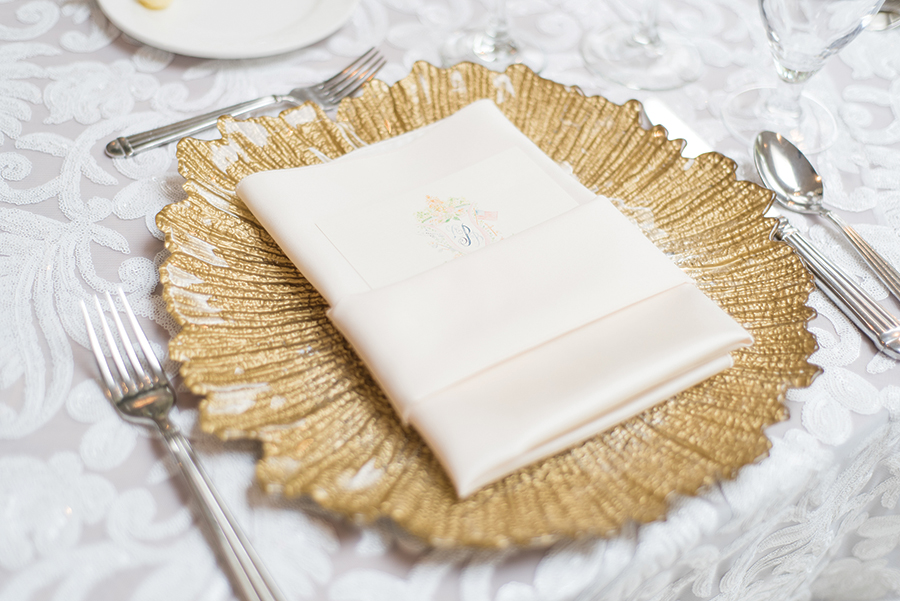
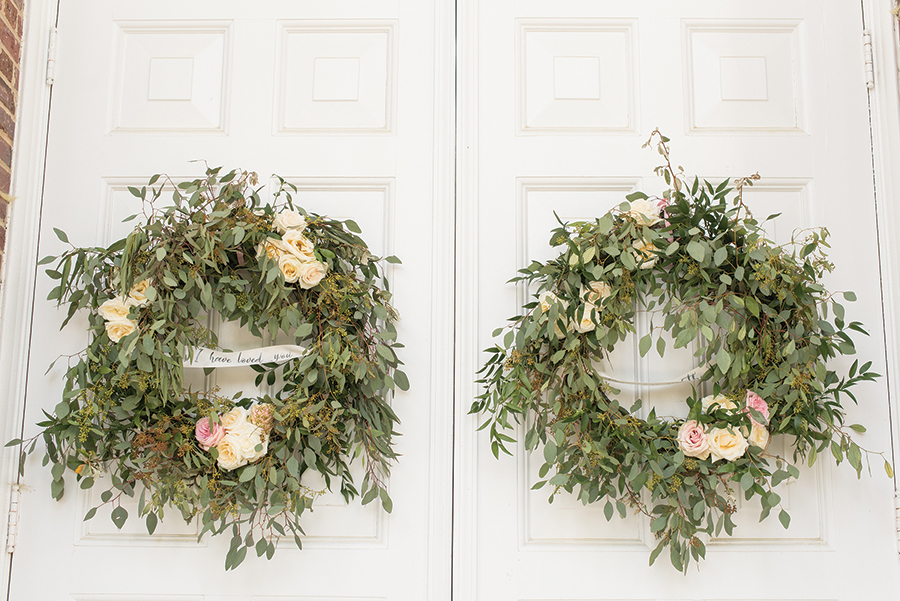
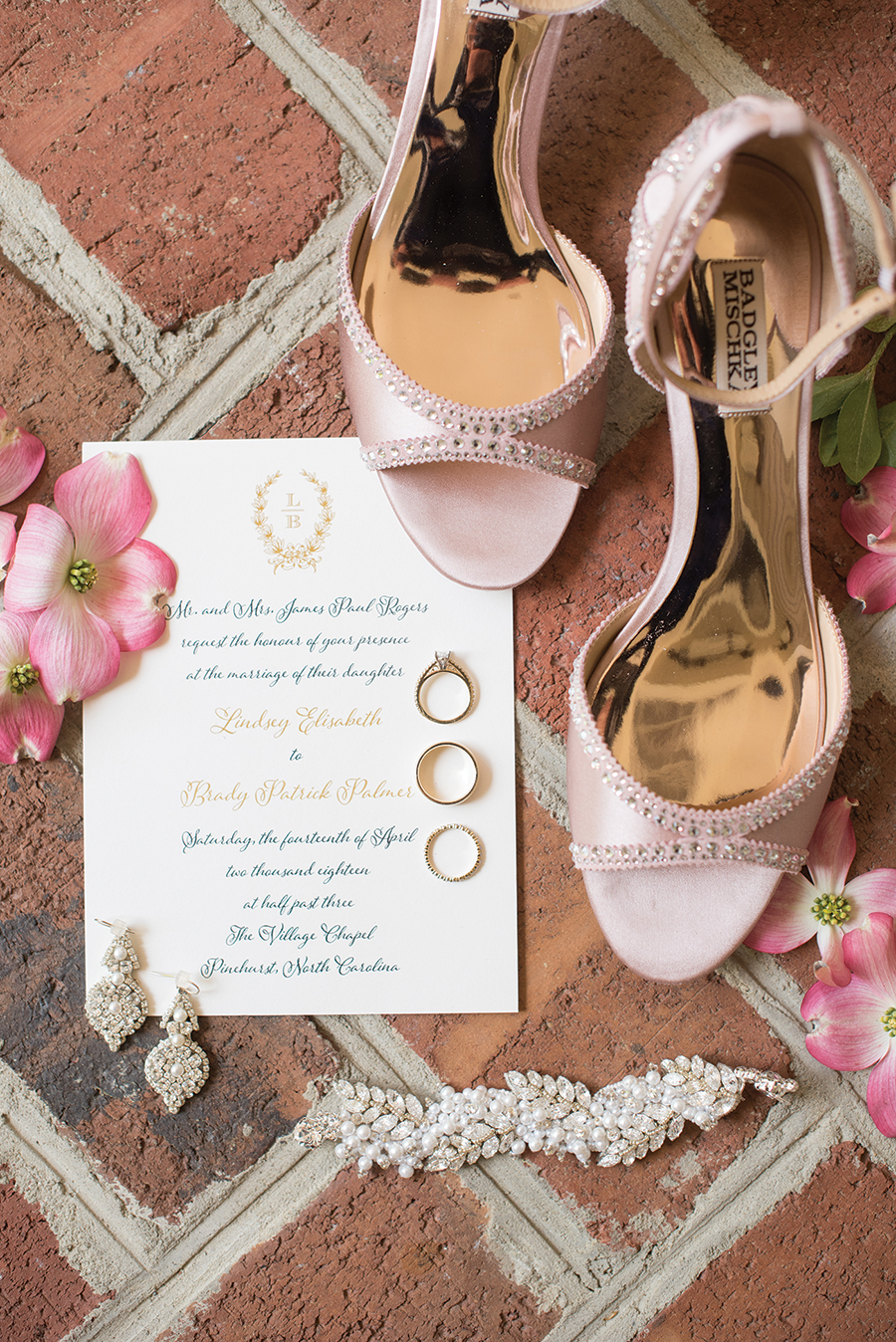
During family vacations in Pinehurst, a young Lindsey would gaze up at The Village Chapel and dream of one day marrying her prince within its walls. Years later, at the Jefferson Inn, friends would introduce her to a young airman who would make his princess’ dreams come true with a waterfront proposal in Charleston, S.C. — complete with a ride in a horse-drawn carriage. The fairy tale continued with a spring ceremony put on with help from Brady’s 5-year-old daughter, McKenna, and a reception at the Country Club of North Carolina, where Lindsey’s parents have been members for more than 30 years. A custom crest, featuring the couple’s favorite things, was on display as guests enjoyed cocktails and a live band. Following a spirited rendition of “Country Roads,” guests waved American flags as the newest members of Pinehurst royalty drove away in a golf cart.

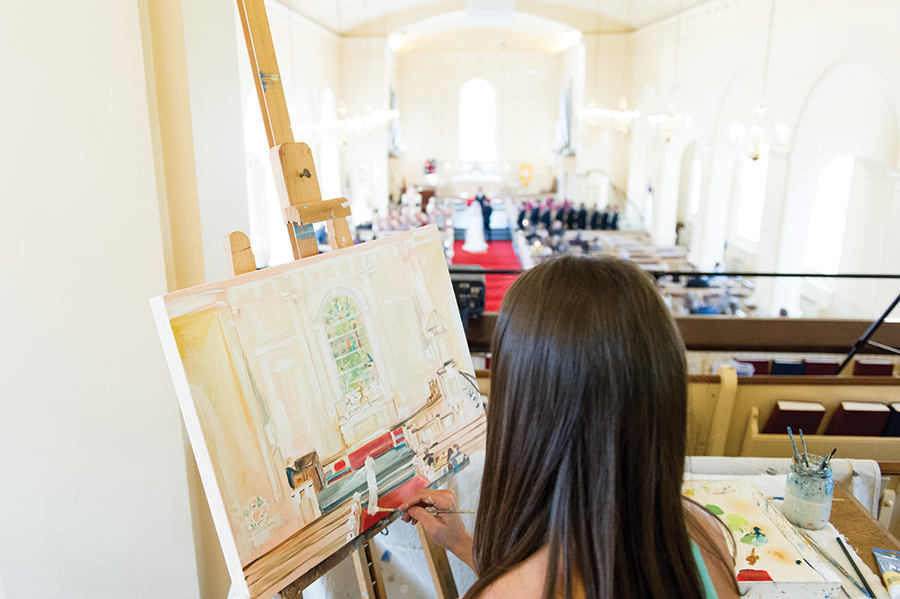
Ceremony: The Village Chapel Reception: The Country Club of North Carolina Videographer: Pictory Productions Dress: Monique Lhuillier Shoes: Badgley Mischka Groomsmen: The Black Tux Flowers: Maggie’s Farm Hair & Makeup: Retro Salon | Cake: The Bakehouse | Wedding Rings: Hawkins & Hawkins Fine Jewelry | Life Painter: Brooke Lupton, Salty Girl Designs | Entertainment: Bounce! | Custom Crest: Simply Jessica Marie LLC