OUT OF THE BLUE
Pet Peeves
There’s always something cringeworthy
By Deborah Salomon
Back in the day when columnists led off with “Back in the day . . . ” or “Webster’s Dictionary defines . . . ” people had “pet peeves,” with peeve defined by Webster as an annoyance or irritation. No explanation on how pet — a warm, fuzzy adjective — got hooked up.
Call them what you will, I’m sure peeves surfaced in the Bible, certainly Shakespeare. By any other name the irritations haven’t gone out of date. Perhaps owning them outright lessens the sting.
Mine include:
Prime-time TV ads for generic versions of remedies that treat sexual dysfunction, both male and female. Ditto “all-body” deodorants hawked on prime time cable. Imagine the questions posed by 8-year-olds.
People who give away puppies in the Walmart parking lot enrage me. Some pups go to good homes, I assume. But for others I fear the worst.
Silly yogurt. Like confetti and birthday cake flavors. The silliest is Oui brand, 5 ounces in a tiny glass cup that, unlike jam and mayo jars, has no reusable lid. My favorite yogurt is lowfat Greek vanilla, with a drizzle of real maple syrup.
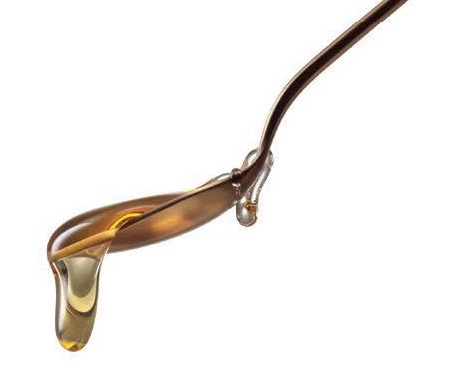
“Pancake” syrup . . . yuck. Living and working in Vermont for 21 years taught me that real maple syrup — still gathered and boiled down the old-fashioned way by winter-idled farmers — is true nectar of the gods, priced accordingly but worth the splurge. Mix with mustard and use sparingly on broiled salmon and roasted chicken, plain on cooked carrots, oatmeal. Dilute with cider vinegar for salad greens. March was syrup month long before it was basketball madness.
Talking to a machine. Bank, power and cable companies leave me foaming at the mouth. I finally cracked the code: Say “representative” over and over until you get one, who is usually polite and helpful from six time zones away.
TV anchor-and-weather women wearing cocktail or mini-dresses and strappy sandals at 7 a.m. Cleavage and knees don’t go with bacon and eggs.
Event ticket prices. Moore County boasts an inordinately large roster of lectures, plays, concerts and other entertainments both low- and highbrow. But with ticket prices starting at about $25, how can a couple have a reasonable dinner out and attend for less than $100? Student prices are some help but the upshot keeps Gen Now shackled to streaming. I spent college summers working in New York City. We starving students spread sleeping bags outside Broadway theaters at midnight, to cop SROs available at dawn for $5. What fun! But not new. At Shakespeare’s Globe Theater, common folk stood in the “pit” just below the stage for a penny. This practice inspired the Bard to include characters and situations familiar to mosh-pitters.
Remember Johnny Depp as Edward Scissorhands? Current version: Cecelia cellphone hand. She walks through life, cellphone Krazy Glued to her palm, as though awaiting a call from the ghost of Elvis.
Too many burger joints. I’ve heard tell there’s a spot on U.S. 15-501 that is equidistant from six, maybe seven burger emporia. Enough already!
Climate change deniers. If they have a better answer to the hurricanes, blizzards, floods, tornadoes, heat and cold waves I haven’t heard it. Abandon Mother Earth? For Mars?
Southerners running around on the coldest day sans coats. “I’ll only be out for a minute,” they protest. Get a grip — and a puffy jacket or double-breasted tweed. The trick to staying warm is to not get cold in the first place.
Supermarkets that don’t offer rain checks. “Loss leaders” aim to get shoppers through the door. But unless rain checks are offered for specials not in stock I feel cheated.
Politicians who spit out rambling non-answers to pointed questions. “Yes” and “no” aren’t in their vocabularies. I say, throw ’em into the mosh pit!