
DISSECTING A COCKTAIL

I Quit Girls
Story and Photograph by Tony Cross
When I look back a decade ago to the beginning of 2015, there were two notable events that happened in my life: a major break-up, and a newfound love of rum. As it turned out, the former was also the motivation for a drink I created using the latter, aptly titled, “I Quit Girls.” I wanted to make a tiki-style drink all my own, something I hadn’t heard of or tasted.
Thinking back, that probably wasn’t too hard — the myriad social media bar-fluencers had yet to kidnap my algorithms. There’s only one ingredient that stands out from the rest in my concoction: 1/4 ounce of smoky Laphroaig 10-year Scotch. It was my eureka moment. A little smoke mixed with lots of sweet, delicious tiki flavors turned out to be a killer scene. At the time, I was just learning about classic rum drinks, so I was excited to add Donn’s Mix #1 into the, well, mix. Named for the man who created it, Donn Beach, this syrup is used for many tiki drinks, including the classic zombie.
As for the name of my drink, I happened to be listening — on repeat — to a Japandroids song of the same title the week I created it. Go figure.
Specifications
1 ounce Goslings Black Seal Rum
1/2 ounce Smith & Cross
Jamaican Rum
1/4 ounce Laphroaig 10-year Scotch Whisky
3/4 ounce Donn’s Mix #1 *
1/2 ounce fresh pineapple juice
1/2 ounce fresh lime juice
1/2 ounce simple syrup
5 drops Bittermens Elemakule
Tiki bitters
Execution
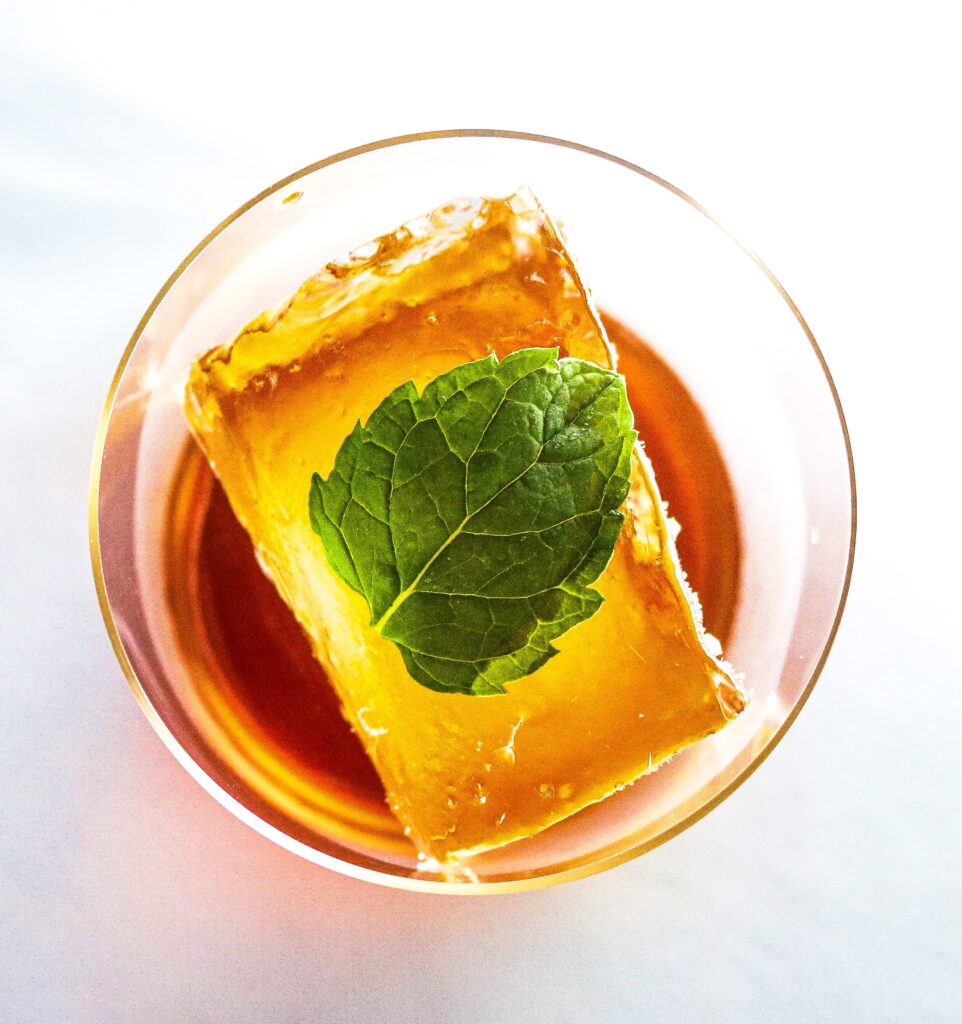
Combine all ingredients into a cocktail shaker and add a very small amount of crushed or pebbled ice. Shake hard, allowing the ice to almost completely dissolve in the vessel. Pour everything into a tiki mug or large old-fashioned glass. Fill the remainder of glass with ice. Garnish with a small bunch of mint.
*Donn’s Mix #1: Take 3 cinnamon sticks and blend with one cup of simple syrup (equal parts sugar and water). Let sit until syrup cools. Strain syrup. Mix one part of cinnamon syrup with 2 parts fresh grapefruit juice (not store-bought). Place in a sealed container and refrigerate. Keeps for two weeks.