THE NATURE OF IT ALL

The Nature of it All
The soothing embrace of the Healing Gardens
By Claudia Watson
It’s a slight squeak of the wooden gate that welcomes me to the garden, but once I step inside, the sounds shift. There’s a gentle breeze rustling the leaves, creating a soft whisper. The garden’s colors and textures blend with its aromatic smells and birdsong. It’s a soothing symphony, all mine for a few sacred minutes at dawn.
Nature has always been an escape for me, keeping me centered even in the most challenging of times. When I was young, I filled the hours in a woodland and creek, teasing polliwogs, rock-hopping and chasing the delicate butterflies flitting among the wildflowers. Then, I’d seek my secret sanctuary, an ancient white birch tree, snuggle into its curved hollow and listen as the wind in its branches whispered.
Immersive experiences, such as those youthful pursuits, connect us to nature’s wonders. We are hard-wired to find them engrossing, soothing and a powerful tool for healing. Gardens are particularly well-suited to tap into those connections in health care settings where life-challenging and life-threatening events are amplified.
Healing gardens engage the senses and foster those connections. They are designed with a passive involvement approach that allows visitors to be present and absorb the elements of nature, without structured activities and programs.
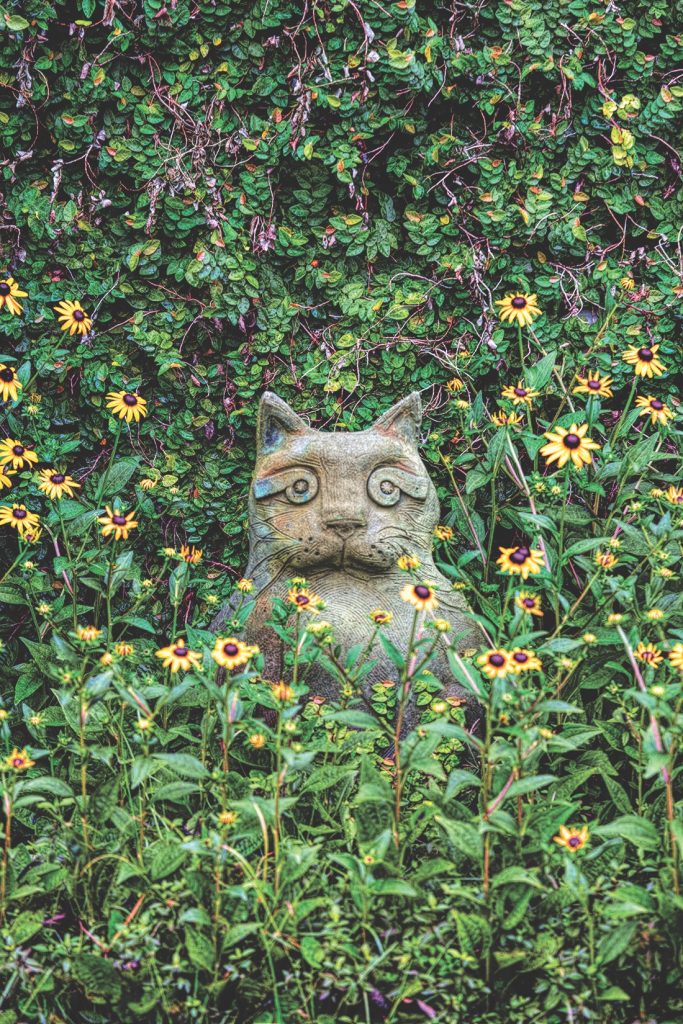
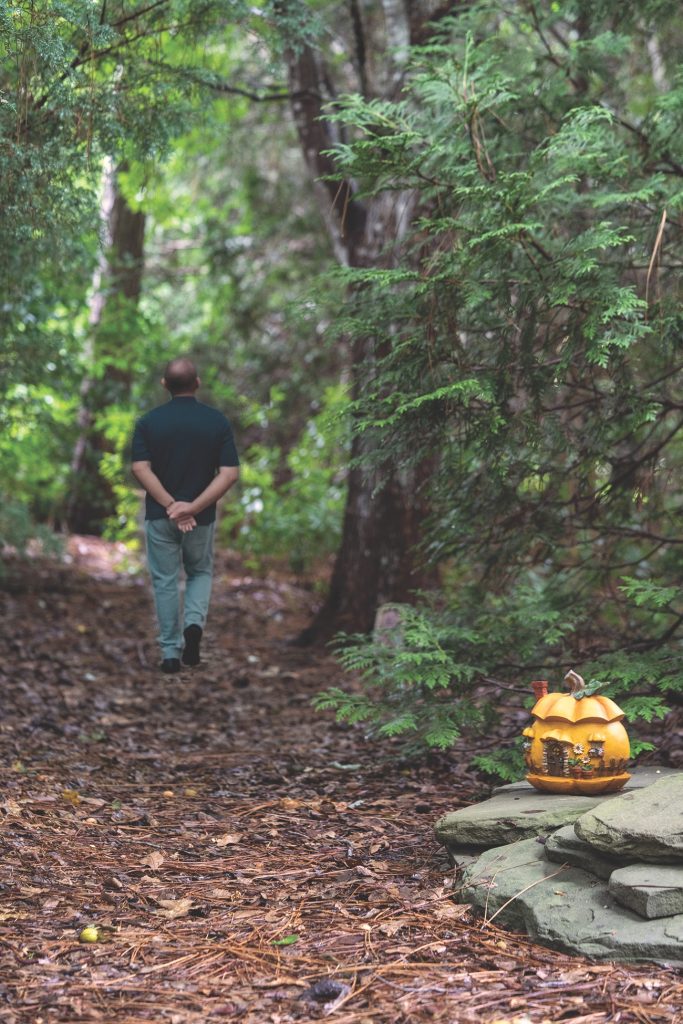
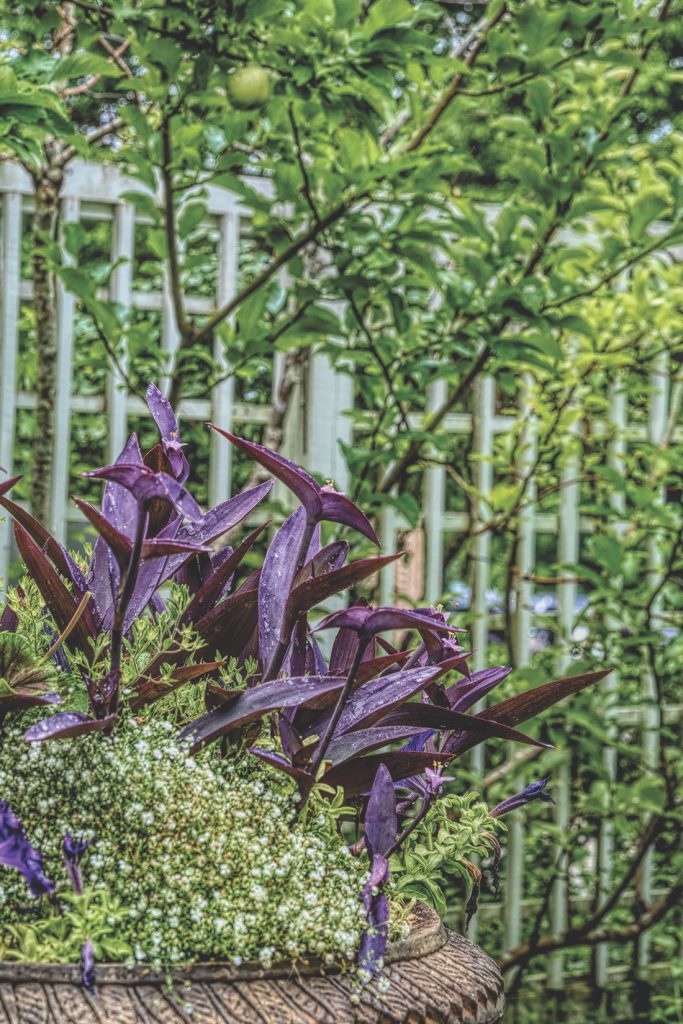
It was the long and exhausting experience of caring for their loved ones in the hospital that motivated Dr. Lynda Acker and Cassie Willis to approach the Foundation of FirstHealth with a vision to construct a healing garden on the regional hospital system’s Pinehurst campus. Acker and Willis were longtime gardeners, and it was their vision and design, supported by the community’s love for the concept and philanthropic spirit, that brought the Healing Garden oasis to life in 2012.
Located behind the Clara McLean House, the public garden is meticulously designed, expansive and mature. On any given day, it might host a patient undergoing treatment at the hospital, a medical provider taking a break, or a garden club enjoying the season’s blooms. Its beauty and tranquility instill a sense of calm and peace.
Upon entering the Healing Garden through its rose-laden moongate, a visitor is immediately greeted by the sound of birdsong. This auditory experience, combined with the garden’s visual beauty, creates a tone that sets the stage for a peaceful and engaging journey. The meandering, curved stone paths encourage exploration and curiosity about what lies around the next turn.
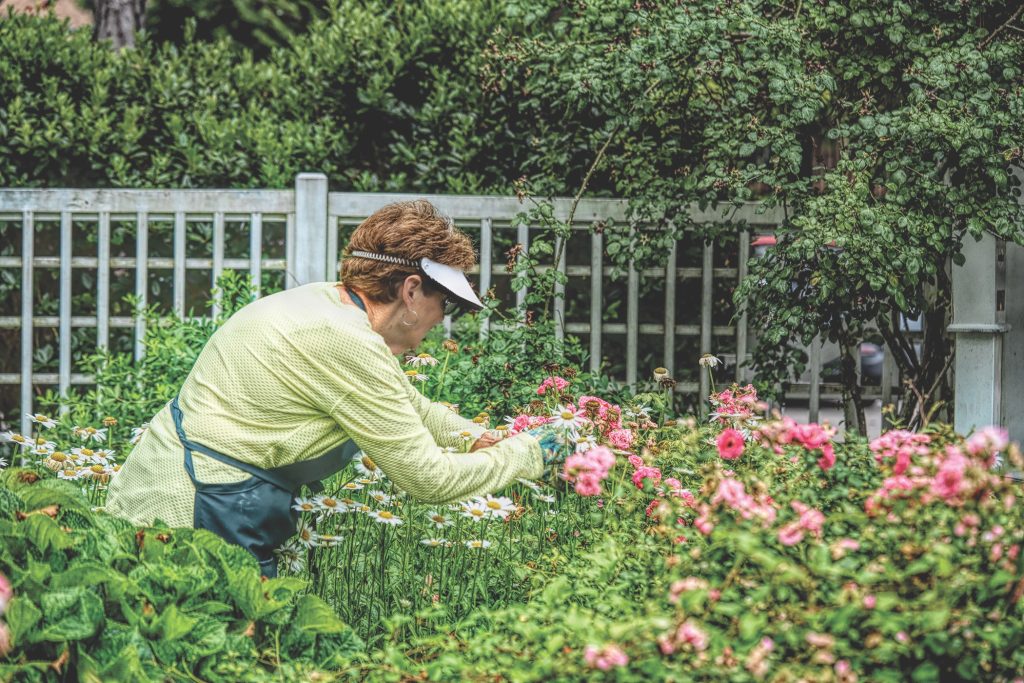

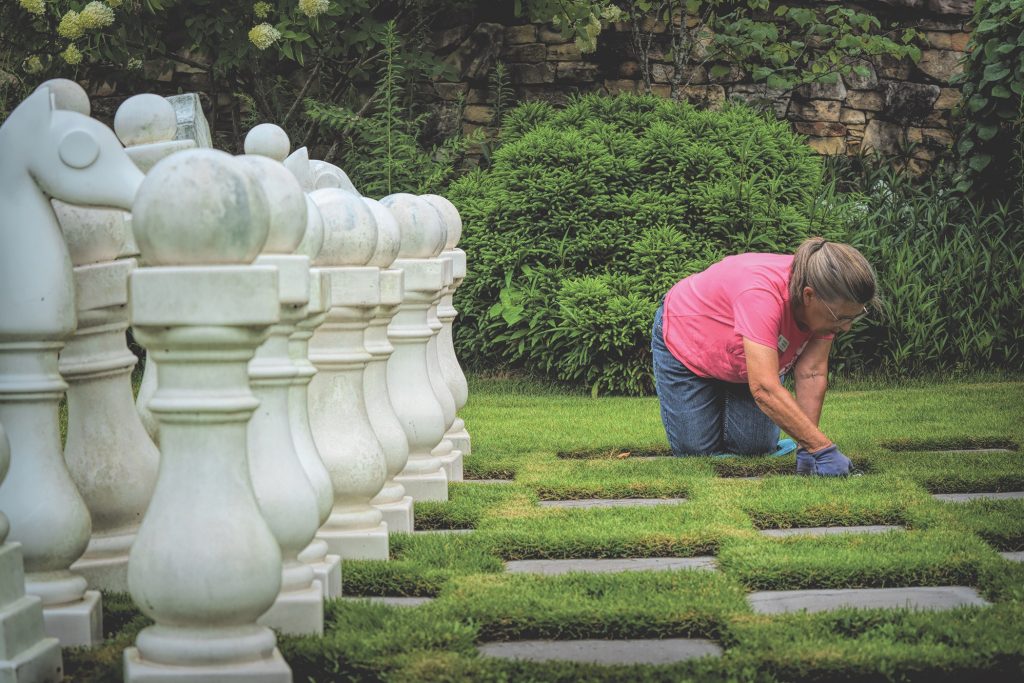
Small seating areas, including an intimate Lutyens bench in the Cottage Garden surrounded by mophead hydrangeas and roses, invite visitors to linger. The replica of a 15th century English stone dovecote serves as the visual and functional centerpiece of the garden.
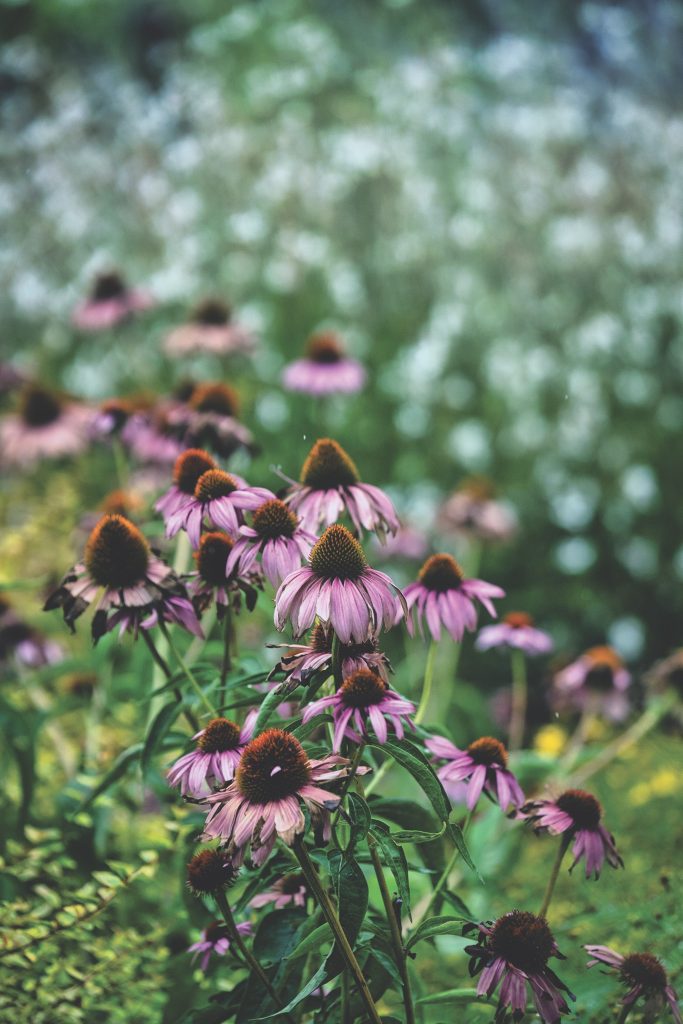
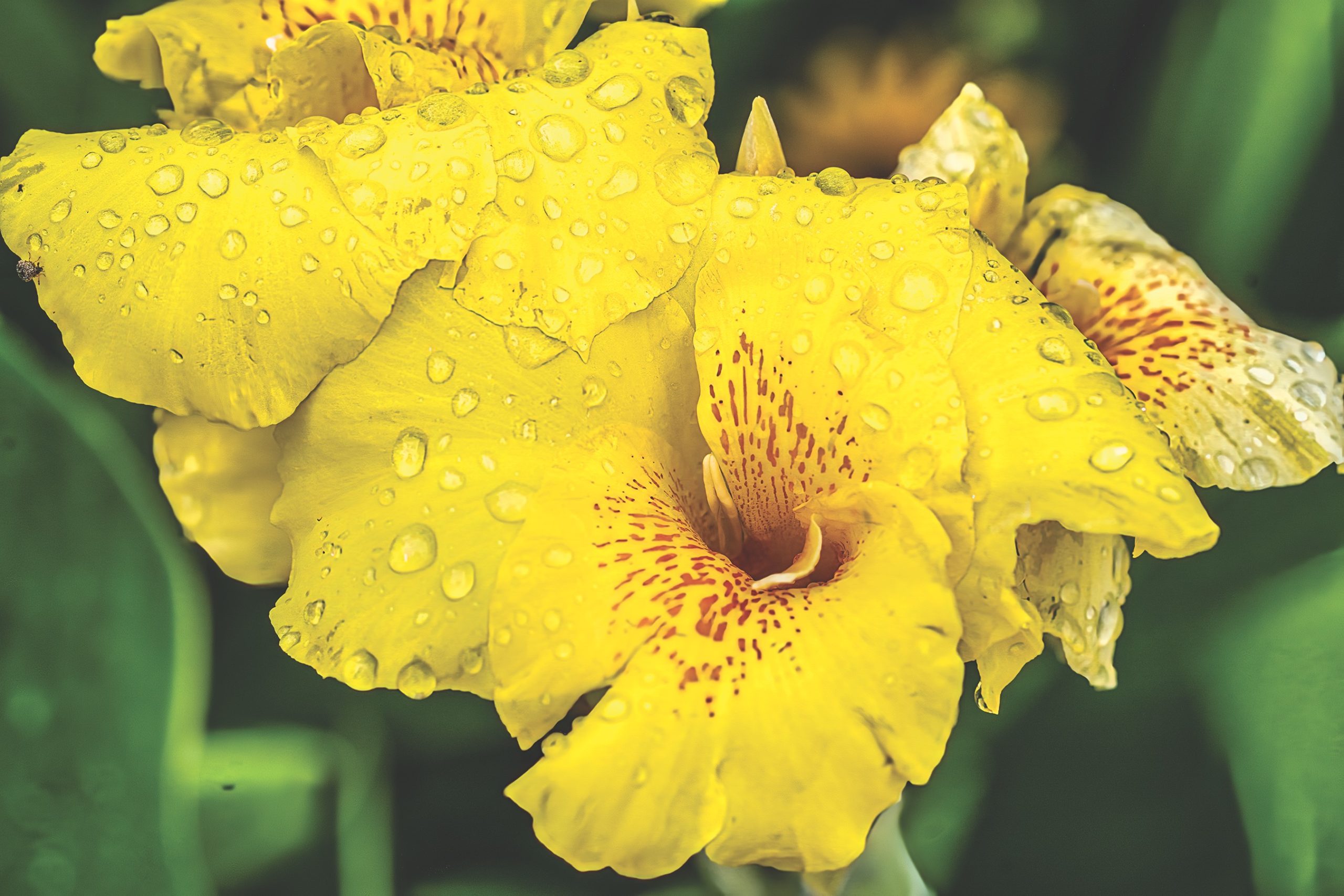
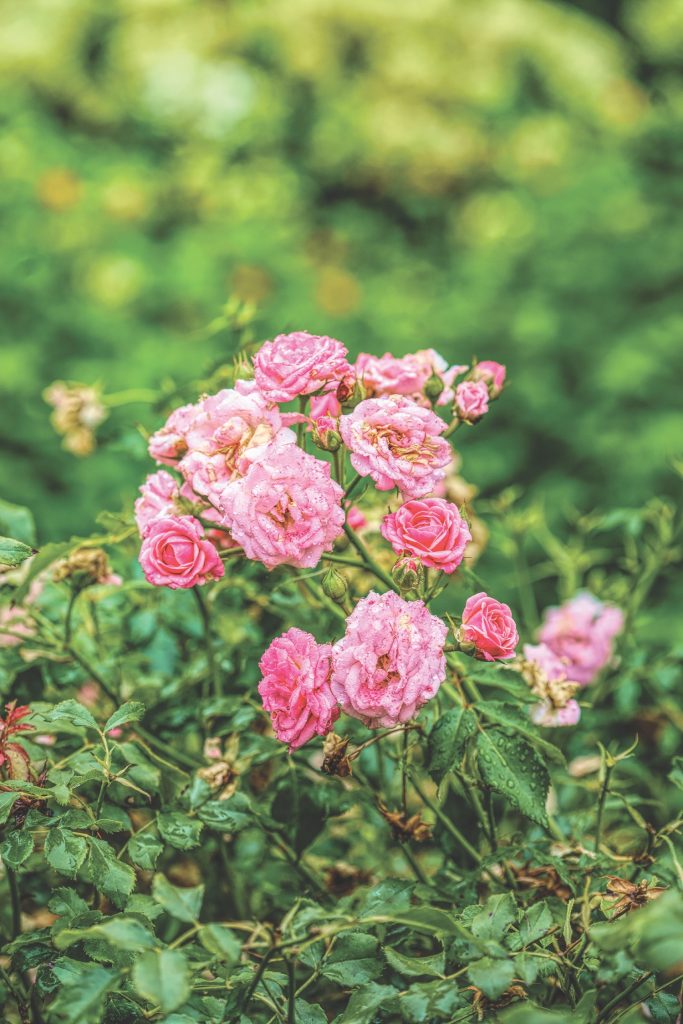
The bounty of unusual trees, including a mature loquat, towering snowball viburnum, Chinese elms and vitex, adds a sense of curiosity. Beds of showy Japanese anemones and Mexican petunias add bursts of color. At the same time, sensory stimulation is offered by new dawn climbing roses, daisies, native salvias, herbs and a grey owl juniper that smells like a Christmas tree.
Many plants possess unique features that make them a natural conversation starter. One morning, as I was guiding our weekly volunteer work session, I was approached by a visitor intent on learning more about the plant he held in his hand.
“Can you please tell me the name of this?” asked 76-year-old Harlan Devore, holding out a weed.
“Chickweed,” I said.
“The Latin name, please?” he asked.
Embarrassed, I replied, “I don’t know.”
It was the beginning of our friendship, made in the garden. Devore, a retired military officer and science teacher for 20 years, was a patient undergoing treatment for cancer and staying at the Clara McLean House.
“I grew up loving plants because my mom did and she always used a plant’s Latin name, so that’s how I know plants, not by the common name,” he told me. Using a lot of show-and-tell, we discussed weeds in two languages. He met many of the garden’s volunteers and then asked if he could pull the weeds when he had spare time.
“Sure, if you’re OK with the work. It would be greatly appreciated,” I said, and showed him where we stored our tools and the debris bins.


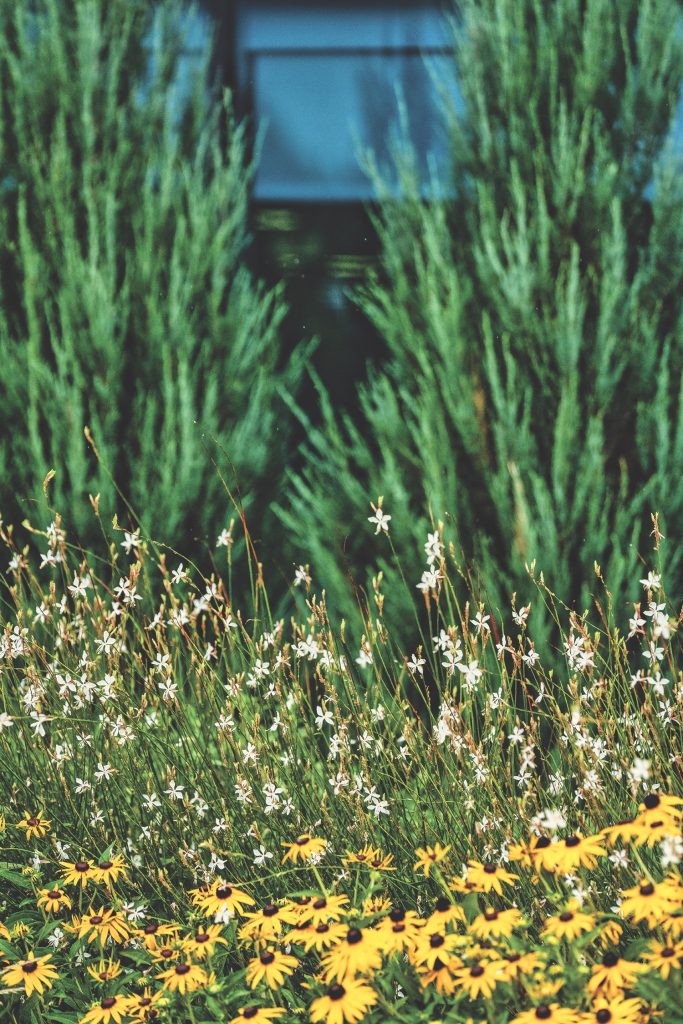
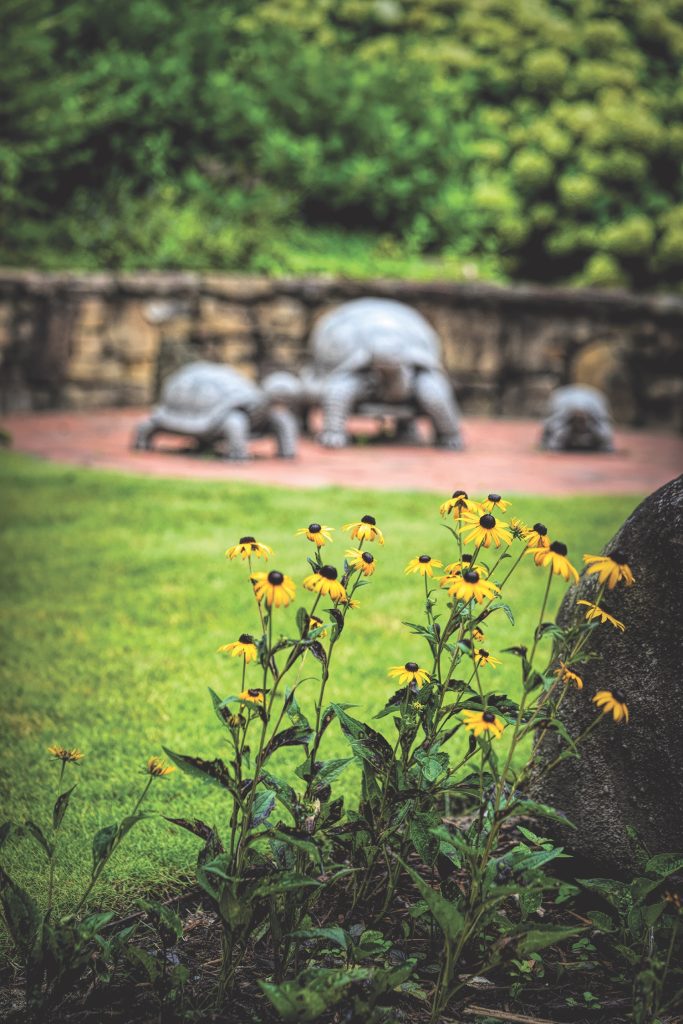
When I returned a couple of days later, I found three 32-gallon bins full of weeds. Later that week, Devore asked if he could join the garden volunteers every week. He believes that active physical involvement with the garden enhanced his healing while instilling a sense of usefulness and accomplishment — and he made new friends who share his love for it. Today, he’s in remission, spending time with his family, volunteering for numerous organizations, kayaking on a local lake and, of course, pulling weeds at home.
“You reflect on your life, but sitting by the garden’s waterfall reading and listening to the birds took my mind off my worries,” he says of the garden. “I felt absorbed into nature, and that helped me relax.”
Gardens and natural spaces enrich both the body and the soul. When you view nature, you become embraced by its tranquility and beauty. It’s a welcome distraction, especially if you’re grieving. The gardens on the FirstHealth Hospice and Palliative Care campus opened in 2015 and were conceptualized with nature in mind, recalls Acker, who, with Sally DeWinkeleer, designed the peaceful space. With its carpets of densely planted, vibrant flowers and plants, the gardens provide patients, families and caregivers a place for rest, reflection and engagement with nature.
“We considered the individual needs of those who will benefit from this space,” explains Acker. “They need relief from the stressful conditions and long hours in Hospice House. The gardens and the outdoor sitting and walking areas provide respite at any time of the day or night.”
In addition to the beautiful flowers and serene atmosphere, the gardens feature a single-path labyrinth shaded by white Natchez crape myrtles. The labyrinth serves as a therapeutic tool, encourages mindfulness, and is designed to help individuals navigate the complex emotions associated with grief and loss.
“It’s a meditative experience, a reflection of your journey,” says DeWinkeleer, who lost her mother before working on the project. “It was a powerful and safe way to help me process my grief.”
A small pond was placed at a corner across from the Hospice House, where its mesmerizing movement and gentle sound offer a calming space to passersby.
One of the most poignant scenes at the gardens happens in early spring, when the grounds present a breathtaking display of thousands of cheerful daffodils. As the sun crests the horizon at dawn, its golden light illuminates the fields of daffodils, symbolizing hope, rebirth and new beginnings.
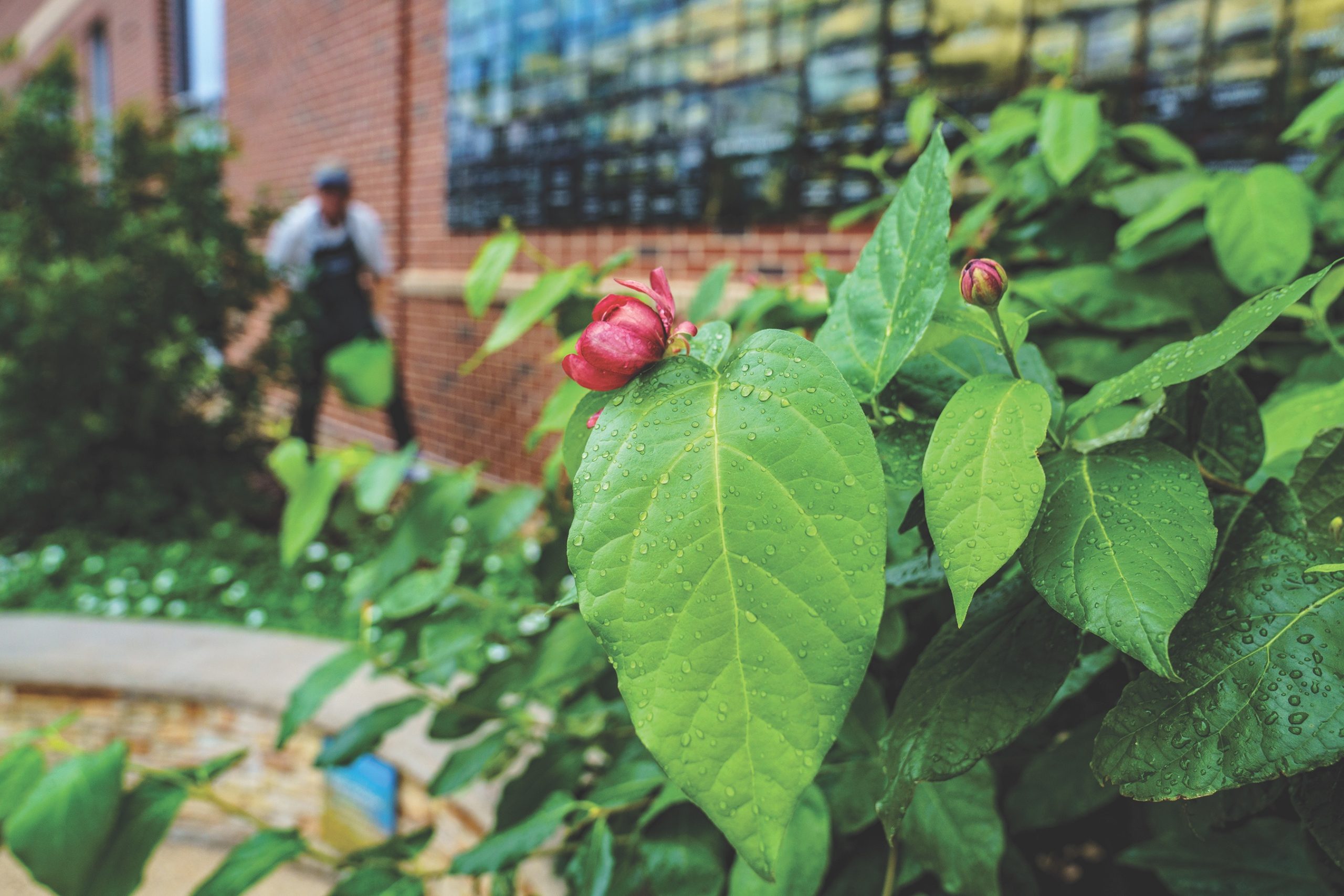
The healing gardens at FirstHealth of the Carolinas, including two of its newest at the Cancer Center, are lovingly cared for by community volunteers, many of whom have spent years tending them. These dedicated individuals aren’t just nurturing plants — they are creating an environment where patients, families and staff find peace and serenity during some of life’s most challenging times.
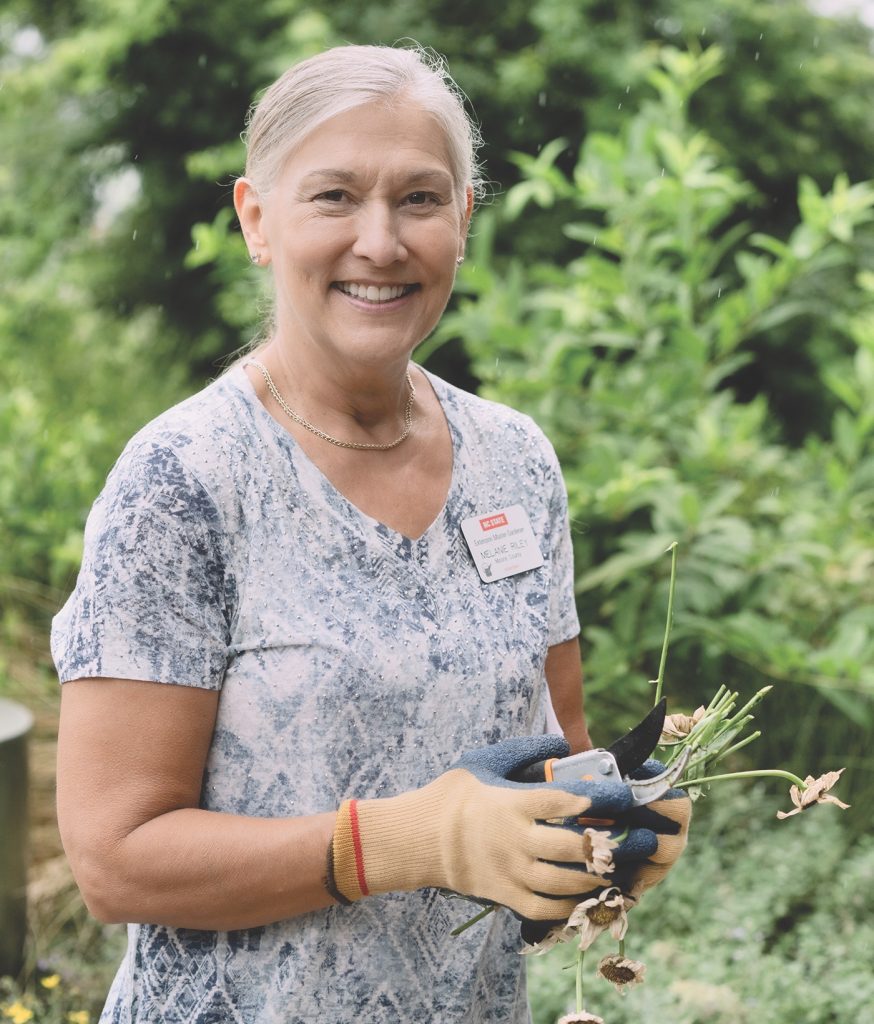
“When I saw how many people found comfort in this garden, I knew I had to be part of it,” says Melanie Riley, a volunteer at FirstHealth’s Cancer Center, which opened in 2023. Riley had just begun the 13-week Extension Master Gardener program with the Moore County Extension Service when she was diagnosed with breast cancer. After reviewing the options, she elected a double mastectomy, and days later, passed her final EMG exam. After her recovery, she began volunteering at the Cancer Center’s Healing Gardens, co-designed by Acker and the building’s architect.
“Working here among those with cancer, as well as survivors, gave me a sense of control over my health and emotions,” she says. Now cancer-free, Riley says her experience in the garden was not only life-enhancing, it became life-rebuilding. She cherishes her mornings working in both the lobby-level and rooftop healing gardens.
“Patients and their caregivers come out to the garden for an uplifting distraction from their concerns,” she says. “I’ll introduce myself as a cancer survivor and offer them an encouragement stone that’s engraved with an uplifting message.”
That small stone is often the conversation starter, as they share their experiences. “It’s such an important validation for them to know another has made it through,” says Riley, reflecting on her own turbulent passage through the disease. “Then, I’ll notice a shift in their mindset. They are calmer and will ask about the flowers and plants, as well as the little bugs they see. They leave their worries for a bit and depart with a brighter perspective and a smile.
“It’s magical when they step into the nature of it all.”
Time spent in green spaces has a profound and positive impact on our lives. Whether it’s birdsong, a gurgling stream or the wind blowing through the tall trees, nature provides joy and comfort. Listen closely, as it whispers, “All is well.”