Buster Gets a Bath

When I pick him up
and tilt to the bathtub
he falls limp with shock
This cannot be. . . .

Then it’s dark thoughts
from dark eyes, the dog
I love so much hates me
A torture worse than death.

All sudsy now, scent of clover
and dead leaves washed away
with lavender and lemon.
How could you?

The sprayer — that cobra of doom
strikes again and again.
Even if it feels good
I’ll never say so.

After a brisk towel rub
he springs all over the house
a hero home from the war
The bath? It was my idea.

— Ashley Memory

Poem

We Trade Eggs and Olives

Salads arrive. We wince.

I do not like olives,

black or green, and you know it.

Sliced hardboiled eggs

seem to make you gag.

So we trade them. . . .

Citronella and burlap

both seize my breath.

You resuscitate me

with lilac and silks.

Me the morning person

and you wasting midnight oil.

You buried within books,

me searching for rhetoric.

Fault lines in our wiring,

timelines synchronized tonight.

Common ground tilled,

reseeded in one another’s gasp.

—  Sam Barbee

Poem

Where I’m From

I am from a two stop-light town; from sweet tea and Crisco shortening

I am from a house with one bathroom and six inhabitants; rocking chairs by dawn and cozy fire

pits by dusk

I am from muscadine grape vines, big oaks, and dandelions

I am from Purvis and Chriscoe, Jenny and Jerry; blonde hair and blue eyes, hard work and family

time

From don’t speak if you have nothing nice to say to no blood or no bones — dry it up, from corn

doodles and goo-goo bars

I’m a river girl of Scottish descent, vacationing on the ocean’s shores, from callused hands in a

textile mill and World War II

I am from places one only longs to raise their children, from a small town with a big impact, and

a calling to somewhere far away with hopes the feeling of this place will always follow

— Mallie Clara Purvis

Moore County Writers’ Competition First Place Poetry Grades 9-12

Almanac

May is a series of miracles so intertwined that nothing feels separate from it.

Take, for example, the mockingbird fledgling, who leaps from its nest 12 days after hatching.

Twelve days.

The descent is less than graceful. More like a stone than a feather. And when he lands, stunned, on the soft earth beneath the tree, each blade of grass performs its highest service. As if cradled in the hands of an invisible, benevolent force, the fledgling rests.

Tender new life abounds. White-tail fawns take their first wonky steps. Red fox kits explore a world outside their den. And like the mockingbird fledgling, now flapping its newfound wings and hopping in the grass, these precious babes are easy prey.

As baby bird performs his hop-flap-plop routine, mama and papa bird stay close, ever ready to defend him. That’s the thing about mockers. If ever you’ve seen one chase off a raven, jay or crow, then you’re familiar with the raspy battle cry of a tiny beast that knows no fear. 

Days have passed, and the fledgling’s wings are growing stronger. There’s no shortage of ants, grasshoppers and beetles for feeding, and under his parents’ watchful eyes, he’s gaining air with every jump.

Not far from the tree where the mocker babe hatched is a quiet road not far from your house.

This is where you enter the picture.
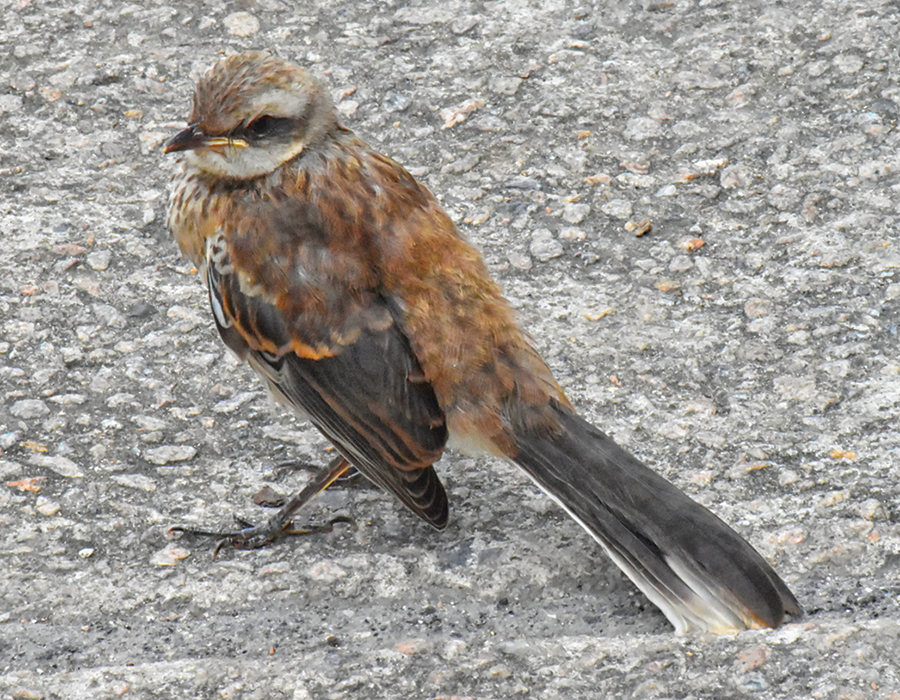
On a leisurely walk, the air sweet with magnolia blossoms and spring roses, you notice a stopped car, the driver kneeling in front of a small lump in the middle of the road.

“I can’t leave him here!” says the driver, a young mother who is visibly shaken by the sight of this tiny being — a mockingbird fledgling whose wiry feathers and wide yellow beak somehow make it look like a curmudgeonly old man.

He isn’t injured, you observe. Just spent from a recent flight lesson. Relieved, the driver snags a toddler shirt from the back of her car, and you use it to gently scoop him off the road.

When you set him down on the earth, the fledgling gives a brave little squawk, flaps his wings, then musters the strength for a few shaky steps before plopping down in the soft grass for more rest.

One day, you think, that mockingbird will take flight. And one day, sooner than you think, he will have one hundred songs to sing.

You hear a crow caw in the distance, and as mama bird watches from her nearby perch, you can’t help but smile at the miracle of it all.

But I must gather knots of flowers,

And buds and garlands gay,

For I’m to be Queen o’ the May, mother,

I’m to be Queen o’ the May.

—Alfred Lord Tennyson, “The May Queen”
The Mother’s Moon

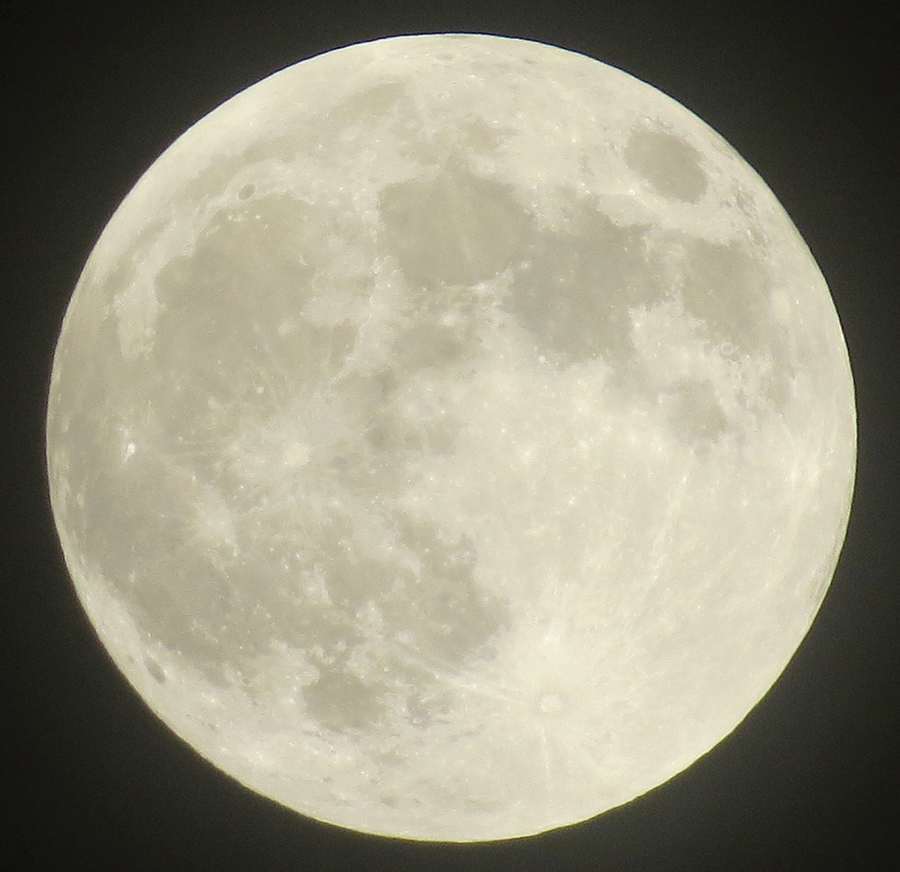
The Full Mother’s Moon rises on Thursday, May 7 — three days before Mother’s Day. Also called the Milk Moon, Flower Moon and Corn Planting Moon, this month’s full moon is a brilliant reminder to celebrate all mothers — human and animal — for the glorious gift of life.

Speaking of gifts, here’s one for Mama: daylily bulbs (to bloom in June).

The Rose Garden

May is a jubilant explosion of fragrant blossoms.

Crabapple and dogwood. Violets and magnolia. Flame azalea and flowering quince.

And then there are roses.

If you’ve ever known a rose gardener, then you’ve seen the light in the eyes of a soul who has seen life after perceived death (dormancy).

I once toured the rose garden of a retired Episcopal minister who described the deep sadness of cutting his blossoms each winter, and the wonder of their return. I’ll never forget his tender nature or, for that matter, his favorite rose.

“Dolly Parton,” he told me, pointing to a fragrant red rose in the corner of his garden. “She’s wonderful. She just blooms and blooms.”

When we try to pick out anything by itself, we find it hitched to everything else in the Universe. — John Muir
Garden Spotlight

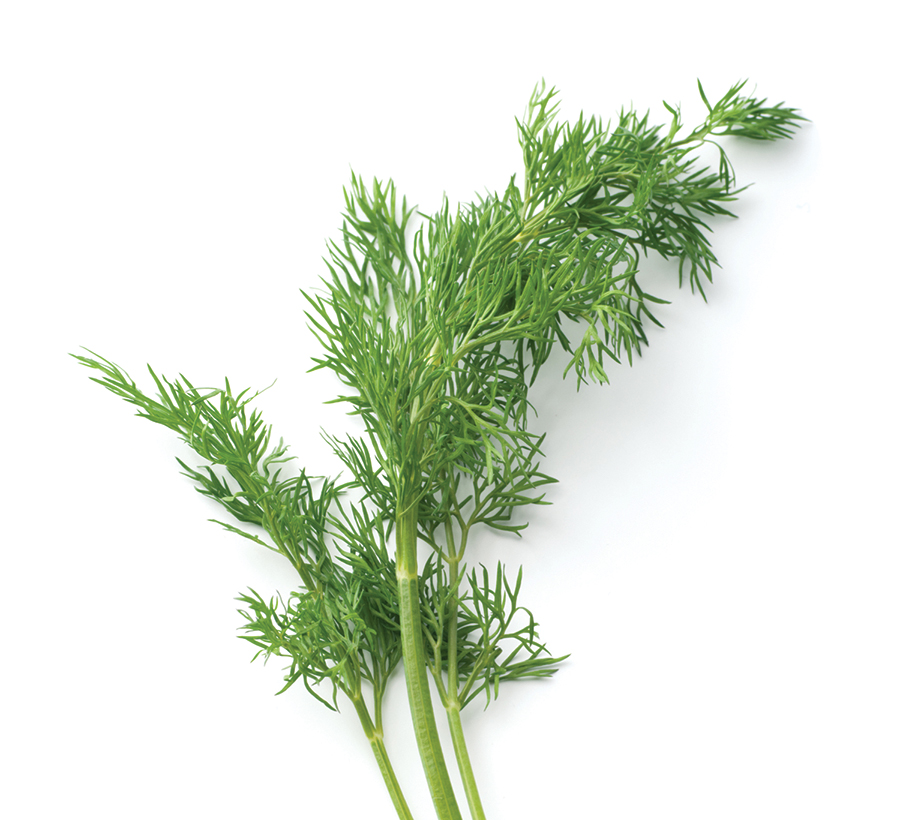
Let’s hear it for fennel, folks!

This perennial herb has long been cultivated for the digestive-aiding properties of its fruit (fennel seeds), but its bulb and leaves are likewise packed with nutrients.

Fennel is good medicine for the heart, skin and bones. It aids with inflammation and metabolism. And, lucky for (most of) us, it tastes like licorice.

There are dozens of ways to eat the bulb, but if you’re looking for fresh and easy, try pairing it with red plums (thinly sliced) for a slam-dunk salad topped with honey-ginger dressing. Enjoy!  PS

Poem

From Our House Behind the Churchyard, After a Storm

An hour after the storm, tree

limbs still sway, their green-leafed

twigs moving like the limbs

of swimmers in a sapphire sea.

Thunder booms in the distance

but they go on waving,

as if the lightning and the rain

are dear friends, departing. Beams

of brilliant light make gold

the ground and polish the branches

as puddles glitter beneath blades

of grass, silently sipping.

And high above the skittering

clouds, a red-tailed hawk circles

the churchyard, its wings

cupping the sodden, cerulean air

like a parishioner reaching

for a communal cup of wine.

— Terri Kirby Erickson

Poem

Awoken

The moon awoke me

howling for attention

the stars were distant, aloof

a few gregarious, Gregorian twinkles

made celesta accompaniment

lunar fugue

a chorus of seas

echo of my cathedrals

trumpets and choirs

the organist’s foot pedals

faster than tap

Did the moon not wake you?

No tom toms, no Tchaikovsky cannons?

Oh your serene dreams of a

more melodious siren

That is why I love you

listening to the moon in your eyes

— Ry Southard

Poem

The Arrow

I tried to explain Cupid to a 4-year-old today. 

He was making a Valentine for his grandmother, 

festooning a pink paper heart with stamps and stickers, 

writing ‘I love you’ across it in big, shaky letters. 

Then he asked about one of the stickers: 

Why does that heart have an arrow through it? How sad.

Even after I told him that it was more like being ‘struck by love,’ 

he held his hand over his chest. 

I don’t want Cupid to shoot me, he said. 

That would hurt.

I couldn’t disagree.

— Ashley Wahl

Poem

Musings on Fitness

Do I dare to eat a peach?

  – T.S. Eliot

Calculating carbs and calories,

logging laps in the pool, miles on the bike,

my walks in the woods.

Examining family photos,

genetic code for metabolism that screwed up

our capacity to eat ice cream with impunity.

Questioning the processing of wheat,

golden staff of life,

meant to sustain, not kill us.

Thinking about endless revolutions

on a stationary bike, or the treadmill,

going nowhere but into looser pants, if I’m lucky.

Thousands of folks doing the same, spinning

away, all over the nation. What if we spent

that same energy raking leaves for those

too old to scratch the dirt themselves?

Or building something — a giant calorie-burning

skyscraper, or tap-dancing or waltzing

to make ourselves smile?

Sometimes I am jealous, of my grandparents,

never thin, never fat, farmers

who ate eggs, bacon, and biscuits with molasses,

and never once logged their work in the fields.

I miss their apple pie, MaMa’s light yellow pound cake.

Most of all, I miss not fretting about it.

—  Laura Lomax

Poem

The Aurora

Life in the

South suits me

just fine —

warm winters,

slow speech,

kudzu, and

iced tea.

But just once

I want to

stand in the

frigid dark,

wrapped in

a fur-lined

parka,

mukluks

on my feet,

scanning the

horizon for

a snow drift

that might morph

into a polar bear

and watch

the aurora borealis

explode across

the night sky —

green and red

lights

circling and waving,

twisting and weaving,

in a shimmering

dance.

— Karen Filipski

Poem

Little Noise

Not the involuntary

shudder released

when wakening

or the deeper sigh

escaping the reposing

soul forsaking sleep,

more a humph

in the back of the

throat but absent

contempt, regret,

arrogance or anger,

pulsing the inner ear,

the bony labyrinth

of semicircular canals

where it resonates

with disquiet:

it’s the little noise

we make when

a heart stops.

— Stephen E. Smith