
PASSAGES
Hoops School
Reading the court, learning to teach
By Lu Huntley
It’s 1977. I’m interviewing for my first public high school teaching position in rural Johnston County, N.C. The interview goes well; the principal says he’d like to hire me to teach sophomore English. Then he asks if I would coach the girls’ varsity basketball team in addition to teaching English, and I say, “Yes sir; I can do that.”
I played point guard in high school, had a decent left hook, and my extraordinarily athletic younger sister was studying health and physical education at UNC-Chapel Hill. I figured she’d help. Forget Title IX. Everybody knows hiring just anyone to manage the boys’ basketball team would cause an uproar. But for me to tell the principal I could handle teaching six English classes and coach girls’ basketball settles a hiring issue. I’d “fix” a problem.
I get the job.
Any person who enters education as a profession at age 21 cannot be fully equipped in the classroom — or on the court — regardless of your degree. Like anything else, there’s a learning curve.
On the court, I am a failure; in the classroom I pick up early that students like to read drama and create scripts from short stories, novels and poetry and then act them out. Outside the classroom I read books on basketball and memorize diagrams of drills and plays. None of this improves the team’s performance. We flounder. The first basketball season we are last in our 2A conference. The second season, same. But at some point in that second year, I begin to recognize offensive and defensive patterns and plays. I learn to read the court. Practicing set plays is like acting out a drama. But it doesn’t feel the same in the gym as it does in the classroom.
Something was happening with my teaching, too. By developing fluency in reading the basketball court, I begin observing recurring moves in students’ writing. What happens on the court transfers to the classroom, not so much the other way around. Much like those first two basketball seasons, I have difficulty reading students’ papers and knowing how best to respond. Their writing looks like everything going on at once. I mark papers and assign grades but second guess myself. I do not know what I am looking at any more than I know what is happening on the court. Spotting simple mistakes in language is easy because these stand out. But it’s just seeing deficits. When I begin recognizing a student’s ambitious use of words — or the attempt — it changes everything.
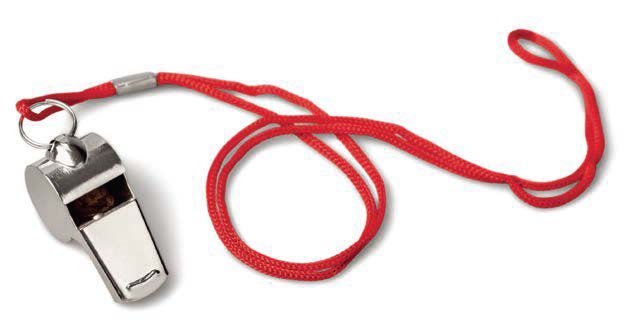
When the team and I load the bus for an away game, I know it’s going to be late when we get back to the school parking lot; and I will be exhausted. I get used to the bubblegum smell, sticky bus seats and floors and go along for the ride. I grade papers on the bus in late afternoon light. I get used to sweaty locker rooms and concession stand smells of sugar, popcorn, corndogs, and mustard. The atmosphere of high school girls’ basketball competition becomes a collage of glaring gymnasium lights, buzzers, shrill whistles, bleachers, wood floors, school colors, mascots, pompoms, megaphones, and cheers reverberating off concrete walls. After two seasons, I let the principal know I’d prefer extracurricular activities closer to my fields of study. Coaching girls’ basketball “blind” as I did was rough. I survive and develop the eye needed to assess students’ writing, going beyond marking errors on student papers, giving pop tests, or posing as the one with all the knowledge. Gradually I become an English teacher and writing coach. Hoops helped me get there. I still have the whistle.